




People often picture the perfect companion dog as energetic, bold, and always doing something. It sounds nice in theory, but in a calm home, that kind of energy can start to feel like too much. Not every space needs constant movement or a dog that demands attention all day.
Sometimes, what actually works better is the opposite. Toy breeds bring a quieter kind of presence that fits more naturally into everyday life. They don’t need much space to feel comfortable, and they’re not looking to turn your routine upside down.
Most of the time, they just want to stay close and be part of whatever you’re already doing. That simple shift makes a bigger difference than people expect. In a home built around comfort and ease, that balance matters.
Just ahead, you’ll find the toy breeds that make companionship feel light, steady, and genuinely easy to live with.
Key Takeaways
Some dogs do not need space or noise to feel present; they simply stay close and become part of everyday life without effort.
Shih Tzu and Cavalier King Charles Spaniel quietly anchor daily life, staying close to people and blending into slow, easy rhythms without demanding attention
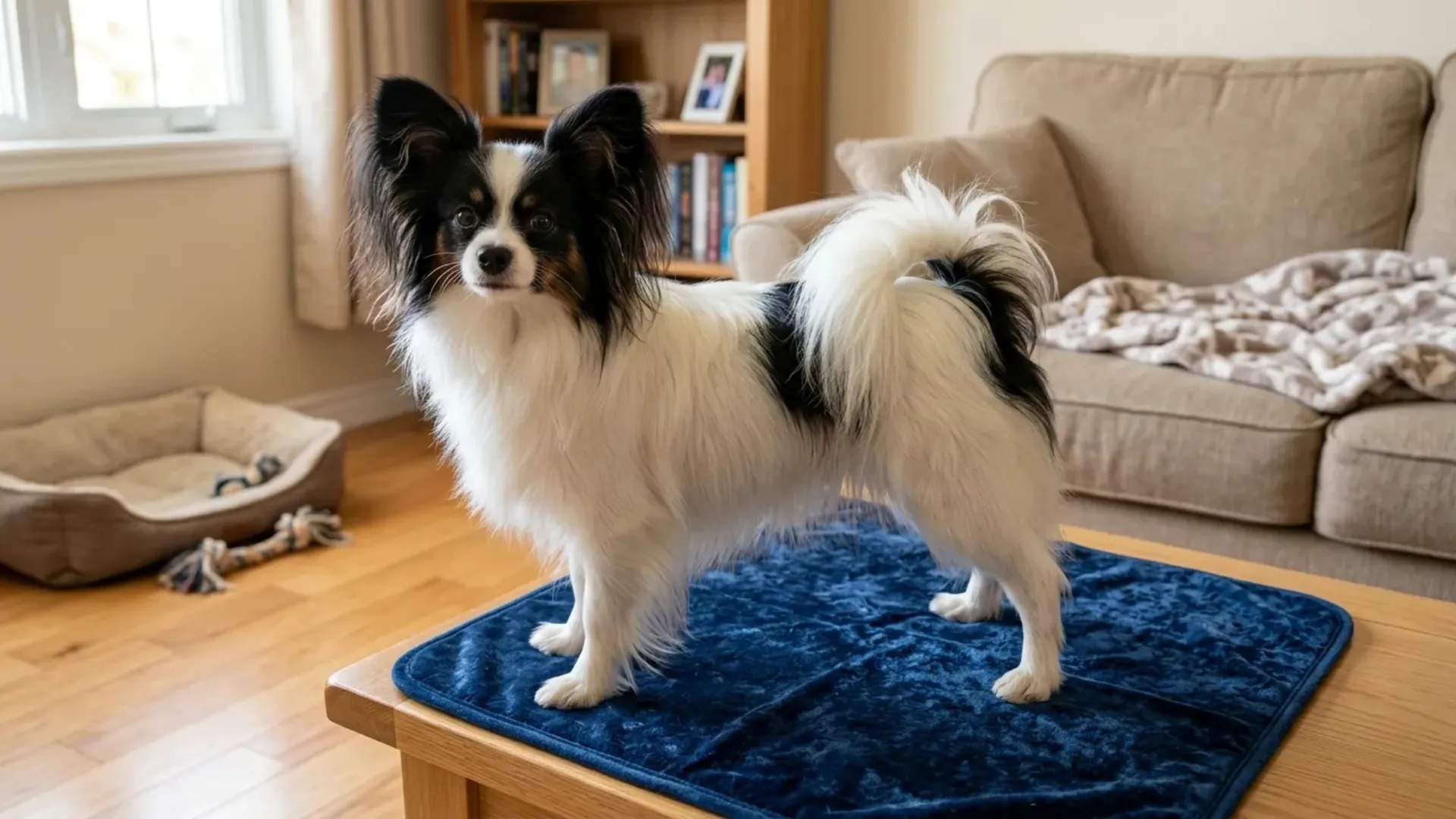
Papillon and Maltese bring light movement and emotional awareness, often responding to small shifts in mood while keeping things simple and connected
By the end, you will notice how these toy breeds turn companionship into something steady, familiar, and easy to live with
Precious Toy Dog Breeds for Home Living
1. Shih Tzu
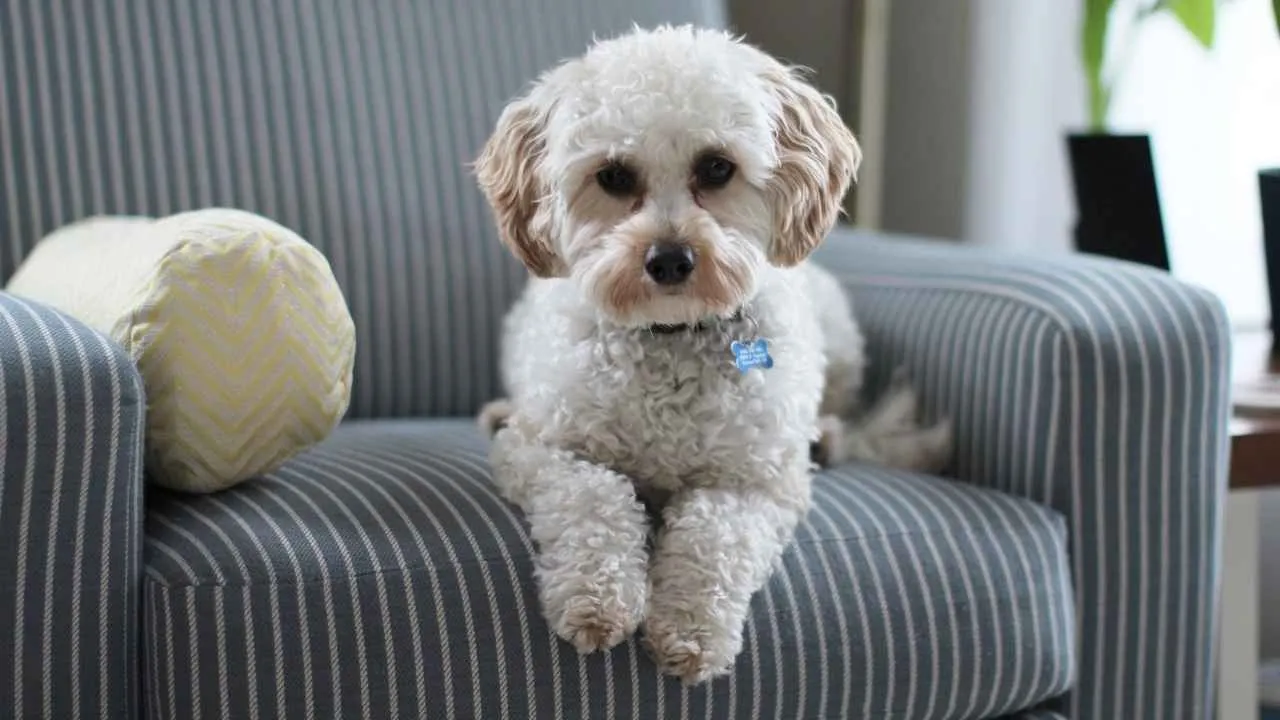
Shih Tzu carries deep roots in Chinese royal courts and Buddhist imagery, often known as the Lion dog, as PetMD noted. Its appearance links to Tibetan breeds that once shared a similar classification. This background shaped a small dog valued for its presence within close human spaces.
Social nature inside the home
This small dog breed likes to stay closely attached to people, often choosing laps, cushions, or beds as preferred resting spots. Interaction comes easily, whether with visitors, other pets, or children who understand gentle handling.
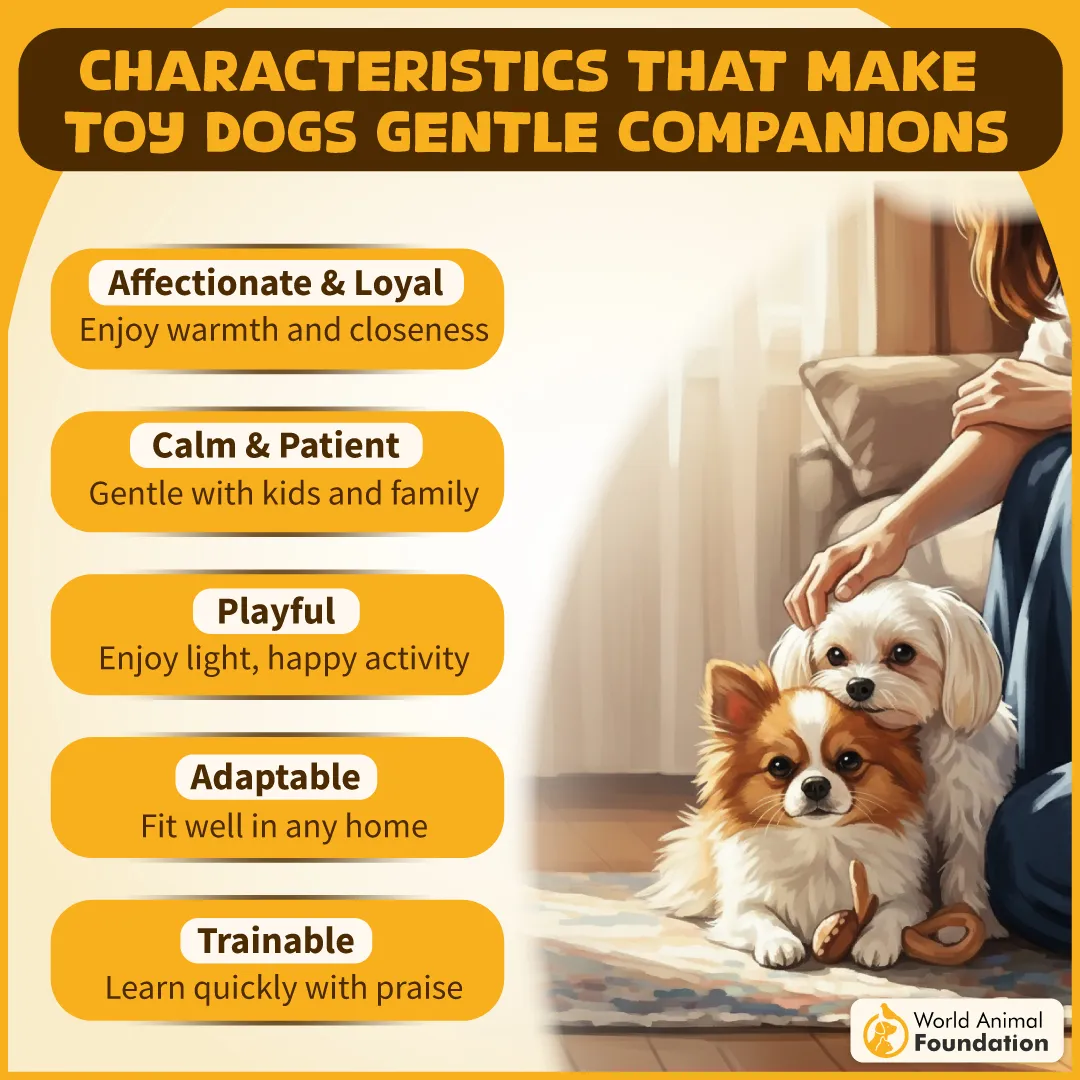
This companionship appears through everyday habits:
Seeks constant human proximity
Engages easily with guests and animals
Prefers soft resting spaces indoors
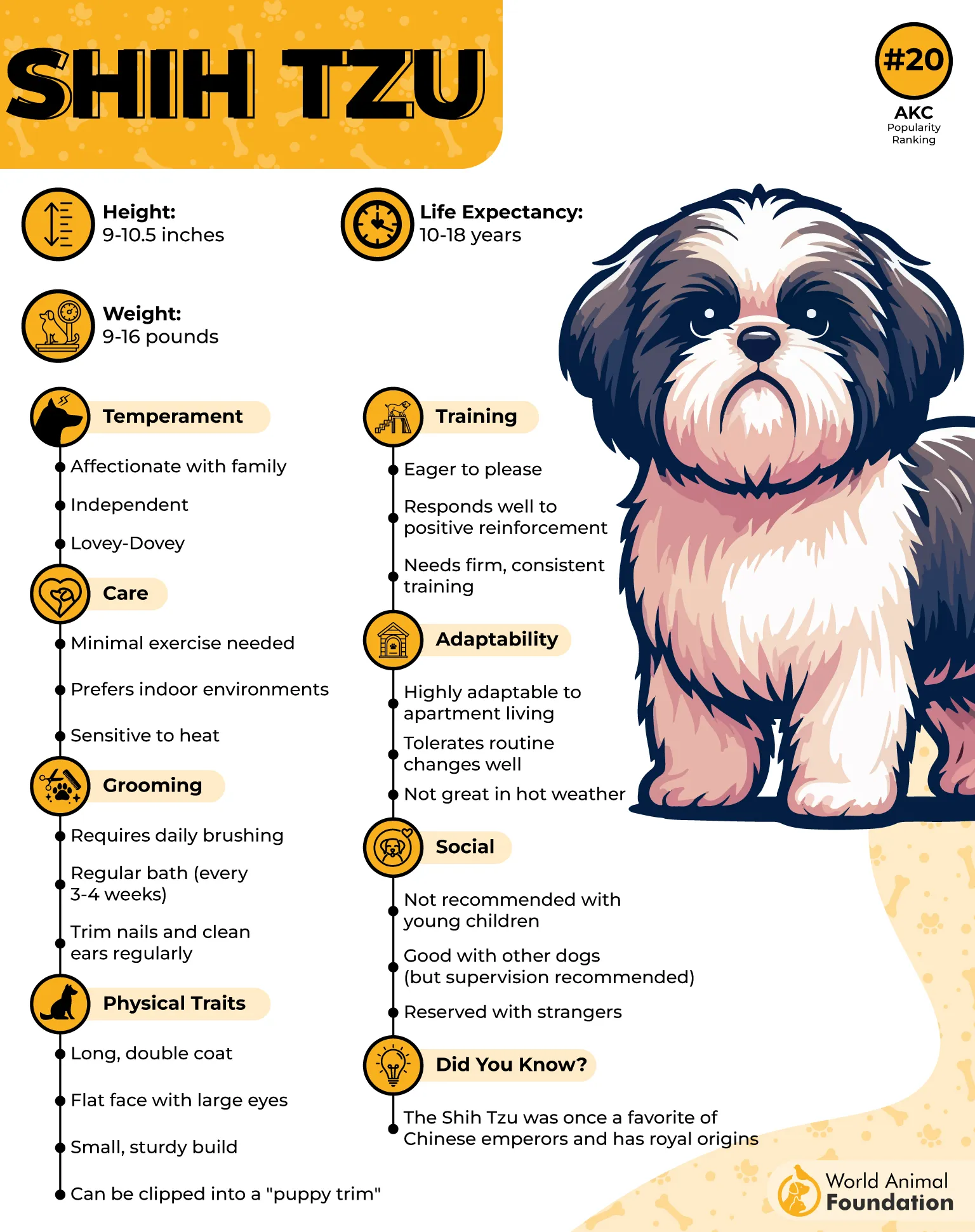
Playful yet self-assured behavior
Shih Tzu keeps a lively attitude, often switching between short bursts of play and long periods of rest. It reacts to new arrivals with alert excitement, often linked more to attention than guarding instinct. At times, a quick defensive response can appear if pushed.
2. Papillon
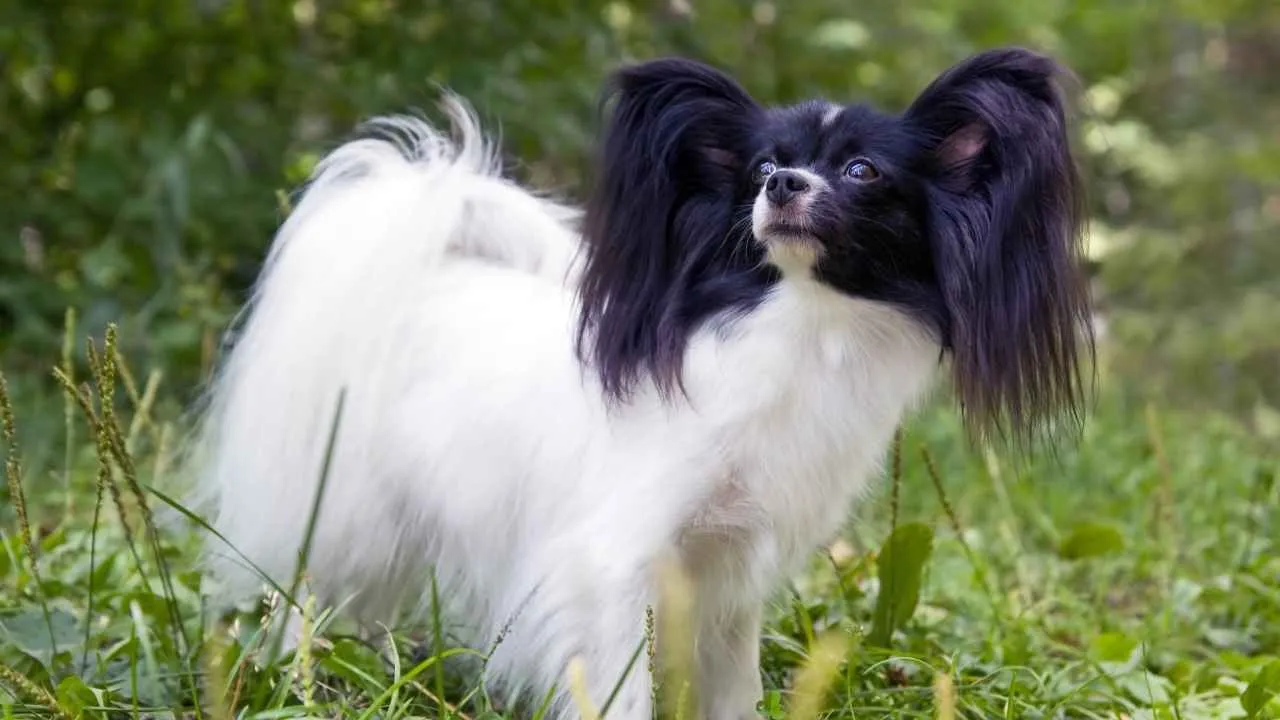
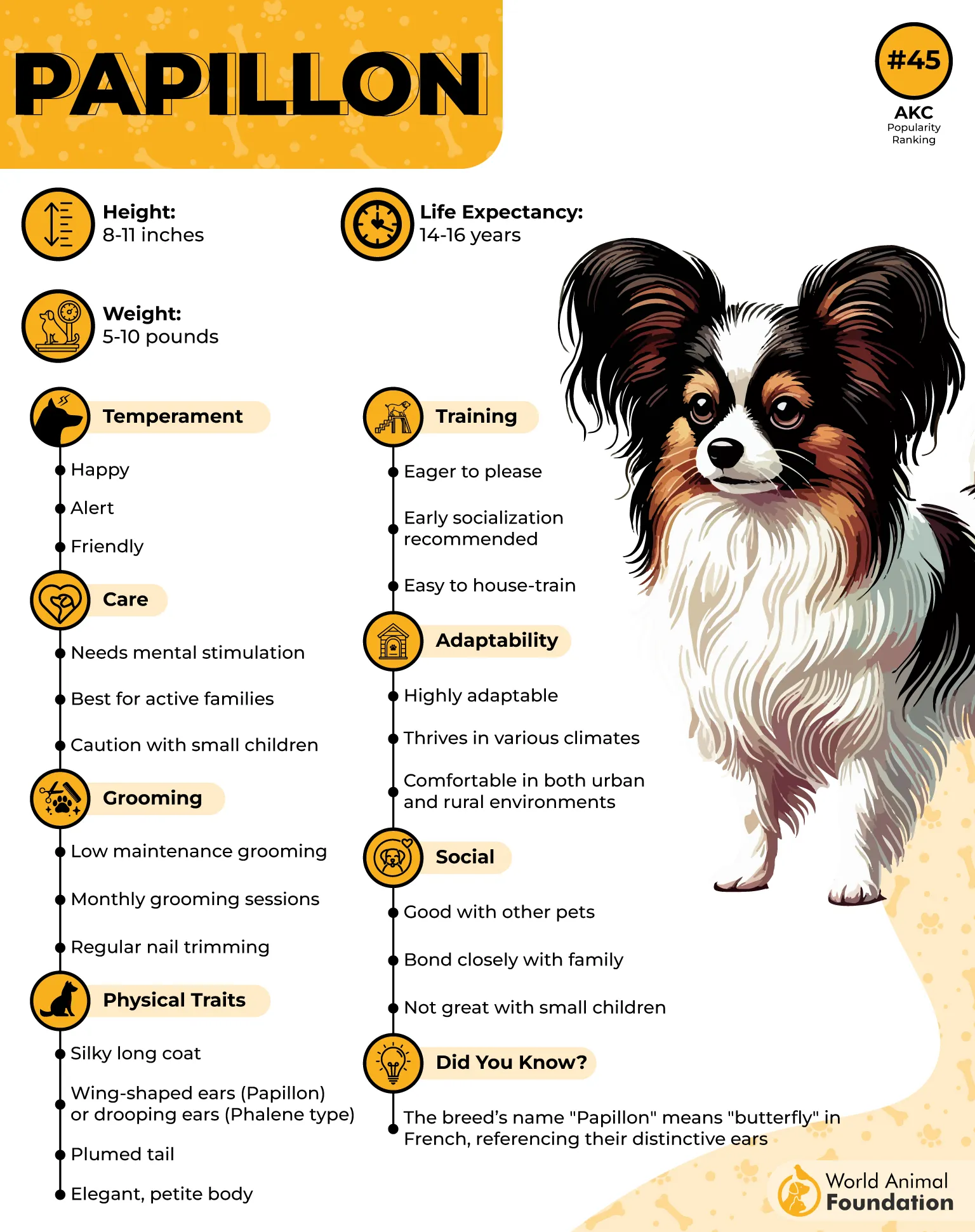
Papillon takes its name from the French word for butterfly, reflected in its wing-shaped ears that define its identity, as mentioned in Omlet.
This Toy Spaniel appears in European artwork as early as the 13th century, often beside aristocratic figures. Its long-standing presence in court life shaped its close association with human companionship.
Ear variety within the same line
This lap dog can appear with upright ears or the softer Phalene type, where ears fall to the side like a night moth. Both forms exist within the same litter, offering a rare variation within one breed.
That distinction becomes easy to recognize:
Upright ears resembling butterfly wings
Dropped ears are known as Phalene
Both types are born together in litters
Companion nature shaped through close living
They form strong ties within indoor environments, often placed close to people in daily life rather than distant roles. Its long presence in court settings reflects a breed accustomed to human interaction and shared spaces. This closeness shaped how it engages within the home.
3. Yorkshire Terrier
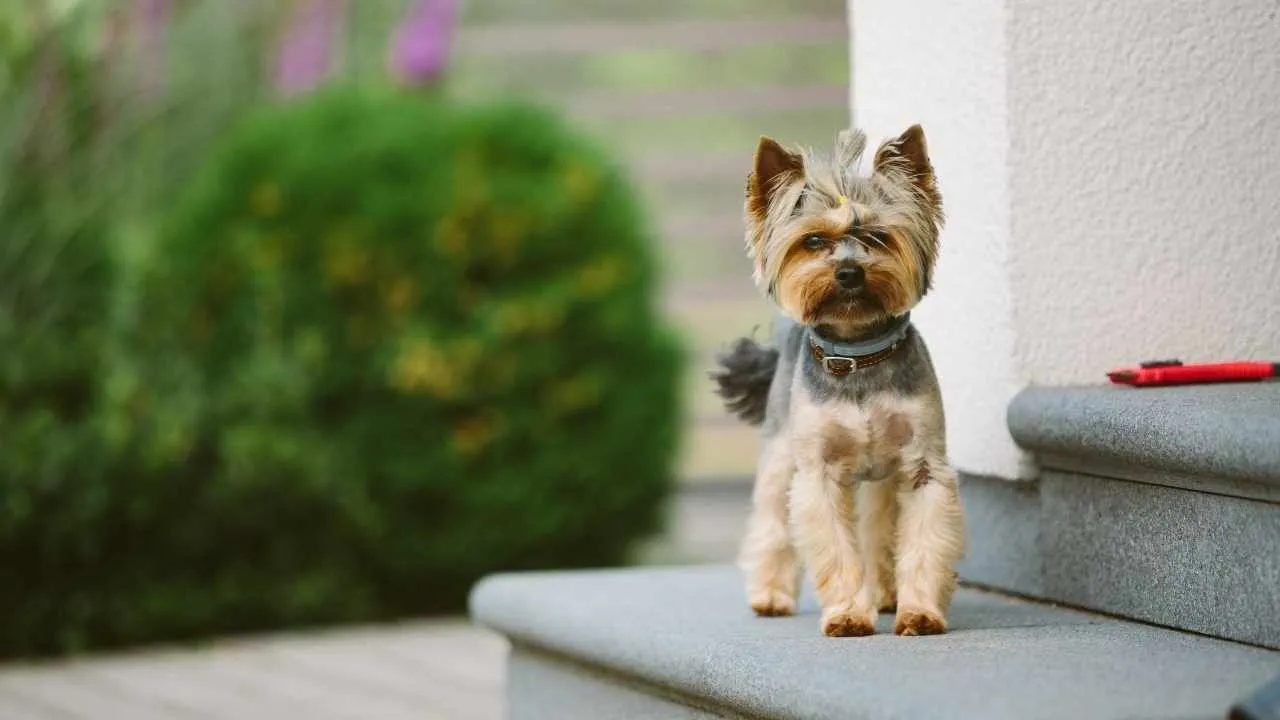
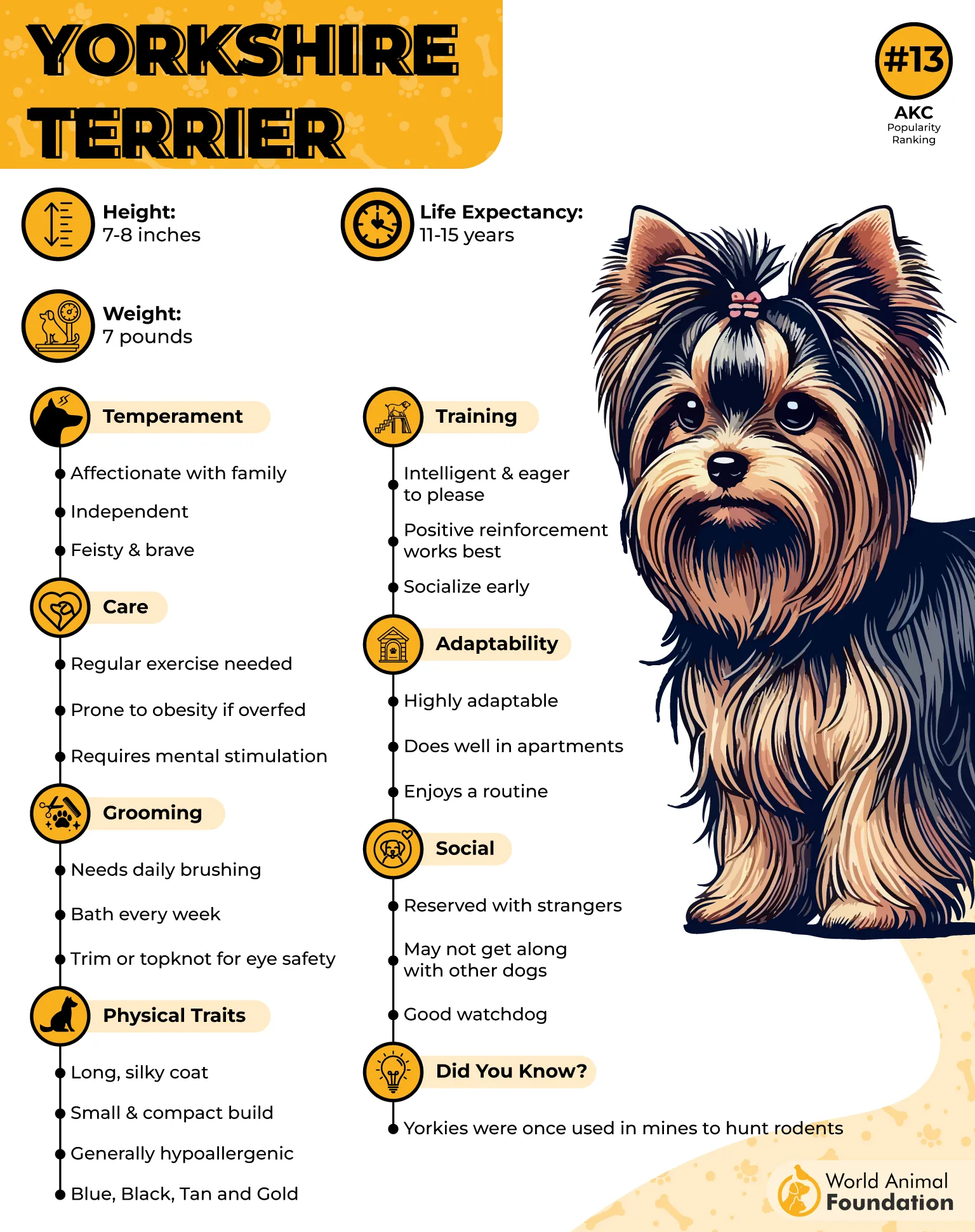
Yorkshire Terrier draws attention with its long, straight blue and tan coat that falls like fine hair and is often styled into shorter trims. Its small frame contrasts with a lively, spirited attitude that feels far bigger than its size. The breed’s early role chasing rodents shaped this energetic edge.
Compact companion with lively habits
Yorkies fit easily into both apartments and larger homes, bringing a playful and affectionate nature into daily life. It stays active indoors, often turning simple spaces into play zones with quick bursts of energy.
That daily rhythm becomes clear in small ways:
Enjoys short daily walks paired with indoor play
Seeks interaction and attention regularly
Brings a curious, busy presence into rooms
Interaction and household fit
This great family dog connects closely with people but requires careful handling around very young children due to its fragile size. Supervised interaction becomes important during play to avoid accidental harm. Its engaging nature works best in environments where attention and awareness are consistent.
4. Cavalier King Charles Spaniel
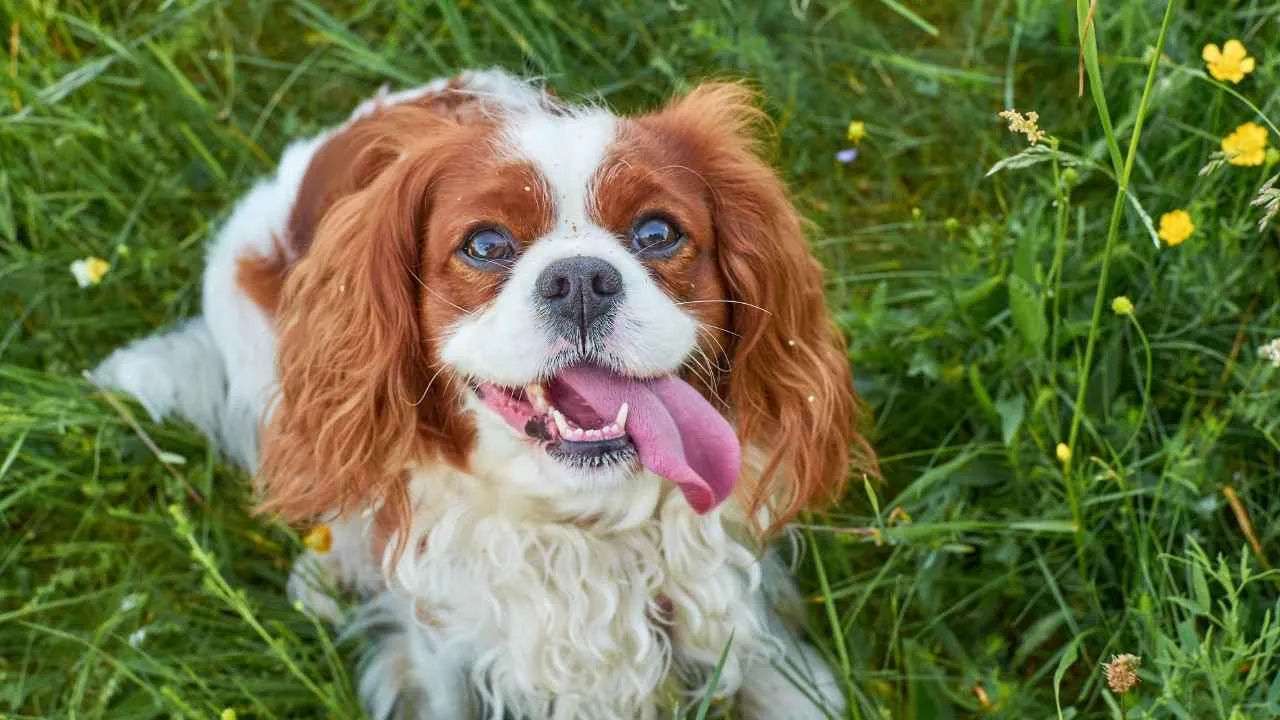
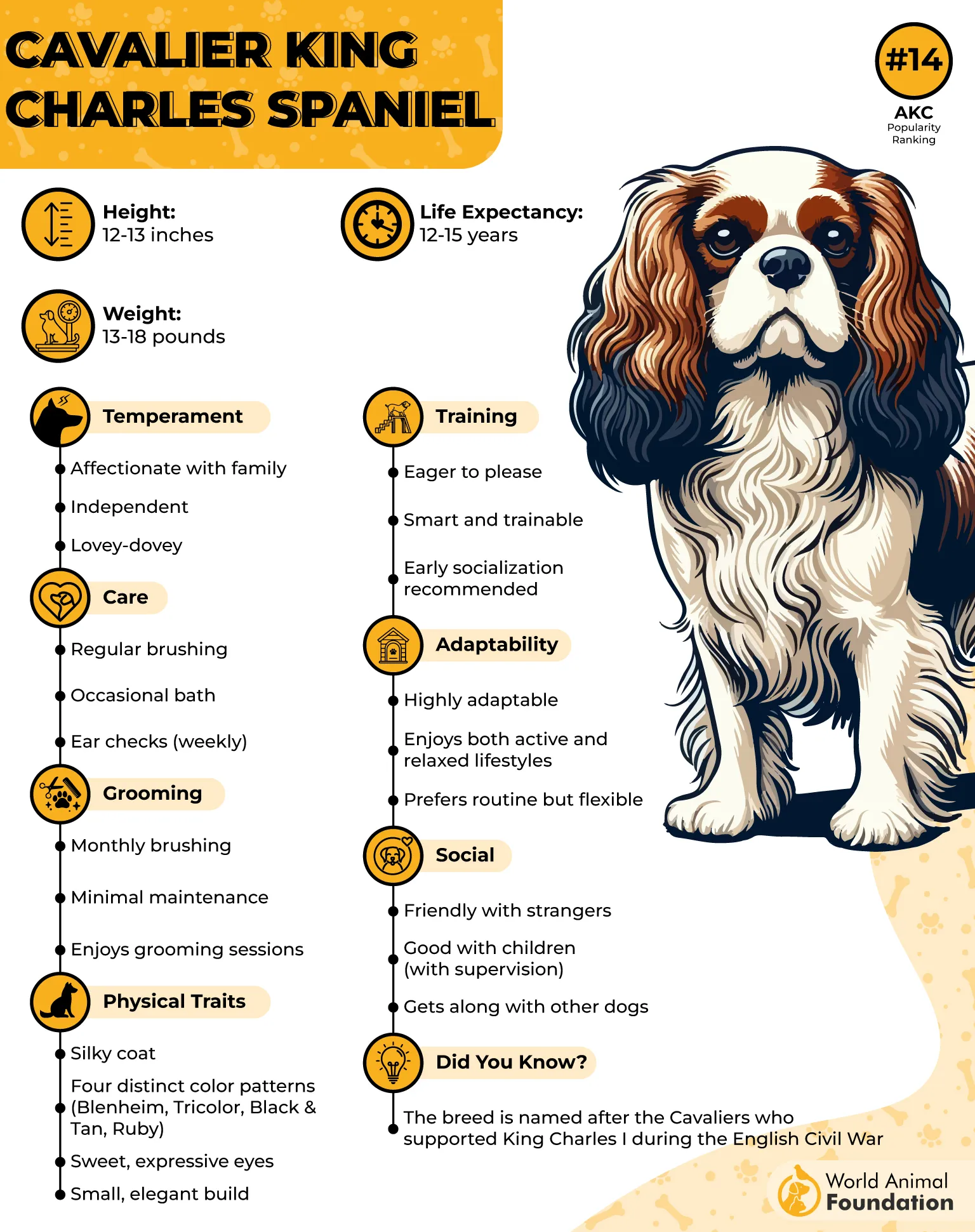
The Cavalier King Charles Spaniel was originally bred as a human companion in Tudor homes, often kept close for warmth during colder days. Its small size and affectionate nature made it ideal for constant closeness with people. This early role shaped a dog that naturally seeks human connection.
Companion instincts in daily life
Cavaliers form a strong emotional link with their household, often checking in when someone feels low or quiet. Its gentle temperament and playful energy create a balanced presence within the home.
That connection becomes easy to notice:
Approaches people during quiet or low moments
Switches between play and rest with ease
Enjoys close contact without constant demand
Behavior shaped by attachment
This small breed is famously affectionate and prefers shared spaces and may struggle when left alone for extended periods. It enjoys resting close, often choosing beds or sofas over distant corners. This attachment reflects a dog that values presence over independence.
5. Maltese
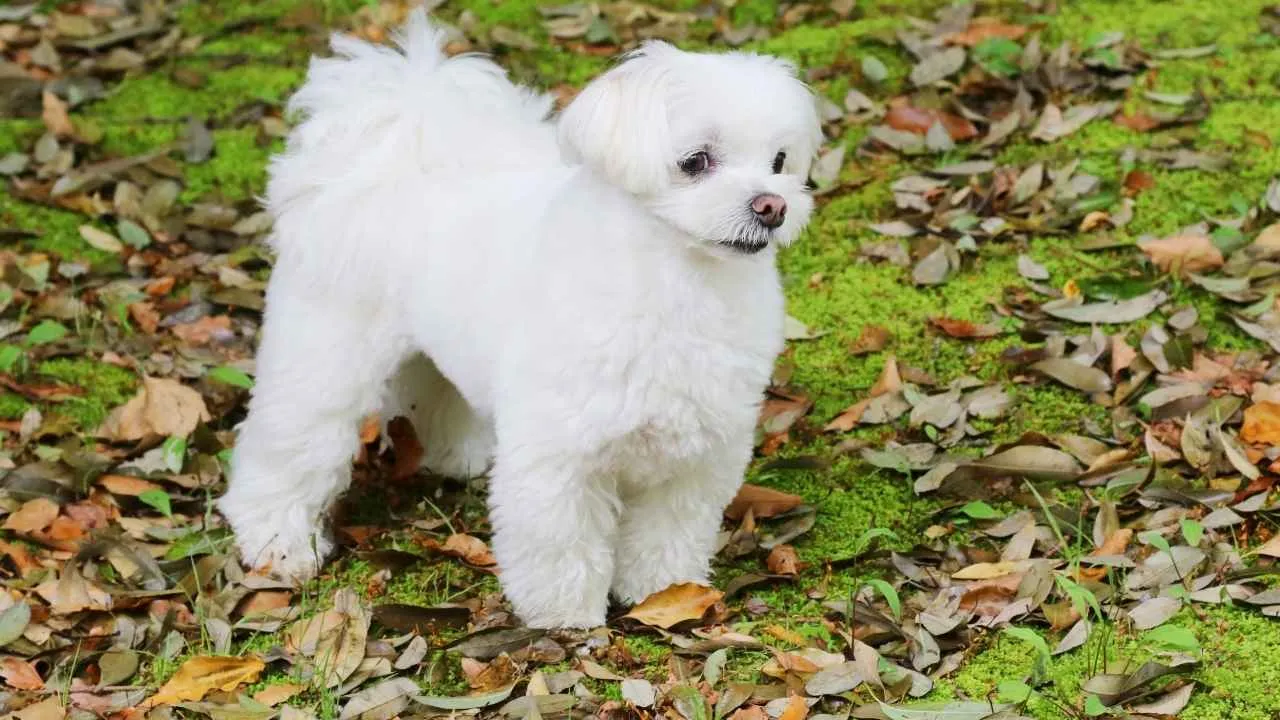
Maltese appear in records dating back centuries, linked to Central European trade routes and early presence around Mediterranean ports like Malta.
It later gained attention among upper-class households in England for its compact size and refined appearance. This long association with close human living shaped its indoor-oriented nature.
Every day behavior is built around closeness
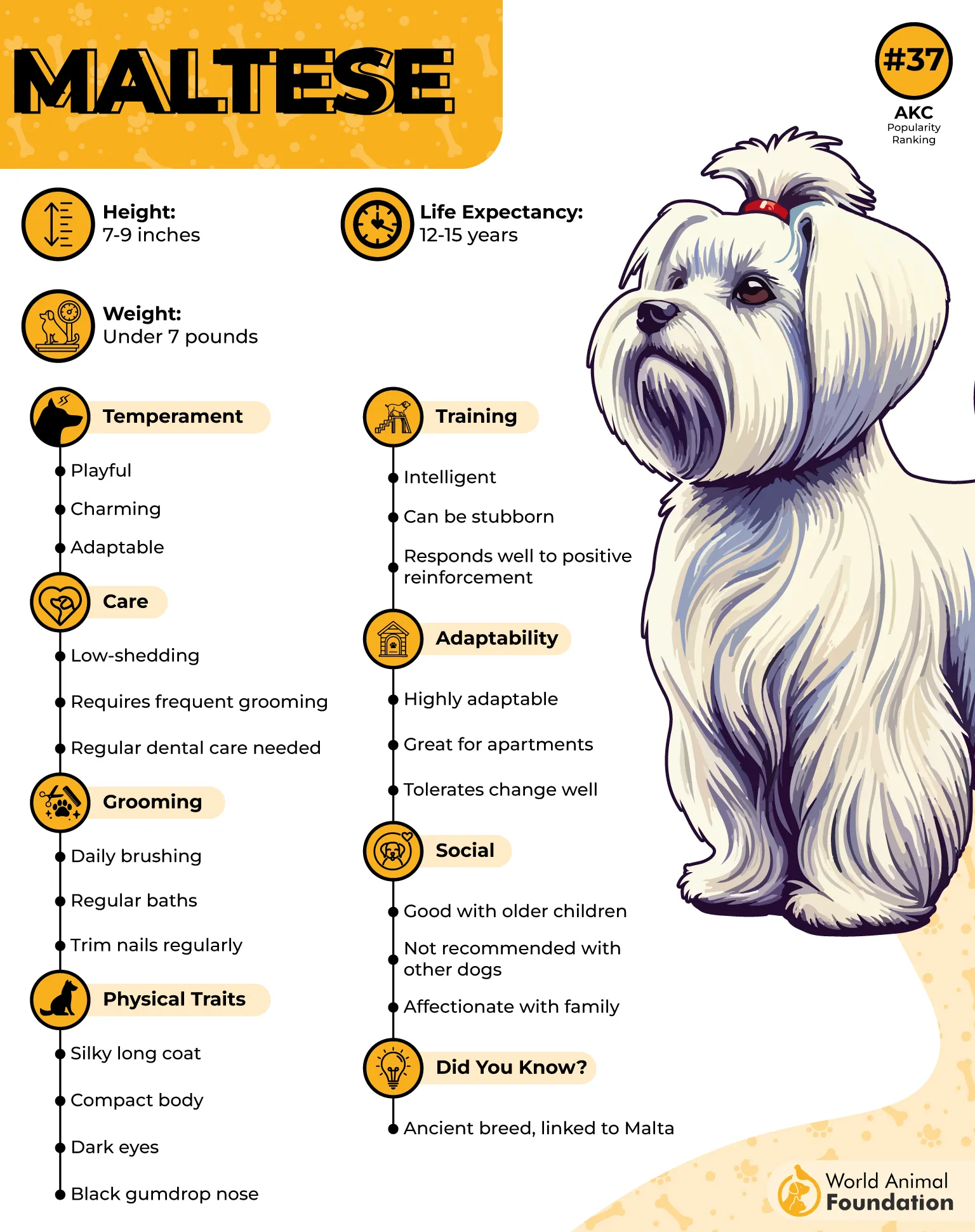
It centers its daily rhythm around human presence, often choosing laps or nearby spaces over independent activity. Its playful behavior keeps a light, puppy-like energy even as it matures.
These habits become clearer in small daily patterns:
Prefers staying physically close to people
Responds quickly to attention and interaction
Enjoys short bursts of playful activity indoors
Living pattern suited for small spaces
Best suited for apartment dwellers, they need brief outdoor activity such as short walks or enclosed playtime. Its alert reaction to visitors often appears through barking, followed by friendly engagement once it recognizes the person. This makes its indoor role more interactive than physically demanding.
6. Pomeranian
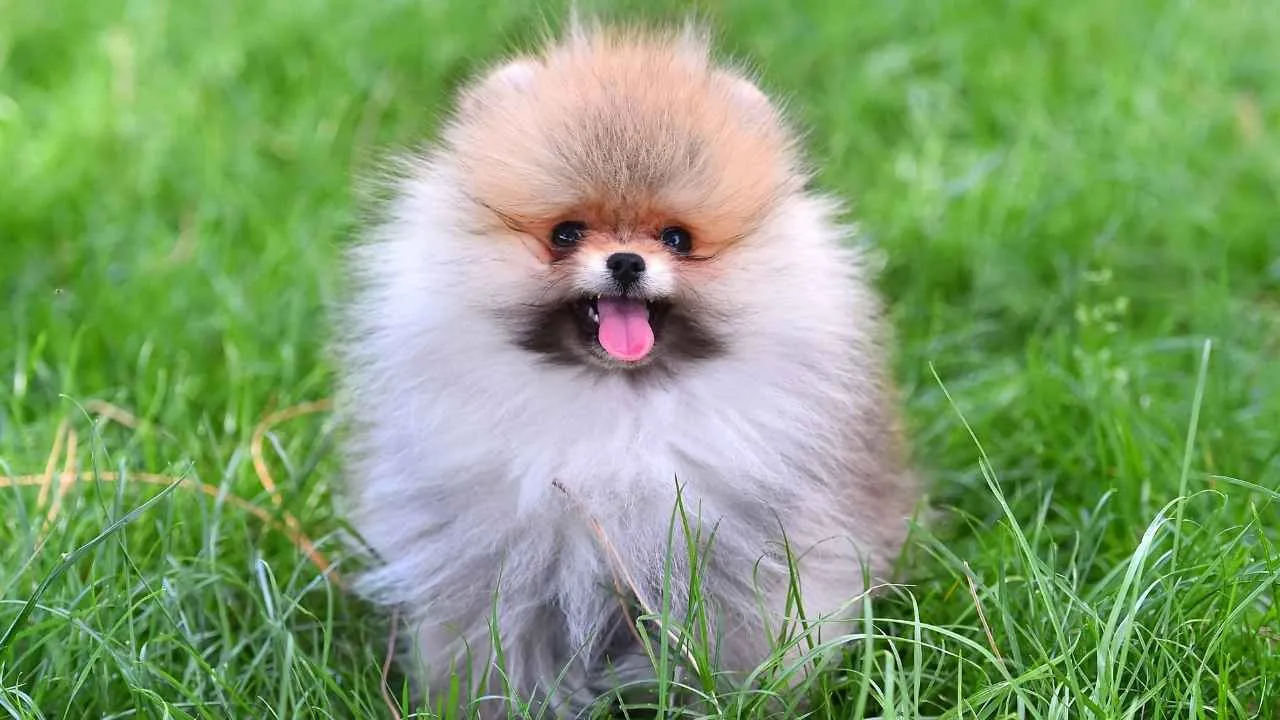
Pomeranian traces its roots to the Pomerania region, linked with Germany and Poland, derived from larger Spitz-type dogs through selective breeding.
Its compact size reflects a gradual shift toward a smaller companion-focused form. This reduction shaped a dog built for closeness rather than distance.
Alert mind with constant engagement
According to the American Kennel Club (AKC), Poms react quickly to their surroundings, often getting involved in nearby activity with curiosity and focus. It learns efficiently through interaction-based tasks, especially when mental stimulation is part of a daily routine.
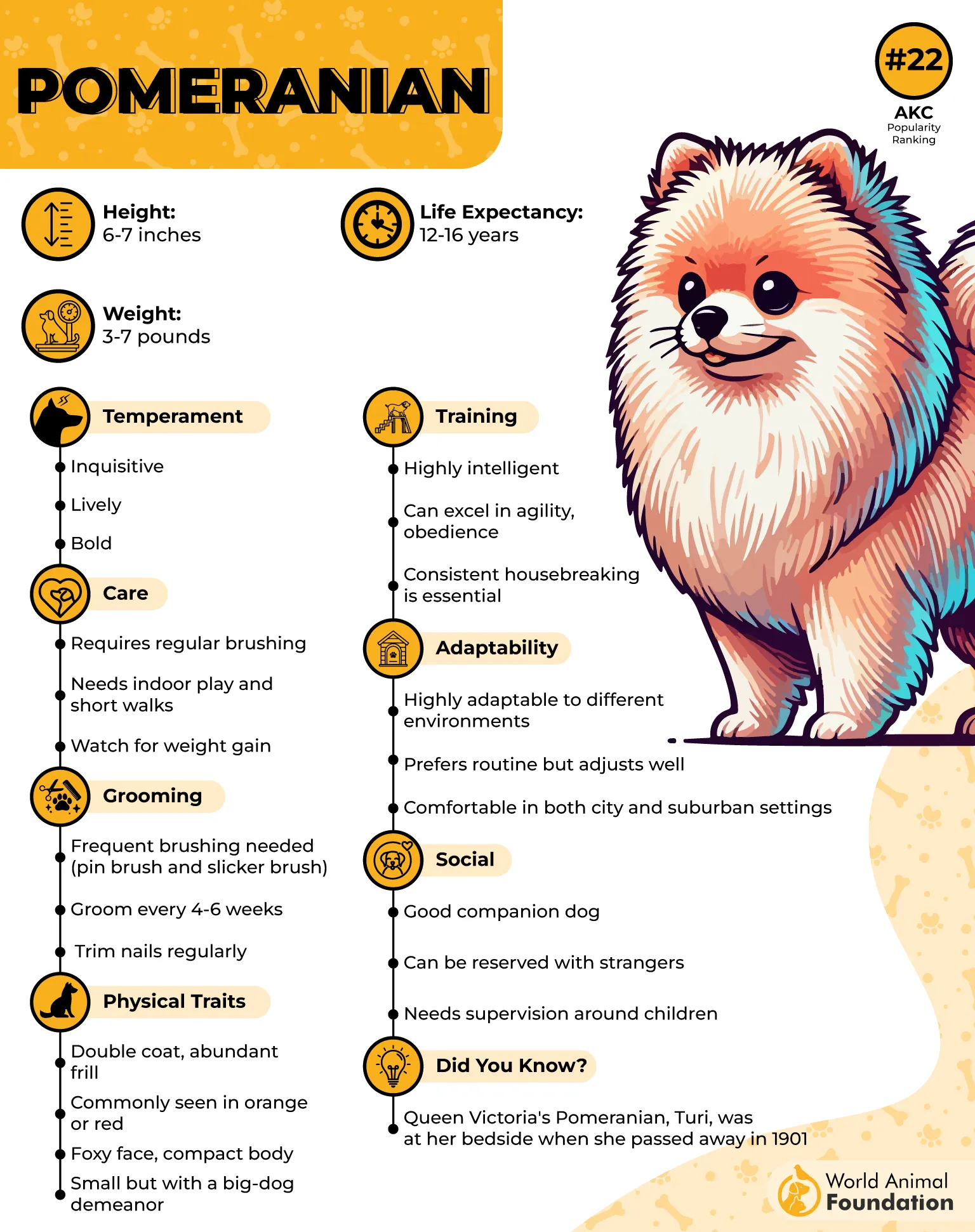
This behavior becomes clearer through daily patterns:
Picks up tricks and games with ease
Seeks attention from multiple people in the home
Reacts quickly to unfamiliar movement or sound
Social behavior shaped by confidence
They interact with people in an open, attention-seeking manner while also displaying caution around unfamiliar faces. Its behavior shifts between playful engagement and protective alertness depending on the setting. Early exposure to different people helps stabilize this response pattern.
7. Havanese
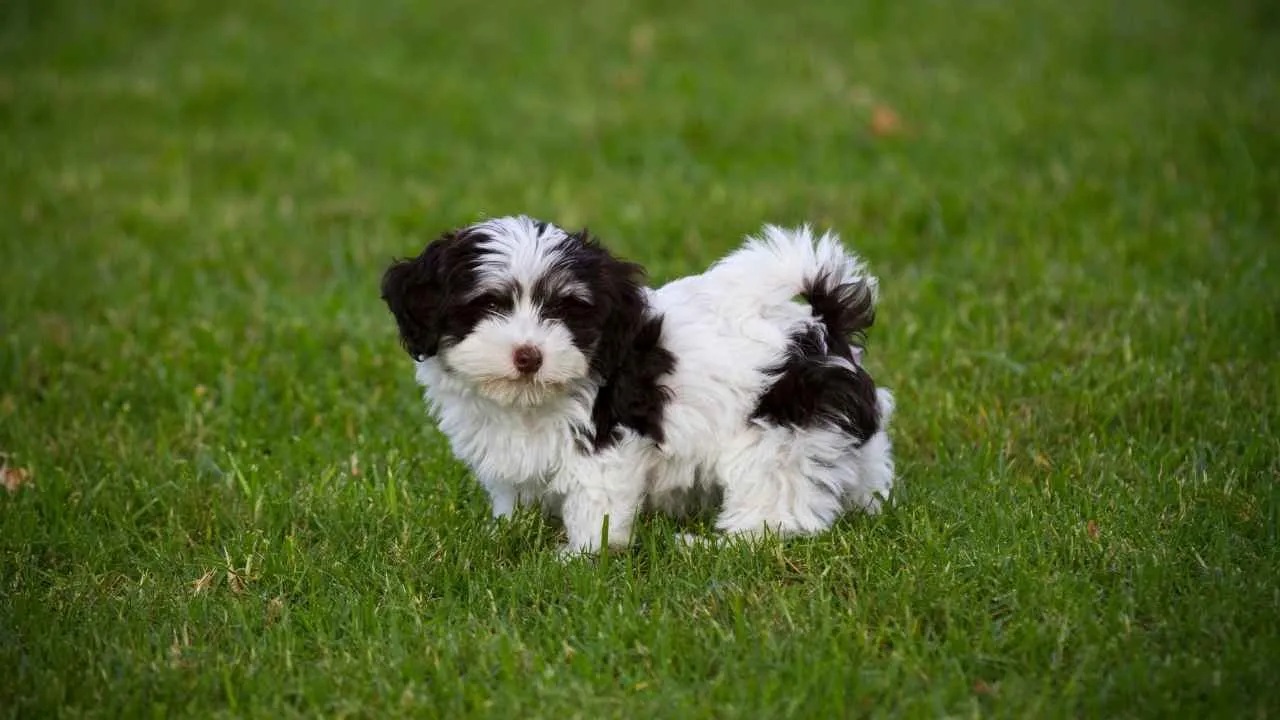
Havanese is the only dog breed native to Cuba, belonging to the Barbichon family, which includes small companion breeds like Bichon Frise and Maltese. Its lively presence reflects a dog shaped for close human connection rather than distance or independence.
Daily interaction patterns and habits
They engage easily with people and environments, often responding quickly to attention and shared activity. Its intelligence and trainability shape how it adapts to routines and communication.
This behavior appears in simple daily actions:
Learns commands with steady repetition
Reacts to tone and human interaction quickly
Enjoys structured activities and guided play
Care and activity requirements
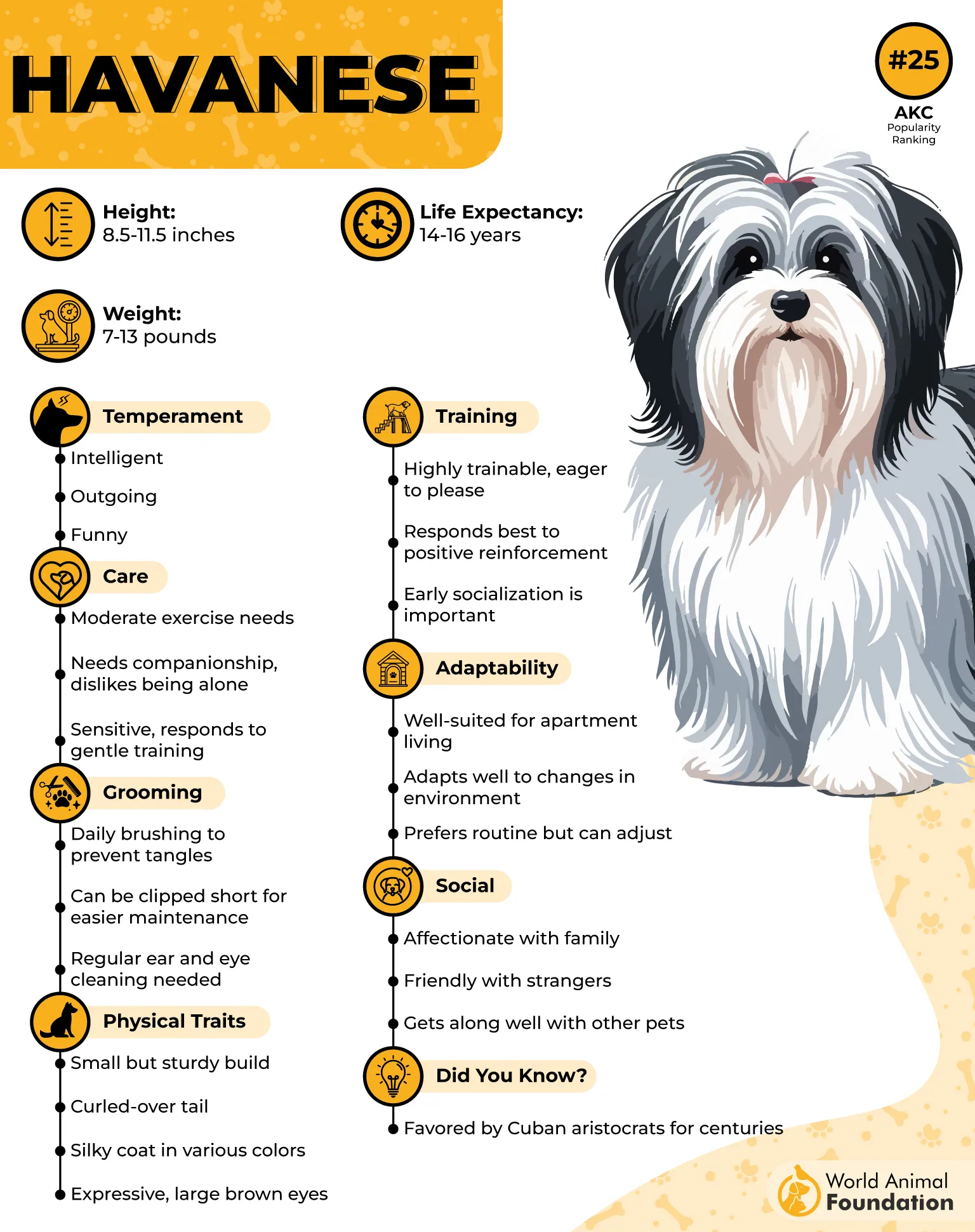
Havanese have a long coat that can be straight or wavy, requiring regular brushing to avoid tangling and maintain comfort. Daily movement is typically light, often divided into short walks and brief play sessions totaling around 30 minutes. Its routine blends grooming attention with manageable activity.
Conclusion
Toy breeds show that companionship does not need to be loud or demanding to feel complete, even when compared to big dogs or other dogs that may bring a more active presence. Their presence fits quietly into daily routines, creating a sense of closeness without shifting how life already moves. This balance becomes their strongest quality over time.
As days settle into a pattern, their role feels natural rather than managed, blending easily alongside family members without effort. Small habits like staying nearby or responding to subtle changes begin to stand out more than anything else. In the end, these dogs become great companions, where comfort, simplicity, and closeness remain at the center of everyday life.
