




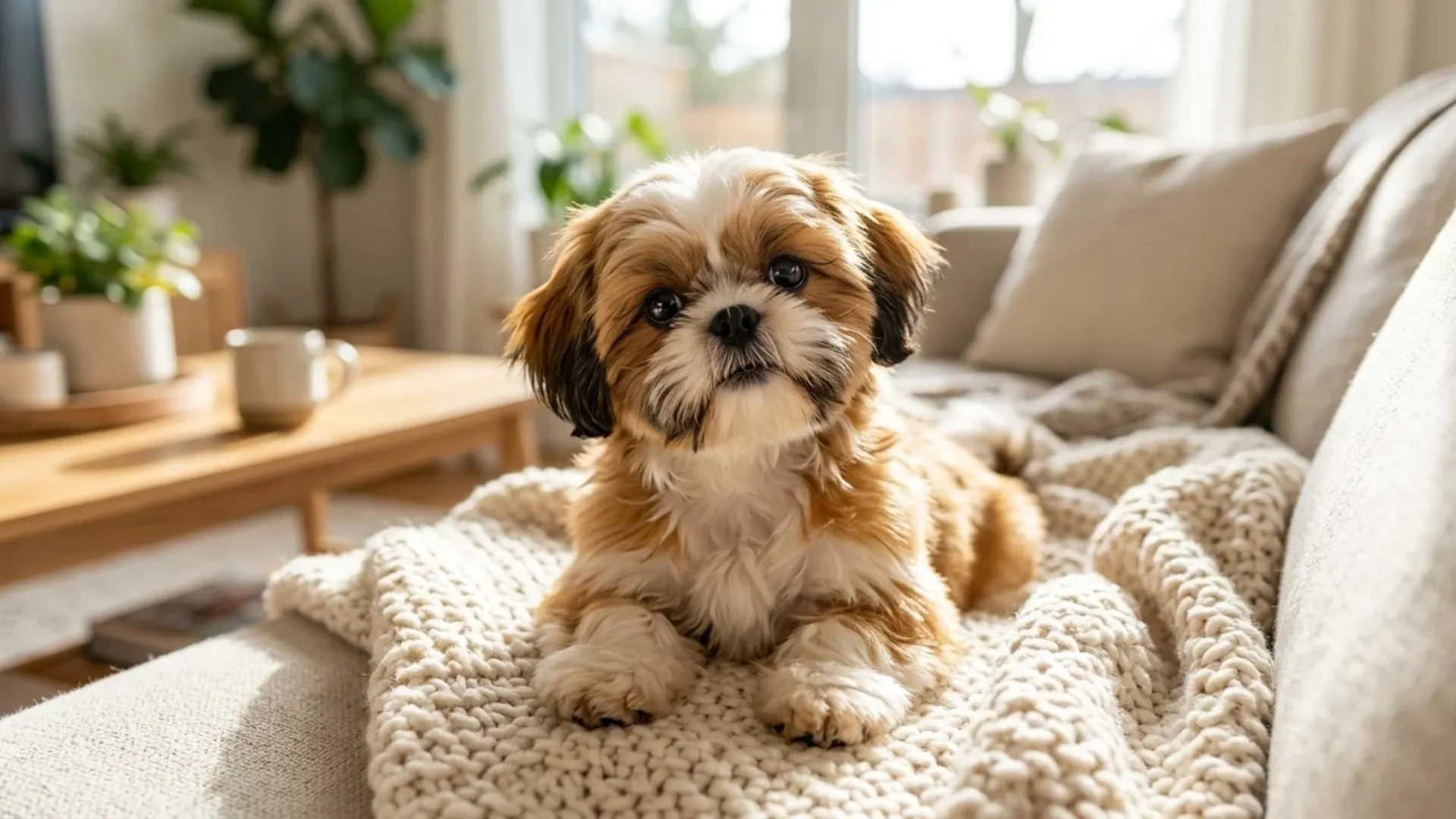
When life feels busy and overwhelming, coming home to a gentle, affectionate toy dog can bring instant calm to your daily routine. Compact, adaptable, and deeply devoted to their people, these pint-sized companions thrive on cozy indoor moments, unhurried strolls, and quiet closeness rather than demanding hours of intense outdoor exercise.
Their small size and easygoing nature make them wonderful roommates for apartments, peaceful homes, and anyone craving low-key companionship.
Living a stress-free lifestyle with a dog comes down to finding a breed whose energy and temperament fit seamlessly into your schedule. Many toy breeds were developed specifically for human companionship, giving them an intuitive knack for reading your mood, curling up beside you while you unwind, and keeping life simple without overwhelming your living space.
Whether you work from home, live in a cozy city apartment, or simply want a calm, loving friend to brighten your days, these little dogs make companionship effortless. Below, explore the most precious toy dog breeds for a stress-free lifestyle, along with their personalities, grooming needs, and what makes them so easy to love.
Precious Toy Dog Breeds for a Stress-Free Lifestyle
1. Shih Tzu
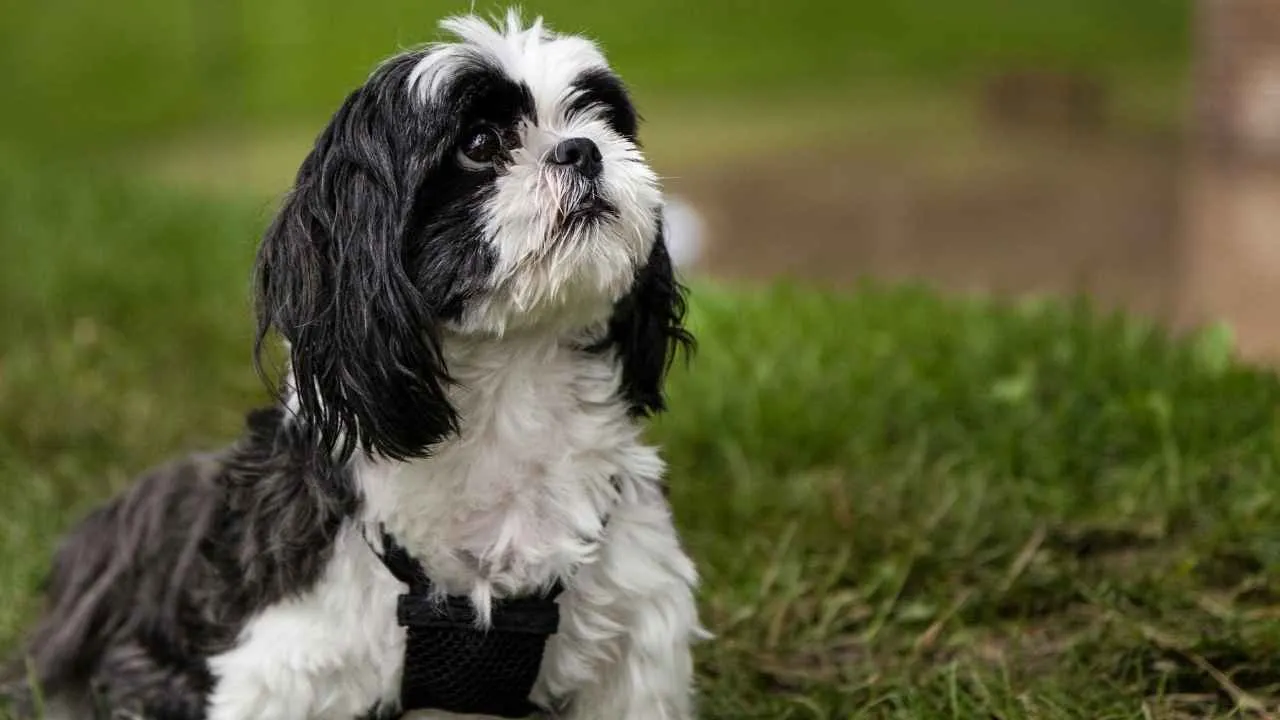
This fluffy breed has a royal past, but its most unusual aspect is its extraordinary expression. Its name means “lion dog”, which is a symbol of the Chinese Buddhist faith.
Long loved by Chinese emperors, this breed wasn’t trained to work in the field, but was used for companionship. This heritage accounts for the breed’s easy-going nature.
Unlike high-energy large breeds, a Shih Tzu doesn’t need intense exercise or nonstop play to stay happy. It’s not uncommon for one to enjoy being in proximity to its owner. But its diminutive muzzle is something to note.
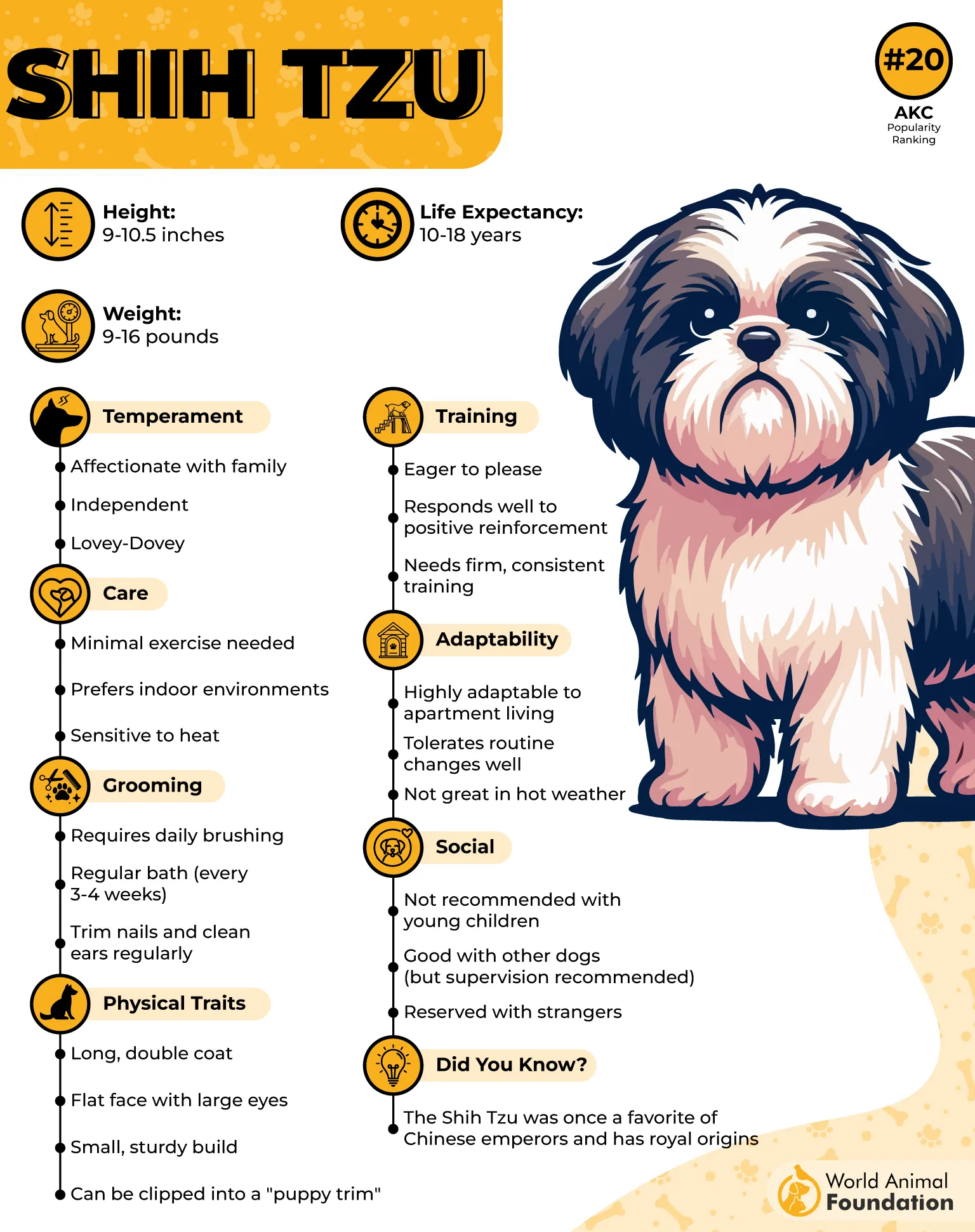
It may have trouble breathing or regulating body temperature; extra care is required in hot weather, and special consideration should be taken when exercising this breed.
It can be sheared in a shorter “puppy” cut instead of the show ring style. Your dog will require less grooming, but it is important to brush and clean its eyes and the area around them.
2. Papillon
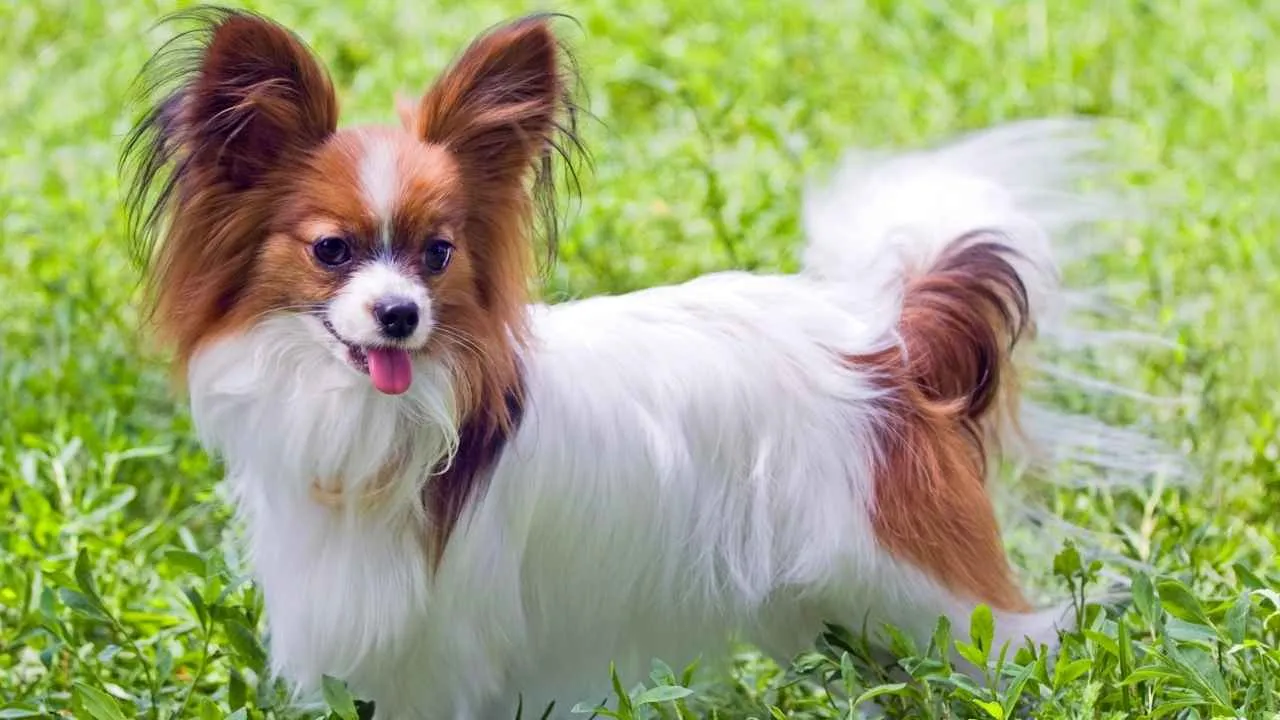
Described as lively and friendly dogs by Orvis, this breed’s reputation precedes it.
Under its pretty coat is an amazing little pooch. They come from small companion-type Spaniels, but are not to be considered decorative ornaments or designer dogs. They are agile, willing to learn, react quickly, and excel in obedience.
The breed was used for centuries in European portraits. Its name is French for “butterfly” because of its large, fringed ears spread out like butterfly wings. Interestingly, not all Papillons have erect ears.
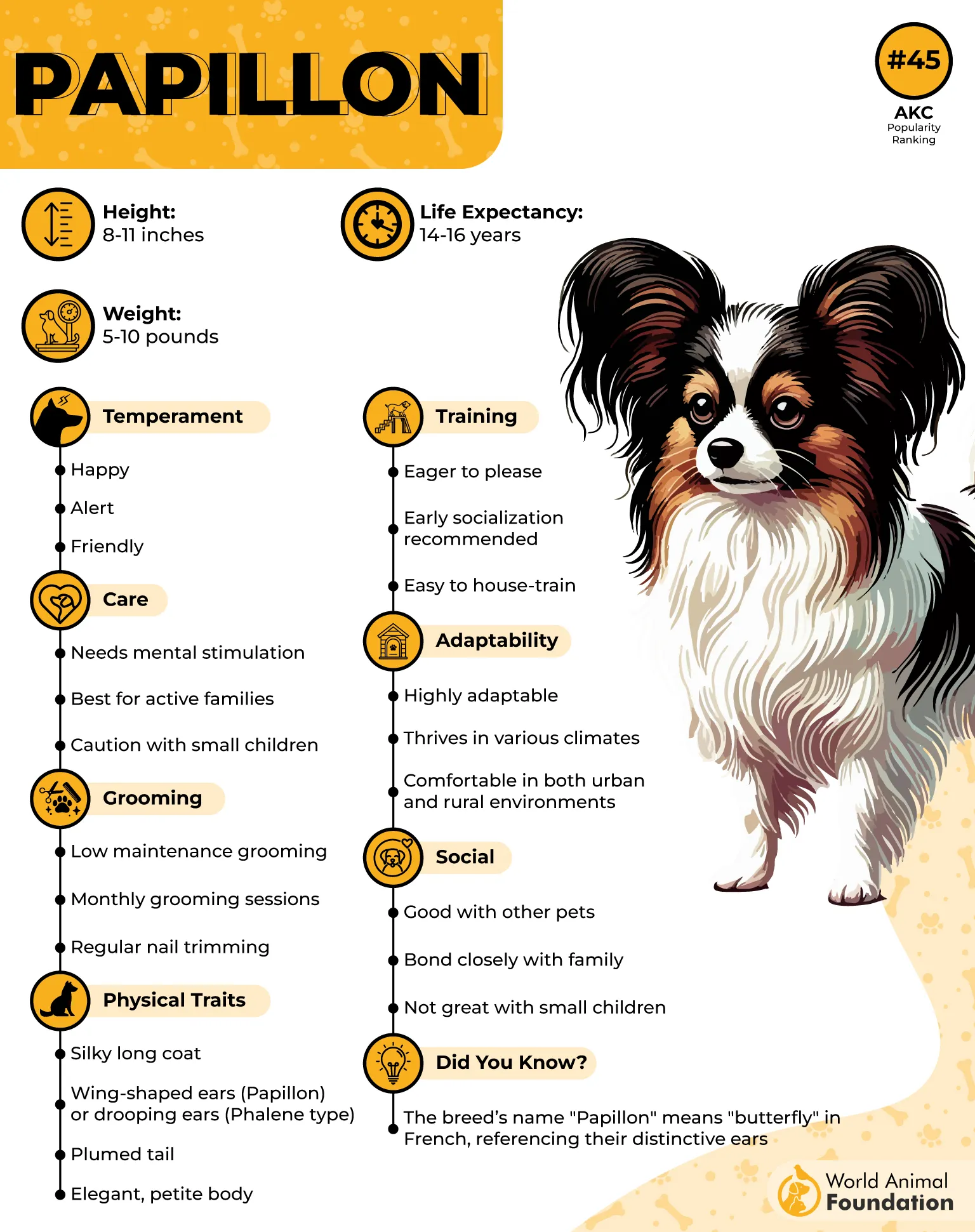
This breed is well-suited for active owners. It loves training games, learning house tricks, and benefits from short spurts of exercise. However, it is not an accessory item that should be mishandled; injuries are possible from rough handling and unsafe jumps.
Although visually the breed has a flowing coat, the Papillon has no dense undercoat. It requires regular grooming, especially around its ears where small strands can become matted.
3. Yorkshire Terrier
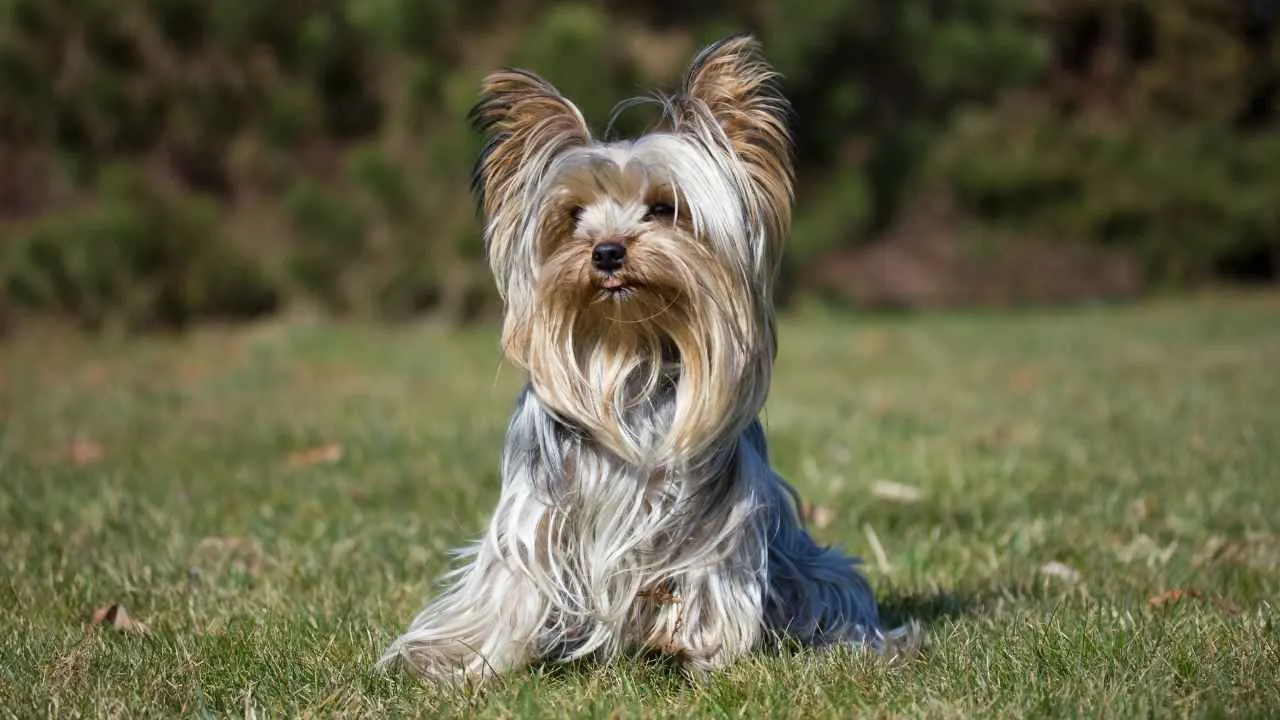
Looking for a wonderful family pet? Well, look no further, as that is exactly how PetMD describes this endlessly enthusiastic breed.
Yorkies make great companions, but they are not always tame either. They are Terriers and may chase small moving creatures, so consistent training is important. Brisk walks on a leash might satisfy these adorable companions as well.
This breed was once a useful working dog in the industrial communities of northern England before becoming a popular pet. It was used to catch rats in textile mills and mines, and is described as a breed that is full of personality.
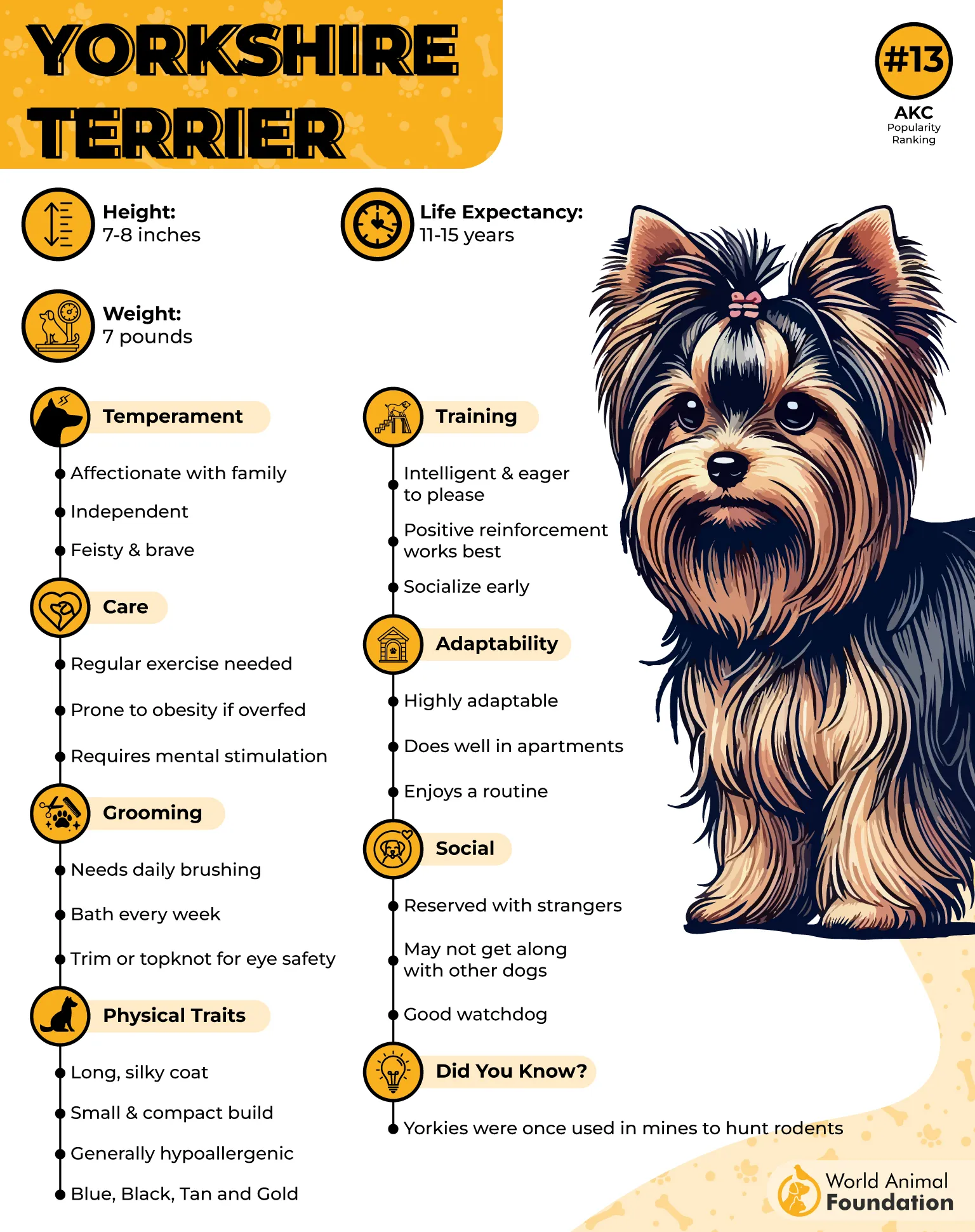
Another Yorkie characteristic is its coat. Its texture is soft, smooth, and silky, and it has a great resemblance to human hair. It is also traditionally coloured in a distinct way with a black and tan appearance.
Yorkies have a small jaw, which means that for these dogs, dental care is crucial. Owners need to pay attention to their teeth and opt for regular veterinary examinations rather than ignoring these problems.
4. Cavalier King Charles Spaniel
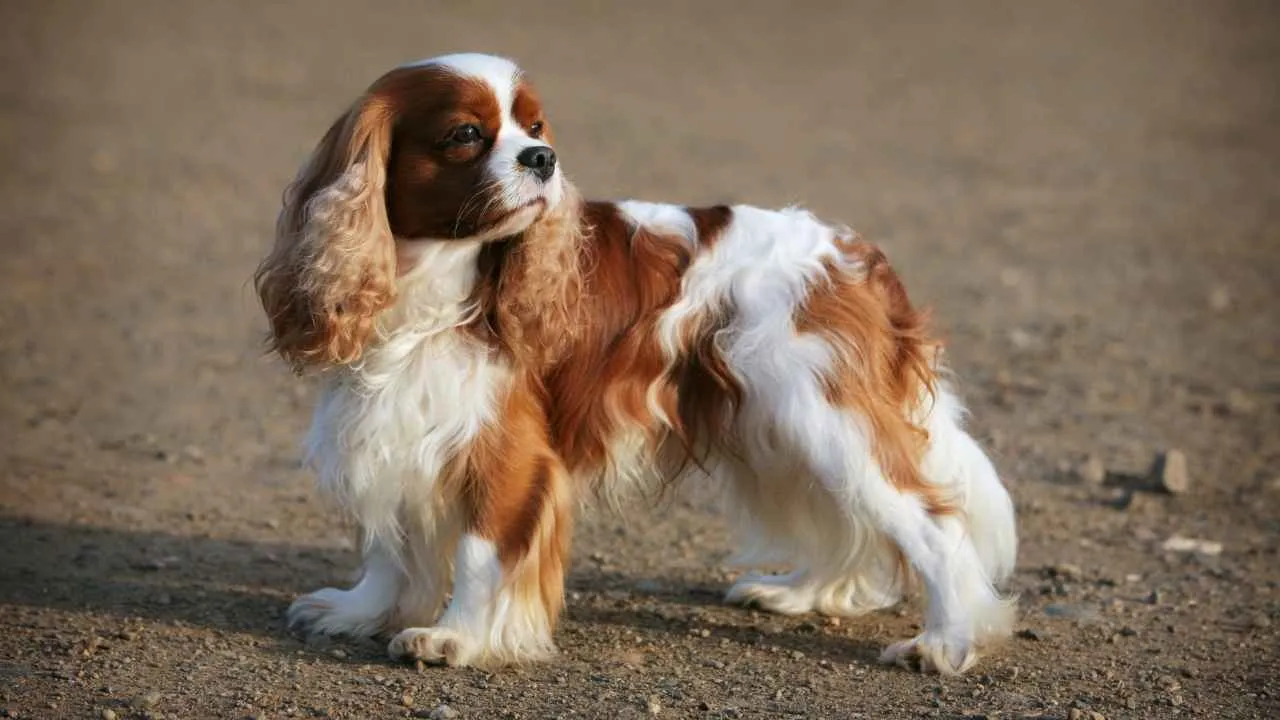
This beloved family pet is described as having a sweet and gentle nature, as stated by Britannica. Be careful: This cute dog is hard to resist, and it may end up stealing your heart with its puppyish sparkle.
The Cavalier has a clever mind; it could be interested in a bird, a scent, or an interesting trail on a walk. This makes the breed a bit more adventurous than its soft expression and charm would indicate.
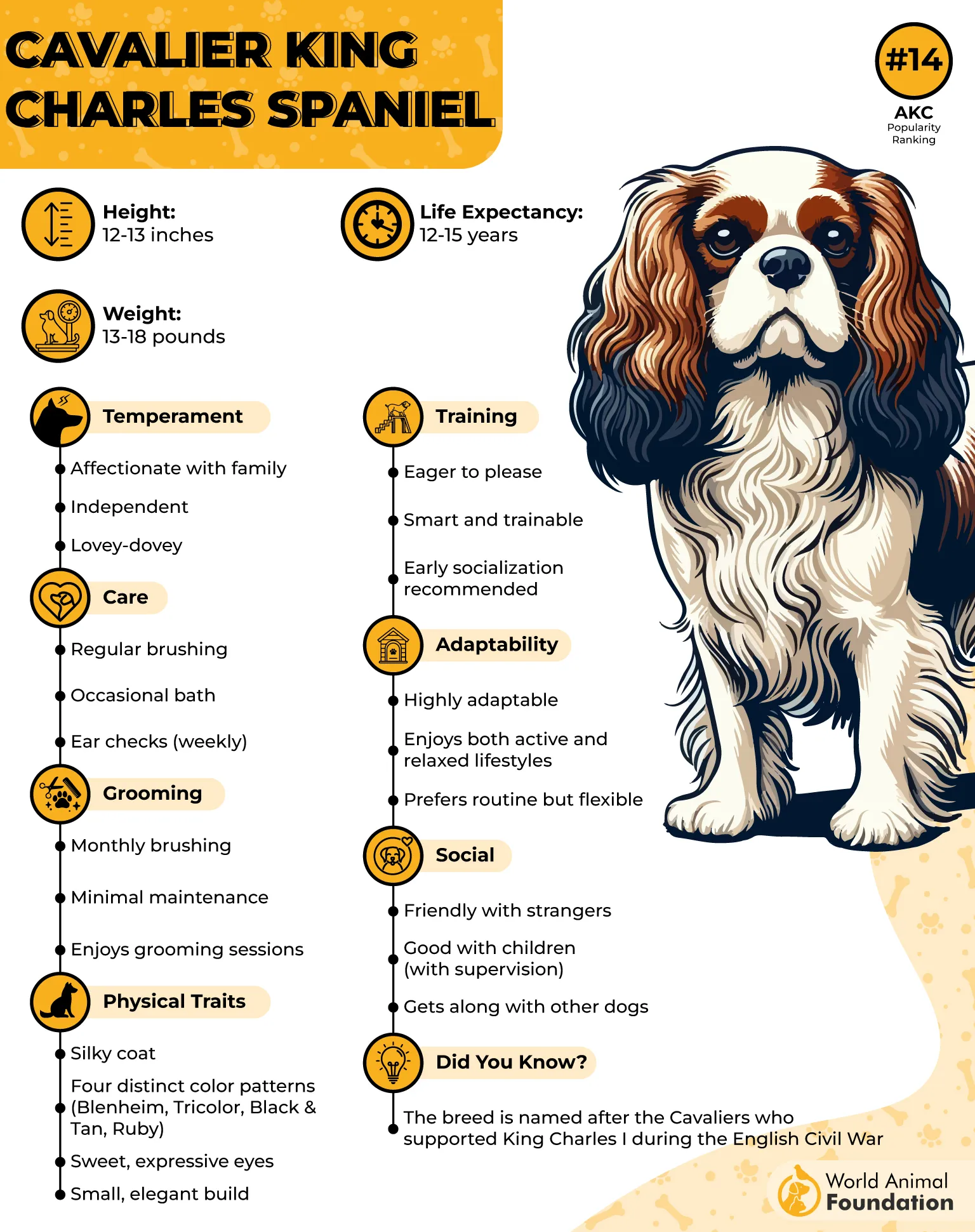
Cavaliers are excellent choices in various homes. However, it is the health of their body that must take precedence. Mitral valve disease and syringomyelia are inherited disorders that might plague this breed.
Responsible breeders should ensure appropriate health tests are conducted for certain breeds like the Cavalier, and prospective owners should request upfront health history of the parents.
The Cavalier may possess an incredibly cute combination of charm and adorability, but when it comes to choosing a dog, you must choose one that was bred responsibly and has been health-screened. This is the minimum you should expect with each breed.
5. Maltese
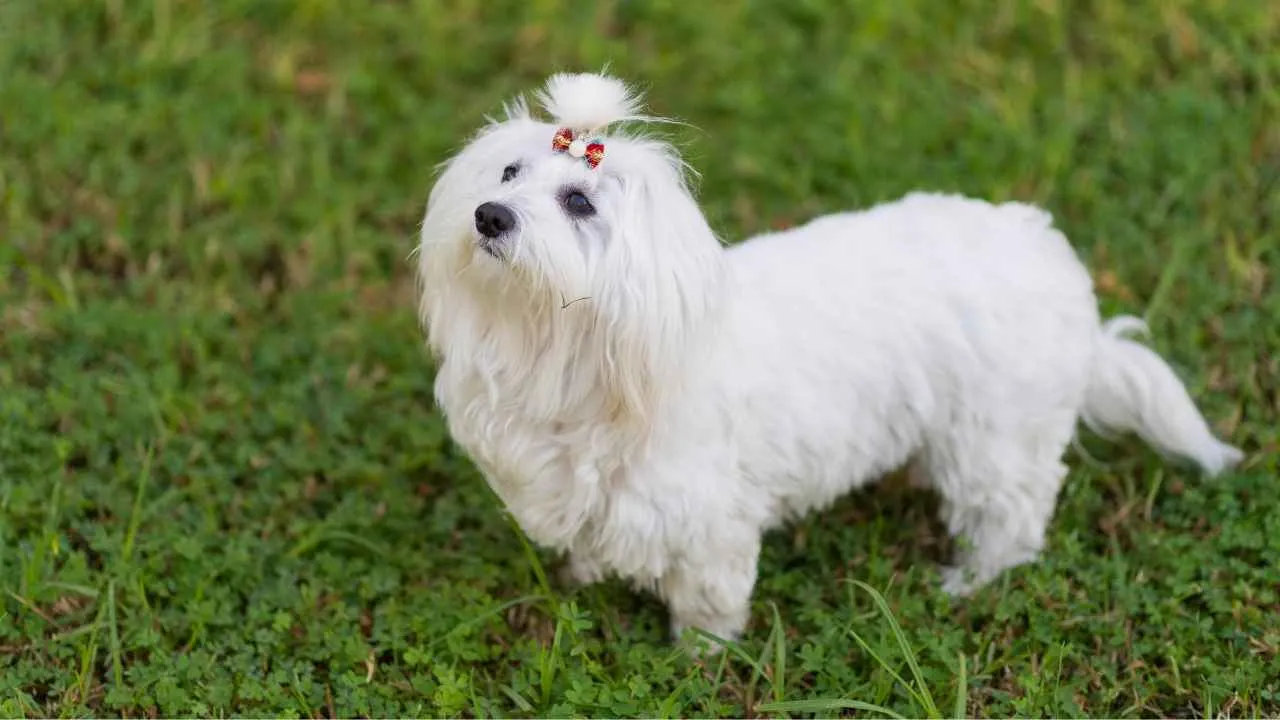
The Maltese is a small white dog specifically linked with the island of Malta. Its history is hard to trace back, and its early development is not known, but the breed was used in ancient times.
This tiny lap dog has an elegant beauty. The iconic white coat isn’t merely a coat of style. When kept in its classic long, flowing style, it gives the breed an unmistakable, graceful silhouette.
The Maltese’s coat is single and not the thick coat found in many other breeds, but this does not mean it is maintenance-free, despite its cuteness. Often, fine hair will mat around the ears, legs, and where a harness rubs.
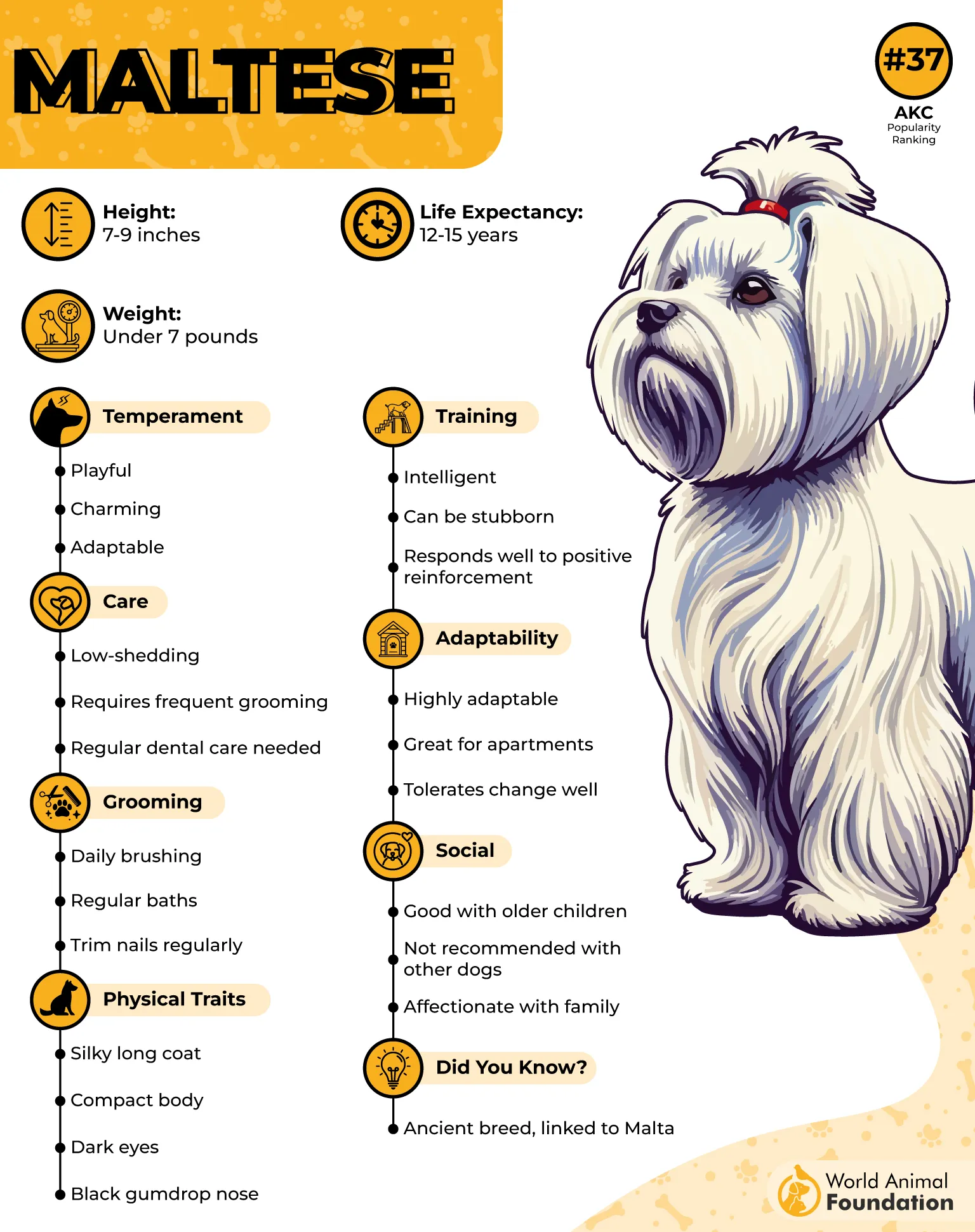
The interesting thing about the Maltese is that little has changed in its use. This fluffy dog was used as a pet and not a special working animal. Its expressive dark eyes and fun-loving nature made it a popular family pet.
Proper dental care is an essential component. This breed is also usually active and watchful, so don’t expect a decorative teddy bear that will sit still and look pretty. The Maltese is an interesting breed for those who value its history and unique look.
6. Pomeranian
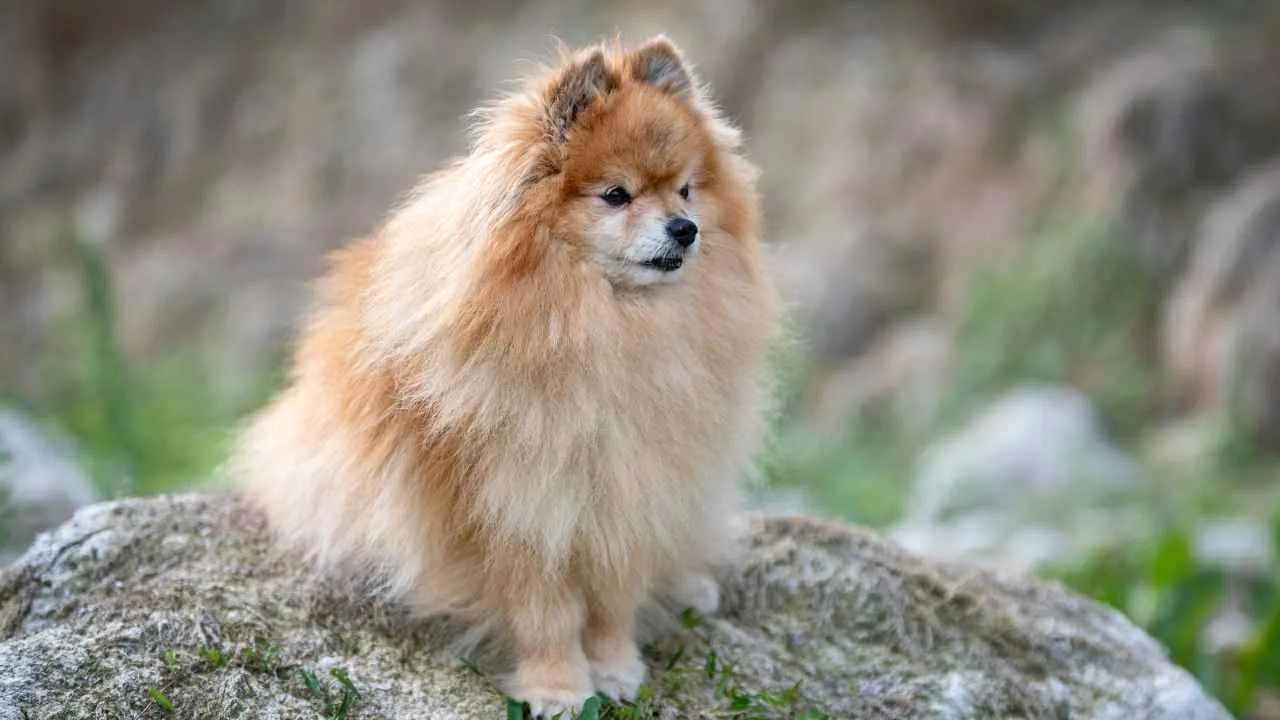
The Pomeranian is so fluffy-looking that it’s hard to believe its ancestors worked. But the breed is part of the Spitz family, which comprises several breeds that were used for guarding, herding, and more.
It has a fox-like face, erect ears, and a plumed tail. The tail is usually over the back, and the thick double coat gives the breed its distinctive rounded shape.
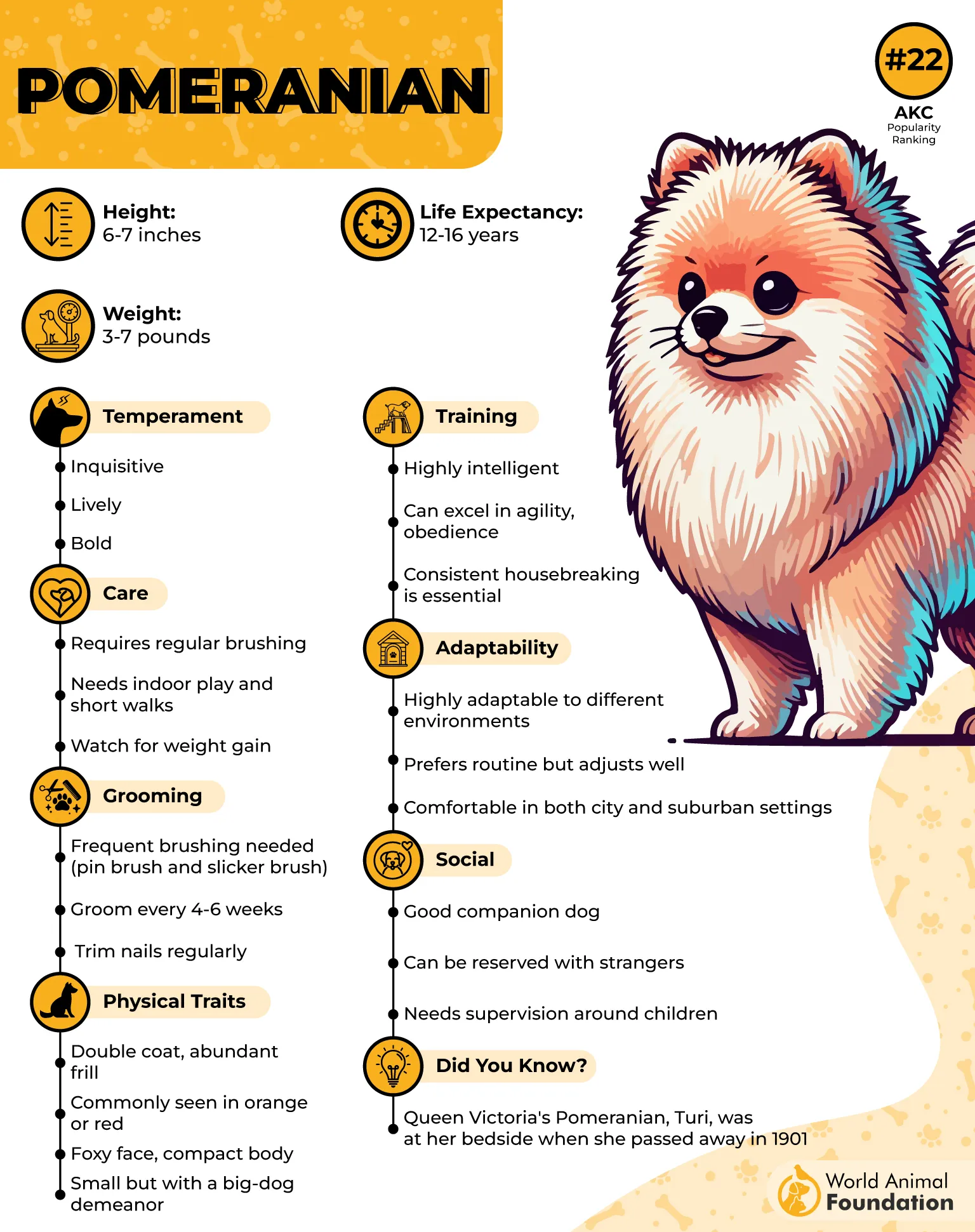
Pomeranians can be noisy, alert, and spirited. They can be trained due to their intelligence, but owners must be patient and consistent and not take the small size of these dogs as an excuse for excessive or undesirable behavior.
The Pomeranian is especially fun to watch, displaying both the confidence of the Spitz and today’s companion-dog personality.
7. Havanese
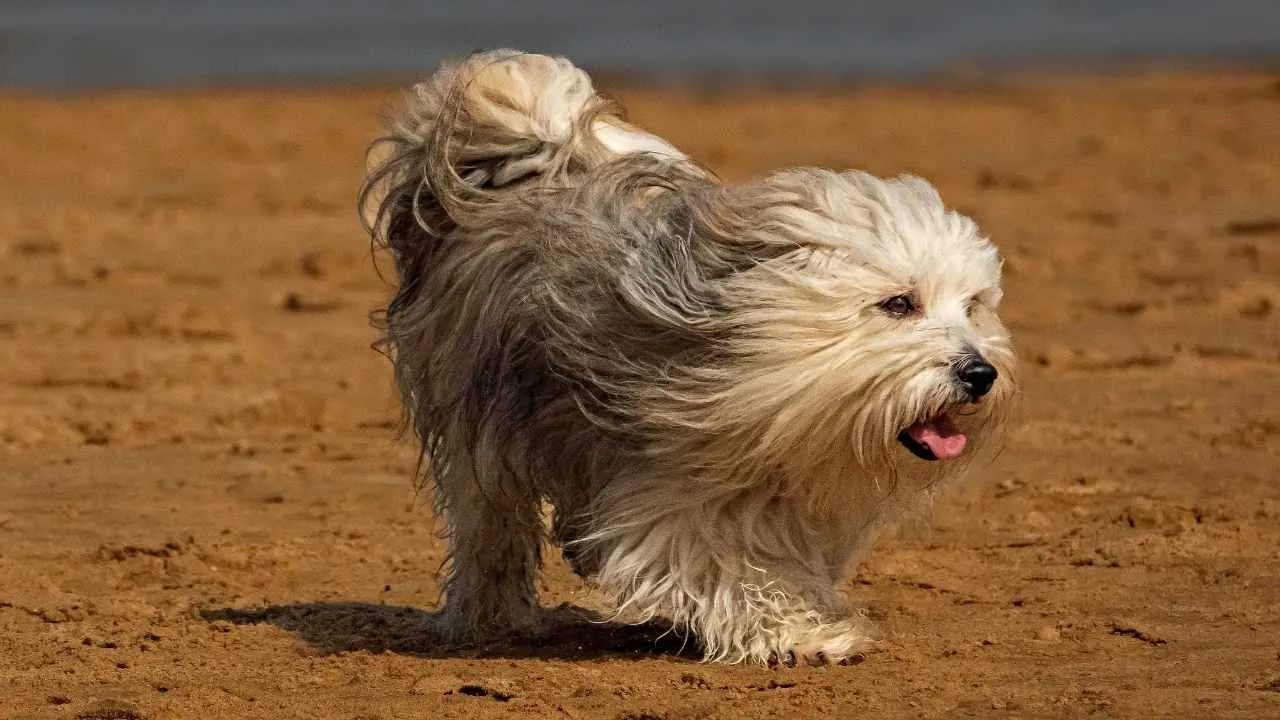
Cuba’s national dog makes us laugh with its history of entertaining people.
The Havanese is a special breed. It is descended from tiny Bichon-type dogs from the Mediterranean that eventually became a separate companion breed in Cuba.
The Havanese is as refined as its coat. It loves performing tricks, entertaining crowds, and is intelligent and responsive, excelling in obedience, agility, and other dog sports.
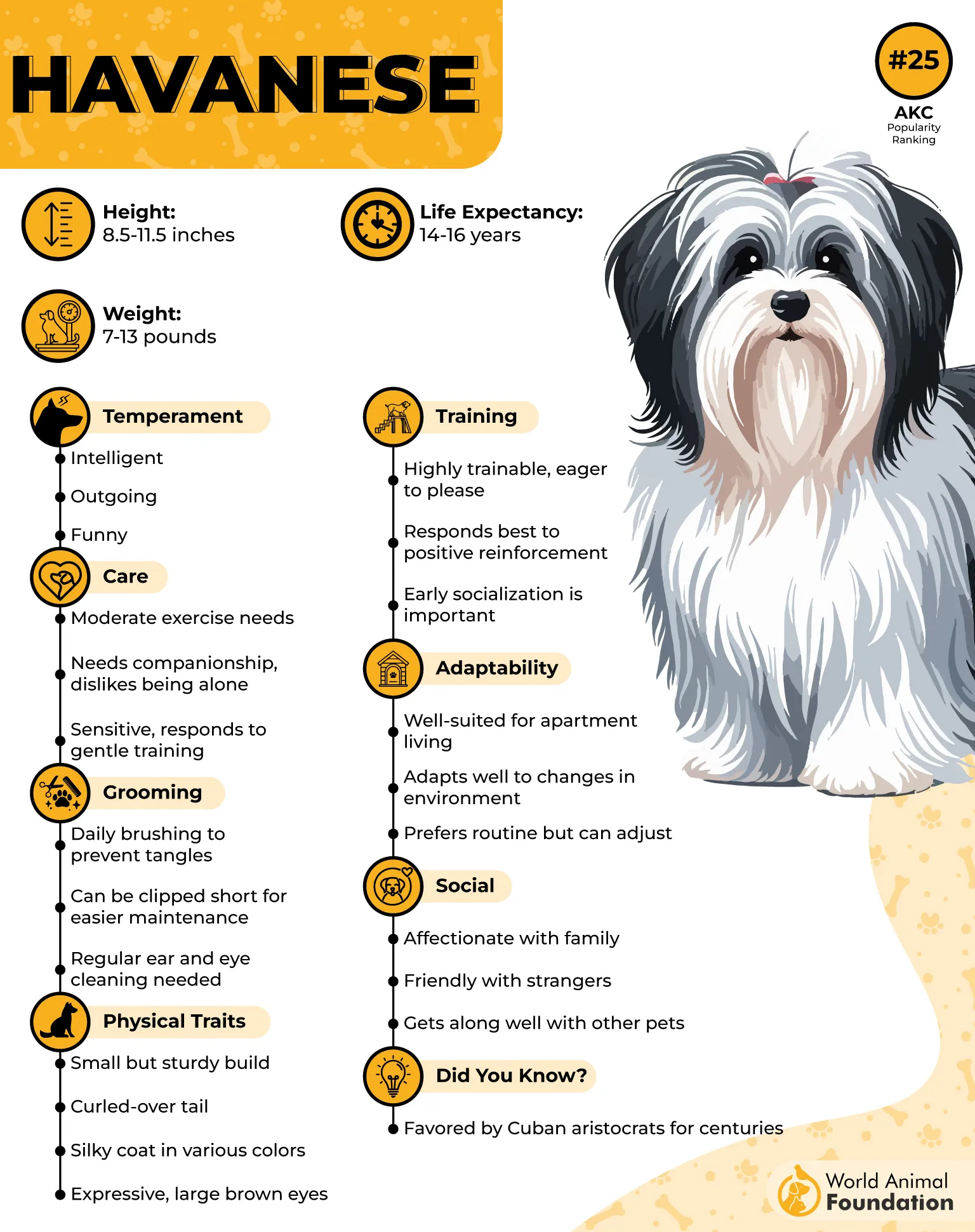
The Havanese isn’t as content to watch the family interact from a perch in a chair as some toy breeds are. It may accompany family members and seek participation opportunities. It has a social nature that is attractive, but may make it feel lonely if it feels ignored.

Its long, silky double coat can be kept at full length or trimmed into a shorter puppy cut for easier care. Many colors are available for the breed; two Havanese dogs can appear vastly different even though they are of the same breed.
Conclusion
A toy dog can be an adorable fit in your living room, but its origins can range from imperial residences to industrial mills.
It’s not just the breed with the cutest cut that should be sought after; it’s also the breed that you think is right for your home based on its instincts, health, temperament, and daily needs.
Select accordingly, and a little dog, full of personality, can add a lot of charm to your household.
