




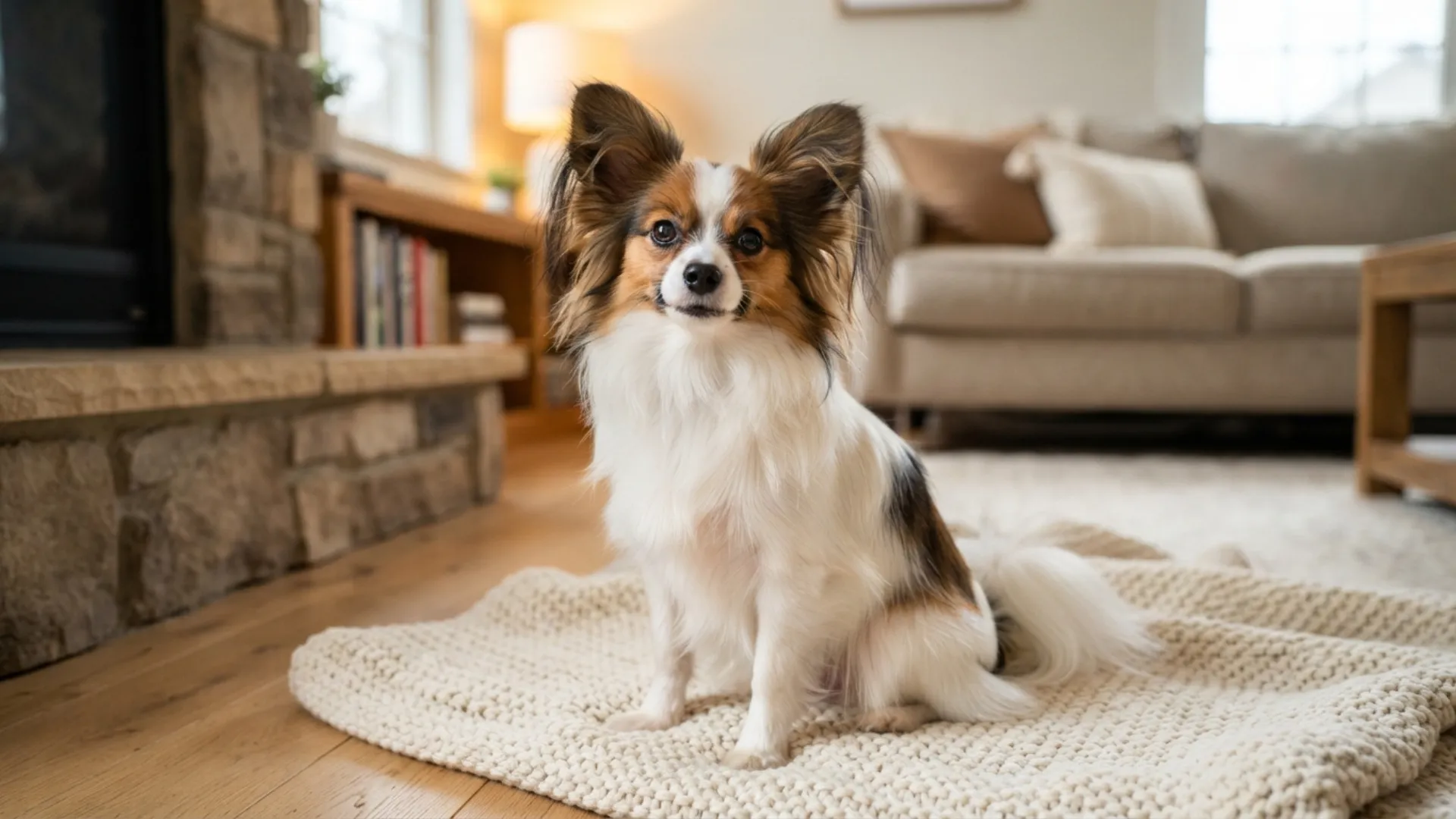
Some dogs just have a knack for bringing a little sunshine into a home. Small breeds may take up less space, but their personalities are often anything but small.
Their compact size makes them easier to manage, which is great news for apartment dwellers, families, seniors, and first-time owners alike. Many small breeds also adjust well to indoor living, shorter walks, and staying close to their favorite people throughout the day.
These dogs can be playful, loyal, cuddly, confident, and endlessly entertaining, with each breed bringing its own unique blend of energy and charm.
That said, picking a small dog should be about more than just a cute face. Temperament, grooming needs, exercise requirements, trainability, and health all deserve real consideration. If you’re looking for a little companion to share your everyday routine with, these seven breeds are well worth getting to know before making your decision.
Precious Small Dog Breeds to Share Your Home With
1. Maltese
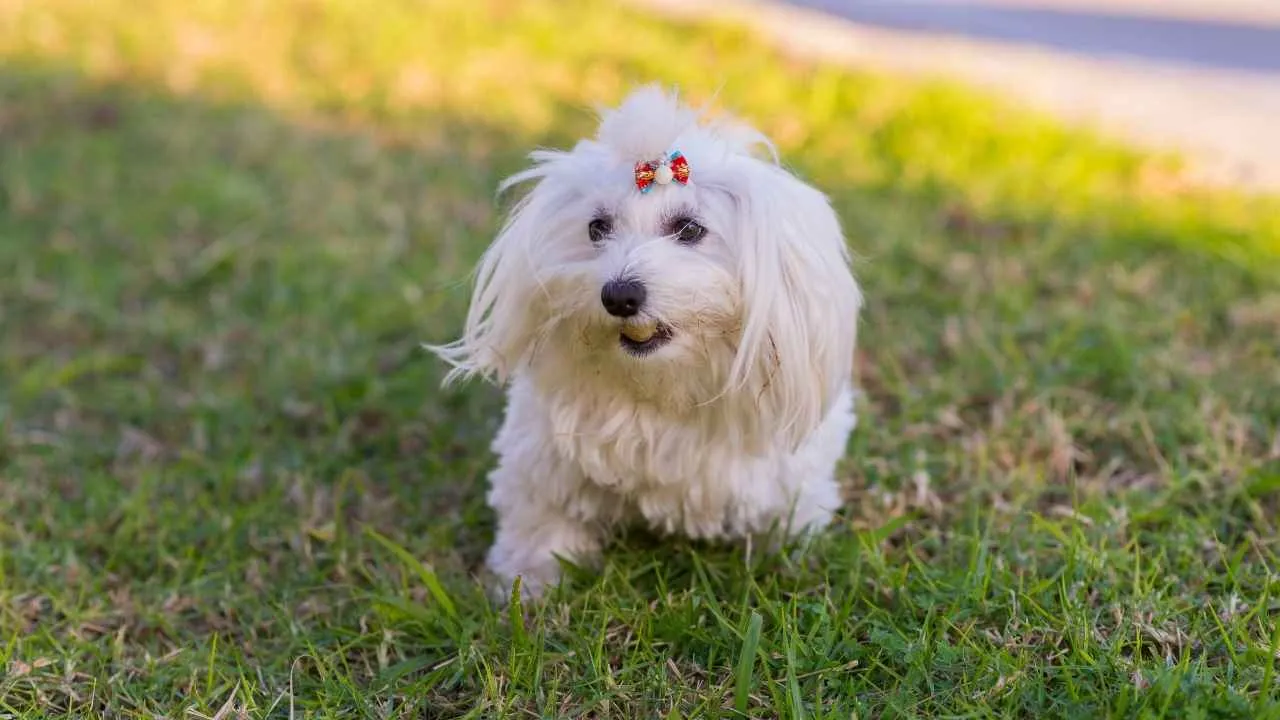
This ancient breed traces back roughly 2,000 years to Malta in the Mediterranean, where it developed into the beloved lap dog we know today. From there, it made its way across the world, becoming a favorite companion among noble women everywhere.
The breed nearly disappeared after the fall of the Roman Empire but was later revived through the efforts of Chinese breeders, according to Purina.
Thanks to its naturally alert nature, the Maltese makes a surprisingly good little watchdog. It also loves being the center of attention, happily showing off flips, agility tricks, and living-room games just to earn a bit of praise.
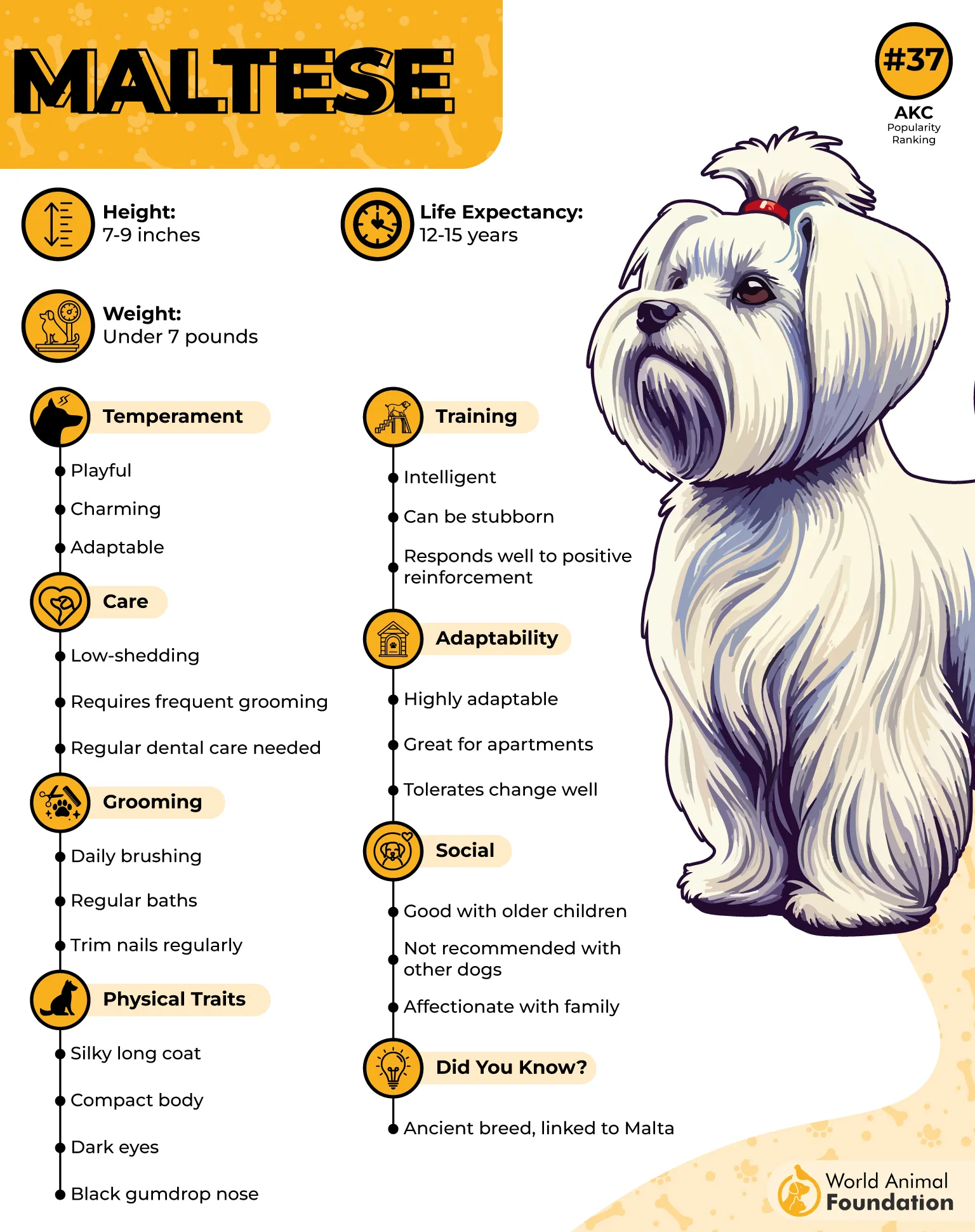
Once carried in the sleeves of Greek nobility, this breed still seems perfectly content tucked into a tote bag today. It loves curling up against your chest, which is part of why it’s often such a natural fit as a therapy dog.
That said, the Maltese does have an independent streak, and its royal attitude can shine through when it simply doesn’t feel like cooperating. Early socialization is strongly recommended to help prevent snappy behavior around kids or other family members.
2. Papillon
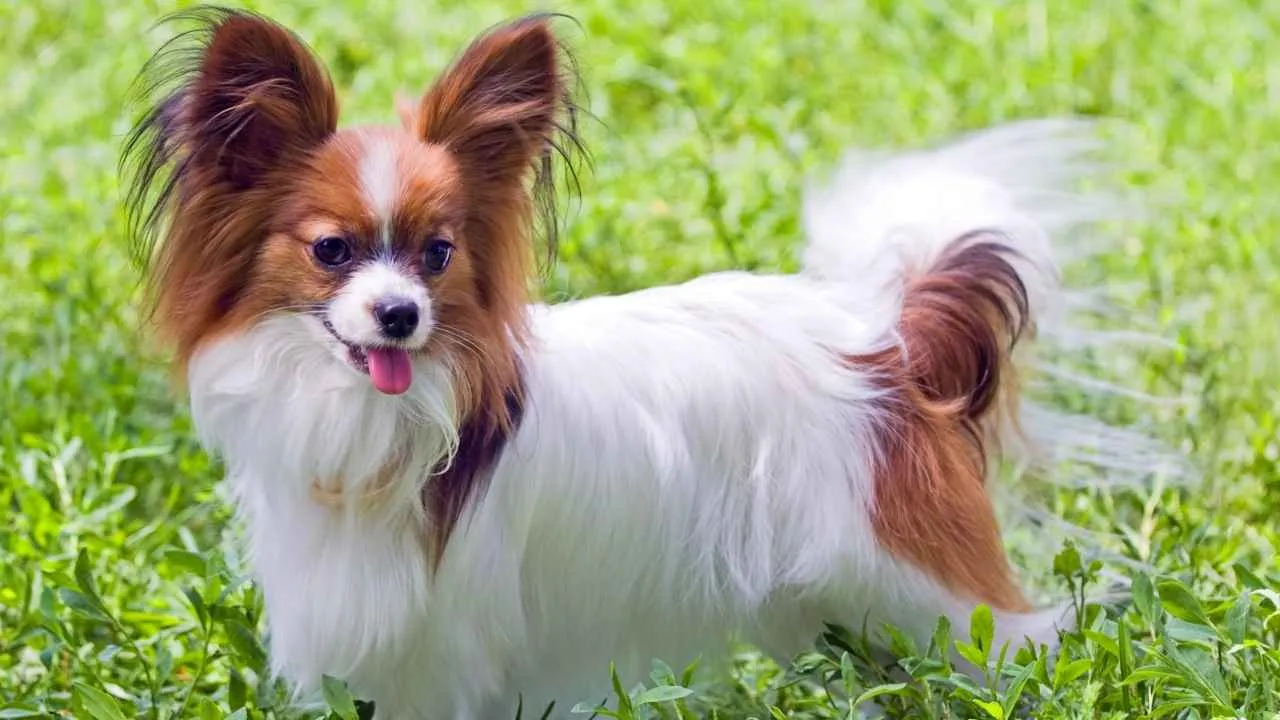
This small breed’s history traces back to Spain, where it was developed from a dwarf spaniel and originally worked as a skilled ratter. A similar-looking dog even shows up in paintings dating back to the 16th century. The breed actually splits into two distinct lineages: the Papillon, known for its butterfly-like upright ears, and the Phalène, which has softly dropping ears instead.
This little dog has a habit of tilting its head when spoken to and isn’t shy about giving dramatic signals when it’s bored. It might gently tap you with a paw or let out a playful bark when it’s craving some cuddle time.
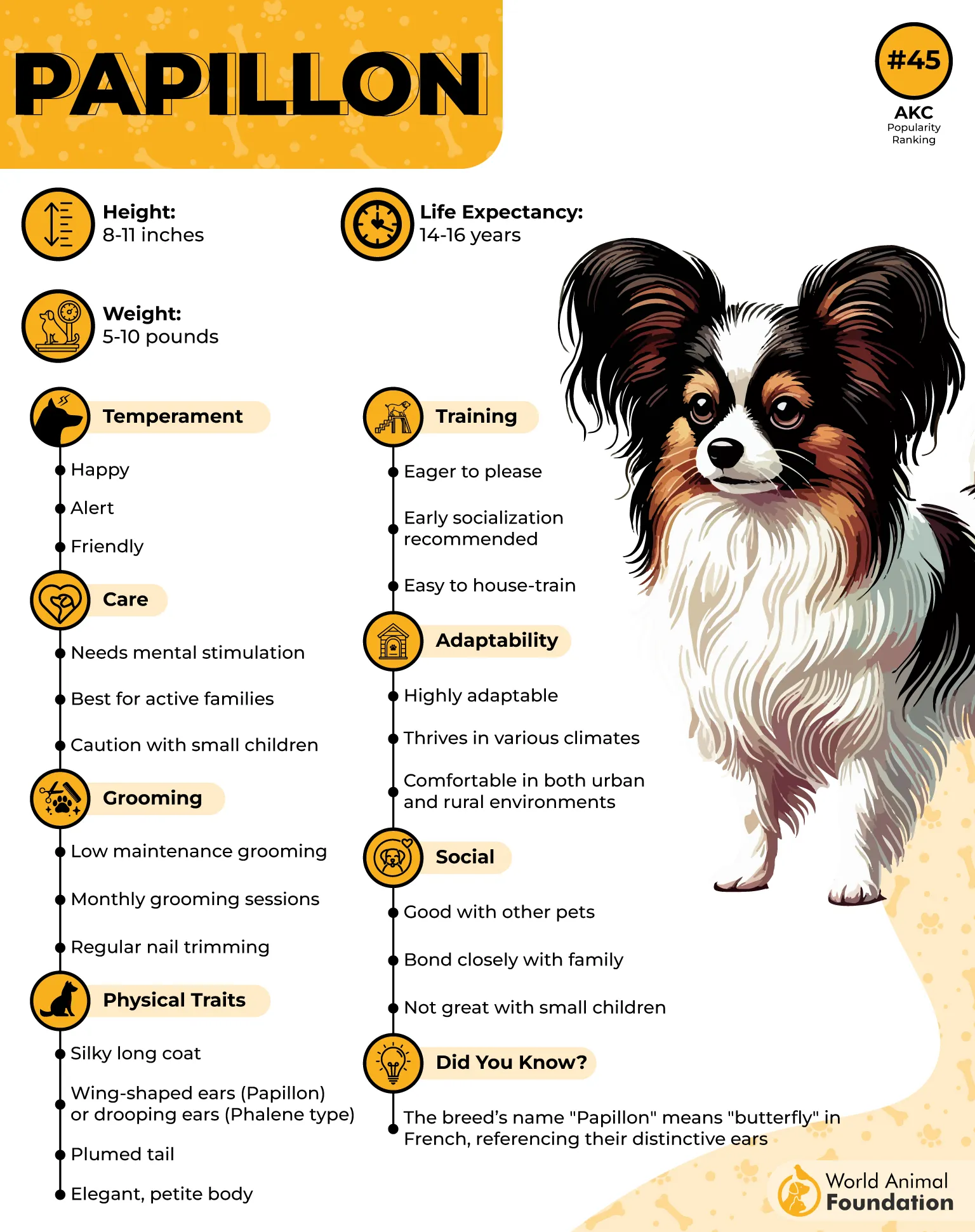
Thanks to ties to herding breeds further back in its lineage, it tends to pick up complex tasks surprisingly fast. And despite being a lap dog through and through, it has impressive spatial awareness, often leaping onto the back of the sofa or perching on chairs like it owns the place.
This tiny breed also has a strong sporting instinct and genuinely enjoys hunting or stalking small moving objects. It even uses its ears as a form of communication, perking them up and moving them around to show excitement.
3. Pomeranian
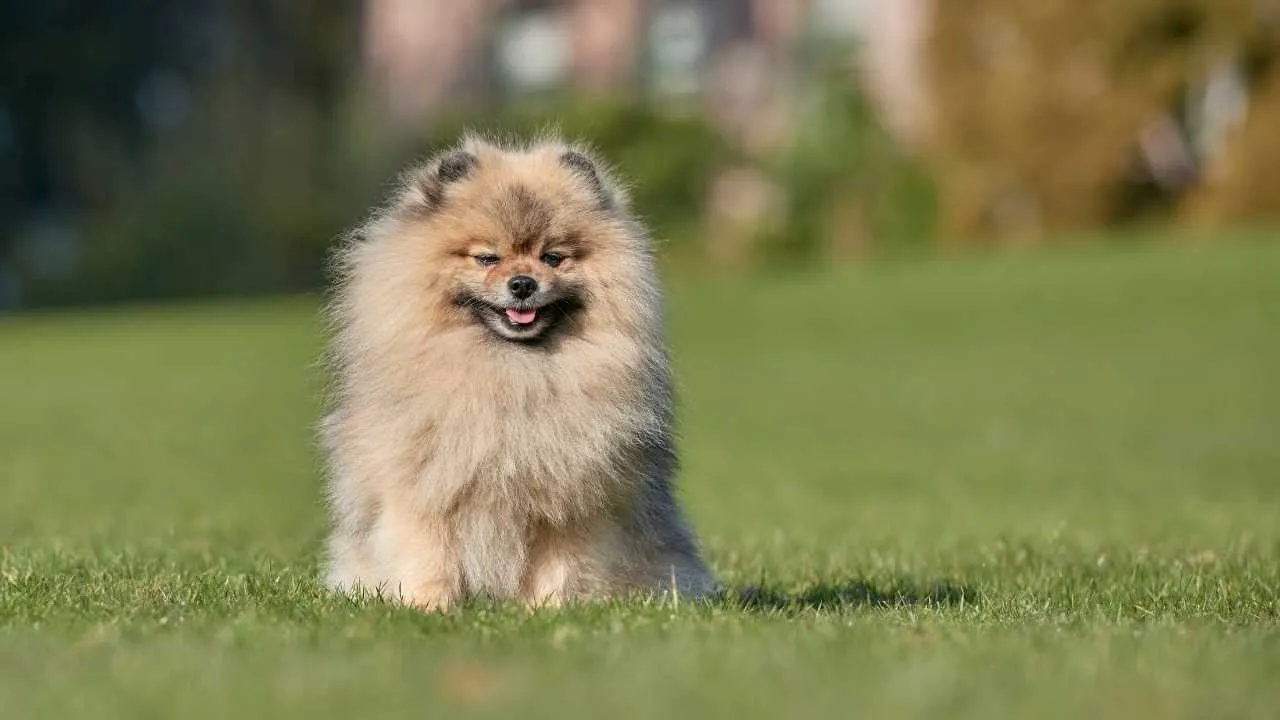
This Spitz-type breed developed in the border region between Poland and Germany, originally as a much larger working dog before evolving into the toy breed we know today. It became especially popular among royalty in the 18th century, with Queen Victoria famously among its biggest fans.
In fact, it was largely during her reign that breeders worked to shrink the Pomeranian down to its now-familiar smaller size, according to Wikipedia.

The Pomeranian is well known for its signature move: spinning rapidly in a tight little circle whenever excitement suddenly strikes. It’s also a remarkably observant breed, often sitting and staring intently at its owner as if trying to read their every emotion. Communication comes naturally too, through whines, chuffs, head tilts, and the occasional grumbly groan.
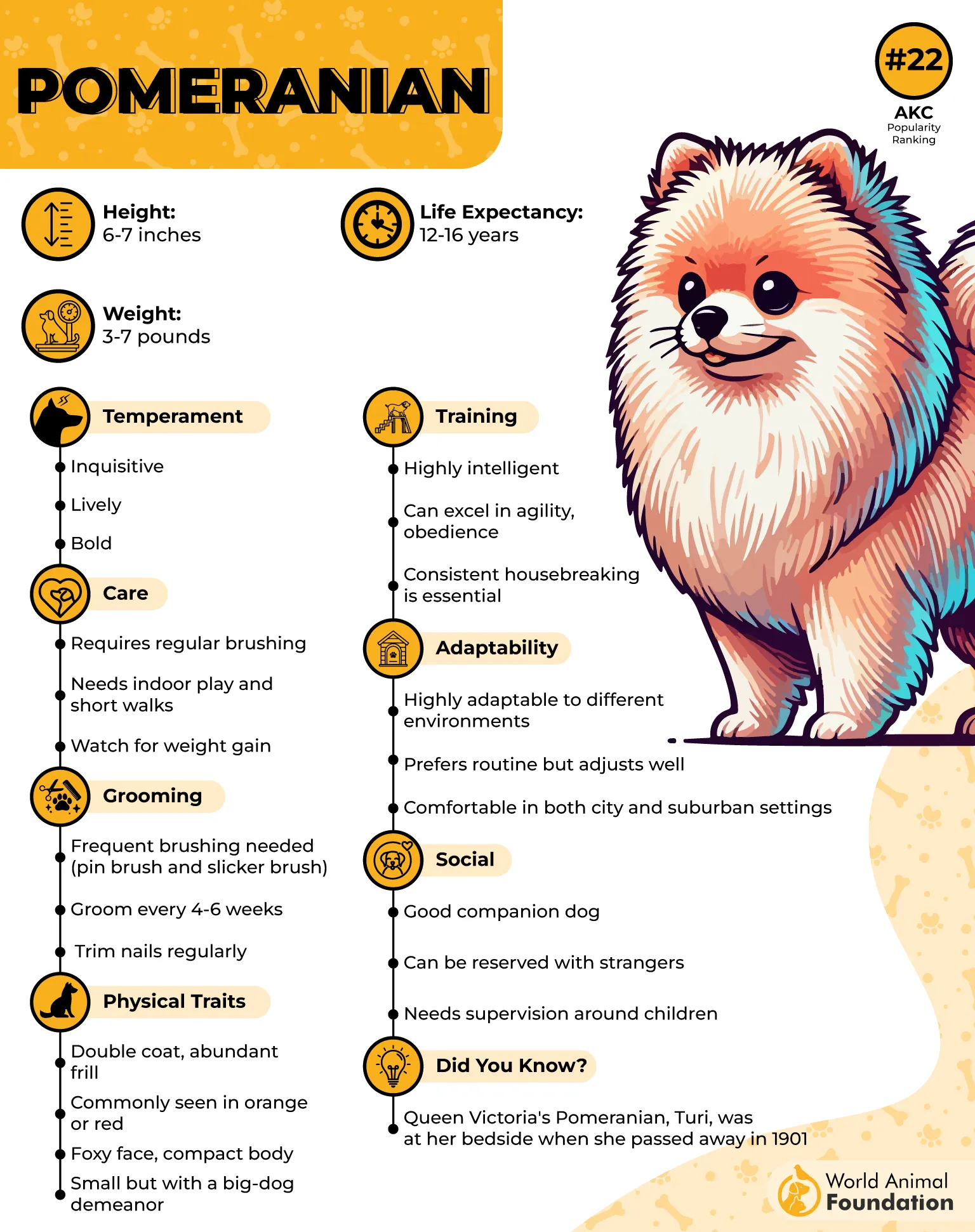
This is very much a velcro dog, forming deep, close bonds with its owner, which means it can be prone to separation anxiety if left alone too often. Because of its small size, the breed isn’t usually recommended around very young children, since accidental rough handling, like an unexpected kick, can easily cause injury.
4. Toy Poodle
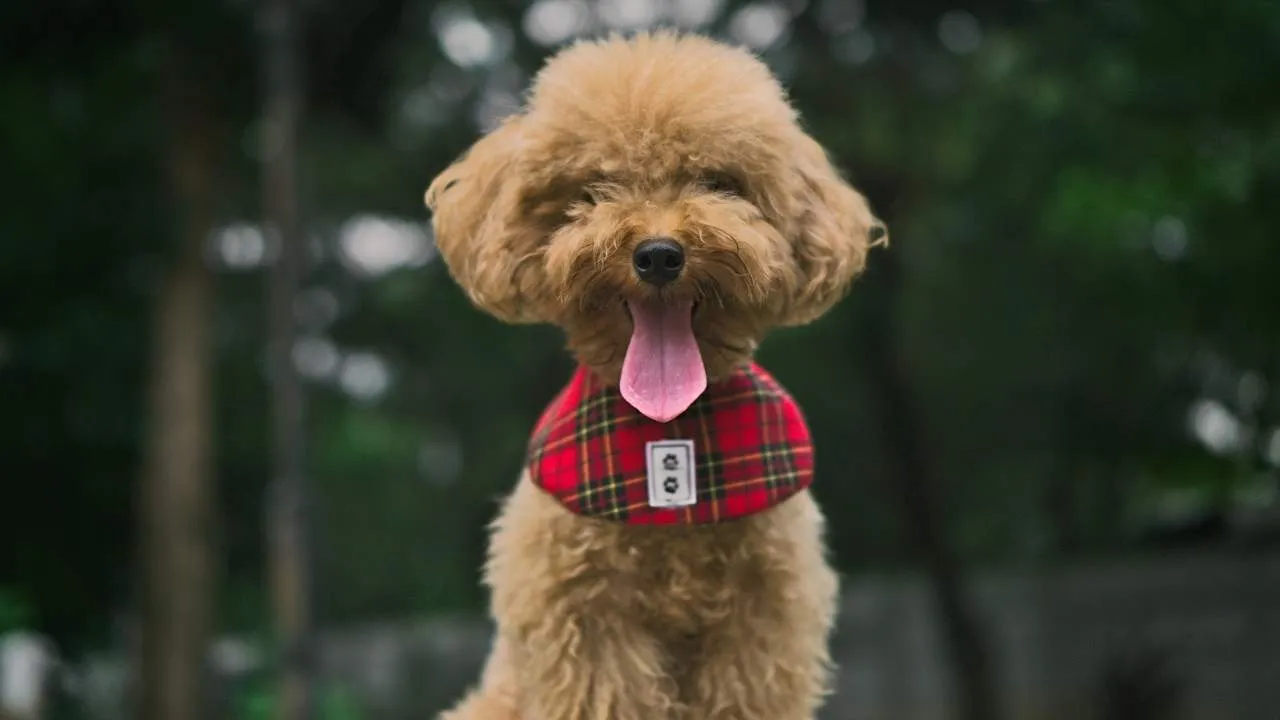
This toy breed descends from the Standard Poodle, originally a skilled duck-hunting dog, before being refined in France into the elegant lap dog we recognize today. Thanks to its eagerness to please and sharp intelligence, it even found popularity performing in circuses at one point. Interestingly, all Poodle breeds share nearly identical traits and personalities, differing mainly in size.
This breed has a surprisingly sharp memory, often recalling exact walking routes, daily routines, specific hand gestures, and yes, even how to work an open zipper.
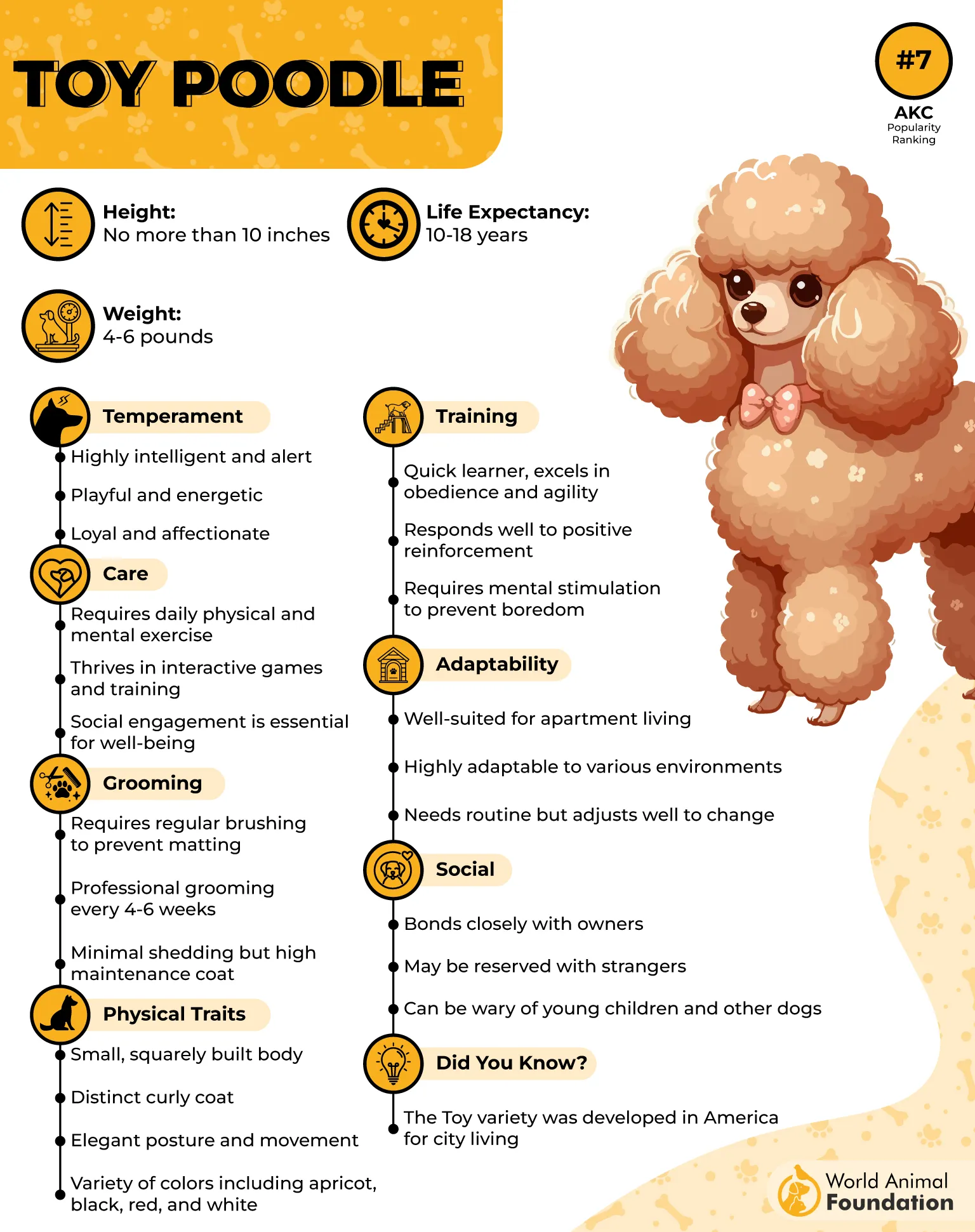
With its naturally upbeat, playful spirit, it loves to jump, spring, and bounce around, making it a natural fit for canine sports. Thanks to its retrieving ancestry, this small dog also has a real love for water and a built-in instinct to fetch.
It’s an affectionate breed too, often showering owners with gentle licks during hugs. While not typically aggressive, it will bark to alert its owner when someone’s at the door. Highly in tune with human emotions, this dog often ends up mirroring its owner’s mood right back at them.
5. Havanese
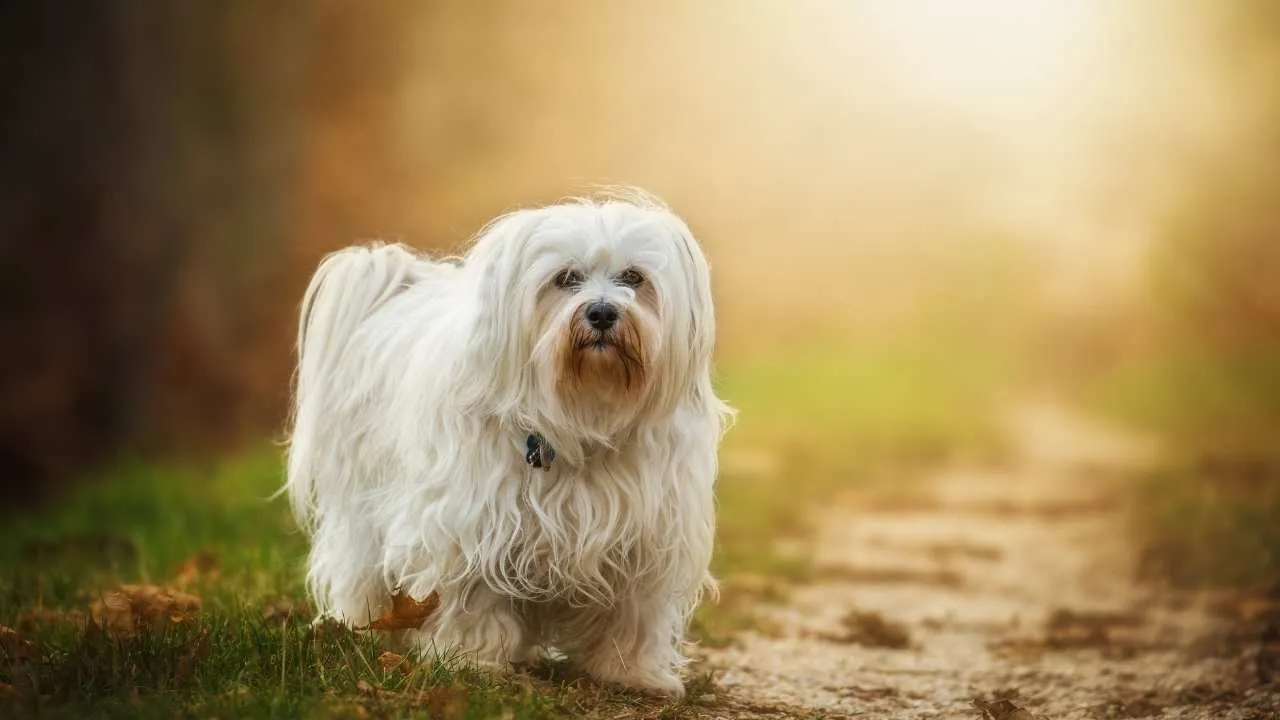
This breed holds the title of Cuba’s national dog and belongs to the Bichon family, tracing its roots back to the Canary Islands in the 16th century. It’s best known for its gorgeous, silky coat, and back in the day, it was often kept as a status symbol, favored by wealthy Cuban aristocrats, according to Orvis.
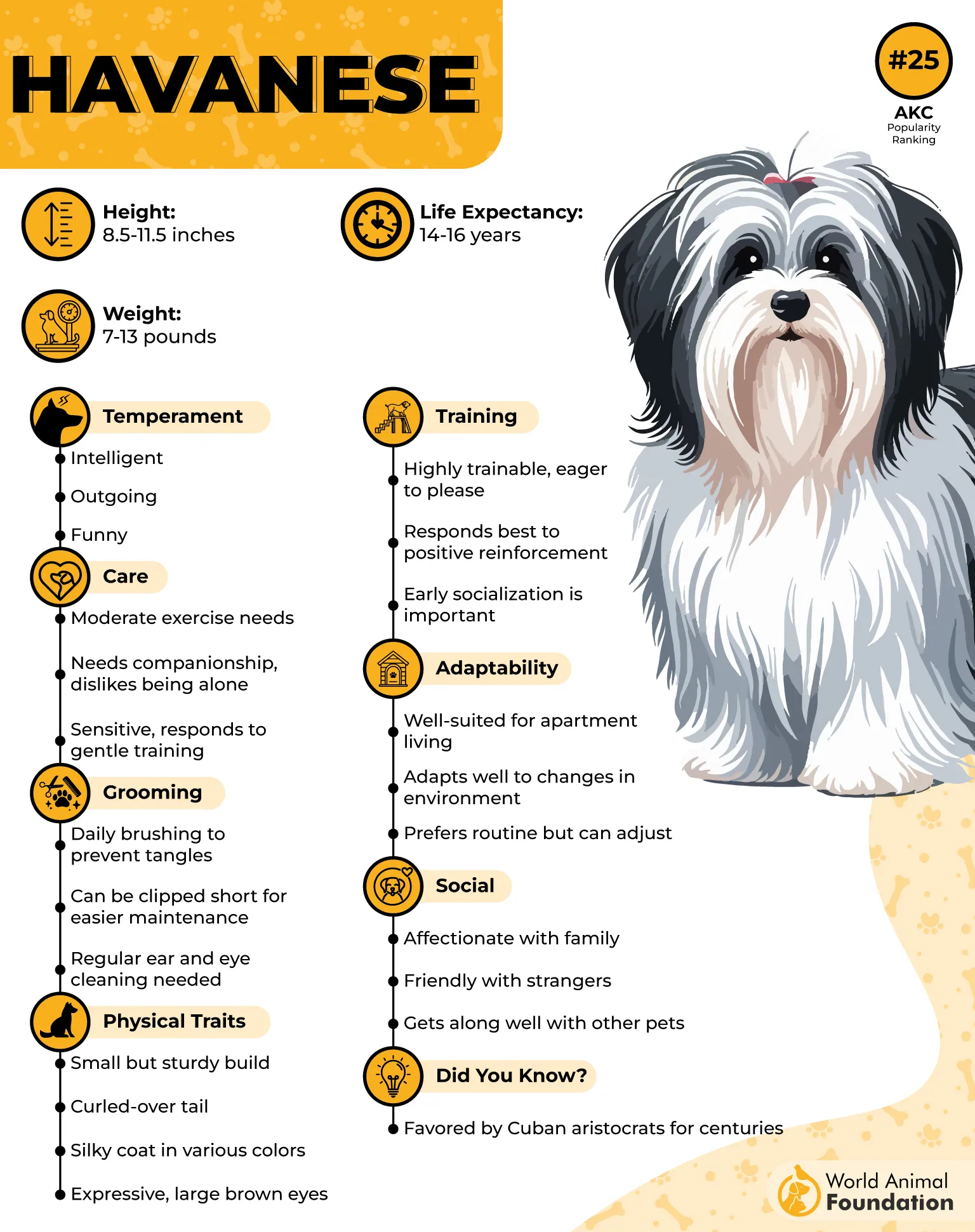
Given its history performing in circuses, it’s no surprise this breed loves showing off a bit of theatrical flair. Its movement is naturally flashy too, with a rising topline and shorter upper arms that create a springy, bouncy gait. Mental stimulation is a must for this dog, and it genuinely thrives on hide-and-seek, scent tracking games, and puzzle toys.
Left bored or ignored for too long, though, it can develop a habit of shredding things around the house. On the bright side, it has a wonderfully gentle temperament and tends to befriend just about everyone, strangers included. Positive reinforcement works best when it comes to training.
6. Shih Tzu
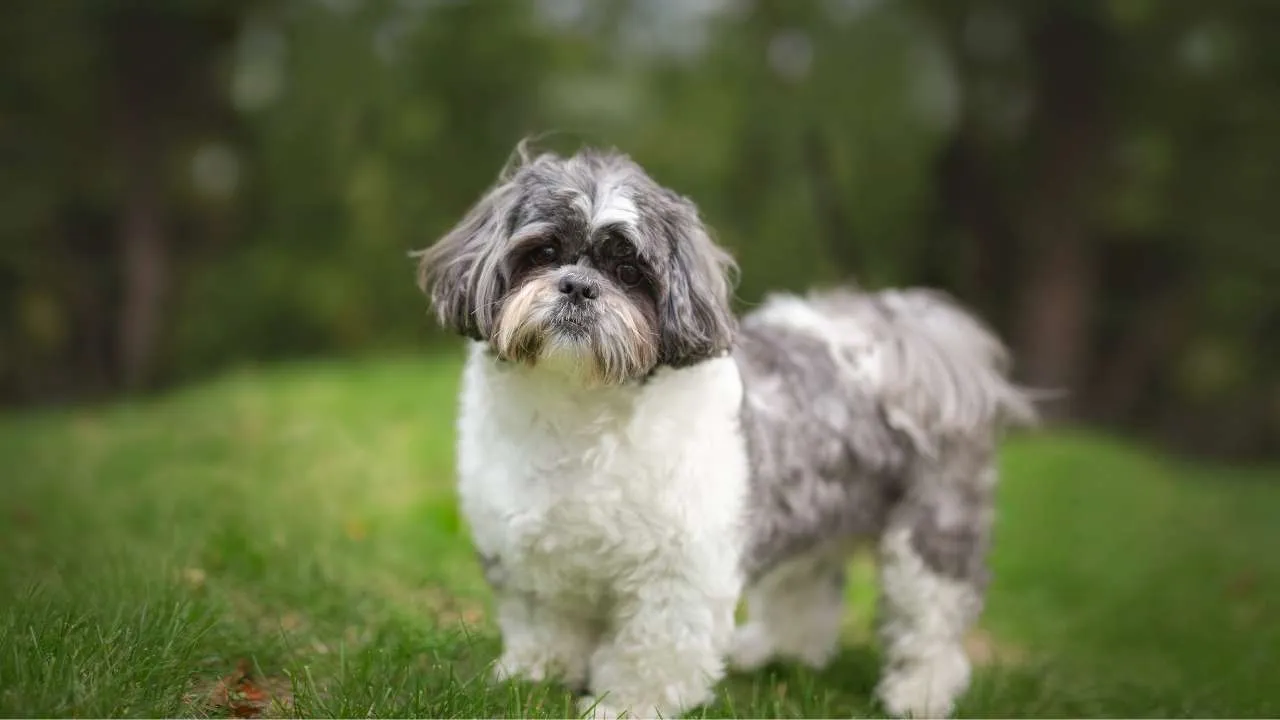
This ancient breed dates all the way back to around 1,000 BC in China, where it was originally bred to serve as a watchdog. It’s believed to have come from crossing the Pug and the Pekingese, and it was often gifted among Chinese royalty as a treasured companion.
The breed didn’t make its way to the West until the mid-20th century, where it later found fans among celebrities like Bill Gates, Beyoncé, and Queen Elizabeth II.
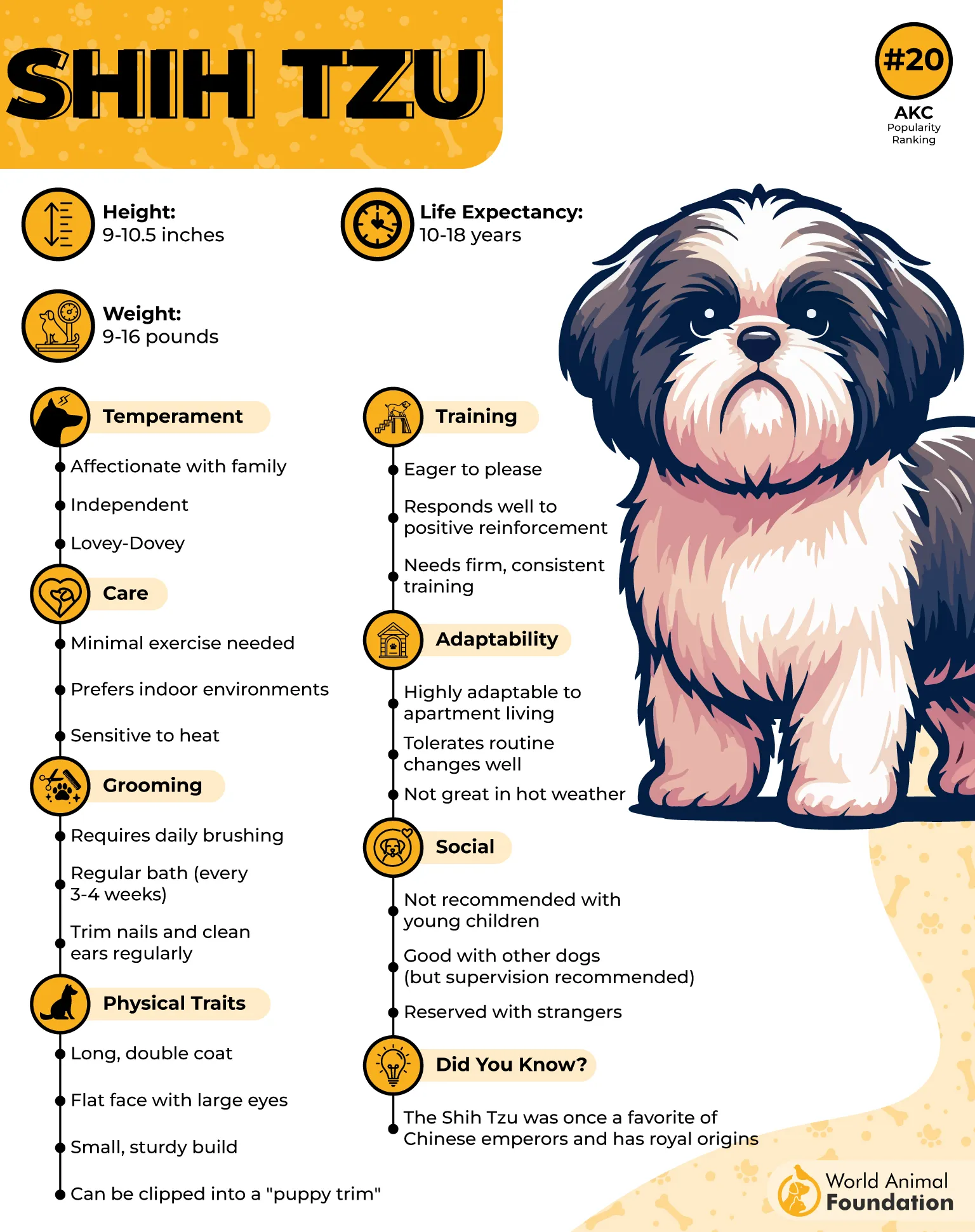
This little dog has a habit of positioning itself somewhere high up, giving it a better vantage point to keep an eye on its surroundings. Its plumed tail wags playfully whenever excitement kicks in, and it’s not unusual to catch it lying flat on the ground with its hind legs stretched out behind it, almost frog-like.
Because of its brachycephalic (flat-faced) build, this affectionate little companion often makes funny snoring sounds while it sleeps.
The fur around its muzzle grows outward in all directions, giving it a look that resembles a chrysanthemum flower in bloom. Since the breed can be a bit stubborn at times, consistent training and proper socialization are key to bringing out its best behavior.
7. Bichon Frise
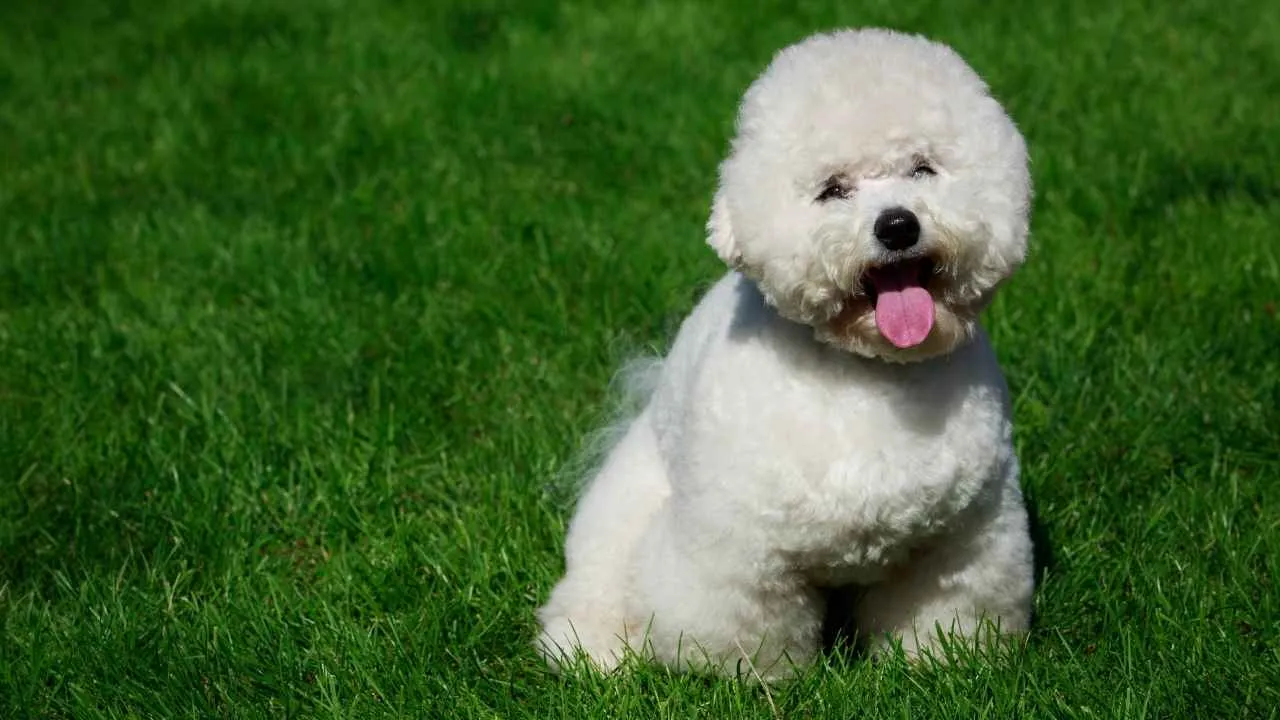
This small breed developed in the Mediterranean region back in the 14th century, descending from the Water Spaniel and later traded across ports by sailors. It even had a devoted royal fan in Henry III of England, who reportedly loved the breed so much he carried it around in a basket hung from his neck. The breed officially made its way to the United States in 1956.
Famous for what’s affectionately called the “Bichon Blitz,” this dog loves zooming around the house in tight, excited circles before collapsing into a long, well-earned nap. It also has an adorable habit of sitting up on its hind legs and waving its front paws in the air, sometimes called the “tup salute,” just to grab a little extra attention.
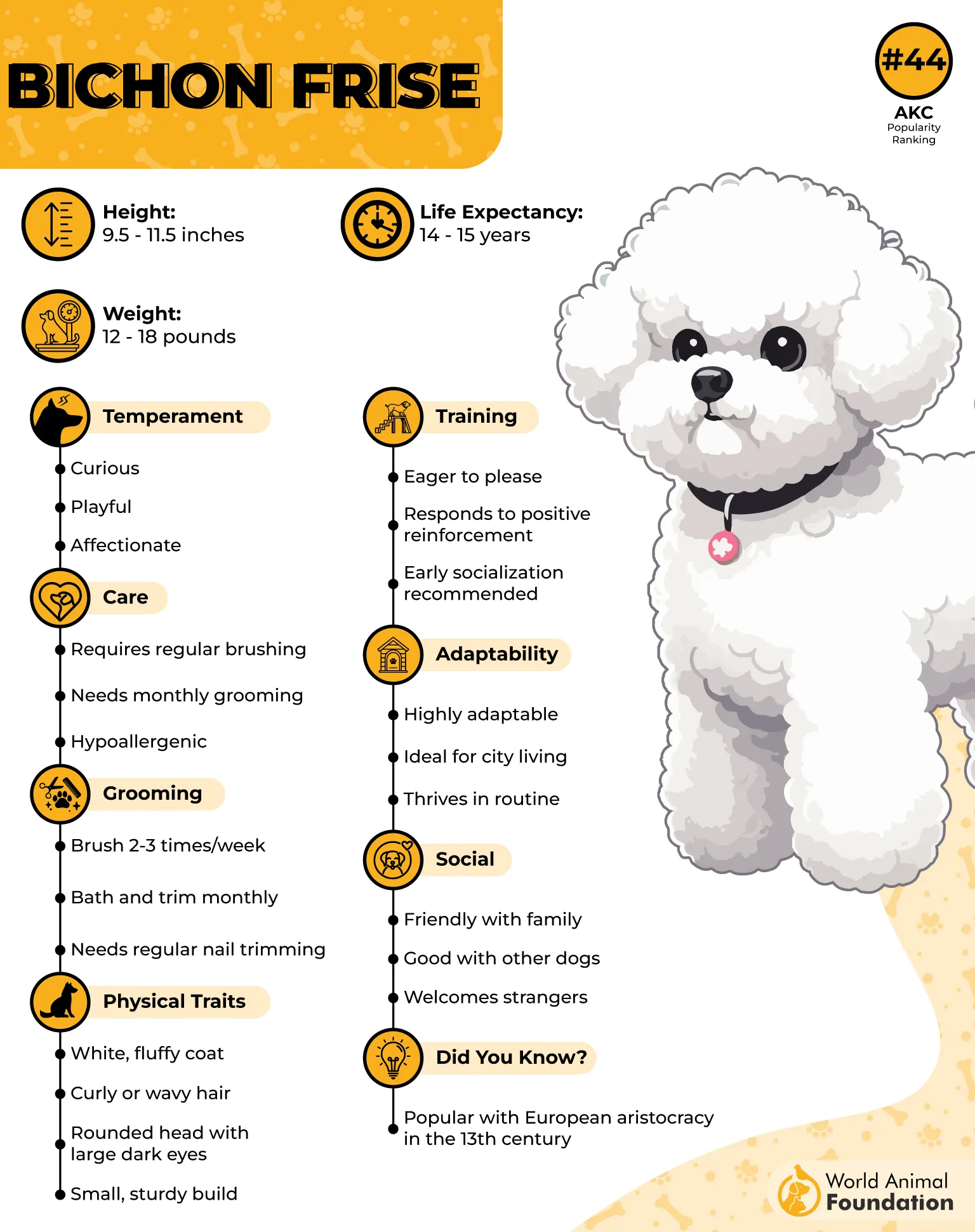
And that puppy-like enthusiasm doesn’t fade with age either. Even senior dogs of this breed often show up proudly with their favorite puzzle toy in tow.
With its affectionate nature and surprisingly good sense of humor, this breed tends to be a real joy to live with. Its non-aggressive temperament makes it a great fit for multi-pet households, and its social, easygoing personality means it usually greets everyone, familiar or not, with a happily wagging tail.
Conclusion
A tiny dog has a way of changing the entire feel of a home, often in surprisingly big ways. The best small dog breeds may differ when it comes to coat care, energy levels, personality, and training needs, but each one offers its own special kind of companionship.
The Maltese carries itself with elegance, the Papillon brings lively curiosity to every moment, and the Pomeranian packs serious confidence into its tiny frame.
Toy Poodles are a great match for owners who love a bright, easily trainable companion, while Havanese, Shih Tzus, and Bichon Frises bring plenty of warmth, character, and personality to everyday life. Whichever little dog breed you choose, a bit of structure, consistent attention, and genuine care go a long way in strengthening that bond over time.
