




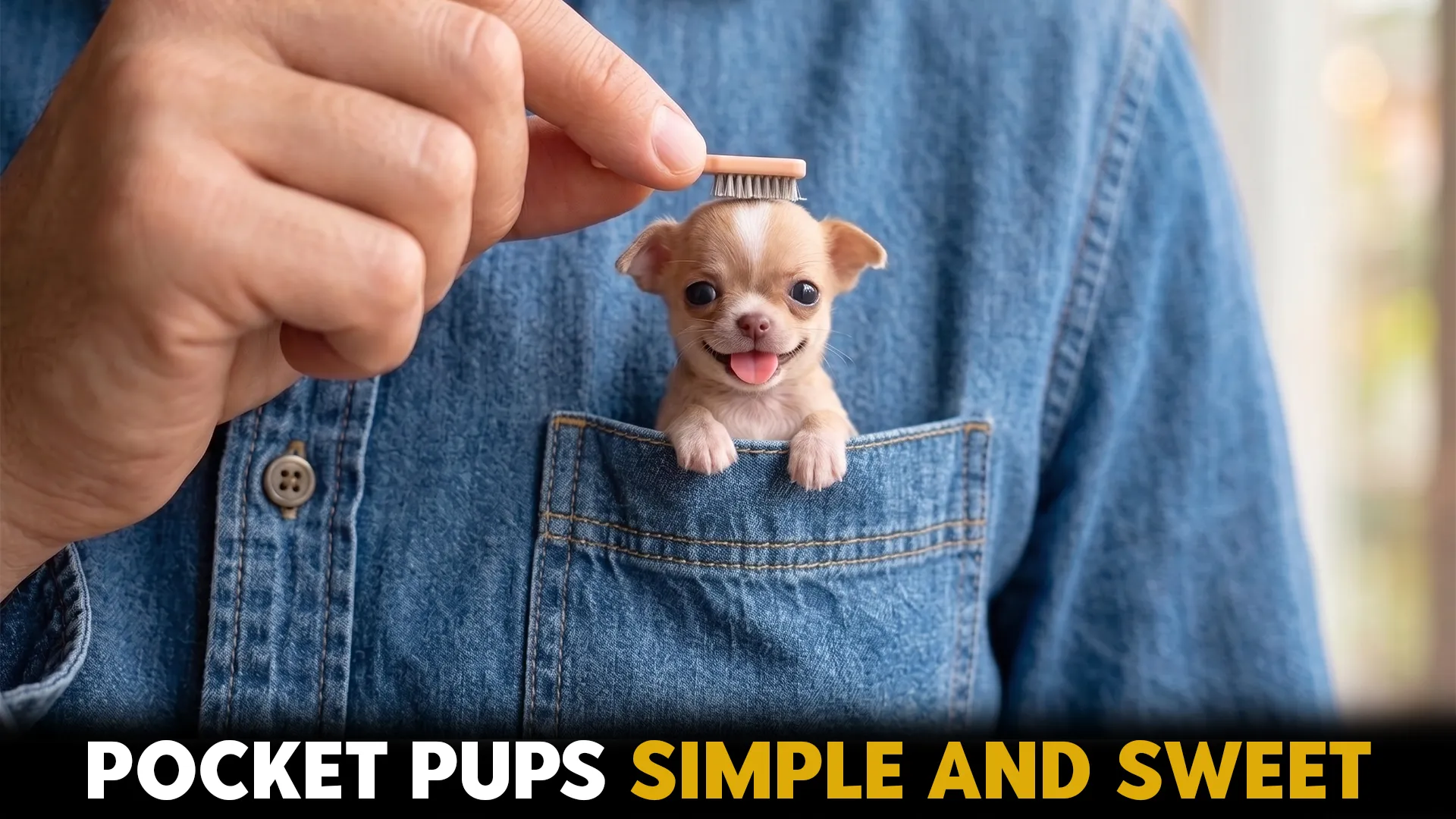
Small breeds are not just easier to carry around. A UK study tracking nearly 600,000 dogs found they also live, on average, almost a full year longer than large ones.
More years together sounds great, but longevity alone does not tell you how much daily work a pooch will need from you.
Grooming habits and trainability are a separate story entirely, and most owners mix the two up without realizing it. A low-shedding coat and low-maintenance needs do not guarantee an easy student, and a quick learner does not always mean a wash-and-go pooch.
The whole family, first-time owners, and anyone juggling cats, kids, or a busy house still deserve a calm, teachable companion that fits real life, not just a long lifespan.
Which pint-sized pups actually make both lists? Keep reading to find out.
Precious Pocket Dog Breeds: Easy to Groom and Train
1. Chihuahua
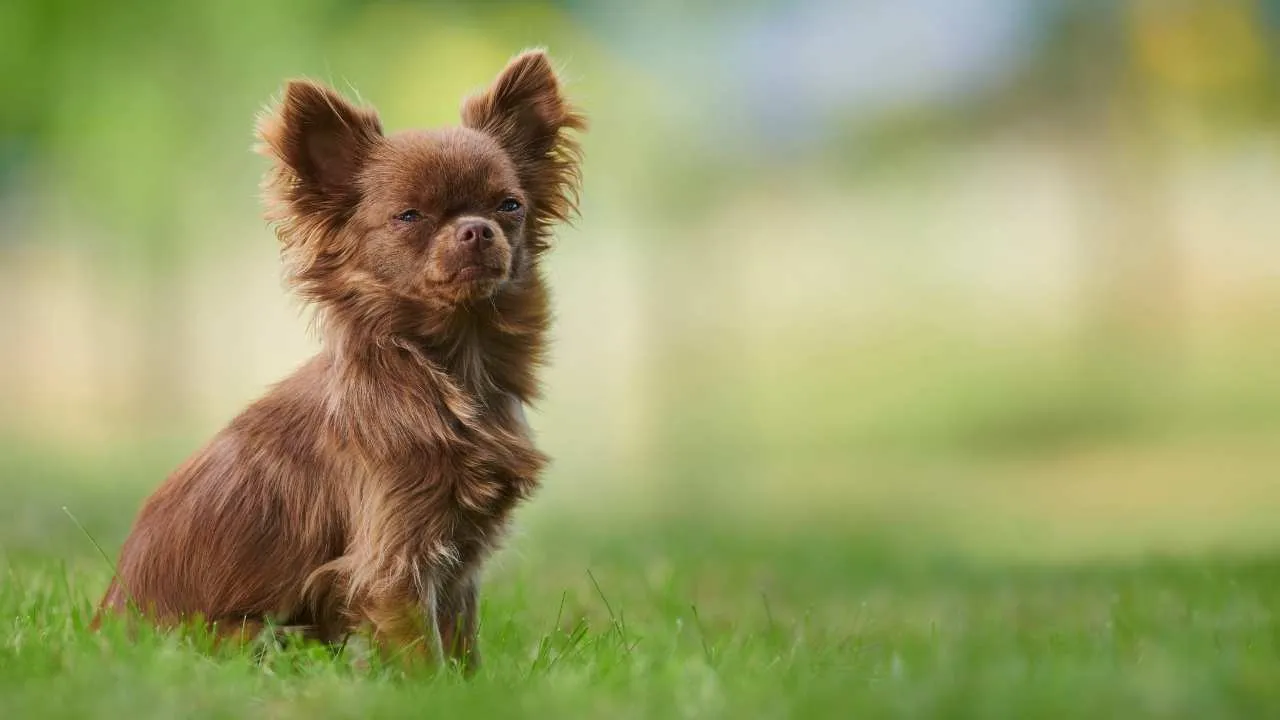
A Chihuahua’s coat practically grooms itself, and its sharp mind picks up lessons fast once treats appear. Owners get minimal upkeep paired with a quick learner.
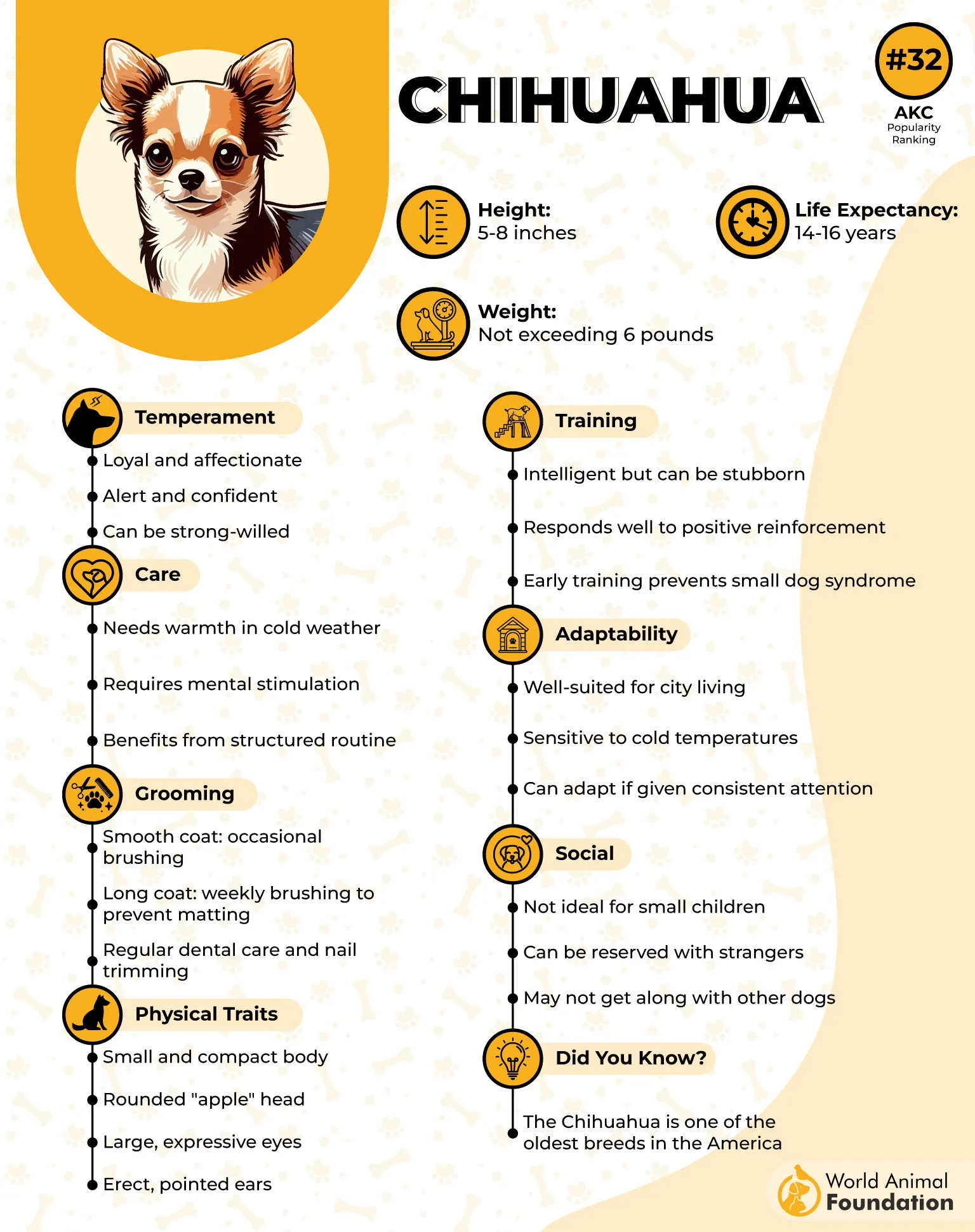
A Chihuahua that trusts its owner settles easily into brushing and handling. That same trust is what makes basic commands stick so fast. Confidence at home shapes a calm, cooperative pooch everywhere else.
Trainability snapshot: Eager to please once trust is earned, though strangers can trigger a stubborn streak. Short, reward-based sessions work best.
Coat type: Smooth, short coat that needs only a weekly brush, with no professional trims and minimal shedding.
According to the AKC, this breed is prone to dental crowding from its small jaw, so routine checkups matter. With basic care, a Chihuahua often stays playful well into old age.
2. Maltese
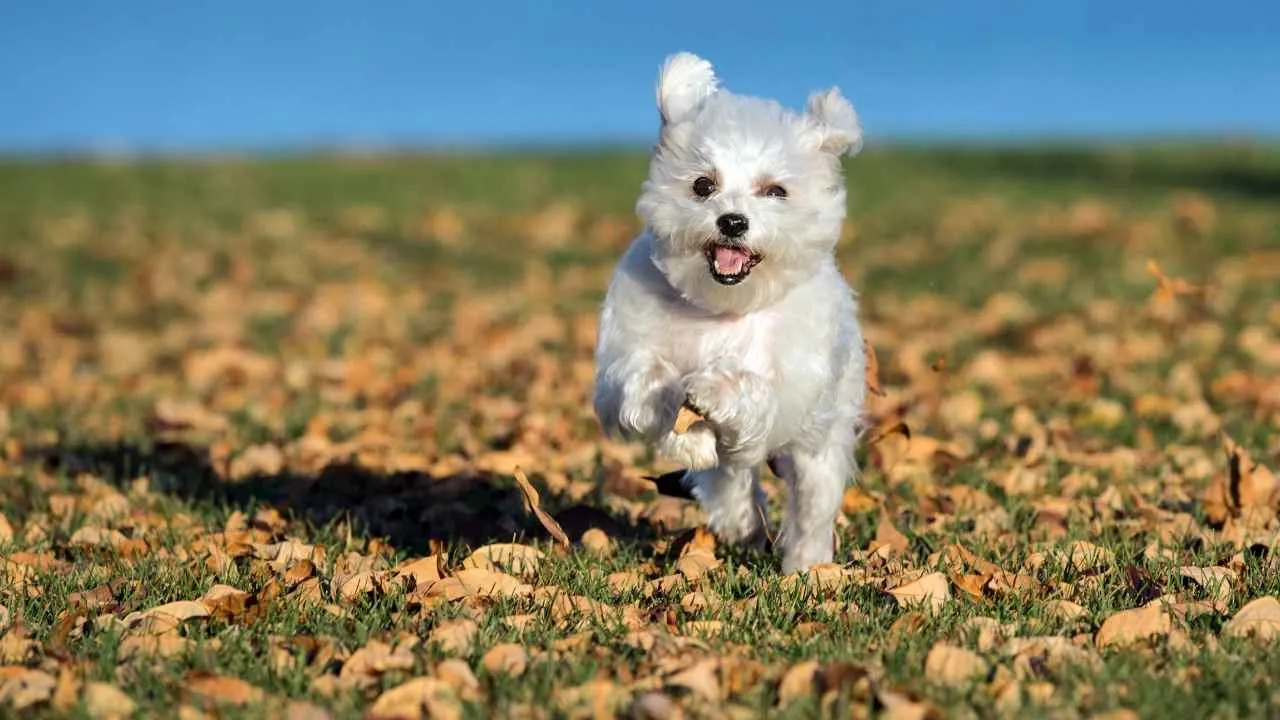
The Maltese looks high-maintenance with that flowing white coat, but looks are deceiving once you learn the breed. Its eagerness to please turns training into quick, easy wins.
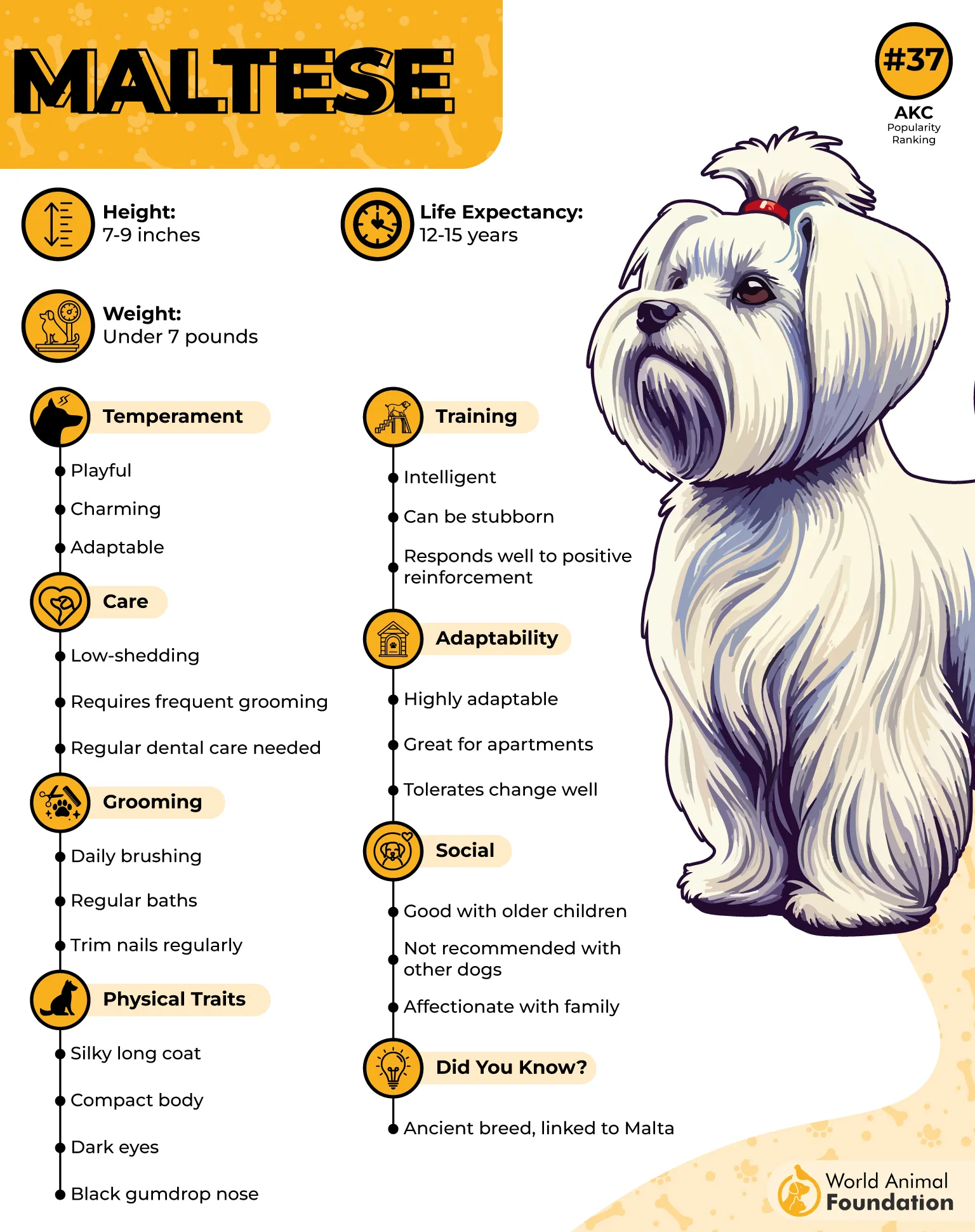
A Maltese that feels secure settles into brushing without a fuss, and that same trust carries into basic commands. Calm handling early builds a cooperative pooch as the dog grows.
Trainability snapshot: Quick to learn with little stubbornness once routines are set. Short daily sessions with praise beat long drills.
Coat type: Long, silky coat that tangles if left untrimmed; a short puppy cut cuts brushing to 2 to 3 times a week.
According to PetMD, Maltese dogs are prone to tear staining, so a daily wipe keeps the face clean. Small jaws crowd easily too, making dental checks part of routine upkeep.
3. Pomeranian
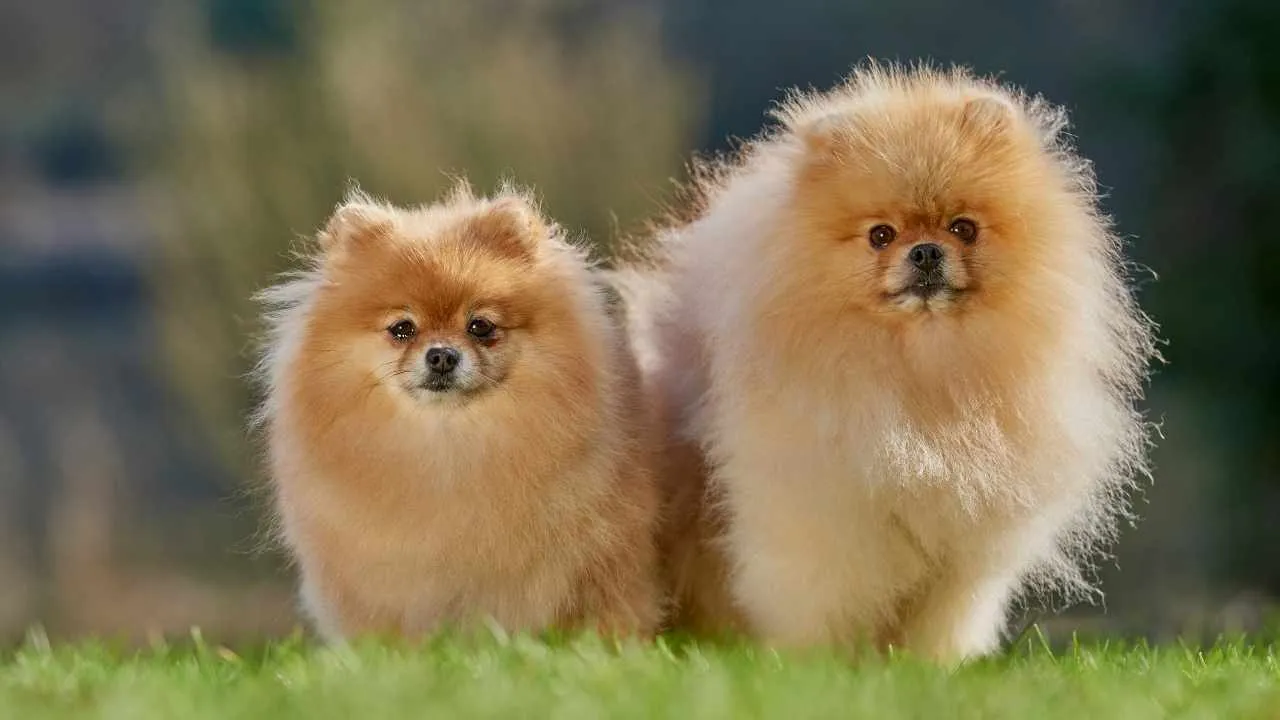
A Pomeranian’s fluffy coat looks like serious work, but its sharp mind makes training the easy half of the deal. Grooming stays a simple home routine once you know the drill.
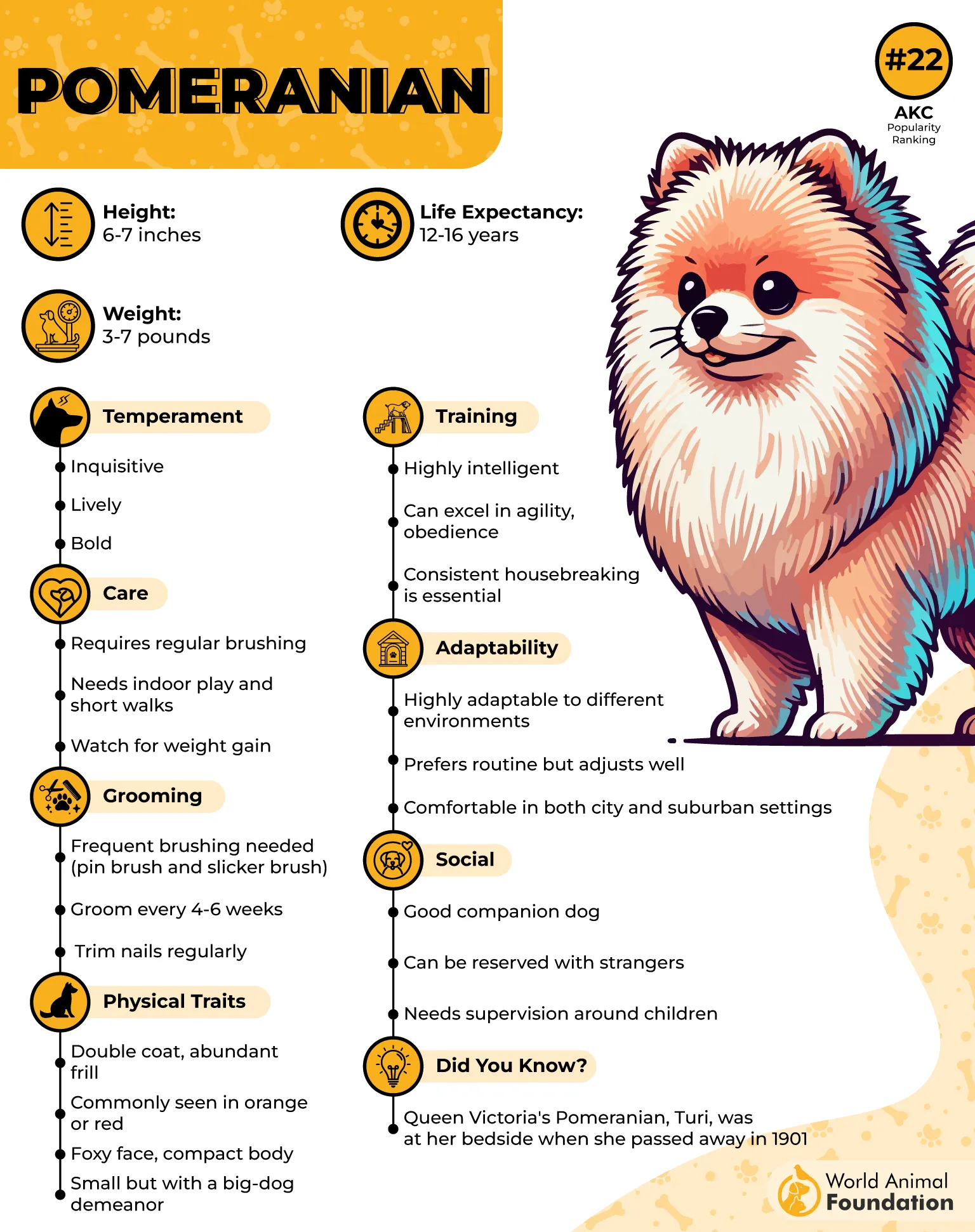
This breed thrives on attention, and that hunger for praise is what makes lessons click fast. The same people-focused nature turns grooming time into bonding rather than a chore.
Trainability snapshot: Intelligent and eager for mental stimulation, though a bold streak can mean selective hearing. Upbeat, consistent training keeps this breed focused.
Coat type: Thick double coat that sheds seasonally and needs brushing 3 to 4 times a week, with no professional trims needed.
As per VCA, this breed can be prone to dental issues and luxating patella, so routine vet checks matter. With regular play and care, a Pomeranian often stays spirited into old age.
4. Havanese
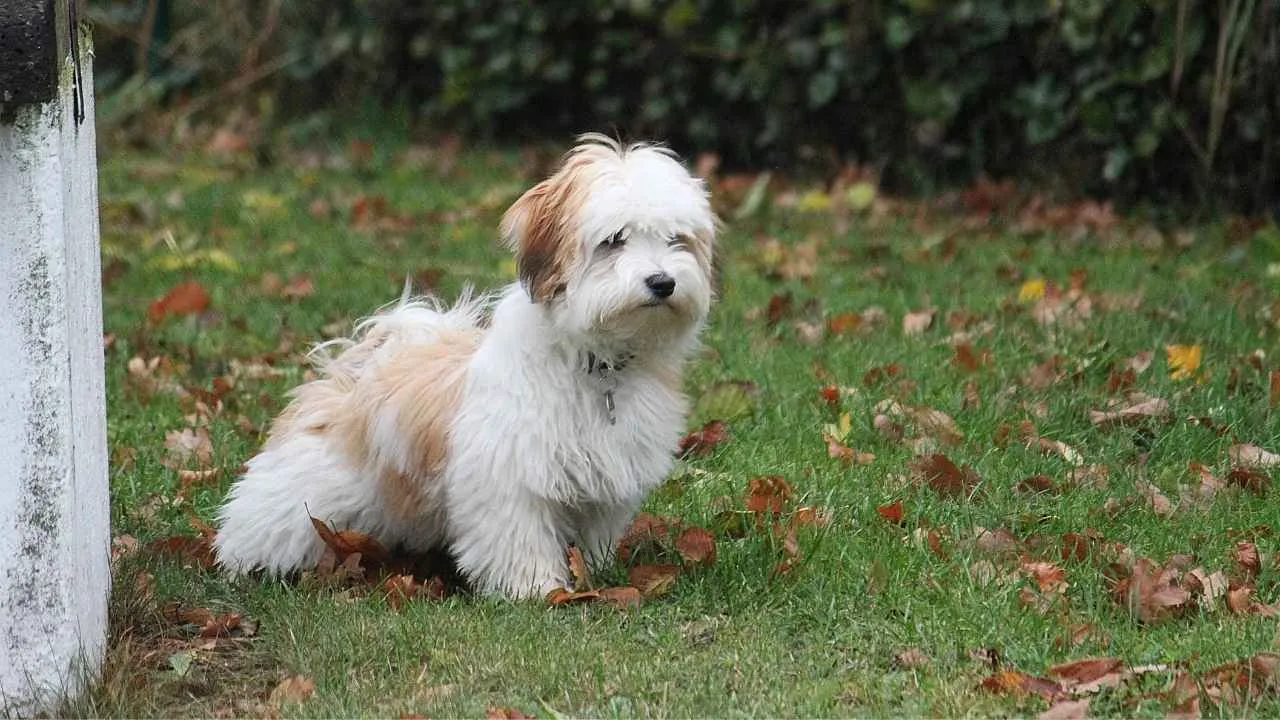
The Havanese pairs a gentle coat with a brain built for learning, making this one of the friendliest pocket breeds for busy owners. Grooming and training both move at a relaxed pace.
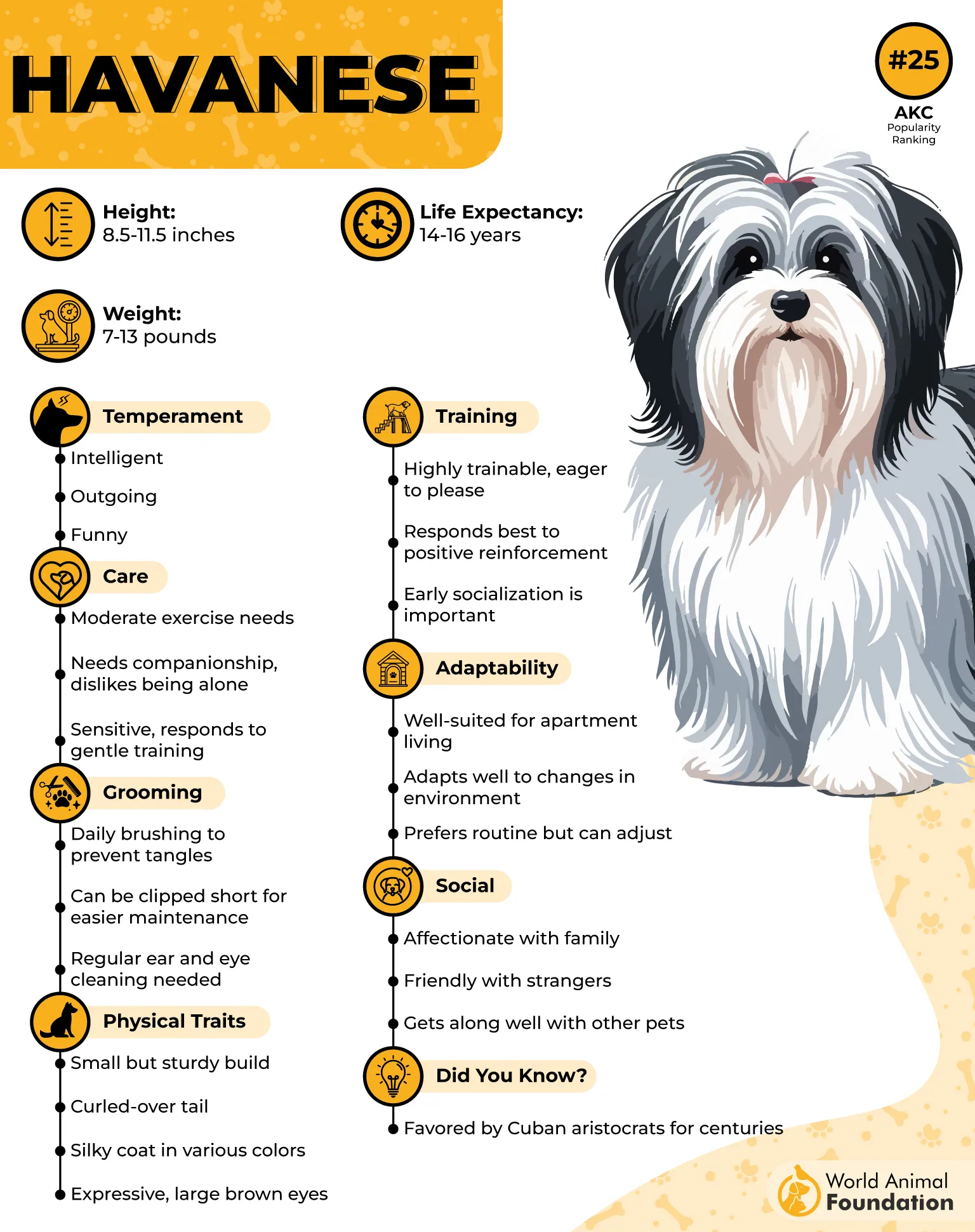
A Havanese that bonds closely with its family grooms easily, since trust turns brushing into quiet time together. That closeness also fuels fast progress on commands, because this breed genuinely wants to stay near its person.
Trainability snapshot: Smart and cooperative, with almost no stubborn streak when training stays positive. Short, playful sessions and a calm tone work best.
Coat type: Long, silky, low-shedding coat that needs brushing 3 times a week to prevent matting, plus occasional professional trims.
This breed tends to stay healthy with basic upkeep, though regular ear checks matter since hair can trap moisture. A balanced diet keeps joints strong as a Havanese ages into its playful senior years.
5. Toy Poodle
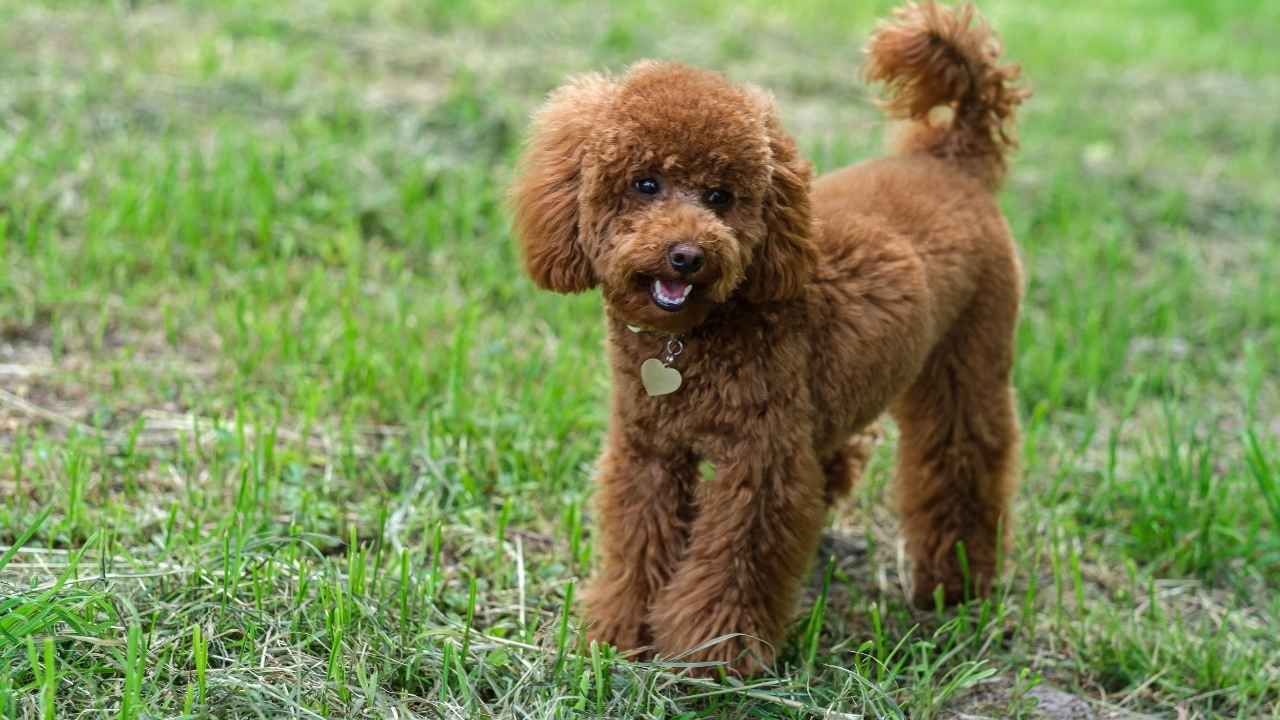
A Toy Poodle might be the top student of this pocket-sized class, making both grooming and training feel almost effortless. Owners get a pooch that learns fast and tolerates handling well.
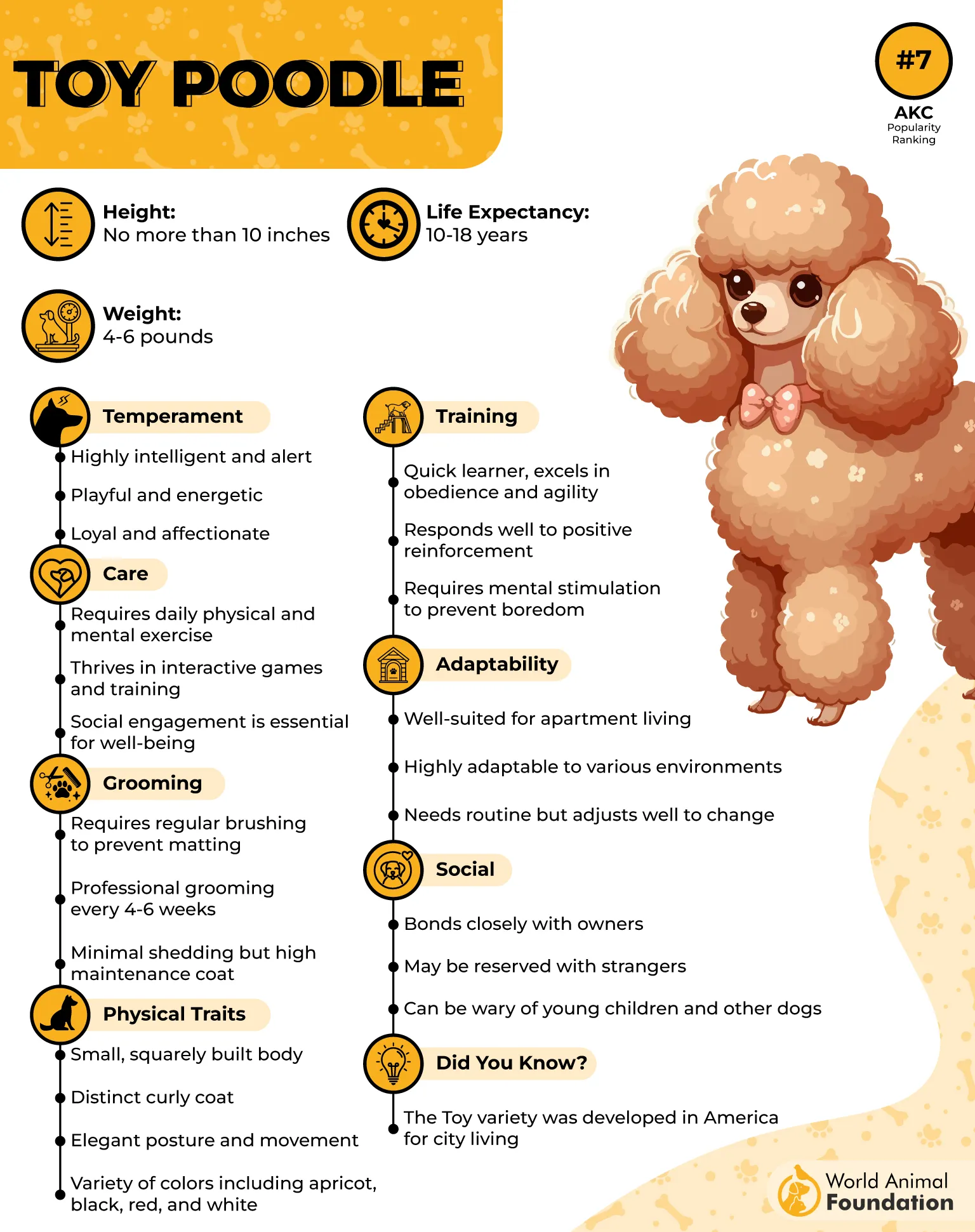
This breed’s eagerness to please shows up everywhere, from standing still for a trim to mastering a new command in just a few tries. A Toy Poodle that respects its owner rarely resists either task.
Trainability snapshot: Exceptionally intelligent and quick to master basic commands and advanced tricks alike. Reward-based training with mental stimulation keeps boredom away.
Coat type: Curly, low-shedding coat that needs brushing 3 to 4 times a week, plus a professional trim every few weeks.
As per Britannica, Poodles were originally bred as water retrievers, which explains the sharp focus this breed still carries. Routine ear cleaning matters since the coat traps moisture easily.
6. Papillon
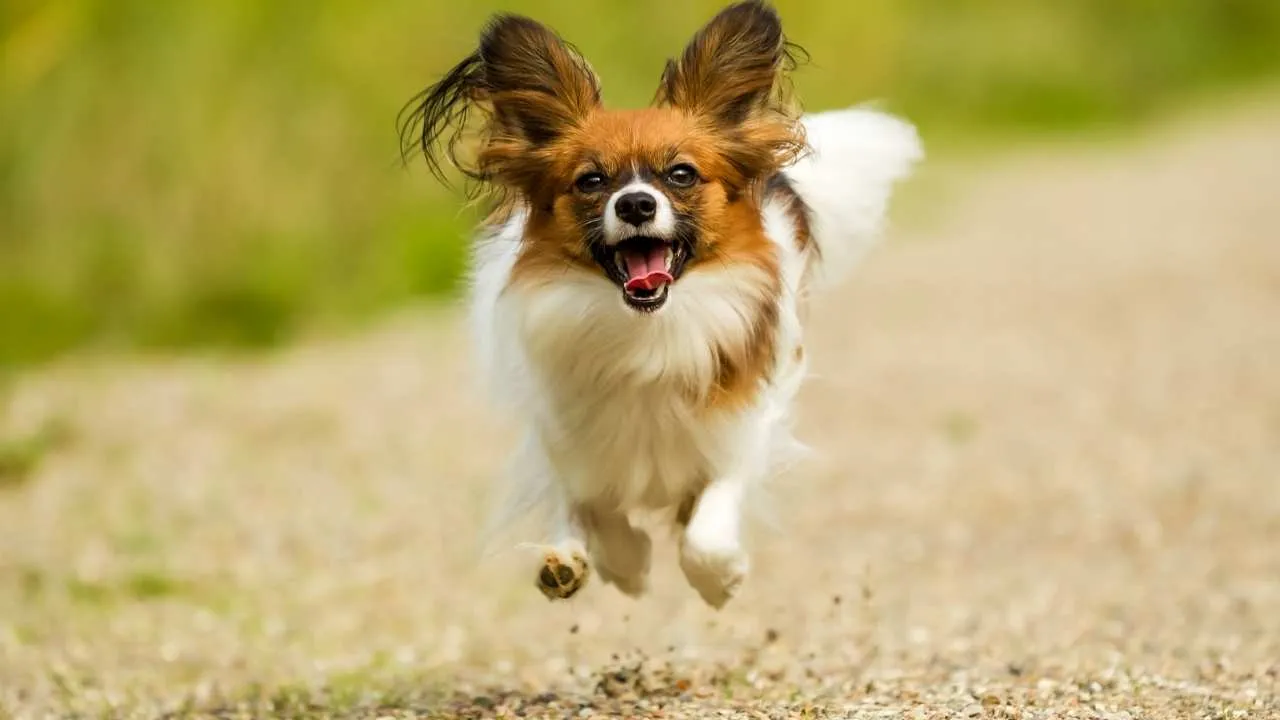
With butterfly-shaped ears and a coat that sheds little, the Papillon turns heads without demanding hours of upkeep. A sharp mind also makes this one of the quicker pocket breeds to train.
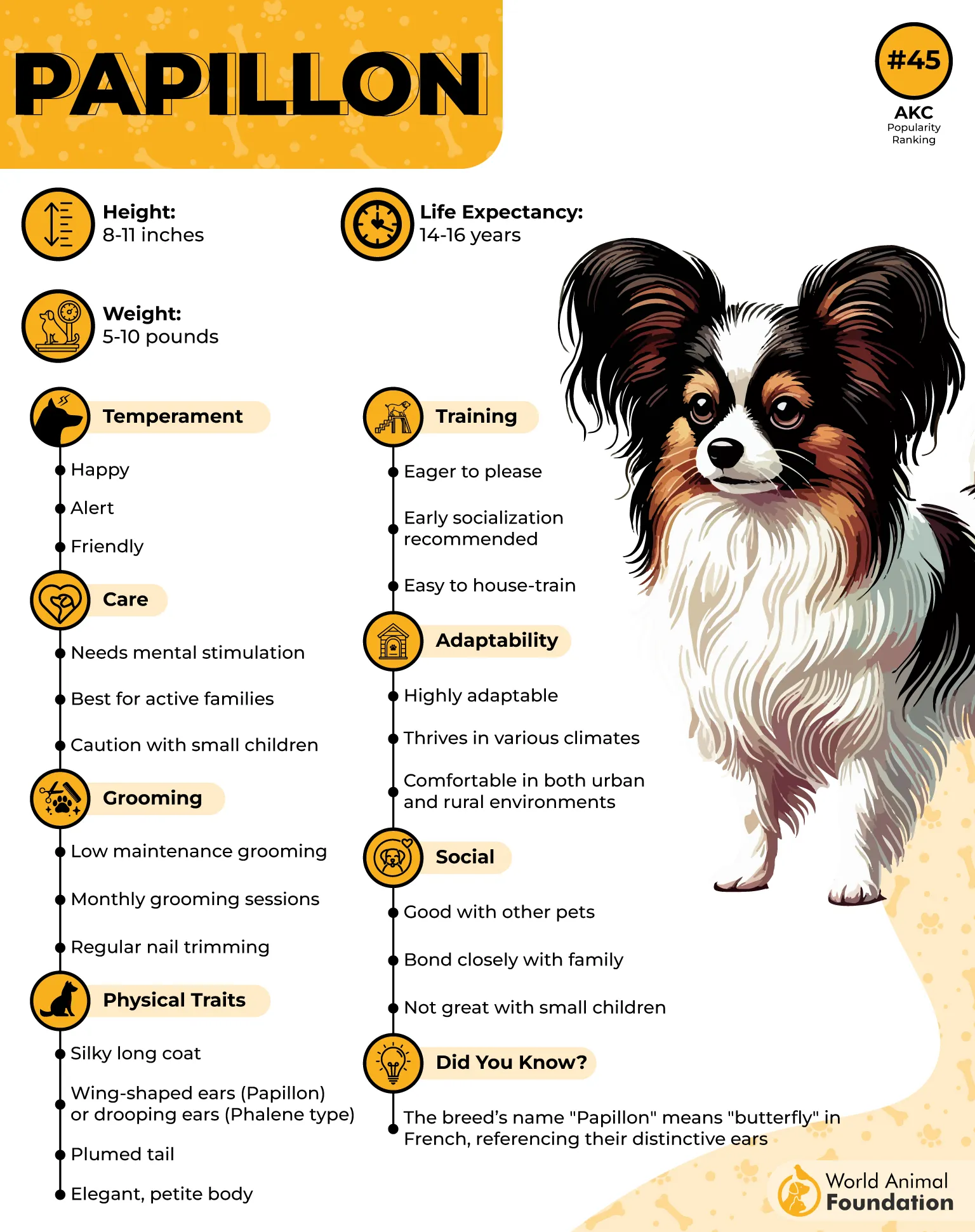
A Papillon that feels confident around its owner settles fast during brushing, and that same confidence shows in how quickly commands stick. Strong bonds built early shape a cooperative dog for life.
Trainability snapshot: Ranked among the most intelligent toy breeds, with minimal stubbornness and genuine enjoyment of new tricks. Varied, upbeat sessions keep this breed engaged.
Coat type: Single, silky coat with feathering that sheds lightly and needs brushing 2 to 3 times a week, with no trims required.
This breed stays fairly healthy overall, though those famous ears need a quick check for dirt or wax buildup. Joint care matters too, since small frames can be prone to patella issues.
7. Brussels Griffon
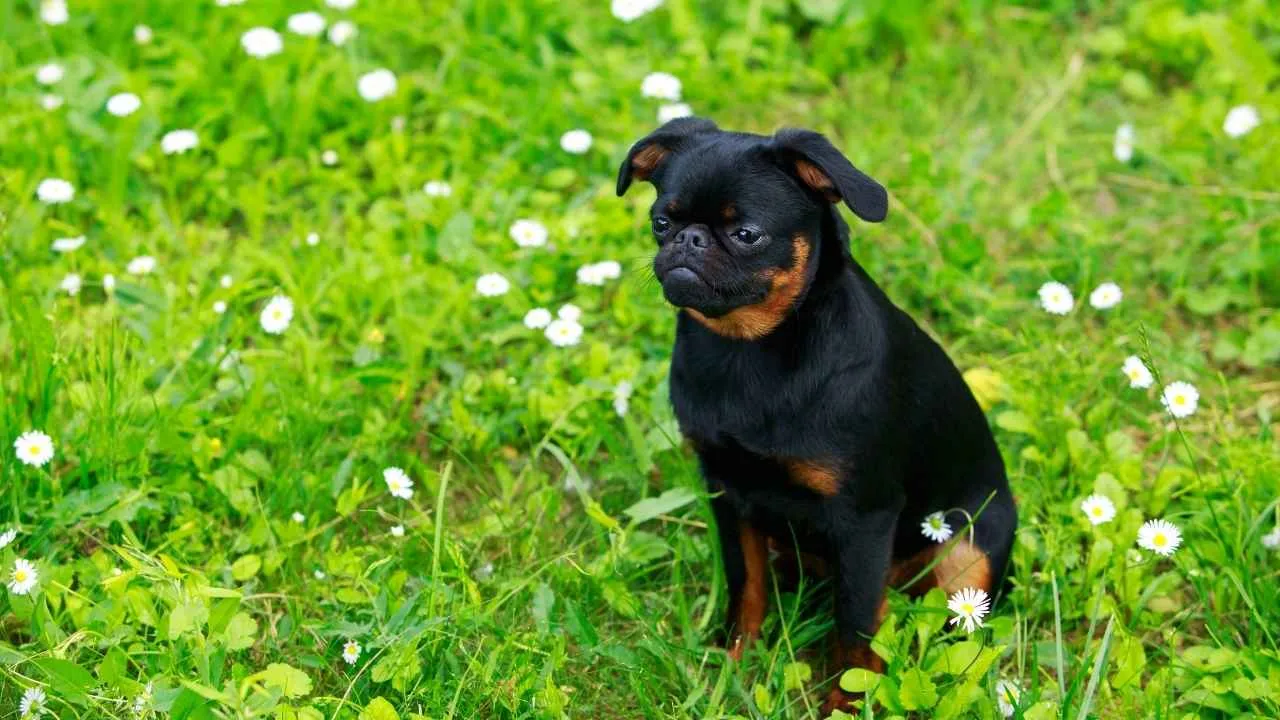
The Brussels Griffon has a big personality packed into a small frame, and with proper training, sessions become genuinely fun rather than a struggle. Grooming stays simple once the coat type is understood.
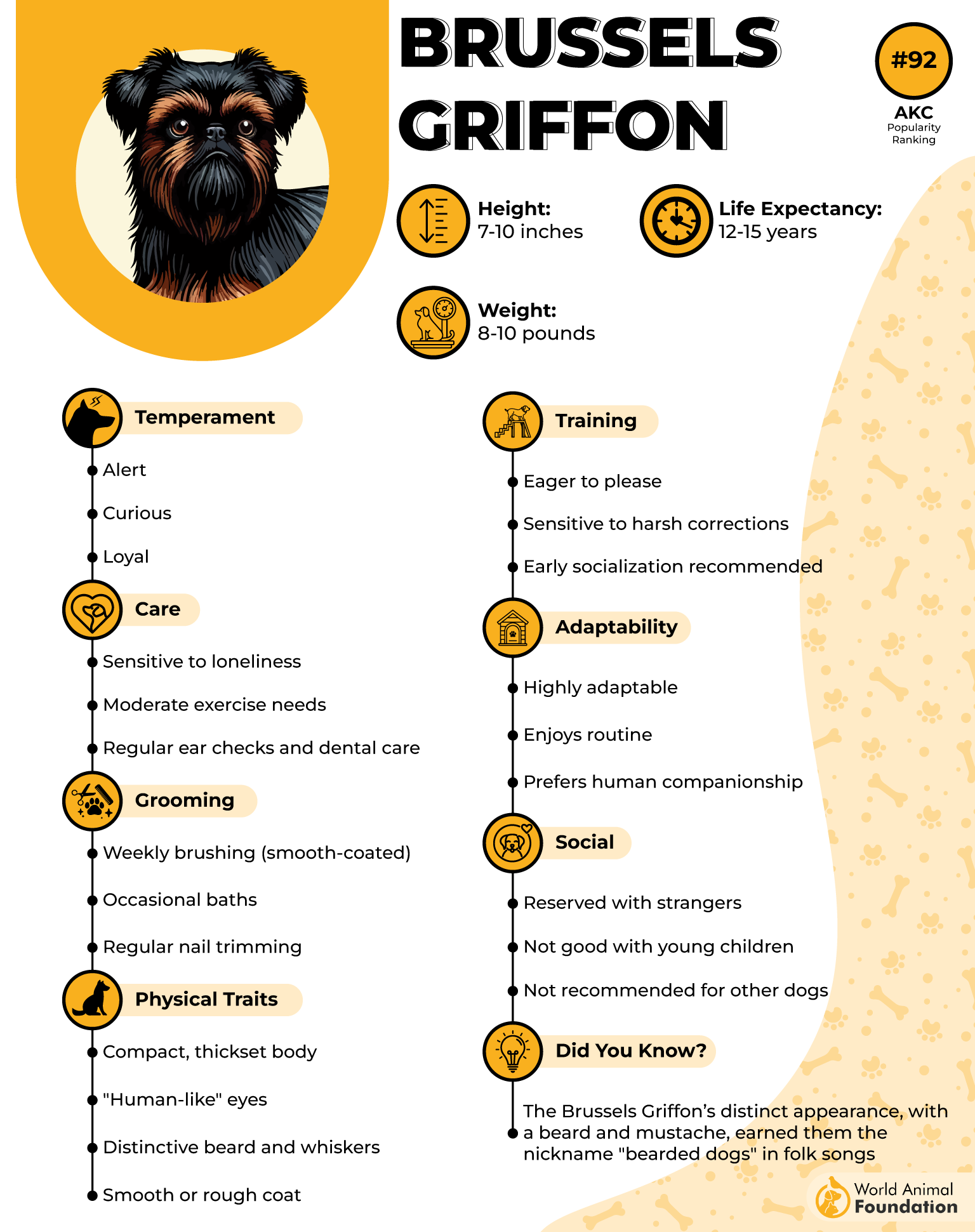
This breed bonds tightly with its person, and that closeness turns both brushing and basic commands into cooperative moments rather than battles. Sensitivity to tone matters more than firmness here.
Trainability snapshot: Intelligent and willing, though sensitive to harsh corrections. Gentle, consistent training with treats brings out the best here.
Coat type: Comes in smooth or rough varieties; the rough coat needs hand stripping 2 to 3 times a year, while the smooth coat needs just a weekly brush.
This breed can be prone to breathing issues due to its short muzzle, so exercise in cooler weather is best. Eye checks matter too, given its prominent eyes.
Conclusion
Across all 7 of these pocket dogs, one pattern repeats: proper training paired with a simple coat routine turns a demanding-looking pet into an easygoing member of the family. Strong bonds, not constant attention, are what truly make a pooch easy to live with from puppy days to old age.
Whichever breed fits your house, your kids, and your pace of life, the size makes the coat and training load lighter than most owners expect. Ready to adopt? Find a reputable breeder or local rescue, add some mental stimulation to playtime, and bring your new pooch home today.
