




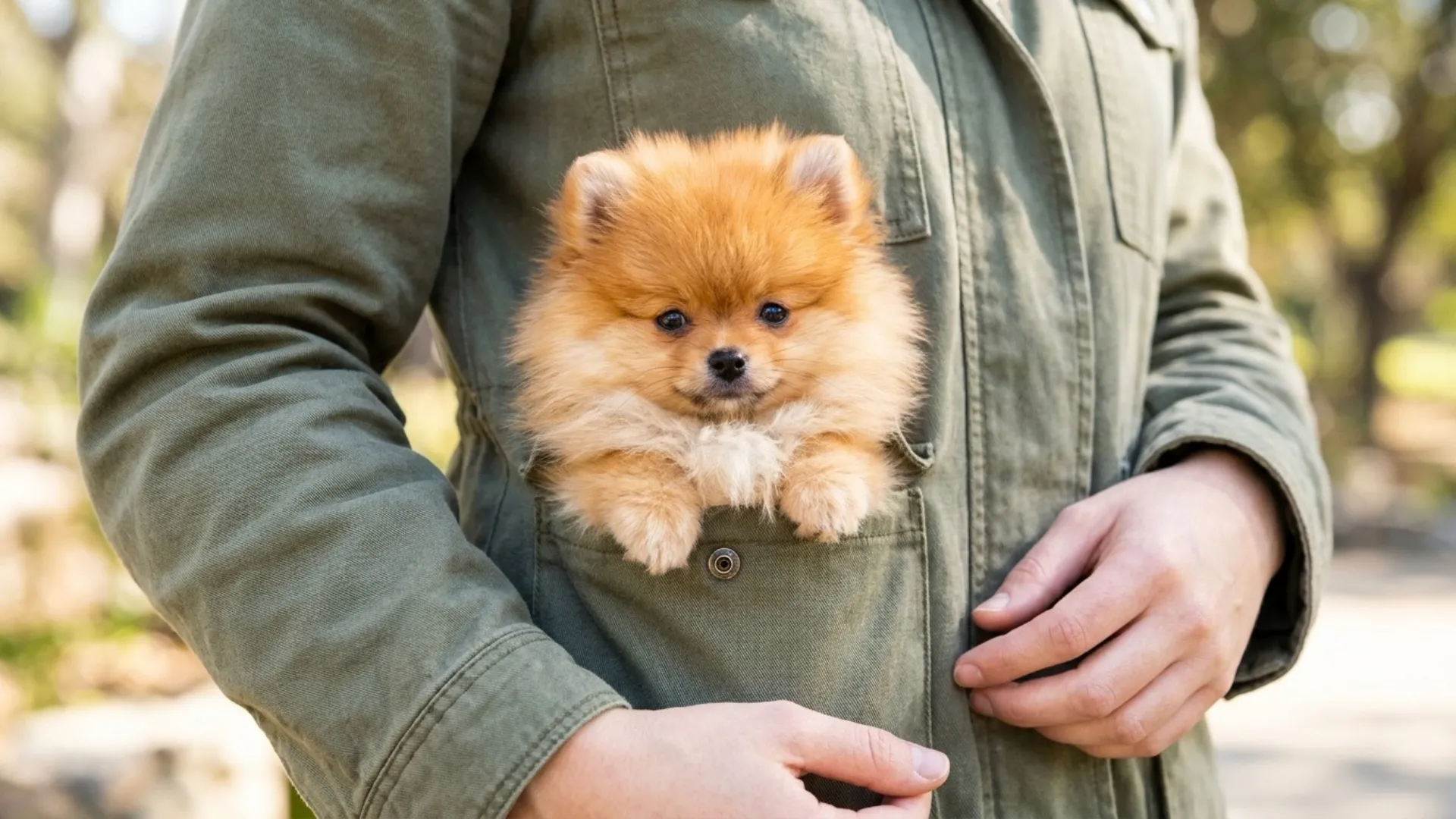
Pocket dogs may be small in size, but they have plenty of charm, personality, and affection to offer. These tiny companions are loved for their adorable appearance, portable size, and ability to fit into different lifestyles.
Despite their small stature, these dogs have individual needs, temperaments, and care requirements. Some are energetic and enjoy playtime, while others are happiest relaxing beside their owners.
Understanding their personalities, grooming needs, and activity levels can help you find a breed that suits your home and daily routine.
Whether you want a loyal lapdog, a lively little companion, or a tiny friend to share your everyday moments, there are plenty of breeds to consider. Explore these precious pocket dog breeds to discover what makes each one special and which little companion might be right for you.
Precious Pocket Dog Breeds: A Complete Guide
1. Brussels Griffon
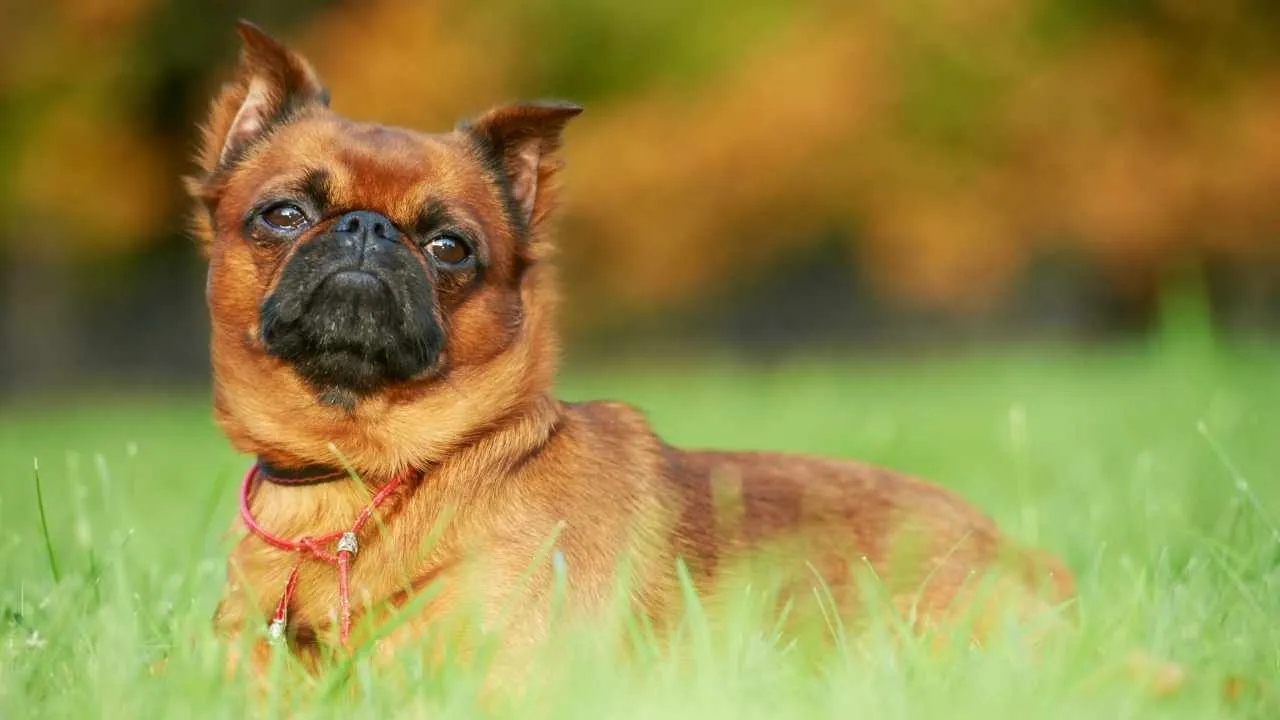
Brussels Griffons are charming pocket dogs known for their almost human-like expressions and big personalities. Originally bred as ratters in Belgium, they later became popular house companions.
Their distinctive features include large, dark eyes, short muzzles, and bearded faces. They come in four colors: red, beige, black and tan, and black. Their coats can be either smooth or rough.
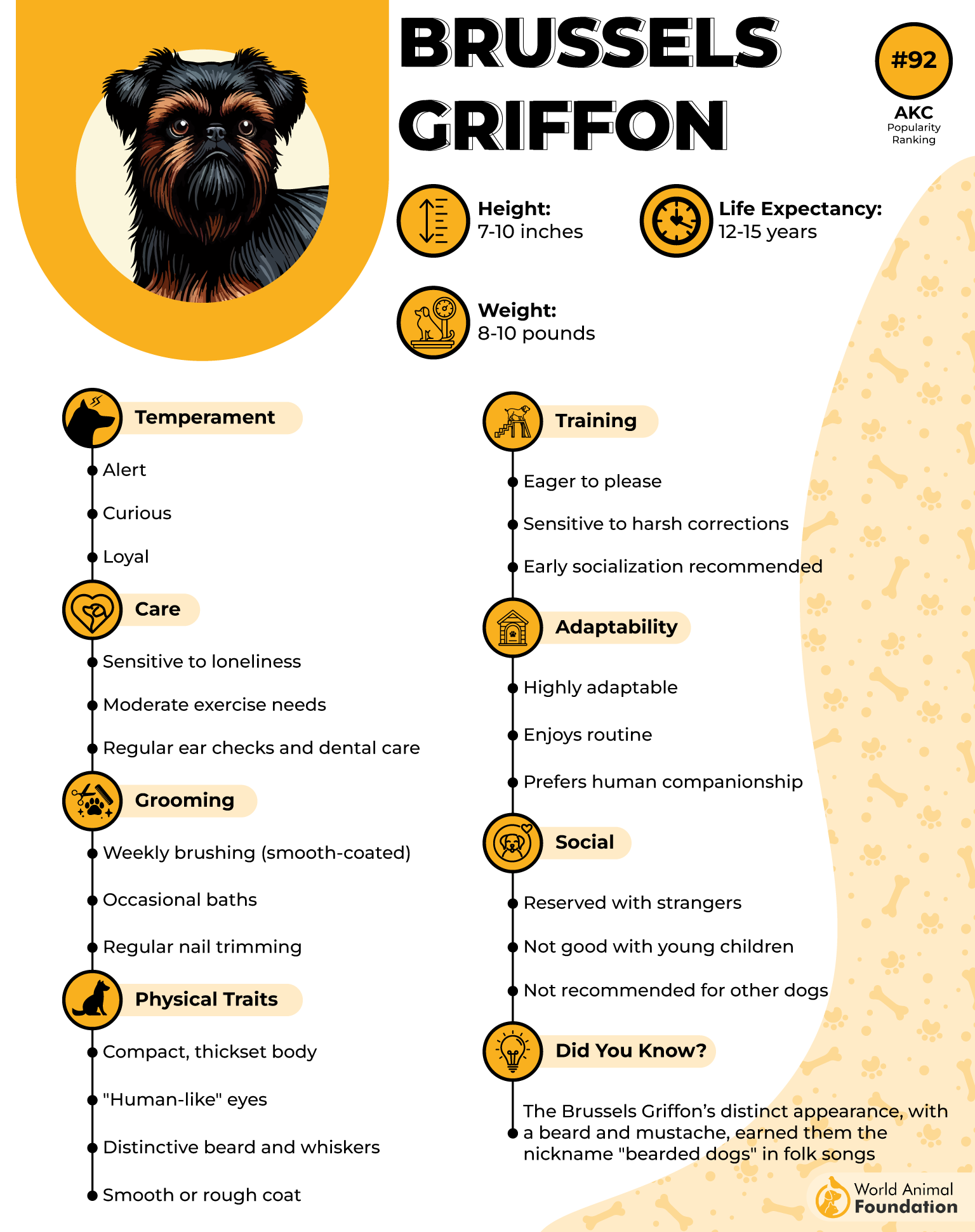
Personality and Temperament
Brussels Griffons are intelligent, alert, playful, and devoted to their owners. They enjoy learning and can excel in agility and obedience training.
However, they can be stubborn and sensitive, so training requires patience. They love human company and do not enjoy being left alone for long. Their delicate nature also makes them unsuitable for rough play with children.
Care and Living Conditions
These dogs adapt well to apartments and smaller homes but need daily walks, games, and attention. PetMD says that they are best kept indoors because they are sensitive to both hot, humid weather and extreme cold.
They generally get along with familiar dogs and cats but may be aggressive toward unfamiliar dogs. They can also bark excessively without proper training.
2. Pomeranian
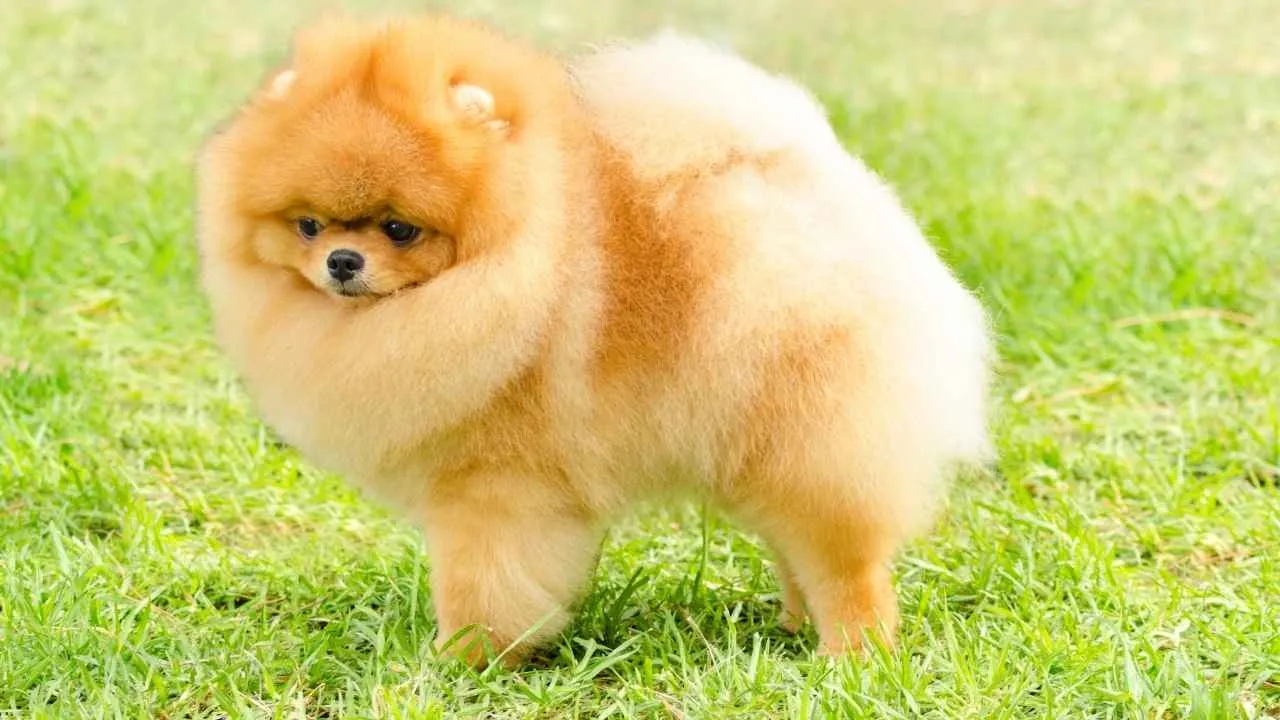
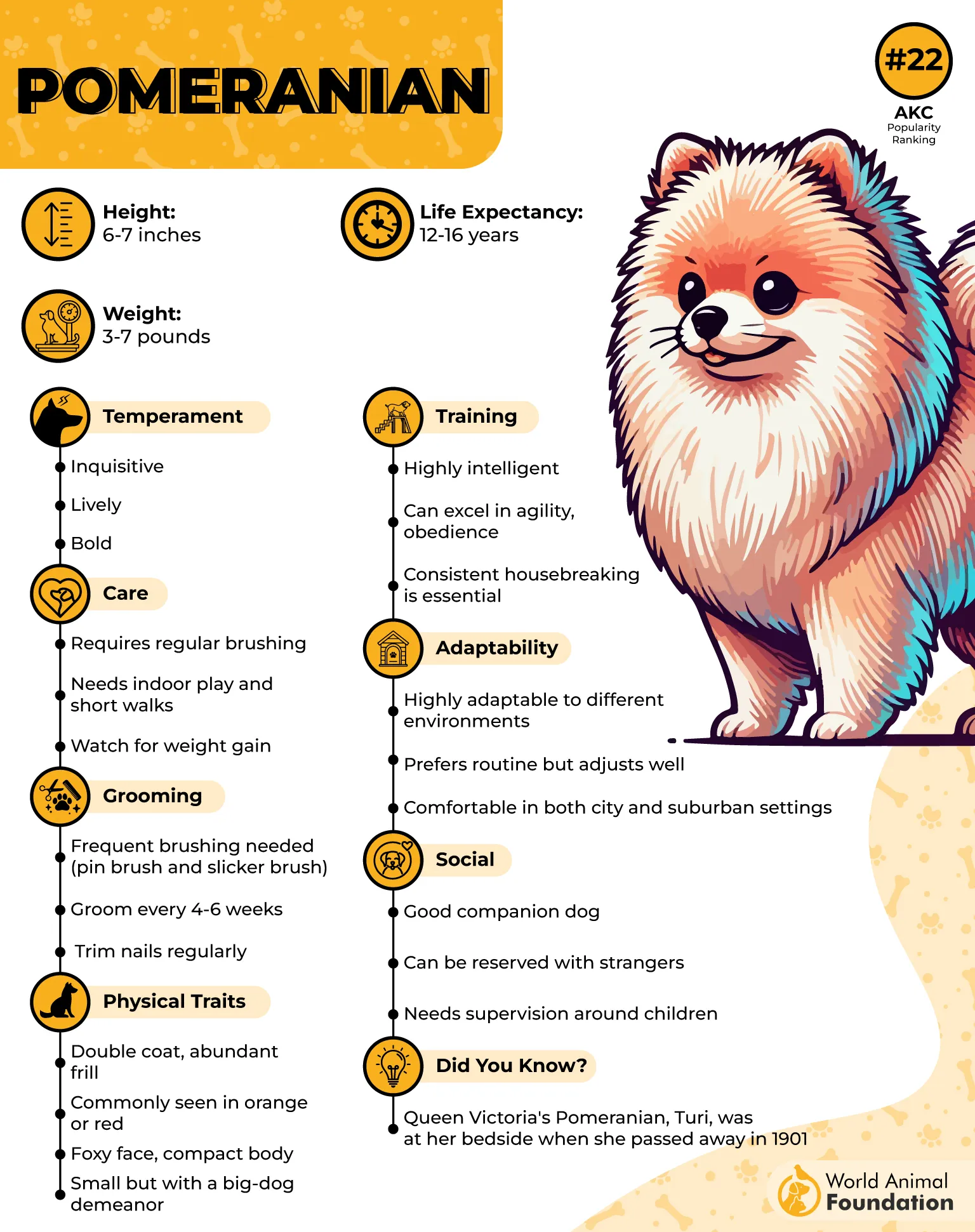
Pomeranians are among the most popular pocket dog breeds, loved for their fluffy coats, fox-like faces, and lively personalities.
They descended from larger Spitz-type dogs that were once used for herding, guarding, and pulling sledges. Today, Pomeranians are admired for their charming looks and confident nature.
Personality and Temperament
Despite their tiny appearance, Pomeranians have the confidence of much larger dogs. They are alert, intelligent, playful, and affectionate. They enjoy learning tricks, playing games, and spending time with their families.
Their intelligence makes them easy to train, although their stubborn and independent streak can sometimes be challenging. They also make excellent watchdogs but may bark excessively without proper training.
Care and Living Conditions
Pomeranians adapt well to city and suburban homes. Their exercise needs can be met through indoor play and short daily walks. However, their fluffy double coats require daily brushing and regular grooming to stay healthy.
They can make lovely family companions, but their small and delicate bodies are not ideal for homes with very young children.
3. Yorkshire Terrier
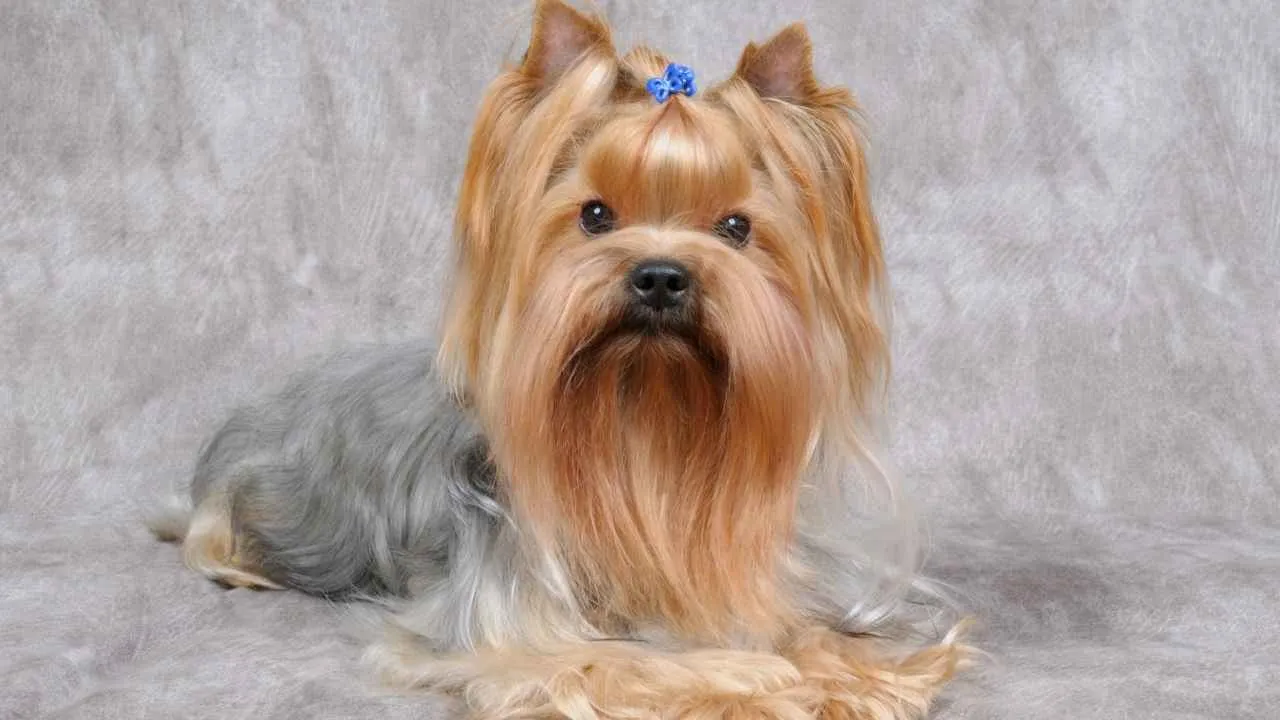
Yorkshire Terriers, popularly known as Yorkies, are tiny dogs with the bold personality of a true terrier. Originally bred in England to catch rats in mines and textile mills, they later became popular companion dogs.
Their most striking feature is their long, silky coat in steel blue and rich golden tan. Despite their delicate appearance, Yorkies are brave, feisty, and full of character.
Personality and Temperament
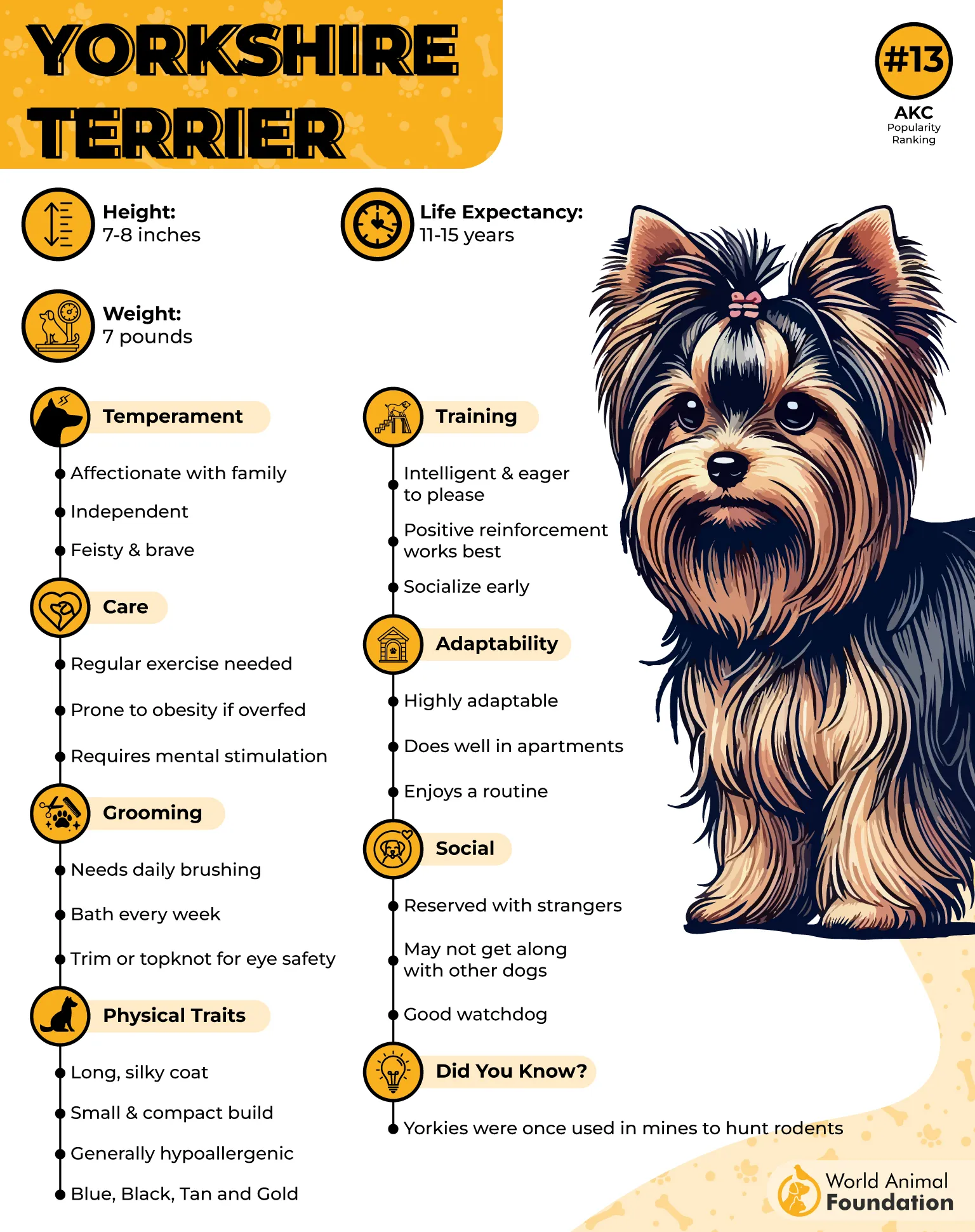
Yorkies are affectionate, playful, energetic, and curious. They enjoy spending time with their owners and are quick learners. However, they can be independent, bossy, and protective of their families. Their alert nature makes them excellent watchdogs, although they may bark frequently.
Early socialization helps them become comfortable around strangers and other pets. Their strong hunting instincts also make them unsuitable for homes with small furry animals.
Care and Living Conditions
Yorkies adapt well to apartments and larger homes. They need daily walks, indoor play, and mental stimulation to stay happy. Their long, hair-like coats require regular grooming, and they do not tolerate cold weather well.
Although they can make good family pets, playtime with young children should be supervised because of their delicate size. They also enjoy companionship and may struggle when left alone for long periods, as Omlet notes.
4. Shih Tzu
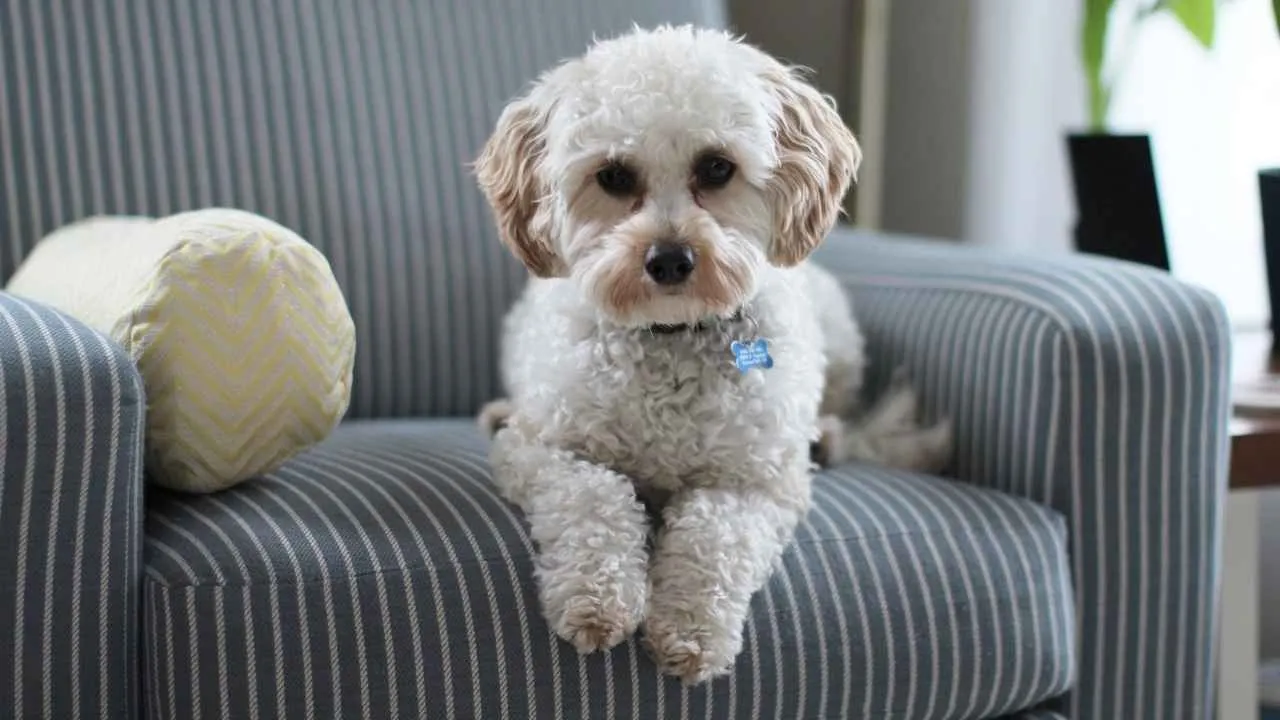
Shih Tzus are charming pocket dogs known for their beautiful coats, expressive dark eyes, and affectionate personalities. Often called “Lion Dogs,” they were originally bred as companion dogs for Chinese royalty.
These sturdy little dogs come in many colors and have a lively, playful nature. They are equally happy entertaining their families or relaxing comfortably on a lap.
Personality and Temperament
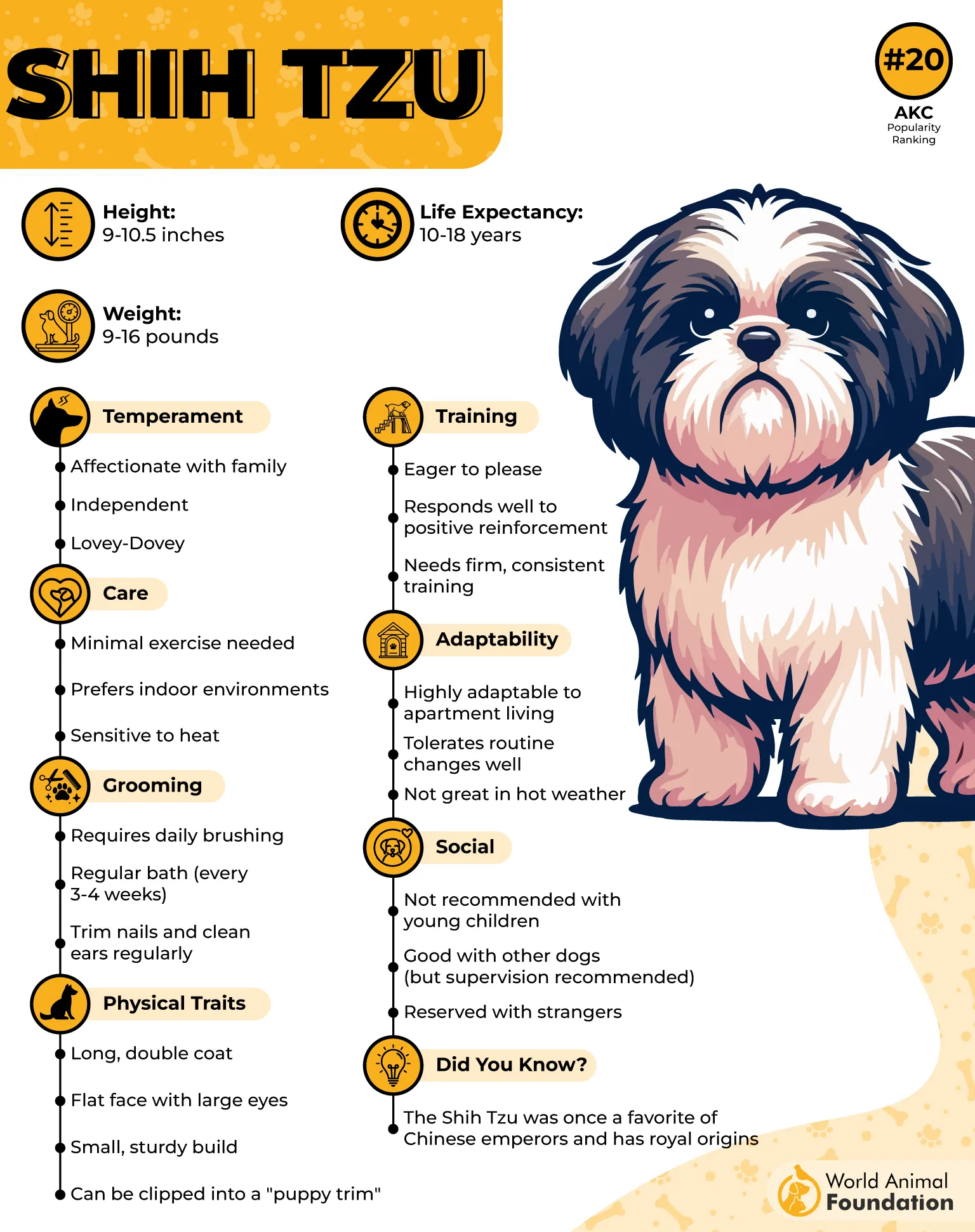
Shih Tzus are friendly, outgoing, and affectionate. They enjoy human company and usually get along well with unfamiliar people, dogs, and other pets. They are especially fond of children, making them lovely family companions.
However, they do not tolerate rough play, so interactions with young children should be supervised. Although intelligent and quick to learn, they can be stubborn and sometimes take their time responding to commands.
Care and Living Conditions
Shih Tzus adapt well to apartment living and do not need a large backyard. They enjoy playtime but are happiest when spending time with their owners. Their long, beautiful coats require regular grooming, although they shed very little.
They also make alert watchdogs but are not suited to guarding. Since they thrive on companionship, they are best suited to homes where someone is around most of the day.
5. Bichon Frise
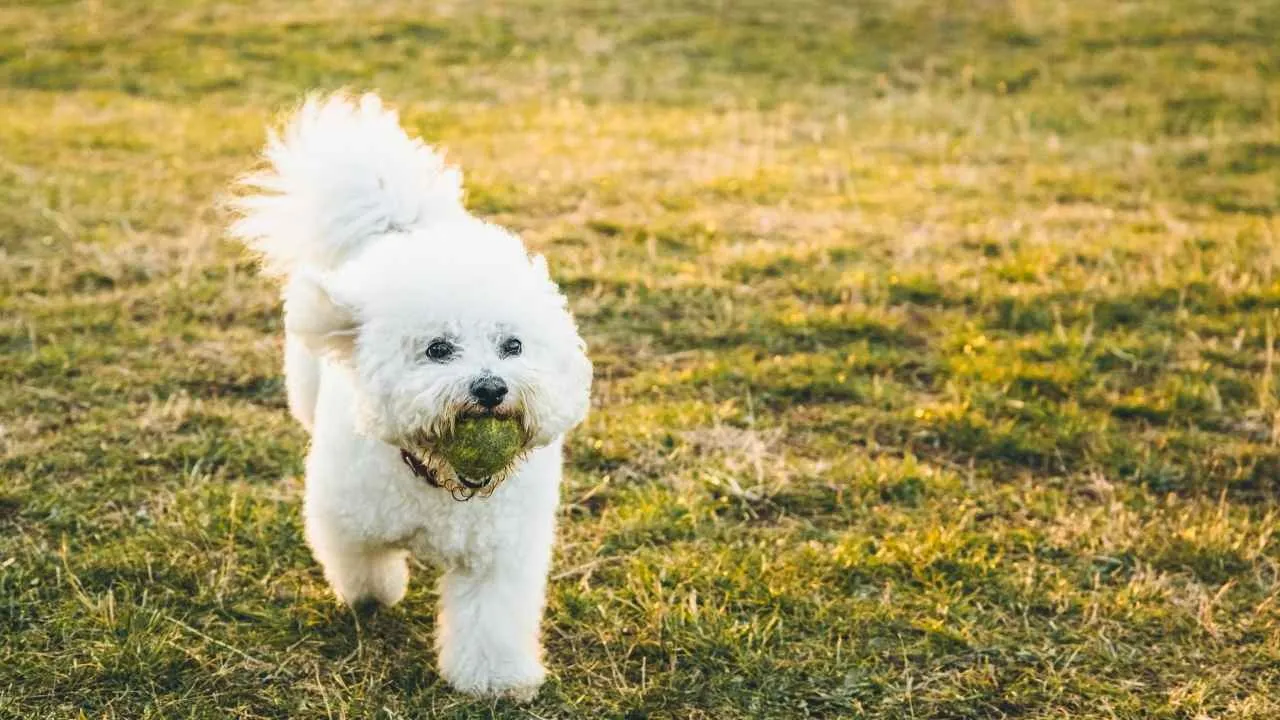
Bichon Frises are cheerful little dogs known for their fluffy white coats, dark eyes, and playful personalities. With roots dating back to the Mediterranean, they have been cherished as companion dogs for centuries.
Their soft, curly coats give them a distinctive appearance and are considered low-shedding, making them a suitable option for some people with allergies.
Personality and Temperament
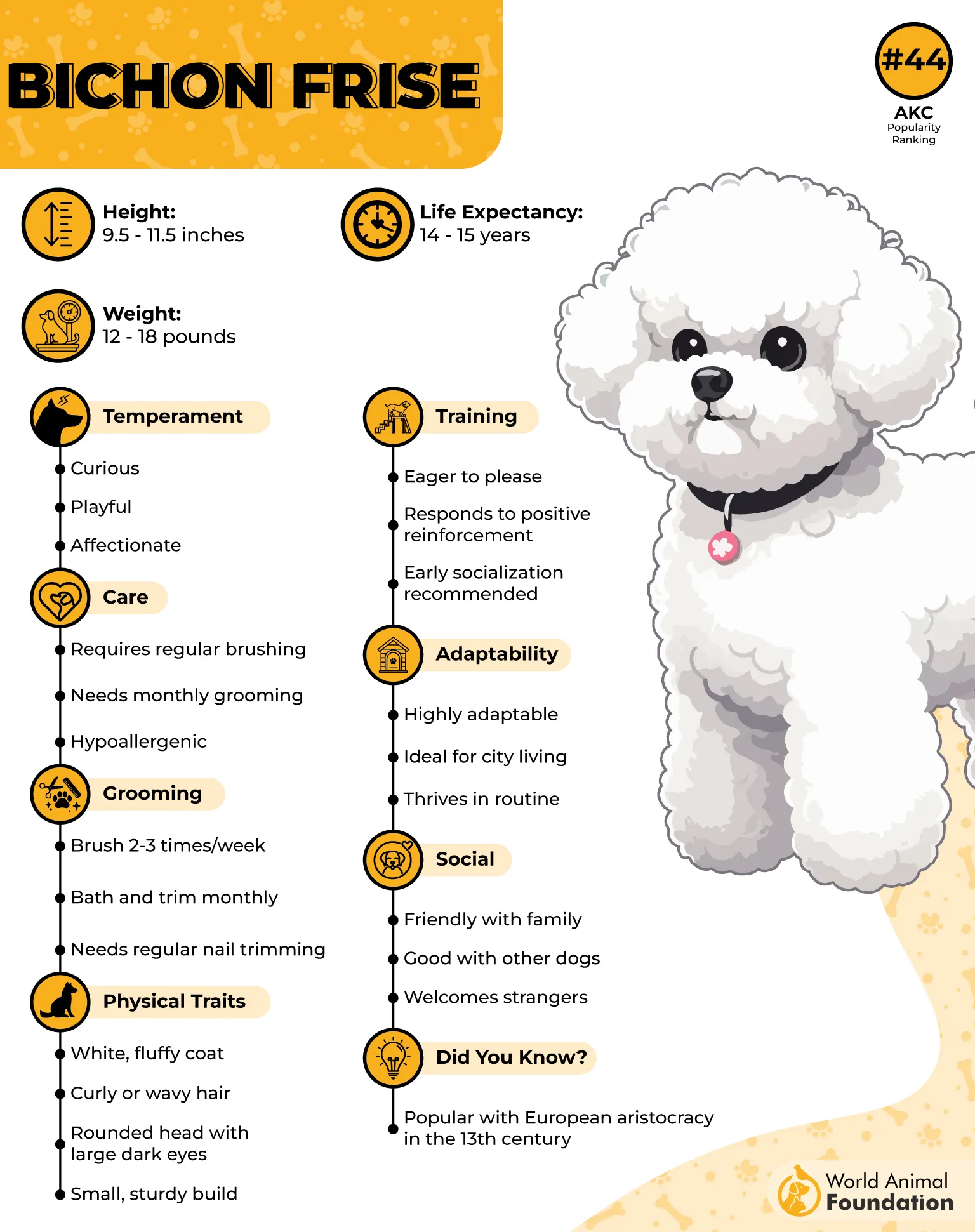
Bichon Frises are affectionate, friendly, and naturally sociable. They enjoy meeting new people, playing with children, and spending time with other pets. Their intelligence and eagerness to please make them easy to train, and they enjoy learning tricks.
They also make alert little watchdogs and may bark at unfamiliar sounds. However, they thrive on human company and can develop separation anxiety when left alone for long periods.
Care and Living Conditions
Bichons adapt well to apartments and different types of homes. They enjoy regular playtime and exercise but are equally happy relaxing with their families once their energy needs are met.
Their curly coats require consistent grooming to prevent tangles and maintain their appearance. Although generally healthy, they can be prone to allergies, dental problems, and kneecap issues.
6. Pug
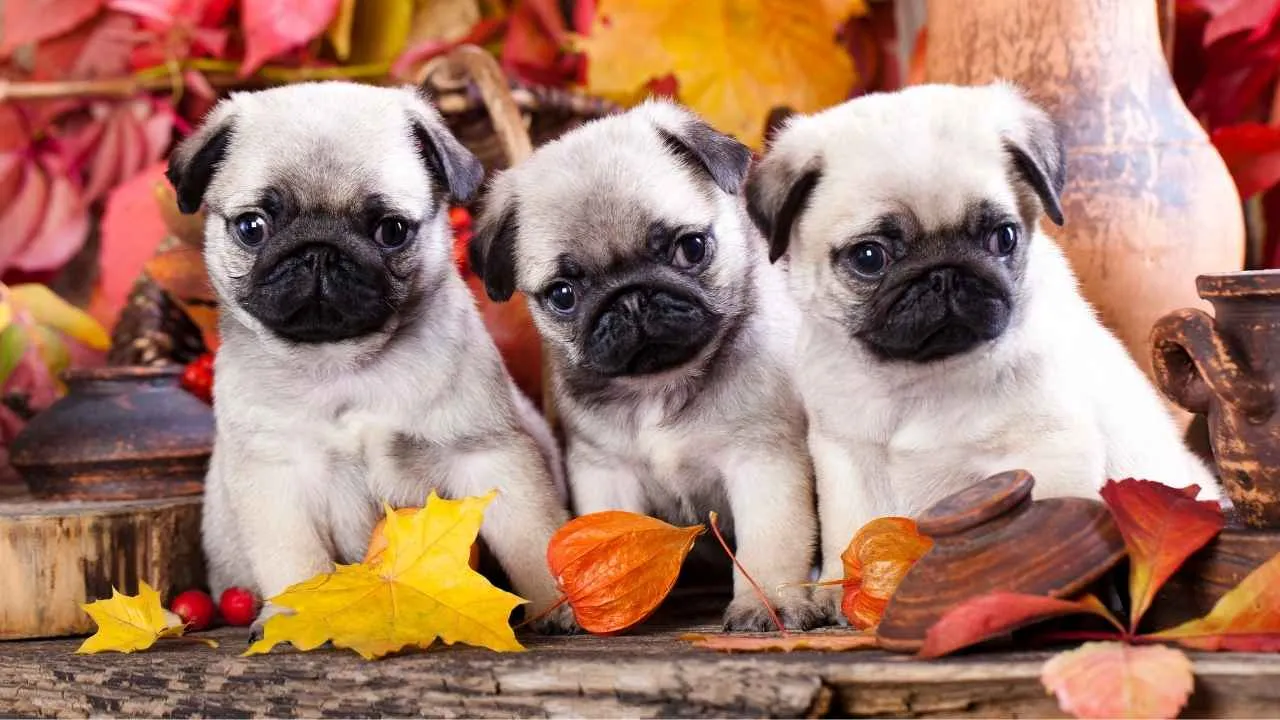
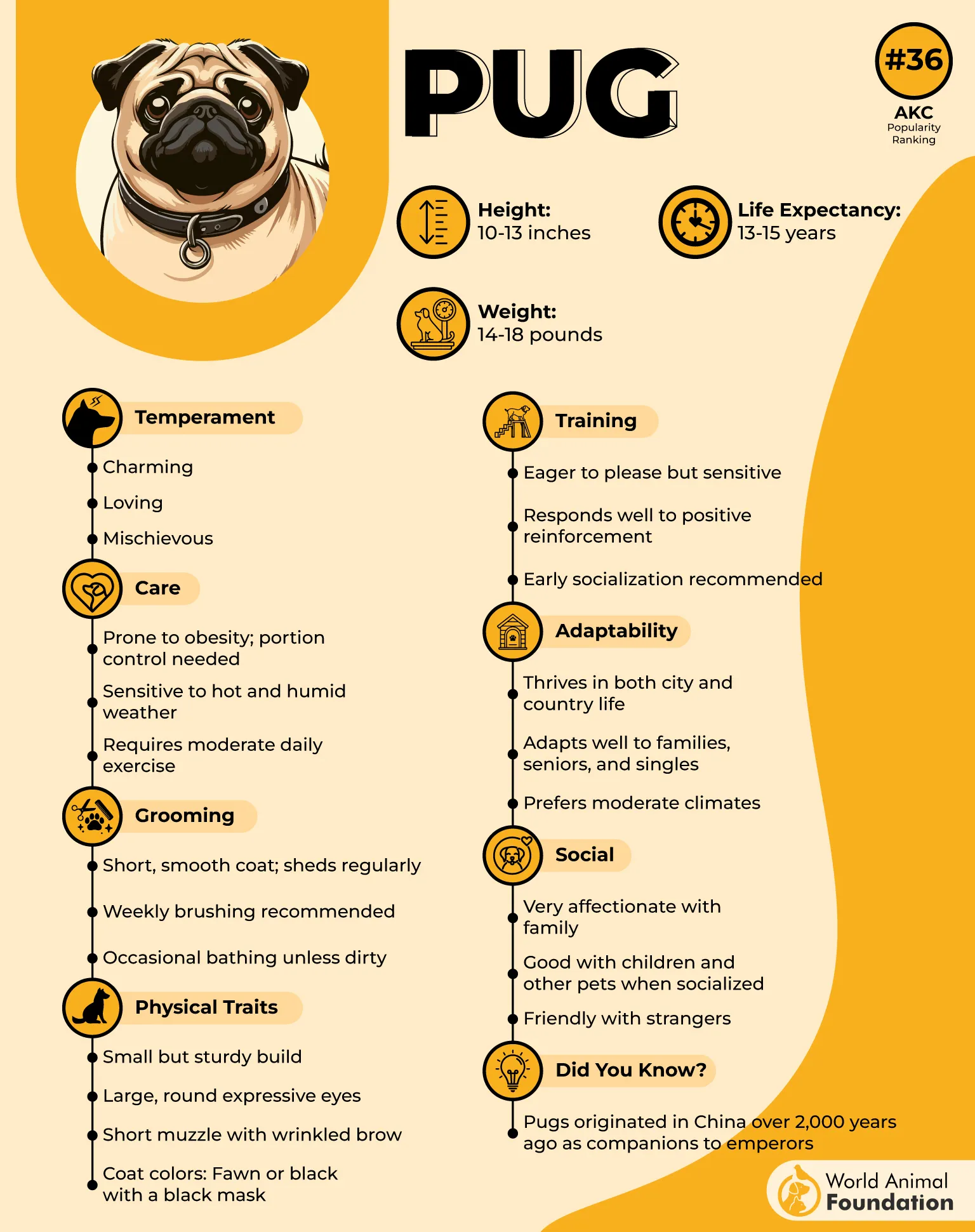
Pugs are small, sturdy companion dogs known for their charming faces and playful personalities. Once companions of Chinese emperors, they later became associated with Holland’s royal House of Orange.
According to Greencross Vets, their motto, multum in parvo, means “a lot in a little,” reflecting their big personalities in compact bodies. Pugs have large round heads, expressive eyes, wrinkled brows, and short muzzles.
Personality and Temperament
Pugs are affectionate, friendly, and sociable dogs that enjoy being around people. They love attention and often entertain their families with silly antics, funny expressions, snorts, and grunts.
Although intelligent and usually easy to train, they can also be wilful and stubborn. Pugs make good watchdogs and may give a short bark when visitors arrive, but they are not known for excessive barking or protective behaviour.
Care and Living Conditions
These dogs adapt well to city or country living and are comfortable in smaller homes. They enjoy spending time with their owners, whether relaxing indoors, playing, or going for walks. Short daily walks and gentle indoor activities are generally enough to keep them happy.
Pugs do not enjoy being left alone for long periods and may develop separation anxiety, sometimes leading to chewing, whining, or toileting indoors.
7. Toy Poodle
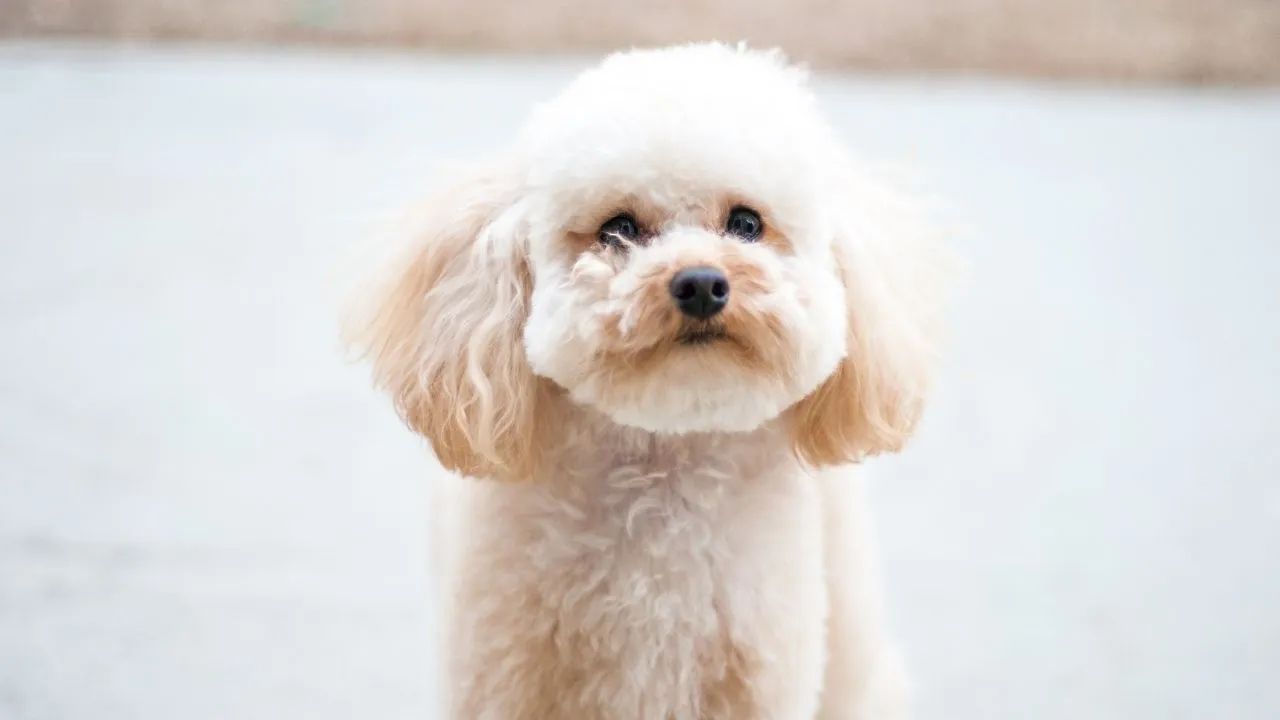
Toy Poodles are lively little dogs known for their intelligence, curly coats, and playful personalities. They were developed from the larger Standard Poodle, which originated in Germany as a duck-hunting dog.
Despite their small size, Toy Poodles are active, confident, and entertaining companions. They enjoy being around people and love showing off their ability to learn tricks.
Personality and Temperament
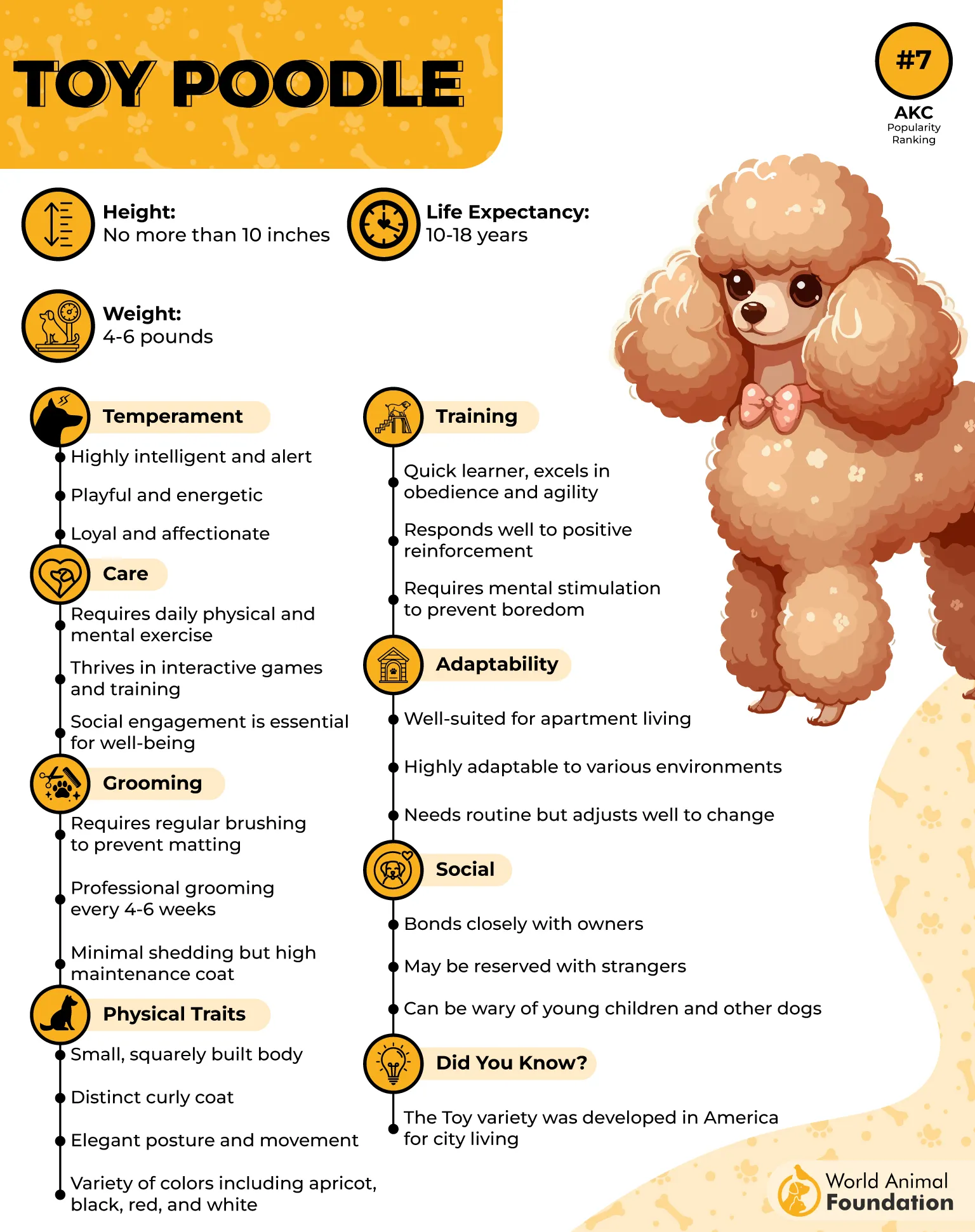
Toy Poodles are affectionate, cheerful, and eager to please. They are quick learners and enjoy training, games, and activities that challenge their minds. They generally get along well with children, other dogs, and pets.
However, they need plenty of attention and companionship. If left without enough interaction, they may become mischievous or destructive. They can also be good watchdogs, alerting their owners when visitors arrive.
Care and Living Conditions
Toy Poodles enjoy indoor play, short walks, and activities such as agility and obedience. Although they have lower exercise needs than many larger breeds, they still need regular activity and mental stimulation.
Their curly coats grow continuously and require regular grooming, including trims every four to six weeks. They shed very little, but are not completely hypoallergenic.
Conclusion
Pocket dogs may be small, but they bring plenty of personality, affection, and charm into a home. From playful companions to intelligent little watchdogs, each breed has its own temperament, care needs, and lifestyle preferences.
Some enjoy constant attention, while others are more independent, so choosing the right one takes a little thought. Before bringing a dog home, consider your daily routine, living space, and the time you can give to its care and companionship.
Research your preferred breeds, spend time with them if possible, and choose one whose needs fit your lifestyle. After all, the best companion is not simply the smallest dog, but the one who feels right for your family.
