




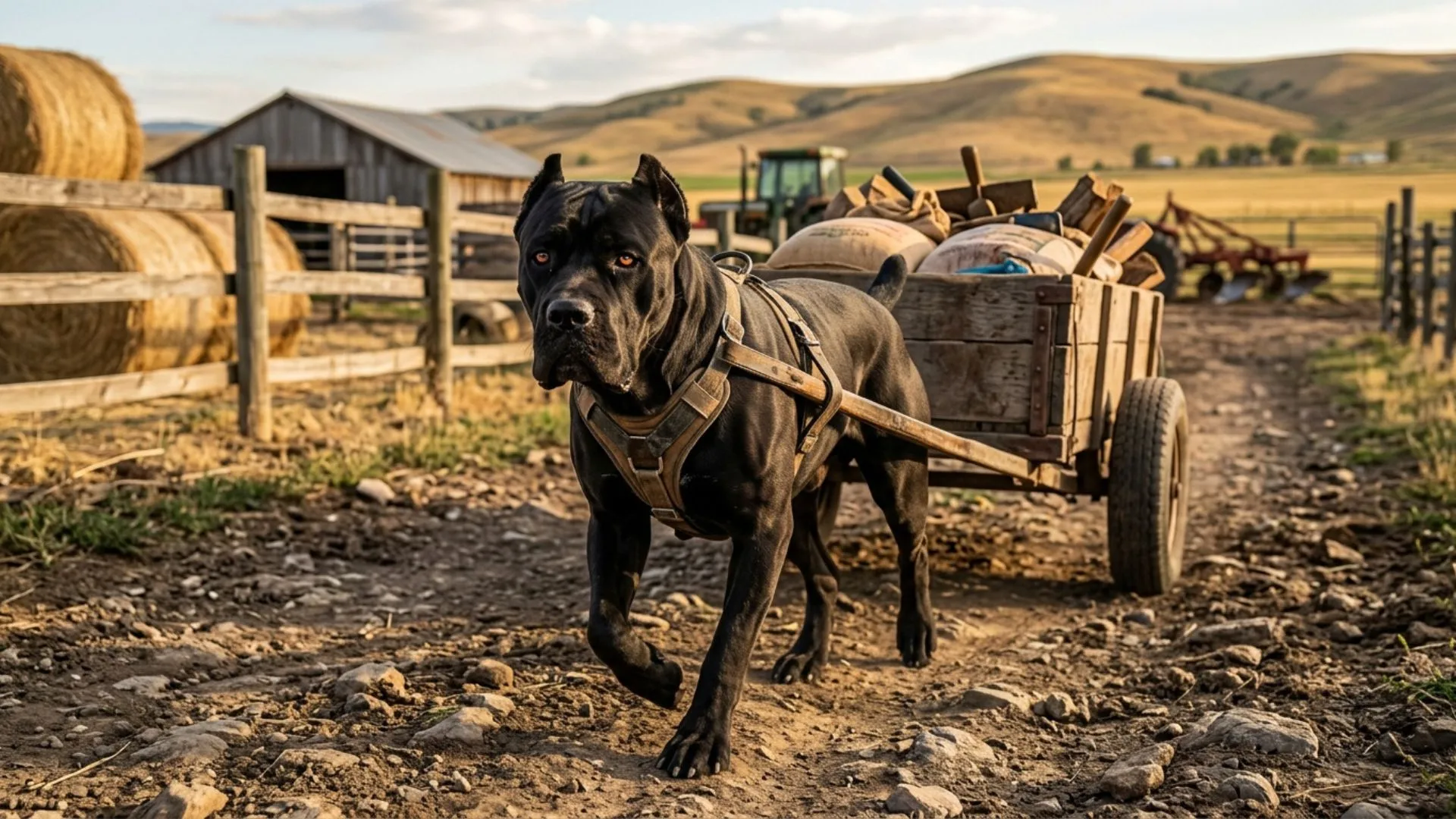
Some dogs were born to chase tennis balls, while others look like they could drag your broken SUV home without cancelling their afternoon walk. Their strength, however, is about much more than having broad shoulders or an intimidating stare.
Many of these breeds were developed to pull loaded carts, protect livestock, cross frozen landscapes, hunt formidable game, rescue stranded travelers, or guard isolated properties without constant human instructions.
Owning one of these top powerhouse dog breeds for heavy labor and athletic strength is therefore not a casual side quest.
Top Powerhouse Dog Breeds for Heavy Labor and Athletic Strength
1. Rottweiler
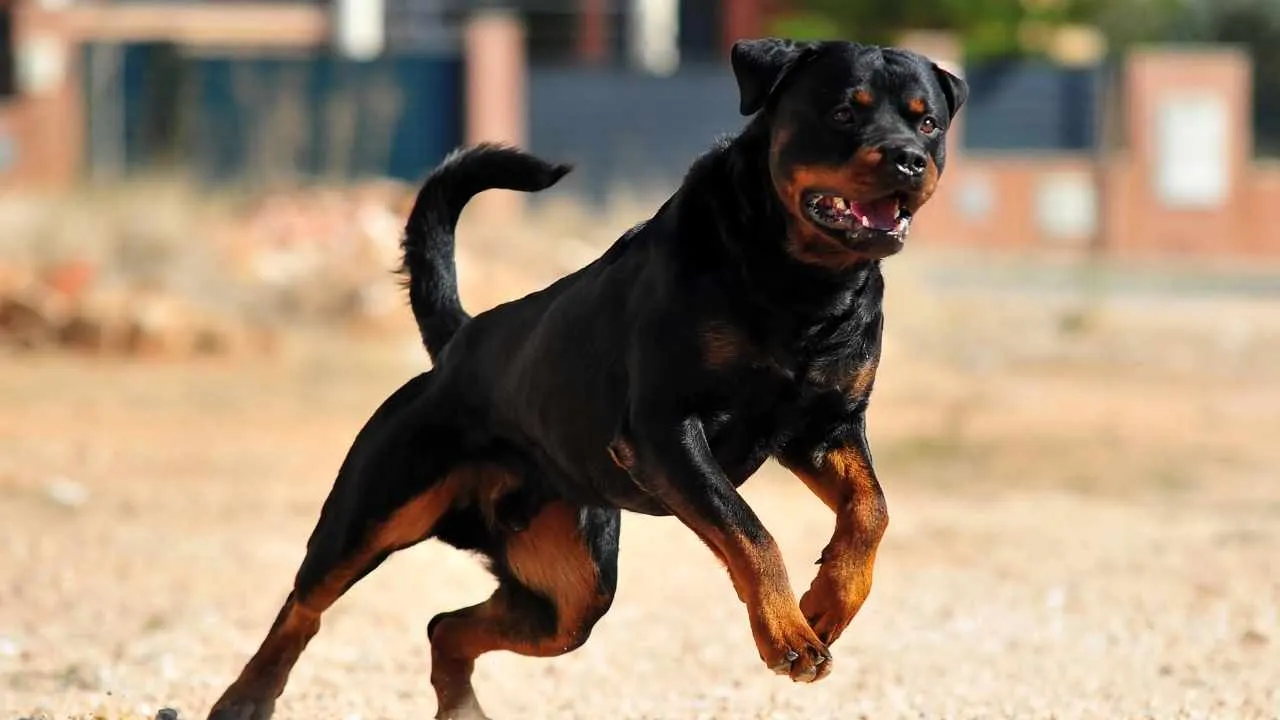
The Rottweiler’s powerhouse reputation began long before modern obedience rings and police K-9 units entered the chat. Originally bred around the German town of Rottweil, these muscular dogs helped move livestock and pull carts loaded with goods for local butchers.
Their balanced construction allows them to walk, track, swim, retrieve, and participate in structured working activities. These hunting dogs are strongest when their exercise program builds coordination and stamina rather than exhausting them.
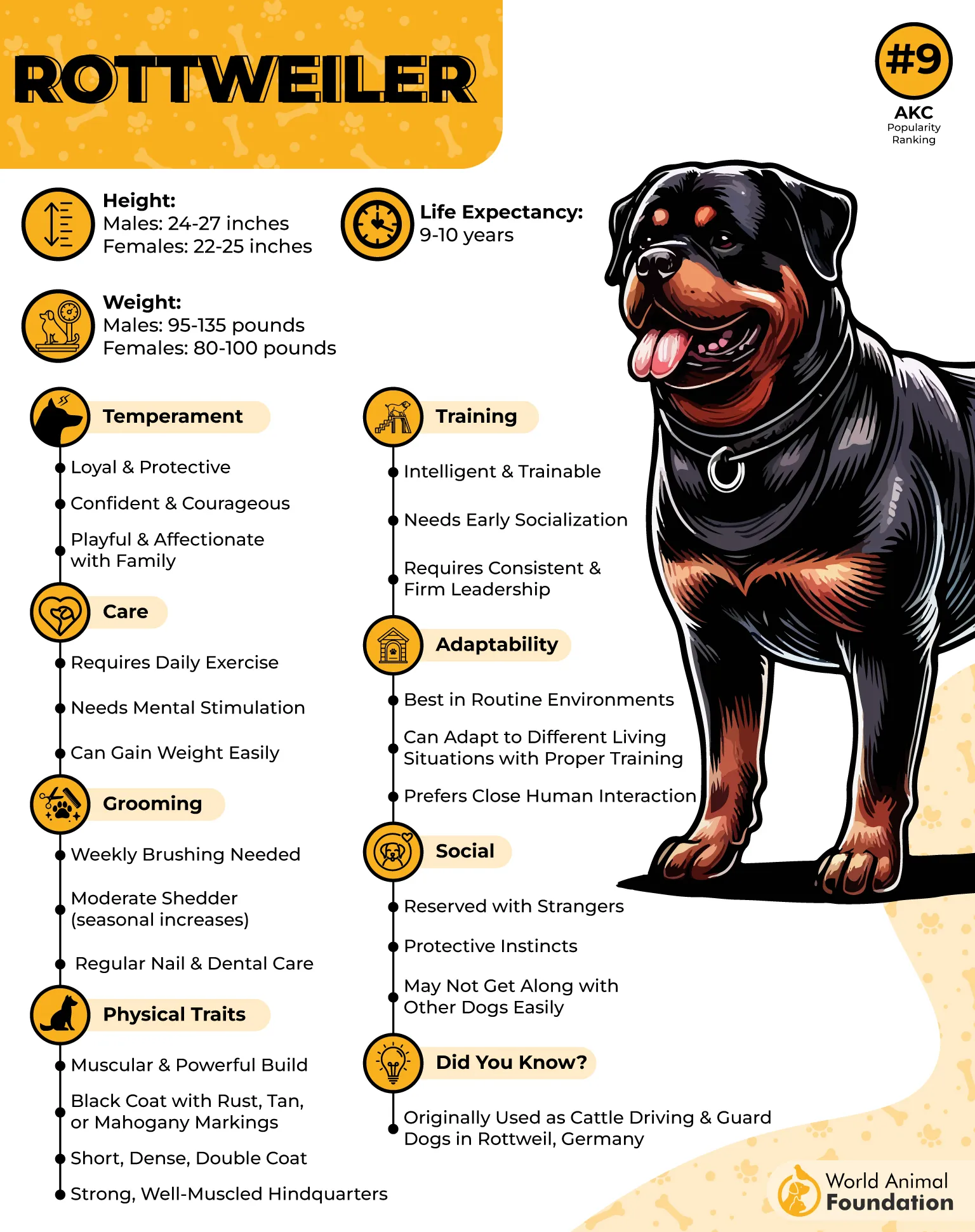
Intelligence is another major part of the Rottweiler package, although they are not robotic dogs waiting to obey every random command. They learn patterns quickly, notice inconsistency, and may test whether household rules are actual rules or merely friendly suggestions.
PetMD describes a trained Rottweiler as affectionate, observant, funny, and much more emotionally sensitive than the breed’s tough appearance suggests. Give them meaningful work and consistent companionship, and they tend to return the favor with loyalty that feels almost legendary.
Practical Ways They Showcase Their Heavy Labor and Athletic Strength
Carting and drafting activities allow the Rottweiler to reconnect with its historical role in transporting loads while practicing controlled pulling.
Used as military dogs, the breed’s tracking, search, and advanced obedience exercises combine its physical confidence with its sharp ability to process information.
2. Alaskan Malamute
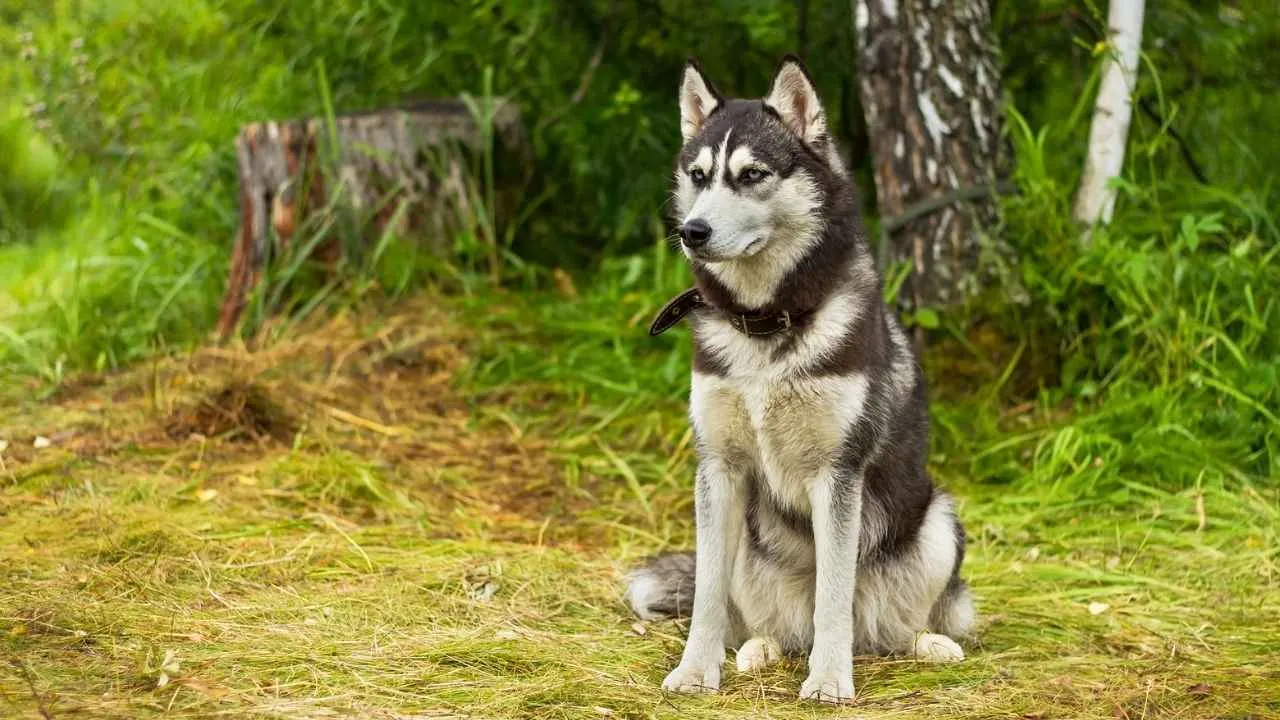
The Alaskan Malamute is not just a fluffy winter celebrity with a photogenic face and a dramatic “woo-woo” soundtrack. This ancient Arctic working breed was developed to haul heavy loads across demanding terrain at maximum speed over long distances, as noted by the AKC.
These athletic dog breeds have deep chests, powerful shoulders, strong hindquarters, substantial bone structure, and thick, double coats suited to cold climates. Their deliberate movement reflects endurance and efficiency, making them better suited to sustained labor than explosive sprinting.
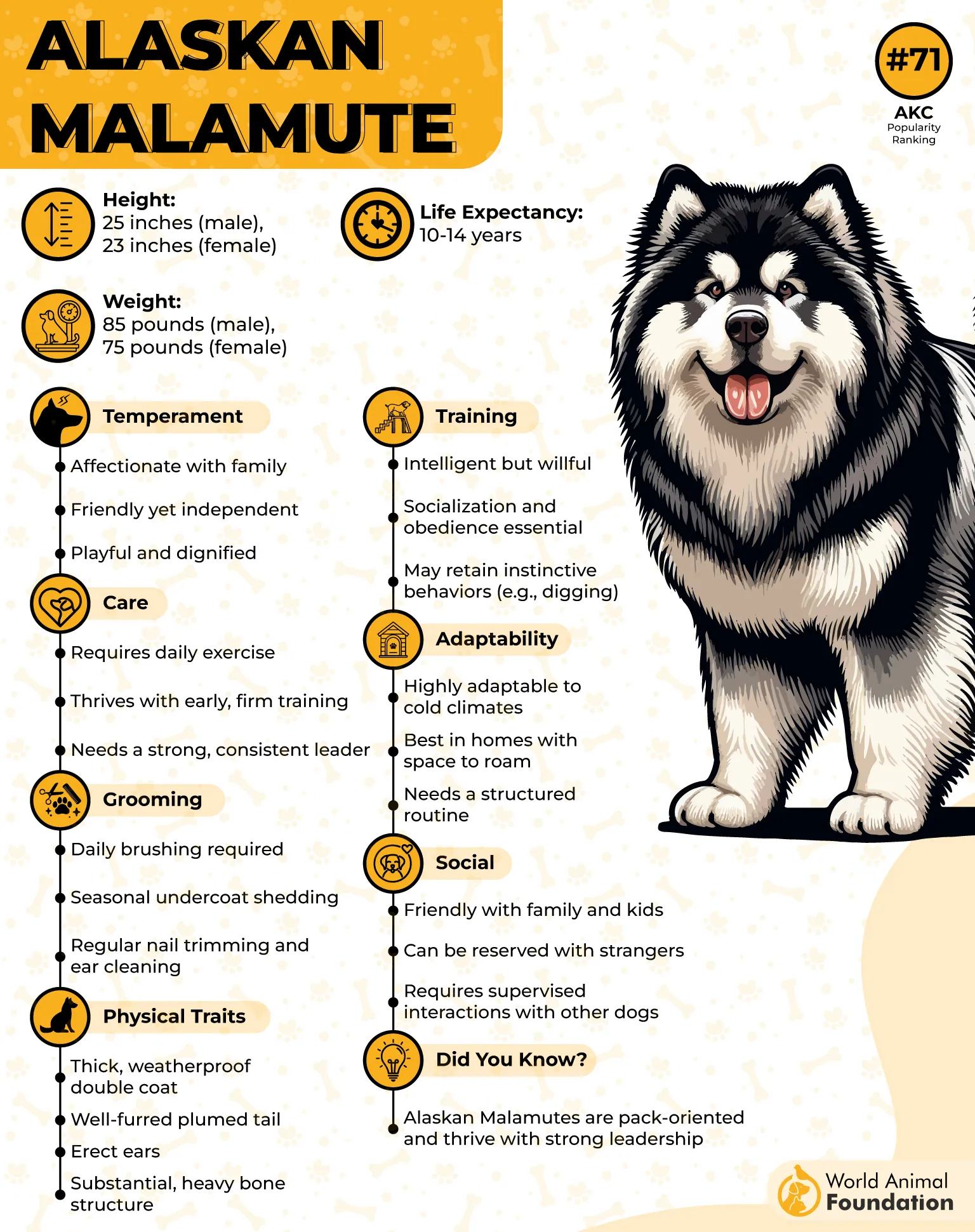
That physical ability comes with independence, because northern dogs often had to function without constant micromanagement. Malamutes understand training perfectly well, but understanding a request and agreeing that it deserves immediate attention are sometimes two different storylines.
People who live with these guard dogs often mention their humor, sociability, vocal conversations, and eternal puppy-like enthusiasm.
Practical Ways They Showcase Their Heavy Labor and Athletic Strength
Freight-style sledding demonstrates the Malamute’s signature talent for moving substantial weight over snowy ground at a sustainable pace.
Backpacking allows a conditioned adult to carry appropriate supplies while hiking, giving the dog a practical task rather than a basic walk.
3. Saint Bernard
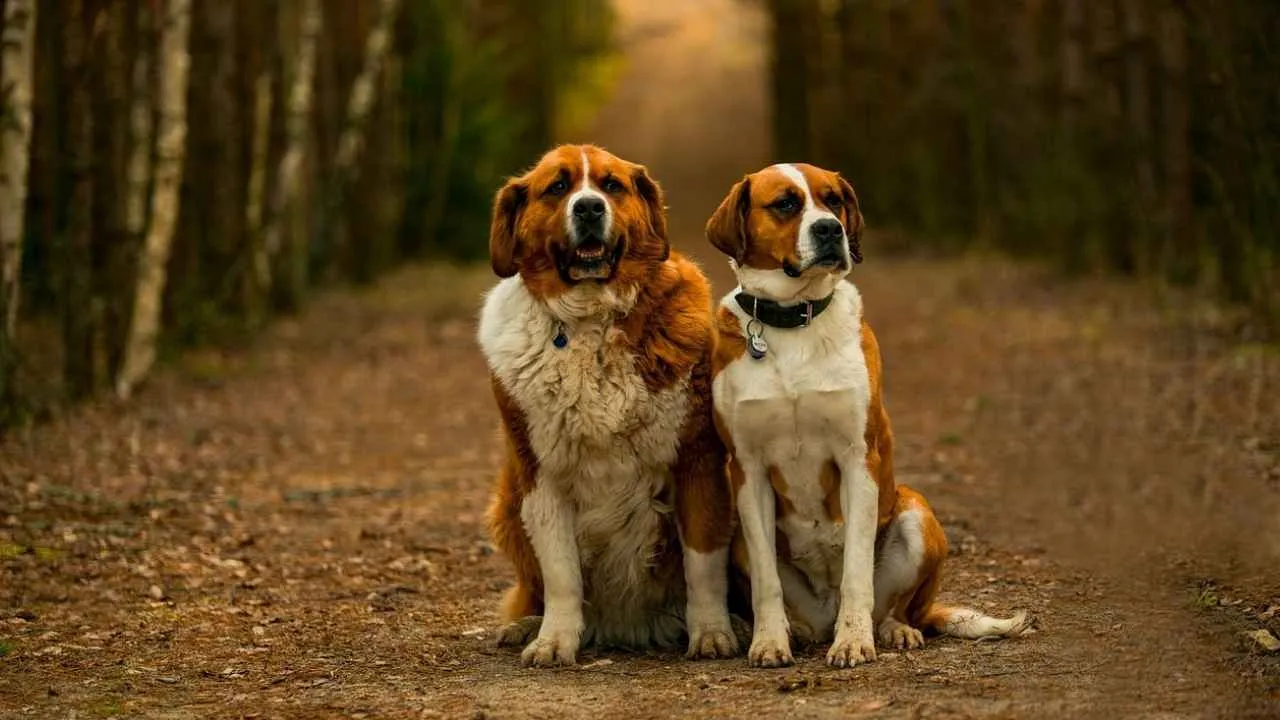
Saint Bernards are enormous dogs with soft expressions, heavy frames, and the energy of a kind neighbor that would absolutely help you out of a snowbank. The breed’s size, cold tolerance, stability, and ability to navigate harsh conditions contributed to its legendary reputation.
Unlike highly energetic sporting breeds, Saint Bernards express their strength through mass, steadiness, and controlled power.
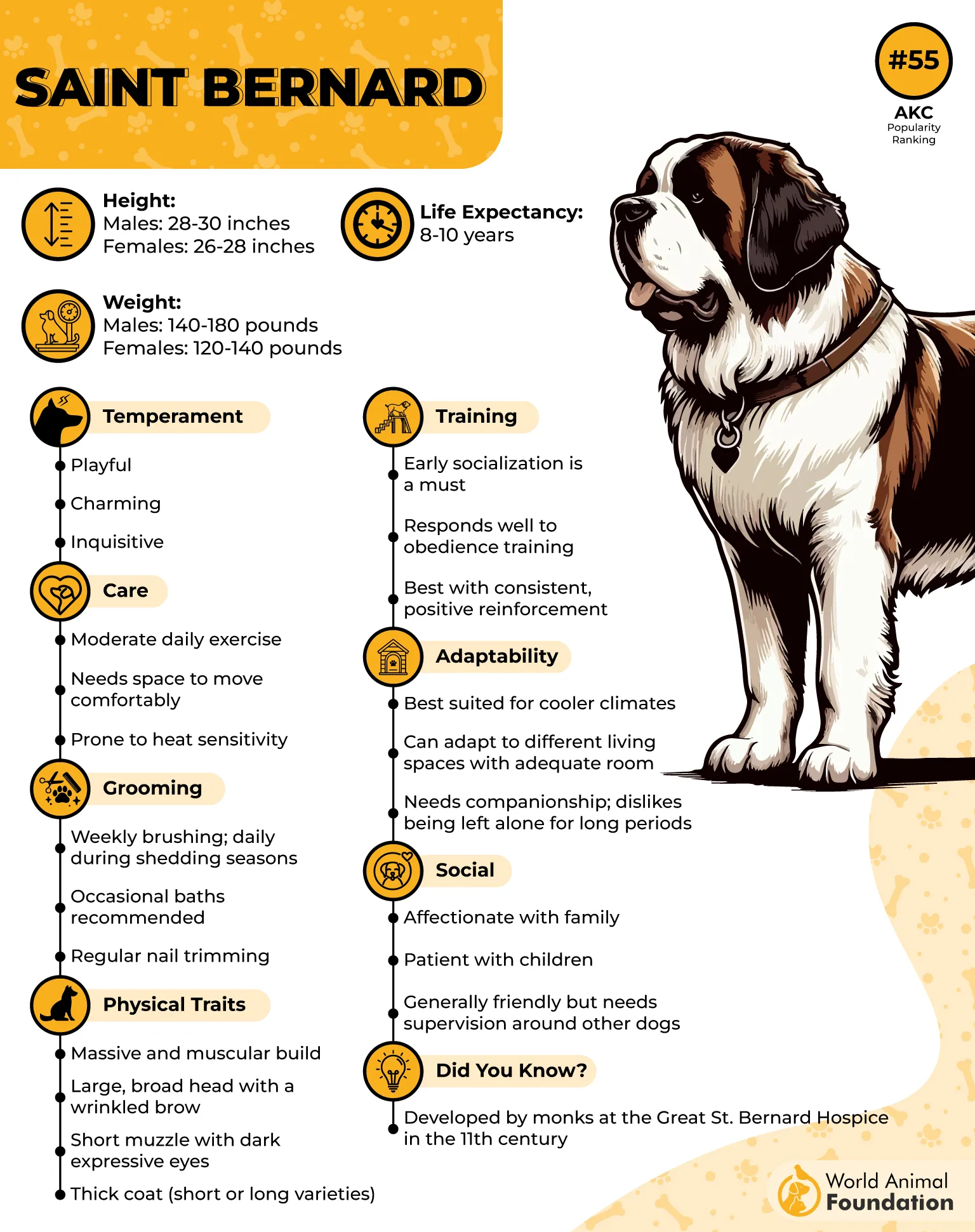
Proper training should begin early, because a cute puppy who leans on your legs can eventually become a giant adult capable of rearranging your entire center of gravity. Saint Bernards are intelligent but may mature slowly and occasionally bring a stubborn attitude to lessons.
Pooch & Mutt mentions that their dense coat and large body make them far more comfortable in cold weather than in high heat. Exercise during warm seasons should happen in cooler hours, with water, shade, indoor cooling, and frequent rest readily available.
Experienced pet parents commonly praise Saint Bernards for their affectionate, patient, and gentle behavior, particularly when the dogs are properly socialized.
Practical Ways They Showcase Their Heavy Labor and Athletic Strength
Snow-based search games allow Saint Bernards to use their cold-weather confidence, scenting ability, and steady movement in a controlled environment.
Light drafting work can highlight their pulling strength, provided the equipment fits correctly and the dog is physically mature.
4. Cane Corso
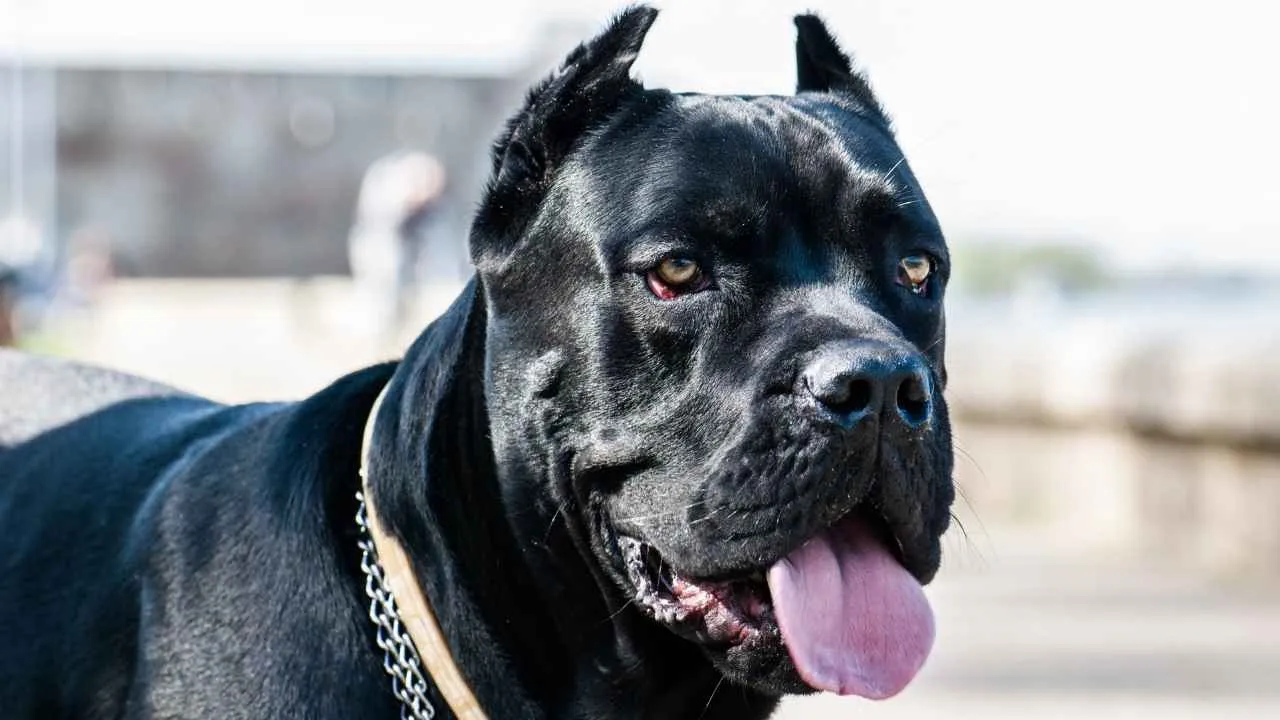
The Cane Corso enters a room with the confidence of someone who already reviewed the security footage. This Italian Mastiff descends from versatile working dogs used for property protection, farm duties, livestock management, and the pursuit of formidable game.
A well-built Cane Corso has a broad chest, thick neck, muscular back, powerful hindquarters, and enough agility to accelerate quickly when needed. They are not simply stationary bodyguards designed to stand beside a gate looking cinematic.
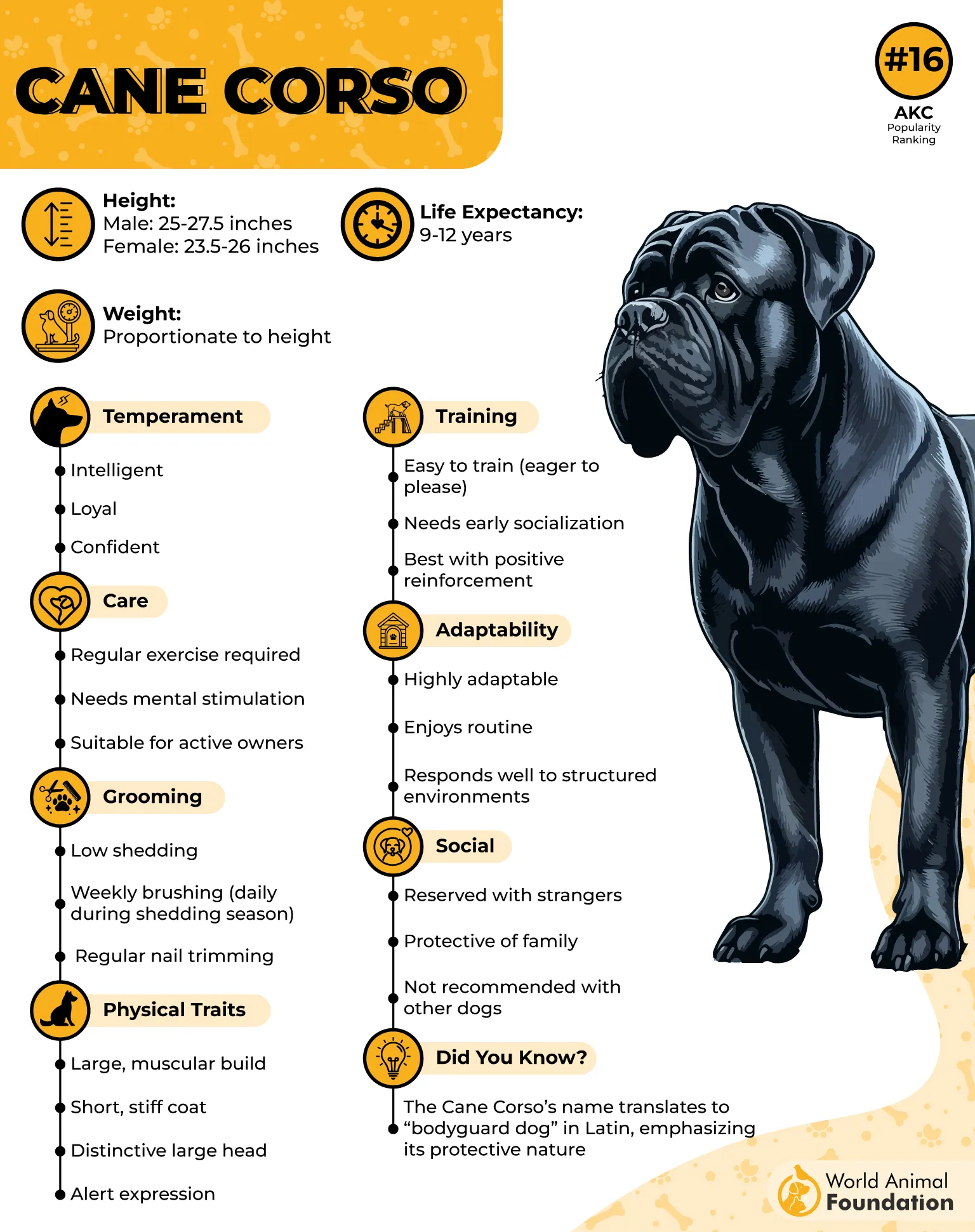
AKC says that their training should be consistent, fair, and reward-based, with no room for confusing rules or impulsive handling. This muscular dog breed often notices hesitation immediately, yet harsh methods can damage trust and increase defensive behavior rather than creating reliability.
The goal is not to overpower the dog but to build communication strong enough to guide an already powerful animal.
Practical Ways They Showcase Their Heavy Labor and Athletic Strength
Controlled hill walking builds rear-drive strength and cardiovascular fitness while requiring the Corso to maintain steady body awareness.
Advanced obedience sequences demonstrate how quickly the breed can transition between motion, restraint, recall, and focused positioning.
5. Tibetan Mastiff
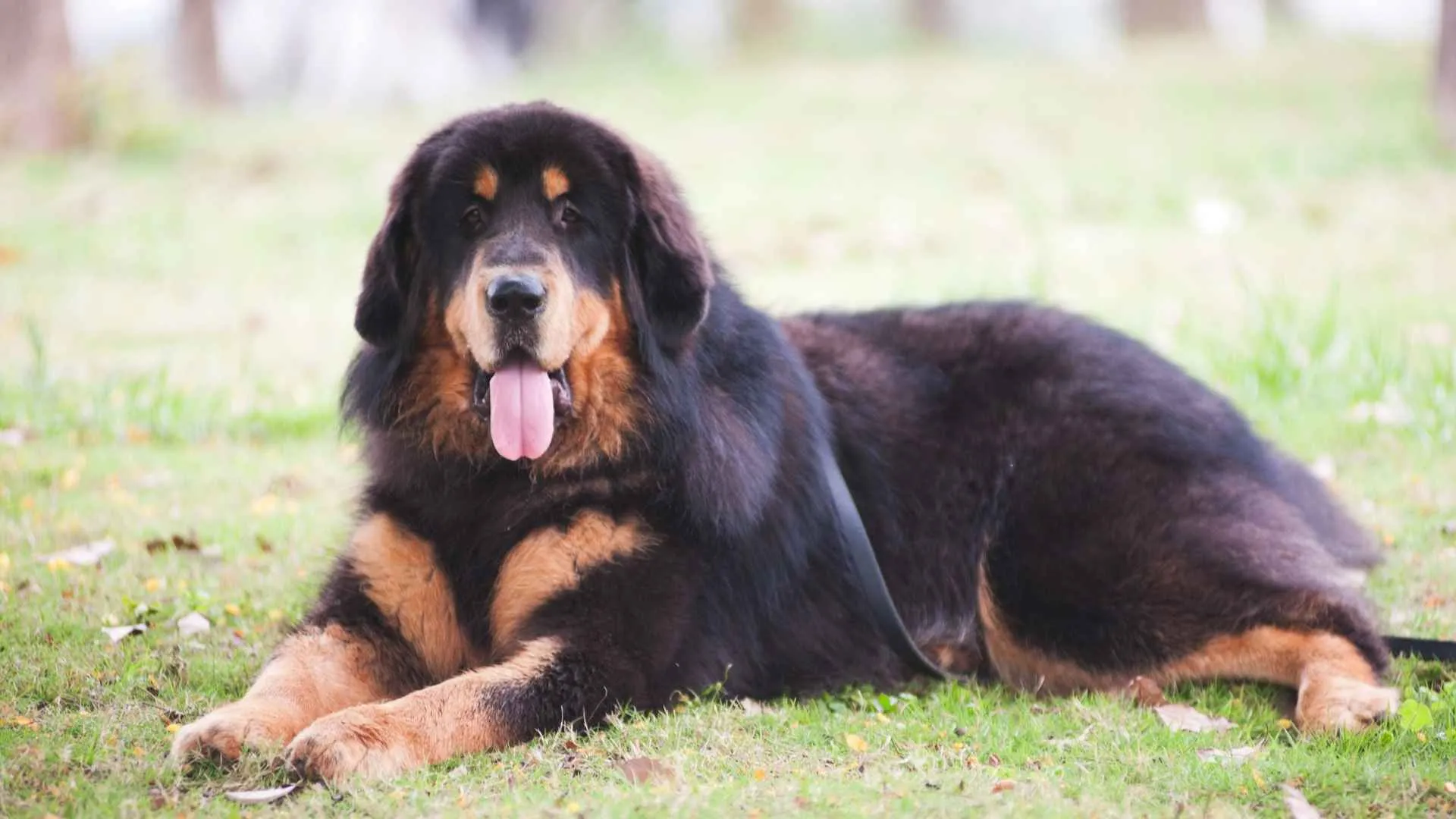
The Tibetan Mastiff looks less like an ordinary pet and more like a mountain legend that wandered into modern life by accident. Developed over centuries as a guardian of livestock, homes, and monasteries, this giant breed was expected to assess threats without waiting for constant instructions.
Some of the strongest dog breeds express their strength through heavy bone structure, a broad frame, powerful movement, and the ability to navigate difficult terrain. A dense double coat protects the dog in cold conditions while adding to its unmistakable lion-like appearance.
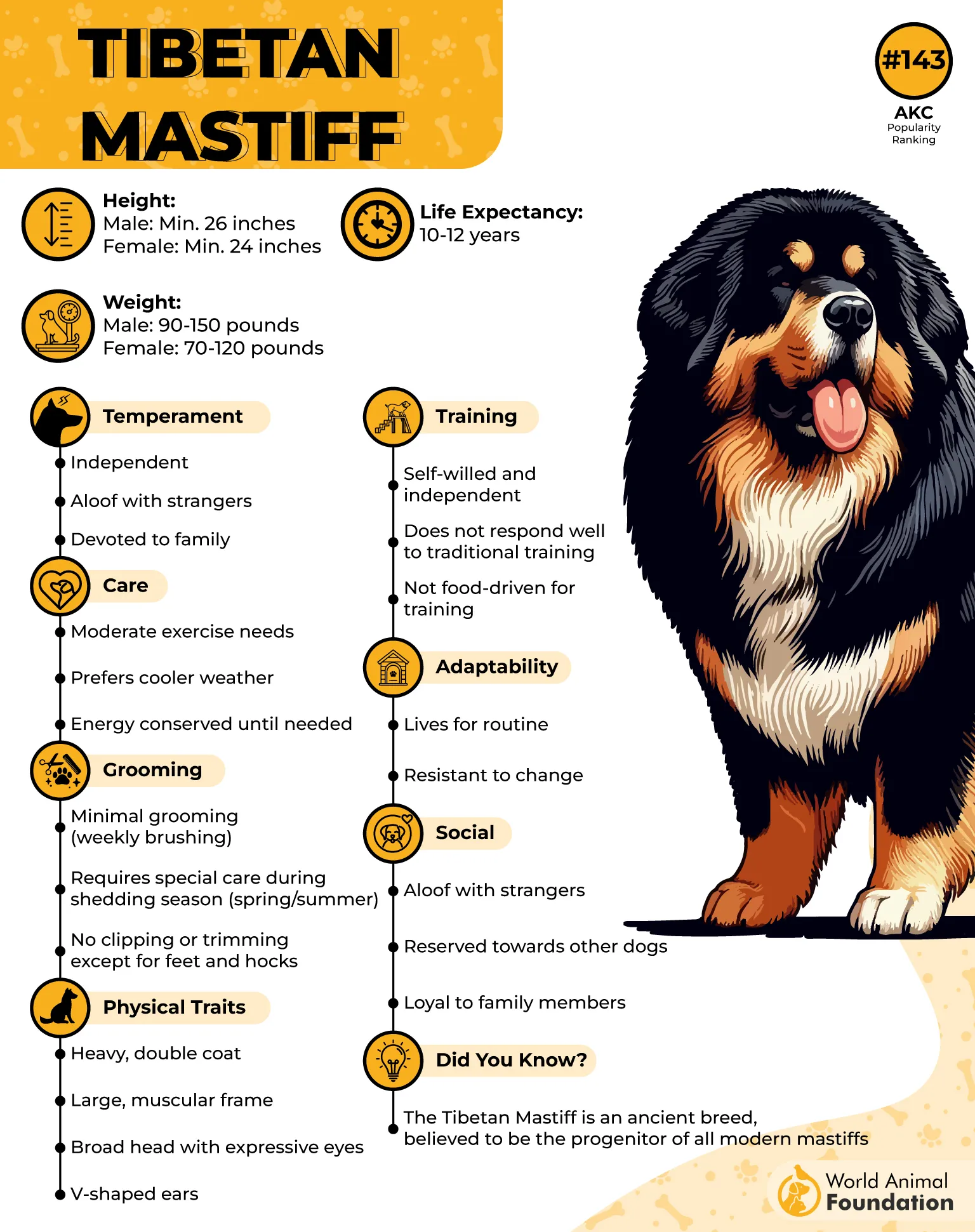
They may learn commands rapidly and still decide that their own interpretation of the situation deserves priority. Owners need secure management, calm persistence, early socialization, and a realistic appreciation for guardian-breed psychology.
Tibetan Mastiffs are often quiet indoors during the day but may become more alert and vocal after dark. Night barking made sense when the assignment involved warning off predators across a remote landscape, although suburban neighbors may not appreciate the historical authenticity.
Practical Ways They Showcase Their Heavy Labor and Athletic Strength
Large-property patrols allow the Tibetan Mastiff to move naturally, investigate environmental changes, and exercise its guardian instincts.
Controlled uphill exploration highlights the breed’s rugged power without relying on repetitive forced running.
6. Great Dane
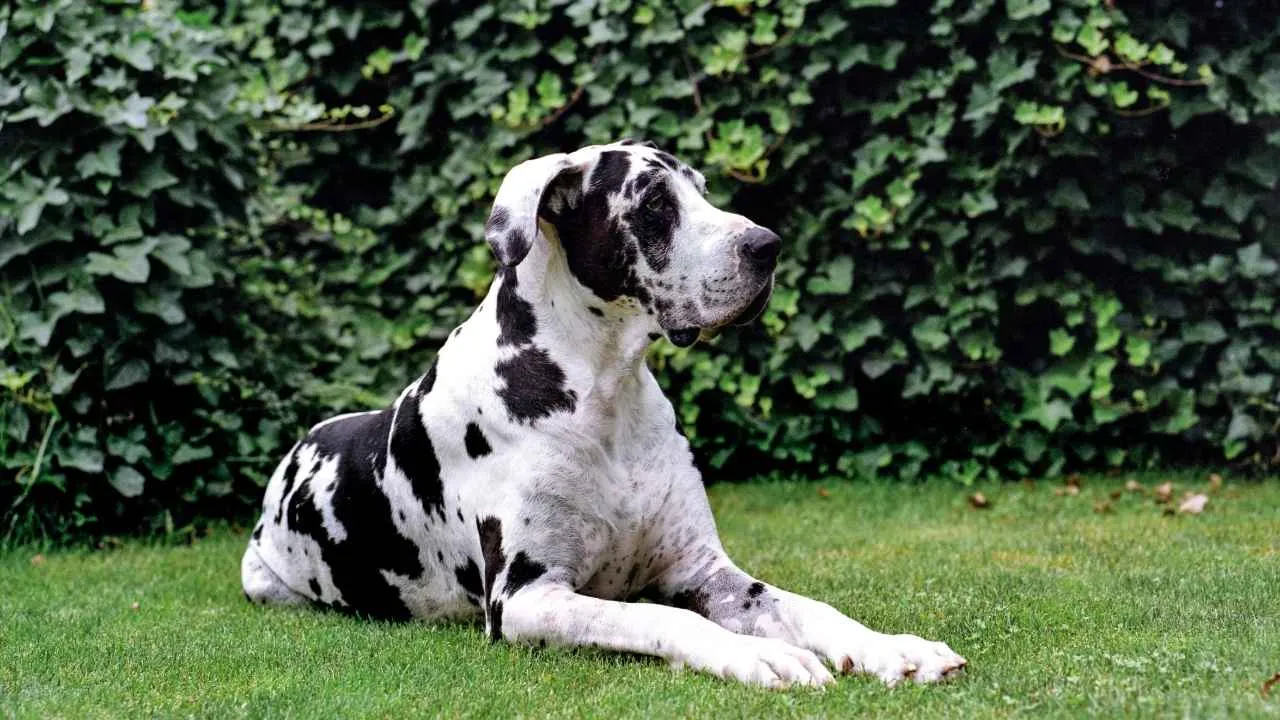
Great Danes bring giant-dog scale without moving like oversized construction equipment. Historically associated with hunting powerful game and later valued as estate companions and guardians, they combine height, speed, strength, and elegance.
Long legs and a lean yet muscular body give the Great Dane impressive ground-covering ability. They can accelerate with startling speed, especially during youthful bursts of enthusiasm that send everyone else at the park into immediate spectator mode.
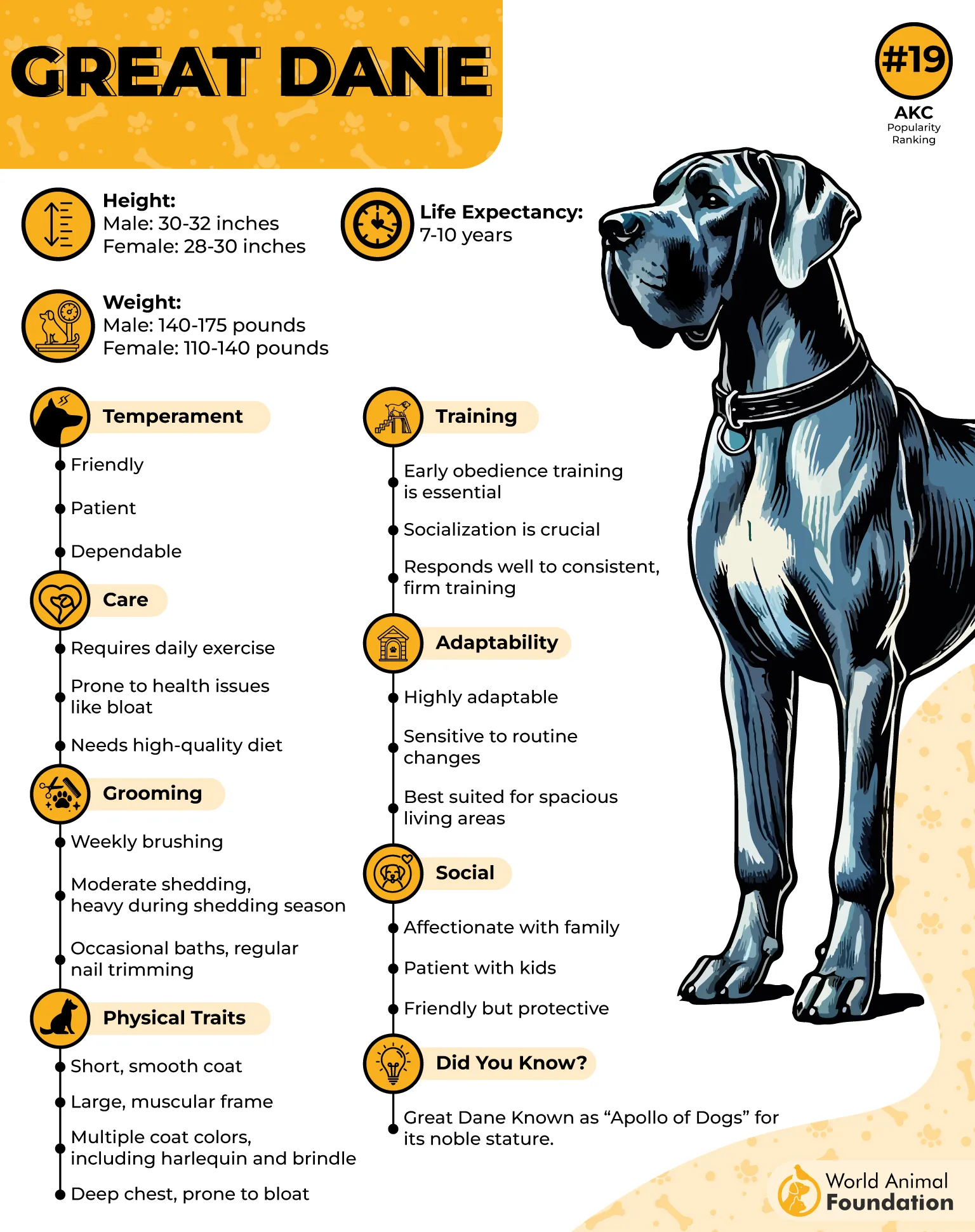
Their exercise needs are moderate rather than extreme, with daily walks, free movement in safe spaces, and controlled play generally providing a solid foundation. Growing Danes should not be pushed through repetitive jumping or long-distance running while their skeletal systems are developing.
Behind that comedy is a breed known for affection, patience, and a strong desire to remain close to its people. When responsibly raised, the Great Dane showcases strength with grace instead of acting like every day is a maximum-intensity workout.
Practical Ways They Showcase Their Heavy Labor and Athletic Strength
Open-field recalls reveal the Great Dane’s long stride, rapid acceleration, and ability to cover ground with remarkable efficiency.
Low-impact conditioning walks strengthen muscles around the joints while avoiding unnecessary stress on the breed’s towering frame.
7. Greater Swiss Mountain Dog
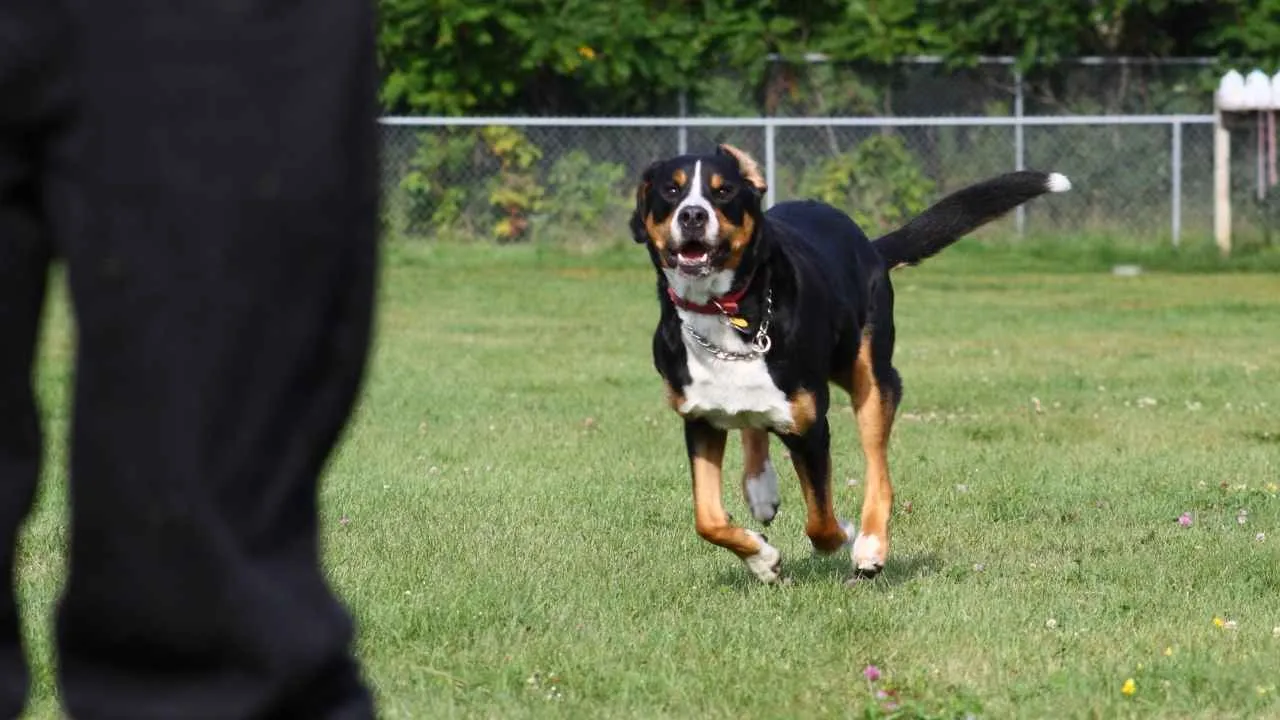
The Greater Swiss Mountain Dog, often called the Swissy, is essentially a farmhand wearing a glossy tricolor coat. Their combination of bone, muscle, confidence, and endurance made them valuable wherever horsepower was expensive or unavailable.
Swissies have deep bodies, strong shoulders, broad chests, and powerful hindquarters designed to generate pulling force. They are heavy dogs, but they should still move with balance and purpose rather than sluggishness.
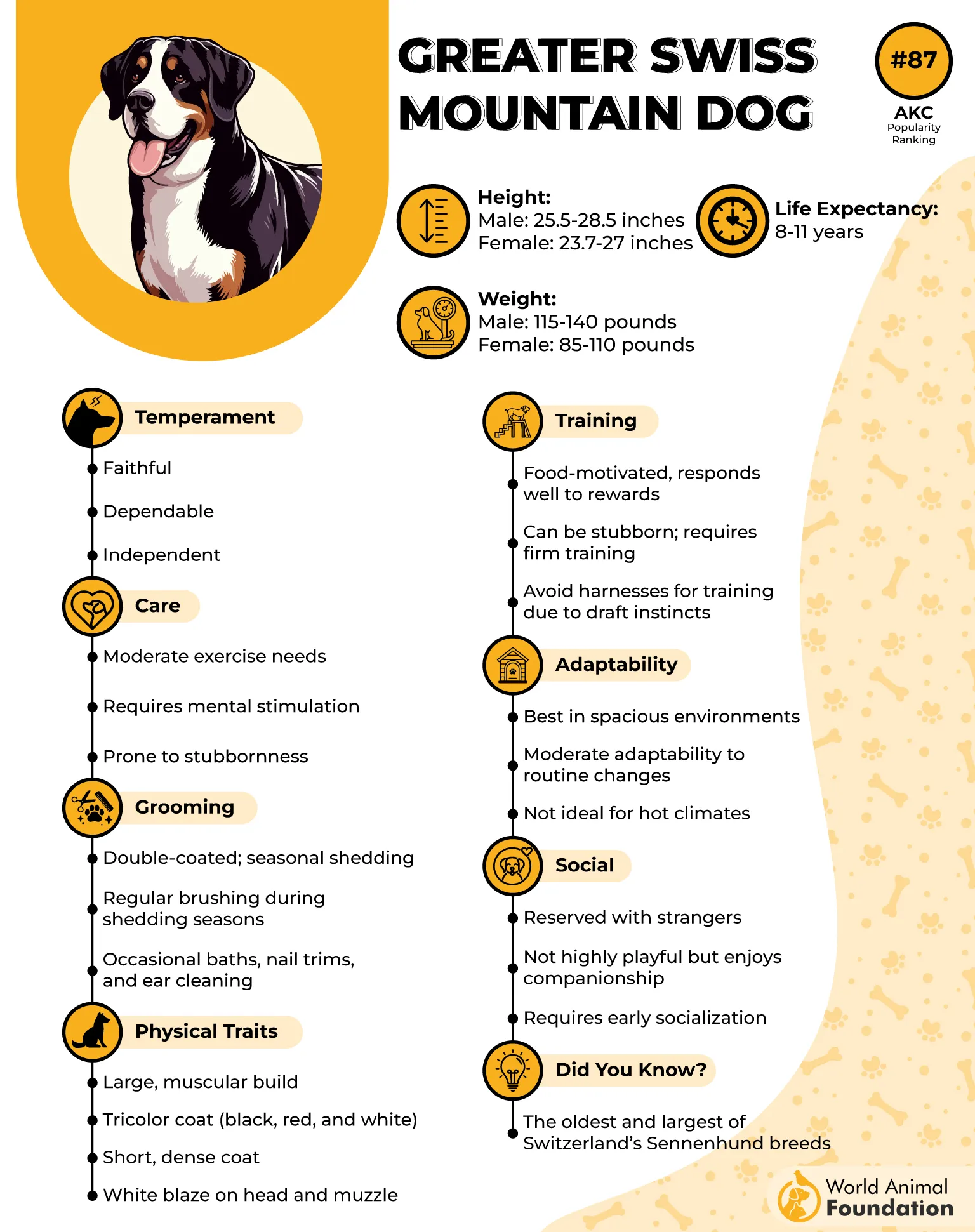
Training can be entertaining because the Swissy is intelligent, food-motivated, affectionate, and occasionally blessed with a stubborn streak worthy of its mountain heritage. They often respond beautifully when good behavior earns praise, play, or snacks with meaningful emotional value.
Their activity requirements are moderate, yet they still need daily opportunities to walk, explore, practice skills, and interact with their families. They are not usually endurance-running specialists, especially in hot weather, but they can enjoy hiking, carting, obedience, and therapy-related work.
Practical Ways They Showcase Their Heavy Labor and Athletic Strength
Drafting competitions provide a direct outlet for the Swissy’s historical cart-pulling power and disciplined forward movement.
Farm-style chores such as transporting lightweight supplies can make daily exercise feel purposeful and mentally rewarding.
8. Anatolian Shepherd
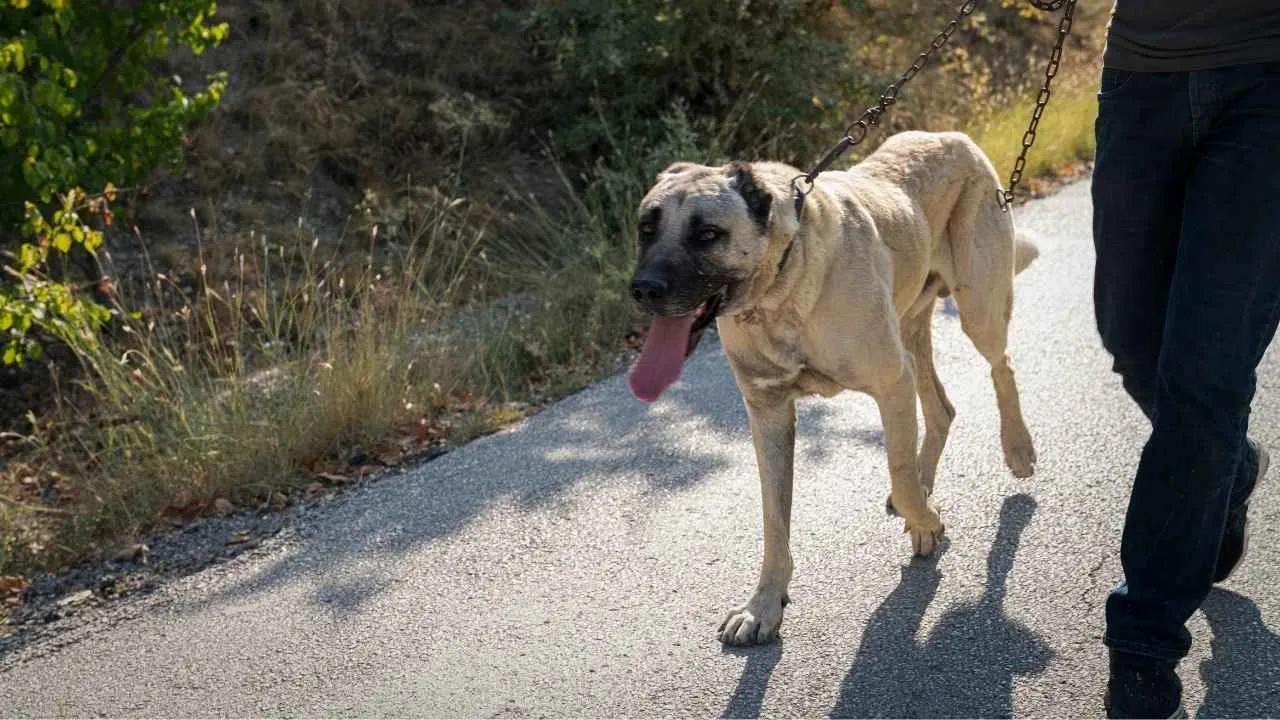
The Anatolian Shepherd was shaped for one of the most serious jobs in the dog world: protecting livestock from predators across vast, unforgiving territory.
Rather than moving sheep through constant herding commands, these dogs stayed with their animals, monitored the landscape, and acted when danger approached. Their independence was not a behavioral flaw but a survival requirement.
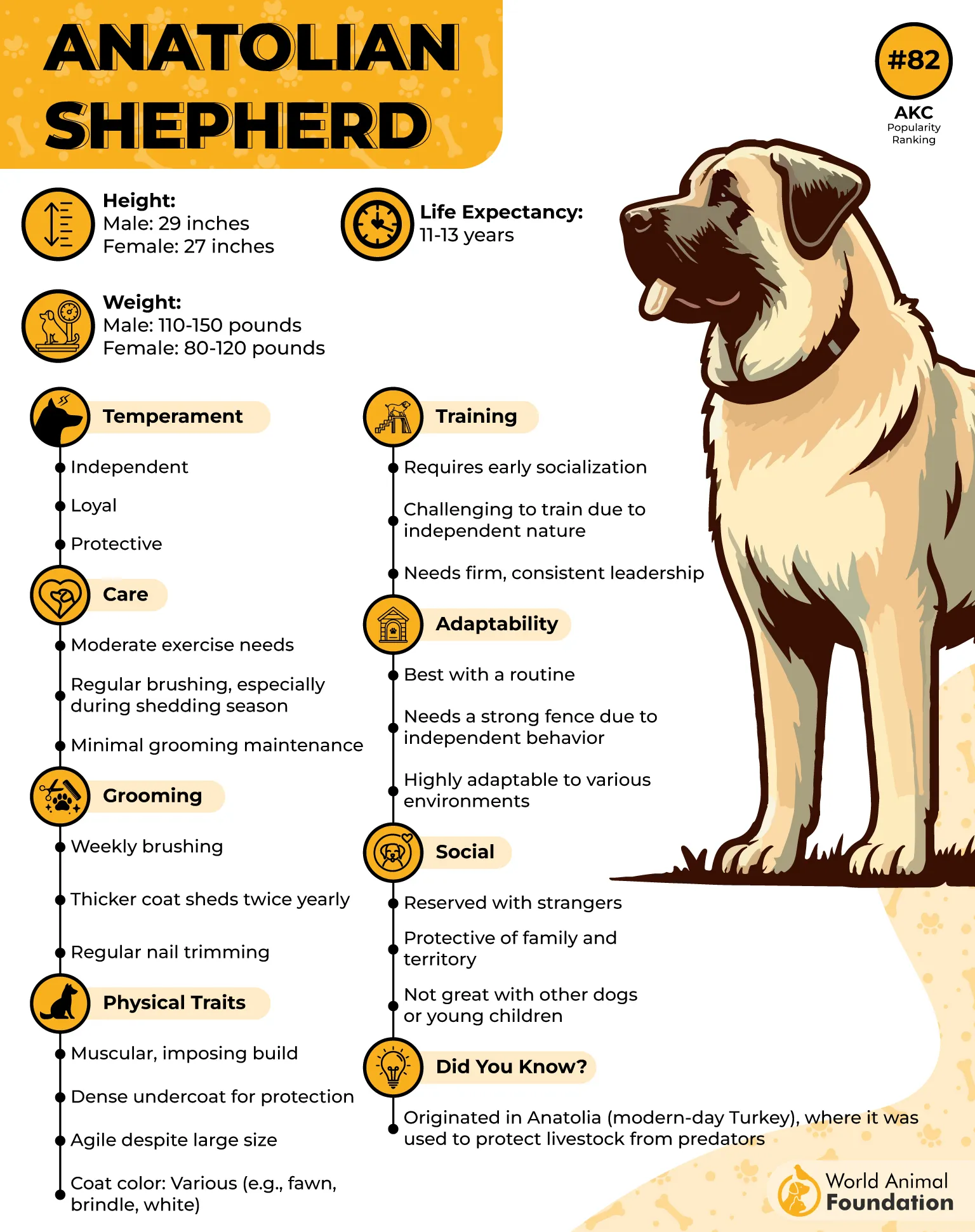
Positive training, secure boundaries, and carefully planned socialization are necessary for building cooperation without suppressing the breed’s natural confidence.
A large, securely fenced environment is generally more appropriate than crowded urban living. Anatolians can be territorial, reserved with strangers, and purposeful barkers whose voices were designed to carry across large distances.
Livestock owners often value Anatolians because they can form strong bonds with familiar animals while maintaining vigilance toward possible predators. In family settings, they may be calm and affectionate with trusted people but remain watchful around newcomers.
Practical Ways They Showcase Their Heavy Labor and Athletic Strength
Livestock-guardian patrols demonstrate the Anatolian’s ability to travel long distances while continuously monitoring animals and terrain.
Rapid-response drills show how the breed can shift from calm observation to powerful acceleration when the situation changes.
9. Bernese Mountain Dog
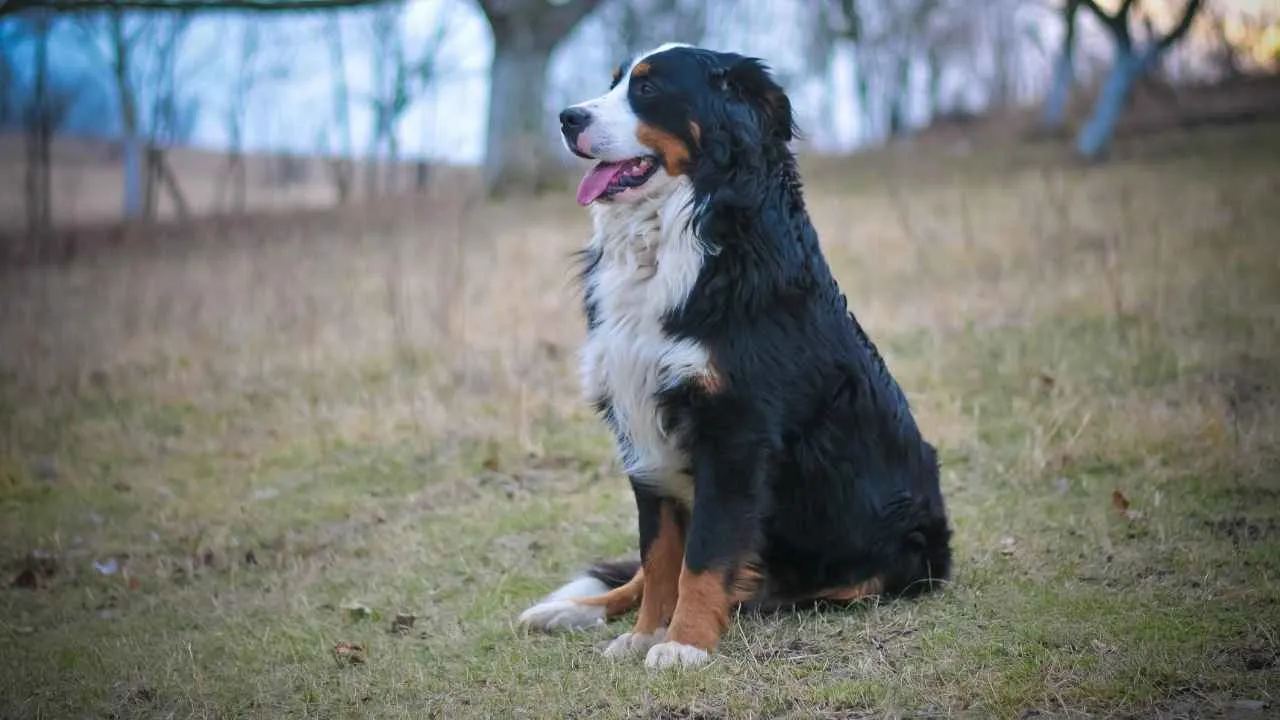
The Bernese Mountain Dog combines farm-bred strength with the expression of someone who would prefer everyone to stop arguing and have a snack. Their muscular bodies and cooperative temperaments make them useful without requiring the intensity of a nonstop high-drive athlete.
A Berner’s broad chest, solid bone, and powerful rear assembly provide substantial drafting ability. They can hike, pull, walk, and play with enthusiasm, but they are not designed for endless strenuous work across all climates.
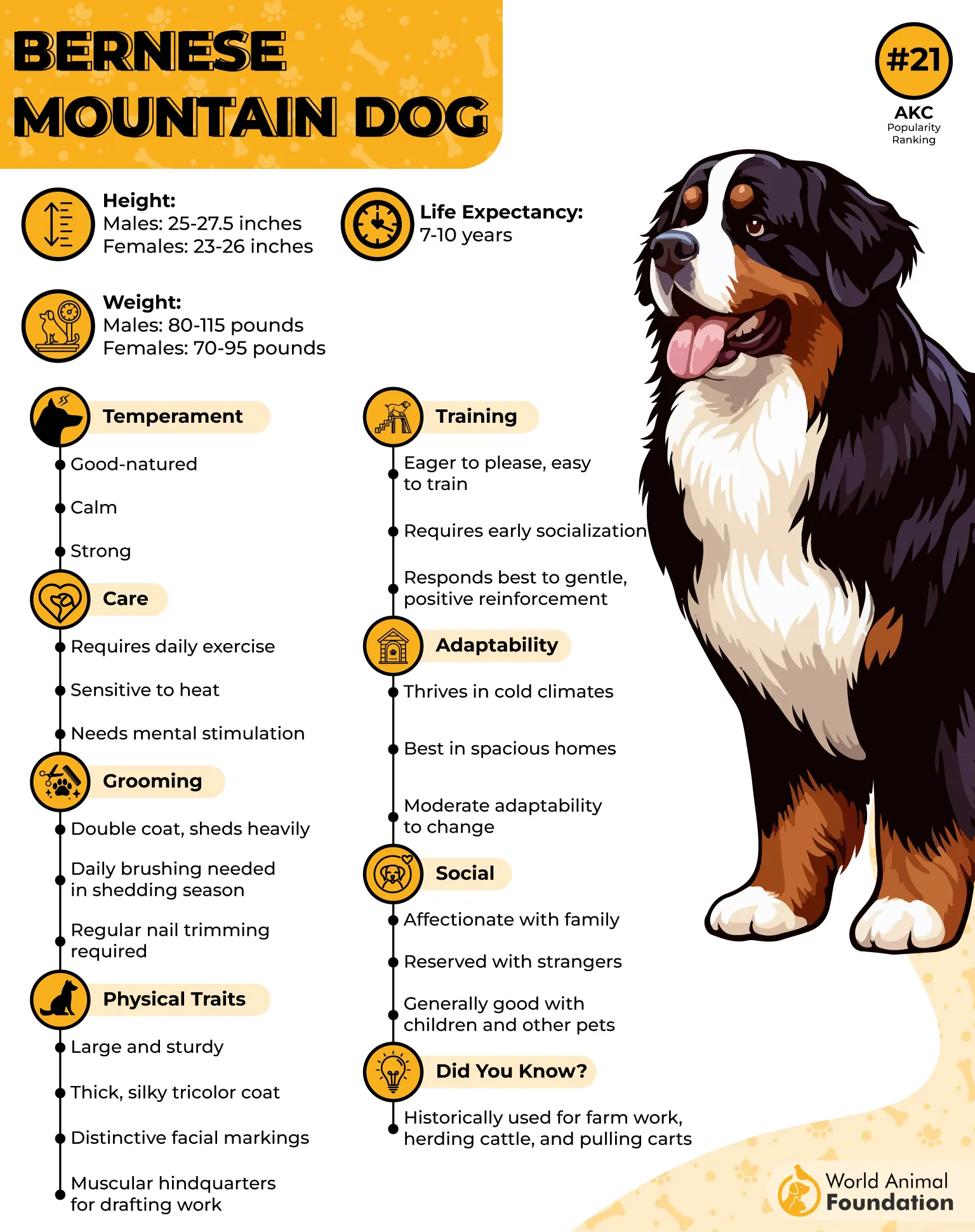
Although these mountain dogs need regular exercise, their activity should be divided into manageable sessions. Healthy adults may enjoy long walks, moderate hikes, retrieving games, tug, and obstacle-based play, while growing puppies require protection from excessive impact.
Training is often rewarding because Bernese Mountain Dogs tend to be affectionate, people-oriented, and responsive to positive reinforcement. They can be sensitive, so rough corrections may reduce confidence rather than improve reliability.
Practical Ways They Showcase Their Heavy Labor and Athletic Strength
Cart pulling highlights the Bernese Mountain Dog’s farm heritage and gives its broad, muscular body a controlled resistance workout.
Cool-weather hiking allows the breed to demonstrate steady climbing power without exposing it to dangerous heat buildup.
10. Dogo Argentino
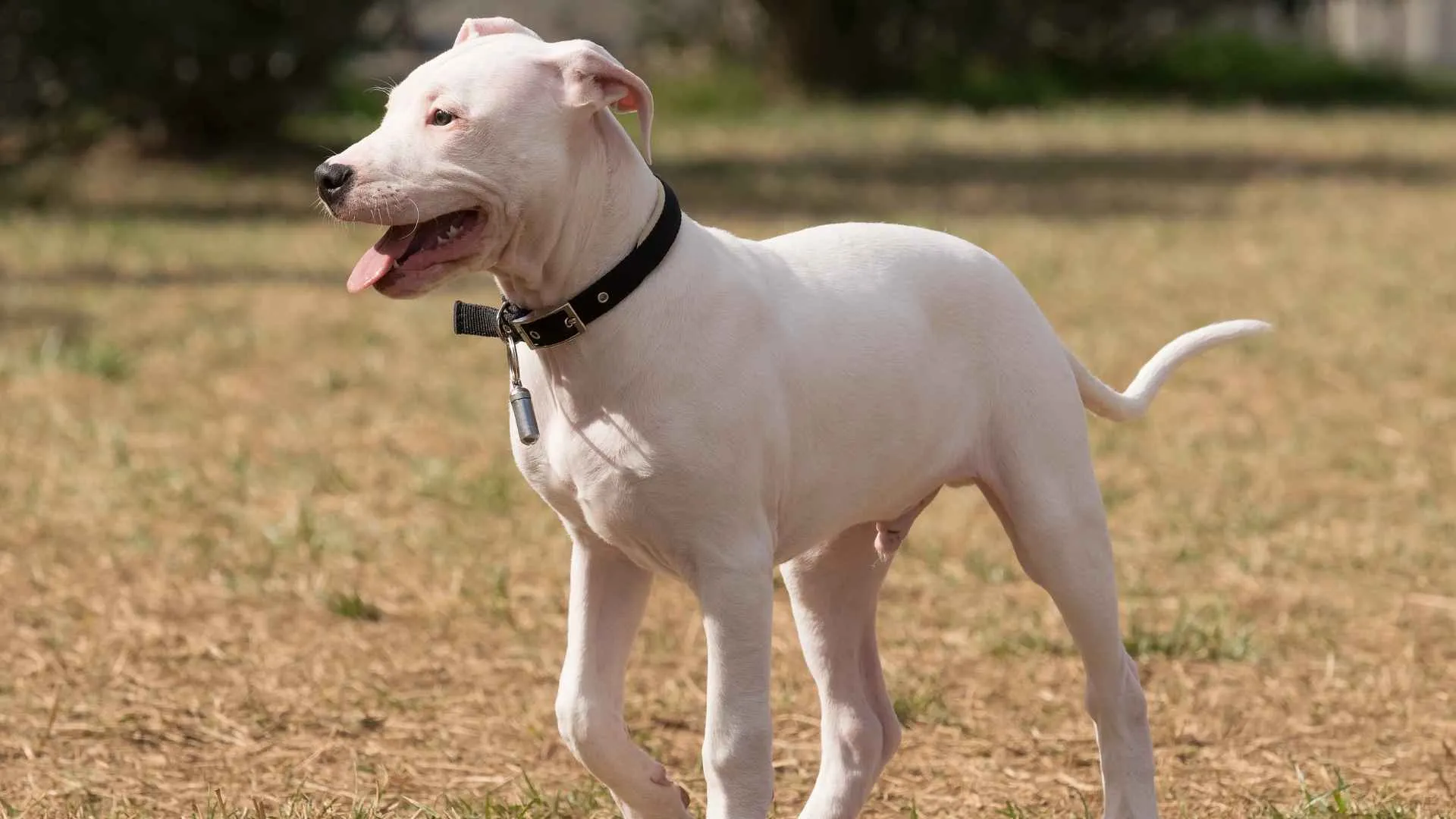
The Dogo Argentino is a muscular athlete created for speed, courage, endurance, teamwork, and the pursuit of large game. It was designed to cover ground, follow scent, confront difficult quarry, and remain physically capable under pressure.
A Dogo’s athletic frame includes a deep chest, strong neck, powerful jaws, long muscles, and hindquarters built for acceleration. These powerful dogs can run, climb, track, turn quickly, and sustain demanding activity when properly conditioned.
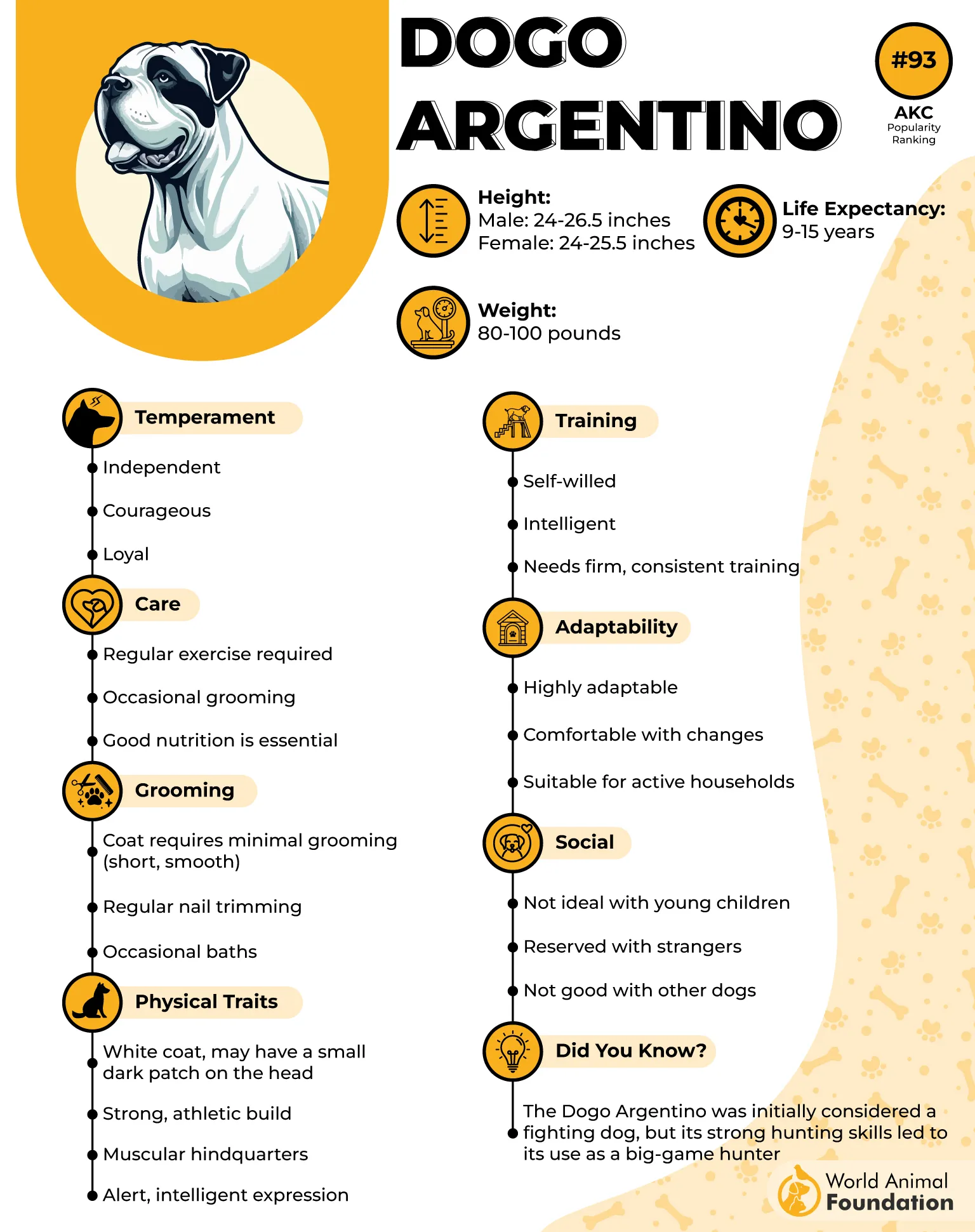
High physical ability means daily exercise is a serious requirement rather than a weekend bonus. Dogos often enjoy long walks, hiking, structured running, tracking, obedience, scent games, and challenging play with clear rules.
Training should start early and focus on socialization, recall, impulse control, handling, and calm responses to unfamiliar situations. Dogos are intelligent and often eager to engage, but their courage and physical confidence require an owner who can remain composed and consistent.
Practical Ways They Showcase Their Heavy Labor and Athletic Strength
Scent tracking gives the Dogo a demanding assignment that blends endurance, concentration, and its highly developed sense of smell.
Structured trail running channels speed and stamina, although conditioning should increase gradually and weather conditions must remain safe.
Conclusion
Powerhouse dog breeds are living reminders of how closely humans and dogs once worked together.
Rottweilers moved livestock and goods. Siberian Husky, American Pit Bull, English Bulldog, Australian Shepherd, German Shepherd, Golden Retriever, Belgian Malinois, Rhodesian Ridgeback, and Border Collie are some muscular breeds that also make good companion dogs.
These breeds can be affectionate companions, hilarious family members, determined athletes, and deeply reliable partners when placed in knowledgeable homes.
