




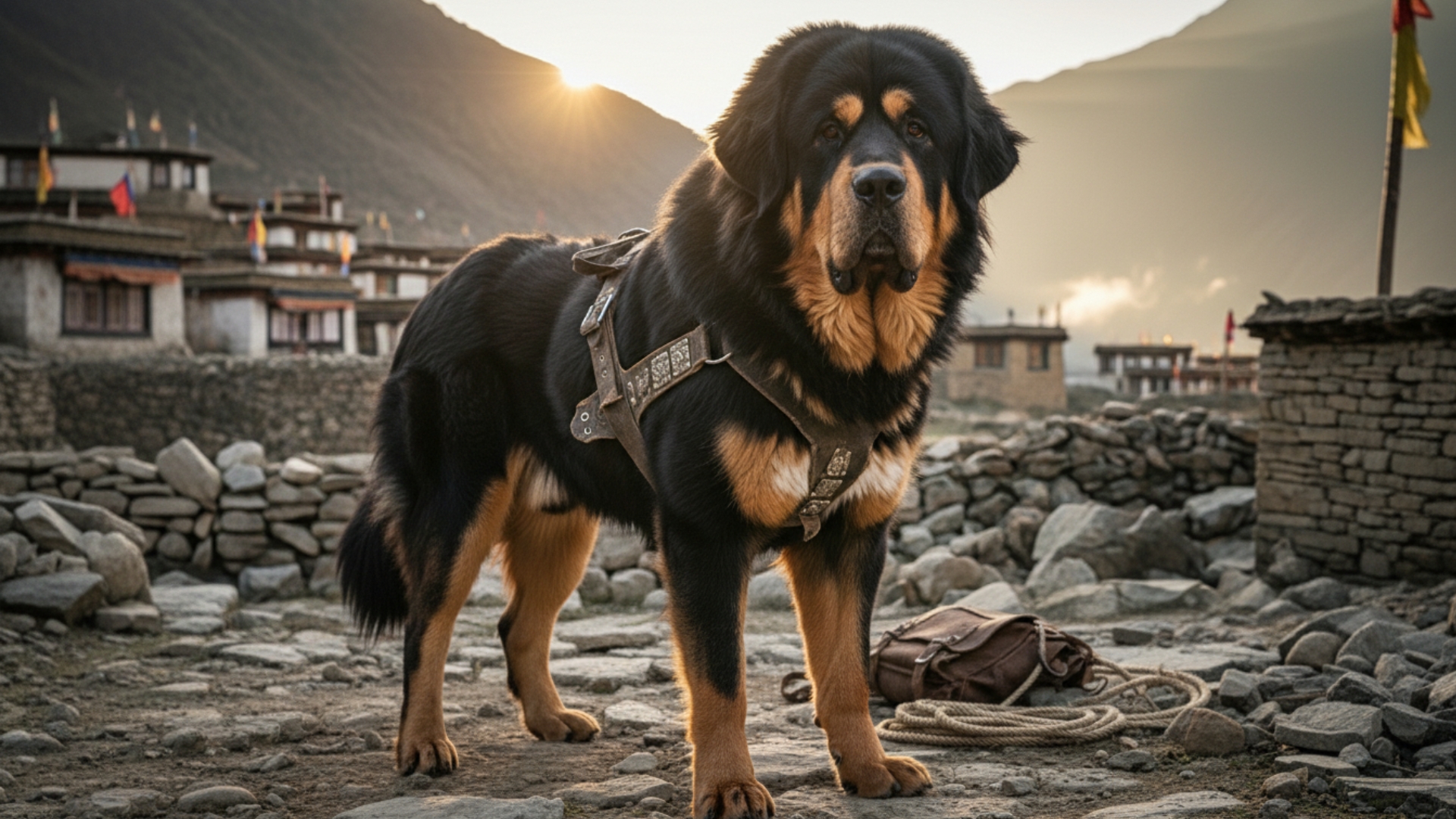
Versatile working dogs have played a vital role in human civilization for thousands of years. From assisting hunters and tracking game in ancient times to serving as loyal protectors and devoted companions today, these intelligent and capable breeds have consistently proven their value.
Their strength, discipline, and natural instincts make them indispensable partners in both rural and urban environments. If you’re searching for a guard dog breed that can protect you, your family, or your property, choosing a breed with strong guarding instincts is essential.
The best guard dogs are extremely loyal, alert, observant, and obedient. They tend to be confident, courageous, and highly trainable — qualities that make them reliable protectors while still being loving companions at home.
We’ll explore breeds known for their strength, intelligence, work ethic, and unwavering loyalty. Whether you need a dependable working partner or a devoted guardian, these impressive dogs stand out for their ability to protect and serve with dedication.
Powerhouse Dog Breeds Ideal for Labor and Guard Duties
1. Kangal
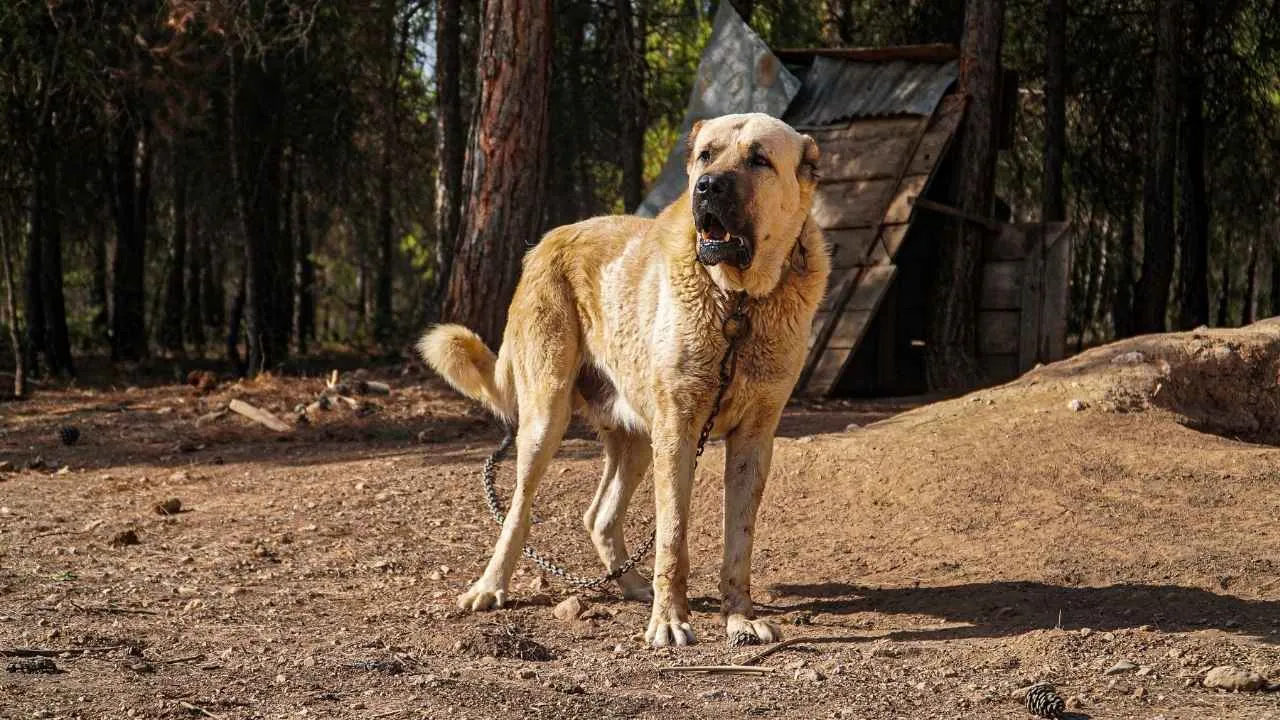
Originating from Turkey, this magnificent powerhouse is famous for its imposing size, broad head, and athletic, muscular build. Kangals aren’t just big for show — they’re purpose-built protectors.
Traditionally used to guard livestock against formidable predators, they bring calm confidence and quiet authority to the job. Think of them as the countryside’s highly trained security team… but fluffier.
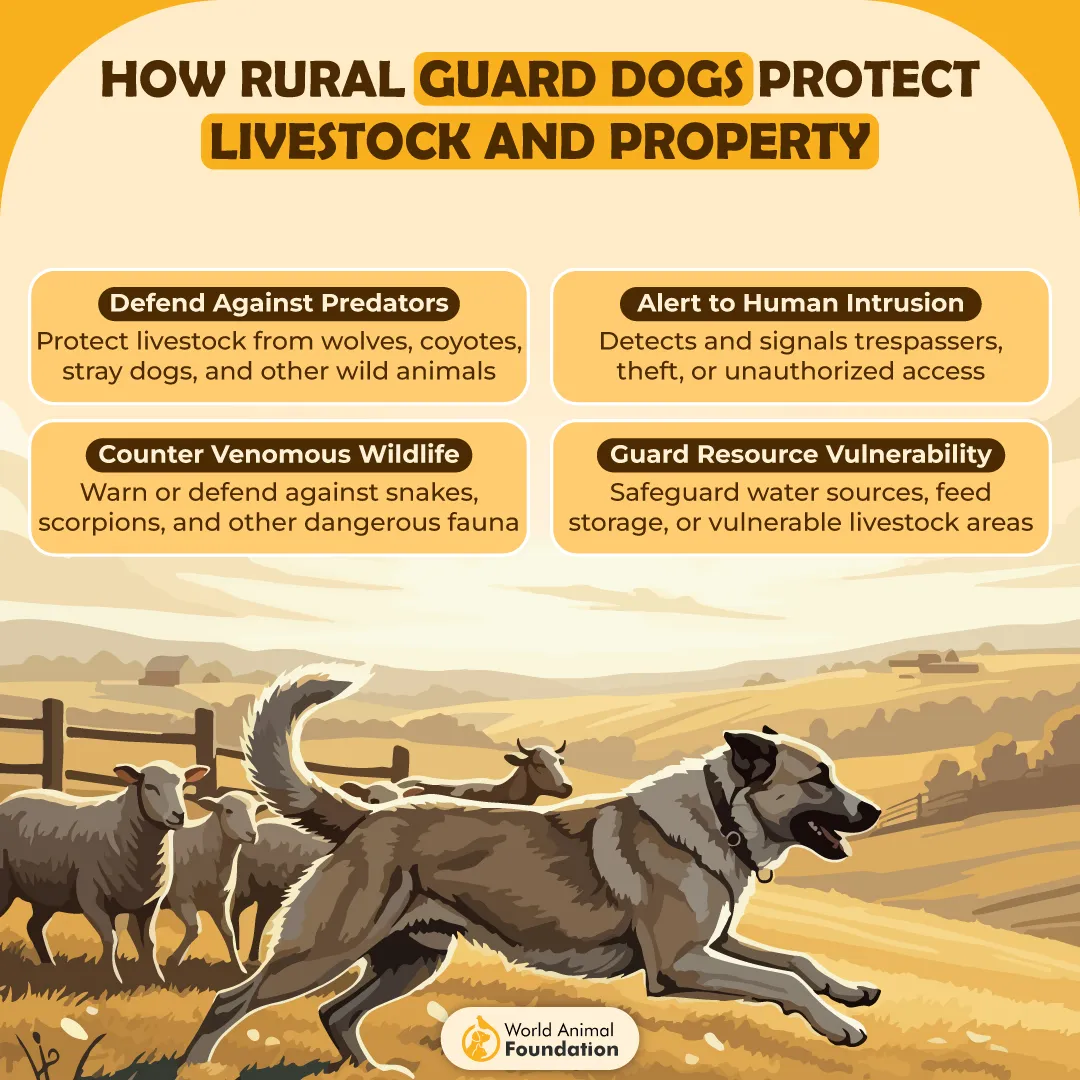
Purina says Kangals are incredibly intelligent — but they are not your typical “throw the ball, and I’ll bring it back” kind of dog. They are livestock guardian breeds, meaning they were developed to think independently and make decisions without human direction.
Training a Kangal isn’t impossible, but it does require experience, patience, and a calm, confident approach. This is not a beginner-friendly breed. Because of their size and natural guarding instincts, early and consistent socialisation is absolutely essential. They must be properly introduced to:
People
Children
Other pets
Livestock
New environments
Despite their protective nature, Kangals are not aggressive by default. They are measured. They observe first, act second. But if a genuine threat appears? They will not hesitate.
They are not ideal for apartment living or first-time dog owners looking for a casual companion. A Kangal needs space, structure, and a purpose.
2. Tibetan Mastiff
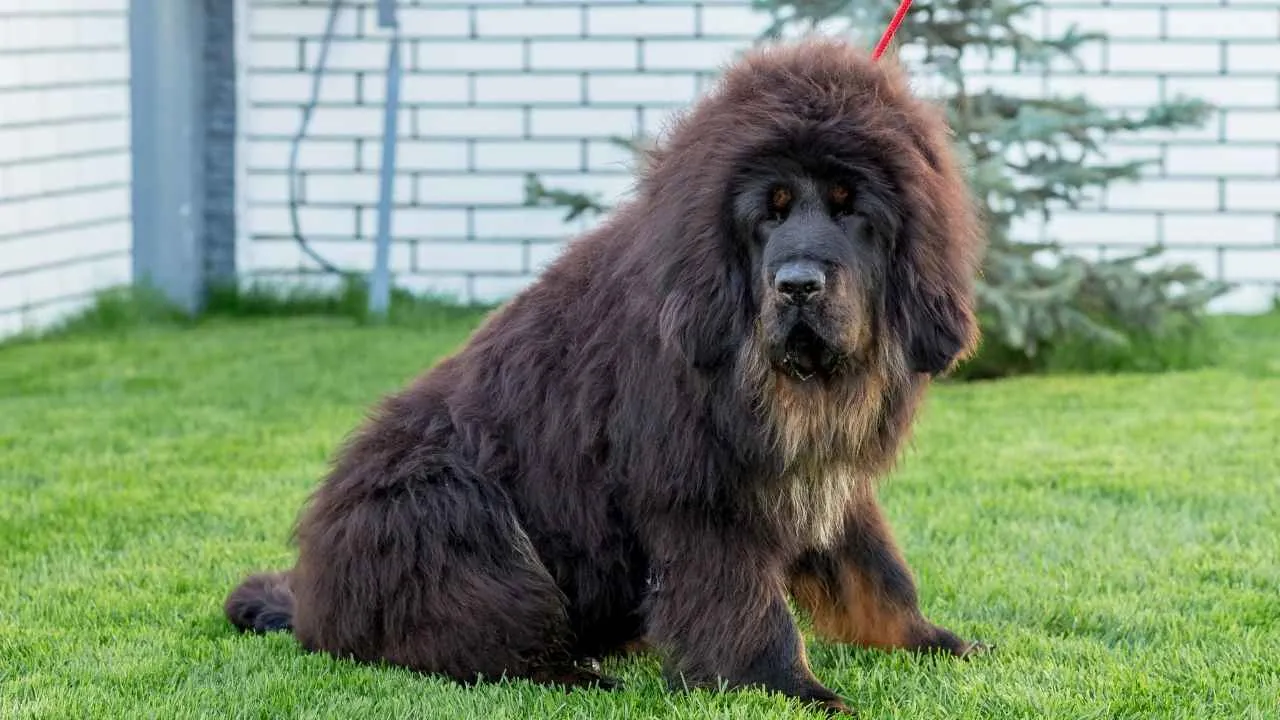
Massive. Watchful. Powerful. Intimidating. The kind of dog that makes delivery drivers reconsider their career choices.
Historically, Tibetan Mastiffs protected caravans and livestock high in the Himalayas, standing their ground against wolves and even snow leopards. Imagine the level of courage required for that job. This breed didn’t just guard sheep — it guarded livelihoods.
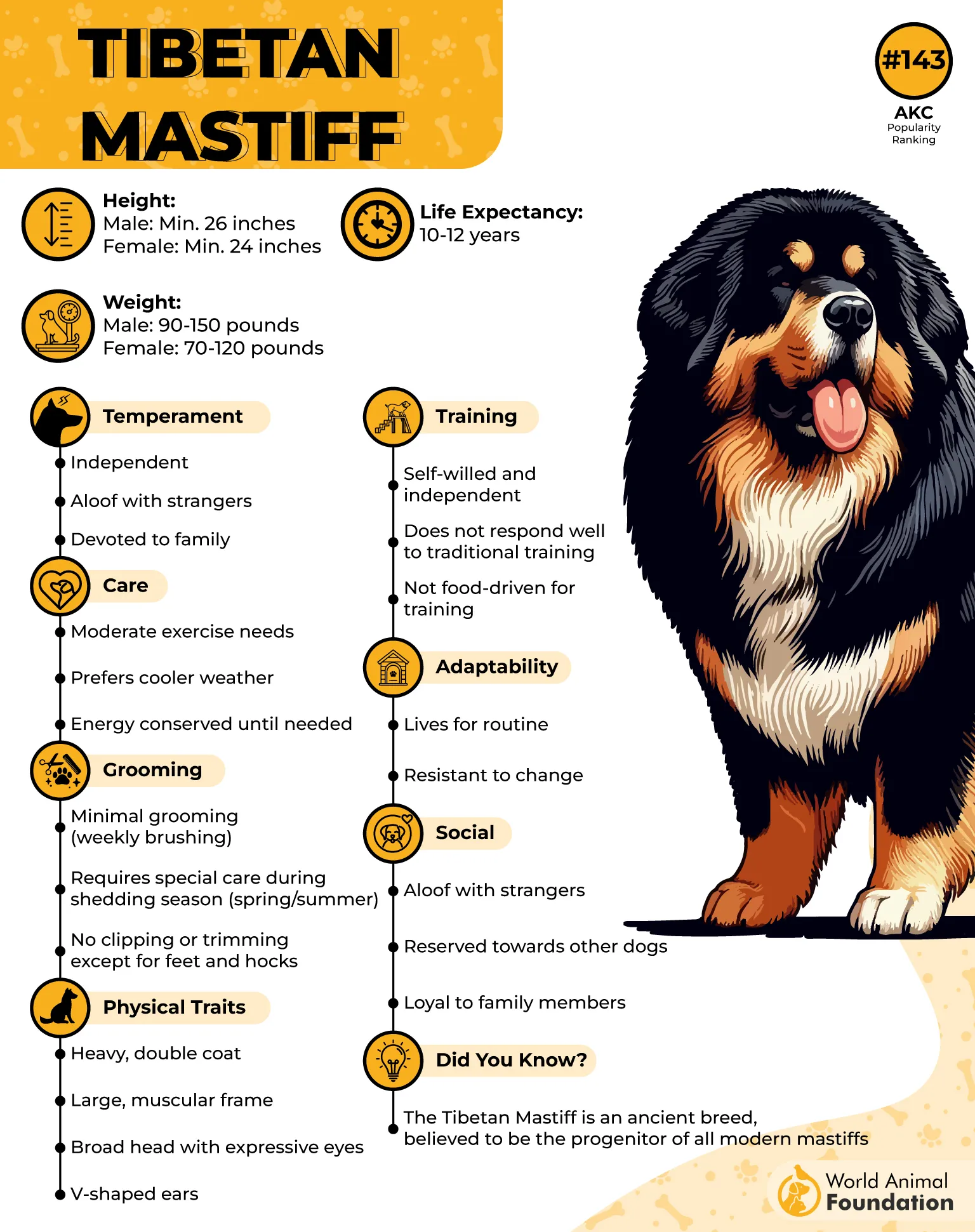
Their thick mane (which gives them that majestic lion-like look) wasn’t just for drama. It helped protect them in harsh climates and from predators. Mother Nature basically designed them as a cold-weather fortress.
Today, the Tibetan Mastiff is typically calm and easygoing with family. Around their trusted humans, they can be surprisingly relaxed — even dignified.
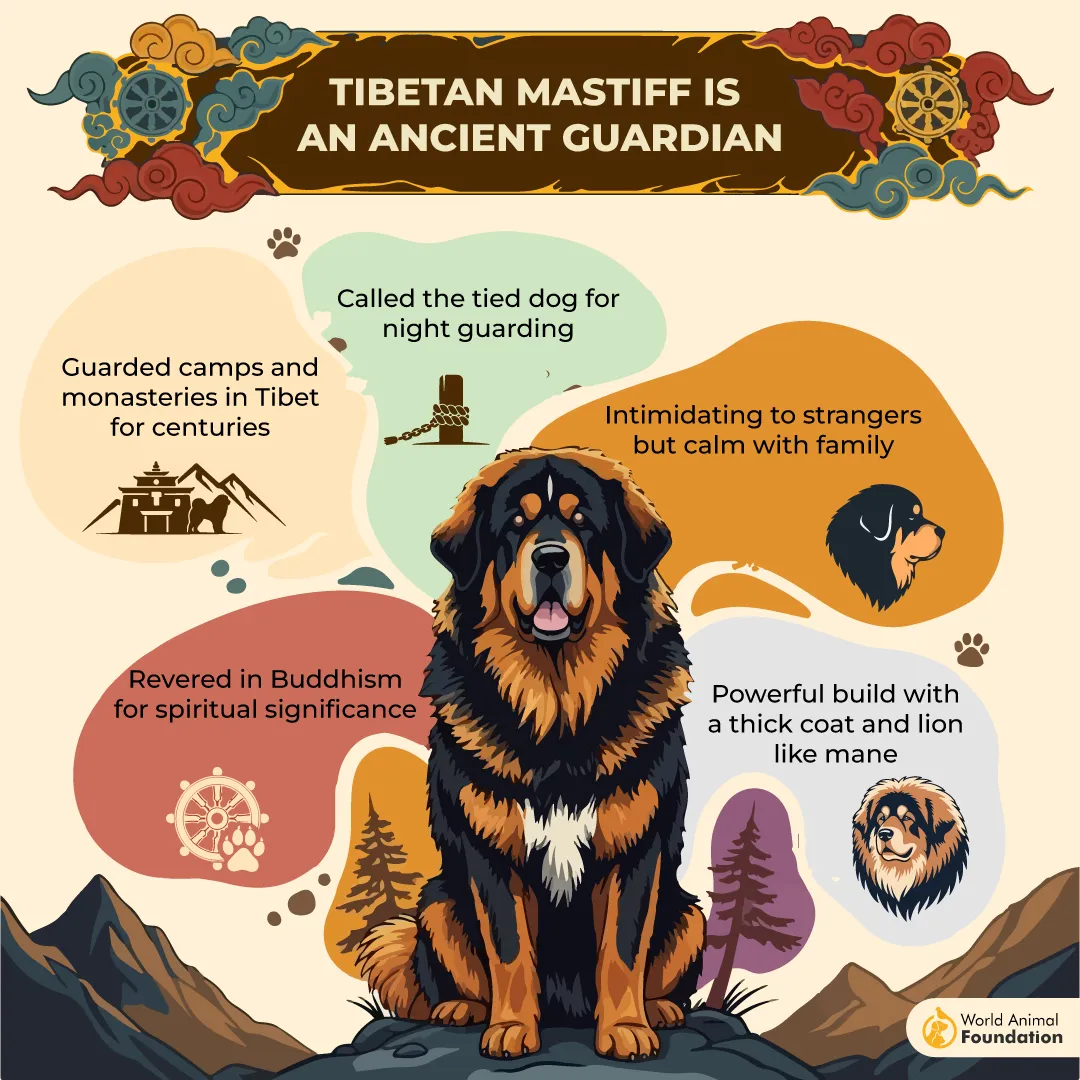
But when a stranger approaches?
Guardian mode activates immediately.
Orvis noted their protective instinct runs deep — it’s not something you train into them; it’s already there. They are naturally territorial and will not hesitate to step forward if they sense a threat. They are always aware. Always assessing. Always on duty.
Like many guardian breeds, Tibetan Mastiffs require:
Clear structure
Confident leadership
Early socialization
Consistent training
They are independent thinkers. They don’t respond well to harsh training, but they also won’t thrive with an owner who lacks confidence. They respect calm authority.
They may not be the most openly affectionate breed — don’t expect constant cuddles — but their loyalty runs deep. They show love through vigilance. Through presence. Through quiet watchfulness.
3. Great Dane
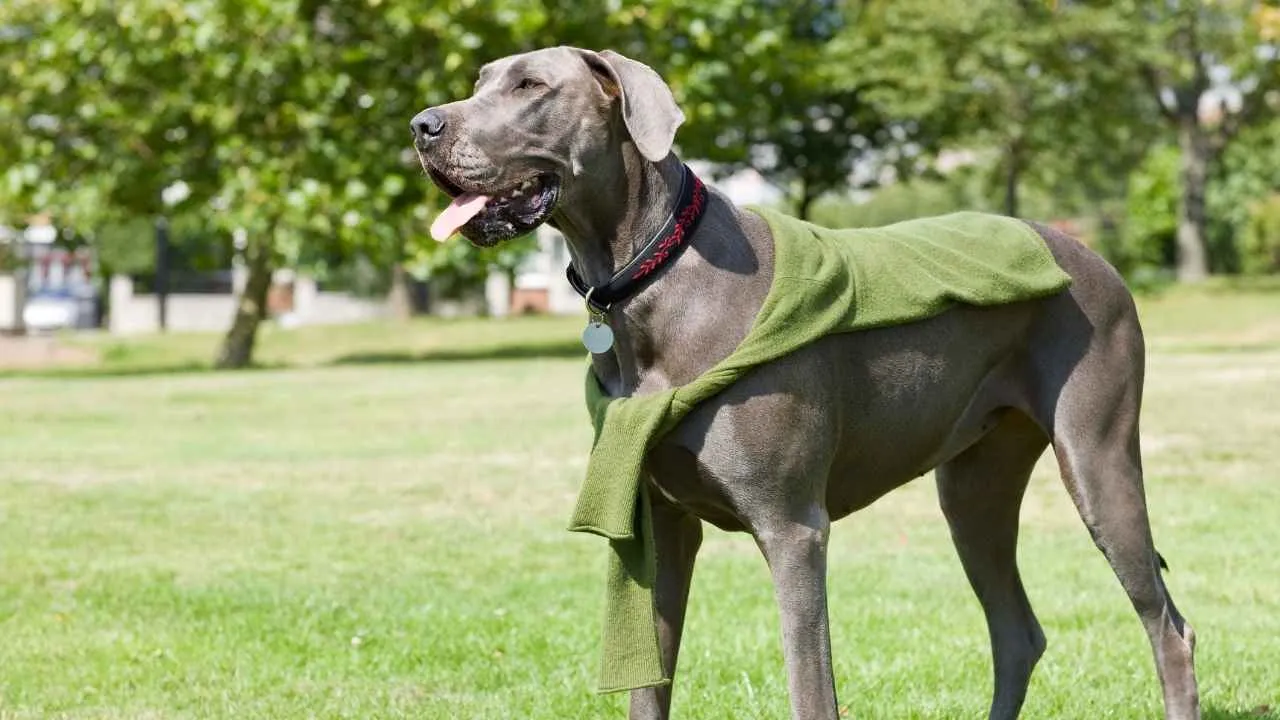
Meet the largest dog breeds— the magnificent Great Dane. Yes, they’re enormous. Yes, they can rest their chin on your kitchen counter without trying. And yes, they somehow still believe they’re lap dogs.
Originating in Germany, the Great Dane was originally bred to hunt wild boar — not exactly a small or gentle opponent. That means beneath that elegant, statuesque appearance lies a powerful working dog with courage and stamina.
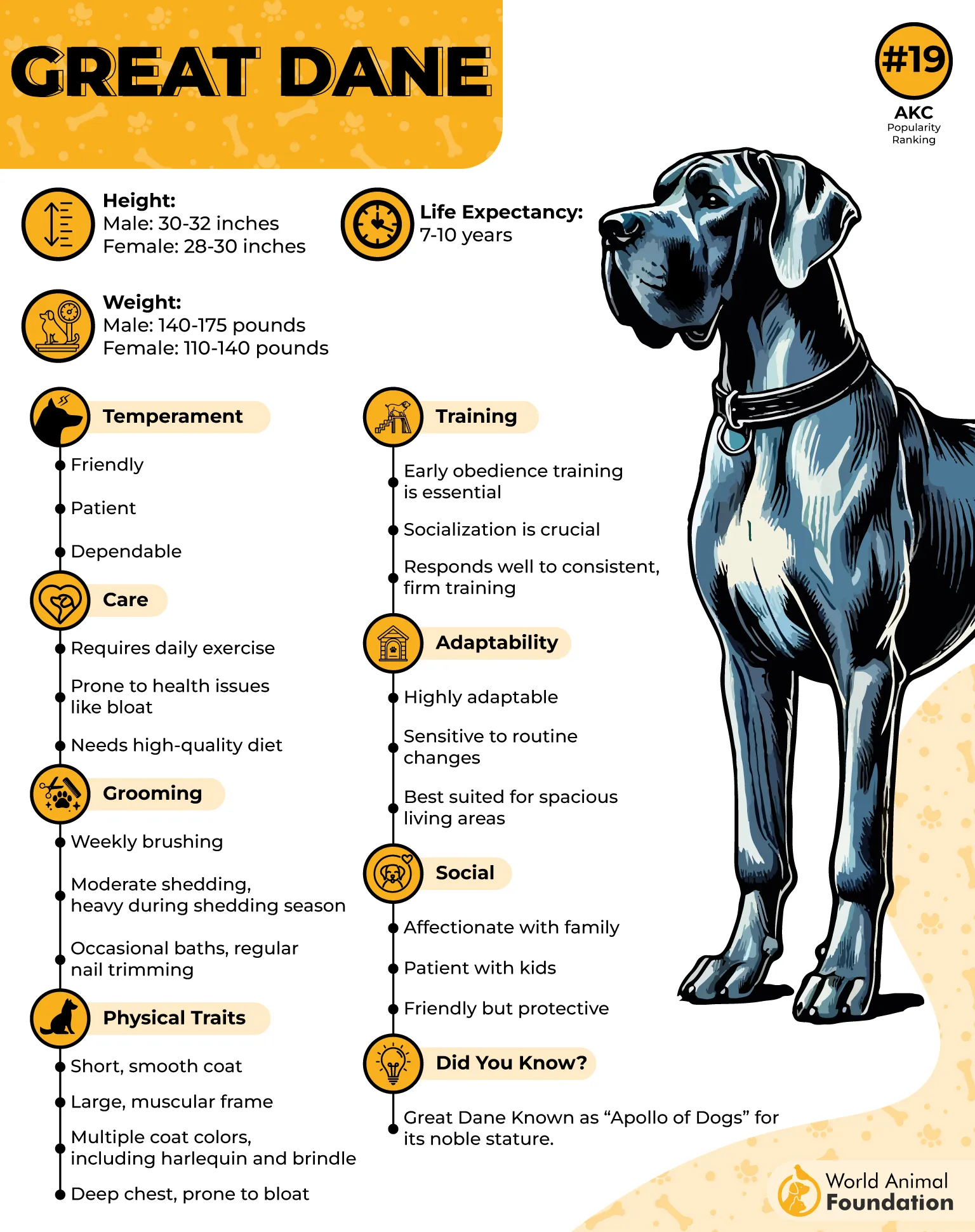
Great Danes carry themselves with a kind of quiet nobility. They’re intelligent, deeply loyal, and form strong bonds with their families. Despite their size, they’re often incredibly gentle — especially with children.
Their sheer size alone is often enough to make strangers pause. While they will alert you to unusual activity or unfamiliar visitors, they aren’t typically excessive barkers.
With basic training and socialization during puppyhood, loud habits are rarely an issue. Mental and physical stimulation is equally important — these are smart dogs that appreciate a challenge. Some enjoy dog sports like:
Agility
Obedience
Tracking
Structured play sessions
Just remember: when a dog that large decides to zoom, furniture may need a safety briefing. Early socialization and consistent guidance help them grow into the gentle giants they’re famous for being.
4. Rottweiler
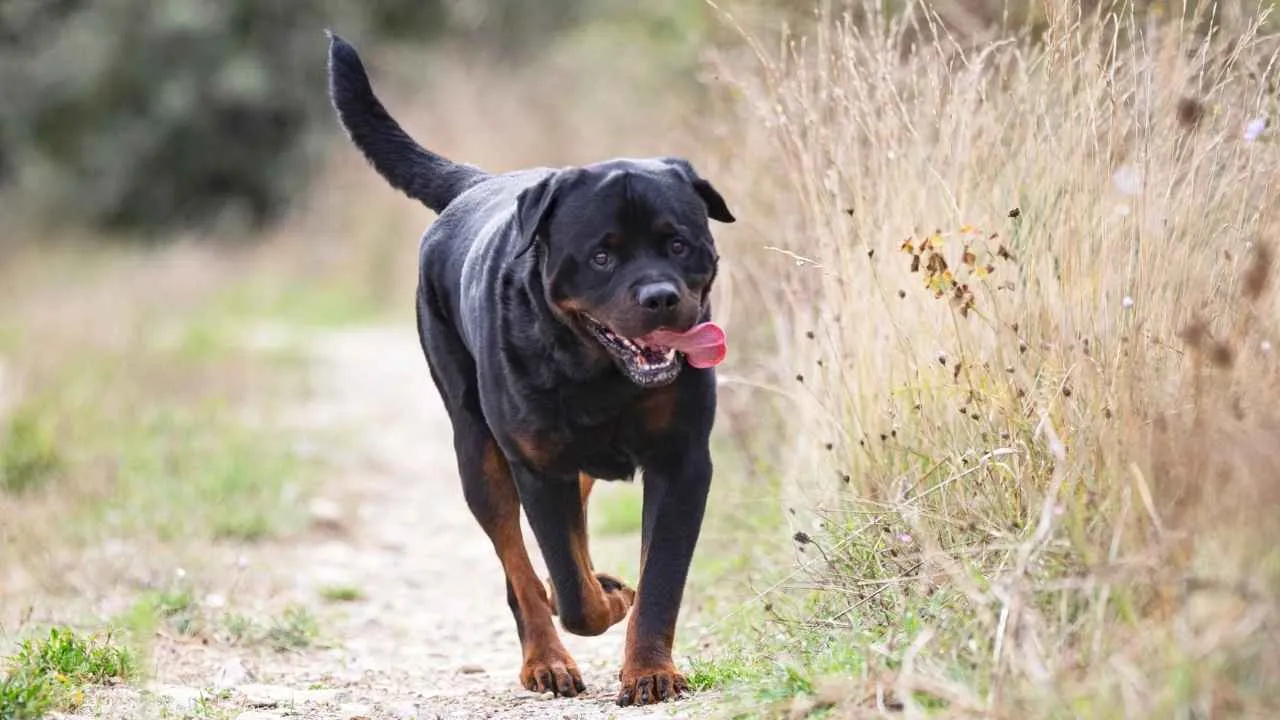
If guardian breeds had a hall of fame, the Rottweiler would have a gold-plated plaque right at the entrance.
This is one of the oldest and most respected protector breeds in the world. Its roots trace all the way back to Roman drover dogs — powerful canines that herded cattle and protected soldiers as they marched across Europe. In other words, Rottweilers have been on security detail for thousands of years.
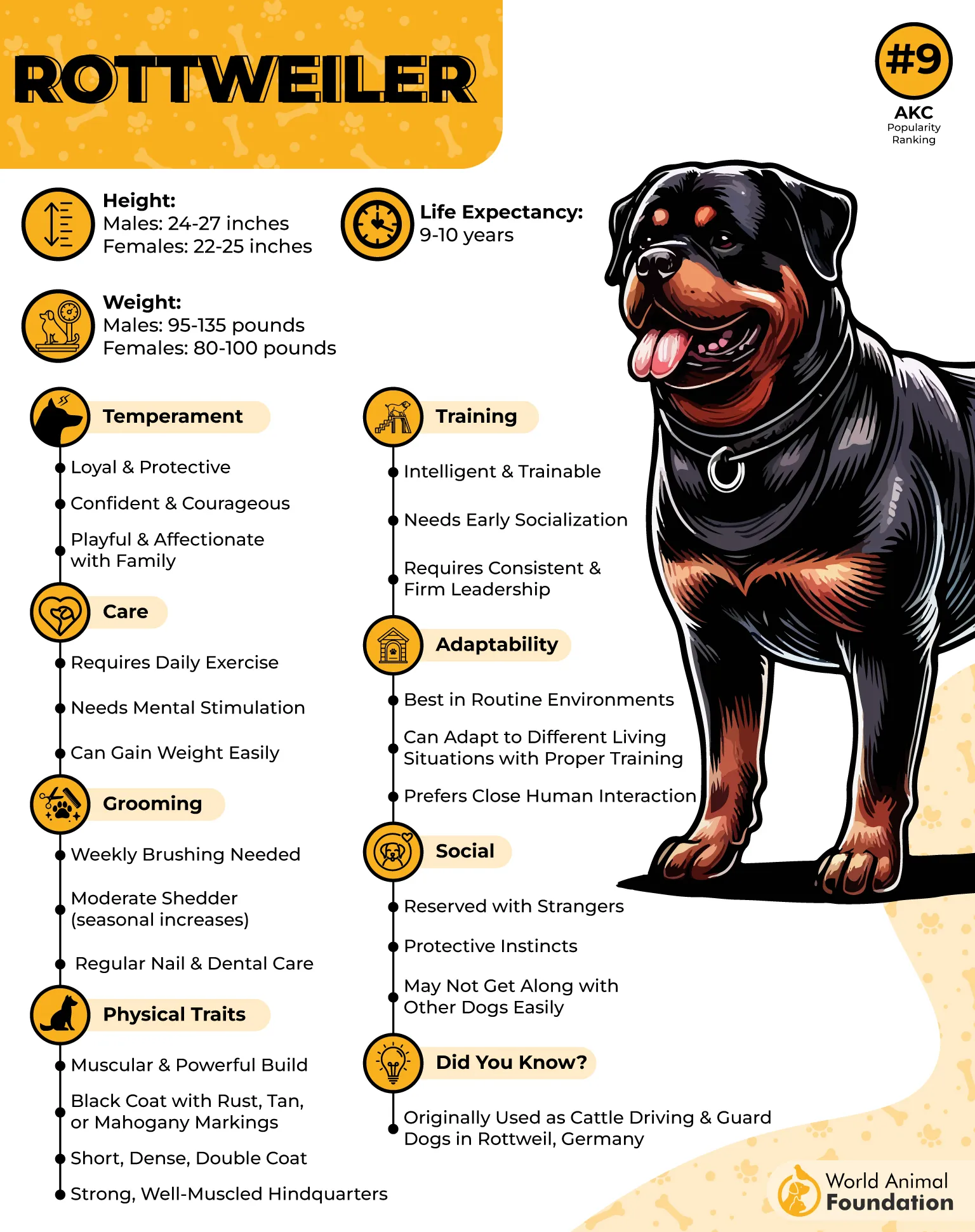
According to Britannica, in the early 20th century, the Rottweiler made a powerful comeback, stepping into roles in police and military work. They’ve excelled in:
Police dog service
Military support
Search and rescue
Service dog roles
Physically, the Rottweiler is compact, muscular, and powerful. These protection dogs carry themselves with quiet confidence. No unnecessary drama. No reckless behavior.
Mentally? Sharp. Focused. Deliberate.
They combine natural guarding instincts with intelligence, making them exceptional protectors of home and family. A Rottweiler doesn’t bark just to hear its own voice. If they alert you, there’s usually a reason.
This measured temperament makes them especially suitable for families who want a balanced, stable protector rather than a reactive one. Without enough activity and structure, their strength and protective instincts can become difficult to manage.
Think of it this way: this is a dog that thrives with purpose. Give them guidance, consistency, and regular exercise, and you’ll have a loyal guardian who will stand by your side without hesitation.
5. Doberman Pinscher
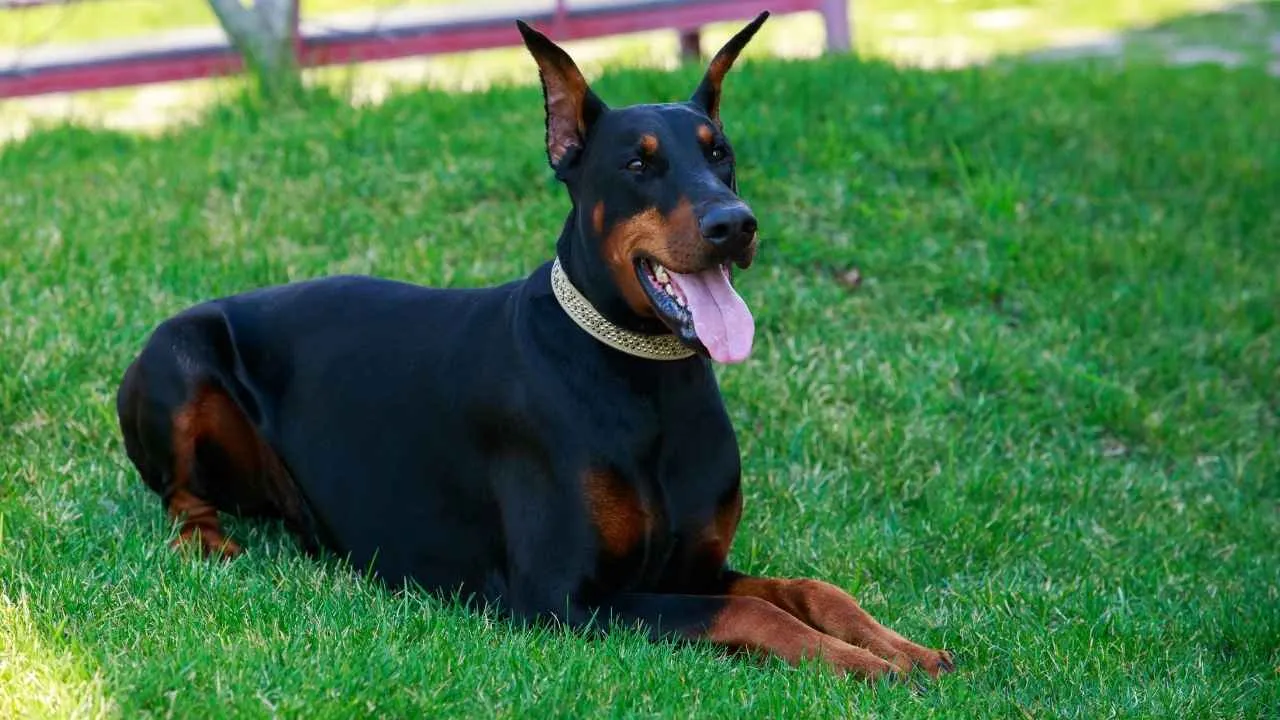
The Doberman was developed in the late 1800s by German tax collector Karl Friedrich Louis Dobermann. His job required traveling with large sums of money — not exactly a low-risk profession. So he set out to create the ultimate personal guardian: loyal, alert, intelligent, and fearless.
There’s something unmistakably refined about a Doberman. Lean, muscular, and athletic, they move with precision and purpose.
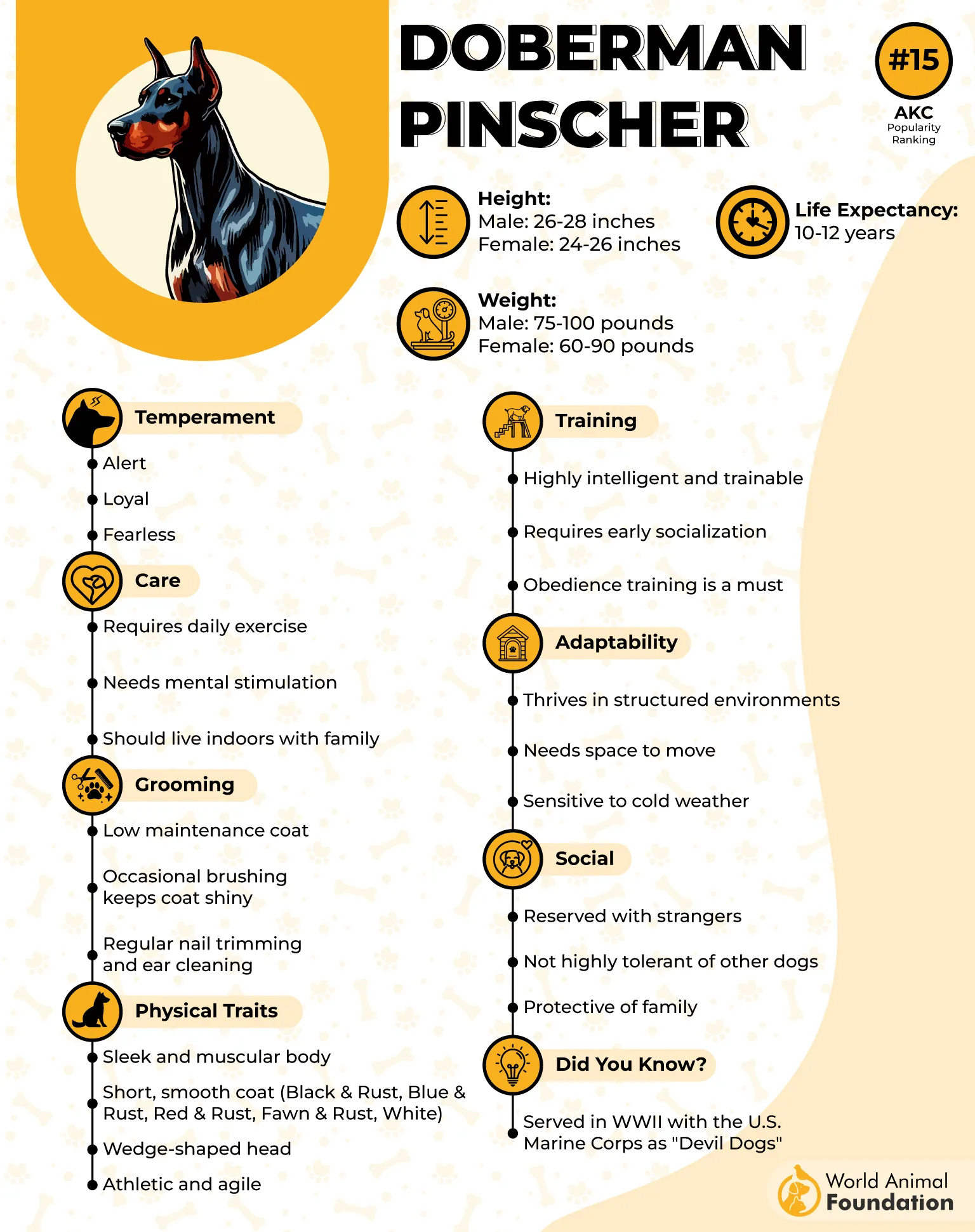
Dobermans form incredibly deep bonds with their families. This is not a casual relationship. When a Doberman chooses you, you’re their person.
These protective dogs thrive on connection and closeness. Unlike some more independent guardian breeds, Dobermans genuinely want to be near their humans. They are affectionate, devoted, and highly responsive.
These best guard dog breeds are widely used in:
Military work
Police service
Personal protection
Advanced obedience and protection sports
A Doberman doesn’t just react wildly to every movement. They observe. They analyze. They assess. And if intervention becomes necessary? It’s swift and decisive.
One of the most impressive traits of the Doberman is its discernment. They can read situations — and people — remarkably well. They often remain calm and watchful before deciding whether action is needed.
This blend of emotional intelligence and guarding instinct is what sets them apart. They’re not just muscle; they’re mind and heart working together. A bored Doberman is a creative Doberman. And creativity, when paired with athleticism, can mean rearranged furniture.
They excel when given purpose — obedience training, protection work, advanced commands, or interactive play. Keep their mind engaged, and you’ll have a focused, balanced companion.
6. Cane Corso
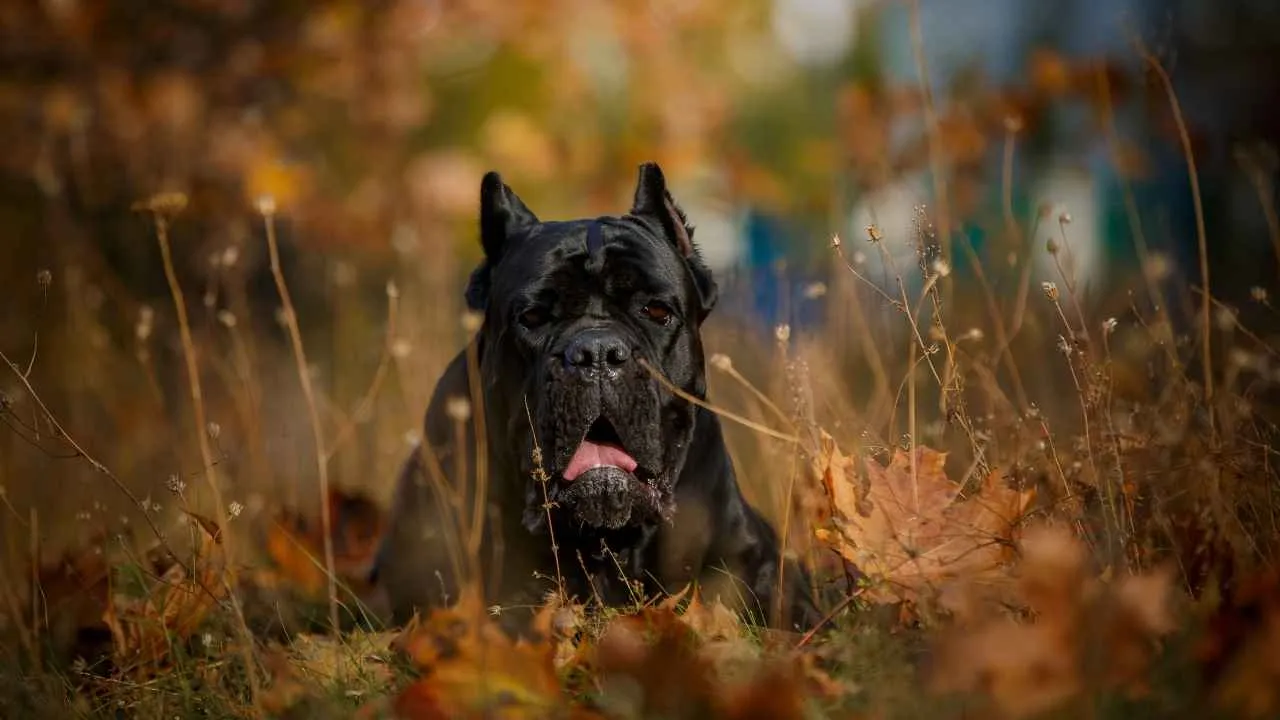
The Cane Corso descends from Roman war dogs — yes, actual battlefield canines. Over the centuries, they guarded property, hunted large game, and protected livestock. This is not a breed that accidentally wandered into greatness. It was built — intentionally — to work.
The Cane Corso is muscular, broad-chested, and undeniably imposing. One look at that intense, focused stare and most people instinctively stand a little straighter. They are strong dogs — physically formidable and mentally steady.
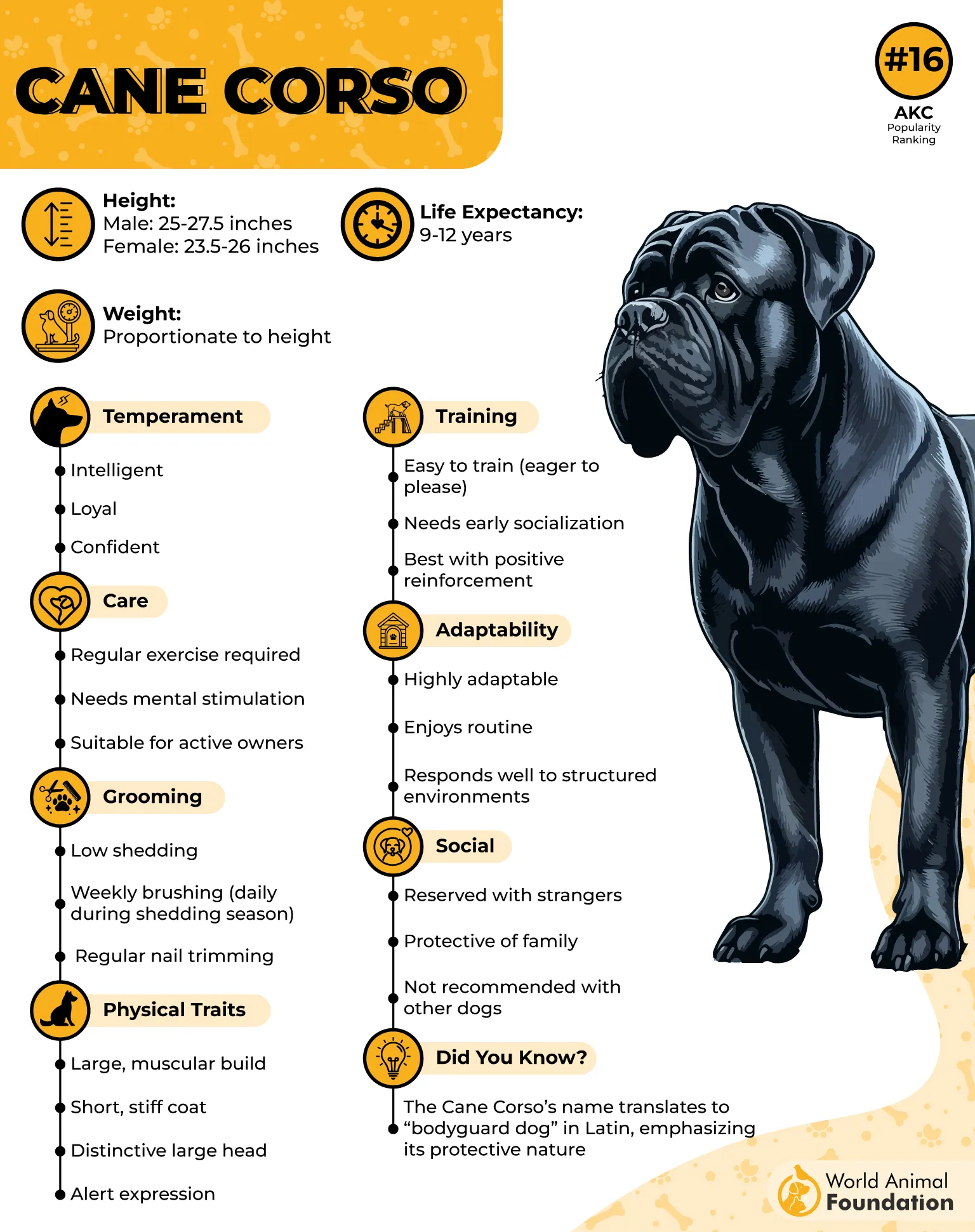
Some breeds need extensive protection training to develop guarding behavior. The Cane Corso? Not so much. Their protective instinct is deeply hardwired. They are naturally alert, territorial, and highly aware of their surroundings.
For all their intensity, Cane Corsos are deeply devoted to their families. They form strong bonds and are naturally protective of those they love. At home, with their trusted humans, they can be surprisingly affectionate. Many are gentle and attached to their family life, often wanting to stay close and involved.
The Cane Corso is not particularly trusting of strangers. They are cautious by nature, and friendliness isn’t automatically extended to unfamiliar people or animals. Early and consistent socialization is essential.
This is not a beginner’s dog. Cane Corsos need:
Clear leadership
Proper socialization from an early age
Extensive, consistent training
Exercise and Mental Stimulation
They thrive when given structure. Without it, their strength and protective instincts can become overwhelming. With it? They are extraordinary companions — balanced, loyal, and reliable.
7. Bullmastiff
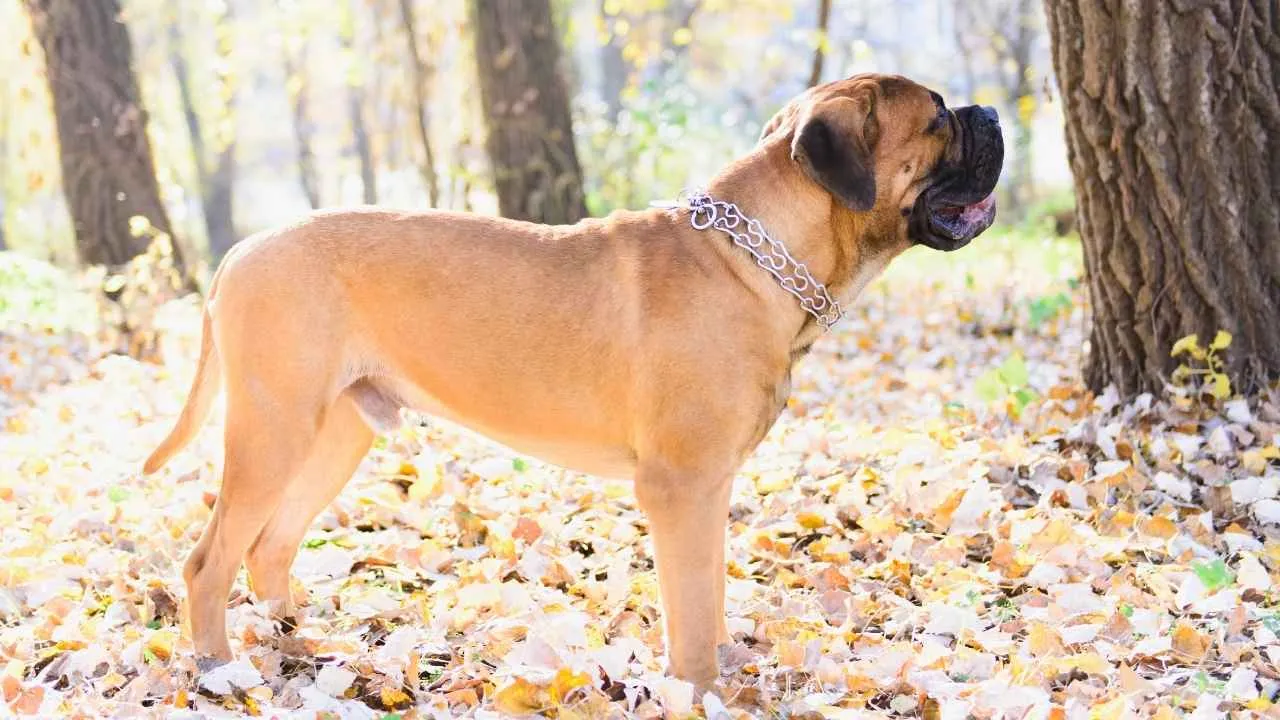
If the Cane Corso is the castle guardian, the Bullmastiff is the silent night patrol officer who doesn’t say much… but definitely means it.
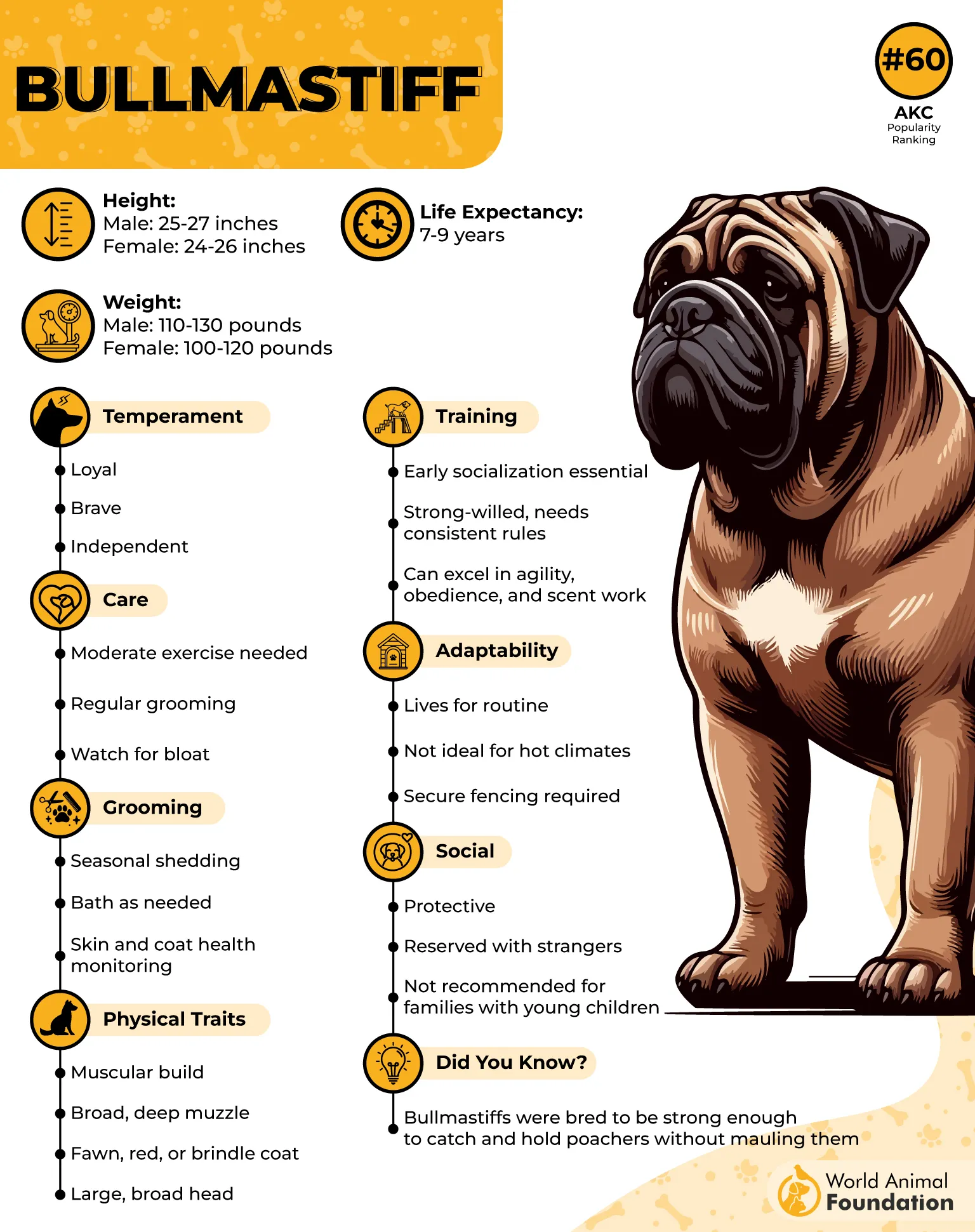
The Bullmastiff was developed in 19th-century England by crossing Bulldogs with Mastiffs. The goal? Create a large, fearless, reliable guard dog for gamekeepers.
Poachers were a serious problem, and gamekeepers needed a dog that could:
Track intruders quietly
Pin them down
Hold them without excessive aggression
The result was the legendary “Gamekeeper’s Night Dog” — powerful, controlled, and surprisingly restrained. What truly sets the Bullmastiff apart from many guardian breeds is its temperament.
Unlike high-drive protection breeds such as the Belgian Malinois or the German Shepherd, the Bullmastiff isn’t constantly on edge or looking for a job to do every second of the day.
Instead, it prefers to:
Quietly observe
Stay close to its family
Act only when necessary
Despite their imposing size and serious working background, Bullmastiffs are often affectionate and deeply devoted to their family members. They bond closely and can be especially gentle with children.
Bullmastiffs are powerful dogs. Proper socialisation and obedience training are absolutely essential. Their independent streak and strong will mean they need confident, consistent leadership.
Without guidance and early exposure to different people and environments, their protective instincts can become overly intense. With proper training? You get a calm, reliable guardian who knows exactly when to step forward — and
8. Giant Schnauzer
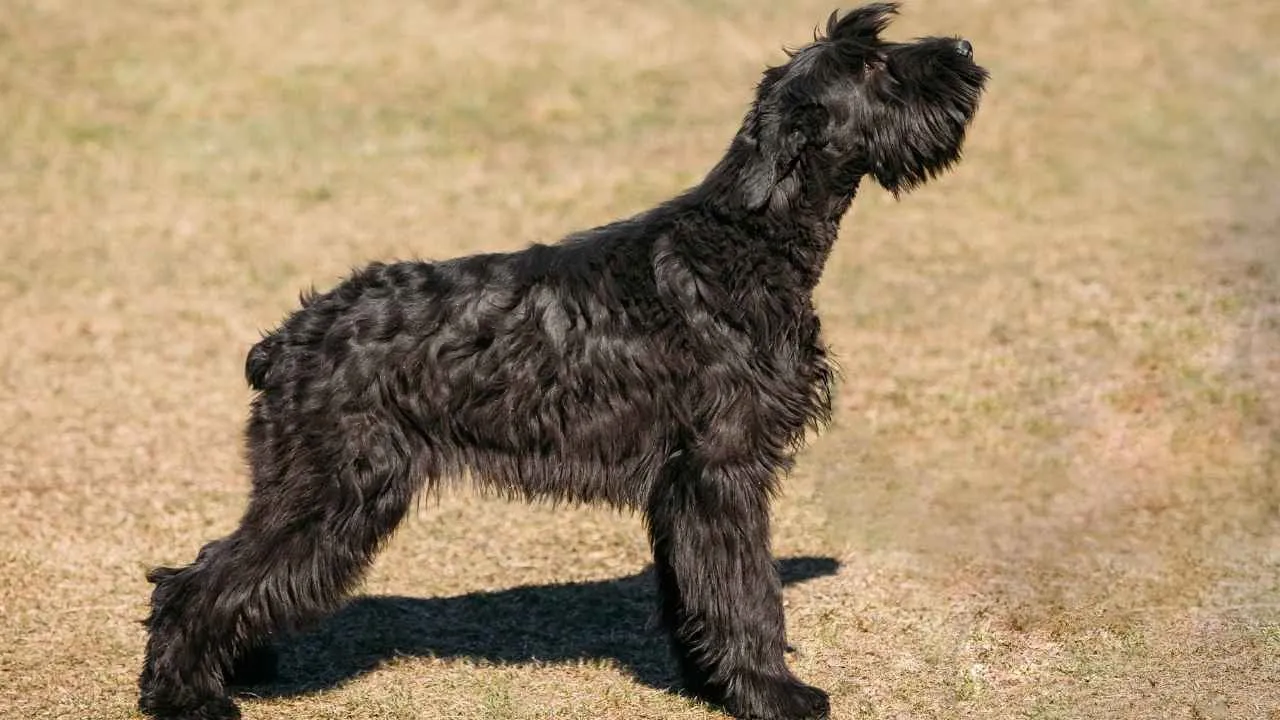
If you took the classic Schnauzer look — that iconic beard and sharp expression — and dialed it up to “industrial strength,” you’d get the Giant Schnauzer.
The largest of the three Schnauzer types (Miniature, Standard, and Giant), this breed was developed in 17th-century Germany as a true multi-tasker. They drove cattle, guarded breweries and stockyards, and later served in military and police roles.
The Giant Schnauzer is powerful, muscular, and naturally wary of strangers. They don’t greet unfamiliar faces with immediate enthusiasm — they assess first.
Their instinctive territorial nature makes them formidable protectors. They’re alert, aware, and ready to respond if something feels off. This isn’t a passive watchdog; this is an active guardian who takes its responsibilities seriously.
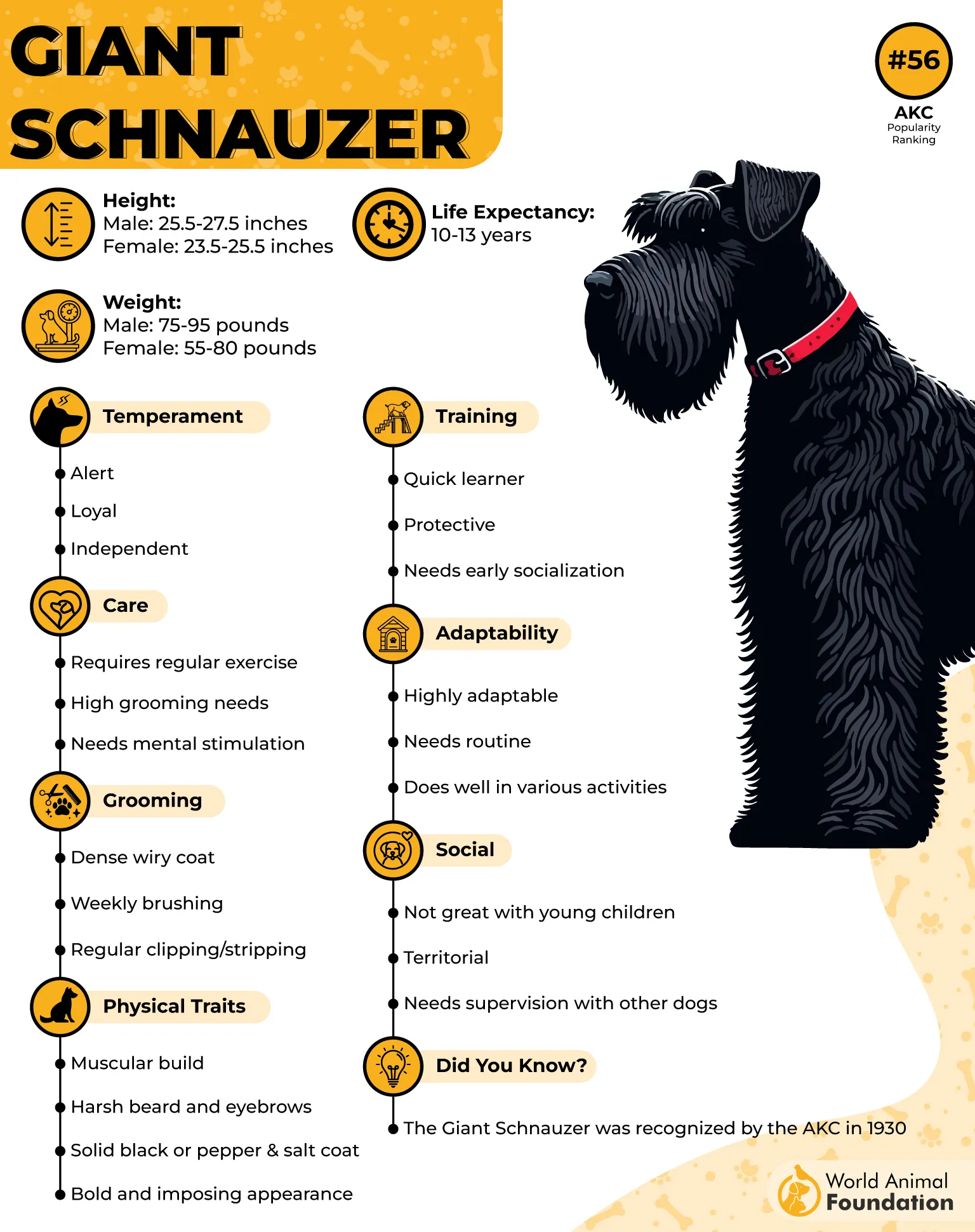
This breed thrives on having a job. Without mental stimulation, a Giant Schnauzer will invent one — and you may not approve of the assignment. They excel in:
Obedience training
Protection work
Advanced commands
Agility and dog sports
Structured tasks
Their intelligence makes them highly trainable, but it also means they require consistent leadership. They respect confident, experienced owners who provide clear boundaries and direction. A bored Giant Schnauzer is like a genius with free time and no supervision — things will happen.
They are not for the laid-back or inexperienced owner. But for those willing to invest time, training, and leadership, the reward is extraordinary
9. Boerboel
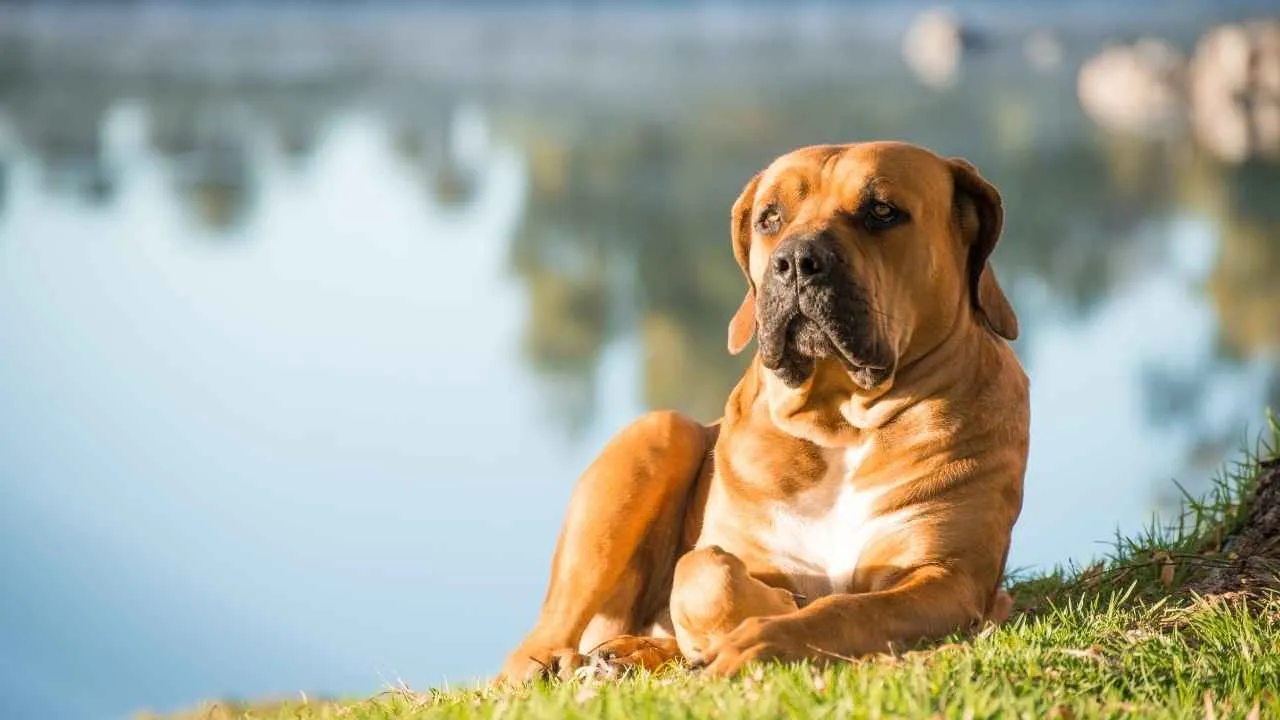
This powerful guardian breed was developed to protect homesteads from serious threats — and we’re not talking about the neighbor’s cat. Boerboels were bred to stand their ground against real danger, and that heritage is still very much alive today.
At first glance, the Boerboel carries itself with calm confidence. There’s a dignified, almost composed presence about them. They don’t waste energy posturing.
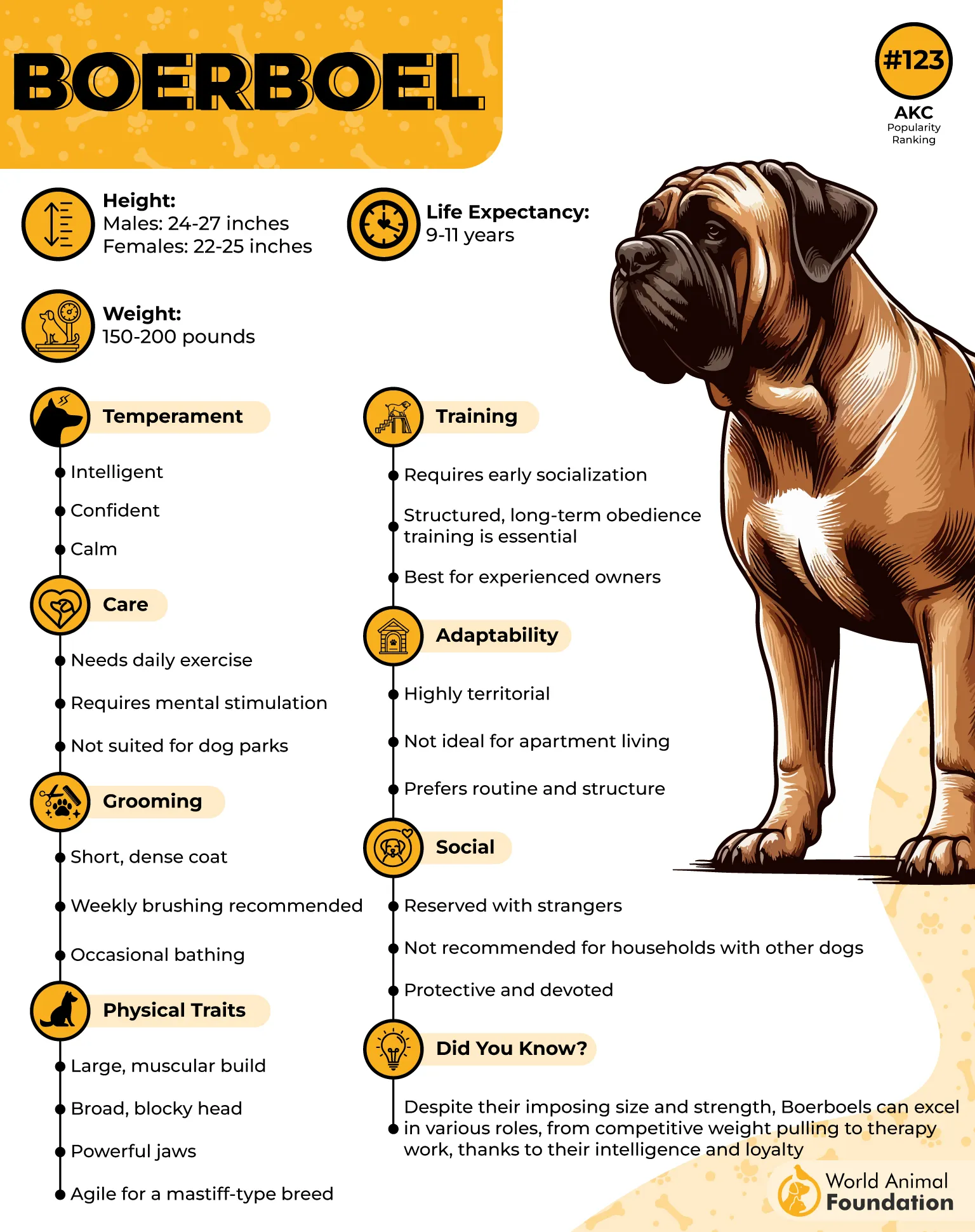
They possess natural protective instincts and are naturally territorial. When faced with a real threat, they will not hesitate. Backing down simply isn’t in their vocabulary.
The typical Boerboel personality has two very distinct facets:
The Protector – Alert, confident, and fearless when it comes to defending their home and family.
The Softie – Deeply bonded, affectionate, and surprisingly cuddly with their people.
Yes, this massive guardian can absolutely melt into a pile of affection at home. Some have even served successfully as therapy dogs — a reminder that beneath that imposing exterior is a loyal, emotionally connected companion.
This is not a beginner-friendly breed. Boerboels are strong — physically and mentally. They require:
Consistent training
Early and thorough socialisation
Clear leadership
Structured routines
Regular exercise
Without proper guidance, their protective nature can become overwhelming. They need confident owners who understand powerful working breeds and can provide calm, steady direction.
Conclusion
While calm or low-energy breeds may welcome strangers and do not make great guard dogs, powerhouse dog breeds ideal for labor and guard duties excel as natural guardians with a keen sense of their surroundings.
These breeds are often among the smartest breeds in the dog world, extremely loyal, and incredibly loyal to their families. With a balanced temperament, extensive training, and careful socialization with other dogs and other animals, these breeds combine natural affection with protective instincts, making them both trustworthy protectors and loving companions.
