




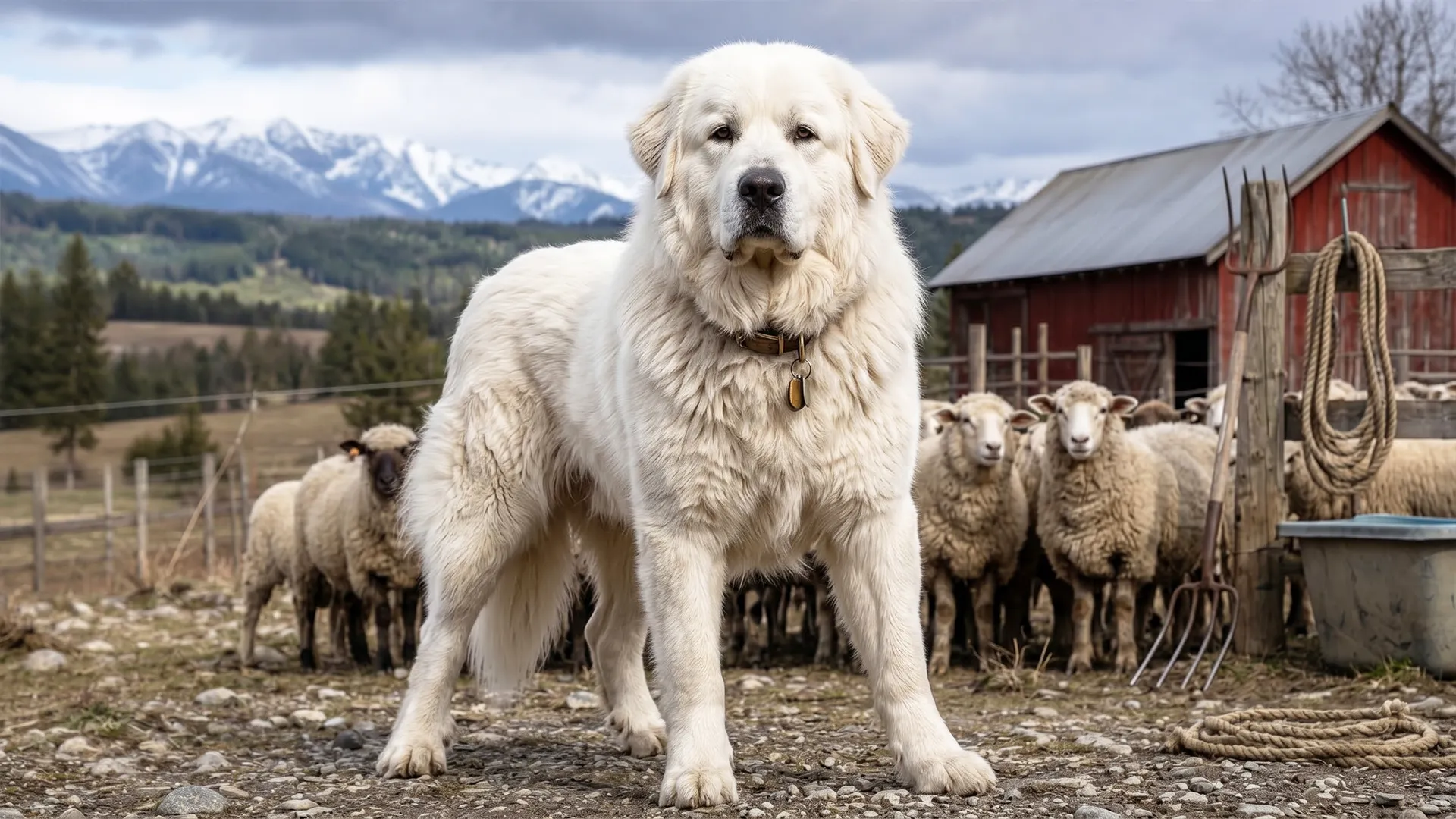
The working dogs have been crucial in farming, animal protection, guarding, and hunting since time immemorial. These mighty breeds were not created to look good, but to be enduring, intelligent, courageous, and reliable in challenging conditions. Be it to guard livestock against predators, to drive cattle over rugged areas, or to help the farmer with his day-to-day chores.
Working dogs have been, to this day, some of the best companions in the world. The following great breeds are admired because they are capable of tackling hard farm labor, guarding property, and other physically challenging outdoor conditions, and still staying with their masters.
Let’s take a look at working breeds and which breed is the right farm dog breed for you.
Powerful Working Dog Breeds for Farm Tasks
1. Anatolian Shepherd
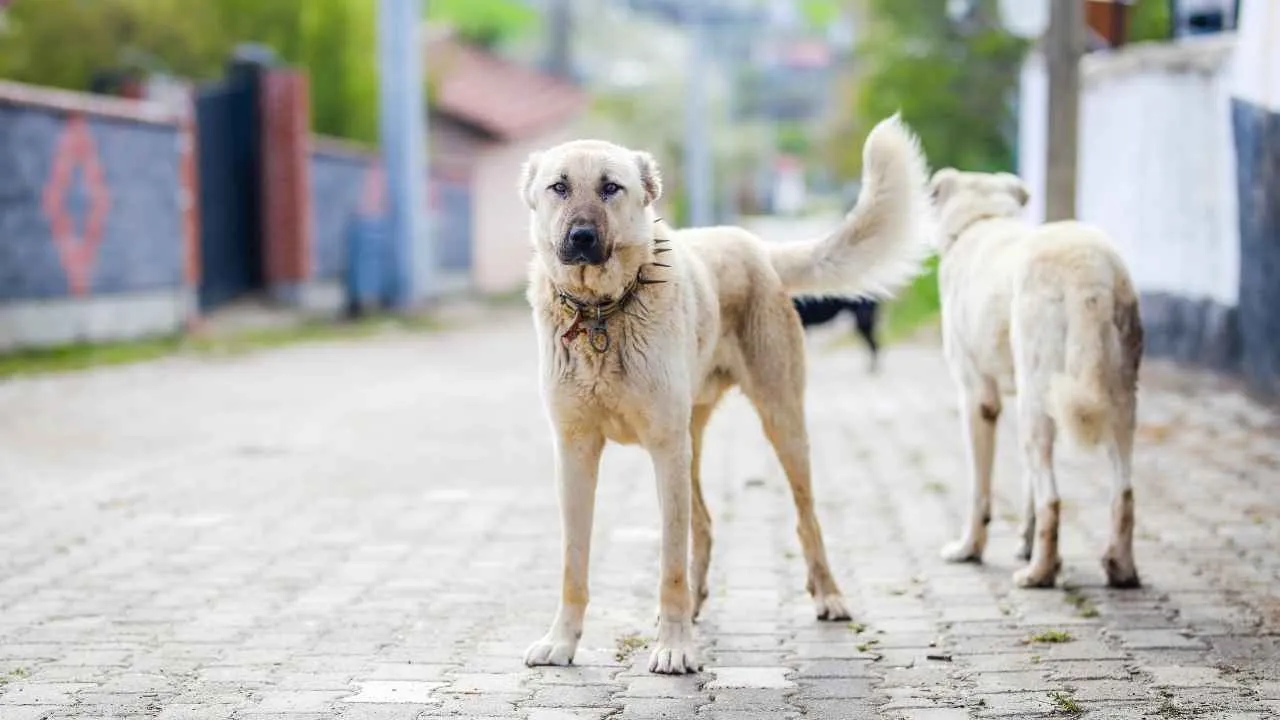
The Anatolian Shepherd is a highly regarded livestock guardian breed in the world. Initially used in Turkey, they were trained to herd sheep and guard sheep and goats against wolves, bears, and other predators within rugged landscapes.
Anatolian Shepherds are very independent-minded, and they can make decisions without being directed continuously by human beings. This autonomy causes them to be great guardians, but also needs to be handled and trained.
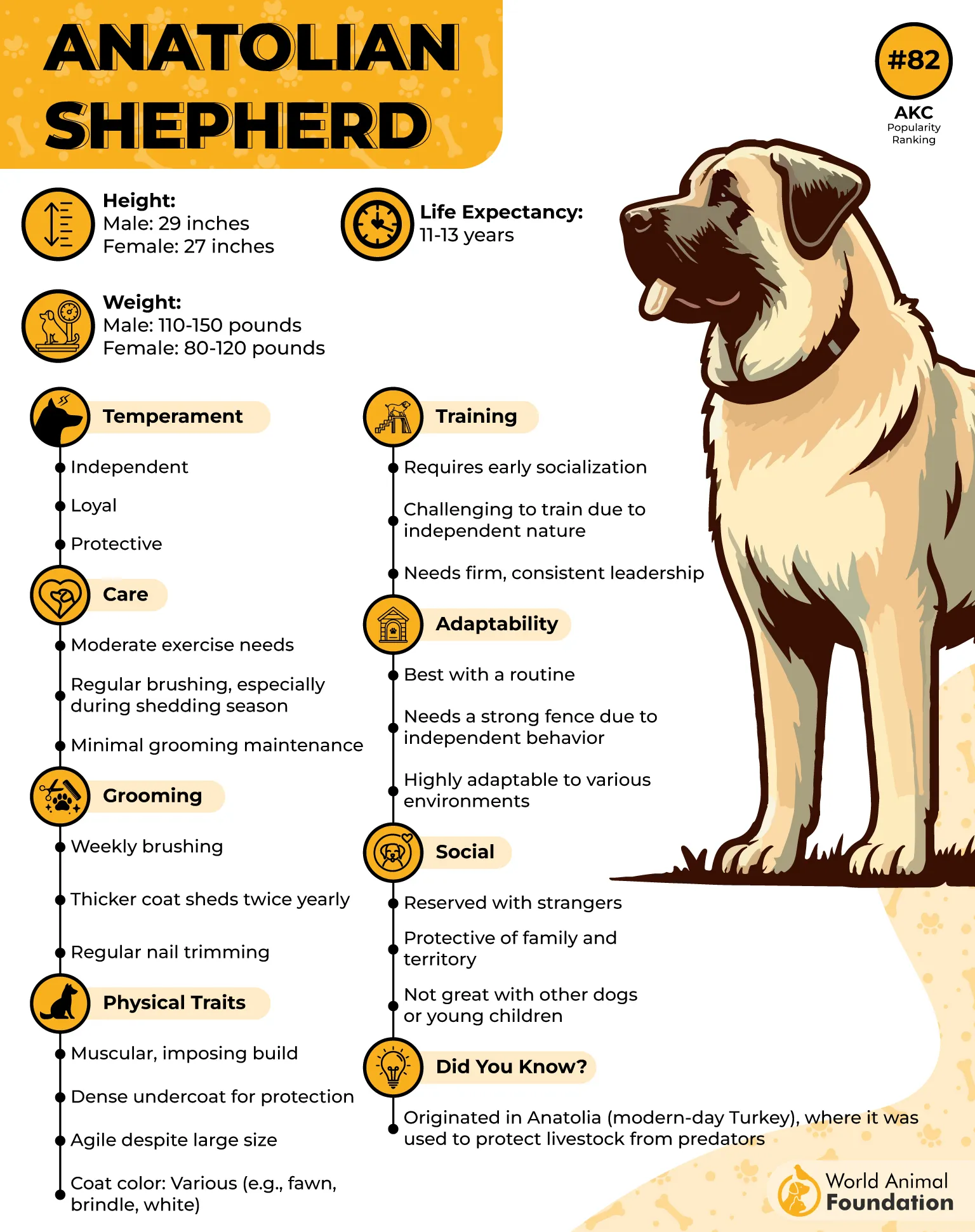
Their huge muscular structure, heavy coat, and great stamina enable them to work in adverse weather conditions with ease. In comparison to other herding breeds, which actively hunt down livestock, Anatolian Shepherds are mainly concerned with guarding and patrolling their area.
They are inherently paranoid of strangers but extremely loyal to family and animals in their care. Anatolian Shepherds, according to the American Kennel Club, are one of the strongest livestock guard dogs, which are intelligent, enduring, and territorial.
Important ownership note Who Should Avoid This Breed? Tap to open
- First-time dog owners
- Apartment or small-home living
- Owners who want a highly obedient pet
- Homes without secure outdoor space
- People who cannot manage independent behavior
- Families with frequent unknown visitors
- Owners without livestock or a clear guarding role
- People who cannot provide early training and socialization
🎧 Dogcast
Episode 37 — Why Dogs Stay Close without Touching
If you don’t hear sound, tap the button above to enable audio.
2. Great Pyrenees
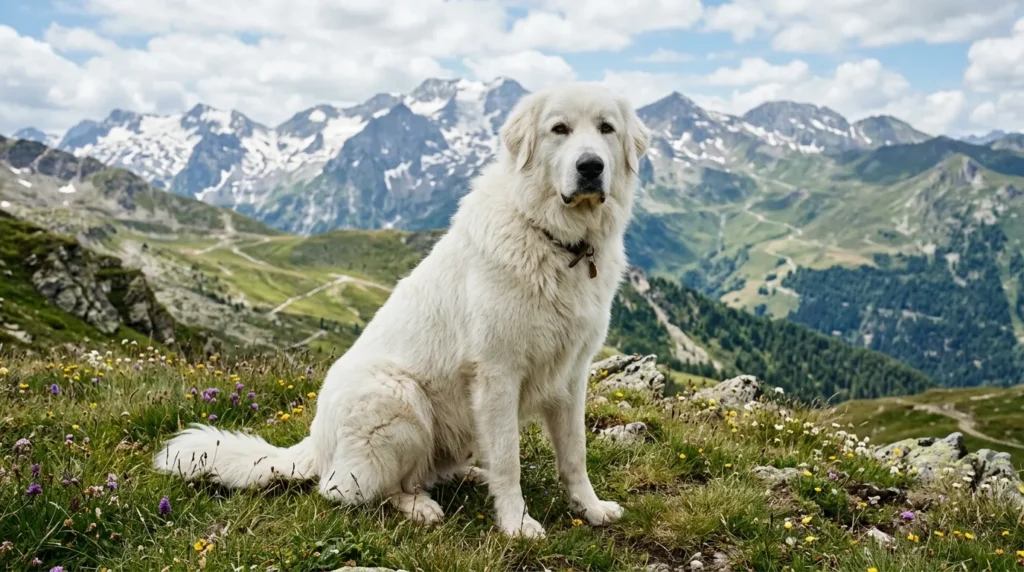
The Great Pyrenees is a blend of serene self-assurance and a fantastic protective instinct. Initially used to protect flocks in the Pyrenees Mountains between France and Spain, these dogs are well-known for their patience and bravery.
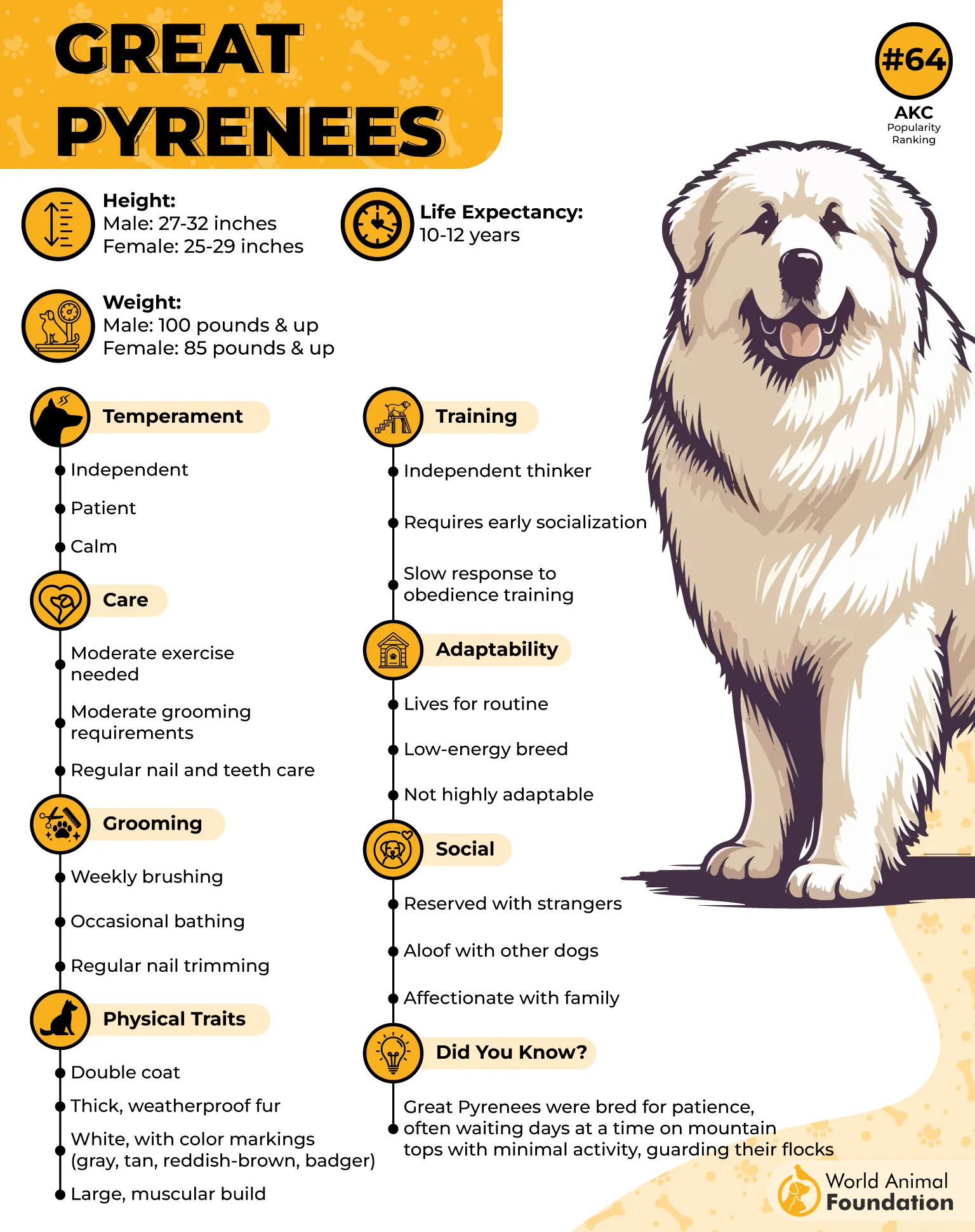
Great Pyrenees dogs are bulky, thick-haired guard dogs that are able to cope with cold weather and mountainous climates with ease. As opposed to aggressive guard dogs, they tend to behave calmly and docilely around the livestock and family members, but are very vigilant to danger.
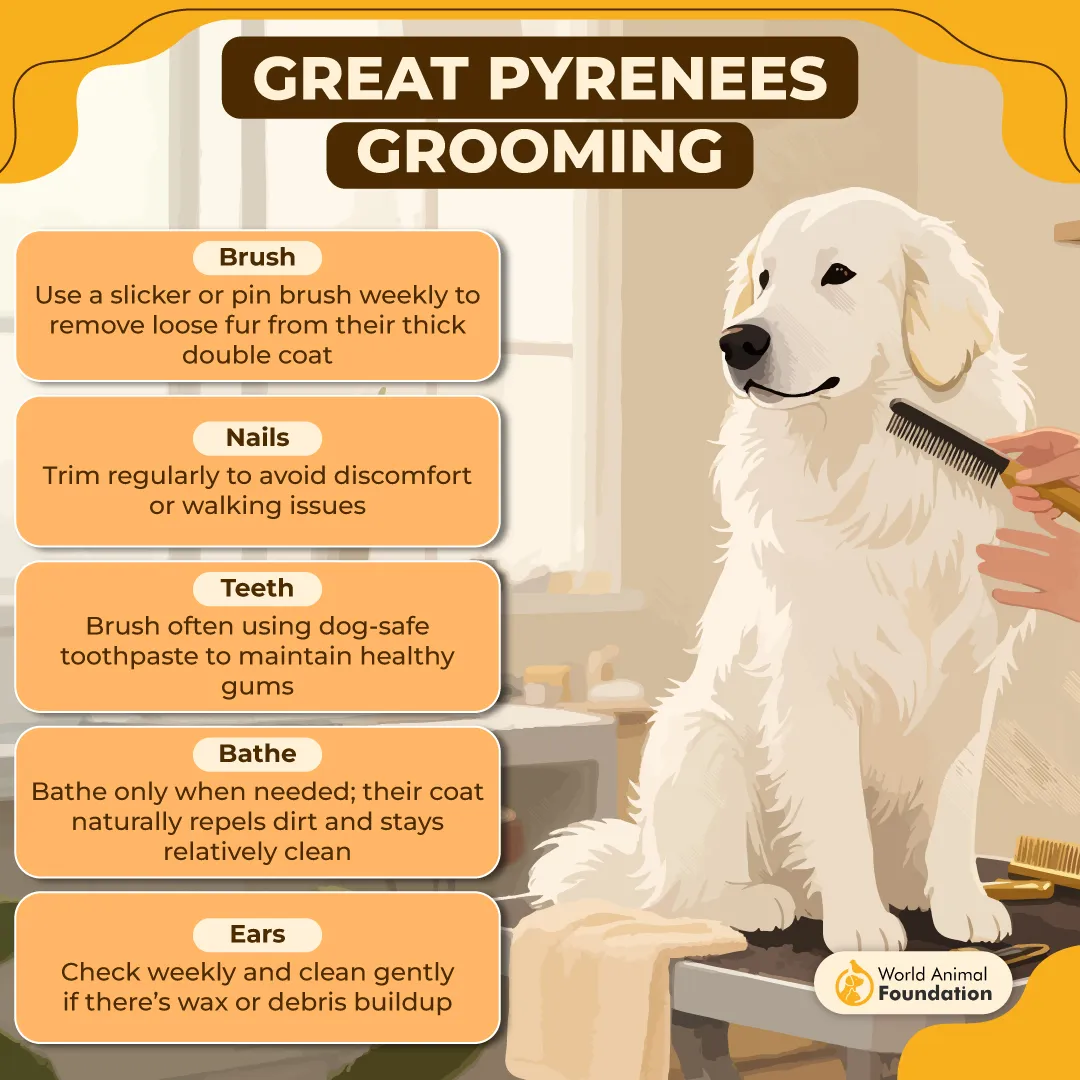
They need to be groomed regularly due to their heavy, two-coat body and particularly during seasonal shedding. Great Pyrenees are self-reliant workers and do well in farms where they can guard and search for houses or animals.
Their trustworthiness and reliability made them worthy farm companions to this day.
Important ownership note Who Should Avoid This Breed? Tap to open
- Owners who dislike heavy shedding
- People who want a low-grooming dog
- Small apartments or cramped spaces
- Hot climates without proper shade and care
- Owners who cannot manage barking
- Homes without enough outdoor space
- People who do not want regular brushing
- Families who want a very low-maintenance farm dog
3. Boerboel
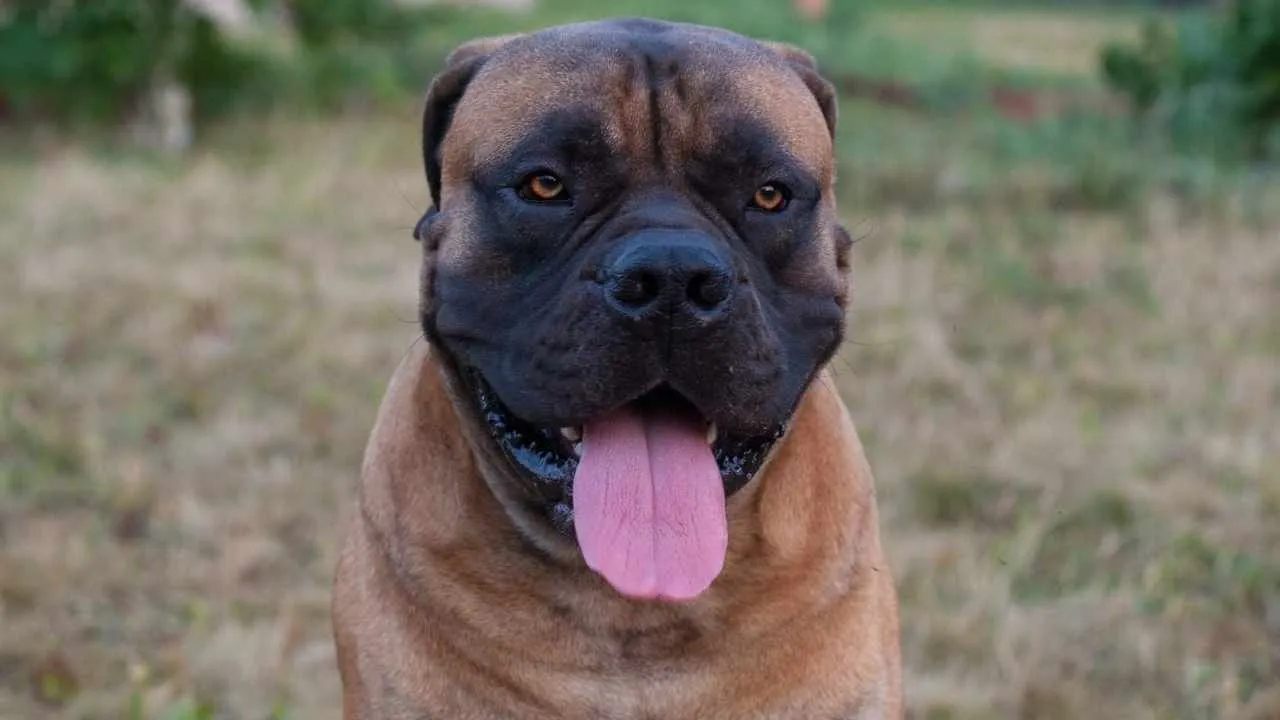
The Boerboel is a giant South African working dog, which was originally bred to guard farms and homesteads against dangerous predators and intruders.
These are dogs of immense physical power with a great sense of confidence and devotion. Boerboels are natural guardians, and they tend to be highly family-oriented. Socialization and obedience training are important due to their size and guarding instincts.
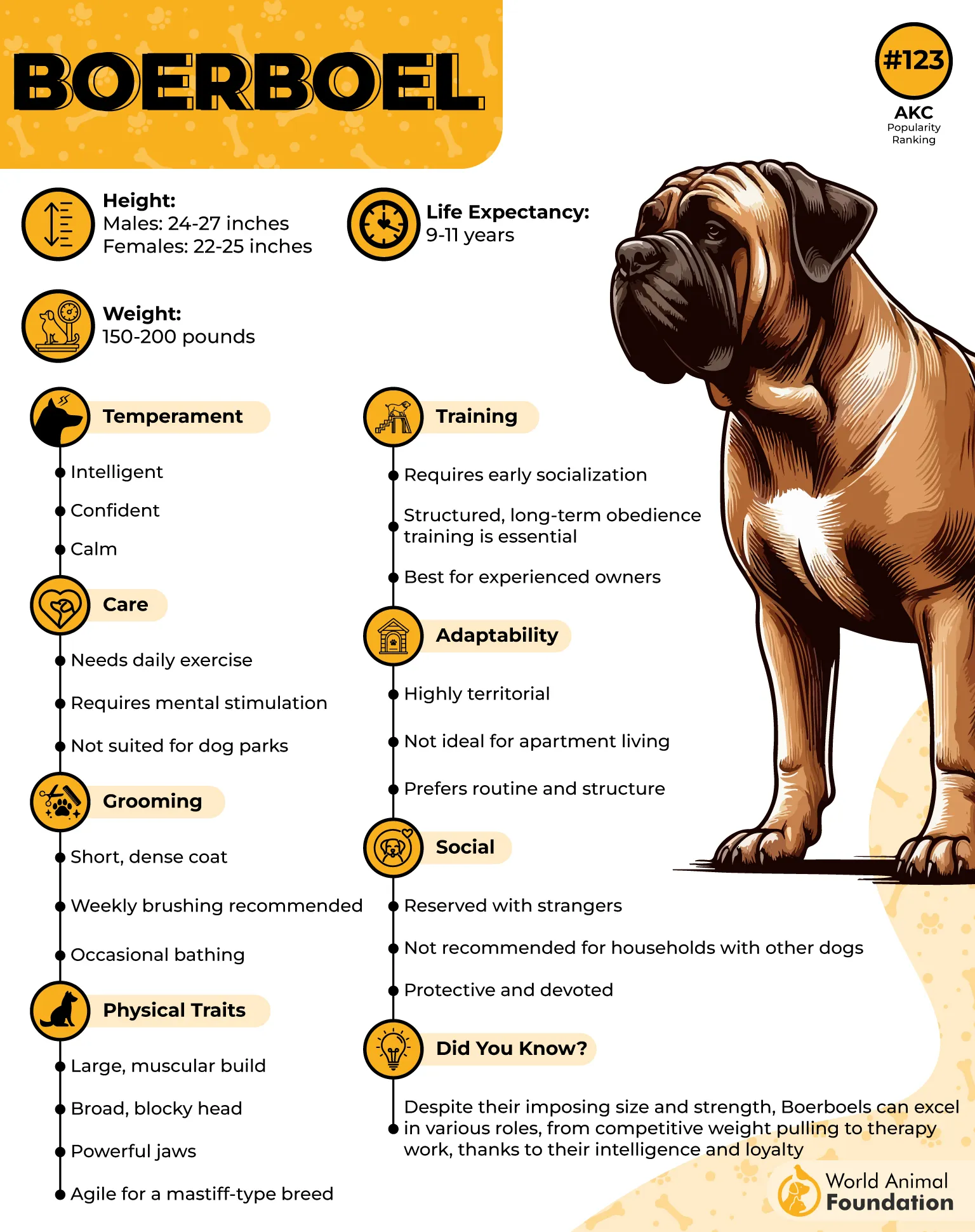
Well-trained Boerboels can be docile and loving to trusted family members despite their fearful look. Their short coat is quite low maintenance, and hence they can be working dogs in the outdoor farms.
Boerboels need to have owners who are experienced enough to maintain a steady leadership, structure, and psychological stimulation. Purina claims that Boerboels are strong guardian dogs that can be trained successfully and socialized.
Important ownership note Who Should Avoid This Breed? Tap to open
- First-time dog owners
- Owners who cannot provide firm training
- Small homes or apartment living
- Families without time for socialization
- People uncomfortable with powerful guardian dogs
- Homes with many unfamiliar visitors
- Owners who want a casual, low-effort pet
- People who cannot manage a large protective breed
4. Rottweiler
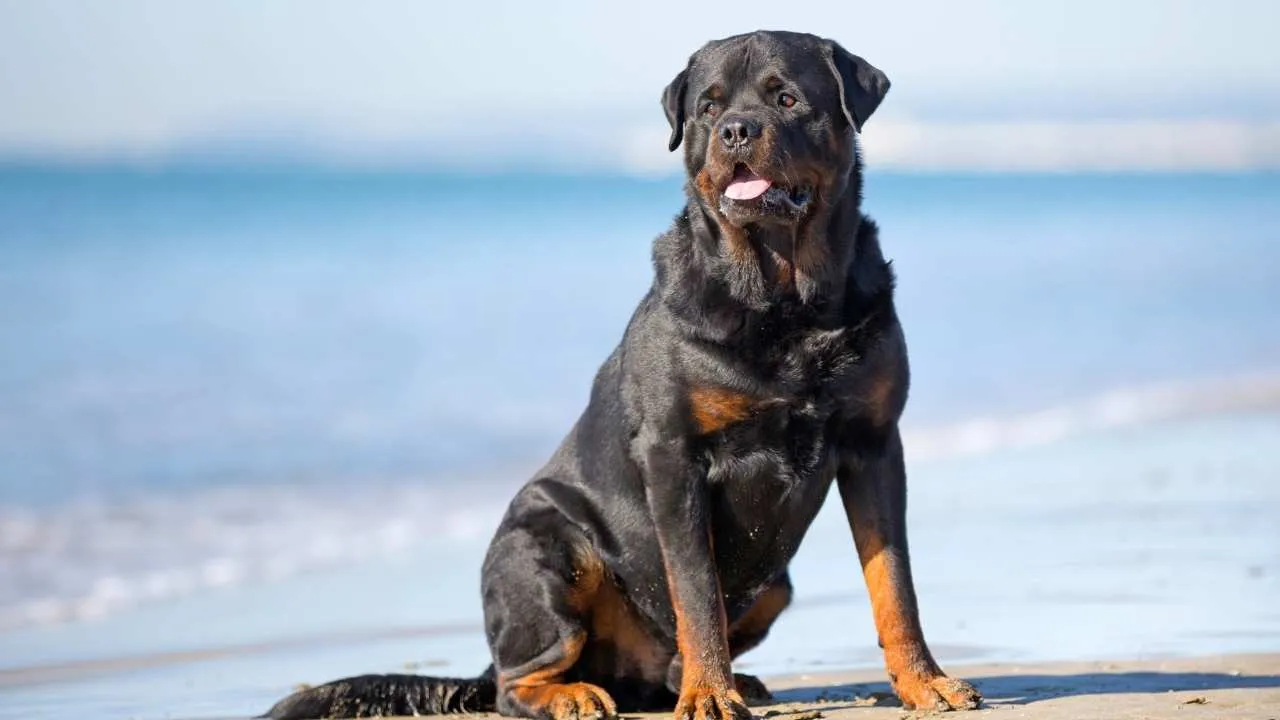
Rottweilers are the most adaptable of working dogs. Originally bred to herd cattle and provide security, they are still good at protection work, police duty, and farm settings.
Rottweilers are intelligent, loyal, and strong. They can be trained very well and are usually willing to cooperate with their handlers. They can be good farm guardians with their protective instincts, as they can protect livestock and property when they are well-trained.
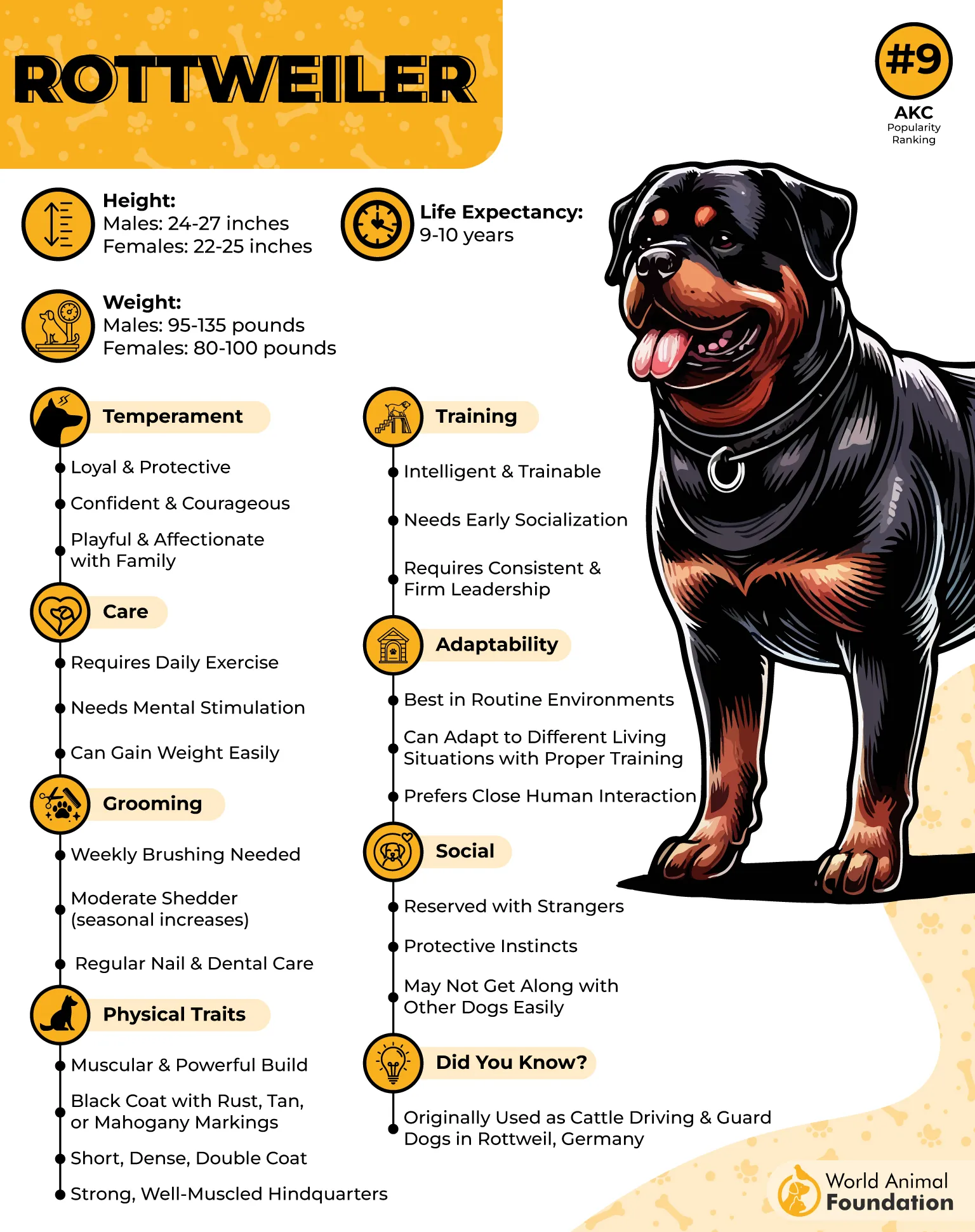
These dogs should be trained frequently and socialized early so that they grow up with well-balanced temperaments. Although they have a rough reputation, a good number of Rottweilers are loving and peaceful with their families.
Their short fur is simple to keep, and thus, they are useful in active outdoor lives.
Important ownership note Who Should Avoid This Breed? Tap to open
- Owners who skip training
- People who avoid early socialization
- Low-effort dog owners
- Homes without clear rules and structure
- Owners who cannot provide daily exercise
- Families uncomfortable with protective breeds
- People who want a dog with minimal supervision
- Homes where the dog will not get enough mental stimulation
5. Cane Corso
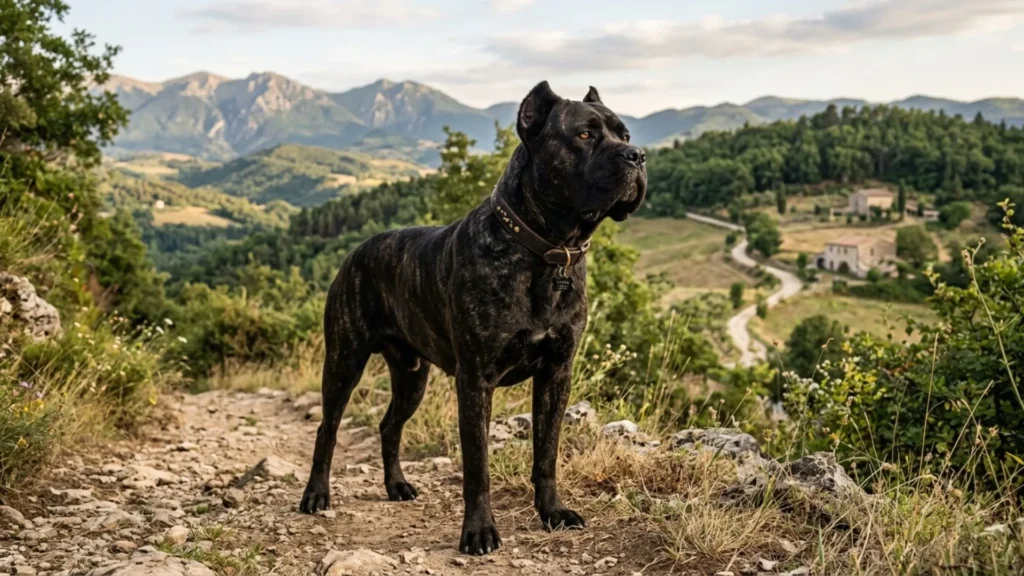
The Cane Corso is an Italian working breed that is characterized by strength, athletic traits, and instinctive guarding. This breed was originally a farm dog, a large game hunter, and a defender of property. Cane Corsos are still very successful in their work to this day.
They are bright and of a sensitive nature and need to be handled with confidence and be trained at an early age. The Cane Corso breed is innately watchful of its surroundings, and it tends to bond well with its master and the house it lives in.
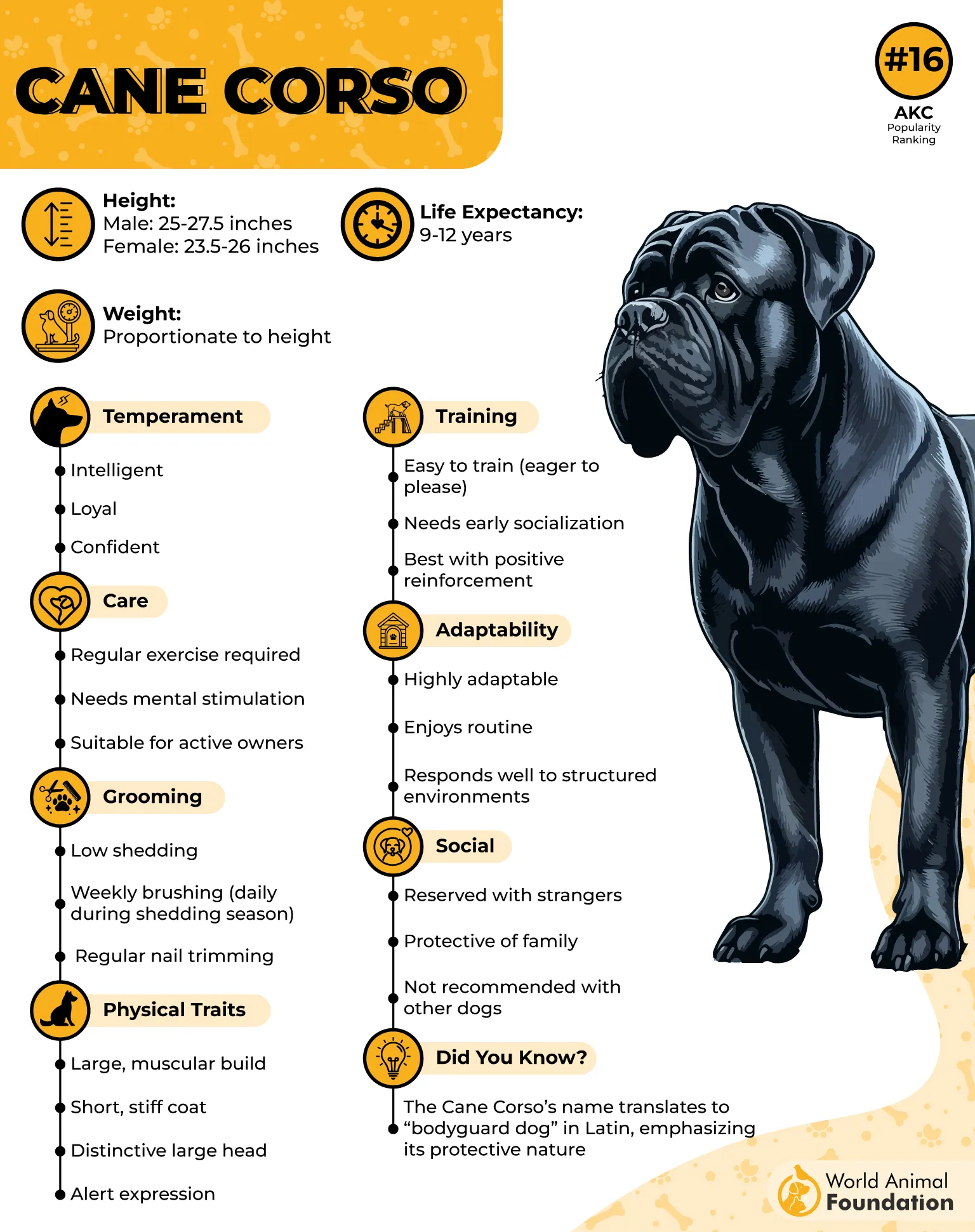
Corsos’ bodies, muscle structures, and movement make them very effective in physically challenging conditions. This breed needs to be exercised and intellectually stimulated in order to maintain a balance and remain well-behaved.
Cane Corsos are smart guardian dogs, according to PetMD, which need to be trained and active.
Important ownership note Who Should Avoid This Breed? Tap to open
- First-time large-dog owners
- People who cannot provide consistent training
- Low-activity households
- Small homes without outdoor space
- Owners who want a soft, easygoing lap dog
- Families without time for socialization
- People who cannot manage a strong guardian breed
- Owners who cannot provide mental and physical activity
6. Bouvier des Flandres
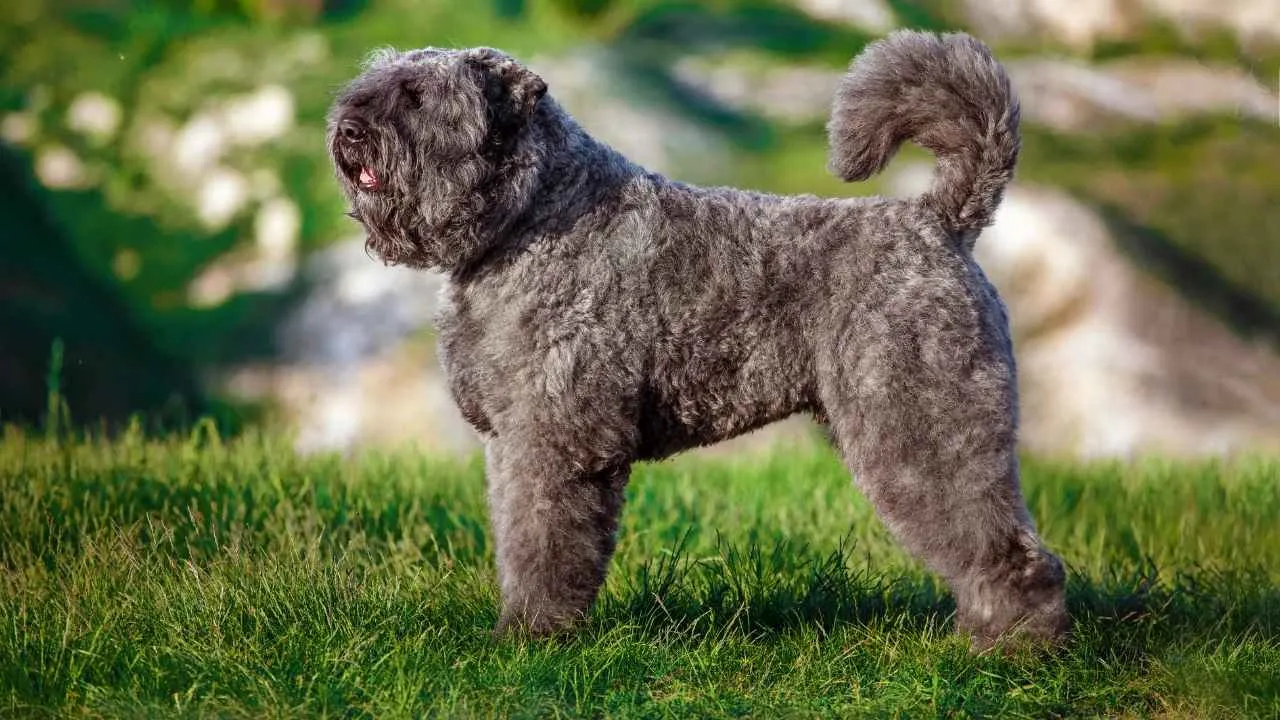
Originally, the Bouvier des Flandres was a farm animal and was used in Belgium, where it performed herding, cart pulling, and protecting property tasks.
These are tough dogs that are not only strong but intelligent and hence extremely versatile workers.
They are characterized by a calm confidence and readiness to do the hard work. Their outer layer is thick and shields them against bad weather and rugged ground.
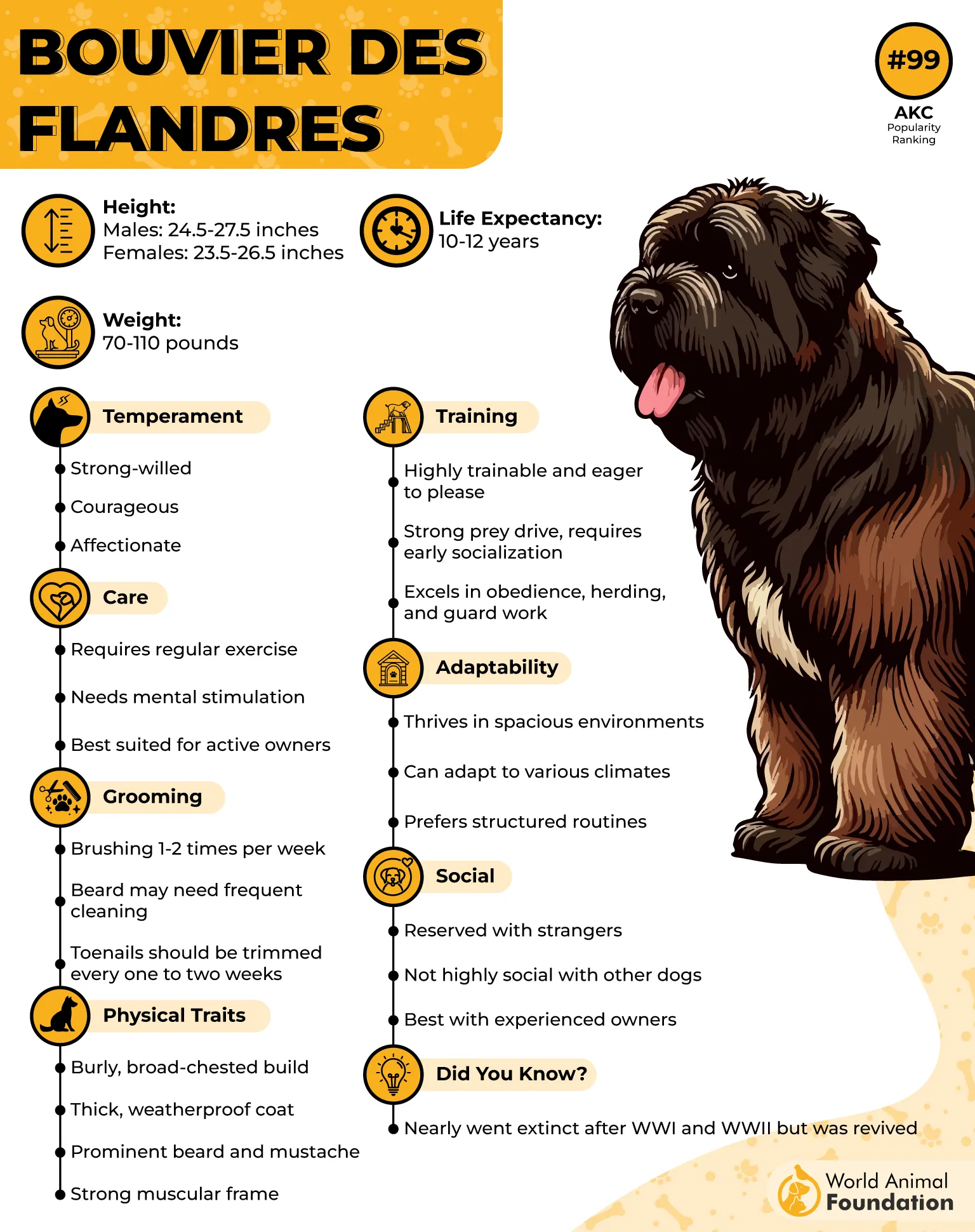
This breed is likely to be a wonderful family pet that develops strong attachments to the family members and is naturally suspicious of strangers and protective of its own family. They can be trained well and can perform well in obedience, herding, and farm work.
Their coat requires frequent grooming, yet their reliable nature as working and family dogs makes them great versatile companions.
Important ownership note Who Should Avoid This Breed? Tap to open
- Owners who dislike regular grooming
- Low-activity households
- People who want a low-maintenance coat
- Families without time for training
- Small homes without space to move
- Owners who cannot provide mental stimulation
- People who do not want an active working dog
- Homes without a clear routine or purpose for the dog
7. Akbash
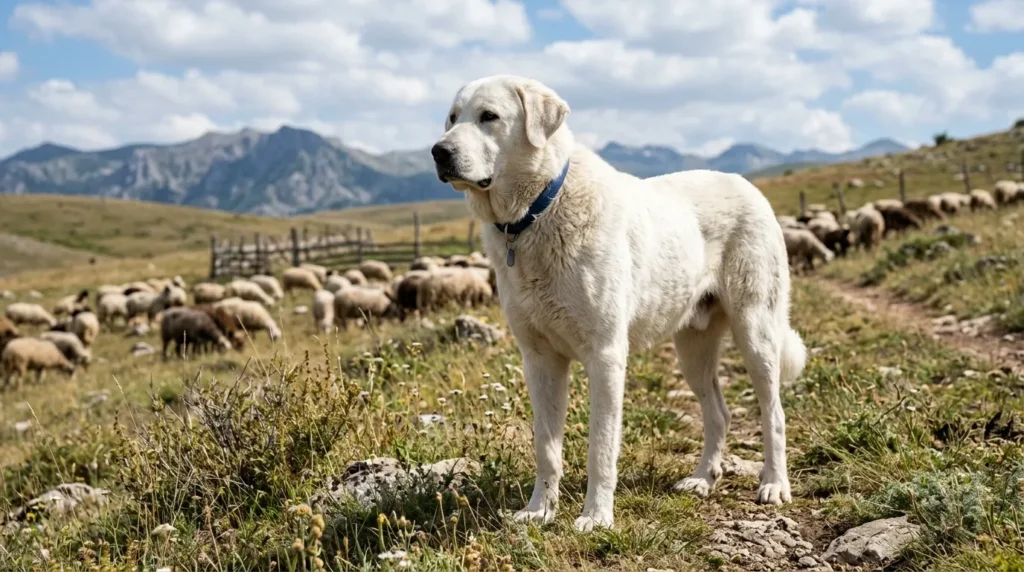
Another esteemed breed of livestock guardian that originated in the harsh Turkish landscapes is the Akbash. The dogs were originally bred to guard flocks against predators and, at the same time, be relaxed around livestock.
Akbash dogs are also lean and a little more nimble than other heavier guardian dogs, which enables them to cover great distances and monitor livestock movement and therefore manage cattle more easily compared to other livestock guardian breeds.
They are inherently independent and very observant and may tend to have a keen eye on their surroundings before responding to danger.
Akbash dogs are faithful, but tend to be shy of strangers. Their white coat helps them blend in with sheep and livestock, a characteristic that was of help to them in the past when they were protecting the flocks.
This breed can survive in rural areas where it can have a space and a role, and as it doesn’t require constant human guidance, it is perfect for farm life.
Important ownership note Who Should Avoid This Breed? Tap to open
- Apartment living
- First-time dog owners
- Homes without secure outdoor space
- Owners who want a highly social dog
- Families with constant visitors
- People who cannot manage independent decision-making
- Owners without livestock or a guarding role
- Small homes with no room to patrol
8. Spanish Mastiff
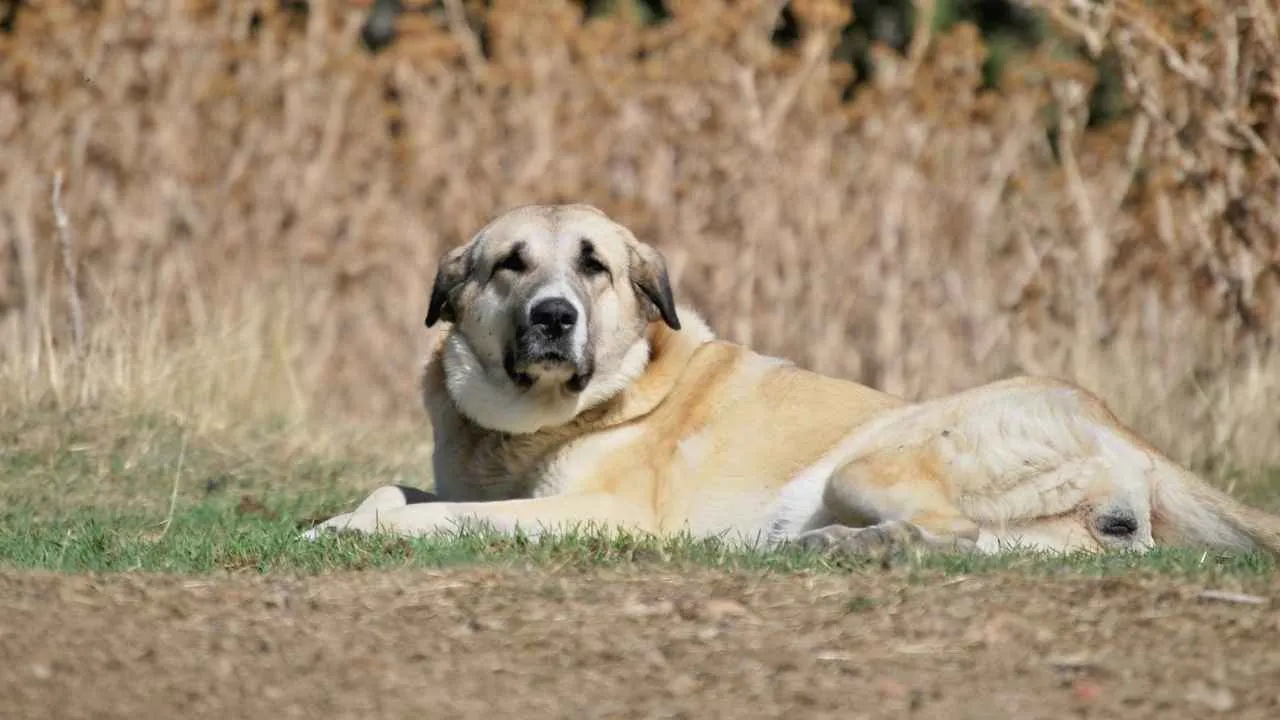
The Spanish Mastiff is a large breed of livestock guardian. This breed, which was originally developed to guard sheep against wolves when people migrated long distances in Spain, is admired because of its tremendous power and a sense of tranquility.
Spanish Mastiffs, although exceptionally large, are usually calm and loyal when it comes to livestock and family members. They are self-reliant and can work long hours without much supervision.
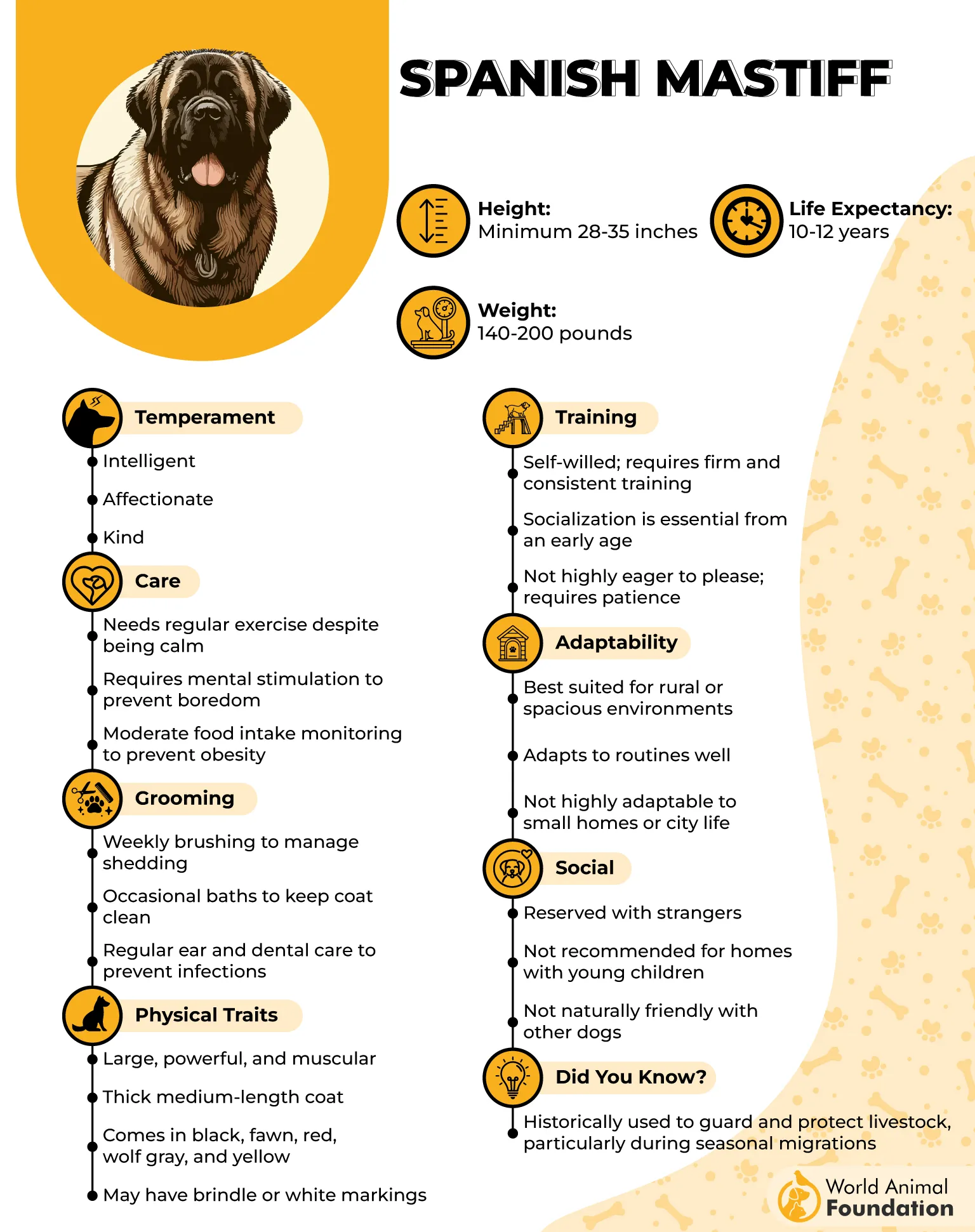
The size, guarding instincts, and strong presence of Spanish Mastiffs mean they should be owned by experienced owners. With proper training and socialization, they can be reliable guardians who can cope with tough farm conditions.
Historically, Mastiff-type guardian breeds have been significant in the protection of livestock in Europe and Asia because of their intimidating presence and physical capabilities.
Important ownership note Who Should Avoid This Breed? Tap to open
- Small homes or apartments
- First-time giant-breed owners
- People who cannot manage a very large dog
- Homes without enough outdoor space
- Owners who cannot provide early socialization
- Families looking for a small or easy-to-handle breed
- People who cannot afford giant-breed care needs
- Owners without experience handling livestock guardian dogs
9. Caucasian Shepherd Dog
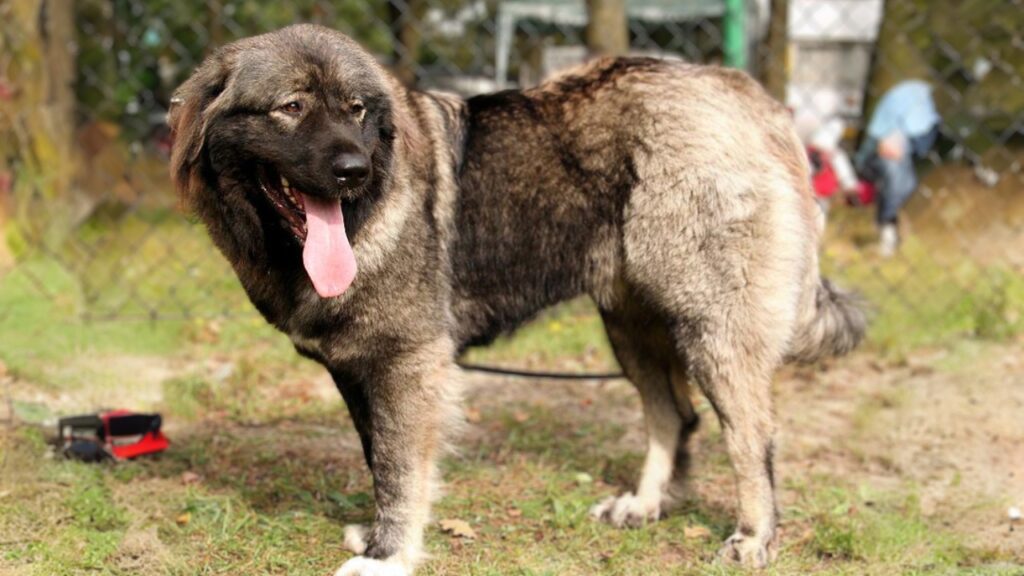
The Caucasian Shepherd Dog is a very strong and high-energy breed bred in the region of the Caucasus Mountains to protect the livestock against wolves and intruders.
This mountain dog is fearless, exceedingly protective, and very territorial. They have a dense coat that helps them withstand extreme weather conditions in mountainous areas.
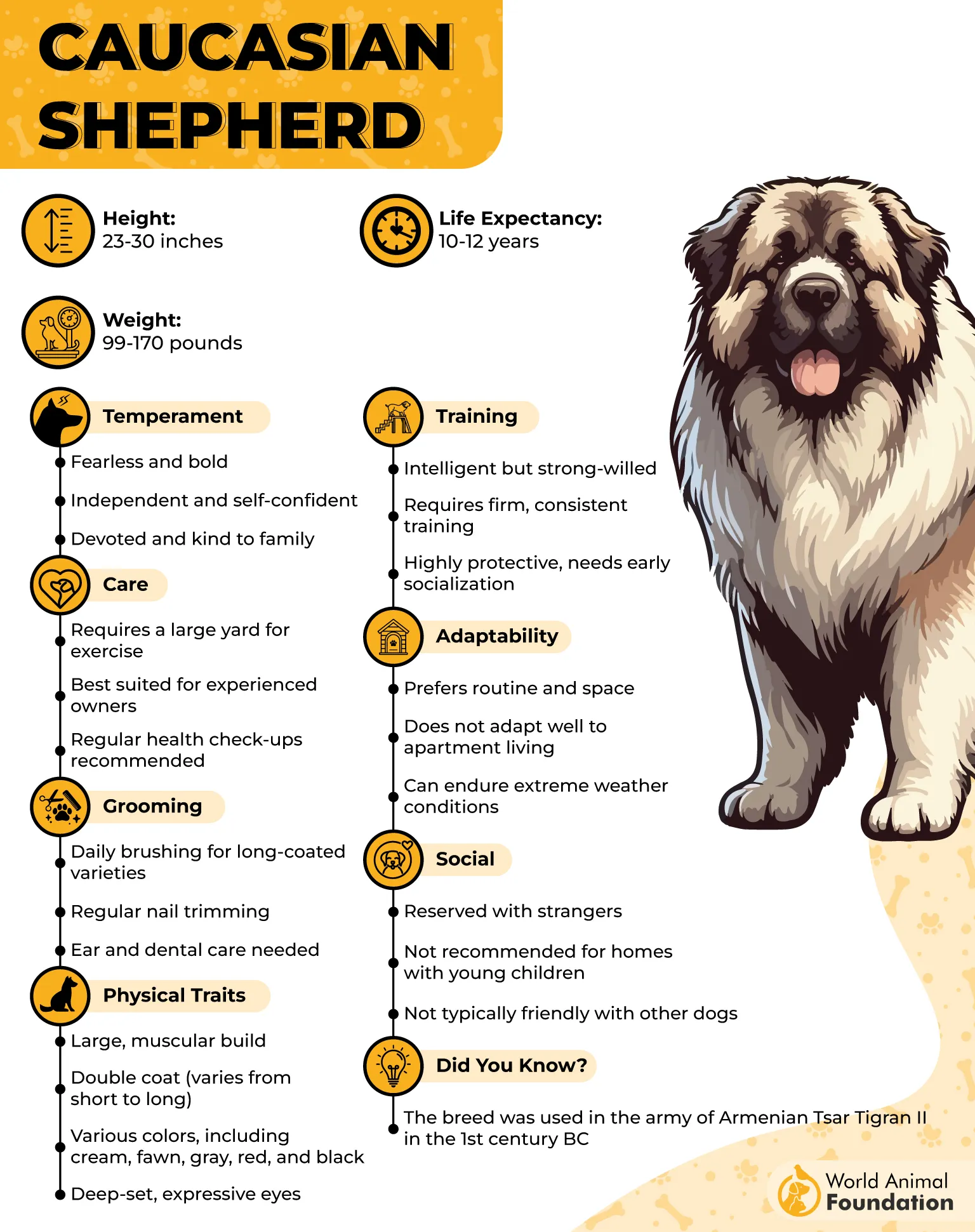
They have powerful guarding instincts and a dominant personality, as these dogs require experienced owners who provide them with dedicated training and proper mental stimulation.
They are not the best fit with novice owners who provide basic training or live in busy urban areas, as compared to other common breeds. Nevertheless, when trained to be led in the countryside in a farm environment over rough terrain, these dogs can be extremely intelligent and reliable livestock guardians.
Important ownership note Who Should Avoid This Breed? Tap to open
- First-time dog owners
- Apartment or urban homes
- Owners who cannot manage strong guarding instincts
- Families without proper training structure
- Homes with frequent strangers or visitors
- People looking for an easy family pet
- Owners who cannot provide firm leadership
- Busy households without secure space and clear rules
10. Giant Schnauzer
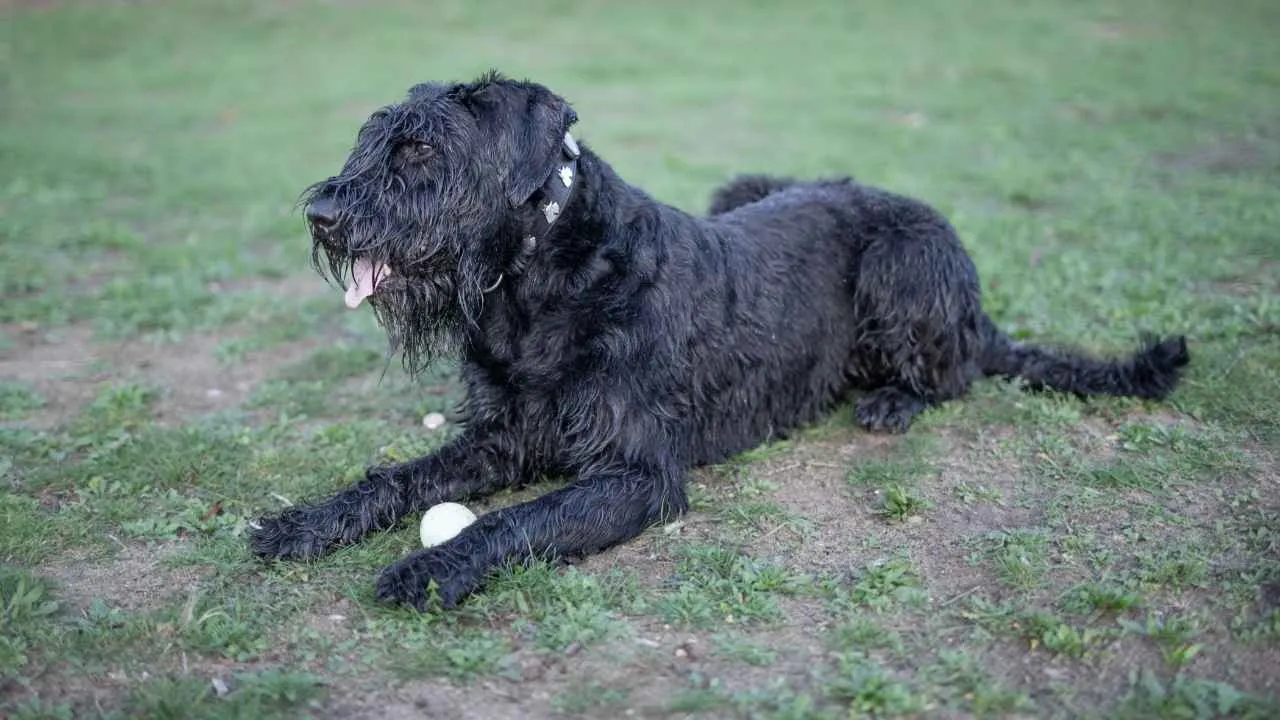
The Giant Schnauzer is a highly versatile breed of intelligence, athleticism, and drive to work.
They are respected working dogs in the military, police, and farm settings, originally being raised in Germany as cattle drivers and guard dogs. They are active and easily trained and, in most cases, are successful when they have organized work and enough leadership to handle their stubborn streak.
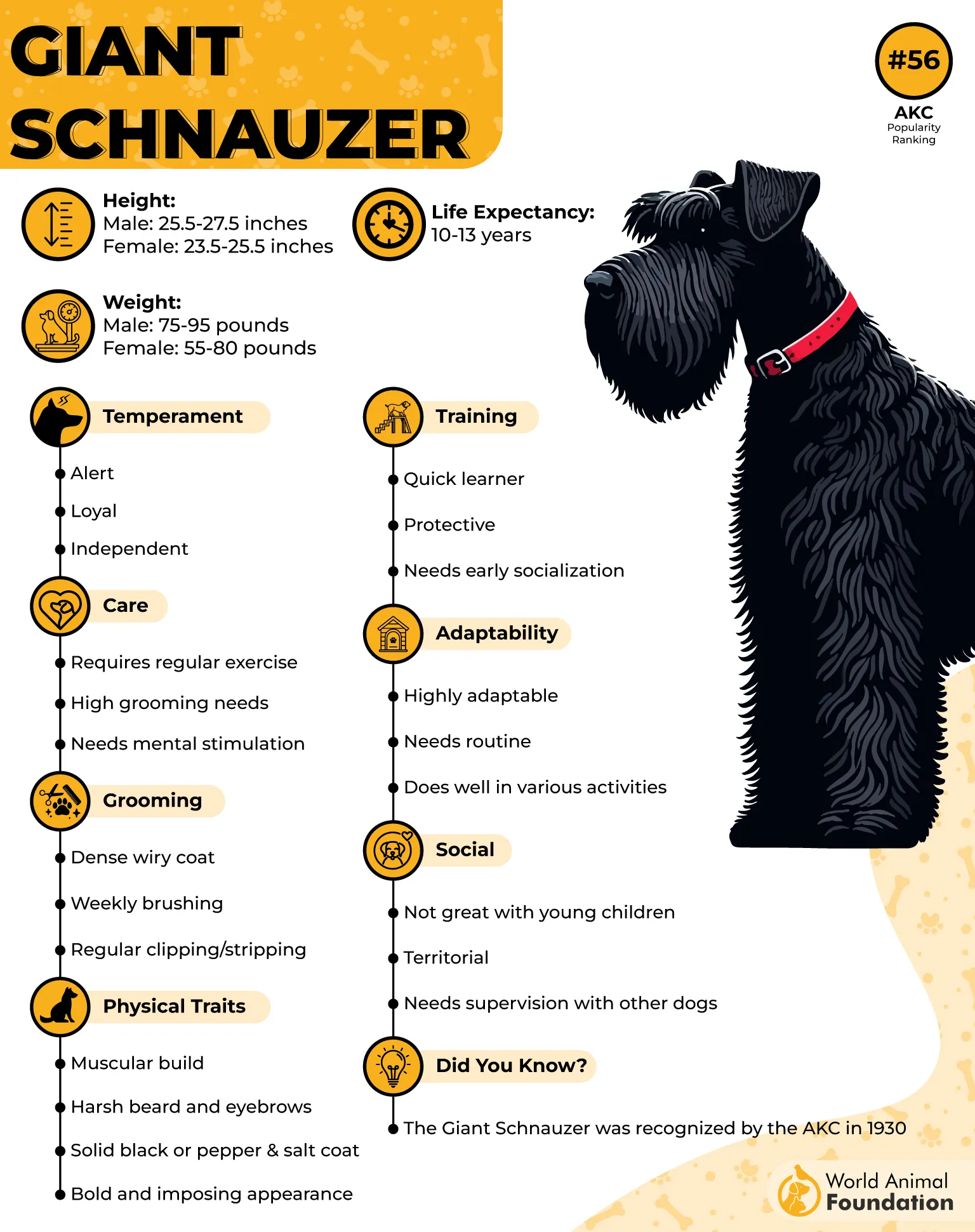
Their coat is coarse, which offers moderate protection against the weather, and they need to be groomed frequently to keep them looking presentable. Giant Schnauzers are alert and protective by nature and quite easy to train and guide.
These wild dogs are very active and prefer to stay in busy households or farms where they are given a chance to be stimulated and given work.
Important ownership note Who Should Avoid This Breed? Tap to open
- Low-activity homes
- Owners who cannot provide daily exercise
- People who dislike regular grooming
- Families without time for training
- Small homes with no active routine
- Owners who want a calm, low-energy dog
- People who cannot give the dog a clear job
- First-time owners unfamiliar with strong working breeds
Conclusion
The strong breeds of working dogs are still useful in farming, guarding, livestock protection, and physically strenuous outdoor tasks. These gentle giants have been developed as a result of years of breeding based on the selection of a strong, smart, endearing, and dependable dog.
To those who have experience and have been looking at hardworking, loyal, and highly capable dogs, these strong working breeds still remain awe-inspiring canine companions anywhere in the world.
