




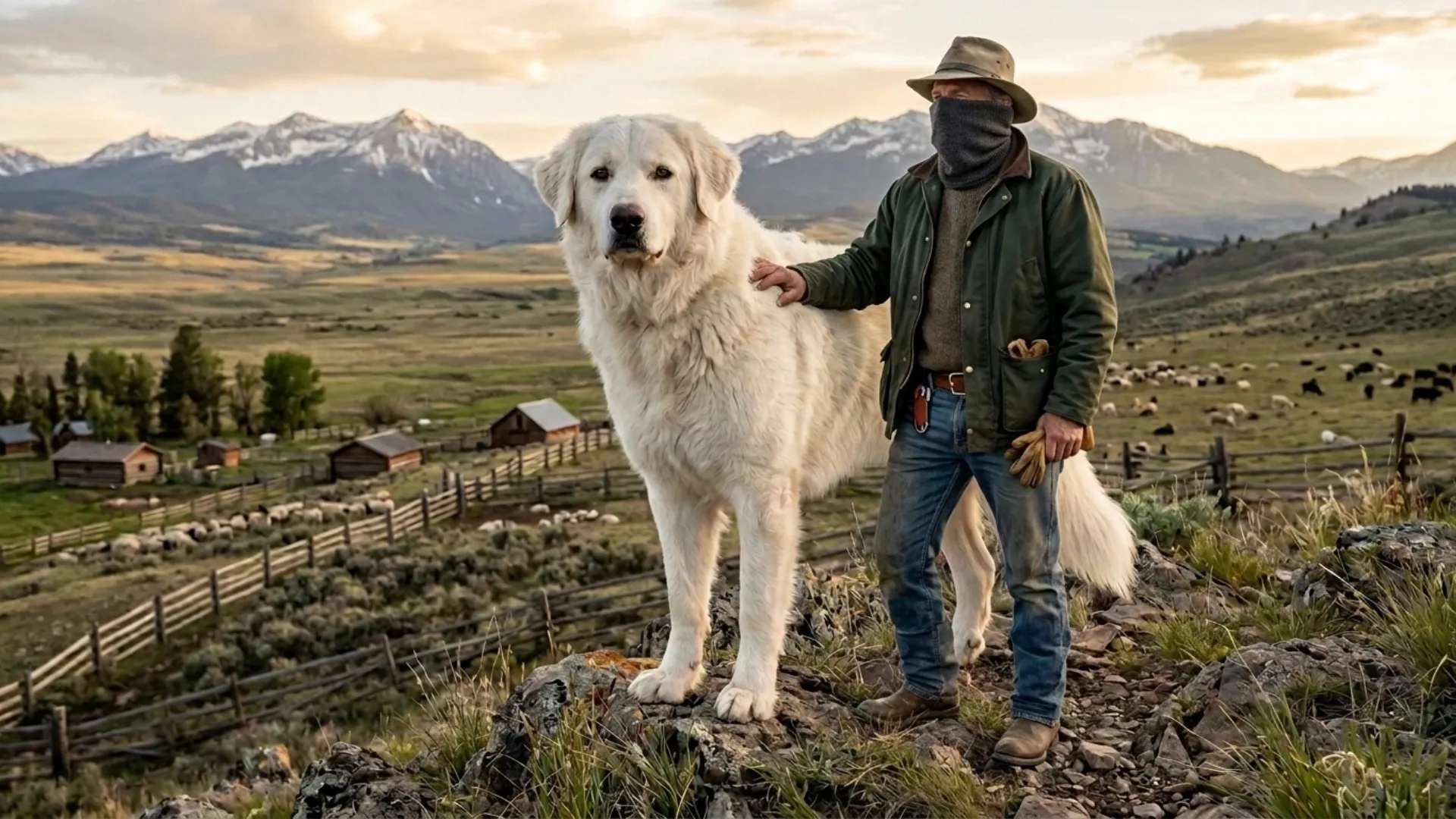
The owner expected another loyal shadow that would happily follow from room to room and wait for instructions before doing anything.
Instead, the new dog quietly watched every situation, made sensible choices on its own, and carried itself with a level of confidence that felt almost human. Walks became less about giving constant commands and more about working together. Training required patience rather than repetition, and every success came from earning trust instead of demanding obedience.
It was a completely different experience from living with dogs that constantly looked for reassurance. That was the moment the owner realized some large breeds are naturally wired to think independently. They were never meant to rely on people for every small decision, and that unique quality is exactly what attracts experienced owners to them.
This article explores powerful breeds that value independence, understand their mindset, and discover what makes these remarkable companions unlike the average family dog.
Key Takeaways
A dog that quietly watches the room, thinks things through, and then acts on its own can make everyday life feel very different.
The Kuvasz once protected livestock from wolves and bears, while the Black Russian Terrier was developed for demanding service work that called for strength and a steady mind.
The same independent nature appears in the Estrela Mountain Dog, Great Pyrenees, and Spanish Mastiff, each shaped by years of working without constant human direction.
These ten powerful breeds have plenty to offer owners who enjoy working with a confident dog instead of constantly directing one.
Powerful Large Dog Breeds for the Self‑Sufficient Owner
1. Black Russian Terrier
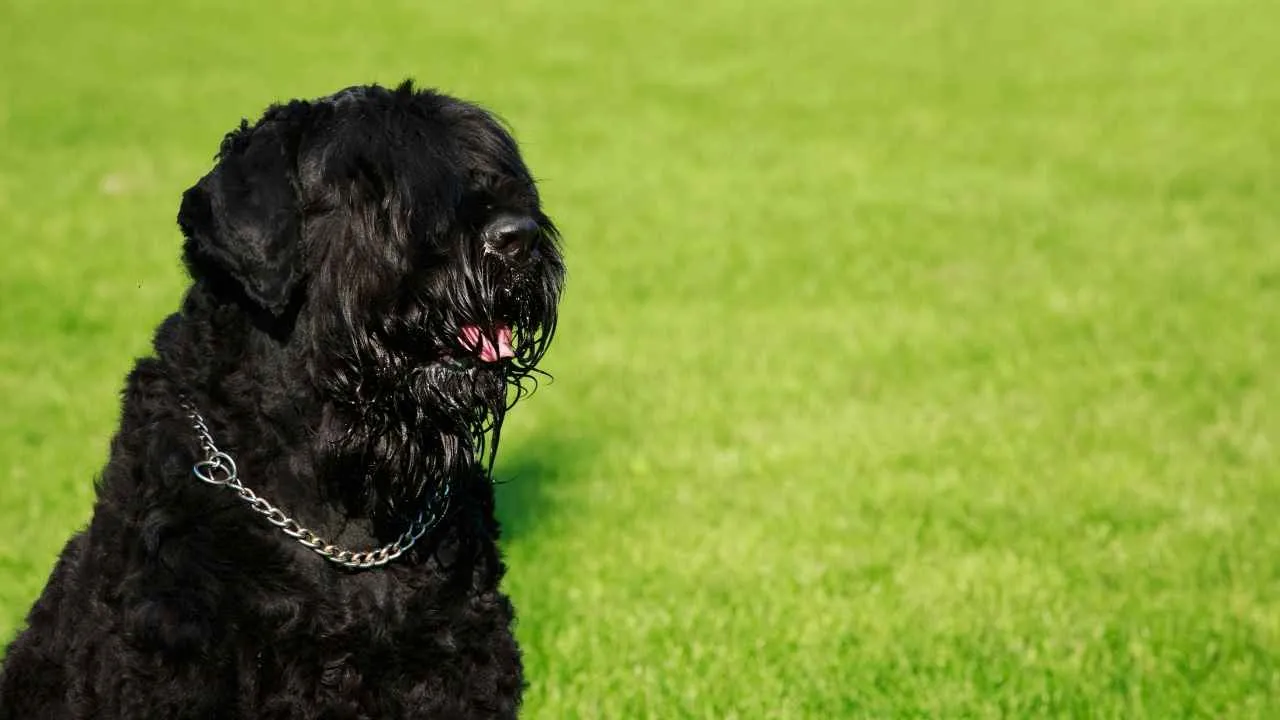
Black Russian Terrier was developed in the Soviet Union during the late 1940s and 1950s, where the goal was to produce one dependable working dog for demanding service duties. Several large breeds, including the Rottweiler, Giant Schnauzer, Airedale Terrier, and Newfoundland, contributed to its creation.
Calm Under Pressure
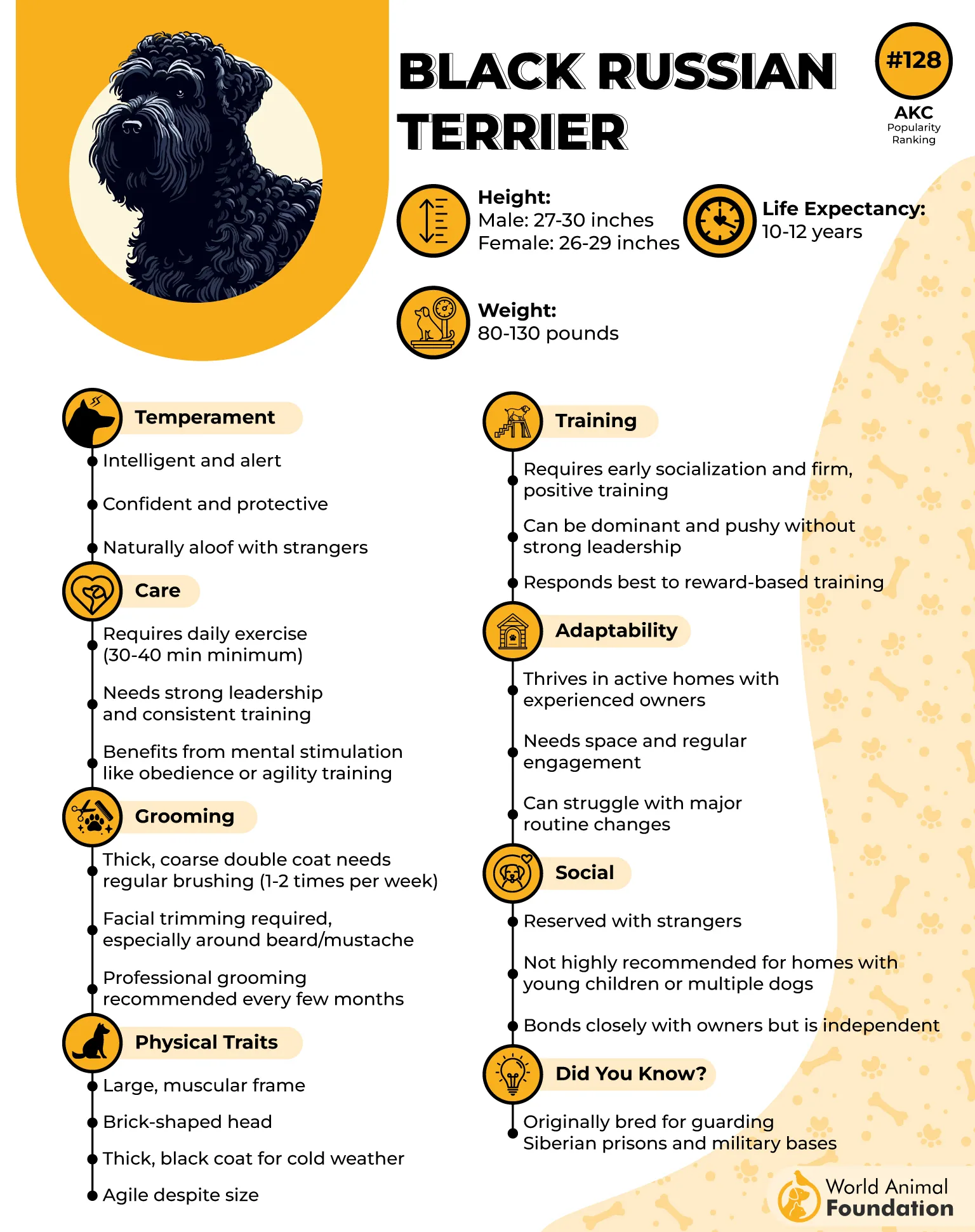
BRT suits confident, experienced pet parents because it naturally approaches unfamiliar situations with caution and a protective mindset. Early socialization and structured guidance help direct those instincts into dependable everyday behavior, as PetMD mentioned.
This nature shows up in the following ways:
Often appears calm and composed at home
This breed has a strong work ethic
Naturally protective or aloof with strangers
Built to Think
Black Russian Terrier combines a rectangular frame, substantial bone, and powerful musculature with an alert, self-assured presence that reflects its original purpose. Long walks and interactive activities provide productive outlets while giving this intelligent breed opportunities to use both body and mind.
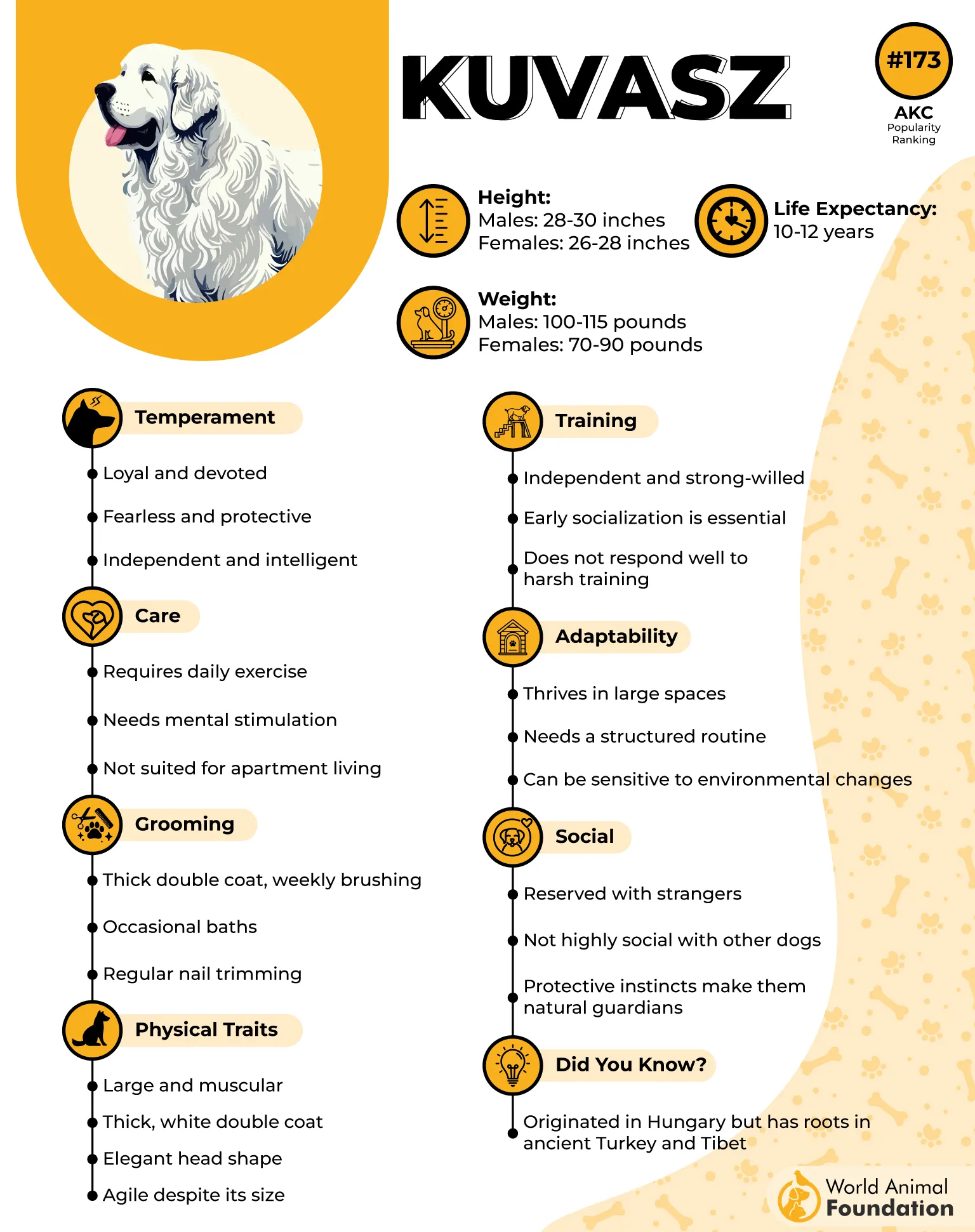
2. Kuvasz
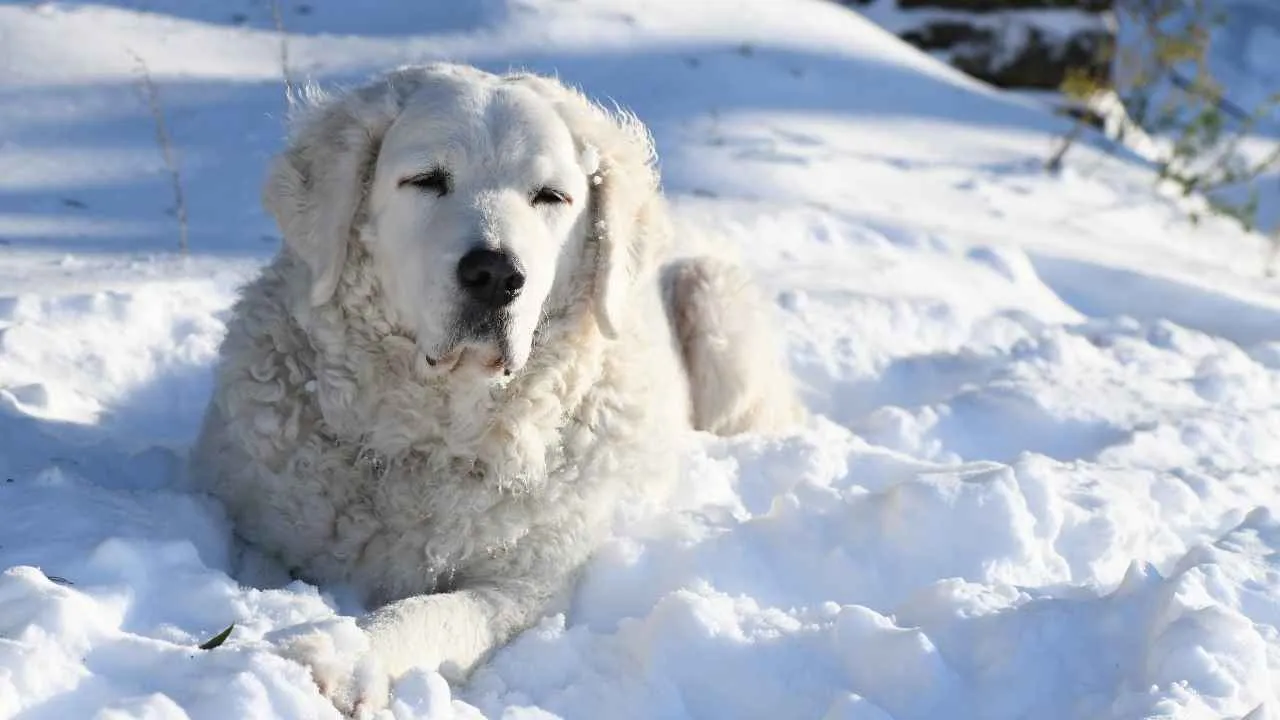
The Kuvasz earned its place around Hungarian royal estates as a fearless guardian and hunting companion, capable of facing predators from wolves to bears, as per the AKC. Out in the countryside, shepherds also came to rely on its strength when protecting their livestock.
Built With Purpose
Its impressive strength and athletic frame give it the endurance needed for demanding work rather than a quiet routine. Its rectangular body, refined head, and surprisingly light-footed gait reflect a dog built for long hours with confidence and efficiency.
Its character goes beyond companionship:
Pure white coat helped separate it from wolves
Folded forward ears frame a refined head
Tail plume curves upward when alert
Independent Mind
Kuvasz was selected for work that required making decisions without constant direction, and that independent mindset continues today.
It enjoys being around its family, though it may also seek a quiet place after receiving enough attention, while unfamiliar visitors are greeted with thoughtful caution.
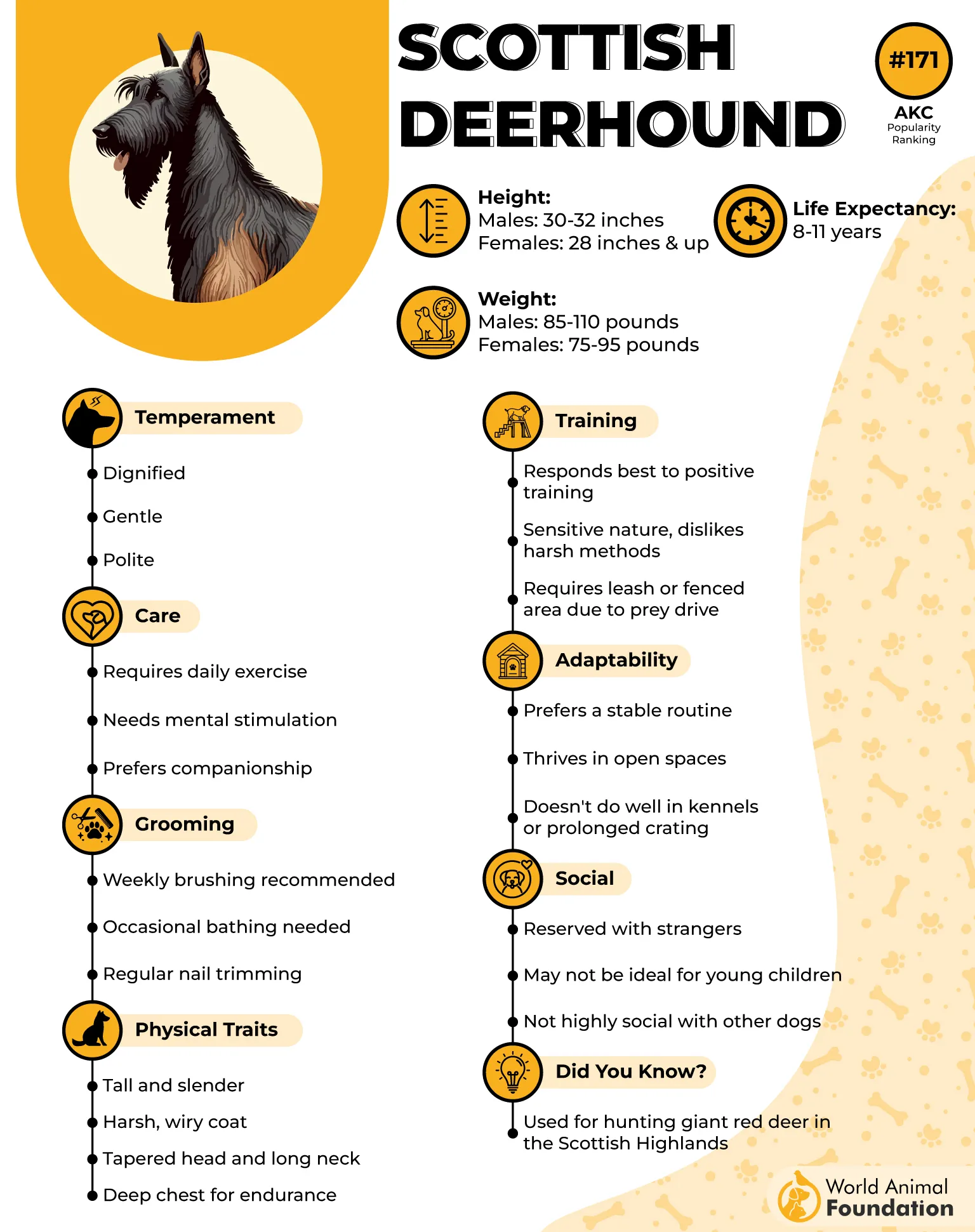
3. Scottish Deerhound
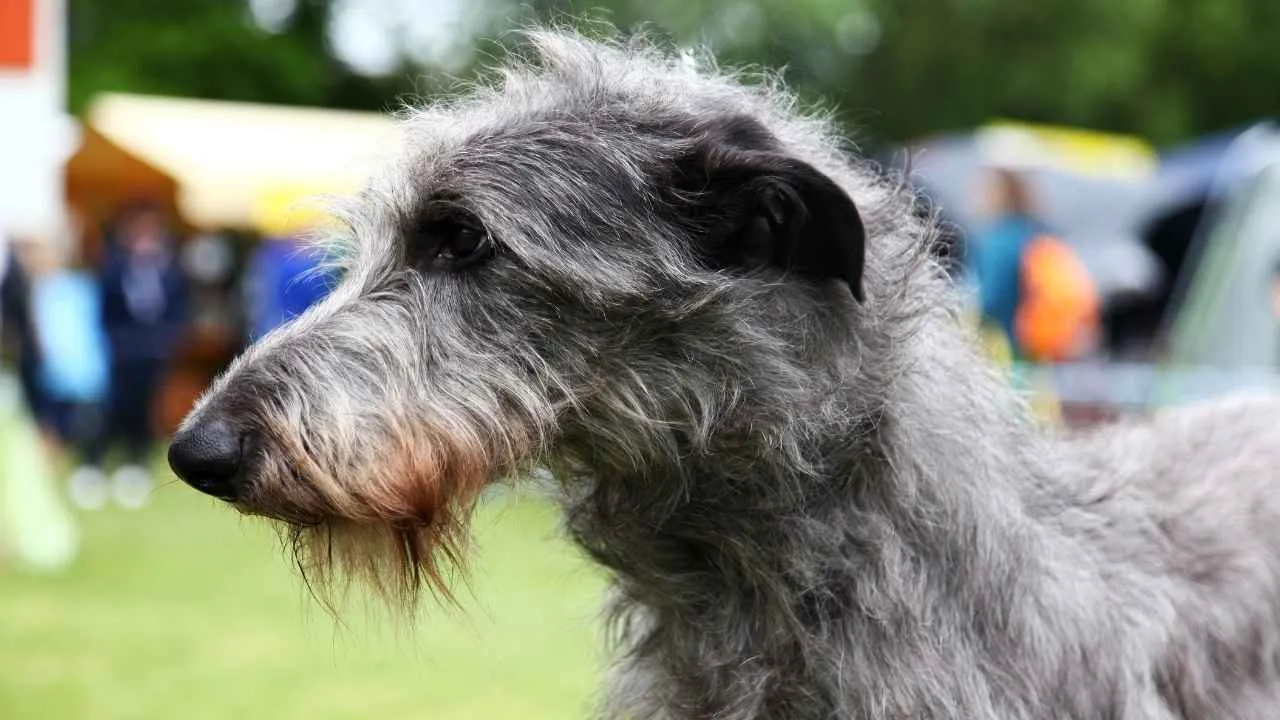
Scottish Deerhound has long been recognized as the “Royal Dog of Scotland,” a title closely linked to its role in pursuing giant wild red deer across the Scottish Highlands. Records place the modern form of the breed as far back as the 1500s, where height, speed, and keen eyesight shaped its purpose.
A Mind of Its Own
Living with a Scottish Deerhound means accepting that it may not wait around for instructions before deciding what to do. Its independent working style makes patient guidance and positive reinforcement more useful than drilling the same commands repeatedly.
Life with this breed has its own rhythm:
Descended from ancient Greyhound-type hounds
Built with a deep chest, powerful neck, and long frame
Responds as an equal partner, not simply to please
Calm After the Adventure
Scottish Deerhound changes noticeably with maturity, as energetic and destructive puppy behavior gradually gives way to a calm companion that enjoys long periods of rest.
Daily exercise remains important, while thoughtful socialization also helps create positive interactions with people and other animals.
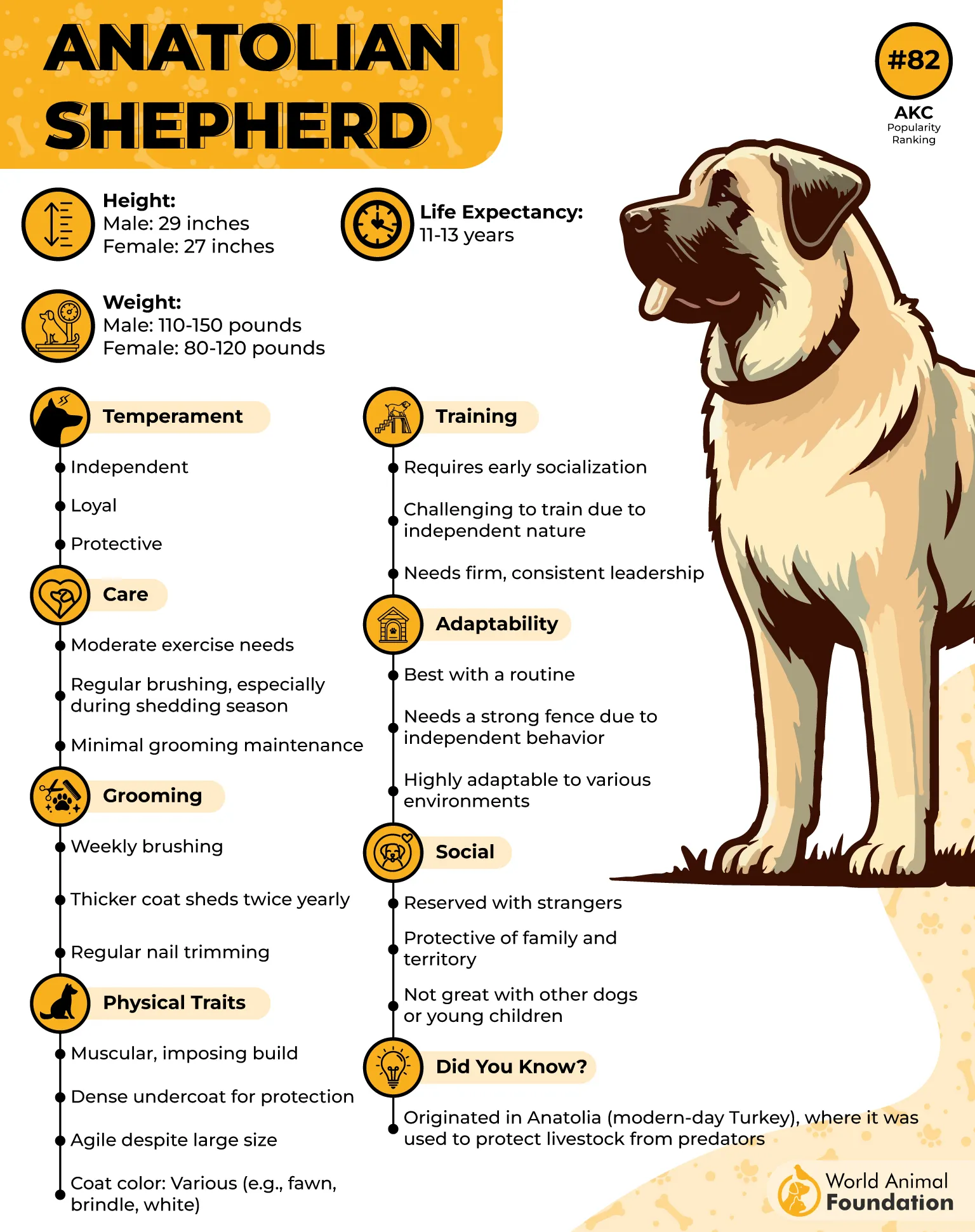
4. Anatolian Shepherd Dog
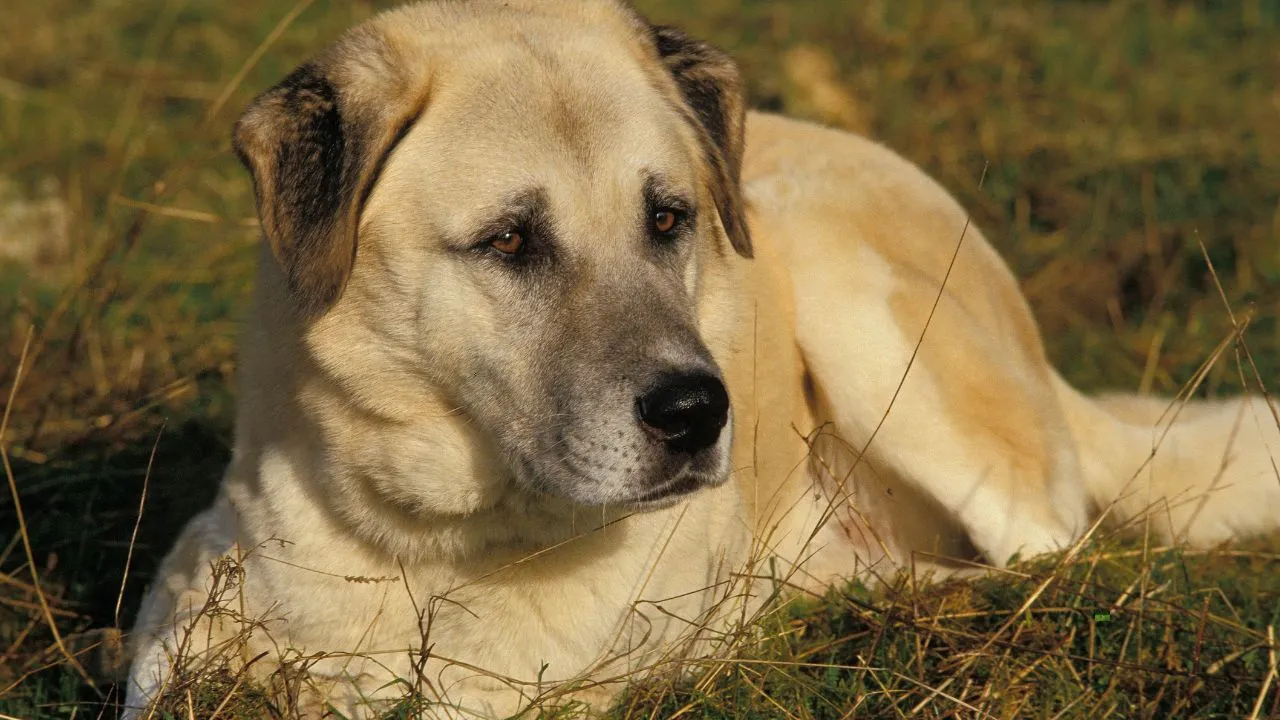
Anatolian Shepherd Dog comes from the Anatolia region of central Turkey, where records place this breed’s roots more than 4,000 years ago.
It descended from early mastiff-type dogs and flock guardians, gaining recognition for confronting wolves, bears, and even human thieves before livestock came under attack, as Purina reports.
Watching the Horizon
Instead of gathering livestock like a traditional herding dog, they worked independently, searching wide areas for danger before predators reached the flock. This self-directed decision-making explains why this breed remains confident when left to assess situations on its own.
Several details reveal how distinctive that role became:
Practiced transhumance alongside Turkish nomads
Carries itself with a composed attitude
Needs early introduction around unfamiliar people and other breeds
Strength With Judgment
Anatolian Shepherd Dog combines a muscular frame, thick neck, and surprising speed, qualities that once allowed it to confront large predators across open landscapes. It generally interacts well with older children who understand respectful boundaries.
5. Spanish Mastiff
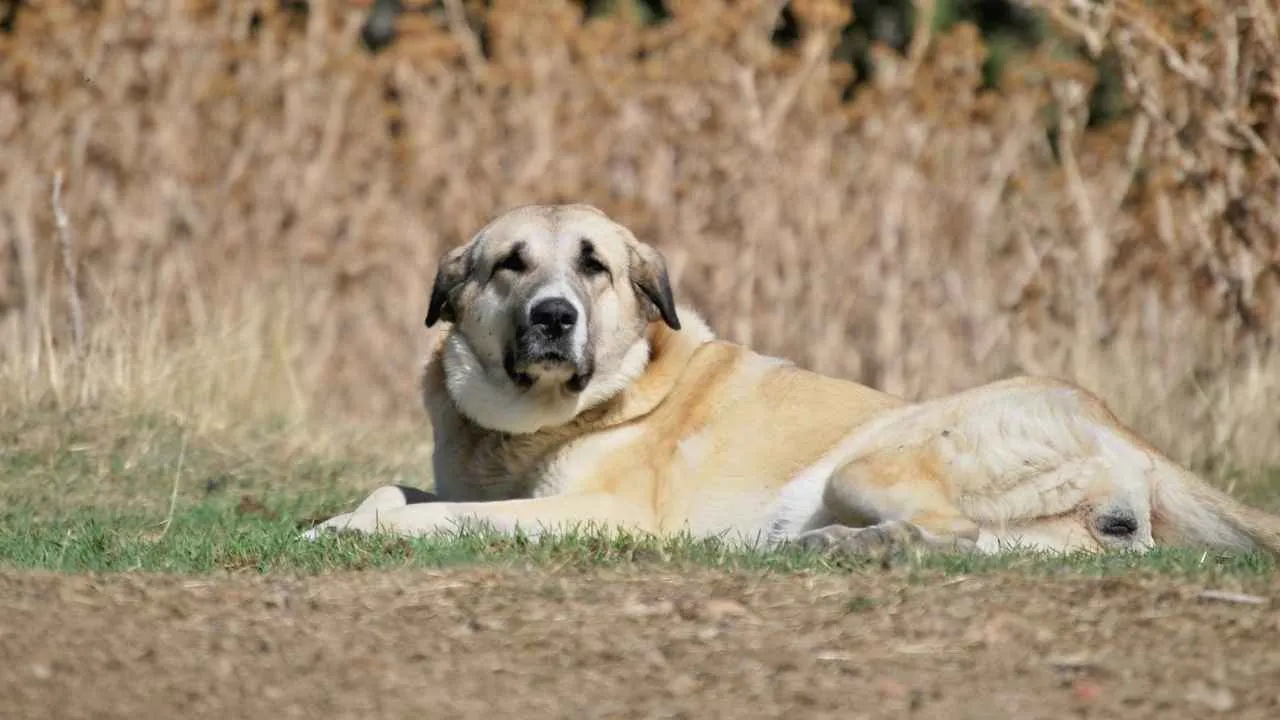
Spanish Mastiff became closely connected with the Mesta, the medieval association of Spanish sheep ranchers whose Merino flocks traveled long distances in search of seasonal grazing.
Along those demanding routes, this breed took responsibility for confronting wolves and guarding valuable livestock throughout the journey.
Strength With Purpose
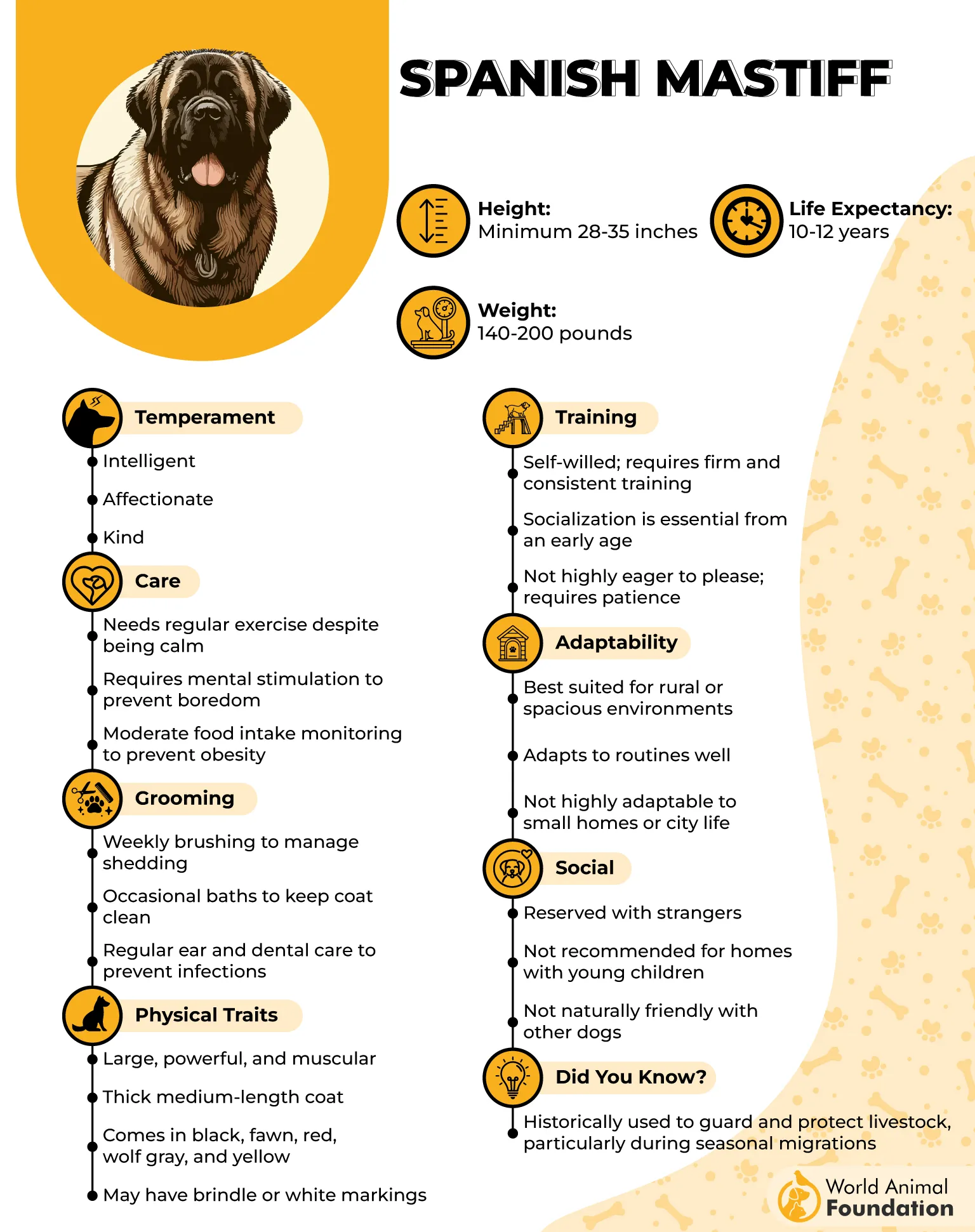
Spanish Mastiff combines enormous size with calm confidence, making every action feel measured rather than rushed. A massive head, heavy bone, deep chest, and powerful frame reflect the demanding work this breed performed across open countryside.
Some of its noticeable features include:
Loose neck skin with a double dewlap
Deep, far-reaching bark
Coat colors include fawn, gray, red, black, and yellow
Keeping Busy
Spanish Mastiff benefits from regular walks, fenced outdoor play, hiking, swimming, retrieving games, or learning new skills through obedience and rally activities. Even indoor games, such as chasing a rolled ball, provide another productive outlet on quieter days.
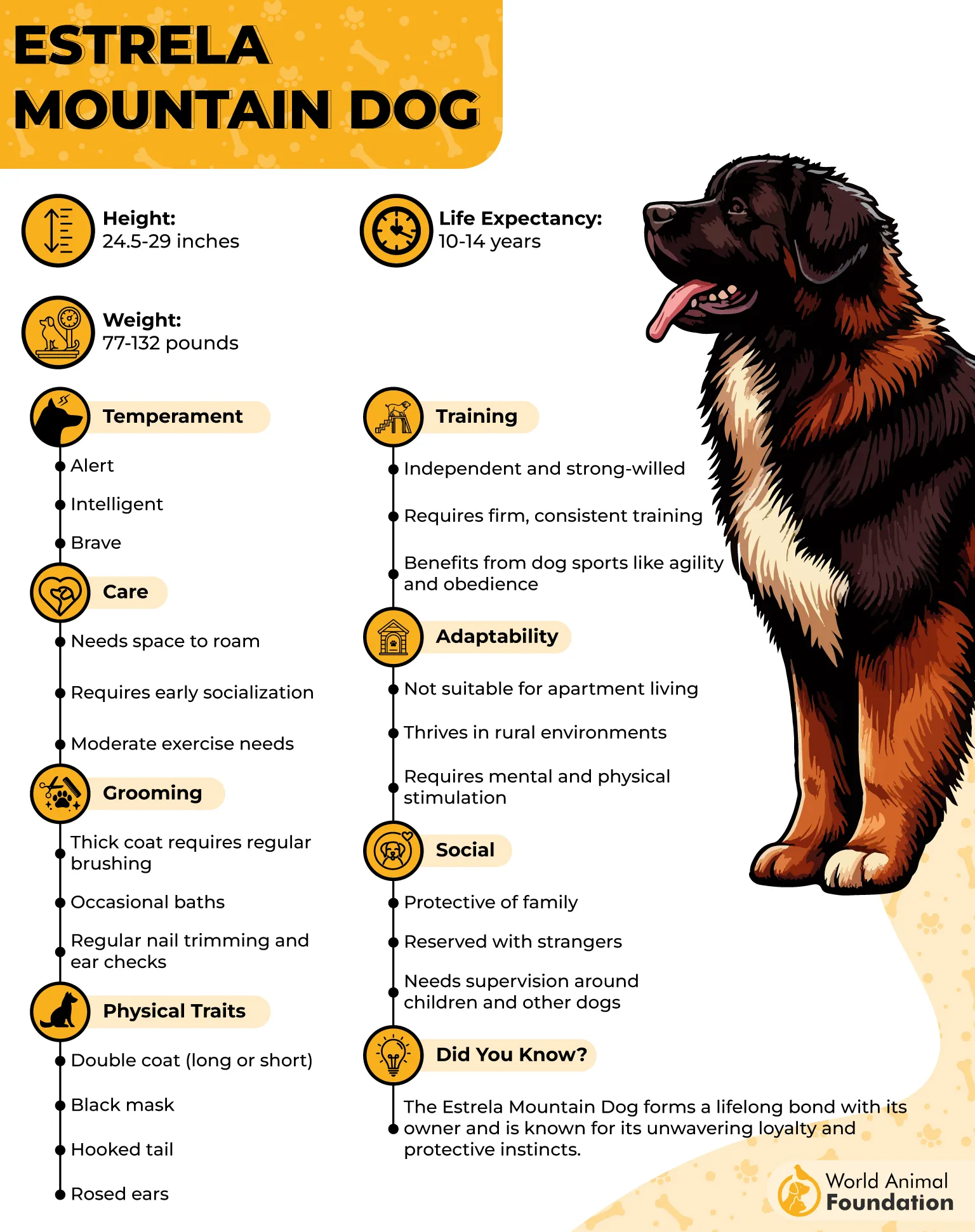
6. Estrela Mountain Dog
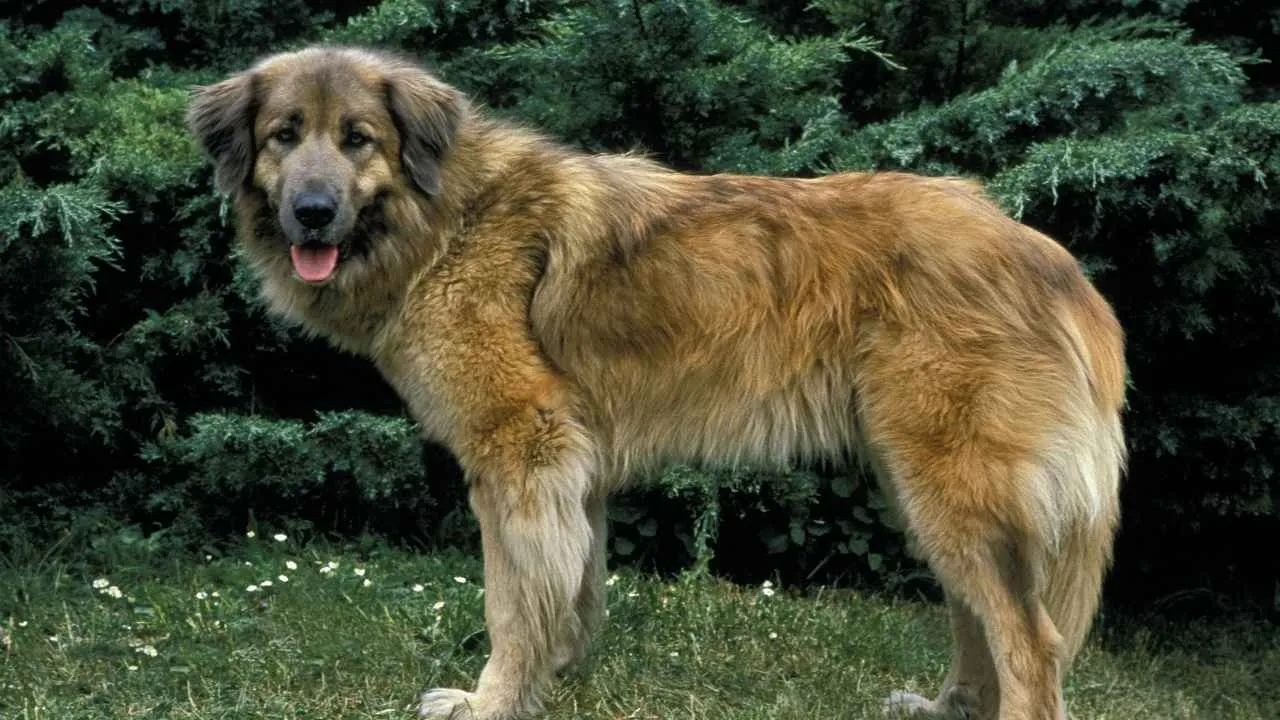
Estrela Mountain Dog originates from Portugal’s Serra da Estrela mountains, where isolated farming communities carefully preserved the breed over generations. Its long association with shepherds also led to the traditional use of spiked collars, offering added protection when wolves challenged the flocks.
Born for Responsibility
Life in rugged mountain country shaped a dog capable of making decisions without constant direction while watching over sheep and goats. That natural confidence still influences how this breed approaches unfamiliar situations and daily life.
These points reveal their working heritage from another angle:
One of Portugal’s oldest native breeds
Powerful build and deep chest
Strong jaws for regular scissor bite
Calm at Home
This guard dog keeps a close eye on the people and animals it considers part of its household, including children, cats, chickens, and smaller dogs.
Early socialization and structured training help channel that protective nature into calm, well-mannered behavior around unfamiliar people and other dogs.
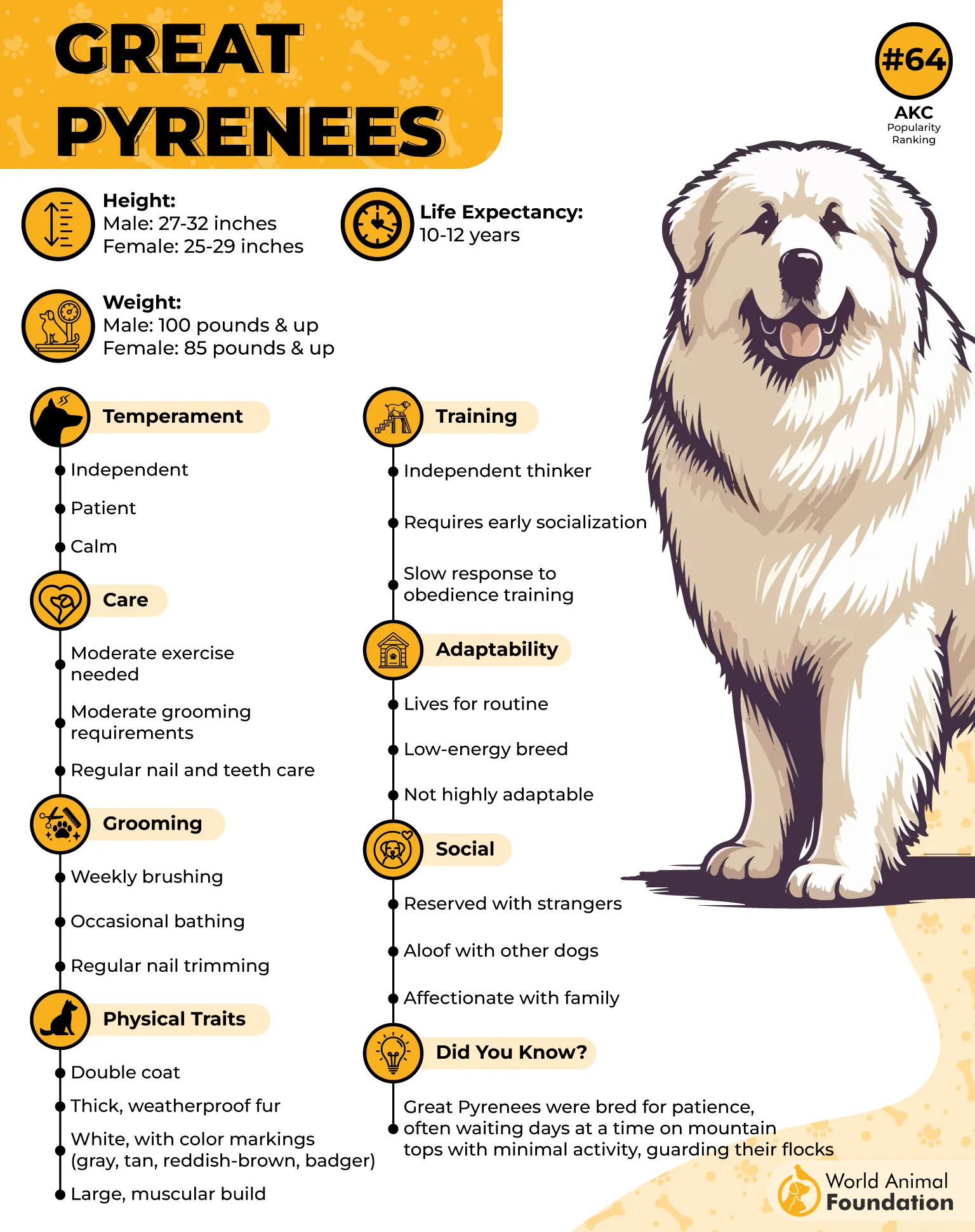
7. Great Pyrenees
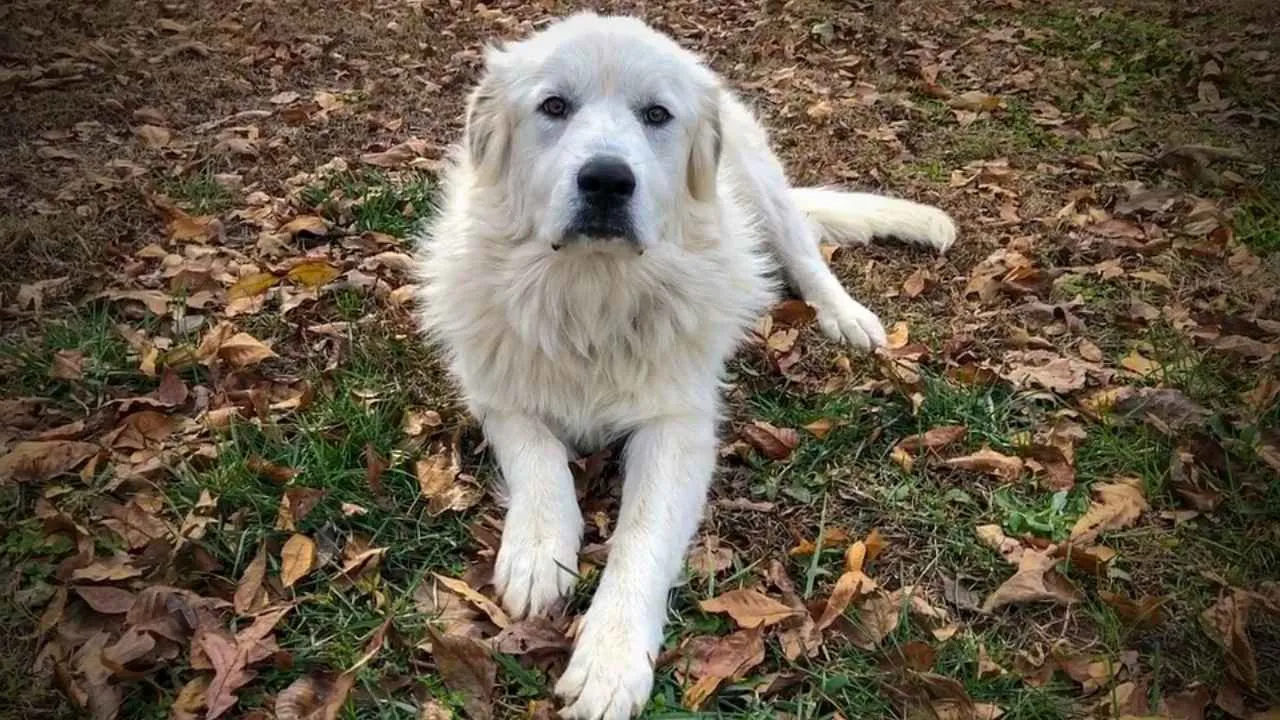
Great Pyrenees first watched over flocks in the Pyrenees Mountains between France and Spain, where snowy slopes demanded both confidence and sound judgment. Its thick white coat blended naturally with the landscape while wolves and bears remained constant threats to the sheep under its watch.
Naturally Self-Reliant
Long hours guarding livestock without human guidance shaped a dog’s personality that values independent decision-making over constant direction. Its independent side means it does not always need someone around.
Its calm exterior has the following characteristics:
Double dewclaws on the hind legs
Bred to deter wolves and bears
White coat blended into snowy terrain
Calm at Home
Great Pyrenees is often described as a gentle giant, choosing a peaceful pace around the home and asking for only minimal exercise each day.
Roaming remains part of its instincts, so a secure fenced yard offers a safer outlet than open surroundings with more space beyond the property.
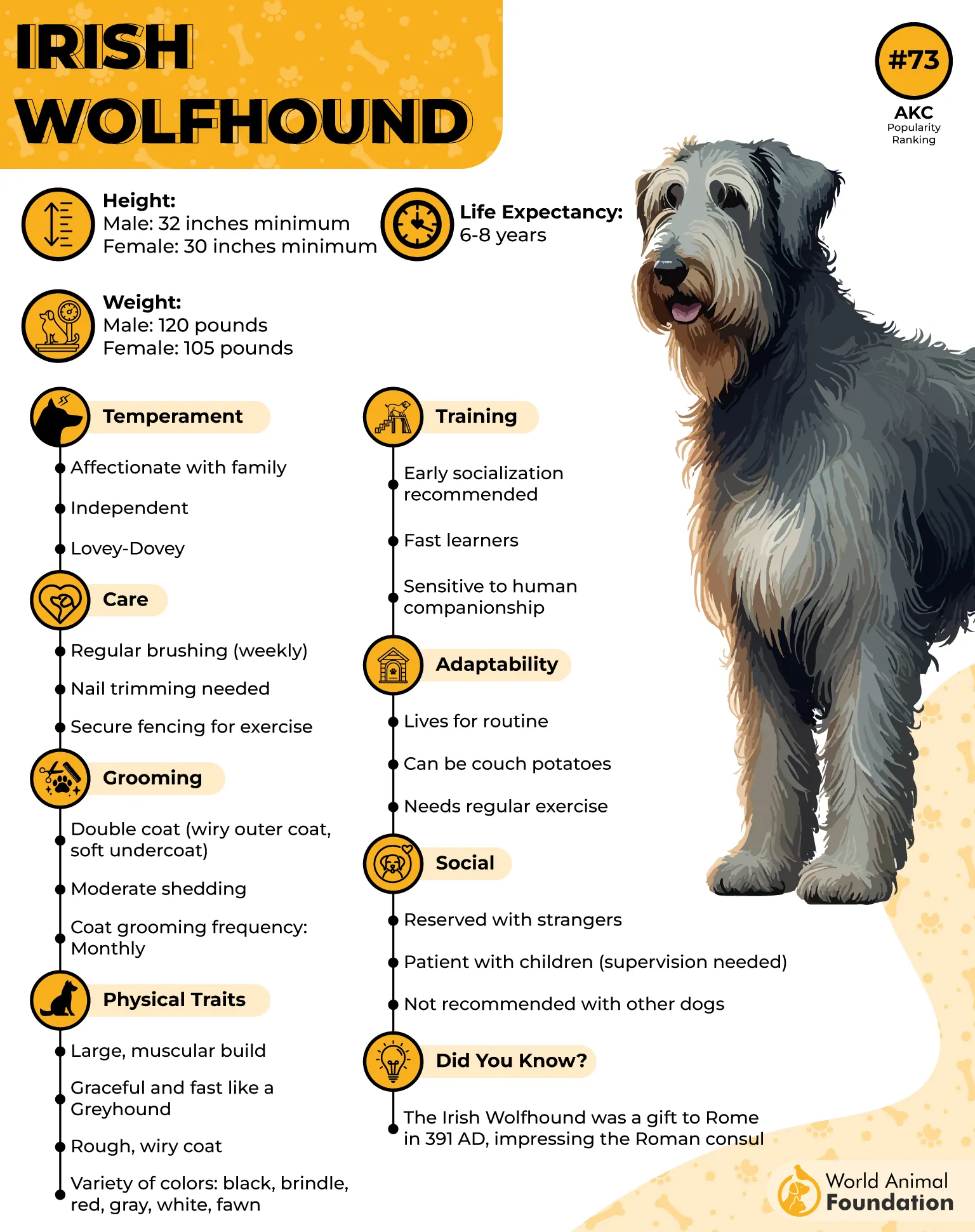
8. Irish Wolfhound
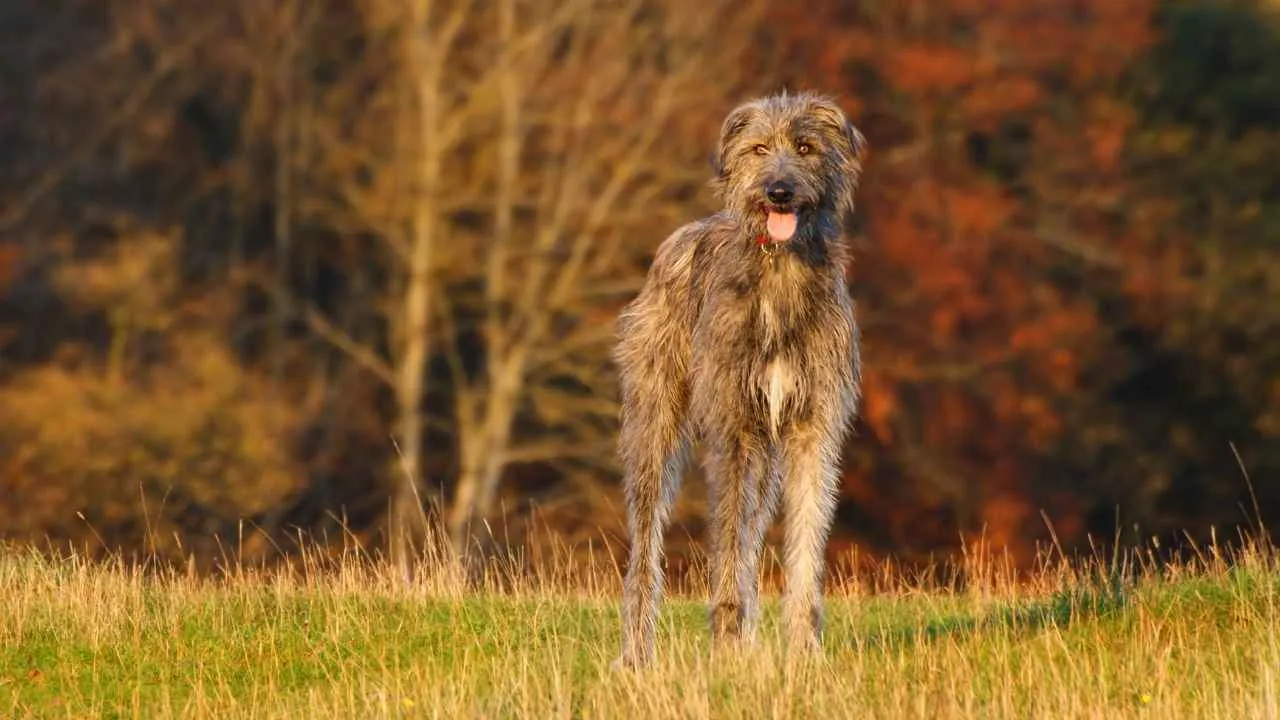
Irish Wolfhound appeared in records as far back as around 400 AD and became closely associated with Ireland long before the modern era. These towering hounds were even given to the Romans, where they entered arena contests, while hunting parties in Ireland also relied on them against wolves and Irish elk.
Made for the Pursuit
An athletic frame, deep chest, and long muscular limbs gave this breed the combination of speed and endurance needed for pursuing large game across open ground, as noted by the AKC. Fast acceleration and impressive reach made this giant sighthound especially effective when covering long distances.
Those instincts remain part of the breed today:
Gifted to the Romans from Ireland
Reacts quickly to fast-moving animals
Needs early leash training and socialization
Calm Beyond Its Size
Irish Wolfhound brings a quiet, easygoing nature into the home and often chooses a spacious bed over constant activity after regular exercise. Although affectionate with familiar people, this breed usually prefers quiet companionship instead of seeking attention every moment of the day.
9. Tibetan Mastiff
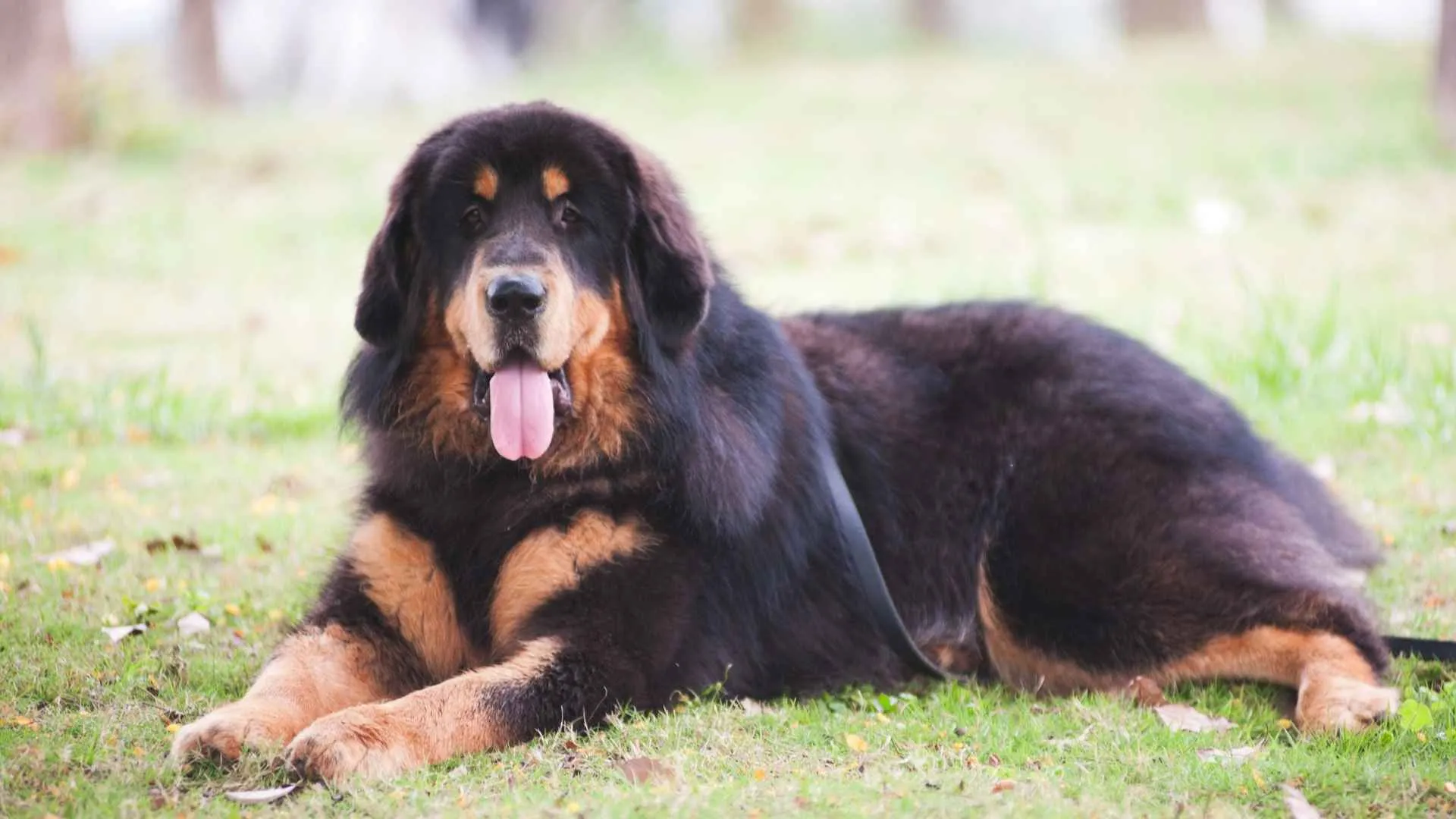
Tibetan Mastiff appears in written records dating back to around 1100 BCE, making it one of the oldest documented dog breeds associated with the highlands of Tibet.
Its imposing, lion-like outline and long association with remote mountain communities have made this breed instantly recognizable across generations.
Built With Purpose
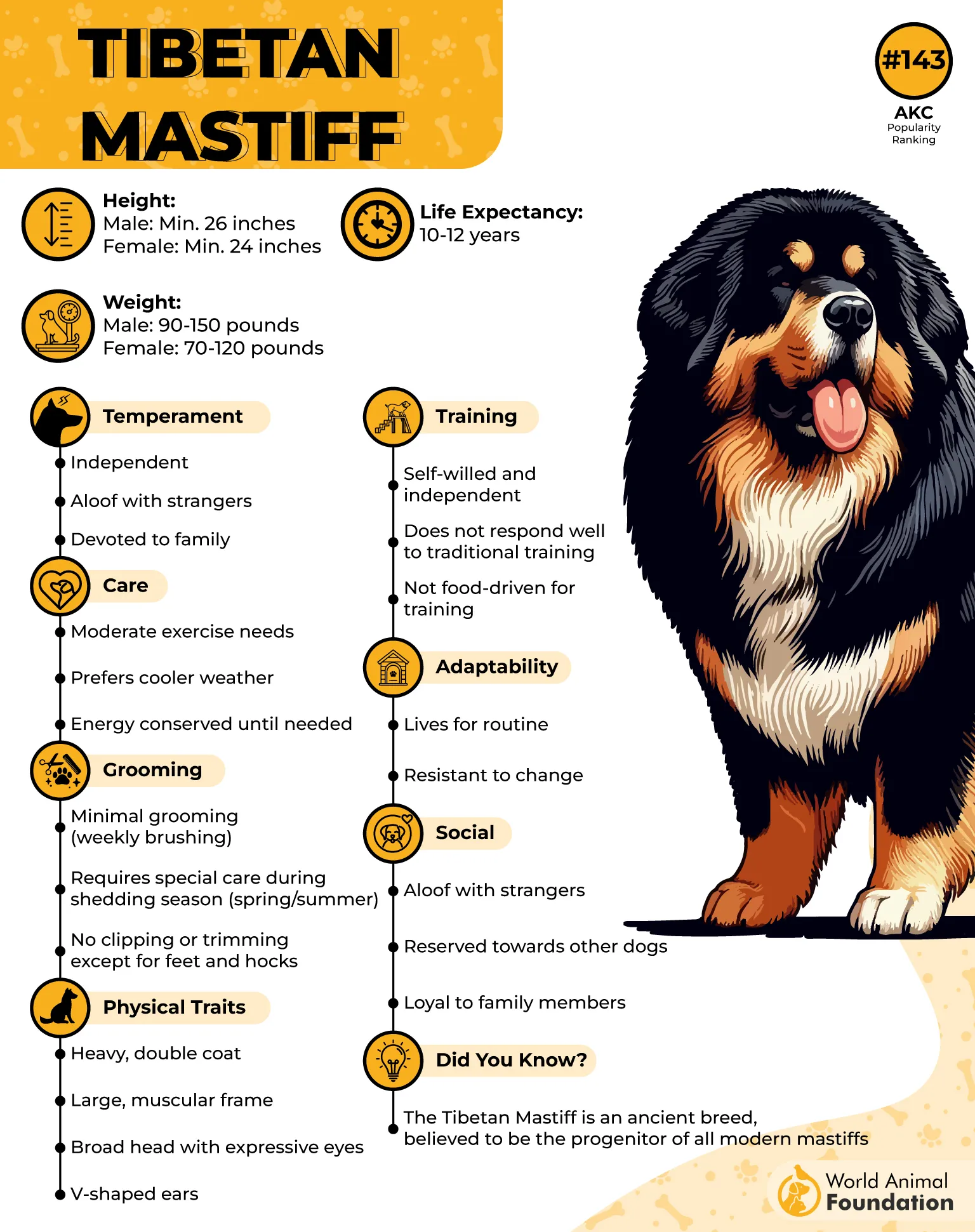
Tibetan Mastiff has a heavy frame with surprising agility, giving it the confidence to patrol demanding landscapes without relying on constant direction. A dense double coat and broad, muscular build also help it handle harsh mountain climates with ease.
Here’s a closer look at their distinctive features:
Lion-like neck ruff
Feathered tail curls over the back
Recessed eyes with a square muzzle
Quiet Until Needed
Tibetan Mastiff often spends much of the day resting indoors before becoming more active after sunset, a pattern that reflects its traditional guarding role. Although generally quiet, its deep, resonant bark can travel long distances whenever something captures its attention.
10. Caucasian Shepherd
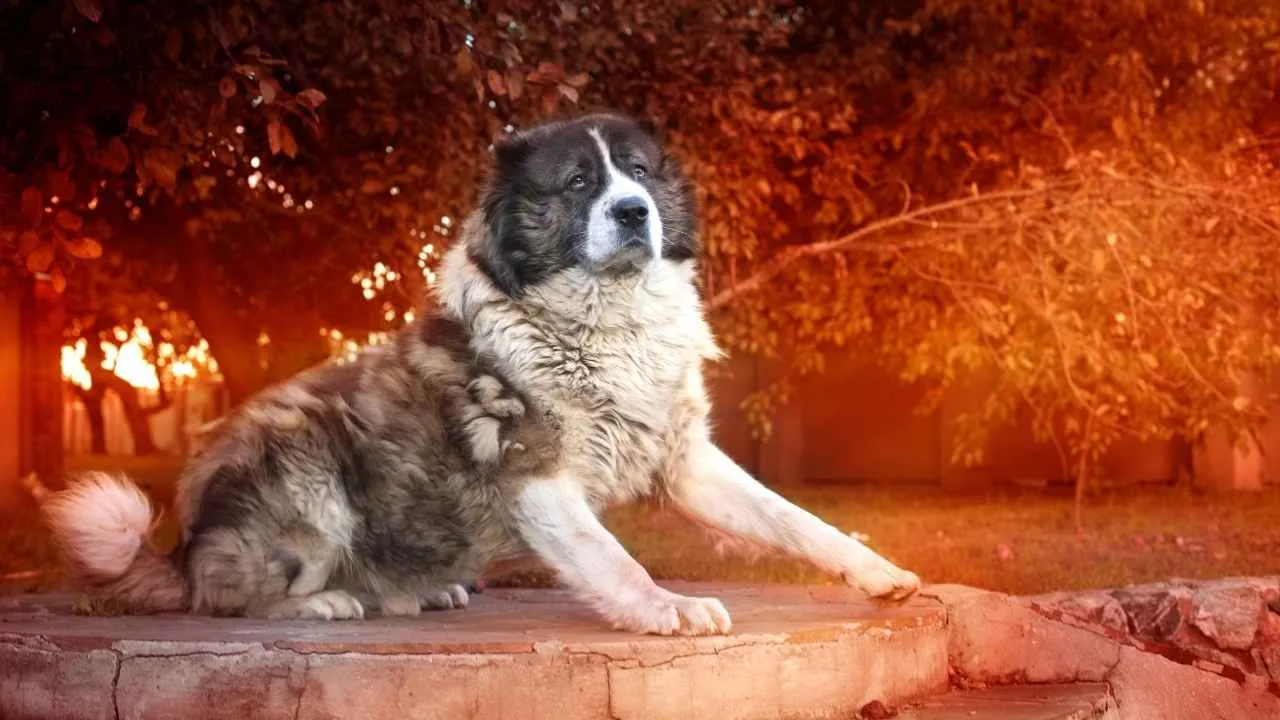
Caucasian Shepherd developed from the rugged Caucasus Mountains of Eastern Europe, where it guarded livestock and isolated properties against predators across demanding landscapes. The breed is also recognized by names such as Caucasian Ovcharka, Caucasian Mountain Dog, and Russian Bear Dog.
Independent by Nature
A confident temperament and natural independence make this breed better suited to experienced handling than constant guidance. Calm households and predictable routines generally fit its temperament far better than busy environments filled with frequent activity.
The following characteristics matter in daily life.
Powerful jaws and broad skull
Prefers being the only household pet
Positive reinforcement responds best during training
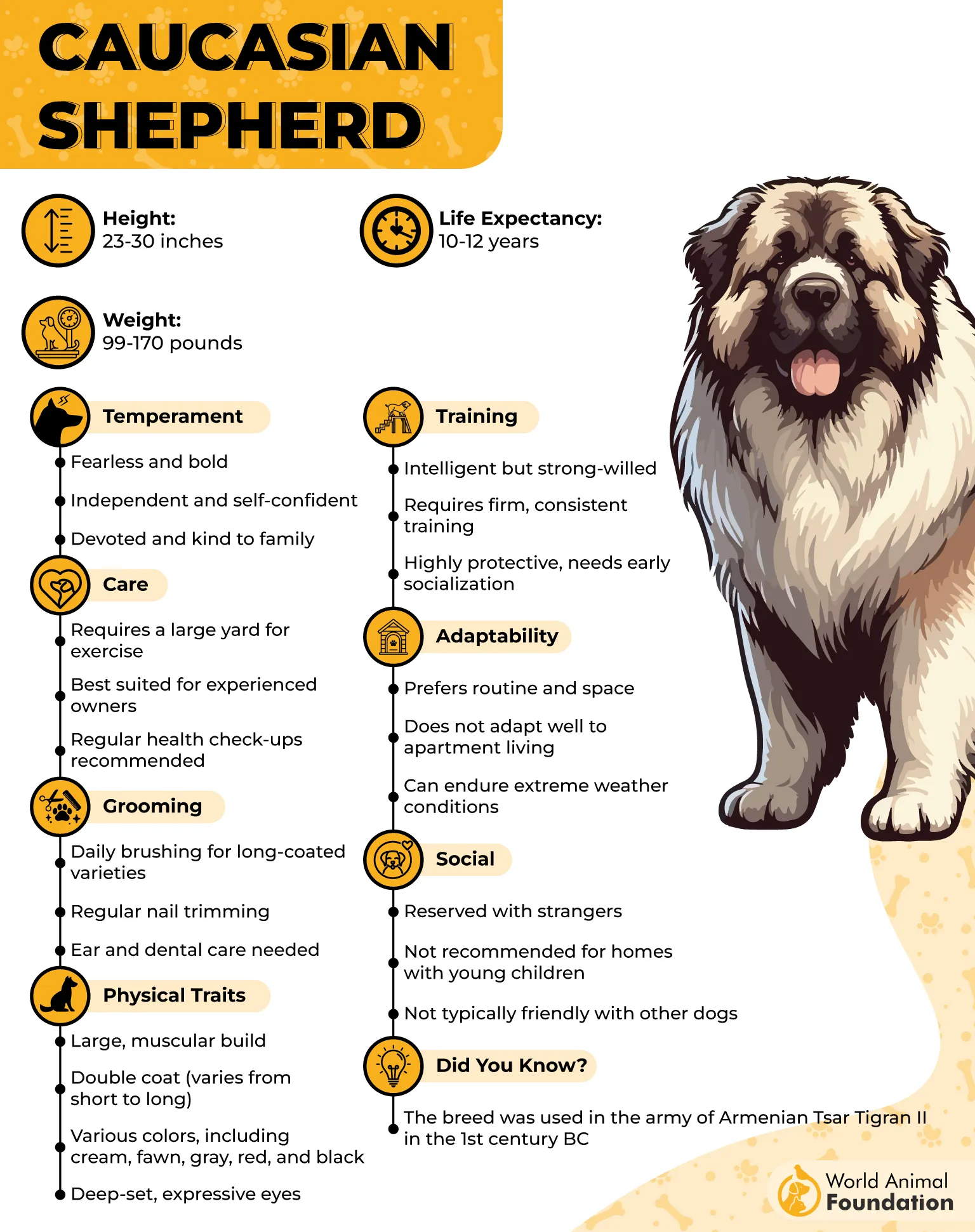
Quiet Confidence
Caucasian Shepherd has a heavily boned, muscular frame built for demanding work rather than speed or agility alone. People meeting this breed for the first time are often greeted with caution, reflecting the protective instincts that have shaped its role for generations.
Conclusion
A powerful companion is not defined only by size or physical strength. The greatest impression often comes from calm confidence, thoughtful decisions, and the willingness to handle situations without unnecessary drama.
Living with an independent dog requires trust, clear communication, and realistic expectations, making these breeds better suited to experienced owners than first-time owners.
Every shared experience strengthens that connection a little more. Early training helps these confident companions adapt successfully, even for apartment dwellers with limited space, provided their needs are met. Their independence never replaces loyalty. Instead, it gives that loyalty an even deeper meaning throughout everyday life together.
