




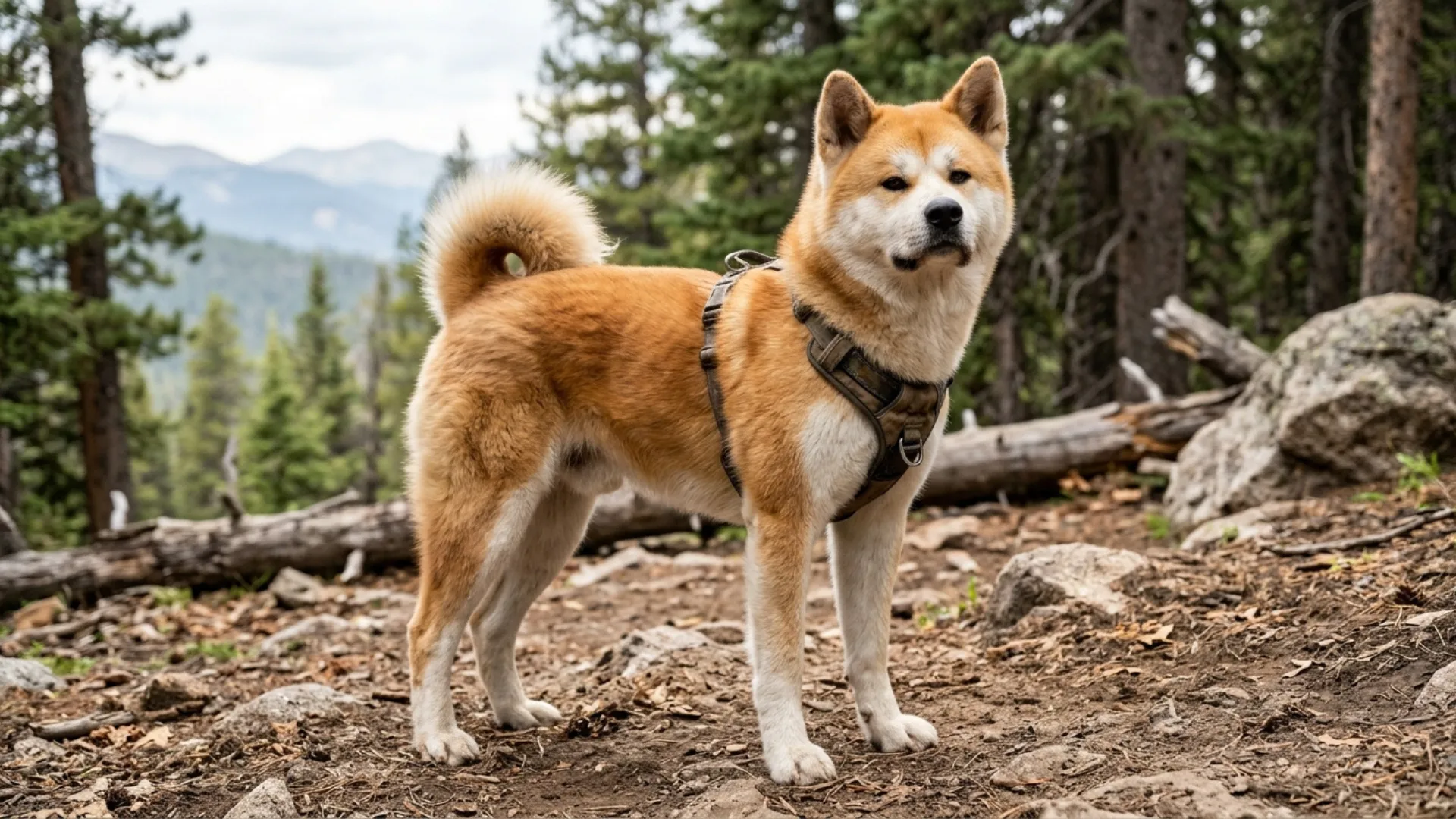
Eight straight hours of running: that is what a working dog’s body can handle, producing muscle energy most elite athletes never touch. It is not folklore; it is measured, peer-reviewed science about physical strength people never question.
A PLOS ONE study on working dogs after a 1,600-kilometer race recorded muscle energy output among the highest ever measured in a mammal. The most powerful dog breeds were never bred just to look strong; real ability only exists because a job demanded it.
Strength like that means nothing in a family home without serious, steady loyalty attached to it. Owners rarely stop to ask what happens when that much power lives inside a dog that also bonds hard.
That pairing changes everything about how a dog settles into a home, works a job, or guards the people it loves. Stick around: the breeds below prove strength and loyalty can share one body.
Powerful Dog Breeds With Muscular Builds: Ideal For Labor and Loyalty
1. Boerboel
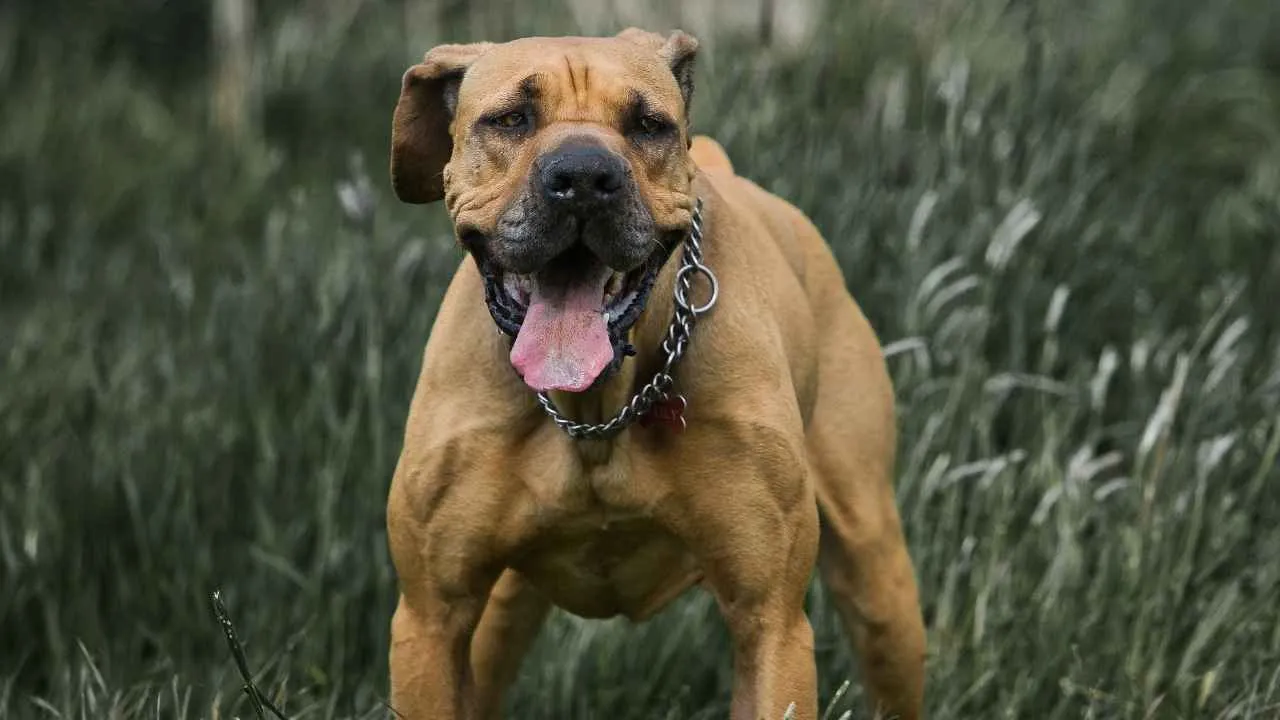
The Boerboel guards its family like a full-time job. It stays calm around people it trusts and only reacts when something feels off. Even strangers often get a curious, surprisingly gentle greeting first.
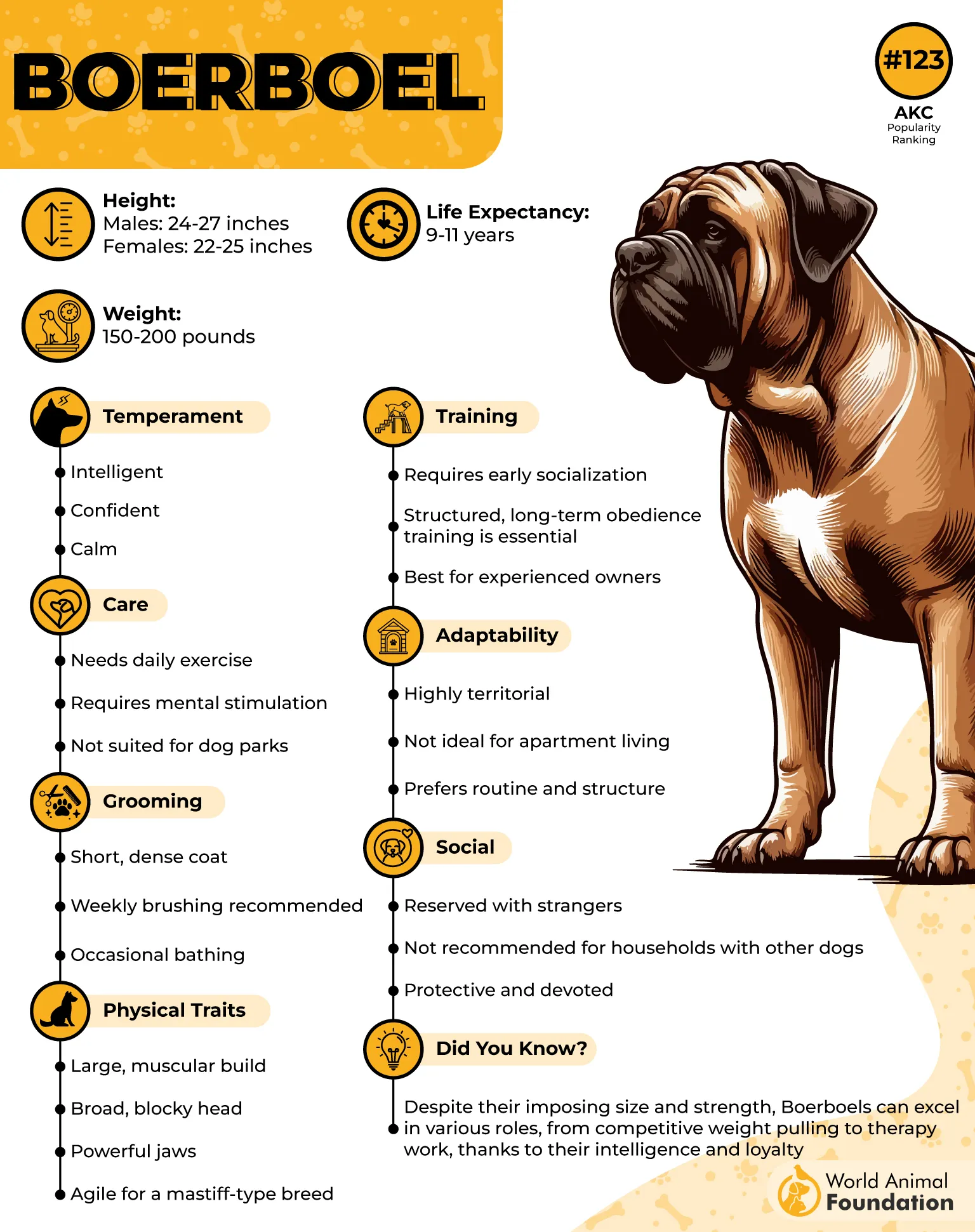
This calm confidence rides on serious muscle. Boerboels were originally bred on South African farms to guard livestock and property, and Britannica notes their broad frame makes this one of the most powerful dog breeds built for farm protection. The build still matches the job it was made for.
Exercise: Give it 45 to 60 minutes of active movement daily to keep that muscle useful.
Training: Start early with calm, consistent rules, since this breed respects confidence, not force.
Feeding: Choose a protein-rich, large-breed diet to support healthy muscle and joint growth.
Left without structure, that guarding instinct turns into suspicion toward everyone at the door. A bored Boerboel can get stubborn fast, testing limits just to see where they sit. Handled well, it becomes one of the most dependable protectors around.
2. Akita
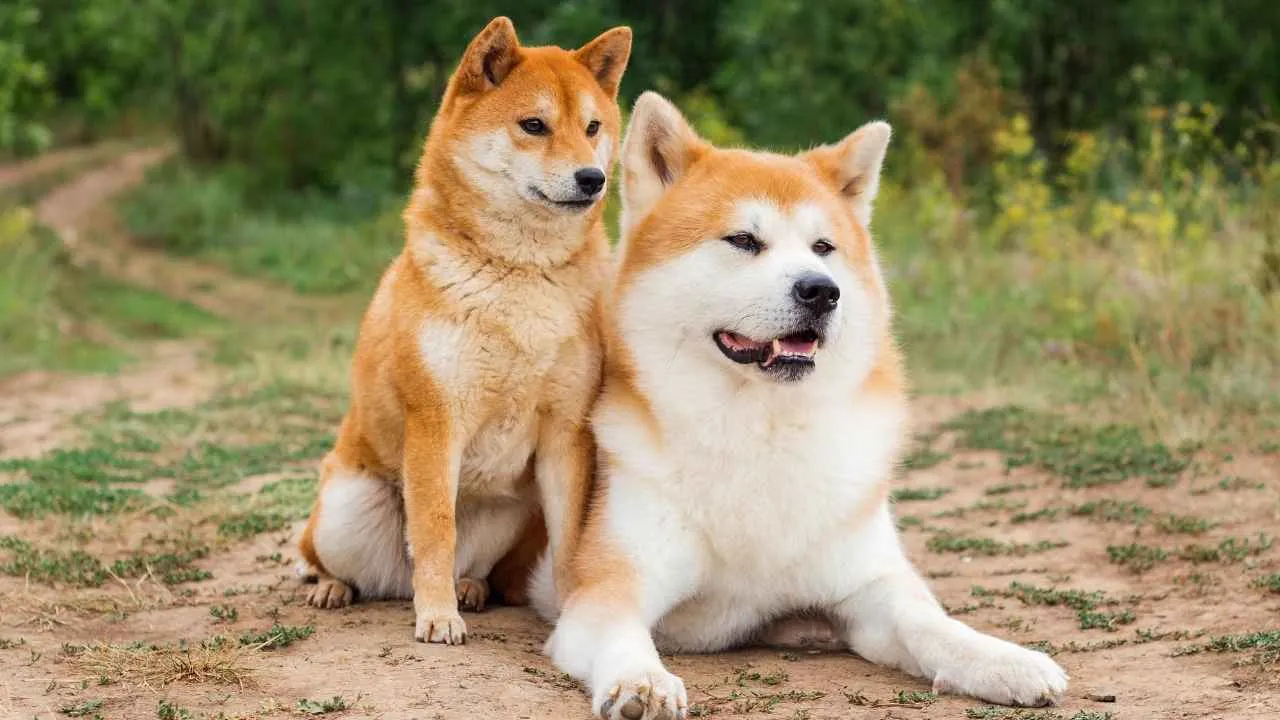
Few breeds bond as deeply as the Akita. This dog quietly shadows its favorite person around the house, offering a dignified kind of loyalty rather than constant attention-seeking. Ask any Akita owner, and they will tell you that bond flows toward a single favorite person, not the whole room.
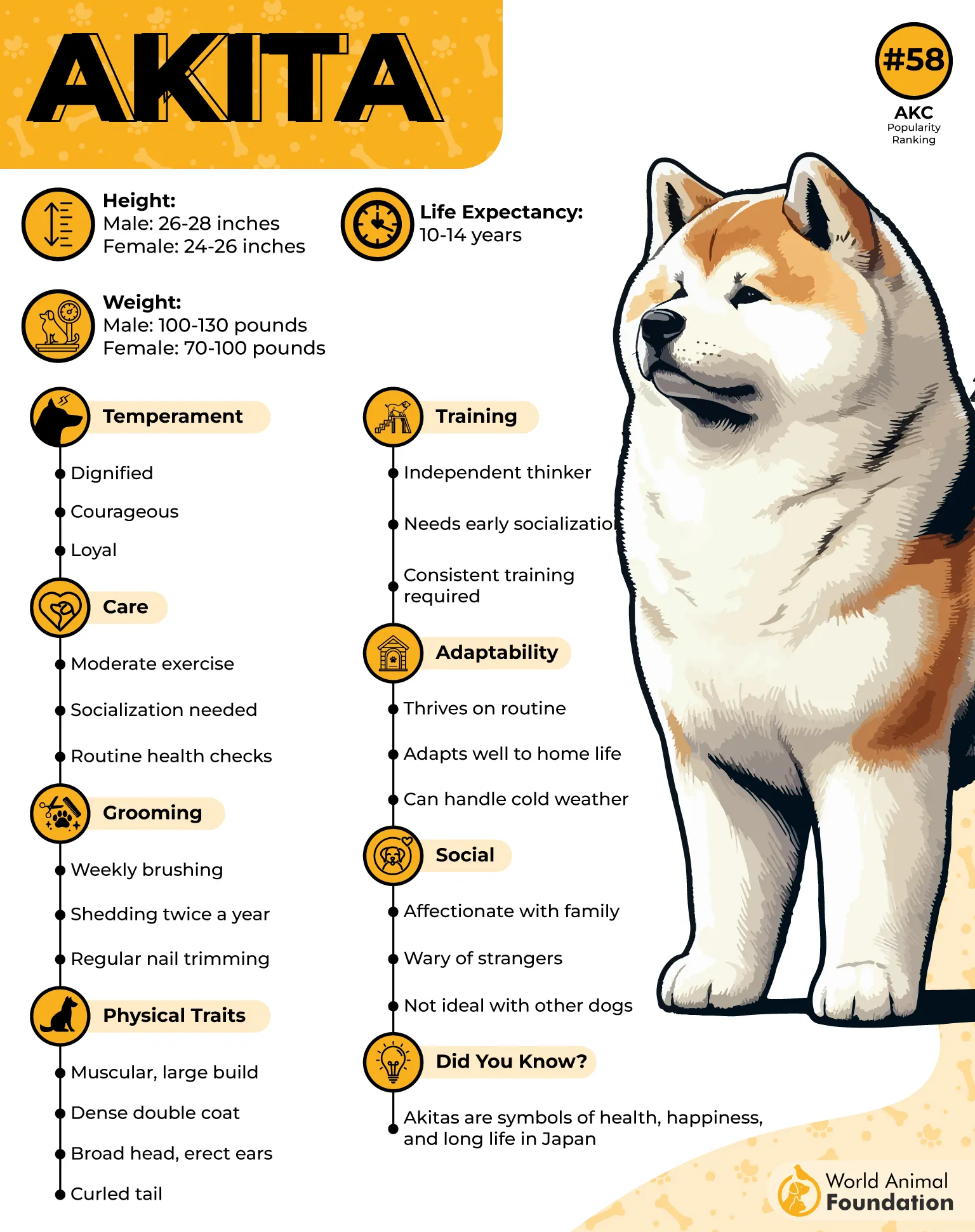
That devotion comes from a body built for mountain hunting. Akitas were originally bred in Japan to track bear and boar across steep, snowy terrain, so their powerful legs and thick double coat support long hours of hard work in rough conditions. Endurance, not speed, is the whole point.
Socialization: Expose it to new people and animals early, since this breed can be wary of strangers.
Structure: Keep training sessions short and confident, as repetition without purpose bores this independent mind fast.
Coat care: Brush often during shedding season to manage that dense double coat.
An Akita without firm, early guidance can turn stubborn and territorial around other animals. Its deep loyalty can tip into possessiveness over one favorite person if nobody sets limits. With patient, consistent handling, that same independence becomes quiet, unshakeable confidence.
3. Alaskan Malamute
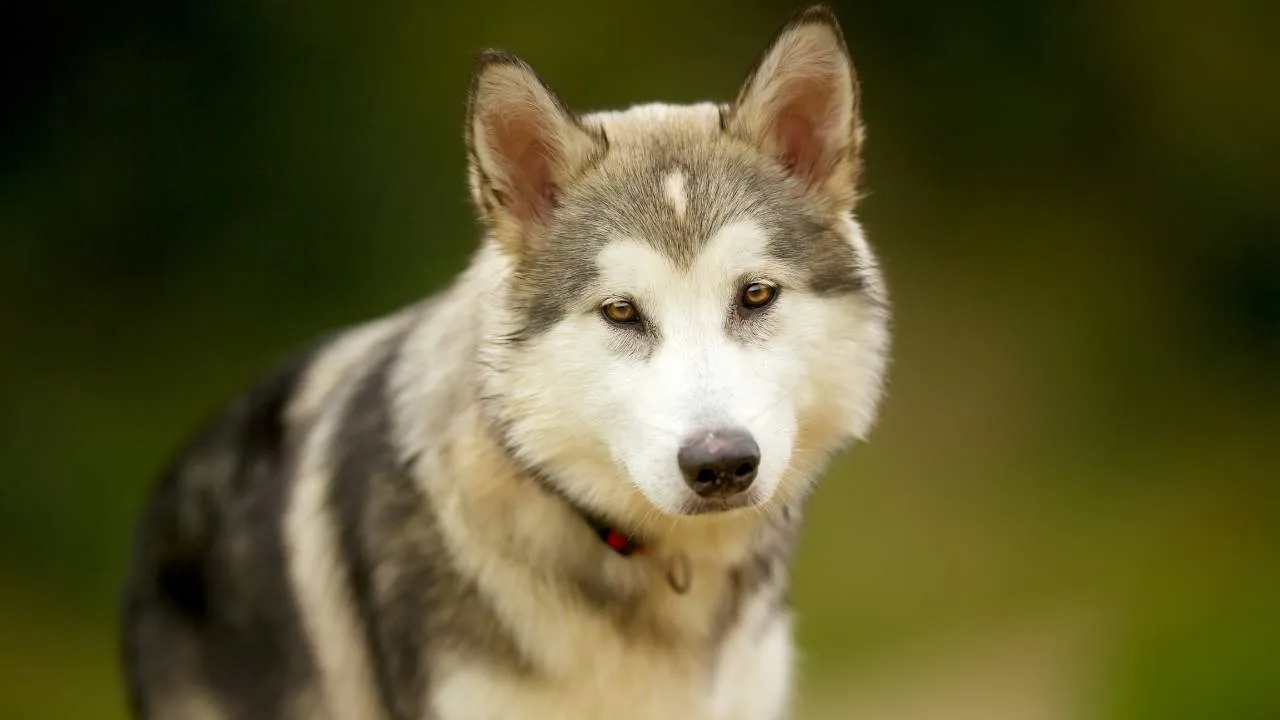
The Alaskan Malamute spreads its affection across the whole household, not just a single favorite face. It greets children and guests alike with the same open, friendly energy. This is a working dog with a social heart, not a guard dog with a chip on its shoulder.
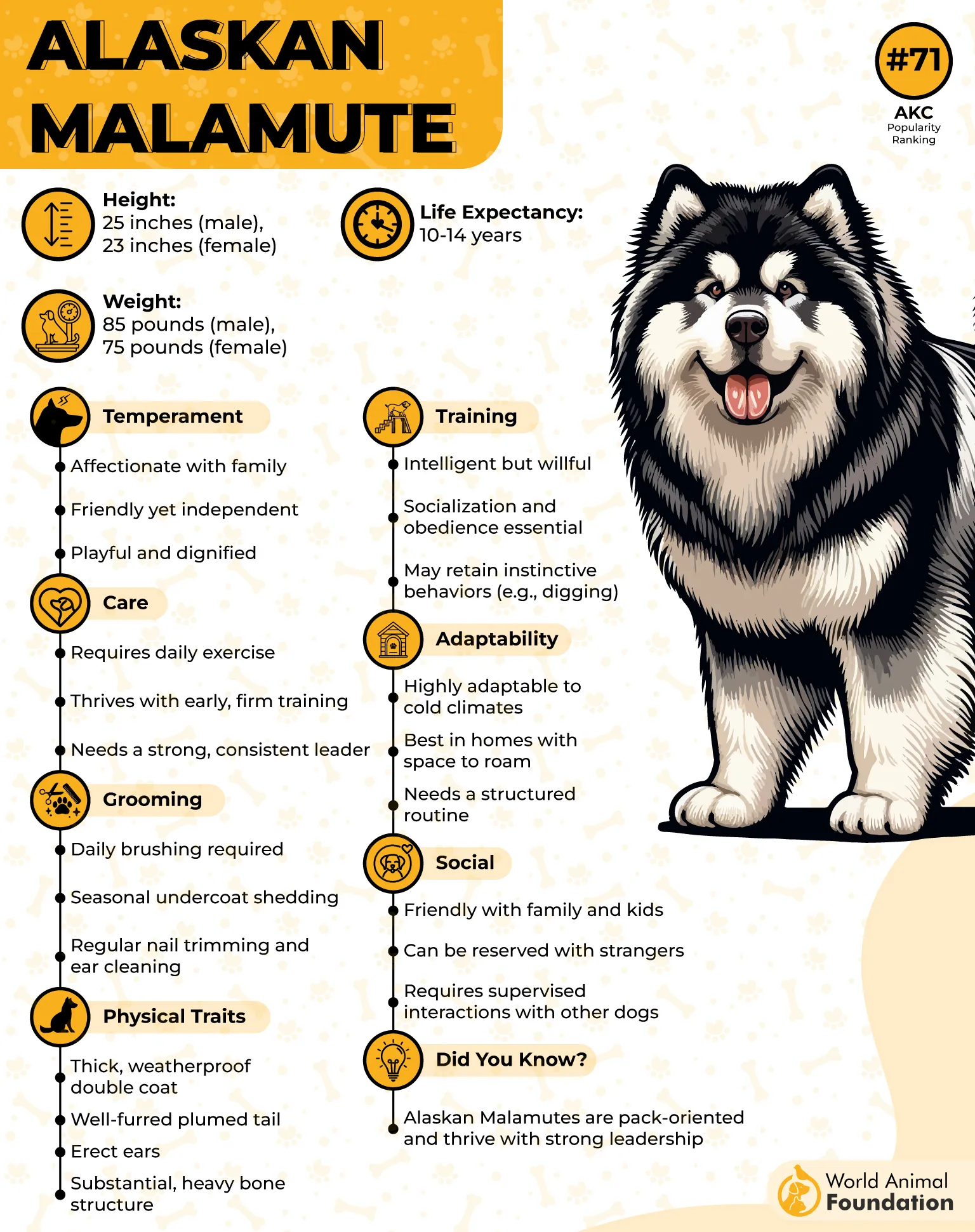
That friendliness runs on serious hauling power. AKC traces the breed back to Arctic sled work, where its broad chest and strong shoulders gave it real pulling ability over long distances in deep snow. Power here means pulling strength, not sprint speed.
Exercise: Match it with an active lifestyle, since intense exercise keeps a Malamute calm.
Outlet: Try sledding, carting, or weight-pulling sports to use that natural pulling instinct.
Supervision: Keep it leashed around small animals, as old prey drive habits can resurface fast.
Without enough exercise, that pulling energy turns into digging, chewing, and general household chaos, and apartment living rarely gives it enough room to burn that off. Malamutes can also be vocal, happy to howl their opinion on everything. Give this breed a job and enough space to move, and it settles into a joyful, loyal companion.
4. Boxer
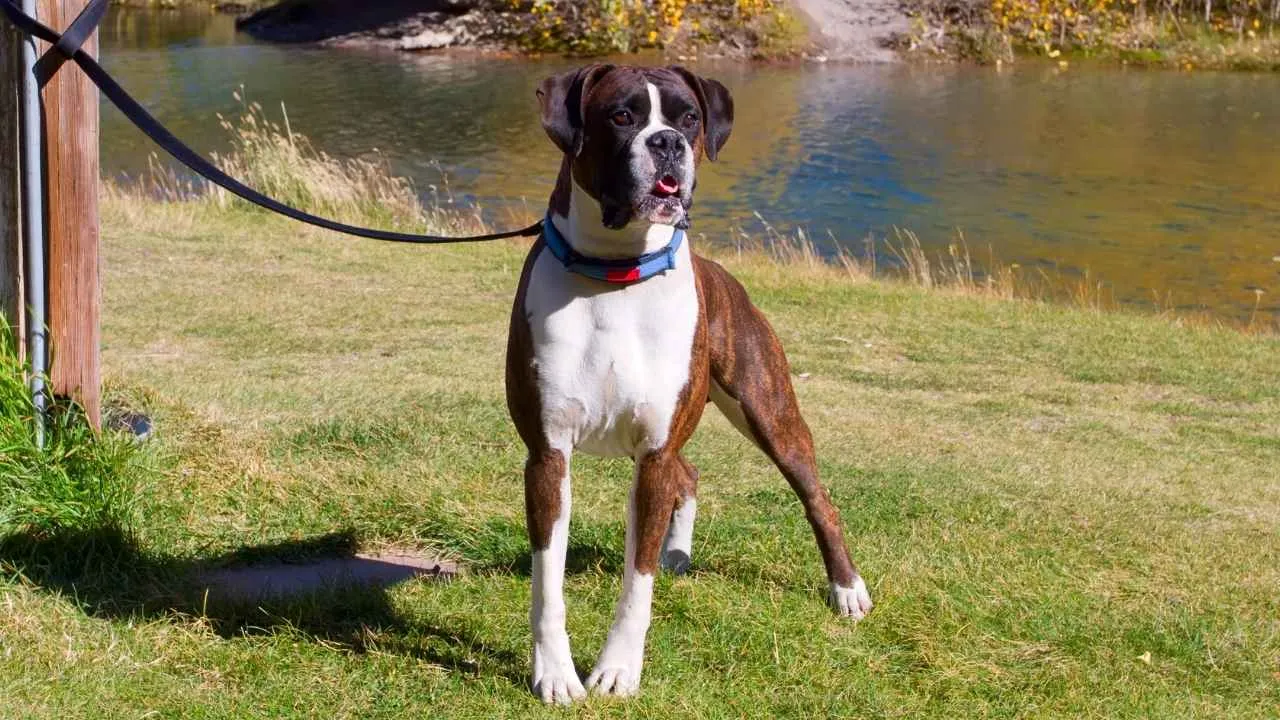
The Boxer treats every family member like its personal best friend, kids included. Its loyalty shows up as playful shadowing rather than quiet watchfulness. This is a breed that would rather make you laugh than make you nervous.
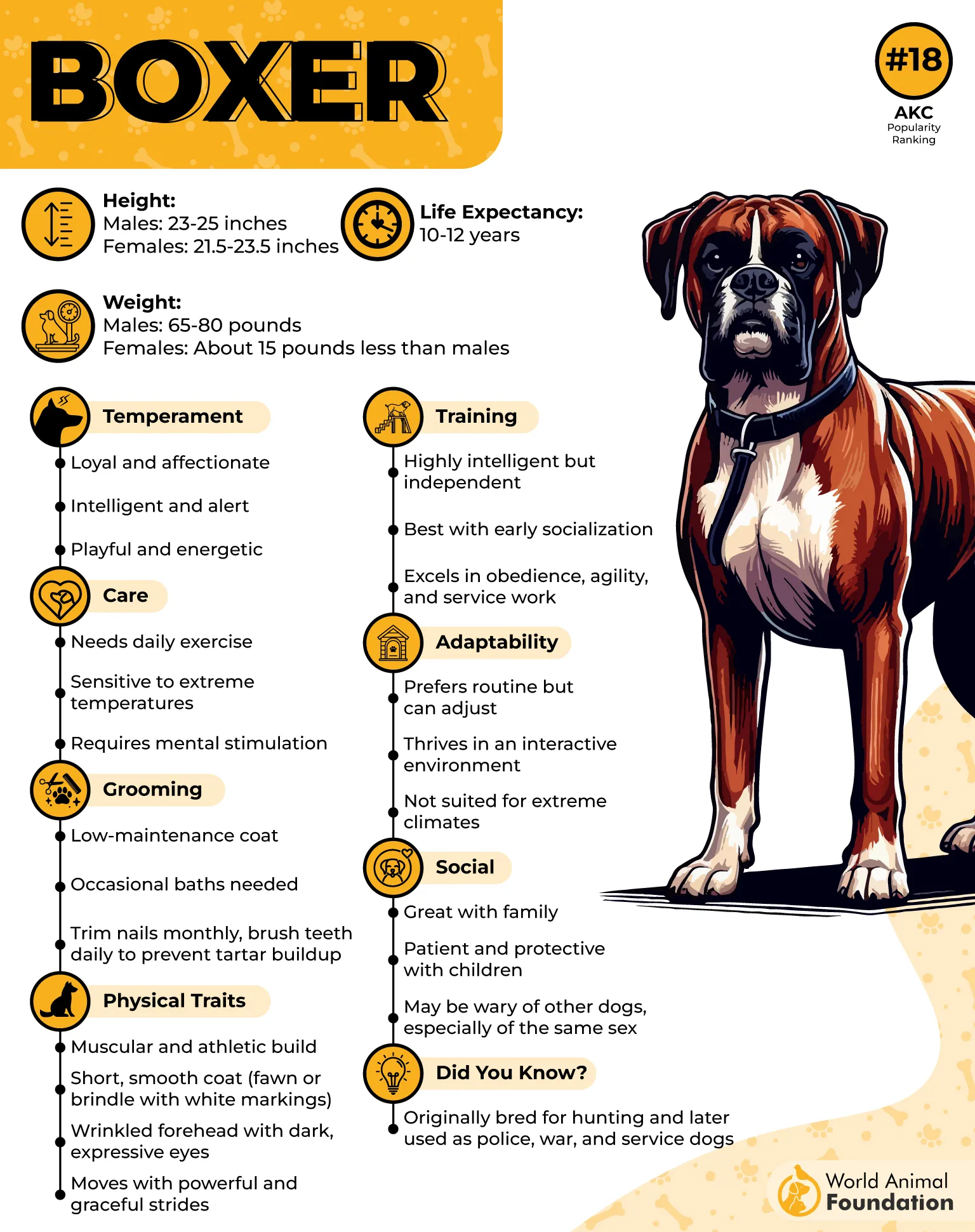
Underneath that goofiness sits genuine athleticism and a muscular body. Boxers were originally bred in Germany to hunt and hold large game like boar, which explains the powerful jaw and springy, agile frame. That same combination later made the breed a natural fit for police and guard work.
Mental work: Add puzzle toys or scent games, since a bored Boxer invents its own, messier games.
Agility: Try agility courses or fetch drills to match its natural bounce and quick reflexes.
Bite inhibition: Teach gentle mouth control early, as that strong jaw needs soft manners around children.
Left under-exercised, a Boxer’s energy turns into jumping, counter-surfing, and general chaos. Its enthusiasm can read as pushy to small children or older adults who are not ready for it. With structure and enough playtime, that same exuberance becomes pure, patient devotion.
5. Black Russian Terrier
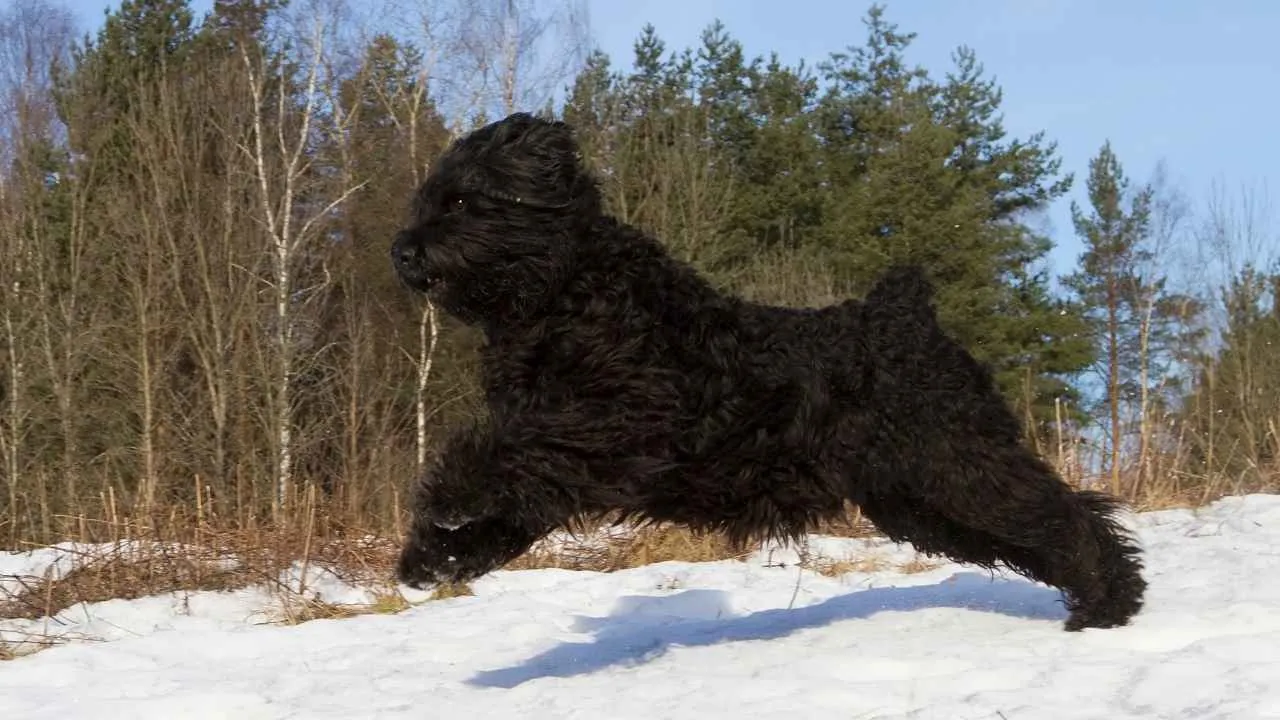
This breed saves its warmth for home and keeps a cool, watchful distance with everyone else. Around family, the Black Russian Terrier is calm and almost gentle, content to just be nearby. Around strangers, that same dog turns quiet, alert, and unreadable.
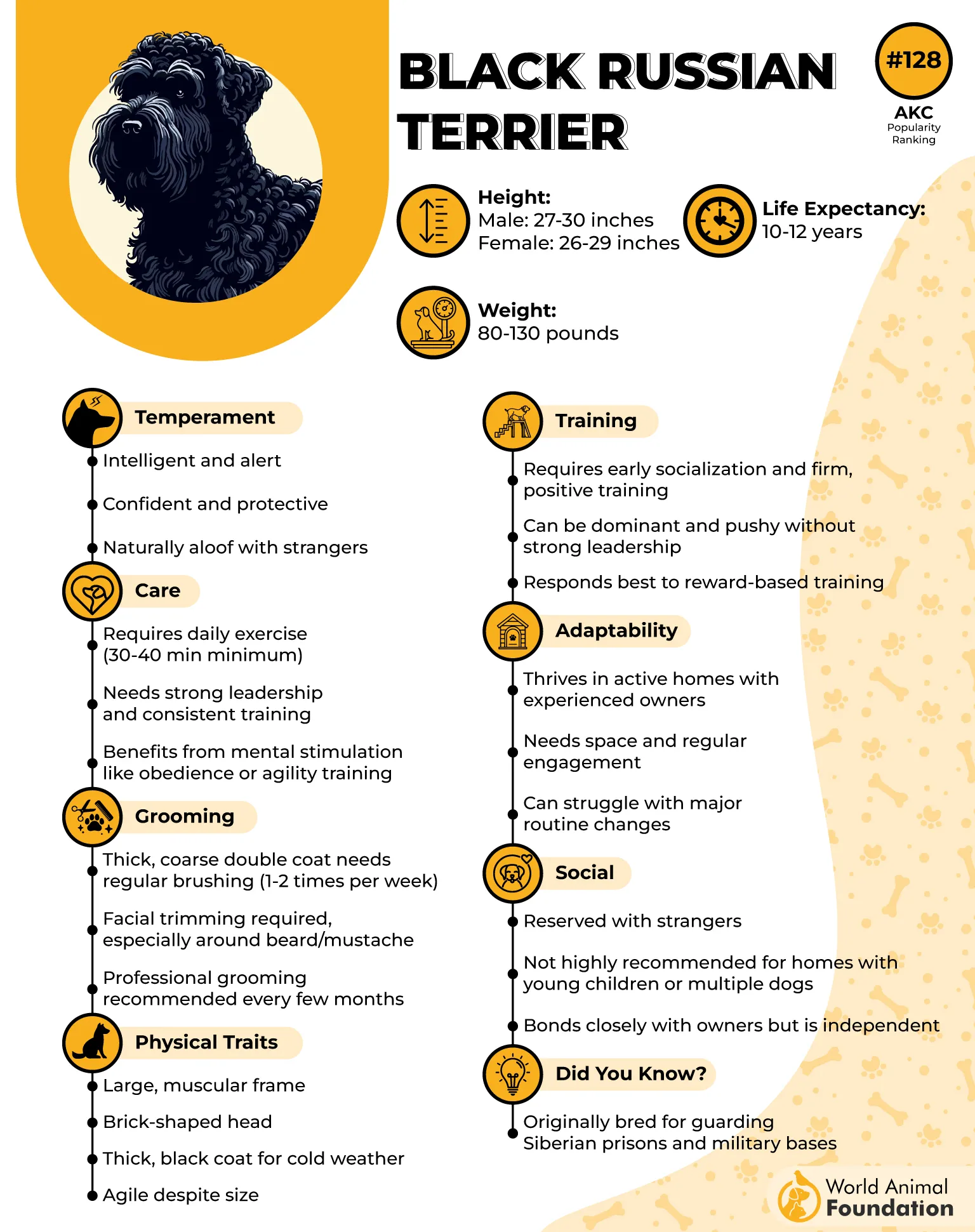
That controlled temperament matches a body built for serious work. VCA notes the breed was developed in the Soviet Union for military and police guarding in harsh climates, which explains its compact, heavily muscled frame and weatherproof coat. Strength here was designed for control, not chasing.

Socialization: Introduce new people and places early, so natural wariness does not turn into real aggression.
Handling: Practice calm leash control, since a dog this strong needs a confident hand, not a nervous one.
Coat care: Brush regularly to manage that dense, weather-resistant double coat.
Without firm, early guidance, that watchfulness can slide into suspicion of nearly everyone. This breed can also turn stubborn without proper training from an experienced owner. Raised with confident, consistent handling, it becomes a calm, reliable protector rather than a difficult one.
6. Bullmastiff
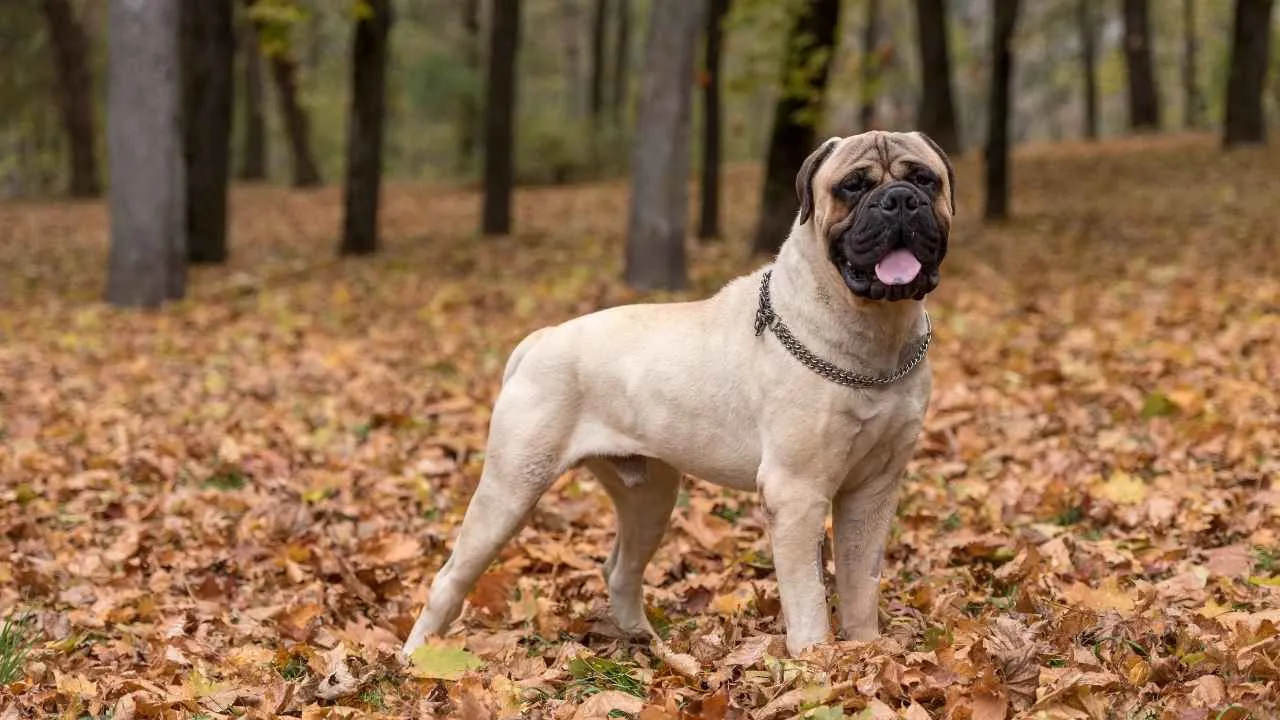
Call the Bullmastiff a gentle giant, and you would not be exaggerating. Around its family, this large dog is patient, affectionate, and remarkably tolerant of kids climbing all over it. Strangers, though, get a long, silent stare rather than a bark.
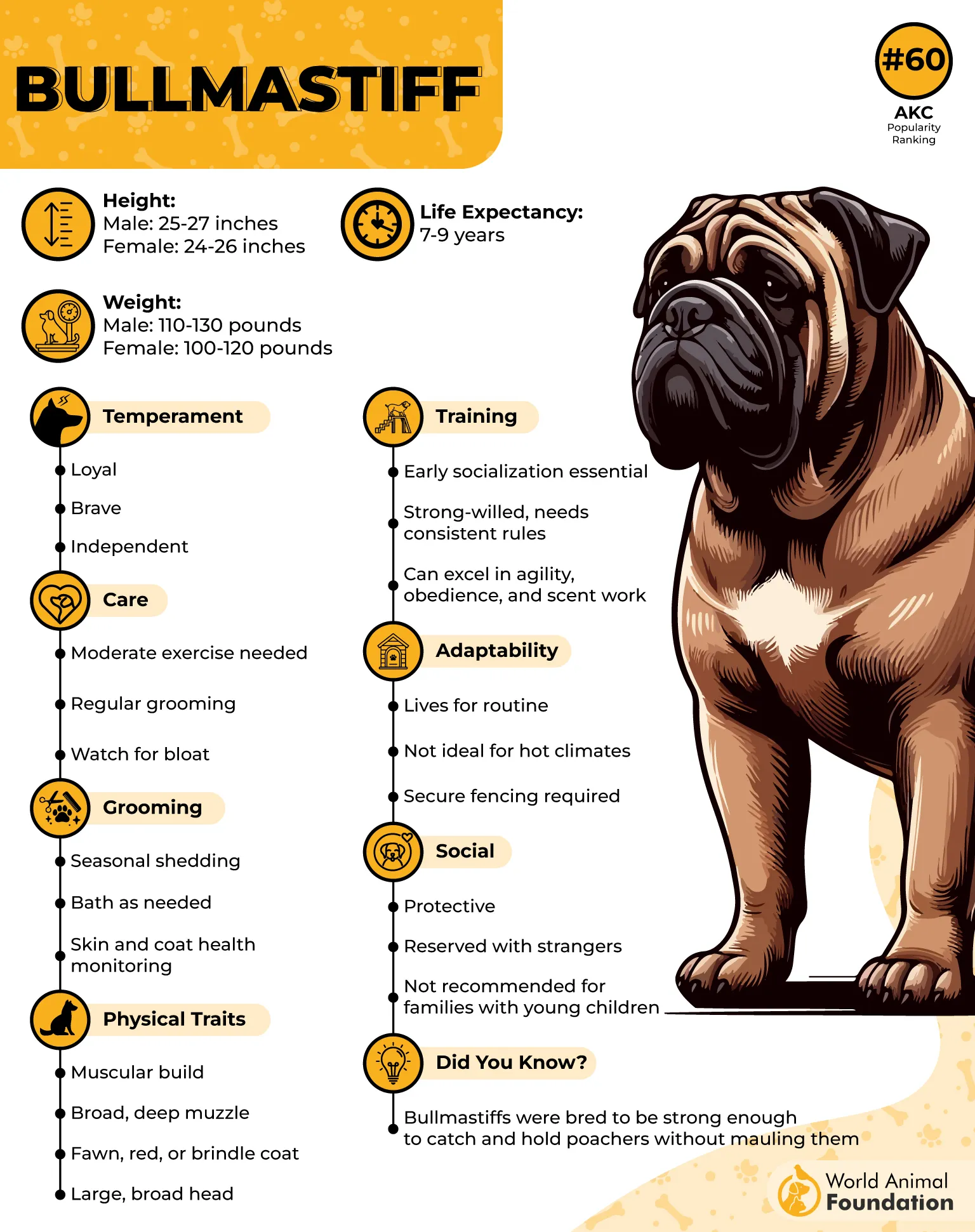
That silence is the point. Gamekeepers originally bred the Bullmastiff to catch and pin poachers without killing them, blending Mastiff power with Bulldog grit into a muscular body built for large size and real holding strength. The job needed a short, overwhelming burst, not speed or stamina.
Training: Use short, reward-based sessions, since food and praise motivate this breed more than firmness alone.
Manners: Teach “off” early, as a friendly lean from this much mass can knock over a child.
Cooling: Limit exercise in hot weather, since that bulk and short muzzle make overheating a real risk.
Without consistent rules, that calm size turns stubborn fast, especially around food or resting space. A Bullmastiff that never learns boundaries can become genuinely difficult to move or redirect. Raised with patience, it stays what it was always meant to be: a quiet, controlled, gentle protector.
7. Doberman Pinscher
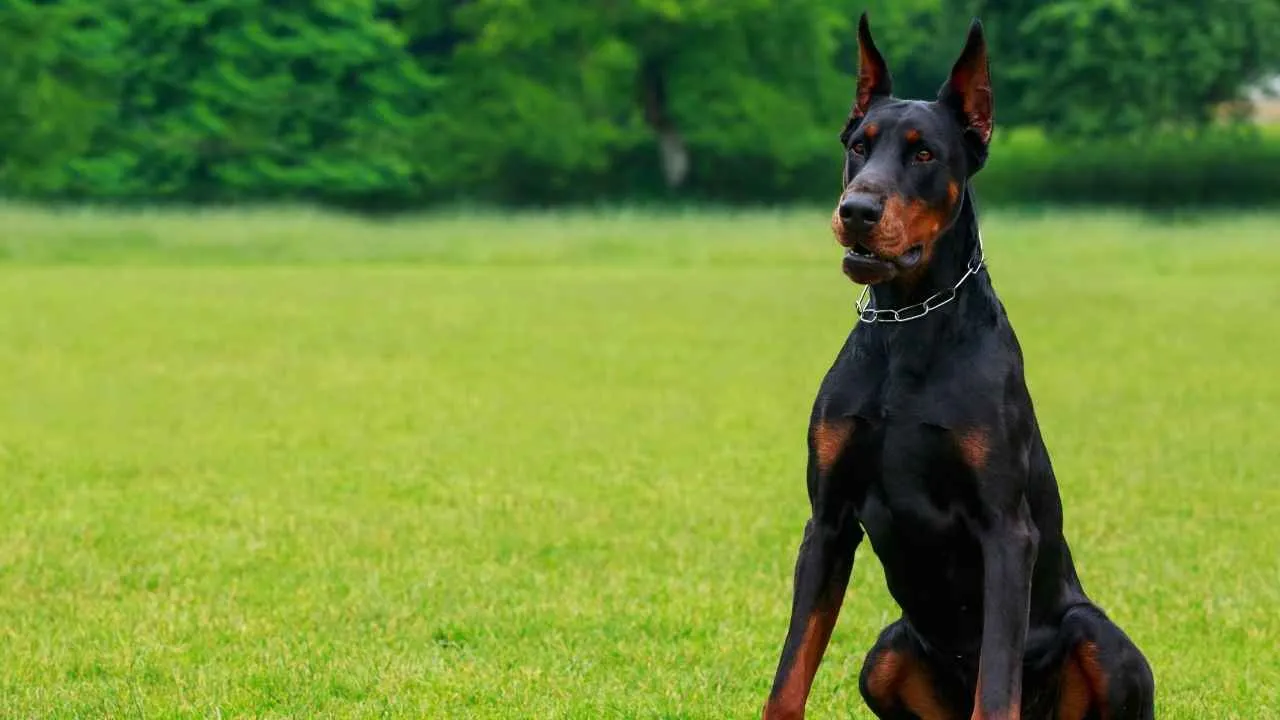
The Doberman Pinscher bonds hard and fast, often becoming a single person’s permanent shadow. It reads emotional tone in a room before anyone has even said a word. Strangers who feel watched by a Doberman are not imagining it.
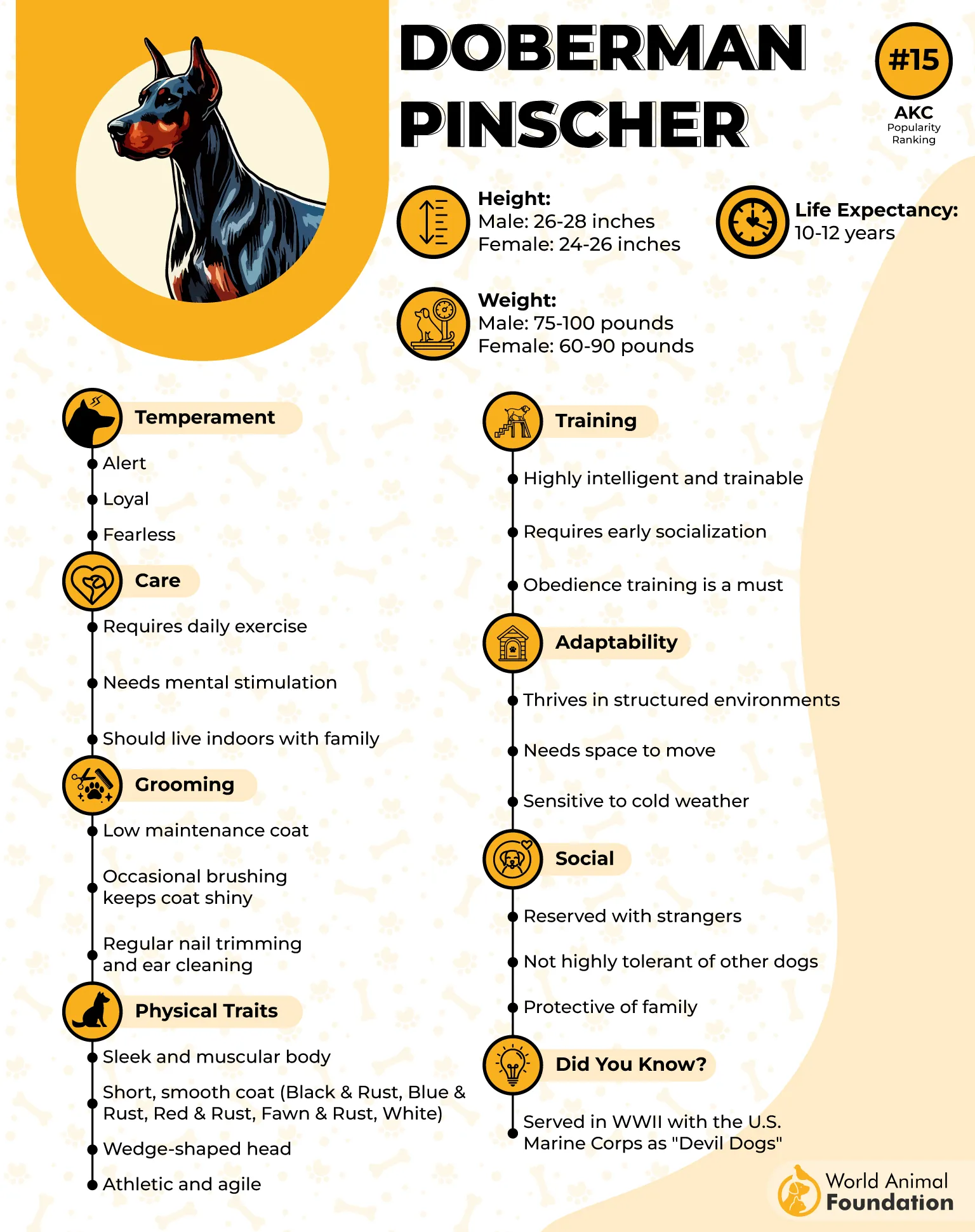
That watchfulness rides on real speed and muscle. PetMD traces the breed back to a German tax collector who needed a lean, powerful protector, and that mix of speed, strength, and precision is exactly why police and military units still use Dobermans today.
Exercise: Combine running with structured obedience work, since this breed needs its body and brain tired together.
Confidence building: Expose it to new sounds and places young, so natural alertness does not become nervous reactivity.
Bonding: Involve it in daily routines, since isolation from its chosen person causes real stress.
Left without socialization, that intense loyalty can turn into anxious clinginess or over-guarding of its favorite person. An under-stimulated Doberman may also become reactive toward strangers out of sheer boredom. Given clear leadership and real mental stimulation, it channels all that focus into calm, confident protection.
8. Dogo Argentino
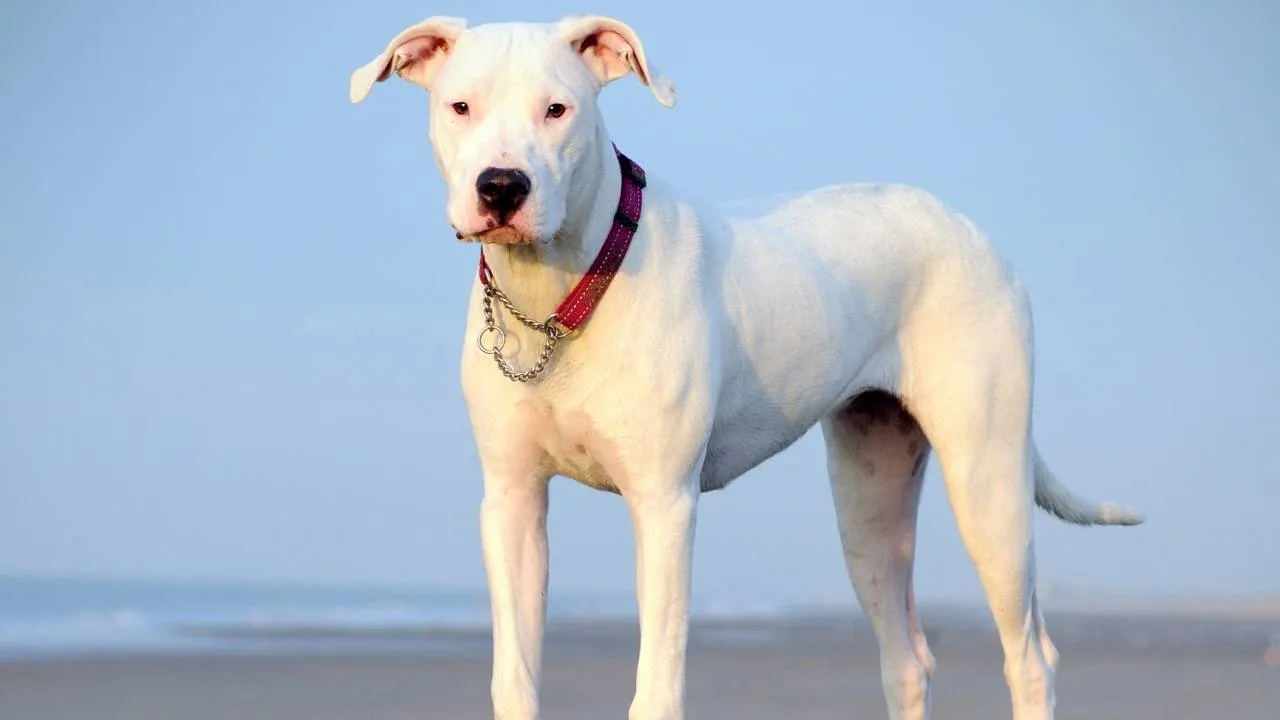
At home, the Dogo Argentino is almost shockingly soft for an animal this powerful. It leans into its favorite humans, follows them room to room, and is famously gentle with the children in its own family. This is a hunting dog that saves its intensity for the field, not the living room.
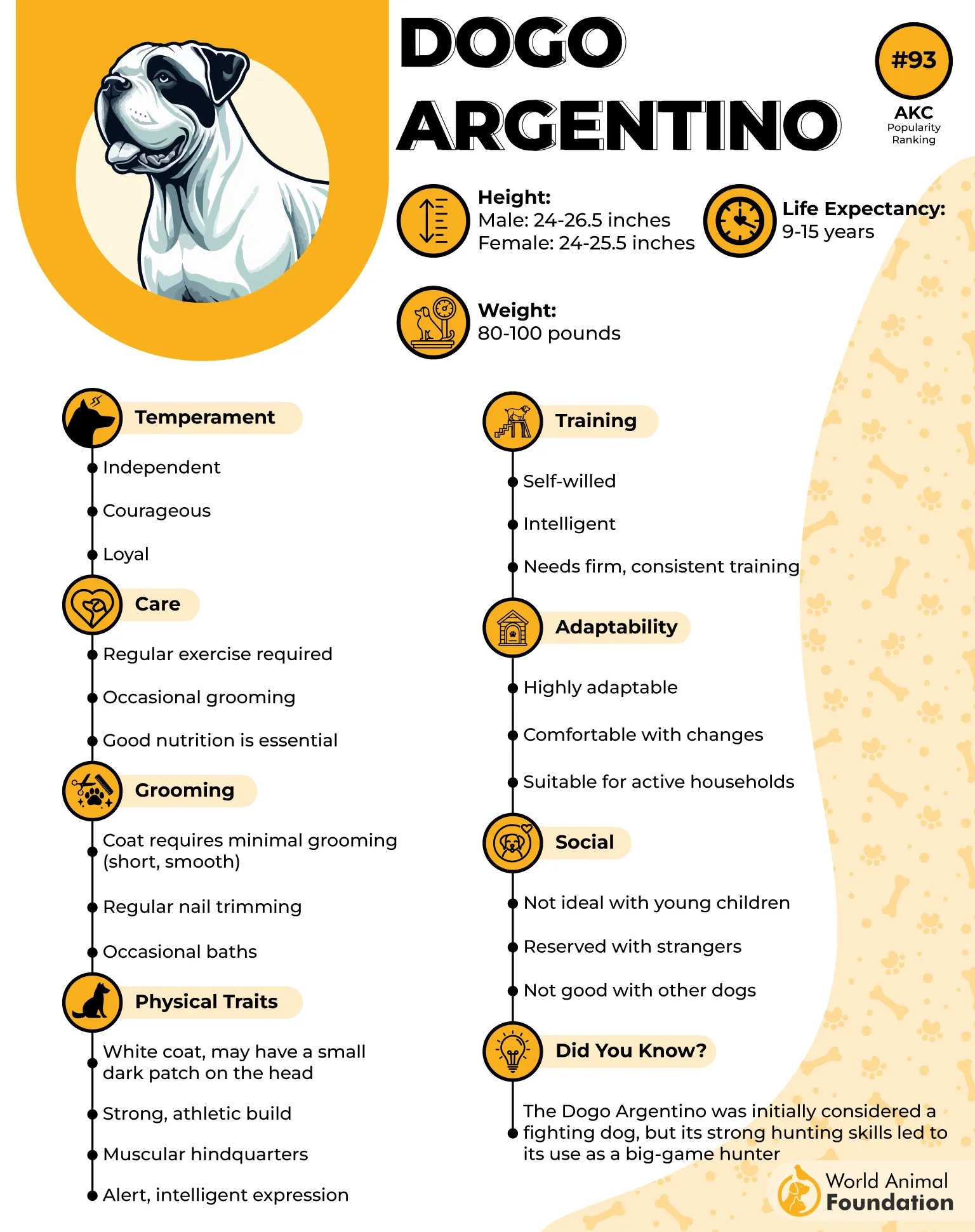
That intensity was built for big-game hunting in packs. Argentine breeders designed the Dogo Argentino to chase down wild boar and puma across open country, pairing an all-white, muscular frame with the agility and stamina needed for a long chase. Strength and endurance had to work together, not separately.
Socialization: Introduce it to other dogs carefully, since same-sex tension can surface without early practice.
Outlet: Give it long runs or scent work to satisfy that strong hunting drive safely.
Recall training: Practice off-leash recall in secure areas, as prey drive can override instructions fast.
Without an experienced handler, that almost unstoppable hunting instinct can turn into real trouble around small animals or unfamiliar dogs, feeding this often misunderstood breed’s tough reputation.
Its raw strength also means poor leash manners become a genuine safety issue, not just annoyance. Properly trained and exercised, this breed stays what it is at home: incredibly gentle.
9. Cane Corso
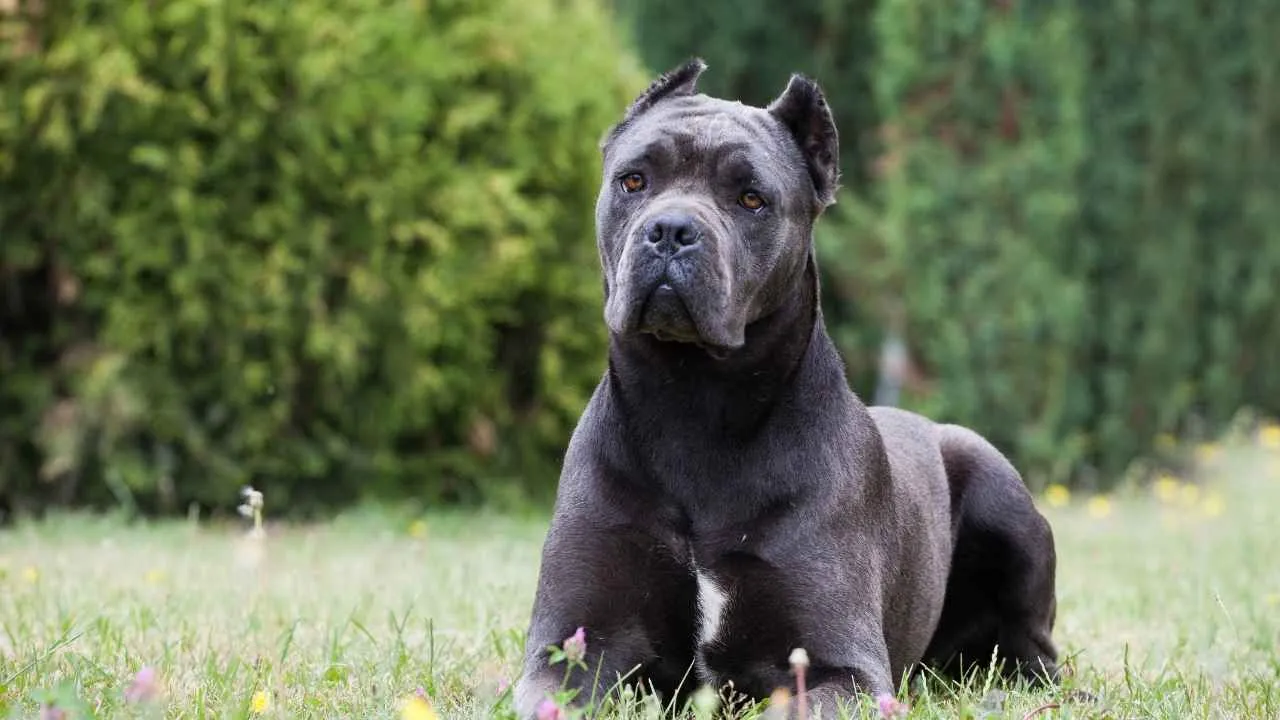
The Cane Corso guards with a calm demeanor rather than constant noise. At home, it stays relaxed, affectionate, and genuinely tuned in to its family’s mood. Outside the home, it tends to size up a situation before reacting at all.
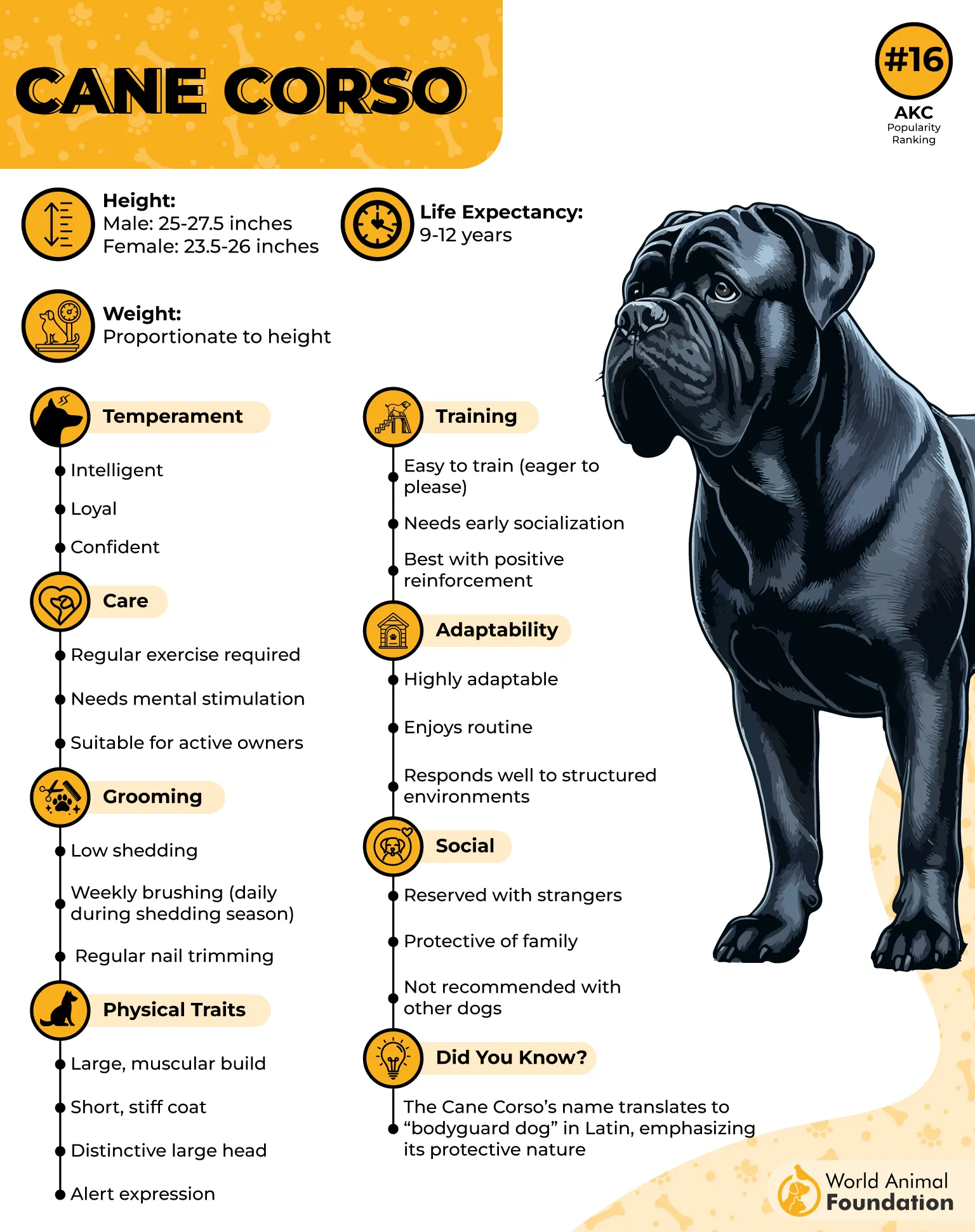
That calm judgment comes from centuries of farm guarding work. Royal Canin links the Cane Corso back to old Italian guardian dogs used to protect property and drive livestock, which built a dense, muscular frame suited to both patrol and physical labor. Power and purpose have always gone together here.
Leadership: Set clear, consistent rules from puppyhood, since this breed naturally tests a soft owner.
Socialization: Introduce it widely to people and settings young, to balance its protective instincts with good judgment.
Structure: Give it a daily task, like carrying gear on walks, to use that working mindset.
Without firm guidance, a Cane Corso’s confidence can tip into stubborn dominance over its owner. Its size alone makes poor training a real safety concern for visitors and other animals. Raised with structure and patience, it becomes one of the most balanced, trustworthy guardians on this list.
Conclusion
Picking from this list is less about size and more about matching real need to real temperament. Decide what kind of work, determination, and loyalty you actually want from a dog, and the right match becomes obvious fast.
Owning a dog built for serious labor and serious devotion takes real commitment, patience, and the confidence to lead, but the payoff is a loyal, capable partner for life. If you’re ready to find yours, scroll back through the list and pick the build, temperament, and personality that actually fits your world.
