




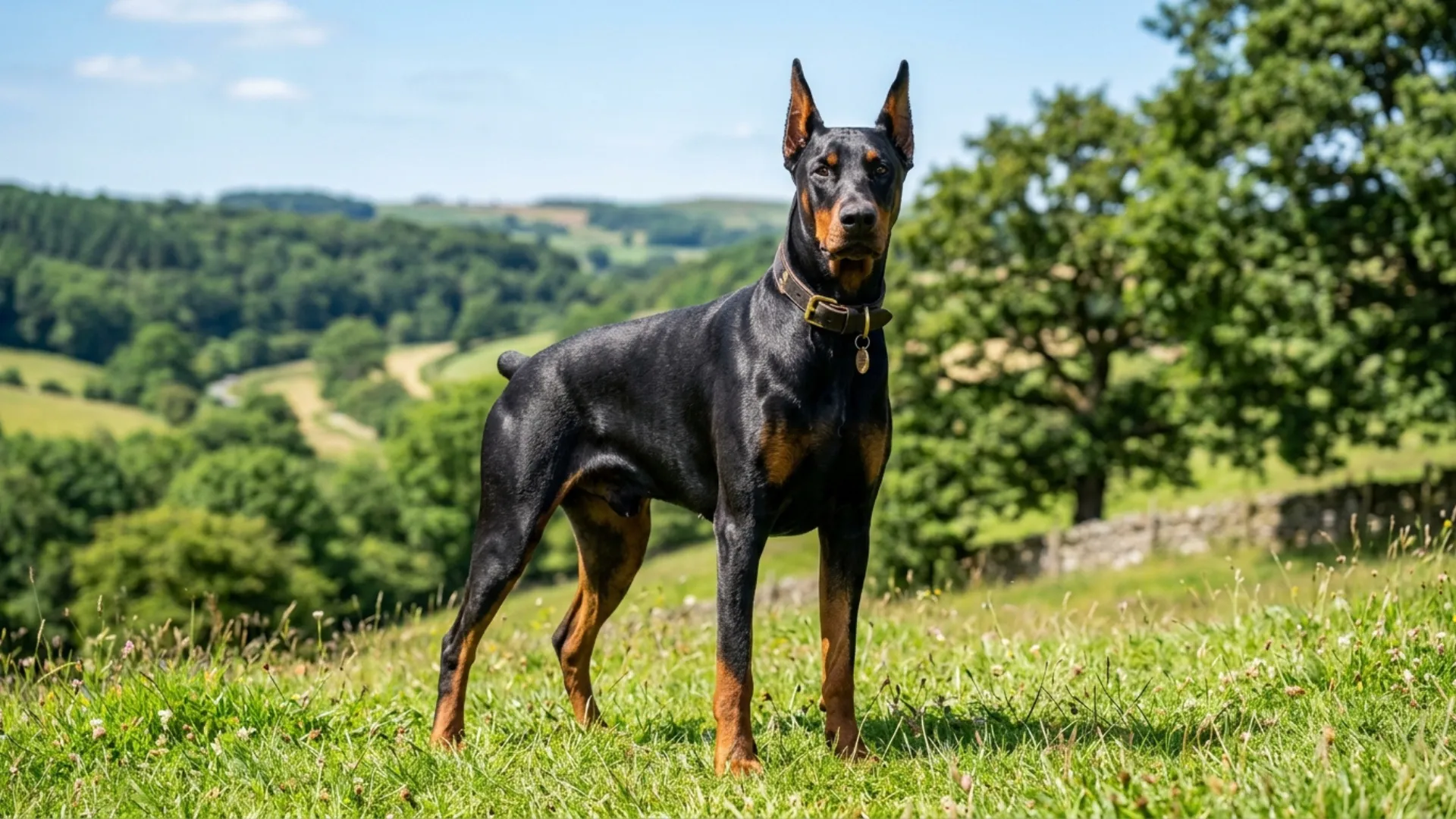
If you’re the kind of person who loves dogs that don’t just sit pretty but actually radiate strength, loyalty, and confidence, you’re in the right place. From the snow-clad regions of Japan to the sunny savannahs of Africa, these breeds were crafted by history to guard, hunt, and bond fiercely with humans.
Guard dogs aren’t just about muscle—they’re about brains, instincts, and emotional intelligence. They’re basically a living action figure, smart enough to solve puzzles, athletic enough to run all day, and loyal enough to always check in with you like a devoted sidekick.
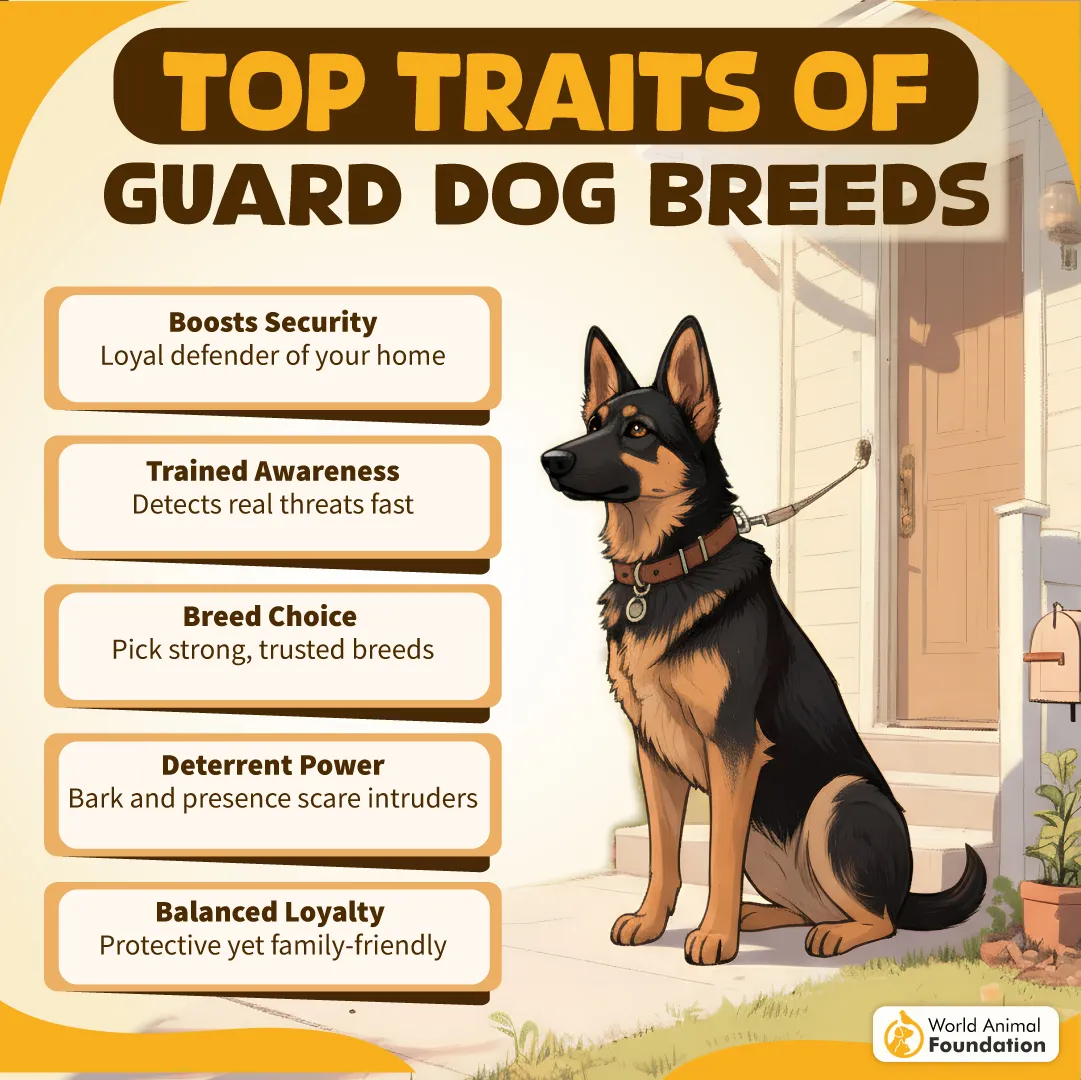
Choosing a guard dog breed with natural guarding instincts isn’t just about picking a breed with a big bark or big muscles—it’s about matching energy, training needs, and personality with your lifestyle. Socialization, consistent training, and mental challenges are key to getting a loyal, well-mannered companion.
This guide dives deep into the history, traits, training tips, and real-owner insights for incredible breeds that can protect, play, and stick by your side no matter what.
Powerful Dog Breeds With a Natural Guard Instinct
1. Akita
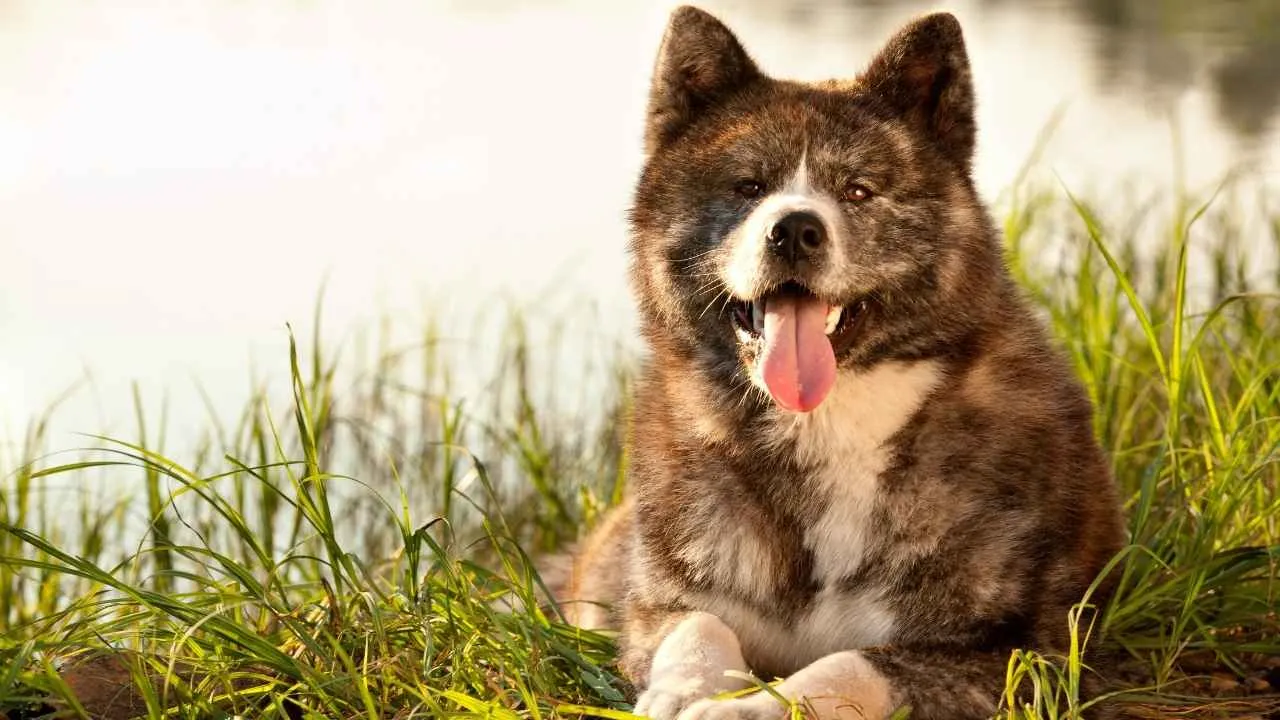
Akitas are large, muscular dogs originally bred in northern Japan for hunting and guarding nobility. Their thick double coat keeps them warm in snowy climates, but it also means they shed heavily, requiring diligent grooming.
These dogs are naturally protective, says Britannica, making them excellent family guardians while remaining calm and confident in most situations.
Despite their aloofness with strangers, these great guard dogs are deeply loyal to their family members. They often form strong bonds with one or two humans and will follow them from room to room like a shadow. This intense loyalty makes them intuitive companions who sense when their loved ones are in distress.
Akitas have a unique “cat-like” independence that sets them apart from other breeds. They are self-grooming, quiet, and selective about showing affection, making them low-maintenance in terms of personal care but high-maintenance in emotional attention.
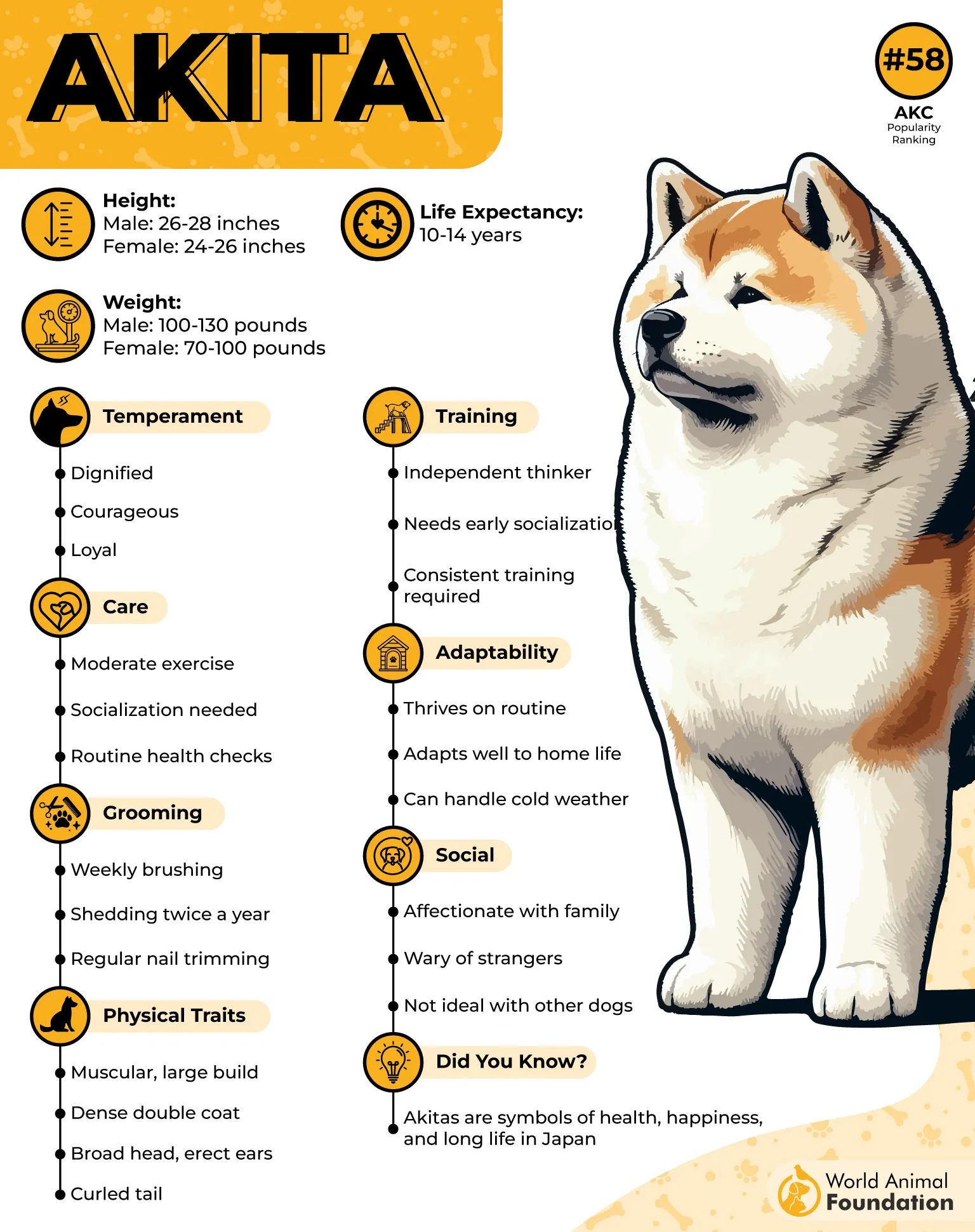
Exercise is crucial for Akitas to stay healthy and happy. Long walks, play sessions, and mental enrichment keep their strong muscles in shape while preventing boredom. Their dense coats make hot weather dangerous, so exercise should be scheduled during cooler parts of the day, and owners often invest in cooling jackets or shaded outdoor spaces.
They transitioned from hunting companions to guardians of households, maintaining their watchful nature and protective instincts.
2. Doberman Pinscher
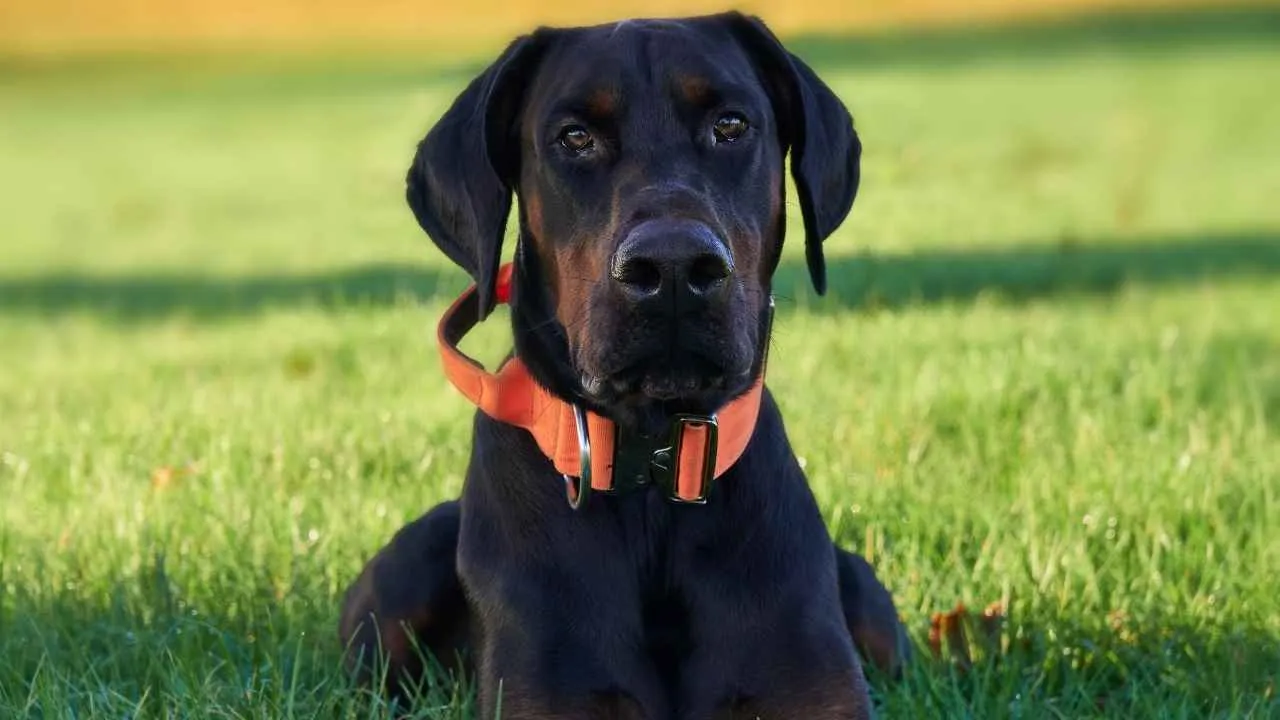
Dobermans are sleek, fast, and agile, blending elegance with raw strength. They have an innate protective instinct that makes them exceptional guardians while maintaining discretion in assessing threats.
Despite their intimidating appearance, Dobermans are affectionate, gentle with children, and form deep emotional bonds with their family members.
Training and mental stimulation are critical for Dobermans. They thrive on activities such as obedience drills, agility courses, and interactive puzzle toys that challenge both their brains and bodies.
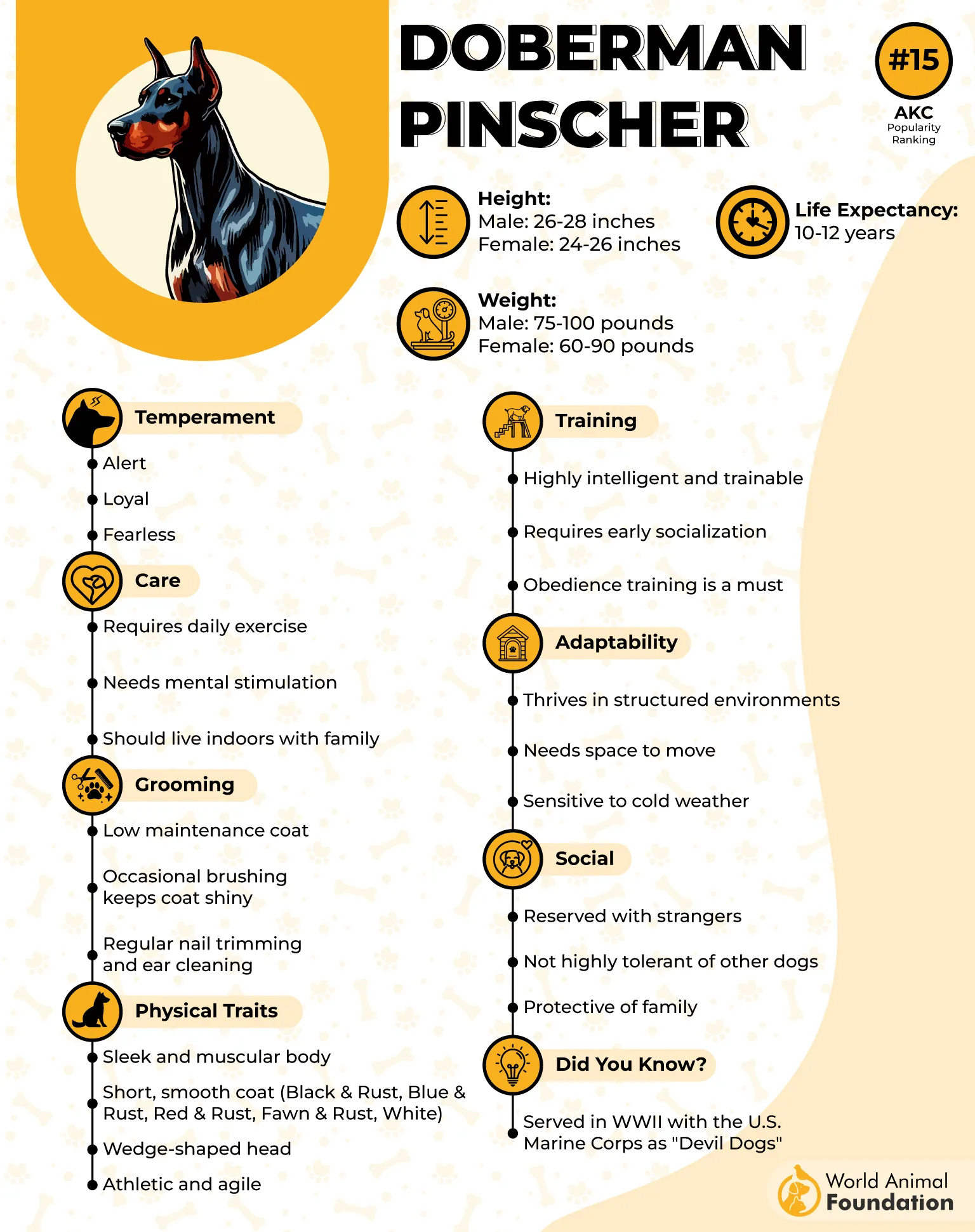
The breed’s history reflects its protective abilities and work ethic. Originally bred in Germany as personal protection dogs, they were designed to be loyal, fearless, and intelligent. Modern Dobermans have retained these instincts, but responsible breeding has also emphasized temperament, ensuring that today’s dogs are stable, friendly, and reliable guardians.
Socialization from a young age is essential for Dobermans. Exposure to children, other animals, and various environments helps them develop confidence and reduces unnecessary aggression.
They are often called “Velcro dogs” because of their strong attachment to their humans. They will happily follow their favorite family member throughout the house, alert to changes in their environment. DPCA says that with consistent training, structured exercise, and affectionate attention, they excel as both family pets and guardians.
3. German Shepherd
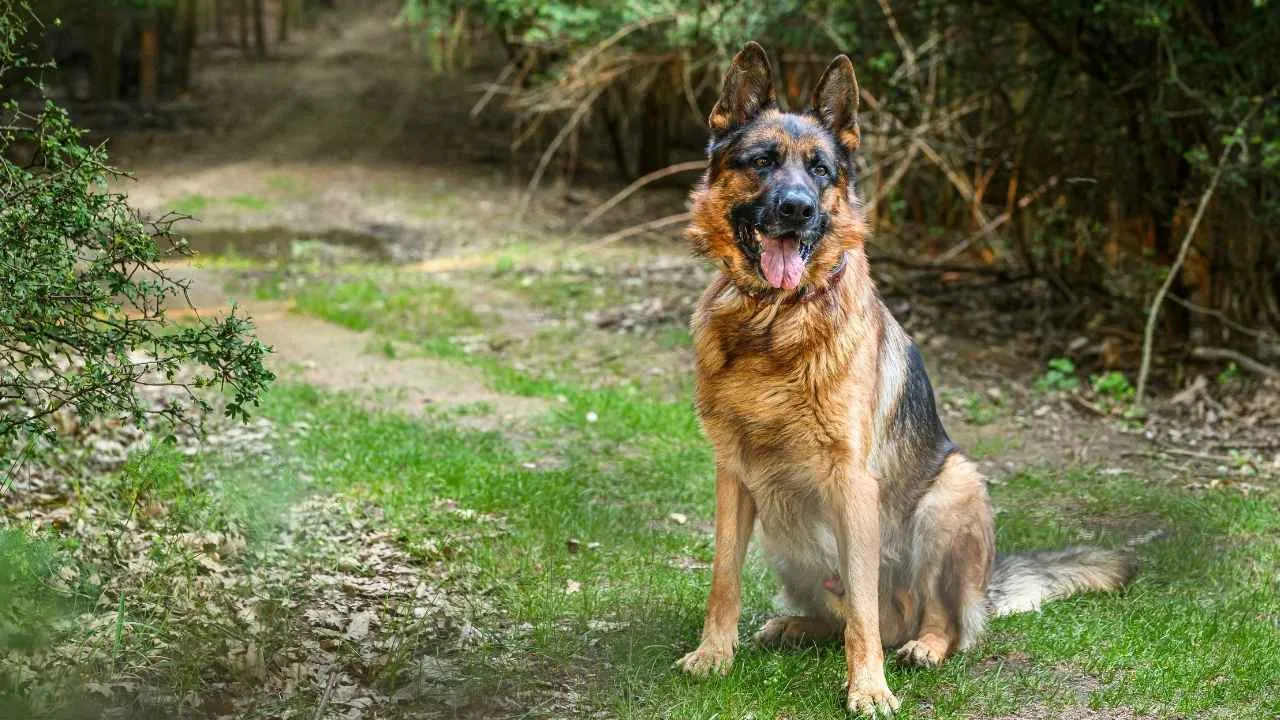
German Shepherds are large, agile dogs bred to work closely with humans in challenging situations. Their intelligence, loyalty, and protective instincts make them top choices for police, military, and service work.
German Shepherds excel at assessing threats, guarding their families, and performing complex tasks with minimal direction.
Despite their serious work ethic, German Shepherds also have a playful side. They enjoy interactive games, long walks, and mental challenges, which help balance their protective instincts with social and emotional development.
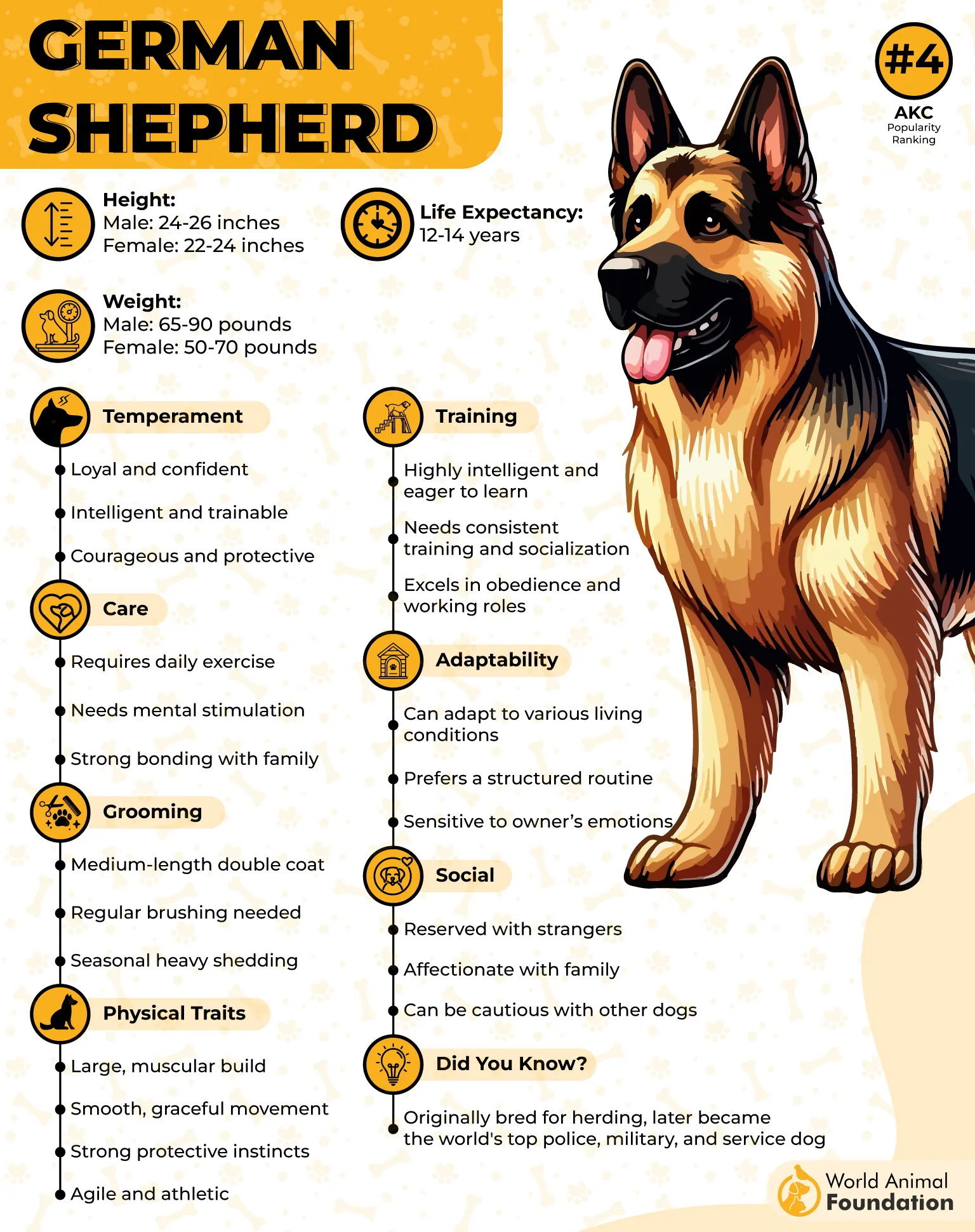
The Royal Kennel Club describes them as “work hard, play hard” companions who are equally alert during family movie night.
Socialization is vital for German Shepherds. Puppies exposed to children, pets, and strangers develop into well-rounded adults capable of distinguishing between friend and foe. Lack of early socialization can lead to anxiety or overprotective behaviors, so structured introductions and positive reinforcement are essential.
German Shepherds are athletic and energetic, requiring regular exercise to maintain their physical and mental health. Activities like agility, tracking, and fetch help burn off excess energy while strengthening the bond with their owners.
Their natural gait is efficient and powerful, giving them endurance for long patrols or active family outings.
4. Rottweiler
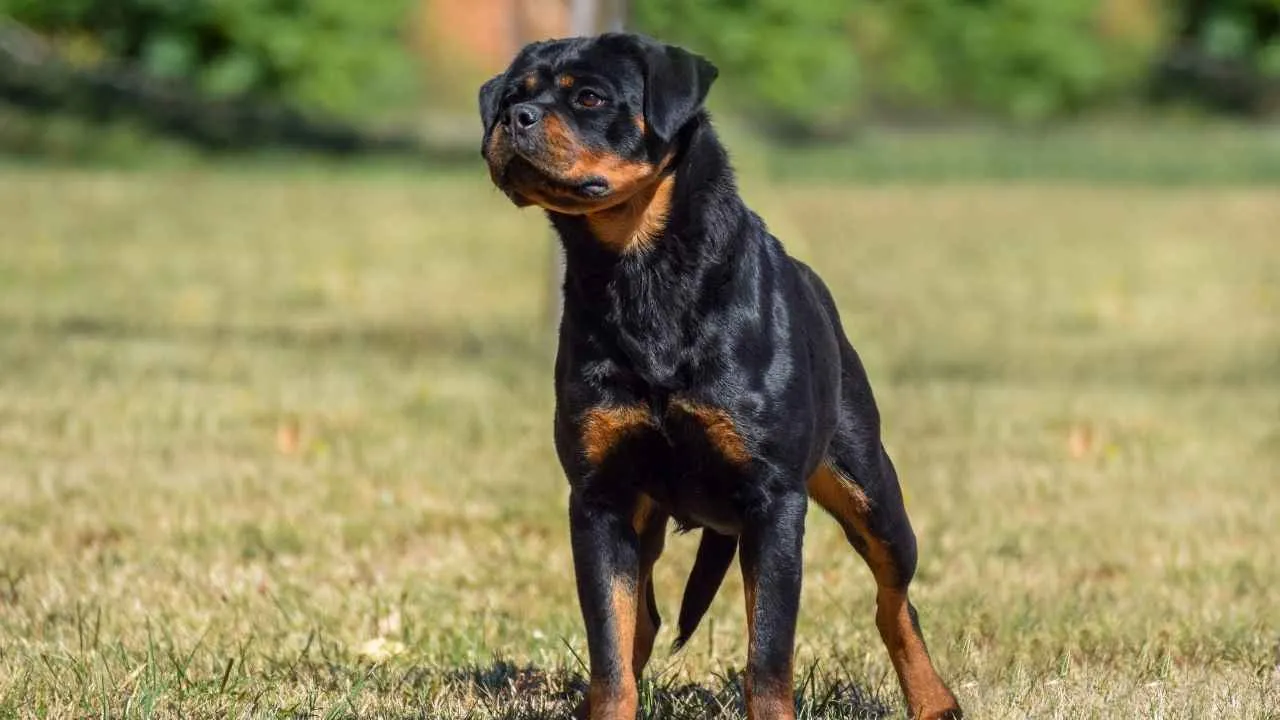
Rottweilers are large, powerful dogs with a strong, muscular build that exudes confidence. Originally bred in Germany as herding dogs, they were tasked with driving cattle to market and protecting livestock.
Their natural guarding instincts make them excellent watchdogs, while their intelligence allows them to adapt to family life with proper socialization.
Early training is essential for Rottweilers to reach their full potential. They respond exceptionally well to positive reinforcement methods such as treats, praise, and interactive games.
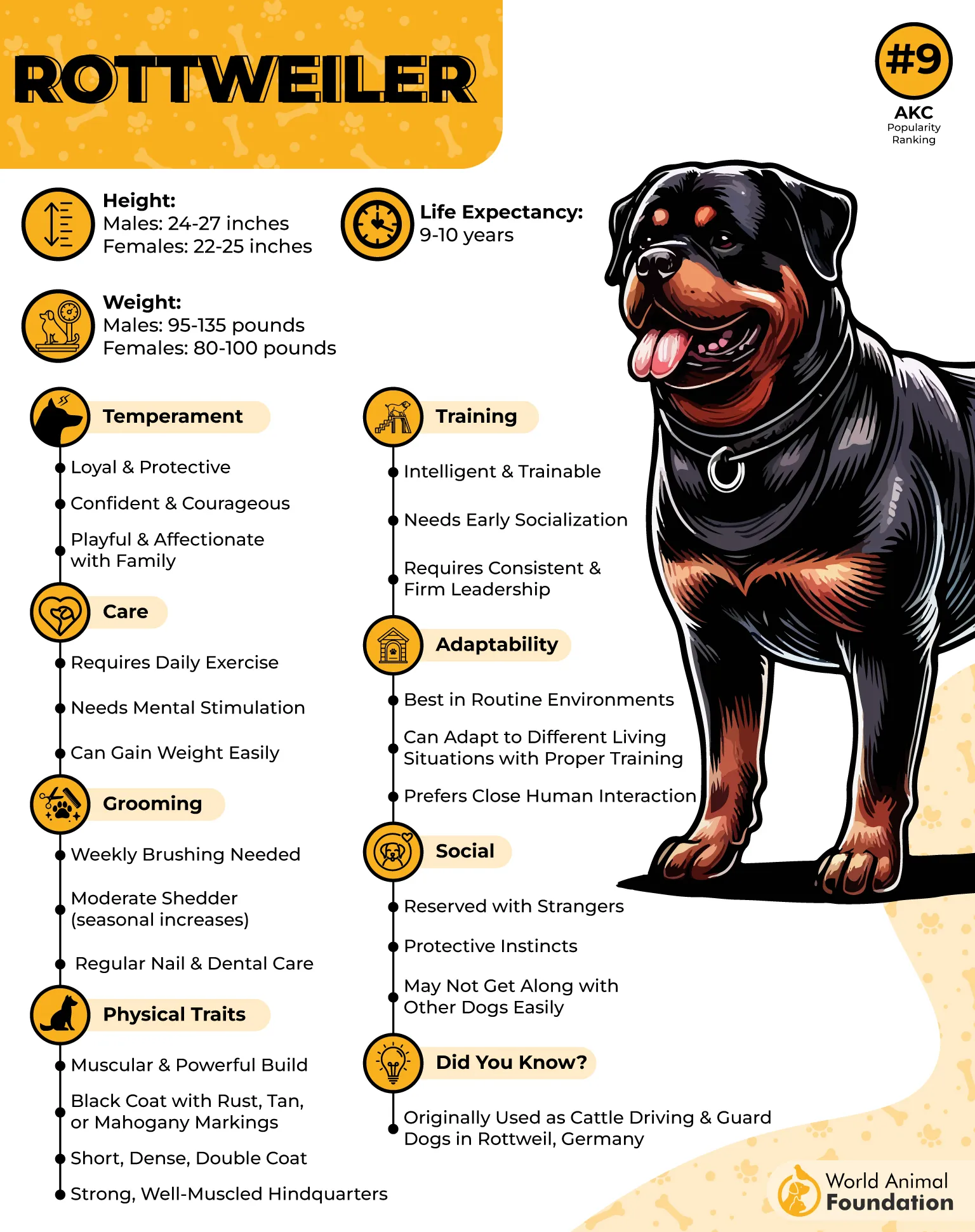
They are extremely loyal to their families. They often form deep bonds with one or two primary caregivers and can sense emotional states, offering calm and comfort when needed. Despite their strength, they have a gentle side, often described by owners as “giant lapdogs” who love snuggling when at rest.
Because of their guarding instincts, they require early and ongoing socialization. Exposure to other animals, people, and different environments helps them distinguish between real threats and harmless situations.
Health-wise, Rottweilers are generally robust but are prone to hip and elbow dysplasia, heart conditions, and obesity if under-exercised. Long walks, strength-building exercises, and interactive play keep them physically and mentally sharp.
5. Giant Schnauzer
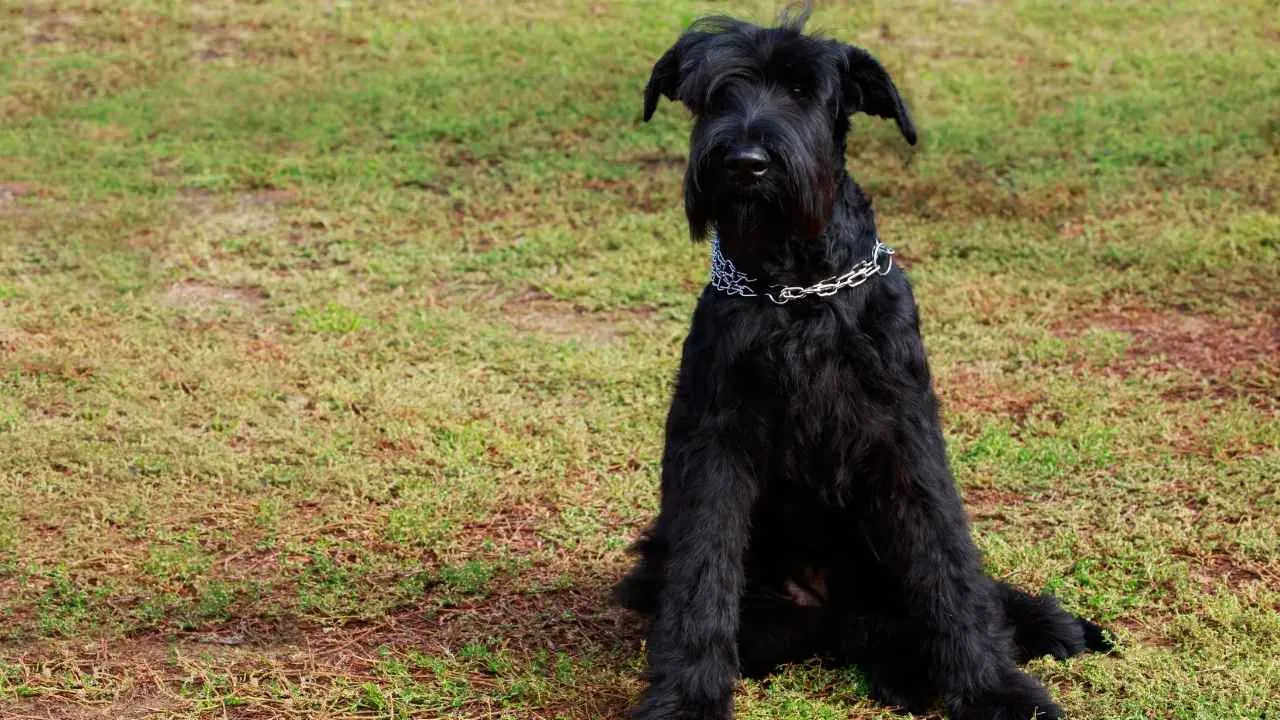
Giant Schnauzers are imposing, muscular dogs with a square-shaped build, strong muzzles, and signature bushy eyebrows and beards.
Originating in Germany, they were bred to drive cattle, guard properties, and work alongside butchers in urban settings. Today, their intelligence, loyalty, and protective instincts make them excellent family guardians and working dogs.
These dogs thrive on mental stimulation as much as physical exercise. Puzzle toys, obedience drills, and scent work keep their minds engaged and prevent boredom.
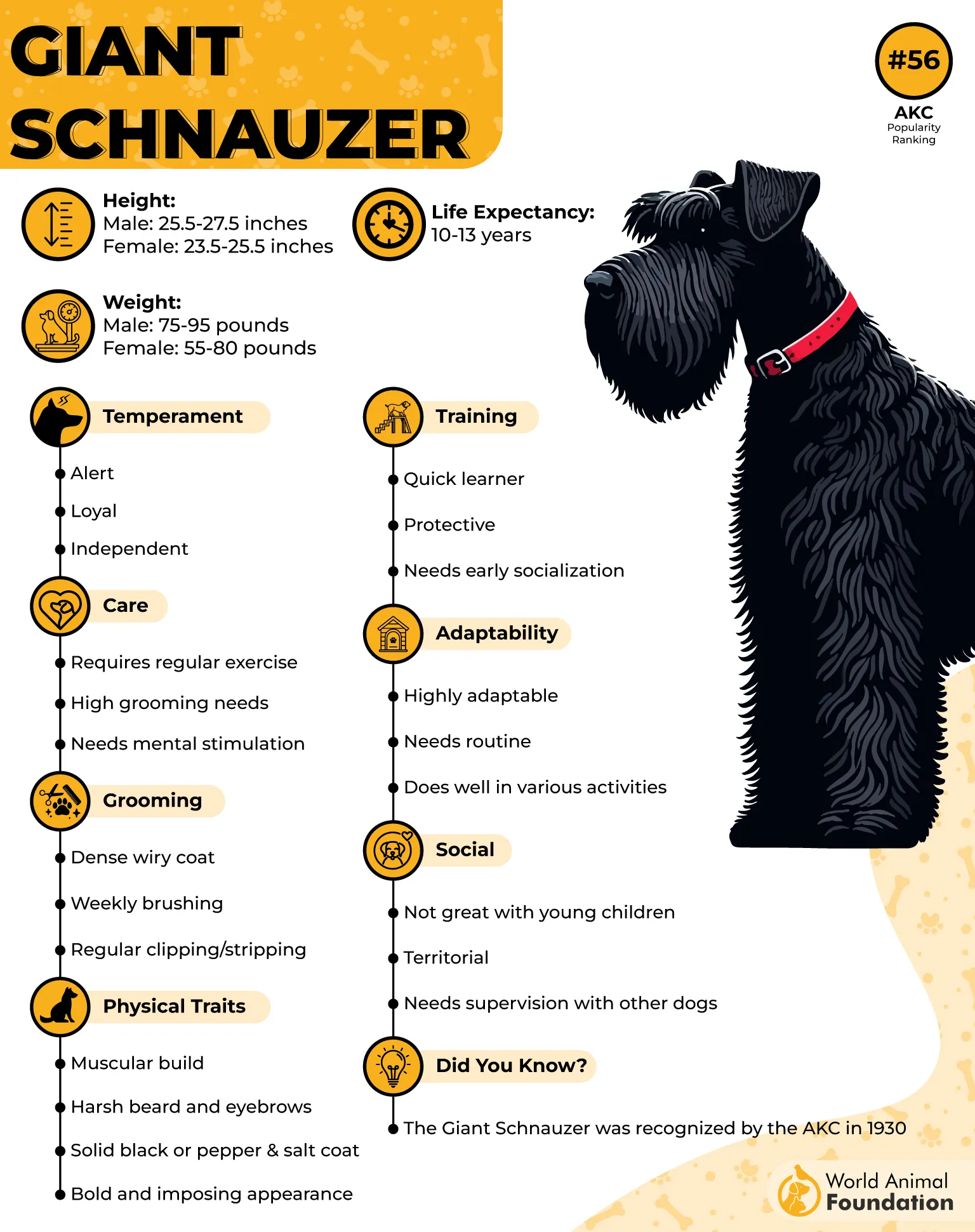
Giant Schnauzers require early socialization to develop balanced behavior. Positive exposure to strangers, children, and other pets ensures they grow up confident rather than overprotective. Many owners note that without socialization, their Schnauzers can become territorial, so structured introductions and ongoing training are crucial.
Training a Giant Schnauzer is rewarding due to their intelligence and eagerness to please. Consistency and clear communication are key, as these dogs are quick learners but sensitive to harsh correction. Fun, reward-based methods like agility courses or advanced obedience keep them motivated and happy.
They are strong, compact, and athletic, excelling in roles such as police work, search-and-rescue, and protection. Their loyalty and watchfulness make them excellent guardians, while their playful, affectionate nature endears them to families.
6. Cane Corso
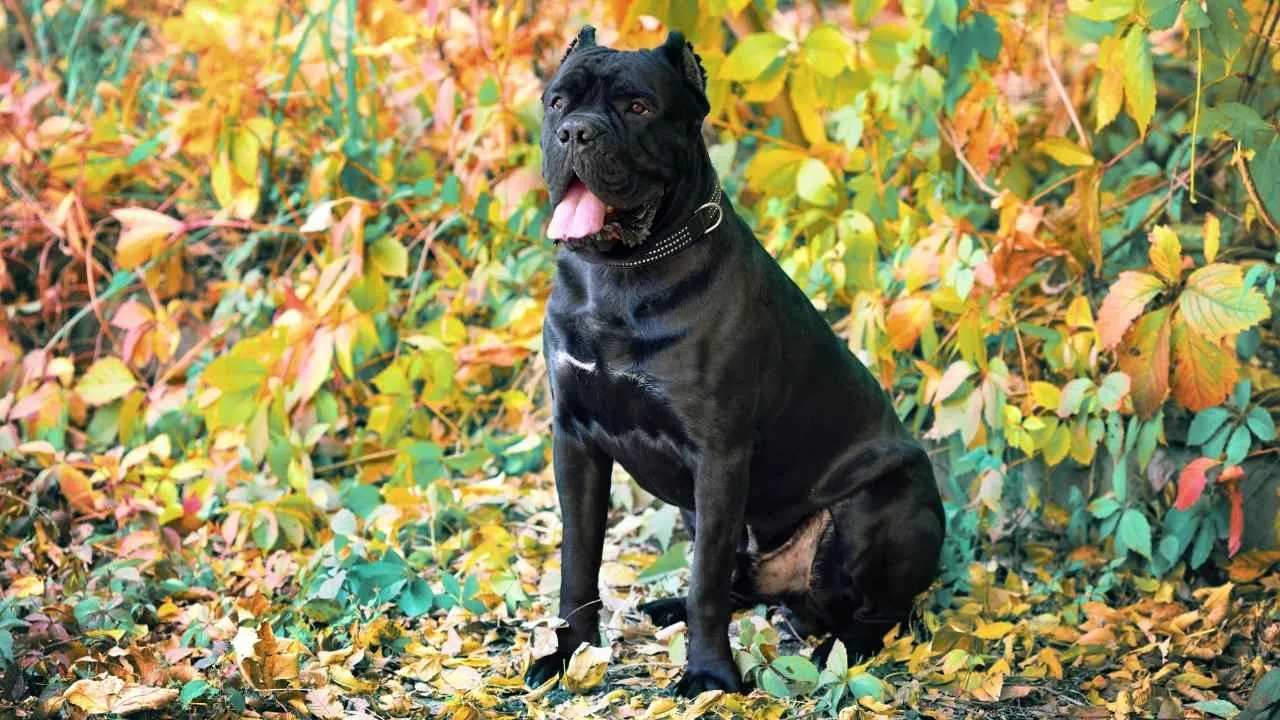
Cane Corsos are Italian mastiffs known for their impressive size, muscular build, and noble presence. Historically, they were used as war dogs, livestock protectors, and hunters of large game.
Today, they combine athleticism, intelligence, and loyalty, making them formidable guardians and affectionate family members.
Training is essential for Cane Corsos due to their strength and assertiveness. They thrive on structured, consistent routines with clear rules and boundaries.
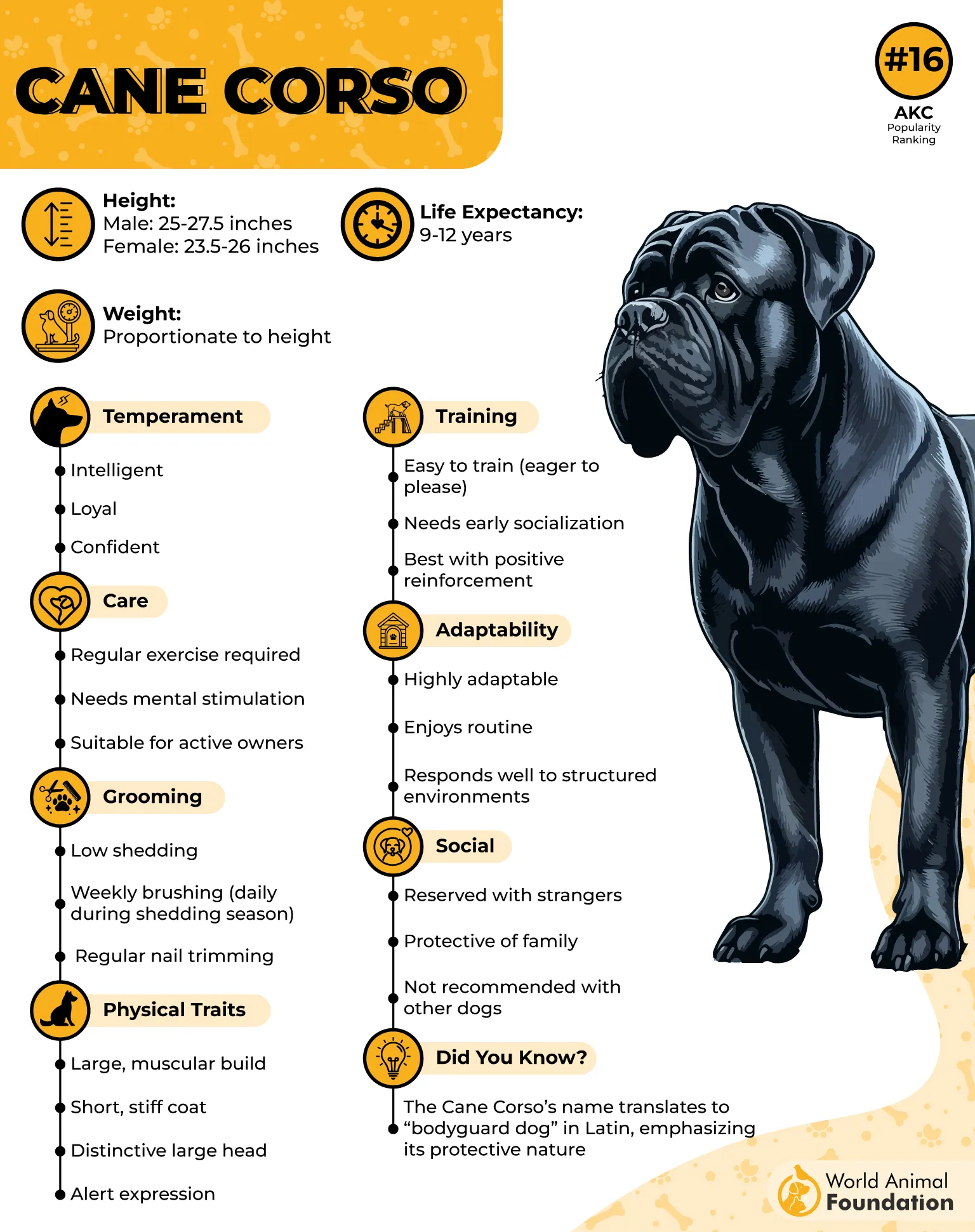
Positive reinforcement—praise, treats, and play—is far more effective than harsh correction, as these dogs are highly sensitive to tone and demeanor.
These best guard dogs are extremely loyal and form strong attachments to their families. They enjoy participating in daily activities and thrive when included in walks, training sessions, and family outings.
Socialization from a young age is critical to prevent aggression or fearfulness. Exposure to children, strangers, and other pets builds confidence and reduces territorial behavior.
Reddit owners recommend puppy classes and early obedience training to establish respect and understanding between the dog and family.
These dogs are naturally protective but calm when properly guided. Their combination of intelligence, strength, and loyalty makes them excellent companions for active families who can meet their exercise and mental stimulation needs.
Cane Corsos excel in protection, obedience competitions, and even sports like tracking or weight pulling.
7. Belgian Malinois
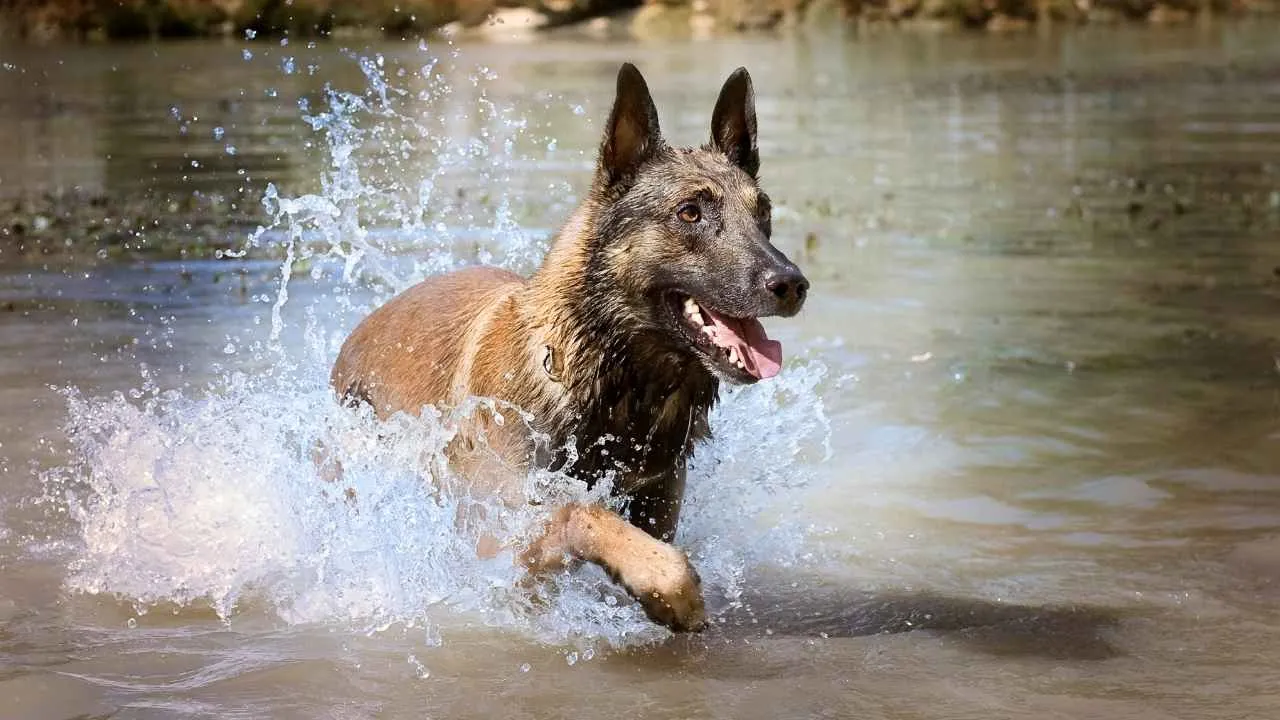
Belgian Malinois are lean, powerful dogs built for speed, agility, and intense focus. Originating in Belgium as herding and working dogs, they were prized for their ability to protect livestock and respond to handlers with precision.
Today, their athleticism and intelligence make them top-tier police, military, and search-and-rescue dogs worldwide.
These dogs are highly trainable, thriving on mental challenges and structured routines. Obedience, scent work, agility, and protection training are not just hobbies—they’re essential to keep their minds sharp.
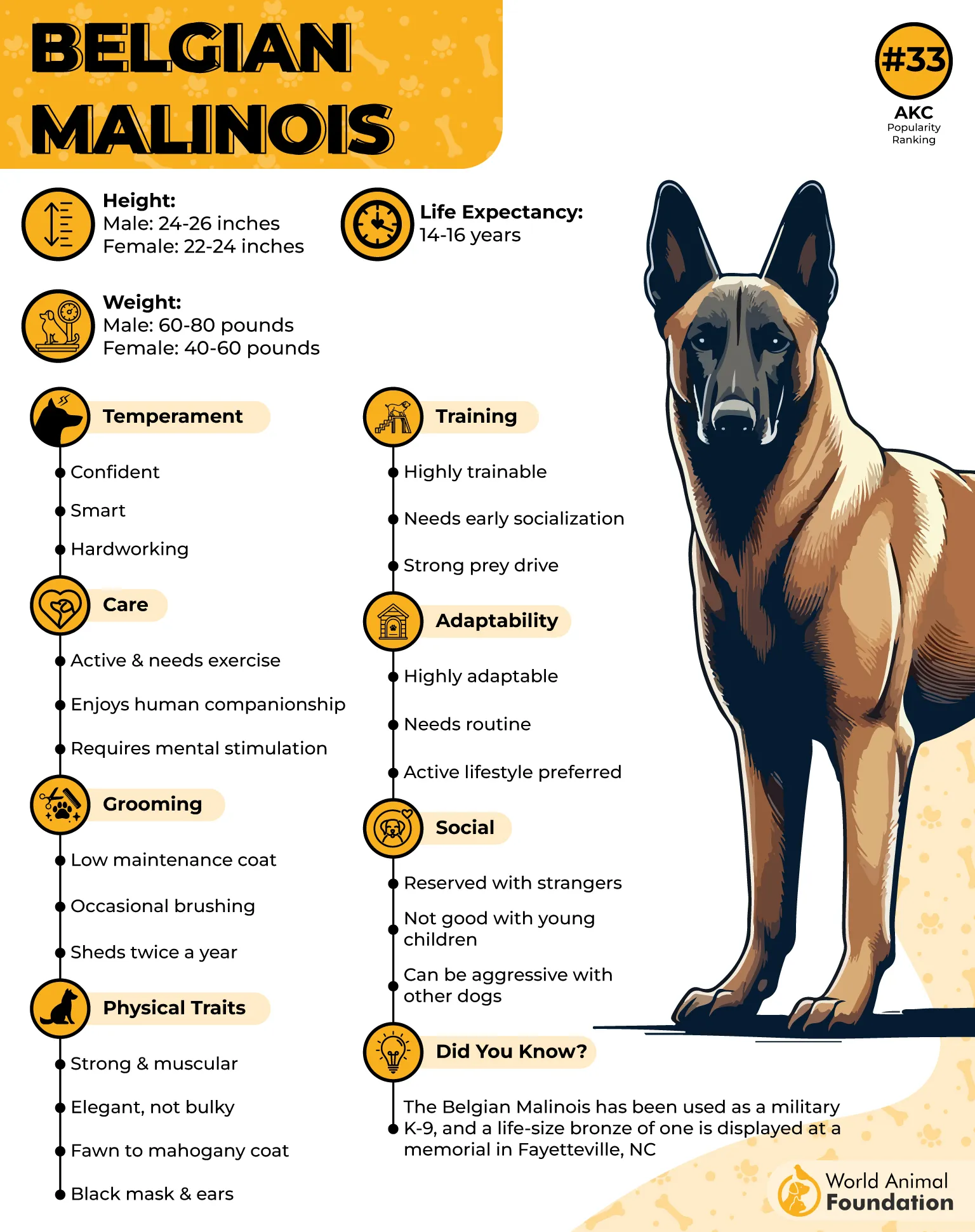
These incredibly loyal dogs have a naturally high prey drive, which can make them chase anything that moves if not properly guided. Early socialization is critical to teach them what is appropriate to pursue and what is off-limits.
Their loyalty and attachment to family are remarkable, often forming strong bonds with one or two primary caregivers. Physically, these excellent guard dogs are medium-sized but exceptionally muscular and agile.
AKC says their Malinois are the ultimate combination of brains, brawn, and heart, describing them as dogs who can run a marathon, solve a puzzle, and protect the house all in one day.
Conclusion
Natural guard dogs bring a unique combination of loyalty, strength, and intelligence to any home. From the stoic Akita to the agile Belgian Malinois, these dogs are built to observe, protect, and bond with their families.
But they’re more than just protectors—they’re companions who love attention, crave challenges, and form deep emotional connections with their humans.
Every breed on this list requires responsible ownership: proper training, early socialization, and plenty of mental and physical stimulation.
Without these, even the most powerful dog can develop unwanted behaviors, which is why understanding each breed’s quirks, strengths, and energy levels is essential.
