




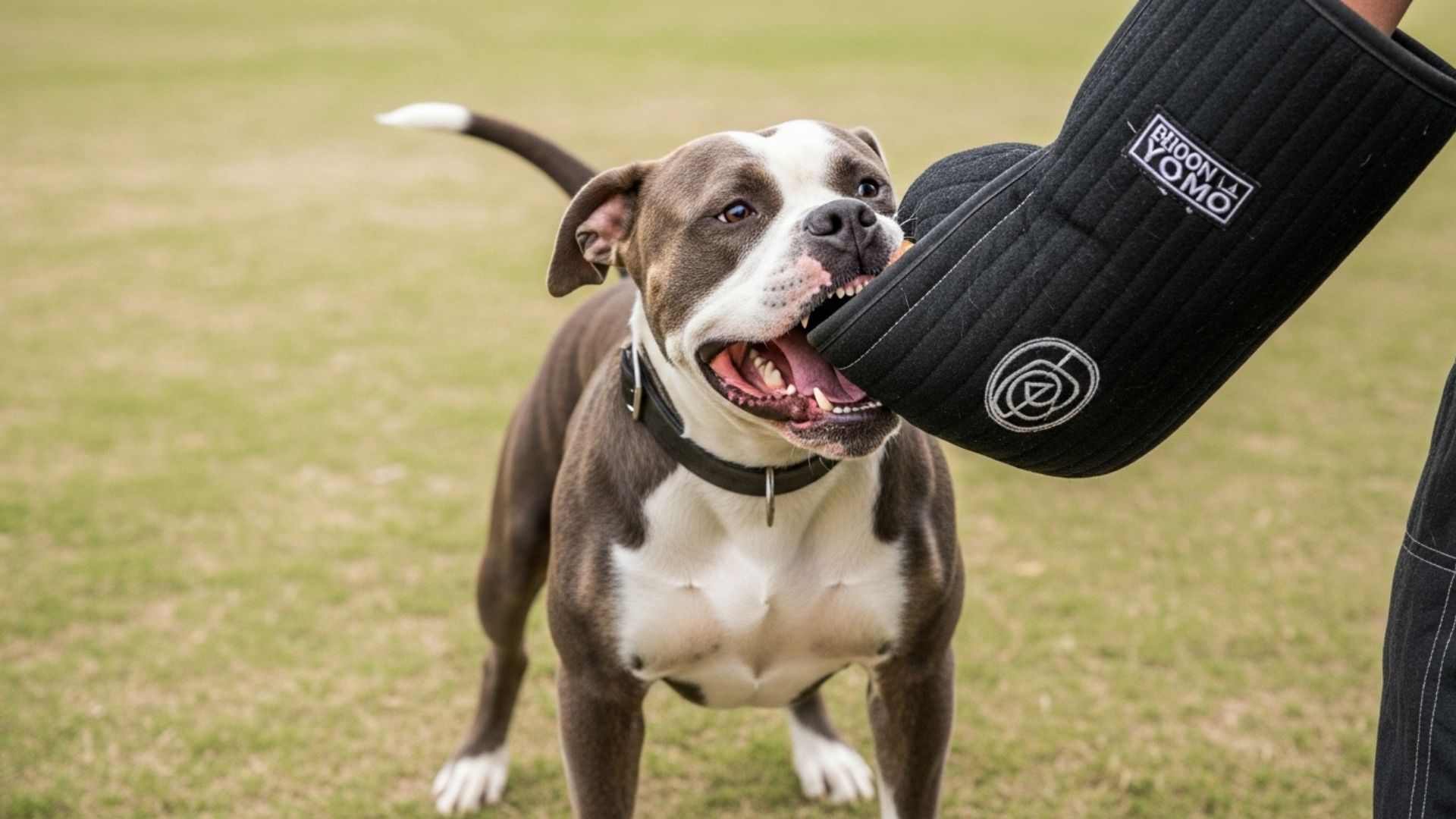
Big jaws can look scary, but there’s a lot more to the story.
A dog’s bite force is not a “bad dog” score. It is a mix of jaw shape, teeth fit, body weight, and how the head and neck work together.
Some breeds were bred specifically for work that needed grip, push, and control. Think farm protection, watchdog duty, and holding a moving target in place. That history can create a strong bite force, even in dogs that are calm at home.
Dog bites also happen for simple reasons. Pain, fear, rough play, or a bad setup can flip the mood fast. Humans often miss the early signs because excitement can look like “cute chaos.”
And here’s the best part! With smart handling, many dogs with strong jaws can still be great family pets in the right house, with the right routines.
Powerful Dog Breeds That Pack a Mighty Bite
1. Kangal
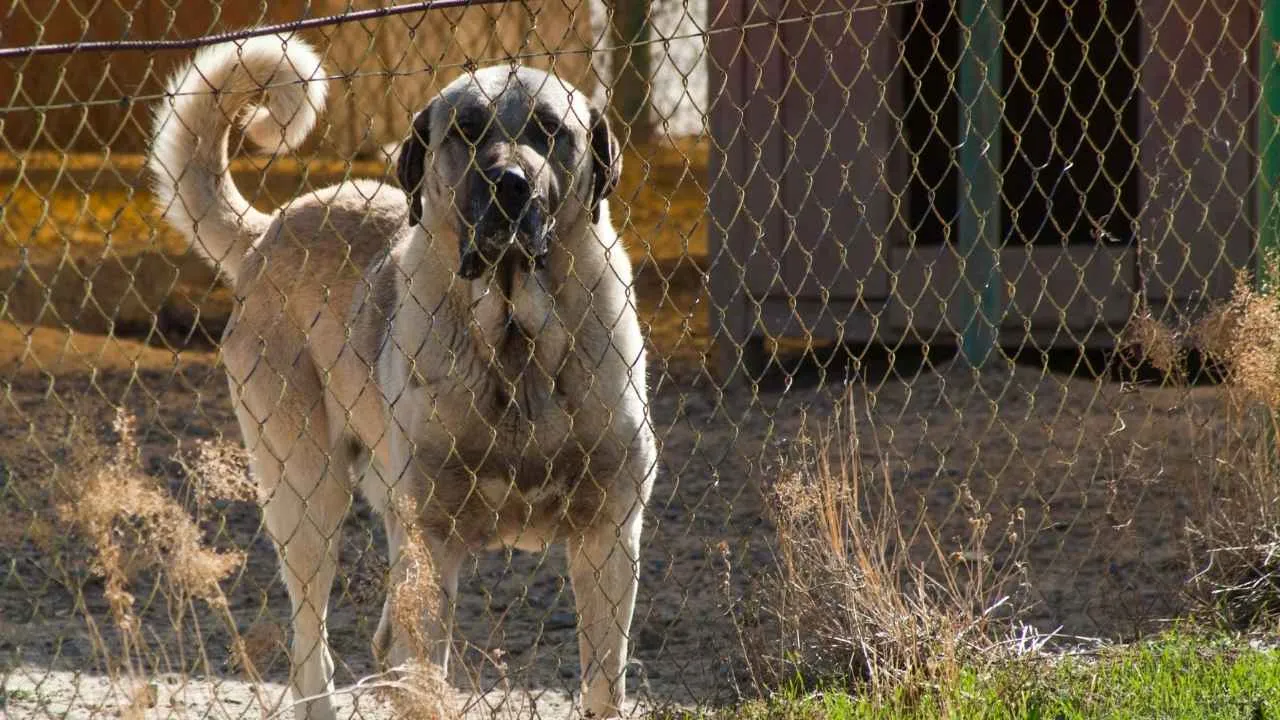
Bite force: 740 psi
The Kangal is famous in the world for its reputation for the strongest bite. Talk to people who live with this breed of dog, and one thing shows up fast. This is a steady protector, not a chaos machine.
The Kangal is linked with rural life, and the story often points to native Turkey, where dogs worked long days near farms. That job shaped physical attributes like a strong frame, deep chest, and strong jaws that can hold firm when it matters.
A Kangal’s bite force talk gets wild online. Numbers get tossed around like confetti. Still, the idea behind it makes sense. The muzzle is built for a clean grip, and the jaws can clamp without slipping.
When a dog attack risk is real, a dog’s bite force can become a safety tool for the pack they guard. That does not mean the dog wants trouble. It means the dog can protect when pushed.
This breed needs calm leadership and space. Many dogs can live anywhere, but this one prefers a clear job. A bored guardian can create problems. And when dogs feel lost, dog bites become more likely, even without “mean” intent.
Notes that help: steady training, clear boundaries, quiet praise
Best fit: farm life, livestock duty, long outdoor time
Fun fact: their watch style is often silent until action is needed
2. American Bulldog
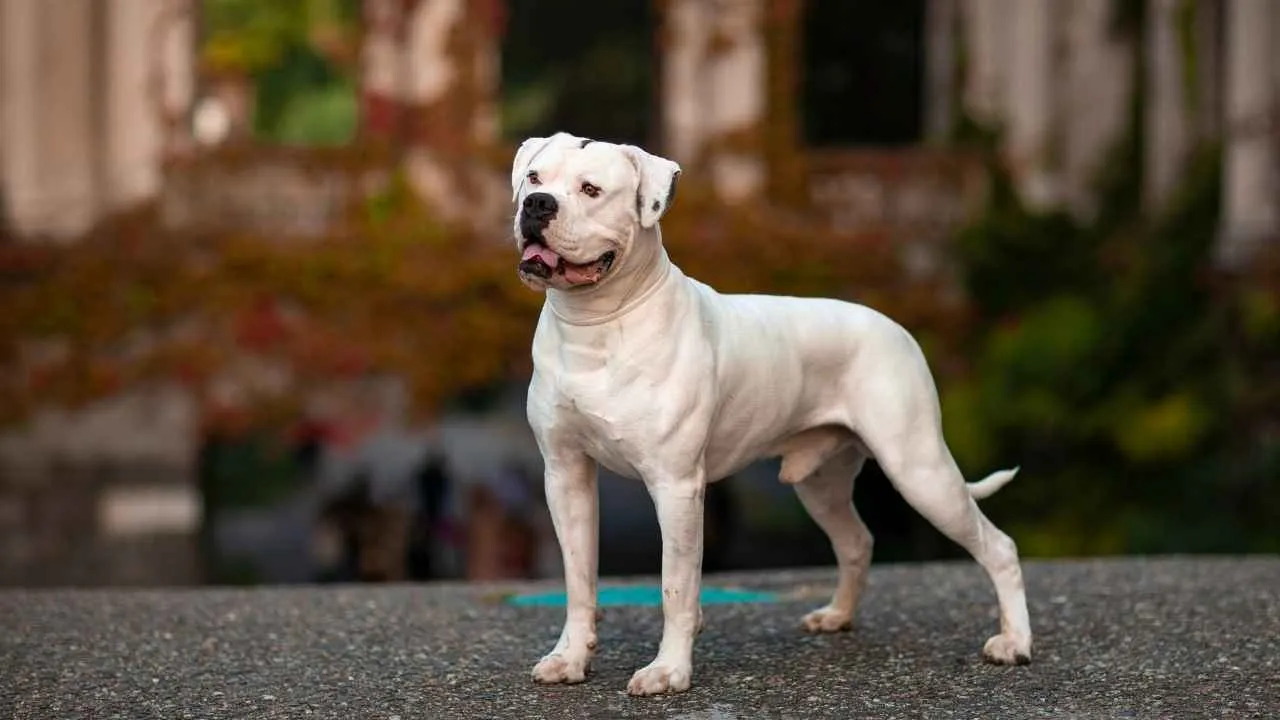
Bite force: 305 psi
The American Bulldog is not the short, squat bulldog many people picture. It is taller, more athletic, and built for movement. Those lines matter because the head shape and muzzle length can affect bite strength.
Add the muscular build, and the bite force becomes no joke. This dog can jump, twist, and land like it owns the yard. Sounds crazy, right?
This breed was tied to cattle work, so grip and control were part of the job. That history can show up in the jaws and in the way the dog uses its mouth during play.
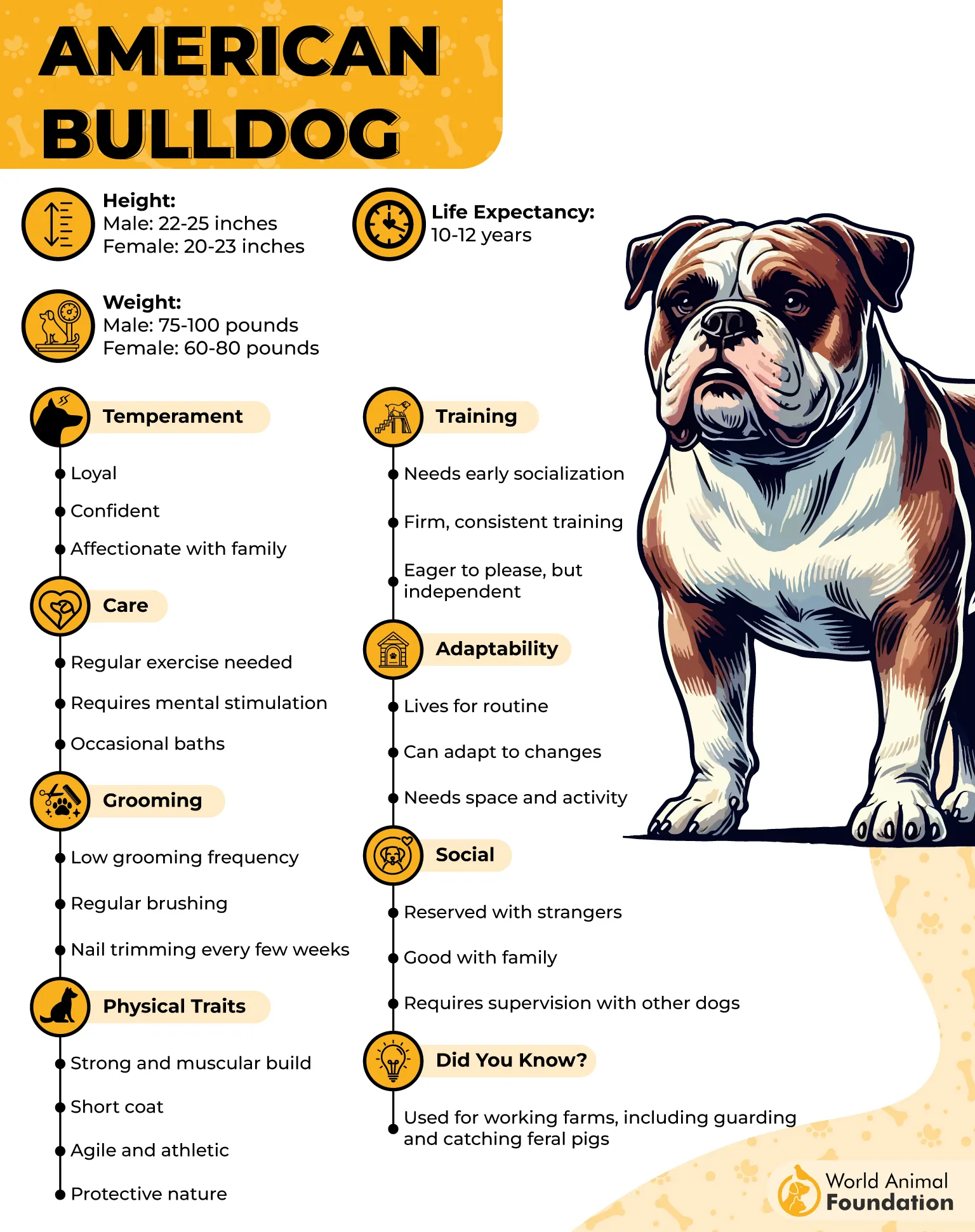
Dog owners often notice their love of tug games. Tug can be fun, but rules matter. A dog that learns to pull on cue can also learn to stop on cue, which helps reduce dog bites.
Here’s the good part. Many American Bulldogs are goofy, social, and can be great around children when raised with structure. They can protect the house, but they also love being included. A healthy routine lowers stress, and lower stress lowers dog attack risk.
Quick tips: teach “drop it,” keep toys sturdy, reward calm behavior
Watch for: over-excited mouth play, especially with guests.
Sweet spot: active homes that enjoy daily games and learning
3. English Mastiff
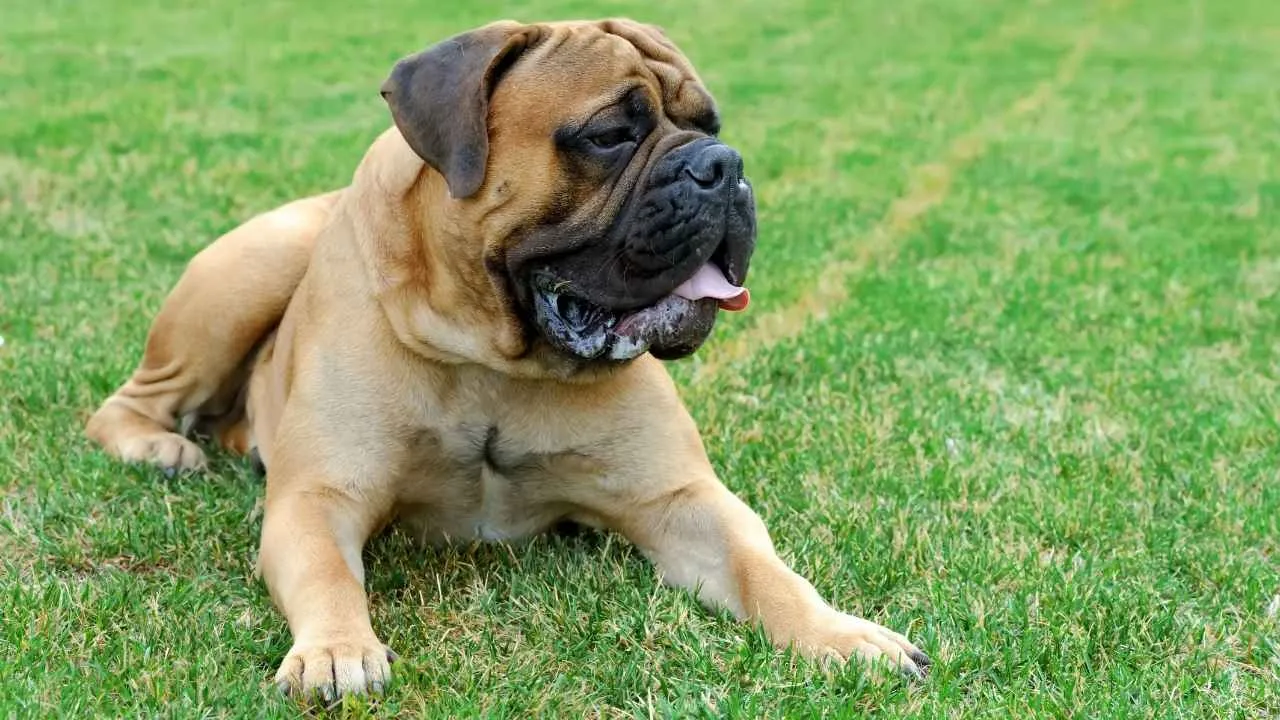
Bite force: 556 psi
The English Mastiff loks like a slow-moving couch with legs, but the bite force can surprise people. That 556 psi number is often used because it matches the huge jaws and thick skull.
According to Orvis, the dog’s bite force comes from mass, leverage, and strong jaws that can close like a door you cannot push back.
Despite the bite strength, this breed is known for calm behavior in a stable house. That matters because dog bites are not just about force.
They are often about mood, handling, and the moment. A relaxed large breed with good social time is less likely to lash out. Still, any bite from this size can cause real pain, so safety habits matter.
But wait, there’s more! Mastiffs often do not need endless exercise to stay happy. They need comfort, steady rules, and space to stretch out. They may protect their people quietly, without barking all day.
Good to know: use slow greetings, avoid rough face play
Helpful habit: teach gentle taking of treats to protect fingers
Fun note: many love to “lean” like a friendly wall
4. Bandog
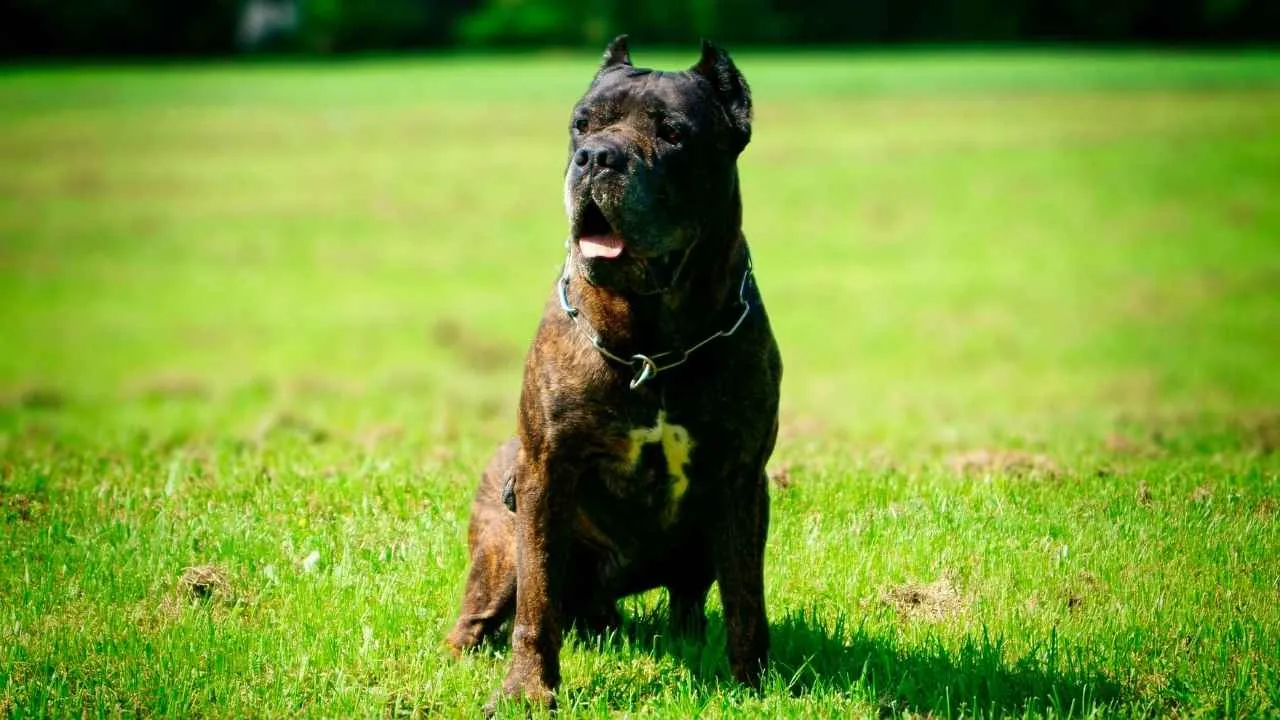
Bite force: 730 psi
The Bandog is often described as an old working mix built for protection. The look can be intense, and the jaws can match that vibe.
With a bite force often listed around 730 psi, this dog can deliver an impressive bite force when it clamps down. The strong jaws and solid head shape help it keep control during stressful moments.
This is a dog that bonds hard with its pack. That pack can be humans, and the bond can be deeply loving. But the same loyalty can turn sharp if a stranger rushes into the house, or if the dog feels its people are threatened.
Dog attack stories often start with a bad setup, like no space, no warning, and a tense location. This breed needs smart management so nobody gets attacked.
Here’s the good part. With consistent routines, play, and a calm handler, the Bandog can be steady and affectionate. It also needs work for the brain. Without that, frustration can build, and that is when dog bites can show up.
Must-have: structured play, clear rules, calm daily leadership
Avoid: chaotic greetings at the door, rough wrestling games.
Good fit: confident dog owners who can train with patience
5. German Shepherd
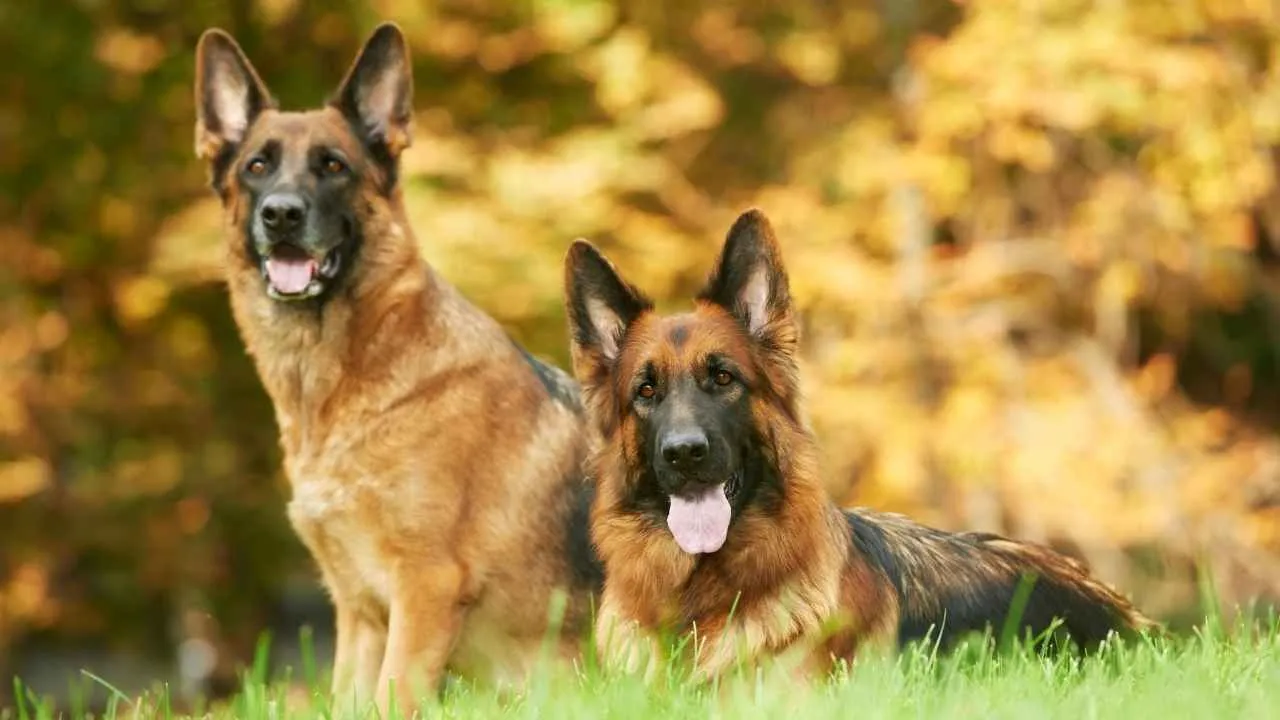
Bite force: 238 psi
The German Shepherd is famous as one of the great guard dogs, and the look alone can make people step back. The dog’s bite force is often listed around 238 psi, and that grip pairs with speed and focus.
This is a canine that reads the room fast. That is why it shows up in work roles where humans need help, like patrol, search, and farm guarding.
In farm settings, these dogs may watch livestock like sheep and cattle with steady attention. As per Petplan, the breed can move for hours without losing focus.
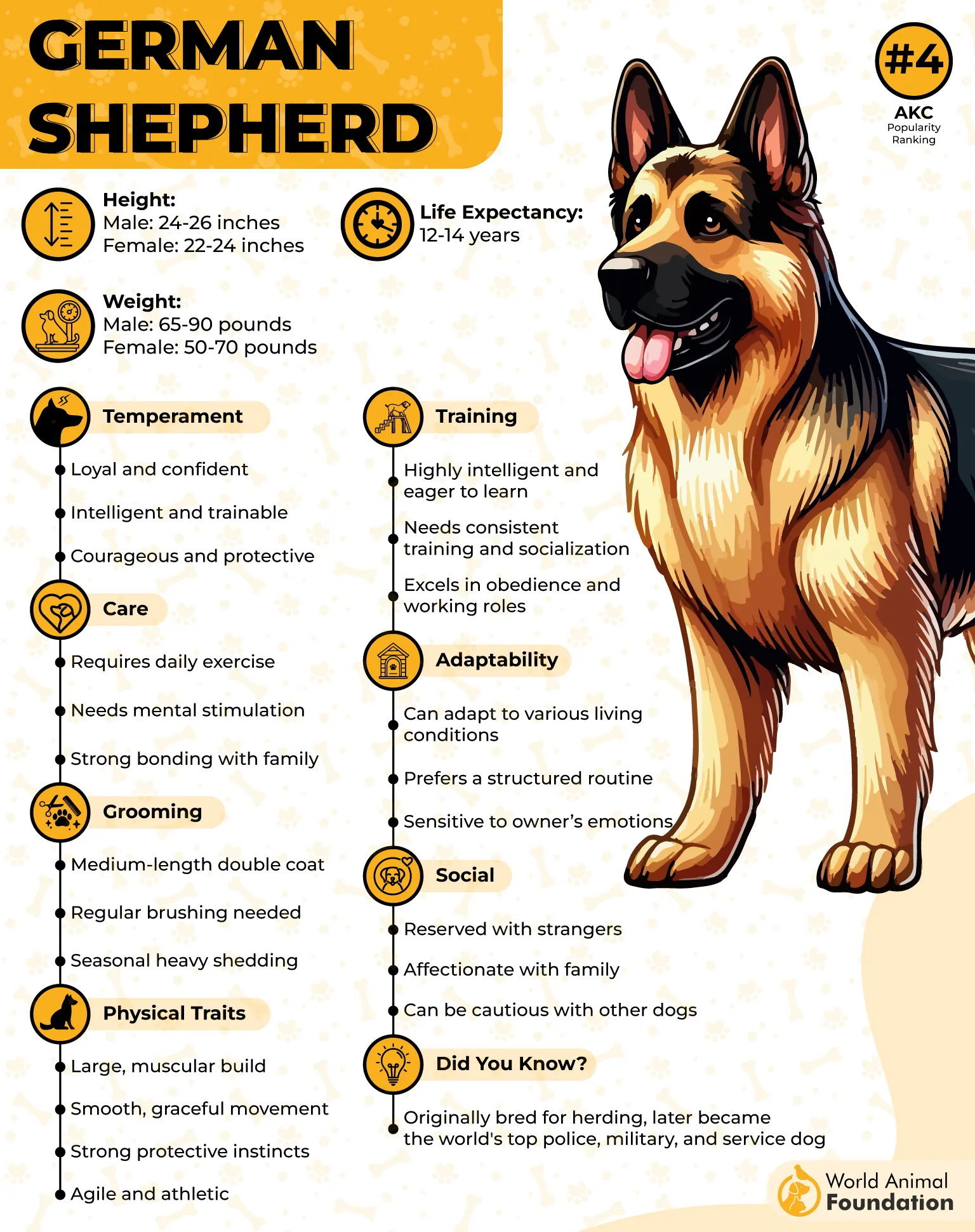
That energy needs an outlet. Without it, stress can build, and stress plus confusion can lead to dog bites. The jaws are not the problem. The problem is a bored mind and a body with no mission.
And here’s the best part! Shepherds often love games that feel like work. Fetch, hide-and-seek, scent play, and clear training sessions can keep the bite in the right place, like on a toy, not on a hand.
Smart habit: teach a calm “place” for visitors
Helpful toy rule: Use tough chew items to protect furniture
Fun fact: many carry toys proudly like a “job well done.”
6. Rottweiler
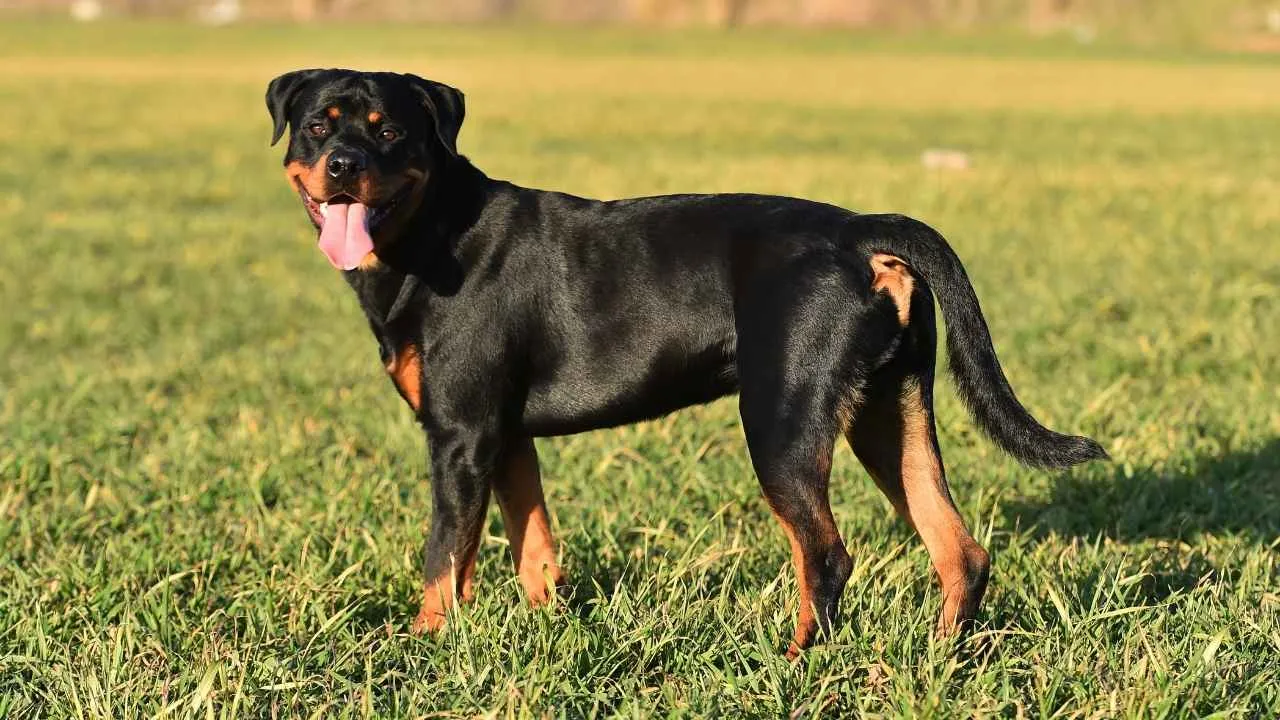
Bite force: 328 psi
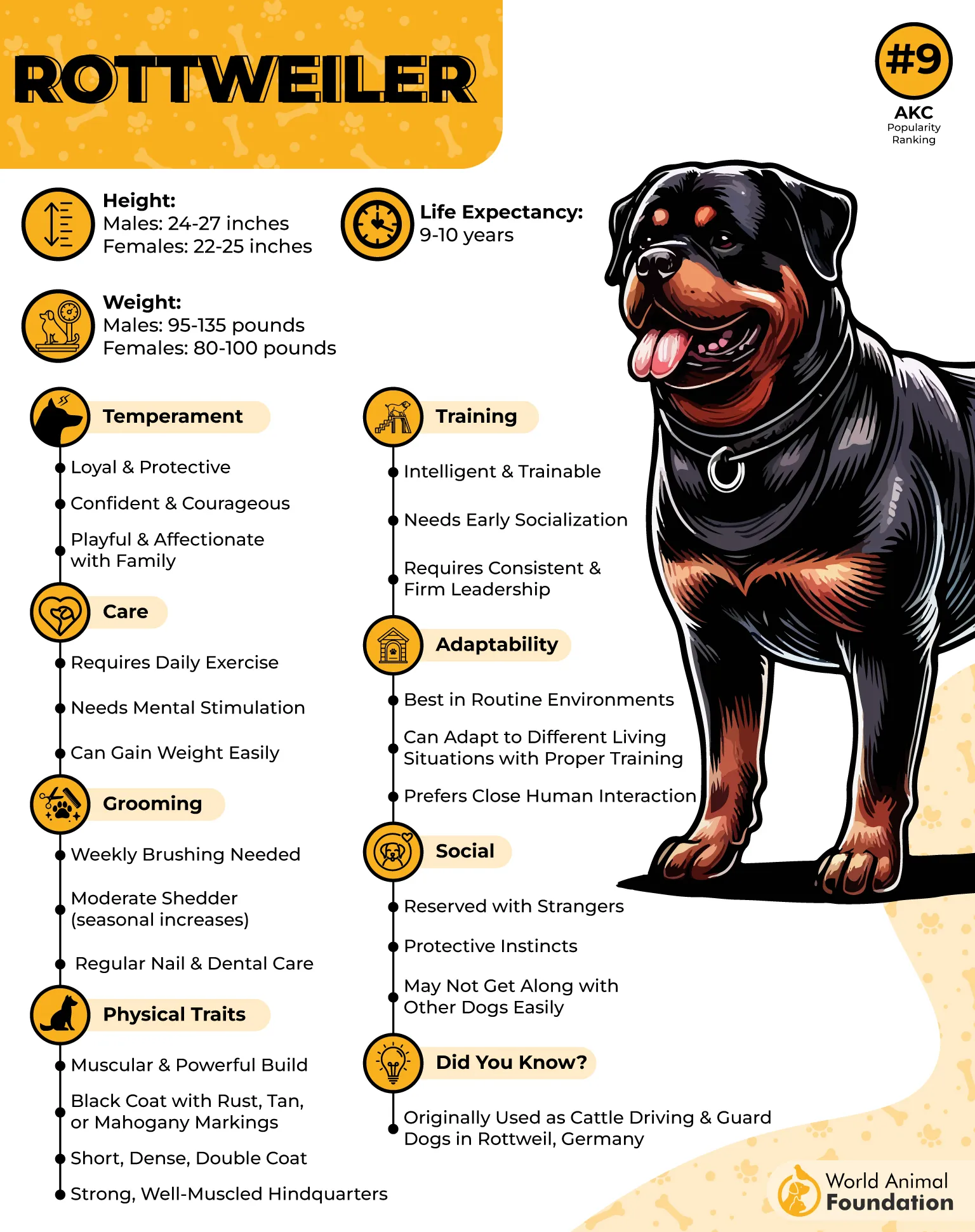
The Rottweiler has a serious look, but many families know the softer side. The dog’s bite force is often shared as about 328 psi.
That bite strength comes from thick jaws, strong jaws, and a body built for power. A Rottweiler can weigh heavily in pounds, and that size can add to the force behind a bite.
These dogs are often calm until something feels wrong. When they think their pack is in trouble, they can switch fast into protection mode. That can be a gift when handled well, and a risk when handled badly.
Dog bites can happen when someone rushes in, grabs, or surprises the dog. Children also need clear rules, because running and squealing can spike excitement.
It gets even worse, though, when people skip training and then blame the dog. This breed needs clear boundaries, early social time, and calm practice with visitors. When the house runs on routine, the dog relaxes.
Best tools: leash manners, door control, calm greetings
Watch for: over-guarding toys or food without guidance.
Good note: many are affectionate “shadow dogs” at home
7. Tosa Inu
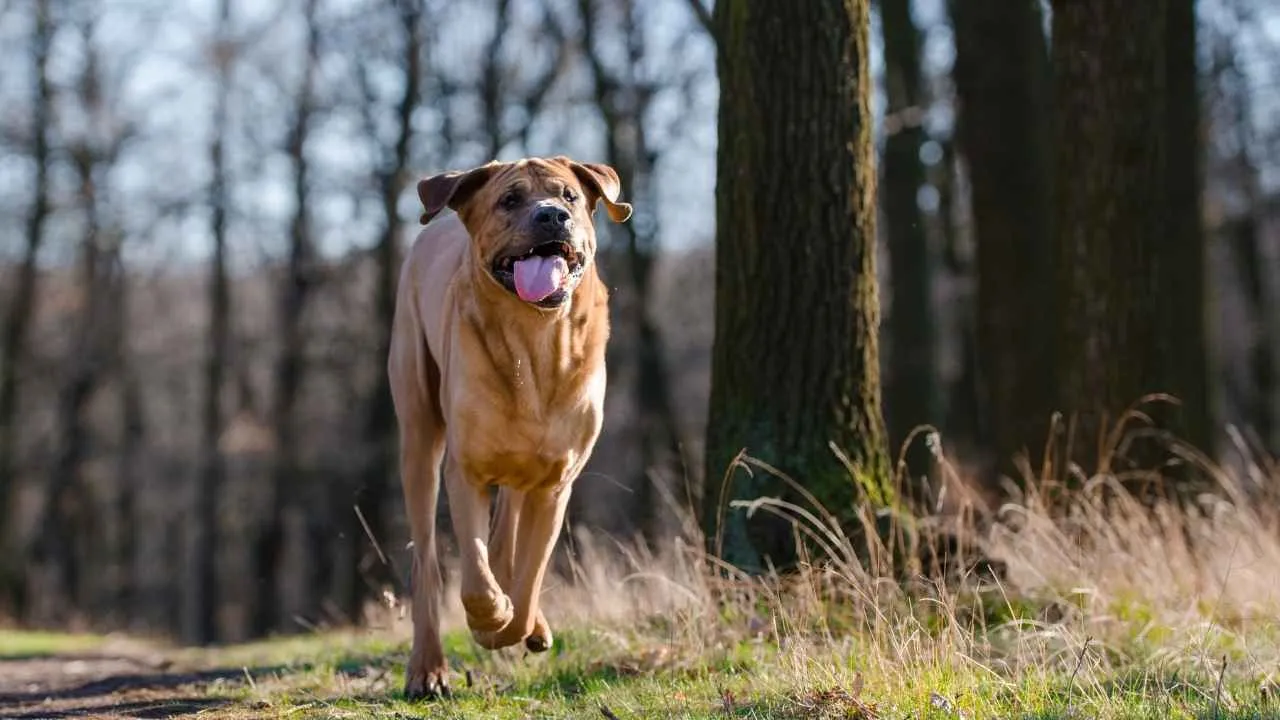
Bite force: 556 psi
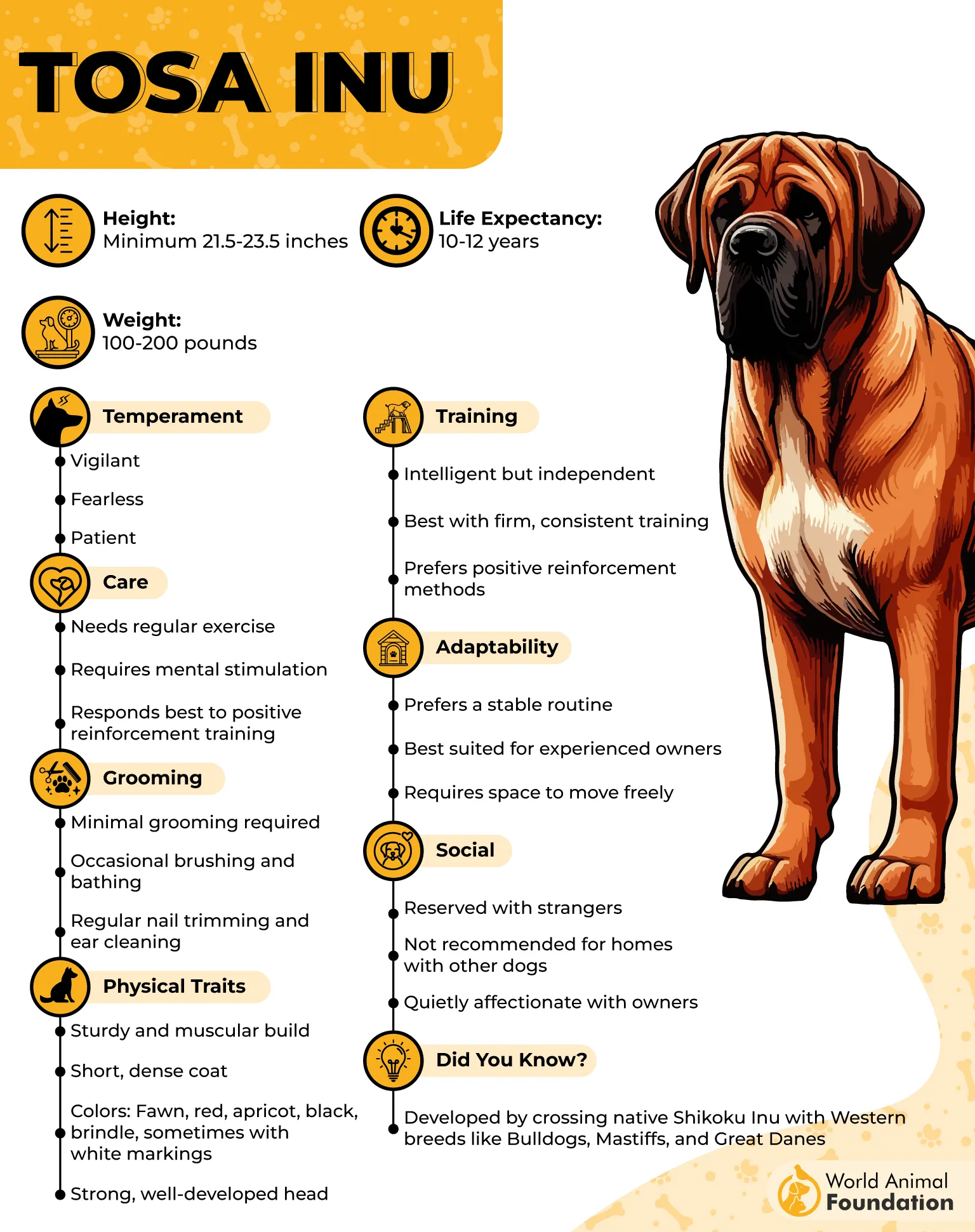
The Tosa Inu is a large dog from Japan with a bite force often listed at 556 psi. This breed is known for staying locked in during a hold, using steady jaws and serious jaw strength.
In an attack moment, the pressure exerted can be extreme. That can lead to serious damage, heavy pain, and dangerous blood loss. This is why talking about safety should be honest and clear.
In the UK, the breed is banned under the Dangerous Dogs Act. That law details matters because it shapes real-life choices for dog owners.
A dog’s bite force is only one piece, but when the force is high, the results of dog bites can be severe. When humans ignore risk, people get attacked, and dogs lose their homes.
Here’s the good part. Rules, secure handling, and responsible ownership reduce danger. This breed needs experienced handling, strict control in public, and careful planning at home.
Important note: follow local laws and housing rules
Safety must: strong leash setup, secure yard, calm routine.
Key idea: prevention beats regret every single time
8. Presa Canario
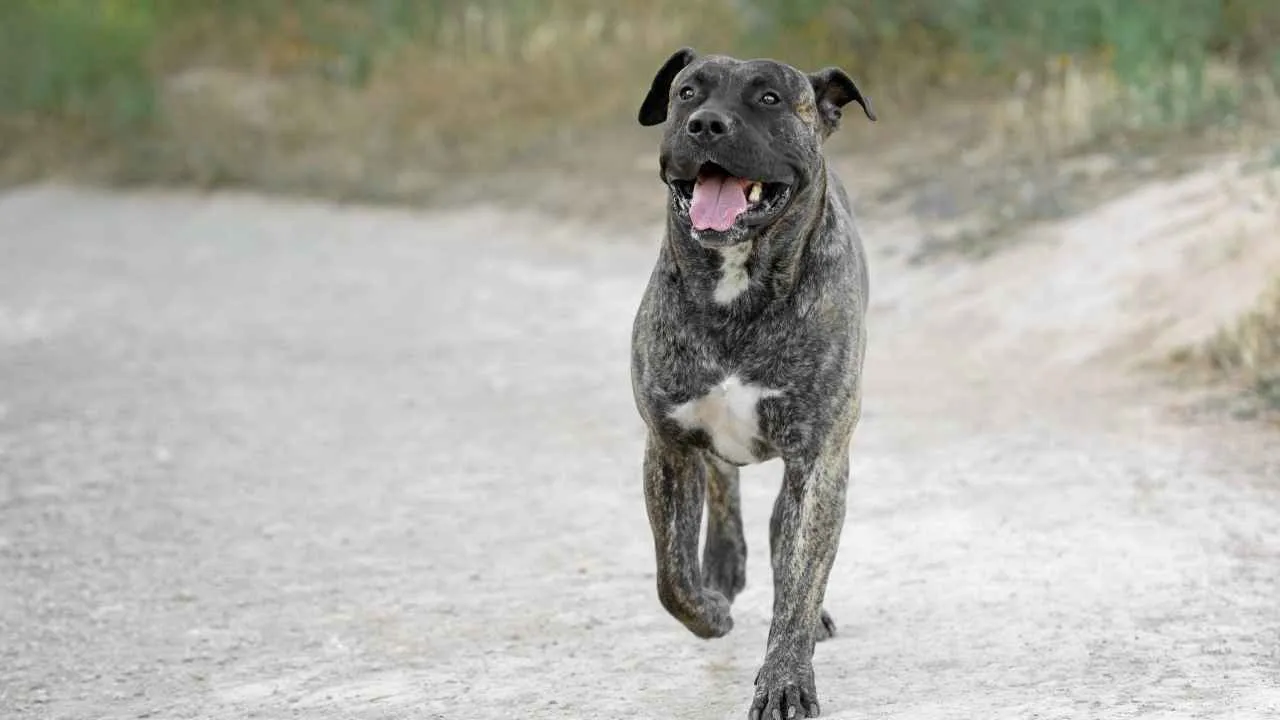
Bite force: 556 psi
The Presa Canario comes from the Canary Islands and is known for a thick build, broad head, and strong jaws. The bite force is often shared at 556 psi, and the dog’s bite force can cause major injury if things go wrong. That includes damage to arteries and rapid blood loss. No fluff, just truth.
As per PetMD, this is a powerful breed that needs structure from day one. It can protect a home, but it should not be placed in chaotic settings.
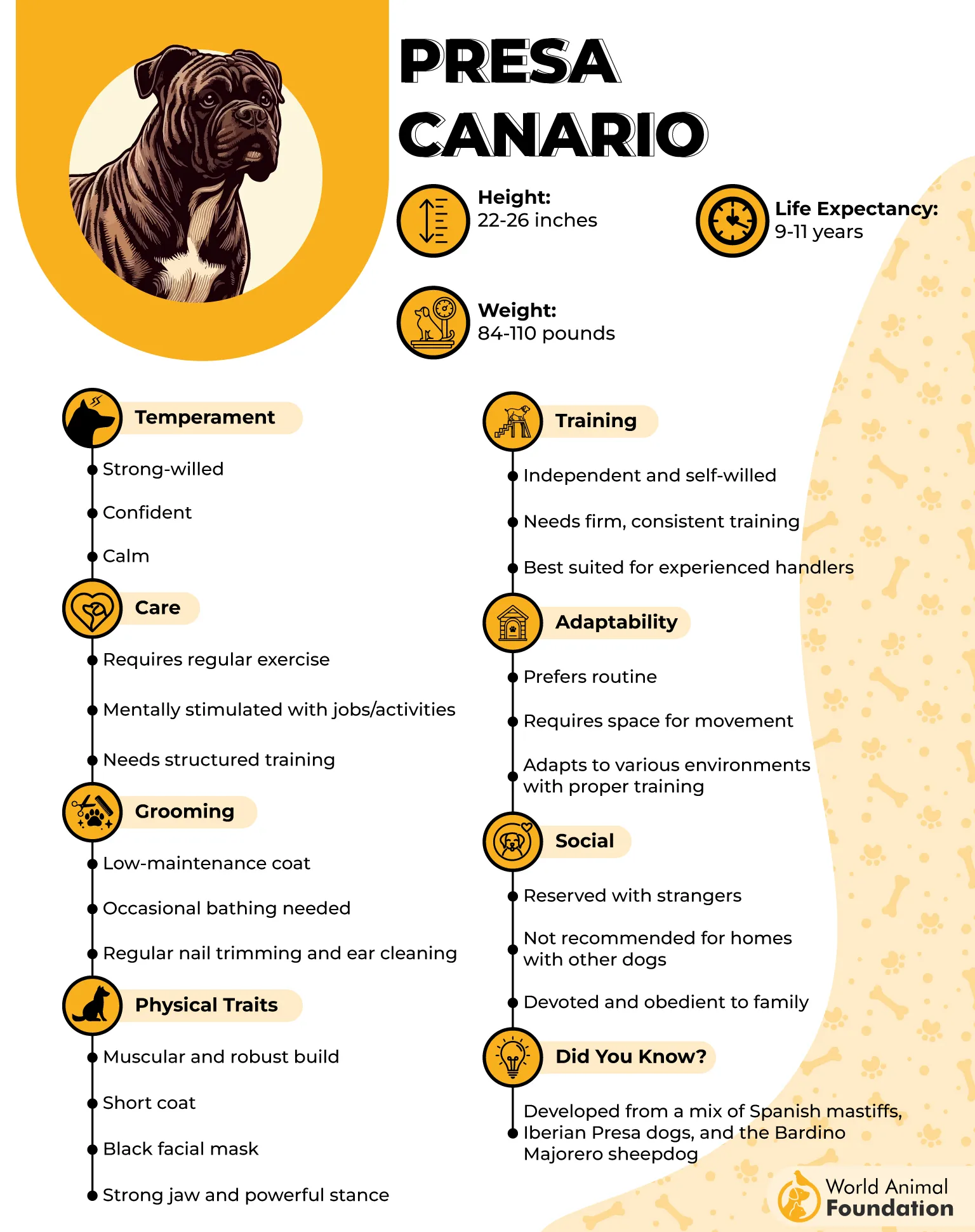
When dogs feel cornered, stressed, or pushed, dog bites become more likely. And if a bite happens with this kind of jaw strength, the outcome can be life-changing.
But why bother with that? Because good management keeps everyone safe. Calm training, clear boundaries, and controlled exposure to people and places can create a steadier adult dog.
Smart move: build calm habits before the dog grows large size
Avoid: letting strangers crowd the dog’s face.
Helpful rule: teach a clear “back up” cue for space
9. Leonberger

Bite force: 399 psi
The Leonberger often looks like a friendly lion-dog, but this breed can still carry a strong bite force. Its bite force is often listed around 399 psi, backed by strong jaws and a big frame.
Some individuals can weigh close to an adult human, and that scale matters. A big dog with big jaws needs clear rules, even if it seems sweet.
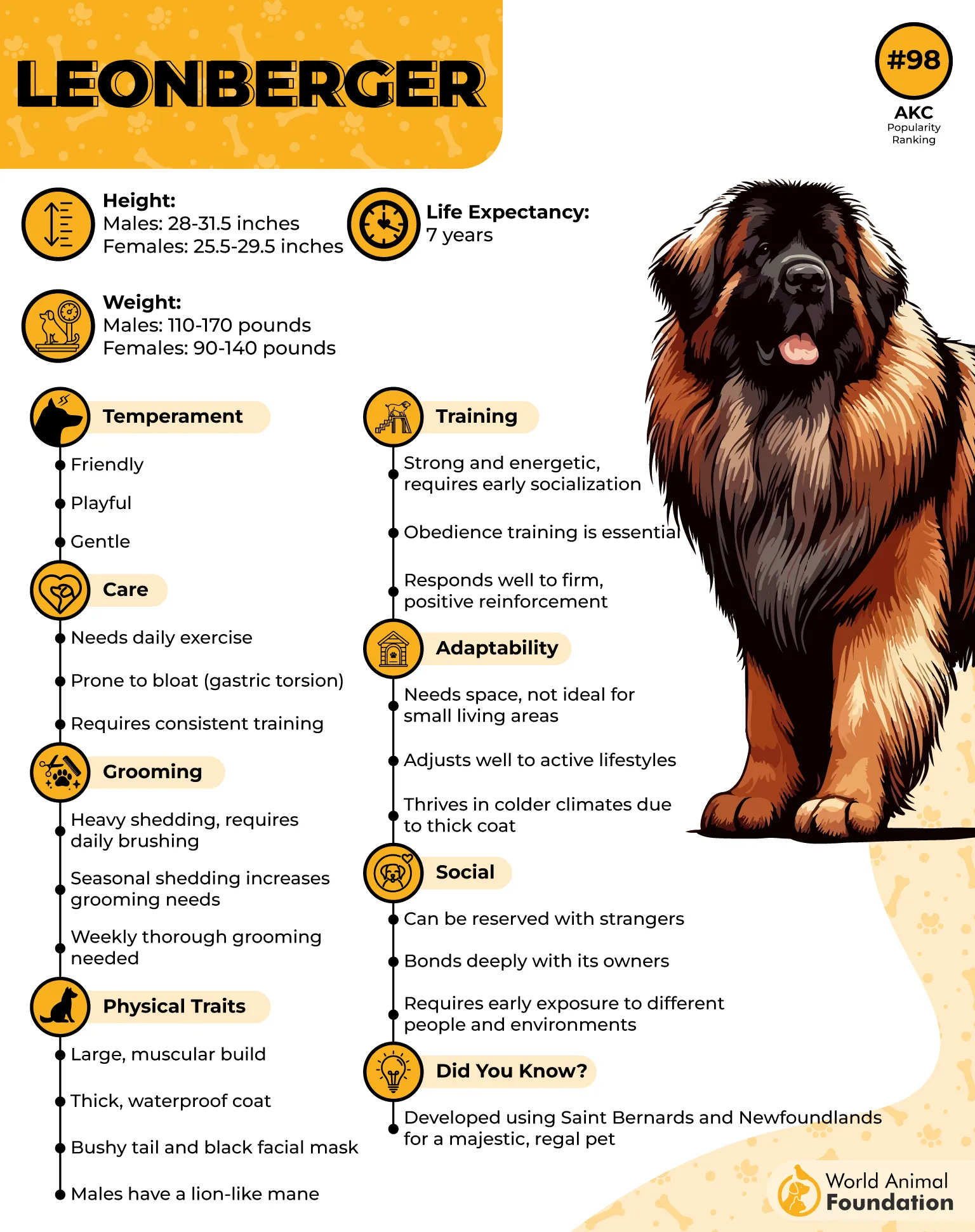
This breed was shaped for watchdog work, so the instinct to protect can show up. That does not mean constant aggression. It can mean alertness, body blocking, and staying close to the pack.
In a tense moment, a bite can happen if the dog feels threatened or if someone is careless. Dog bites often come from mixed signals and rushed handling.
And here’s the best part! Many Leonbergers are gentle at home when raised with a calm structure. They often love family time and can be steady with children who learn respect.
Good habit: teach calm greetings, no jumping on guests
Keep safe: manage doors and fences to protect visitors.
Fun fact: many enjoy water play and slow, happy walks
10. Dogue De Bordeaux
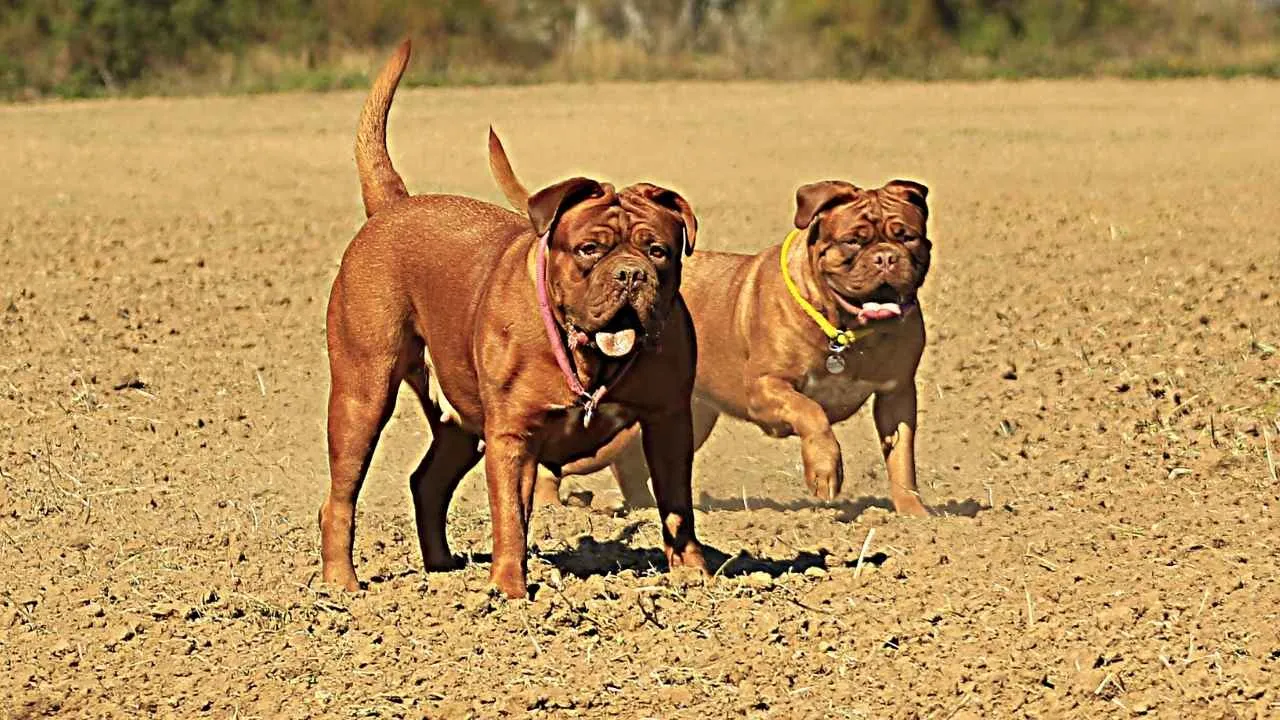
Bite force: 556 psi
The Dogue De Bordeaux is an old French breed known for a bulldog-like face and a wide, muscular head. That head build can add to jaw strength, and bite force is often reported at 556 psi.
The jaws can close with heavy force, and the bite can be serious, even if the dog seems calm most of the time.
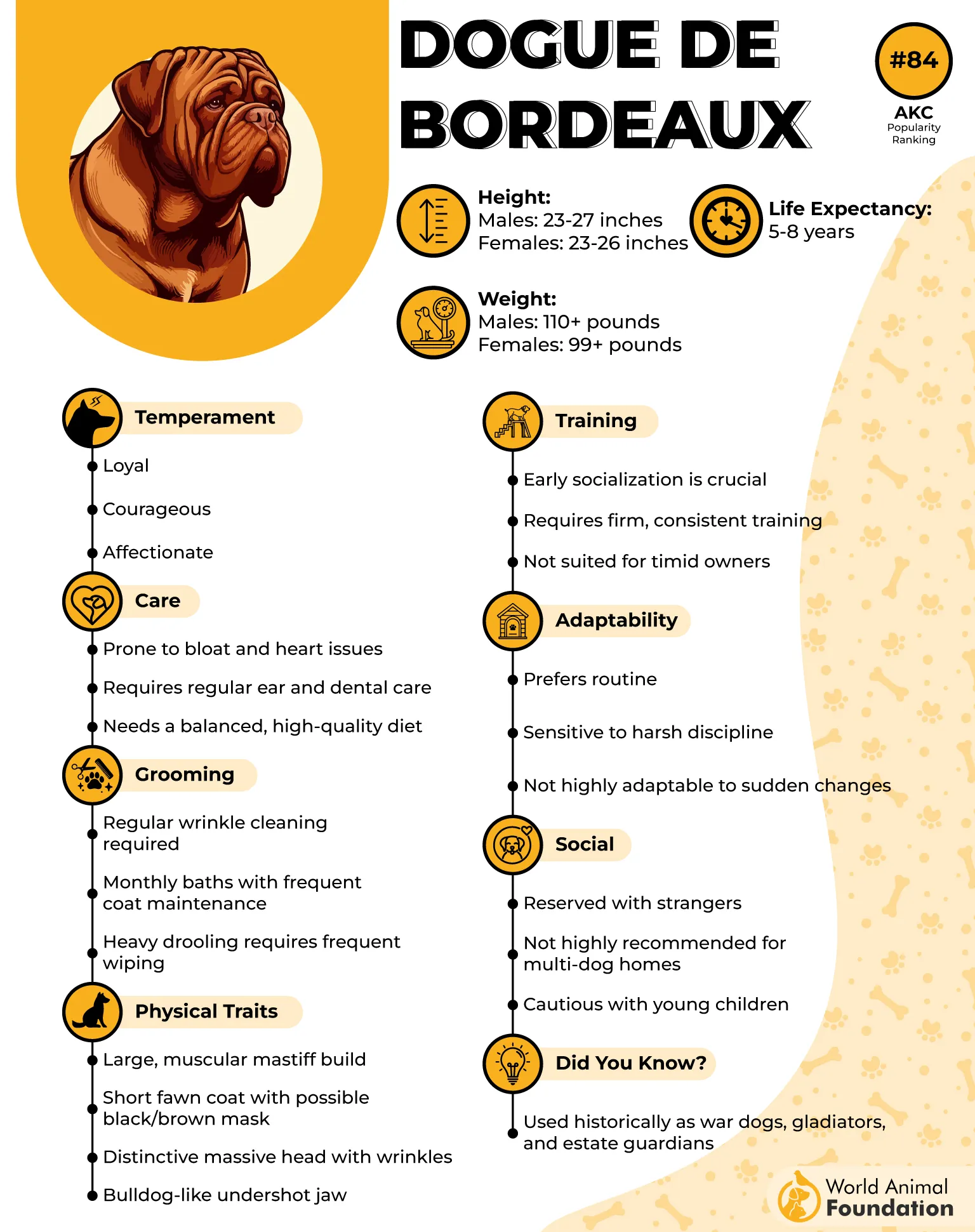
This breed is often described as sweet with its people, but protective when needed. That mix can be wonderful in the right home.
It can also be risky if boundaries are unclear. Dog attack cases often involve poor control, loose doors, or rough handling that triggers fear. Dogs do not plan drama. They react in the moment.
Here’s the good part. With calm training, early social time, and clear rules, many adults settle into a steady routine. Give the dog a job, even a simple one, and the mind relaxes.
Helpful focus: teach “leave it” and calm leash walking
Keep steady: limit chaotic play that targets hands or clothes.
Note: Strong chew toys help protect shoes and furniture
Conclusion
Strong jaws can be impressive, but safety matters more than hype. Bite force is real, and dog bites can cause serious pain, especially when dogs are large and powerful.
The smartest move is not fear. It is planning. Choose a breed that matches the house, the time, and the skill level. Set clear rules early. Keep routines steady. Train calm habits, not just tricks.
If a dog feels safe, it is less likely to react, less likely to attack, and less likely to end up in trouble.
And here’s the best part! When people respect the breed and do the work, dogs can protect, love, and live peacefully with humans.
