




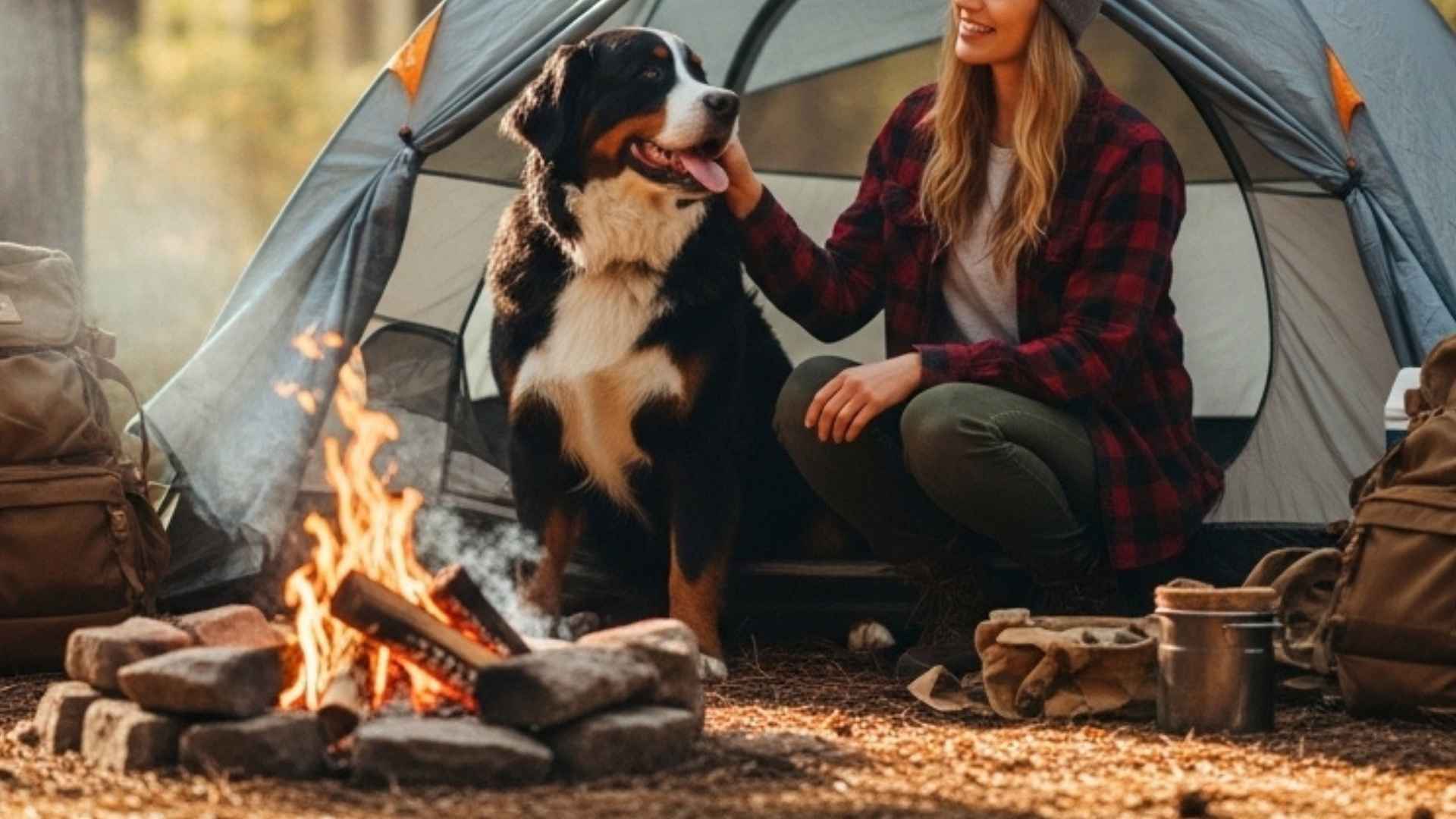
Long-distance camping feels better when a tough dog shares the trail, too.
A camping trip is not just a weekend stroll. It can mean long hikes, long distances, and long hours under changing weather conditions. According to Britannica, a powerful dog can make that hard work feel lighter. It can also keep the mood up when legs burn, and the world looks rude.
But why bother with that? Because the wrong match can mean stress, sore paws, and a trip cut short.
This blog will cover seven strong breed picks that can handle hiking trails, steady pacing, and outdoor activities. You will learn what makes the dog special, plus simple habits that help the dog stay safe, calm, and ready for the next mile.
Sounds fun, right? Let’s go!
Powerful Dog Breeds Perfect for Long-Distance Camping Trips
1. Siberian Husky
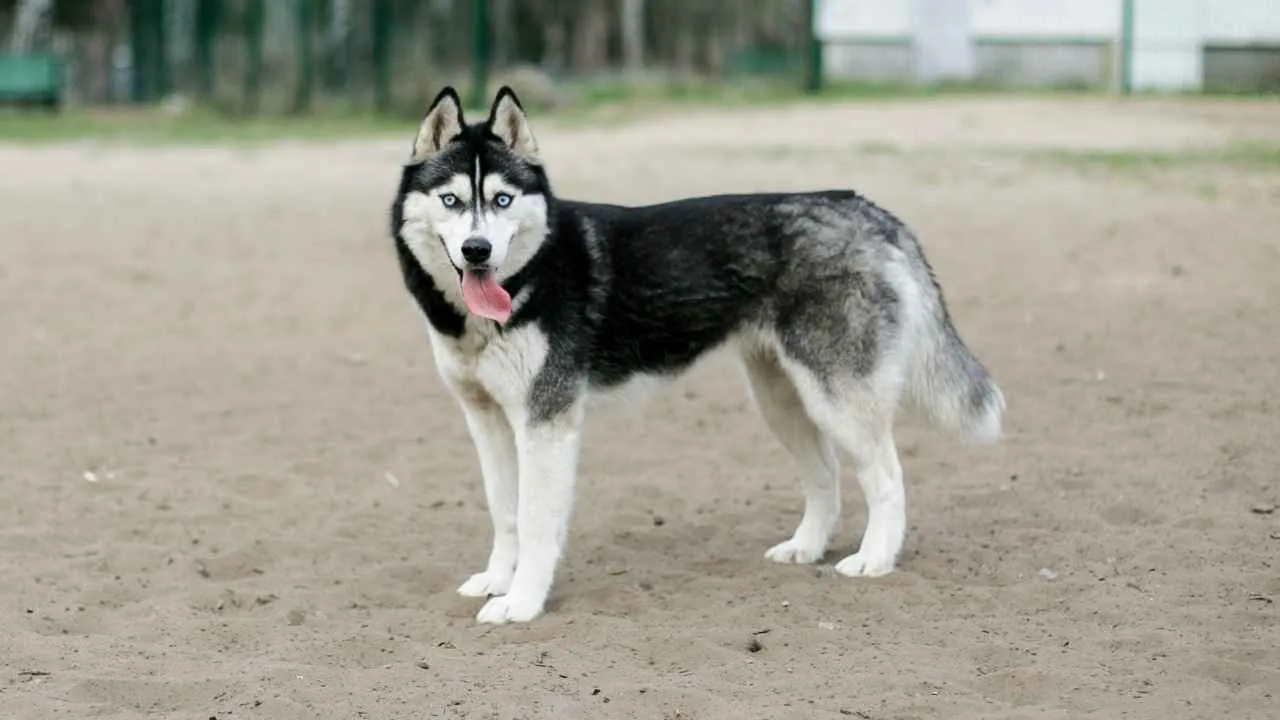
The Siberian Husky is made for cold climates and the great outdoors. According to the AKC, this breed was originally bred to pull sleds across frozen ground, so stamina is part of the package.
On hiking days, this dog often moves with a smooth trot that keeps going. That steady energy helps on long distances, especially when the camp plan includes a lot of walking between sites.
This canine partner can have high energy, but it also likes to think for itself. Without enough exercise and brain games, this buddy may get bored and start trouble. That can mean chewing gear, digging holes, or looking for a way to slip off.
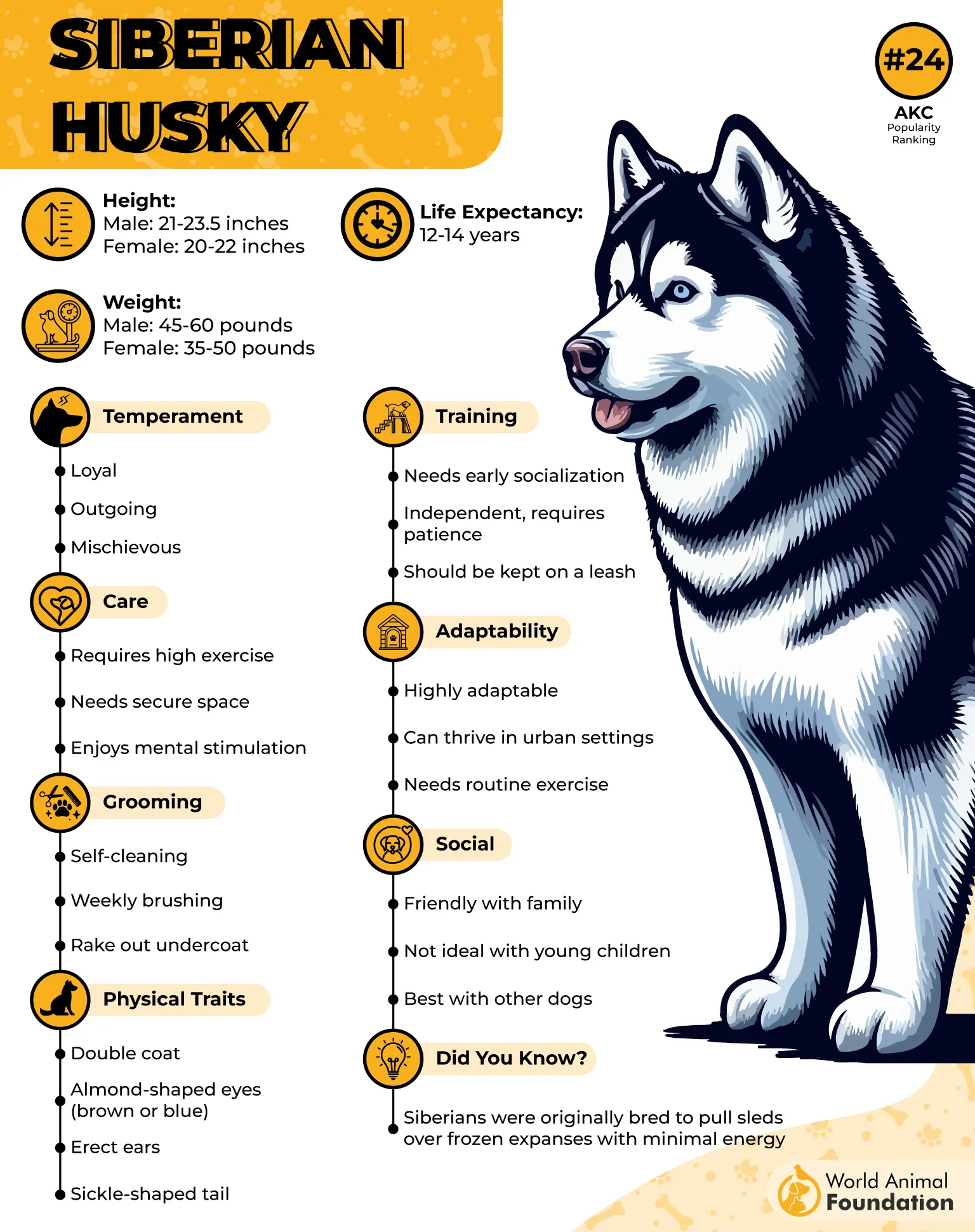
Here’s the good part: a simple routine can keep a Siberian Husky relaxed and focused. Add short sniff breaks, quick play stops, and calm rules near the tent.
For most trips, the leash is the safest call. Many Huskies tend to roam if something moves far ahead. Start training with recall in safe spaces, then add distractions.
With patient practice, the Siberian Husky becomes one of the excellent hiking partners that can handle long hikes while staying bright and friendly.
Cold-weather habits that keep things smooth
Use the leash with a well-fitted harness on steep parts.
Offer water often, even when the air feels cool.
Pack a little food for quick breaks during many hours on the move.
Keep a quiet chew at camp so the pup settles fast.
2. Alaskan Malamute
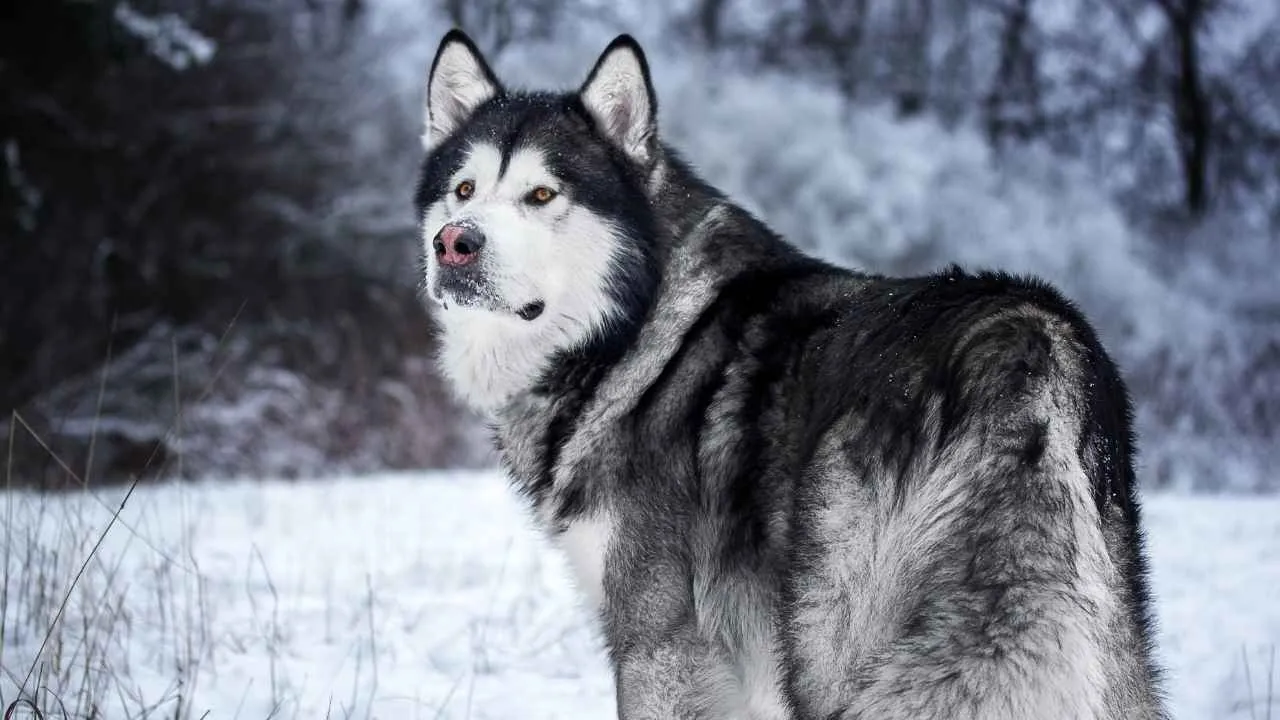
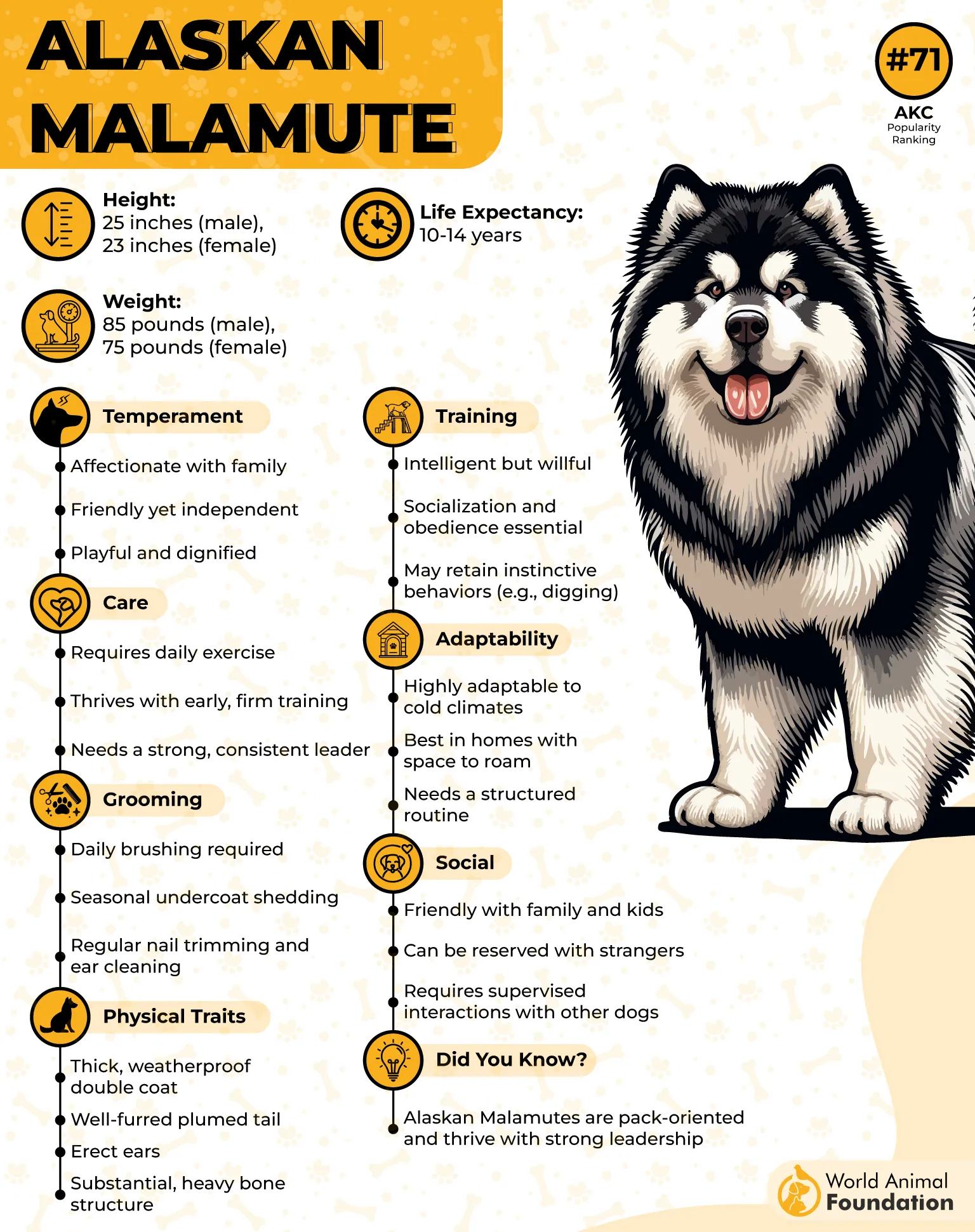
The Alaskan Malamute is an immensely strong dog with a steady, sweet vibe. This breed has a thick double coat that helps in cold weather and snowy conditions. On winter hiking days, that coat can feel like built-in protection. On camp mornings, an active warm-up walk helps muscles wake up.
An active routine also makes packing easier, because excitement stays controlled. And here’s the best part! Many campers absolutely love how calm this dog stays when the weather turns rough.
This dog needs a job. Long hikes are great, but so are structured games and carrying a small pack. Strenuous activity should build up over weeks, not start on day one. That gives joints, pads, and muscles time to adjust.
It gets even worse, though, when boredom hits, and a buddy decides camp gear looks like toys. For large dogs, manners matter even more because a playful bump can knock things over fast.
Good training matters because power plus chaos is not fun. Keep lessons upbeat and rules clear. Brush often, because this coat can be high maintenance during shedding.
With steady support, this dog can be one of the excellent hiking partners that handles long distances without losing its cool, even after a full day outside.
Strong-body basics for safer camping
Build stamina with steady activity before harder routes.
Teach “wait” and “leave it” for tidy camp life.
Check paws after rocky miles and dry them at night.
Choose cooler weather conditions when possible.
3. German Shepherd
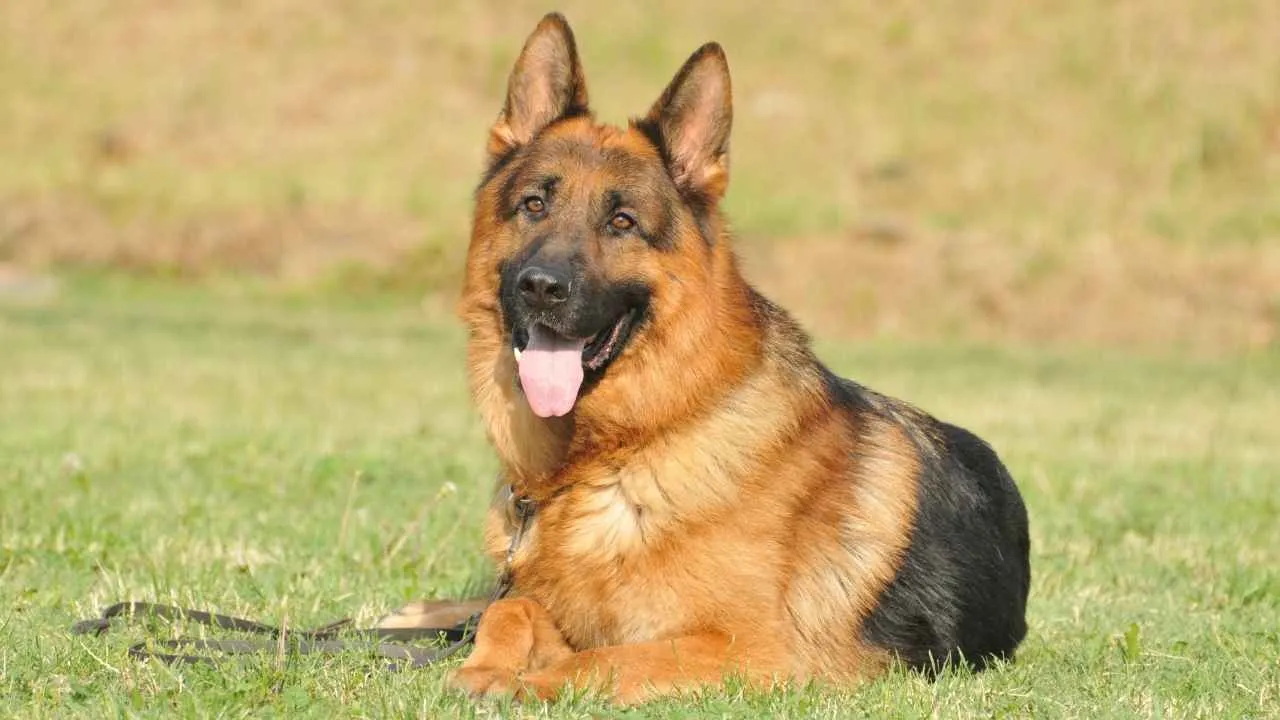
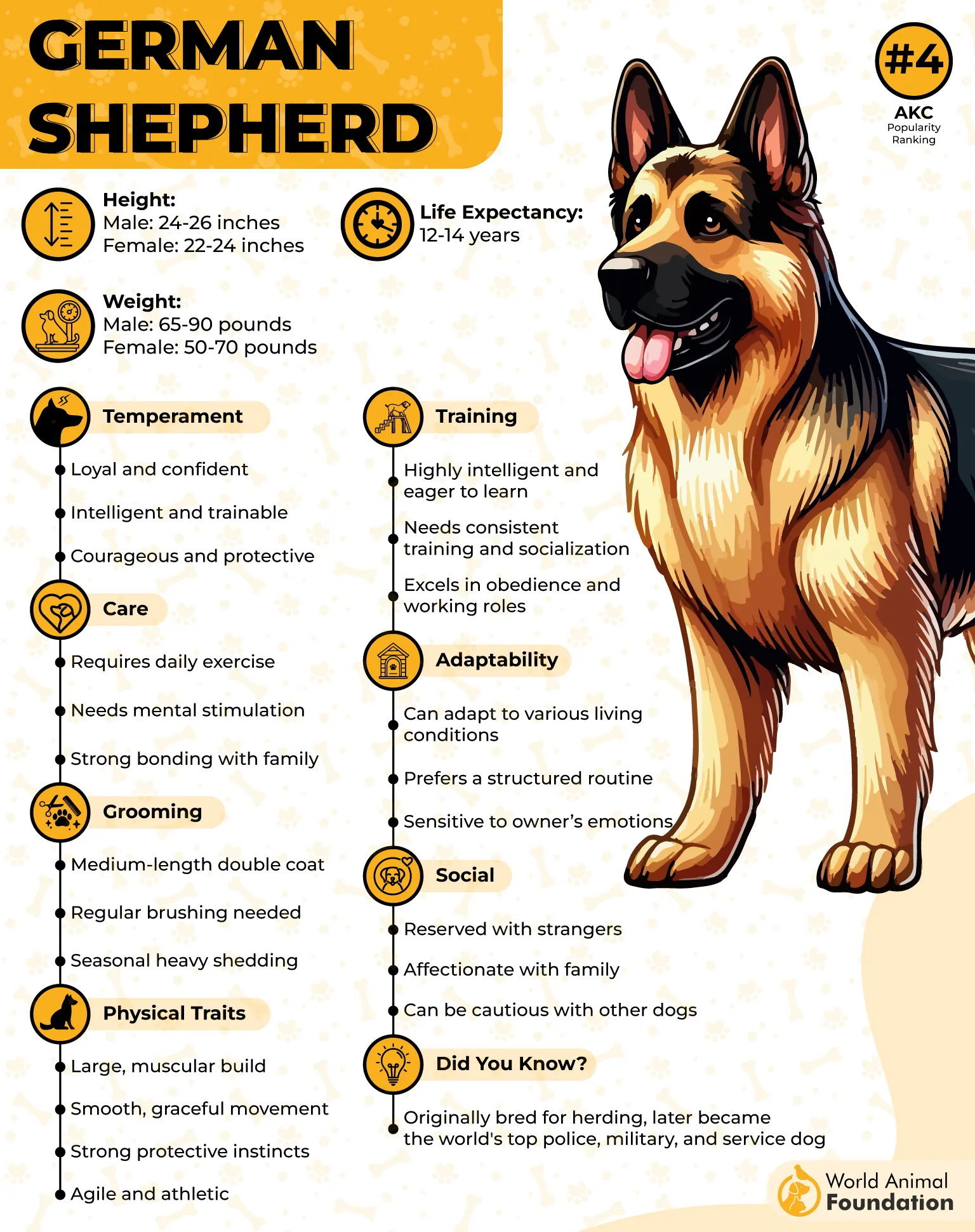
The German Shepherd is known for its work ethic and sharp focus, as mentioned by PetMD. This breed learns quickly and enjoys having a task, which fits hiking days really well.
A confident partner can stay close, watch the path, and move with purpose. For many campers, that feels like having a capable teammate who wants the same goal.
Structure matters. With no plan, the German Shepherd can get restless and destructive. Daily activity, play, and clear boundaries keep the mind settled.
Training should include calm passing, polite greetings, and steady focus near meals and gear. That also helps the dog stay safe around new noises and new places, and it helps the dog stay well-behaved when meeting other hikers.
Shedding is real, so a brush earns a spot in the pack. With steady exercise and short skill drills, this dog becomes one of the great trail partners for physical challenges like uneven rocks or stream steps.
German Shepherds also show up in rescue groups, and a rescue dog can thrive with patience and consistent support, even if the first trip stays short.
Camp skills that pay off fast
Teach calm settling on a mat near the tent.
Practice loose walking in busy places before the trip.
Offer chew time after hiking so energy drops gently.
Use simple games to keep focus sharp.
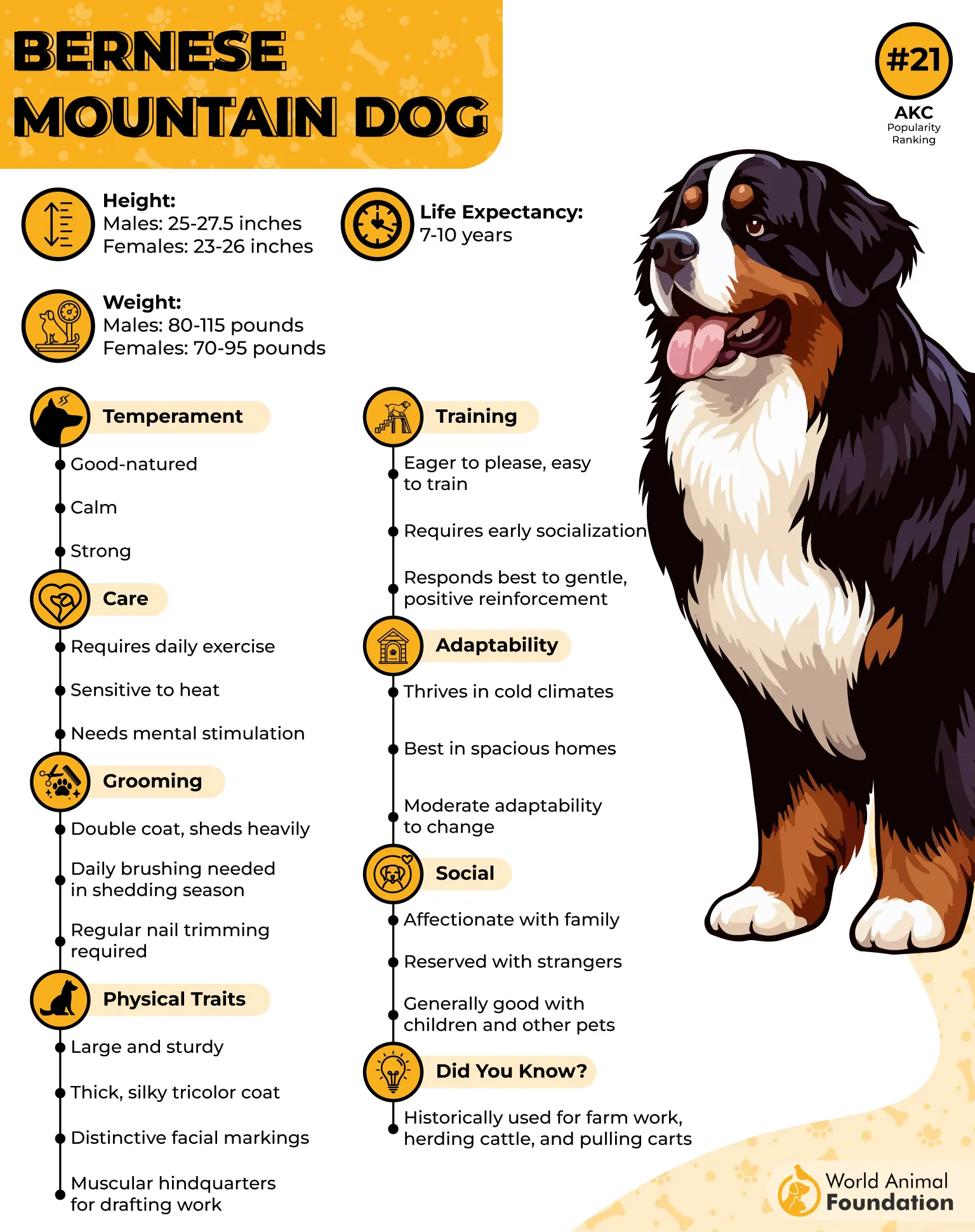
4. Bernese Mountain Dog
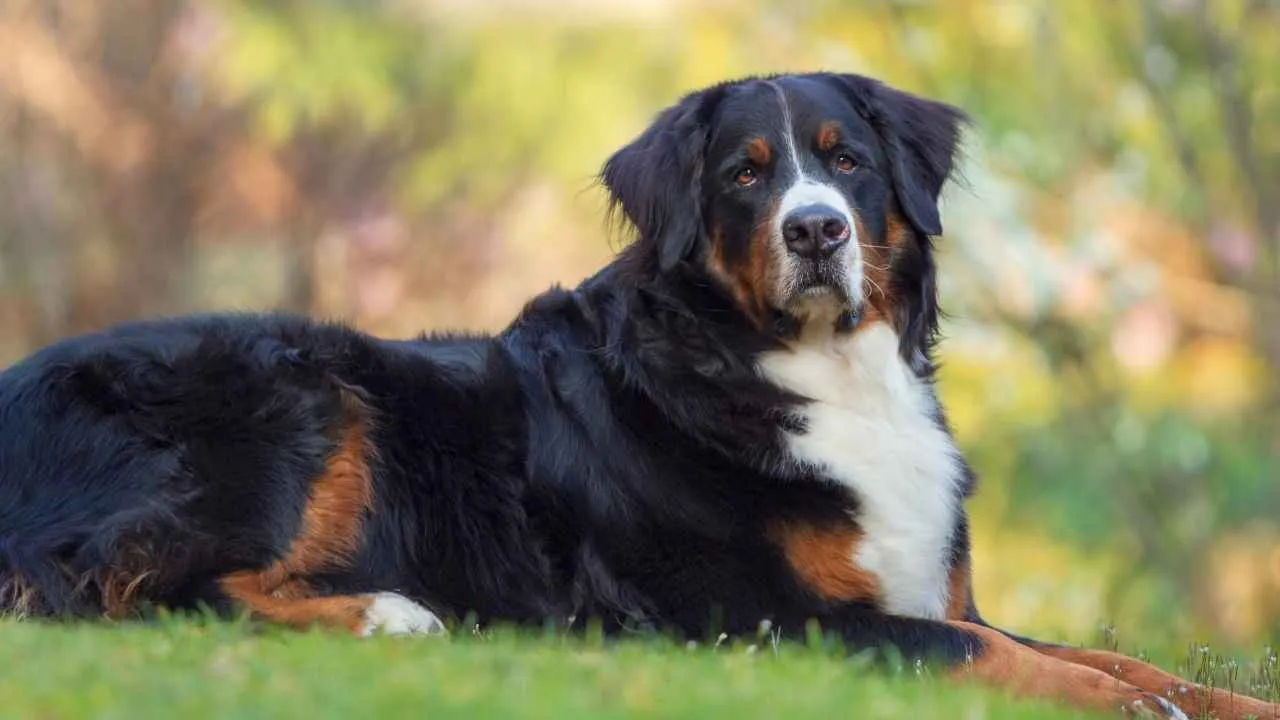
The Bernese Mountain Dog looks like a fluffy bear, but it is a working dog at heart. This Swiss working breed was originally bred to pull carts through the Alps, so steady power is part of the design.
On cool-weather hiking, this gentle dog often moves like a slow, happy tank. For many families, that calm presence feels like the best dog for cozy camp evenings.
Heat is the main risk. This breed does not tolerate hot summers well, so choose shade, water, and cooler routes. Health concerns matter too, including hip and elbow dysplasia and bloat, which can affect comfort and life quality.
A vet visit before a season of strenuous activity is smart. It matters even more with senior dogs or a dog that has slowed down on long walks. If any limping shows up, the kind choice is a rest day.
When temperatures are mild, this dog is well-suited for mountain climbing-style days with lots of breaks. Keep the pace steady and the pack light.
With that care, this dog can be one of the excellent companions that keep the camp calm and friendly for many hours.
Safety notes for the woolly powerhouse
Pick cooler routes and avoid midday heat.
Feed smaller meals and rest before and after big efforts.
Watch for stiffness and slow down early.
Keep a secure line near steep edges.
5. Anatolian Shepherd
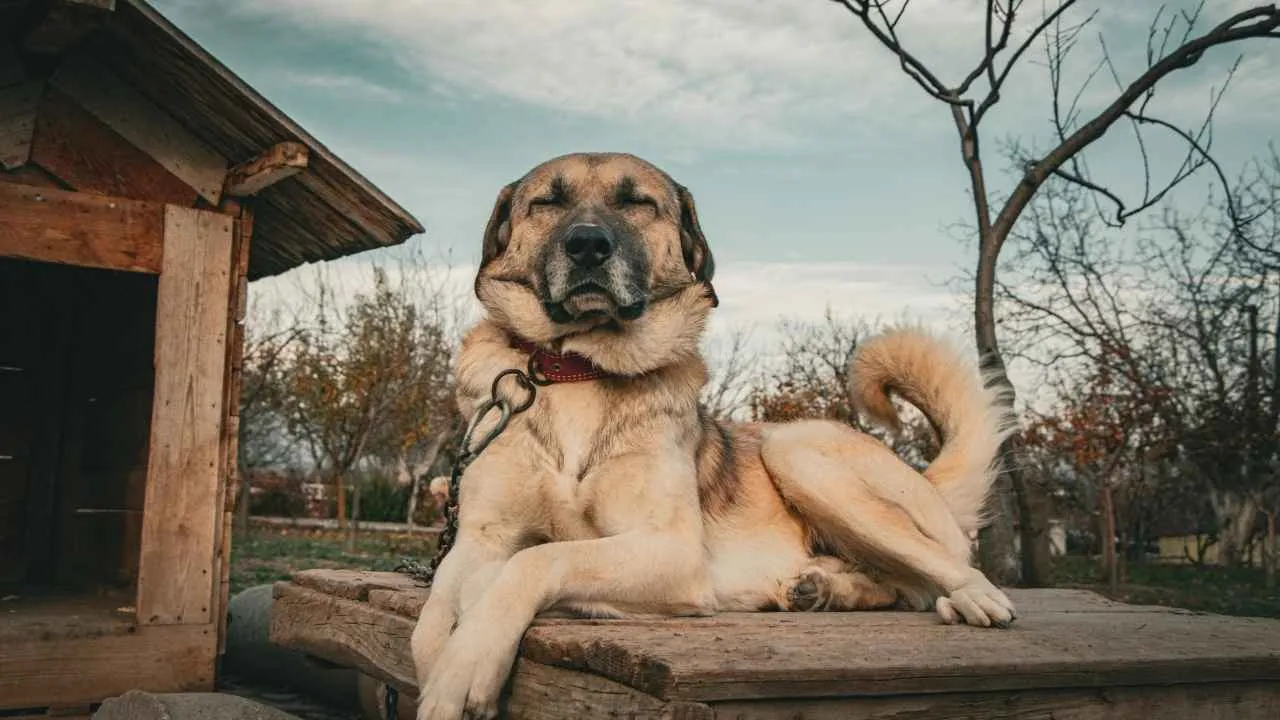
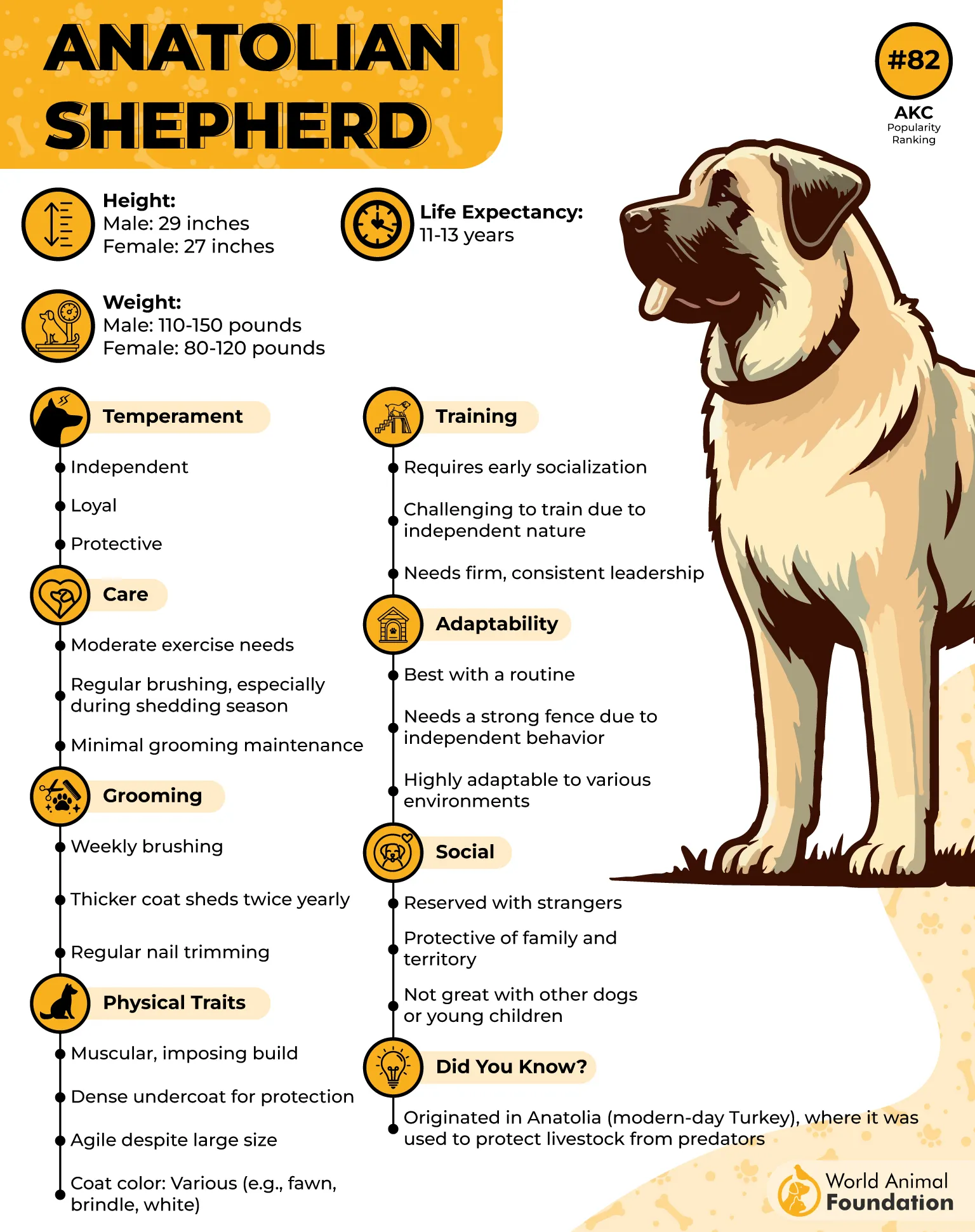
The Anatolian Shepherd often acts like a calm guard dog on four legs. This breed has a long history as a livestock protector, known for patience, loyalty, and serious awareness.
On outdoor adventures, that steady mind can help when strange sounds pop up at night. Here’s the good part: this dog can stay composed instead of spinning out.
The Anatolian Shepherd can work outdoors for many hours, but it also decides things on its own. That independence is useful on rough ground, yet it means training must be clear and consistent. Focus on trust, boundaries, and calm choices.
A strong “come” and “stay” keep everyone safe during hiking, especially around wildlife and tempting smells. Clear rules also help the dog relax when camp gets busy.
Give this partner a clear resting spot, like a bed just outside the tent door. That predictable place can lower stress during busy camp evenings.
Because this breed can be reserved, early social time matters. Without it, excessive barking can show up when strangers pass the tent. A secure line and clear camp zones help the dog settle.
This breed also appears in rescue circles, and a rescue dog needs time to decompress before extended hikes. With the right match, this dog becomes one of the excellent hiking partners that feels steady and reliable.
Simple ways to earn trust outdoors
Keep rules the same each day and reward calm choices.
Give a “job,” like watching camp quietly from one spot.
Offer shade breaks and water during long hikes.
Introduce new friends slowly and politely.
6. Weimaraner
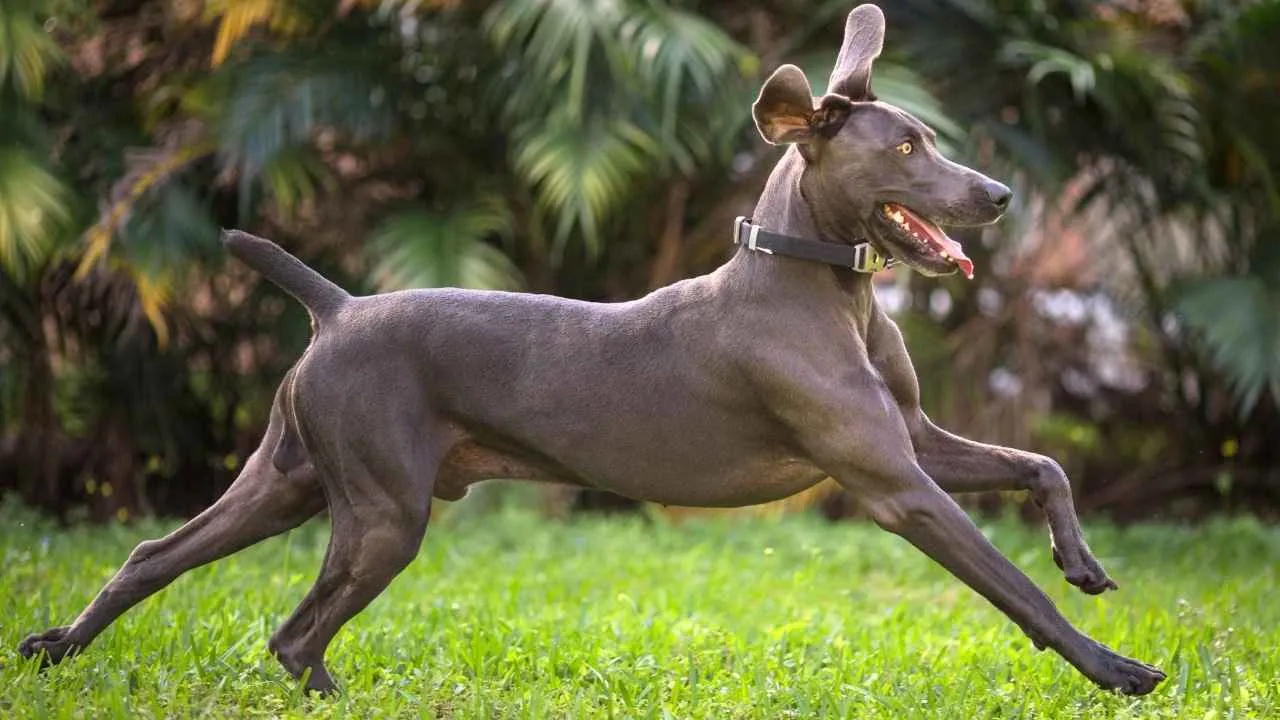
The Weimaraner is one of those athletic dogs with a huge heart and a busy brain. This breed is from Germany and was bred to be a sportsman’s companion, so movement is part of its identity.
On hiking days, the dog shows fast learning, eager games, and a strong need to stay close. It fits an active lifestyle and often feels like a playful shadow.
This dog needs a lot of physical exercise, and not the “oops, forgot today” kind. Here’s the best part! When the body gets enough work, the mind settles, and camp gets quiet.
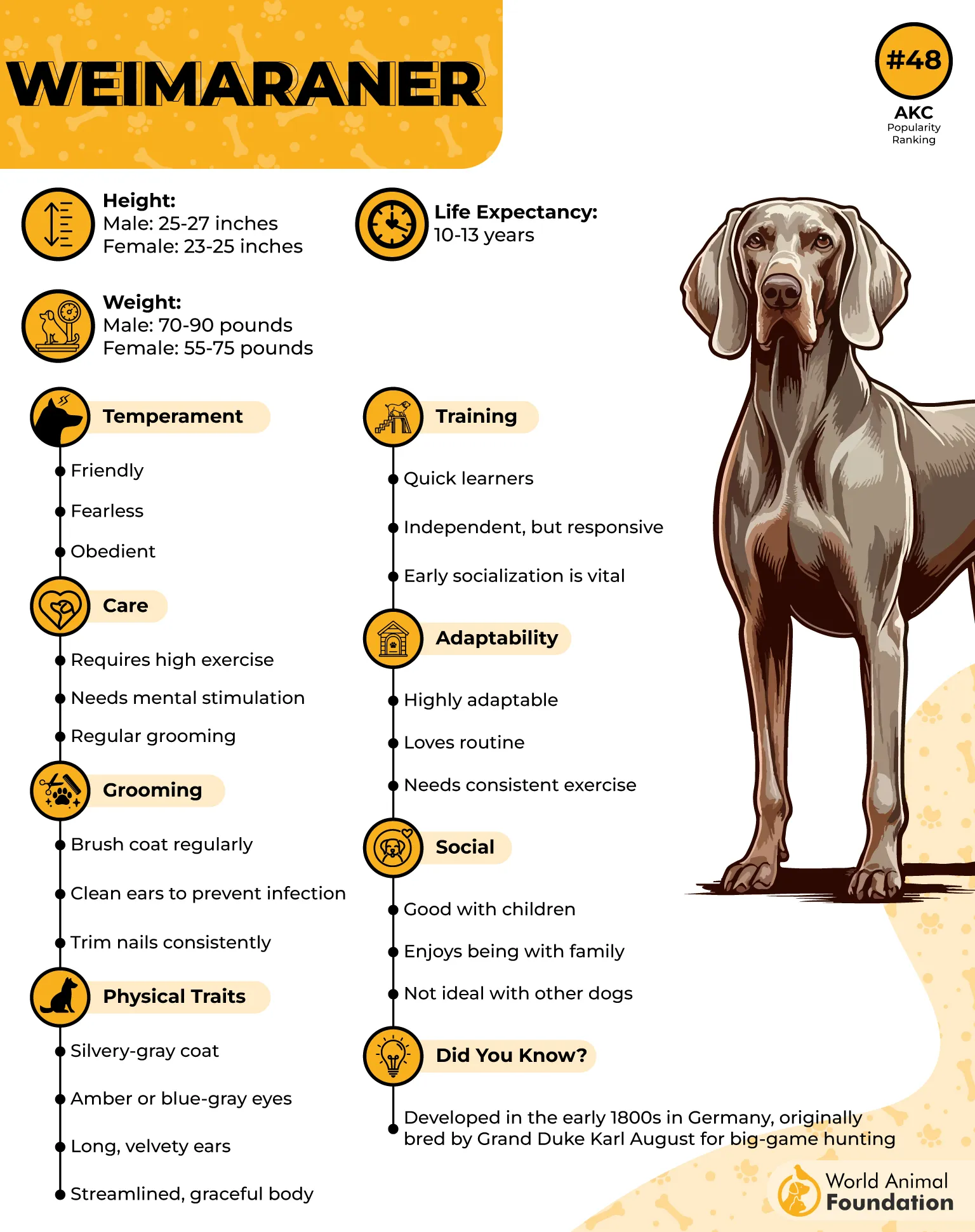
Many people say the dog becomes a loyal companion that checks in often and sleeps hard after a long day outside. That sweet tiredness can make camp feel peaceful. After a big push, let the buddy sniff and decompress before settling.
A key detail is prey instincts. This dog can have a strong prey drive, and it can also show a high prey drive around quick critters. That includes squirrels. In some homes, the dog can fixate on cats, too.
So the leash stays on in most places, plus calm focus practice and a solid “leave it.” Many rescue groups place this breed, and a rescue dog can still become an excellent hiking partner with patient, safe routines.
Smart games for a busy brain
Play simple scent hunts around camp, then reward calm rest.
Rotate toys and bring a chew for quiet time.
Do short practice sessions before meals.
Keep a safe distance from wildlife and stay steady.
7. Australian Shepherd
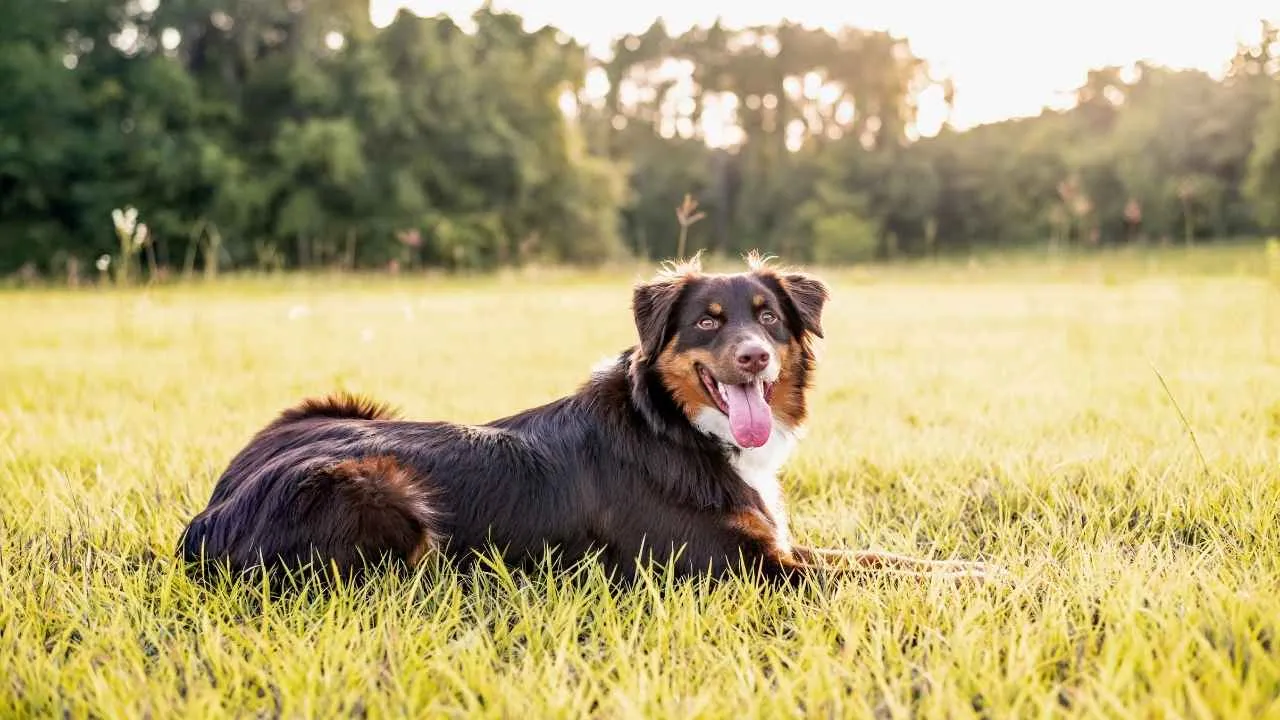
The Australian Shepherd is a compact dog with a bright smile. This breed is active, agile, and work-focused, which is why it shows up in dog sports and agility. On long-distance camping, that drive can be a gift.
The Australian Shepherd wants tasks, patterns, and shared goals, not random wandering. An active game like hide-and-seek with treats can tire the brain fast. It also turns waiting time at camp into something fun.
This pet companion thrives when the day has purpose. That can mean carrying a light pack, holding a steady heel, or learning fun cues on the trail. One hike per week will not cut it. This buddy needs regular exercise, plus brain work, to stay balanced.
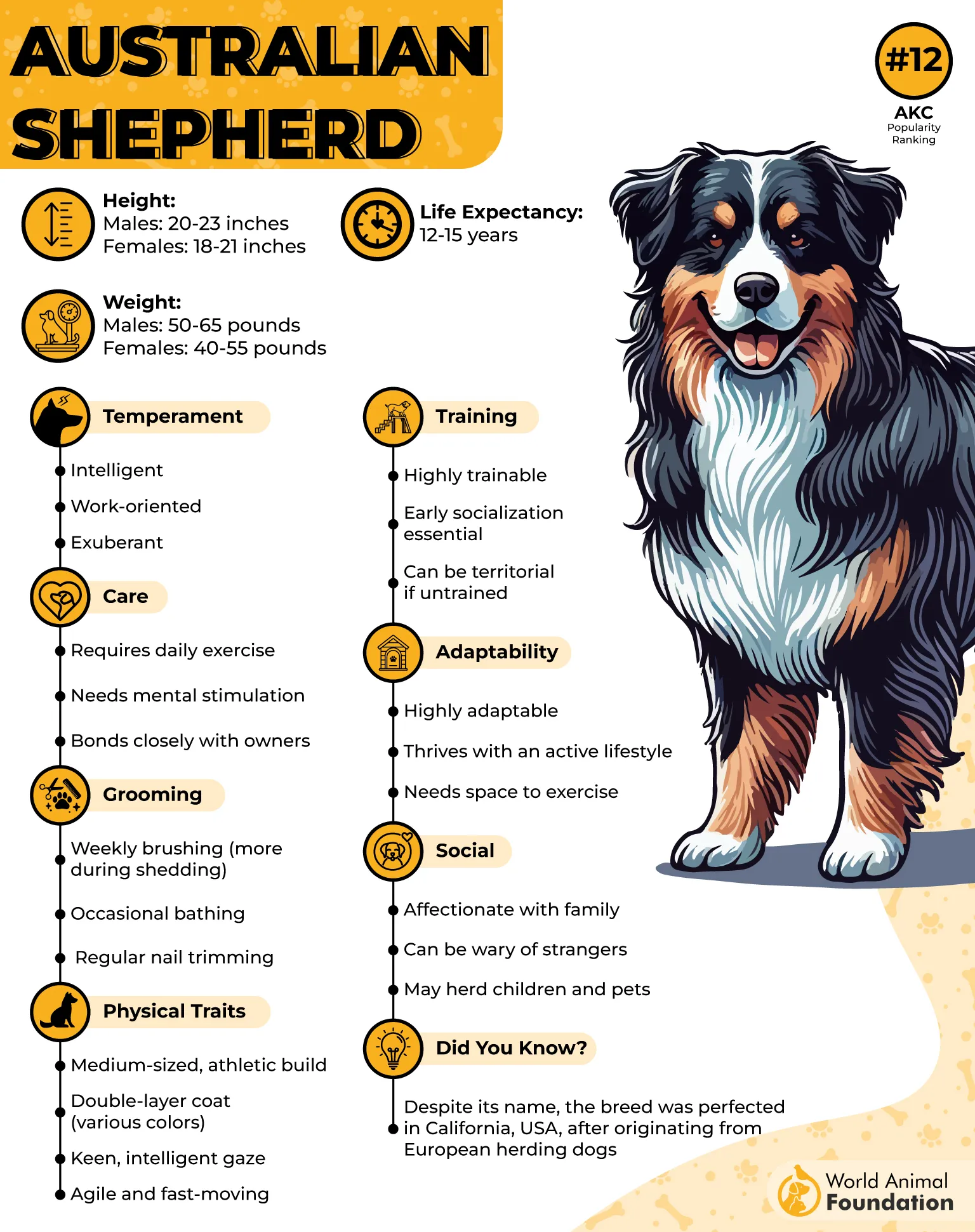
With a kind structure, this dog becomes one of the great trail partners that keeps hiking with joy through long distances, and it can rank among the good hiking dogs for people who stay consistent.
But wait, there’s more! Without enough outlets, habits can get messy. Barking at tents, chasing motion, or getting too excited around other dogs can show up.
Keep play calm, reward good choices, and set rest time. This breed also has many rescue options, and a rescue dog can blossom into one of the excellent companions once it feels safe and supported.
Easy jobs that make the day fun
Teach a “place” cue for calm rest near the tent.
Use mini obstacle steps over logs, safely and slowly.
Keep a secure leash in busy camp areas.
Mix movement with quiet time so energy stays even.
Conclusion
Strong camping partners are not magic. They are built through smart matching, steady exercise, and kind training. These seven breed picks can handle hiking, long distances, and long hours, but each dog still needs care.
Plan water, food, and rest, and watch paws during strenuous activity. Keep the leash ready when surprises pop up on the trail, and stay calm for the most part when plans shift.
For rescue families, the win can feel huge when patience turns a nervous puppy into a confident friend. And here’s the best part! Once the best dog settles in, every trip adds more trust, more fun, and more stories to share with friends.
Little wins add up, and confidence grows with every safe mile.
