




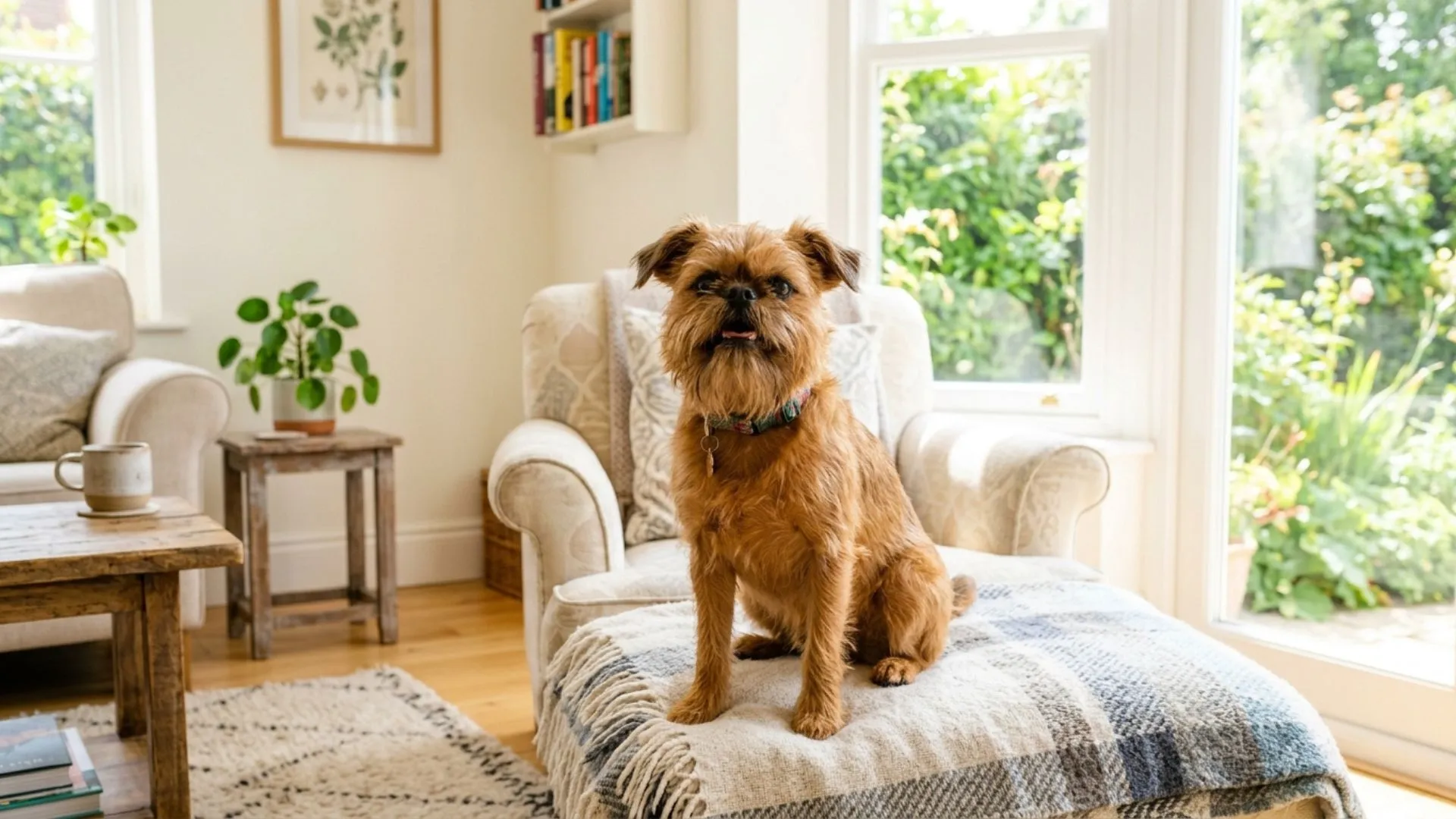
The emotional effect of small dogs exceeds that of larger dogs. The small dogs provide a perfect solution for modern apartment living because they suit first-time owners who seek companionship from dogs that require little space.
Pocket dog breeds show their intelligence and charming personalities because they show surprising confidence, which contradicts their small body sizes.
Pet parents love small dogs because these pups win their affection through their friendly nature and ability to adapt to indoor environments. Each breed presents distinct attributes that range from their fluffy coats to their exceptional personality traits.
Choosing the right one means understanding their behavior, grooming needs, and energy levels—it’s a long-term decision, so it’s worth getting it right.
Some small dogs live longer than large breeds, often reaching well into their teens. Toy dogs were created to serve as companions for royal and noble individuals. Many small dog breeds rank among the intelligent dog breeds that exist in the world.
Popular Pocket Dog Breeds: What You Need to Know
1. Chihuahua
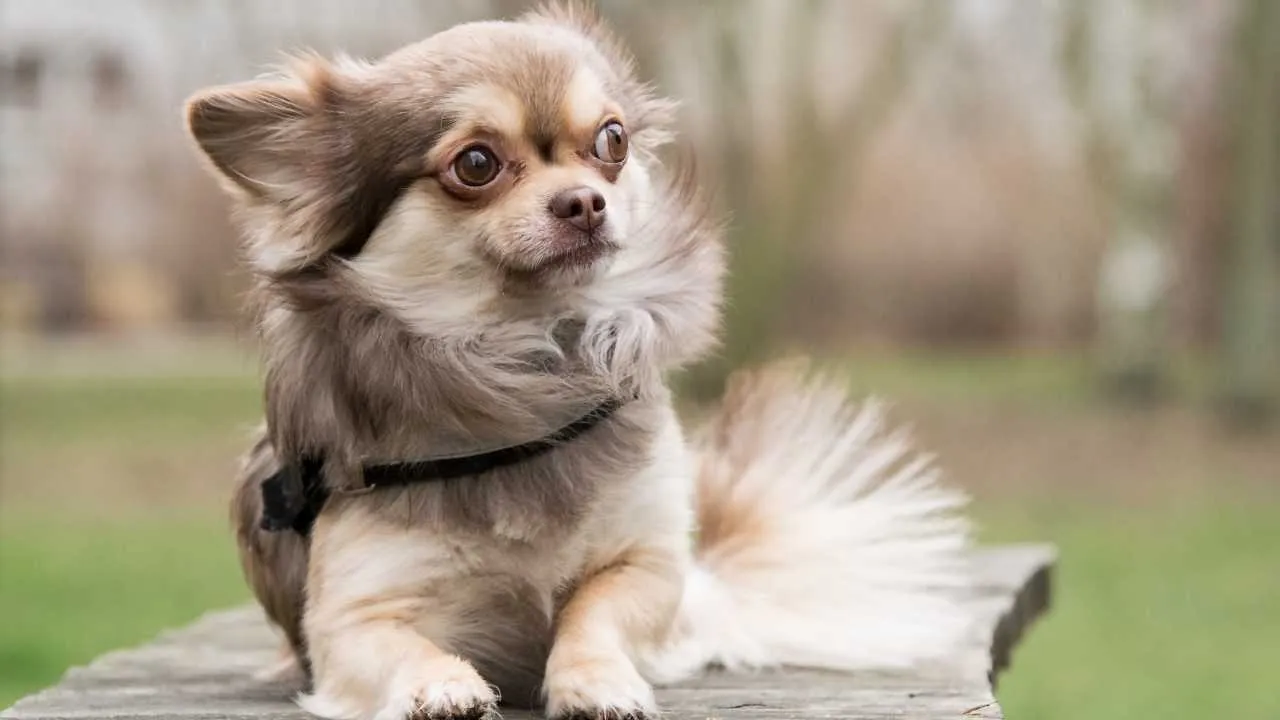
The Chihuahua exhibits a unique charm through its domed skull, its ability to show expressive eyes, and its upright ears, which are alert to all surrounding activities. Some Chihuahuas possess a distinctive soft spot called a molera, which makes them different from others.
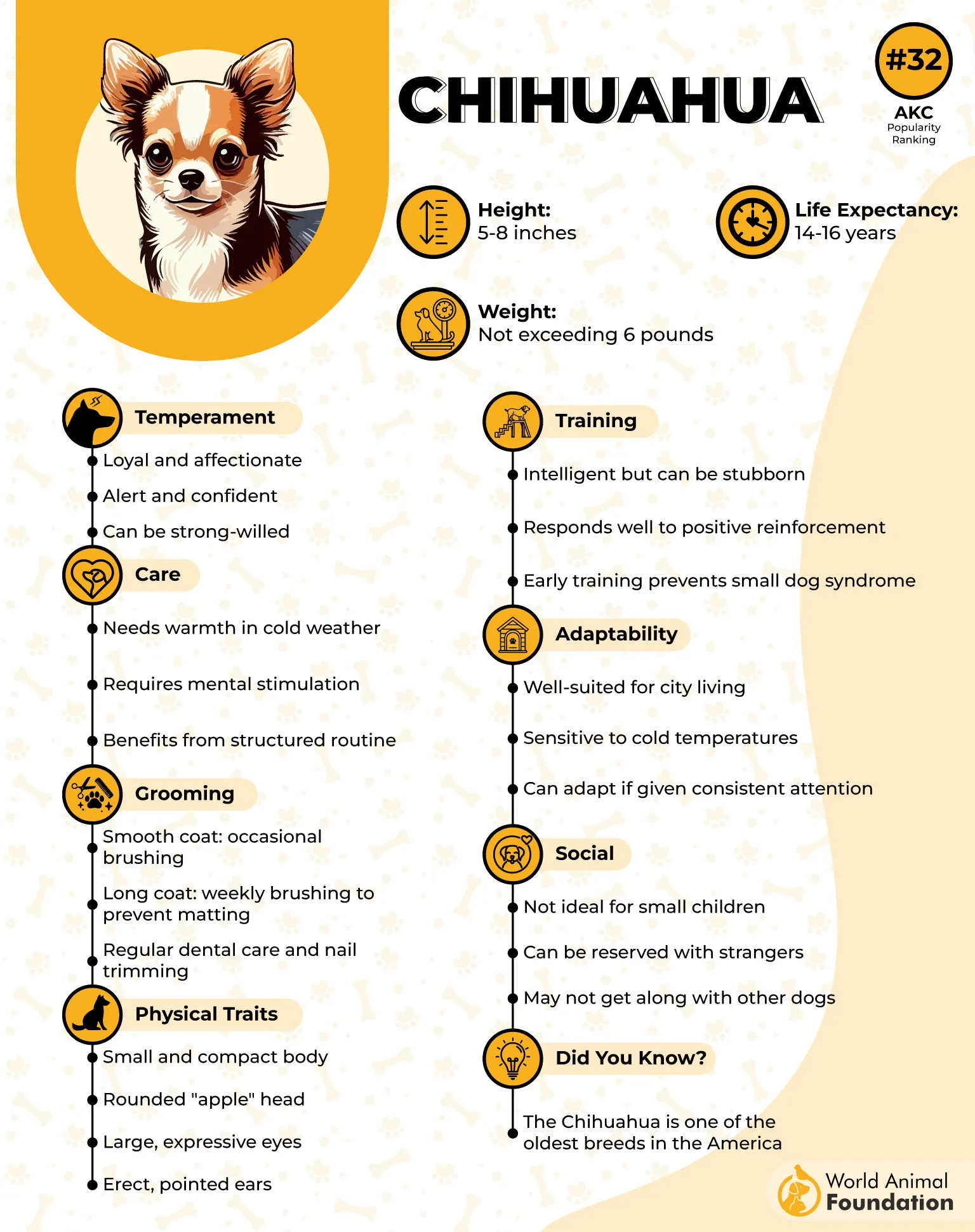
A Chihuahua brings the comforting feeling of a loyal companion that stays close to you at all times. It forms strong bonds with one human partner whom it serves with complete dedication. It develops an instinctive need for caution in social situations with new people or young children, as proper social development should begin from an early age.
It needs minimal exercise because it can thrive as an apartment pet and needs regular mental engagement. Small dog emotional stability gets supported through regular behavior patterns, which Hills Pet Nutrition recommends. The combination of gentle training techniques with mental exercise leads to improved dog behavior changes that occur throughout time.
2. Pomeranian
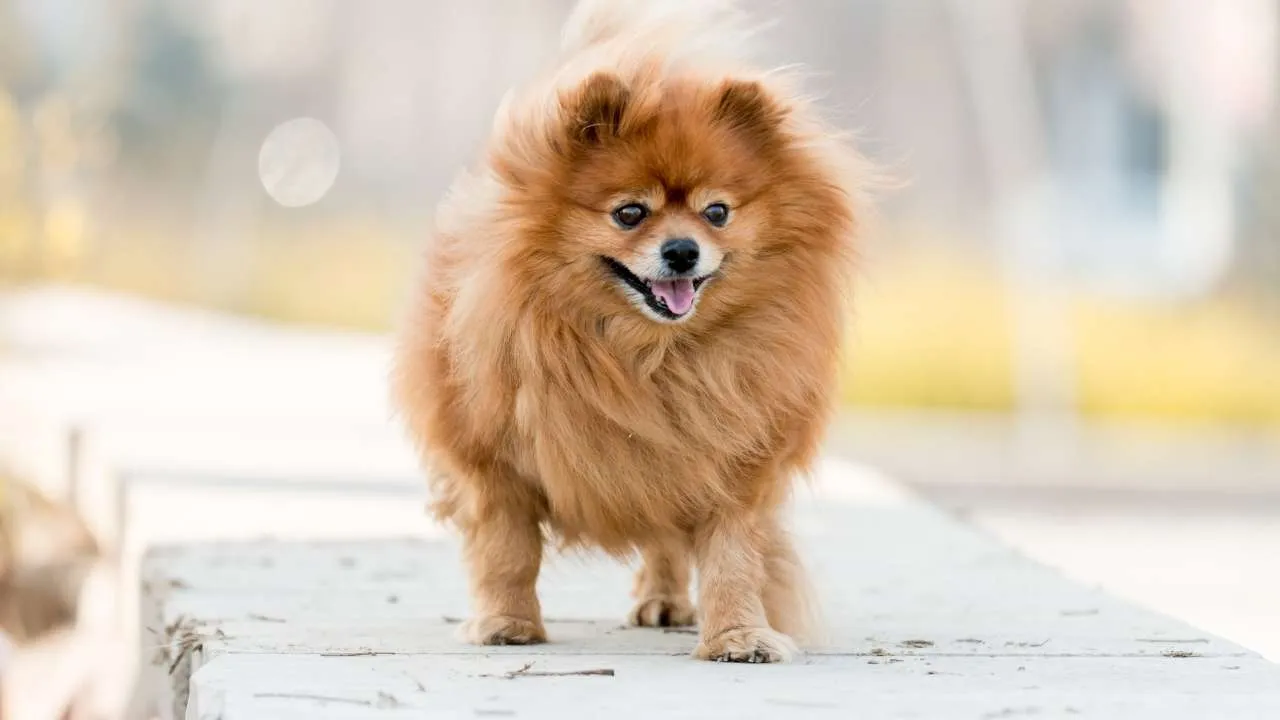
The Pomeranian looks like a tiny ball of fluff, yet carries the confidence of much larger counterparts. It attracts attention because of its thick double coat and fox-like facial features. With its soft appearance, it becomes an active companion that needs to stay engaged with people throughout their everyday lives.
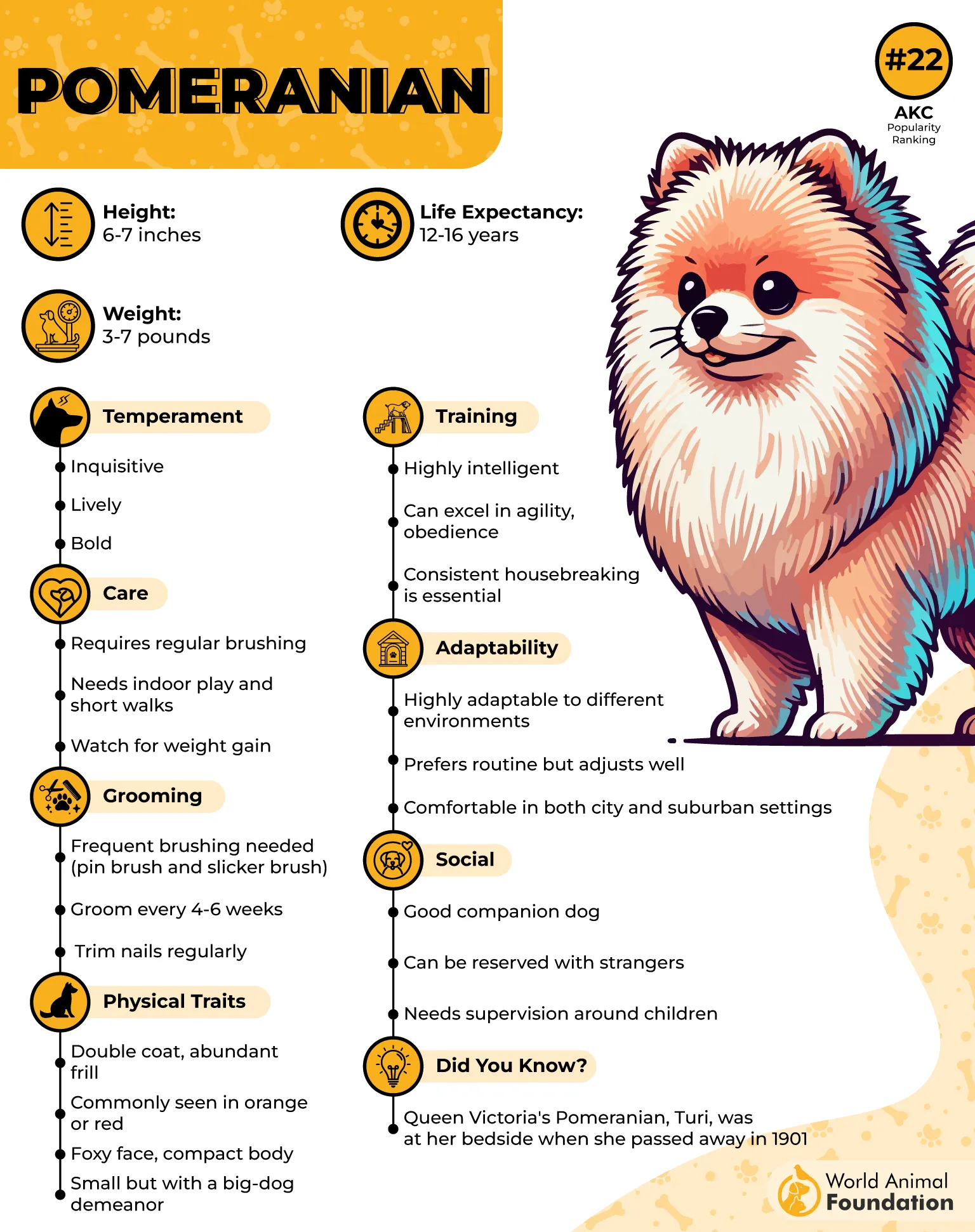
The Pomeranian acts as a watchdog because it remains alert to everything happening around it despite being a small dog. It suits first-time owners because it learns quickly and trains well, making it a lively companion that responds to commands.

The double coat requires daily brushing because it helps remove tangles from the fur. It maintains good behavior through exercise and playtime while its activity level stays between active and quiet. The American Kennel Club shows that early dog training establishes a foundation for developing confident yet controlled dog behavior.
3. Toy Poodle
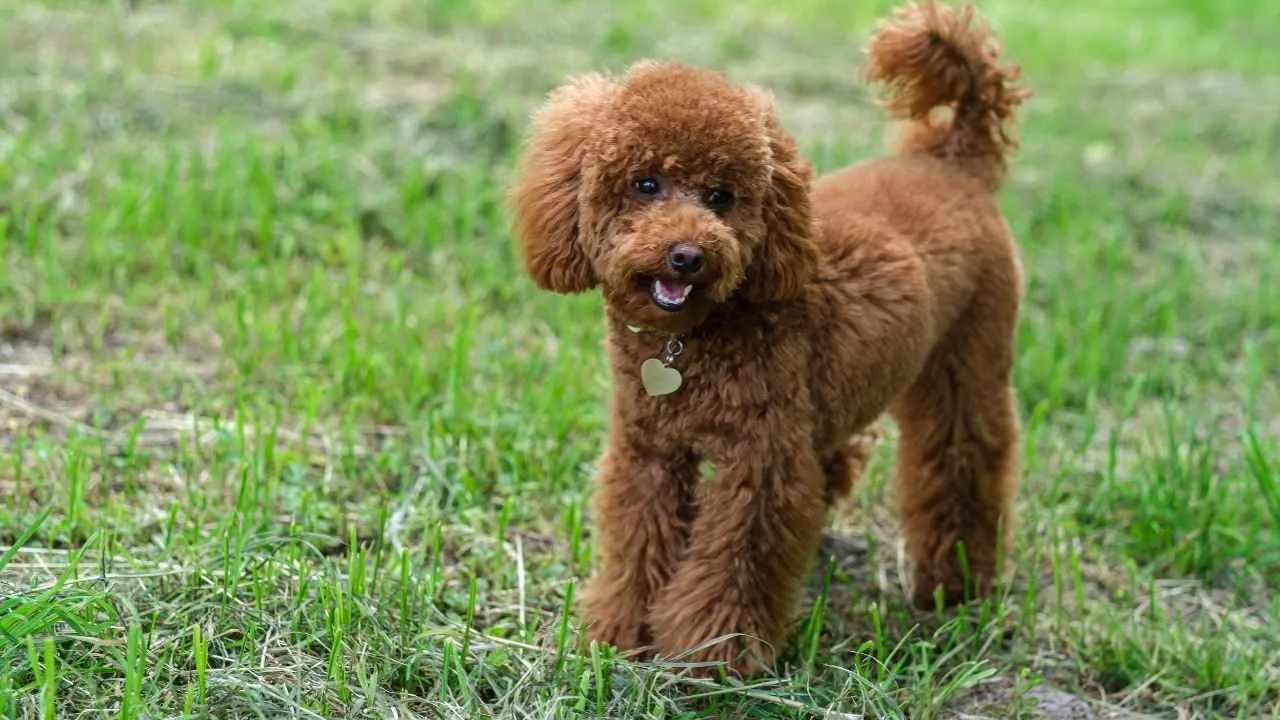
The Toy Poodle stands as an attractive toy dog breed that possesses both elegance and intelligent qualities. It attracts people who want to maintain clear homes because it features a curly coat that needs low maintenance and does not shed hair. The Toy Poodle shows superior abilities through its learning skills and quick adaptation abilities.
People who own this breed experience both companionship and active interaction. It develops strong emotional bonds that require owners to spend time with it. It may also develop separation anxiety when it does not receive proper human contact.
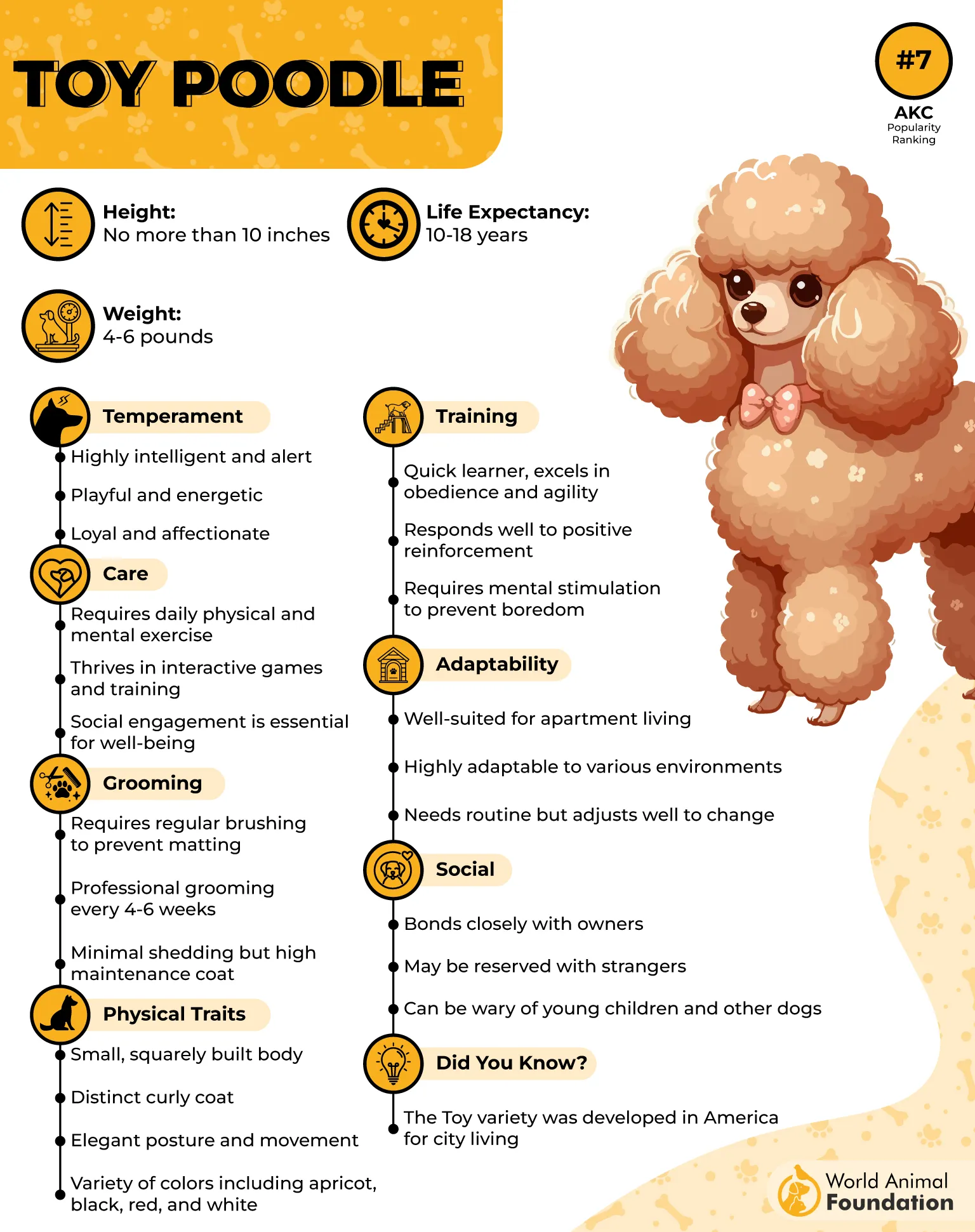
Regular grooming prevents matting and maintains coat health through upkeep. It requires mental challenges because its natural behavior includes learning new skills. Structured activities benefit highly intelligent breeds by improving their emotional stability and physical health.
4. Maltese
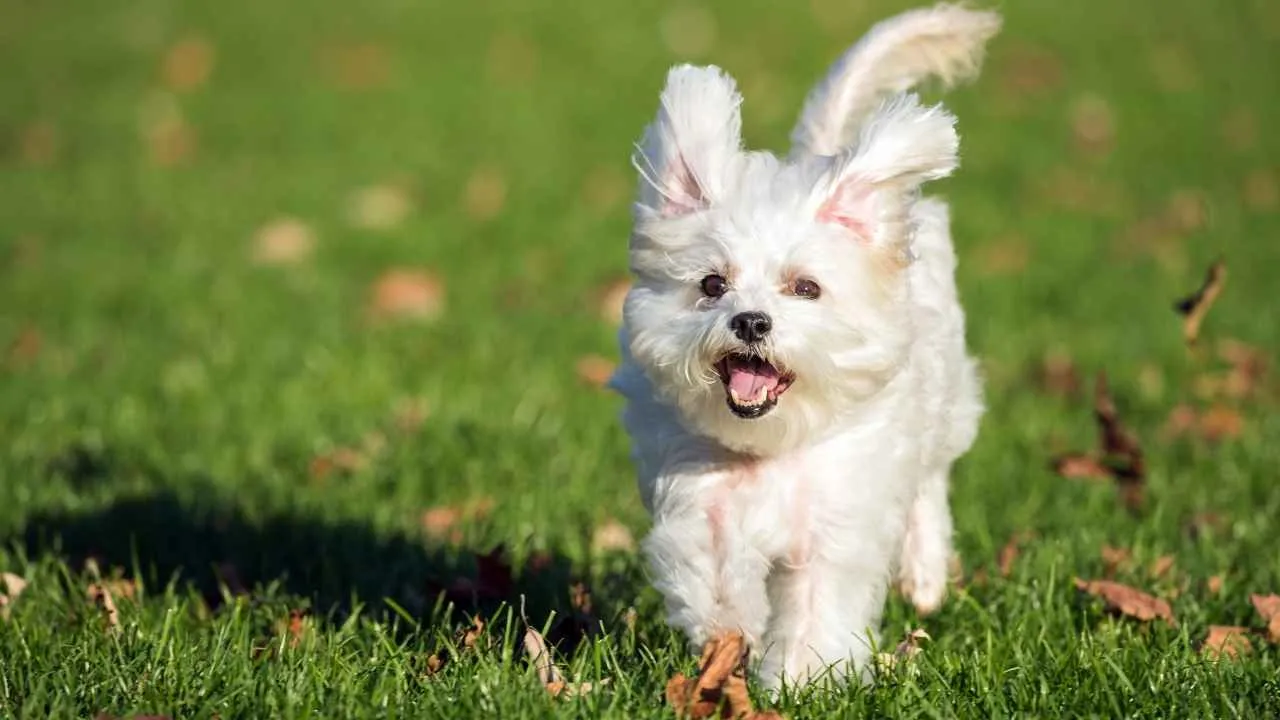
The Maltese exists as a companion dog that has maintained its status since ancient times, when it served Mediterranean regions. It stands out with a silky white coat, dark expressive eyes, and a graceful presence that reflects its heritage. The delicate appearance of the Maltese makes its actual behavior, which demonstrates complete self-assurance.
The Maltese creates a home atmosphere that combine affection with warm companion affection with warm companionship. It makes an ideal choice for people who want to build emotional bonds because it offers both fun and peaceful times.
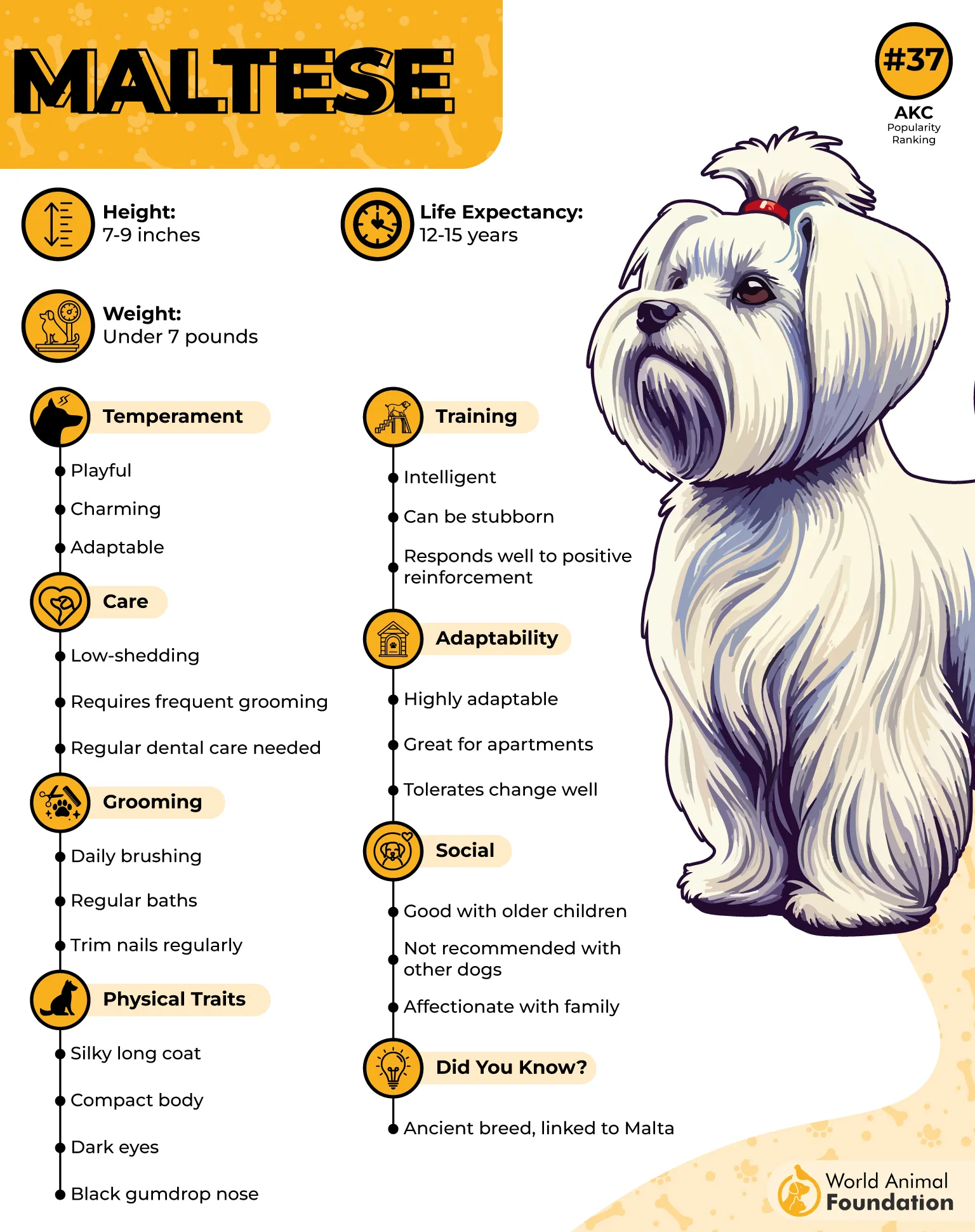
The silky coat of the dog breed requires regular brushing to keep it tidy while preventing hair tangles. Balanced behavior develops through gentle handling and a consistent daily schedule. Purina states that small breeds need consistent care routines to maintain their coat health and emotional stability.
5. Yorkshire Terrier
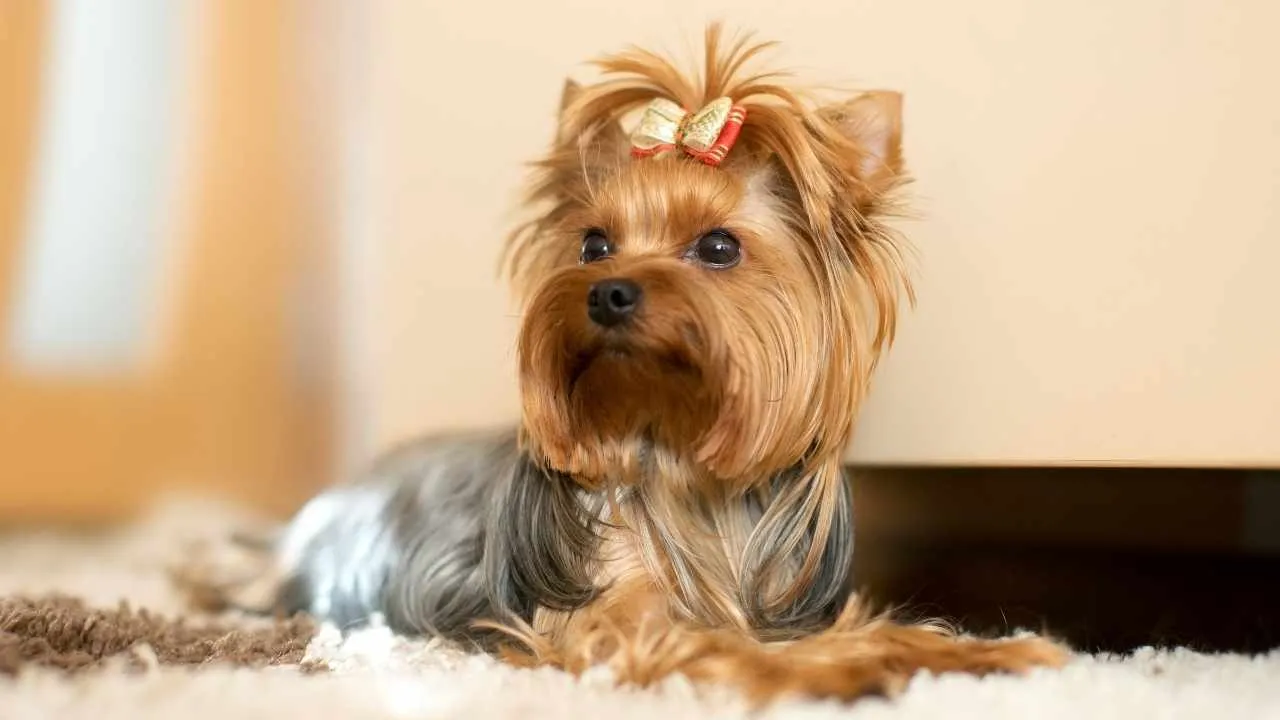
The Yorkshire Terrier, also known as a Yorkie, delivers its full energy in its small body size. It displays both elegance and determination through its silky coat, which features blue and tan color combinations. It shows terrier behavior because its actual size fits into the toy breed category.
These terriers display their complete personality through active alertness, which lets them perform their role as miniaturized watchdogs. They establish deep emotional ties with their surroundings through their need to receive affection, which creates an active yet loving presence throughout the house.
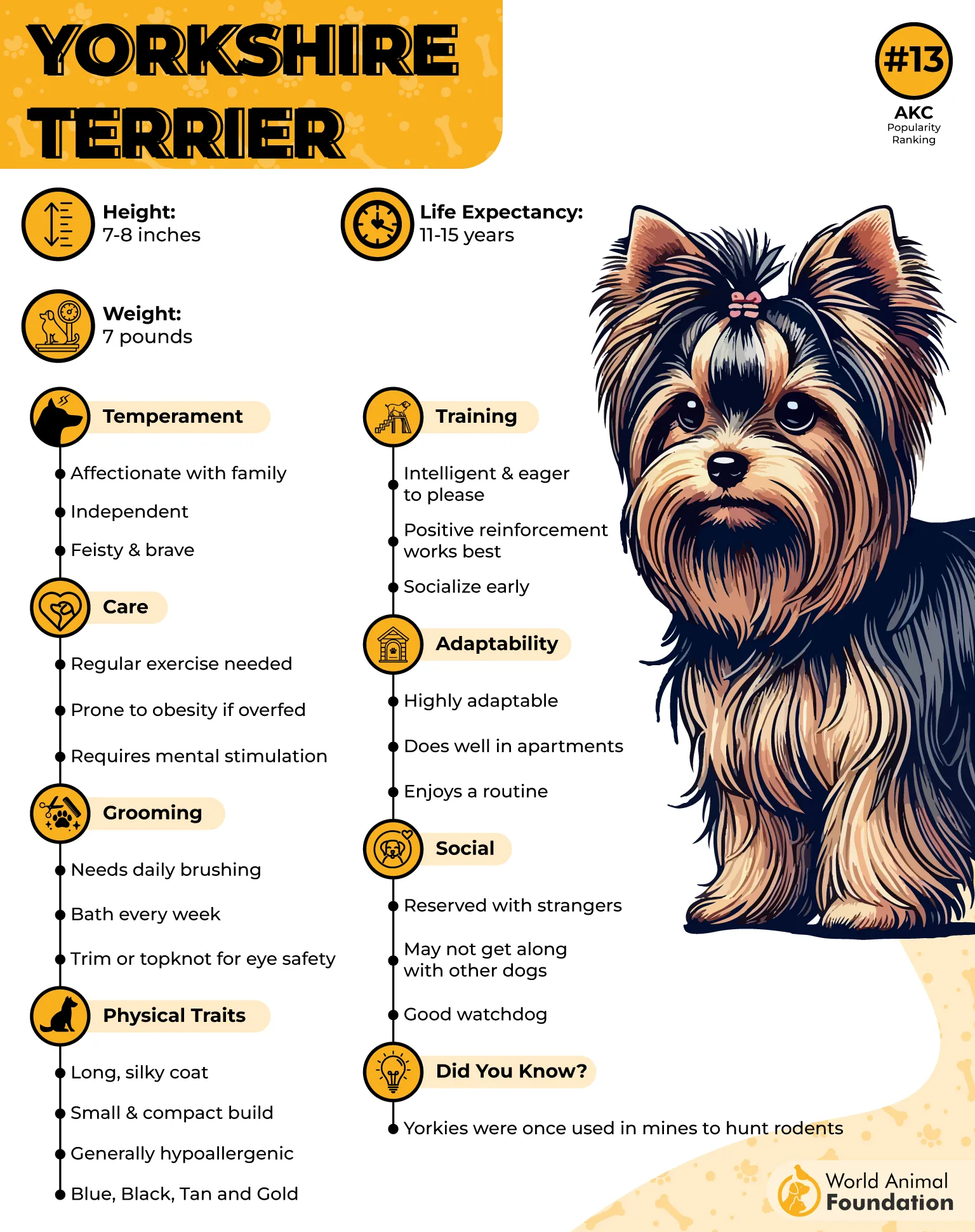
Training requires patience, as stubborn tendencies may appear. The owner needs to perform daily brushing, which maintains the silky hair in a neat and easy-to-handle state. Britannica states that energetic small dogs need structured routines to follow because this method helps them maintain their self-control.
6. Brussels Griffon
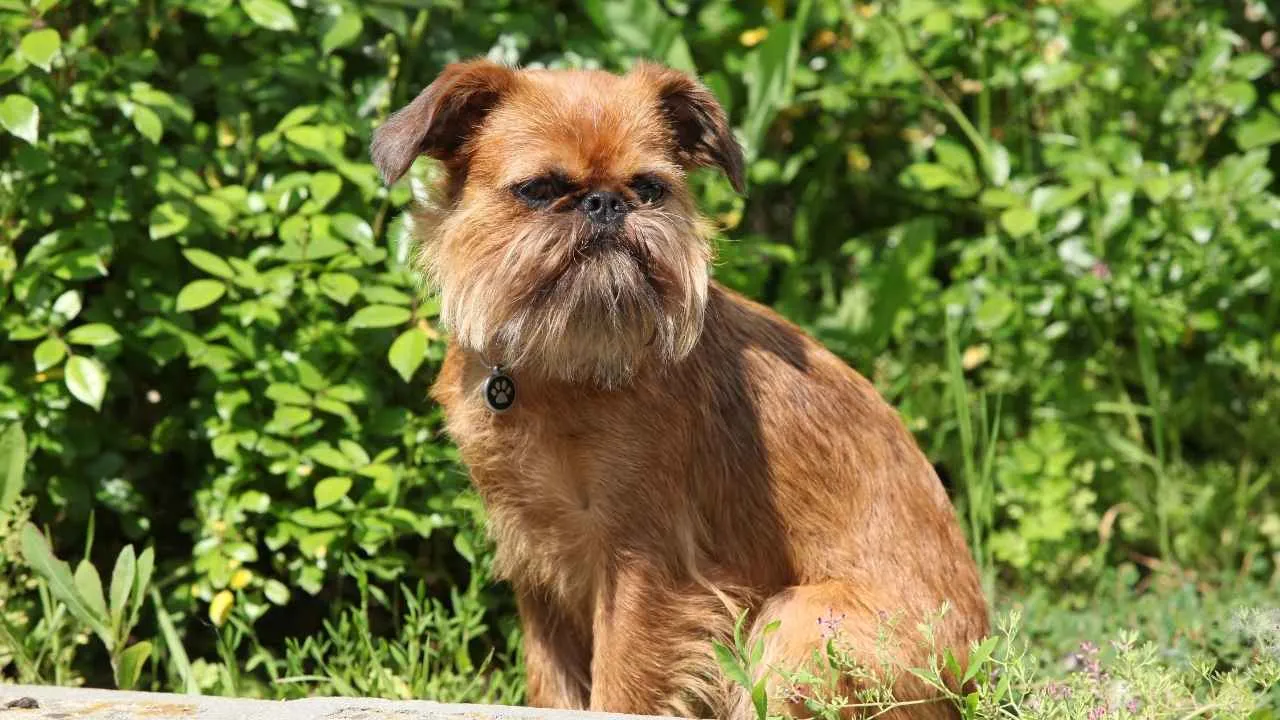
The Brussels Griffon presents a unique character that establishes a strong bond with people. It displays ”velcro” behavior because it needs to stay near people and participate in their daily activities. The dog communicates its feelings through facial expressions, which allows people to identify its emotions.
It demonstrates its ability to live successfully in apartments while operating with energy levels that fall between low and high. This dog needs company throughout its daily life because long-term solitude creates distress for the animal.
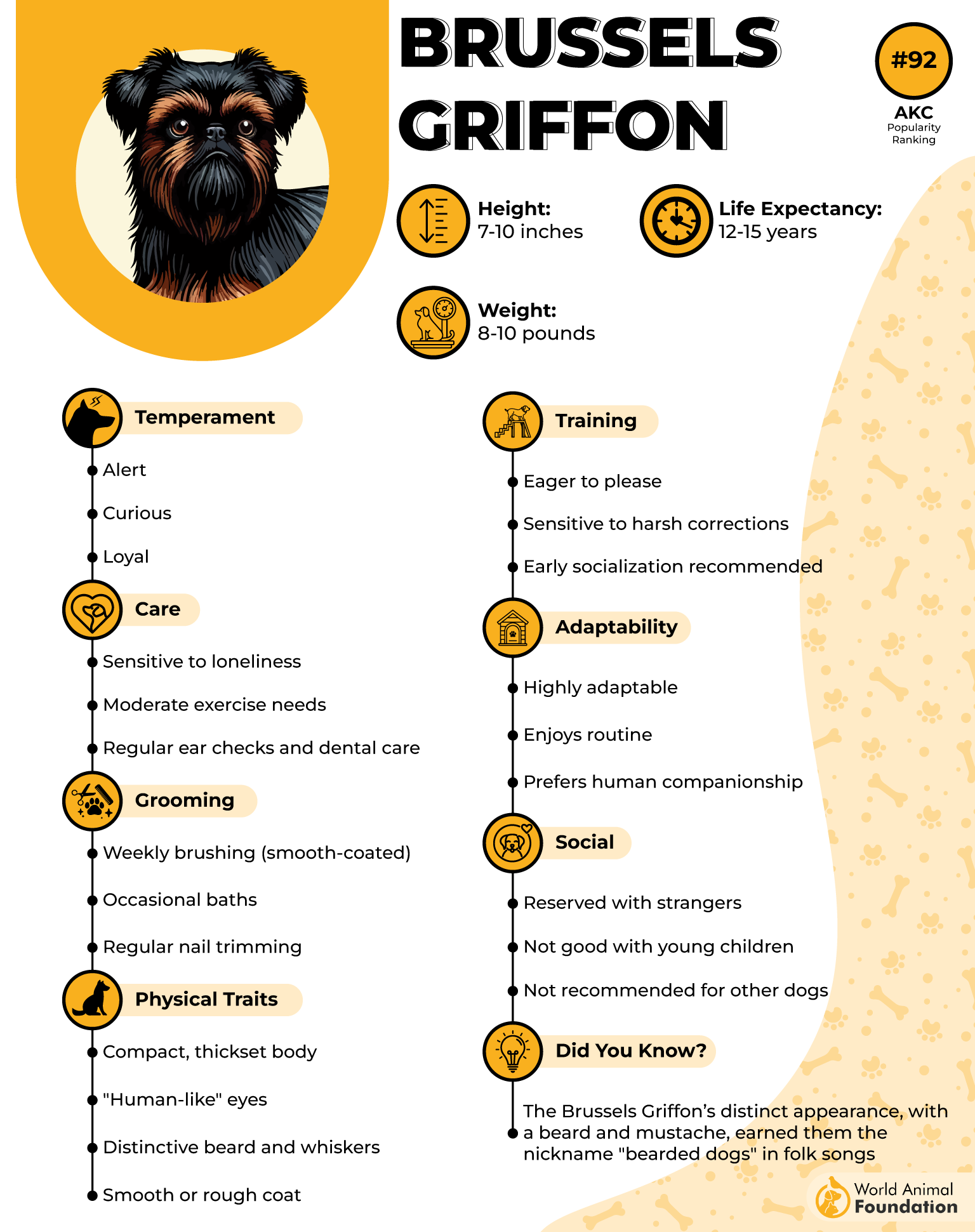
Short walks and indoor activities support a balanced routine. Its sensitivity requires gentle handling and consistent training. Insights shared by WebMD highlight that low emotional needs in companion breeds influence overall behavior and well-being
7. Shih Tzu
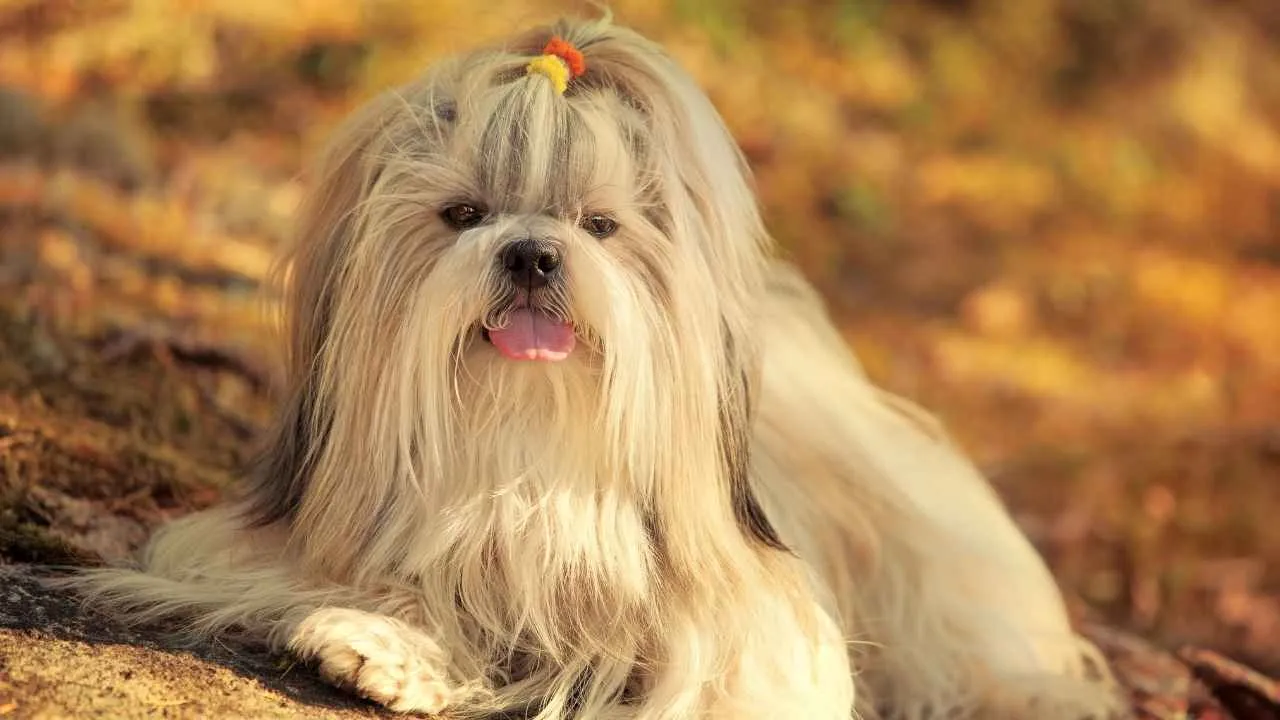
The Shih Tzu carries a royal history, often associated with palace life and companionship. This companion dog displays its exquisite beauty through its long hair, which falls to the ground, and its self-assured stance. It establishes friendly relationships with people, which enables it to adapt to various home environments.
The Shih Tzu creates a peaceful and loving atmosphere in family settings. It needs to be around people because it reaches its best when it receives attention and interaction. Its well-balanced personality makes it one of the most preferred small companions among dog owners.
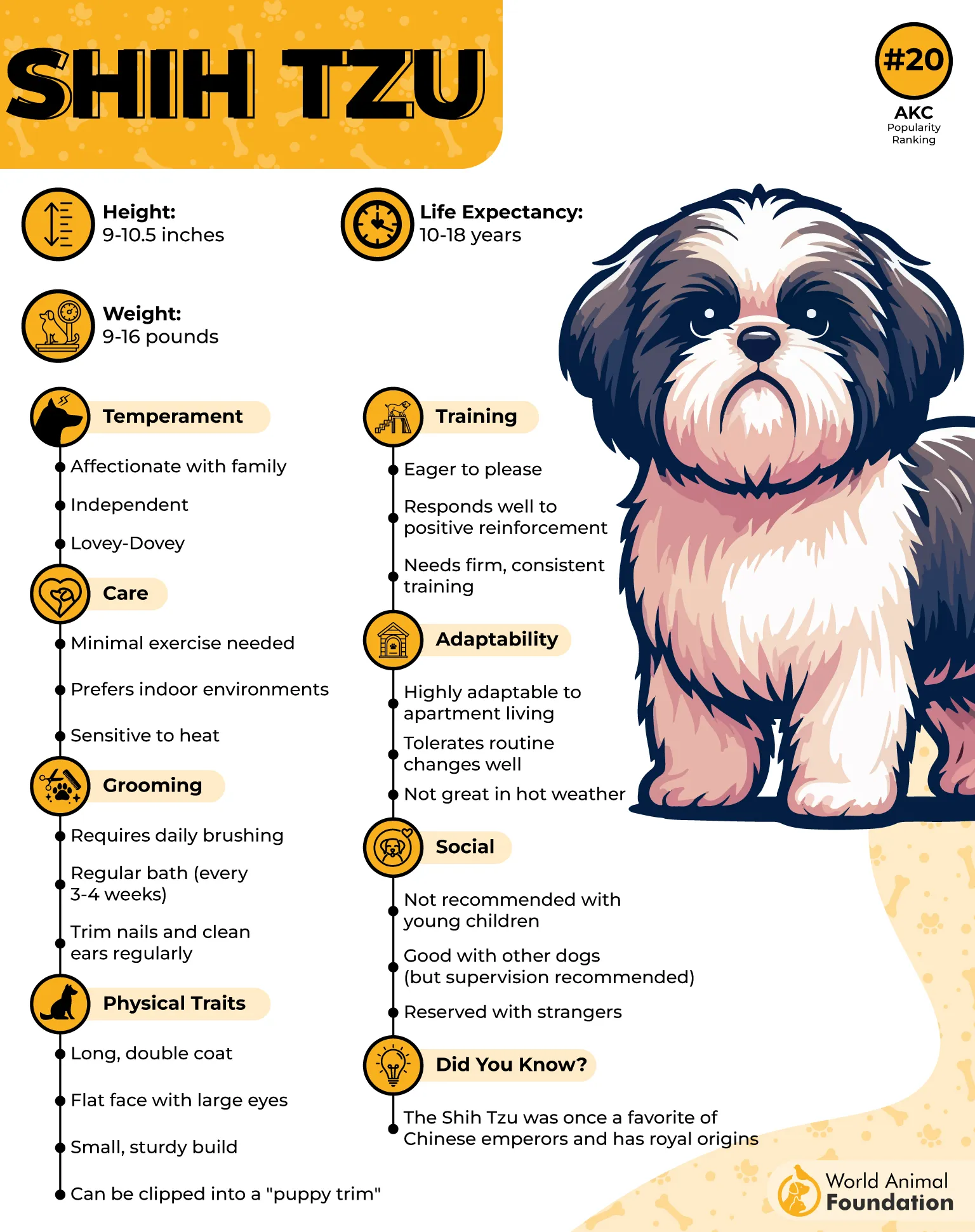
The Shih Tzu requires regular grooming sessions to sustain its coat condition while avoiding hair tangles. It needs only short walking sessions and play activities because it demonstrates moderate exercise requirements. Regular grooming combined with scheduled maintenance activities helps extend the lifespan of long-haired dog breeds.
Conclusion
Selecting a pocket dog breed from popular breeds requires more than picking a small dog from companion dog options. The unique personality traits and care needs of each breed determine their impact on everyday life. Small dogs like Chihuahuas and Shih Tzus provide deep personal companionship through their friendly nature.
A strong relationship requires development through a careful process that creates enduring connections. The tiny companions need proper environmental conditions and specific daily patterns to turn common times into special moments. The idea match between two people requires specific size requirements combined with shared understanding and happiness, which small dogs bring to daily life.
