




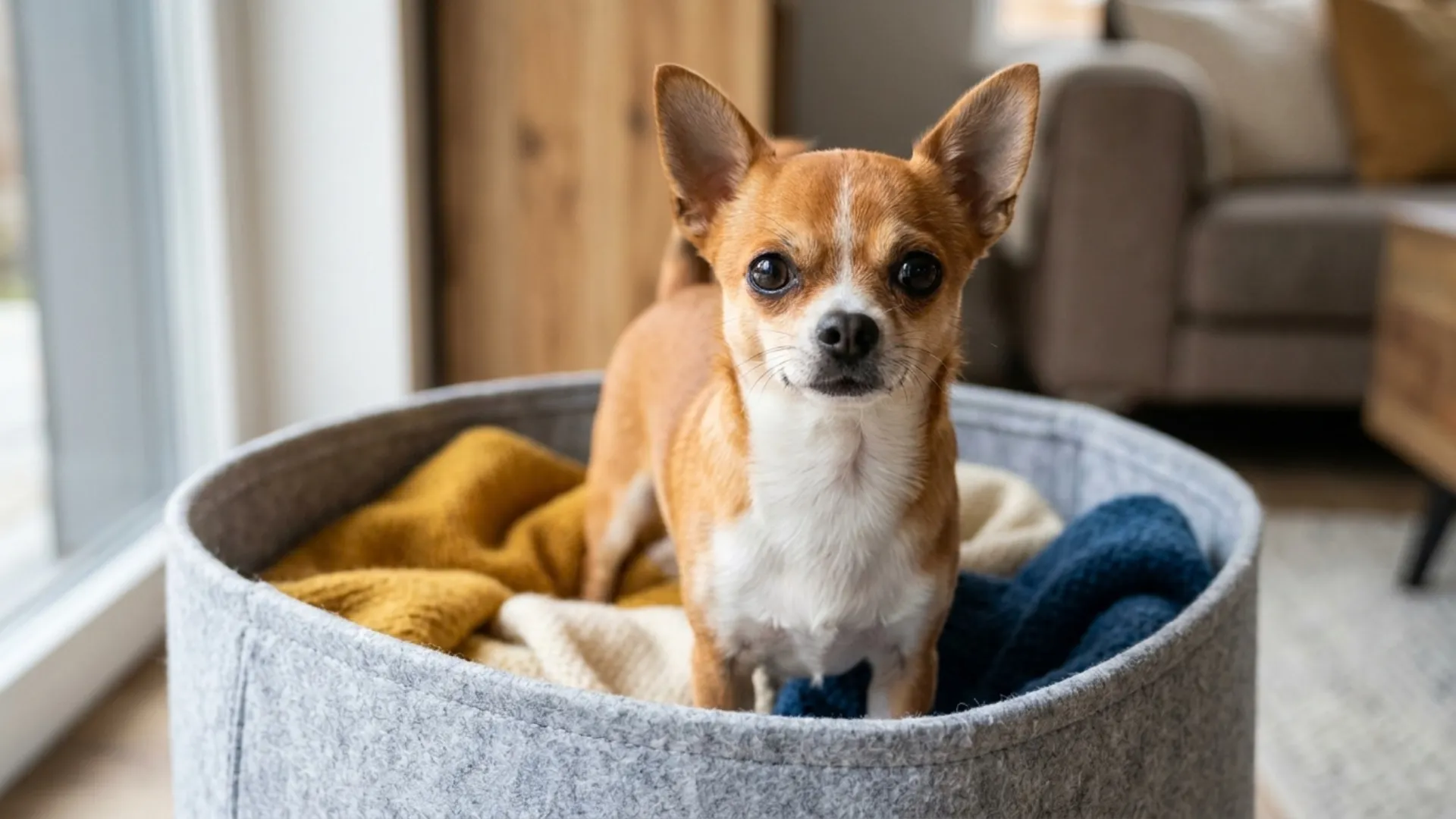
Tiny body, enormous personality—that is basically the unofficial motto of pocket-sized dogs. While “pocket dog” is a casual term rather than an official breed category, people love these compact companions because they fit comfortably in apartments, smaller homes, and lifestyles where a giant dog simply wouldn’t work.
Small dogs still need proper training, socialization, exercise, enrichment, veterinary care, and safe opportunities to explore just like their larger cousins. Treat them like dogs, not permanent babies, and their confidence and manners usually benefit enormously.
Here is what life is really like with seven of the most popular tiny companions.
Popular Pocket Dog Breeds: Personality and Care
1. Chihuahua
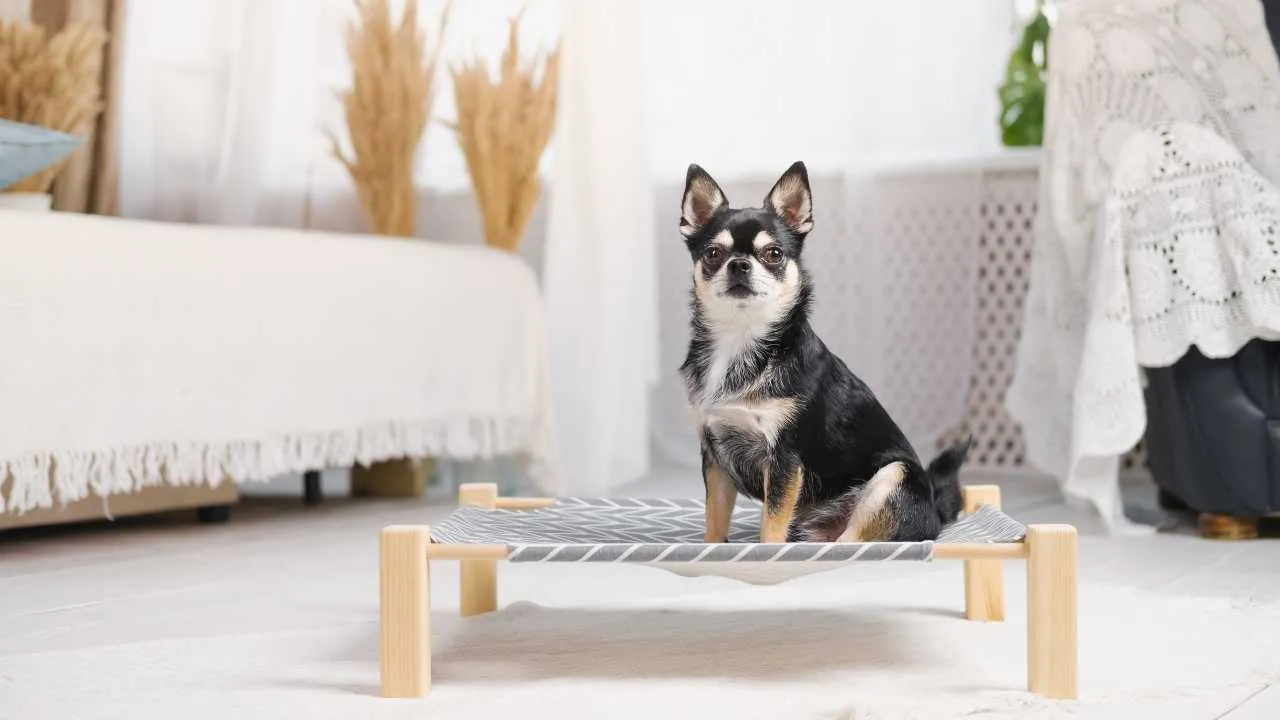
The Chihuahua is tiny enough to disappear under a blanket but confident enough to act like it owns the entire zip code. The AKC describes them as charming, alert dogs with a distinctly big-dog attitude packed into that miniature frame.
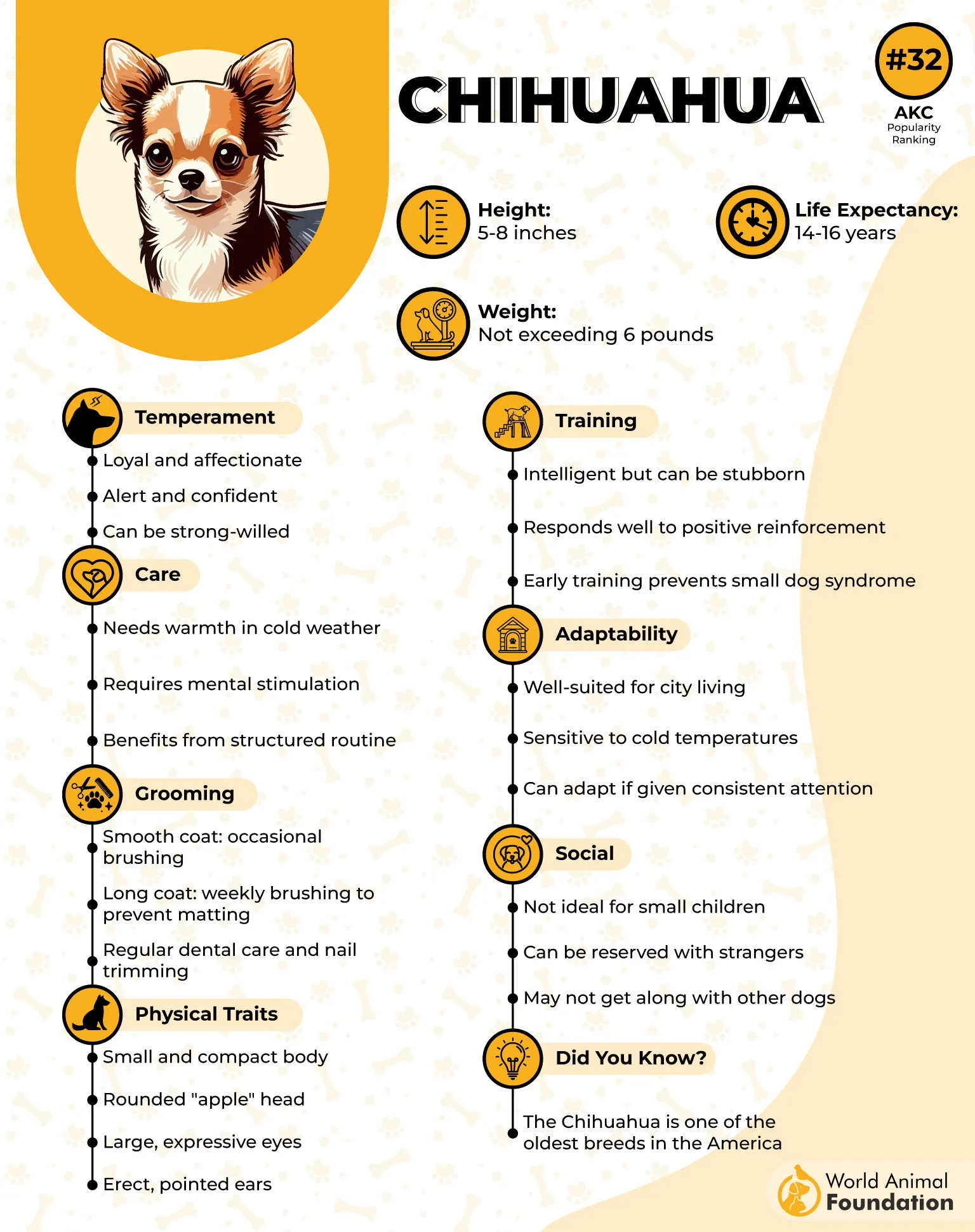
Their history is just as impressive as their confidence. They are closely associated with Mexico and trace their ancestry to dogs kept in ancient pre-Columbian societies, so this is hardly a modern designer lapdog invention.
This small breed dog comes in both smooth- and long-coated varieties, and the grooming needs differ slightly. Smooth coats usually need only occasional brushing, while long-haired Chihuahuas benefit from at least weekly brushing to prevent tangles and keep feathering neat.
Add nail trims, ear checks, and regular dental care, and the beauty routine remains pretty manageable for such a camera-ready little dog.
Exercise is refreshingly achievable because these tiny dogs can burn meaningful energy in relatively small spaces. Short walks, indoor games, and plenty of trotting behind their favorite person can help keep them active without requiring a massive yard.
2. Pomeranian
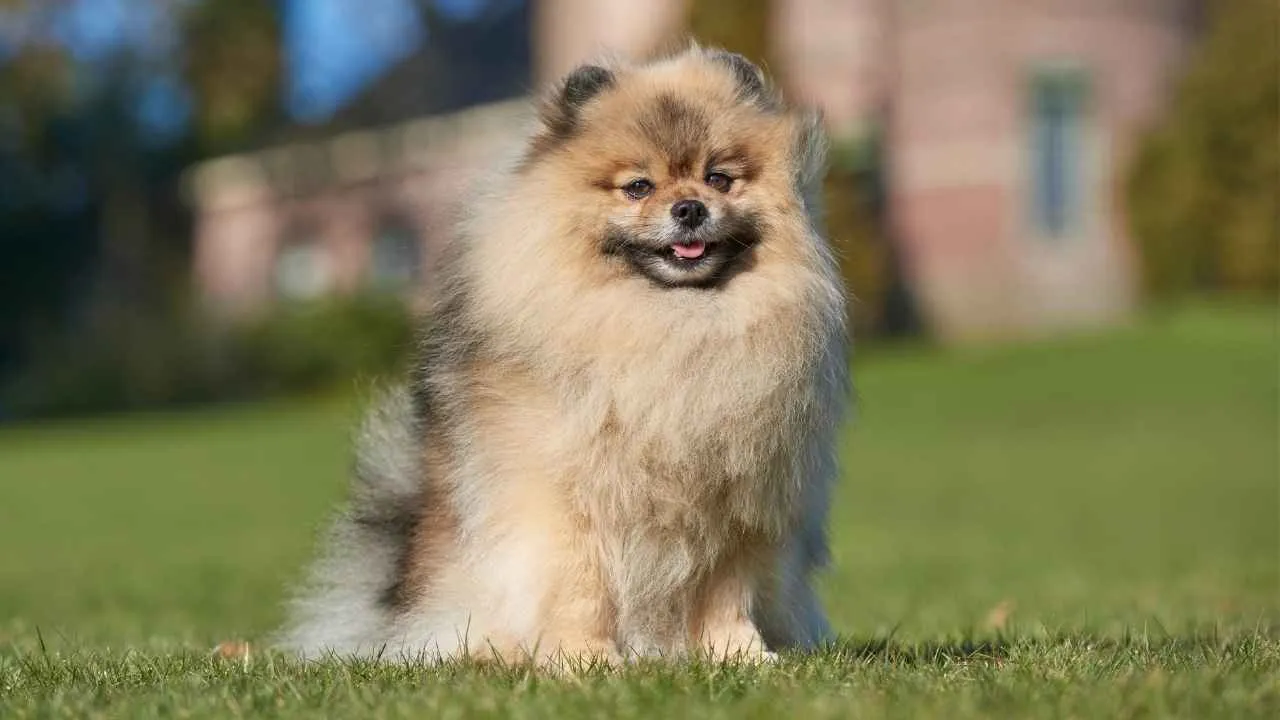
The Pomeranian is basically a cloud with feet, a fox face, and the confidence of somebody arriving late to their own award ceremony. Their fluffy appearance hides surprisingly sturdy Spitz ancestry connected to larger northern sled-dog types.
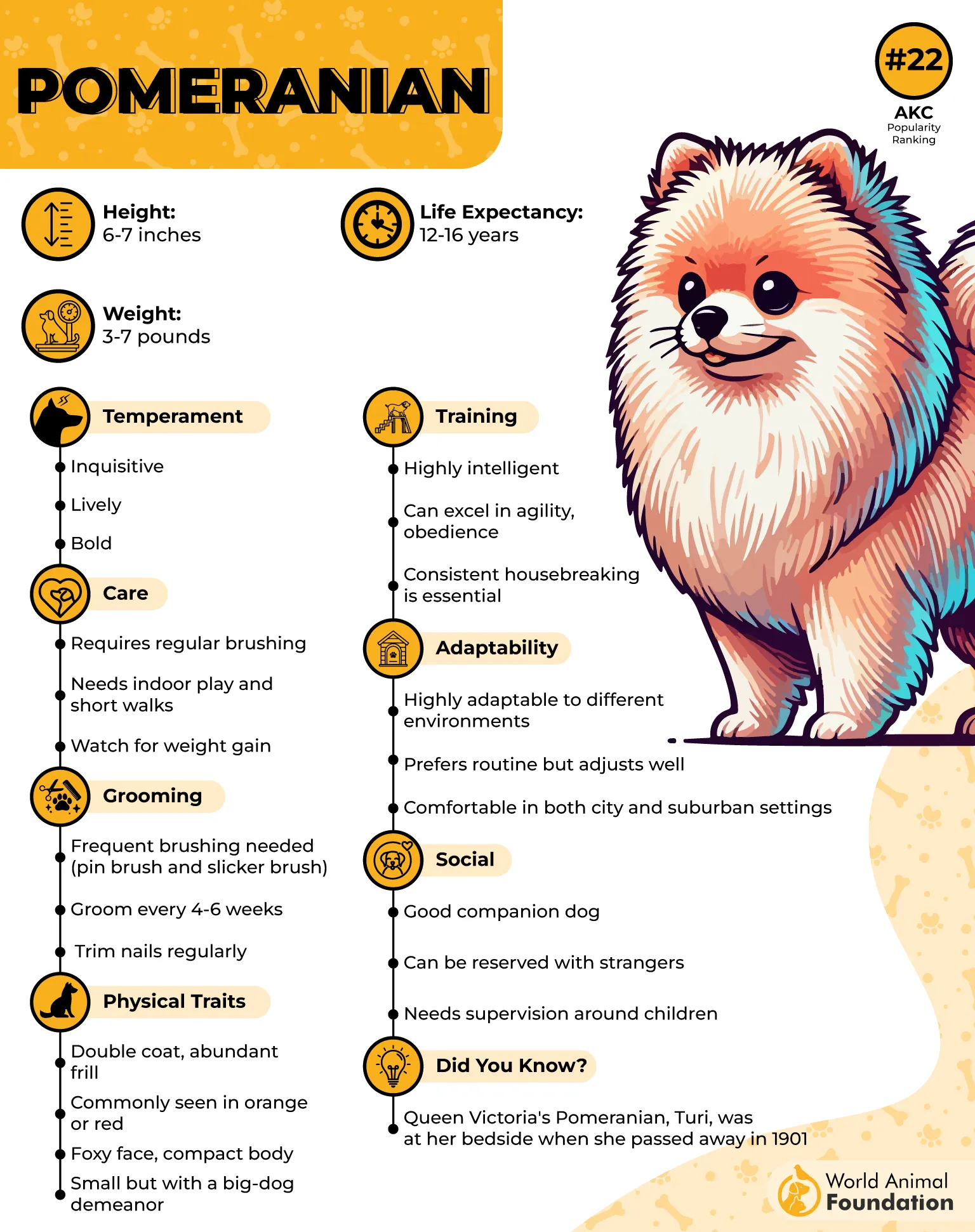
This small breed’s enormous-looking coat is a true double coat, with a dense undercoat supporting the abundant outer hair. Frequent brushing helps prevent matting and keeps dead hair in check, while professional grooming every four to six weeks can help pet parents who prefer expert maintenance.
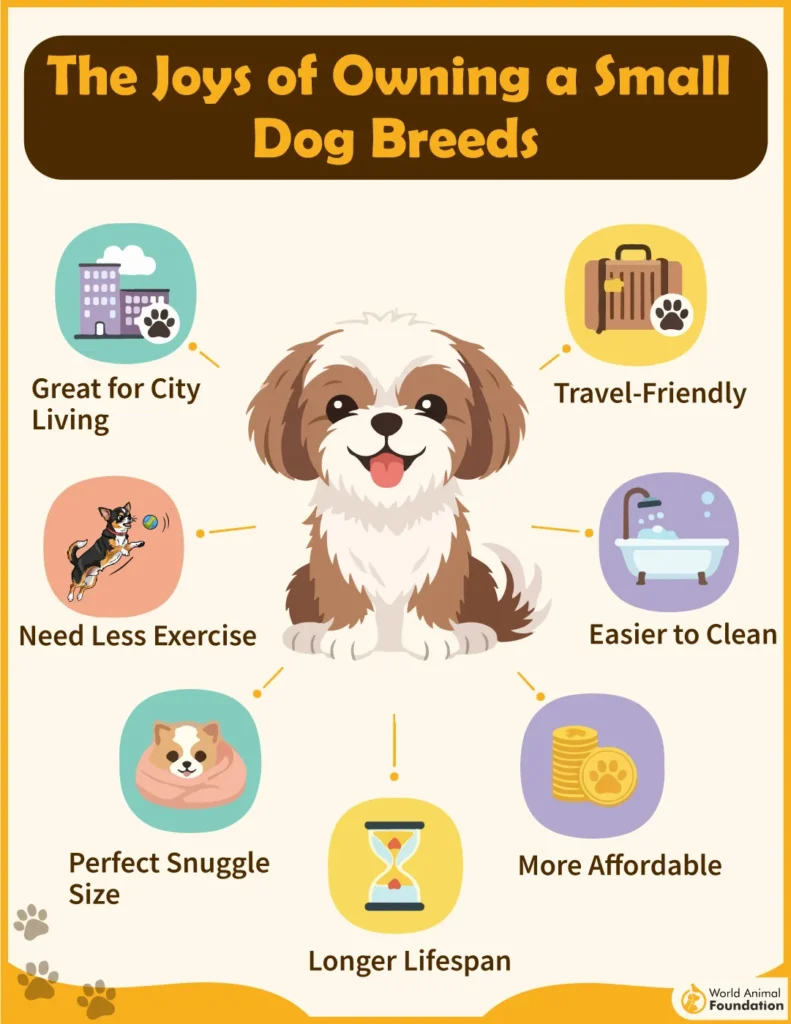
These small dogs are playful and active without requiring a morning expedition. Short walks, indoor games, trick sessions, and controlled outdoor play can provide plenty of useful activity for those little legs. Their size makes apartment life possible, but their enthusiasm means “small home” should never translate into “nothing interesting ever happens here.”
Positive reinforcement and consistent rules work far better than turning training into a battle of wills, although house training sometimes requires extra patience. Outdoor supervision is especially important with a dog this small.
3. Yorkshire Terrier
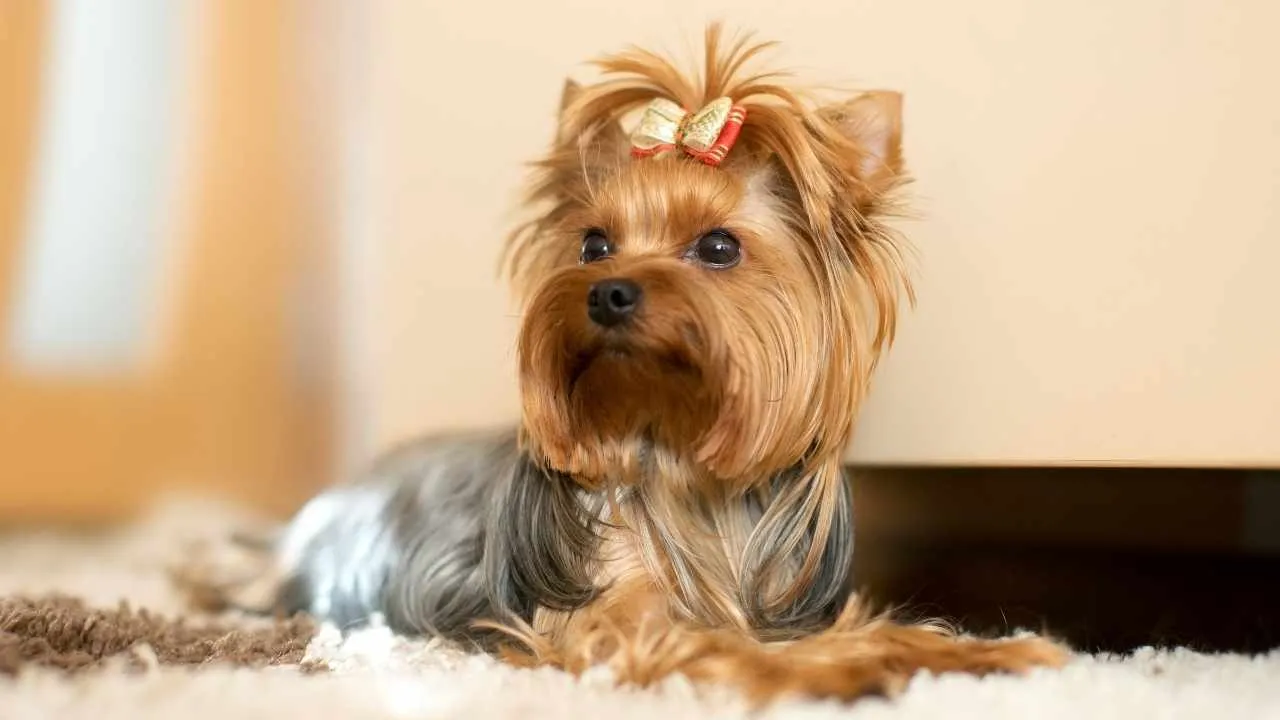
The Yorkshire Terrier serves luxury-hair-commercial looks while quietly carrying the soul of an old-school working terrier. Their famous blue-and-tan coat feels much closer to human hair than the fluffy fur found on many other dogs.
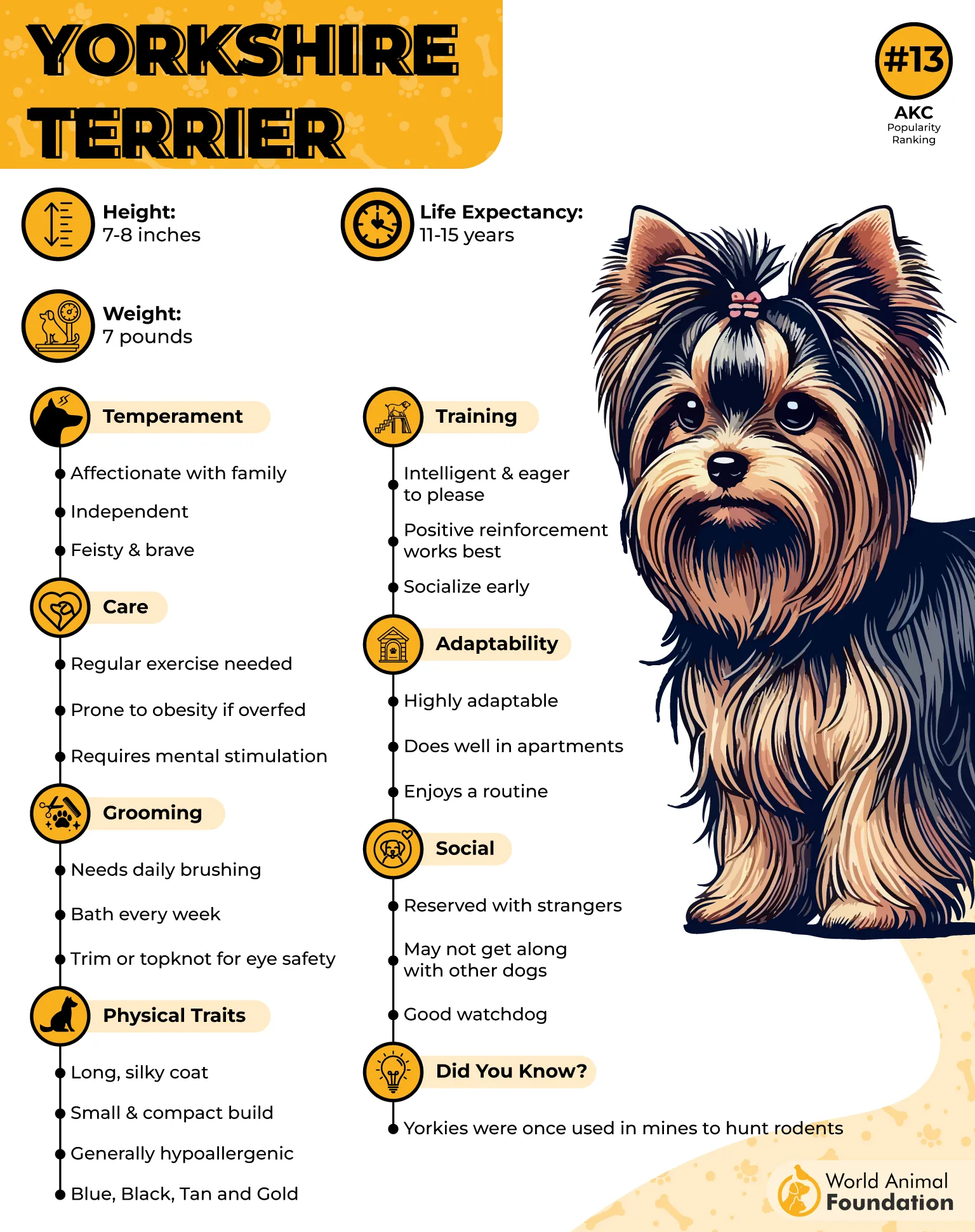
Despite their miniature proportions, Purina says these active dogs still need daily opportunities to move. Steady walks plus short bursts of play, such as chasing a ball, can satisfy much of their physical activity while introducing fresh sights and smells.
Yorkies tend to bond strongly with their people and can be both affectionate and surprisingly opinionated. They generally respond much better to praise, rewards, and positive early socialization than to harsh correction, especially when you introduce new dogs, people, and situations gradually.
Home safety matters because enthusiastic jumping can place unnecessary stress on such a small body, particularly during puppyhood. Supervise steps, high sofas, beds, and interactions with much larger dogs until you understand what your individual Yorkie can handle safely.
4. Maltese
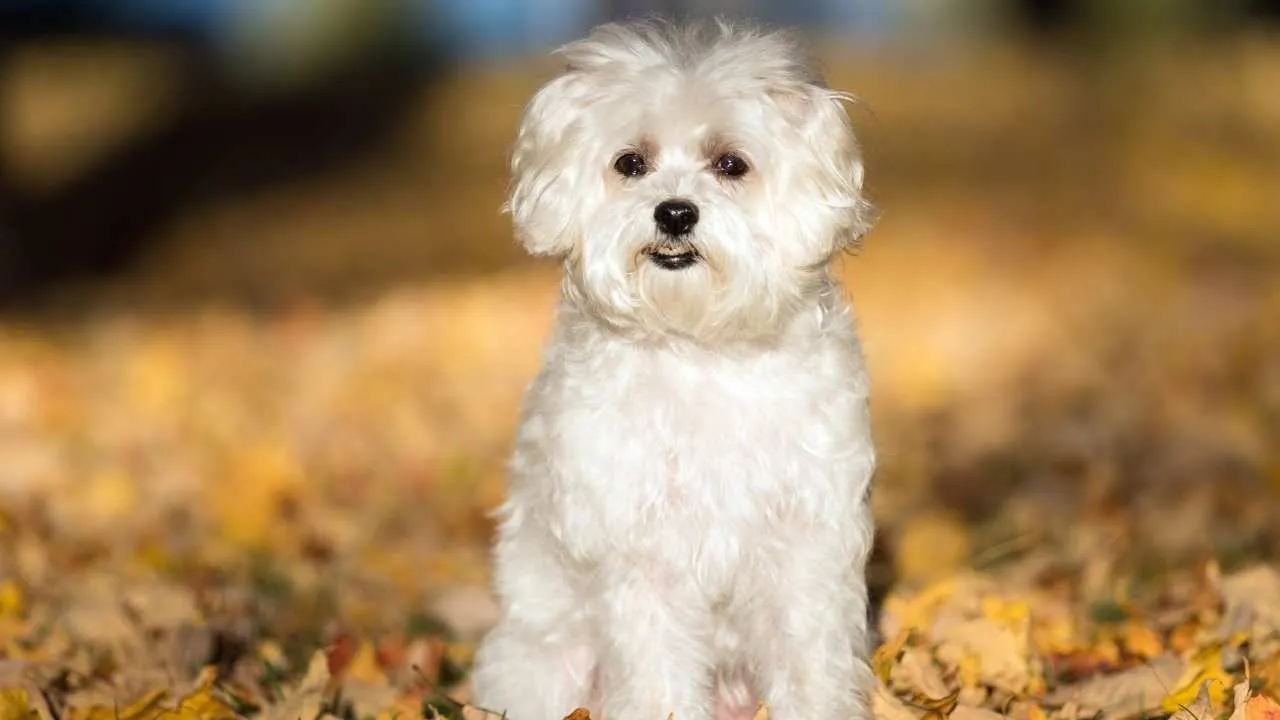
The Maltese has been doing the glamorous lapdog thing for centuries, so consider this breed highly experienced in luxury. Behind its dark eyes and tiny black nose is a playful, charming companion that is tougher and more adaptable than the porcelain-doll appearance suggests.
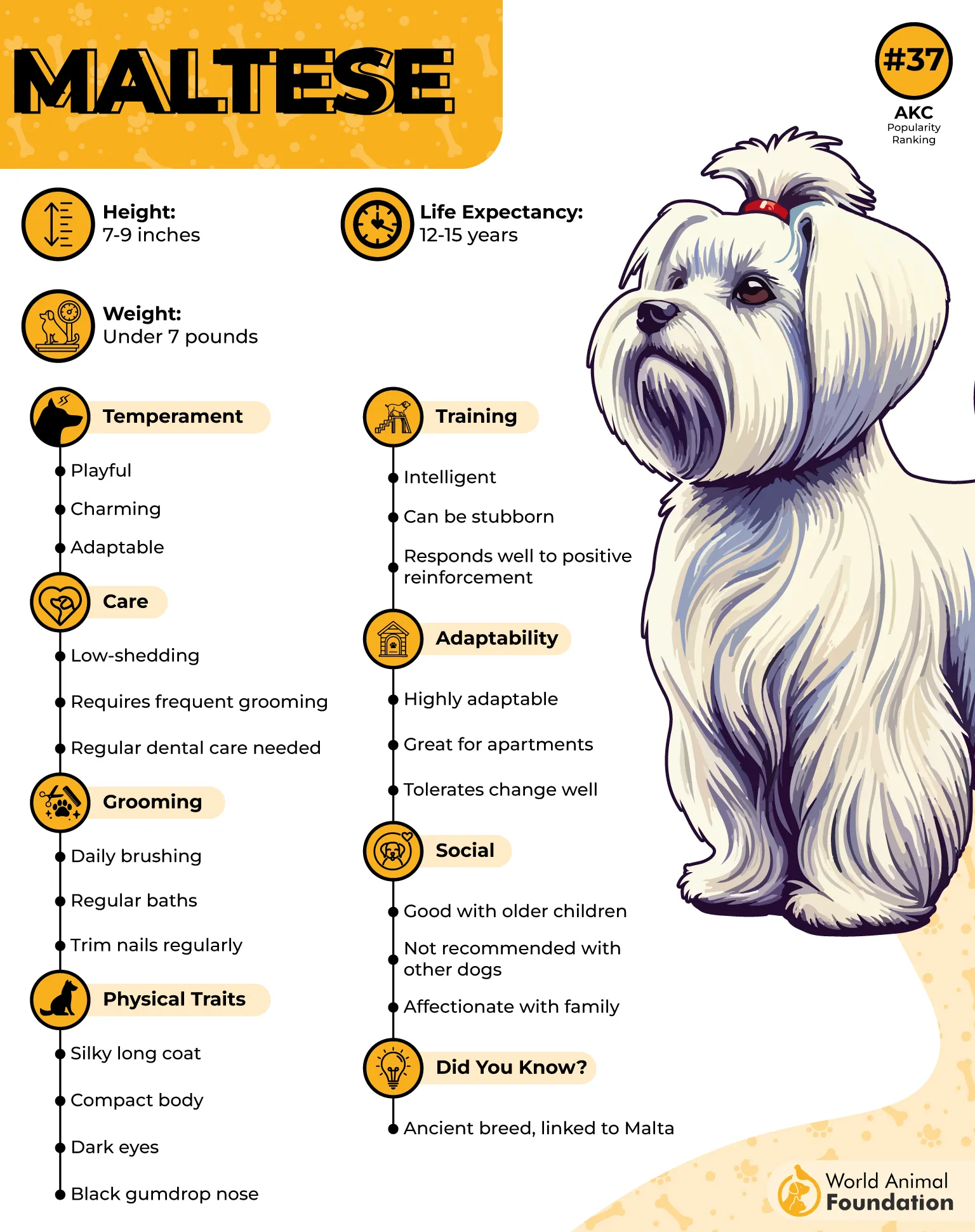
That beautiful coat sheds minimally, according to the UKC Dogs, which is a major reason Maltese appeal to people who do not want loose fur collecting everywhere. The trade-off is maintenance: a long coat needs gentle daily brushing and combing to prevent mats, plus regular bathing and conditioning to keep those white strands looking their best.
Exercise needs are much easier to manage than grooming. A daily walk, indoor play session, or energetic bounce around a secure yard can usually provide plenty of movement for a healthy Maltese dog. These lap dogs are intelligent dogs with centuries of experience persuading humans to give them exactly what they want.
5. Toy Poodle
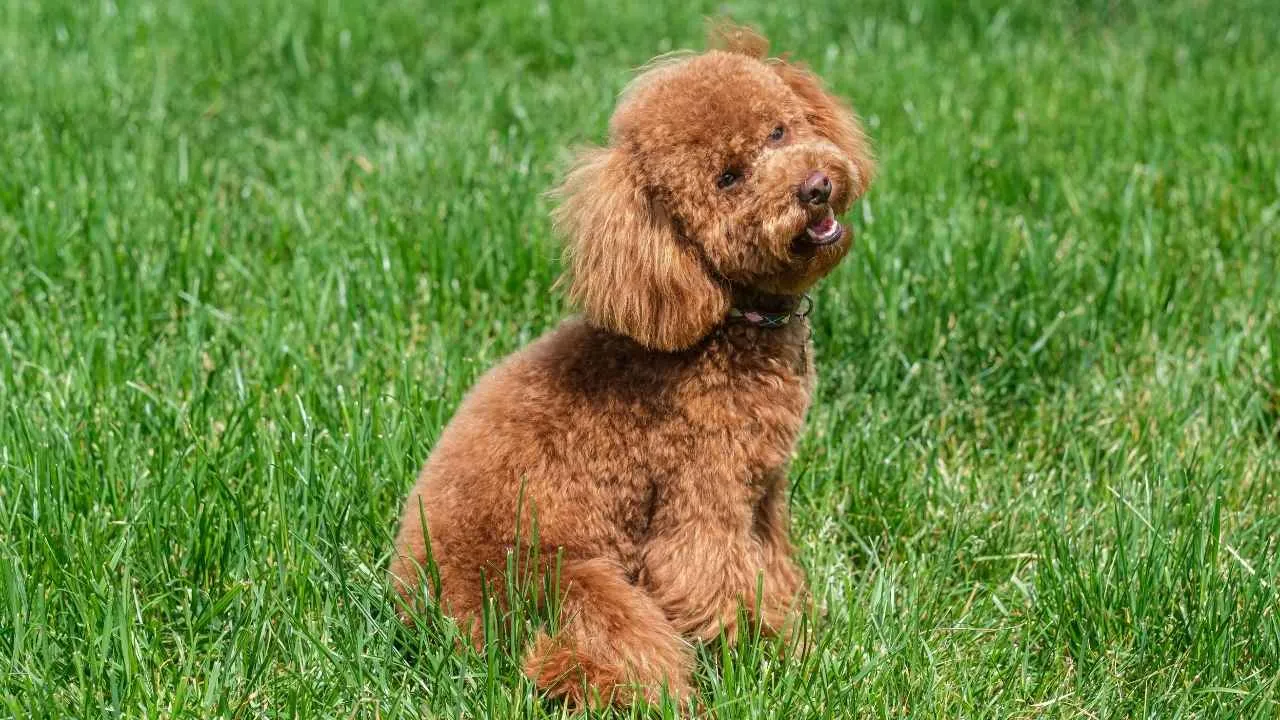
The Toy Poodle may look like an elegant little fashion icon, but underneath those curls lives a genuine athlete with a ridiculously busy brain. They are agile, self-confident, and highly intelligent, which should tell you right away that boredom isn’t part of their preferred lifestyle.
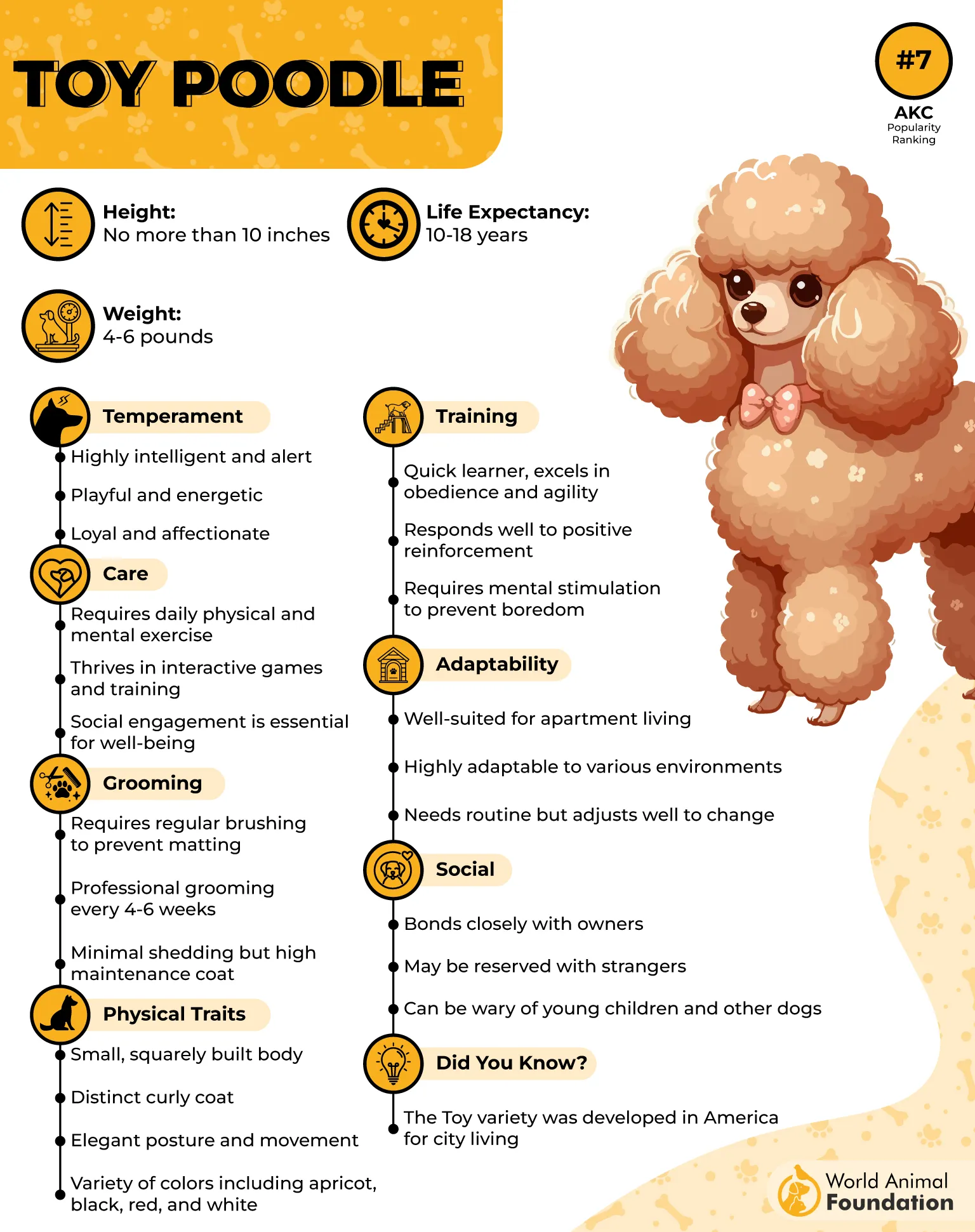
Training is where this toy dog can seriously flex. Poodles are eager learners that can handle everything from household manners and tricks to complex dog-sport exercises, especially when training stays rewarding and mentally interesting. Teach your toy dog breed five commands, and there is a reasonable chance it’s also learned three things you never intended to teach.
Those dense curls are relatively non-shedding, but please do not translate that into “grooming optional.” Longer coats require thorough brushing to the skin to prevent mats, while many family pets wear shorter clips maintained by professional groomers roughly every four to six weeks.
These toy breed pups enjoy retrieving, playing, training, and other activities that exercise the mind alongside the body, and many also have a natural enthusiasm for water inherited from the breed’s working background. Their tiny proportions also mean owners should create a home environment where enthusiasm does not collide with unnecessary injury risks.
6. Shih Tzu
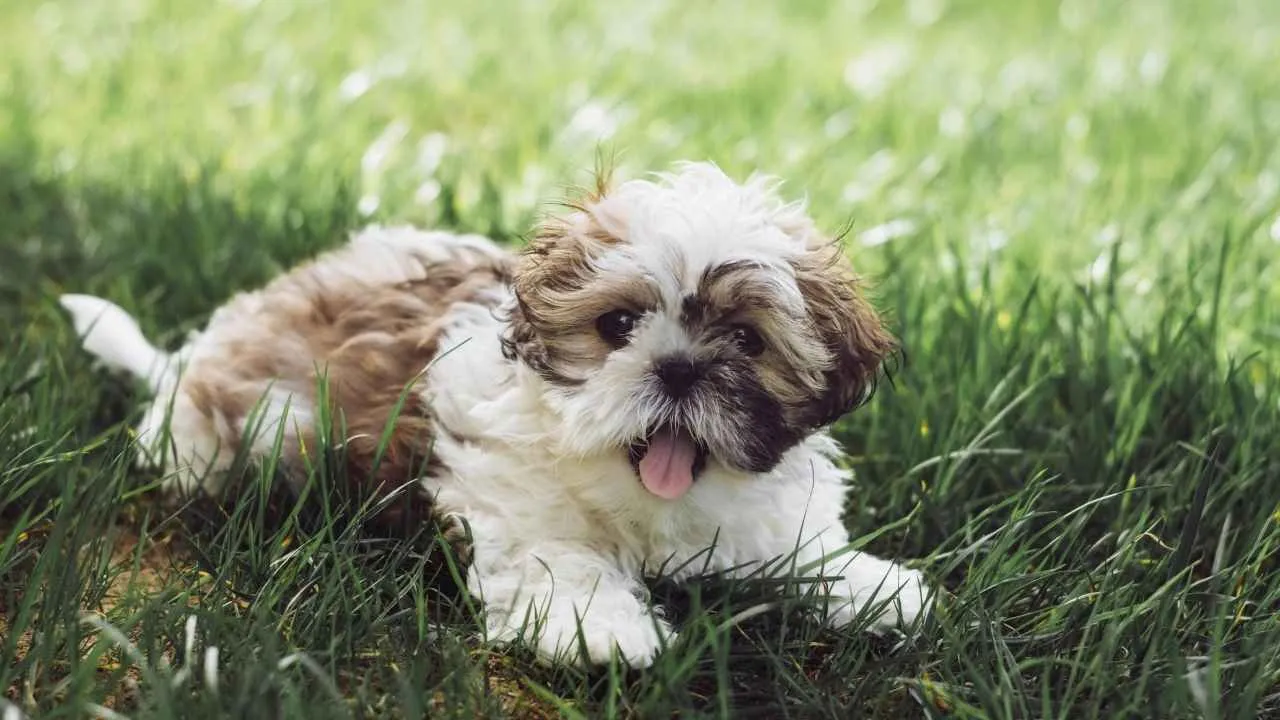
The Shih Tzu was basically designed for the companion lifestyle, and this dog has not forgotten its résumé. Their history as prized palace companions helps explain why many modern Shih Tzus consider staying close to their favorite human an extremely important daily responsibility.
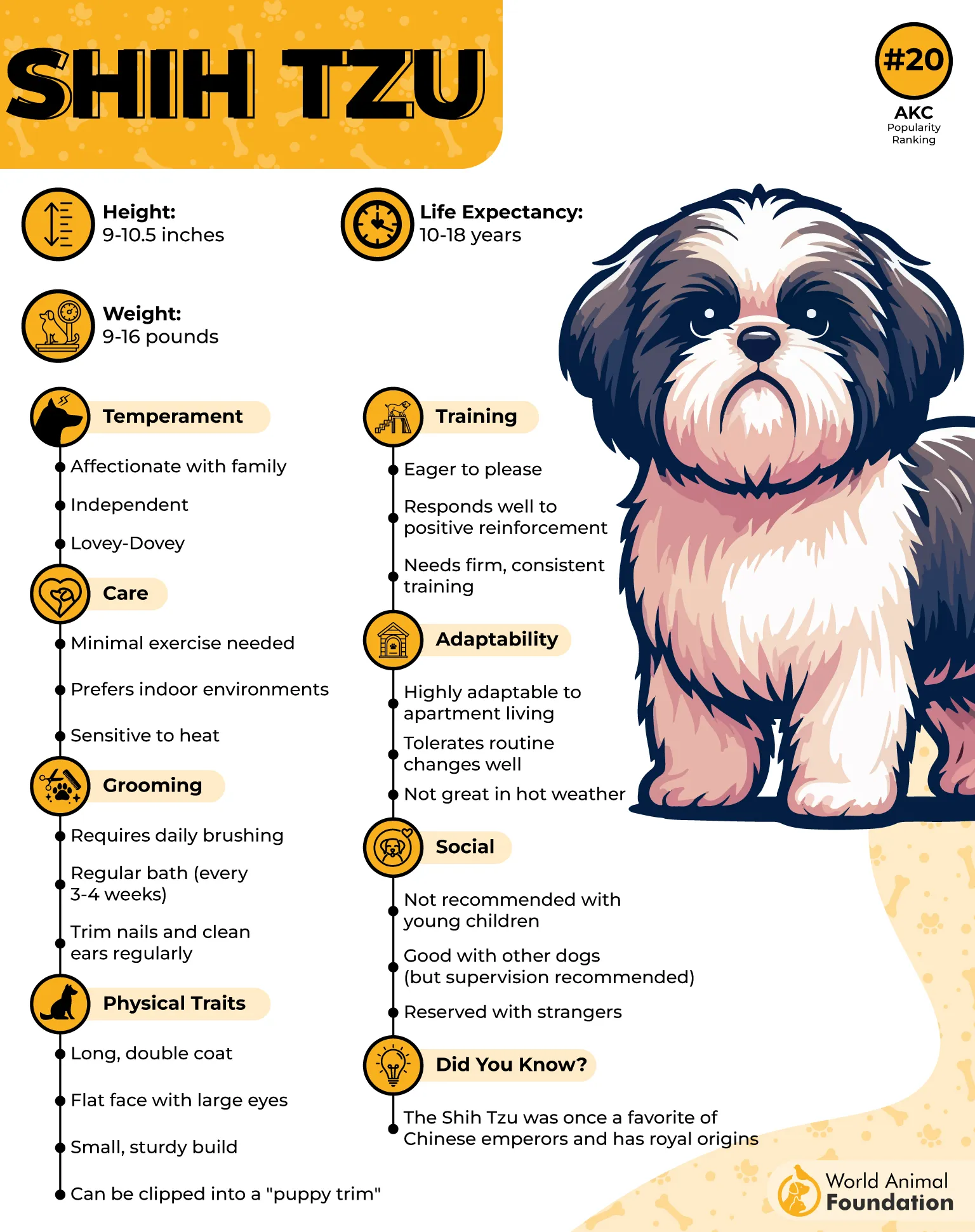
Exercise is refreshingly reasonable compared with more athletic little breeds. Short daily walks and indoor play can satisfy much of a Shih Tzu’s activity requirement because the breed was developed primarily for companionship rather than hours of physical work.
The coat, however, absolutely did not receive the low-maintenance memo. Long-haired Shih Tzus need daily brushing, regular bathing, facial cleaning, and attention to the mustache and topknot, while a shorter puppy trim offers a practical alternative for busy households.
Their short muzzle also deserves practical consideration during hot weather. PetMD notes that they do not tolerate heat particularly well, so cooler walking times, access to shade and water, and avoiding strenuous activity in hot conditions are important parts of responsible care.
7. Papillon
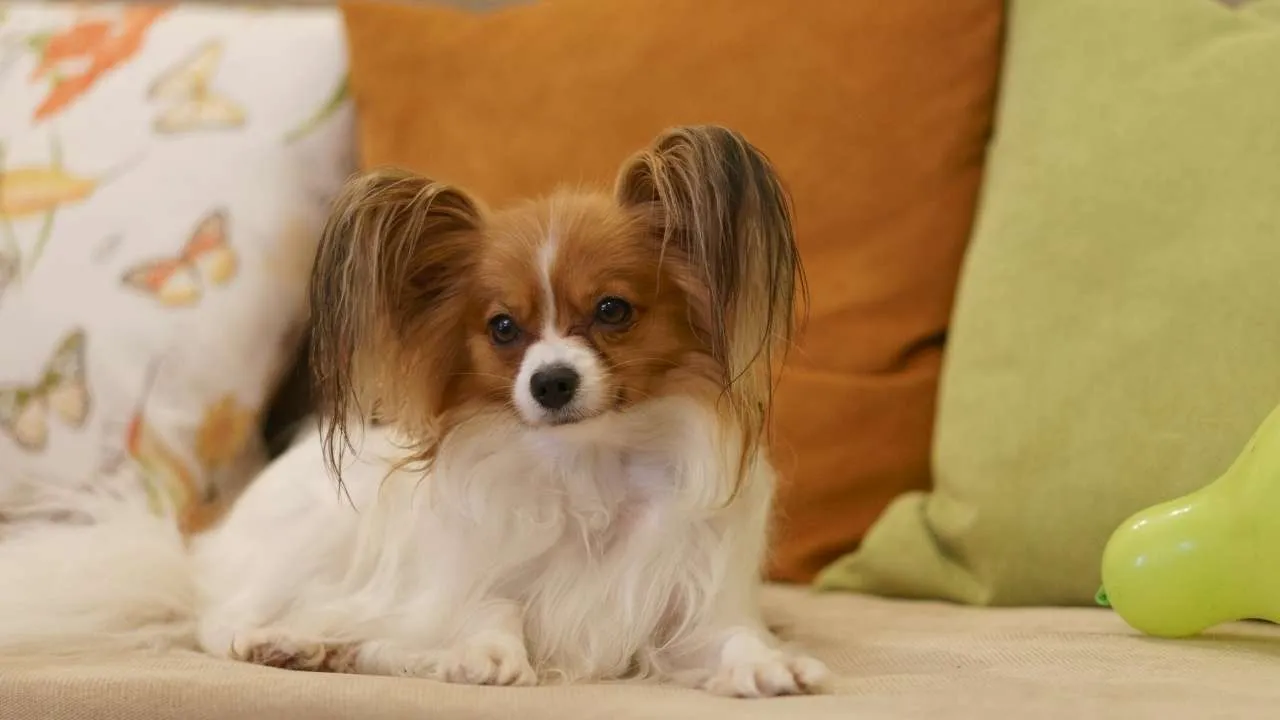
The Papillon somehow combines royal portrait energy with the enthusiasm of a tiny sports car. Despite the elegant silhouette, they are hardy, alert, friendly little dogs that are far more athletic than their delicate appearance suggests.
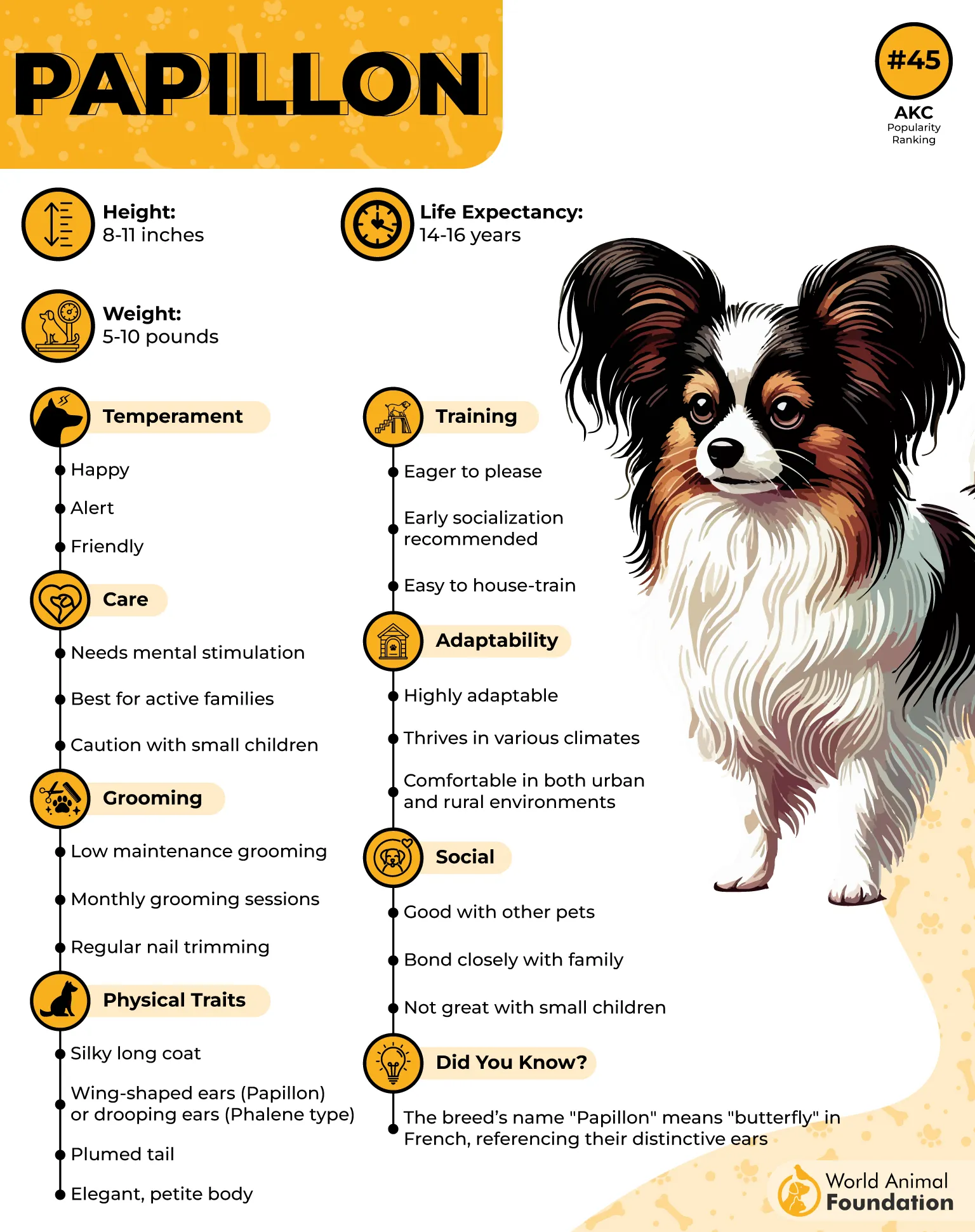
Brains are a huge part of the Papillon experience. Breed enthusiasts have long celebrated their trainability, and Papillons can thrive in trick training, obedience, retrieving games, and agility where their speed and enthusiasm make them ridiculously entertaining to watch.
Their exercise needs can be surprisingly fun to meet because they enjoy activities both indoors and outside. Fetching small toys, exploring safely, practicing tricks, and chasing around a secure yard all give those quick little bodies something useful to do.
A full grooming roughly monthly can work for many dogs, with extra combing behind the ears, inside the hind legs, and around the thigh feathering where tangles are more likely to form. Add regular nail trims and tooth brushing to keep them tidy.
The biggest reality check is simply remembering how small they are. Puppies can get injured by falls from furniture, rough handling, or careless interactions with larger pets, even though the Papillon may look completely convinced that size differences are fictional.
Conclusion
Pocket-sized small dog breeds prove that personality isn’t measured in pounds. Italian Greyhounds, Boston Terriers, Bichon Frise, Pekingese Dogs, Cavalier King Charles Spaniels, and Chinese Cresteds are also some small dogs that turn out to be affectionate companions.
Pick the personality and care routine that genuinely matches your lifestyle rather than simply choosing the smallest face on your screen. Do that, and your pocket-sized companion can bring years of ridiculous expressions, cozy cuddles, unexpected adventures, and enough character to make a much larger dog wonder how all that confidence fits inside such a tiny package.
