




“Fame is a mask that eats the face.” The writer behind those words spoke of people, but the sentiment fits certain dog breeds perfectly.
Popularity can disguise difficulty. When everyone wants the same companion, truth fades behind promotion. The dogs most loved in media often struggle in real homes that don’t suit their instincts.
What appears manageable in stories becomes demanding in real life, and owners find themselves balancing affection with frustration. The problem isn’t the dogs themselves. It’s how little we listen before deciding. Some breeds need more patience, more experience, more space than most expect.
This article pulls that mask aside, revealing the honest challenges hidden beneath the fame, and helping you see beyond the trend to find a bond built on understanding, not impulse.
Key Takeaways
When a breed trends on screens, people fall in love before learning what that love requires.
The Siberian Husky and Border Collie, for example, carry a mix of brilliance and defiance that can turn daily life into a tug-of-war.
English Bulldogs and Great Danes charm everyone at first glance, yet their hidden health struggles demand constant care and patience.
Before following the trend, this article reveals the reality behind these adored breeds that every future owner should see first.
Popular Dog Breeds You Might Want to Avoid
1. Siberian Husky
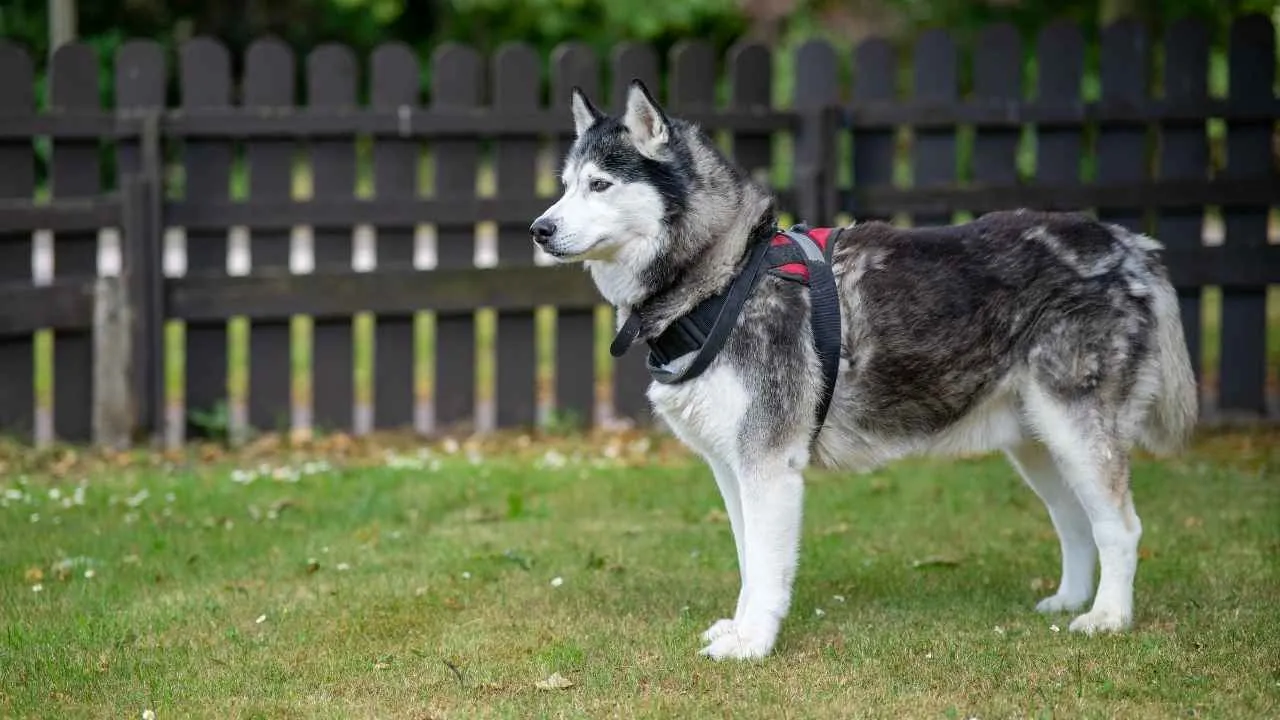
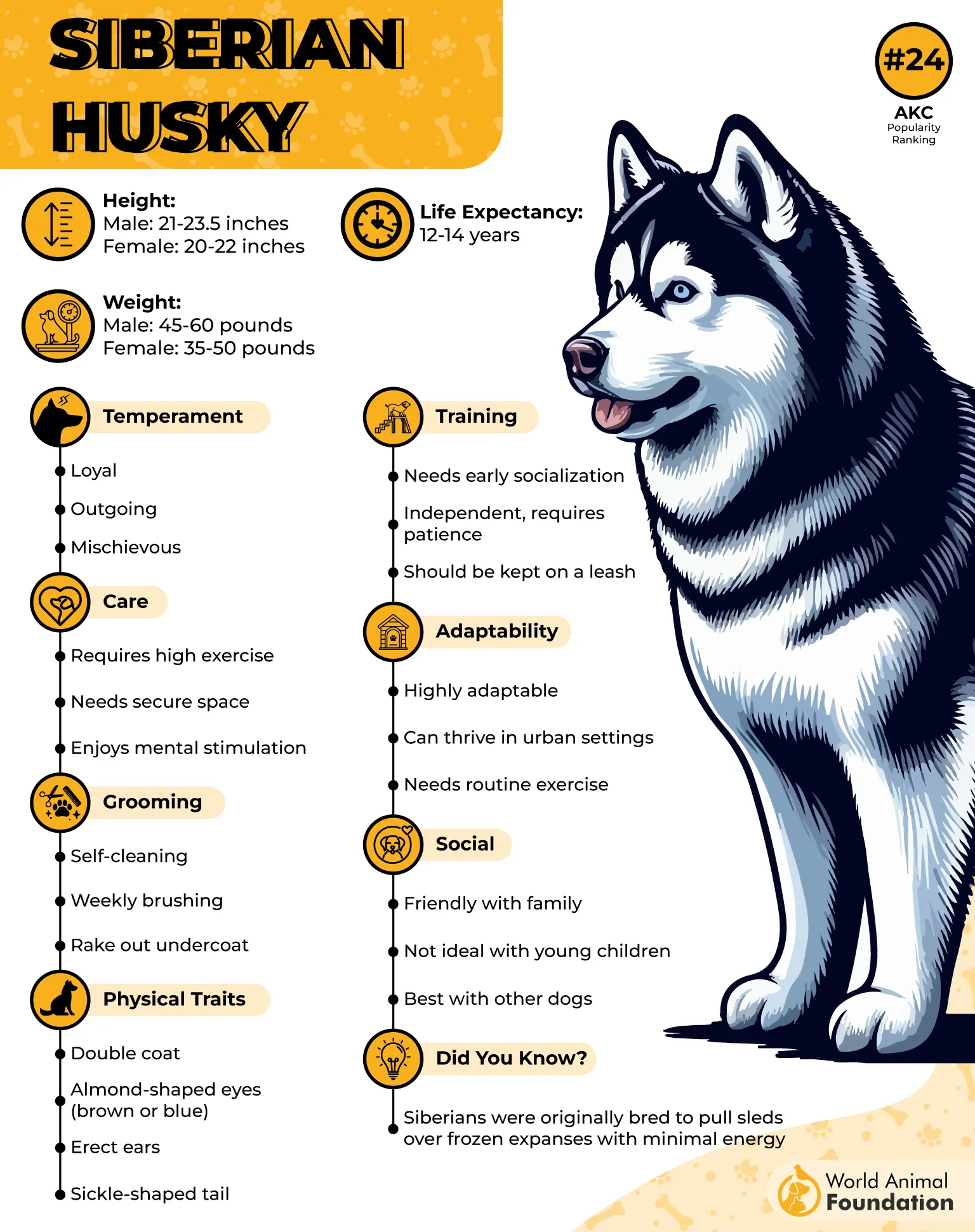
The Siberian Husky carries a bold and independent nature that often surprises first-time owners. Their sharp intelligence gives them a sense of self-direction that few breeds match. This makes them stunning to watch but tricky to manage when consistency in training is required.
Smart Yet Stubborn
Huskies are known for testing boundaries and acting on their instincts rather than following orders. Even experienced trainers say they negotiate commands instead of obeying them outright. It’s part of what makes them fascinating and frustrating.
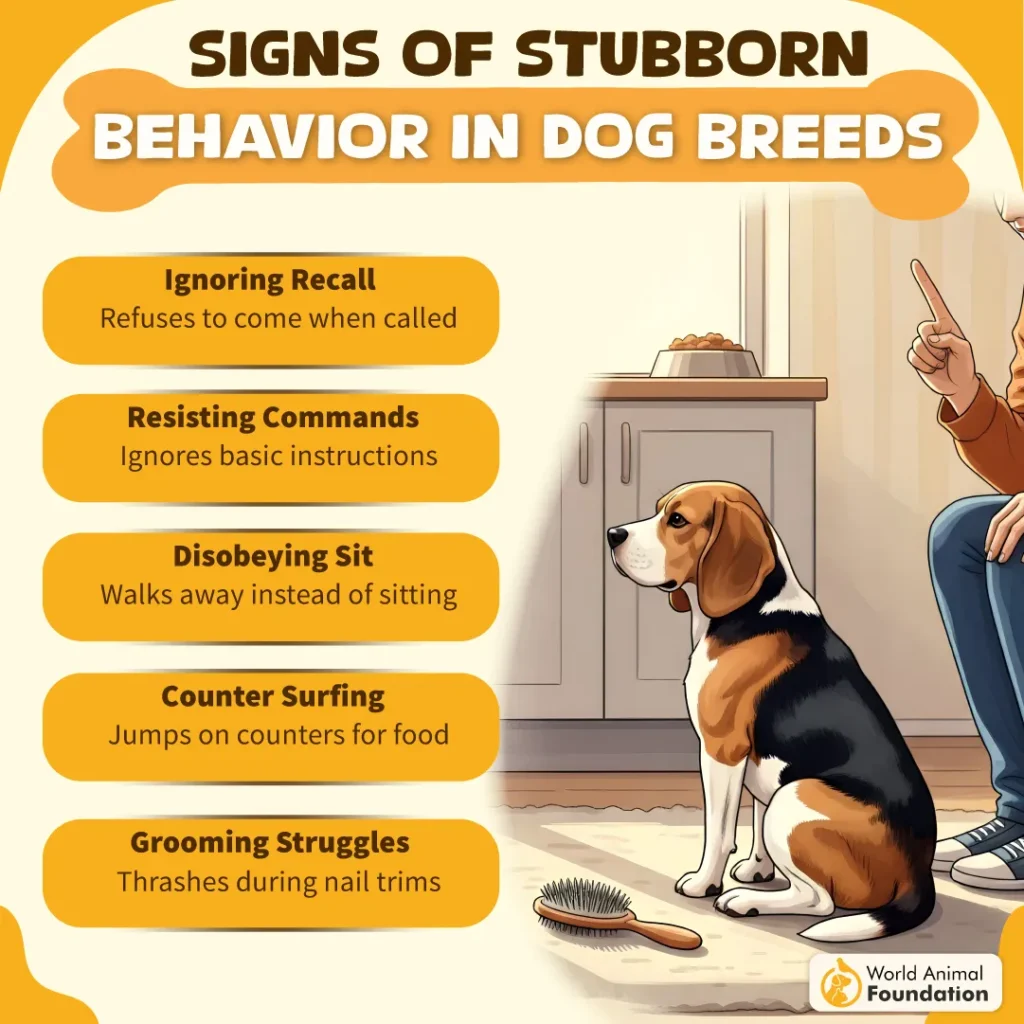
Their behavior often leaves new owners questioning their readiness for such a demanding companion:
Quick thinkers who find loopholes in training routines
Can grow restless without structured physical outlets
Naturally curious, which leads to frequent escapes
Loud, Playful, and Easily Bored
This breed thrives on noise and movement, often expressing itself through dramatic howls and chatter. When bored, it may turn to digging or chewing as an outlet. Their playful side can easily flip into mischief if their energy isn’t directed properly, as mentioned in Britannica.
2. Border Collie
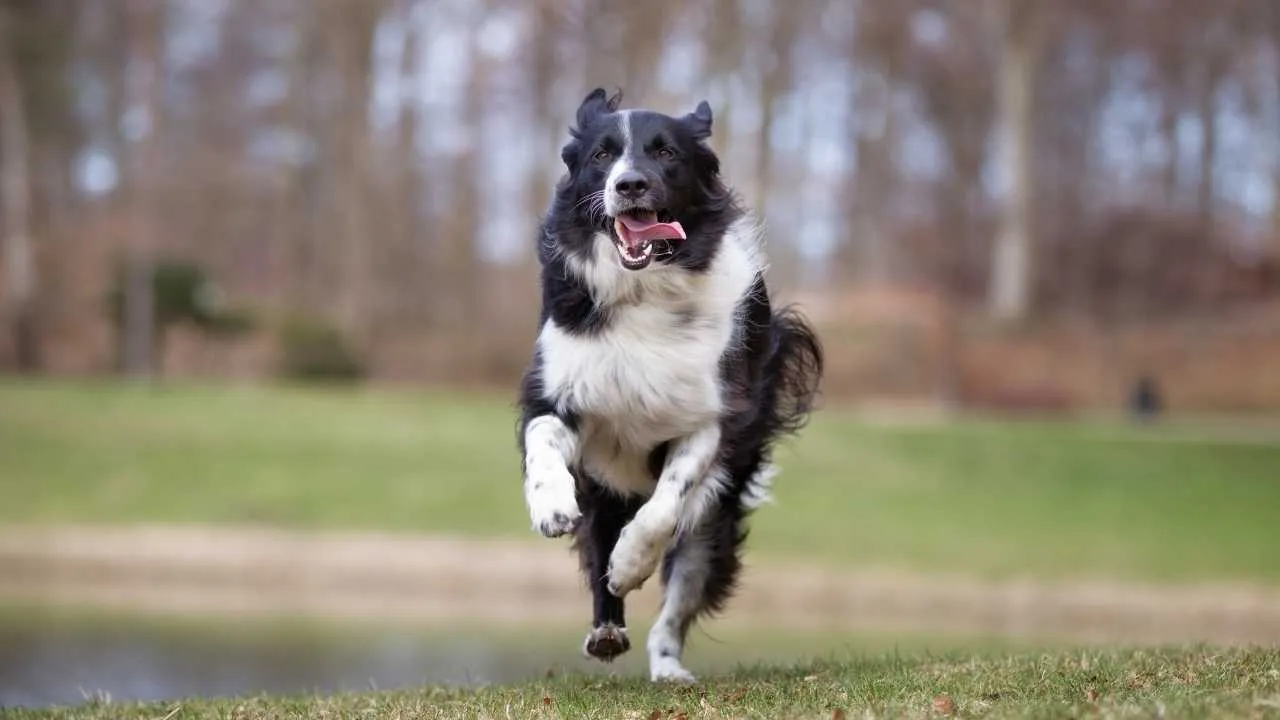
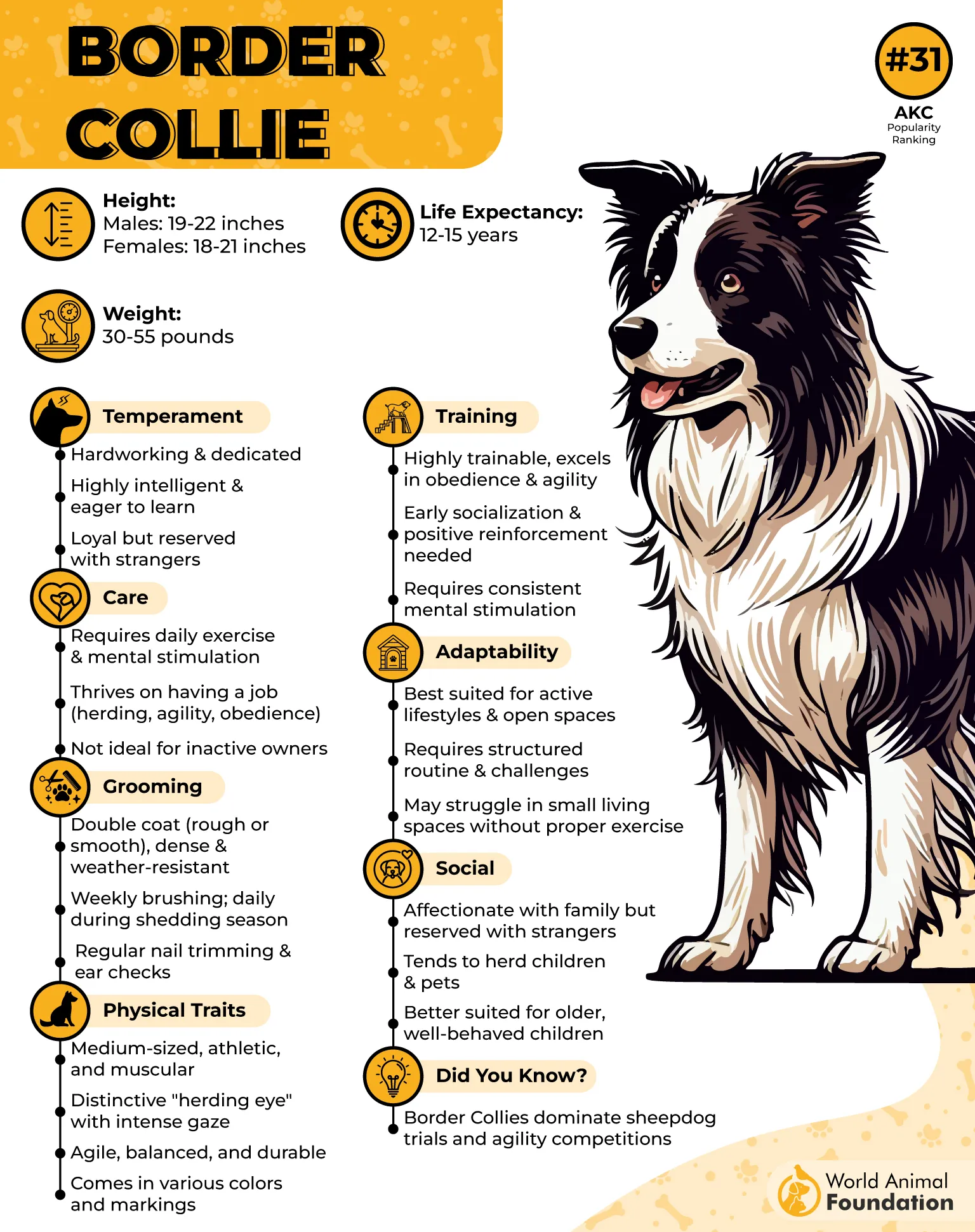
Border Collies are famous for their brilliance, often ranked as the most intelligent of all dog breeds. Their sharp focus and problem-solving ability make them excellent workers, but also a challenge for most homes. A Border Collie that isn’t kept busy can quickly turn restless, leading to unwanted habits that stem from sheer boredom.
Endless Energy That Needs a Purpose
These dogs are made for motion. They can run, chase, and herd for hours without slowing down, which often clashes with the pace of everyday family life, as Petplan reports. A routine walk simply doesn’t satisfy them, and without consistent challenges, they start creating their own.
They’re known for:
Outworking nearly any breed in a field
Requiring constant engagement and direction
Becoming frustrated when left idle
When Smart Turns Into Stubborn
Their intelligence is a double-edged sword. Border Collies learn fast, but they also think independently and may resist commands if they sense inconsistency. Inexperienced owners often find themselves outsmarted by their own dog, especially when structure and discipline aren’t firmly maintained.
3. English Bulldog

English Bulldogs are adored for their calm and gentle temperament, making them appear ideal for relaxed households. Yet, their laid-back personality often masks deeper issues that new owners may not anticipate. Their sturdy build and heavy breathing limit physical stamina, causing discomfort during simple play or warm weather.
Health Concerns Behind the Charm
Their signature flat face gives them an unmistakable look, but it also invites a range of breathing problems. Many Bulldogs struggle to rest peacefully or stay cool on hot days.
A closer look reveals just how much care this breed truly needs:
Prone to joint pain and hip issues
Can overheat easily during mild activity
Often develop skin infections in facial folds
A Breed That Needs Constant Monitoring
Even routine activities, like short walks or climbing stairs, can leave them exhausted. Their compact frame puts stress on joints, while extra weight can worsen both mobility and breathing. These overlapping issues make long-term health management a major commitment for owners.
4. Poodle
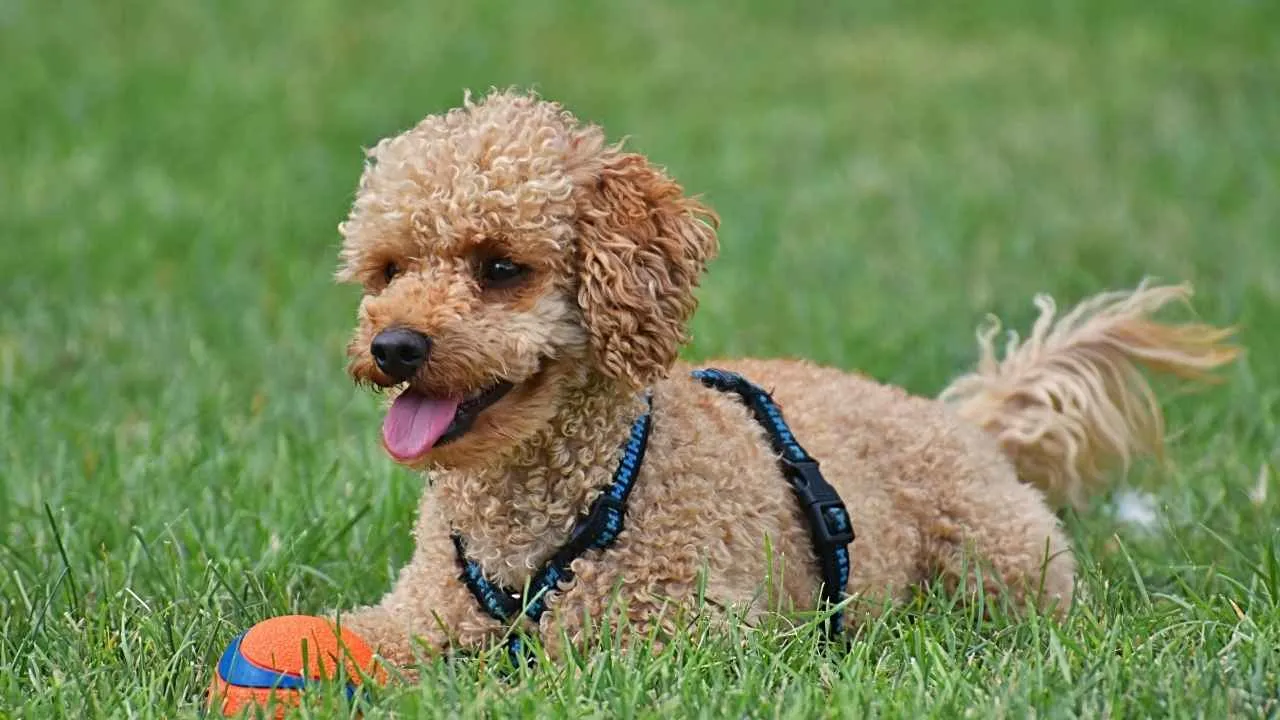
Poodles are admired for their poise and polished appearance, often seen as the picture of elegance. Yet, beneath that glamorous coat lies a breed that demands a meticulous care routine. Their curly hair doesn’t shed much, but it tangles easily, and without regular trimming, mats can quickly form.
The Grooming Commitment
Owning a Poodle means scheduling consistent grooming sessions to maintain that signature look. Their coat care is a full-time job that requires skill and patience, whether done at home or professionally. It’s this level of maintenance that makes them challenging for busy owners.
Keeping up with them often means:
Frequent brushing to prevent tangles
Regular trims every few weeks
Dedicated coat care to avoid discomfort
High Energy, High Expectations
Poodles are clever and quick to learn, but their sharp minds crave stimulation. They need varied activities to stay happy, or they can develop restless habits. This makes them better suited for owners who can devote time to both their physical and mental upkeep.
5. Chihuahua
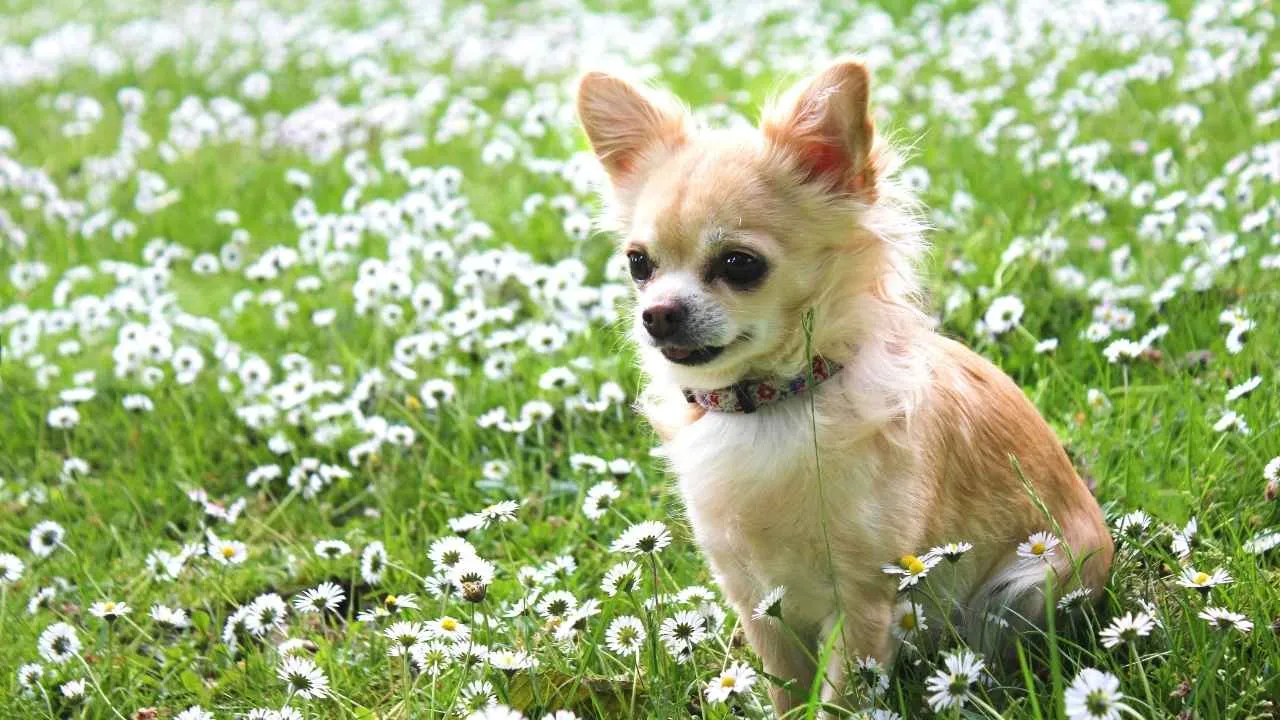
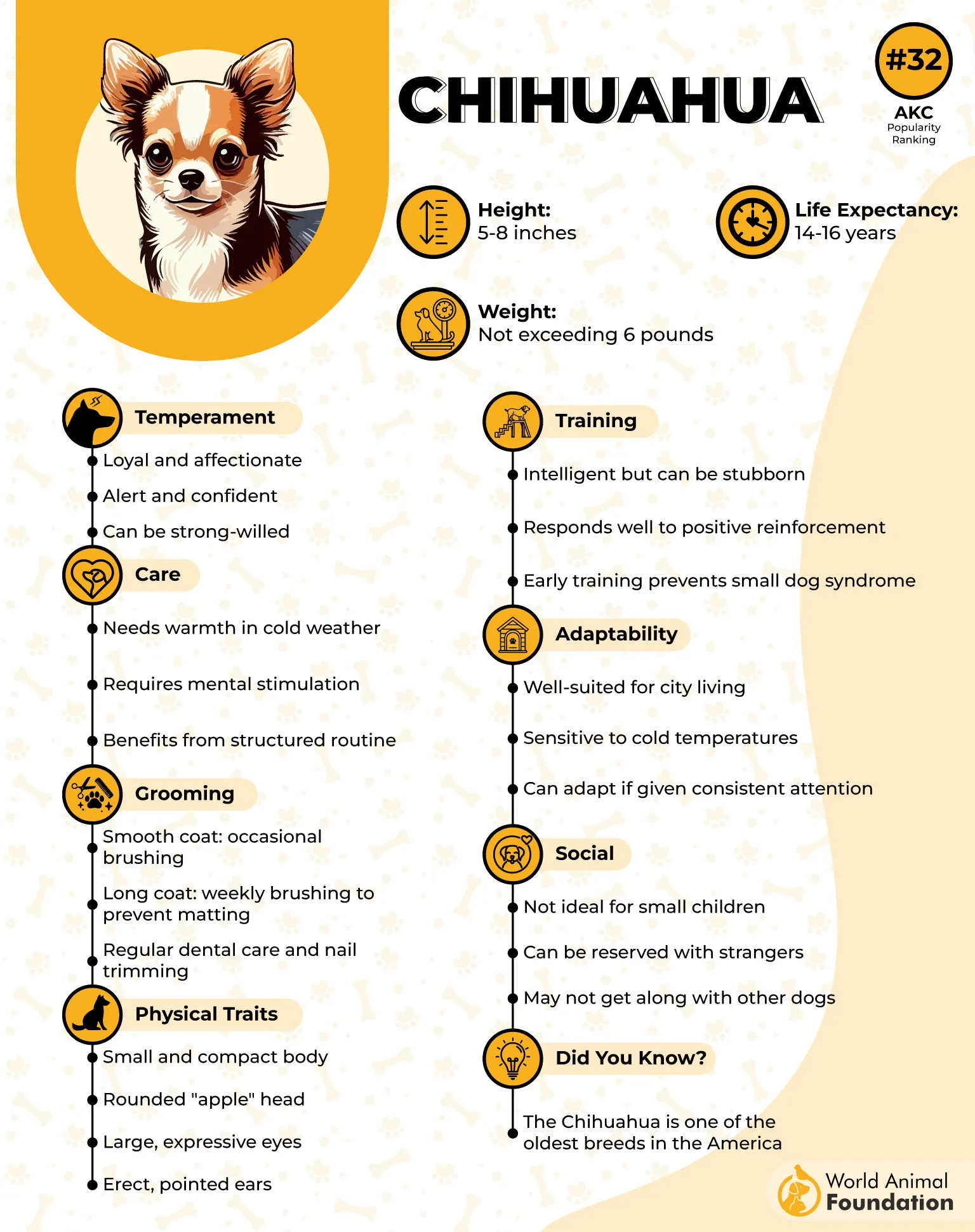
The Chihuahua’s confidence could fill a room twice its size. Known for its fiery attitude and high-pitched bark, this little dog often believes it runs the household, as PetMD stated. While its size might tempt city dwellers, its strong-willed nature makes it a handful for inexperienced owners.
Endless Attention Seeker
This breed craves constant companionship, often following its favorite person everywhere, even to the bathroom. When left alone or ignored, it can become noisy or anxious, expressing displeasure through whining or yapping.
Some key traits worth noting are:
Forms intense one-person attachments
Can bark excessively when seeking attention
Tends to show jealousy toward other pets
Prone to Nervous Energy
Because of its alertness and sensitivity to sound, a Chihuahua reacts quickly to every noise or movement. Apartment walls do little to muffle its sharp responses, which can cause tension in quiet neighborhoods. Early socialization helps reduce these overreactions.
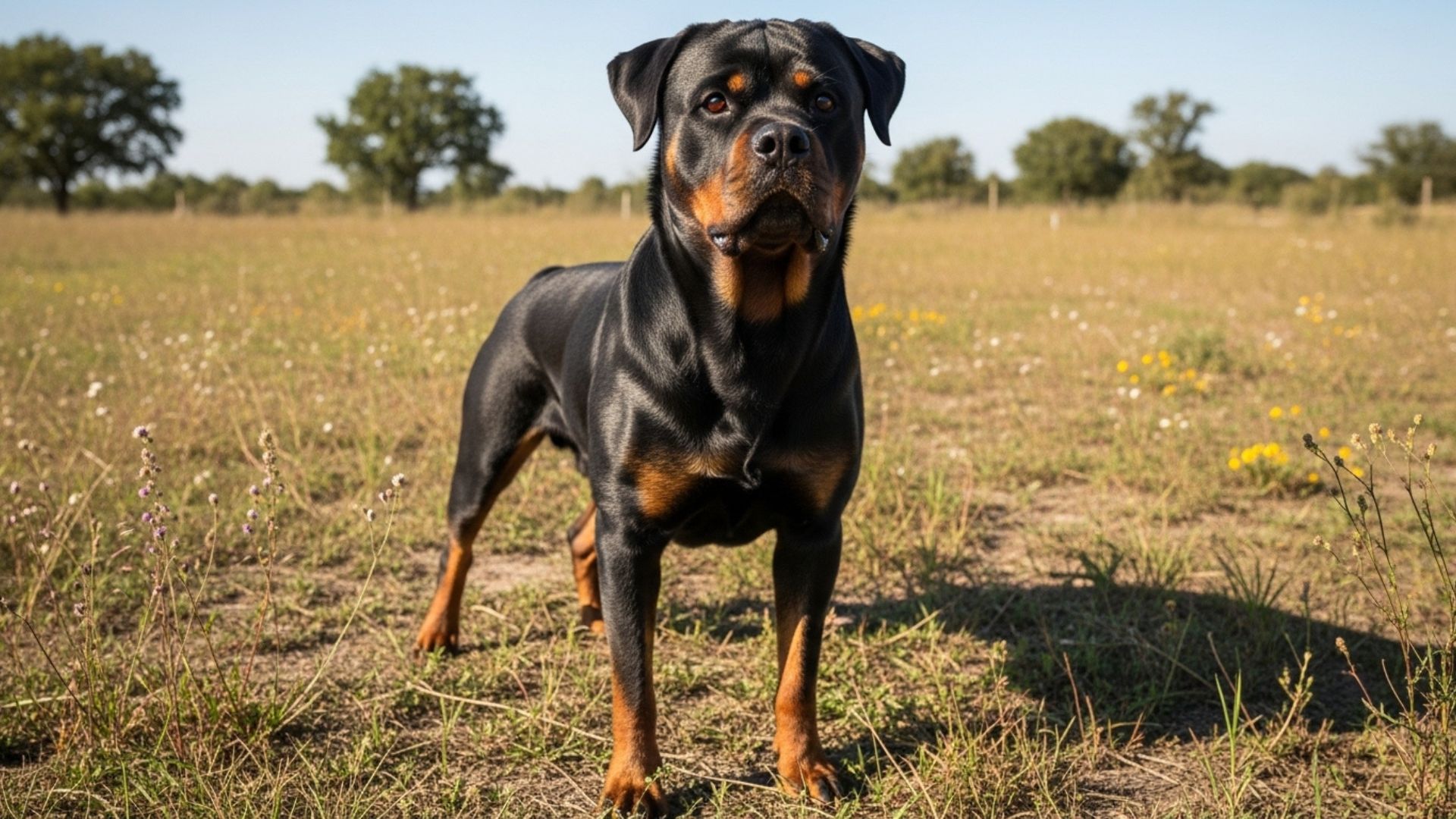
6. Rottweiler
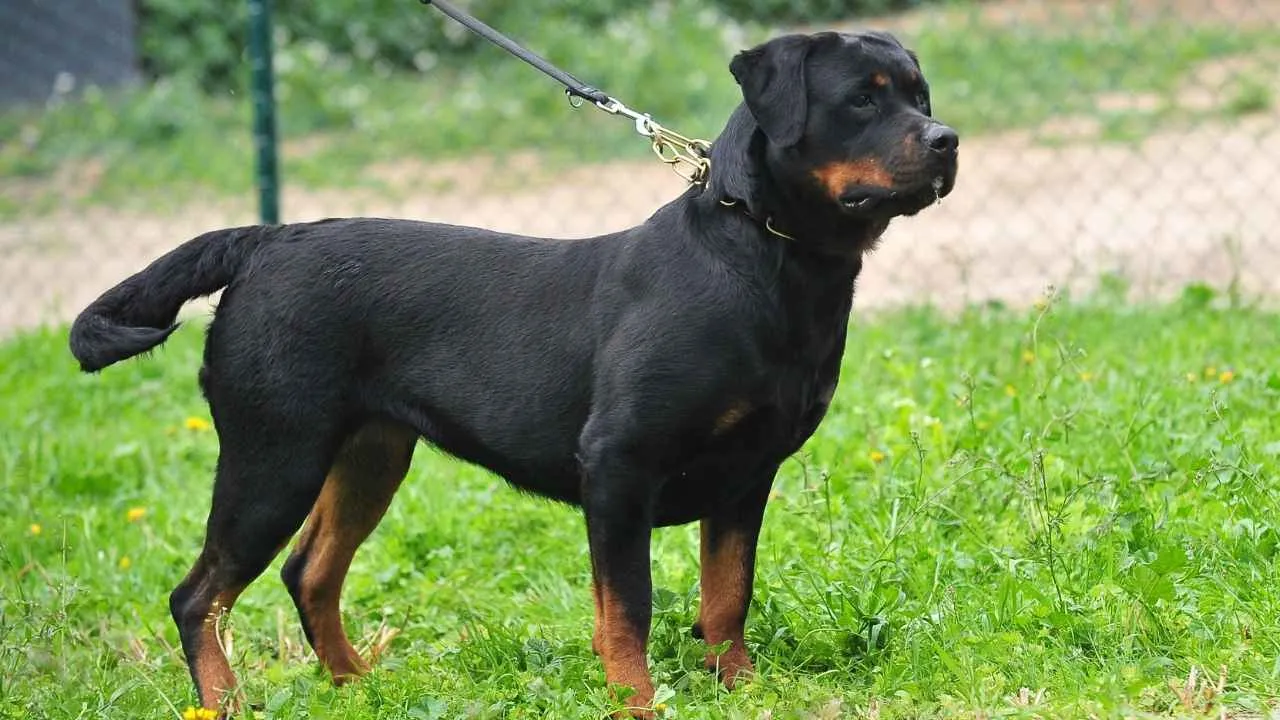
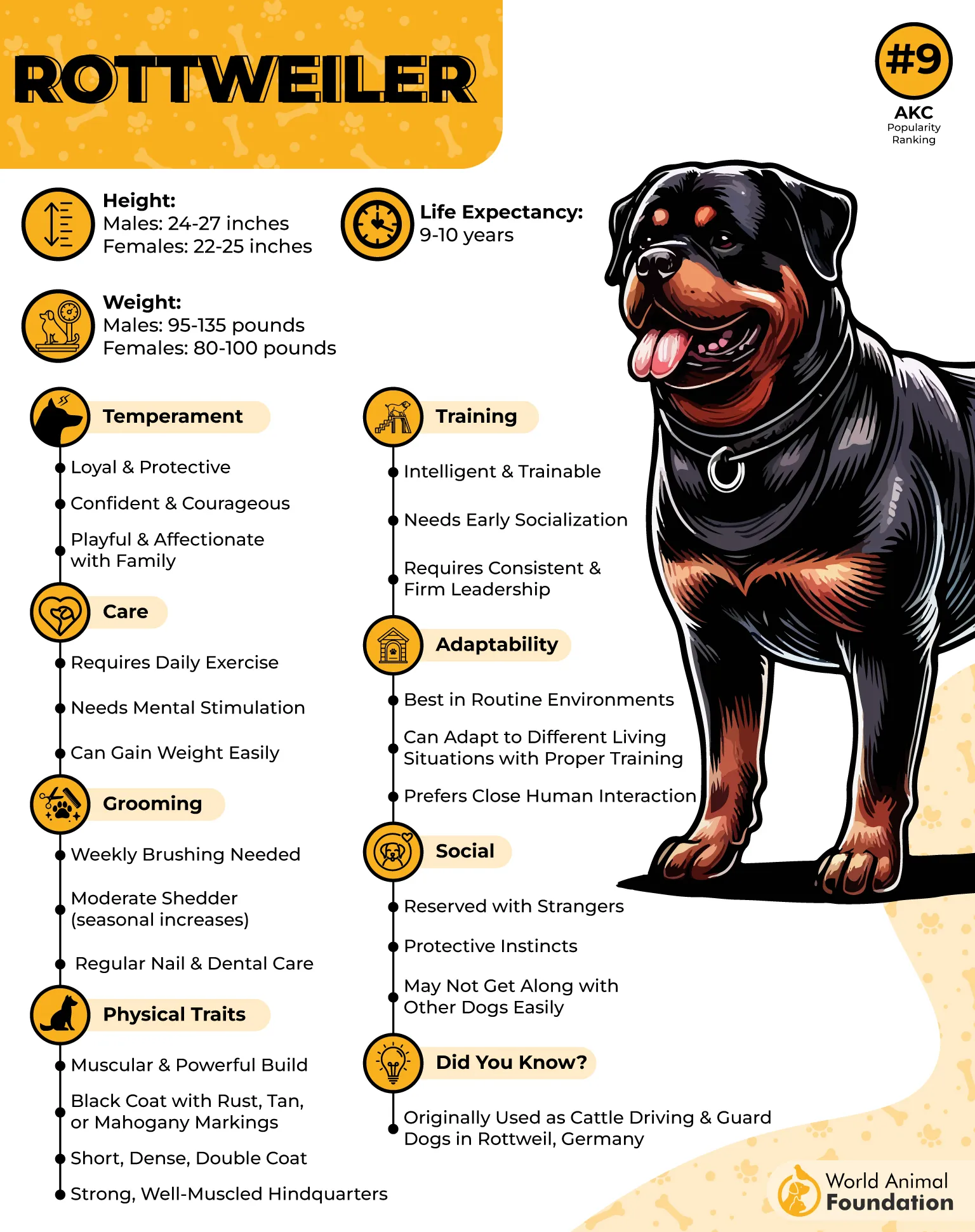
Rottweilers carry an undeniable sense of authority. Their muscular frame and steady gaze have long made them natural protectors. This commanding presence, though admirable, can feel overwhelming for inexperienced owners who might struggle to channel that intensity.
Power That Needs Careful Handling
Behind their calm exterior lies one of the strongest bite forces among domestic dogs. Without firm guidance, their guarding instincts can become unpredictable, especially around unfamiliar people or animals. Their physical power comes with serious responsibility for anyone considering ownership.
This is how their dominance becomes a challenge:
Extremely territorial and alert by nature
Appear frequently in global bite incident statistics
Known to rank high in fatality reports involving dogs
History of Serious Duty
Centuries ago, Rottweilers were relied upon to move cattle and guard valuable goods. That working heritage remains deeply ingrained, giving them a sense of duty that sometimes clashes with household environments. They take their role seriously, even when there’s nothing to protect.
7. Great Dane
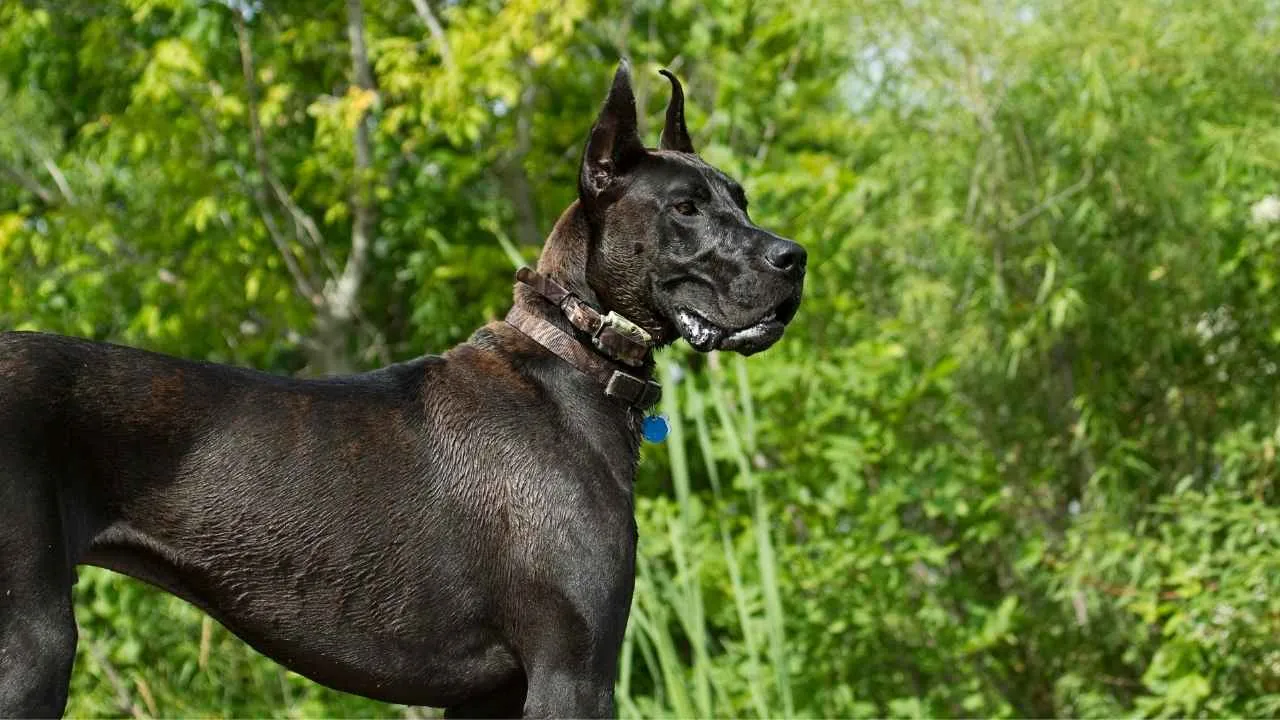
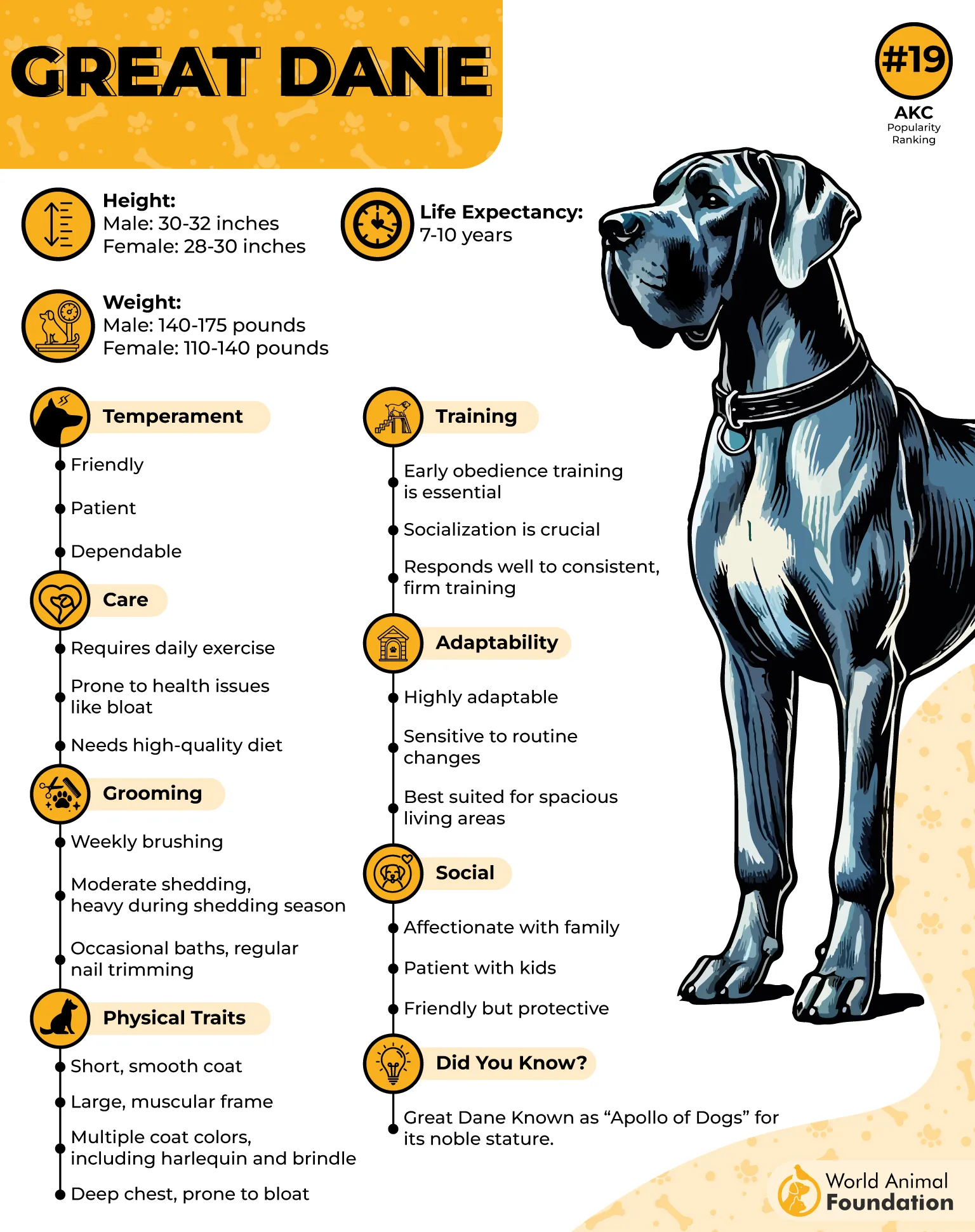
Great Danes are admired for their towering frame and calm presence that often melts hearts at first sight. Their easygoing nature makes them seem ideal family dogs, but living with one means adjusting to a massive size that quickly takes over couches, hallways, and car space.
Health Struggles Hidden Behind Grace
These dogs are prone to several severe health problems that can affect their quality of life and lifespan. Their large size makes them especially vulnerable to joint, heart, and digestive conditions that require consistent veterinary attention.
Some concerns that every potential owner should be aware of include:
Bloat or gastric torsion, a life-threatening emergency
Dilated cardiomyopathy, a serious heart condition
Osteosarcoma, an aggressive form of bone cancer
A Shorter Lifespan than Expected
While their presence feels majestic, Great Danes often live shorter lives compared to smaller breeds. Their average lifespan ranges between 7 and 10 years, with many facing health challenges much earlier. This emotional aspect can be difficult for families unprepared for such a brief companionship.
Conclusion
Behind every breed’s fame lies a truth that patience alone reveals. What many see on screens or in parks tells only part of the story. Some of the sweetest dogs can still be demanding, needing structure and time that first-time dog owners rarely expect. Active dogs like sled dogs or hunting dogs thrive only when their instincts have room to move, while large dogs require space, care, and strength to manage well.
For most dogs, compatibility matters more than popularity. Choosing responsibly begins with listening to experienced owners and trusting reputable breeders who value health over hype. The right match isn’t found in trends but in understanding—the quiet choice that keeps both hearts and homes steady.
