




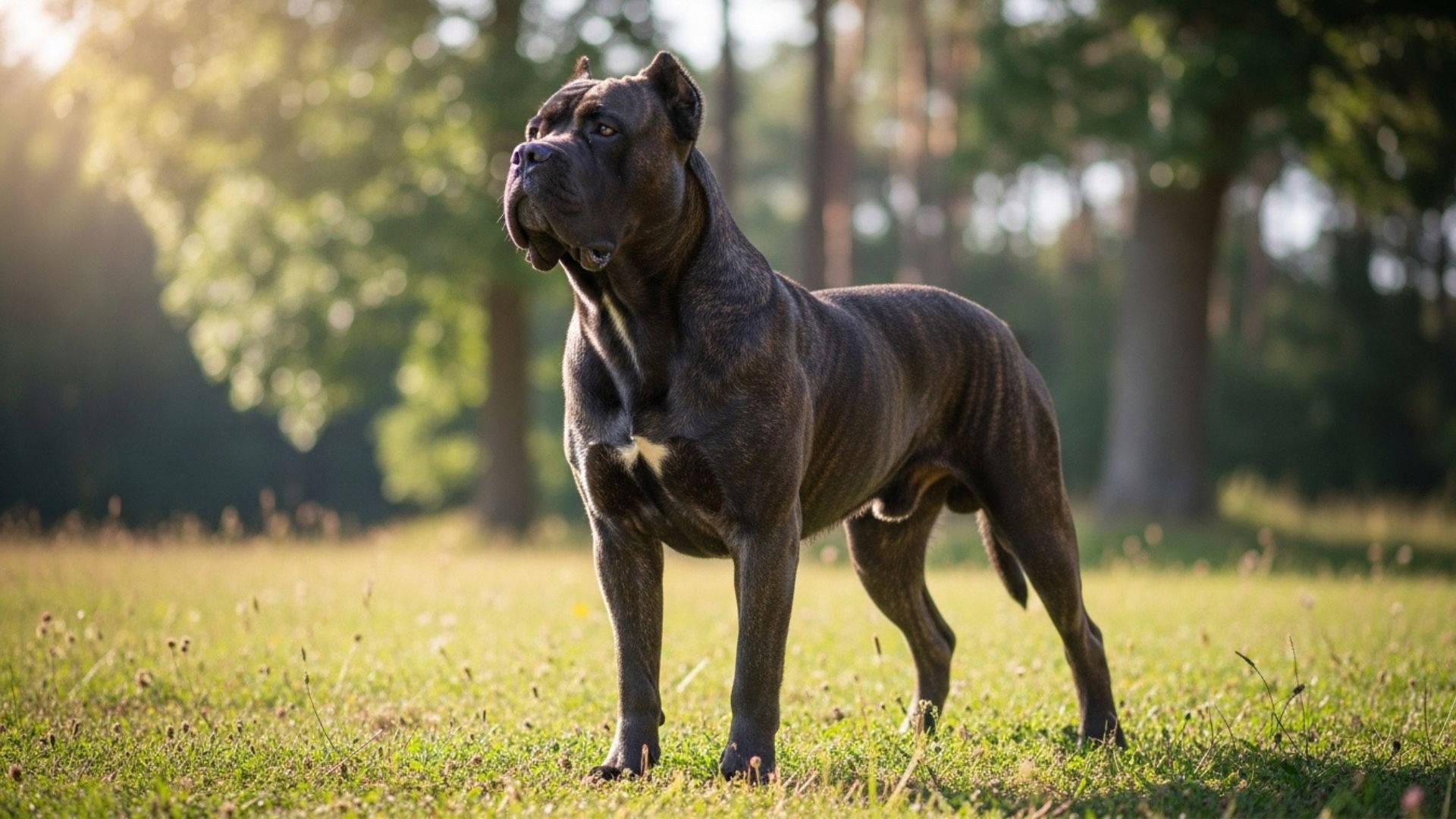
Did you know some dogs will happily follow you from room to room just to make sure you are okay? If you share your life with a big dog, that probably sounds familiar. Large dog breeds may be known for their size and strength, but their true standout trait is loyalty. They are not just impressive to look at. They are deeply devoted companions who want to be part of everything you do.
From gentle giants who lean against your legs for comfort to watchful protectors who keep an eye on the home and their people, large dogs offer a special kind of companionship. They often balance calm confidence with a strong desire to please, making them great fits for both active days and relaxed nights.
If you are curious which big dogs are famous for their loyalty and devotion, you are in the right place.
Popular Big Dog Breeds Known For Their Loyalty
1. Cane Corso

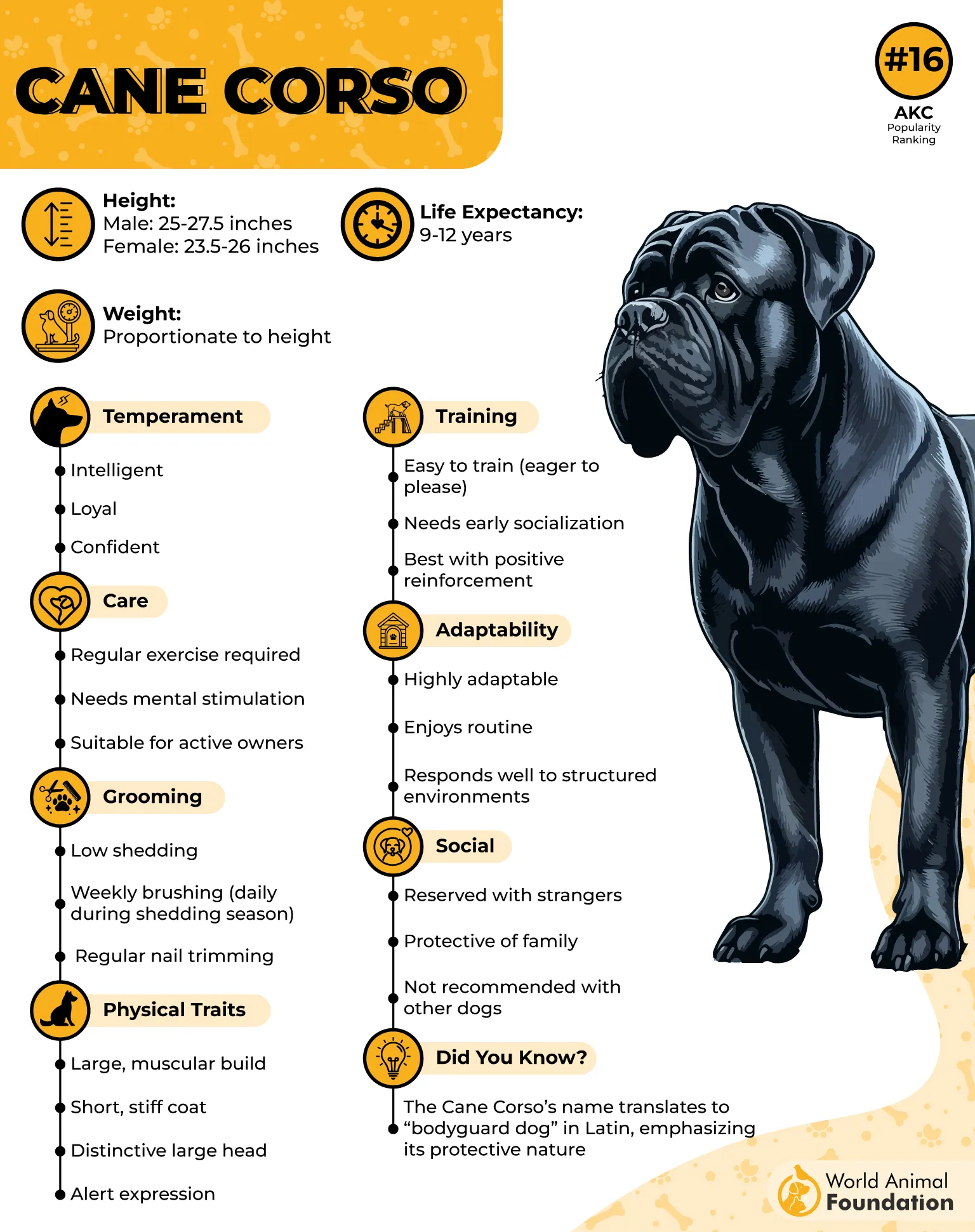
The Cane Corso is a powerful, muscular working dog known for its confident presence and alert expression. Originally bred in Italy, this breed has a long history as a guardian and property protector. Its large frame and serious demeanor often make a strong first impression.
Loyalty sits at the core of the Cane Corso’s personality, especially toward its immediate family. As per PetMD, they are protective dogs and tend to be reserved with strangers. Early socialization plays an important role in shaping a well-balanced adult dog.
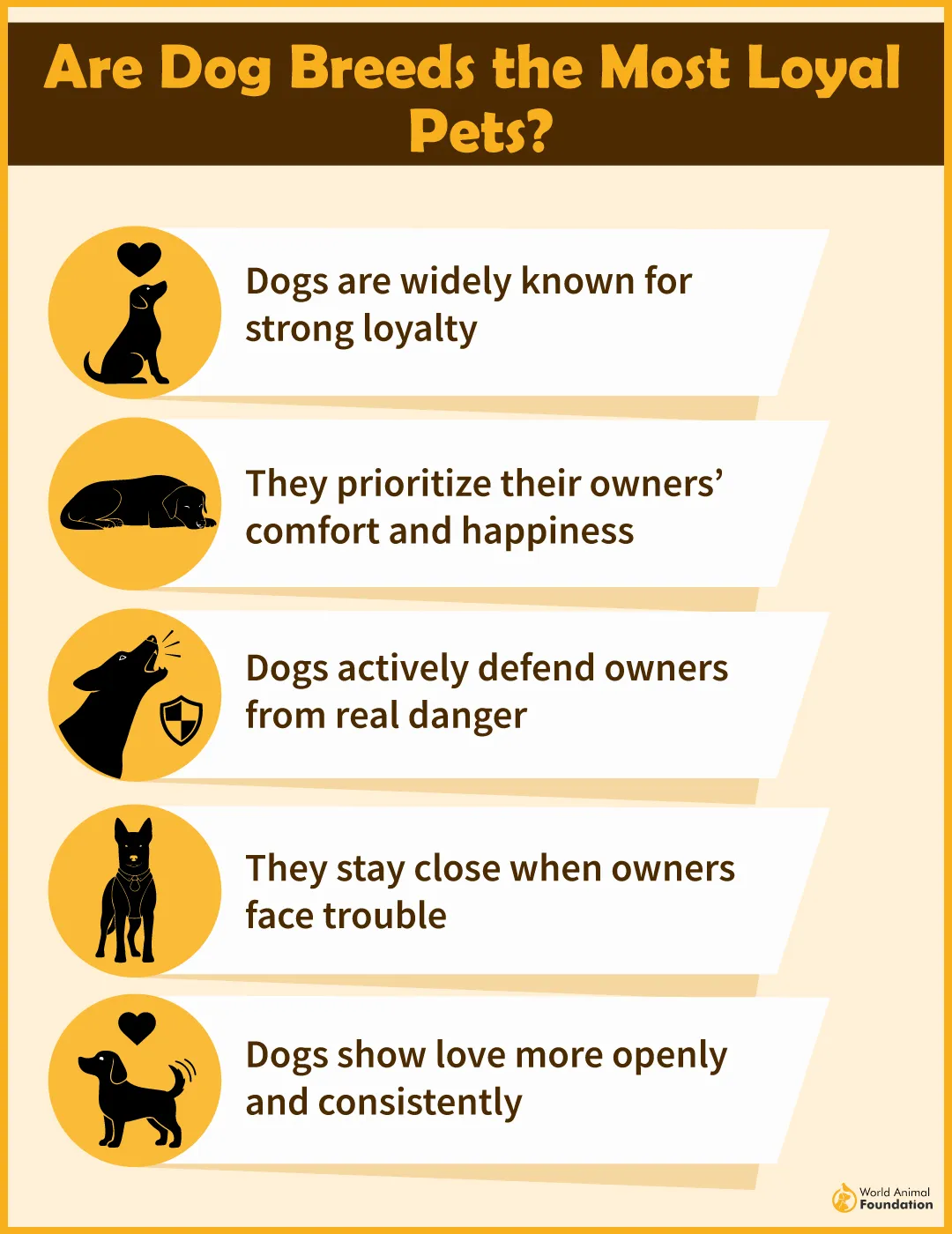
Despite its tough exterior, the Cane Corso forms deep bonds with its owners. It thrives when given clear leadership, structure, and consistent training. Mental stimulation and purposeful activity help keep this intelligent breed content.
Daily exercise is essential, as the Cane Corso is both athletic and energetic. Long walks, training sessions, and space to move support its physical and mental health. With proper care, this breed becomes a steady, devoted companion.
Fun Fact
The Cane Corso’s name comes from Latin roots meaning “guardian” or “protector.” Its instincts were refined over centuries to watch over farms, livestock, and families.
2. Bernese Mountain Dog
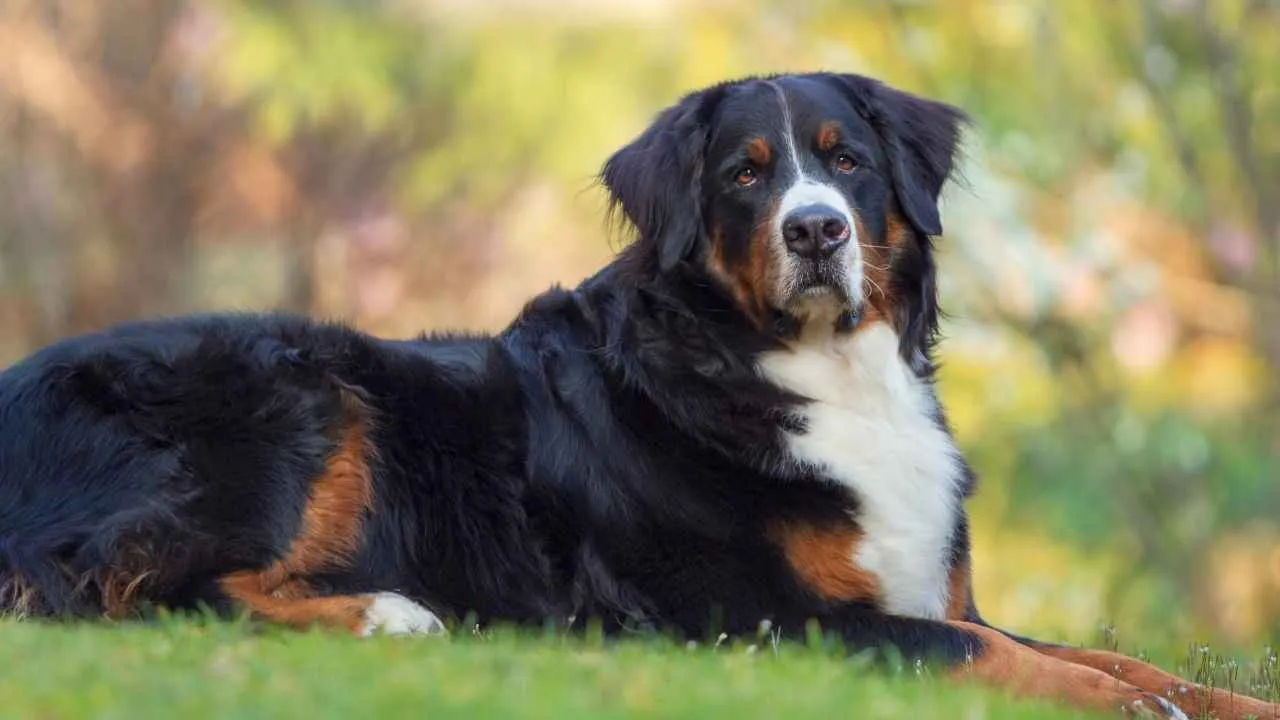
The Bernese Mountain Dog is instantly recognizable for its thick tricolor coat and gentle expression. This large breed originated in Switzerland, where it worked alongside farmers pulling carts and guarding property, and also as rescue dogs in the mountains. Its sturdy build reflects its hardworking background.
Known for its affectionate nature, the Bernese Mountain Dog is especially devoted and makes a great family dog. It tends to be patient, calm, and good-natured with children. Strong bonds often lead this breed to prefer being close to its people.
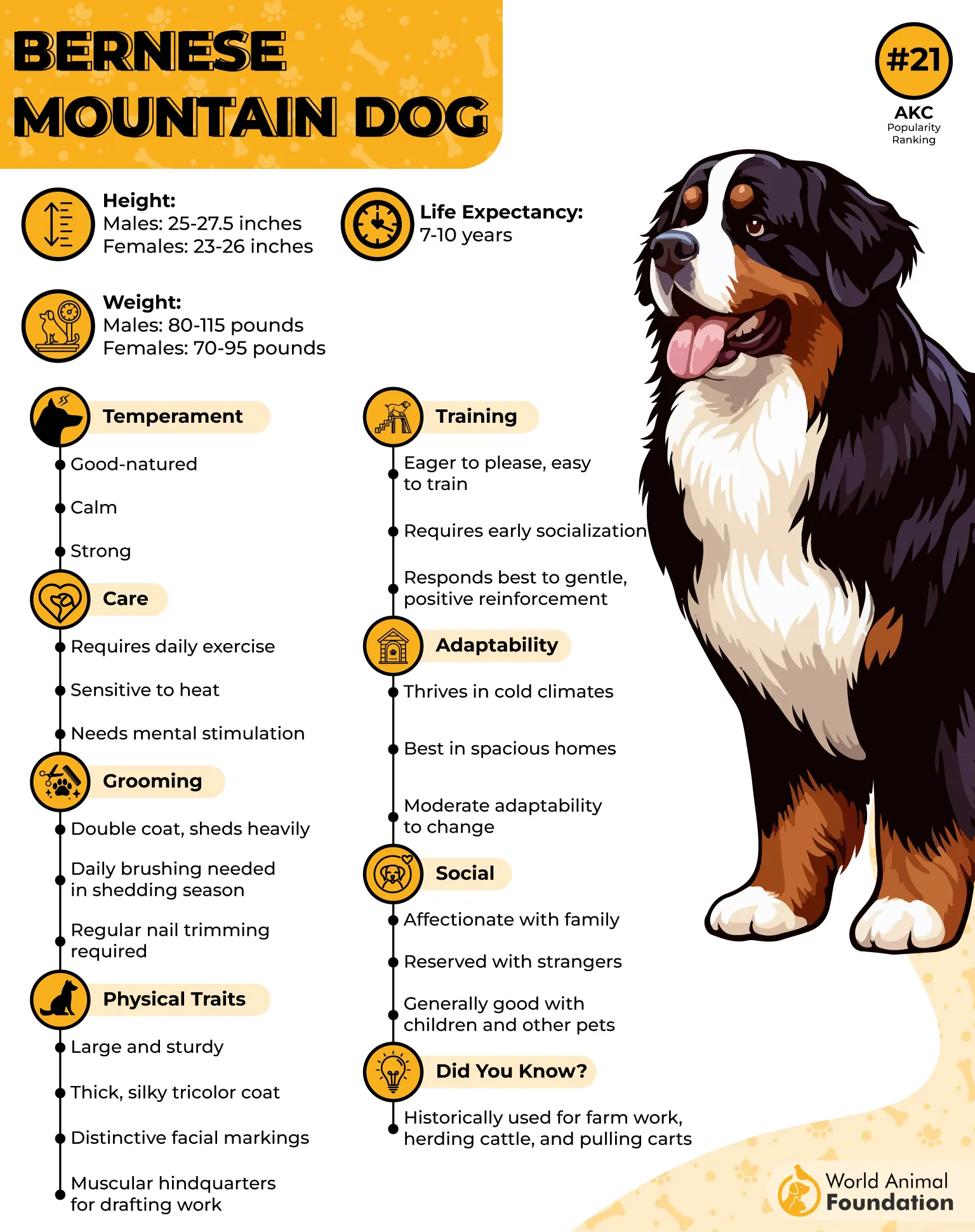
PDSA states that this breed combines strength with a surprisingly soft temperament. Bernese Mountain Dogs enjoy structured routines and respond well to positive training methods. They are eager to please and happiest when included in daily activities.
Because of its thick double coat, this breed prefers cooler climates and moderate exercise. Regular grooming helps manage shedding and keeps the coat healthy. A balanced lifestyle supports both its physical comfort and emotional well-being.
Fun Fact
Bernese Mountain Dogs were once used as draft dogs, pulling carts loaded with dairy products. Some could pull several times their own body weight.
3. Newfoundland
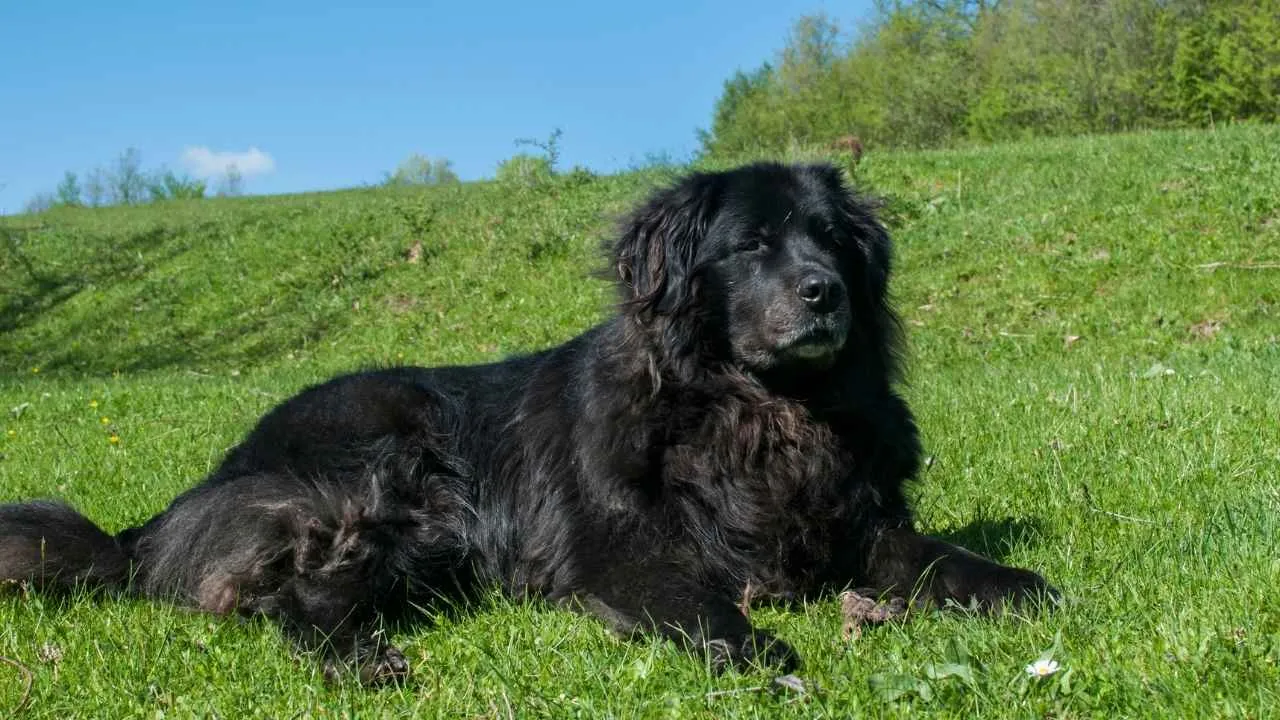
The Newfoundland is a massive dog with a calm, thoughtful personality. Originally bred in Canada, this breed became known for its strength and deep loyalty. Its broad head and thick coat suit cold, wet environments.
Gentleness defines the Newfoundland’s temperament, especially around family members. It is famously patient, incredibly loyal, and often described as sweet-natured. This breed has a protective nature without being aggressive.
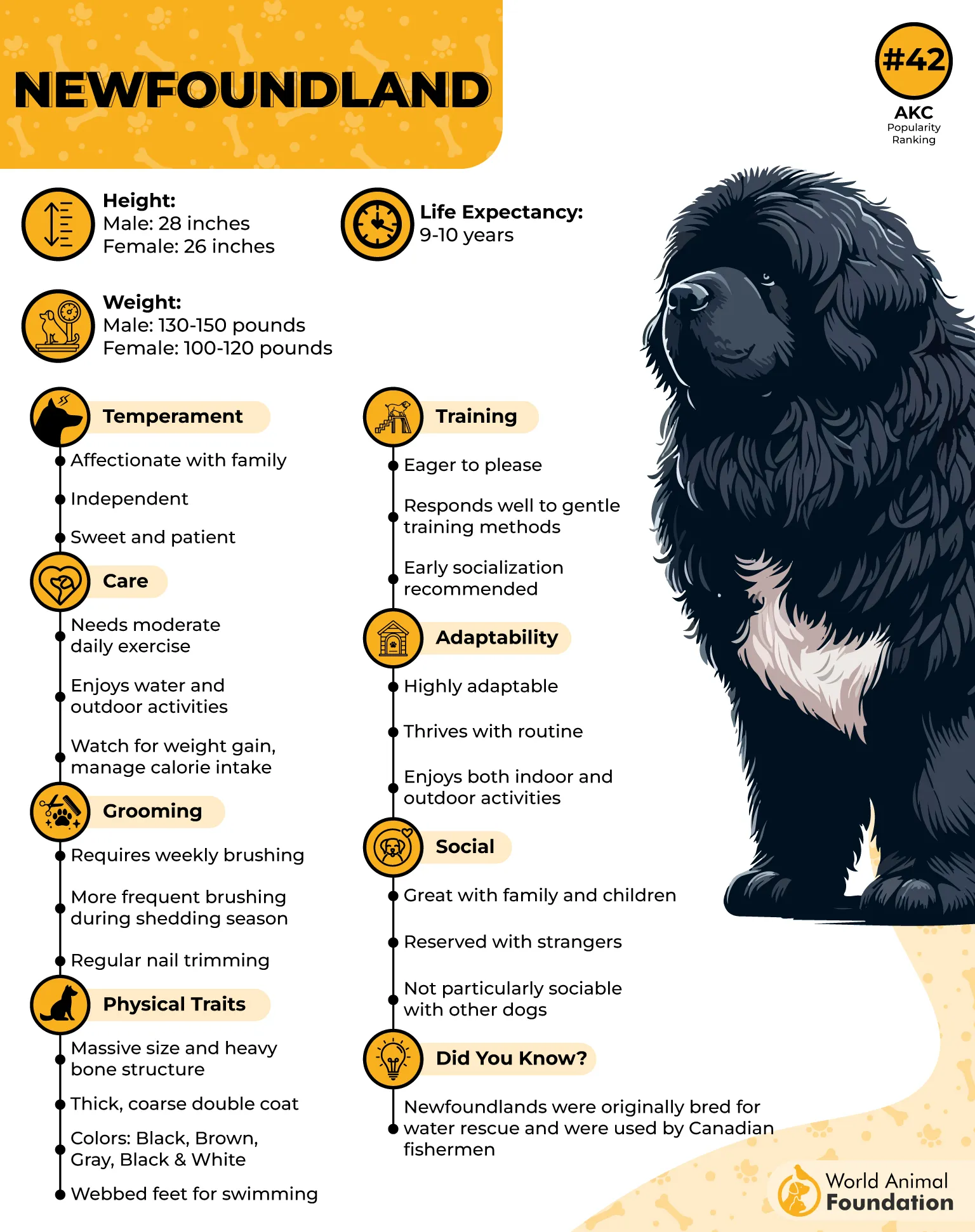
As per Britannica, Newfoundlands are strong swimmers and often excel in water rescue roles. Their webbed feet and powerful build make swimming feel effortless. Many enjoy water activities as much as land-based companionship.
Although large, the Newfoundland is generally low energy indoors. Daily walks and occasional swimming help maintain fitness. Consistent grooming is important due to its dense, water-resistant coat.
Fun Fact
Newfoundlands have been credited with real-life water rescues. Their instincts and strength have saved people from drowning.
4. Great Dane
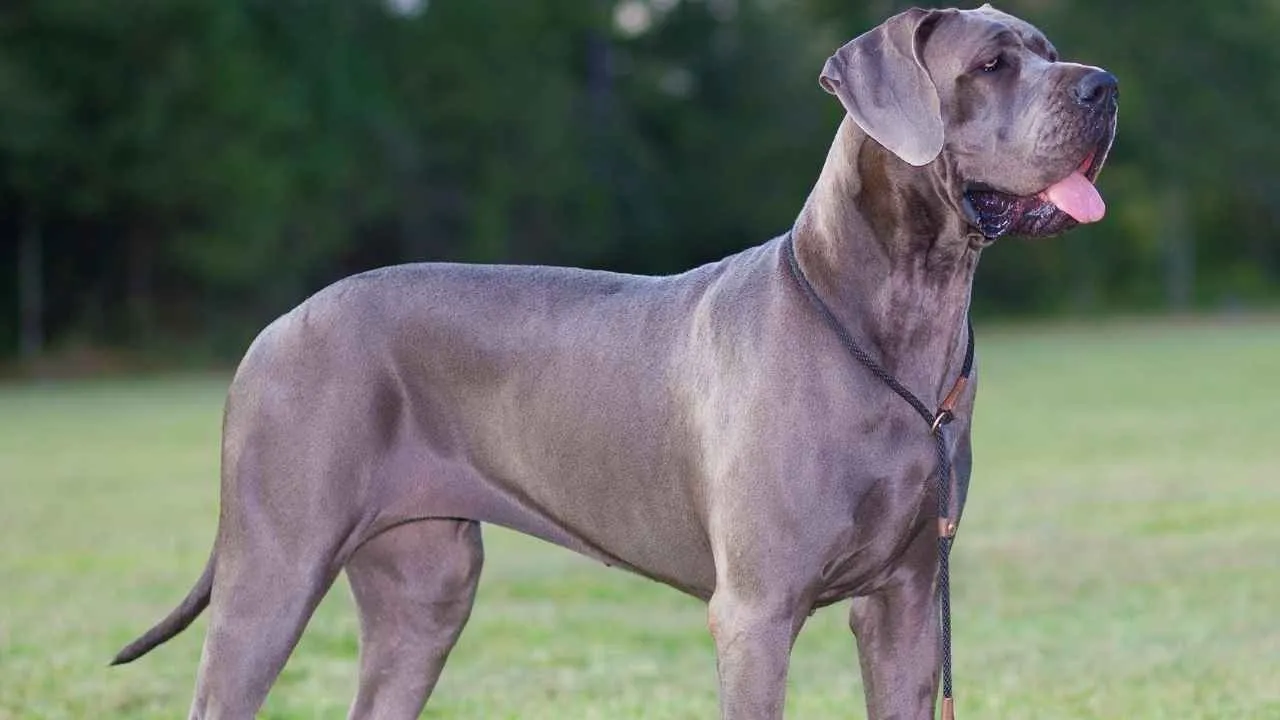
The Great Dane is one of the tallest dog breeds, known for its impressive height and elegant posture. Despite its size, this breed is often calm and friendly in the home. Its history traces back to working and hunting roles in Europe.
Great Danes are affectionate and people-oriented, frequently seeking close contact with their owners. Many consider themselves lap dogs despite their size. This breed thrives on companionship and routine.
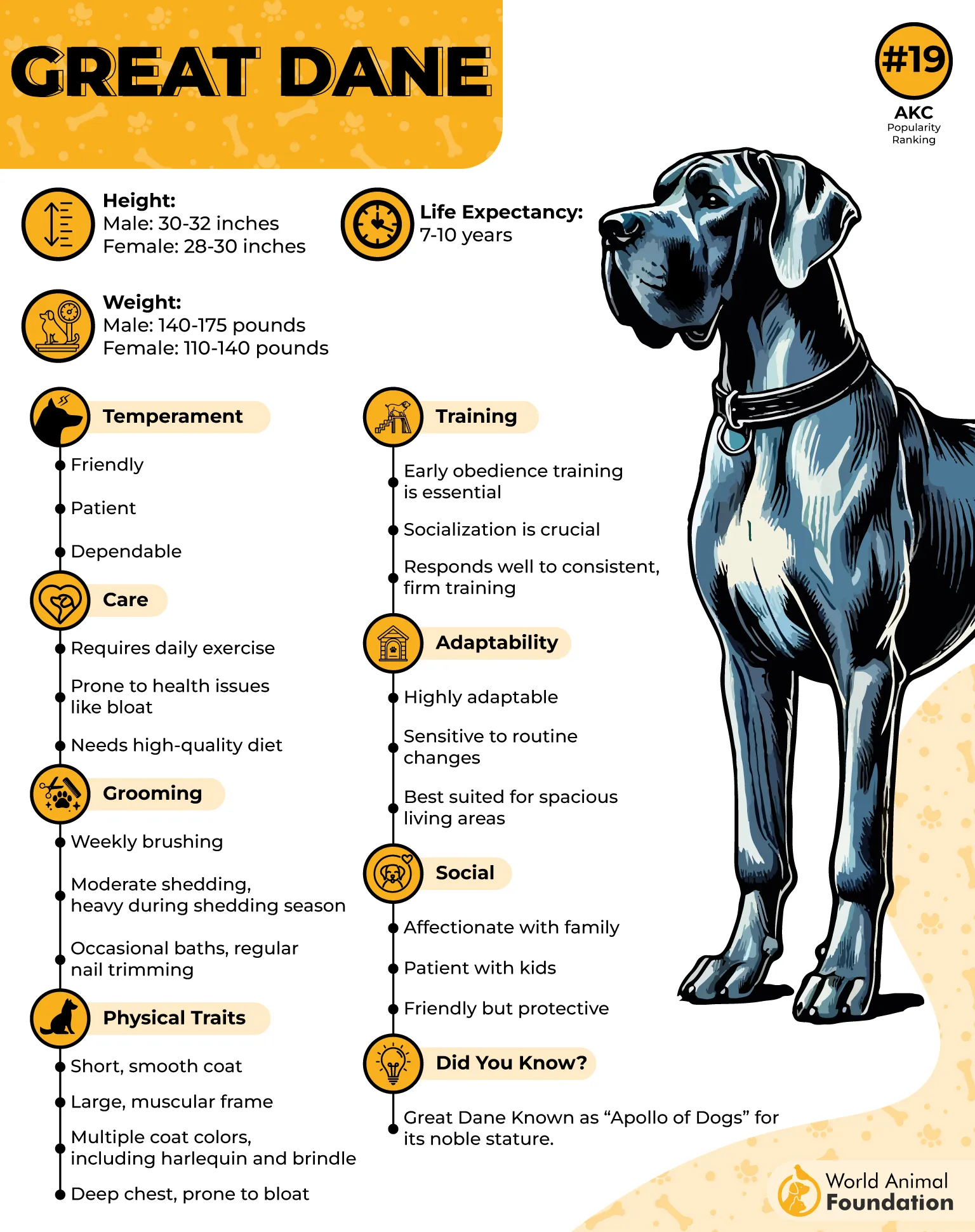
Temperament is typically gentle, especially when properly trained from a young age. Great Danes respond best to patient, consistent guidance. Early socialization helps them grow into confident adults.
Exercise needs are moderate compared to their size. Daily walks and controlled play support joint health and muscle tone. A comfortable living space is important for this large-framed breed.
Fun Fact
The Great Dane is often called the “Apollo of dogs” because of its tall, graceful appearance. Some can stand as tall as an adult human when on their hind legs.
5. Irish Wolfhound
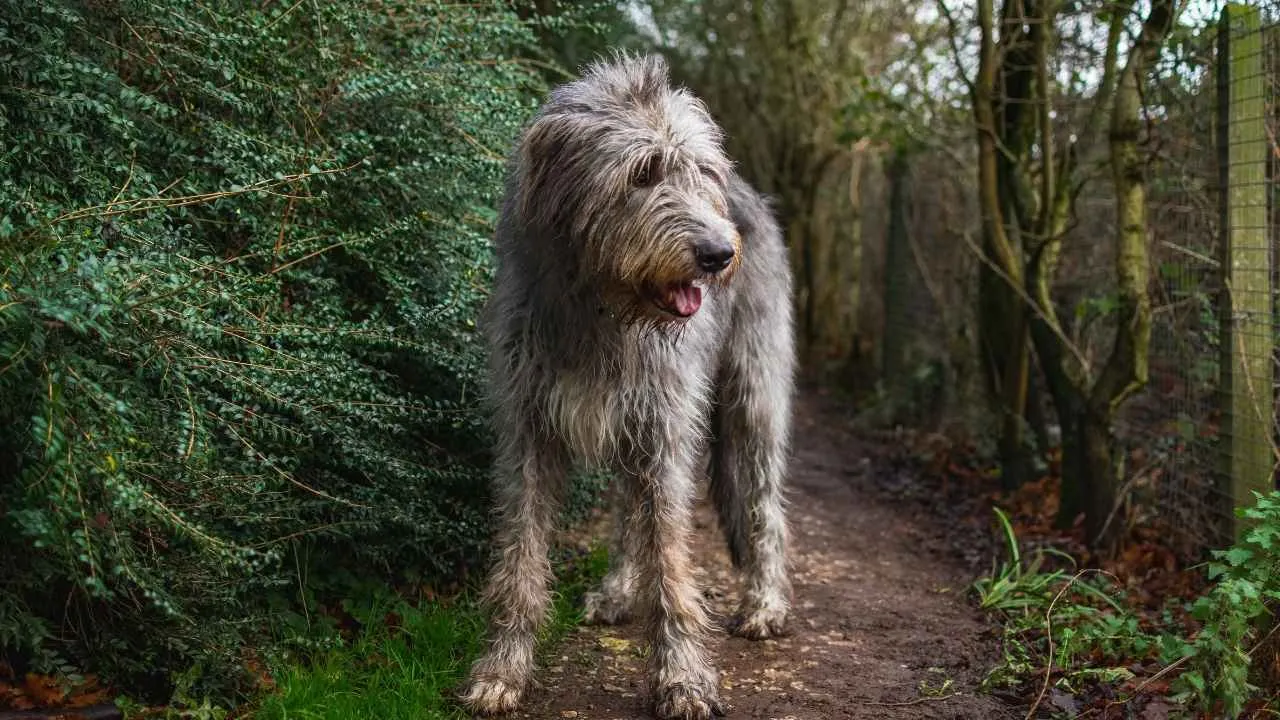
The Irish Wolfhound is one of the tallest dog breeds in the world, known for its long legs and rough, wiry coat. Originally bred in Ireland, this breed was used for hunting large game such as wolves and elk. Its size alone makes it an unforgettable presence.
Despite its towering stature, the Irish Wolfhound is gentle and calm by nature. It is typically affectionate with family members and tends to be patient and relaxed at home. Aggression is not a defining trait of this breed.
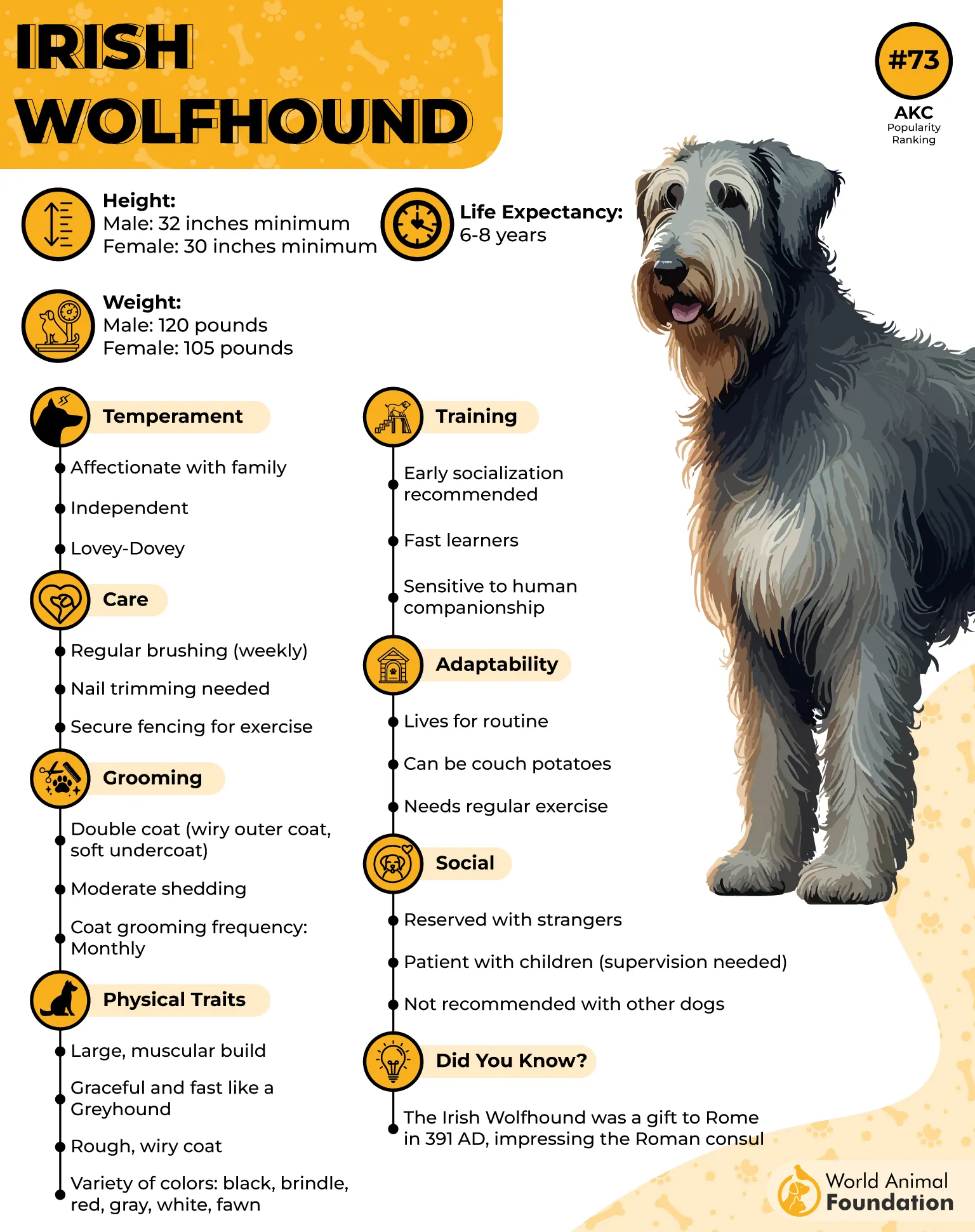
This breed matures slowly and benefits from a steady, low-pressure training approach. Irish Wolfhounds are intelligent but not overly driven, preferring companionship over constant tasks. They do best in homes that appreciate a laid-back temperament.
Exercise needs are moderate, with daily walks and room to stretch being ideal. Soft bedding and joint care are especially important due to their size. With proper care, they become deeply devoted companions.
Fun Fact
Irish Wolfhounds were once considered a symbol of nobility and were often gifted to royalty. Ownership was historically restricted to the elite.
6. Saint Bernard
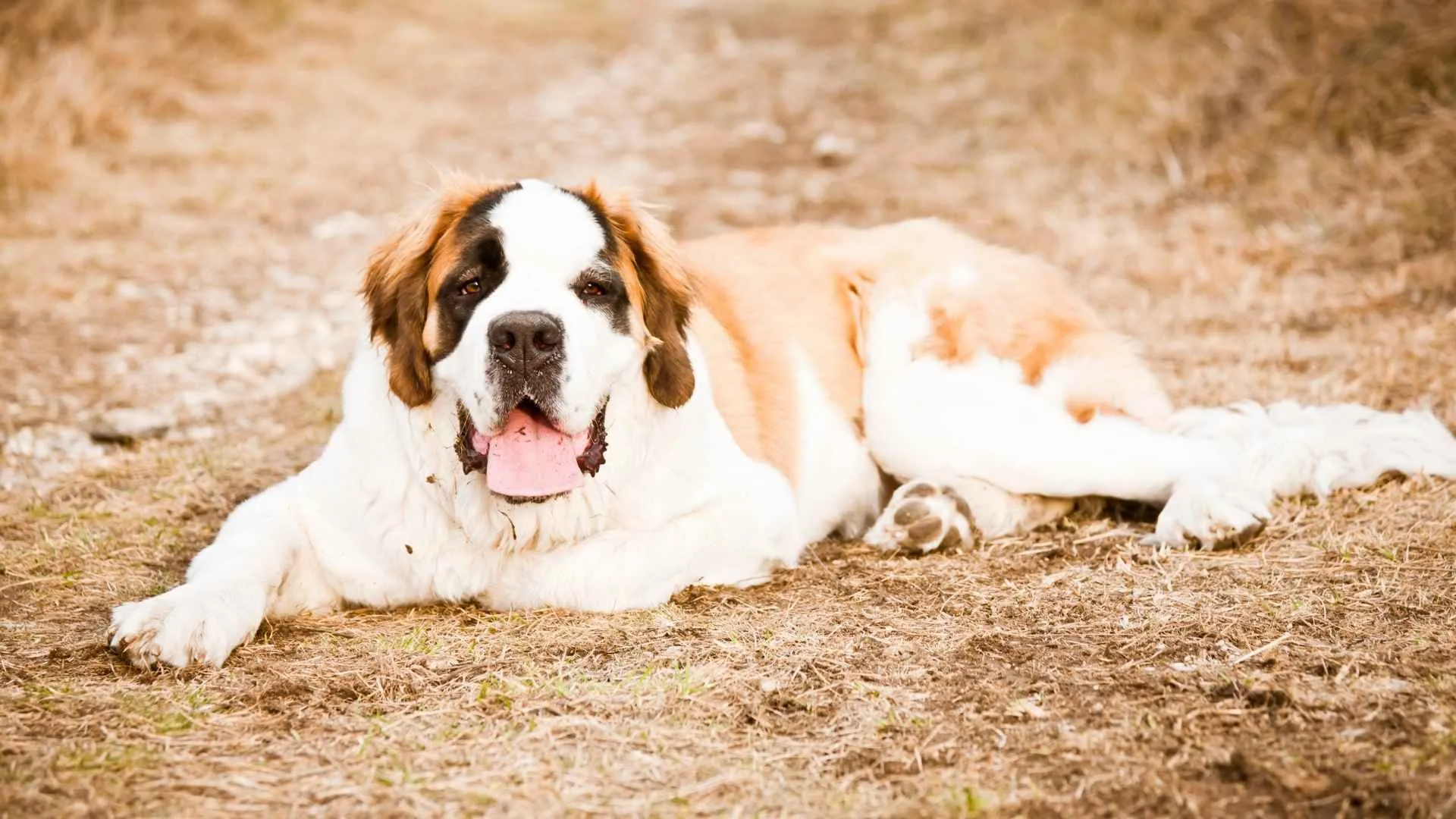
The Saint Bernard is a massive, powerful dog best known for its rescue history in the Swiss Alps. Its broad chest, strong limbs, and kind expression reflect both strength and warmth. This breed was developed to locate and assist travelers in harsh mountain conditions.
Saint Bernards are famously gentle and friendly, especially with children. They tend to be patient, tolerant, and people-focused. Their calm demeanor makes them excellent family companions.
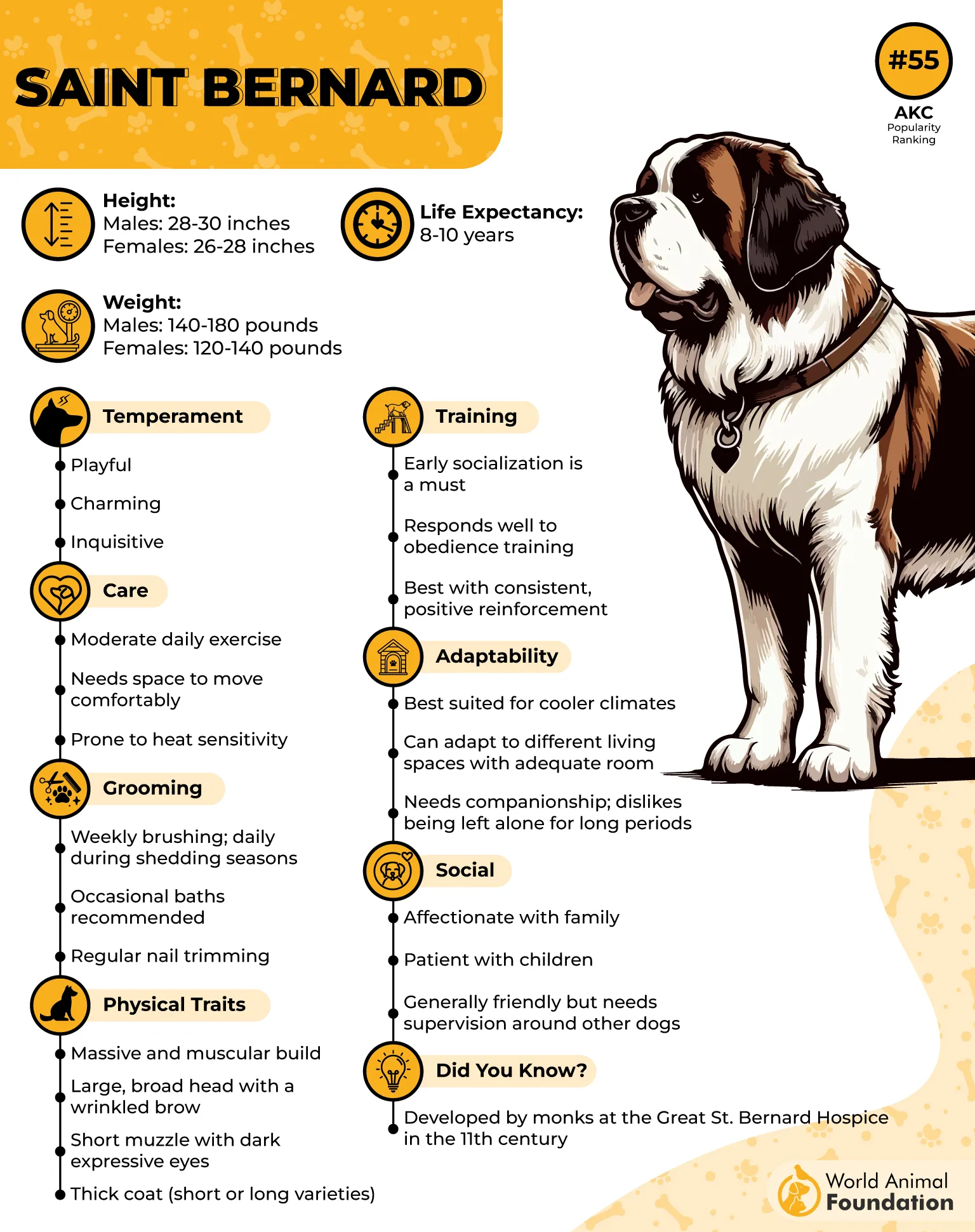
While not overly energetic, this breed enjoys being involved in daily household life. Training should begin early due to their size, using consistent and positive methods. They respond well to calm leadership.
Because of their thick coat and large frame, Saint Bernards are better suited to cooler climates. Regular grooming helps manage shedding and drooling. Comfortable indoor space is essential for this breed.
Fun Fact
Saint Bernards became famous for alpine rescue work, where they helped locate lost travelers in deep snow. Their sense of direction and endurance saved many lives.
7. Tibetan Mastiff
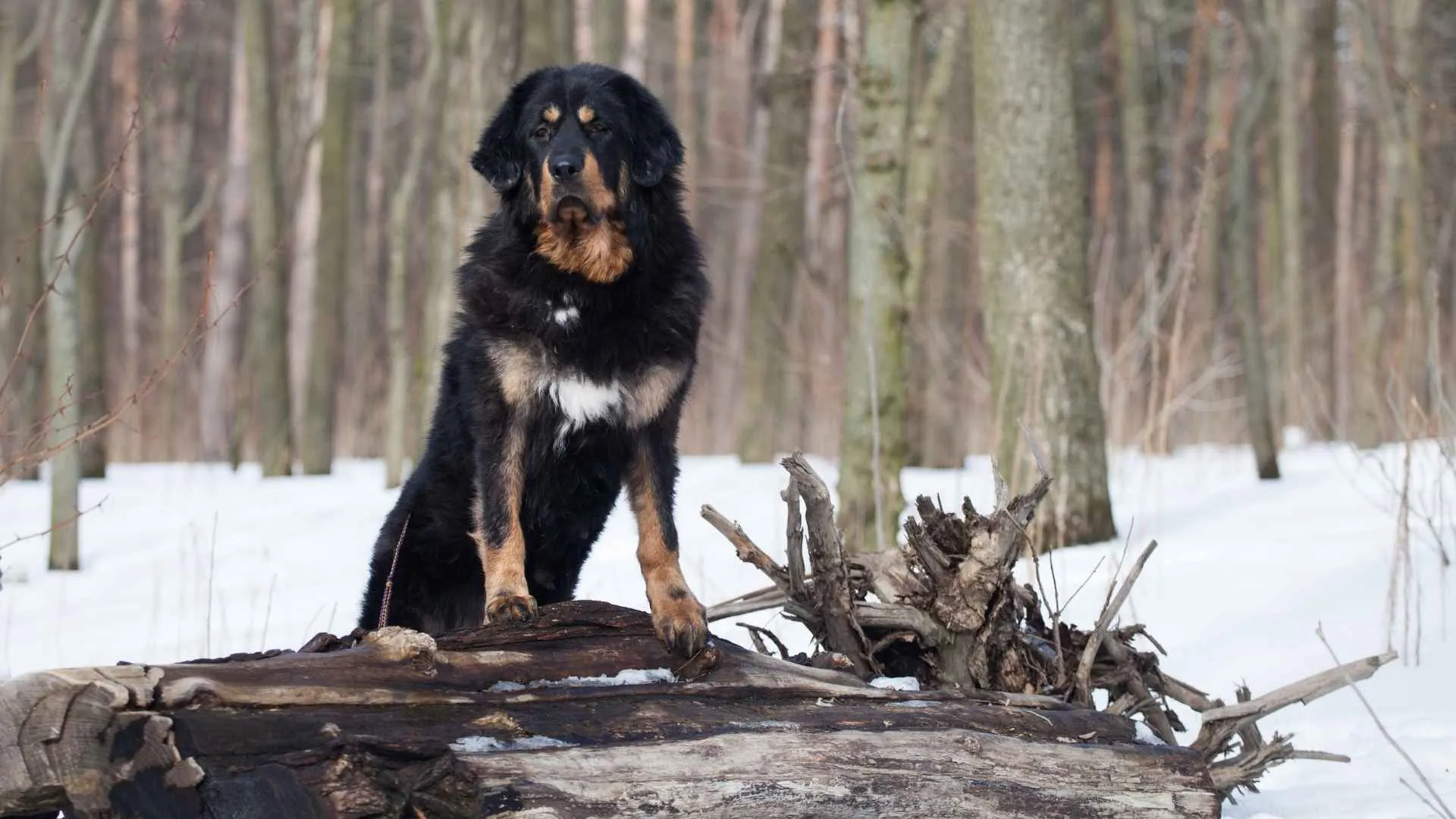
The Tibetan Mastiff is a large, imposing breed with a thick coat and lion-like mane. Originating in the Himalayan region, it was bred to guard livestock and property. Its appearance reflects its role as a natural protector.
This breed is known for its independence and strong guarding instincts. Tibetan Mastiffs are deeply loyal to their family but often reserved with strangers. They tend to be most alert during nighttime hours.
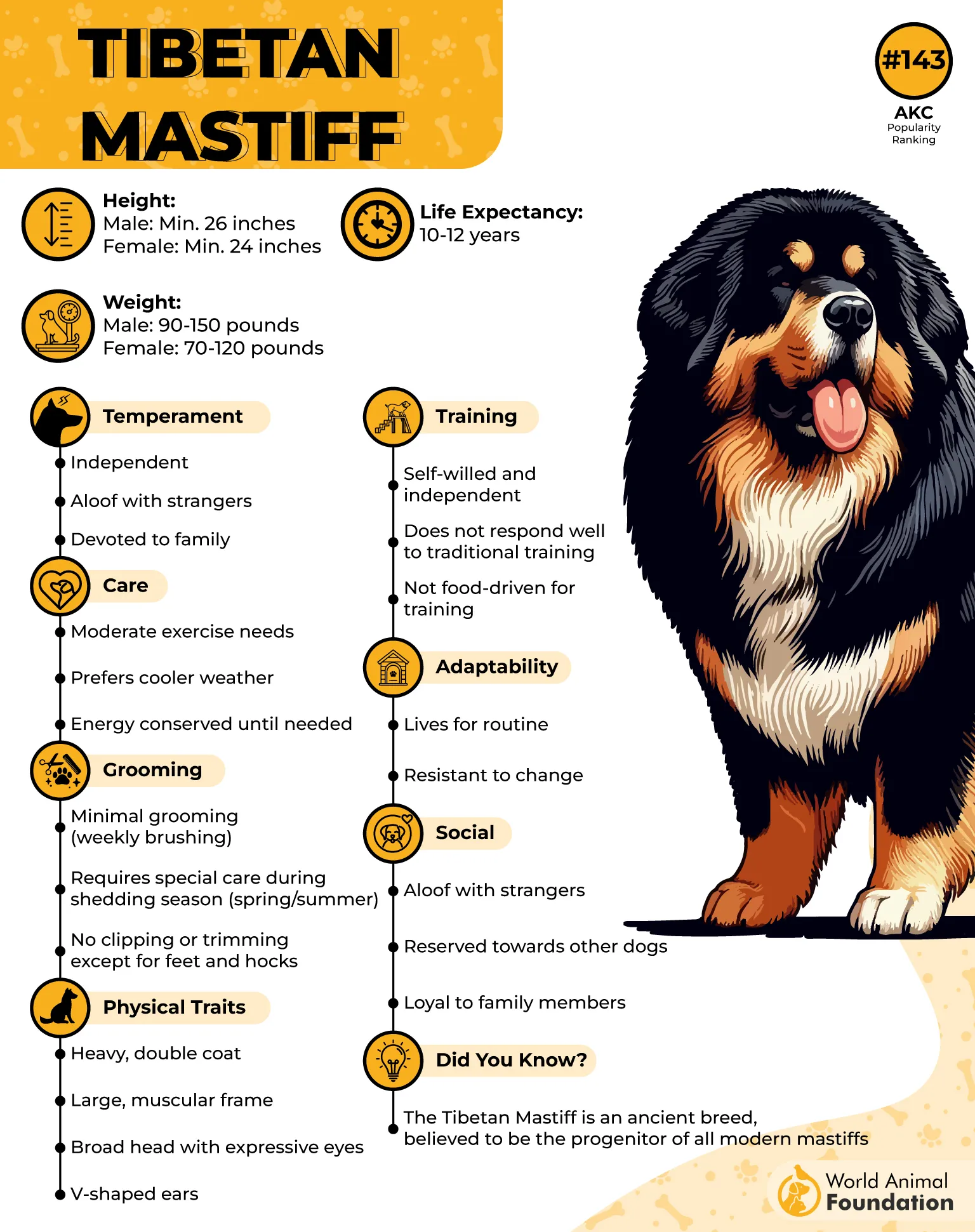
The Tibetan Mastiff is not eager to please. Training requires patience, consistency, and respect for its independent nature. Early socialization is critical for balanced behavior.
Exercise needs are moderate, but mental stimulation is essential. Secure fencing is important due to their territorial instincts. With the right environment, they become calm and watchful companions.
Fun Fact
Tibetan Mastiffs were traditionally left outside at night to guard villages and livestock. Their deep bark was meant to warn off predators from long distances.
Conclusion
Most loyal dog breeds offer something truly special for the right owners. Their large size may turn heads, but it is their loyalty, patience, and steady presence that leave a lasting impression. From calm guardians to gentle family companions, these dogs often form deep bonds and take their roles seriously.
They thrive in homes that understand their needs, respect their instincts, and make space for their big hearts and even bigger personalities. Choosing a large breed is not just about having a bigger dog; it is about welcoming a devoted partner who brings comfort, protection, and companionship into everyday life.
