




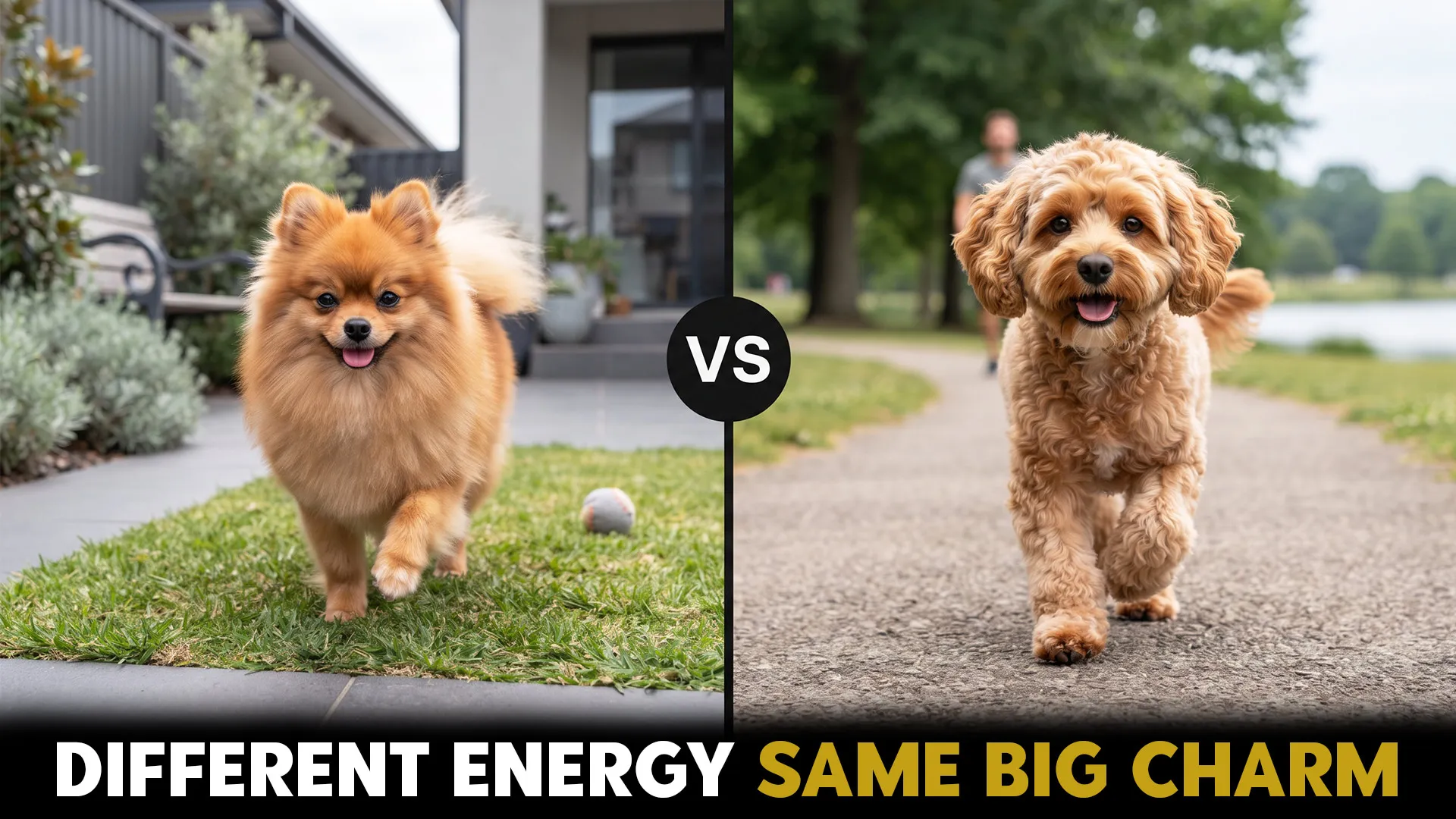
Which breed actually needs less exercise: the Pomeranian or the Cavapoo? Both are small-breed companion dogs built for love and attention, yet their daily exercise and mental stimulation needs are not identical.
The Pomeranian carries the confidence of its sled dog ancestors inside a tiny frame. The Cavapoo blends the gentle Cavalier King Charles Spaniel with the sharp mind of a Toy or Miniature Poodle.
Anyone researching Pomeranian vs. Cavapoo and which breed needs less exercise usually wants a clear answer before bringing home a puppy. This guide compares size, temperament, barking, training, grooming, energy, and alertness so you can decide which furry friend fits your schedule and your home.
Pomeranian vs. Cavapoo: Which Breed Needs Less Exercise?
Let’s compare the Pomeranian and Cavapoo to see which breed needs less daily exercise. We’ll look at their characteristics to see which one better suits a more relaxed lifestyle.
Size and Strength
Size is where the Pomeranian and Cavapoo part ways most obviously, and it shapes almost everything else about how each dog moves through the day.
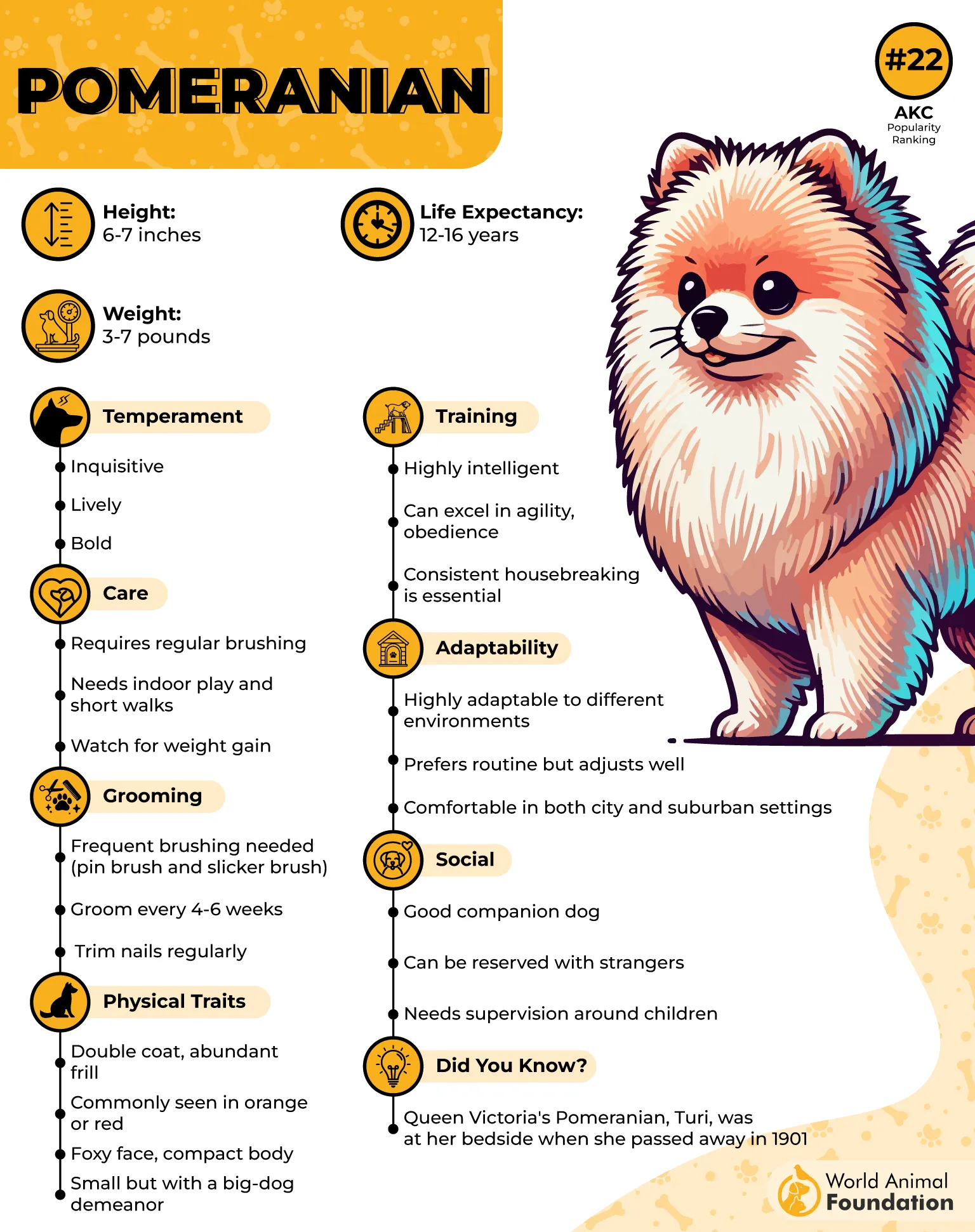
A standard Pomeranian is a true toy breed, weighing just 3 to 7 pounds, with the AKC breed standard listing an ideal show weight closer to 4 to 6 pounds and a compact, short-backed body built for quick bursts rather than sustained effort.
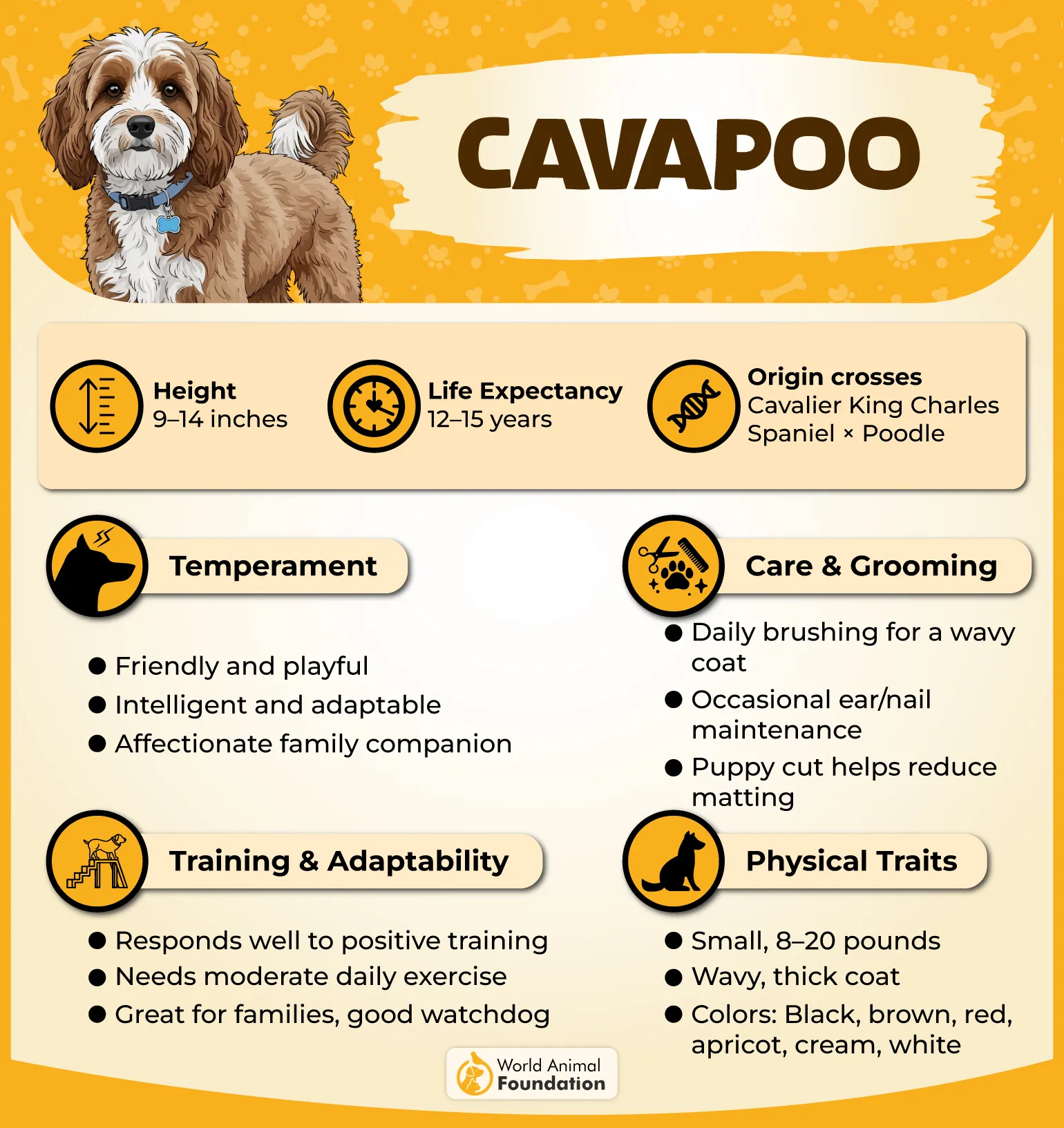
The Cavapoo sits in a different weight class entirely. As a cross between a Cavalier King Charles Spaniel and a Toy or Miniature Poodle as the parent breed, it typically weighs 8 to 25 pounds and stands 9 to 14 inches tall, with a longer stride and more muscle behind its movement.
Pomeranian: 3 to 7 pounds, roughly 6 to 7 inches tall
Cavapoo: 8 to 25 pounds, roughly 9 to 14 inches tall, depending on the Toy Poodle or Miniature Poodle parent
This structural difference explains a lot. A Pomeranian’s small hip joint and short legs simply cannot absorb the same daily exercise that a Cavapoo’s larger, sturdier frame handles with ease.
Temperament and Personality
Cavapoos are built for affection. They inherited the sweet, people-pleasing nature of the Cavalier King Charles Spaniel and the intelligence of the Poodle.
This makes them playful and sociable with kids, cats, and other dogs alike.
Pomeranians love just as hard but show it differently. They form a strong attachment to one favorite person and carry a big personality in a small-breed body.
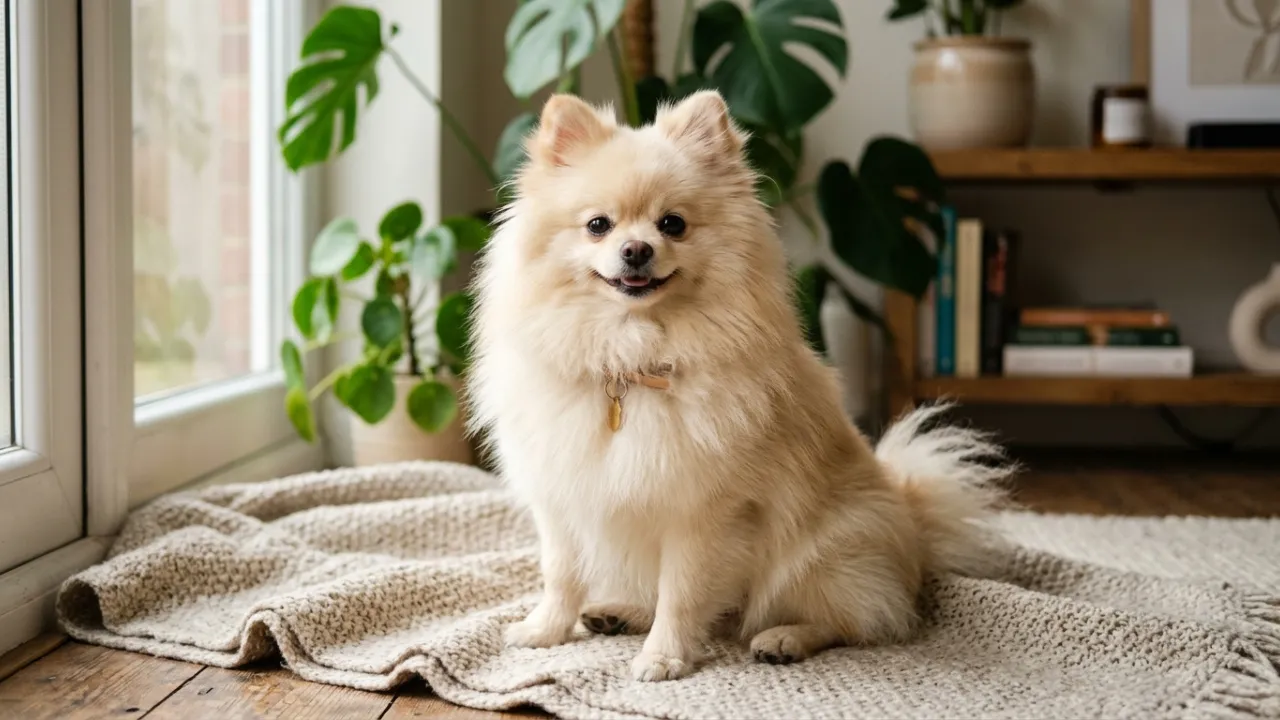
They can also develop separation anxiety when left alone too often. A Cavapoo tends to spread affection around the household, while a Pomeranian often picks a favorite and guards that bond fiercely.
Barkless Level
Which one is quieter around the house? Neither breed stays silent, but the Pomeranian is famous for sounding the alarm.
As a natural watchdog with a lifespan of 12 to 16 years, a Pomeranian spends most of those years alerting to doorbells, passing cars, and unfamiliar faces.
The Cavapoo barks too, especially when bored or understimulated. Its Cavalier roots lean toward a calmer, less territorial nature over its own 12- to 15 year lifespan.
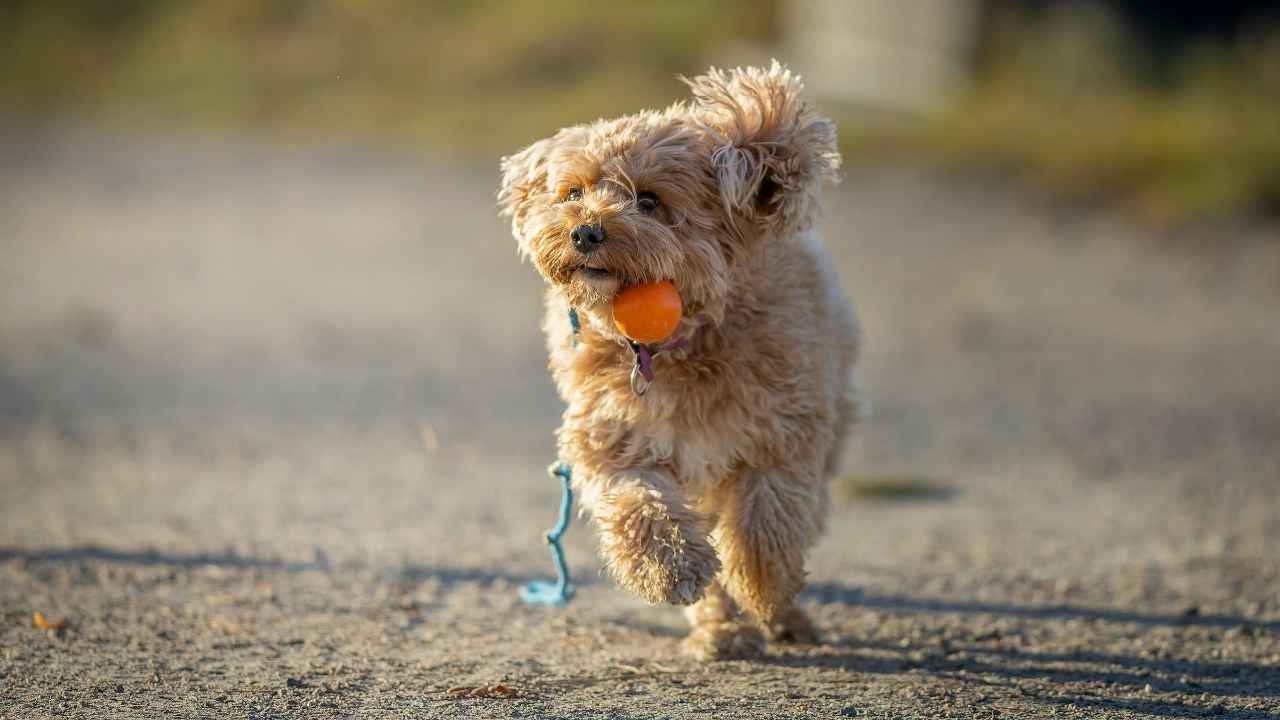
Owners in apartments or shared buildings often find the Cavapoo the easier neighbor, though consistent training curbs excessive barking in both breeds.
Training Difficulty
Training difficulty changes with age for both breeds, and understanding that arc helps owners set realistic expectations from day one.
Cavapoo puppies tend to start strong, since the Poodle’s sharp intelligence combined with the Cavalier’s eagerness to please means most pick up sit, stay, and basic house training within a handful of short sessions in the first few months.
That early promise usually carries into adulthood, with consistent training sessions producing a well-mannered adult dog by the one-year mark. Pomeranian puppies learn just as quickly, but their independent streak tends to show up early, often around twelve to sixteen weeks, when they start testing boundaries.
This stubbornness rarely fades entirely, so adult Pomeranians usually need ongoing structure rather than a training phase that simply ends.
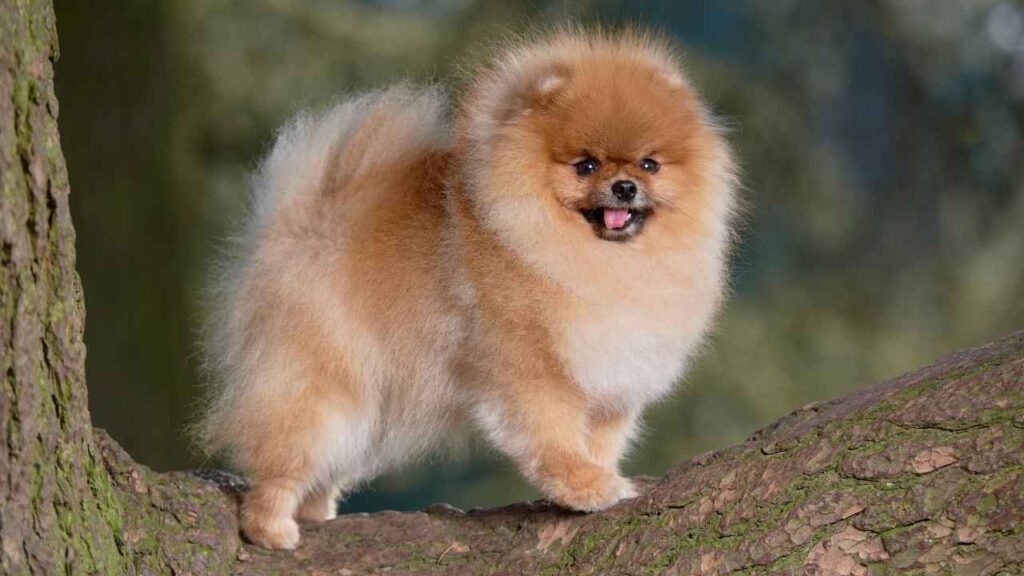
Owners and dog lovers get the best results by matching the method to the breed and the life stage.
Start puppy training early, ideally by eight weeks, with short five- to ten-minute sessions for both breeds.
Use positive reinforcement and treats rather than correction, especially with a sensitive Cavapoo puppy.
Keep Pomeranian sessions high-energy and brief to hold focus before the stubborn streak kicks in
Reinforce commands weekly into adulthood so neither breed backslides once formal puppy classes end.
Ten minutes of focused daily work beats one long weekly session for either dog, and patience outperforms correction every time.
Grooming Needs
PetMD uses the word extensive for the Cavapoo’s grooming needs, and it fits. Curly coats need regular brushing several times a week.
Most owners book professional grooming every six to eight weeks to keep the coat from matting around the ears and legs.
Cavapoo coat: Silky, wavy, or curly coat depending on which parent it favors; low-shedding coat but never fully hypoallergenic.
Pomeranian coat: Thick double coat, not a heavy shedder day-to-day, but blows its undercoat seasonally.
Both breeds need regular grooming and daily brushing during heavy shedding periods to prevent tangles.
The Pomeranian’s coat forgives a missed week more easily than the Cavapoo’s curly coat does.
Energy Level
Exercise needs are one of the clearest differences between these two breeds, and they matter more than most owners expect before bringing a puppy home. A healthy Pomeranian typically needs just twenty to thirty minutes of activity a day, and the Purina breed profile calls the breed undemanding in its exercise requirements, content with a short walk or a run around the yard.
As small dogs go, the Pomeranian burns energy quickly during play, so short bursts matter more than one long walk. Skipping exercise for long periods can lead to health problems like weight gain, which puts extra strain on joints already prone to patella luxation.
The Cavapoo carries moderate energy levels but generally wants more, often 45 to 60 minutes split between walks, play, and mental stimulation. This mix keeps its intelligent mind engaged and supports healthy dogs overall, lowering the odds of certain health conditions tied to boredom and inactivity.
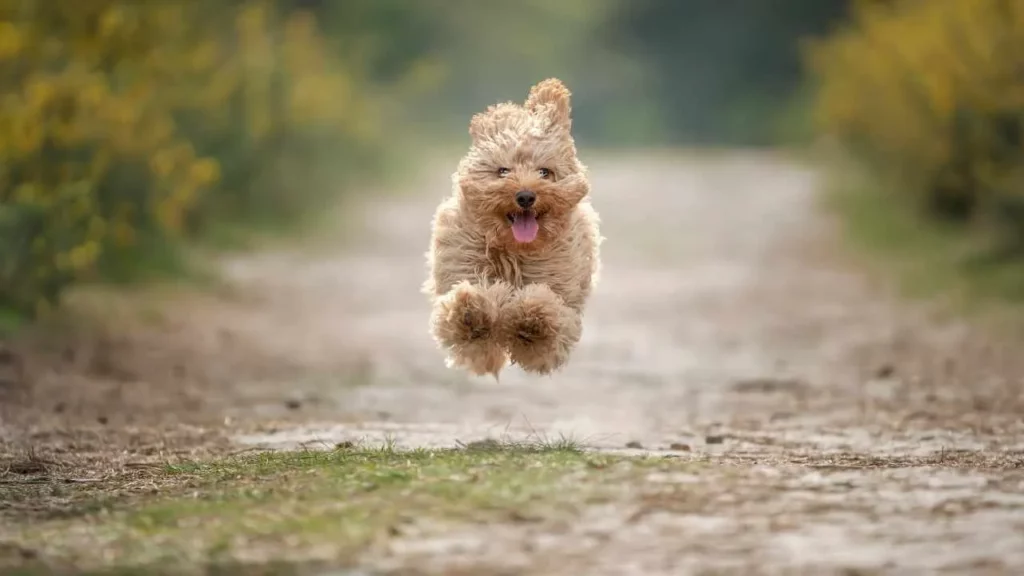
Both breeds do fine in apartment living if their exercise stays consistent rather than occasional. Pair daily movement with a proper diet, correct portions in the food bowls, and regular vet checks, since exercise alone cannot offset poor nutrition or a coat left ungroomed.
The takeaway is simple. The Pomeranian needs less exercise, while the Cavapoo needs more daily activity plus puzzle toys to keep its Poodle brain satisfied.
Alertness Nature
Is one breed simply more switched on than the other? Both are alert, but they use that alertness differently.
The Pomeranian watches for threats and announces them loudly, a trait rooted in its history as a small guard and herding dog.
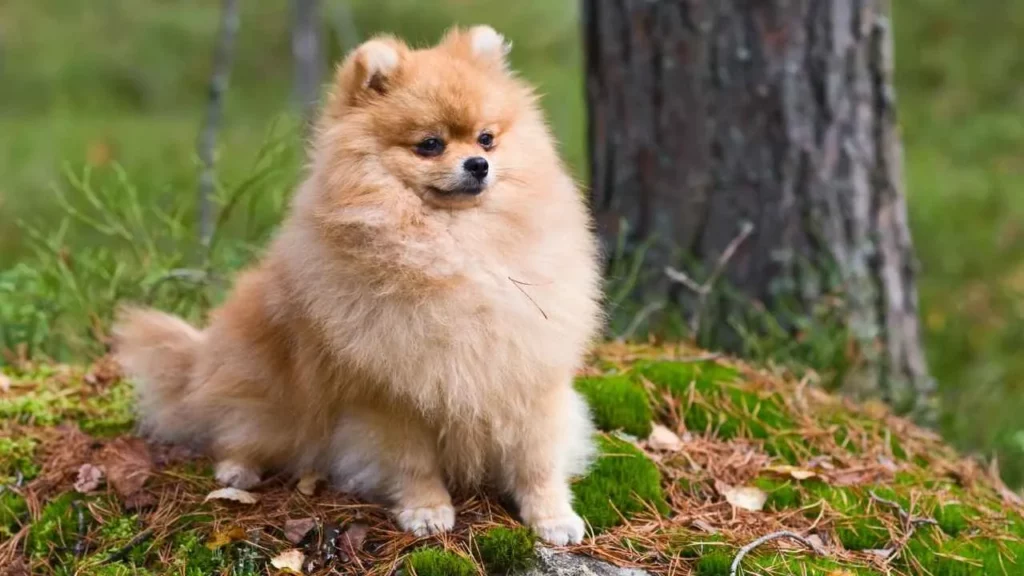
The Cavapoo stays alert to its people rather than its surroundings. It tracks moods and routines with the sensitive nature it inherited from the Cavalier side.
This makes the Cavapoo well suited to reading a room, while the Pomeranian stays the sharper watchdog of the two. Neither style is better, only different.
Which Is Right for You?
Neither breed wins outright, because the right fit depends entirely on the owner.
City apartment, low activity schedule: The Pomeranian suits almost any lifestyle here, since a short walk plus indoor play covers its daily exercise needs.
Active household with a yard: The Cavapoo fits better, thriving on longer walks, fetch, and the mental stimulation that comes with an energetic dog.
Hot, humid climate with long work hours: A Pomeranian’s coat and tracheal sensitivity struggle in heat, and a Cavapoo left alone too long can develop separation anxiety, so neither breed is a strong match without a midday dog walker or daycare.
First-time owners wanting a trainable companion: The Cavapoo’s eager-to-please nature and reward-based training response make it especially well suited to beginners.
Conclusion
Choosing between a Pomeranian and a Cavapoo is not only about which companion dog needs fewer walks. It is also about how much play, attention, mental stimulation, and daily interaction you can realistically provide.
Pomeranians can often be satisfied with shorter bursts of activity, while Cavapoos usually enjoy a little more movement and engagement. But every dog is an individual, and age, health, and personality can change those needs.
The best choice is the breed whose energy level fits naturally into your routine. A dog that matches your lifestyle is more likely to stay healthy, content, and easier to live with for years to come.
