




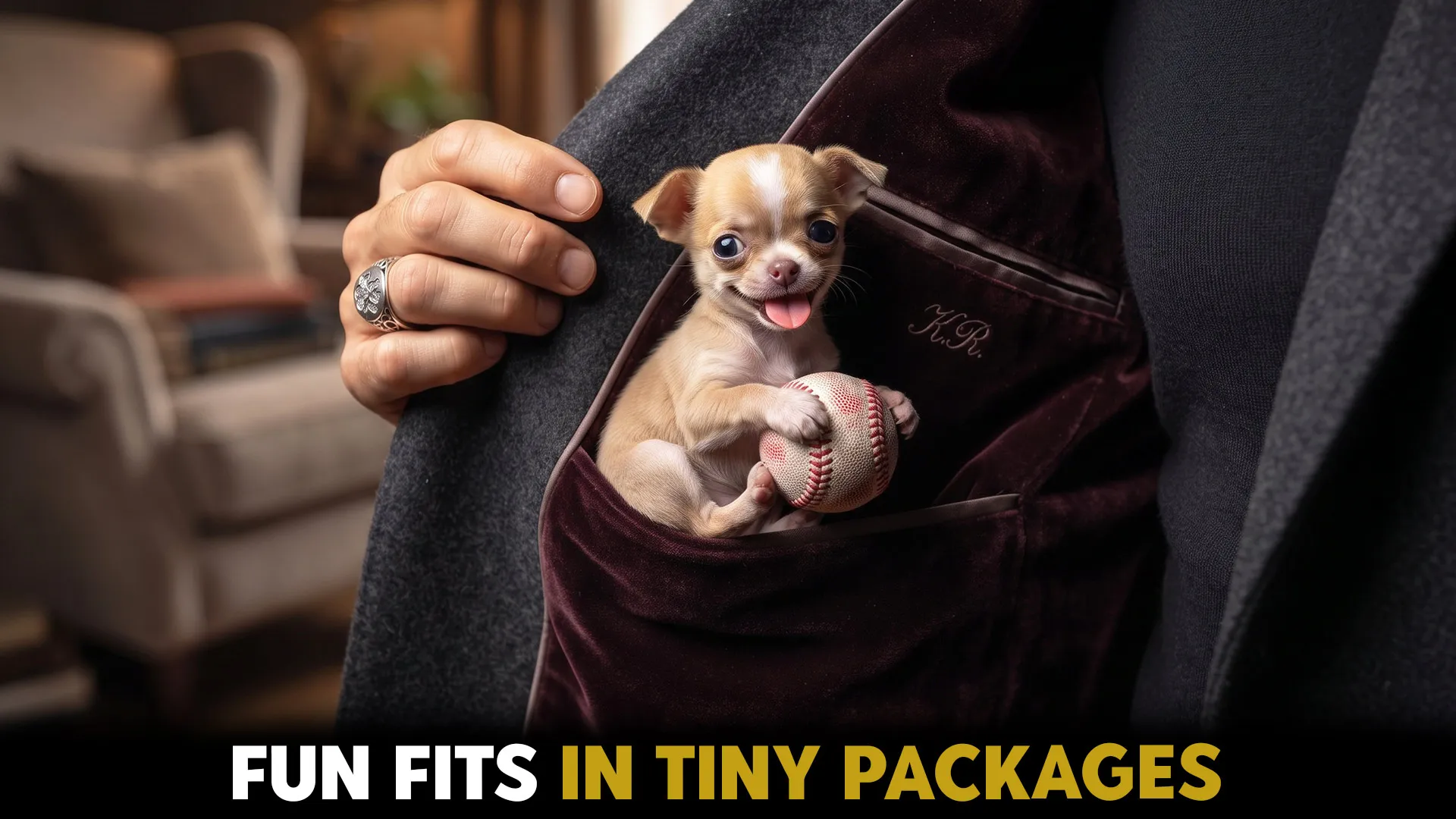
Ever met a tiny dog with more energy than dogs four times its size? These pocket-sized companions were often bred as working dogs long before they became lap warmers, and that history still shows up in their alert nature today.
Many small dog breeds pack real stamina into a compact, moderate-sized body. Others stay easygoing and cuddly, happy with a short stroll and a long nap.
Grooming needs vary too. Wiry-coated terriers need less upkeep, while silky fur companions need frequent brushing. These dogs are also intelligent and thrive on consistent training. Put it all together, and every little dog breed turns out distinctive.
Pet parents, including first-time pet owners, often assume tiny means simple, but these dogs form strong bonds and can be protective and independent. Finding your perfect pet means matching temperament to lifestyle.
Keep reading to find your great choice. Whether you want a lovable, jolly companion for apartment living or an active life, there’s a perfect match ahead.
Pocket-Sized Dog Breeds That Pack a Punch of Playful Energy
1. Chihuahua
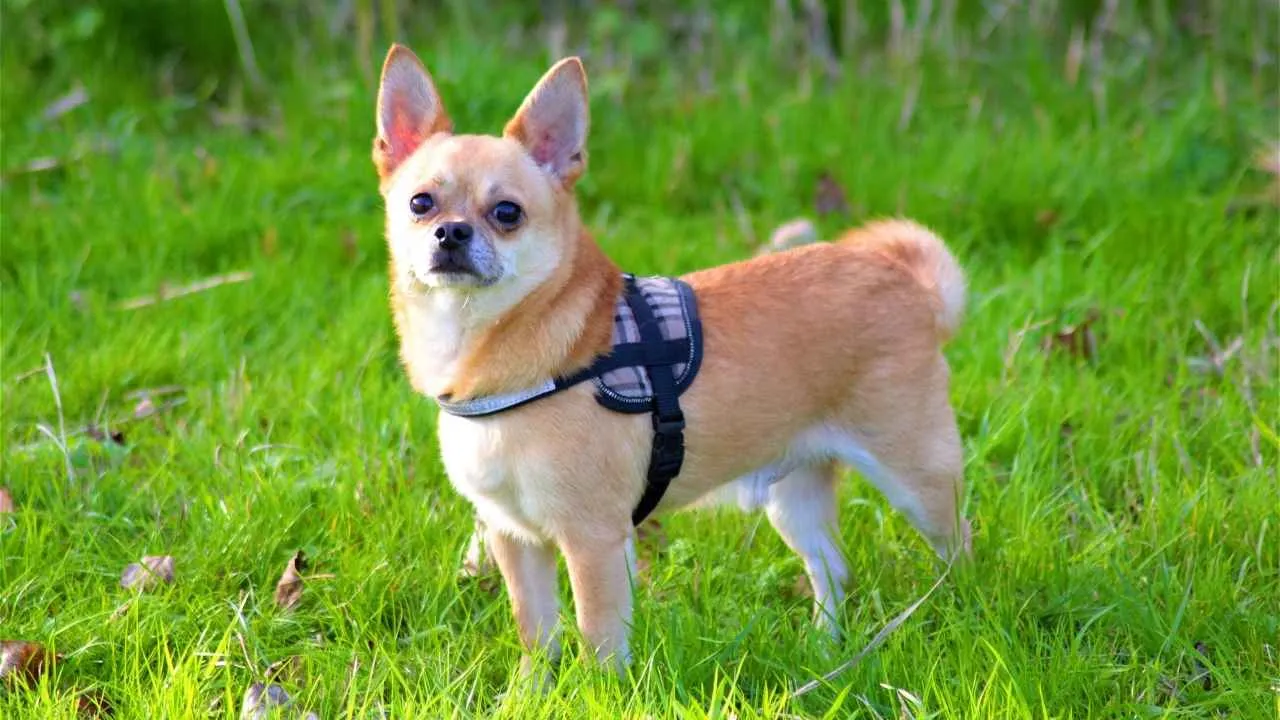
Don’t let the size fool you; this dog thinks it’s a linebacker. Once a companion for Mexican royalty, the Chihuahua today is purely a devoted lap dog. This breed suits owners who want big personality in a small space.
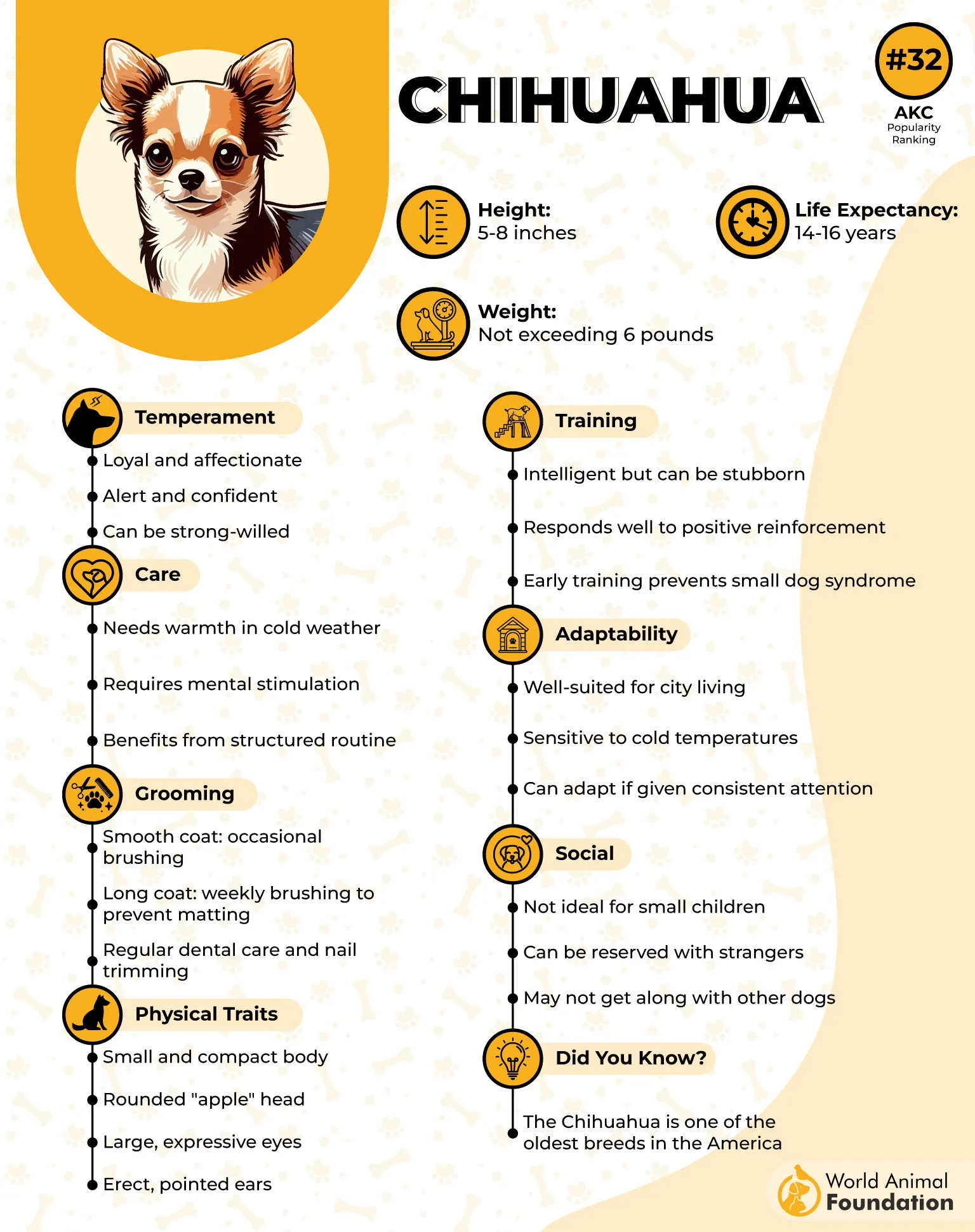
Chihuahuas pack surprising energy into a tiny frame and love short bursts of play. They’re feisty, alert, and fiercely loyal once they bond with you. Some grow sociable with training, though most prefer being the center of attention.
Care Considerations:
Grooming: Smooth coats need just occasional trimming and brushing.
Exercise: Aim for 30 to 60 minutes of activity daily, split into short walks.
Health notes: Small stomachs mean smaller, frequent meals work best.

Some Chihuahuas build up enough stamina to join owners on real hikes. They build tolerance to exercise based on their daily routine. Skip exercise too long, and this little dog can turn hyper or destructive.
2. Toy Poodle
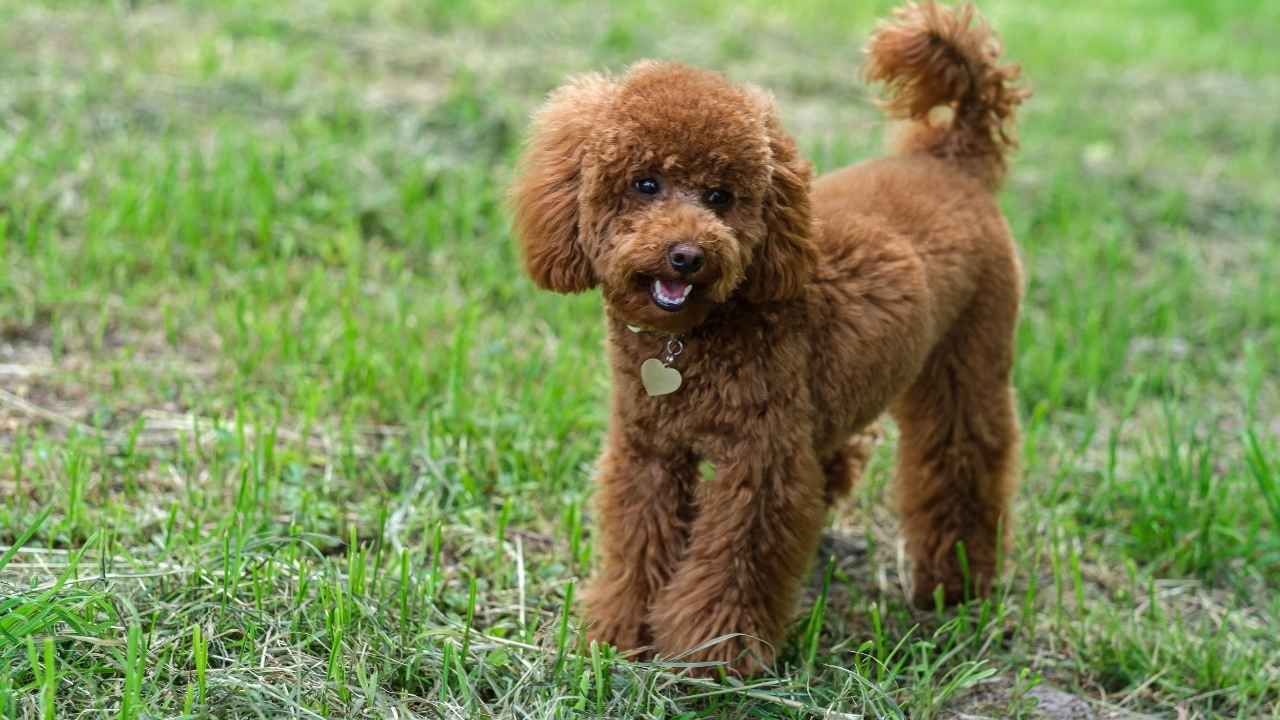
This is the dog that makes a fancy haircut look like false advertising. Bred originally as a water retriever, the Toy Poodle today works as a companion, show dog, and agility star. It suits owners who enjoy training as much as cuddling.
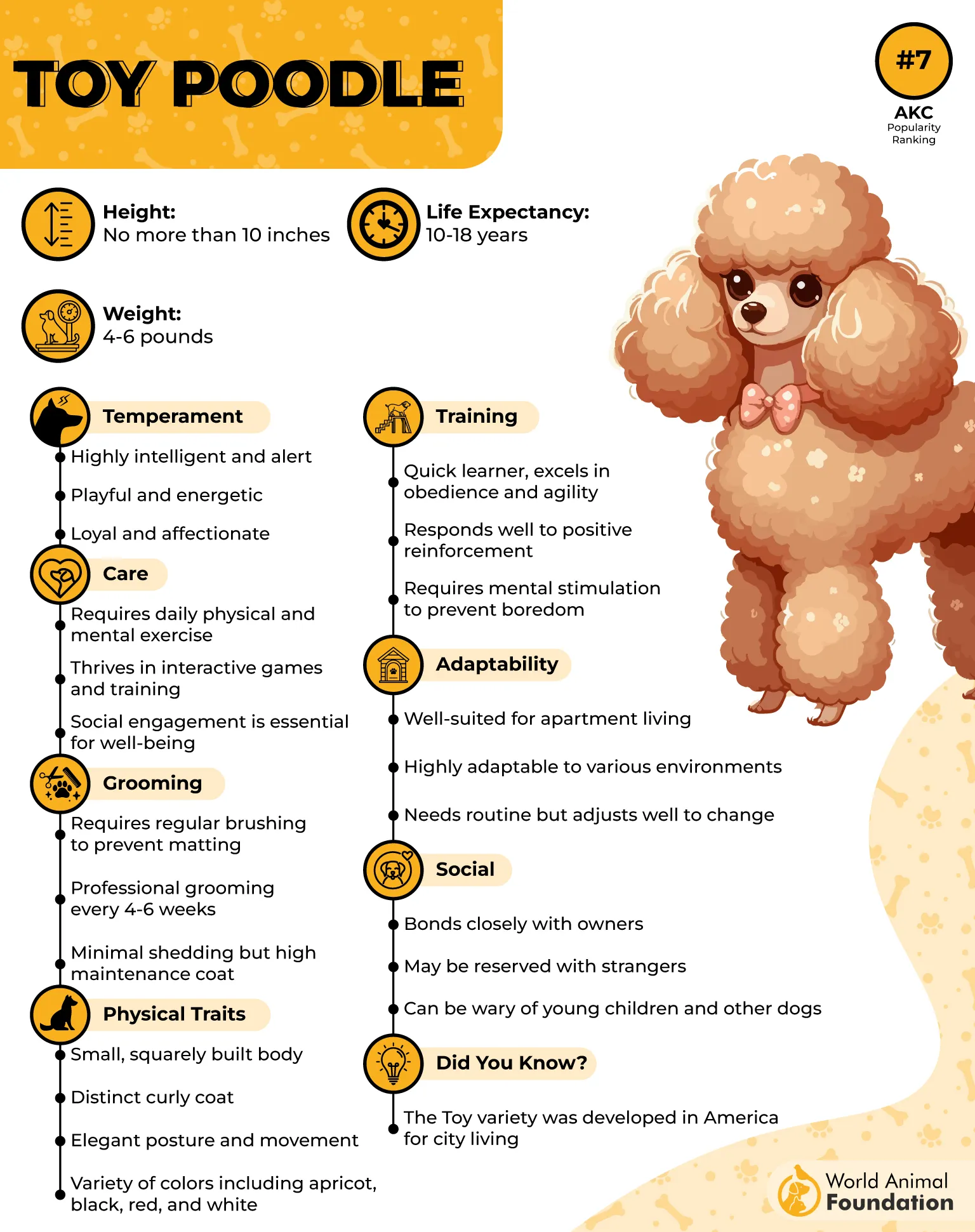
Toy Poodles are athletic little extroverts who need real exercise, not just a stroll. They’re wickedly smart and eager to please, wanting to be part of everything you do. Without enough stimulation, that big brain gets bored fast.
Care Considerations:
Grooming: Curly, low-shedding coat needs regular brushing and trims.
Exercise: 40 to 60 minutes daily, plus off-leash time to burn energy.
Health notes: Generally healthy, considered hypoallergenic.
Left understimulated, this breed will invent its own games, and that usually means trouble. Toy Poodles love tug of war, fetch, and puzzle toys for their nose. Their retriever roots still show in a love of water play.
3. Papillon
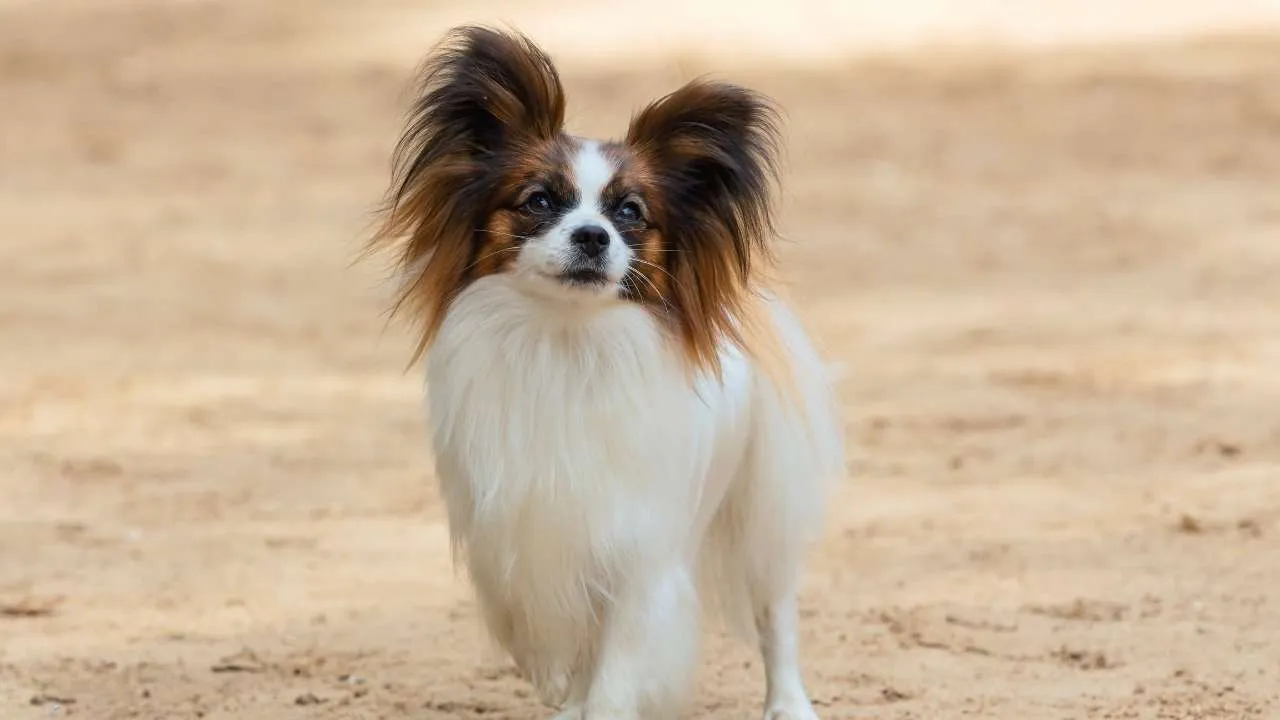
Those butterfly ears aren’t just for show; they’re radar for everything around them. Bred as companions for European nobility, Papillons today shine in agility rings as much as on the couch. This breed suits owners who want an active, trainable dog.
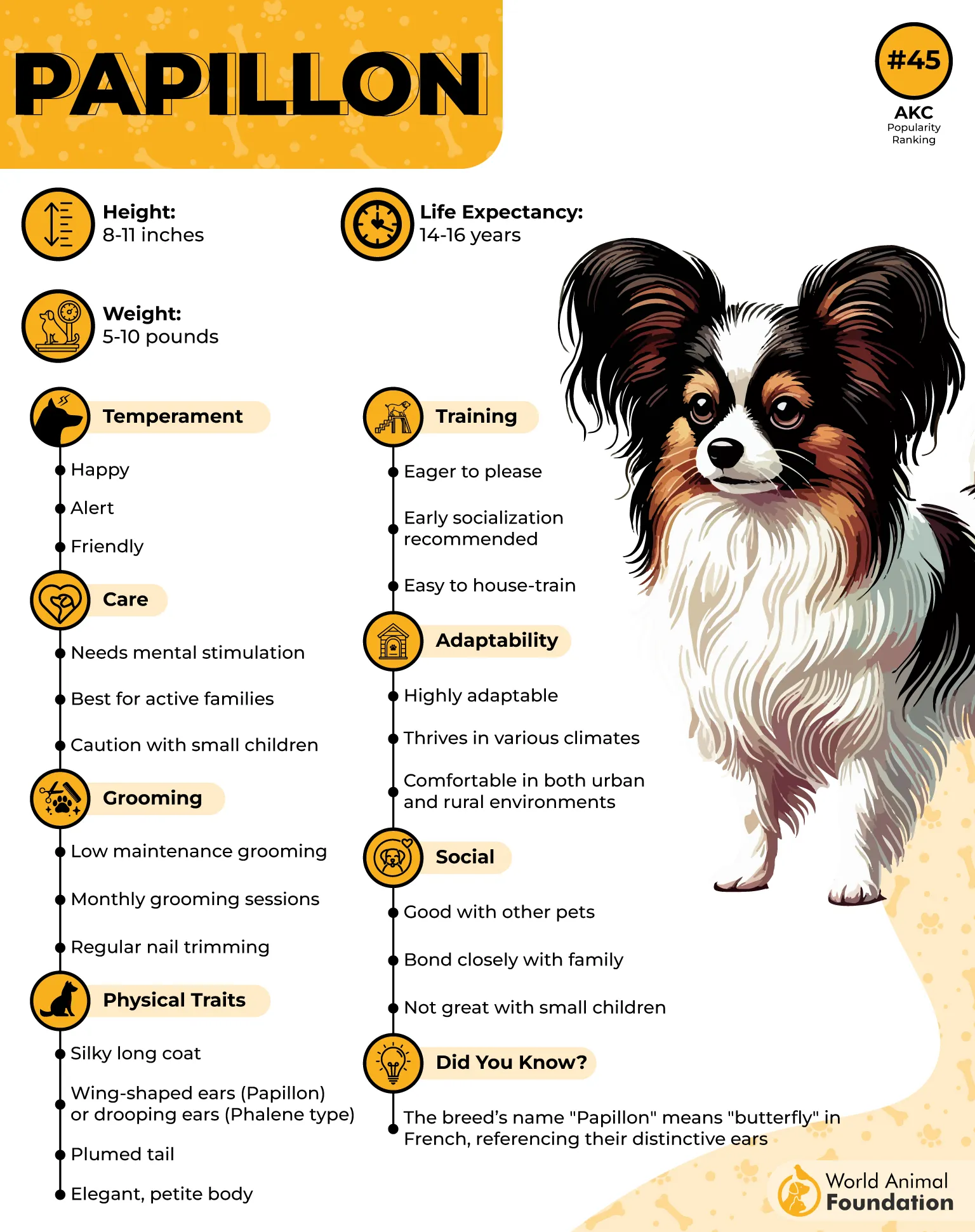
Papillons rank among the smartest dogs on the planet, and their energy matches their brainpower. They’re confident, alert, and rarely shy once properly socialized. A bored Papillon gets creative fast, usually at the expense of your furniture.
Care Considerations:
Grooming: Silky single coat needs brushing every few days; no undercoat.
Exercise: 30 to 45 minutes of activity daily.
Health notes: Generally healthy, though some lines face joint issues.
This dog often forgets how small it actually is and will confidently approach much bigger dogs. Papillons love chasing after squirrels outdoors and retrieving toys indoors. They excel at agility thanks to their speed and quick thinking.
4. Yorkshire Terrier
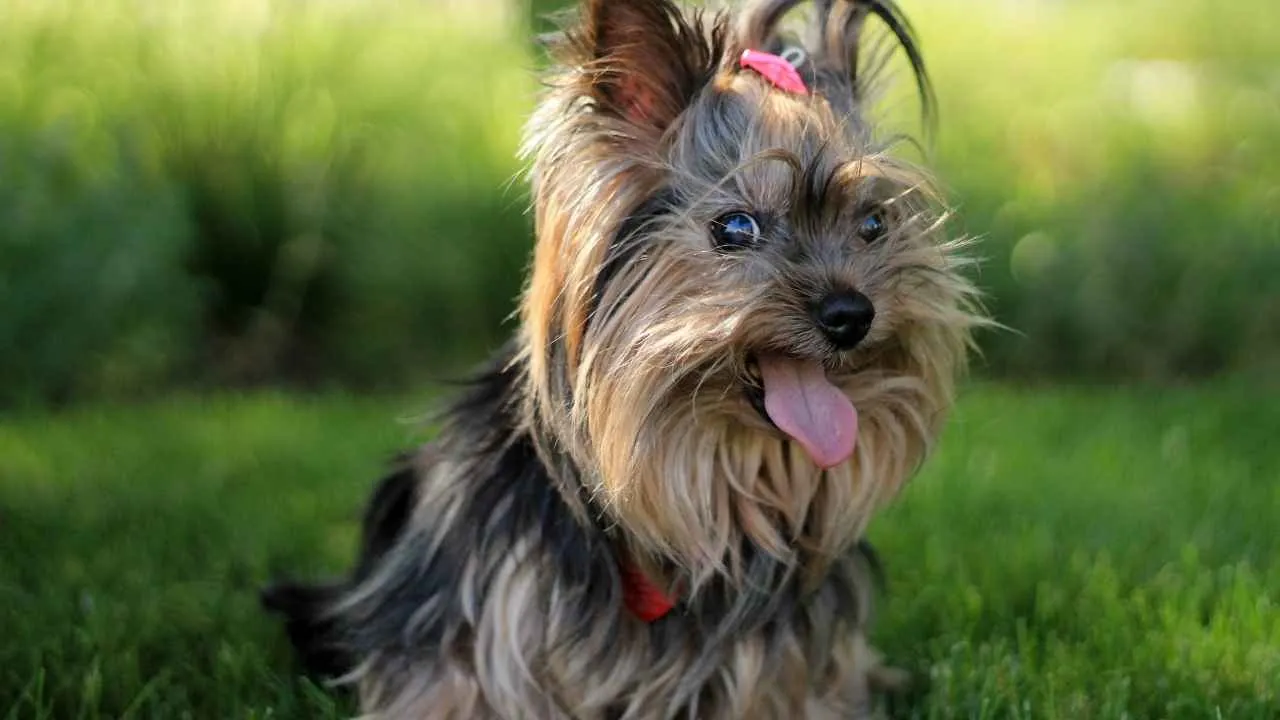
Don’t let the bow and glossy coat fool you; this dog was built to hunt. Bred to catch rats in English textile mills, according to the AKC, Yorkshire Terriers today are mostly companions, though many compete in agility. They suit owners who want a feisty, trainable little dog.
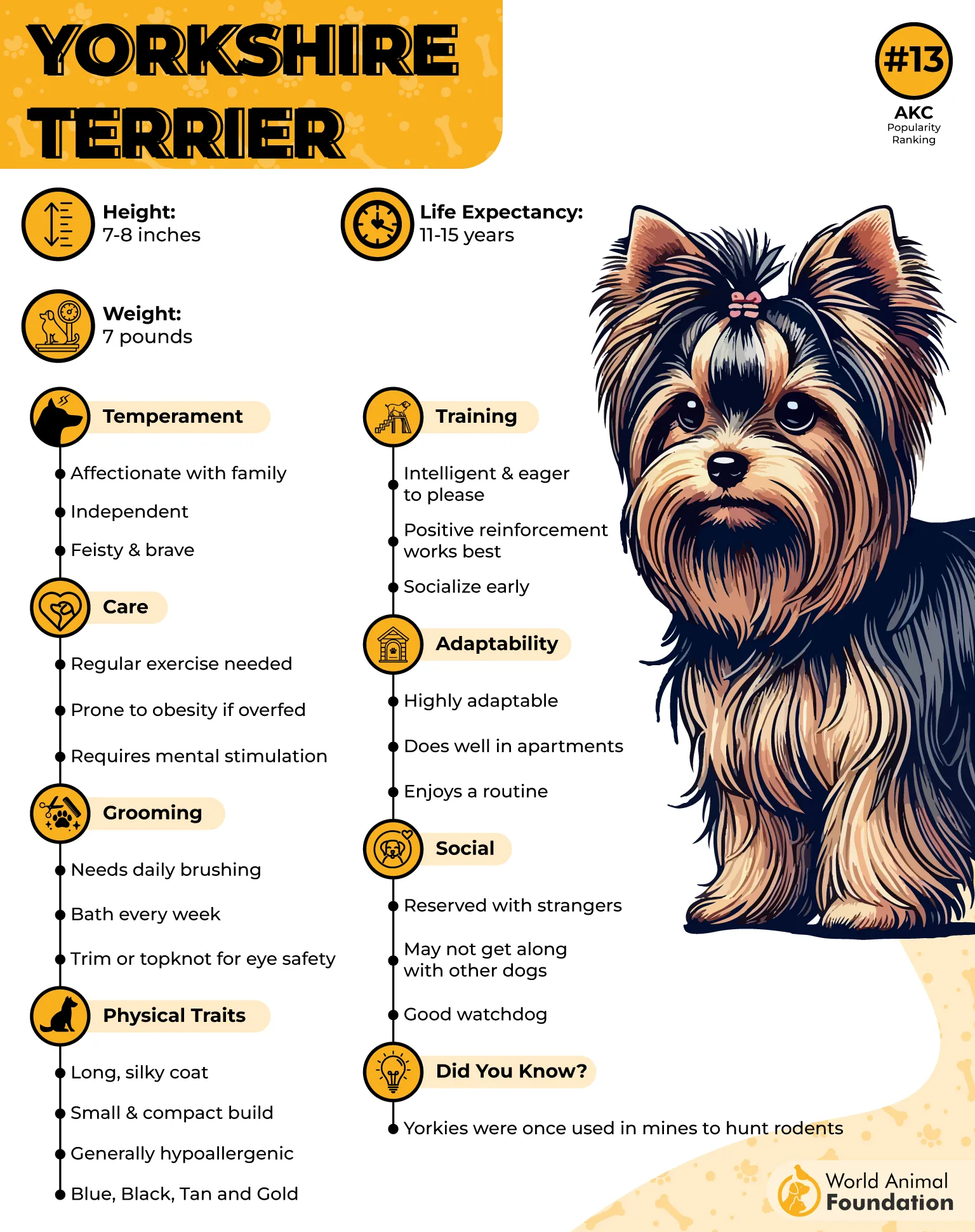
Yorkies pack real terrier energy and love a good burst of zoomies around the house. They’re curious, feisty, and quick to bond, treating everyone like their best friend. Puzzle games keep that sharp little brain satisfied.
Care Considerations:
Grooming: Long silky coat needs regular brushing to prevent tangles.
Exercise: 30 to 60 minutes daily, split into two or three short walks.
Health notes: Prone to tracheal sensitivity, so a harness beats a collar.
This breed can run surprisingly fast for its size, a leftover from its ratting days. Some Yorkies will happily play fetch for hundreds of throws in a row. Their hunting instincts still peek through in a love of chasing.
5. Havanese
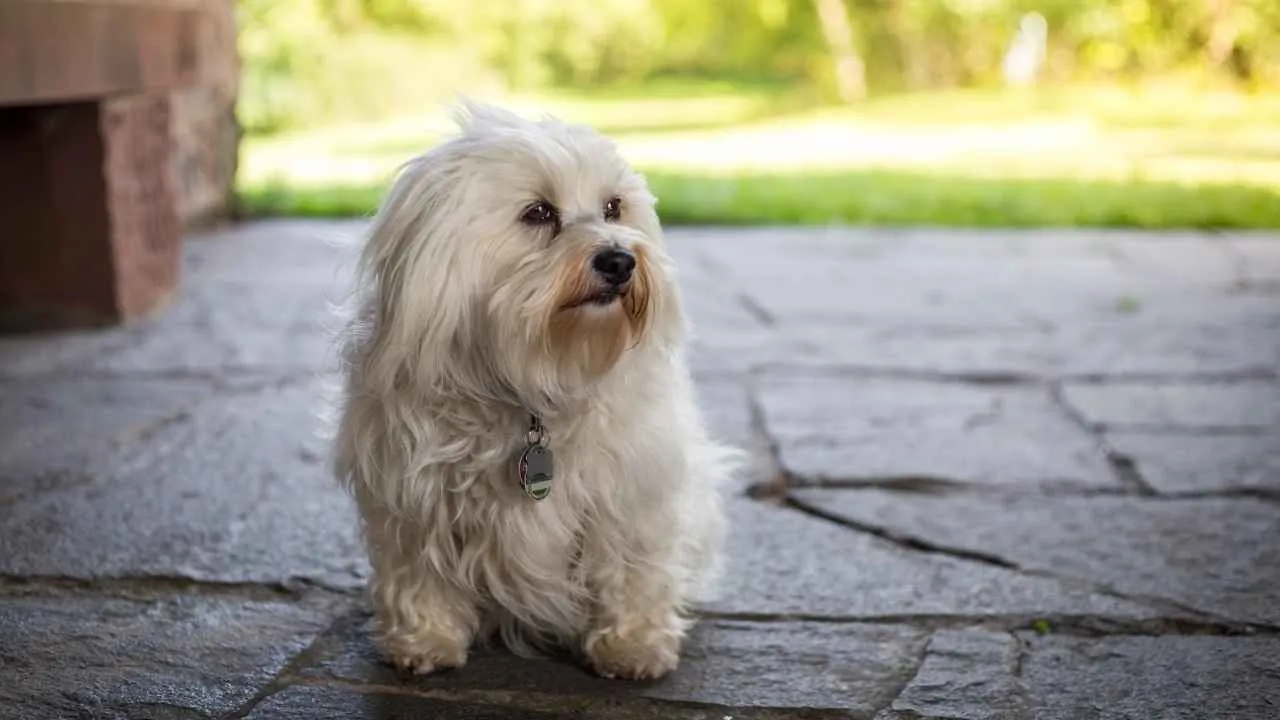
This dog treats every walk like a red carpet event, greeting everyone it meets. Originally bred as companions for Cuban nobility, according to Pawlicy Advisor, Havanese today are entertainers, trick dogs, and agility competitors as well as cuddle buddies. They suit owners who want a social, trainable companion.
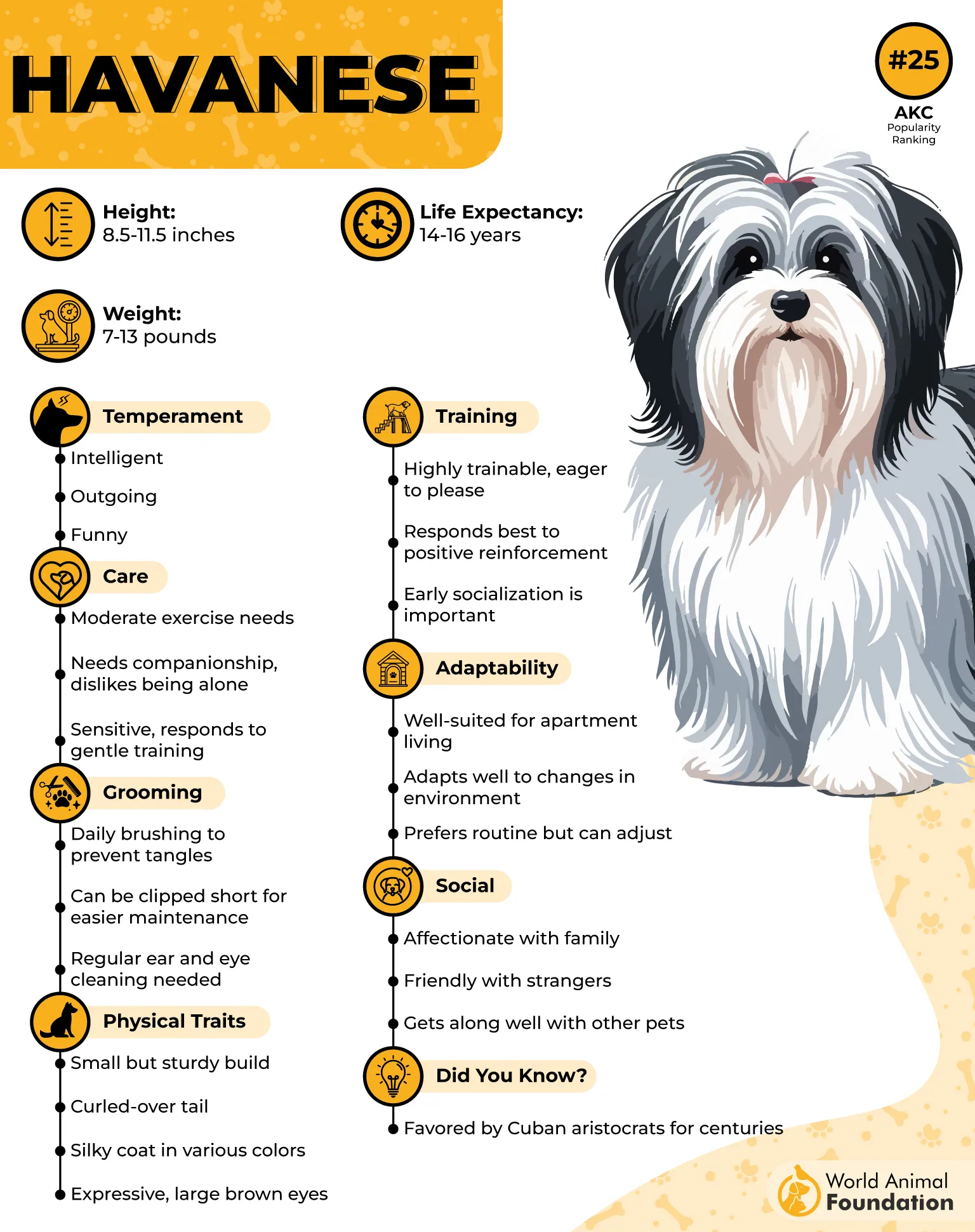
Havanese are lively and playful, needing daily activity plus plenty of mental stimulation. They’re outgoing, curious, and natural performers who love showing off. Left bored, that same energy tends to turn into chewed furniture.
Care Considerations:
Grooming: Long silky double coat needs brushing several times a week.
Exercise: At least 30 minutes daily of walks and playtime.
Health notes: Generally a long-lived, sturdy little breed.
Their bouncy, springy walk is a signature trait tied to their circus-performing past. This breed will drop a favorite toy at your feet to announce playtime. Havanese dogs are quick to make friends on every walk, two-legged or four.
6. Biewer Terrier
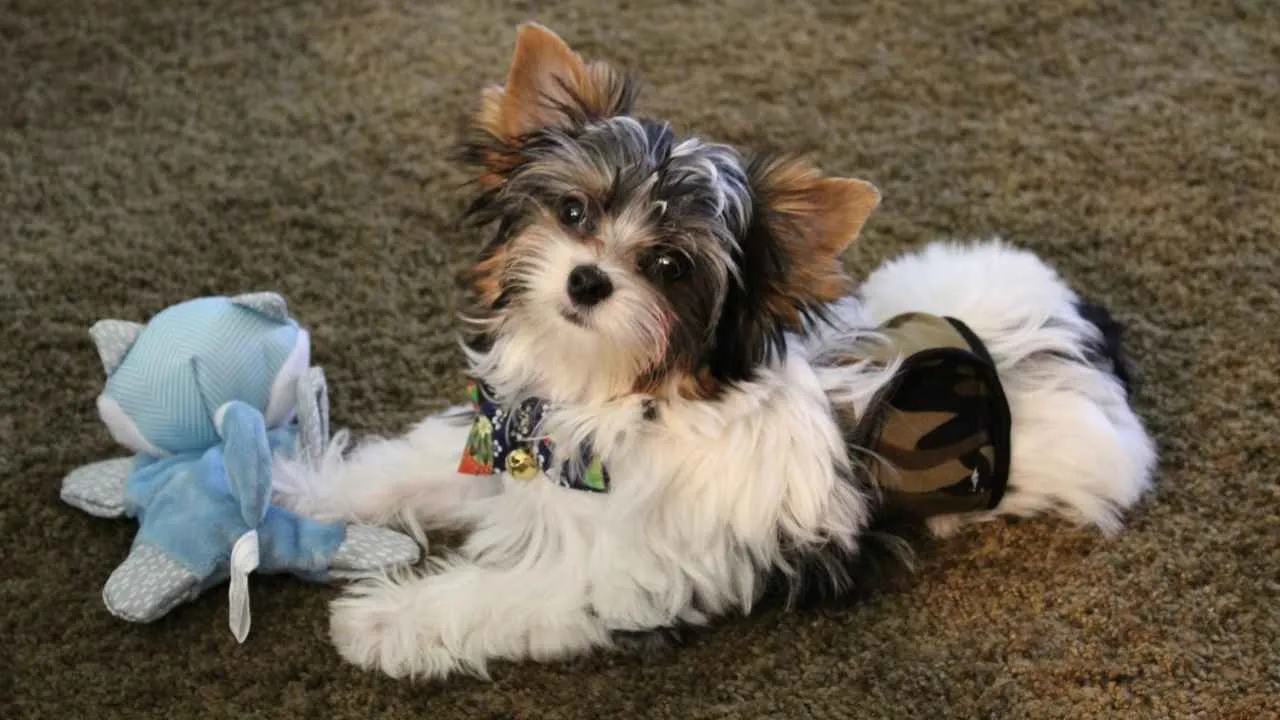
This is a newcomer with an old soul and zero working history. Bred purely as companions, according to PetMD, Biewer Terriers today are exactly what they always were: devoted family dogs. They fit owners who want a lively but manageable companion.
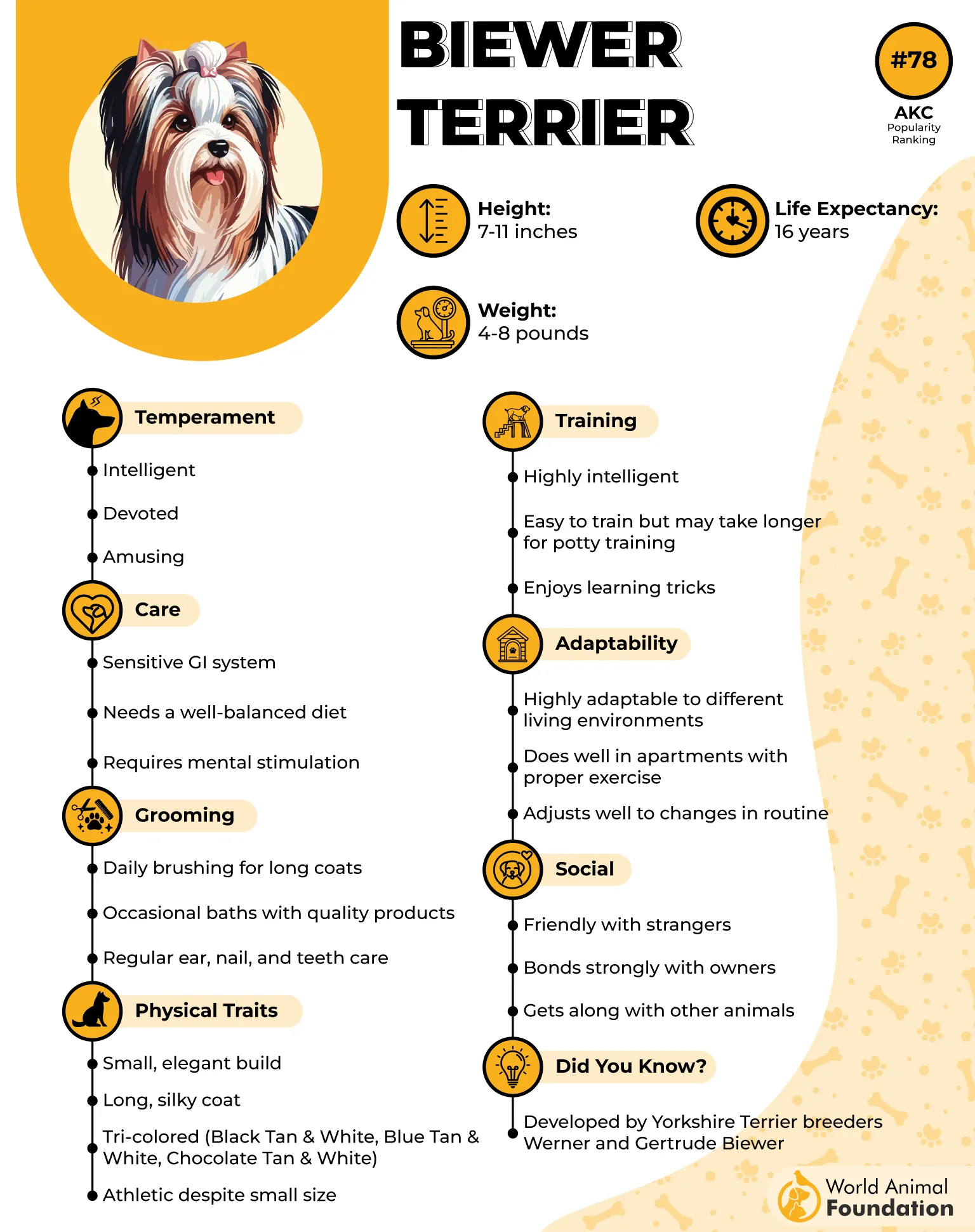
Biewer Terriers pack surprising energy into a four- to eight-pound body, though it comes in bursts rather than nonstop motion. They’re easygoing and famously attached to their people. Two short walks plus playtime usually do the trick.
Care Considerations:
Grooming: Long coat is non-shedding but needs regular brushing to avoid tangles.
Exercise: About 30 minutes of daily activity split across two walks.
Health notes: Generally healthy with a long lifespan.
This breed is known for whimsical, childlike behavior, including full-on zoomies through the living room. Many carry a favorite toy around all day like a security blanket. A bored Biewer can turn a little mischievous.
7. Brussels Griffon
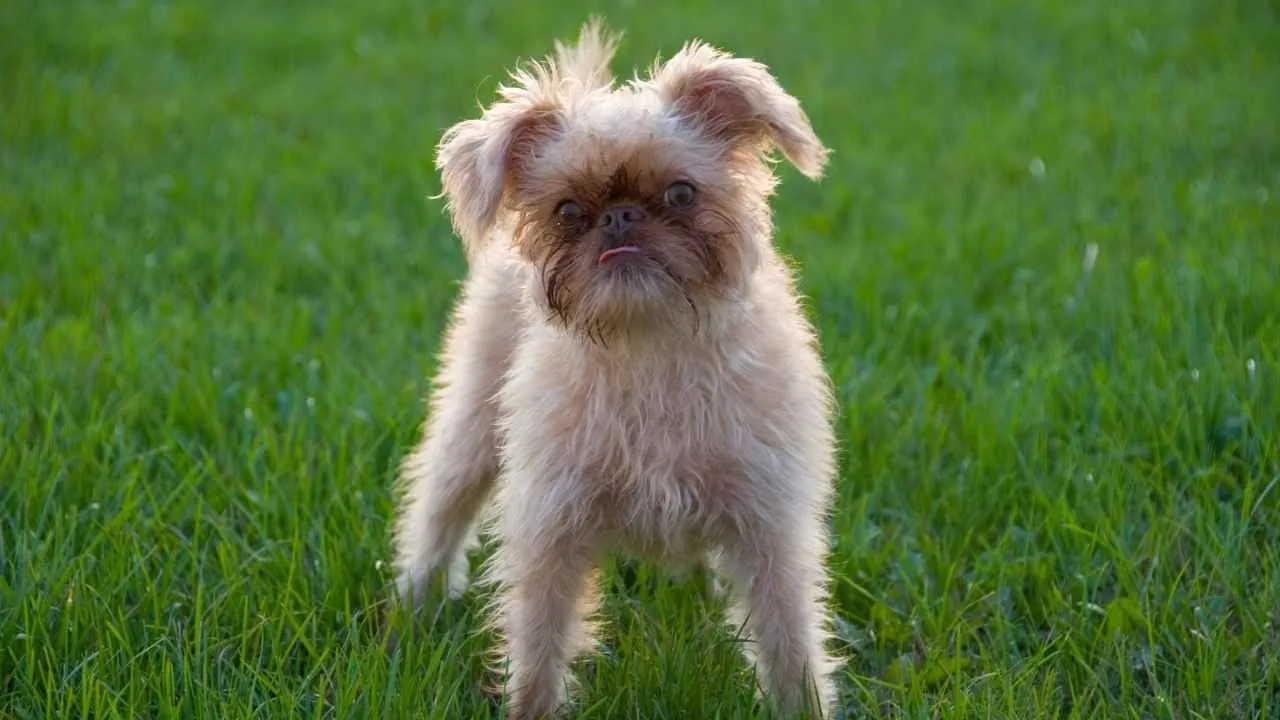
This face has launched a thousand memes, and the personality behind it is just as big. Once a rat catcher in Belgian stables, according to Hill’s Pet, the Brussels Griffon today is mostly a companion. It suits owners who want an alert, expressive dog in a small package.
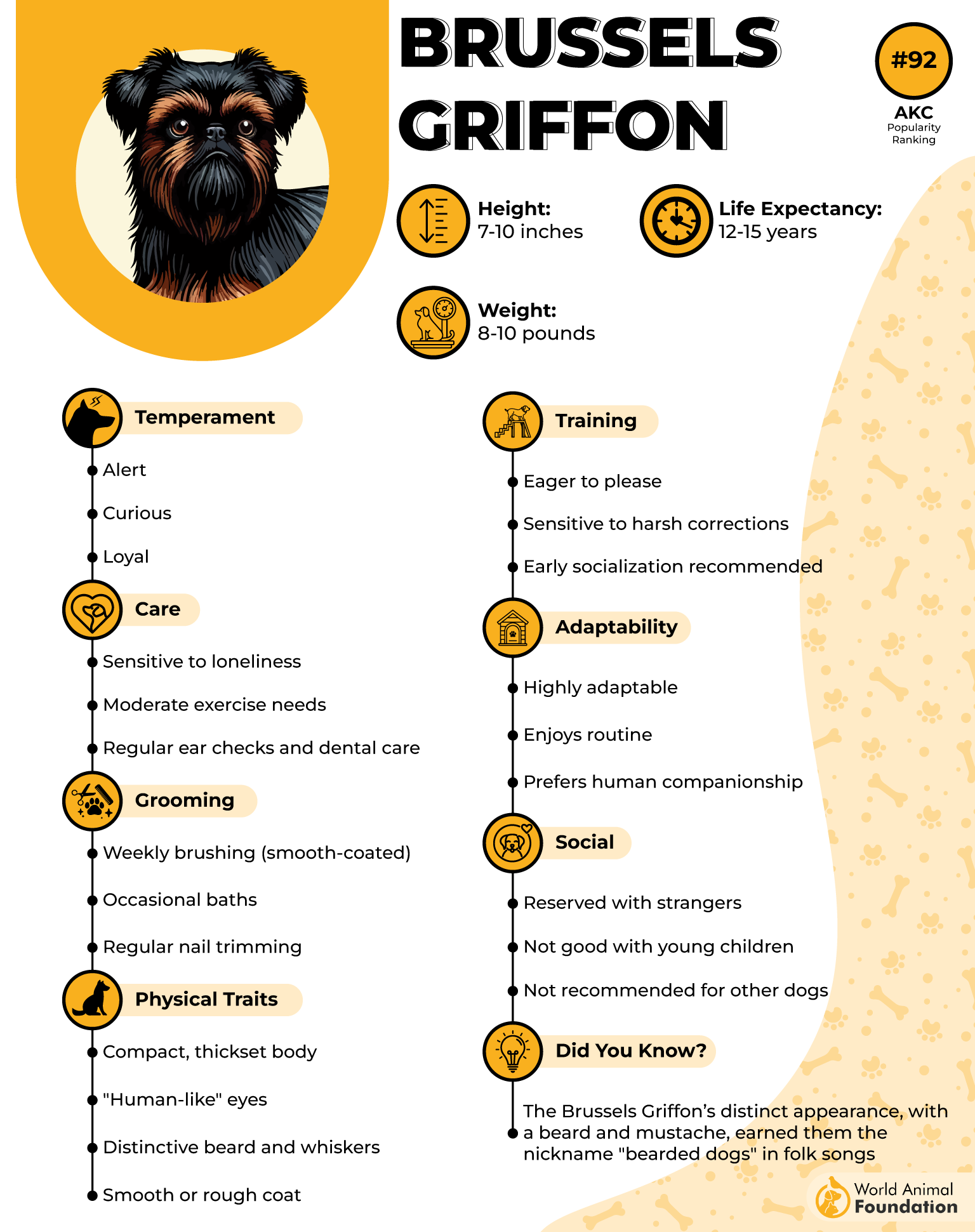
Brussels Griffons run hot with energy but mellow out fast once that energy is spent. They’re perceptive, sensitive, and tuned into their owner’s every mood. Stubbornness shows up during training, so patience matters more than force.
Care Considerations:
Grooming: Rough coats need brushing and hand stripping; smooth coats need weekly brushing.
Exercise: 30 to 40 minutes daily through walks and indoor play.
Health notes: Prone to breathing issues due to their flat face.
Their expressive, almost human face earned them the nickname “little monkeys.” They can bark a lot if left untrained, so early boundaries help. This breed reads your mood with real precision.
8. Pomeranian
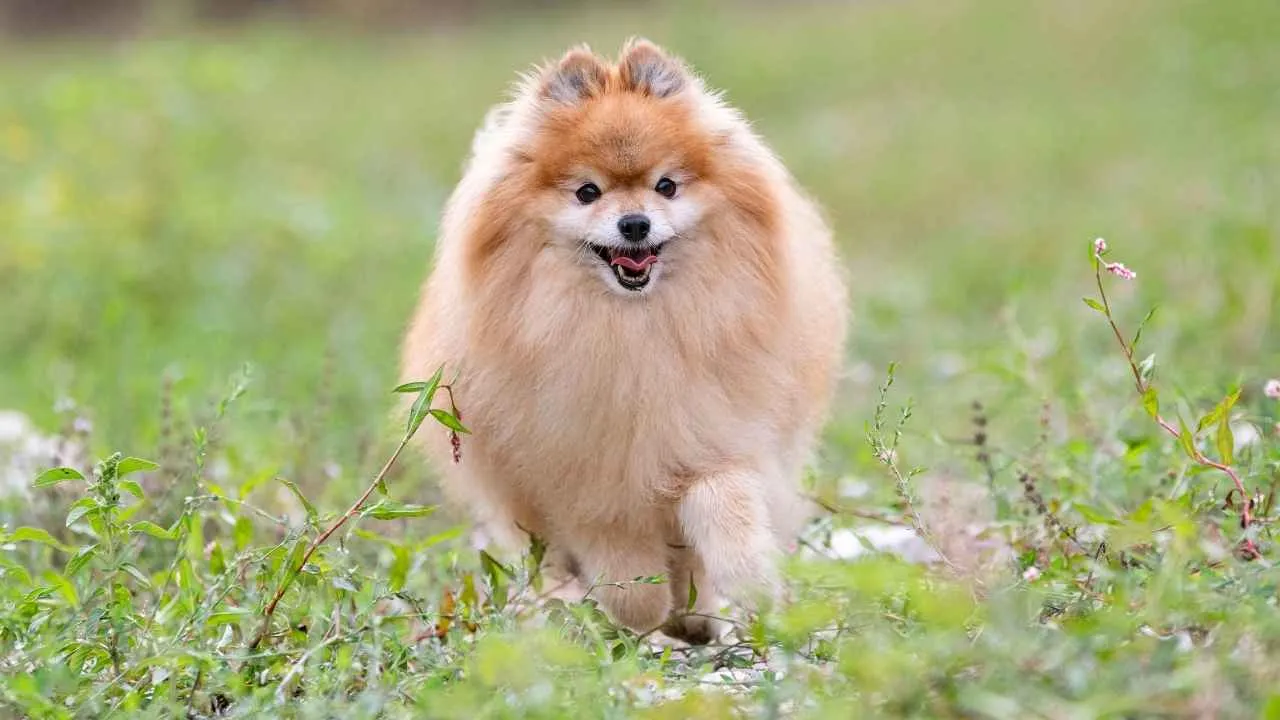
This fluffball descends from actual sled dogs, so don’t let the pom-pom look fool you. Pomeranians today are almost entirely lap dogs, though some still compete in agility. They suit owners who want a spirited companion without a huge exercise commitment.
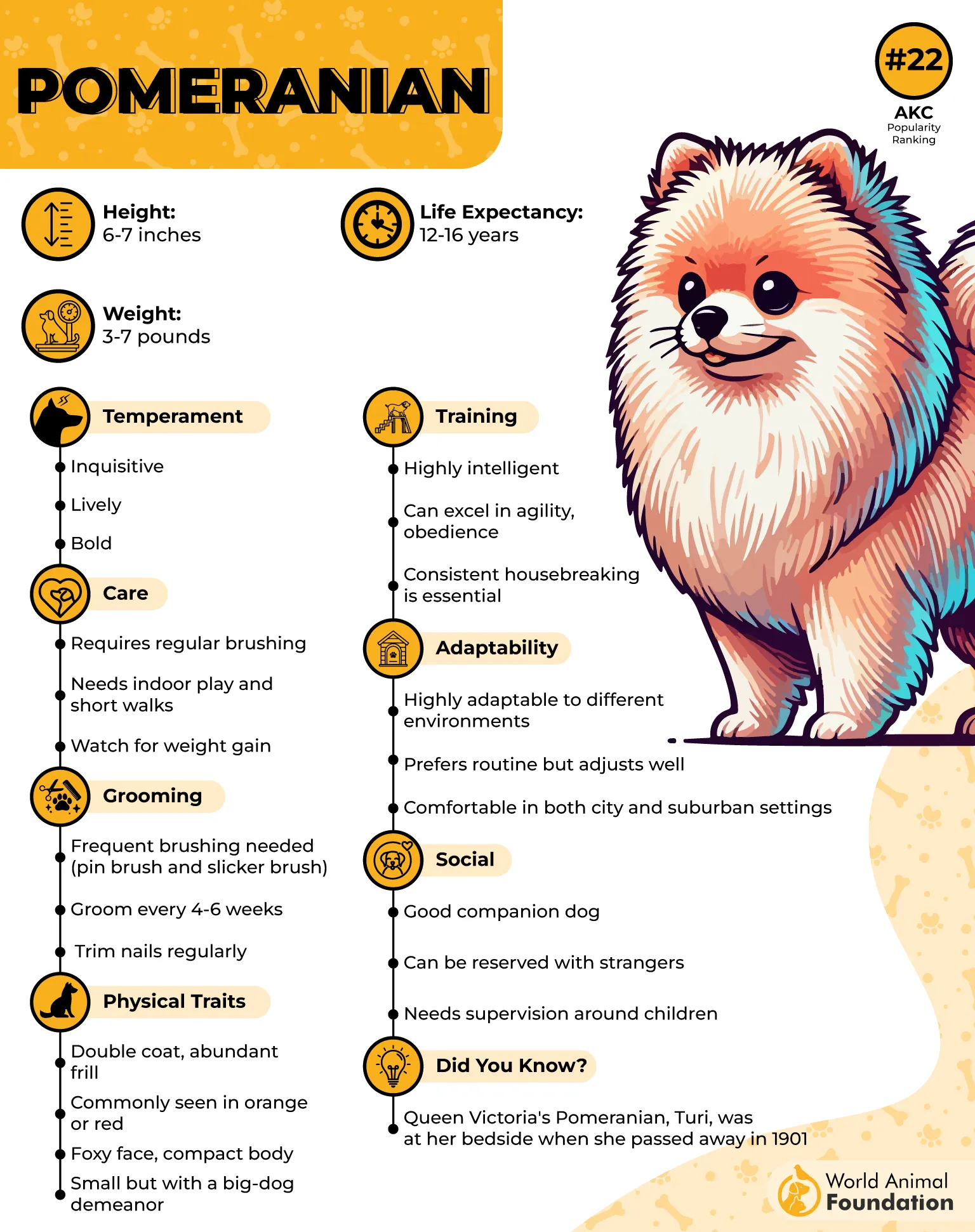
Pomeranians are playful and alert, with more athleticism hiding under all that fluff than people expect. They’re confident, curious, and easy to train thanks to their eagerness to please. Too little exercise and that big personality turns into excess barking.
Care Considerations:
Grooming: Thick double coat needs regular brushing to prevent matting.
Exercise: Two to three short walks daily plus dedicated playtime.
Health notes: Prone to dental issues, so tooth care matters.
Some Pomeranians compete in agility well into their senior years, proving their Spitz ancestry still counts. This breed makes a surprisingly capable watchdog despite its size. A well-exercised Pom tends to be calmer and better behaved.
9. Toy Fox Terrier
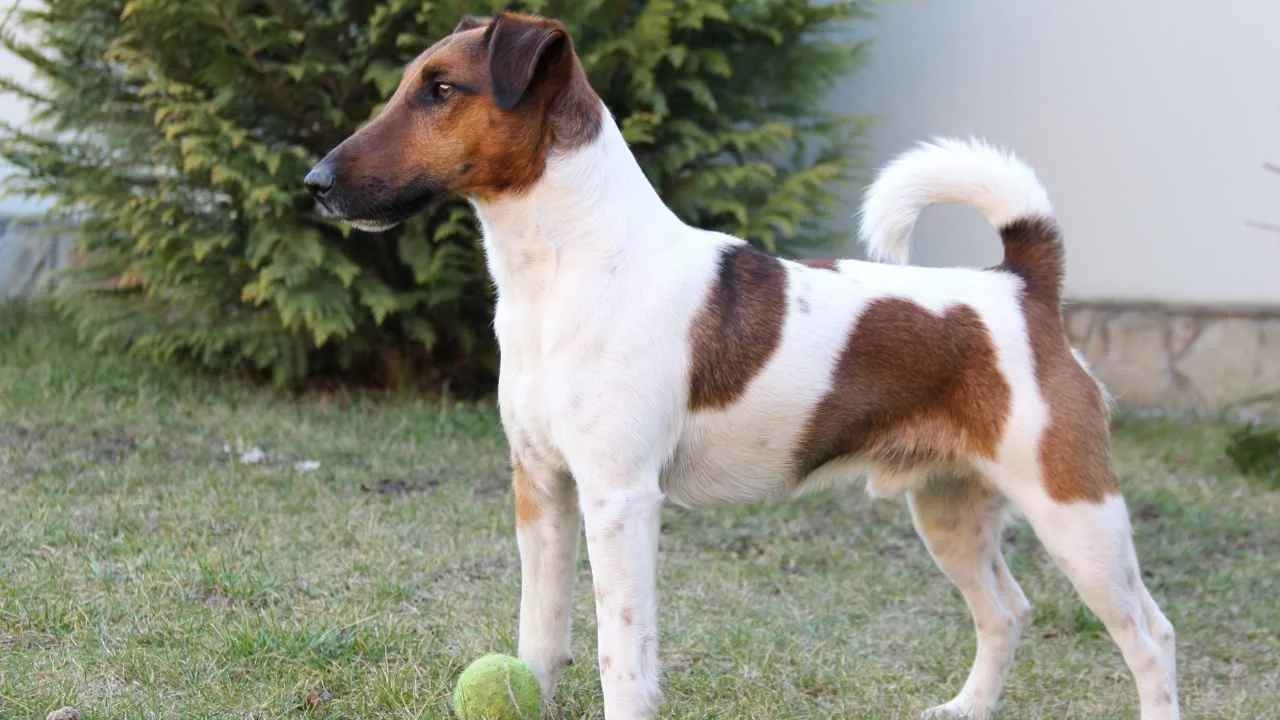
This is a terrier trapped in a toy-sized body, and it never got the memo about being small. Originally barn ratters, Toy Fox Terriers are now athletic companions and agility stars. They suit owners who want a true workout partner in miniature.
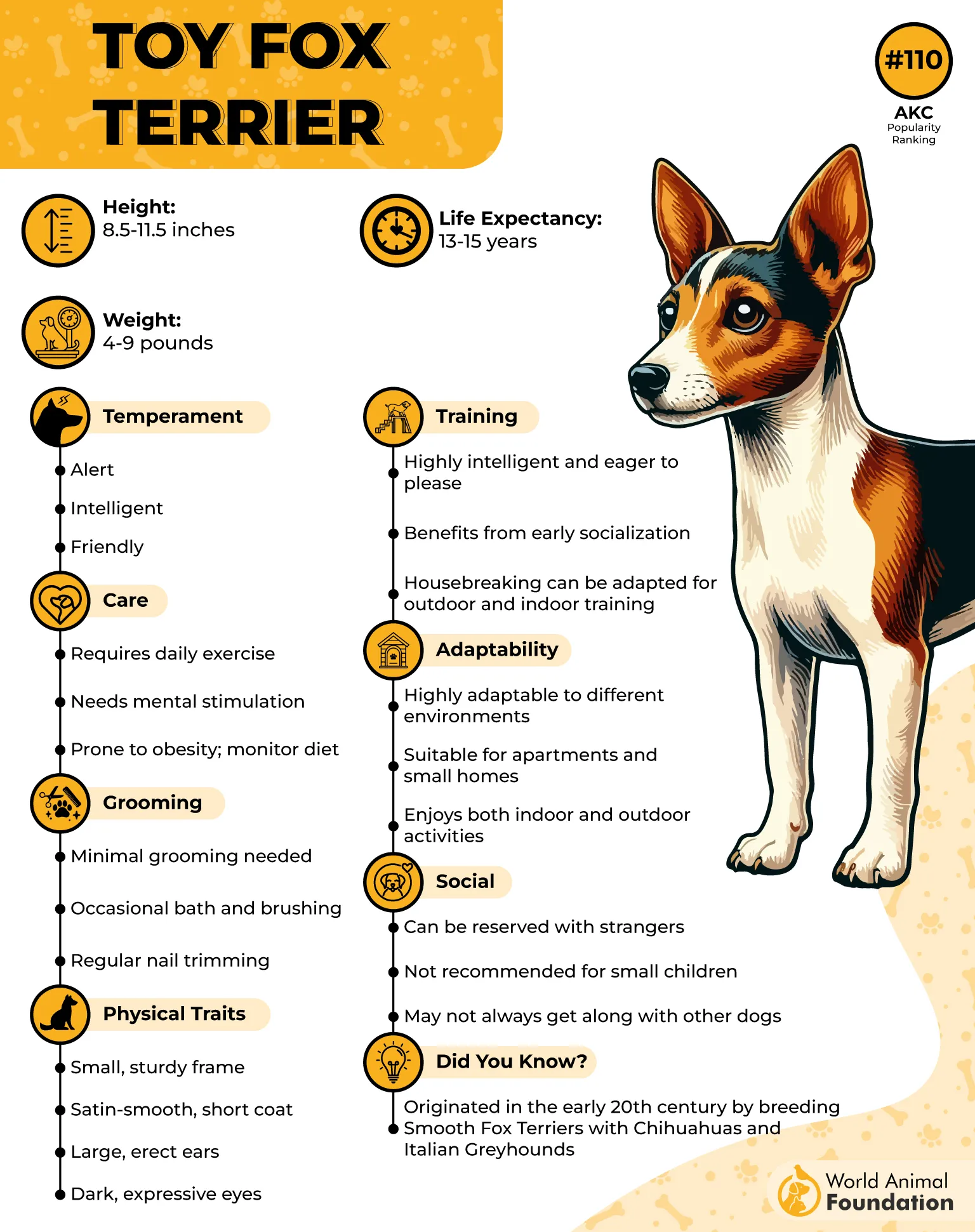
Toy Fox Terriers run at a consistently high energy level throughout their long lives. They’re confident and self-possessed, refusing to be intimidated by dogs twice their size. That independence means they expect equal footing in the household, not just tolerance.
Care Considerations:
Grooming: Short smooth coat needs minimal upkeep, just occasional brushing.
Exercise: At least an hour of activity daily.
Health notes: Prone to patellar luxation, so joint care matters.
This dog can go from calm lap companion to full-on zoomies in a heartbeat. Its strong prey drive means it may chase or bark at smaller animals. Loyalty runs deep, though that can make it aloof with strangers until socialized.
Conclusion
Small dog breeds prove that big personalities don’t need big bodies. These little dogs love physical exercise and mental stimulation just as much as any large dogs, and their energetic, playful temperament thrives with the right outlet.
From a breeder or adopted through rescue dogs, these toy dog breeds make fiercely loyal, entertaining companions for active families and apartment dwellers alike. Pick the pocket-sized adventure that matches your pace and get ready to fall for a fun-loving, cheerful new best friend.
