




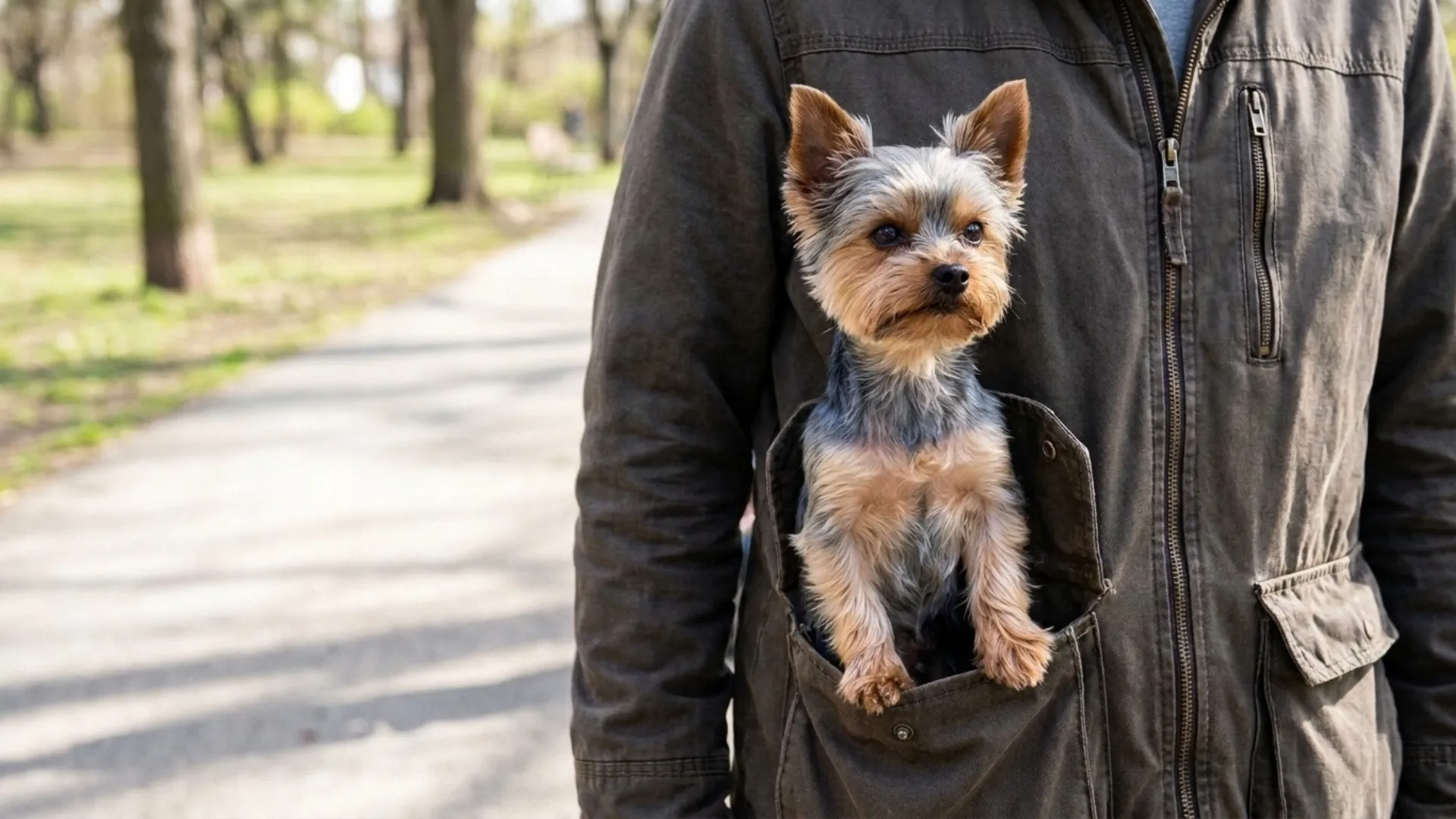
Do not let their tiny frames fool you—some of the bravest hearts in the canine world come wrapped in miniature packages.
Pocket-sized dog breeds with fearless personalities carry the confidence of dogs ten times their size, never hesitating to stand their ground when something seems out of place. Whether alerting you to a stranger at the door or puffing up their chests at a much larger pup at the park, these bold little companions prove that true courage has nothing to do with weight.
Many of these fearless small dog breeds owe their daring attitude to their working roots. Long before they became beloved lap warmers, several toy and miniature breeds were developed to hunt stubborn vermin, guard royal palaces, or serve as sharp-eared watchdogs.
Living with a brave toy dog breed means having a pint-sized protector who takes their job seriously—though early socialization and consistent training help keep their big-dog attitude in check. Below, we spotlight the boldest pocket-sized pups that pack maximum confidence into a compact frame.
Pocket-Sized Dog Breeds That Never Back Down from Threats
1. Chihuahua
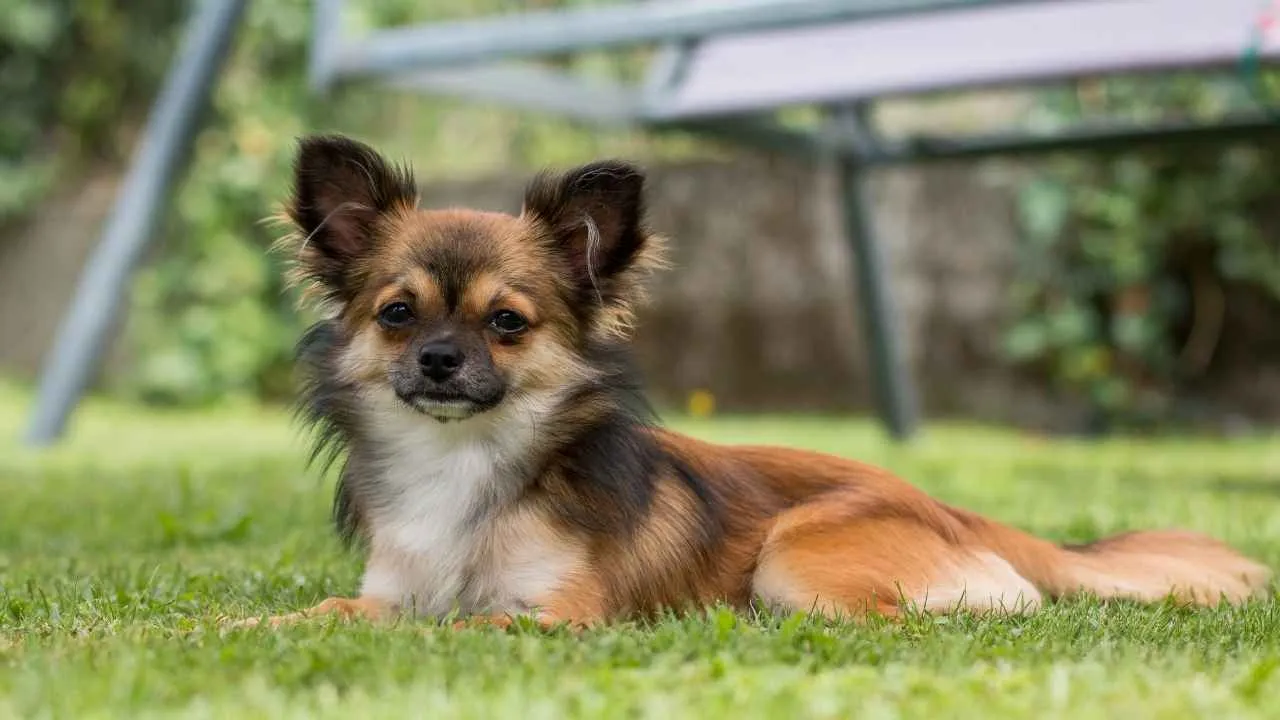
Chihuahuas trace back to companion dogs kept by ancient Mexican civilizations, bred for devotion rather than work. That tight bond is exactly why this small breed treats any potential threat to its person as personal business, according to the AKC.
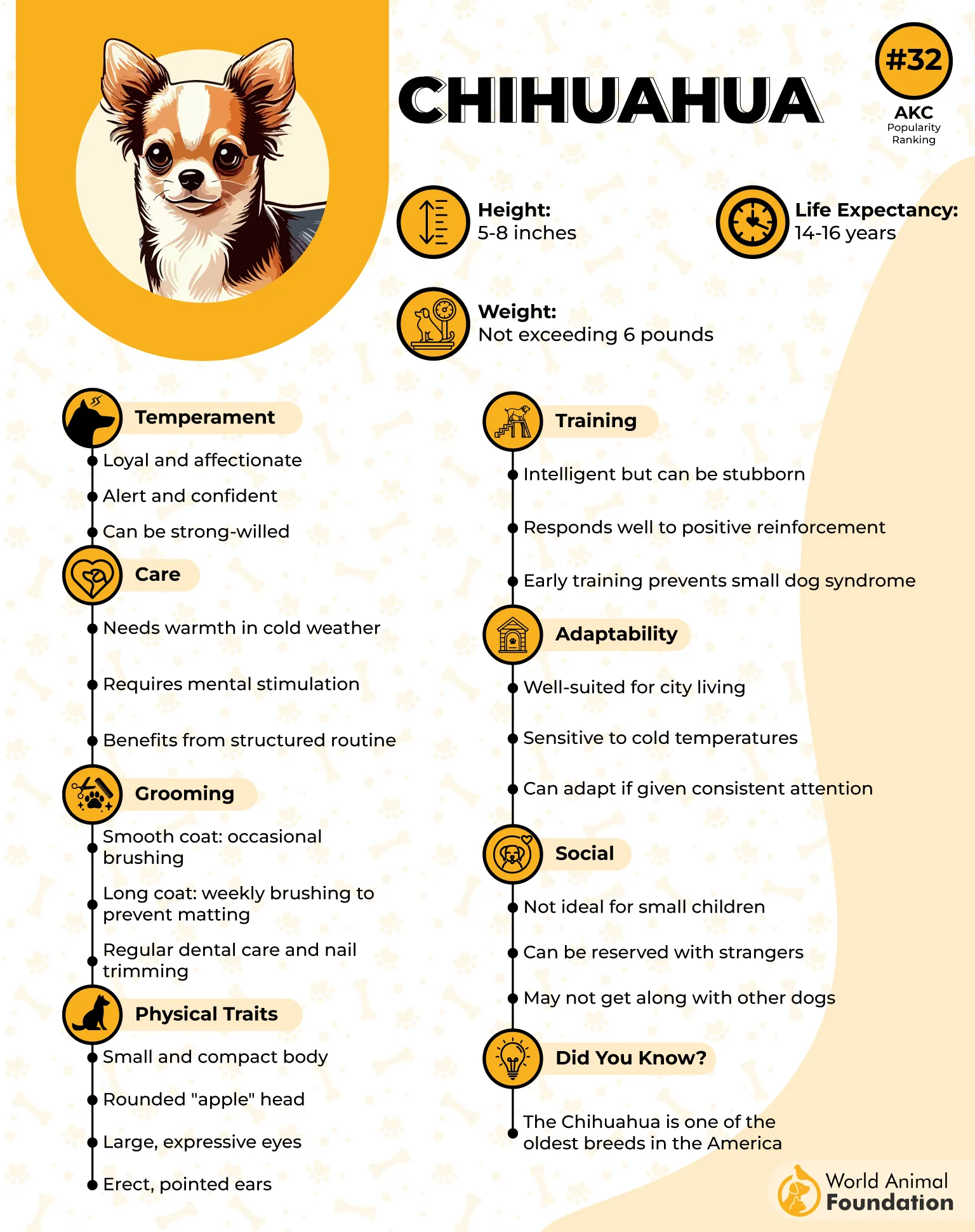
A stranger at the door, another dog on the sidewalk, or a sudden knock can all set it off in an instant.
A cornered Chihuahua will snap and follow through, pound for pound showing more genuine nerve than its diminutive size suggests. It is small but mighty in the truest sense, not just a cute slogan.
Safety consideration: Squaring up to a much larger dog can end in real injury, so owners need to step in before pride gets dangerous.
Trainability: The confidence is stubborn and resists correction; early socialization works far better than scolding.
Picture one planting itself between its owner’s ankles and a golden retriever three times its weight, chest out, not budging an inch.
2. Manchester Terrier (toy)
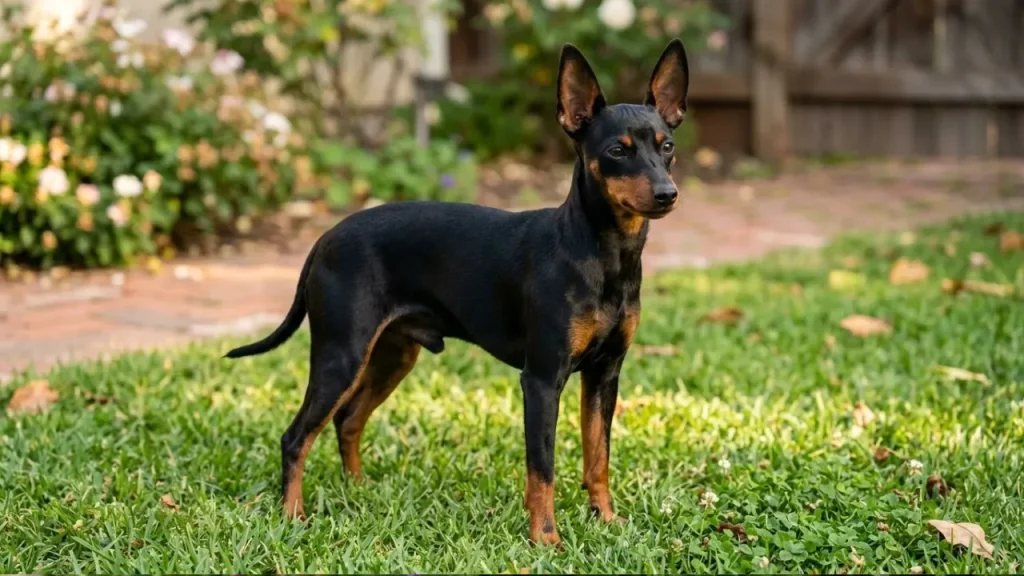
This breed was built in Manchester, England, for one job: hunting rats in mills and back alleys, work that demanded real gameness against animals that fought back. That ratting instinct still runs through this pocket-sized terrier today.
Quick movement, unfamiliar animals, or anything that invades its space can trigger a sharp, focused response.
This breed was never bred to just announce a threat; it was bred to finish the job, so the bite backs the bark completely.

Safety consideration: That old ratting drive can turn into genuine chasing of small animals or unfamiliar dogs, so leash control matters.
Trainability: Classic terrier stubbornness shows up fast; short, engaging training sessions work better than repetition.
Picture one catching a mouse mid-stride at a family cookout, no hesitation and no asking permission first.
3. Yorkshire Terrier
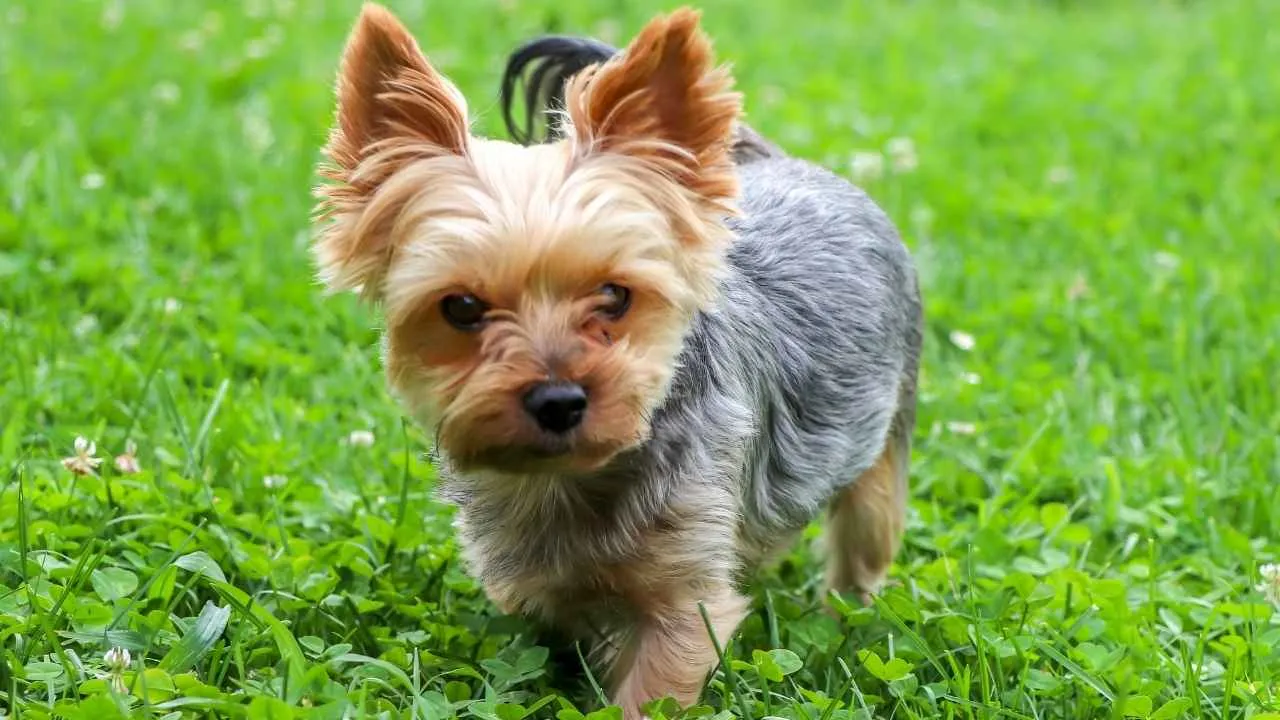
Yorkshire Terriers were shrunk-down ratters built for England’s cramped textile mills, where tiny size and big nerve both mattered equally. That working-class grit never left the breed, confirmed by VCA.
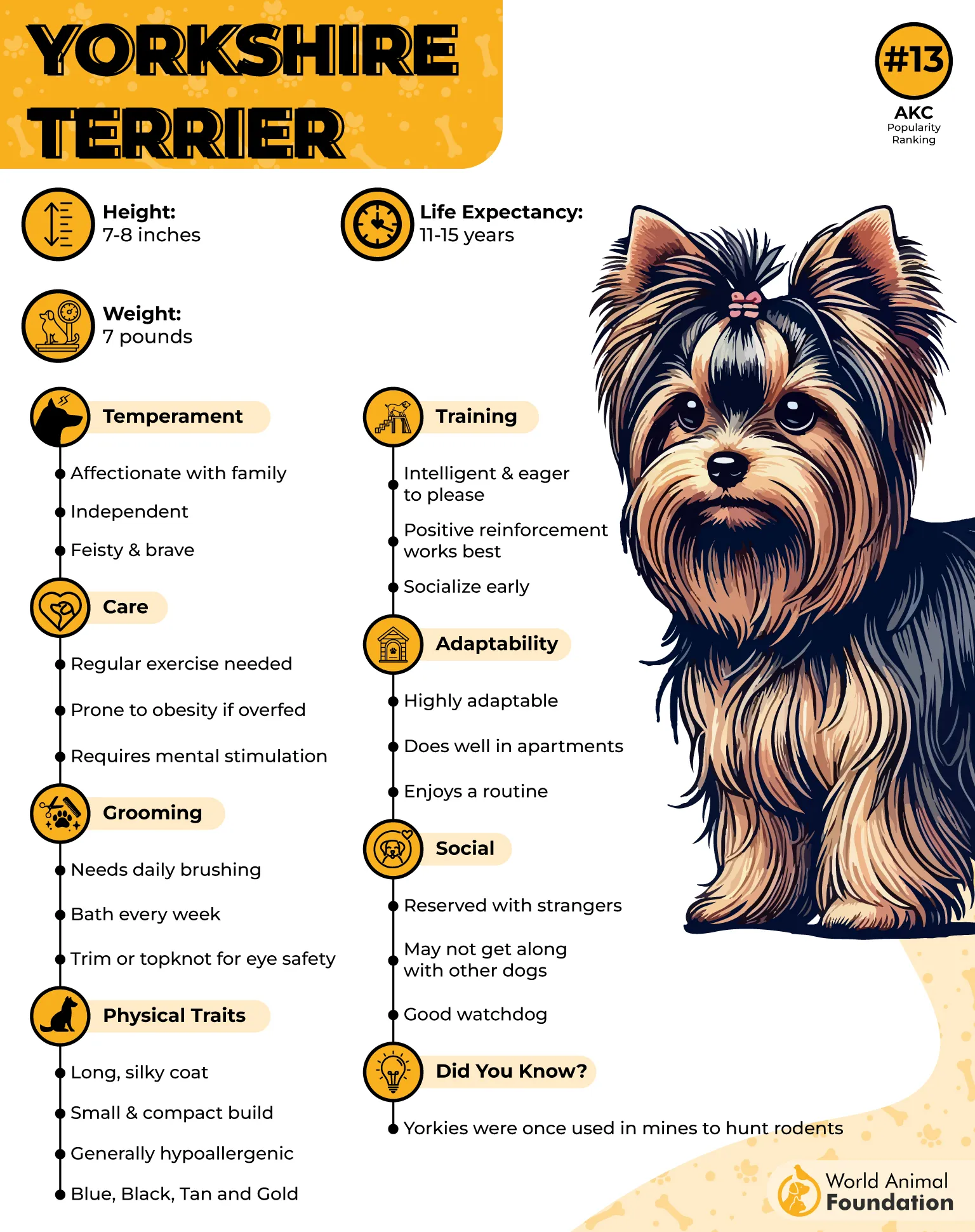
Strangers at the door, sudden sounds, and anything that feels like an intrusion into its territory all set off the alarm.
A pushed Yorkie will nip for real, and that willingness to escalate is exactly what makes it feel surprisingly brave for something this petite.
Safety consideration: Standing firm against bigger animals can cost this small breed a trip to the vet, so supervision helps.
Trainability: Sharp and quick to learn, though a stubborn streak needs patient, consistent handling.
Picture one planted at the top of the stairs, barking down at a delivery driver and refusing to move until called off.
4. Havanese
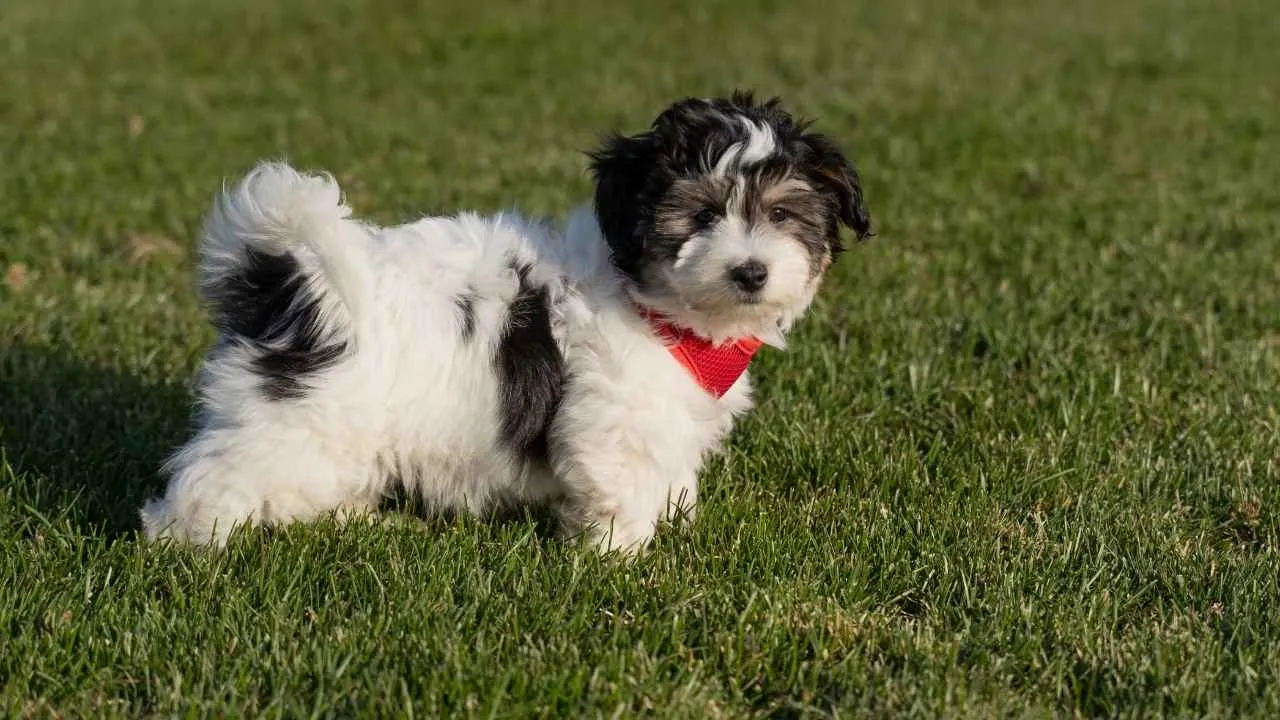
Havanese dogs were raised on Cuban estates as cheerful companions and early-warning alarms rather than fighters, prized for alertness over muscle. That history still shapes how this small breed reacts today.
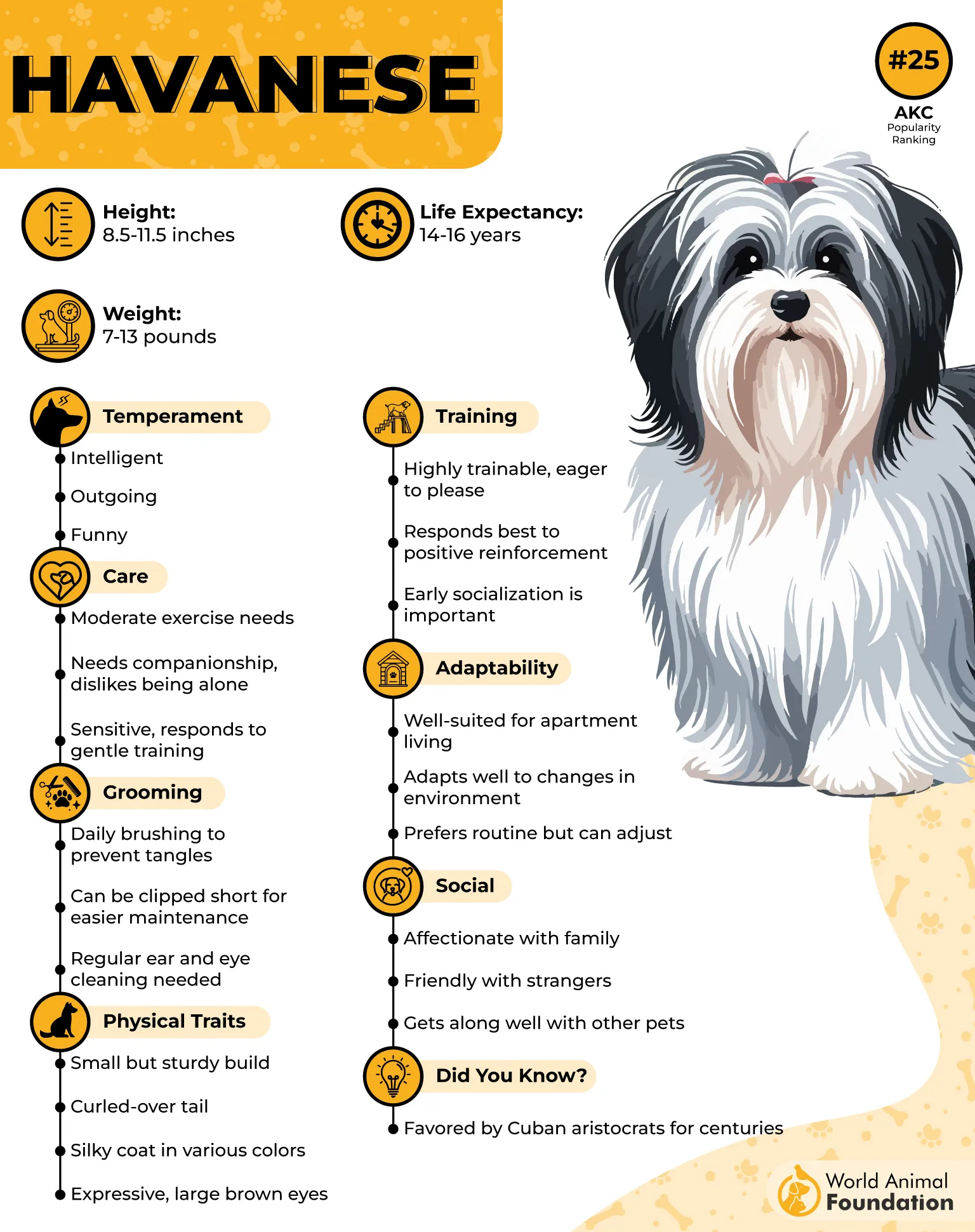
Unfamiliar visitors and unusual sounds are usually all it takes to set off the alert.
Here, the bark rarely turns into a bite. This breed’s real job was always sounding the alarm, not finishing the fight, so most of what you see is loud confidence rather than true combat readiness.
Safety consideration: Low physical risk overall, since escalation past noise is rare, though excited greetings can still get boisterous.
Trainability: Easygoing and eager to please, among the simplest breeds here to redirect with gentle guidance.
Picture one sounding the alarm the second a squirrel crosses the yard, then trotting back to its spot once the coast is clear.
5. Pug
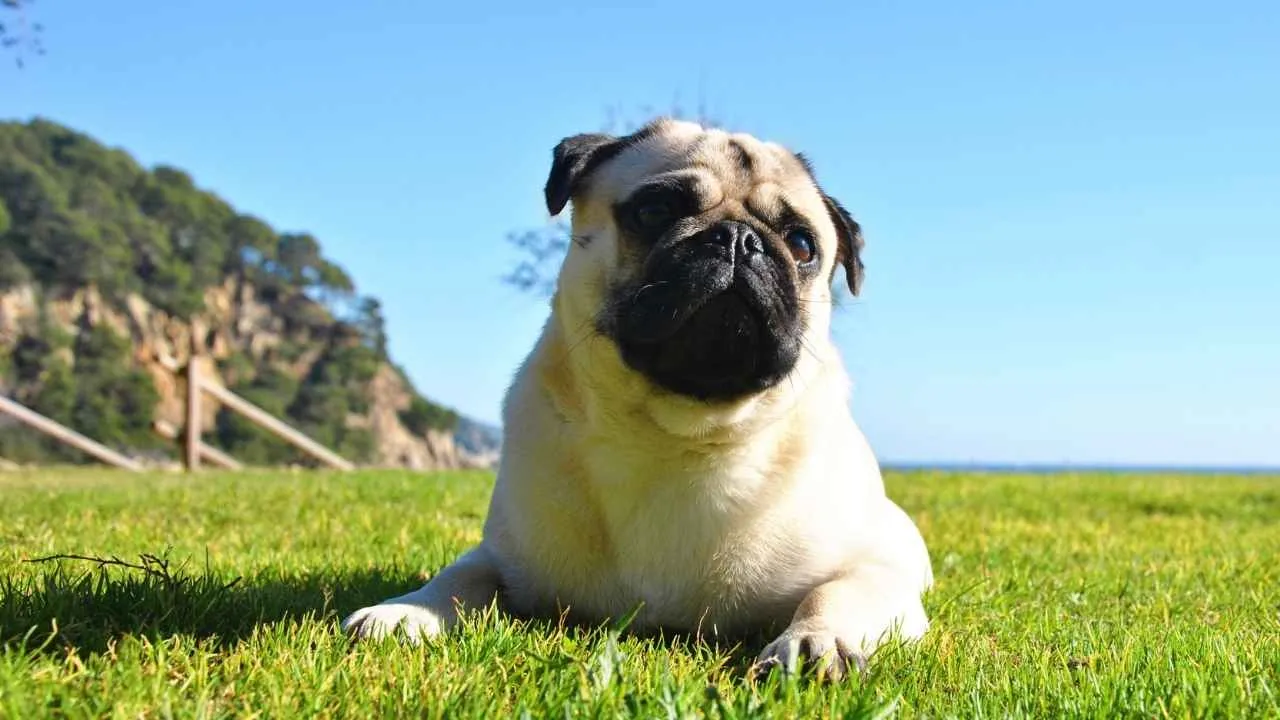
Pugs were bred in China purely for companionship, built to sit on laps rather than face down threats of any kind. Their confidence comes from a total lack of self-doubt, not battlefield nerve.
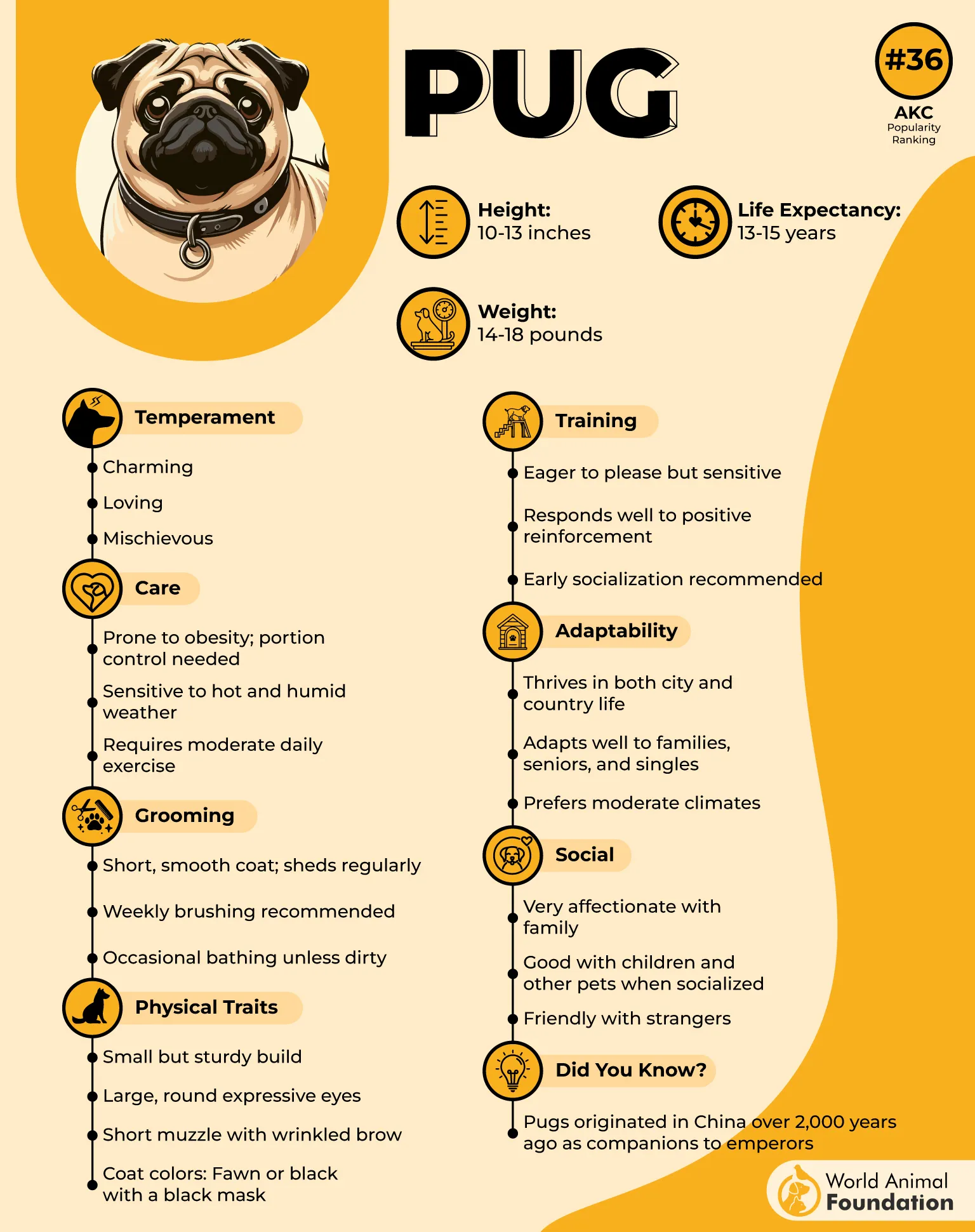
Sudden movement or unexpected noise is usually enough to get a reaction out of this lovable breed.
This breed’s stubbornness shows up as flatly ignoring a command rather than genuinely confronting anything, which is a very different kind of not backing down, confirmed by PetMD.
Safety consideration: Overexcited barking can strain breathing in this flat-faced breed, so owners should watch for signs of struggle.
Trainability: Sweetly stubborn, patience and consistency work far better than firm correction.
Picture one staring down a running vacuum cleaner from six inches away, snorting loudly but not retreating one bit.
6. Biewer Terrier

A fairly young breed developed from Yorkshire Terrier lines in 1980s Germany, the Biewer kept the scrappy terrier nerve even as breeders focused on its flashy coat and sweet face. The attitude never got bred out.
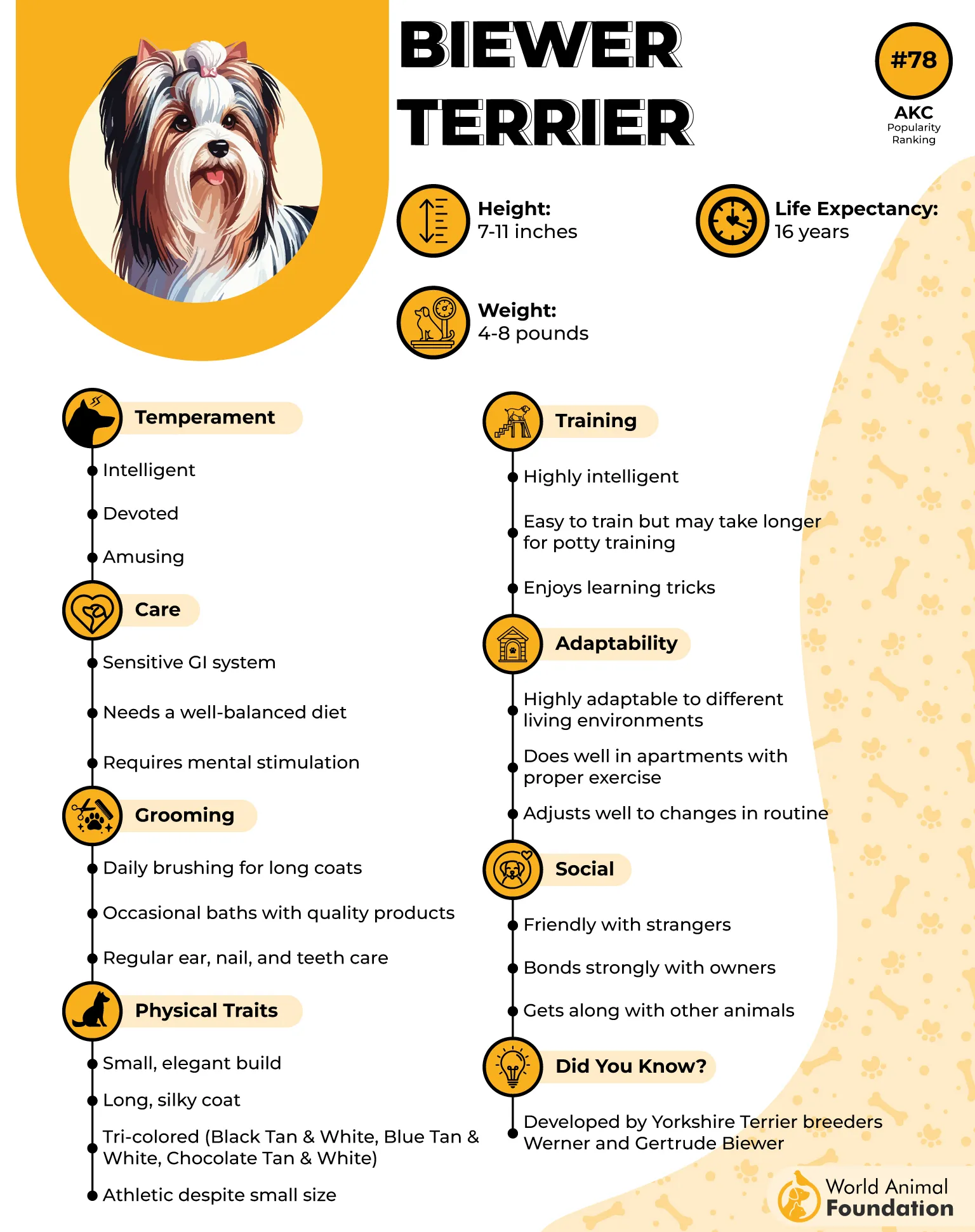
Strangers, unfamiliar dogs, and sudden household commotion are the usual triggers for this animated little breed.
The grit here is genuine, inherited straight from its Yorkie ancestry rather than invented for show. This breed will hold its ground with real conviction, not just a cute performance for attention.
Safety consideration: That inherited terrier confidence can tip into challenging much larger dogs, so solid recall matters.
Trainability: Intelligent and quick, though the stubborn Yorkie streak still surfaces now and then.
Picture one squaring up to a Labrador at the park gate, tail up and not a trace of hesitation anywhere.
7. Brussels Griffon
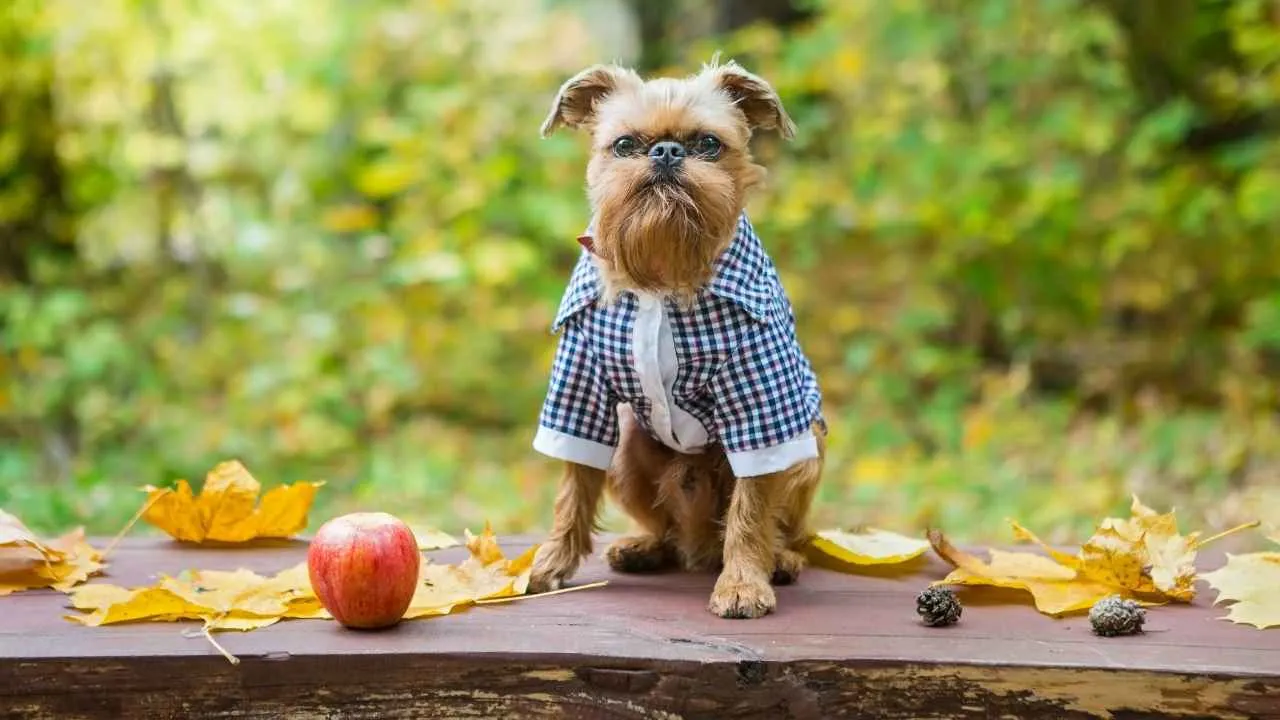
Brussels Griffons worked Belgian stables as ratters, riding alongside coachmen and keeping vermin out of tight, busy spaces. That job demanded genuine nerve, and the breed has held onto it ever since, per Britannica.
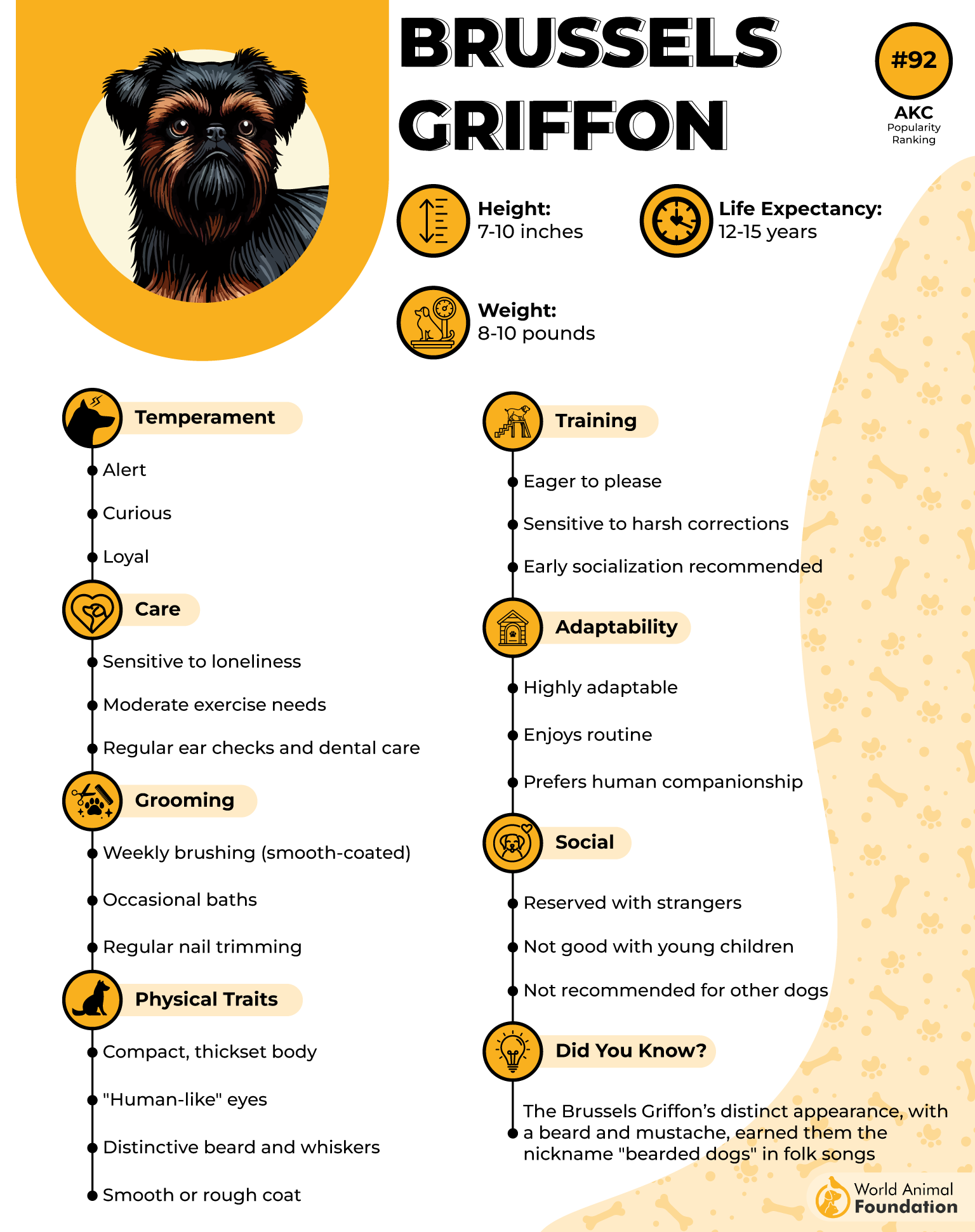
Strangers approaching its person and unfamiliar animals entering its space are what reliably set this breed off.
This is a breed that follows through rather than just posturing. Its old ratting instincts mean a real response is always close behind the bark, not just loud noise for attention.
Safety consideration: Its fearless streak means it will challenge dogs far larger, so supervision around bigger animals is wise.
Trainability: Sharp and willing to learn, though its independent streak needs calm, consistent guidance.
Picture one marching straight up to a strange dog in a waiting room, chin up like it owns the place.
8. Pomeranian
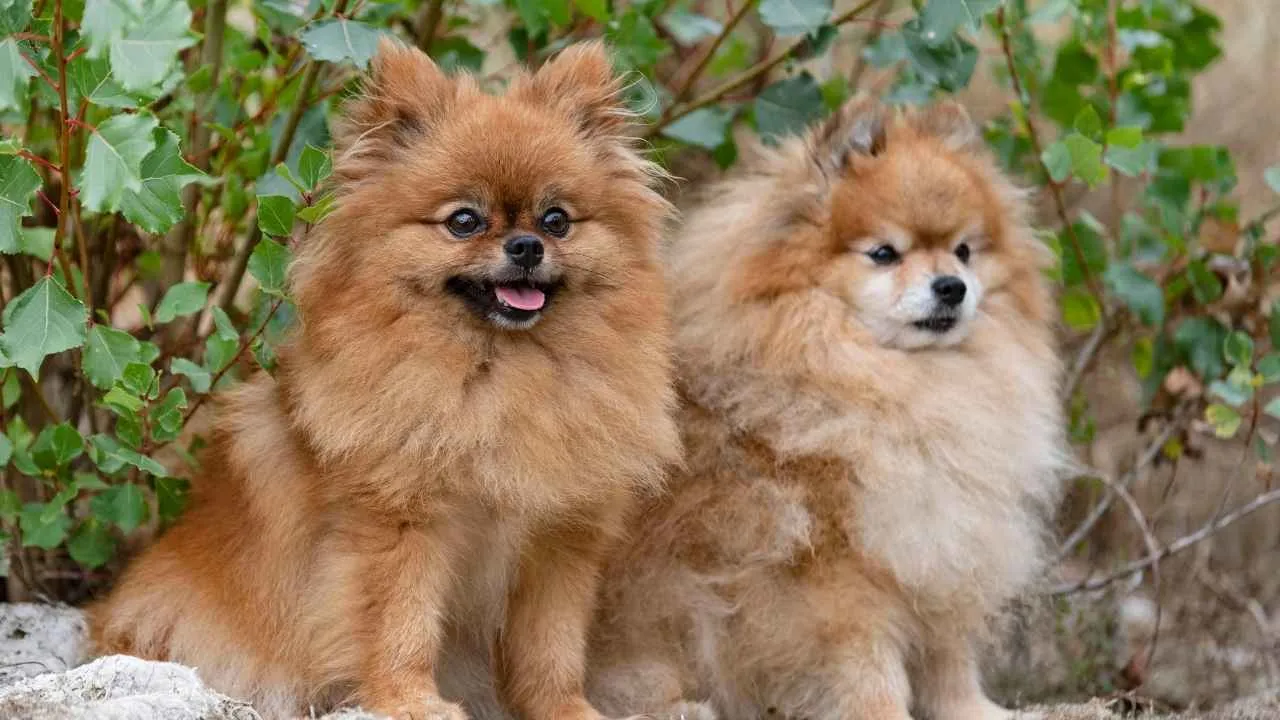
Pomeranians descend from much larger Arctic Spitz dogs once used for sledding and herding, shrunk down over generations into a lapdog that kept the original alertness intact. The attitude of a big dog never got the memo about the smaller body.
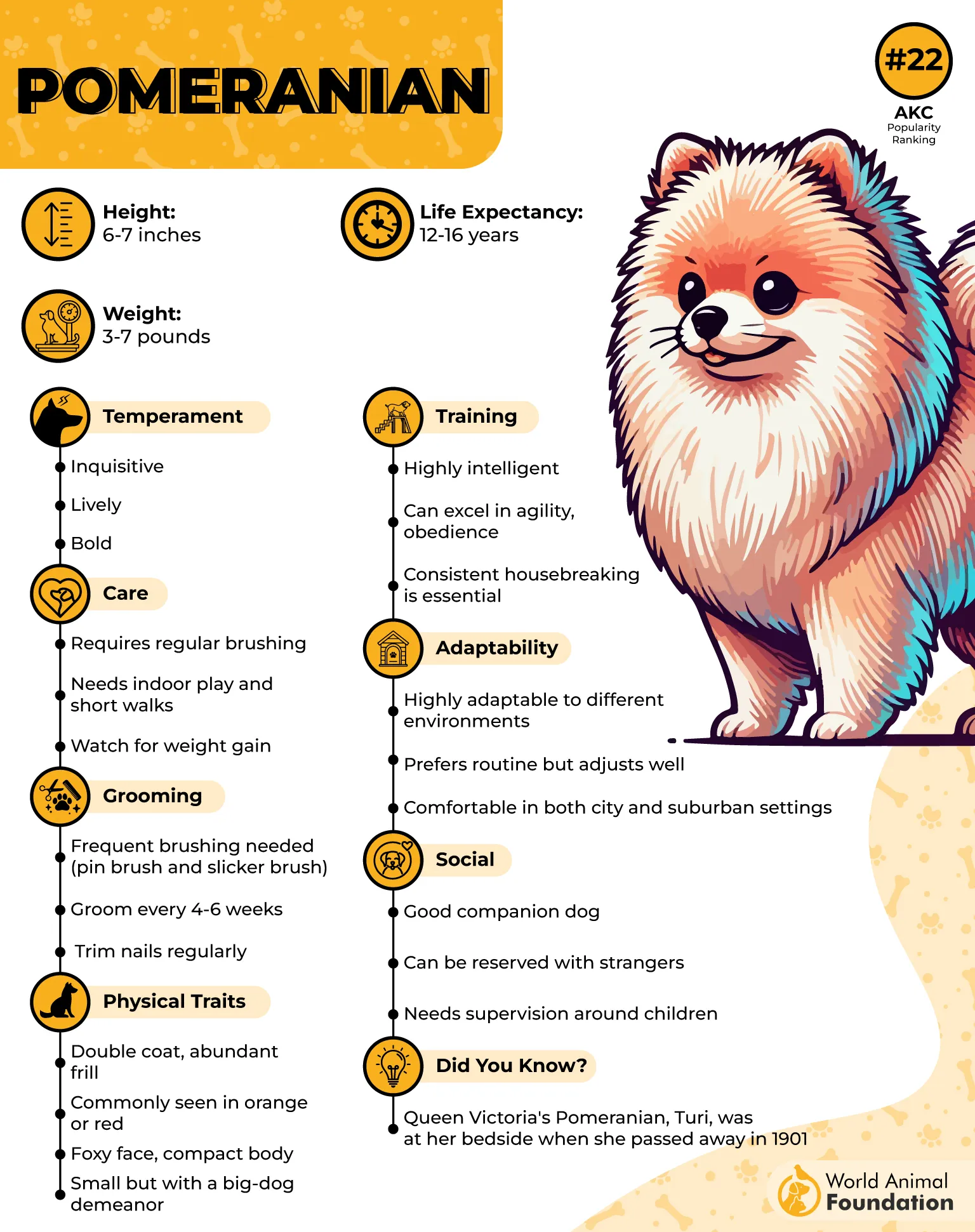
Strangers, other animals, and anything unfamiliar entering its territory are reliable triggers for this breed.
The nerve backing that big personality is real. This is a breed that genuinely seems to believe it is large, and it often acts the part fully when something challenges it.
Safety consideration: That fearless streak can put it in real danger around bigger dogs, so early intervention matters.
Trainability: Smart and eager, though its confidence needs firm, calm direction to stay useful instead of bossy.
Picture one standing firm at the fence line, barking down a dog five times its size without blinking once.
9. Toy Poodle
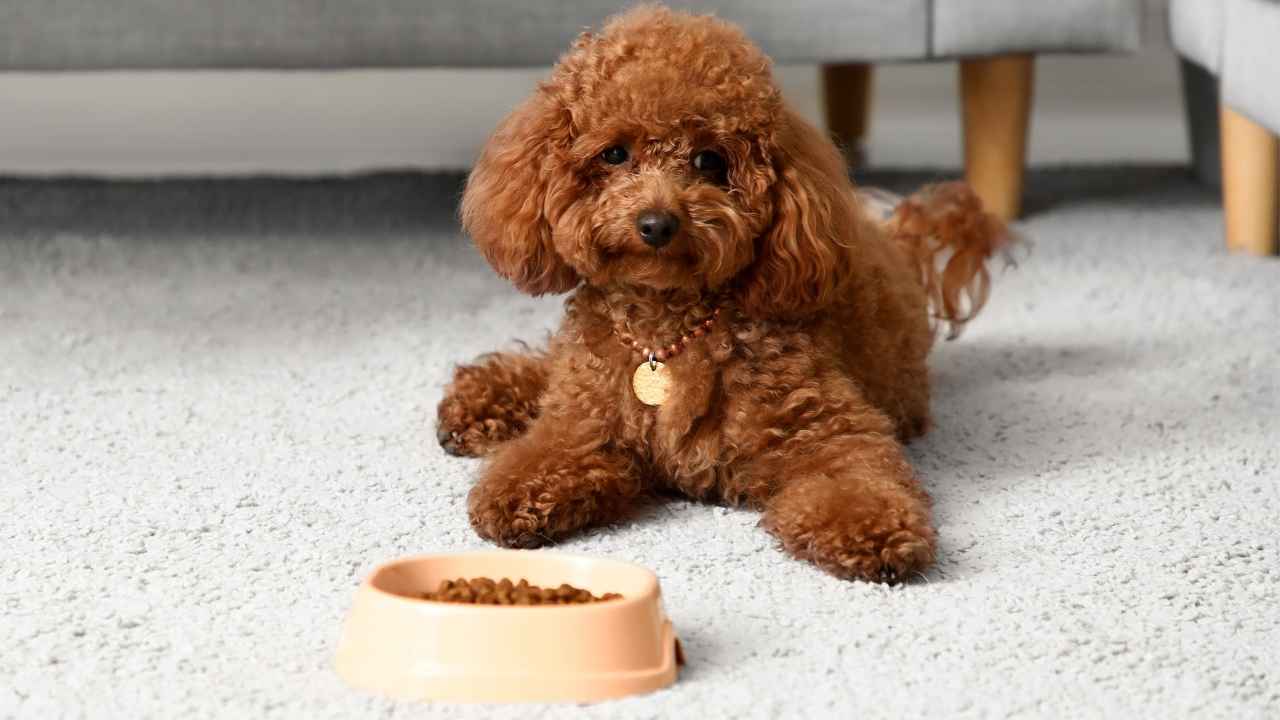
Toy Poodles descend from the Standard Poodle, originally a sharp working water retriever, and that intelligence survived the size reduction fully intact. Confirmed by Purina, the breed’s alertness is a direct inheritance, not a coincidence.
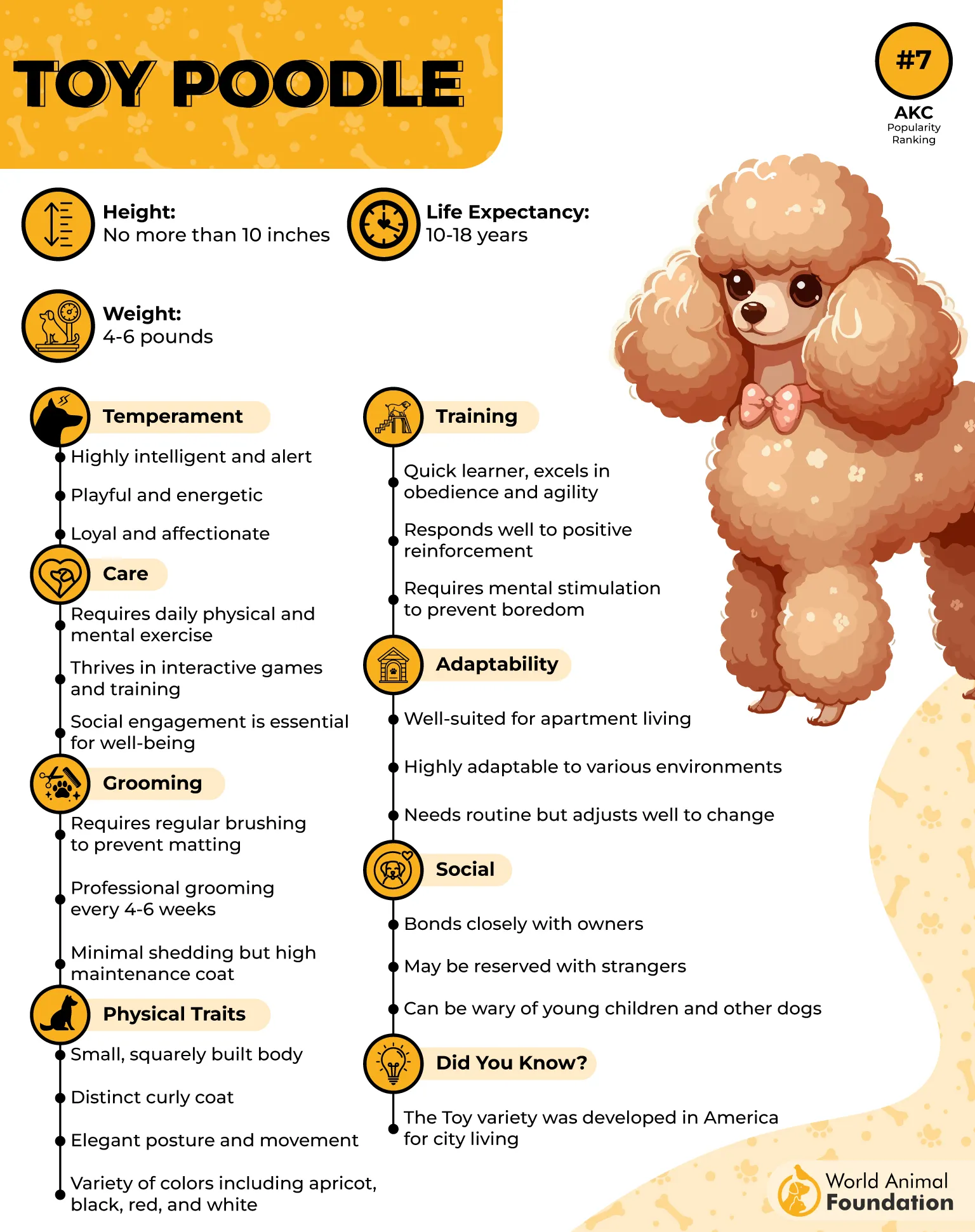
Unfamiliar visitors, sudden sounds, and anything disrupting its routine are what usually get its attention.
Its sharp mind means it chooses its moments carefully, and once it commits to holding ground, real conviction backs it the whole way through.
Safety consideration: Its intelligence usually keeps it out of real danger, though confidence can still lead it into fights too big for its frame.
Trainability: Among the easiest breeds here to direct, its sharp mind channels boldness into appropriate behavior fast.
Picture one planting itself between a toddler and an unfamiliar guest, watching closely before deciding whether to relax.
Conclusion
These dogs prove that a strong protective instinct has nothing to do with height, and any potential intruder would be wise to remember that. Your pet can stay attentive, fearless, and genuinely ready to defend its people against small animals, strangers, or anything else that gets too close.
Just pair that big attitude with proper, manageable training so the confidence works as a real deterrent instead of a liability. Now it’s your turn to pick the small guard dog whose nerve best matches your lifestyle, and give your house pet the home it’s clearly ready to protect.
