




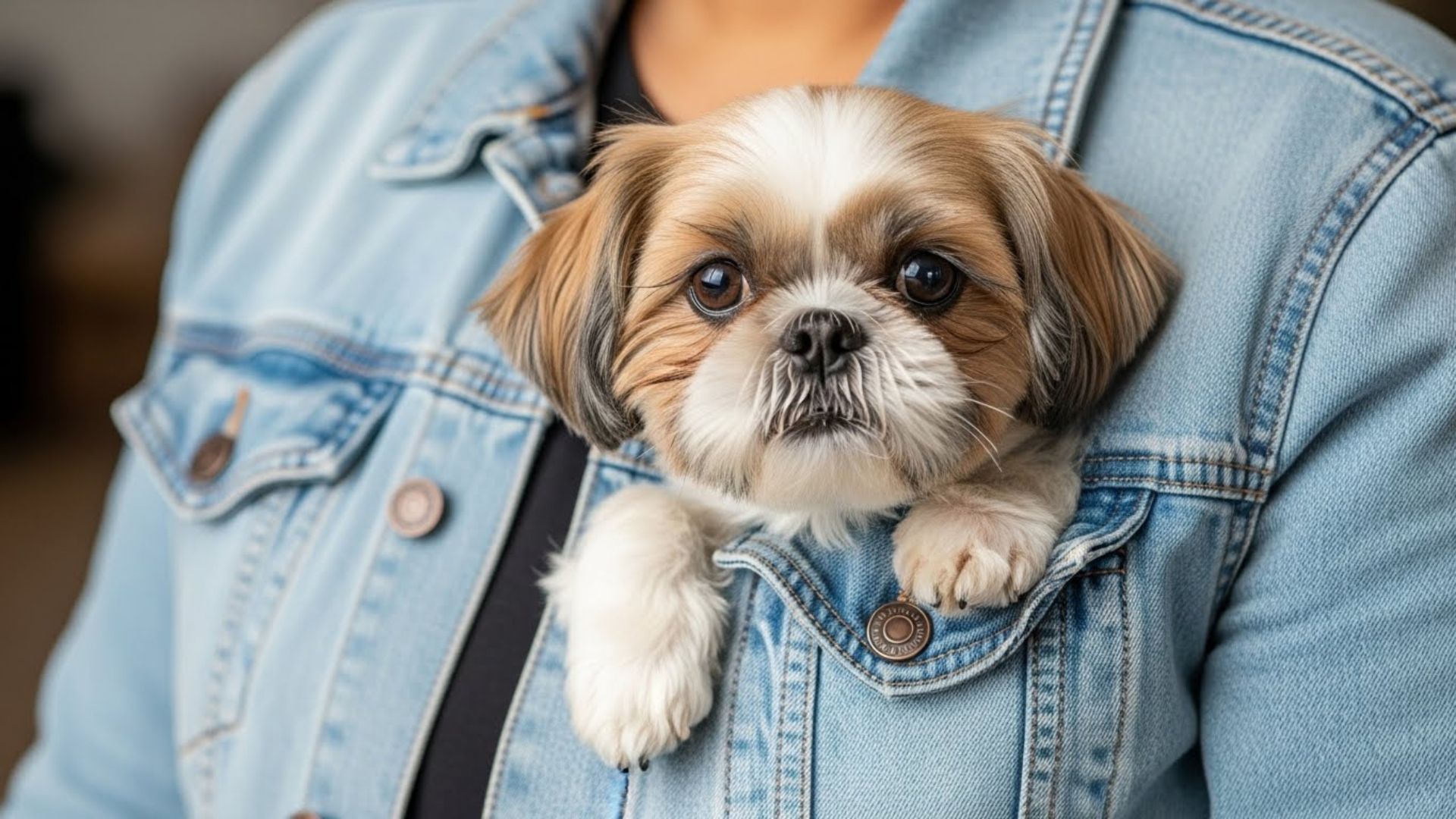
Pocket-sized dogs may be tiny, but their personalities are anything but small. These adorable companions pack charm, loyalty, and character into compact little bodies that fit perfectly into modern lifestyles.
Whether you live in an apartment, travel often, or simply love having a dog that can curl up comfortably in your lap, pocket-sized breeds bring endless joy with manageable care needs.
Each small dog breed comes with its own temperament, energy level, and care requirements. Some are lively and playful, others are calm and cuddly, while a few surprise owners with their bold confidence and intelligence.
Understanding a dog’s personality is just as important as knowing how often they need grooming, exercise, or vet visits. We’ll explore the best small dog breeds, focusing on what makes each one special.
You’ll learn about their unique personalities, daily care needs, and which lifestyles they suit best. If you’re searching for a small breed with a big heart, this list will help you find the perfect pint-sized companion.
Tip: Pocket-sized breeds like the Pomeranian and Papillon bring big personalities, loyalty, and affection. They’re perfect for compact living but still need attention, socialization, and regular care to thrive.
Pocket-Sized Dog Breeds: Personality and Care
1. Shih Tzu
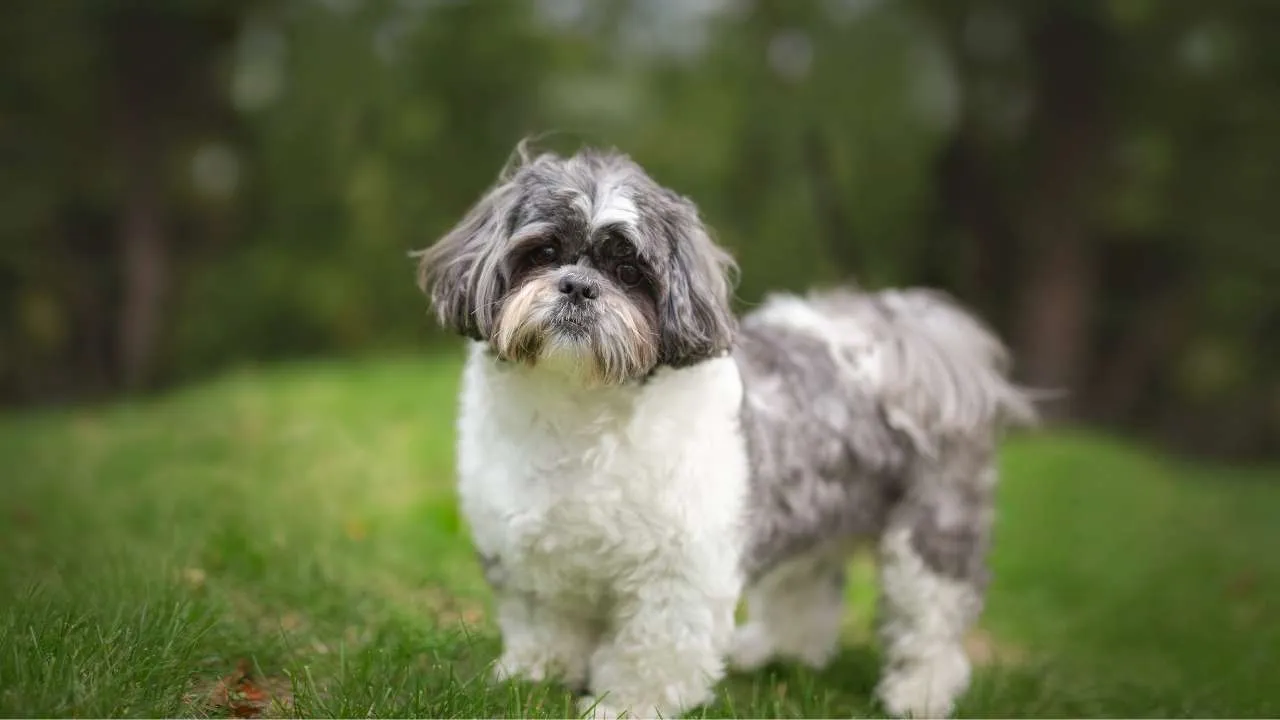
Best for: Lap lovers, homebodies, busy pamperers, and anyone who doesn’t mind spending a little extra time with a brush in hand
If dogs had red carpets, the Shih Tzu would strut down it like they own the place. Often called the divas of the dog world, these fluffy charmers are affectionate, extremely loyal, and 100% convinced they belong on your lap at all times.
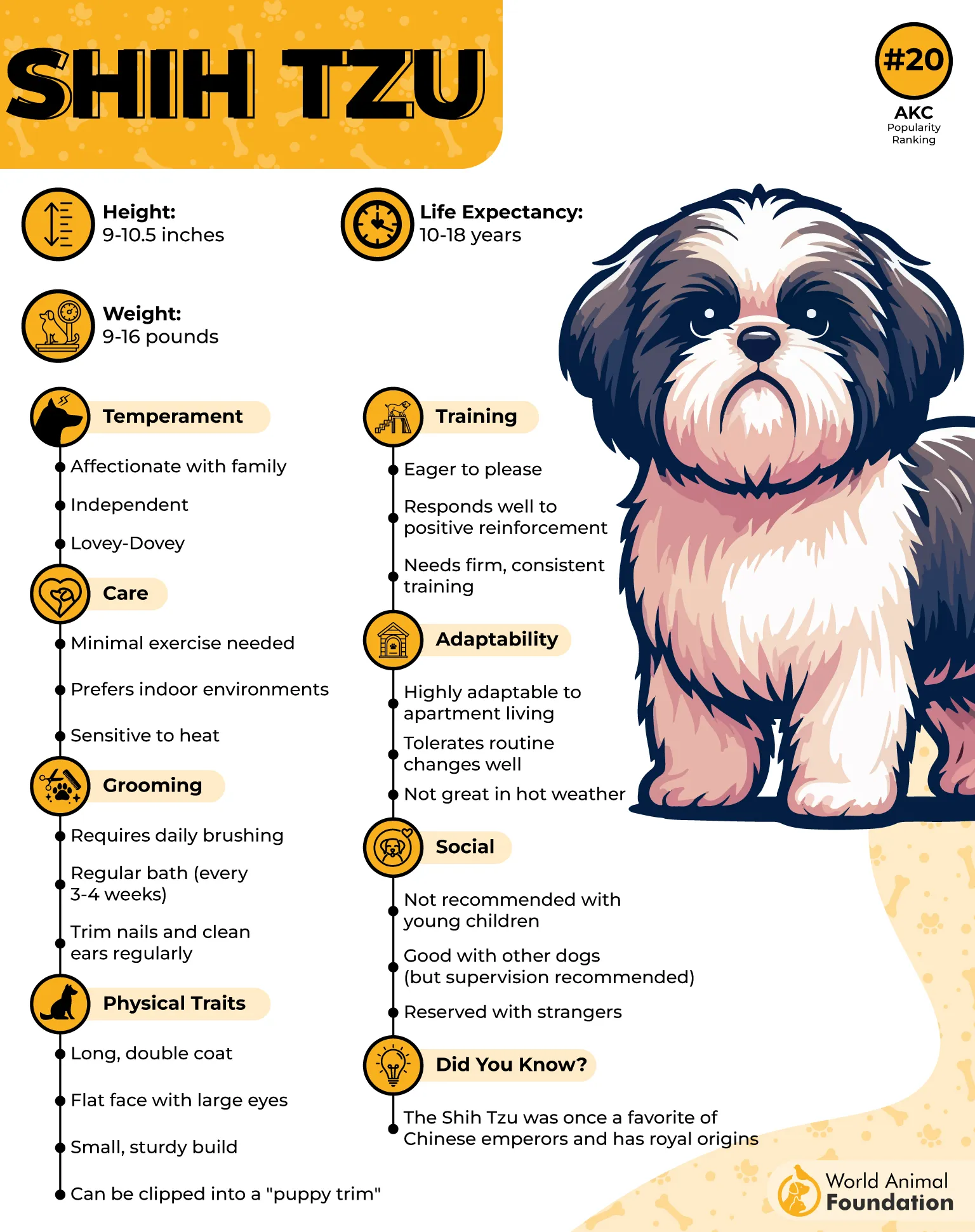
These little dogs aren’t just pets—they’re tiny, four-legged royalty who expect admiration, snuggles, and a daily dose of pampering. Shih Tzus thrive on companionship—this is not a “see you later” kind of dog.
Their flat faces can make breathing and temperature regulation tricky, so avoid intense exercise or hot environments. Think gentle play sessions, short walks, and indoor activities rather than marathon agility runs. Grooming is another essential part of life with a Shih Tzu.
Their long, silky coat can tangle quickly, so daily brushing is recommended unless you prefer the “just rolled out of bed” look—though some might argue that has its own charm.
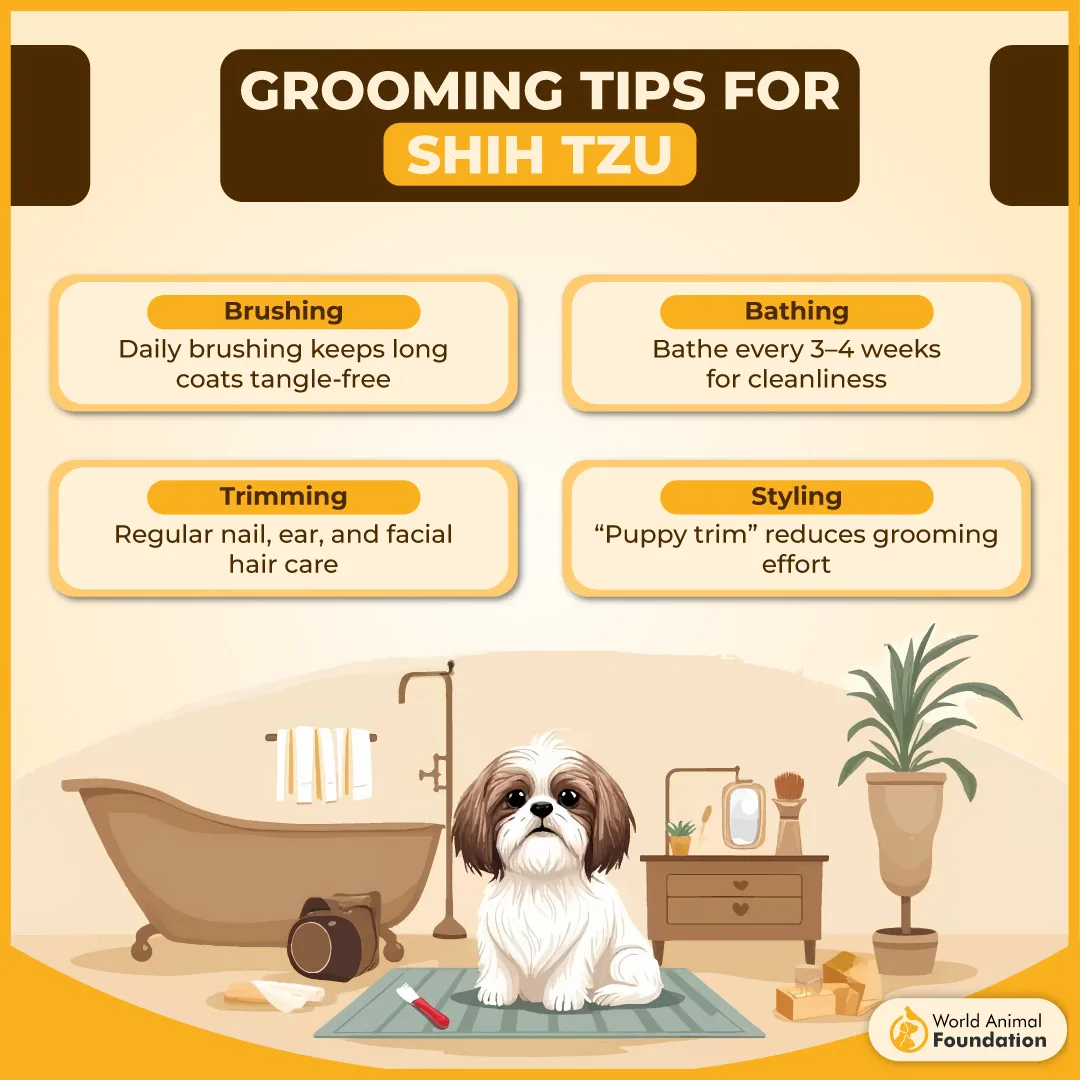
With patience, love, and a willingness to embrace a little diva behavior, Shih Tzus reward their owners with endless affection, playful antics, and a loyal companionship that’s hard to match.
2. Toy Poodle
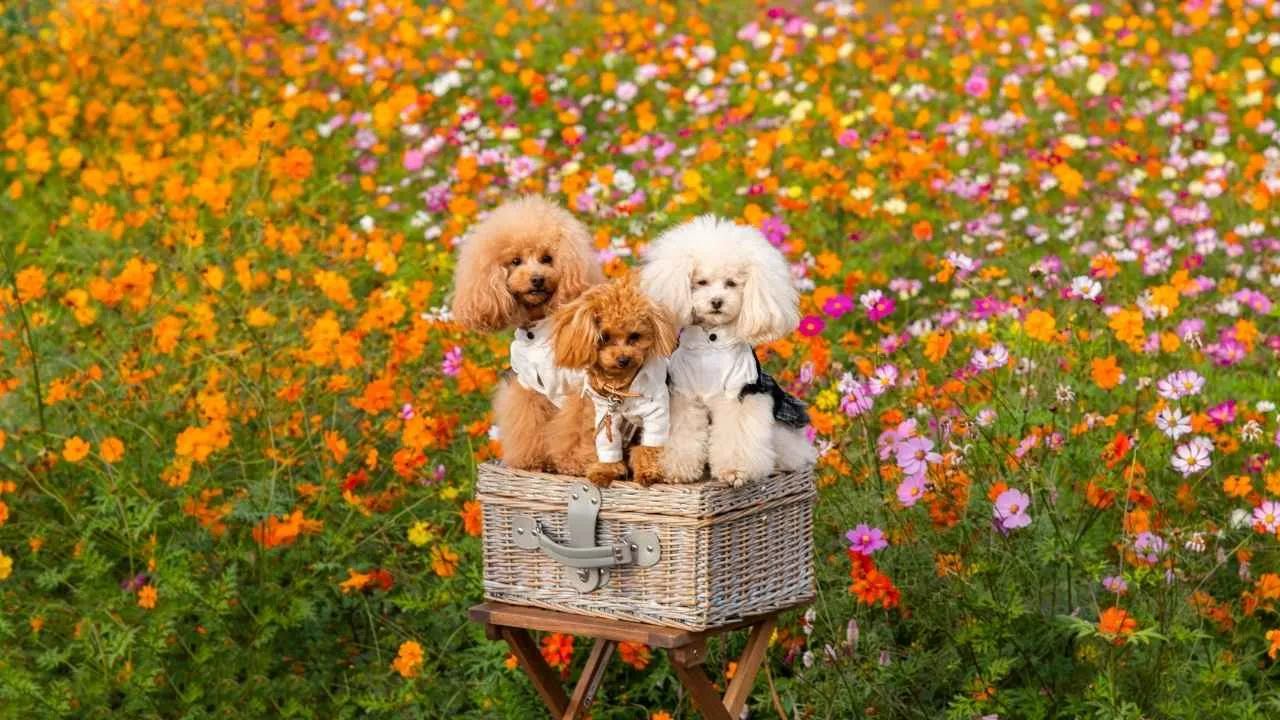
Best for: Families, allergy-prone owners, and anyone who wants a smart dog that’s equal parts athlete and entertainer
If dogs handed out college degrees, the Toy Poodle would graduate top of the class—and give the valedictorian speech. Known for their intelligence, athleticism, and friendly nature, poodles are the total package: smart, social, and stylish without even trying.
Teacup poodles may only tip the scales at around 4 pounds, but don’t let their size fool you. These tiny geniuses are quick learners, love interactive play, and excel at tricks.
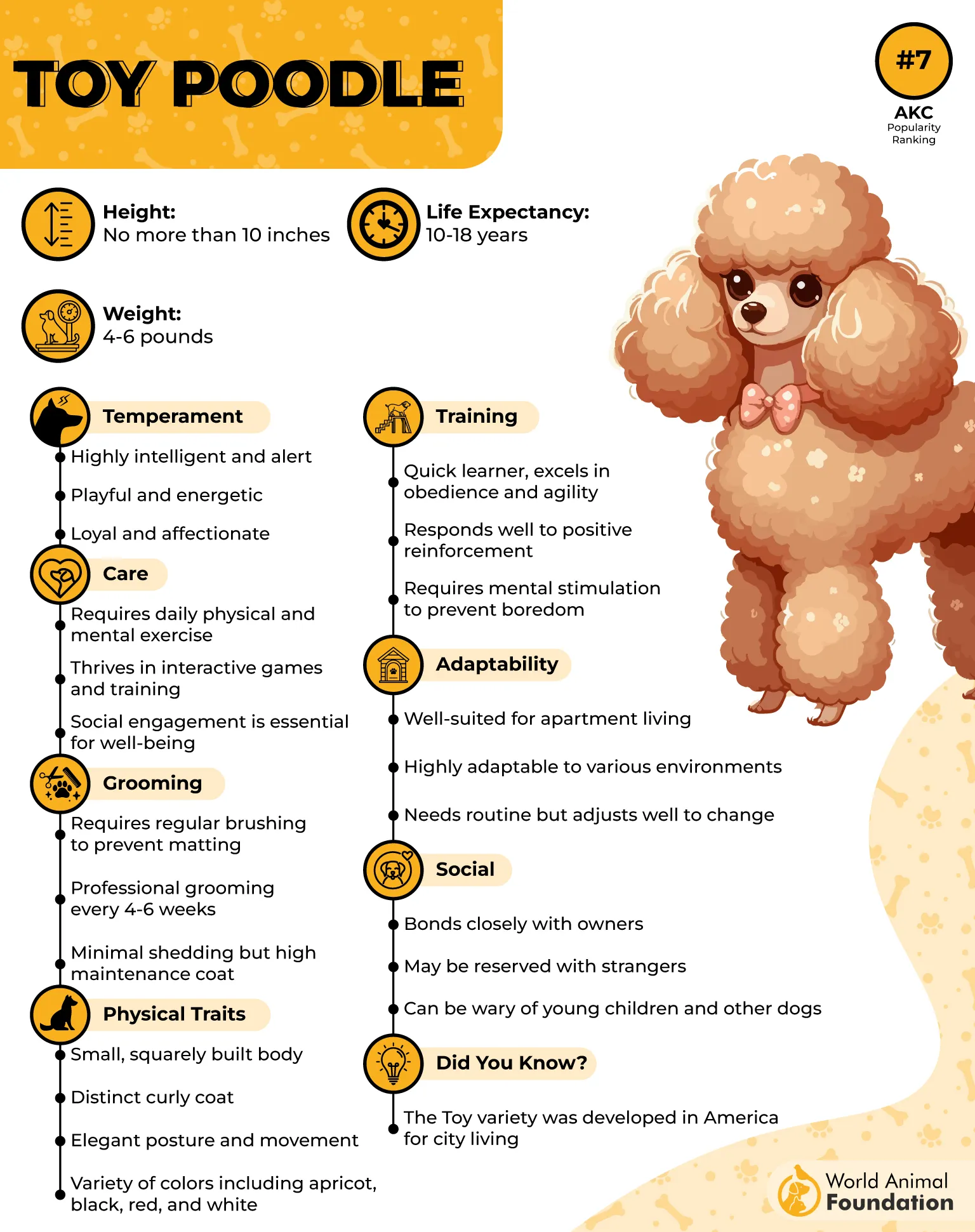
One of the most convenient perks of owning a poodle? Minimal shedding. Their tight, curly coats hold onto hair instead of leaving it all over your couch, clothes, and soul. That’s great news for allergy sufferers—and for your vacuum, which finally gets a break.
Poodles do need regular grooming to keep those curls looking fabulous, but in return, you get a toy breed that’s affectionate, adaptable, and always up for learning something new. Basically, they’re the overachievers of the dog world—but in a fun, lovable way.
3. Chihuahua
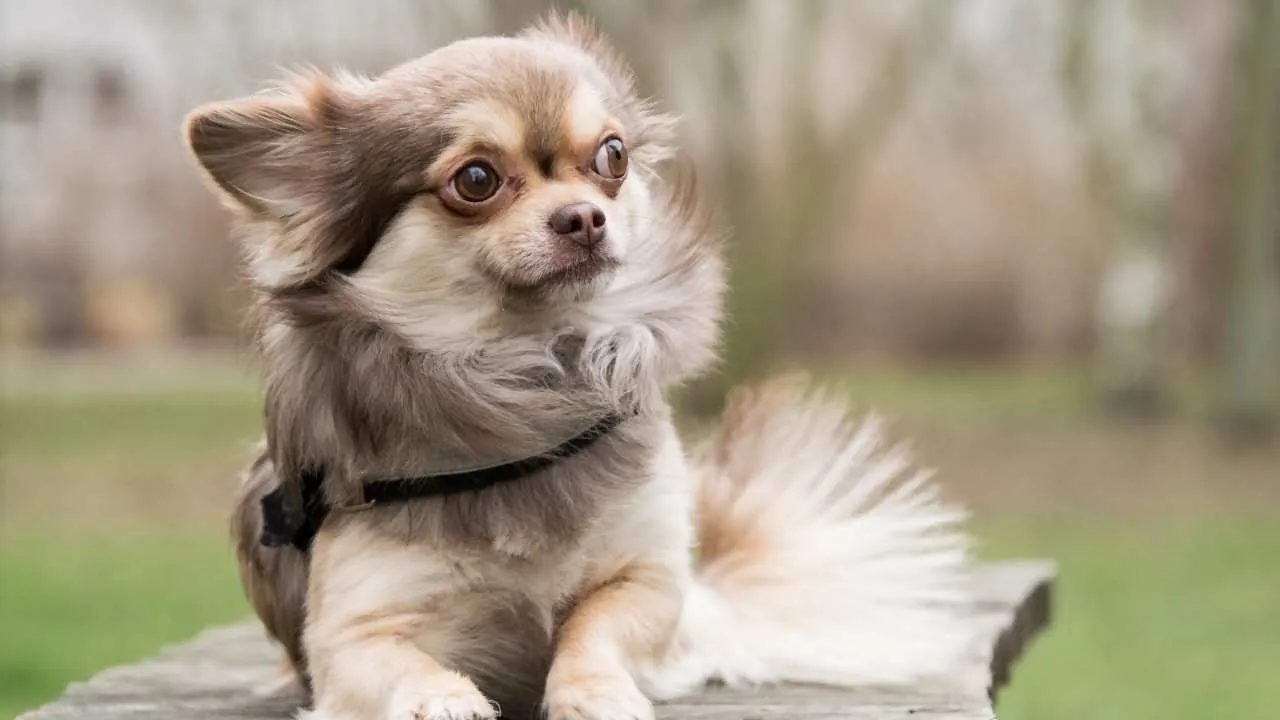
Best for: Homebodies, devoted pet parents, and anyone who wants a tiny dog with the heart (and ego) of a lion
Don’t let their tiny frame fool you—Chihuahuas are bold, energetic, and fully convinced they’re the biggest dog in the room. A proud member of the toy group, this breed is fiercely devoted to its people and absolutely thrives as a lap dog.
These little companions are wonderfully flexible and happy to go with the flow—as long as that flow keeps them glued to your side. They’re graceful, alert, and best suited for calm, cozy homes where they can relax, cuddle, and supervise household activities from the comfort of your lap.
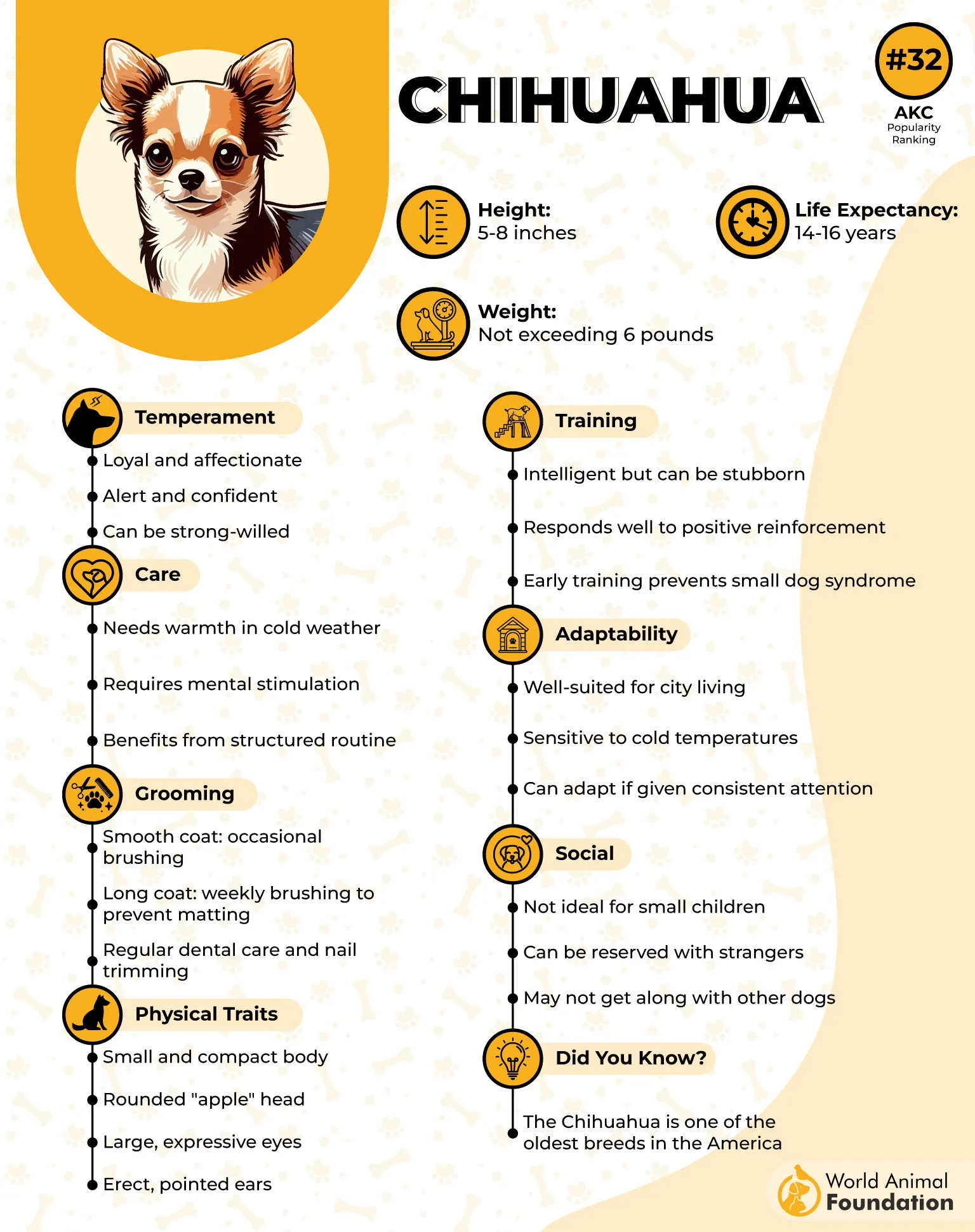
Personality-wise, Chihuahuas are a delightful mix of affection, curiosity, bravery, and vigilance, sprinkled generously with neediness. They love deeply and form strong bonds, which makes them incredible companions—but also means they don’t do well alone for long periods.
Expect hours of cuddling, intense eye contact, and a dog who believes they are your emotional support animal (whether you asked or not).
One thing to watch out for: WebMD noted their confidence can sometimes get them into trouble. Chihuahuas have been known to challenge dogs many times their size, apparently unaware of basic physics.
Early socialization is key to helping them interact safely and confidently with other dogs—and to prevent them from picking fights they absolutely cannot win.
4. Maltese
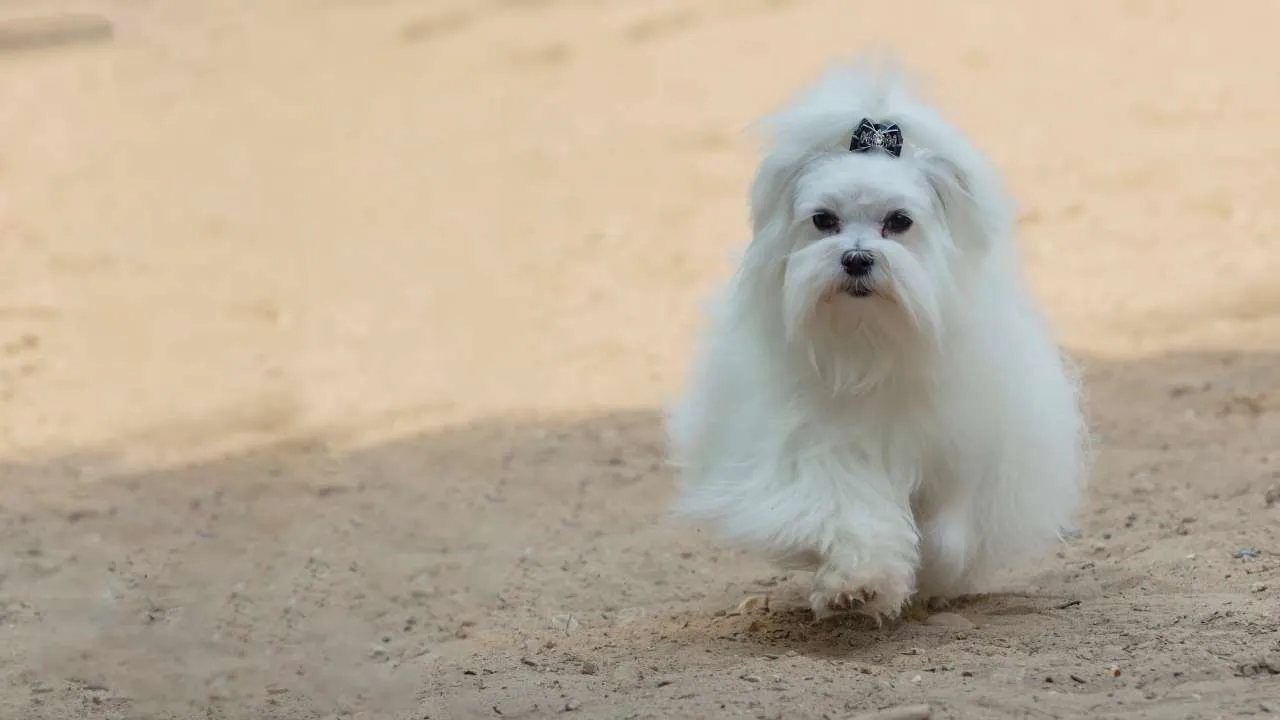
Best for: Cuddle enthusiasts, calm households, and anyone ready to live with a tiny royal who fully expects VIP treatment
If elegance had four legs, it would be the Maltese. This breed isn’t just adorable—it’s ancient. Dating back nearly 3,000 years, the Maltese was once favored by royalty, and honestly… they still act like it.
The teacup variety typically weighs between 2 and 4 pounds, making them the definition of pocket-sized luxury. Maltese dogs are gentle, affectionate, and low-energy, which makes them perfect for anyone searching for a premium cuddle companion.
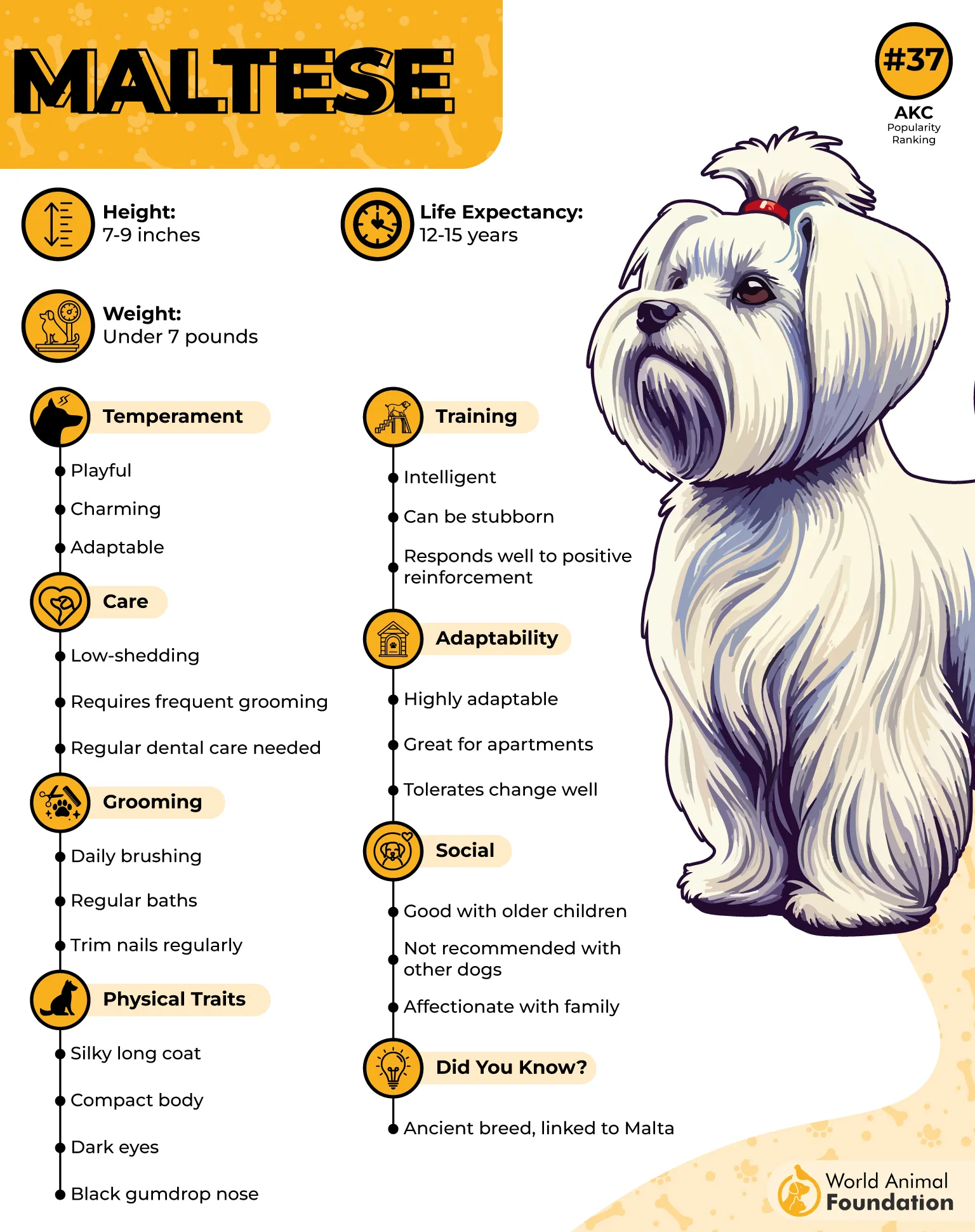
They’re happiest curled up in your lap, on your couch, or anywhere soft and cozy—preferably with full access to your attention. Despite their regal history, Maltese pups are friendly and loving rather than snobby.
Their calm nature makes them ideal for apartment living, seniors, or anyone who prefers peaceful evenings over high-energy play sessions. Think less “fetch marathon,” more “let’s nap together.”
Their long, silky white coat does require regular grooming, but in exchange, you get a dog that looks like it belongs in a Renaissance painting—and feels like a warm, fluffy pillow.
5. Pomeranian
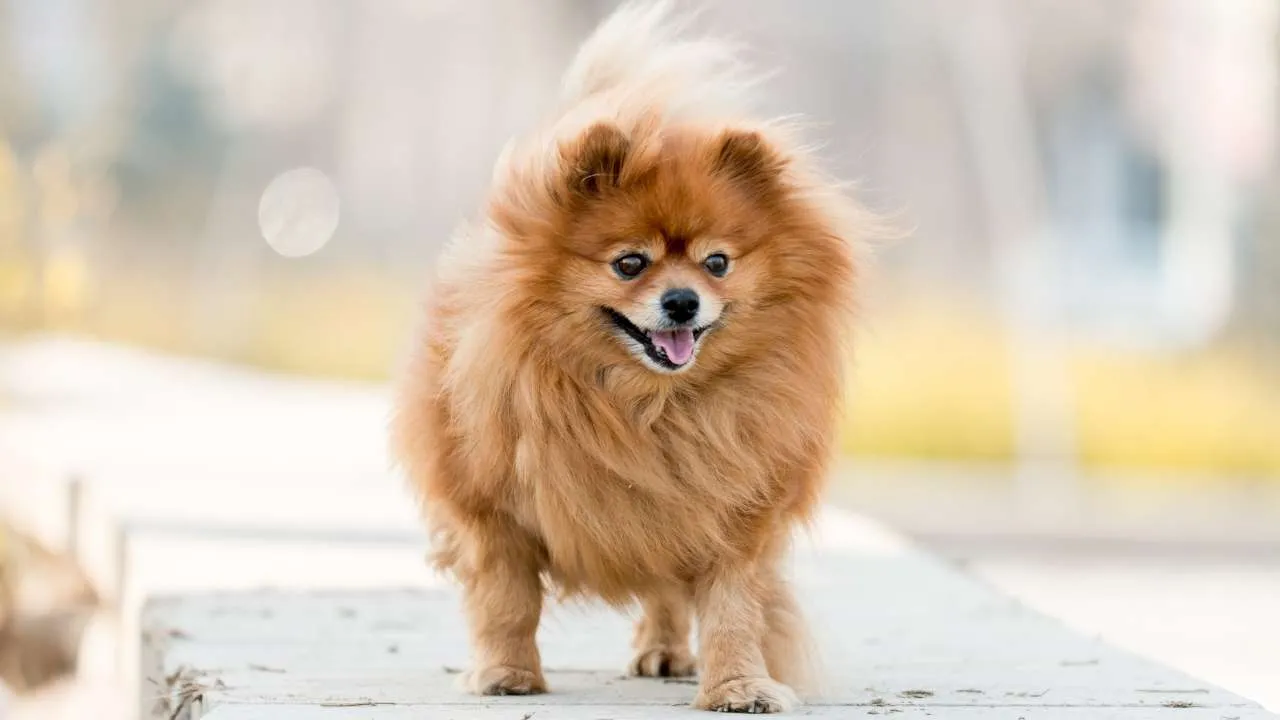
Best for: People who want a small dog with a big personality, big hair, and a surprising amount of hustle
Today’s Pomeranian may look like a walking puffball designed strictly for lap-sitting, but don’t let the fluff fool you—this breed has a working-class past. Long ago, Pomeranians were bred to herd animals and pull sleds, and their ancestors weighed a solid 30 pounds. Yes, that cloud of fur once had a job.
In the 1800s, breeders began downsizing Pomeranians to turn them into companion dogs, and the rest is fluffy history. Over time, they’ve become smaller, cuter, and much more interested in being admired than in hauling sleds through snow.
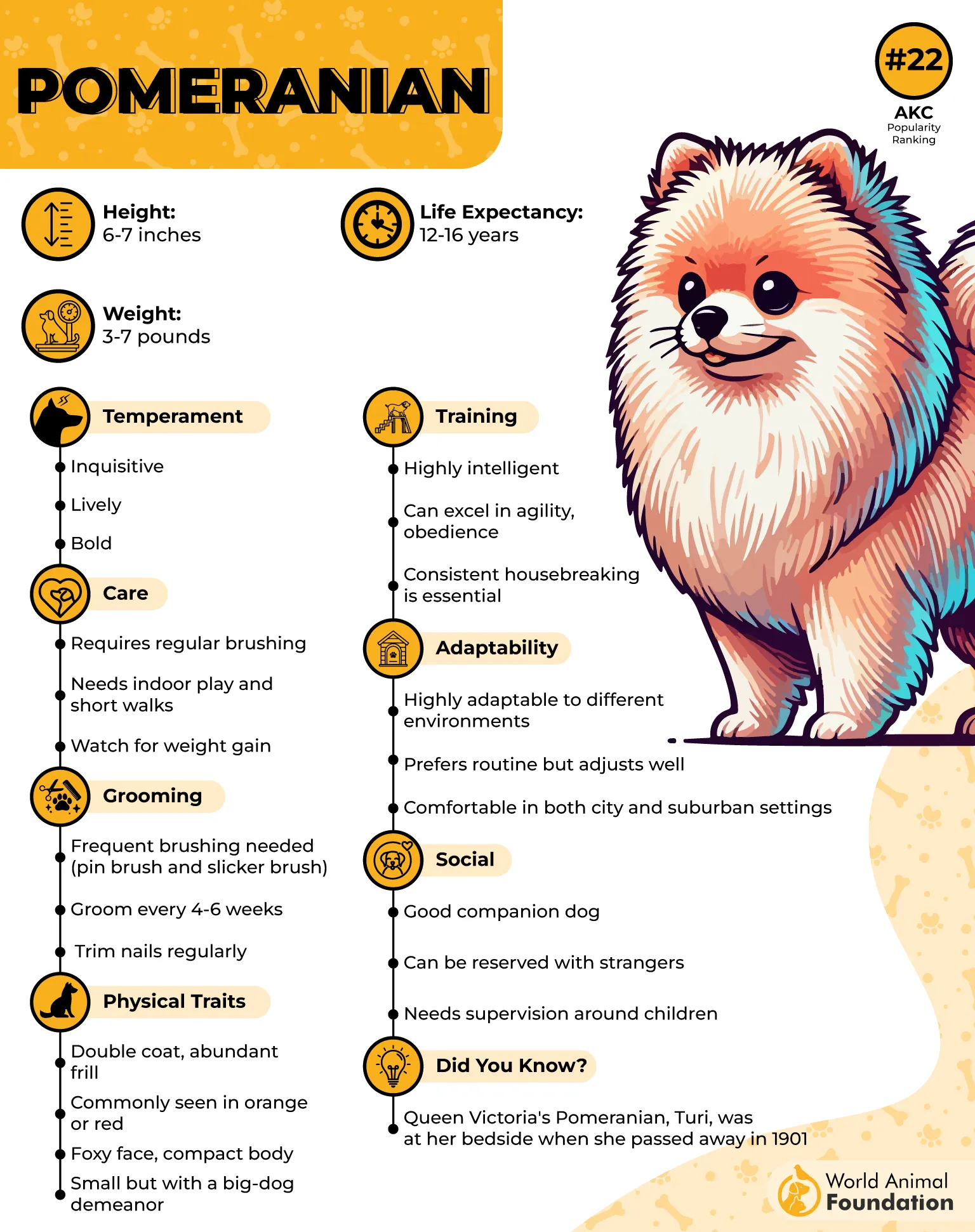
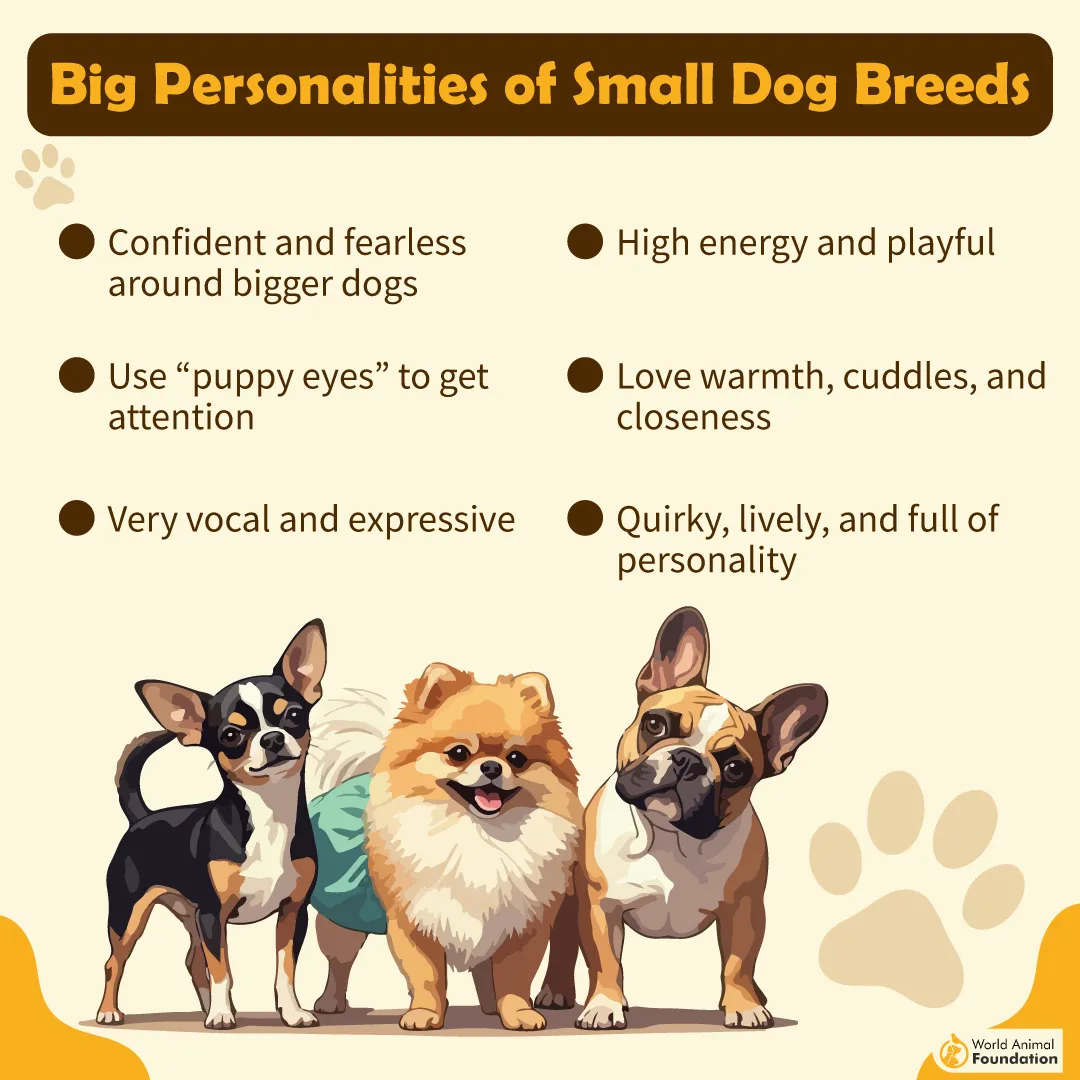
Despite their lapdog reputation, Pomeranians are energetic, alert, and surprisingly bold. They’re intelligent little performers who love attention and aren’t shy about announcing their presence—often loudly. Their confidence, paired with that dramatic coat, gives them a “main character” energy that’s hard to ignore.
They do require regular grooming to keep their iconic fur from turning into a tangled mess, but in return, you get a lively, affectionate companion with the heart of a working dog and the attitude of a celebrity.
6. Yorkshire Terrier
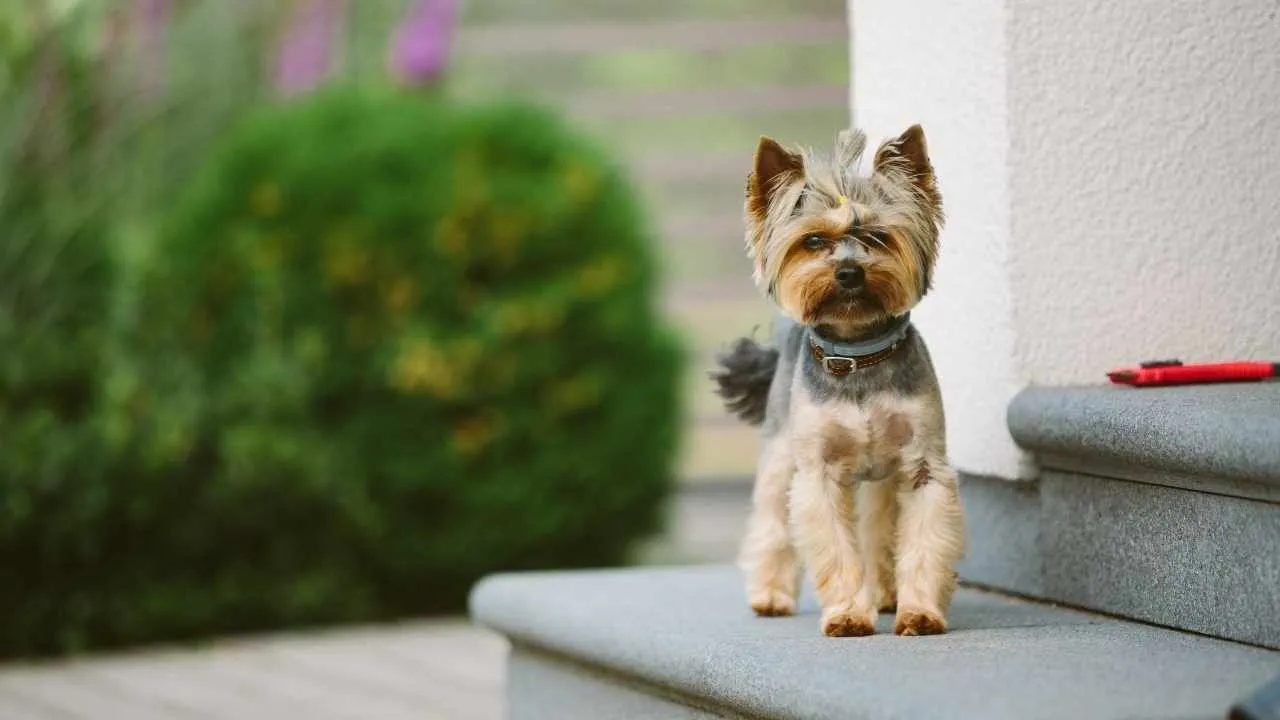
Best for: City dwellers, allergy-conscious owners, and anyone who loves a confident dog with star energy
The Yorkshire Terrier proves that size has absolutely nothing to do with confidence. Already beloved at their standard small size, the teacup variety has only increased their popularity.
Weighing in at just 2 to 3 pounds, these tiny dogs still manage to pack a huge personality—along with a whole lot of attitude. Yorkies are vocal, protective, and fearless, often acting as if they’re personally responsible for neighborhood security.
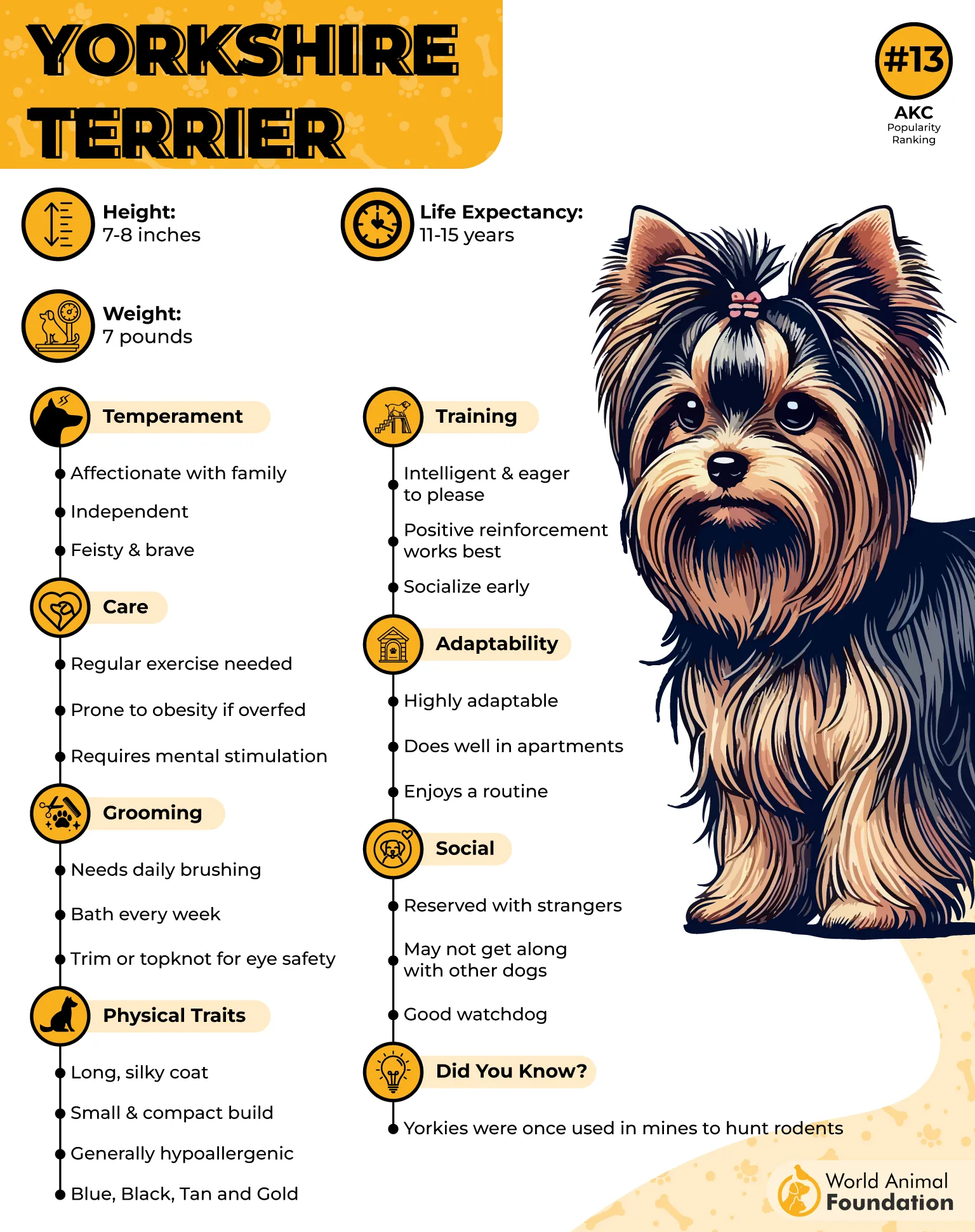
They’re incredibly loyal to their families and form strong bonds, making them loving companions who always want to be involved in the action—even if that action is just you answering emails.
According to the American Kennel Club (AKC), Yorkies frequently rank among the most popular dog breeds in major American cities. And it’s easy to see why: they’re long-lived, hypoallergenic (their hypoallergenic coat resembles human hair more than traditional fur), and perfectly suited for apartment living.
Plus, they make surprisingly effective little watchdogs—no suspicious noise goes unreported. Often described as a true “personality breed,” Yorkies deliver years of laughter, affection, and close companionship.
Think of them as tiny urbanites with big-city swagger, a designer coat, and zero awareness of how small they actually are.
7. Papillon
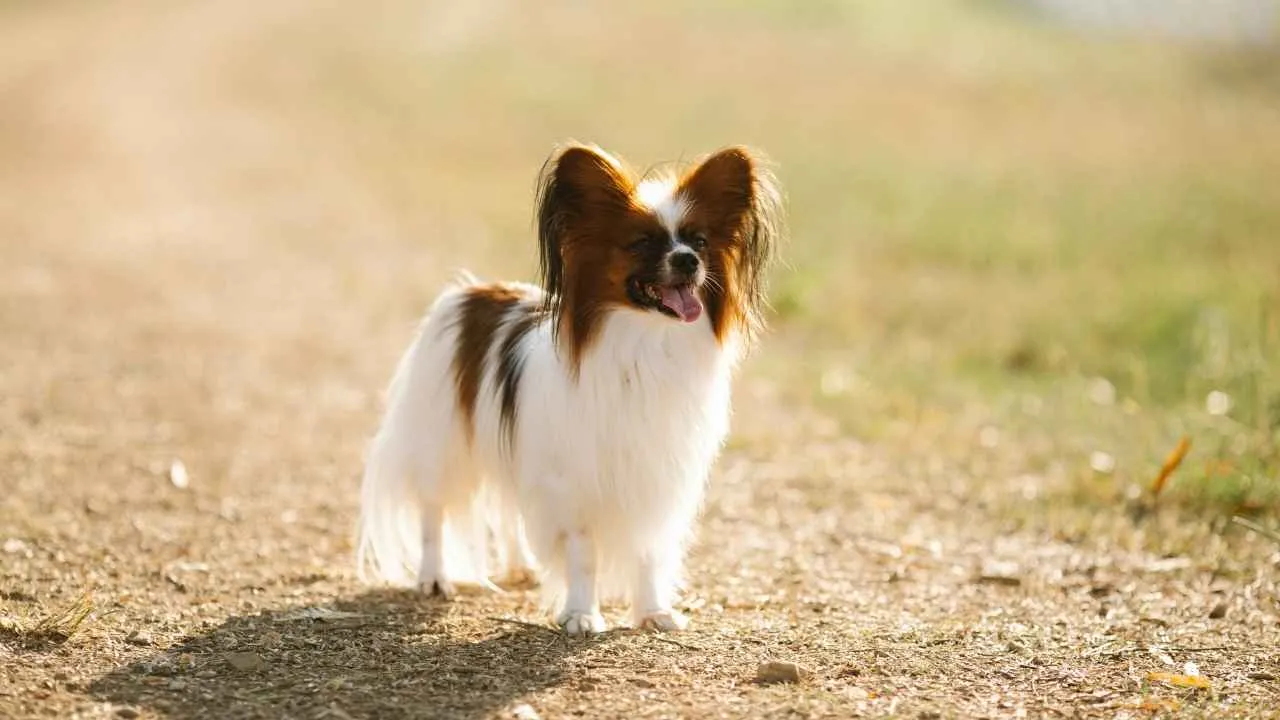
Best for: Families, multi-pet households, and anyone who wants a small dog with big intelligence and even bigger confidence
With their signature butterfly-shaped ears and alert expression, the Papillon looks like they stepped straight out of a fashion magazine—but don’t be fooled by the dainty appearance.
This petite breed is one of the smartest dogs in the world, with a brain that’s always working and an attitude that says, “I know exactly what I’m doing.”
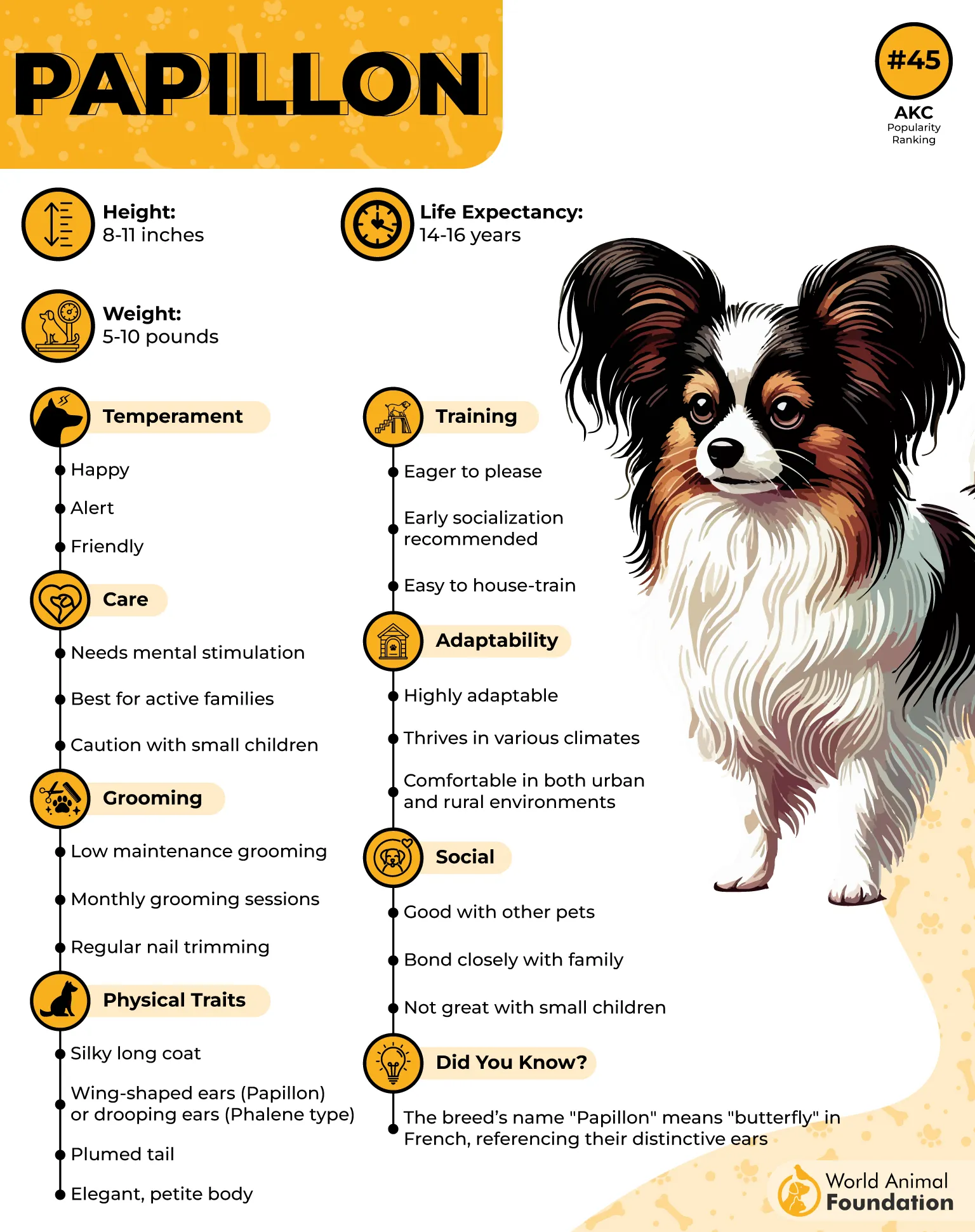
Papillons are wonderfully versatile. They’re active and playful when it’s time to move, yet perfectly content to curl up in your lap once the excitement winds down. This balance makes them excellent family dogs, especially for households that enjoy a mix of fun and relaxation.
They generally do well with other pets, including cats, as long as introductions are done properly and early socialization is part of the plan. Papillons are confident and social, but fair warning: they can also be stubborn, feisty, and very interested in being the pack leader. Yes, even when the “pack” includes dogs five times their size.
Training should be consistent and positive, because while Papillons are quick learners, they’re also independent thinkers. In other words, they’ll listen—after they decide it’s worth their time.
8. Pug
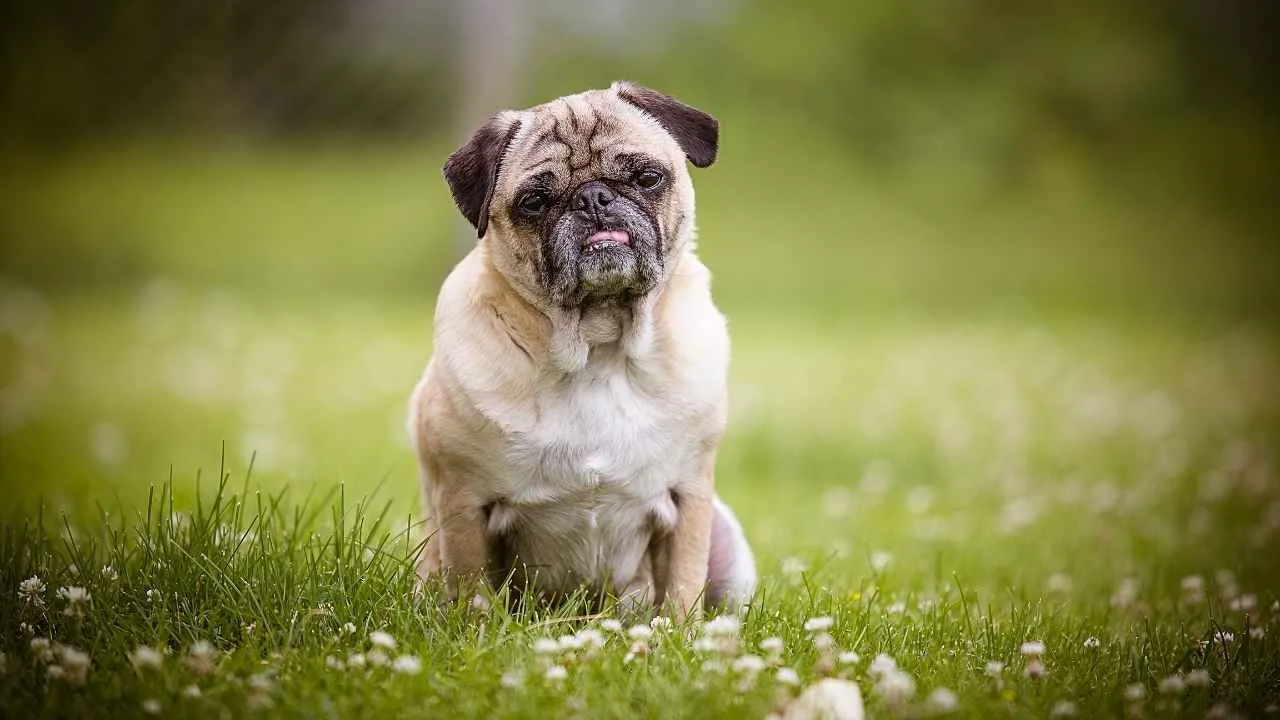
Best for: Apartment dwellers, laid-back owners, and anyone who wants a dog that doubles as a full-time comedian with a very expressive face
The Pug is proof that some dogs are born entertainers. This ancient breed originated in China over 2,000 years ago and quickly worked its way into the hearts (and palaces) of royals across the globe. Fast-forward to today, and pugs remain wildly popular—mostly because they’re equal parts charming, goofy, and irresistibly lovable.
Teacup pugs make excellent apartment dogs. Weighing around 3 to 7 pounds, they’re small, relaxed, and not overly demanding when it comes to exercise. A short walk, a little playtime, and a long nap? That’s a perfect pug day. Their laid-back personality makes them ideal for smaller living spaces and quieter households.
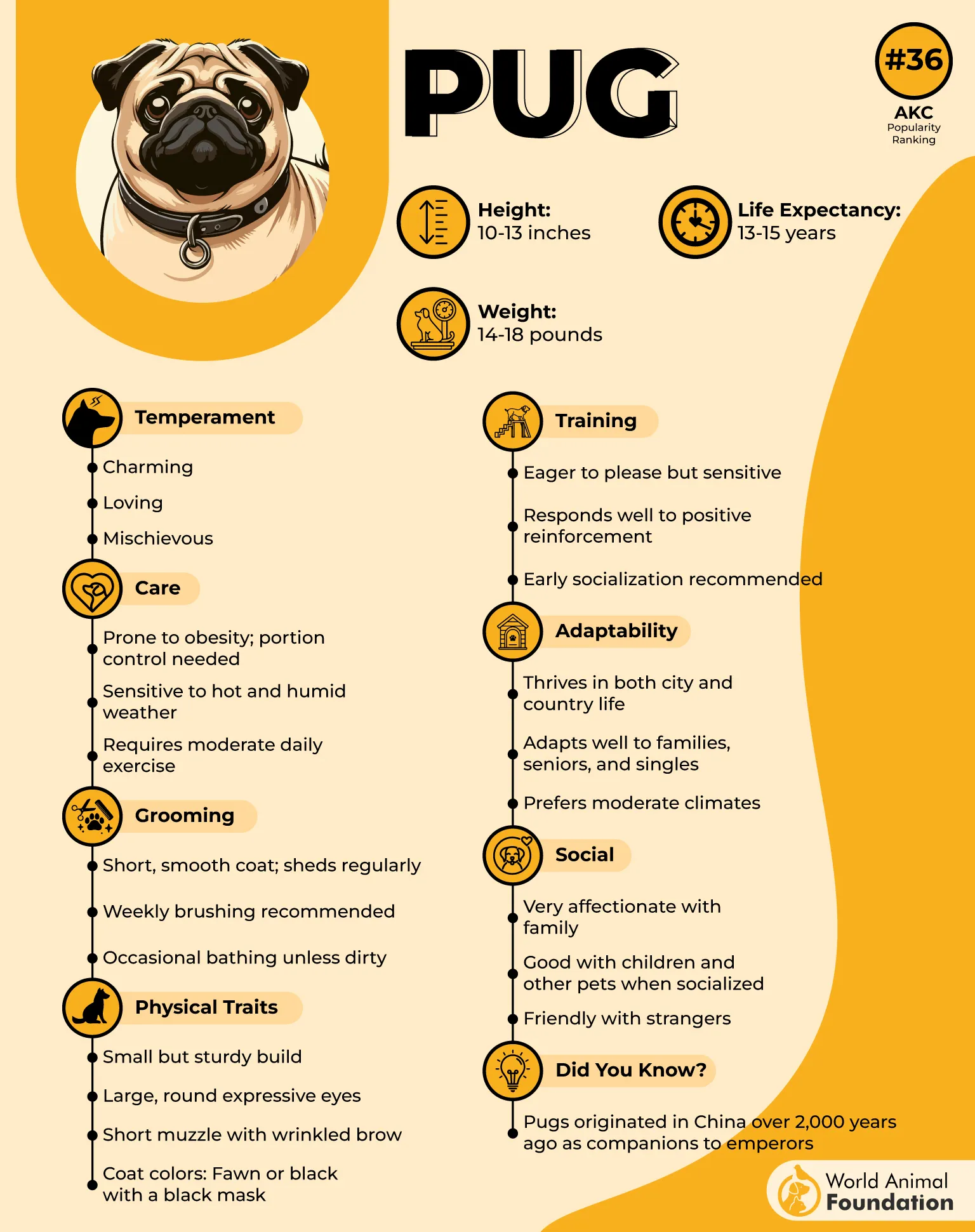
Training a pug can be… entertaining. They can be a bit stubborn, but luckily, they’re also highly food-motivated. If treats are involved, suddenly they’re very interested in following directions. Coincidence? Probably not.
It’s important to know that pugs are a brachycephalic breed, meaning they have flat faces, short muzzles, and narrower airways. Because of this, they don’t tolerate heat or intense exercise very well. PetMD notes that pugs do best as primarily indoor dogs, with carefully controlled outdoor time.
As for grooming needs, pugs may have short fur, but they do shed moderately year-round, with heavier shedding in spring and fall. Regular brushing a few times a week (and possibly daily during peak shedding seasons) will help keep loose hair under control—and off your furniture.
9. Mini Dachshund
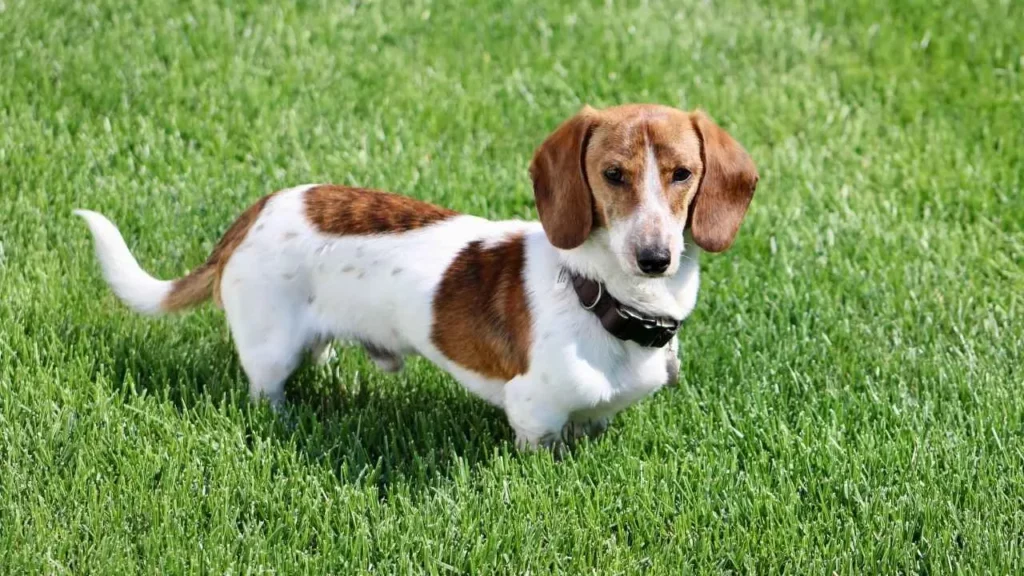
Best for: Owners who enjoy spirited personalities, daily walks, and a dog that looks like a cartoon but takes itself very seriously
The Mini Dachshund is proof that shrinking a dog doesn’t shrink its personality. A smaller version of the standard dachshund, this playful pup is friendly, curious, and endlessly entertaining. They’re fun-loving companions—but don’t be surprised if a stubborn, independent streak pops up from time to time.
Training them can feel less like obedience school and more like negotiation. With their long bodies, short legs, and floppy ears, mini dachshunds are instantly recognizable. Their low-to-the-ground build may look comical, but they’re surprisingly alert and make excellent little watchdogs.
Despite their small size, dachshunds need regular exercise to stay fit and, more importantly, to build strong muscles that support their long backs, which are prone to injury. Daily walks and gentle play are ideal.
While they aren’t built for intense running, jumping, or swimming, that won’t stop them from trying. These determined pups fully believe they can do anything a bigger dog can… and sometimes physics has to step in.
Careful handling, avoiding stairs when possible, and keeping them at a healthy weight are key to a long, happy life with a mini dachshund.
Conclusion
Pocket-sized dog breeds for personality and care are ideal for small apartments, city life, or small spaces, offering wonderful companions with manageable personality traits and behavioral traits. Breeds such as Cavalier King Charles Spaniels, Boston Terriers, Bichon Frise, Cairn Terrier, Italian Greyhounds, and mixed breeds combine calm small dog temperaments, minimal grooming for short coat dogs, or grooming commitment for those with a long coat or thick double coat.
With tiny mouths, small bodies, and manageable size, these dogs suit first-time owners, senior dogs, and families seeking less exercise while still providing mental stimulation, moderate exercise, and opportunities for physical activity at the dog park or during daily walks. Start socialization early, and use easy-to-train methods, reducing separation anxiety. Attention to health considerations, common health concerns, regular cleaning, and occasional professional grooming ensures these breeds remain well behaved, happy, and compatible even with larger dogs or active owners.
