





Some dogs are so petite that their tiny frames can make them seem almost palm-sized. These miniature companions can bring plenty of personality into a surprisingly small package, combining alert expressions, lively attitudes, and affectionate behavior with bodies that are easy to carry.
A small dog is not necessarily a low-maintenance dog, however. Toy breeds still need appropriate activity, mental stimulation, boundaries, grooming, veterinary attention, and opportunities to experience the world safely. Their diminutive size can also make them more vulnerable to accidental injuries.
The seven breeds below are among the smallest companion dogs, although individual size varies. Rather than treating the idea of a “pocket dog” literally, the descriptions focus on breeds whose exceptionally compact builds make them especially suited to owners looking for a tiny canine companion.
Top Pocket Dog Breeds That Fit Perfectly in Your Palm
1. Chihuahua
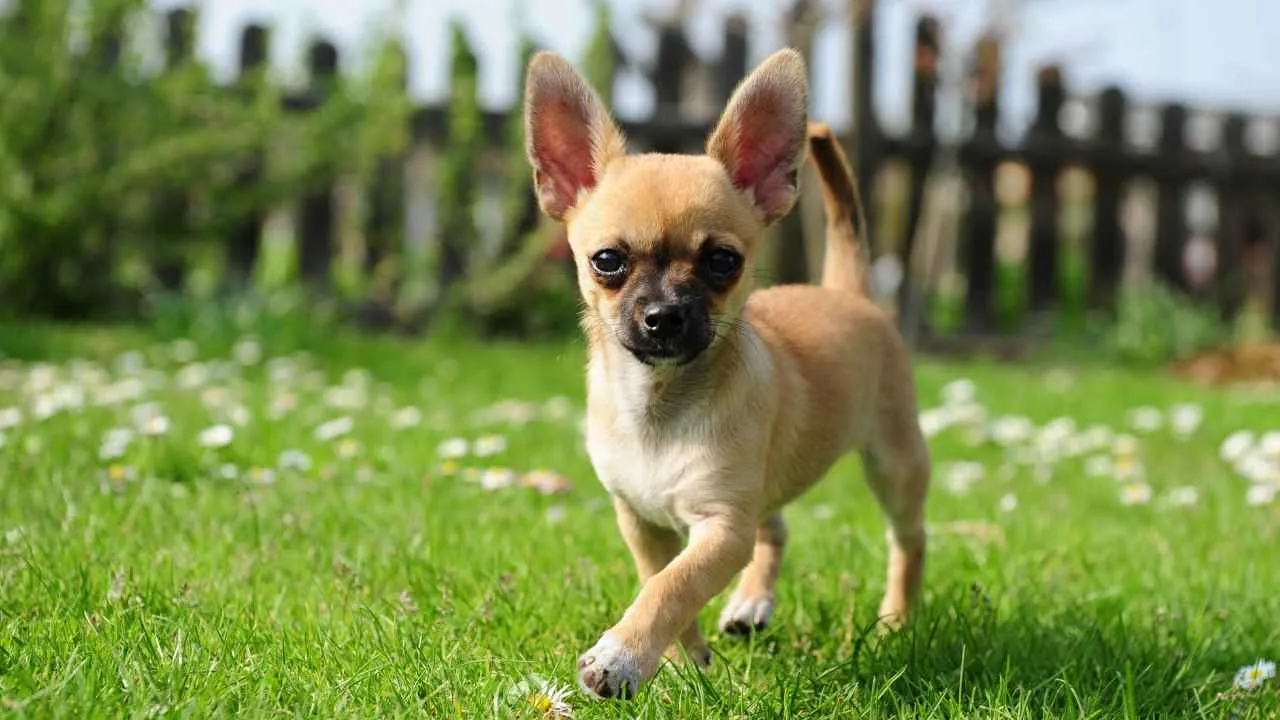
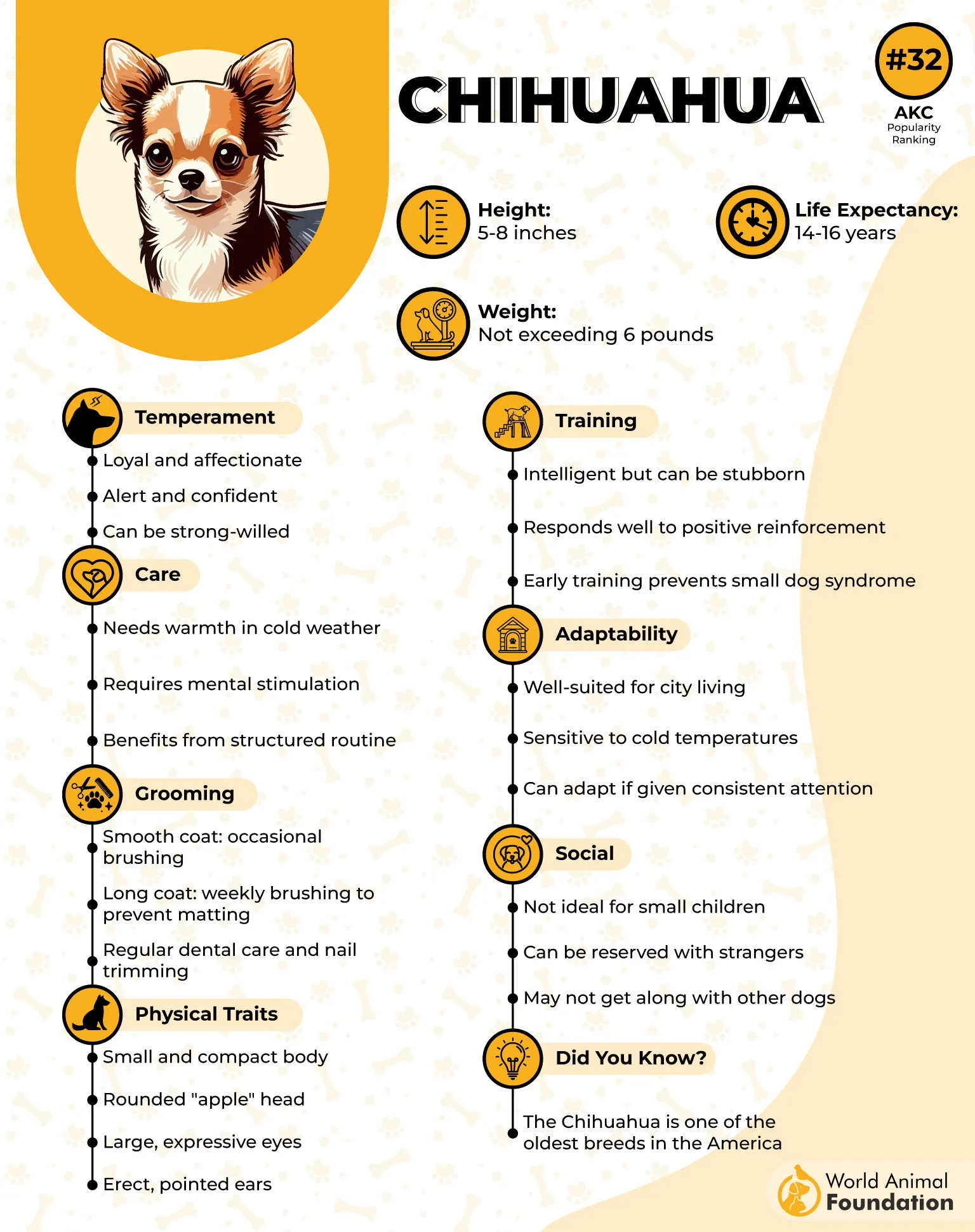
Chihuahuas may be tiny, but their personalities rarely follow their physical proportions. They are often alert, confident, curious, and strongly attached to their chosen people. Some are openly affectionate, while others prefer to observe unfamiliar situations before becoming comfortable. Their expressive faces and spirited behavior can make them surprisingly entertaining household companions.
Training a Tiny Dog With a Big Personality
Chihuahuas benefit from early manners training rather than being excused from rules because of their size. Short lessons using rewards can keep their attention while teaching basics such as coming when called, walking politely, and settling indoors. Daily movement can include walks, indoor games, and age-appropriate play, with care taken around larger dogs and rough surfaces.
Small Enough to Feel Pocket-Sized
The Chihuahua is one of the smallest recognized dog breeds, which gives it the compact appearance associated with the idea of a dog fitting into a palm. Its lightweight body can make carrying it convenient, although owners should support the dog securely rather than treating it like an accessory. That extraordinary smallness is one of the breed’s most recognizable characteristics.
2. Pomeranian
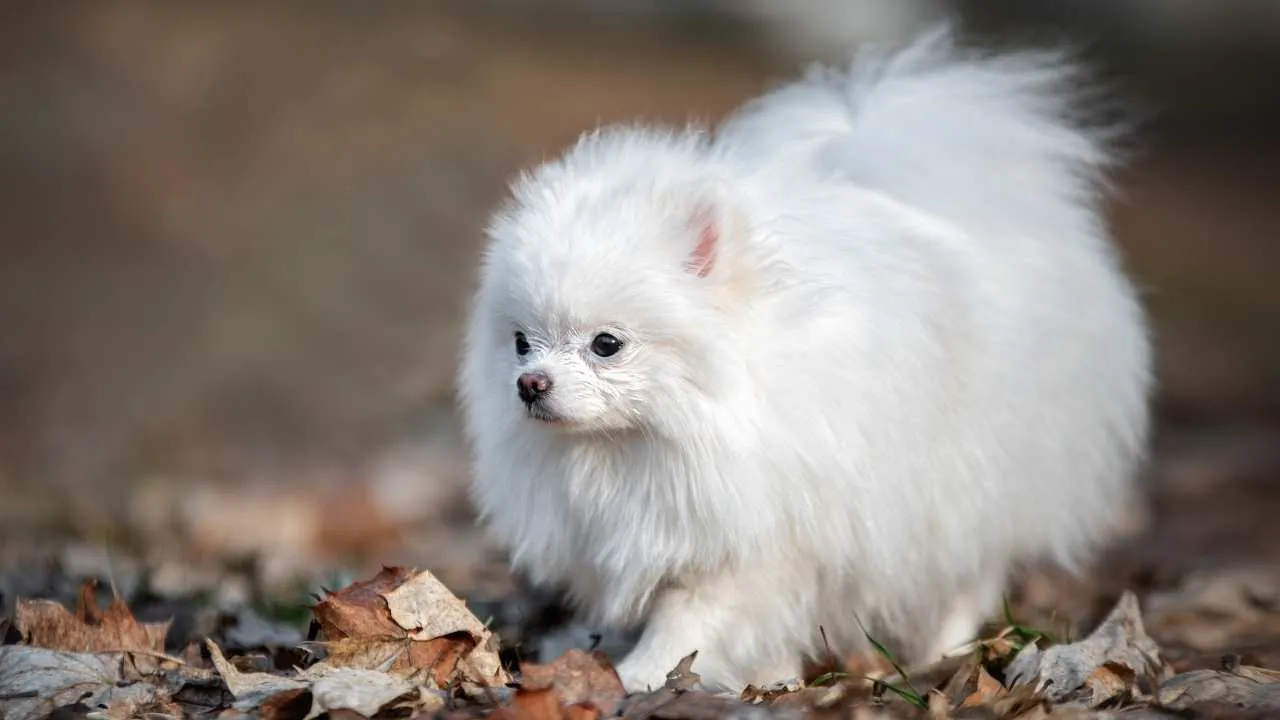
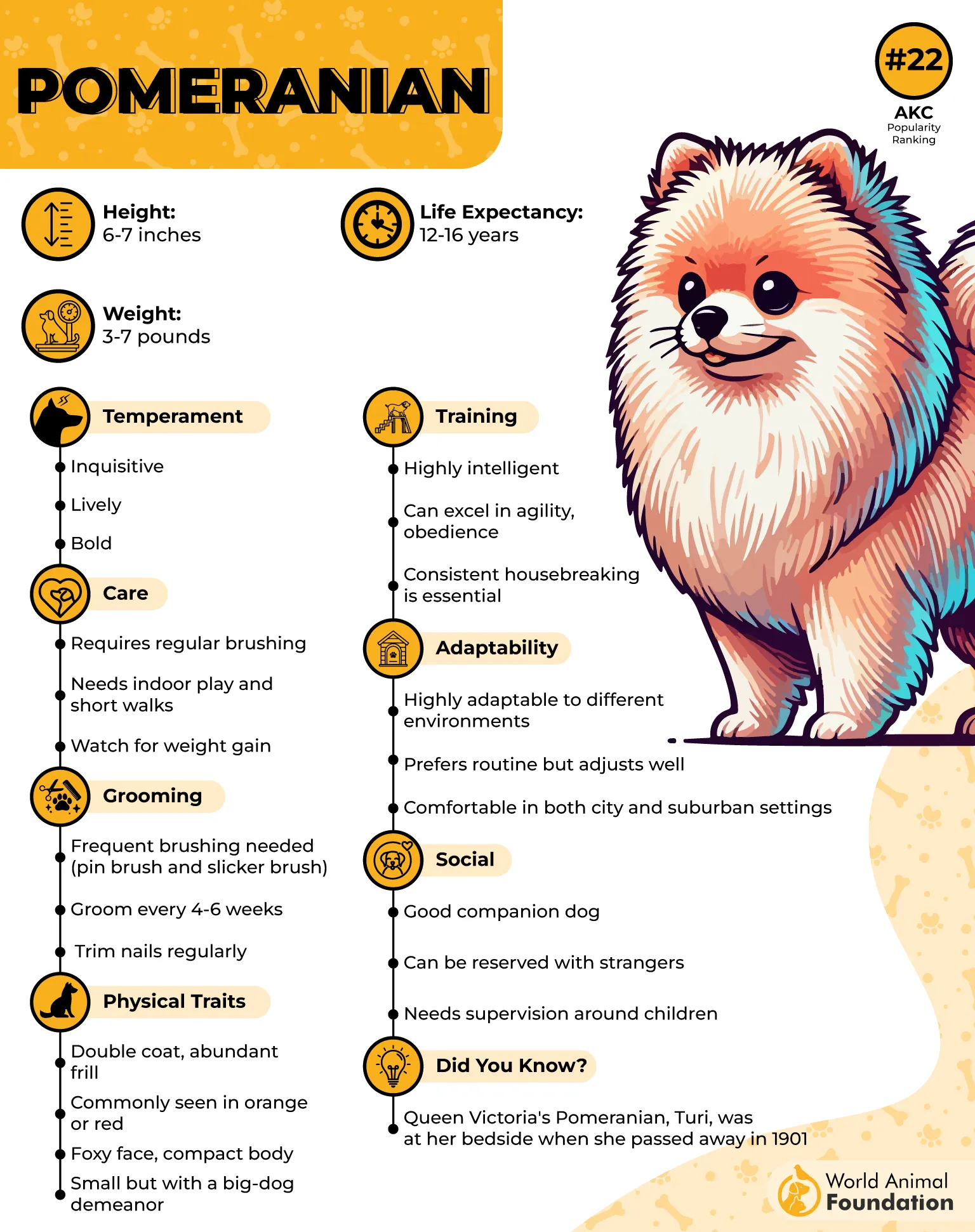
Pomeranians combine a diminutive body with a lively and often self-assured temperament. They can be bright, energetic, playful, and attentive to everything happening around them. Many enjoy being involved with their families and may readily announce unfamiliar sounds or visitors. Beneath their fluffy coats is a spirited little dog that often behaves with considerable confidence.
Brain Games and Controlled Activity
Their intelligence makes variety useful during training. Pomeranians can learn tricks, household rules, leash skills, and basic commands when lessons remain engaging and consistent, as per Britannica. Their exercise needs can often be met with walks, interactive games, and play sessions, although activities should account for their delicate build and avoid unnecessarily strenuous jumping.
A Fluffy Frame in Miniature
The Pomeranian’s compact body can look even smaller beneath its abundant double coat. Although the coat creates a larger visual outline, the dog underneath remains remarkably petite. This contrast between its cloudlike appearance and its tiny physical frame gives the breed much of its unmistakable toy-dog charm.
3. Yorkshire Terrier
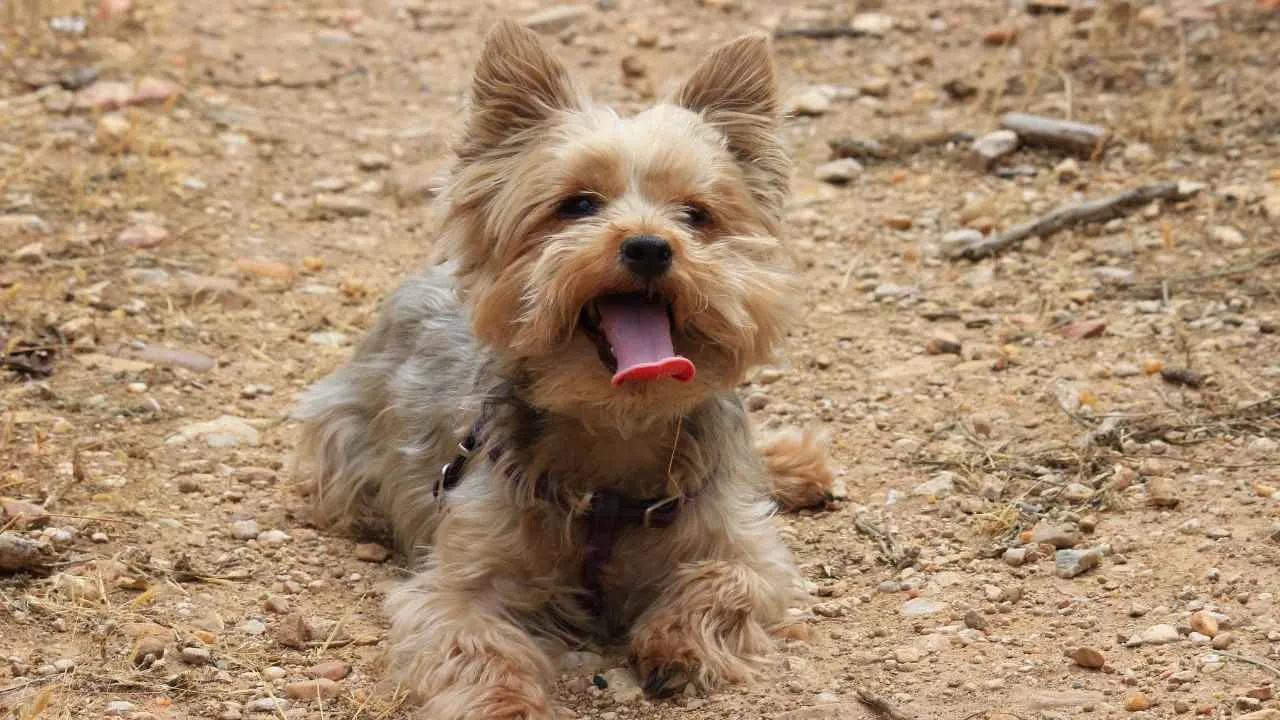
Yorkshire Terriers are known for being spirited, curious, and remarkably confident for such small dogs. They can develop close relationships with their families and often enjoy participating in whatever is happening around the home. Their alert nature can make them attentive watchdogs, while their playful side keeps them engaged with toys, games, and familiar people.

Keeping Their Minds and Feet Busy
Yorkshire Terriers generally respond well to reward-based instruction, particularly when exercises are varied rather than repetitive. Basic obedience, leash practice, recall work, and household boundaries are useful from an early age. They may be small enough for indoor play to contribute meaningfully to their activity routine, but regular walks and exploration still provide valuable physical and mental stimulation.
A Petite Terrier With a Delicate Build
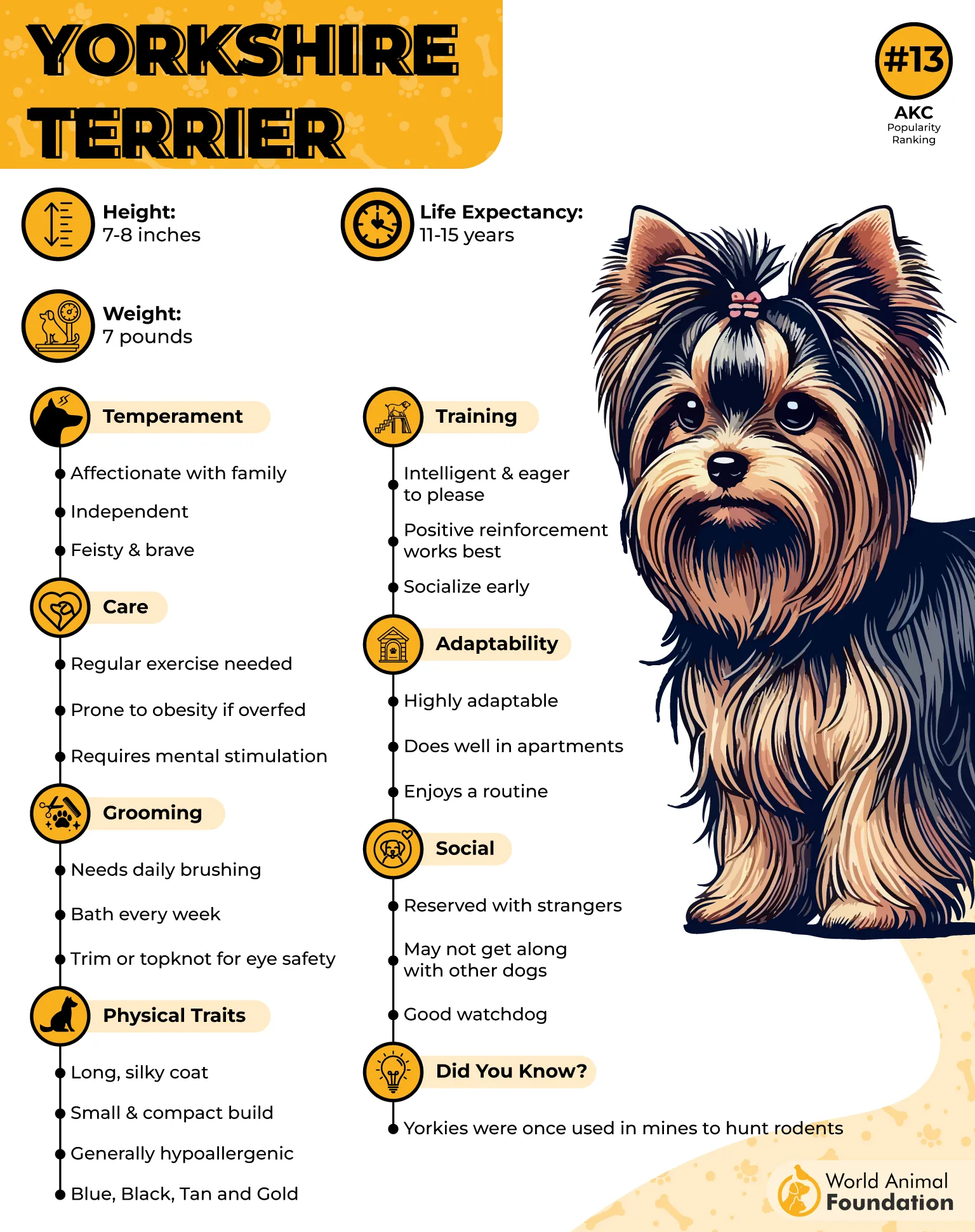
The Yorkshire Terrier’s small frame gives it an especially compact appearance. Its fine-boned structure and lightweight body can make it seem almost doll-like, particularly when its long coat is carefully groomed. Despite that delicate appearance, it remains a true terrier with an active mind and a surprisingly bold character.
4. Papillon
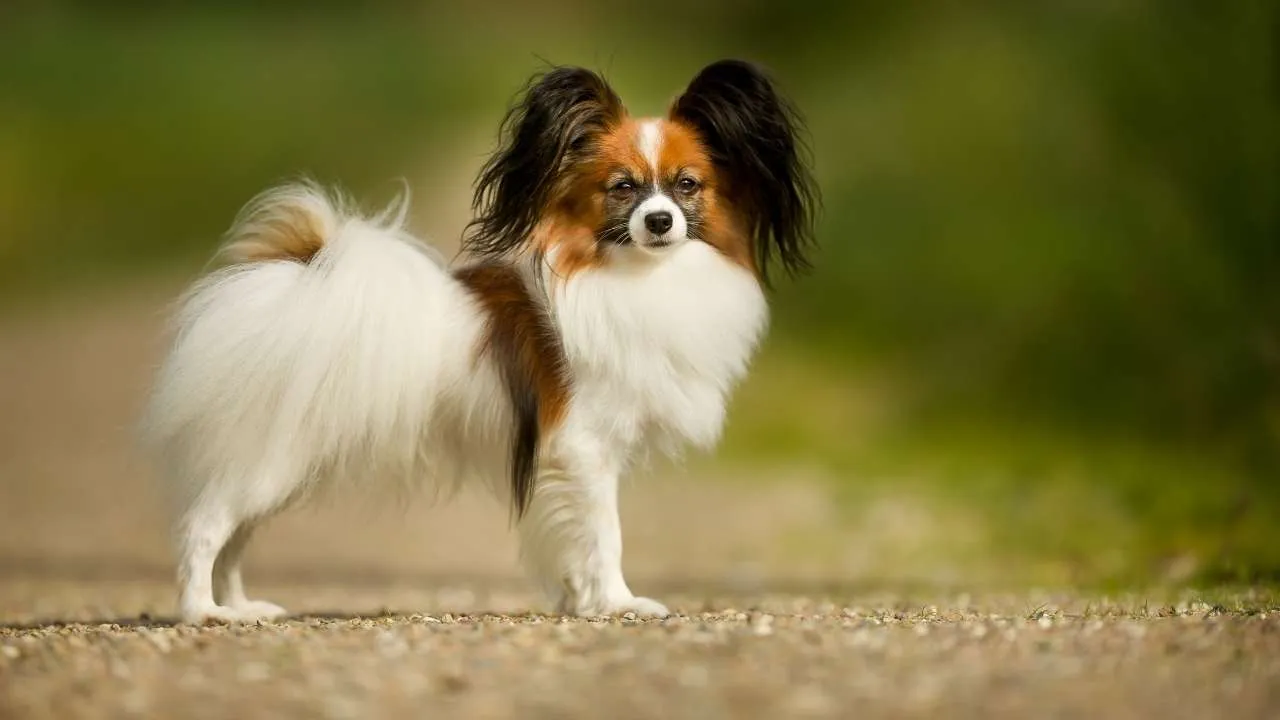
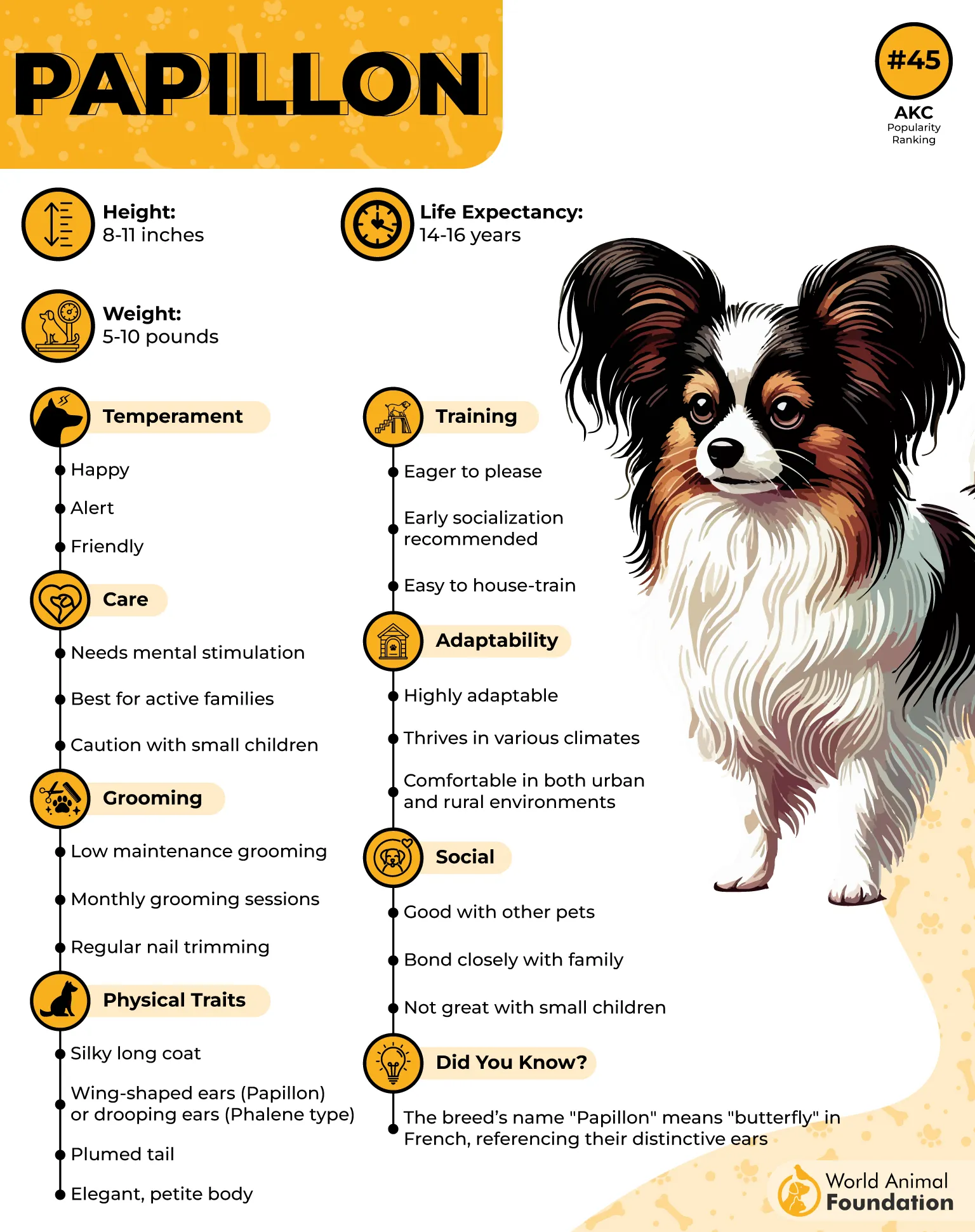
The Papillon is an animated little companion recognized for its distinctive butterfly-shaped ears. These dogs can be bright, outgoing, attentive, and eager to interact with their surroundings. Their expressions often reflect an energetic curiosity, and many enjoy learning new behaviors rather than simply spending the day resting.
Make Training Part of the Daily Routine
Papillons are often enthusiastic learners, making trick training, obedience exercises, puzzle toys, and interactive games useful additions to their day. Their exercise requirements can usually be addressed through walks, play, and mentally demanding activities, but their enthusiasm should not be mistaken for a need for exhausting workouts.
A Tiny Body Beneath Those Famous Ears
The Papillon’s feathered ears can make the dog appear larger than it really is. Beneath that distinctive silhouette is a small, fine-boned companion that can occupy surprisingly little physical space. Its combination of elegant features and compact proportions gives it an almost miniature appearance when standing beside larger breeds.
5. Toy Poodle
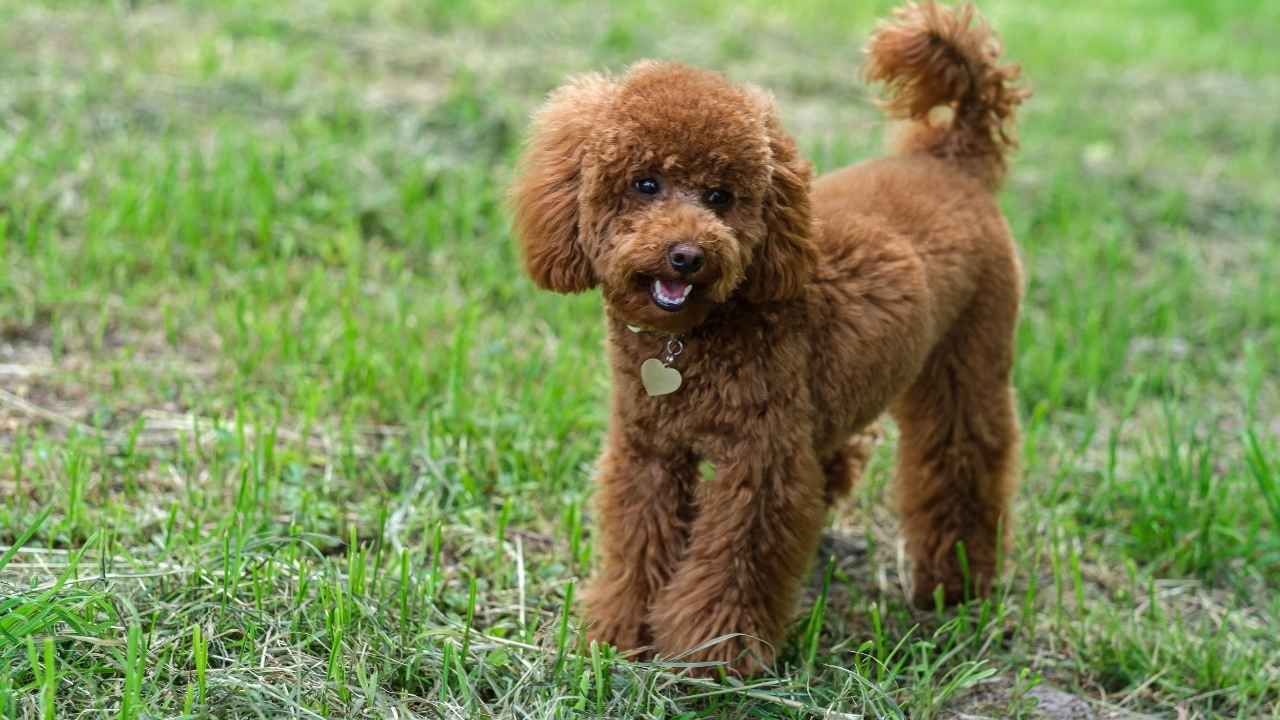
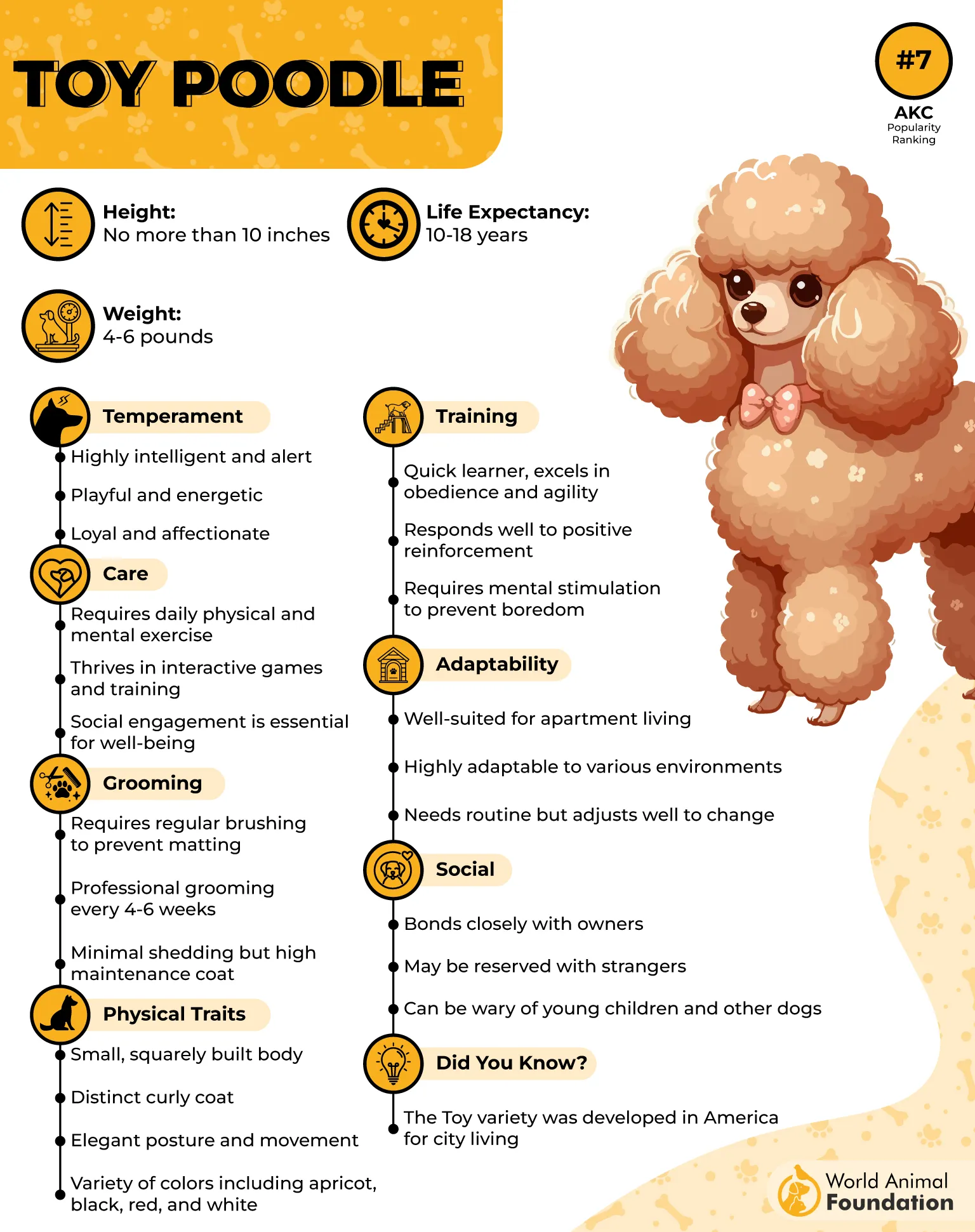
Toy Poodles are generally lively, perceptive, and highly responsive to their surroundings, as per PDSA. They often form strong connections with their families and can be playful well into adulthood. Their intelligence is one of their defining characteristics, and many enjoy figuring out how things work, learning patterns, and discovering what earns a reward.
Mental Work Matters as Much as Movement
A Toy Poodle’s exercise routine can benefit from a mixture of physical activity and problem-solving. Short walks, retrieving games, trick sessions, scent activities, and food puzzles can all provide useful outlets. Training should be structured but enjoyable, with clear expectations established early so that their intelligence develops into useful household behavior rather than boredom-driven mischief.
Miniature Proportions With an Elegant Silhouette
Among the smallest Poodle varieties, the Toy Poodle has a particularly compact build. Its carefully groomed coat can create an elegant outline while its actual body remains quite small. That combination of sophistication and miniature proportions makes it an appealing choice for people fascinated by exceptionally petite dogs.
6. Maltese
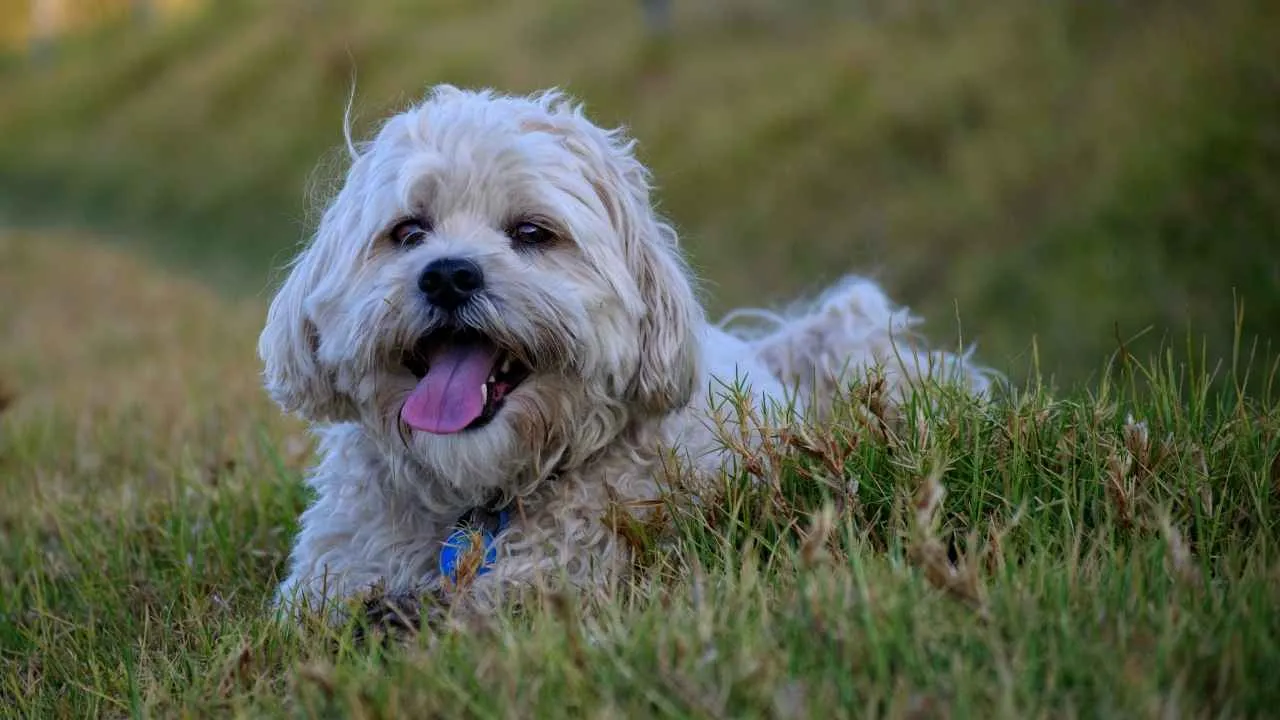
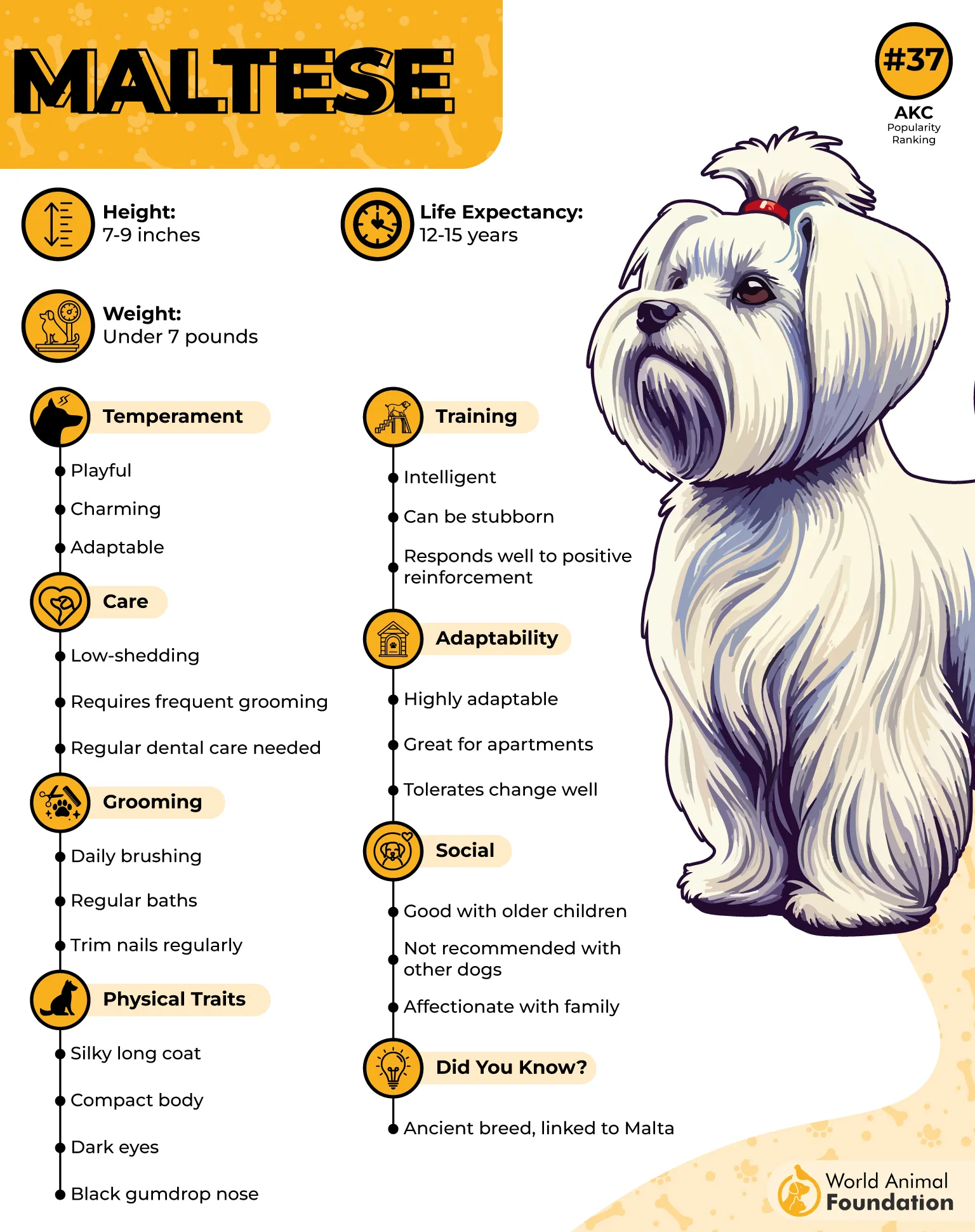
Maltese are often affectionate dogs, lively, and people-oriented despite their delicate appearance. They can enjoy close contact with their families and frequently show a playful side that contrasts with their graceful appearance. Many are attentive to household activity and prefer being near their familiar people rather than spending long periods completely isolated.
Gentle Lessons and Regular Little Adventures
Maltese dogs can learn household manners through patient, reward-based training. House training, leash skills, recall, and calm behavior around visitors are useful priorities. Their physical exercise can come from short walks, supervised play, and interactive activities, while mental stimulation helps prevent a tiny body from becoming bored.
A Compact Companion Wrapped in Silky Hair
The Maltese has a notably small frame beneath its long, flowing coat. Its fine structure and lightweight proportions contribute to the impression of an almost miniature companion. The contrast between its substantial-looking hair and its very small body is particularly striking when the coat is allowed to grow long.
7. Russian Toy
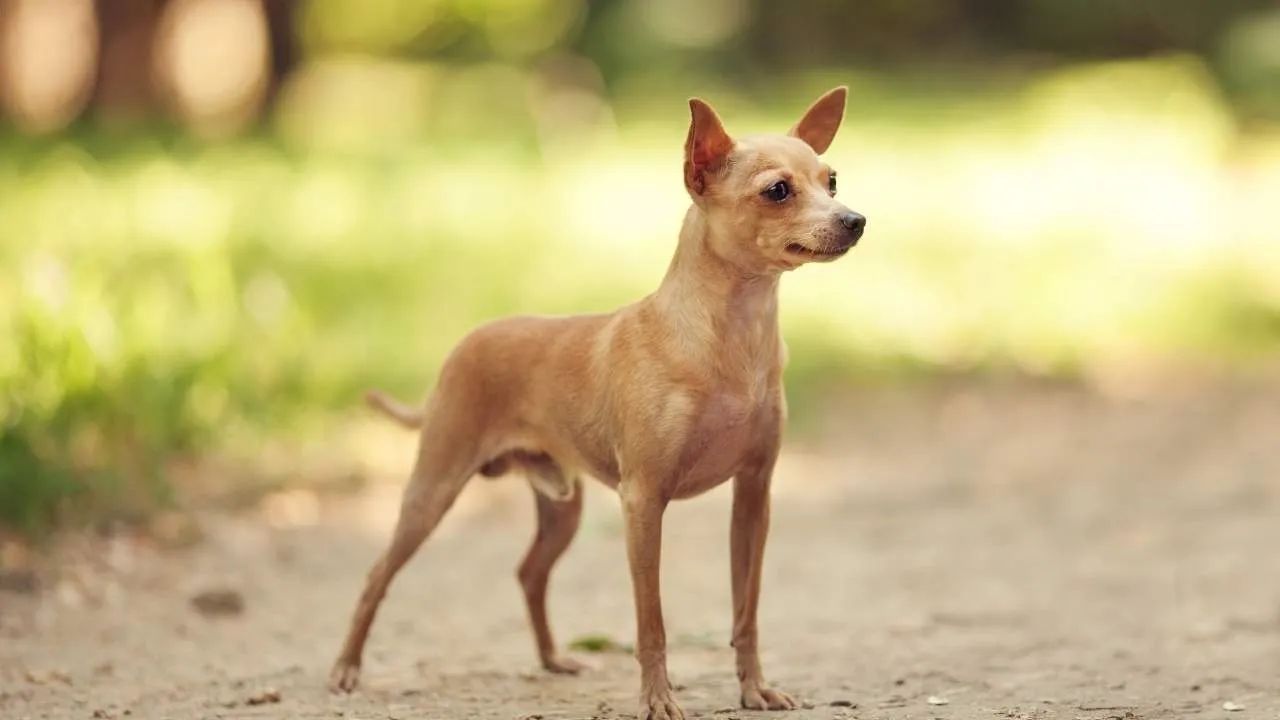
The Russian Toy is an exceptionally small breed with a lively, attentive, and affectionate character. These dogs can be energetic without being physically imposing, and many enjoy staying involved with their owners. They may appear fragile because of their size, but they can have an animated and confident temperament that makes them more than decorative lap companions.
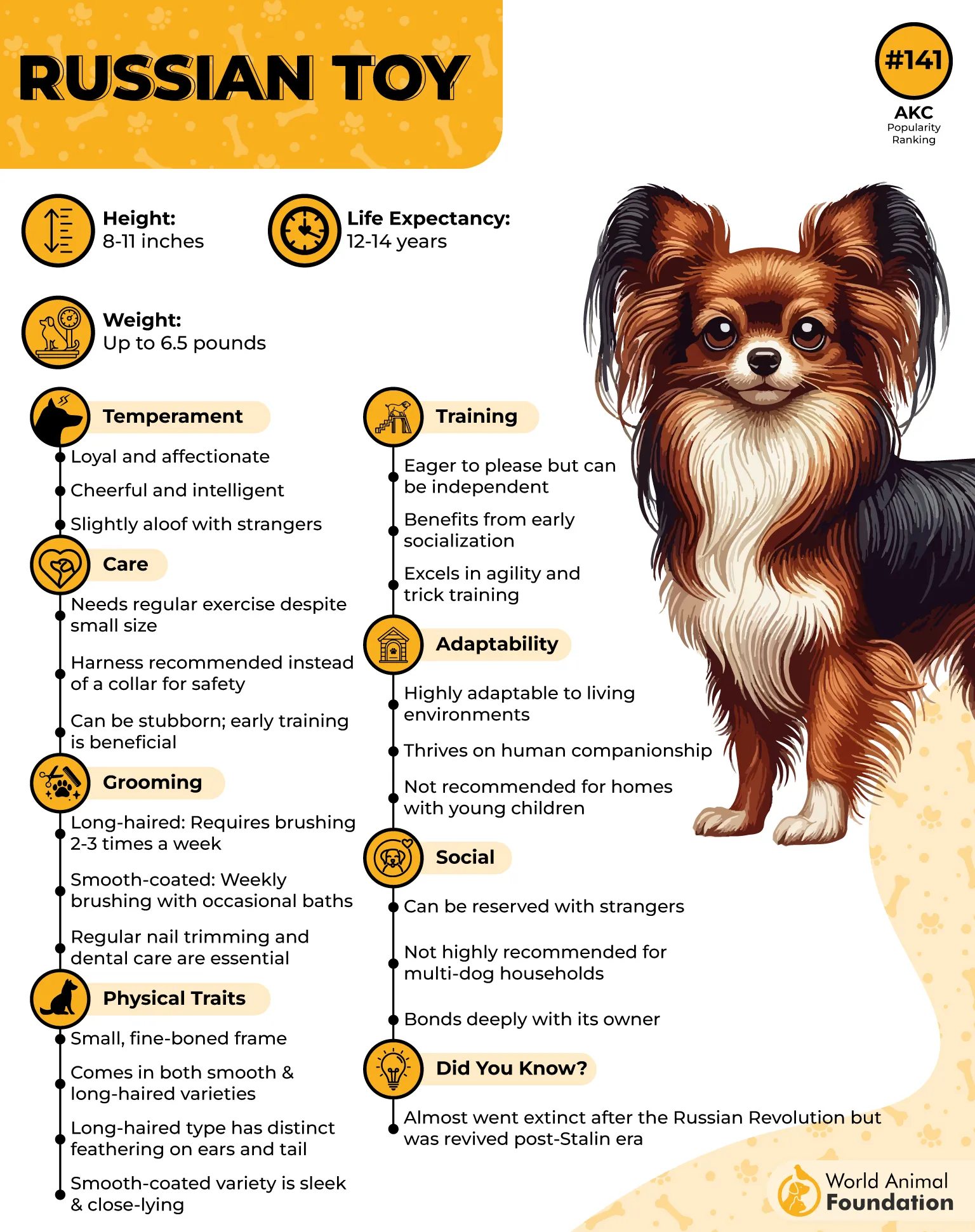
Small-Dog Training With Careful Exercise
Russian Toys benefit from gentle handling, early social experiences, and reward-based instruction. Because their bodies are so small, owners should avoid overly rough play and situations where a larger dog could accidentally injure them. Short walks, supervised games, and simple training exercises can provide useful activity without placing unnecessary strain on their small frames, as per Purina.
One of the Ultimate Tiny-Dog Packages
The Russian Toy stands out for its remarkably compact proportions. Its small stature can make it look almost miniature even among other toy breeds. That physical scale is precisely what gives the breed its “pocket dog” appeal, although safe handling and proper support are essential whenever such a tiny dog is picked up.
Conclusion
The Chihuahua, Pomeranian, Yorkshire Terrier, Papillon, Toy Poodle, Maltese, and Russian Toy demonstrate just how much personality can exist inside a very small body. Each has its own combination of temperament, intelligence, energy, and companionship style.
Their tiny dimensions may make them seem suited to being carried everywhere, but their needs should never be overlooked. Small dogs still require training, movement, enrichment, social exposure, grooming where appropriate, and careful supervision around hazards that may be insignificant to a larger breed.
For anyone drawn to exceptionally petite dogs, size is only the starting point. The better choice comes from considering the individual dog’s personality, activity level, handling requirements, and ability to become a happy member of the household.
