





Not every dog needs a big body to have a big personality. Pocket dog breeds may be small enough to fit comfortably in your arms, but they bring plenty of affection, energy, and character into a home.
Their small size makes them appealing to people living in apartments or homes with limited space. Many enjoy cuddles, playtime, and staying close to their favorite people.
However, each breed has its own personality, activity needs, and care requirements, so choosing the right one involves more than simply looking at size.
Whether you want a cheerful companion, an affectionate lap dog, or a tiny friend with a surprisingly bold personality, there is plenty to discover among pocket dog breeds.
Let’s take a look at some small dog breeds that prove the biggest hearts can come in the smallest packages.
Pocket Dog Breeds: Little Dogs With Big Hearts
1. Pomeranian
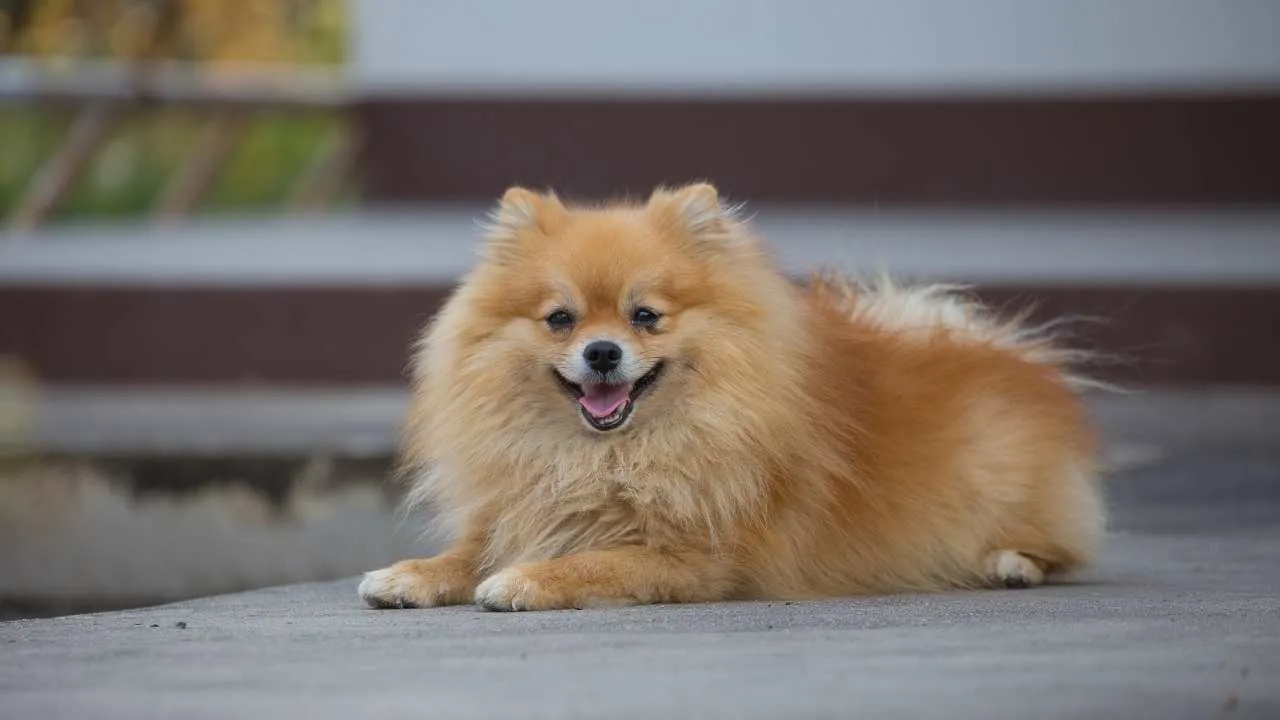
Originating from the Arctic Spitz-type dogs used for guarding and pulling sledges, Pomeranians were later bred to become smaller companion dogs. They gained popularity in the 18th century after attracting the attention of English royalty.
Today, they are among the most popular pocket dog breeds. Their fluffy double coats, fox-like faces, and cheerful personalities make them hard to resist.
Temperament and Training
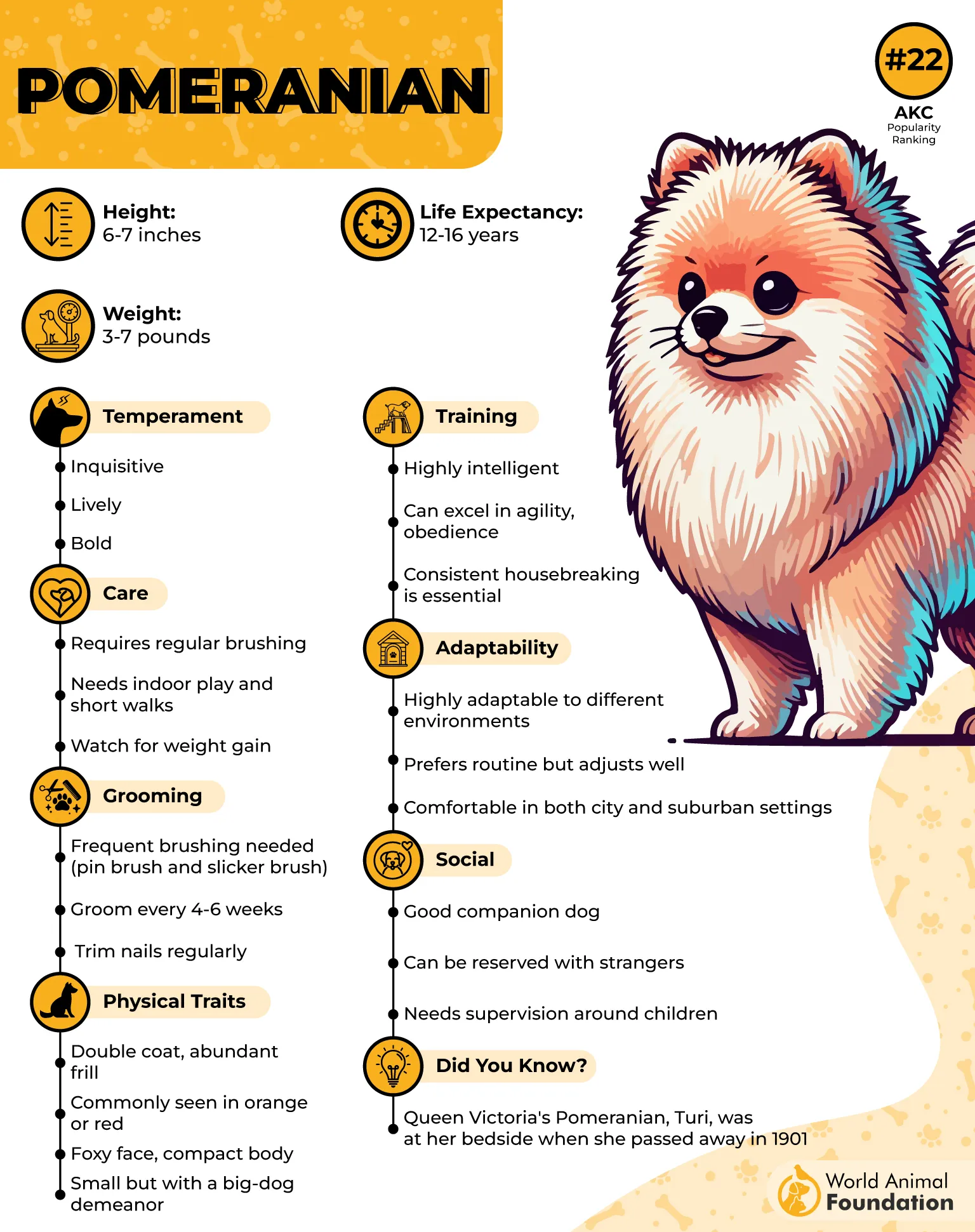
Pomeranians are bright, alert, and full of energy. They enjoy learning tricks, playing games, and spending time with their favorite people.
Despite their small size, they can be bold around larger dogs and may show a stubborn streak. They are very alert and make good alarm dogs, according to Greencross Vets. Early socialization and positive training help encourage good behavior.
Exercise and Family Life
These little dogs enjoy staying active but do not need extensive exercise. Indoor play and short walks help keep them happy, making them suitable for city and suburban homes.
Pomeranians form close bonds with their families and can get along well with children and other pets, including cats. However, they thrive on companionship and may develop separation anxiety when left alone for long periods.
2. Maltese
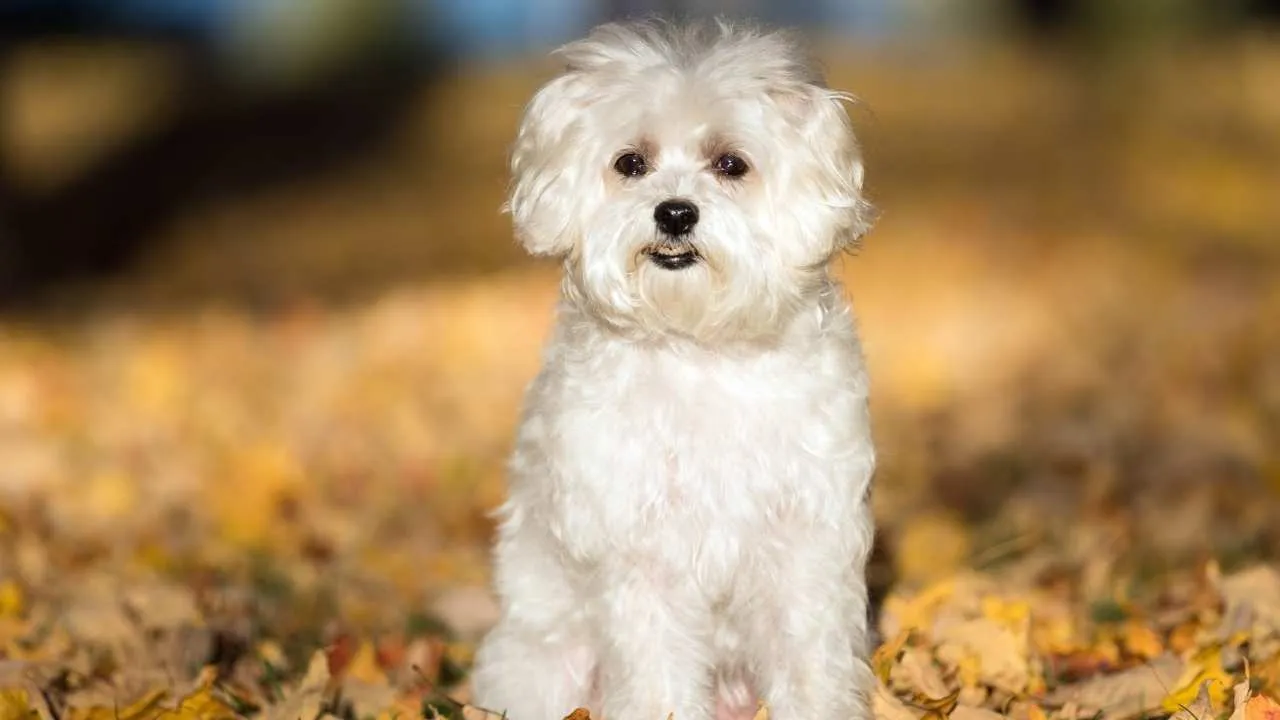
The Maltese is an ancient toy breed that originated on the Mediterranean island of Malta. With a history spanning more than 2,000 years, these little dogs were favored by Greek and Roman royalty and aristocrats.
They are best known for their long, straight, silky white coats, dark expressive eyes, and black button noses. Their elegant appearance is matched by a playful and charming personality.
Temperament and Training
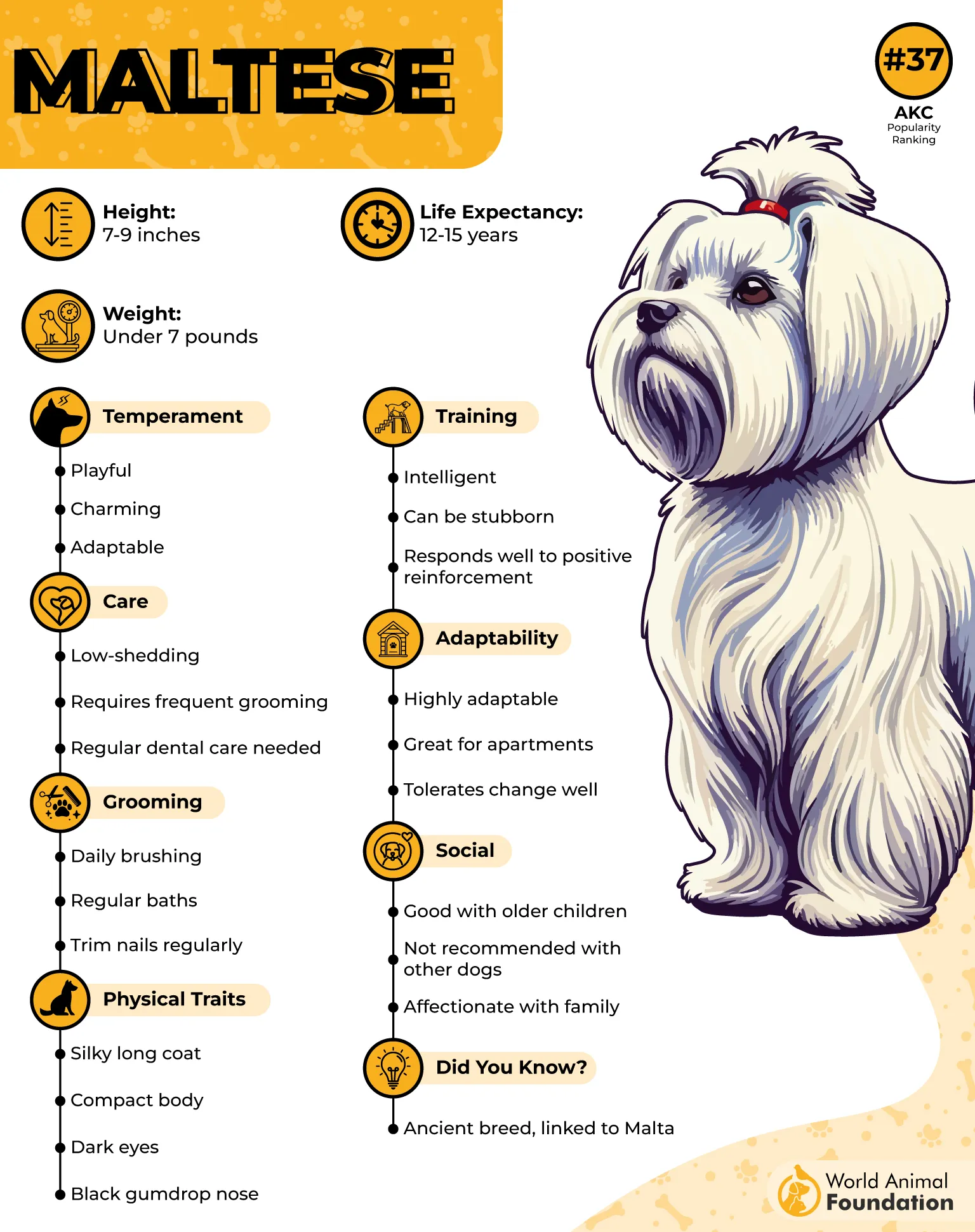
Maltese dogs form strong bonds with their families and love being around people. Their friendly nature also makes them wonderful companions for children and other pets when properly socialized.
They learn commands quickly and respond well to reward-based training, although they can sometimes be stubborn. Their alert nature makes them good watchdogs, and they are not afraid to make their voices heard.
Exercise and Family Life
Despite their delicate appearance, Maltese dogs are hardy and adaptable. Short walks, playtime, and mental stimulation are usually enough to keep them happy. They also enjoy learning tricks and taking part in agility activities.
Although they are low-shedding, they are not completely allergen-free. Maltese dogs thrive on human companionship and may develop separation anxiety if left alone for long periods.
3. Shih Tzu
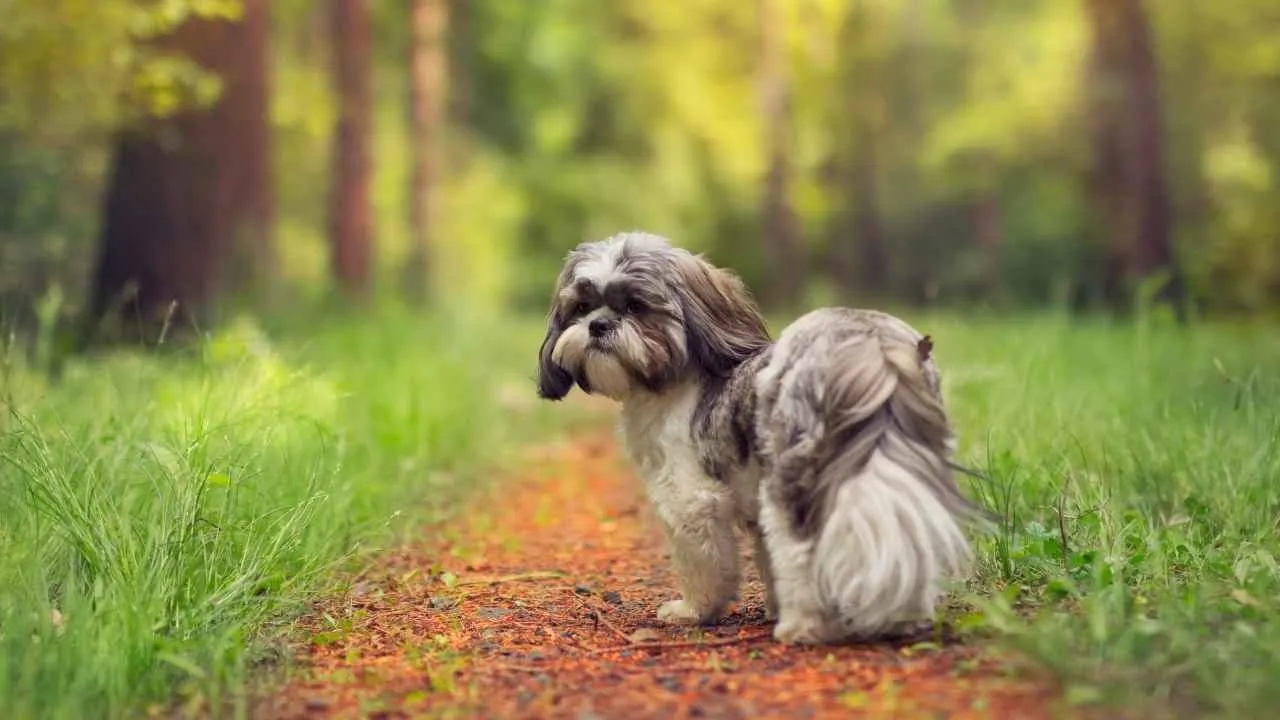
With their big, dark eyes and sweet expressions, Shih Tzus have been winning hearts for centuries. Also known as “Lion Dogs,” these little companions have roots in Tibet and were highly valued by Chinese emperors.
They were originally bred as royal lap dogs and later became popular family companions. Shih Tzus have long, flowing coats in many colors, round faces, and expressive eyes that give them a charming appearance.
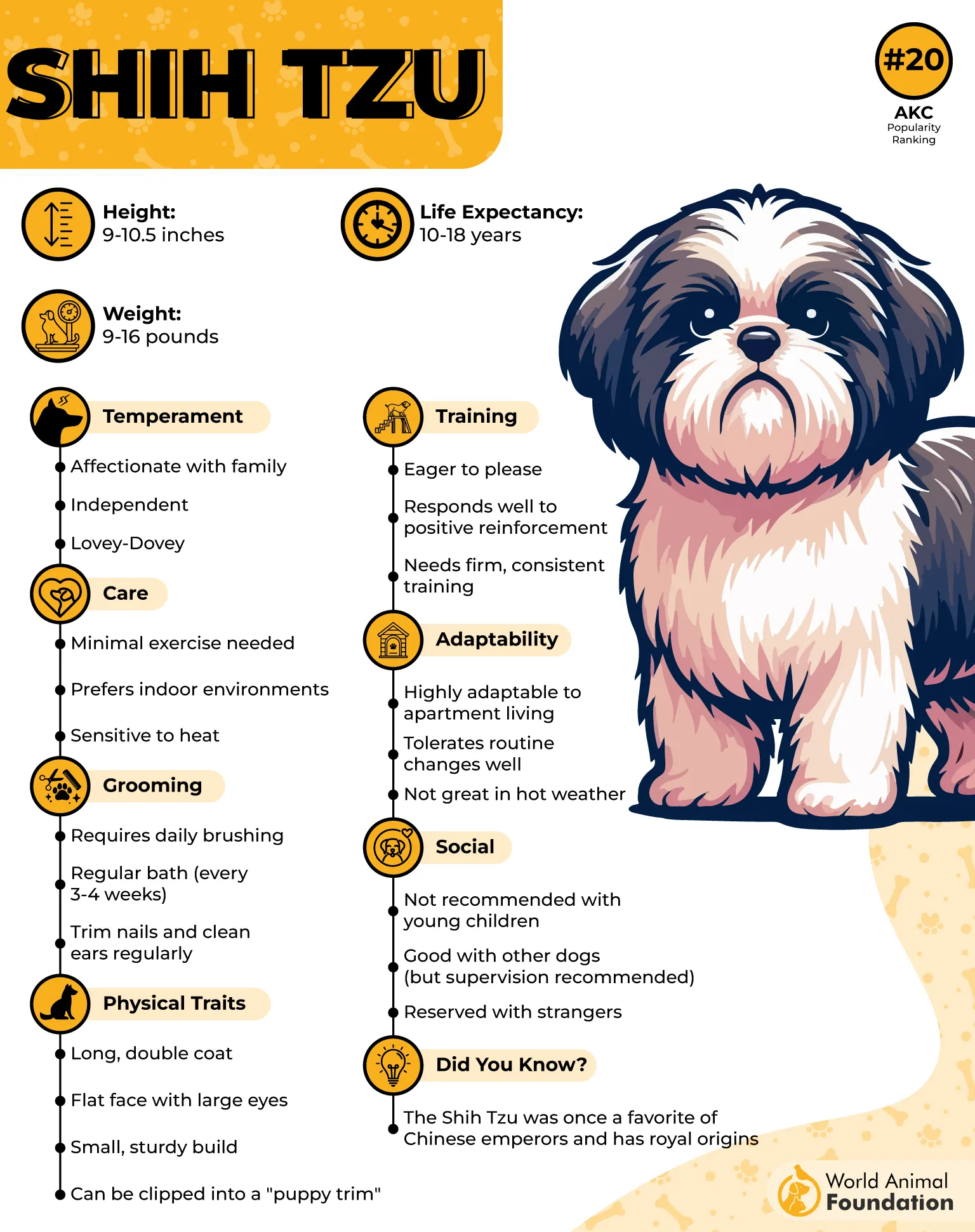
Temperament and Training
Shih Tzus are cheerful, affectionate, and friendly dogs with big personalities. They enjoy being around people and form close bonds with their families. Their gentle nature makes them especially good with children and other pets when properly socialized.
They are intelligent, playful, and eager to please, which makes training enjoyable. They also make alert little watchdogs and may bark to announce visitors.
Exercise and Family Life
Shih Tzus adapt well to different home environments, including apartments and smaller homes. They enjoy cuddling indoors but are also happy to explore during walks. PetMD says a 30-minute walk and some playtime at home are usually enough to keep them active.

Their long double coats need regular brushing and grooming to prevent tangles and mats. Most importantly, Shih Tzus love companionship and prefer staying close to their families rather than spending long periods alone.
4. Miniature Poodle
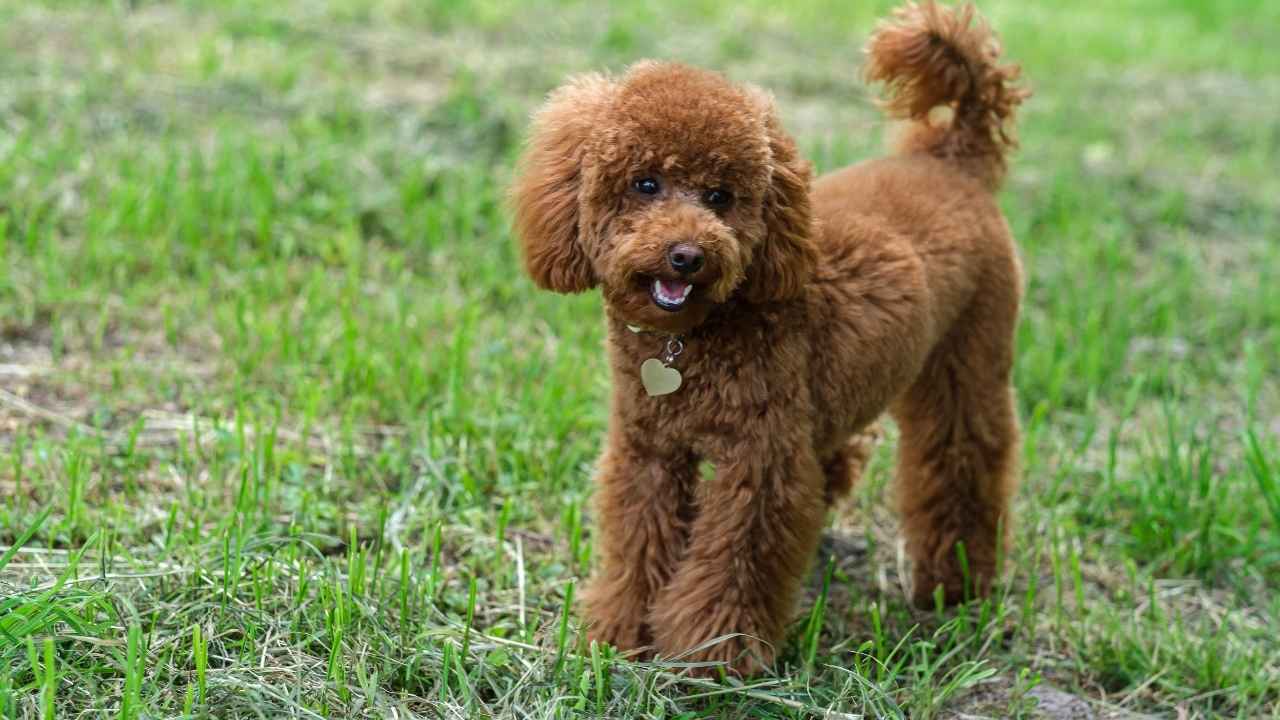
Miniature Poodles are smaller versions of the Standard Poodle, originally developed from dogs bred as water retrievers in Germany and France. They were later bred for companionship and show purposes.
Known for their curly coats, elegant appearance, and sharp minds, these little dogs have become popular family companions.
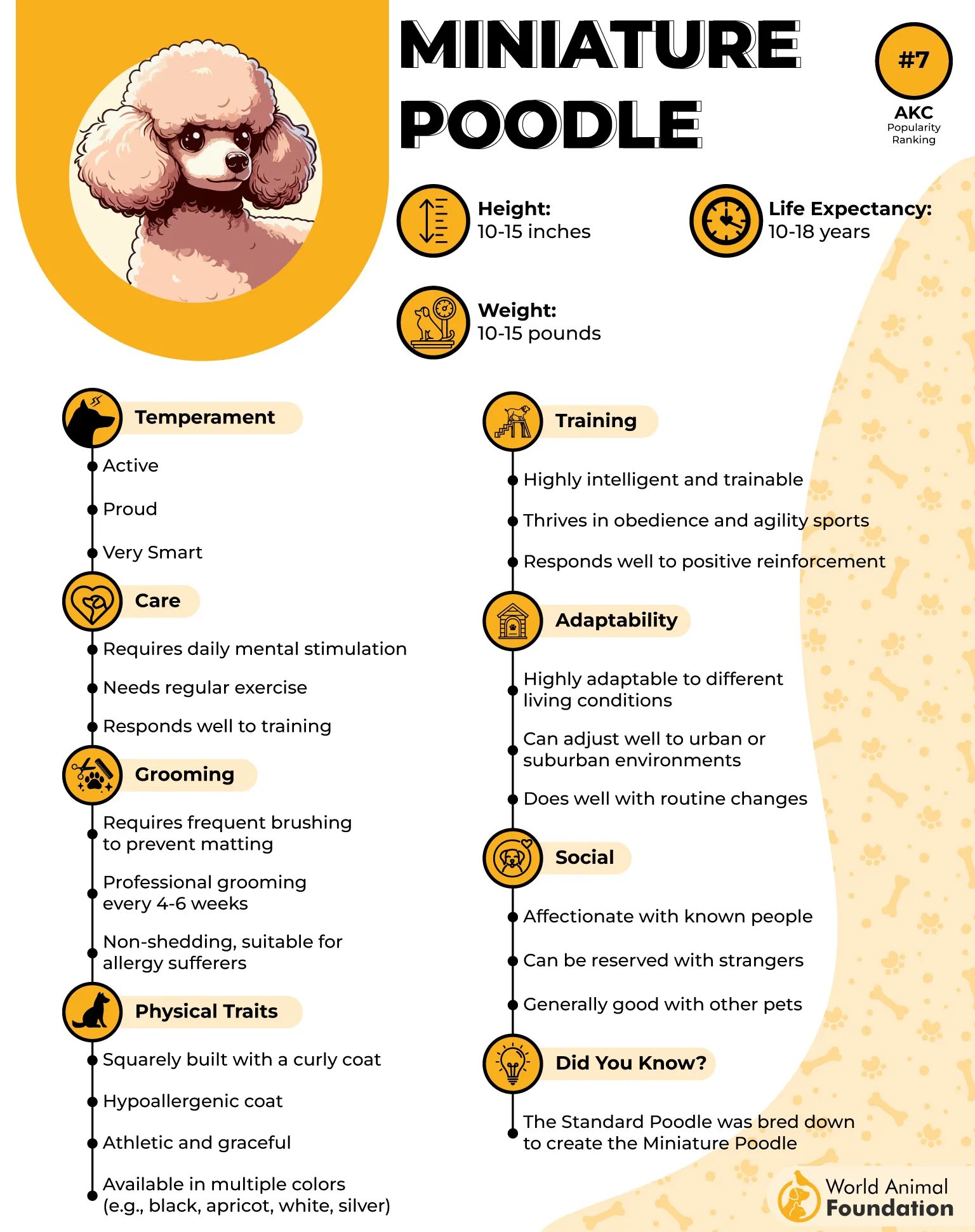
Temperament and Training
Miniature Poodles are affectionate, playful, and highly intelligent. They learn quickly, enjoy pleasing their owners, and respond well to reward-based training using treats and games. Their intelligence also makes them excellent at obedience and agility competitions.
They generally get along well with children, strangers, and other pets when properly socialized. However, they need consistent training and early guidance to prevent excessive barking and unwanted behavior.
Exercise and Family Life
Despite their small appearance, Miniature Poodles are energetic dogs that need plenty of physical and mental activity. They enjoy long walks, swimming, playing fetch, and taking part in agility activities.
Their active and social nature makes them loving family companions, but they need regular attention and engagement. Their curly coats shed very little, making them a potential option for some allergy sufferers.
5. Biewer Terrier
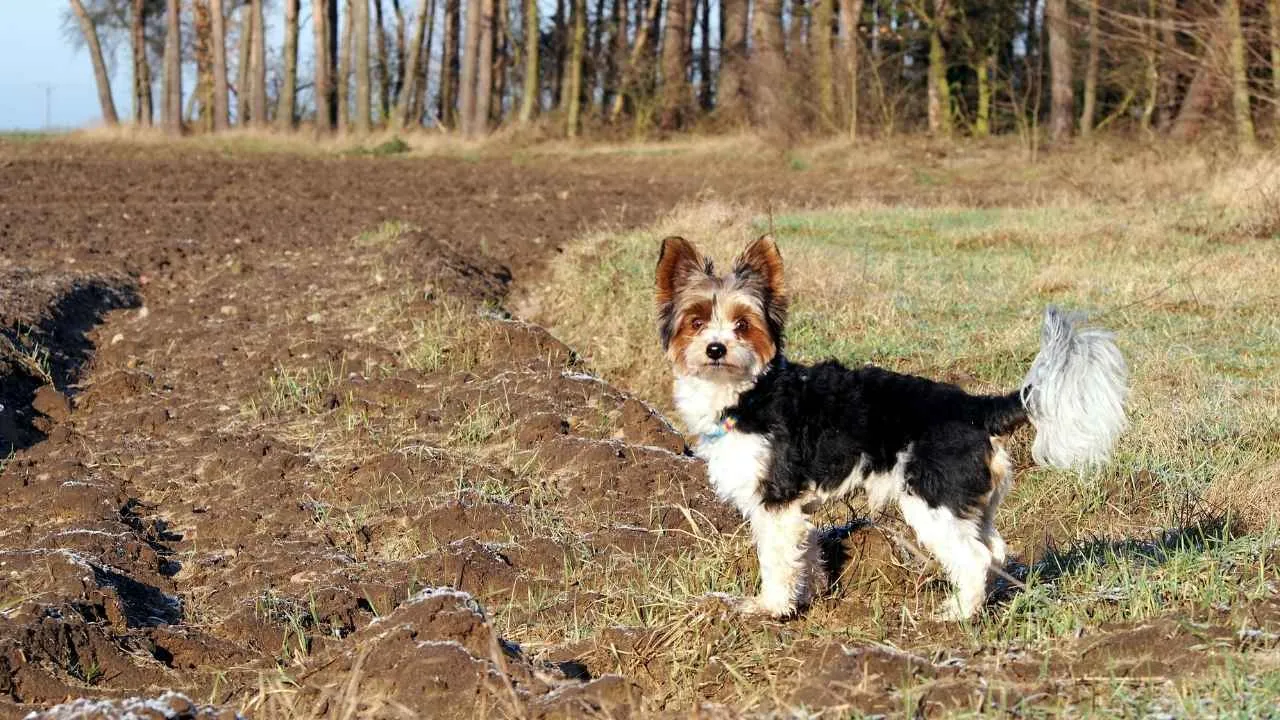
Biewer Terriers are a relatively new toy breed that originated in Germany in 1984. They were first developed by Yorkshire Terrier breeders Werner and Gertrude Biewer after two tricolor puppies were born in their kennel.
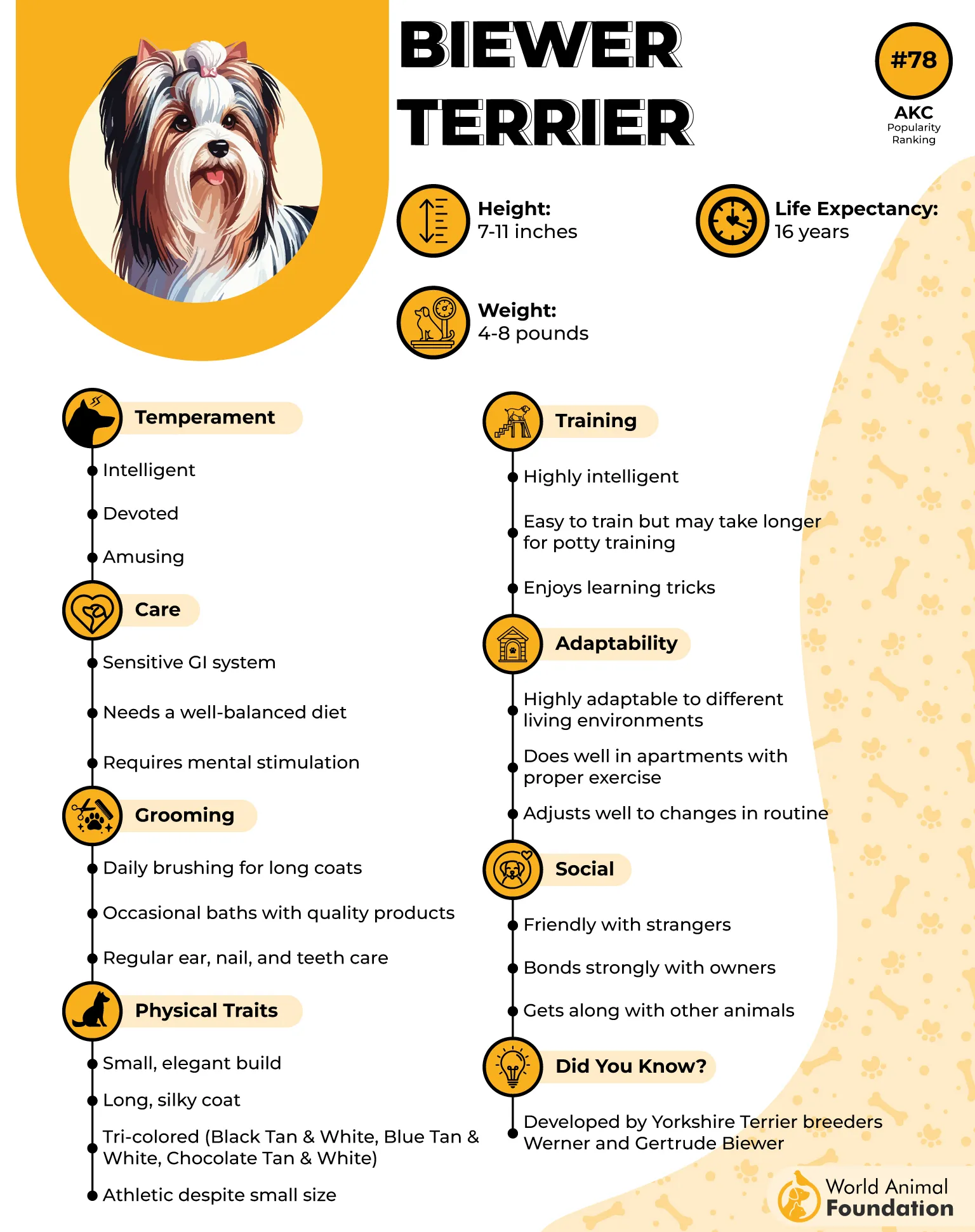
The breed was officially recognized by the American Kennel Club in 2021. These elegant little dogs have long, silky coats with three-color combinations of chocolate, tan, and white; black, tan, and white; or blue, tan, and white.
Temperament and Training
Biewer Terriers are cheerful, affectionate, and devoted companions. They have playful, almost puppy-like personalities and often enjoy carrying toys around. Despite their small size, they are fearless, athletic, and alert.
They are friendly with strangers and generally get along well with adults, older children, and other pets, including cats. They also make good watchdogs, alerting their families to visitors without barking constantly.
Exercise and Family Life
These little dogs are energetic and enjoy daily walks, indoor games, and regular playtime. Their adaptable nature makes them suitable for apartment living, but they still need opportunities to stay active.
Biewer Terriers love being around their families and can become very attached to their owners. They may struggle when left alone for long periods, so companionship is important.
6. Chihuahua
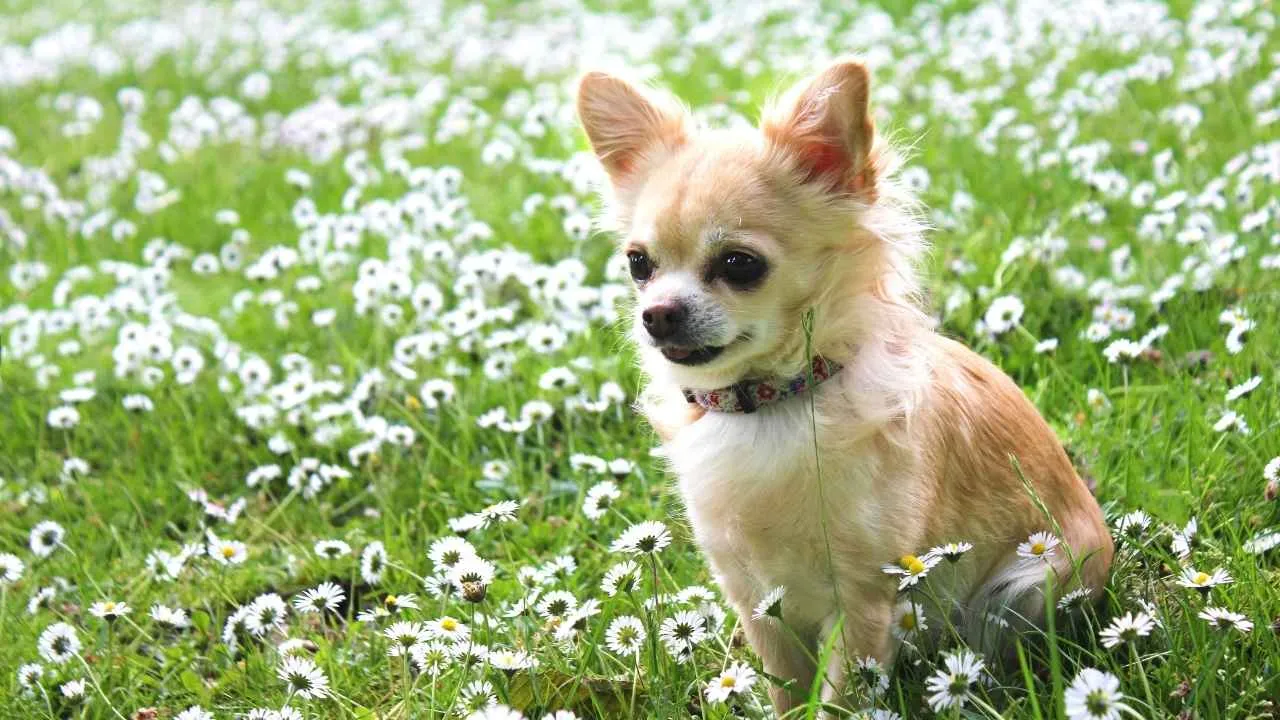
Chihuahuas may be one of the smallest dog breeds, but their history goes back to the ancient kingdoms of pre-Columbian Mexico. Today, they are a national symbol of Mexico and are loved for their alert expressions and lively personalities.
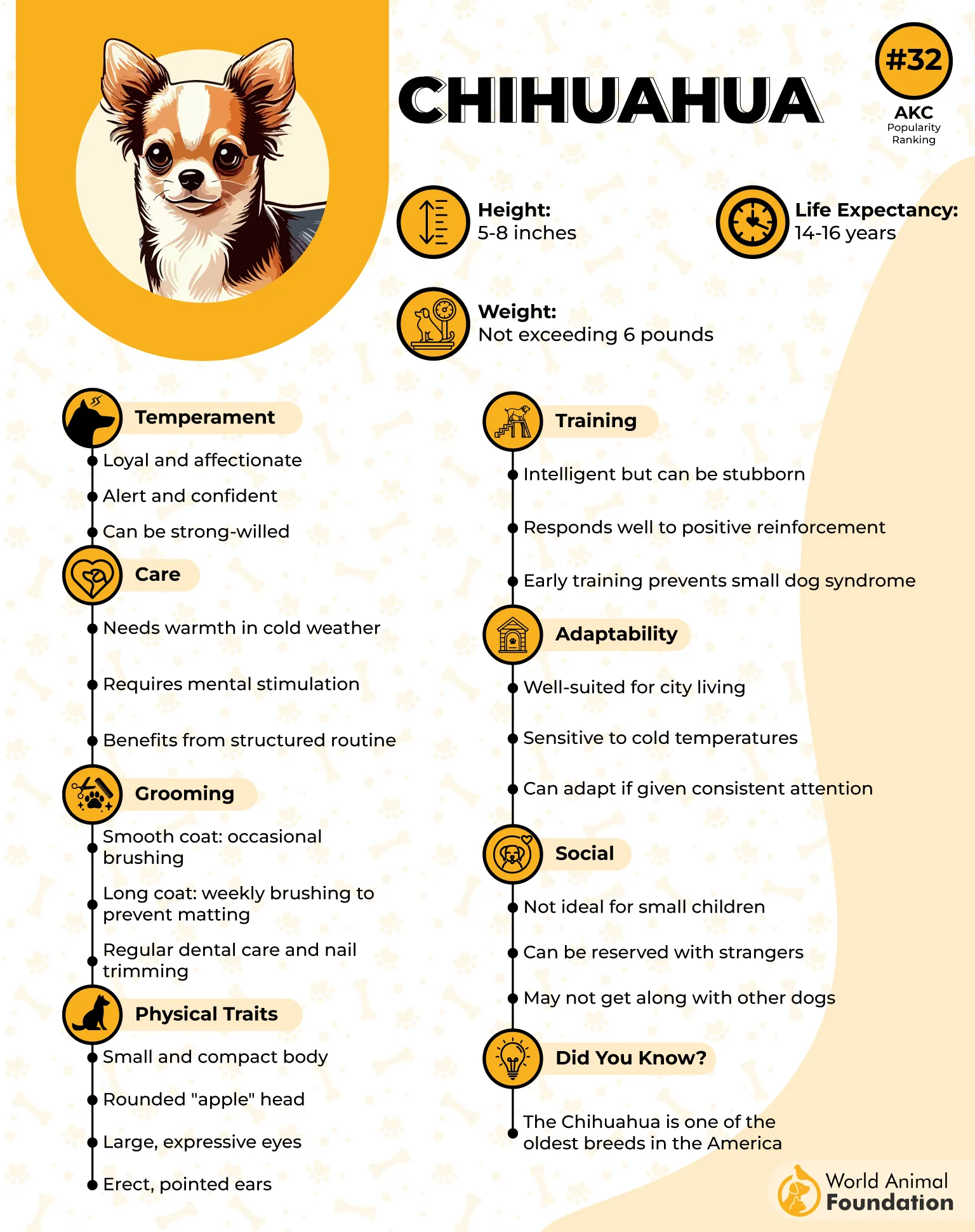
These tiny dogs have rounded apple-shaped heads, large expressive eyes, and upright ears. The AKC says their coats come in many colors and patterns and can be either short or long.
Temperament and Training
Chihuahuas are bold, confident, and fiercely loyal to their families. They often form strong bonds with one or two people and enjoy being the center of attention. Despite their small size, they are fearless around larger dogs and make excellent watchdogs.
They can be wary of strangers and may bark to protect their owners. These intelligent dogs respond well to patient, consistent training. Setting clear boundaries is important, as overindulging them can lead to stubbornness and demanding behavior.
Exercise and Family Life
Chihuahuas are energetic and playful companions who enjoy games, cuddles, and spending time with their favorite people. Their compact size makes them well suited to city living and smaller homes.
However, they need protection from cold weather and should be supervised around larger dogs. They are also too delicate for rough play with young children.
7. Yorkshire Terrier
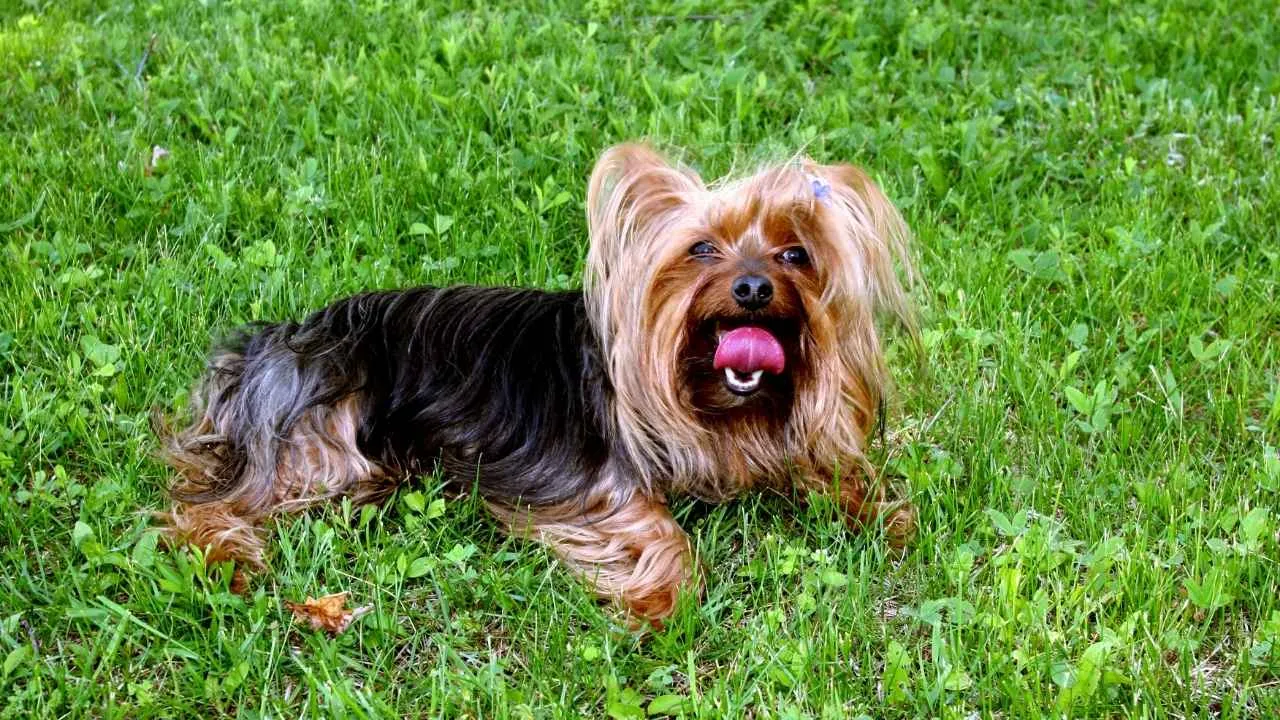
Yorkshire Terriers, affectionately known as Yorkies, were originally bred to chase rats and other rodents in textile mills and mines before becoming popular companion dogs.
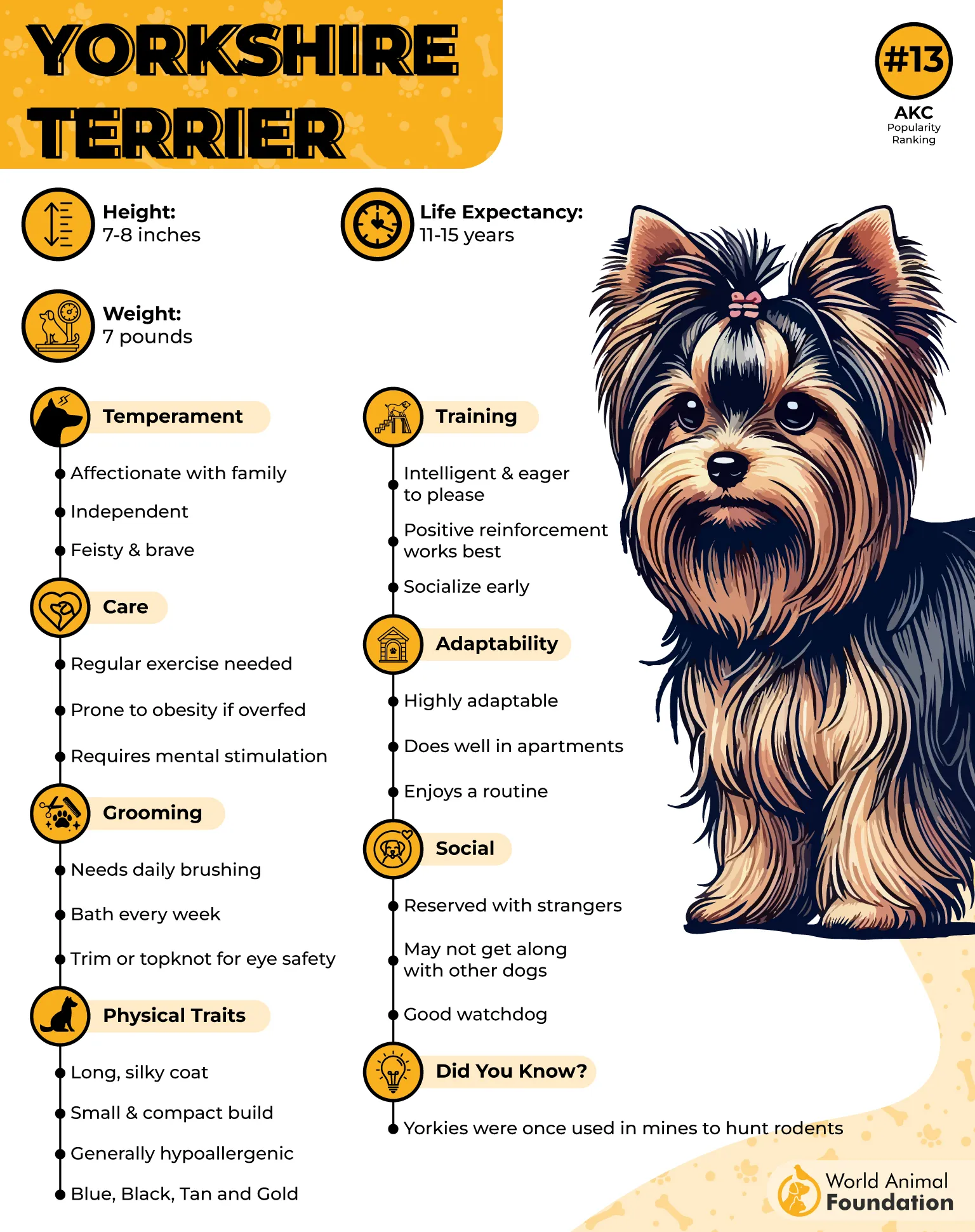
These tiny terriers are best known for their long, straight, silky coats, usually featuring steel blue and golden tan colors. Their glossy hair gives them a delicate appearance, but their bold personality reveals their true terrier nature.
Temperament and Training
Yorkies are lively, curious, and affectionate dogs with big personalities. They enjoy cuddling with their owners but can also be brave, feisty, and protective of their territory. Their alert nature makes them good watchdogs, although they tend to bark frequently.
They are quick learners and respond well to training. Early socialization, puppy classes, and introductions to different people help prevent overprotective behavior and encourage good manners.
Exercise and Family Life
Despite their small size, Yorkies need regular exercise and mental stimulation. Short walks, indoor games, and fetch can help keep them active and occupied.
They make loving family companions and can do well in apartments or larger homes, but playtime with young children should always be supervised because they can be easily injured. Yorkies enjoy company and may struggle when left alone for long periods.
Conclusion
Pocket dog breeds may be small in size, but they bring plenty of personality, affection, and energy into a home.
Each breed has its own traits, exercise needs, and grooming requirements. Some are happy with short walks and indoor play, while others need more activity and attention to stay content.
Before bringing one home, take time to consider your lifestyle, living space, and the care each breed requires.
The right companion is not necessarily the smallest or cutest dog, but the one whose needs fit naturally into your daily life. After all, a little dog can leave a very big paw print on your heart.
