




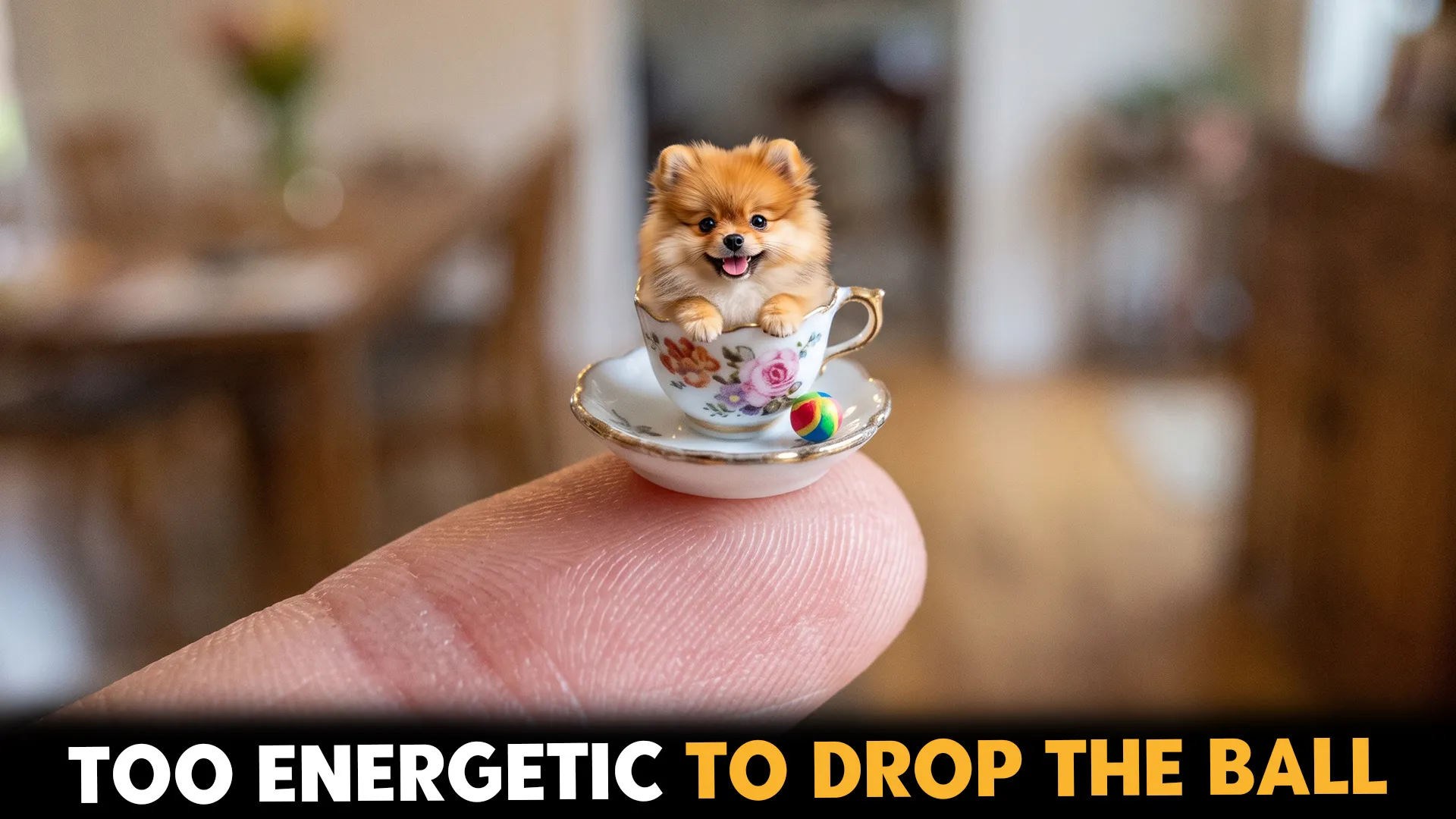
Small dogs are treated as lap companions first and playmates second. That assumption can hide just how much fun a tiny dog can bring to a game of fetch.
Toy-sized dogs were bred as companions, yet dogs can have lively personalities, quick reactions, and a strong interest in play. Teacup is a marketing term rather than an official size category, and it is often used for dogs weighing about 5 pounds or less.
Because such small bodies have limited stamina and can be more fragile, fetch is best kept gentle, brief, and carefully suited to the dog’s abilities. A soft toy, a clear play area, and short throws can make the activity safer and more enjoyable.
The teacup pooches featured ahead bring different personalities, energy levels, and approaches to fetch.
Key Takeaways
Fetch does not always need a big yard, and these tiny dogs prove that a small space can still make room for plenty of play.
Toy Poodles bring agility and an impressive ability to learn, while Papillons are just as happy chasing a toy across the living room.
Havanese keep the game lively with their playful nature, followed by Pomeranians who can turn each throw into a small training session.
Yorkies, Shih Tzus, and Maltese bring their own personalities to the game, with a few details that are worth reading till the end.
Top Playful Teacup Dog Breeds That Love to Fetch
1. Poodle
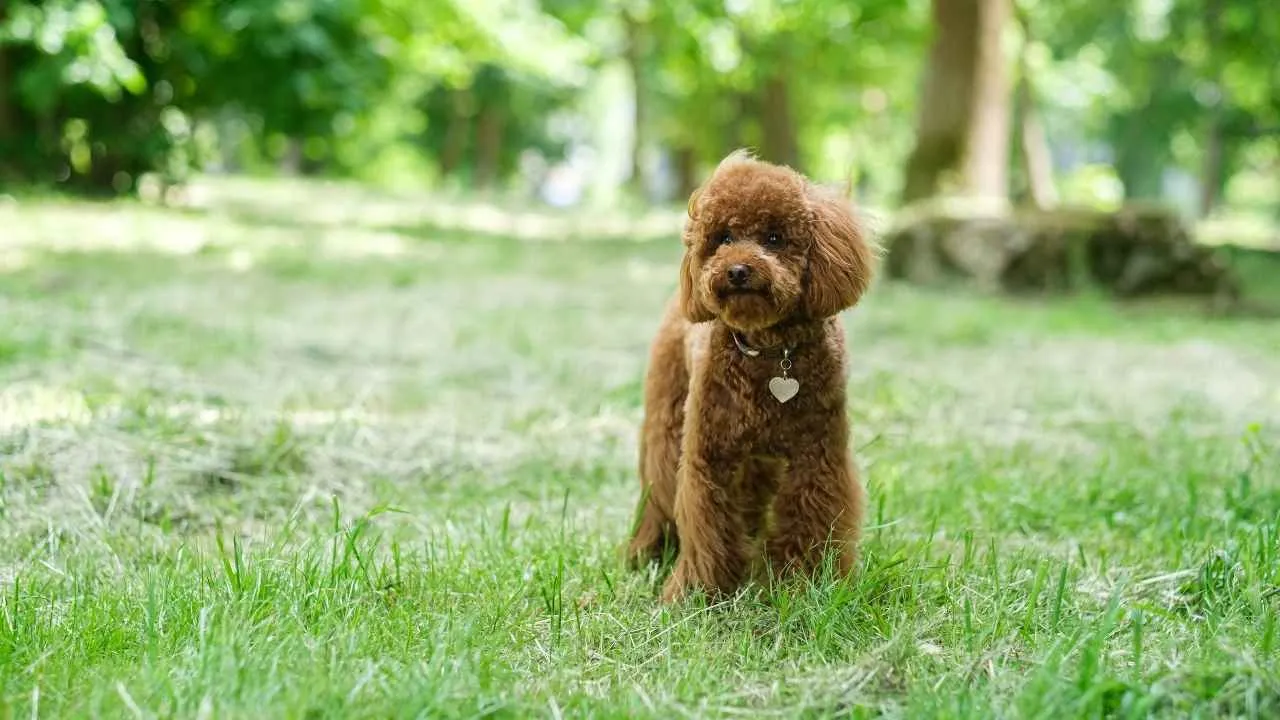
Poodle has a much more varied past than its tiny frame suggests, with roots linked to curly-coated dogs from Asia that traveled with herders into Europe.
According to Omlet, in Germany, the breed took on the form recognized today before French admirers helped make the Poodle a celebrated national breed.
Fetch Comes Naturally
Poodles bring remarkable agility and quick learning to games of fetch, making retrieving more than a simple chase around the room. Their intelligence also makes specific-toy retrieval, trick training, and scent-based games useful ways to turn play into a thinking exercise.
These activities give that playful instinct more direction:
Fetching named toys on cue
Small-jump agility courses
Scent detection games
Quick on the Lesson
This dog breed learns advanced tricks with impressive speed and can pick up cues such as spinning, rolling over, playing dead, and retrieving particular toys. That sharp mind also explains its success in obedience, agility, tracking, dock diving, and retriever hunt tests.
2. Papillon
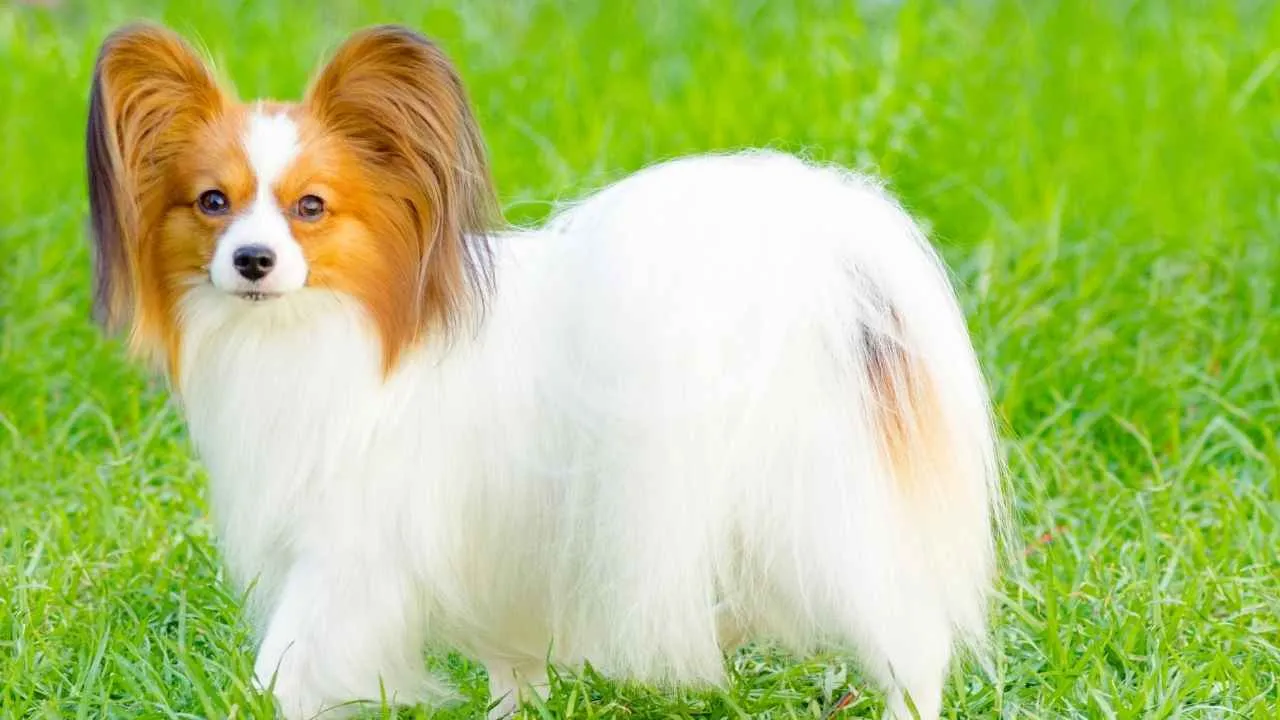
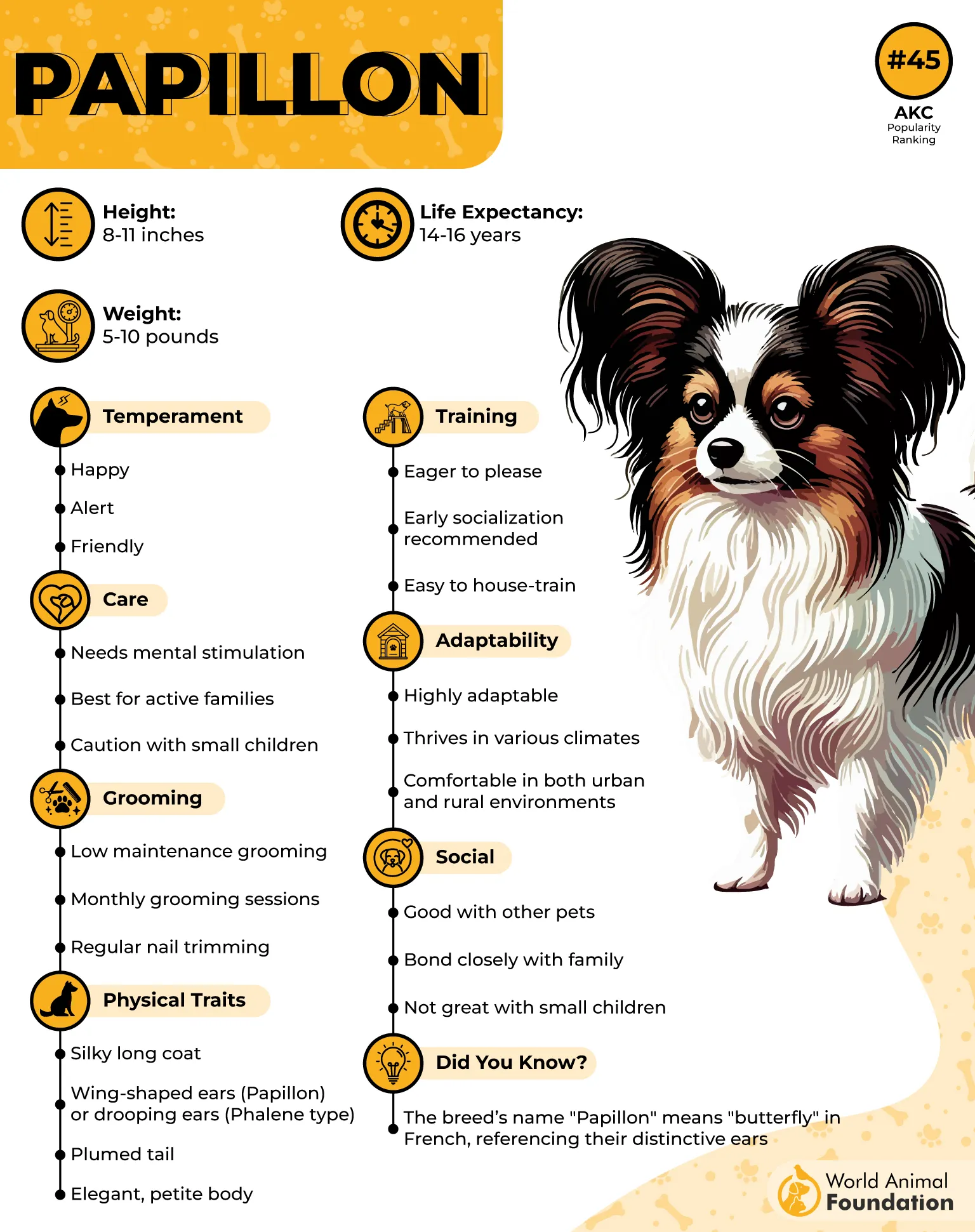
Papillon originated in France and appears in paintings dating as far back as the 13th century, where the small Toy Spaniel was especially favored by ladies of court. Its name means “butterfly” in French, inspired by the breed’s upright ears that closely resemble delicate, spread wings.
Fetch Without a Yard
This fun-loving, family dog brings plenty of energy to a small frame and can turn a living room into a fetch area without needing much room. Its willingness to learn tricks, play games, and respond to training makes indoor fetching more engaging than a simple toss.
These breed characteristics make its behaviour interesting:
Agility suits its quick nature
Recall is generally good
One of the smartest and eager to please
Busy Little Personality
Papillon enjoys being around people and often wants to participate in whatever is happening nearby, while still appreciating personal space between cuddles.
Praise, positive reinforcement, and play can make lessons enjoyable, with obedience and agility providing additional ways to channel its enthusiasm.
3. Havanese
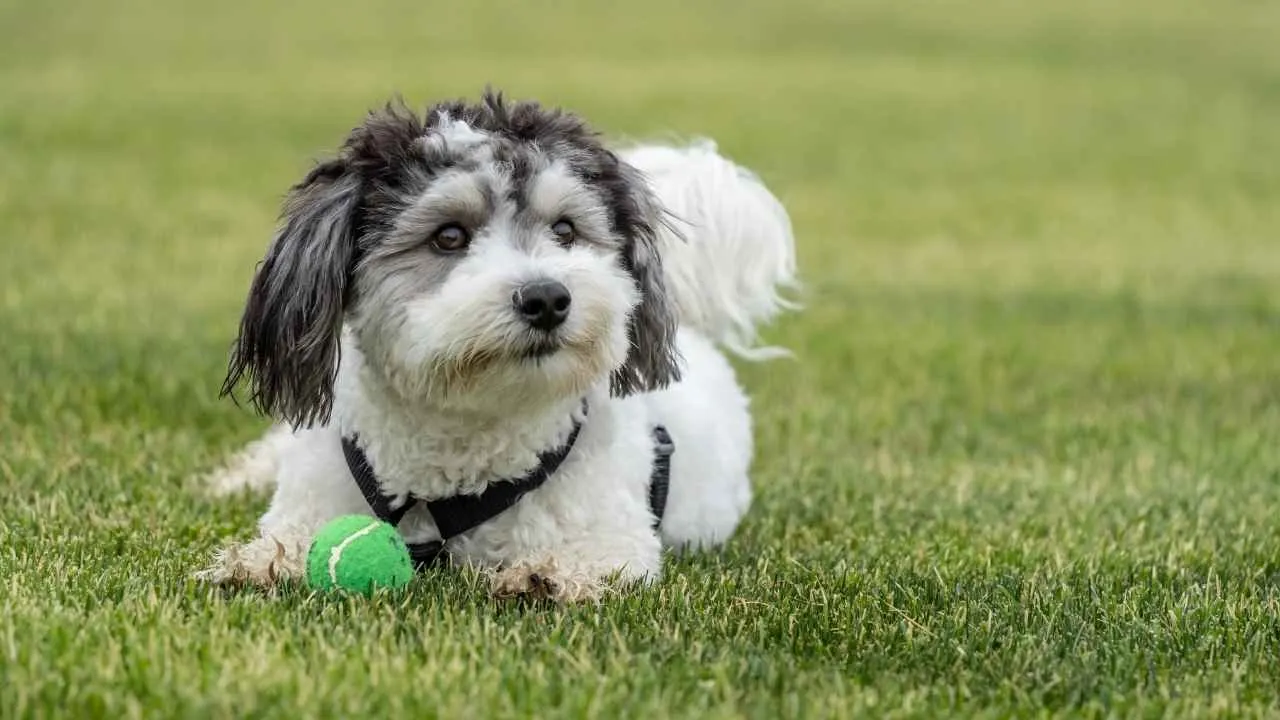
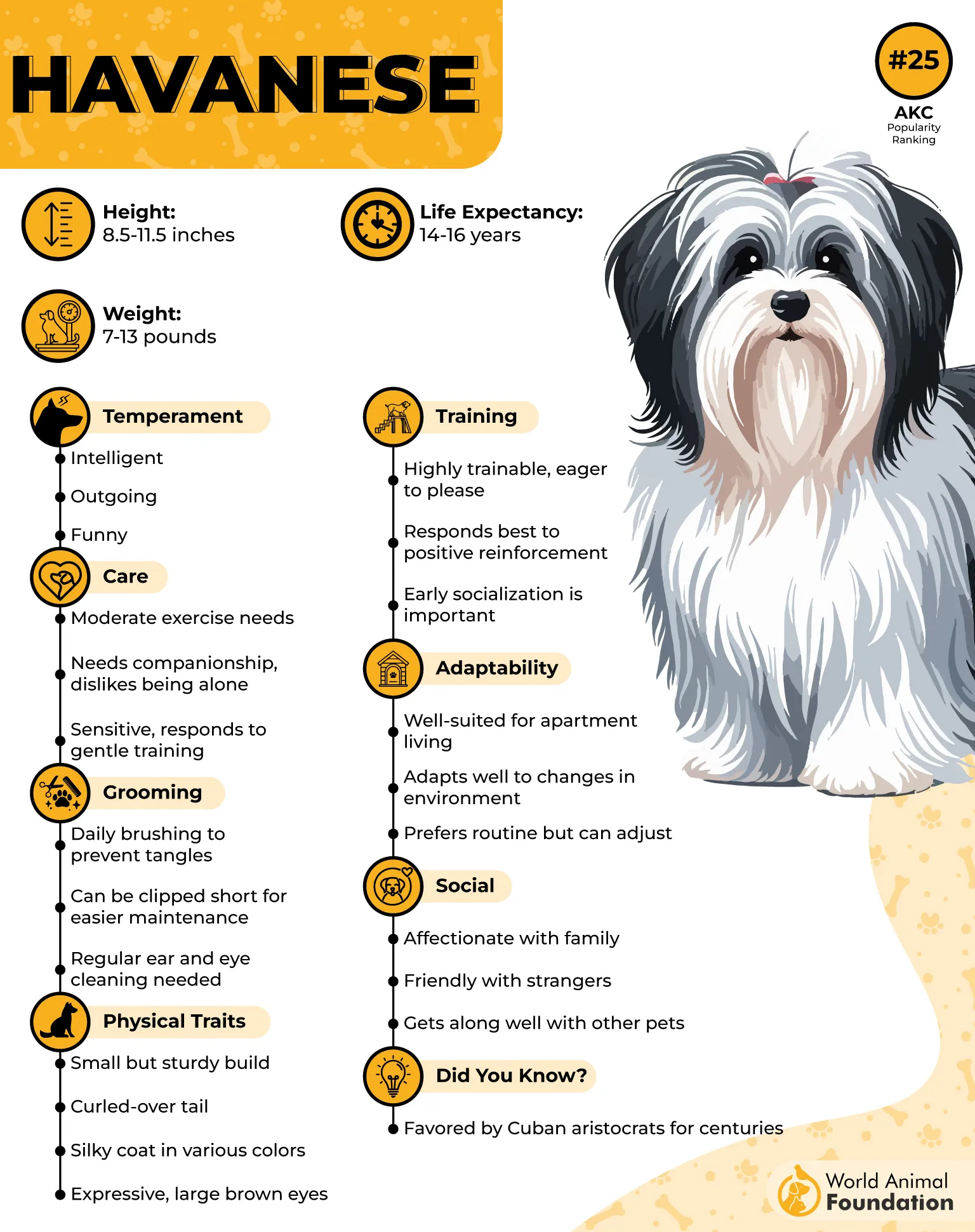
Havanese began in the Mediterranean before Spanish traders took these little dogs to Cuba as gifts during trading ventures. Their popularity grew among wealthy Cuban families, while the breed later reached Europe and even appeared as a performing dog in circuses.
Fetch With a Twist
Havanese have enough energy to turn a simple game of fetch into a useful burst of activity, especially when combined with a brisk walk. Indoor games can also get this playful pet moving while giving it the mental engagement it needs.
This is what makes their fetch even more interesting:
Enjoys learning new tricks
Excels in agility competitions
Responds well to recall training
Always Nearby
This breed is often called a “velcro dog” because it likes being close to its favorite people and may follow them from room to room. It also enjoys perching on sofa backs or window sills to watch household activity, while attention-seeking barking can be managed through training.
4. Pomeranian
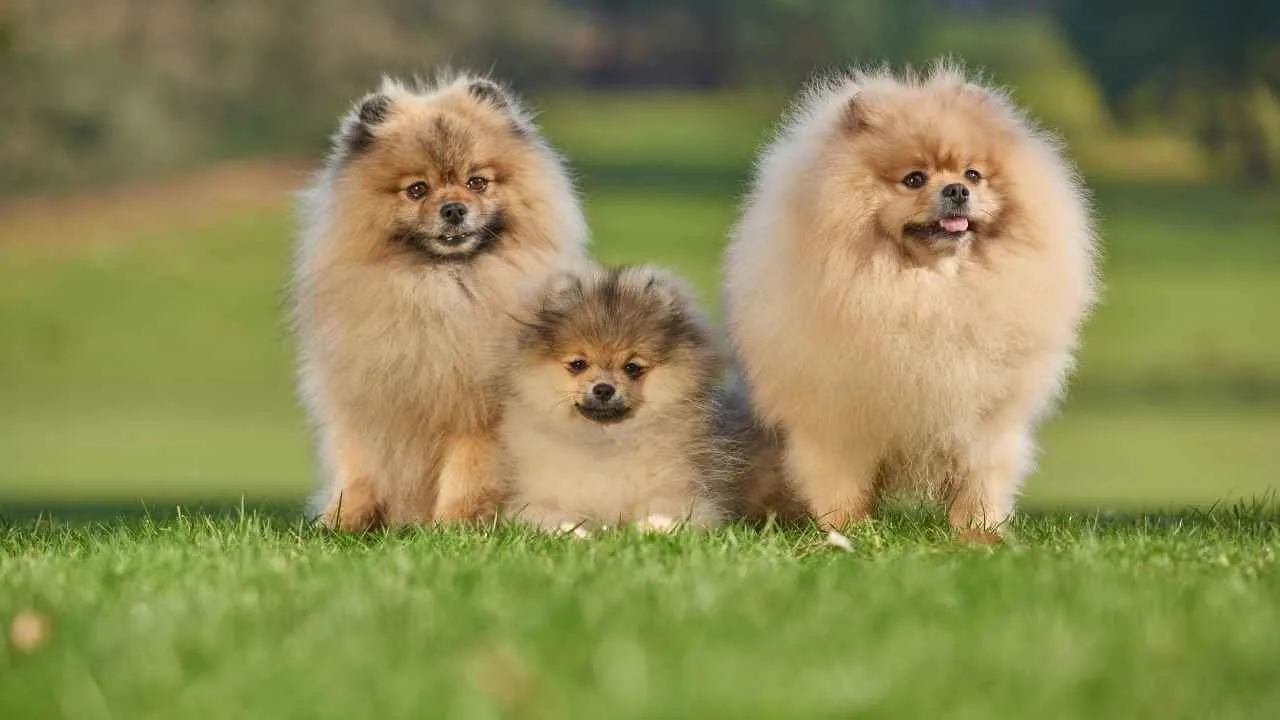
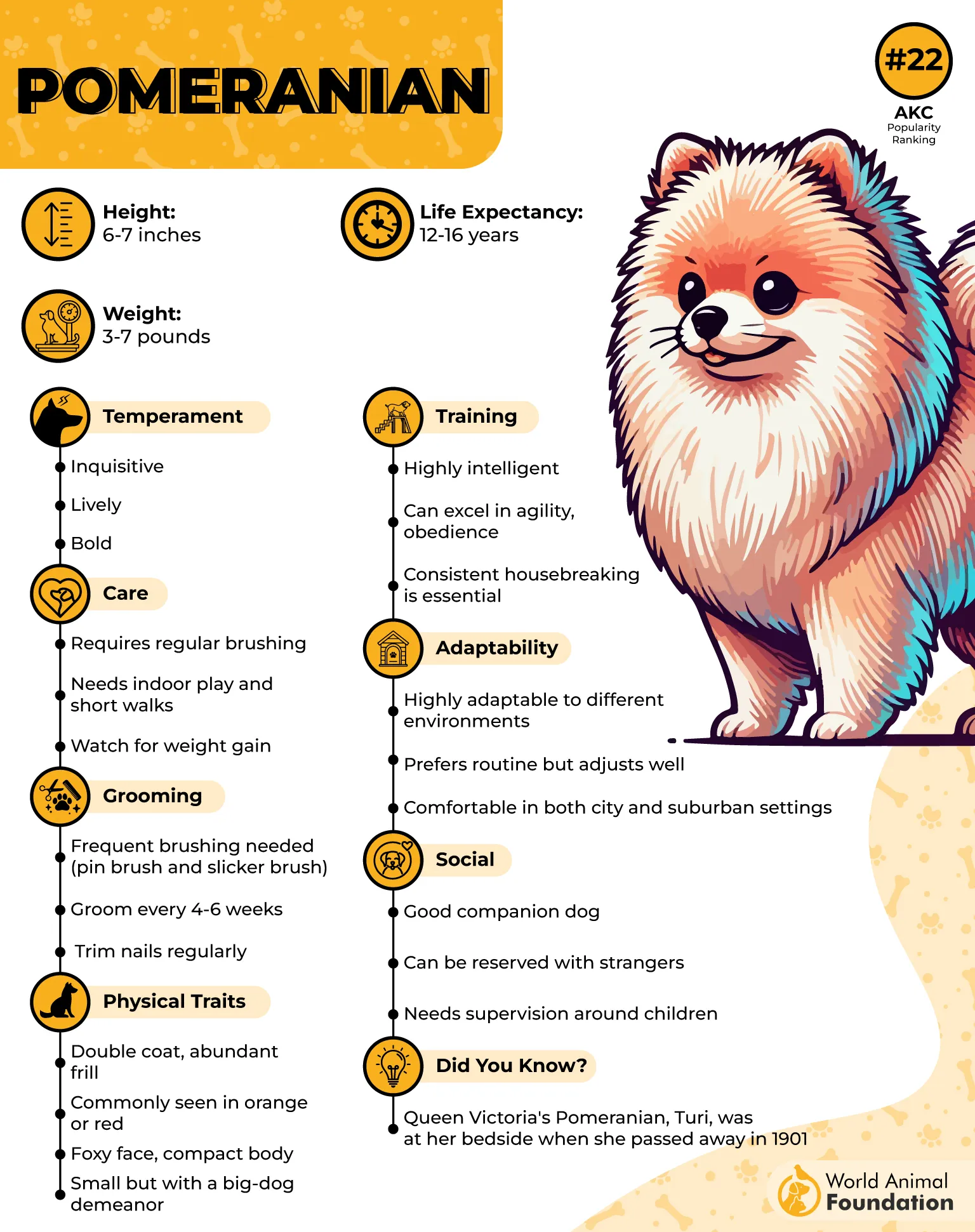
Pomeranian originated in the Pomerania region of Poland and Germany and is believed to descend from the German Spitz. Selective breeding of smaller puppies gradually reduced its size, while the breed gained popularity in the 18th century, including among Queen Victoria.
Fetch Fits Their Energy
Poms have plenty of enthusiasm for a game of fetch, with the intelligence and playfulness to turn a simple throw into a training exercise, as VetSaglick writes.
For these pint-sized pooches, miniature toys designed for toy breeds are safer than standard tennis balls, which can be too large for their mouths.
These basic fetch considerations can make the game easier:
Reward the returned toy
Teach the drop command
Avoid high-impact jumps while playing
Quick With Tricks
These small furries are highly intelligent and enjoy activities that keep their minds occupied, making tricks, obedience, rally, and agility useful ways to channel that sharpness.
Positive reinforcement can also help teach the return during fetch, especially when the reward comes only after the toy reaches your feet.
5. Yorkshire Terrier
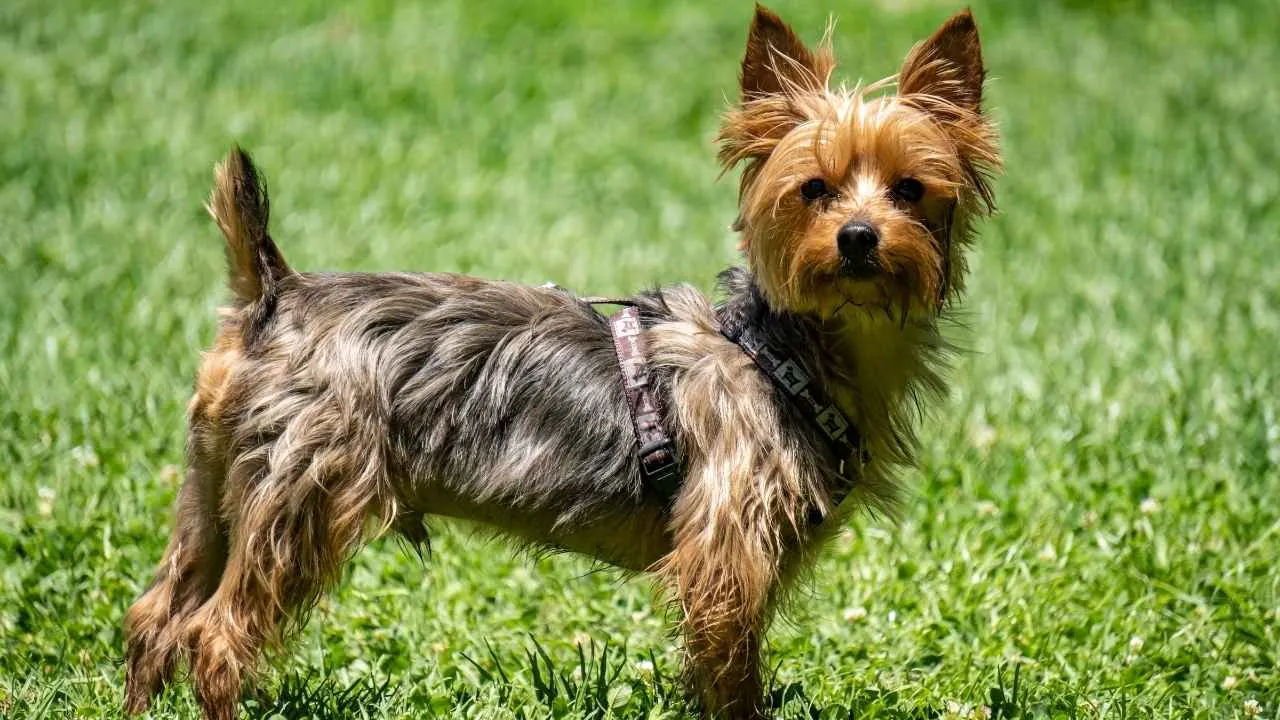
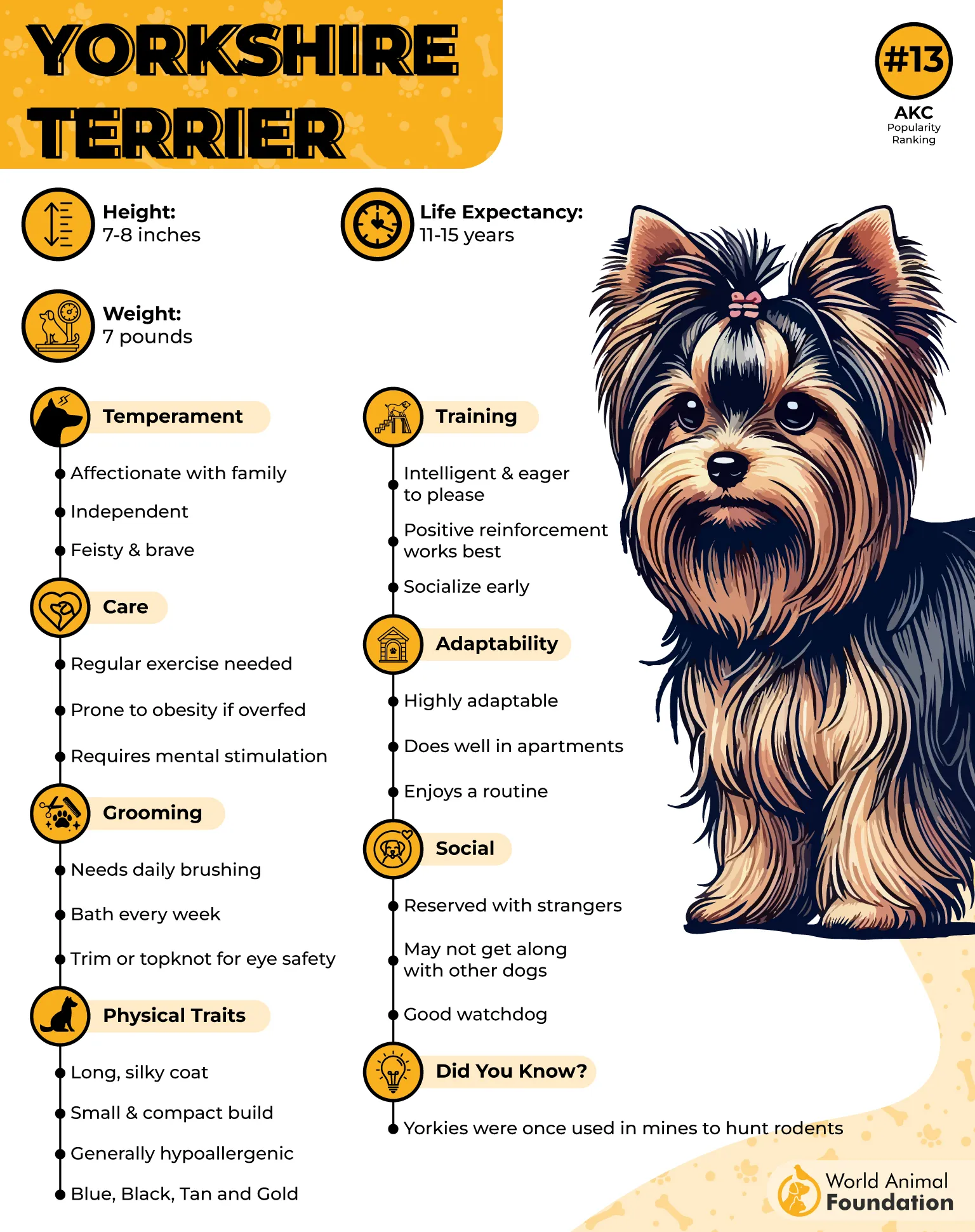
Yorkshire Terrier was developed in Yorkshire during the mid-19th century after Scottish workers brought small terriers into the region’s cotton mills. These little dogs were used to catch rats, with Waterside, Paisley, and Skye Terriers believed to have influenced the breed’s early formation.
Fetch Fits the Job
Yorkies pack surprising energy into their tiny frames, making indoor fetch an easy way to turn playtime into useful activity. Short walks also suit this lively breed, while games can keep it occupied when outdoor space is limited.
These activities bring out different sides of the teacup yorkie:
Hide-and-seek games and puzzles
Tug-of-war sessions
Flyball competitions
A Big Personality
This teacup-sized breed is naturally inquisitive and often watches for activity around the front door, with barking serving as its usual announcement.

Its independent streak can make long periods alone difficult, while socialization and puppy classes help introduce it to strangers and new situations.
6. Shih Tzu
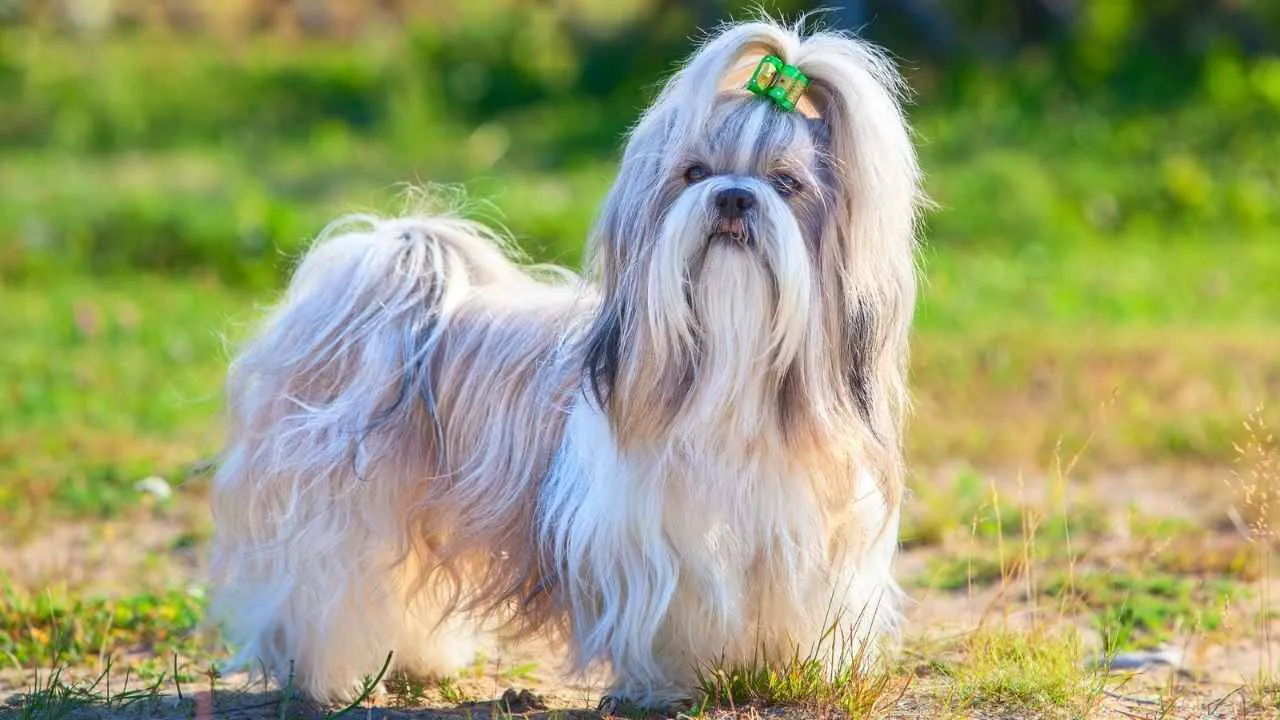
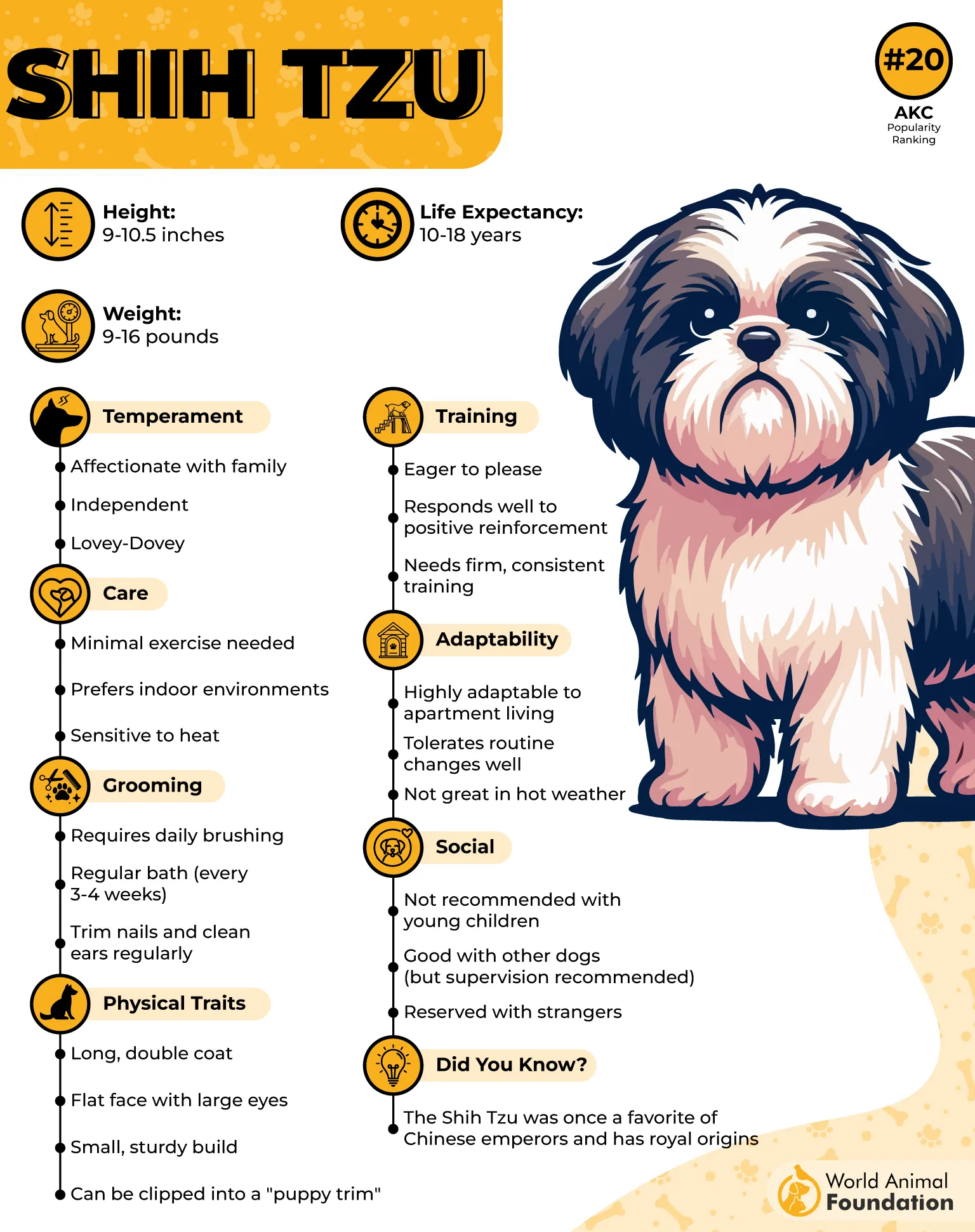
Shih Tzu is closely linked with ancient Chinese culture and Buddhism, where it was called the Lion Dog and held in high esteem. Its early roots are also associated with Tibet, while one theory suggests a Pekingese and Lhasa Apso crossing helped shape the breed seen today, as noted by Britannica.
Made for Fetch
Teacup Shih Tzus can enjoy fetch in short bursts, making a quick game more suitable than a long session. Its small mouth and delicate frame also call for lightweight toys that are easy to pick up without becoming cumbersome.
A few fetch tips fit this little dog’s build:
Lively and affectionate personality
Enjoys games with respectful children
Generally friendly with dogs, pets, and visitors
Training Takes Patience
Shih Tzu can learn obedience slowly and often approaches lessons with a clear “what’s in it for me?” attitude. House training may take extra time and patience, so consistent daily routines paired with praise, rewards, and treats can make lessons easier to reinforce and remember.
7. Maltese
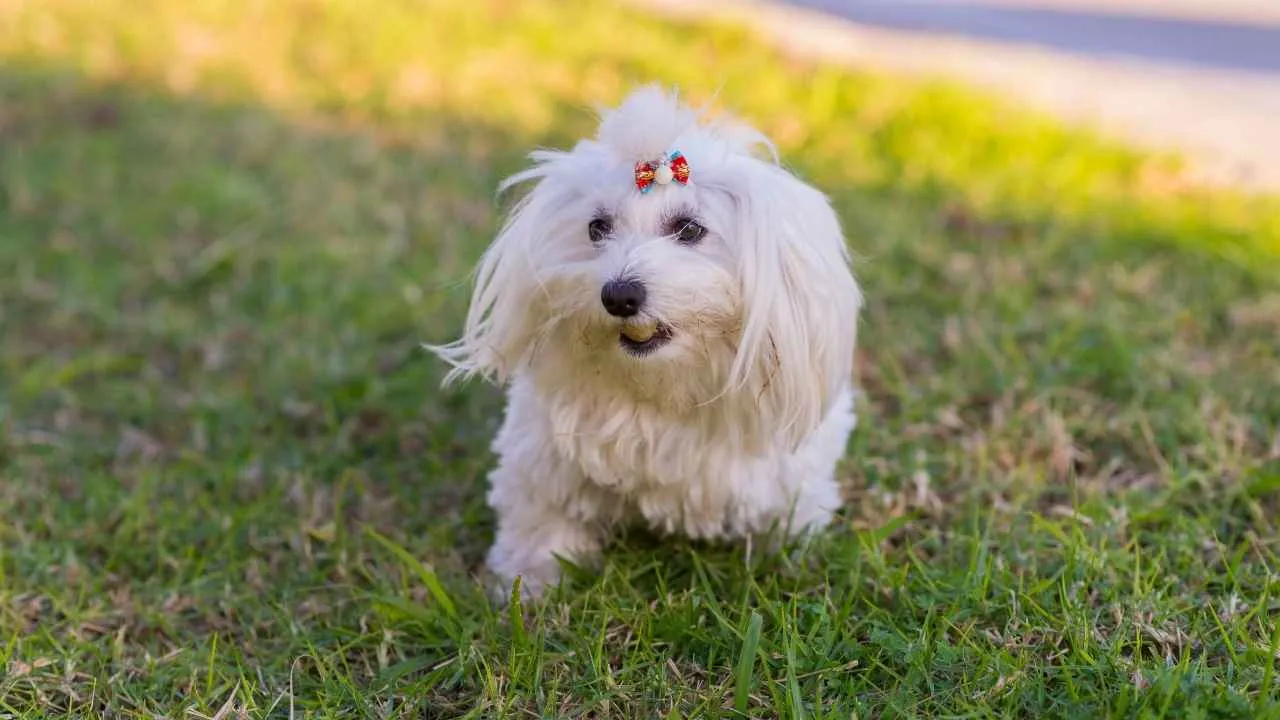
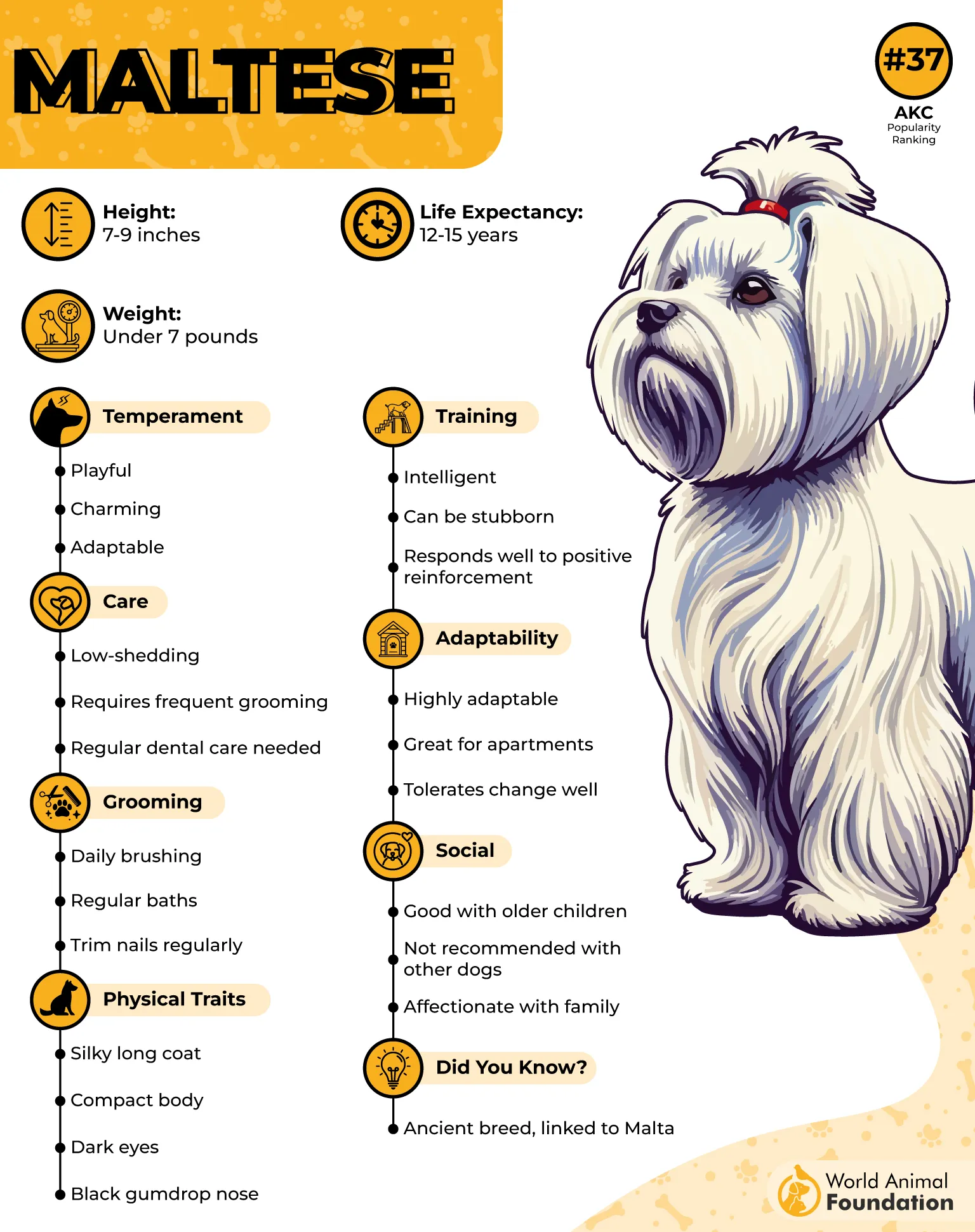
Maltese has a long and uncertain origin, with records reaching back to around 300 BC and theories linking the breed to traders traveling through Asia.
Malta was likely an important stop in its early story, while by the 14th century, these dogs had become favored companions among upper-class women in England.
A Natural Fetch Fan
Teacup Maltese have plenty of play in a small frame, enjoying interactive toys, chase games, and lively rounds of fetch. Their agility and puppy-like enthusiasm can turn a simple play session into a surprisingly active part of the day.
A few details make that playful side even clearer:
Enjoys games of fetch and chase
Uses interactive toys for mental engagement
Keeps a puppy-like attitude into adulthood
Easy Daily Routine
Maltese has modest exercise needs, with a short daily walk or some light running in a secure yard often enough for regular daily activity. That leaves plenty of room for indoor games, cuddling, and the close companionship this affectionate, people-oriented breed seeks throughout the day.
Conclusion
Fetch can give a tiny dog exercise, attention, and mental activity without needing a large yard. The key is keeping the game gentle and matching the session to the dog’s size, stamina, and age. Lightweight toys are easier for a tiny package to carry, while short throws reduce the need for sudden jumps or hard landings.
Some dogs may enjoy retrieving more than others, especially those with a playful disposition, so play should remain enjoyable rather than forced. A little training can turn each return into a useful lesson for fun seekers and dog lovers. When play and rest are balanced, fetch can become a fun part of everyday life for both owner and dog.
