




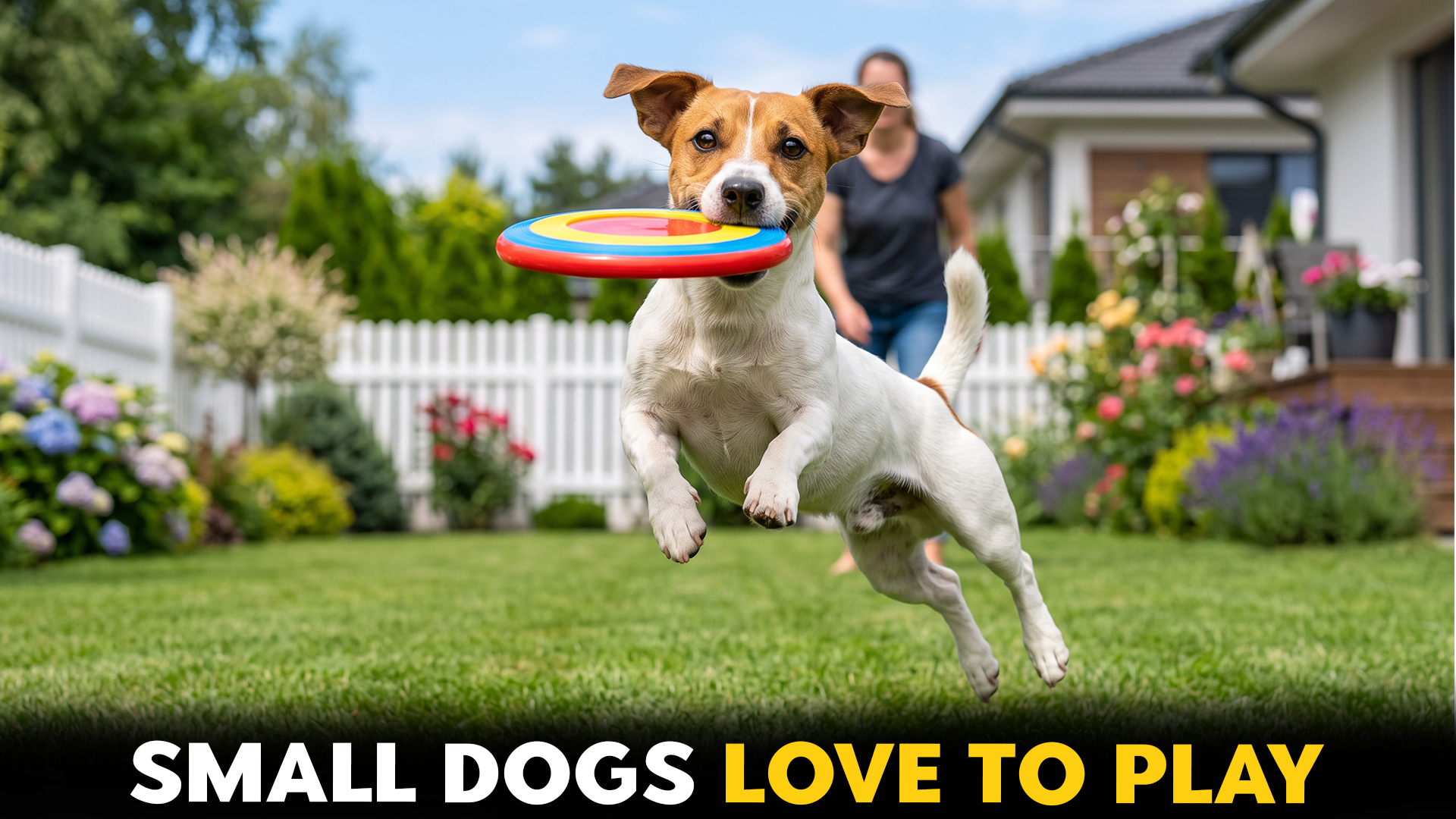
Small dogs may occupy only one corner of the sofa, but their personalities can somehow take over the entire house. Many compact breeds are energetic, affectionate, curious, and always ready to turn an ordinary Tuesday into a full-scale entertainment event.
Basically, they are tiny roommates with strong opinions, impressive comedic timing, and absolutely no understanding of personal space.
Play is more than random zoomies or squeaking the same toy until everyone questions their life choices. Appropriate play provides dogs with physical exercise, mental stimulation, and valuable social interaction.
Still, choosing a dog should never be based on cuteness alone, because each breed brings different exercise, training, grooming, and social needs. Selecting a pet whose needs fit the family’s home, experience, schedule, and lifestyle rather than making an impulsive decision is always recommended.
Playful Small Dog Breeds You’ll Love to Have Around the House
1. Toy Poodle
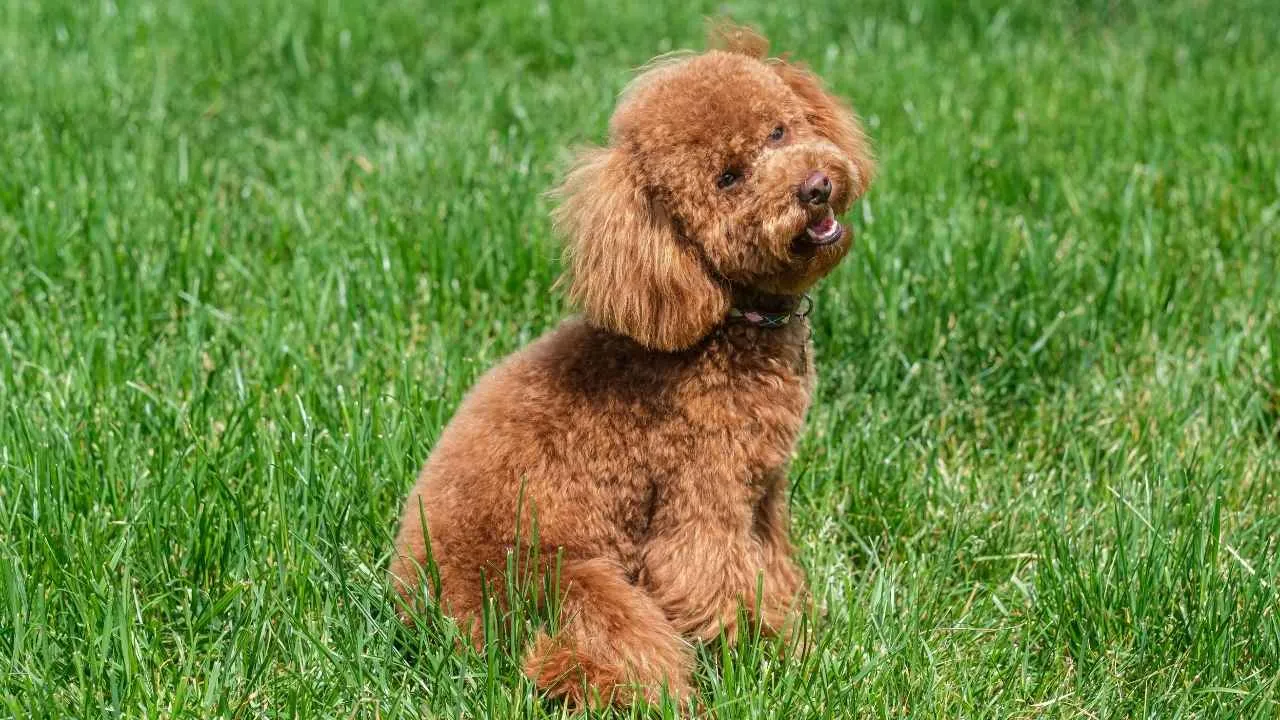
The Toy Poodle is basically the overachiever of the small-dog world, combining portable size with a seriously sharp brain. The American Kennel Club describes Toy Poodles as exceptionally intelligent learners, and that mental speed shows when they begin to predict routines, decode puzzle toys, or learn tricks after only a few repetitions.
Their playful style is often interactive rather than completely chaotic, making fetch, hide-and-seek, scent games, and miniature obstacle courses excellent choices.
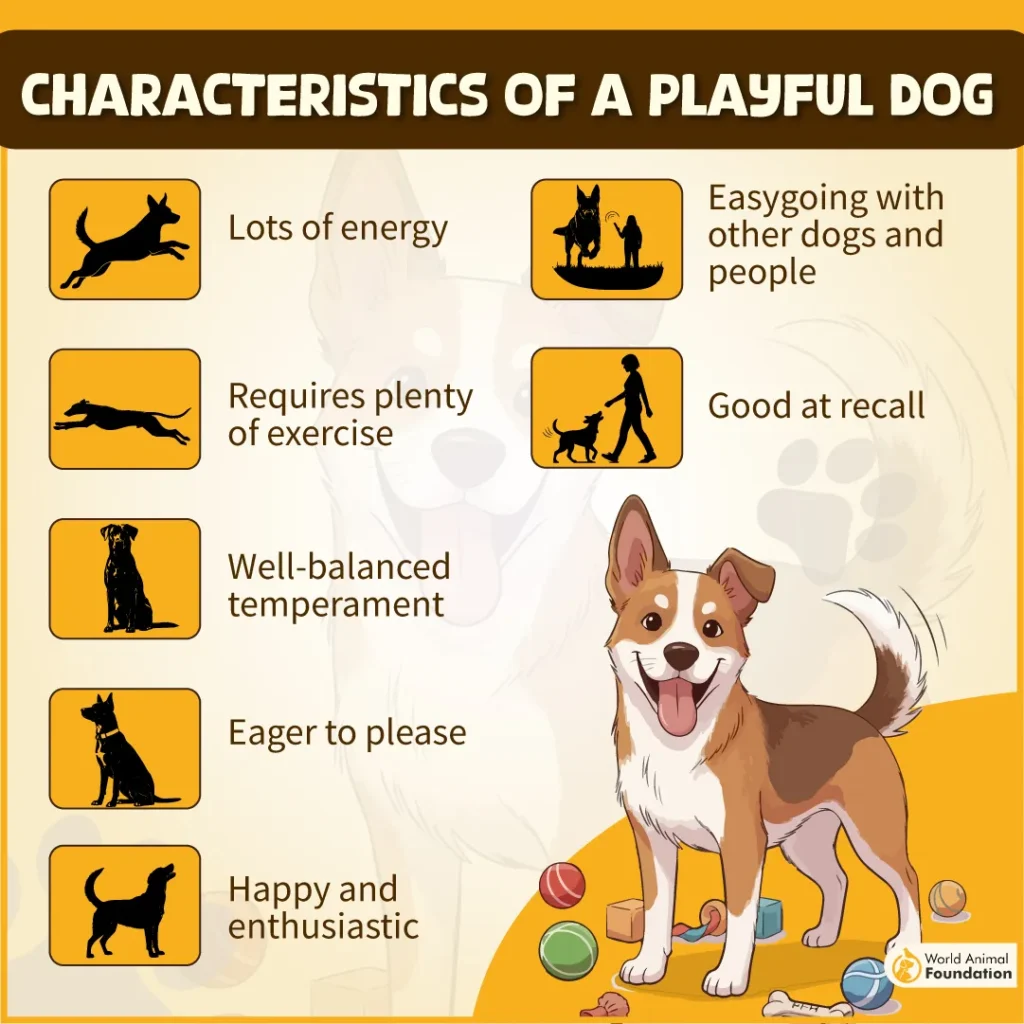
This toy dog breed may happily chase a soft ball down the hallway, bring it back, and then stare at you like your next throw is already overdue. Because they enjoy learning, play sessions can double as short training lessons without feeling like homework.
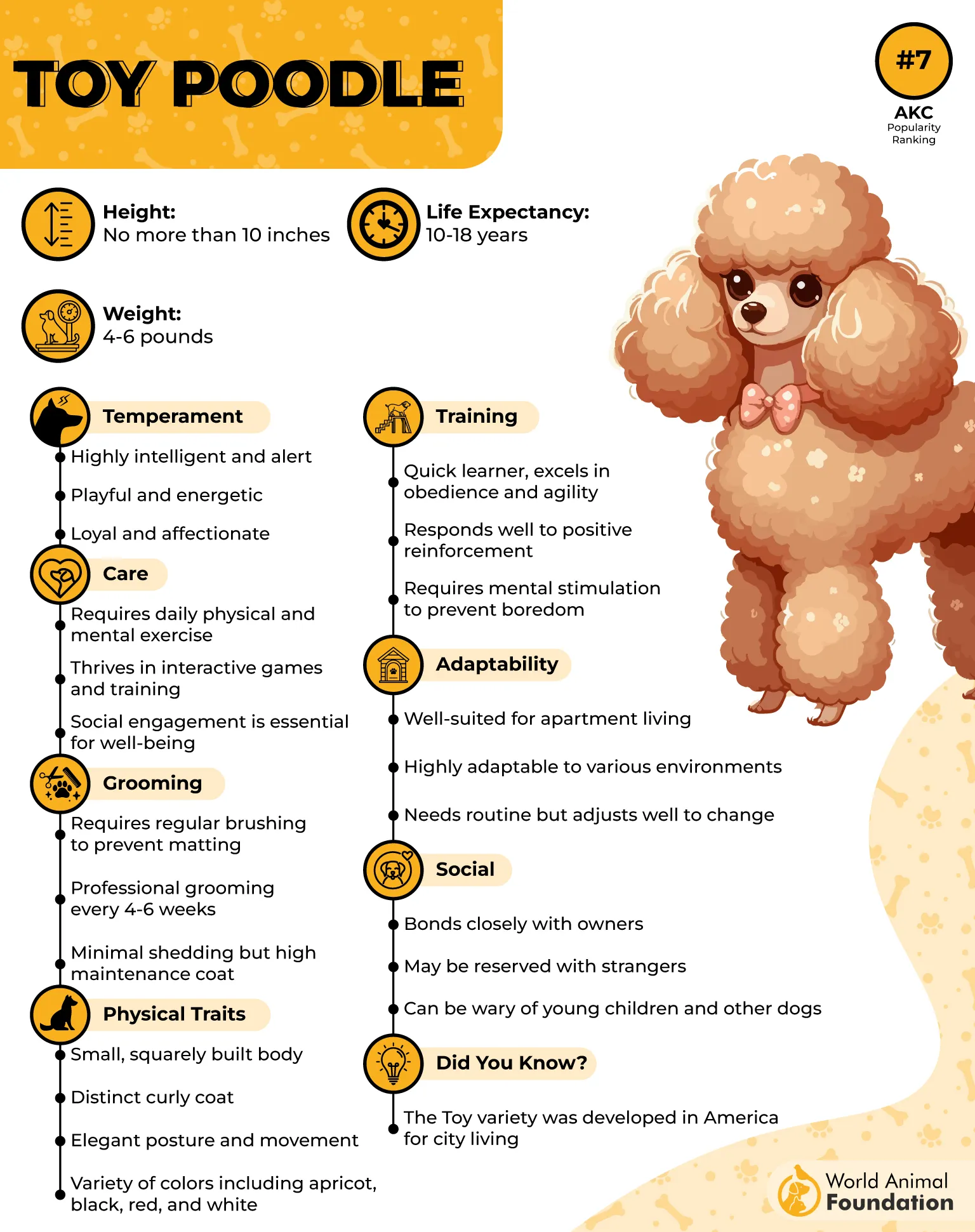
As some of the best small dog breeds, they can adapt to smaller homes. But they still need regular exercise and mental stimulation. A few quick bathroom walks are unlikely to satisfy a healthy adult whose mind is constantly searching for its next project.
Rotating toys, teaching new cues, and creating indoor search games can help prevent boredom from turning into barking, restlessness, or unauthorized inspections of furniture.
Toy Poodles usually respond well to positive reinforcement because praise, food rewards, and play give their quick minds a clear reason to cooperate. Harsh handling can make a sensitive dog worried or reluctant, while upbeat sessions tend to build confidence and strengthen communication.
2. Yorkshire Terrier
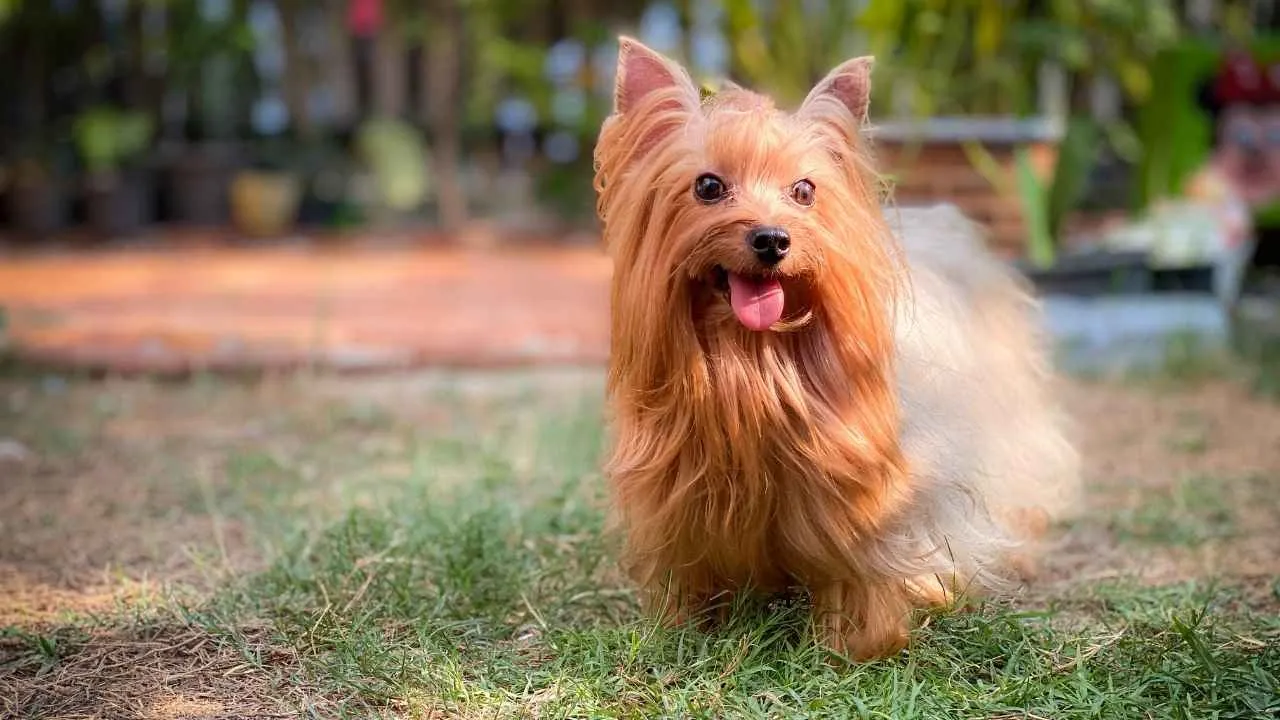
The Yorkshire Terrier may arrive wearing a silky coat and a tiny bow, but underneath the glamorous packaging lives a bold little terrier. Yorkies were developed from working terrier stock, so their confidence, curiosity, and desire to investigate are not simply decorative personality traits.
A playful Yorkie often enjoys chasing rolling toys, searching for treats, and playing quick little games around the house. They can transform a living room rug into a racetrack and a cardboard box into the most important archaeological site on Earth. Their energetic bursts are especially entertaining because they may switch from fearless explorer to professional lap warmer within minutes.
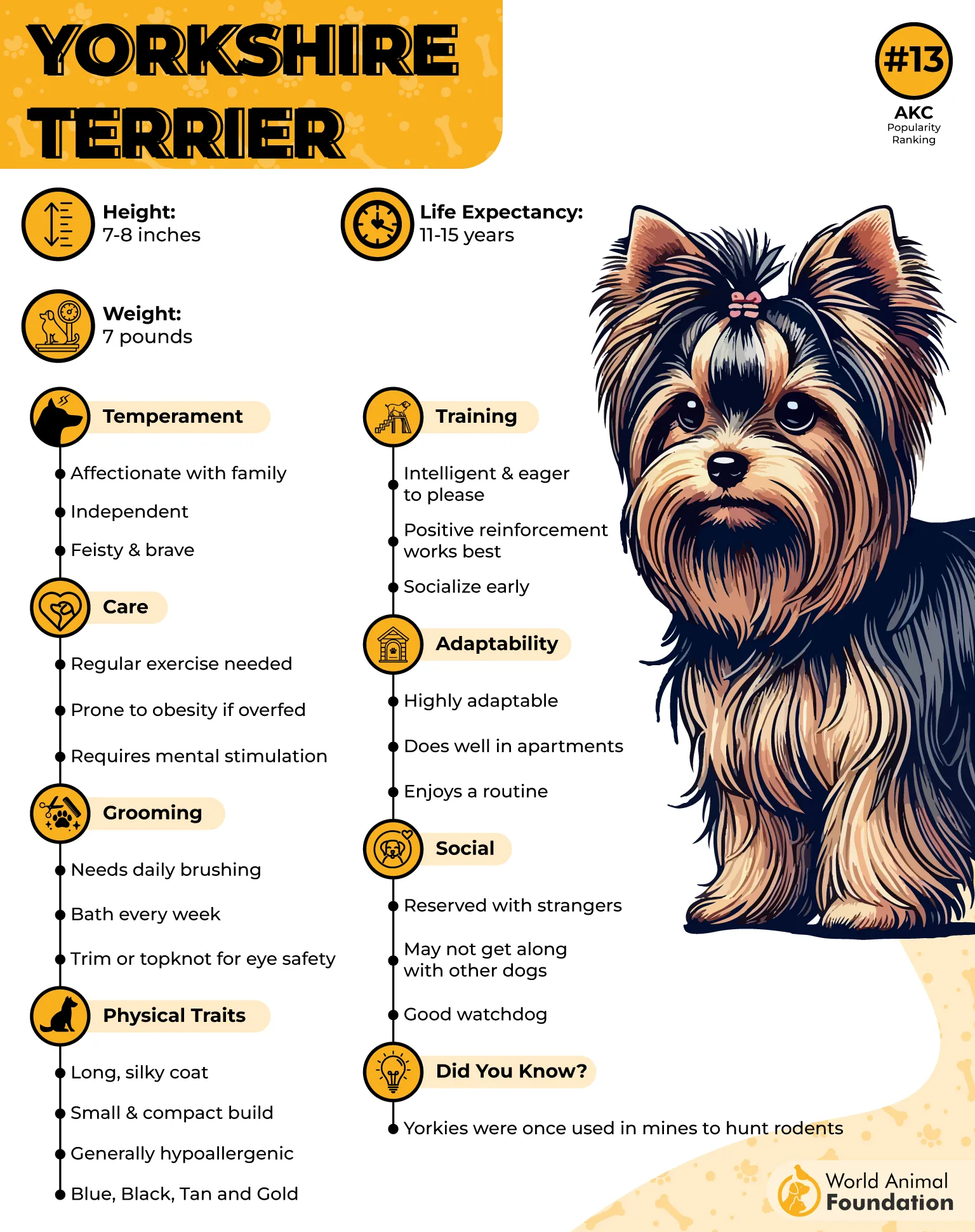
They tend to form close attachments and often want to be involved in whatever their people are doing. Cooking dinner, folding laundry, or opening a delivery box can suddenly become a group activity supervised by a six-pound manager. This devotion is charming, although gradually teaching comfortable alone time can help prevent excessive distress when family members leave.
Their long, humanlike hair requires consistent care when kept in a traditional floor-length coat. Many household companions wear a shorter puppy trim because it is easier to brush, clean, and maintain between grooming appointments.
Training a Yorkie requires equal parts consistency, creativity, and a sense of humor. Their intelligence helps them learn quickly, but their independent terrier spirit may inspire them to negotiate every request like a tiny lawyer. Reward-based sessions, clear household rules, and frequent practice usually work better than turning training into a battle of wills.
3. Boston Terrier
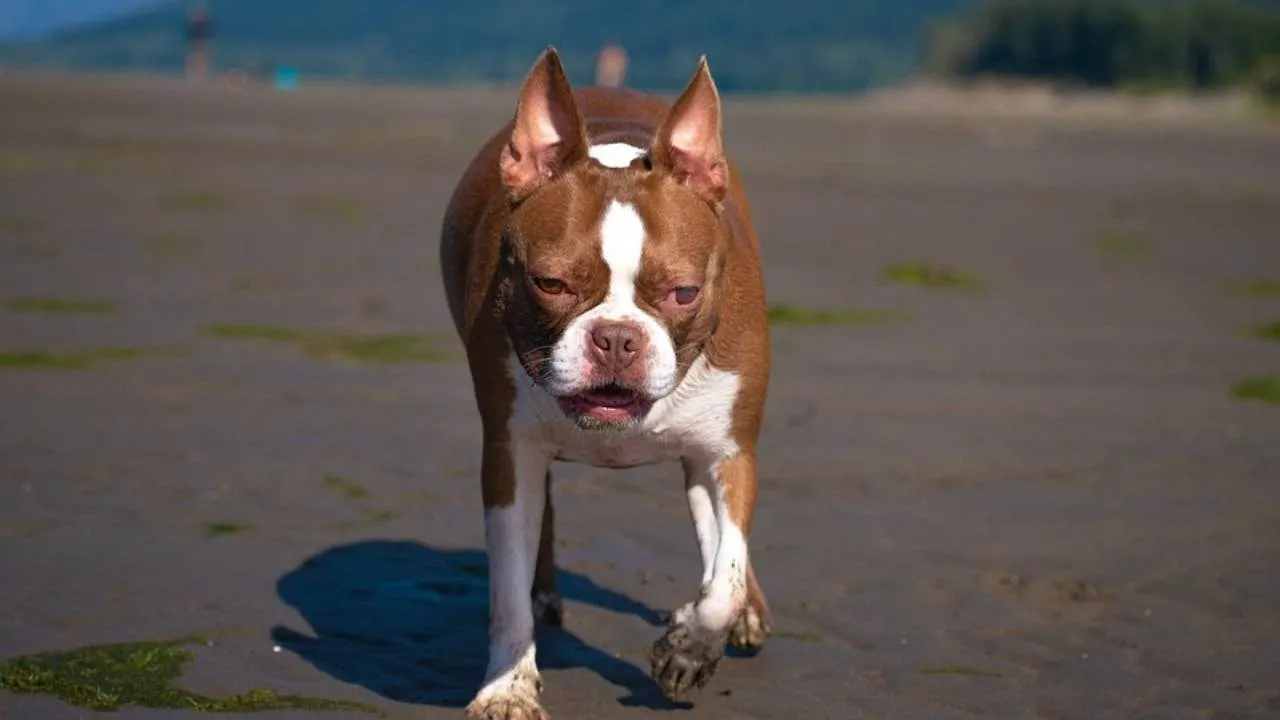
Boston Terriers look permanently prepared for a formal dinner, thanks to their tuxedo-like markings, but their behavior is often pure sitcom. These compact dogs are known for expressive faces, lively companionship, and a talent for making ordinary moments unexpectedly funny.
The Showsight Magazine says that the AKC recognizes the Boston Terrier in the Non-Sporting Group and provides separate breed guidance covering its temperament, care, and physical characteristics.
Many Boston Terriers love short games of fetch, gentle tug, and comical chase sessions around the furniture. They may sprint through the room with maximum enthusiasm, skid past their destination, and immediately behave as though the whole stunt was carefully planned.
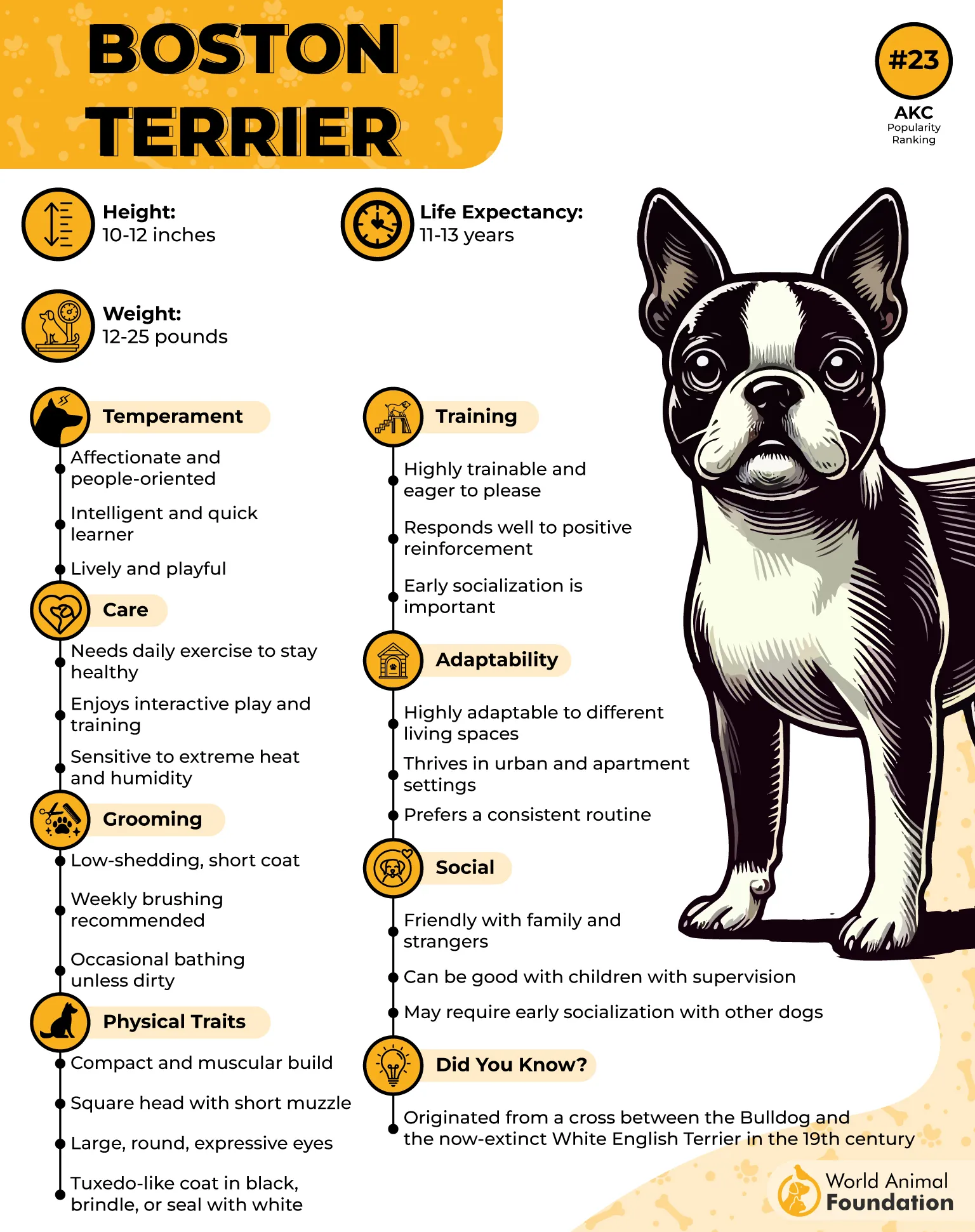
Because Boston Terriers have shortened muzzles, exercise must be managed thoughtfully, particularly during hot or humid weather. Veterinary guidance notes that short-muzzled dogs may have different physical abilities than longer-muzzled breeds and recommends tailoring exercise while closely monitoring for fatigue.
They are usually people-oriented and often thrive when training feels social and rewarding. Food rewards can be useful, but portions should remain sensible because frequent training snacks add up quickly on a compact body.
4. Papillon
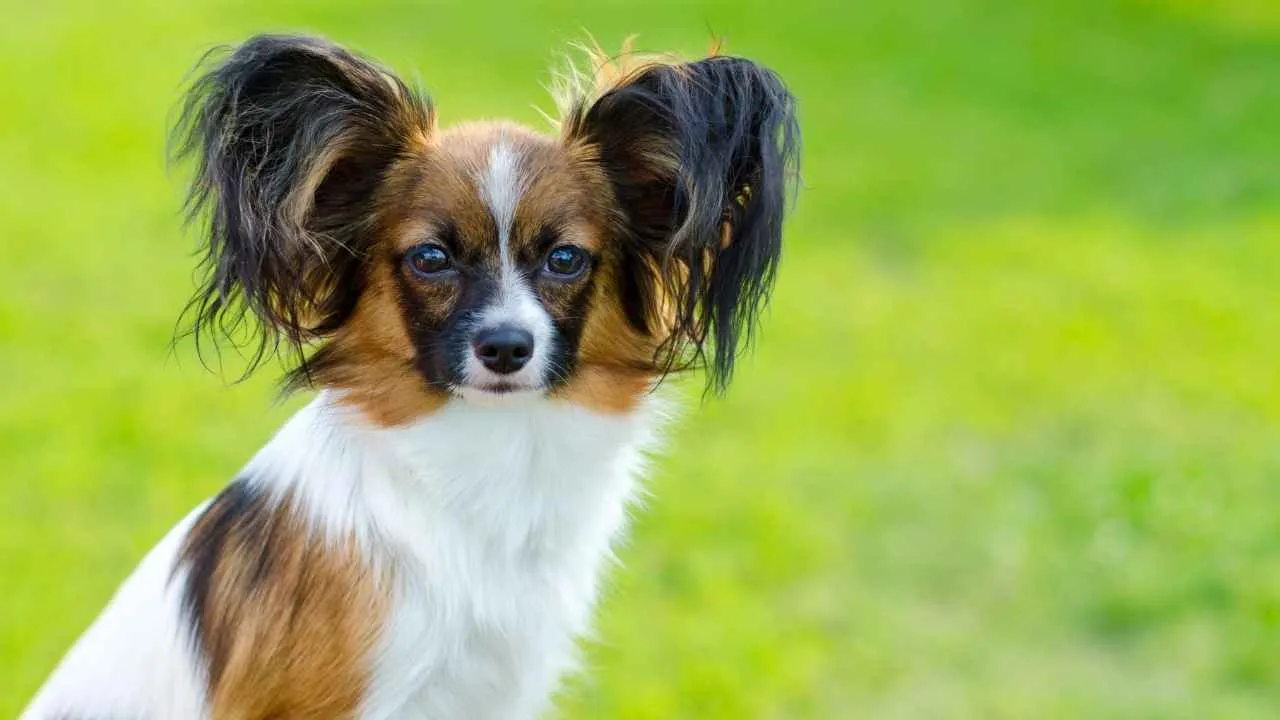
The Papillon gets its name from the French word for butterfly, inspired by the breed’s large, fringed ears. That elegant appearance can lead people to expect a fragile ornament, but this small dog is quick, curious, upbeat, and athletic. In other words, the fancy ears come attached to a tiny athlete who did not sign up to sit quietly on a cushion all day.
Papillons often shine in games that involve speed, precision, and problem-solving. Miniature agility courses, trick training, fetch, and food puzzles allow them to use both their bodies and their highly observant minds. They tend to notice patterns quickly, so do not be surprised when yours learns exactly which cupboard contains treats after watching you open it once.
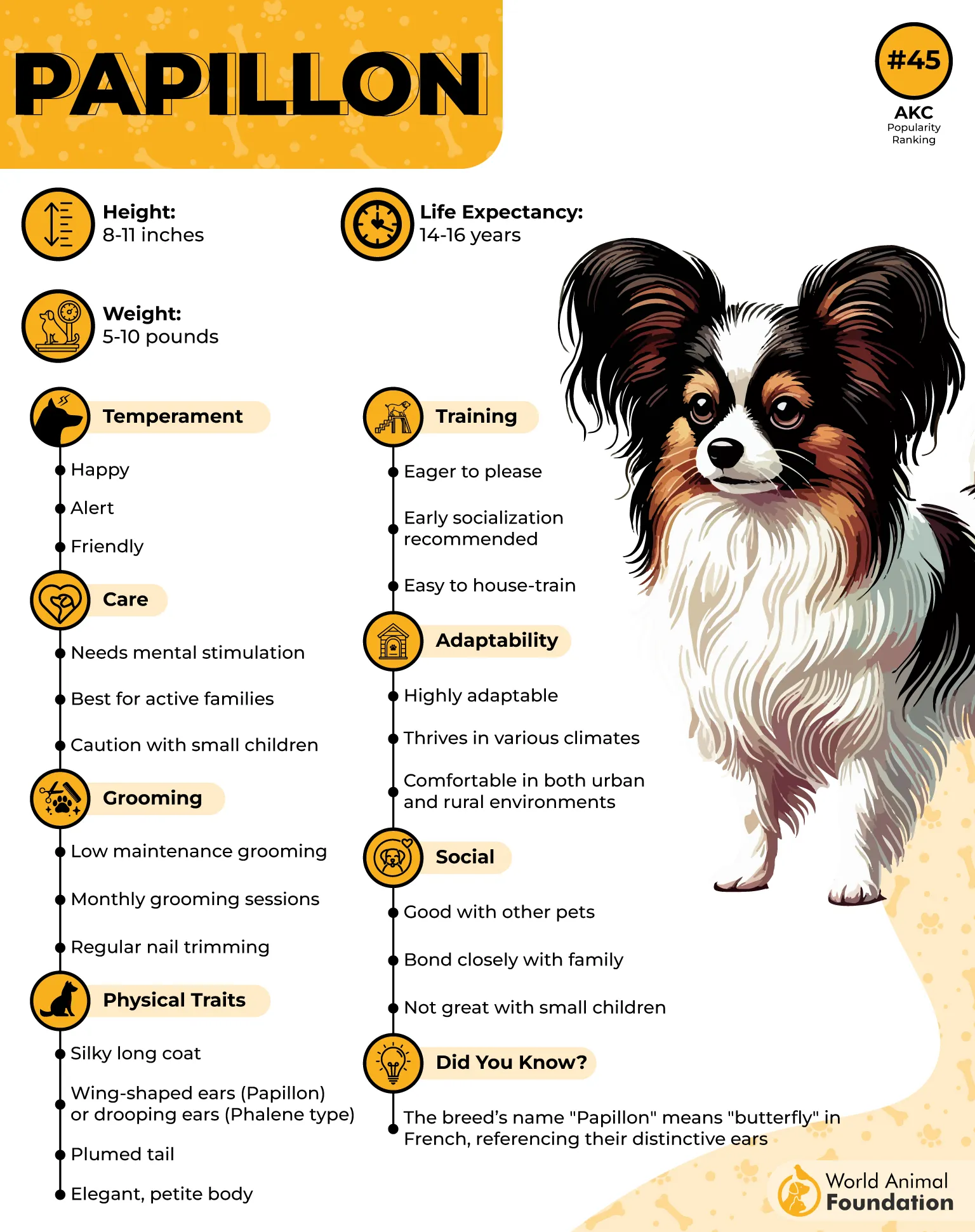
Their light build makes supervision important around very young children or larger, highly physical dogs. A Papillon may feel confident enough to join any game, but confidence does not make small bones indestructible. Families should create safe play zones and teach children to interact on the floor rather than lifting, chasing, or dropping the dog.
This popular dog breed can become a fantastic performer when training is positive, fast-moving, and varied. Repeating the same basic exercise too many times may cause a clever dog to lose interest and invent an alternative activity. Finish while the dog is still engaged, celebrate small wins, and introduce new challenges before boredom enters the chat.
5. Jack Russell Terrier
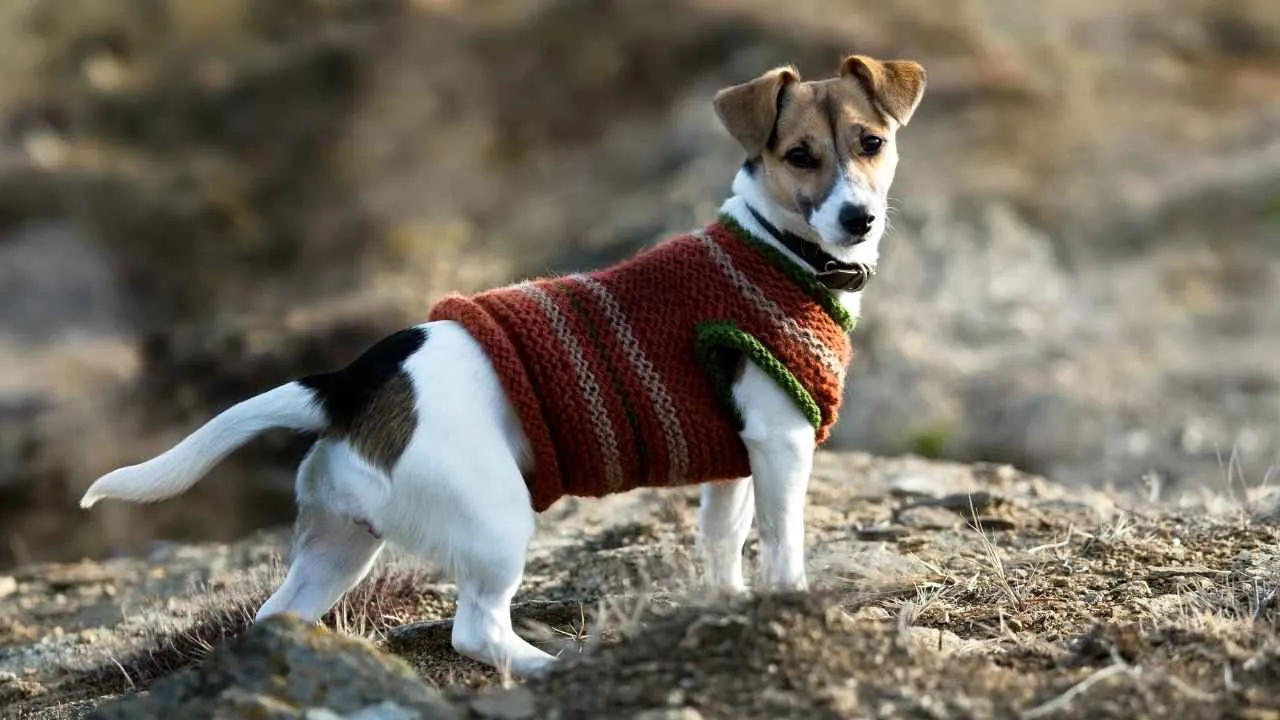
The Jack Russell Terrier is what happens when someone compresses a full outdoor adventure into a compact dog. This is not a decorative couch accessory; it is a highly motivated terrier with places to go and mysteries to solve.
Playtime with this lap dog can include fetch, digging, scent trails, tug games, and energetic training challenges. Many of them approach toys with the intensity of a professional athlete competing in a championship final. A ten-minute game can feel extremely serious when your opponent has terrier focus and absolutely refuses to accept defeat.
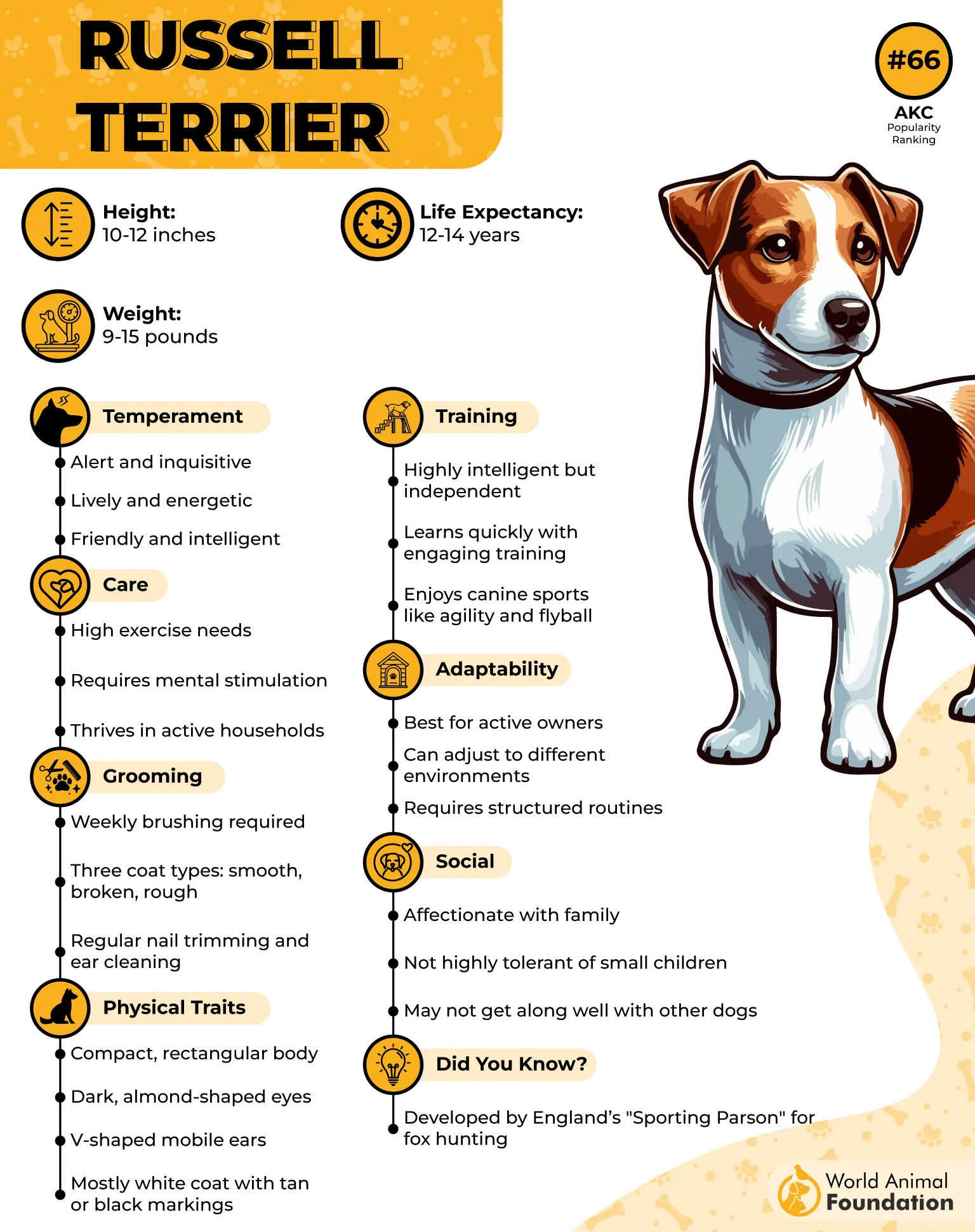
This breed generally needs more exercise than many people expect from a small dog. Russell Terriers are not ideal for couch-potato households and may suit outdoorsy families that enjoy walks, hikes, and other regular activities.
Without sufficient outlets, that legendary determination may be redirected toward digging, barking, escaping, or redesigning household objects.
Because terriers were historically developed to pursue quarry, many Jack Russells retain strong chase instincts. Secure fencing, reliable leash handling, recall practice, and careful introductions to smaller household animals are therefore extremely important.
A squirrel appearing across the road can instantly become more interesting than every treat you have ever purchased.
6. Havanese
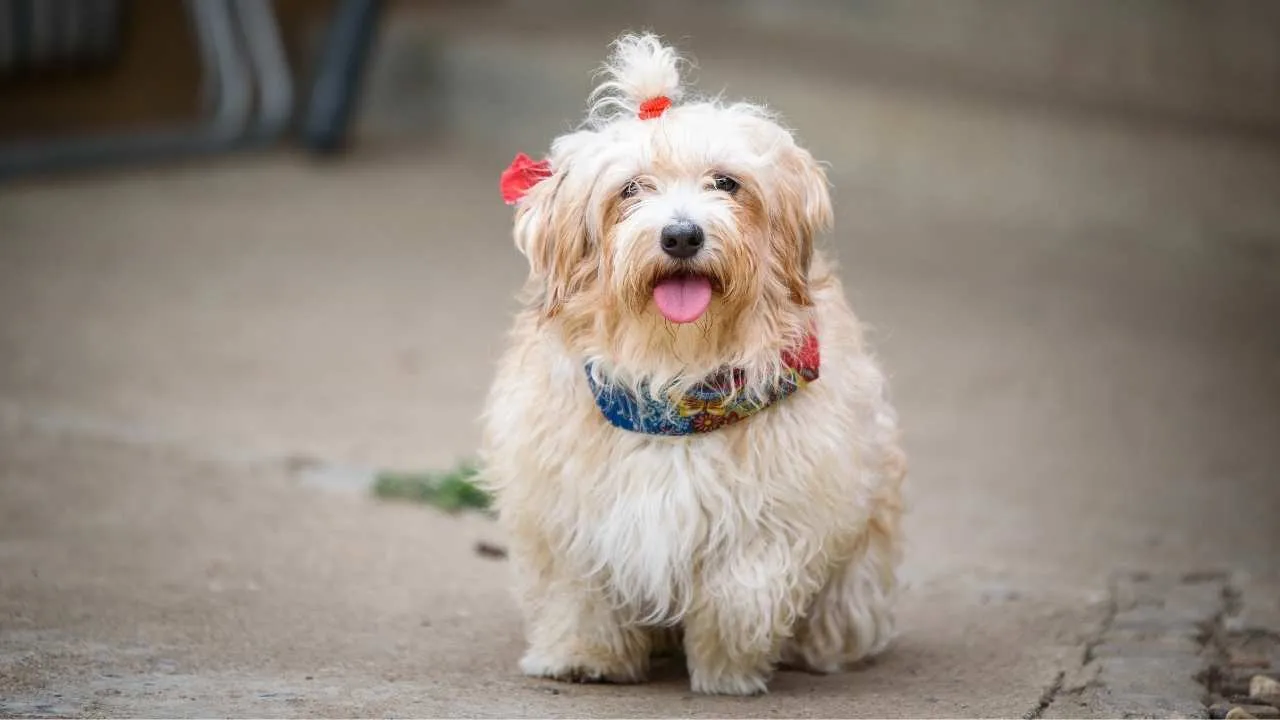
The Havanese is a cheerful companion breed with a soft coat, springy movement, and a strong desire to stay close to its people. It belongs to the ancient Bichon family and shares ancestry connections with small companion breeds such as the Bichon Frise and Maltese. While they can look elegant, many Havanese behave like fluffy comedians, always ready to audition for the family’s attention.
Their games tend to mix gentle physical activity with social interaction. A Havanese may happily play fetch down a hallway, perform tricks for applause, or carry a favorite toy from person to person as though hosting a very important presentation. They often enjoy being included more than they care about winning any particular game.
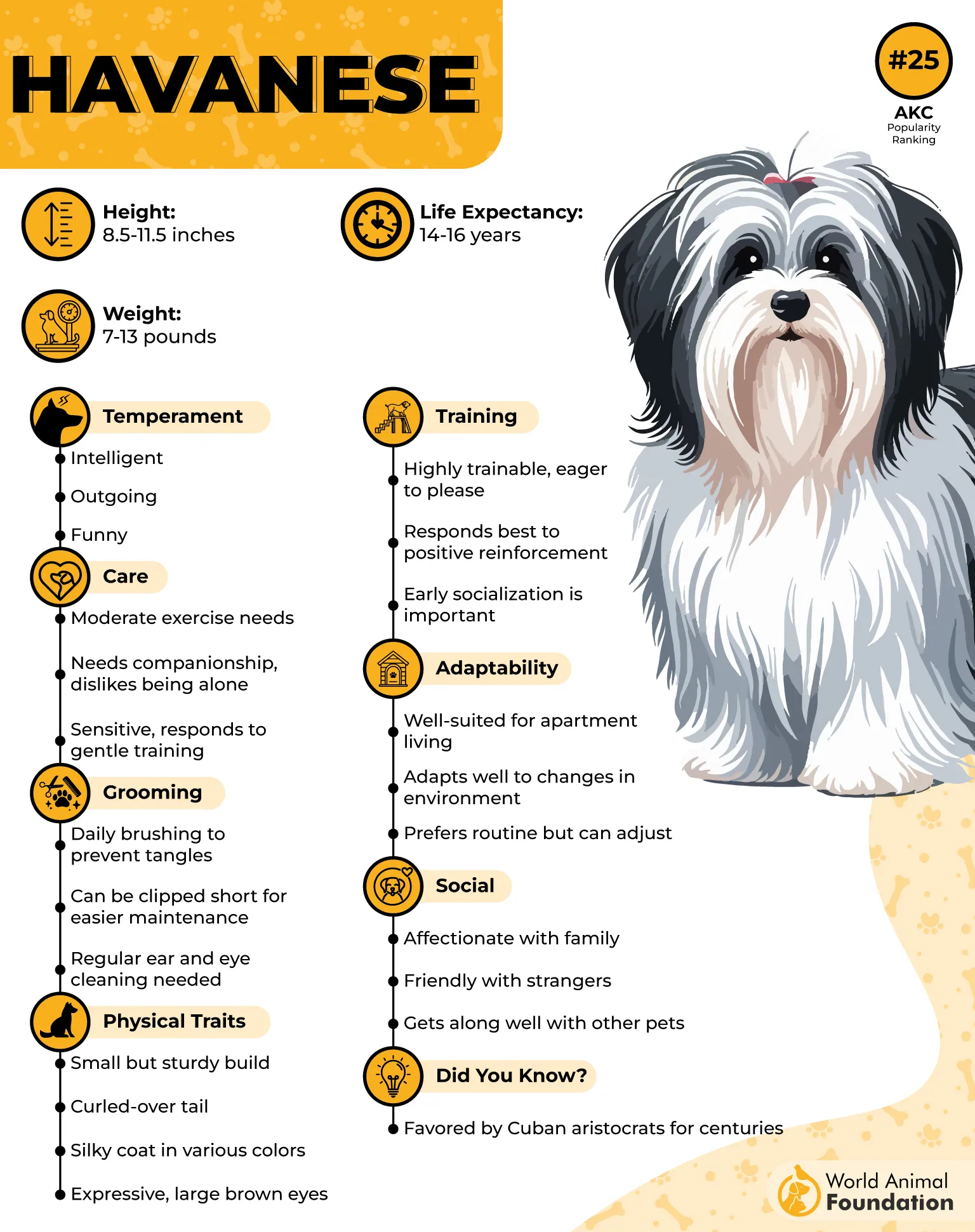
This people-focused nature can make the breed affectionate and responsive, but it also means alone-time skills should be introduced gradually. A dog that spends every waking minute attached to someone’s ankle may struggle when the household schedule changes. Calm departures, enrichment toys, predictable routines, and short independent periods can help build emotional resilience.
The long, silky coat requires genuine commitment rather than occasional emergency brushing. The Havanese Club recommends daily grooming to keep its coat free of mats and tangles, while many owners opt for shorter trims to simplify care.
Havanese often respond enthusiastically to positive training because they enjoy interaction and attention. Tricks such as spinning, waving, retrieving named toys, or going to a mat can provide valuable brain exercise while entertaining the whole household. Their playful willingness makes them excellent candidates for families that want companionship with a side of everyday comedy.
7. Bichon Frise
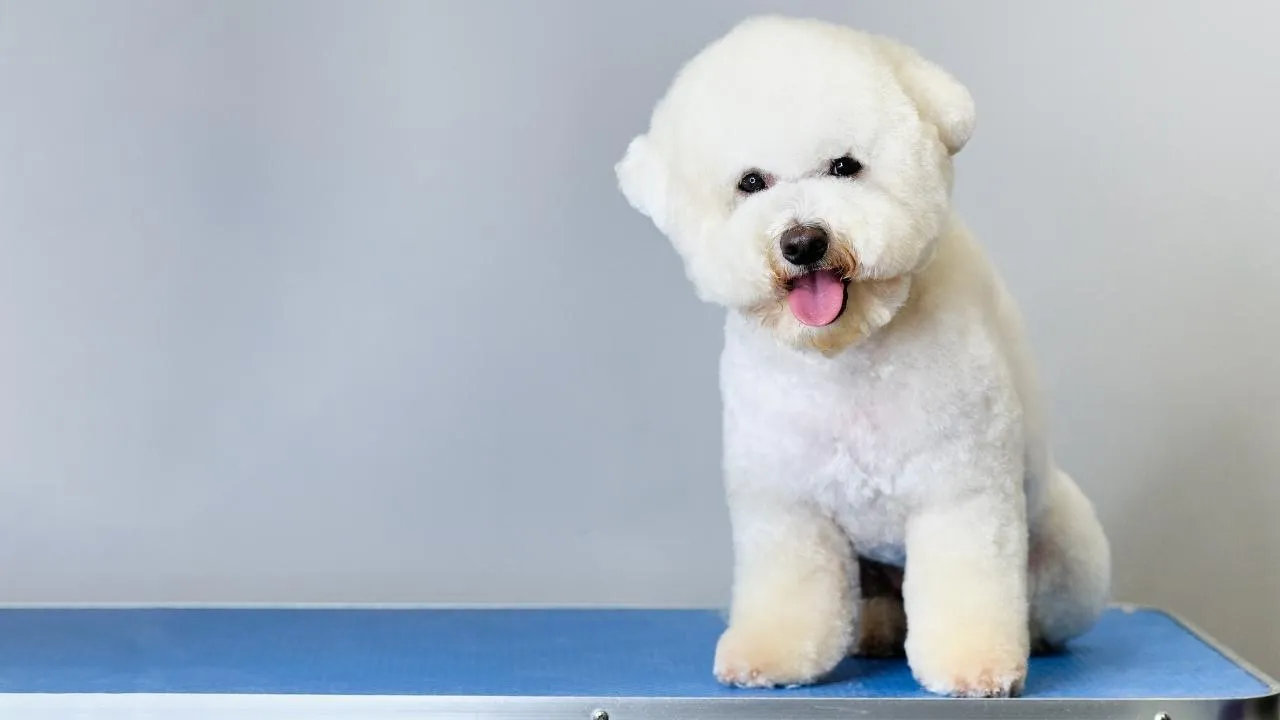
The Bichon Frise resembles a walking cotton cloud, but inside that cloud is a bright, playful companion with impressive social confidence. The breed has a long history as a companion and entertainer, which helps explain its tendency to enjoy attention, interaction, and performing for an audience.
Bichons often play with a bouncy style that makes their movements look almost choreographed. They may race in cheerful circles, pounce on soft toys, and then pause to check whether everyone noticed the performance. Their famous bursts of energy can be hilarious, especially when the living room suddenly becomes a tiny canine speedway.
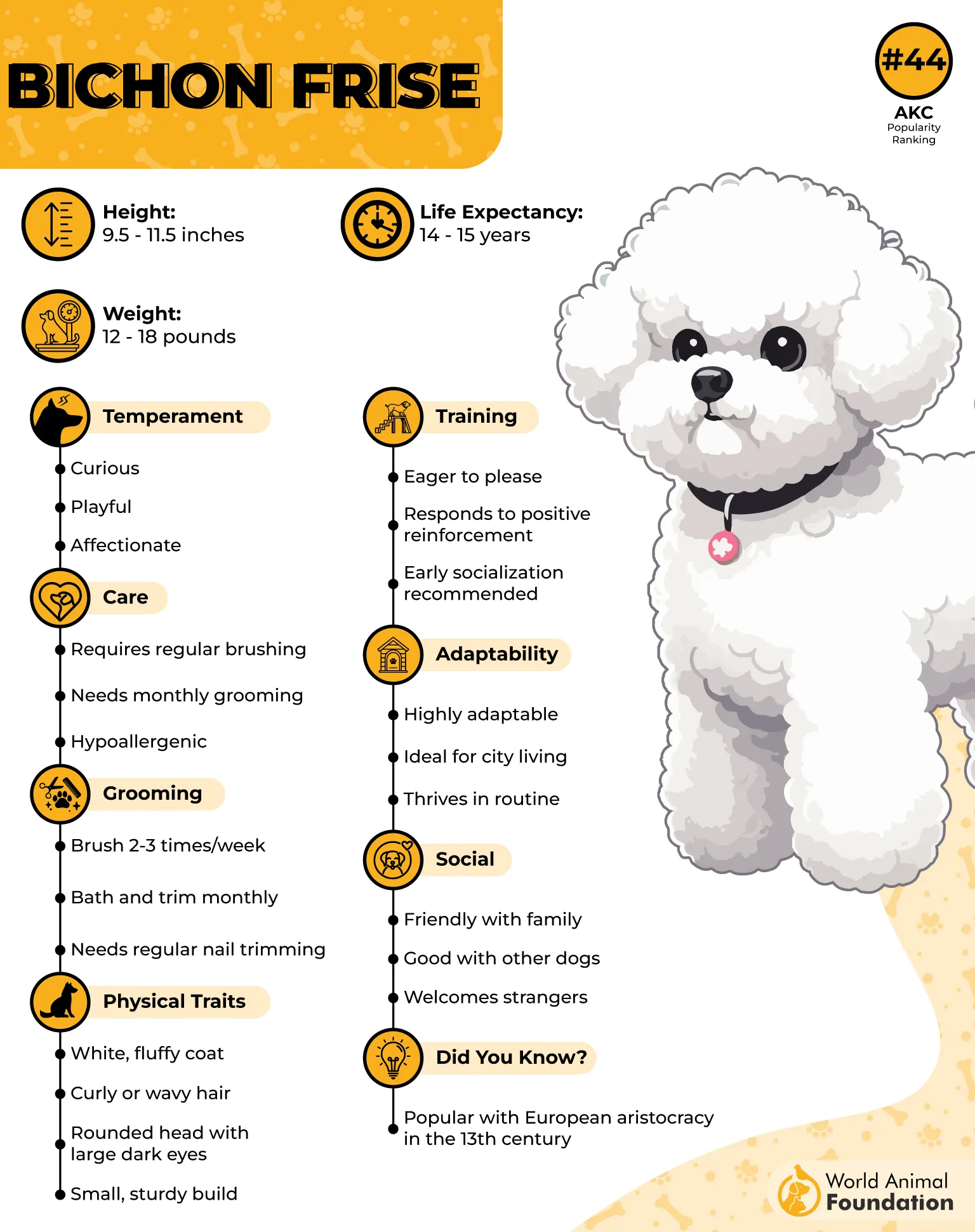
Despite their lively moments, they can often adapt well to apartment or house living when they receive walks, games, and companionship. They do not need acres of land, but they do need enough engagement to avoid boredom and frustration. Indoor treasure hunts, simple trick routines, and playdates with compatible dogs can add variety to their week.
Their curly coat is known for low visible shedding, yet it requires frequent brushing and regular professional grooming.
Loose hairs can become trapped in the coat rather than falling to the floor, contributing to mat formation when maintenance is skipped. Prospective owners should budget both time and money for coat care rather than assuming the fluffy look manages itself.
They are often enthusiastic learners, although housetraining may require patience, close supervision, and a consistent schedule. Rewarding desired behavior immediately helps a small dog understand what earns success, while punishment can create confusion or fear.
Conclusion
Each small dog breed brings a different kind of playful energy. Some prefer brain games, some crave athletic challenges, and others want to make the entire family laugh before curling up beside their favorite person.
The best match depends on whether your household can meet that breed’s needs for exercise, grooming, training, supervision, and companionship.
Small dogs may come in compact packages, but responsible ownership is still a full-size commitment. Choose thoughtfully, provide positive training, respect individual limits, and make daily play part of the relationship rather than an occasional bonus.
Do that, and your tiny housemate may fill the home with enough personality, affection, and hilarious chaos to make every day feel less ordinary.
French Bulldog, Cavalier King Charles Spaniel, Maltese, Miniature Poodle, Shih Tzu, Miniature Pinscher, Cocker Spaniel, Italian Greyhound, and Chinese Crested are other small dog breeds that are playful and fun.
