





Picking your first dog is exciting, but it can easily start to feel overwhelming. With so many breeds to choose from, it’s worth taking time to find a companion that fits your lifestyle, experience level, and living situation. The good news is that there are plenty of small dog breeds known for their loving temperaments and versatility.
Small dogs work well in apartments, condos, or smaller houses since they don’t need much space. That said, each breed still has its own personality, grooming needs, and exercise requirements. Generally speaking, though, small dogs tend to be easier to care for than their larger counterparts.
Here are nine of the most popular small dog breeds, known for their gentle temperaments and affectionate nature. Let’s take a look.
Perfect Small Dog Breeds for First-Time Owners
1. Cavalier King Charles Spaniel
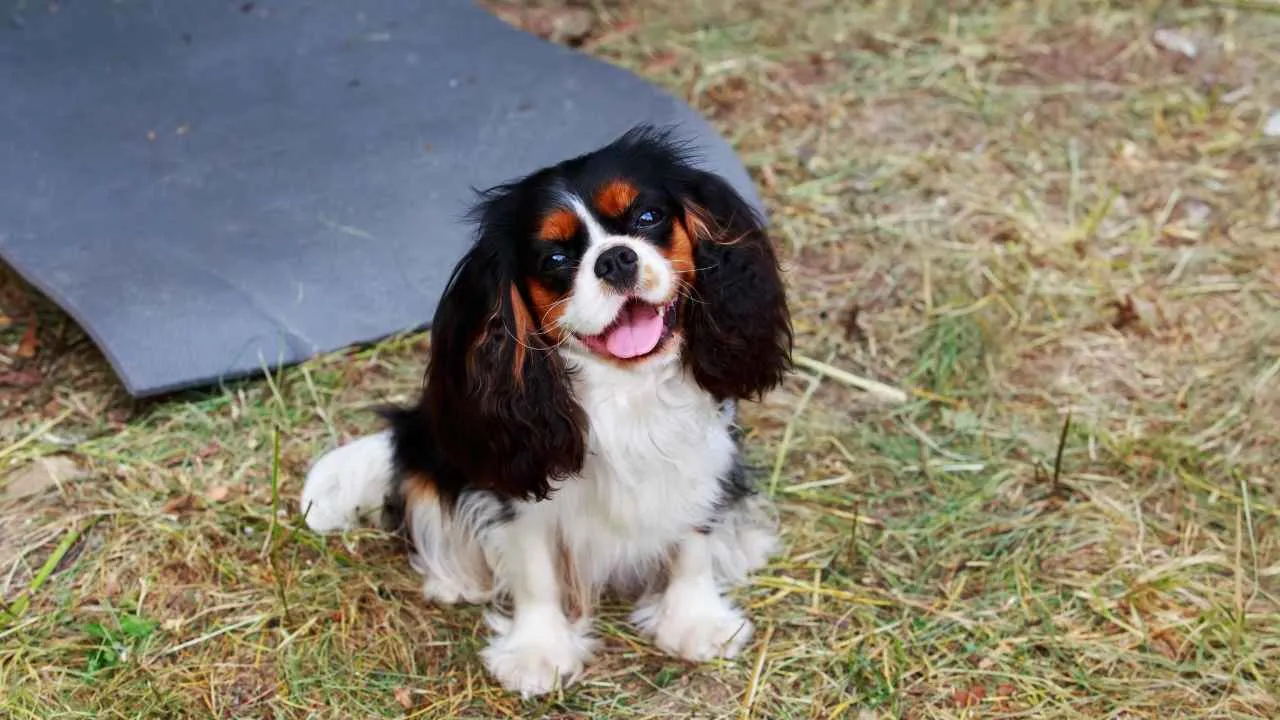
The Cavalier King Charles Spaniel is one of the rare breeds that manages to be both loving and wonderfully docile. These beautiful miniature dogs adore human companionship and grow into fiercely loyal family pets.
Cavaliers are peaceful, sociable dogs that get along easily with children, seniors, and other pets. They’re moderately active and happy to walk and play with you every day, but they’re just as content curling up next to you on the couch to relax.

They’re relatively easy to groom, with a silky coat that brushes out smoothly, and most Cavaliers genuinely enjoy bath time. The American Kennel Club notes that Cavaliers are one of the most versatile breeds, thanks to their personality and eagerness to please.
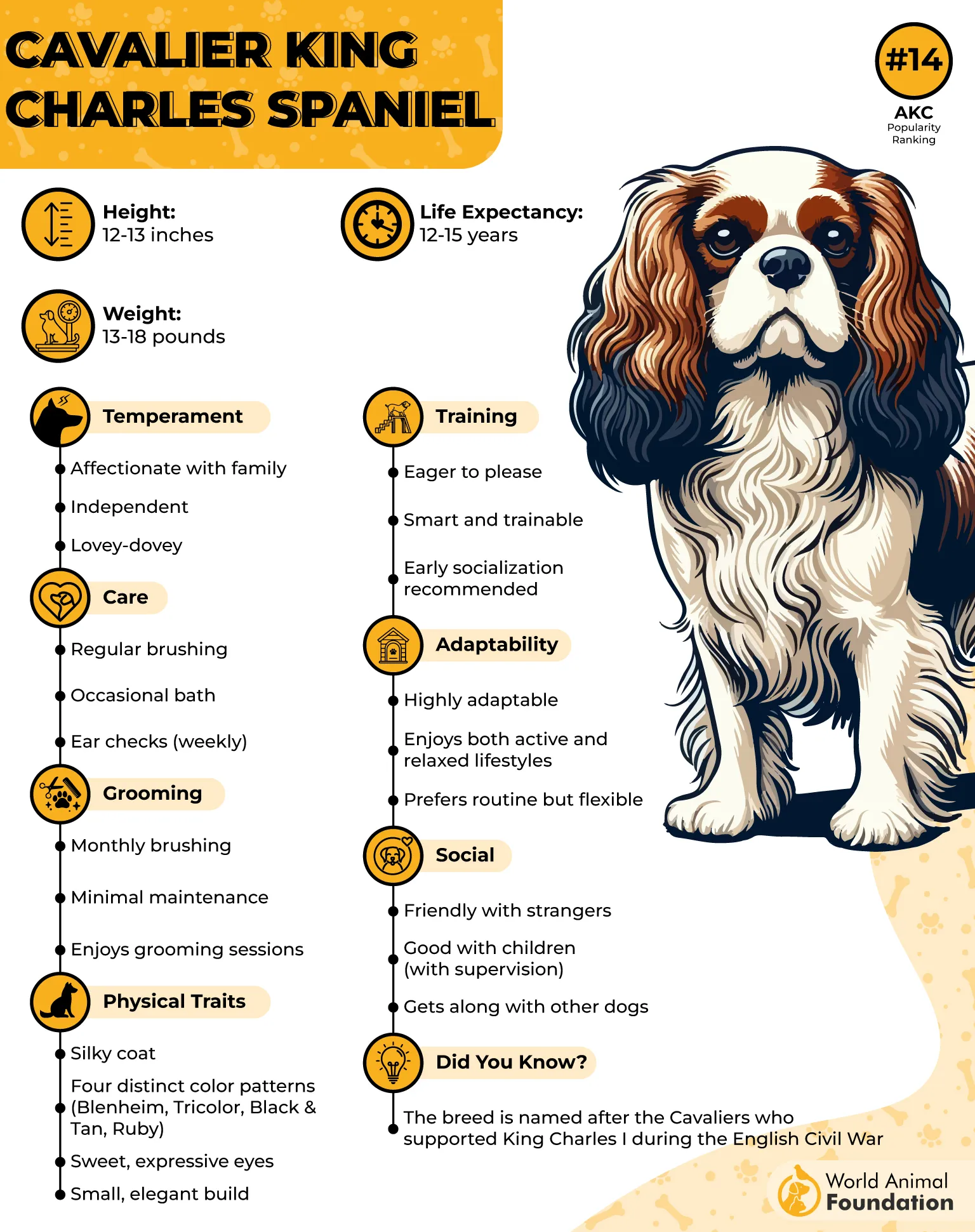
These lap dogs are a great match for active families and do well in dog sports like obedience and agility. They also make wonderful therapy dogs.
2. Bichon Frise
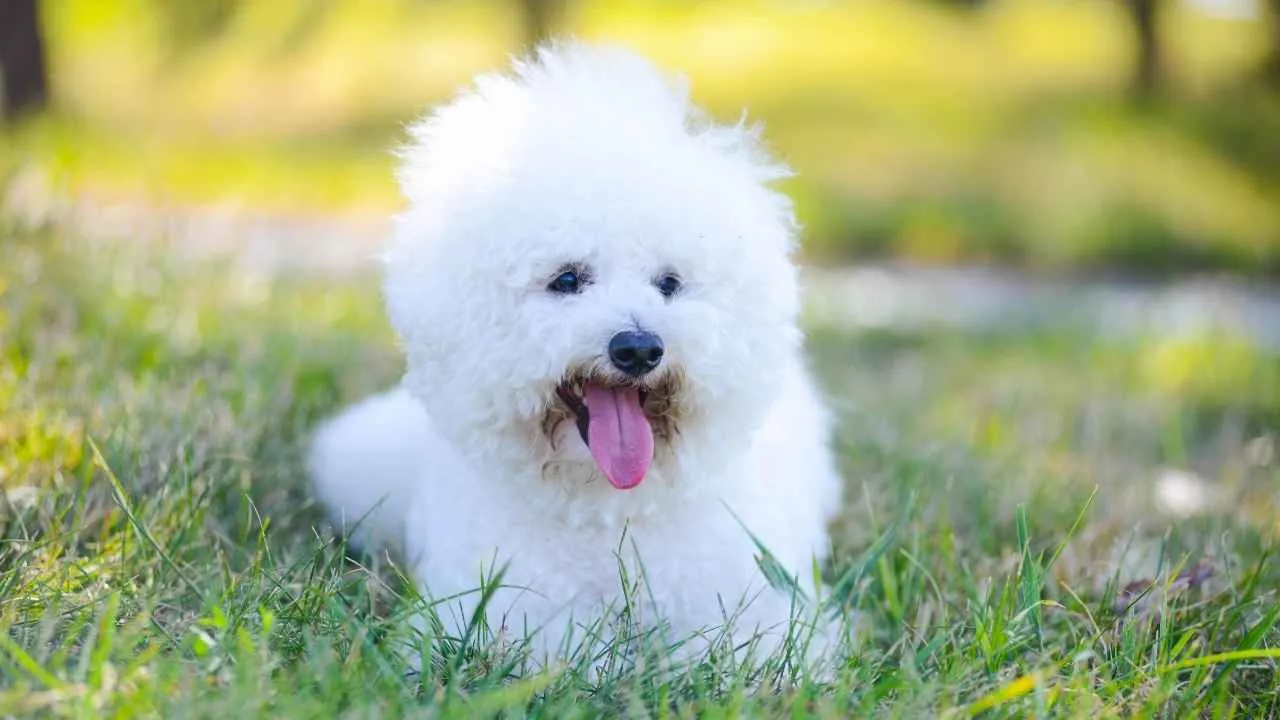
The jovial Bichon Frise is well known for its fluffy white, hypoallergenic coat and delightful personality. By nature, these dogs are social and love spending time with their family, which makes them a great choice for first-time pet parents.
Bichons are smart and easy to train, responding especially well to positive attention and reward-based methods. Owners should keep them engaged with games and activities, since Bichons don’t respond well to scolding. They genuinely enjoy learning new tricks, which also keeps their minds active.
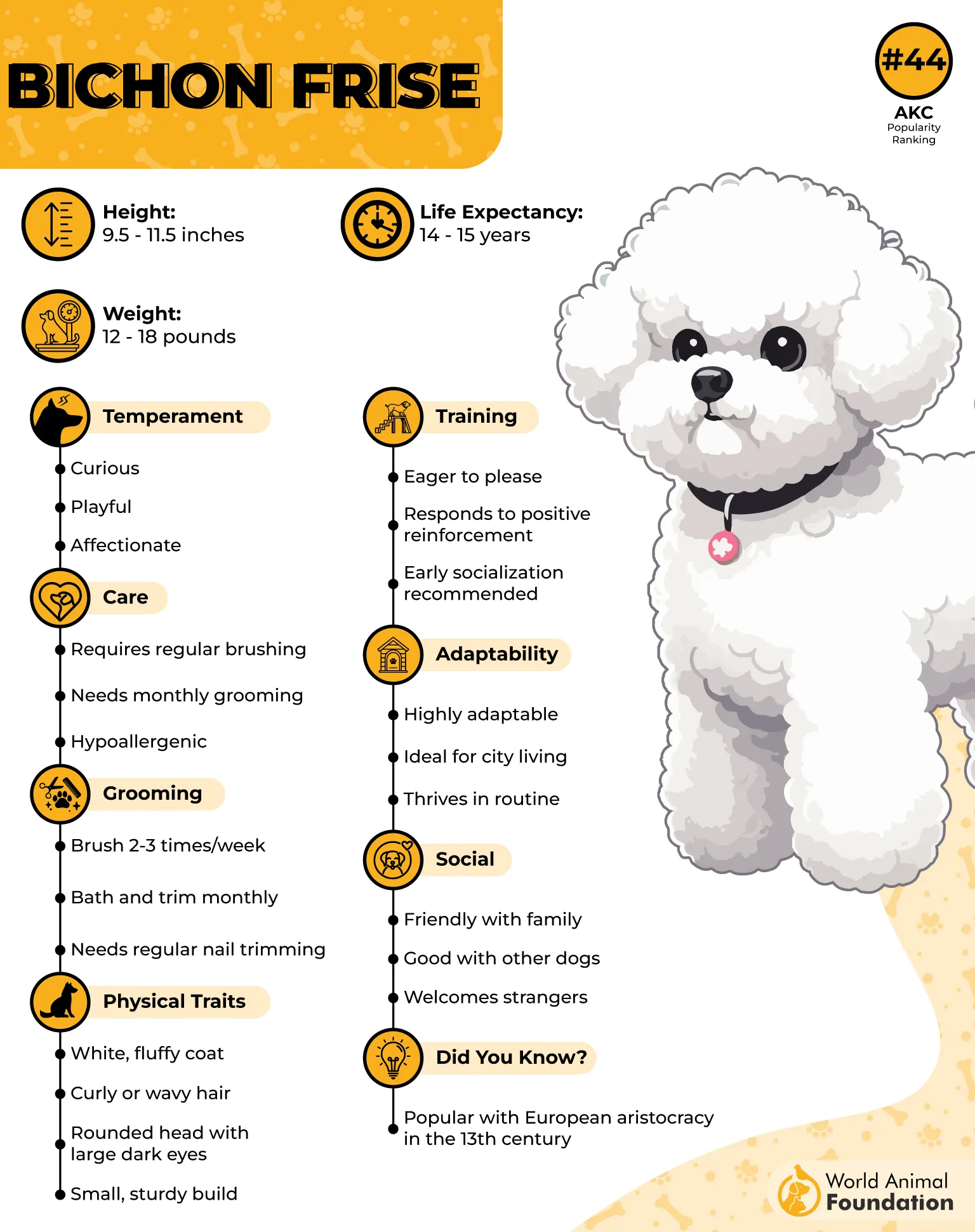
Their curly coat is soft and sheds very little, but it does need regular brushing and professional grooming to stay healthy and tangle-free. Plan on a bath and trim about once a month. Because they shed so little, these small dogs are also a solid option for people with allergies.
Outgoing by nature, Bichons make excellent companions for older children, retirees, and other pets alike.
3. Havanese
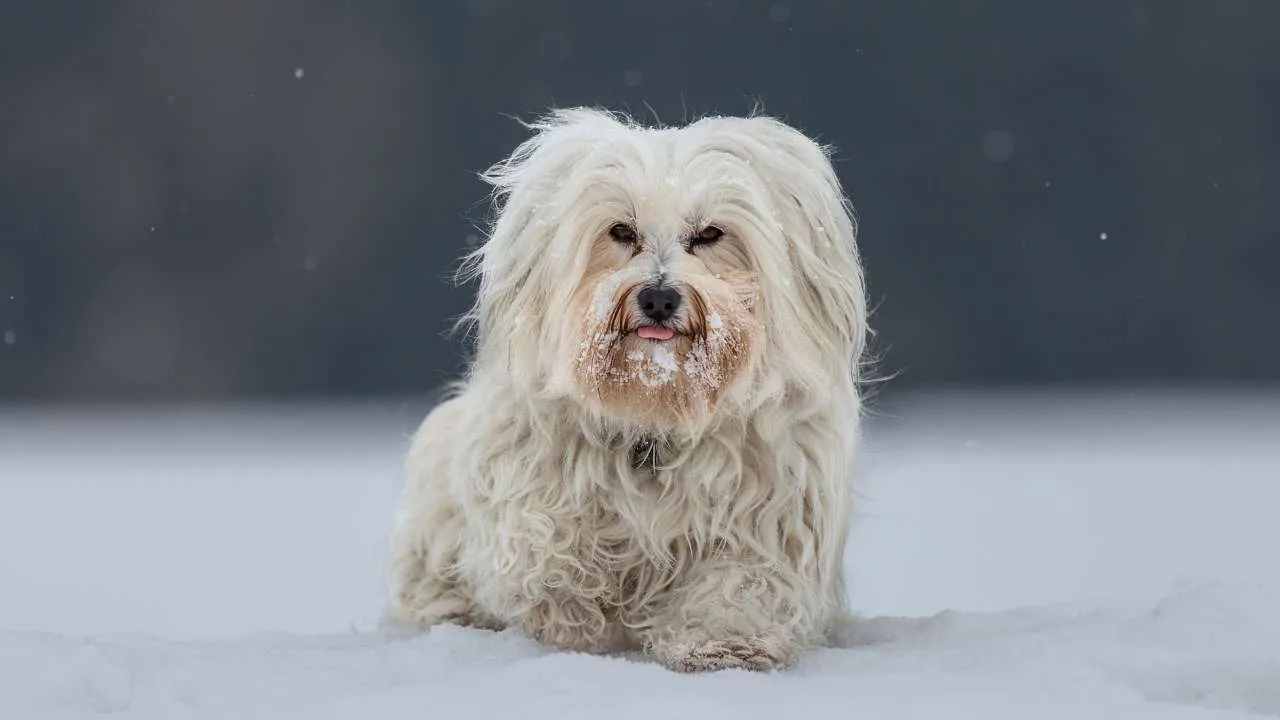
The Havanese is a smart, loving, and adaptable dog. Originally kept as a companion pet in Cuba, the breed later made its way to America. Havanese dogs love being around people and tend to follow their owners from room to room.
When properly socialized, Havanese dogs are welcoming toward children, visitors, and even other animals. Their moderate energy level makes them easy to handle, and about half an hour of playtime a day is usually enough to keep them happy.
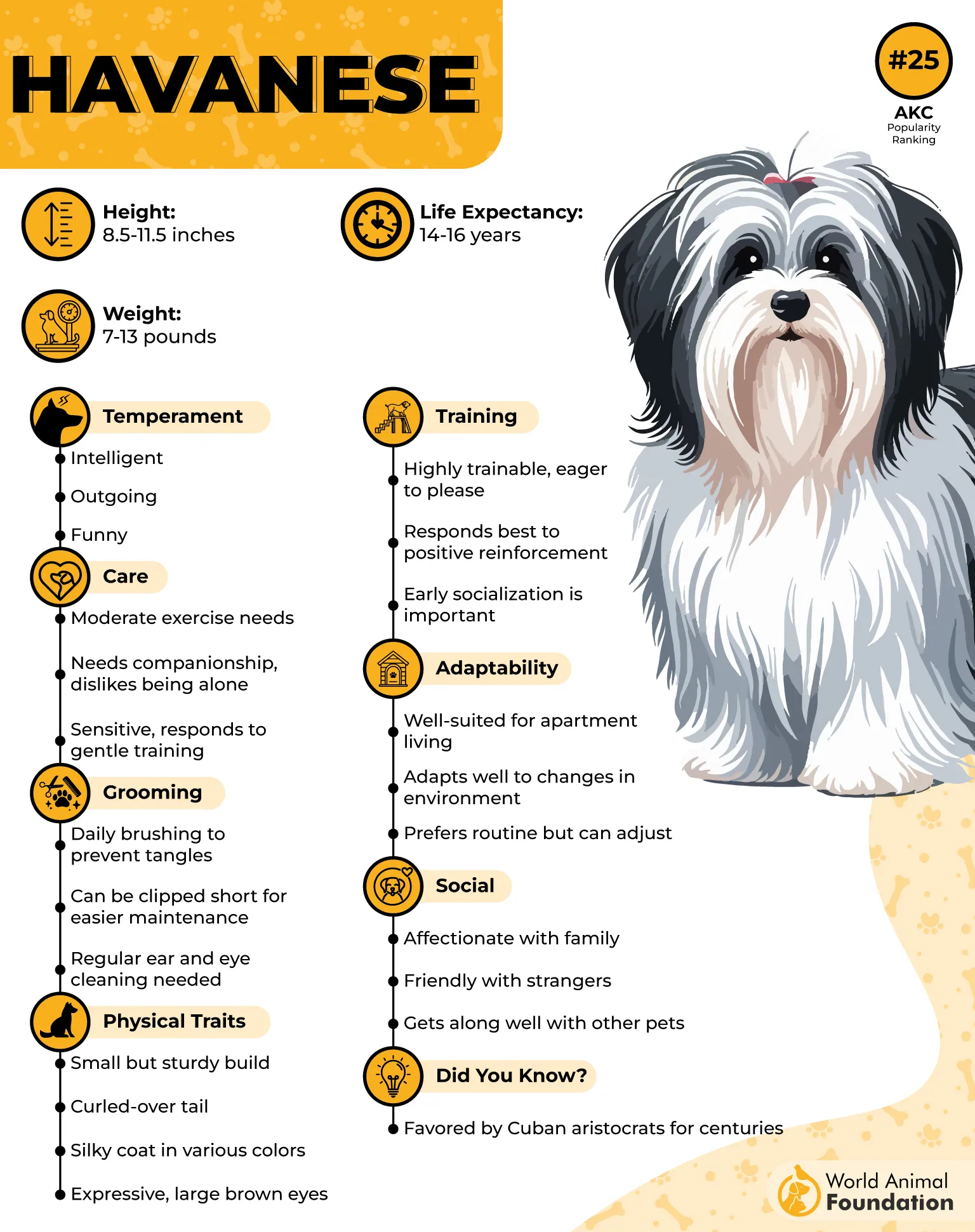
Their coat is long and silky and needs regular grooming and frequent brushing, though many owners opt to keep it trimmed short or clipped up for easier care. It’s also worth cleaning around the eyes regularly to prevent tear stains from showing up on their light-colored fur.
Havanese pups are highly intelligent, and with early puppy training classes, they tend to grow into gentle, well-mannered dogs around children and other family members.
4. Pug
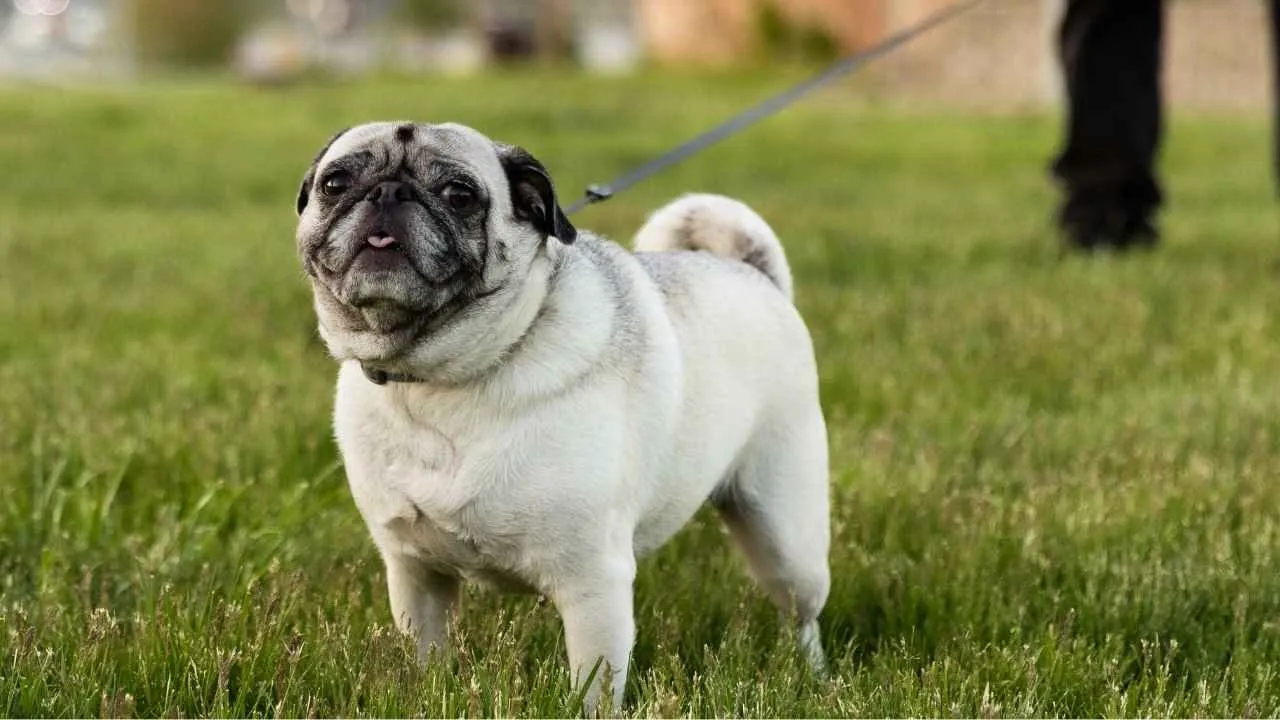
The lovable personalities and expressive faces of pugs have been winning hearts for centuries. They’re loving, playful dogs that simply want to stay close to their owners as much as possible.
Pugs don’t need strenuous walks or outdoor games the way more active breeds do. They’re usually content with a few short walks a day and some indoor playtime, which makes them a great fit for apartment dwellers or families with a more relaxed lifestyle.
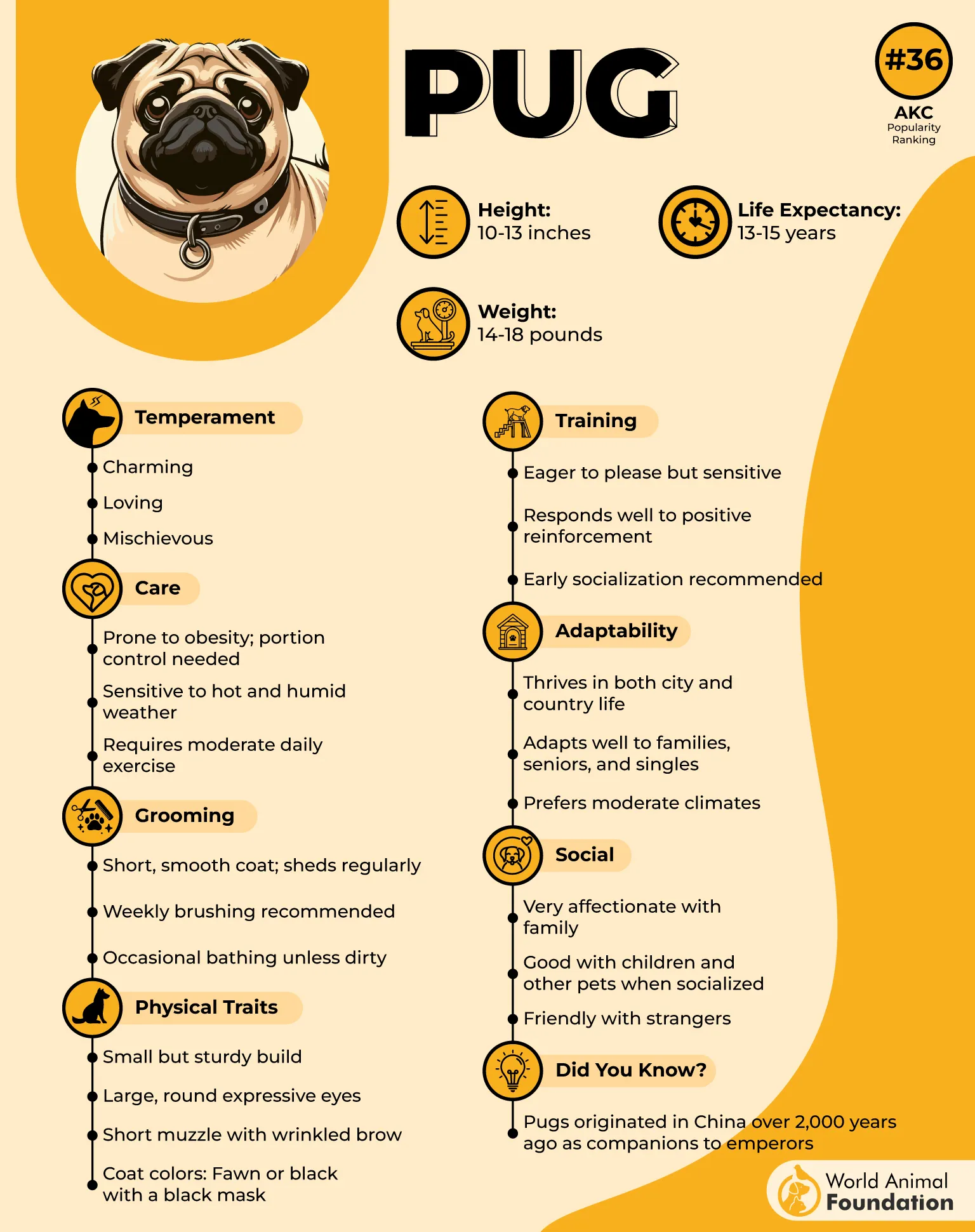
Owners should stay mindful of hot weather and intense exercise, since pugs’ flat faces can make breathing harder in those conditions. Their facial folds and wrinkles also need regular cleaning to prevent sores from developing, and routine vet visits and proper weight management go a long way in keeping them healthy.
Their amiable nature makes pugs one of the easiest breeds to live with. That said, they don’t do well left alone for long stretches, and can develop separation anxiety when kept away from their owners too often.
5. Shih Tzu
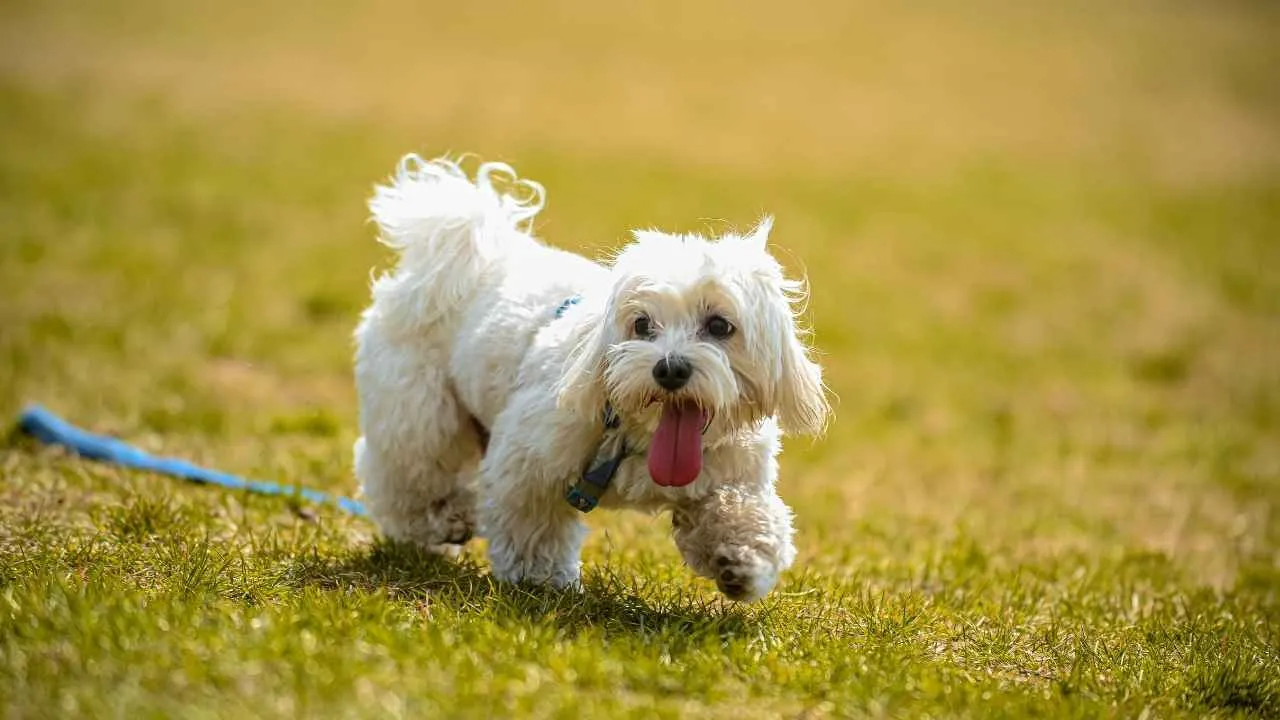
Shih Tzus have always been great at offering comfort and companionship to families. Originally kept as royal companion dogs, they trace their roots back to Tibetan breeds in China, according to The Kennel Club.
Shih Tzus adjust easily to apartment living since they don’t need much space or exercise. Short bursts of indoor play and the occasional stroll around a dog park are usually enough to keep them happy. Thanks to their short legs, they’re not really built for long hikes or lengthy walks.
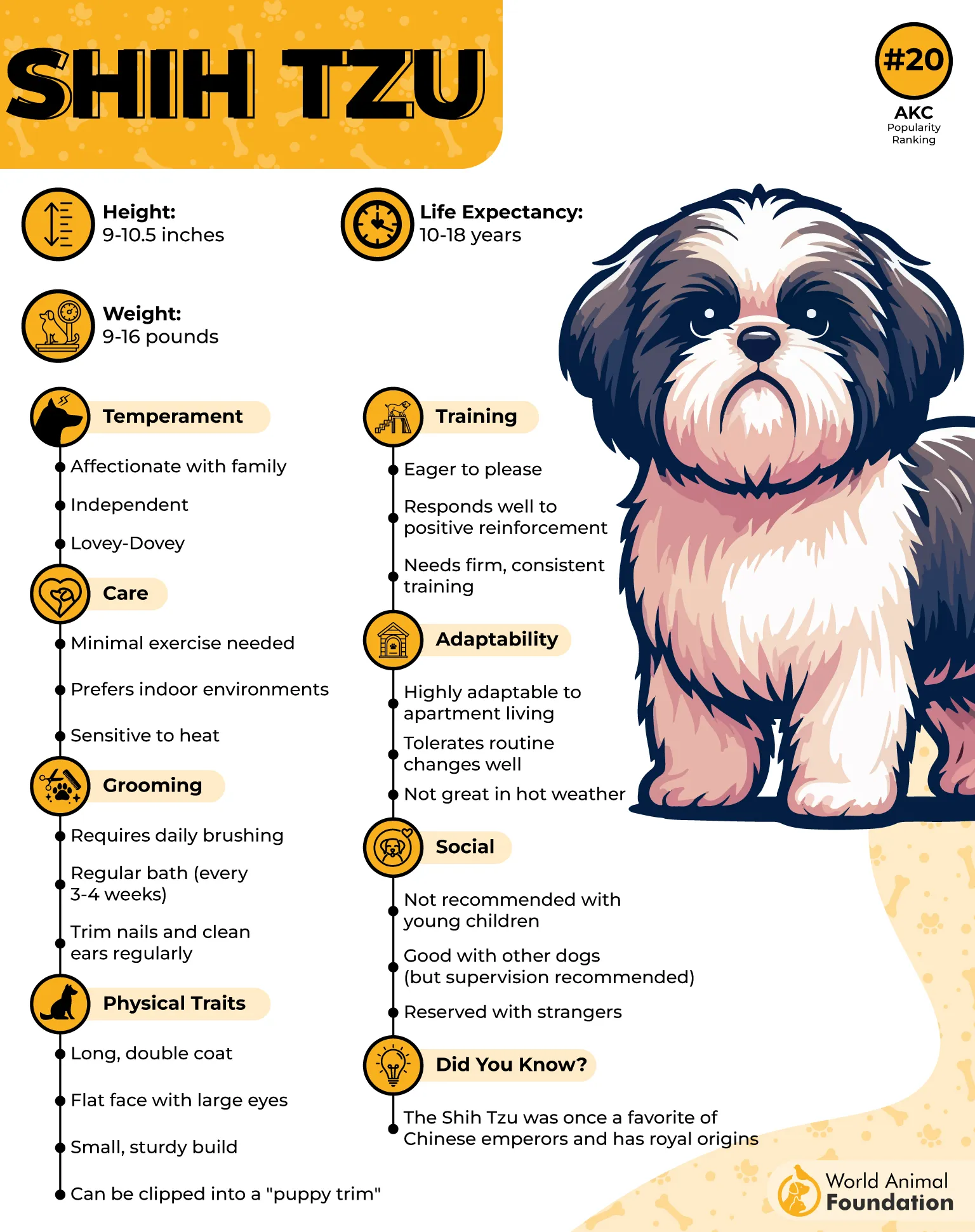
Their fancy coat needs daily brushing, and a good-quality wire brush works well for working out tangles. Many owners opt for a shorter puppy cut, which makes the grooming routine much more manageable.
Training should always be done using positive methods. Treats work well as rewards, but owners should avoid giving in when Shih Tzus get overly excited, since this can encourage undesirable behaviors. It’s also worth paying close attention to their diet, as these dogs can be prone to obesity.
6. Toy Poodle
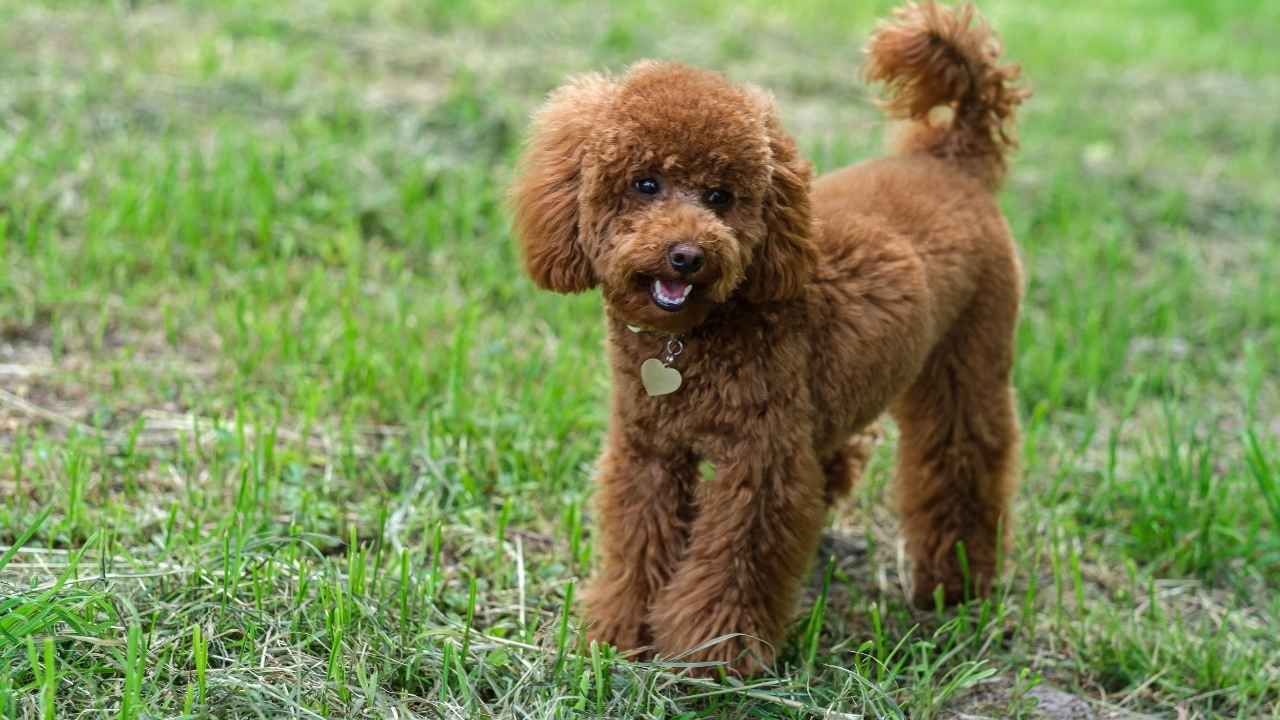
The toy poodle is frequently ranked as one of the smartest breeds in the canine world. They’re so eager to learn that they make training a genuinely enjoyable experience, even for people with little to no prior dog-owning experience.
The breed actually originated in Germany, where poodles were originally used as water dogs for retrieving ducks. Today, they’re also famously seen strutting around fancy dog shows, thanks to their luxurious coats. Toy poodles are charming little dogs, loving without being overly demanding.
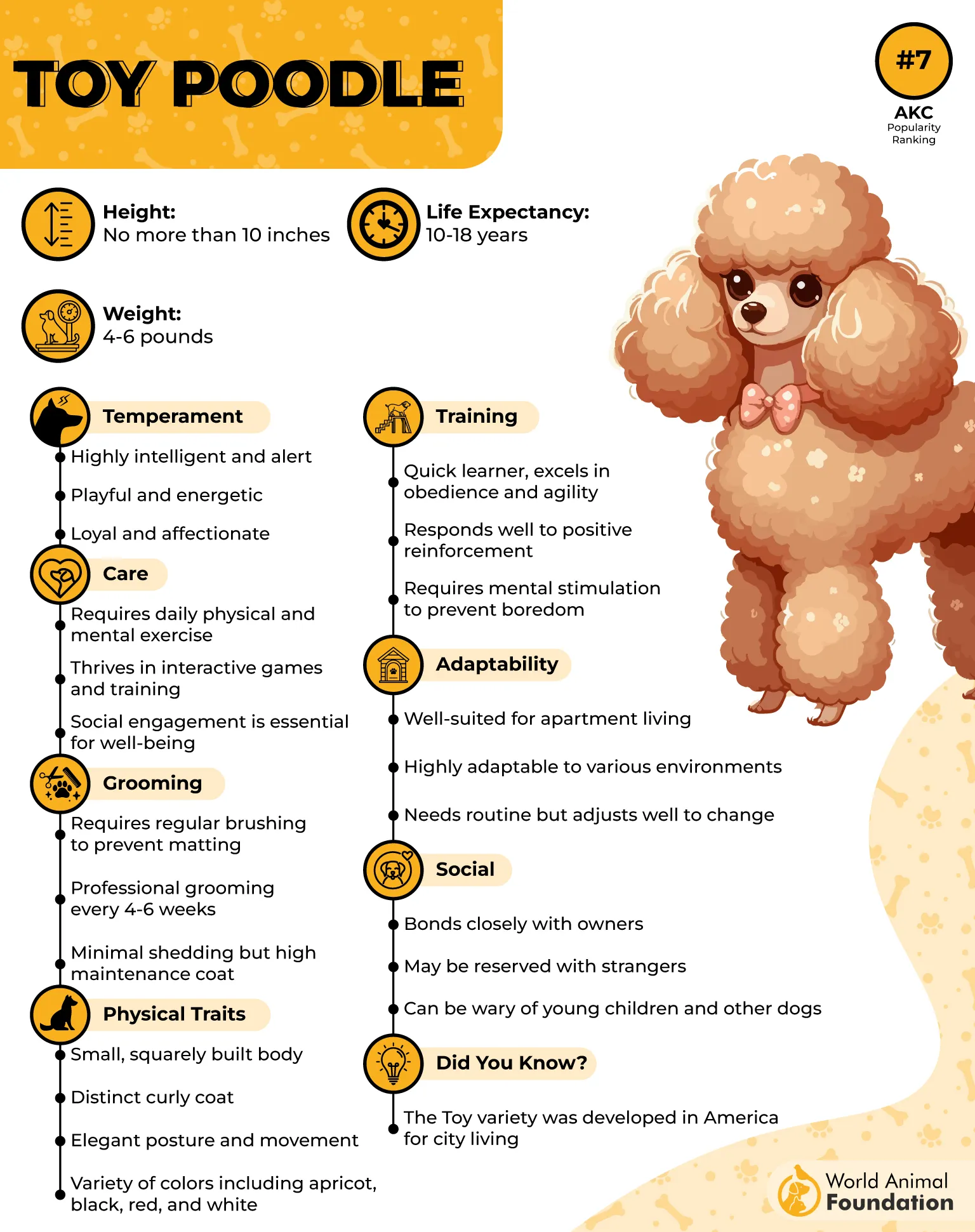
They enjoy puzzle toys, obedience training, and interactive games that keep their minds busy. Their low-shedding, curly coat also makes them a popular pick for people who want a cleaner home or who deal with allergies.
Because they can get hurt fairly easily during rough play, toy poodles tend to be a better fit for homes with older children or a quieter pace of life.
7. Miniature Dachshund
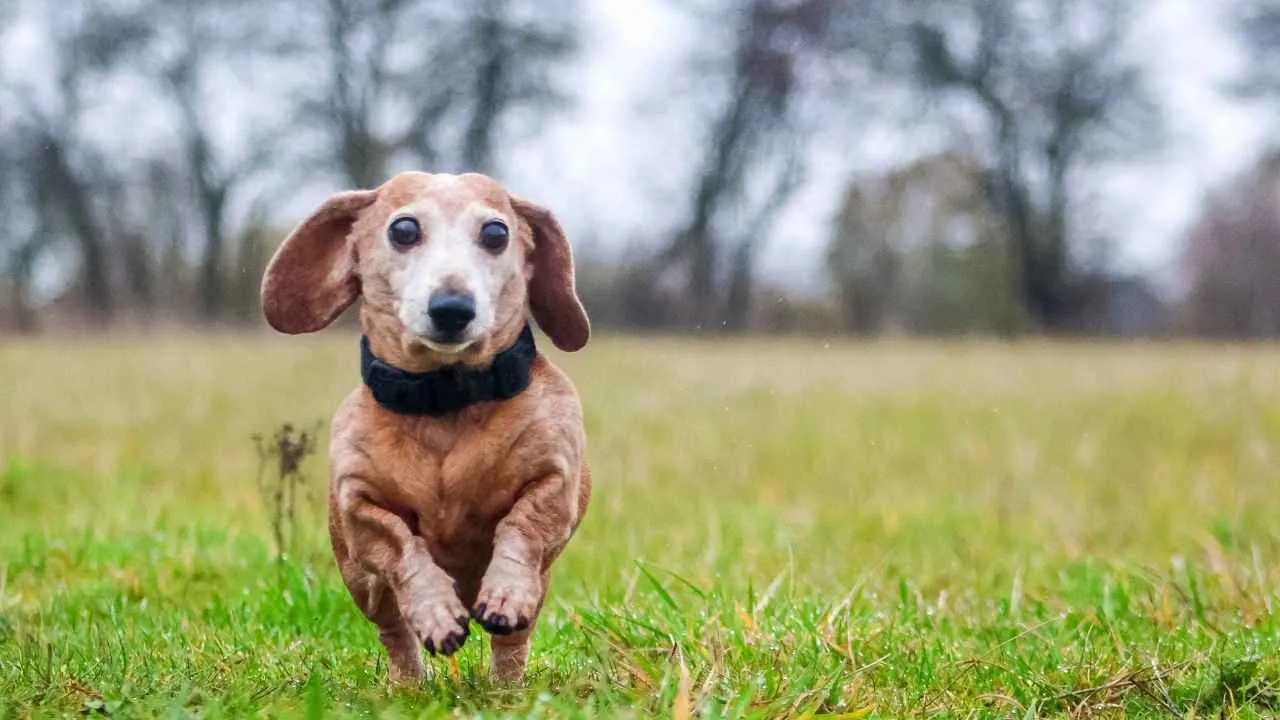
The miniature dachshund might be small, with famously short legs, but don’t let that fool you; this dog is a bundle of adventure. Historically bred for hunting, these little dogs are inquisitive, fearless, and full of charm.
They form strong bonds with their families and tend to make loyal, lifelong companions. Daily walks and playtime help satisfy their natural curiosity and keep boredom at bay.
Because of their long backs, dachshunds are more prone to spinal injuries, so owners should try to limit excessive jumping or stair climbing whenever possible. On the plus side, this breed is low maintenance to groom, often needing little more than a rubber grooming glove.
Purina recommends maintaining a healthy weight and encouraging regular, moderate exercise to help protect a dachshund’s spinal health.
8. Boston Terrier
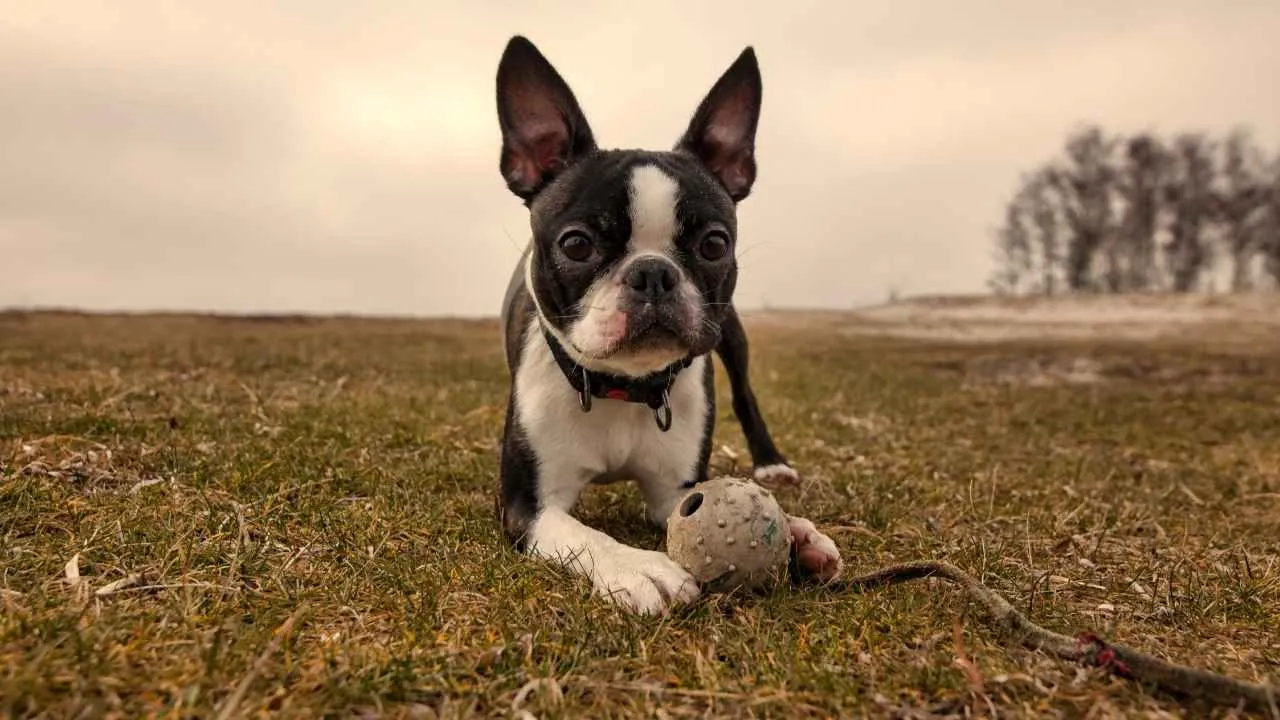
The Boston Terrier is affectionate, clever, and a total people-pleaser. Often nicknamed the “American Gentleman” for its tuxedo-like markings, this breed actually started out as a fighting dog before slowly winning its way into people’s hearts as a beloved companion.
Boston Terriers adjust well to both urban apartments and suburban homes. They enjoy daily walks, playing with interactive toys, and spending quality time with their families, and they tend to take playtime seriously, sometimes getting a little too excited in the process.
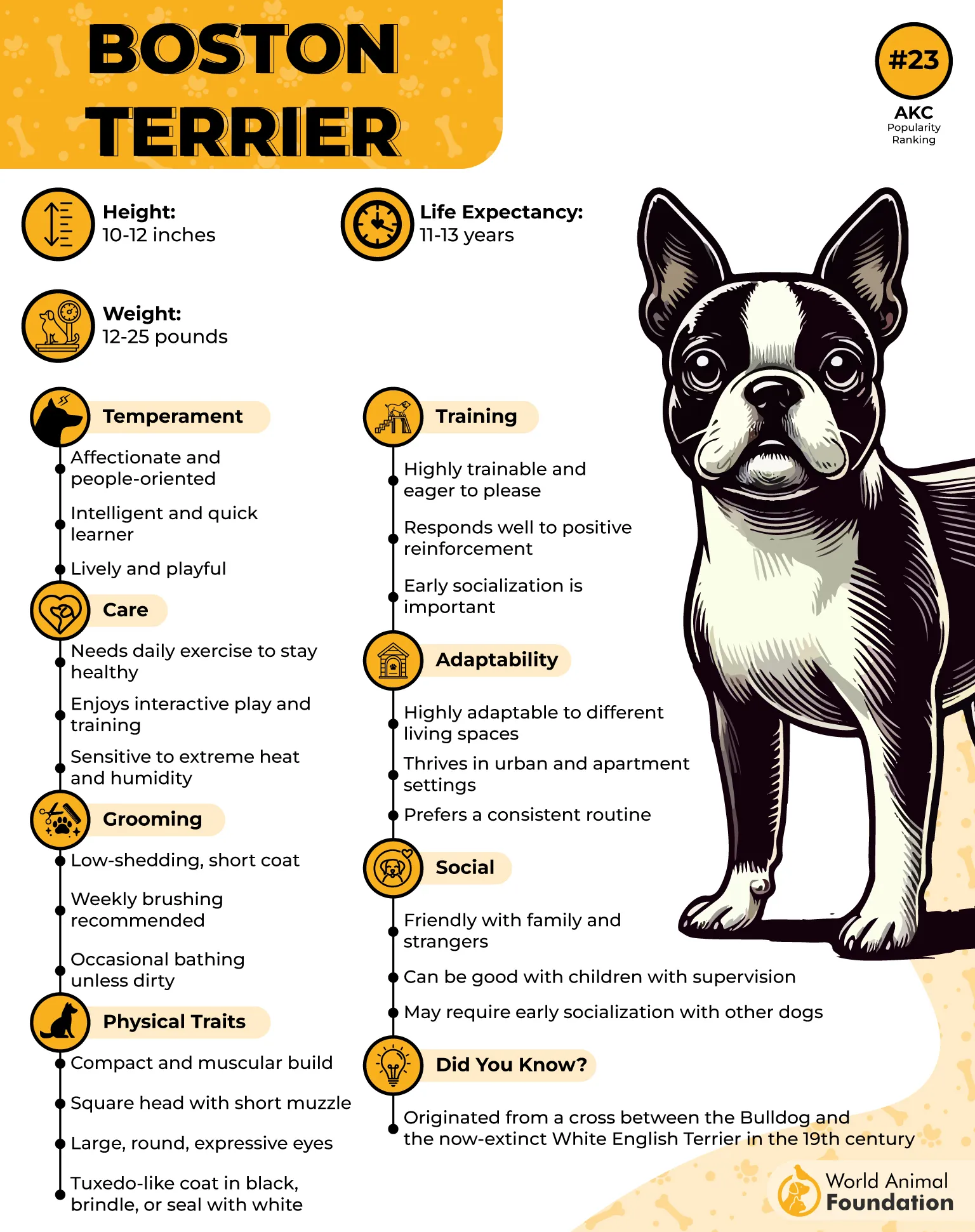
They’re one of the more low-maintenance breeds on this list, since their short coat needs very little grooming. A rubber glove or grooming mitt is usually all it takes to remove loose fur.
Their playful nature and eagerness to learn make them a great match for first-time dog owners looking for a loving yet energetic companion.
9. Bolognese
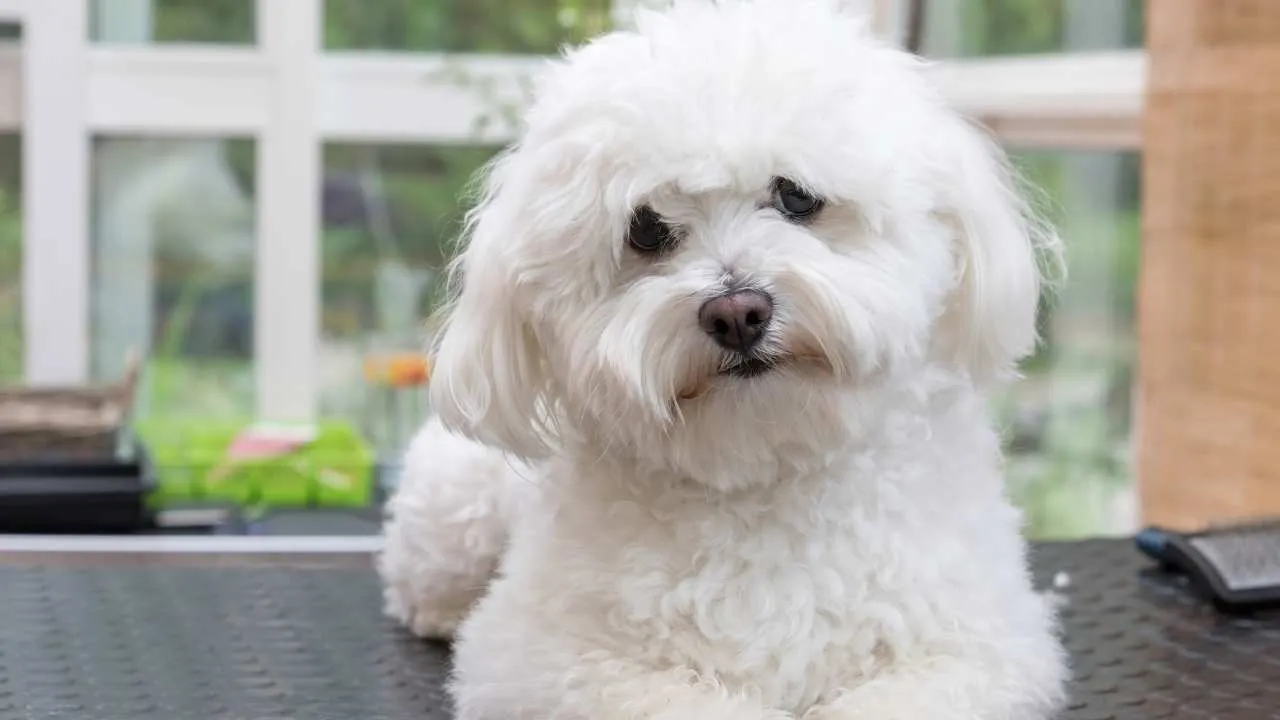
The Bolognese is a faithful companion with a placid, gentle disposition. While it’s not as widely known as some other small dog breeds, it has built up a loyal following among owners who adore these affectionate lap dogs. It’s also worth checking your local shelter, since you can sometimes find this wonderful breed there too.
Bolognese dogs love being near their humans and tend to form strong attachments to their families. These toy dogs are generally quiet, tolerant, and adaptable, making them a good fit for small apartments.
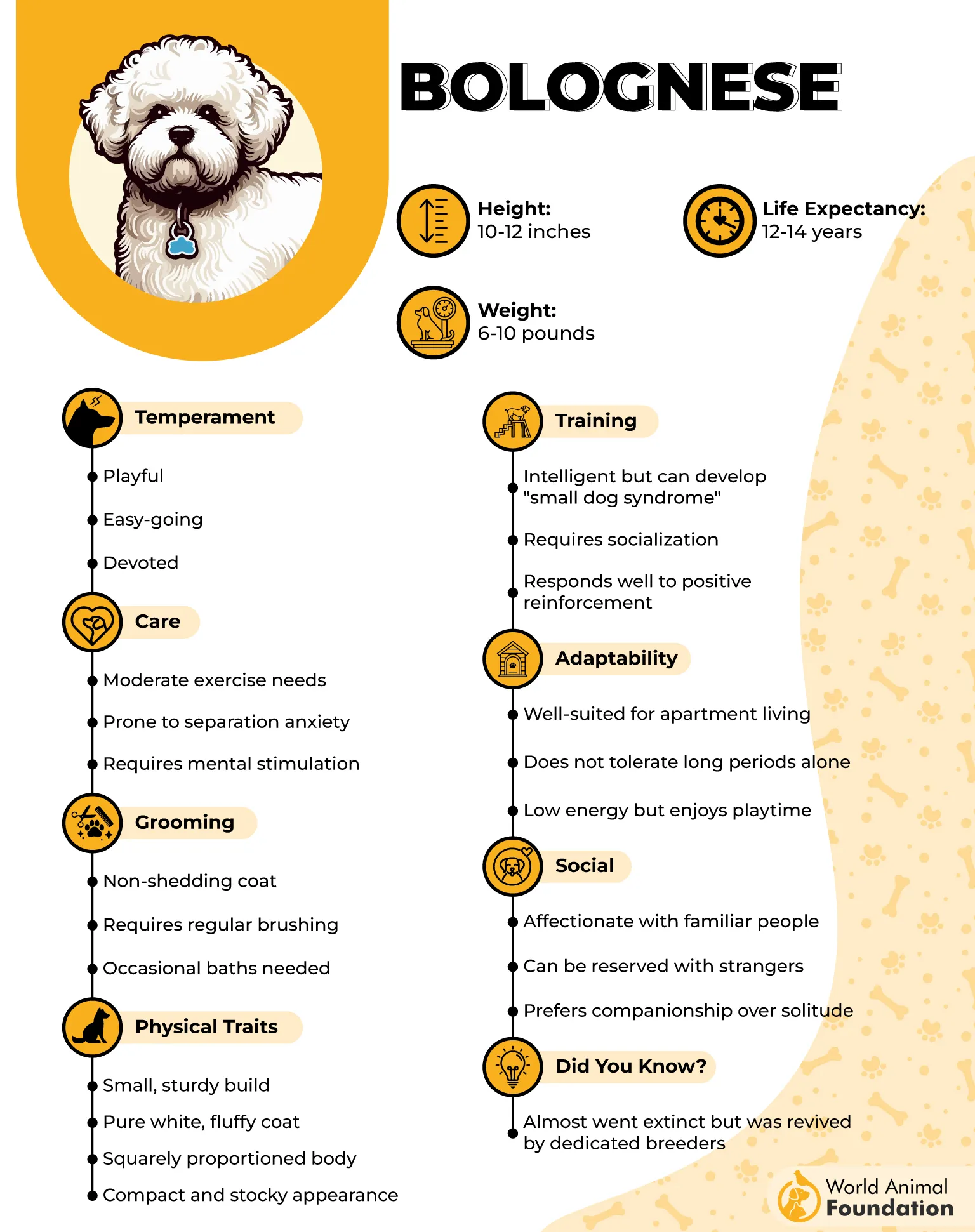
Their white, fluffy fur needs a fair amount of daily grooming to prevent matting, and owners should expect to invest in regular professional grooming, which can add up over time. Bolognese dogs can also become a bit Velcro-like with their owners, though early socialization and proper training can help them develop a calmer, more independent demeanor.
Most Bolognese dogs are generally healthy, but routine veterinary care is the best way to stay ahead of ear infections and other common issues.
Conclusion
Choosing your very first dog really comes down to finding a companion that naturally fits your lifestyle. For first-time owners, a highly trainable pup makes the whole experience much smoother. While every dog has its own personality, these nine small breeds have earned their reputation as friendly, adaptable, and rewarding companions.
Do your research before bringing your favorite pup home, and don’t forget to look into pet insurance to help cover major expenses down the road. Your first dog can turn into one of the most meaningful relationships of your life, so it’s worth taking the time to choose wisely.
