





Many people believe that any dog can adjust to a smaller, more relaxed living environment with enough training and effort. That idea sounds reasonable at first, but it does not always hold up in practice.
Some dogs continue to demand more space, more activity, and more attention, regardless of how much you try to adapt things around them. Over time, this mismatch becomes harder to ignore. The issue is not effort, but compatibility.
Certain small dog breeds are naturally better suited for a cozy lifestyle, requiring less space and fitting more comfortably into quieter routines. The difference is not always obvious in the beginning, which is why it often gets overlooked. Once you understand what truly separates these dogs from others, the decision becomes much clearer.
In the following sections, you will discover small dog breeds that fit easily into a cozy home without creating constant adjustments.
Key Takeways
Not every small dog automatically fits into a calm home, and the difference often shows up only after daily routines begin to clash.
Pekingese and Shih Tzu show how small dogs can naturally settle into quiet spaces without demanding constant change from their surroundings.
Havanese and Pomeranian bring energy into indoor life, yet still manage to stay connected to cozy routines in their own unique way.
Keep reading to see which small breeds actually fit a calm lifestyle without turning everyday living into a constant adjustment.
Perfect Small Dog Breeds for a Cozy Lifestyle
1. Pekingese
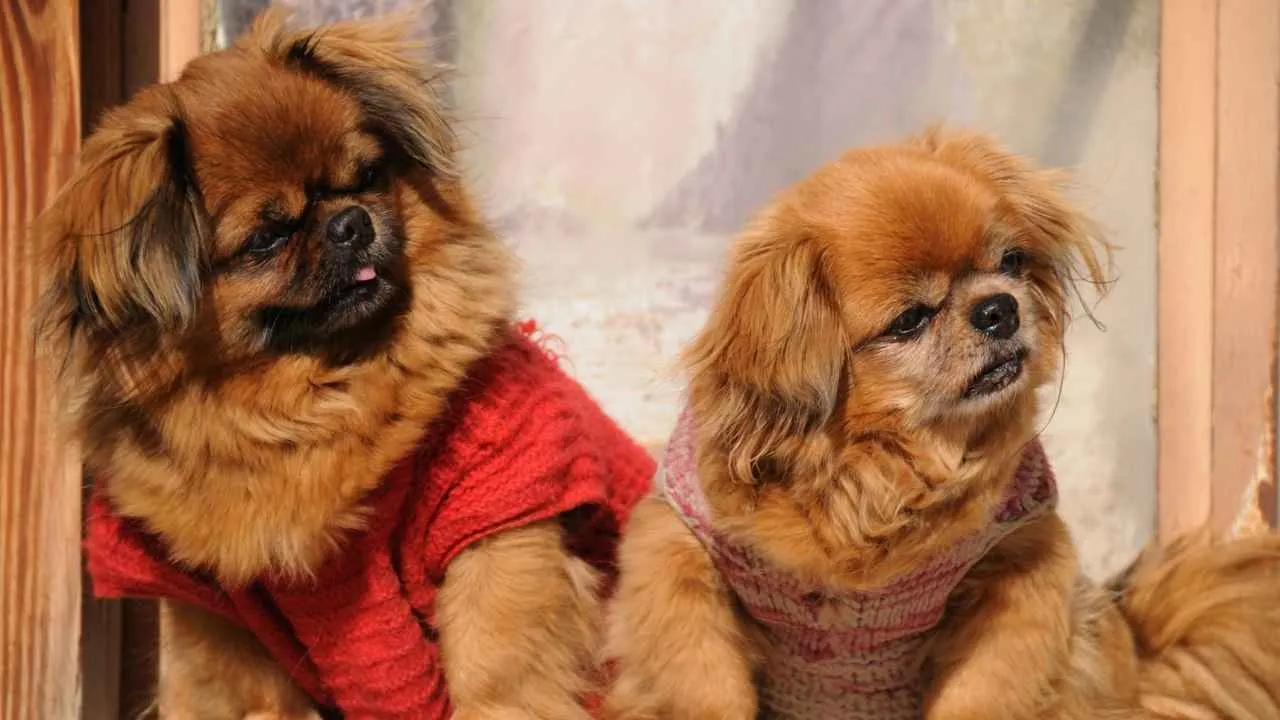
Pekingese was closely associated with Chinese Buddhist culture, often valued for its lion-like appearance and symbolic presence. Its compact size once allowed it to sit within the wide sleeves of imperial robes. This history shaped it as a composed and self-assured dog.
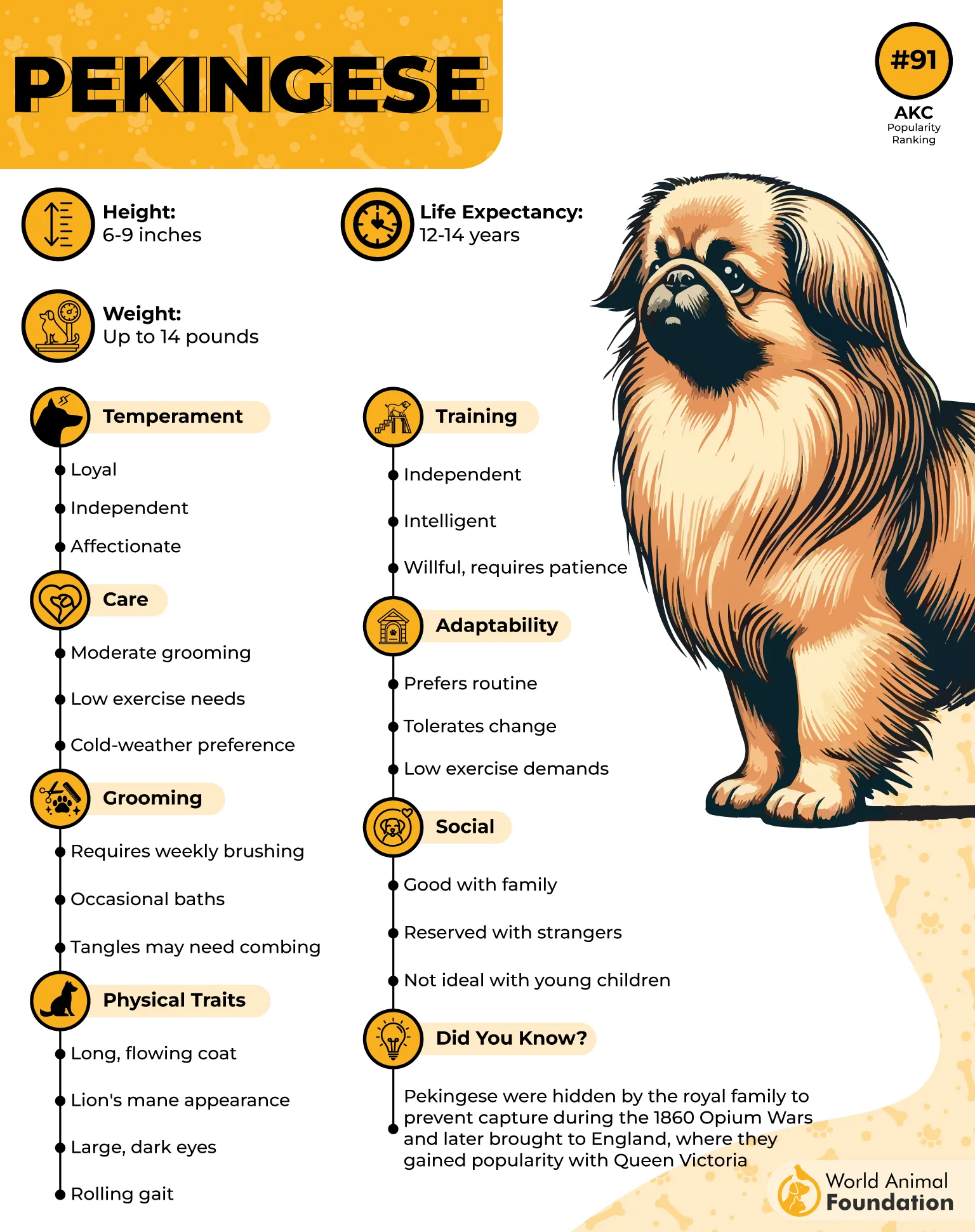
Independent nature in daily life
This small breed approaches interaction on its own terms, choosing when to engage rather than constantly seeking attention. Its awareness of surroundings makes it quick to respond to unfamiliar sounds or visitors, as Hills Pet reports.

That behavior shows through small, clear patterns:
Alerts immediately at door knocks
Joins the activity when it chooses
Holds ground around larger dogs
Comfort within a limited space
It fits naturally into smaller homes or apartment living, staying active through indoor play or short walks rather than extended outings. It entertains itself easily and remains content within familiar surroundings. However, heat sensitivity influences how and when activity takes place.
2. Shih Tzu
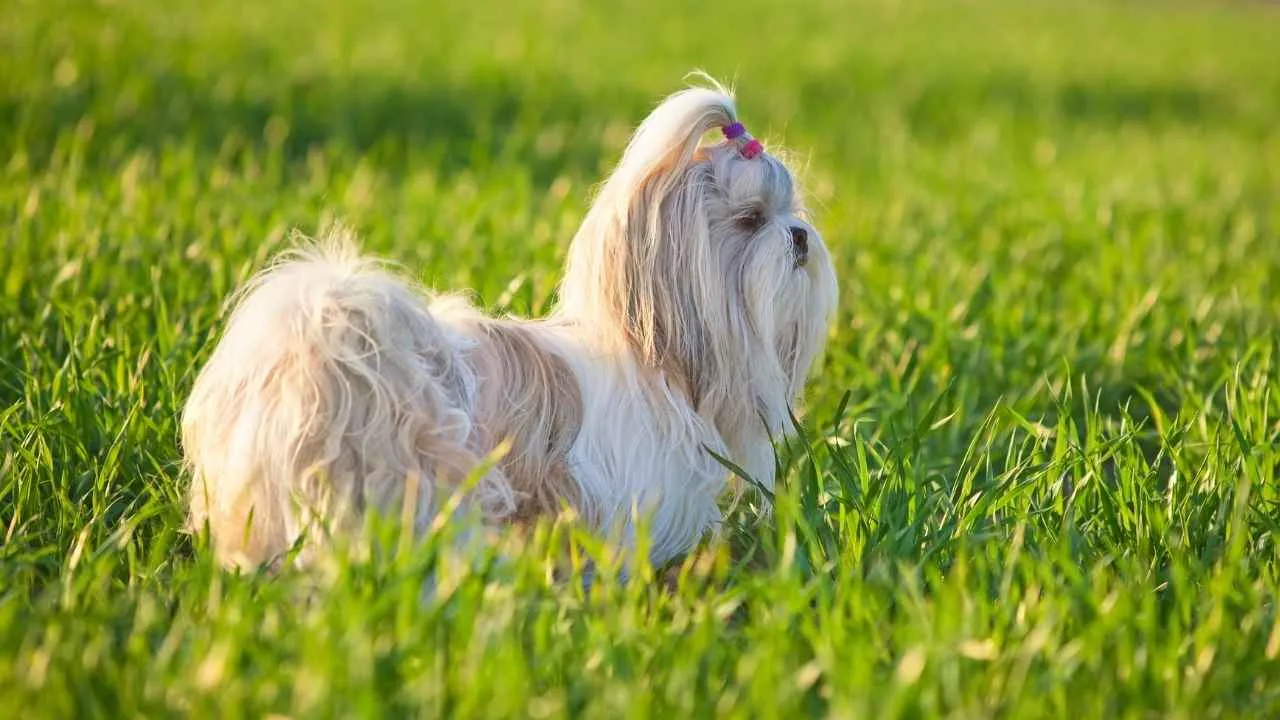
Originally bred in China, the Shih Tzu holds a long-standing place in history, closely tied to Buddhist culture and known as the Lion dog. Its resemblance to the Lhasa Apso and Tibetan breeds reflects shared origins before being recognized separately.
Daily rhythm built around closeness
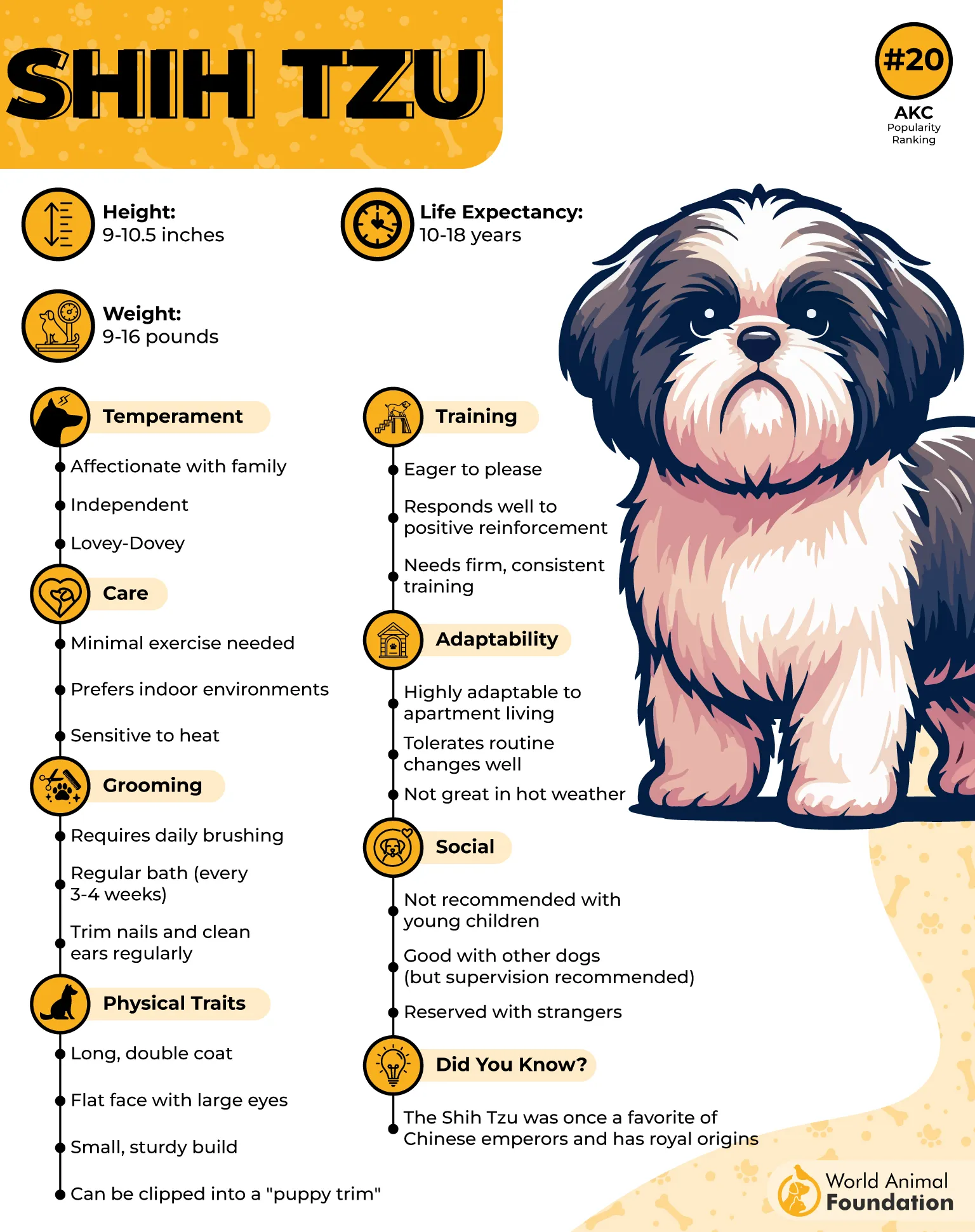
This lap dog loves being physically near people, often choosing soft surfaces like beds, sofas, or cushions as their preferred resting spots, as Omlet noted. Its day moves between short bursts of play and long periods of relaxed presence indoors.
That rhythm shows through small habits:
Settles comfortably in soft indoor spaces
Shifts quickly from play to rest
Stays attentive to nearby human movement
Social behavior with alert reactions
As one of the calmest small dog breeds, it interacts easily with people, other pets, and familiar environments, maintaining a friendly and open nature. Its alertness appears through quick reactions to sounds like door activity, often driven by excitement rather than its guarding instinct.
3. Havanese
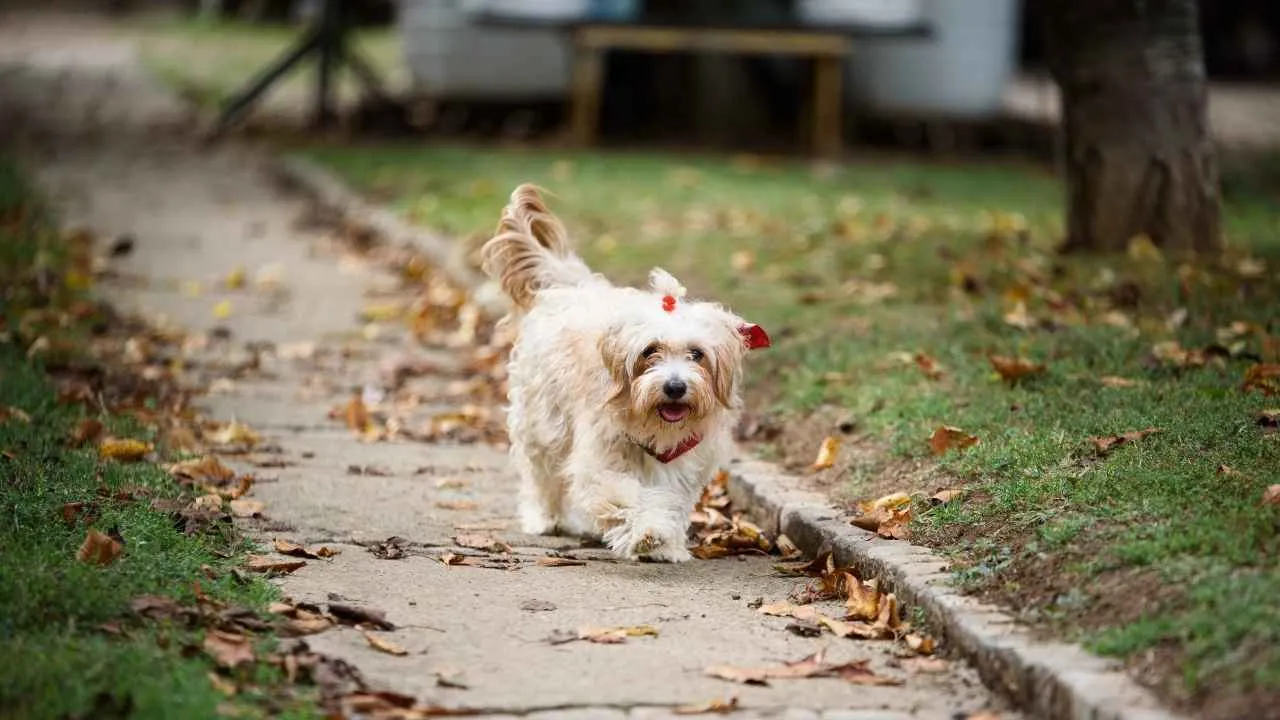
Havanese builds its presence around constant interaction, often placing itself at the center of daily activity. Its background as a companion to wealthy households shaped a dog that seeks involvement rather than distance. This need for attention defines how it fits into indoor living.
Curiosity that keeps it engaged
This toy dog breed stays mentally active, often watching its surroundings from elevated spots like sofas or window ledges. Its curiosity keeps it aware of movement and activity within the home environment.
This pattern becomes easy to notice:
Chooses higher spots to observe surroundings
Reacts quickly to changes in the room
Uses barking at times to gain attention
Activity beyond its size
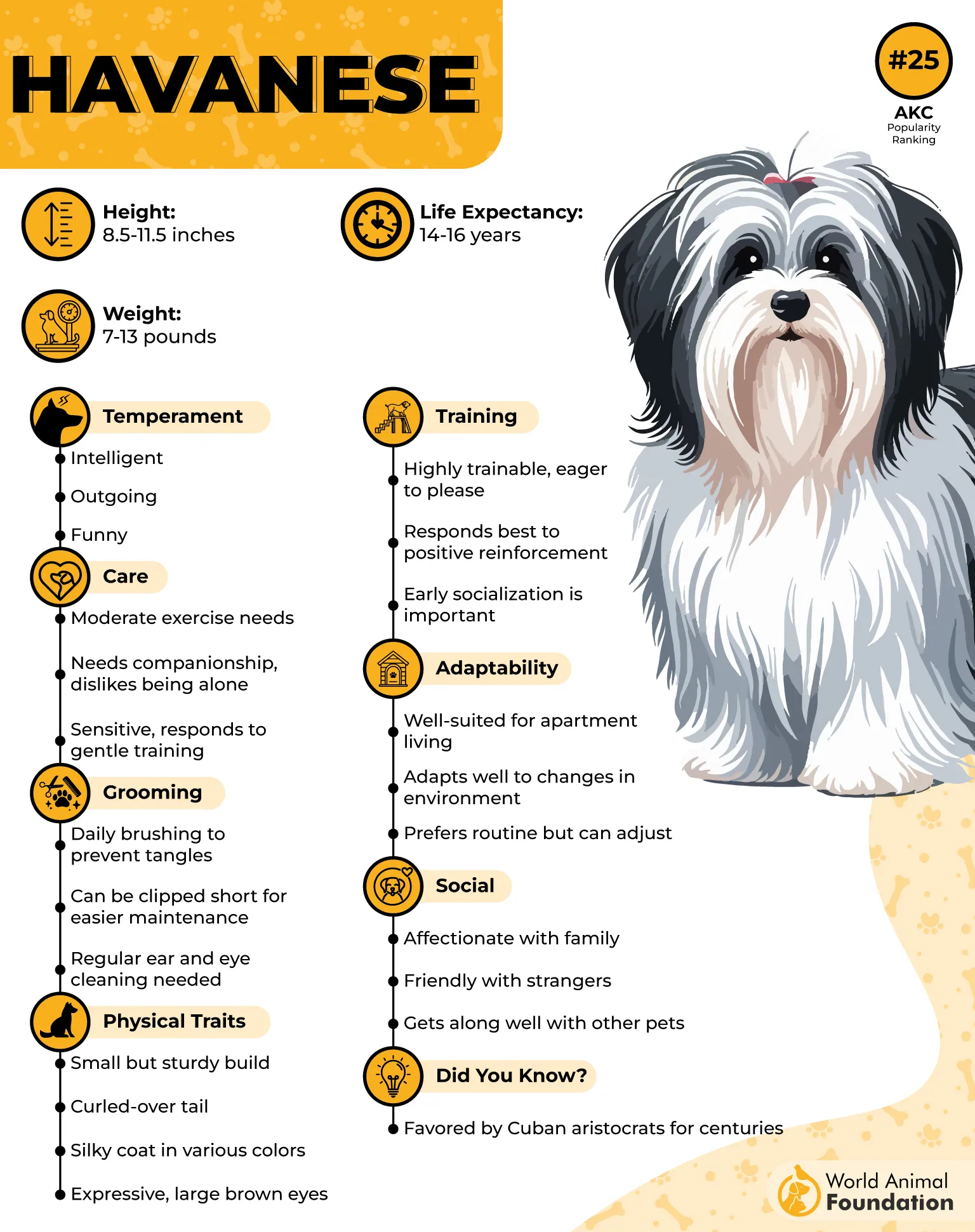
It shows energy levels that match larger breeds, requiring more than short play sessions to stay balanced in apartment life, as per Purina. Regular walks and active engagement help manage its movement and prevent weight gain. Its physical activity ties directly to maintaining indoor calmness.
4. Pomeranian
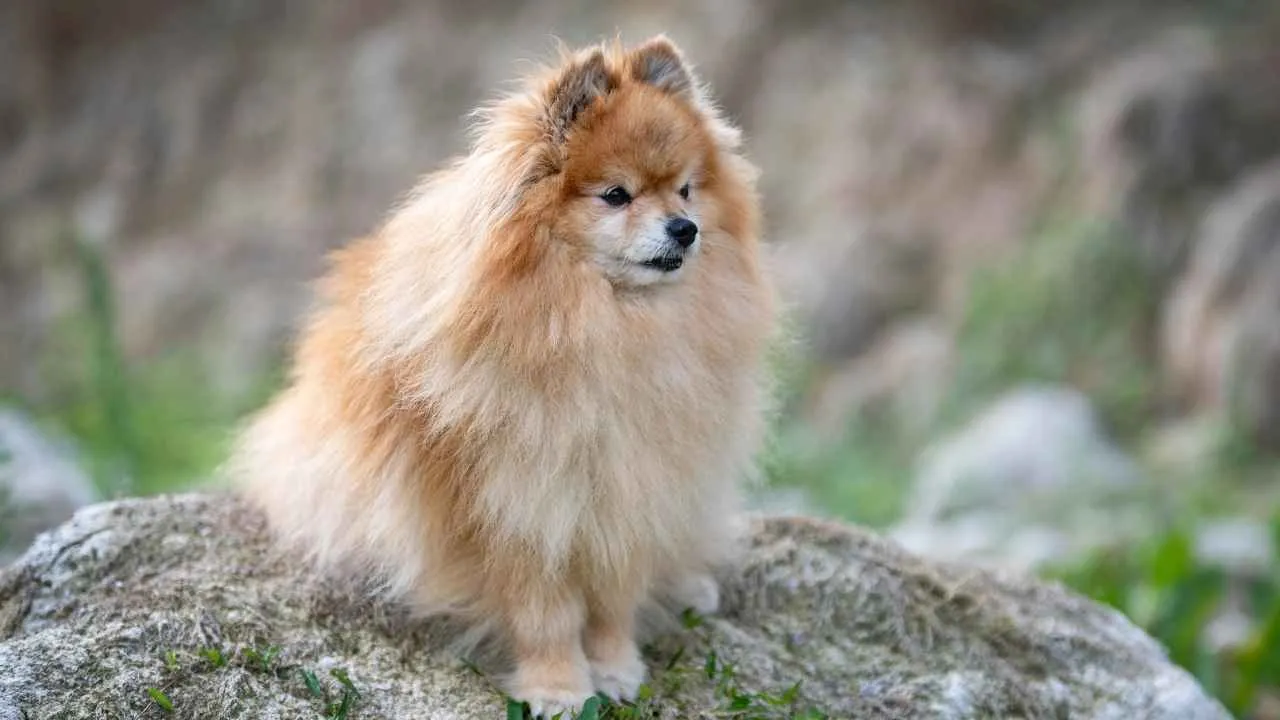
Pomeranians move through the home with constant curiosity, often inserting themselves into ongoing activity rather than staying in one place. Its small size contrasts with a bold, confident attitude that pushes it to stay involved. This creates a lively indoor presence that rarely feels quiet or passive.
Attention-driven behavior
Poms stays socially engaged, often shifting between people instead of attaching to a single individual. Its alert nature also shows when unfamiliar sounds or visitors appear, leading to quick vocal responses.
This pattern becomes clear in everyday habits:
Moves toward any active space in the home
They are confident and live well with other dogs
Seeks interaction with multiple people
Intelligence with intention
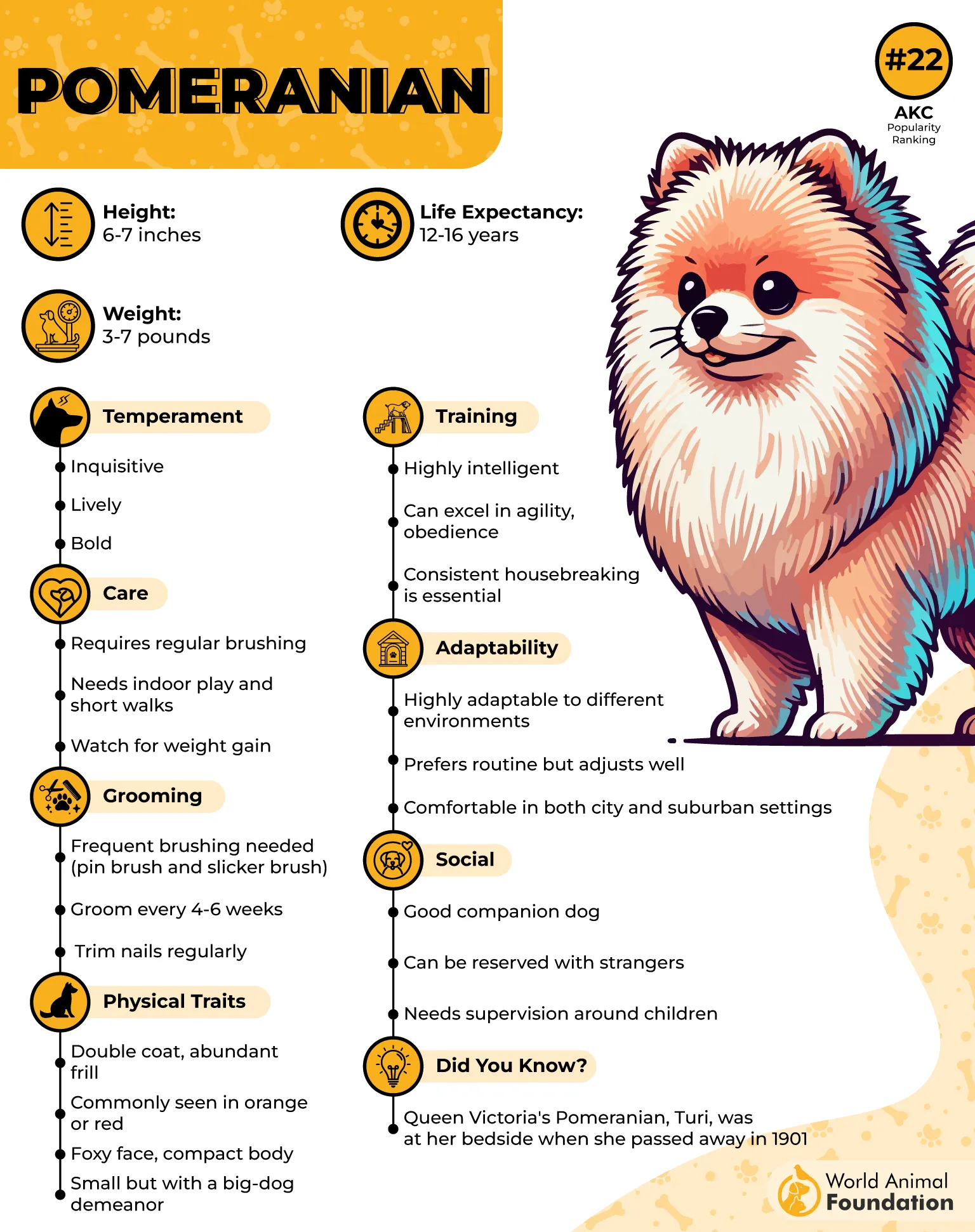
They use their intelligence actively, often figuring out how to get attention or preferred outcomes during daily routines. It responds well to structured games, tricks, and training tasks that keep its mind occupied. Without direction, this same intelligence can turn into stubborn or attention-seeking behavior.
5. Russian Tsvetnaya Bolonka
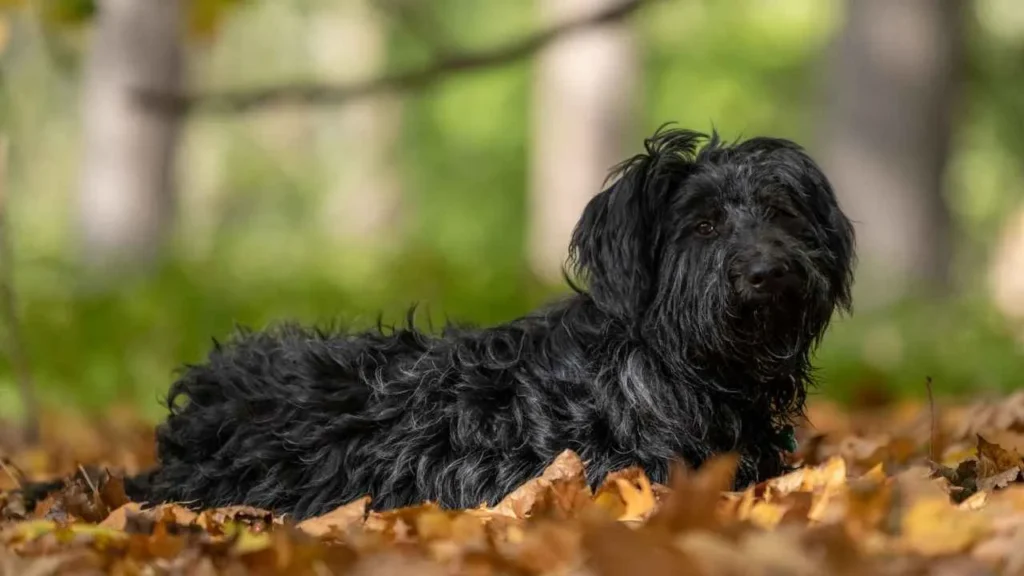
Russian Tsvetnaya Bolonka was shaped specifically as a small indoor companion, reflected in its natural ease within compact living spaces.
Its presence stays light yet engaged, fitting closely into daily routines without disruption. The breed’s role centers on being near people rather than working at a distance.
Social behavior with awareness
They interact with a friendly and open approach, showing comfort around people, children, and other animals. Some individuals show a watchful habit near entry points, quietly observing movement without constant noise.
This mix appears through distinct tendencies:
Greets familiar and new faces without hesitation
Observes household entry and exit points
Adjusts vocal response with early training
Learning style and independence
It responds well to structured guidance, especially when training stays gentle but consistent. It shows a degree of independence for a small companion dog, requiring early social exposure to shape balanced behavior. Its ability to engage in activities like obedience or agility reflects this mental adaptability.
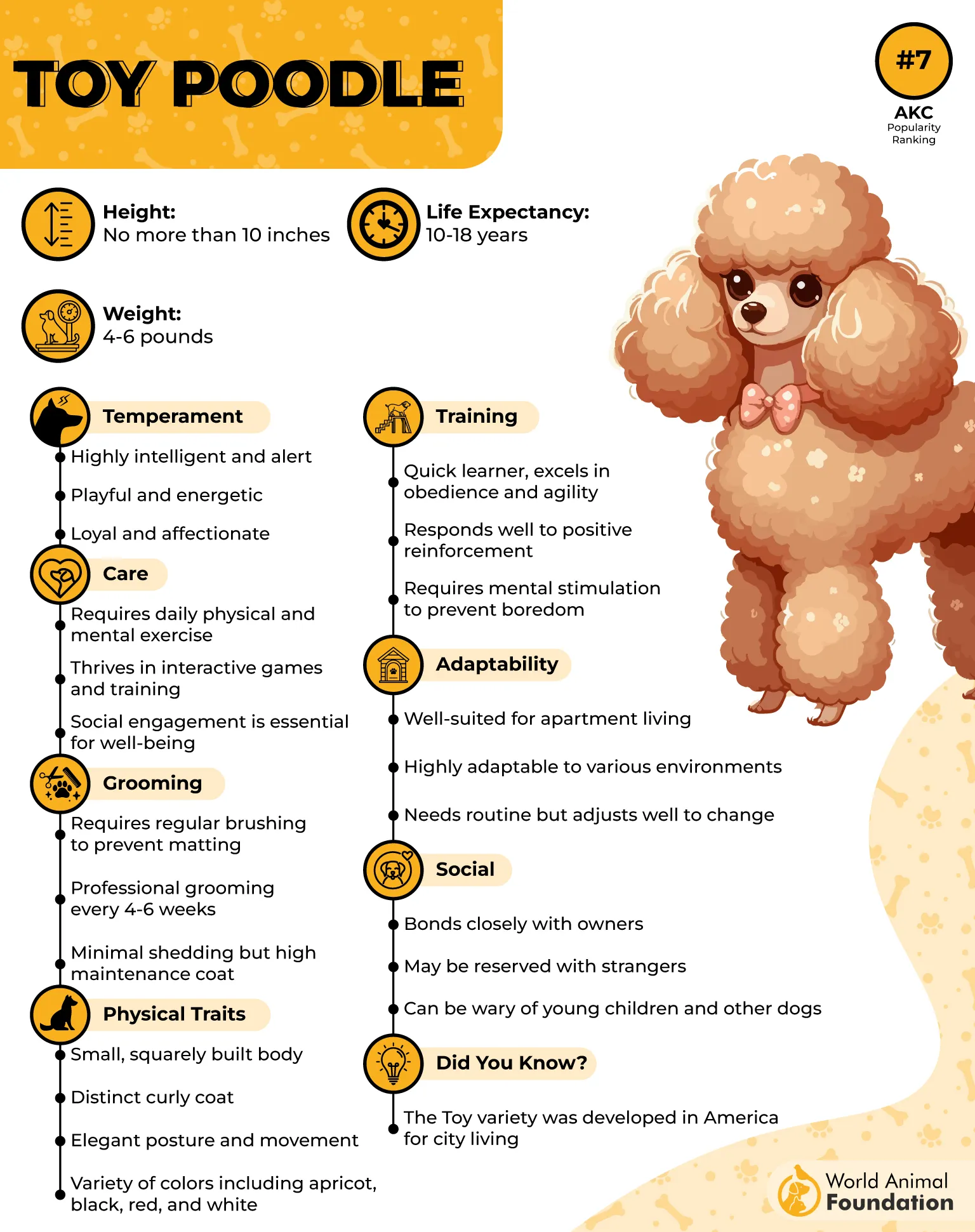
6. Poodle(Toy)
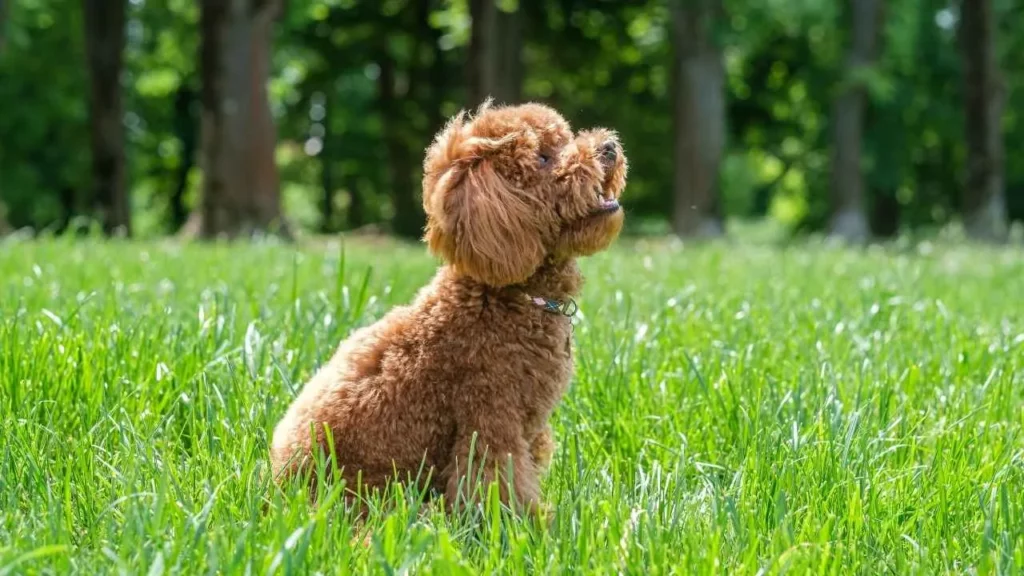
Poodle (Toy) shows a quick-thinking nature shaped by its history as a performing and working dog, responding rapidly to cues and interaction.
Its alert expression reflects constant awareness, often anticipating what comes next. This mental sharpness appears early and influences how it behaves indoors.
Learning through interaction
They engage best when tasks feel like play, picking up commands and tricks through reward-based training with visible enthusiasm. Its response to structured learning remains fast and consistent, especially when attention is involved.
That learning style appears in clear ways:
Grasps tricks quickly during repetition
Responds strongly to praise and rewards
Stays engaged during interactive tasks
Energy expressed indoors
Poodle (Toy) stays active within the home, moving between play, short bursts of activity, and frequent engagement. Its energy shows through games and quick movements rather than long outdoor sessions. Short walks combined with indoor play match its rhythm.
7. Yorkshire Terrier
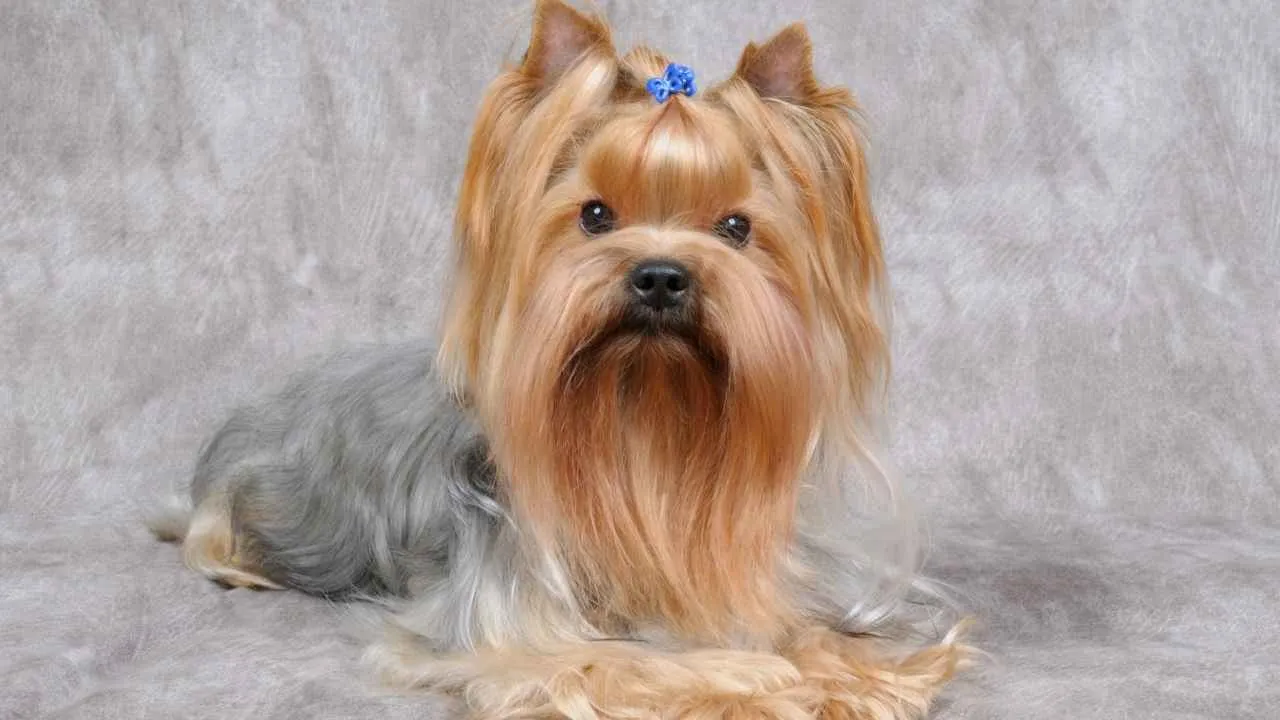
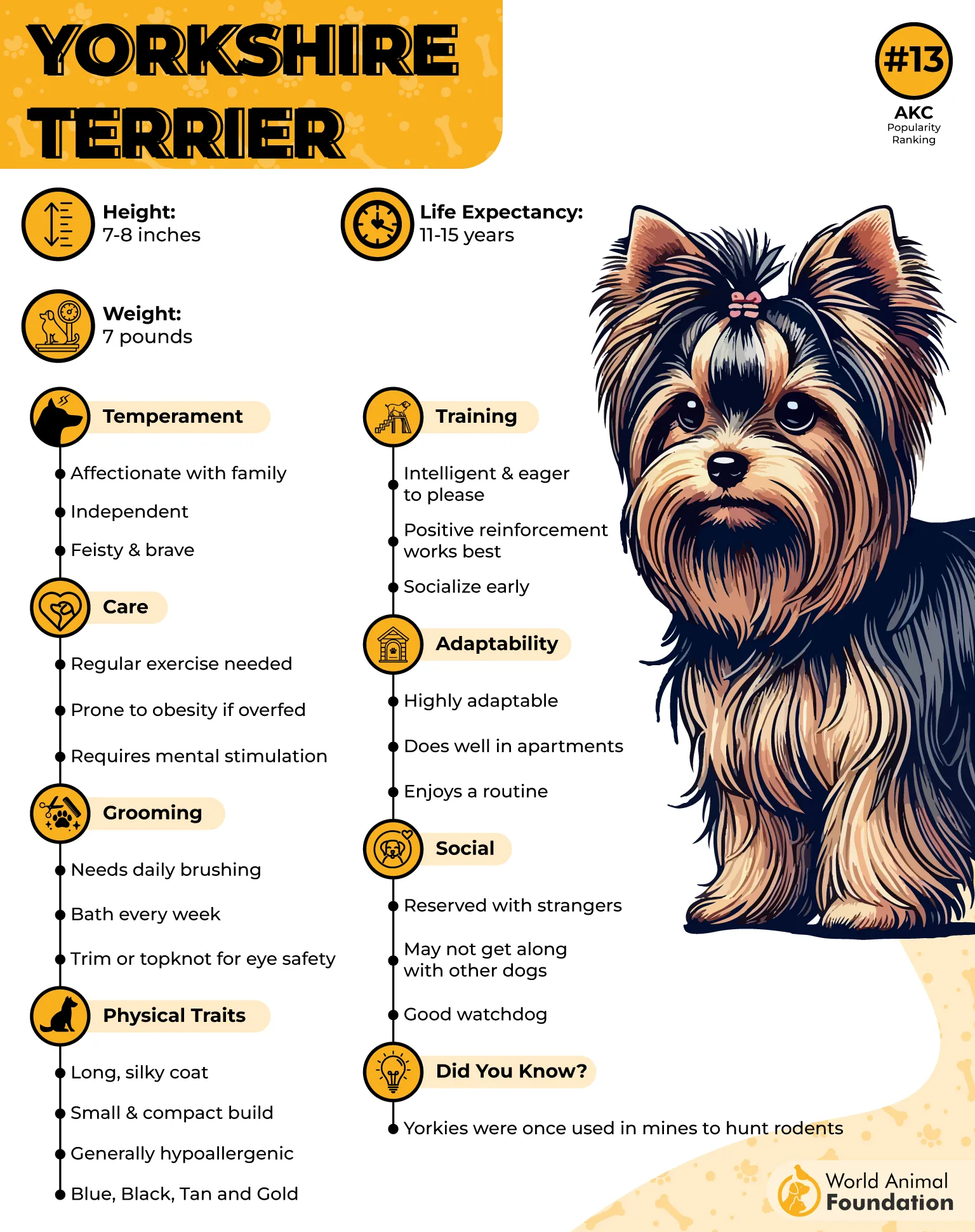
Yorkshire Terrier began as a rat-catching dog in 19th-century cotton mills, brought by Scottish workers into industrial settings. That background shaped a small dog with constant alertness and a need to stay engaged. Its size stayed compact, but its working purpose remained active and focused.
Busy mind in a compact space
Yorkies stay mentally occupied, often shifting attention toward movement, sound, or small changes in their surroundings. Its inquisitive nature keeps it involved even in quiet indoor environments.
This pattern appears in daily behavior:
Tracks small movements quickly
Responds to unfamiliar sounds with barking
Seeks out activity instead of staying idle
Routine shaped by short bursts of activity
These lively little dogs fit into indoor routines through short walks and interactive play like fetch, matching their need for both movement and stimulation.
Its activity comes in bursts rather than long sessions, often returning to rest after engagement. This rhythm supports a home-centered lifestyle without constant outdoor demand.
Conclusion
A calm home works best when the dog within it follows the same rhythm. The best small dog breeds discussed here show that size alone does not define compatibility with a quiet lifestyle. It comes down to behavior, energy level, and how naturally a dog settles into smaller living spaces without constant adjustment.
Some remain closely connected through relaxed companionship, showing an affectionate nature, while others bring light activity that still fits within indoor routines and supports mental stimulation. A few may even show a playful and mischievous streak, yet still adapt well as great apartment dogs. For many pet owners, these qualities also make them great family dogs.
