




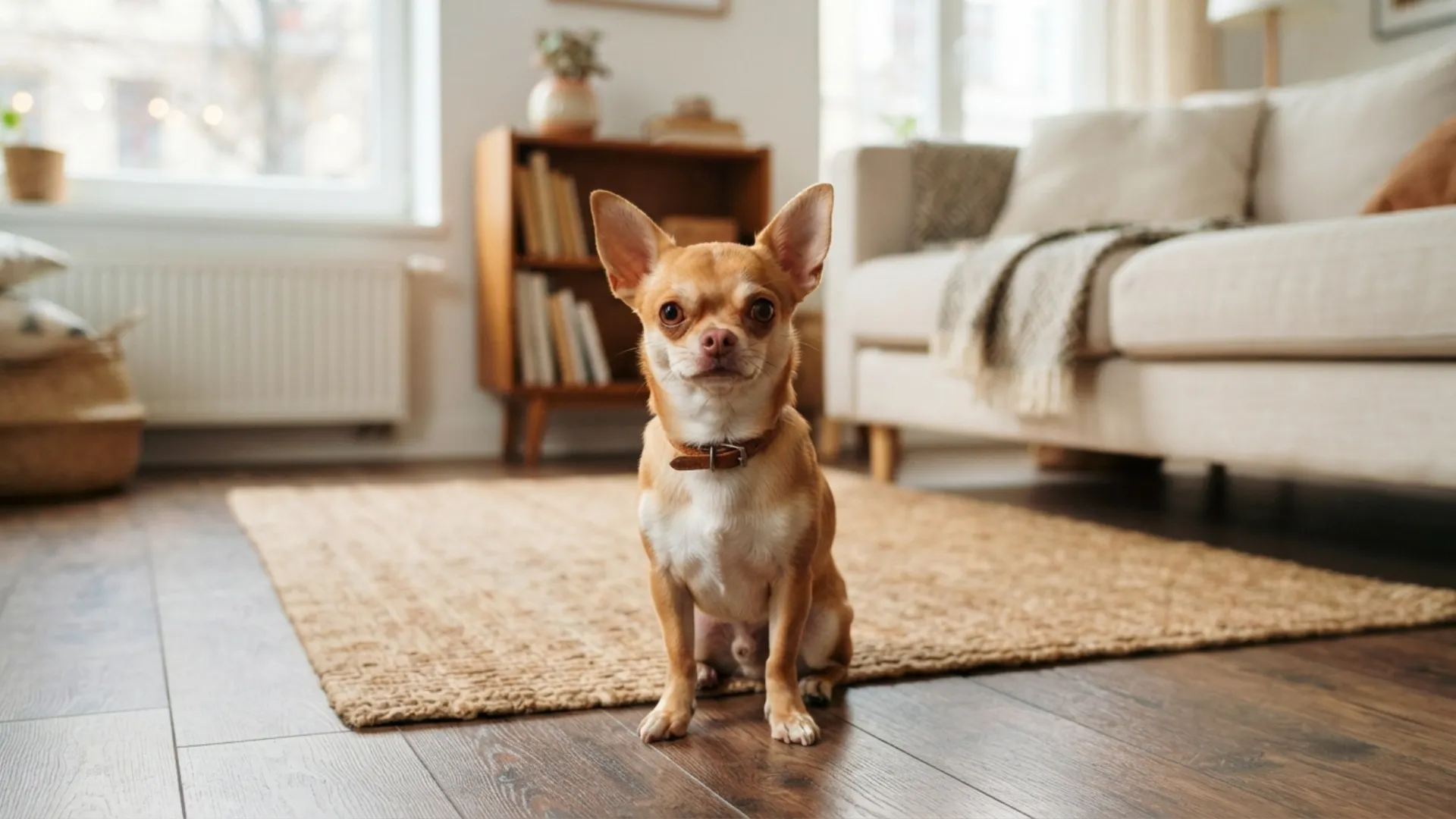
A little apartment can still feel like a full home with the right four-legged buddy. A warm face waiting by the door, tiny paws following you around the kitchen, or a sleepy cuddle after a long day; these small moments add way more happiness than you’d expect to a compact space.
Picking the right dog breed for apartment living is about more than just size. You need to think about energy level, barking habits, grooming needs, daily exercise, and how much closeness the dog needs from you.
Some small dogs are happy to laze around indoors all day, while others need regular walks, mental games, and enrichment, or they get restless and bored fast.
Fun Fact: A smaller living space doesn’t always mean you need a low-key companion. Some toy breeds are surprisingly sprightly and playful despite their tiny bodies. The trick is finding a breed whose everyday rhythm naturally fits your apartment routine.
Perfect Dog Breeds for Tiny Homes and Apartments
1. Maltese
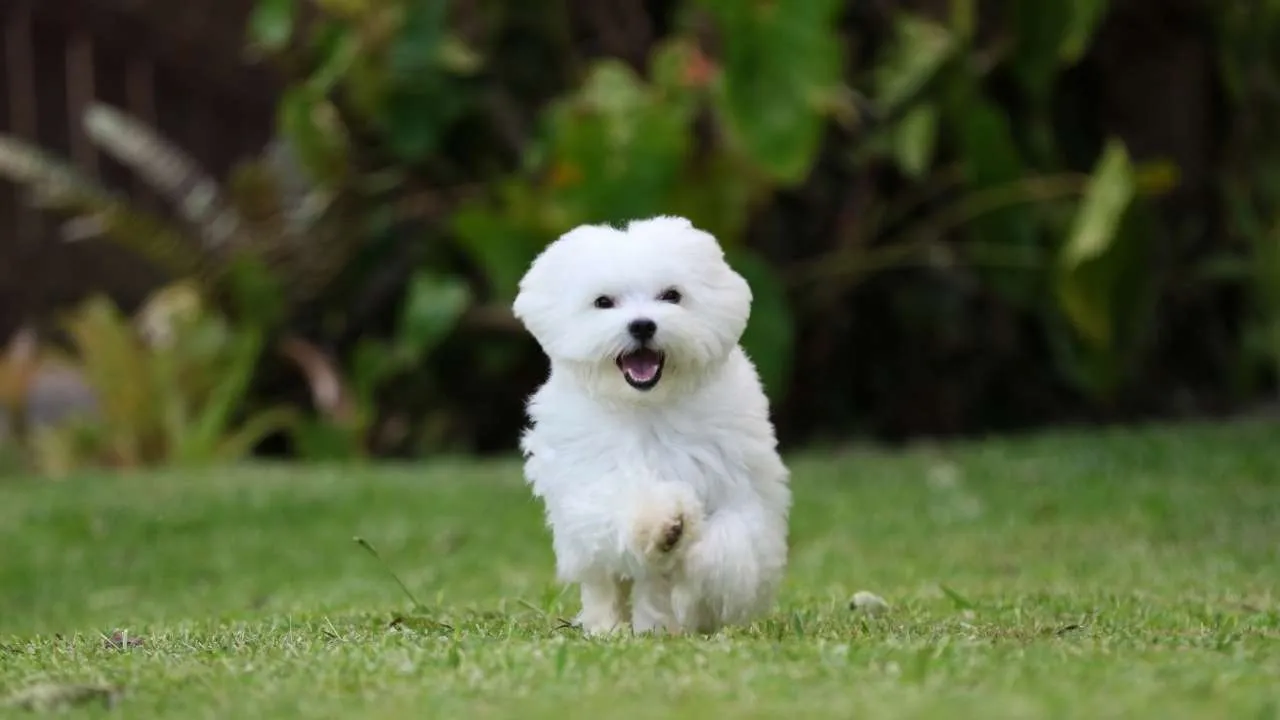
The Maltese has a compact, elegant build with sloping shoulders, a level back, and well-sprung ribs. Its graceful, plumed tail rests over the back, adding to that refined look. The long, silky, pure white coat gives the Maltese an almost ornamental vibe, while dark eyes, a black nose, and a medium-length tapered muzzle round out its gentle expression.
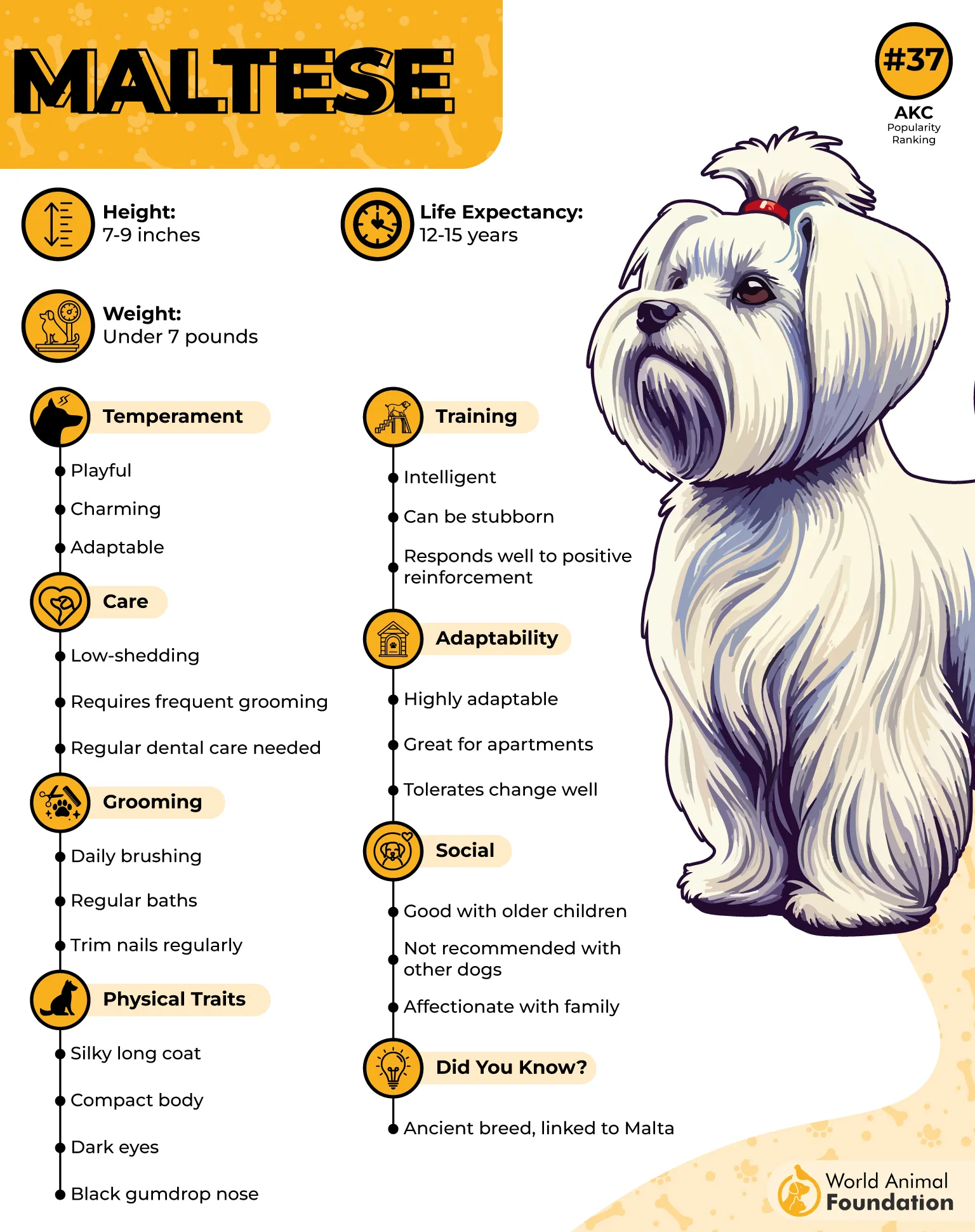
Even with that delicate appearance, this little pal has a lively and playful side too. The Maltese is affectionate, smart, quick to respond, and usually very trusting. Learning tricks can become a cheerful part of the daily routine, especially when training stays short and positive.
Hill’s Pet notes that the Maltese is basically an indoor companion that can do quite well in apartments and other compact living spaces. It works because the Maltese doesn’t actually need a yard to be happy, despite what you might think.
2. Chihuahua
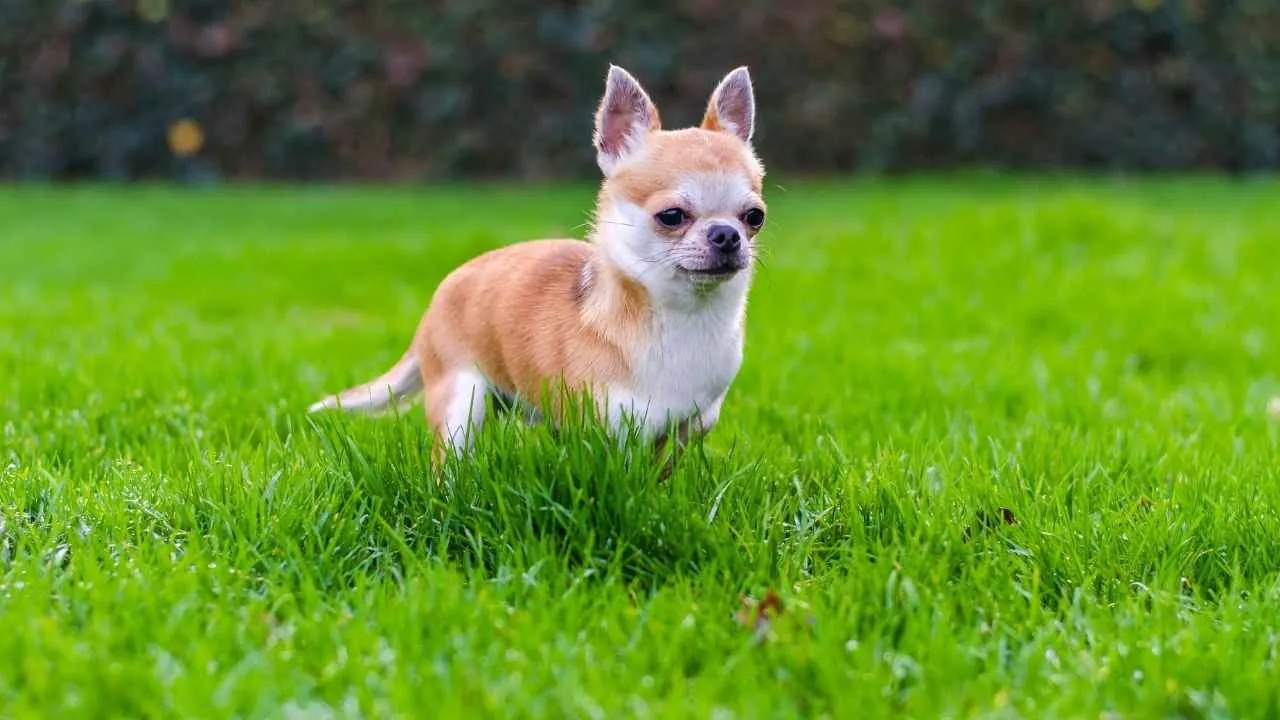
The Chihuahua is one of the tiniest dog breeds, but the personality packed into that little body can take up basically the whole room. This breed traces back to Mexico and is said to descend from an old companion dog line.
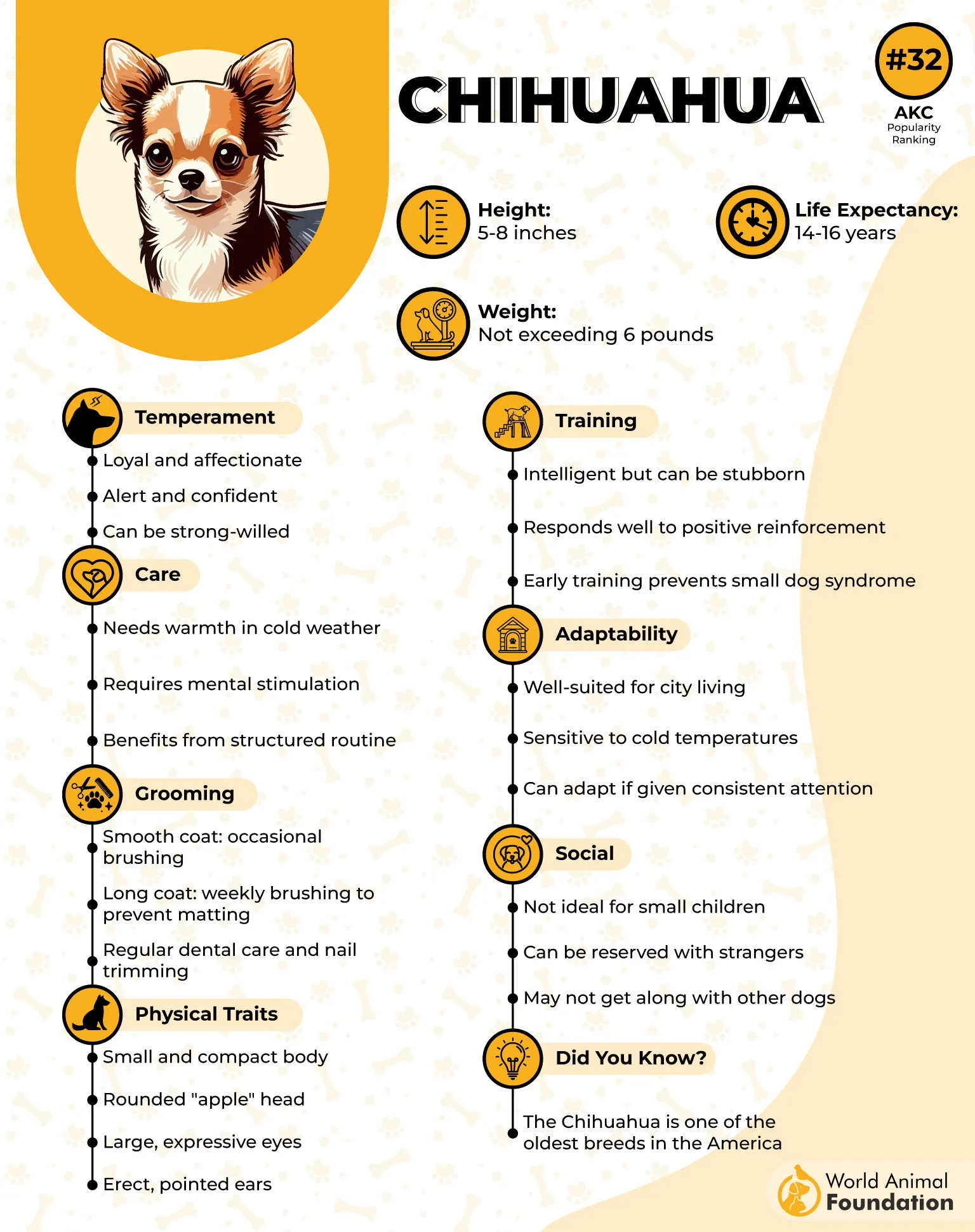
A Chihuahua can enjoy apartment living without needing much open floor space. Still, even a small home shouldn’t be a reason to skip routine movement. Short walks, quick bursts of play, toys, and brain-teasing puzzle games can keep this alert little breed nicely busy.

Chihuahuas can be affectionate, lively, and super observant all at once. Some like to curl up on your lap, while others are more interested in checking out every sound in the hallway. PDSA notes that Chihuahuas are adaptable and can live happily in flats, as long as they get enough play, exercise, and everyday attention.
3. Shih Tzu
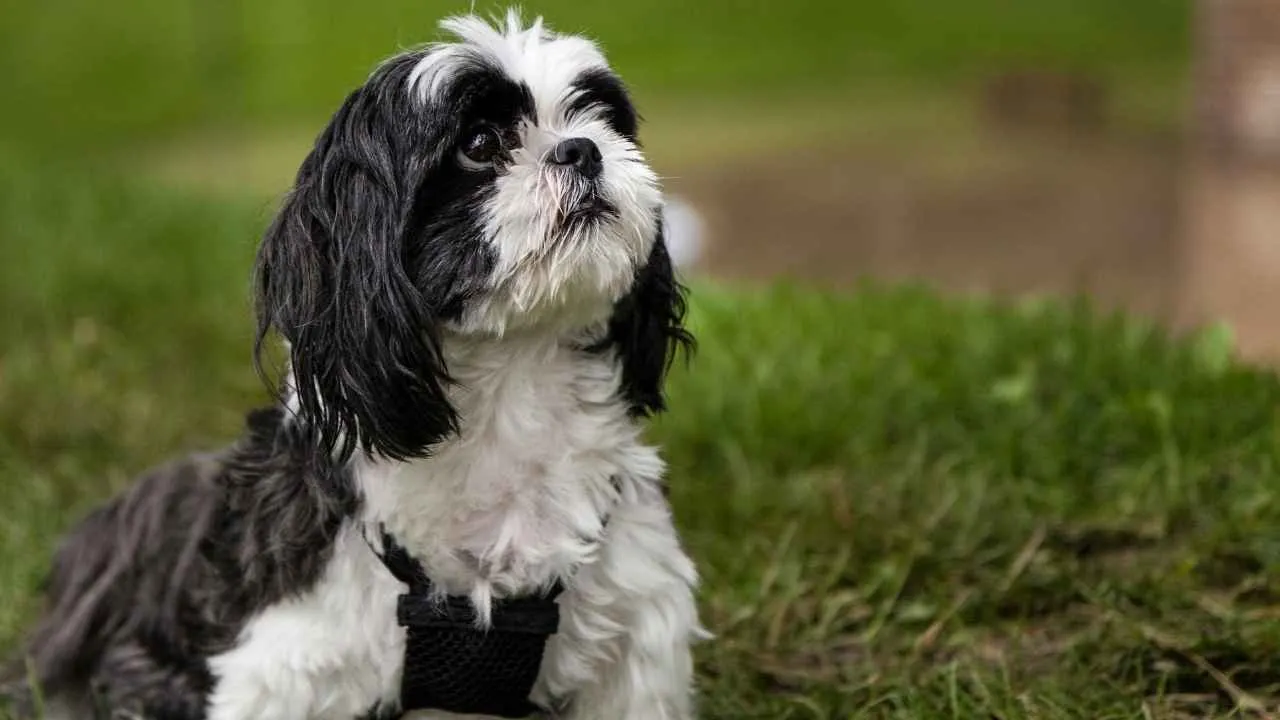
The Shih Tzu has a history that goes deep into Tibet and the Chinese imperial households. Often called a “lion dog,” this small dog breed was later shaped mainly for companionship, even though earlier generations were also used as watchful little alert dogs.
Today, the Shih Tzu brings a friendly, easygoing vibe into everyday life, and it can feel almost comforting to have around. Their compact frame means getting around smaller apartments is usually no big deal, while that affectionate personality tends to make them happiest when family members stay close by, not off doing their own thing somewhere else.
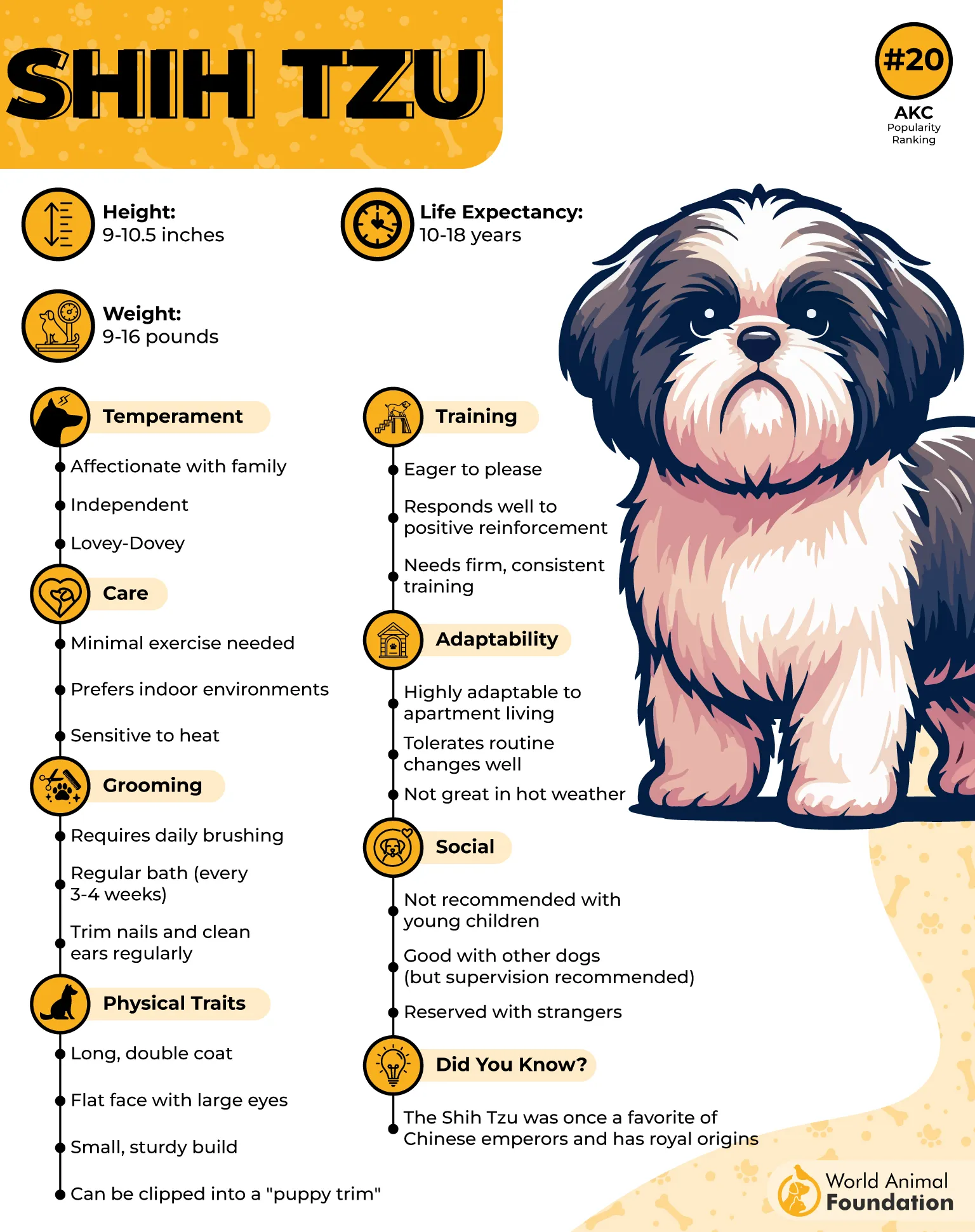
A short stroll, some indoor play, or even a few minutes of trick practice can add nice variety to the day. Proper socialization also helps the breed stay relaxed around visitors and other animals.
PetMD notes that Shih Tzus are friendly, energetic companions that can do just as well with indoor cuddling as they can with outdoor walks.
4. Pug
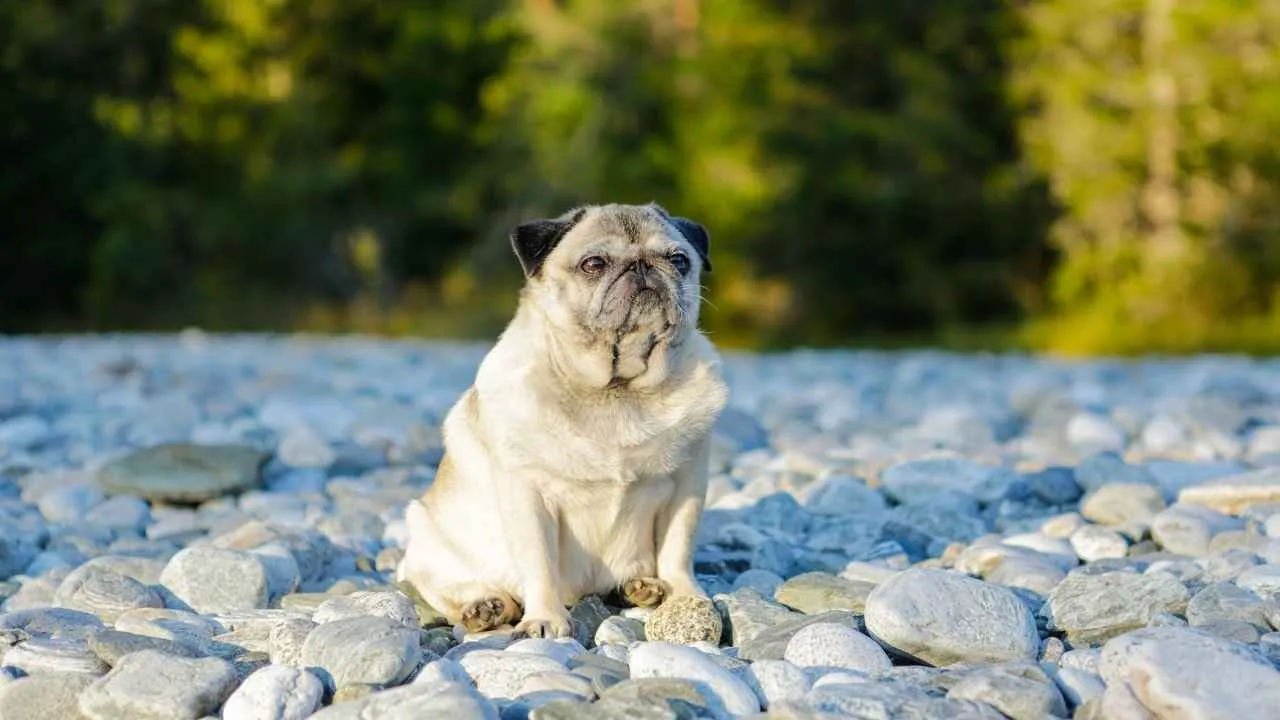
The Pug is often tied to Chinese emperors, and later became associated with the Dutch royal House of Orange. The backstory is really something, but it’s the breed’s silly expressions and lovable temperament that usually wins people over today.
A Pug features a small, solid, muscular body. A large round head, bright expressive eyes, a wrinkled brow, and that recognizable facial “mask” make the Pug stand out right away. The Pug is very people-minded and typically enjoys staying close to family members.
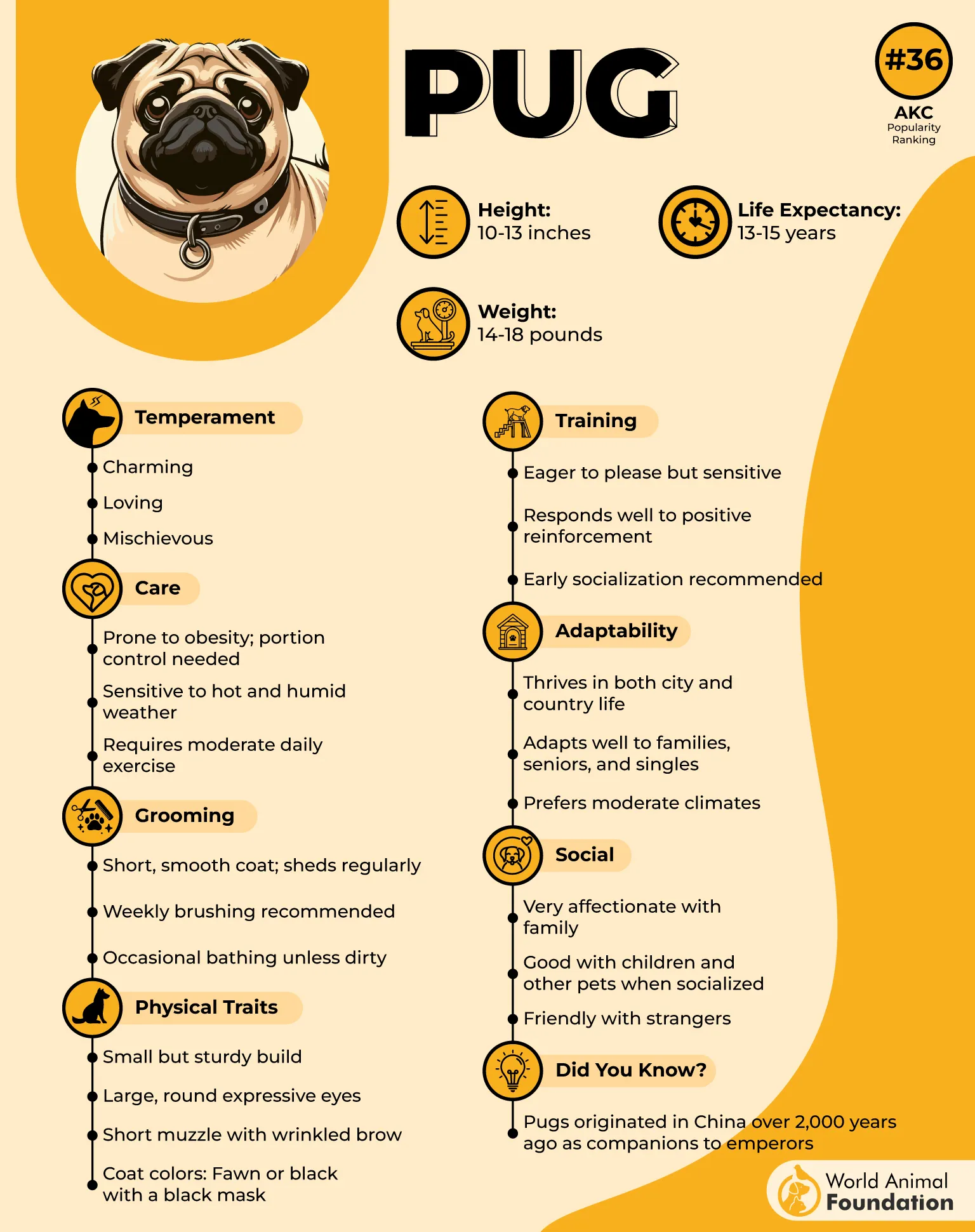
Apartment living fits pretty well here, since this breed doesn’t need the same kind of space as larger, high-energy dogs. Easy walks and indoor activities offer useful exercise without turning your small home into a nonstop running track.
The American Kennel Club points out the Pug’s adaptable nature, moderate exercise needs, friendly attitude, and some sensitivity to hot, humid weather.
5. Yorkshire Terrier
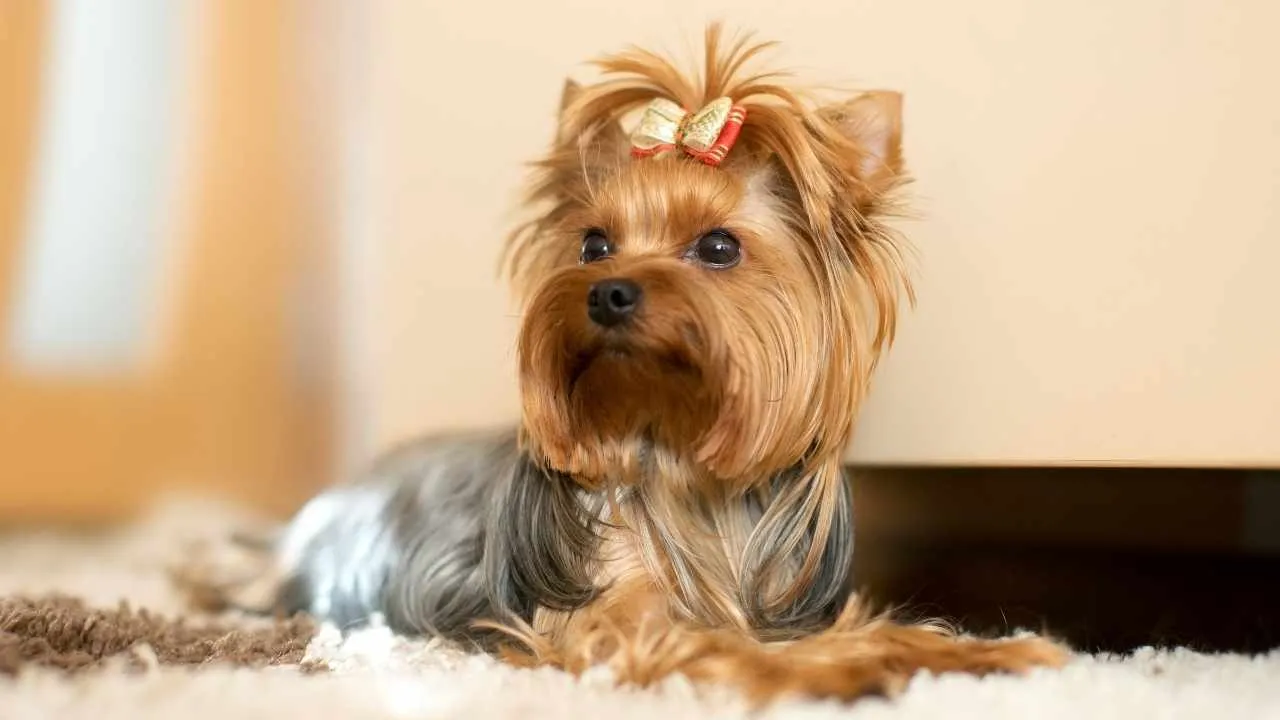
The Yorkshire Terrier may be tiny, but honestly, the personality is anything but small. It’s fun-loving, active, and pretty affectionate, with a confident vibe all its own. This little companion can bring a lot of energy into even a compact home.
The Yorkie was originally developed for catching rodents, and that curiosity and interest in movement still sticks with the breed today. A long, silky coat adds extra elegance, while the alert expression gives this little terrier a confident look, like it’s always paying attention.
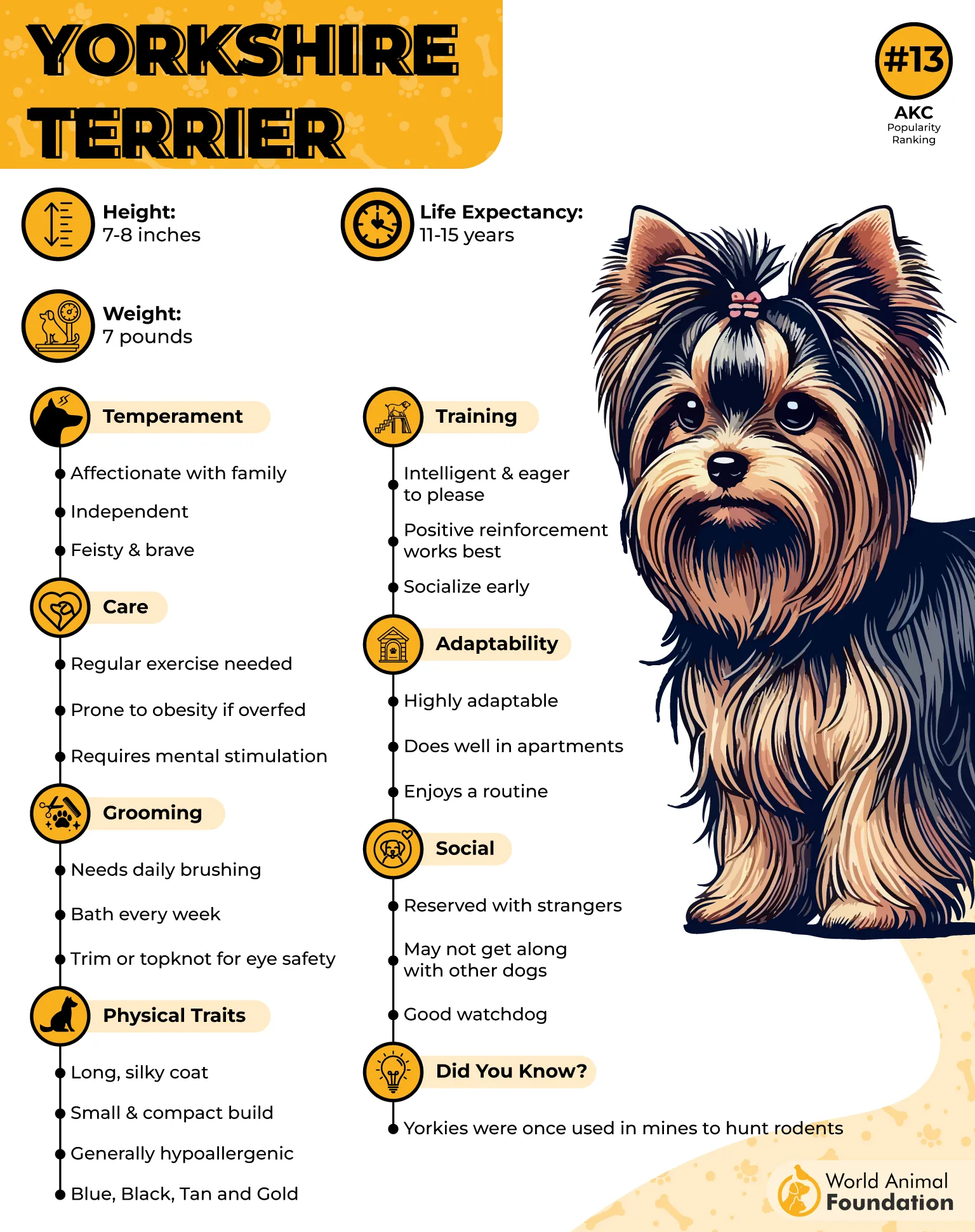
A Yorkshire Terrier tends to bond tightly with family members and will notice visitors or unfamiliar sounds pretty fast. Because of that, the breed can work as a small watchdog, though barking can become a habit without the right training. Short walks, indoor games, and simple training tasks give it both physical exercise and mental stimulation.
6. Papillon
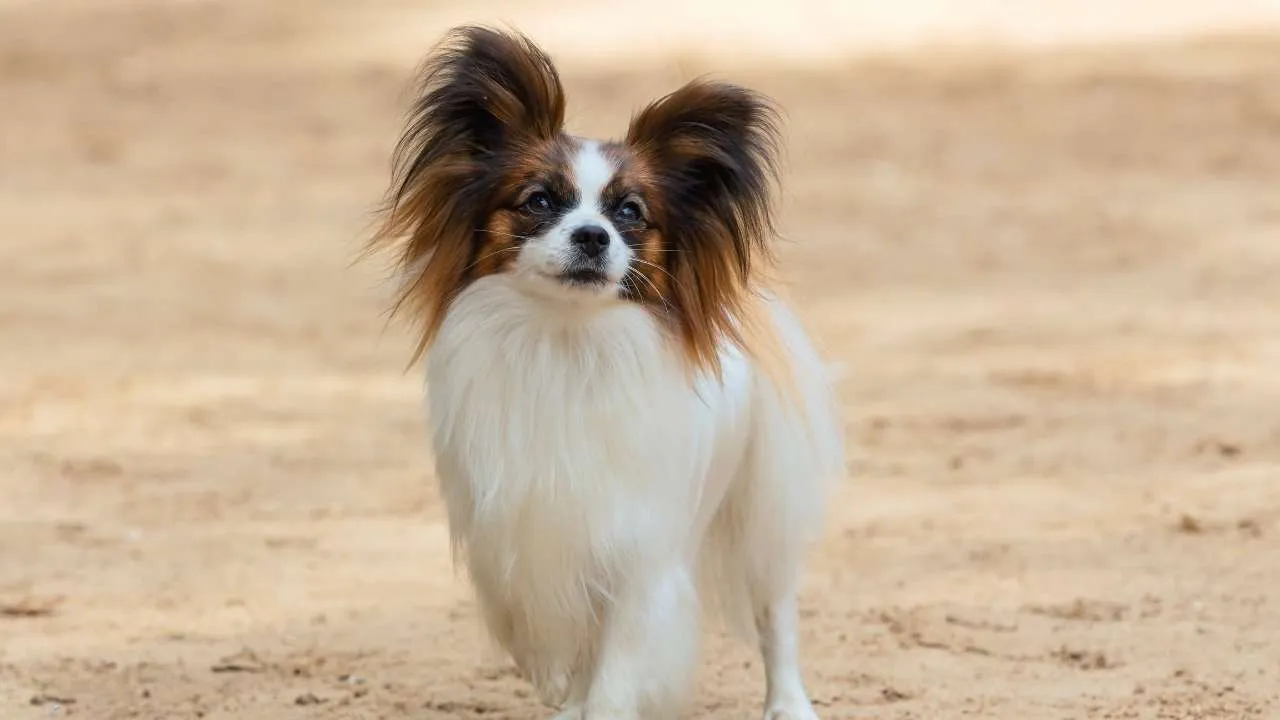
The Papillon is a petite but fairly sturdy toy breed with an alert, lively, and friendly personality. The name comes from the French word for “butterfly,” inspired by the upright ears that look like little wings.
Some Papillons have drop ears instead, but both styles belong to the same breed. Thanks to its small size, this companion is convenient for apartment life and travel, and its energetic temperament makes everyday routines feel a lot more fun.
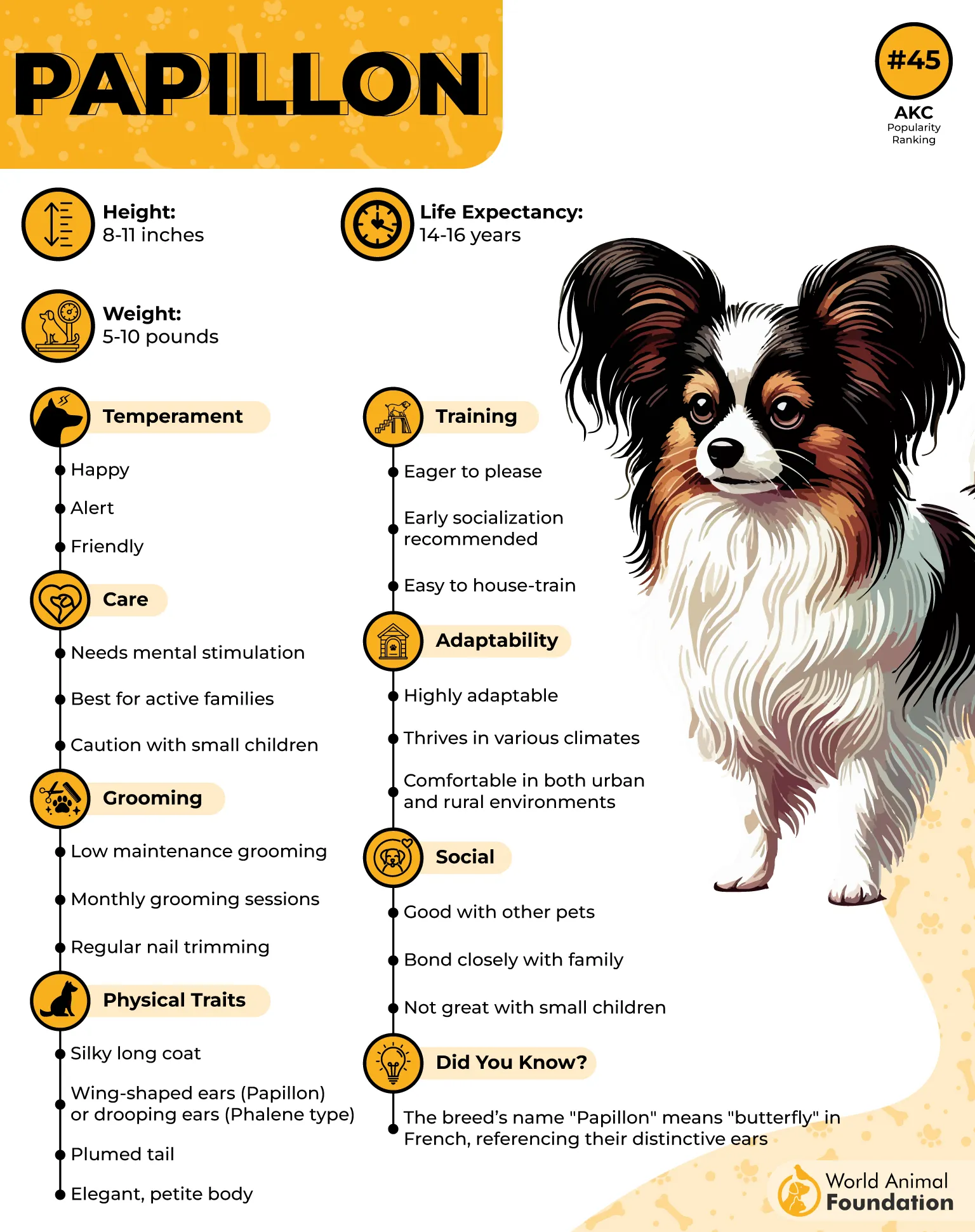
Among toy breeds, the Papillon stands out for its intelligence, likeable companionship, and knack for fitting into smaller homes, as long as exercise and mental stimulation are part of the routine.
They can make great family pets since they’re smart, friendly, and playful. That said, their tiny size makes them a bit fragile, so they tend to fit best with older children rather than very small or rough-playing kids.
7. Pomeranian
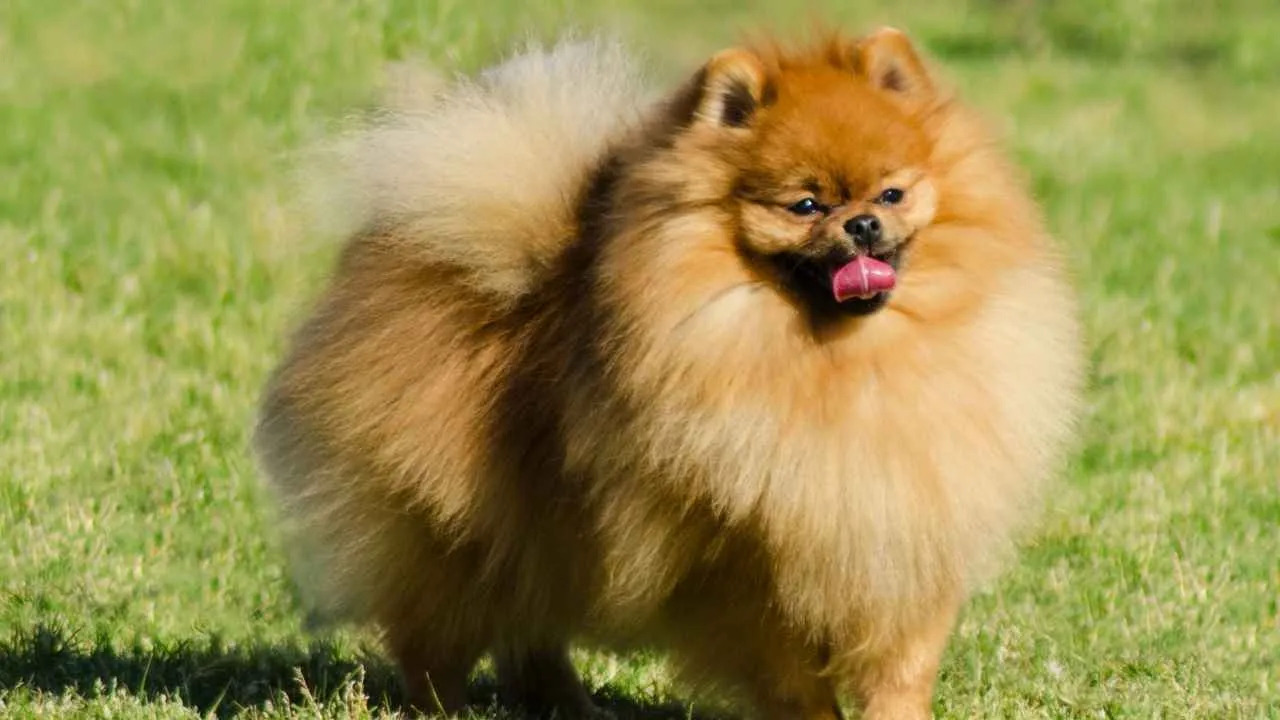
The Pomeranian belongs to the Toy Group and packs a lively temperament into a tiny frame. Curious, playful, and warmly attached, this companion often likes to check in on what everyone in the home is up to.
A Pomeranian doesn’t need a huge amount of space to enjoy day-to-day life. Indoor games plus a few short walks cover the basics for activity, and family interaction gives this social breed even more, something like a sense of being part of things.
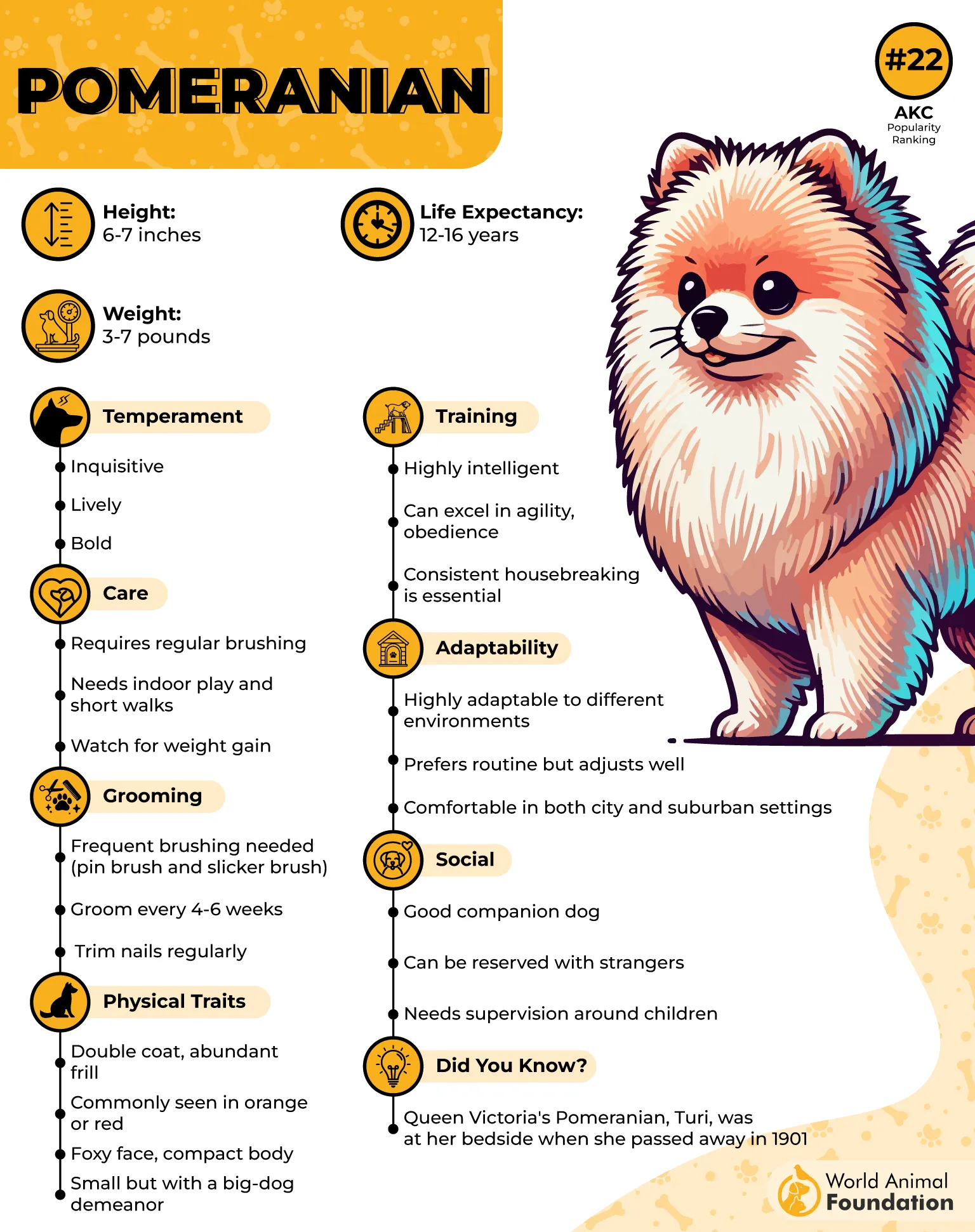
Grooming also goes more smoothly when it’s introduced early and treated as a calm, regular routine instead of a big event. The Pomeranian typically needs around 30 minutes of exercise a day, plus routine coat care thanks to that thick double coat.
They love people and can get sad or anxious if left alone all day, so separation anxiety can be an issue if you’re not home most of the time.
Conclusion
A compact home can hold an enormous amount of love, kind of quietly. The Maltese brings a gentle presence, the Chihuahua a bold personality, the Shih Tzu a cuddly, warm nature, and the Pug, well, a small sense of humor for everyday life. A Yorkshire Terrier, Papillon, or Pomeranian can add that same kind of comfort, just in a different flavor.
The best apartment dog is really the companion whose needs click naturally with your daily routine. Some households enjoy regular walks and training games, or like a bit of structure, while others prefer a calmer rhythm with short outings and lots of indoor time.
Before you bring a new companion home, it helps to think about exercise, grooming, noise, training, time alone, and how much attention you can honestly give each day.
