




Living in a condo or a small apartment changes how you think about having a dog. Space is limited, noise travels fast, and even simple things like daily movement can feel restricted.
What looks manageable at first can slowly turn into a daily struggle if the dog doesn’t fit the environment. You start adjusting your routine, moving things around, trying to make space where there really isn’t any. Over time, it becomes clear that not every dog is suited for compact living.
Some need room to stretch, constant activity, or a level of stimulation that small spaces simply can’t provide. That mismatch is where most problems begin. The right dog breed, on the other hand, feels easy from the start. It settles into the space without resistance and doesn’t demand more than you can give.
Ahead, you’ll find apartment-friendly dog breeds that truly work in confined spaces and make condo living feel comfortable.
Key Takeaways
Space gets tight quickly when a dog does not match your living setup, and that’s where the real challenge begins.
Boston Terrier and French Bulldog settle into indoor life without fuss, staying active in short bursts while keeping things calm overall.
Cavalier King Charles Spaniel and Maltese bring that close companionship, staying near their people and adjusting smoothly to limited space
Keep going, and you’ll notice the best apartment dog that quietly fits into small homes without asking for more than you can give.
Perfect Dog Breeds for Condo Life and Small Spaces
1. Boston Terrier
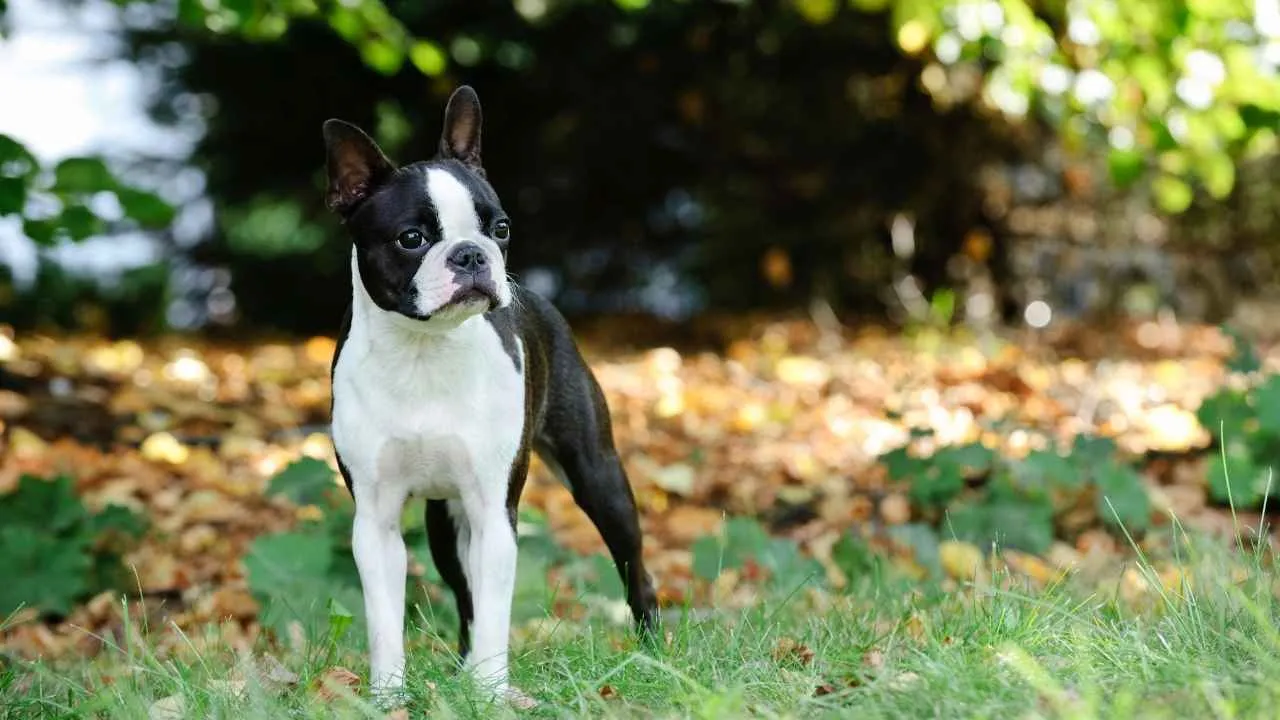
The Boston Terrier comes from Boston, recognized for its black-and-white tuxedo coat and compact, stocky frame. The flat face and short muzzle shape its appearance, giving it a unique structure compared to other small breeds. This design also connects directly to how it handles daily activity indoors.
Energy within controlled limits
This small dog breed stays active and involved, often joining whatever is happening at home without needing excessive space. Its activity level fits smaller living setups when routines stay consistent.
That balance appears through everyday behavior:
Engages in play like fetch or short games
Adjusts well to indoor routines
Participates closely in family activities
Social nature in shared spaces
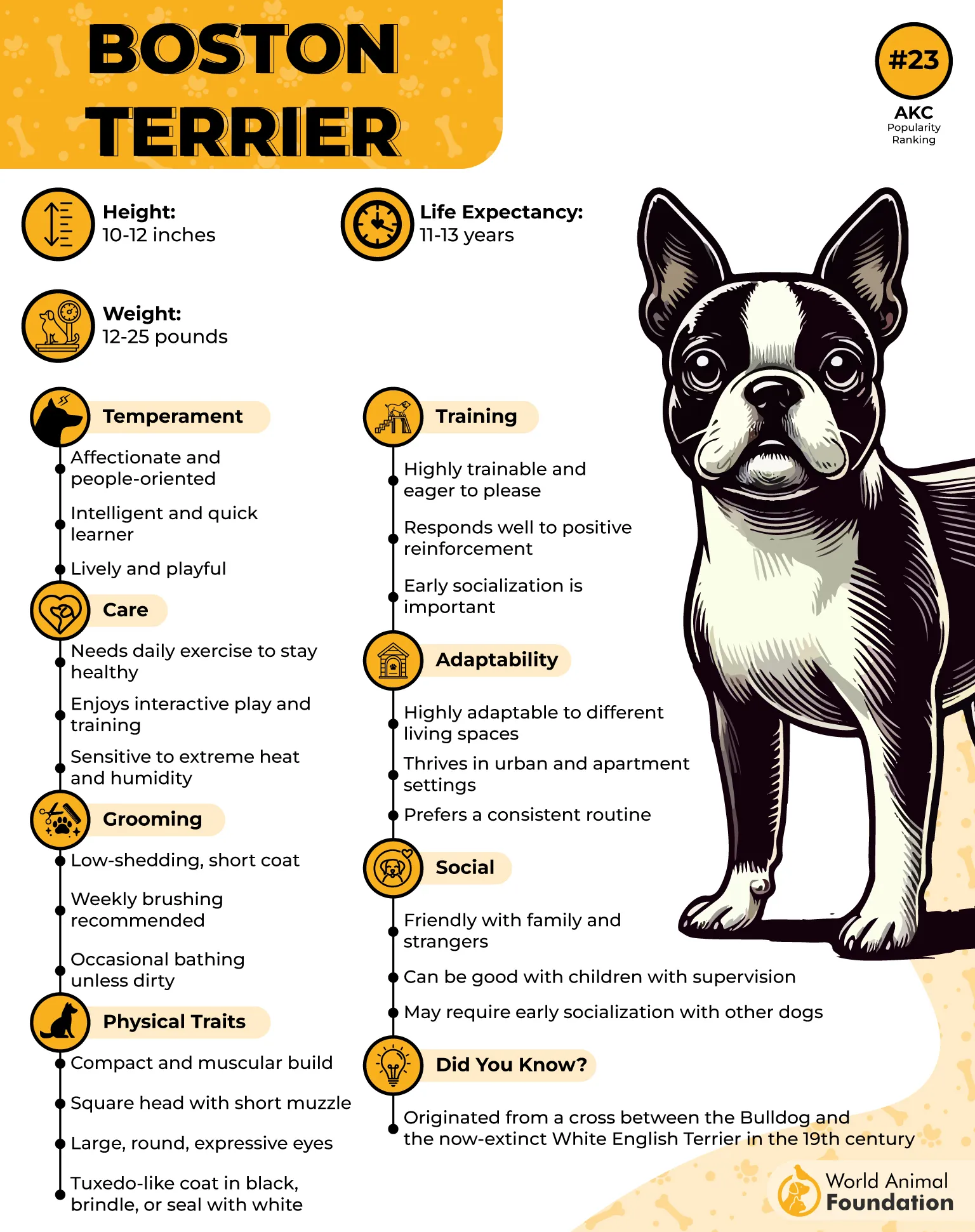
As affectionate dogs, they interact easily with people and other pets when introduced properly, fitting well into close living environments, as stated by the AKC.
Its playful behavior requires gentle handling, especially around children during active play. Regular grooming keeps its coat clean and maintains its well-kept appearance.
2. Basset Hound
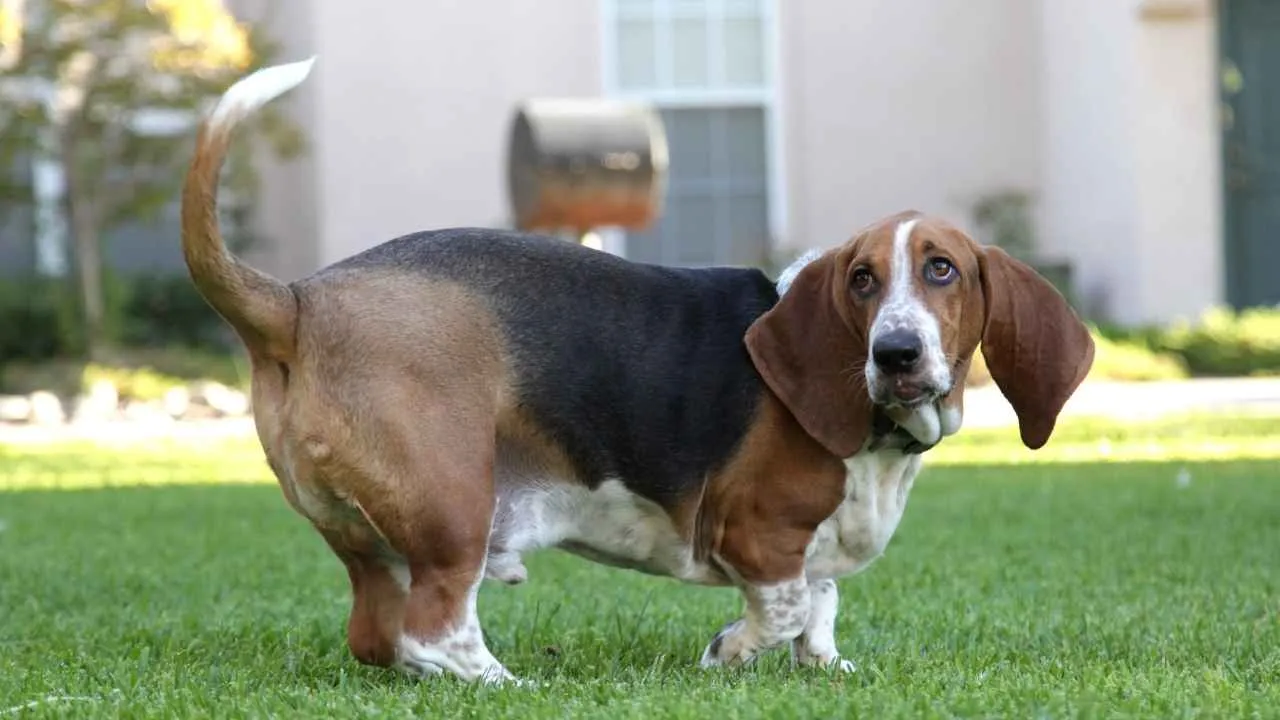
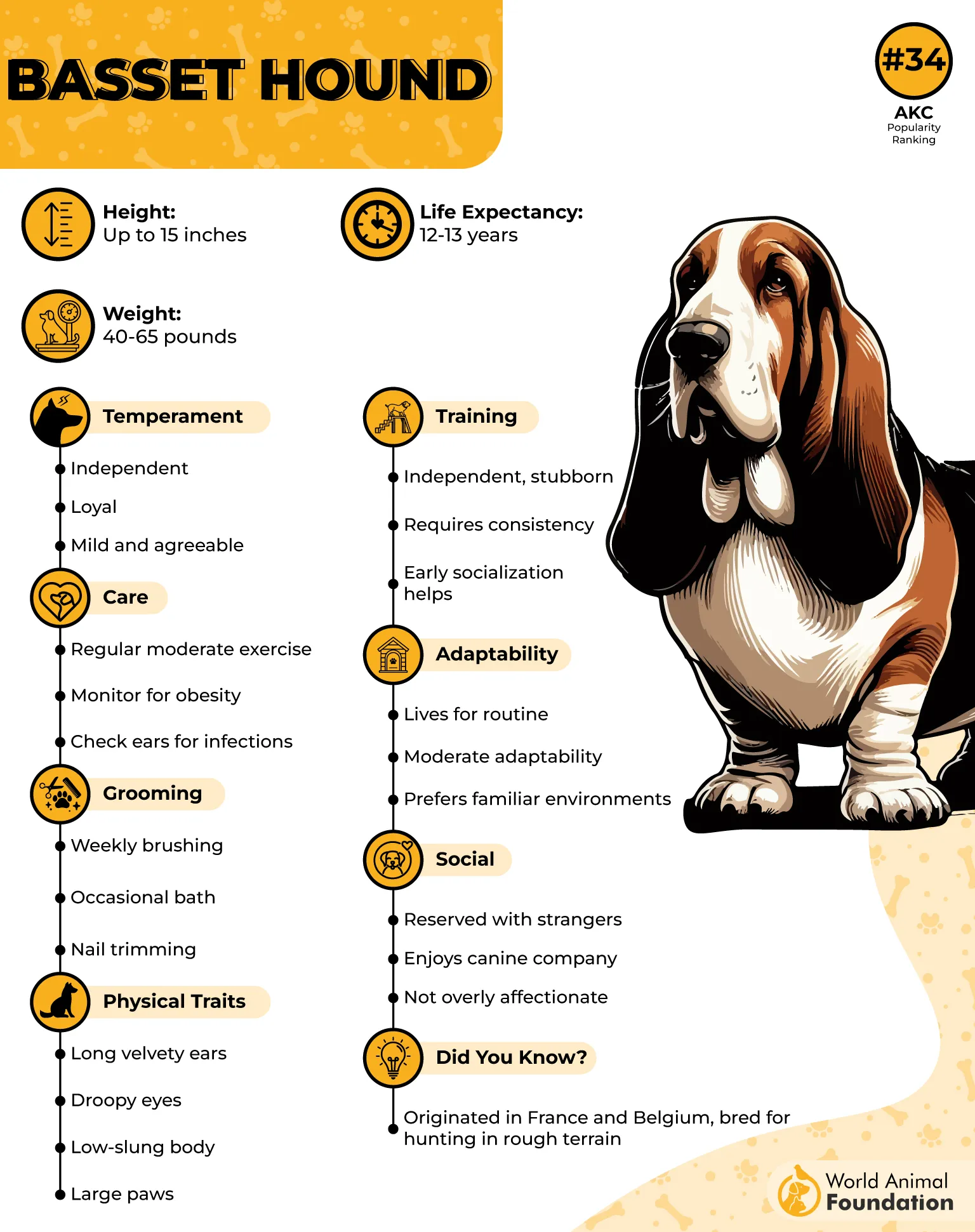
The Basset Hound has its origins in French hounds, shaped with a long body that moves close to the ground. Its short legs and heavy bones place its nose near scent trails at all times. The drooping ears and loose skin further guide scent upward while tracking.
Physical traits linked to daily living
It fits compact indoor spaces through its slow pace and relaxed indoor habits. Its short coat remains easy to manage, though regular shedding still occurs across the home.
That design reflects in everyday breed characteristics:
Short legs keep activity contained indoors
Smooth coat requires minimal upkeep
Long ears and wrinkles trap scent effectively
Temperament inside shared spaces
As great apartment dogs, they bring a calm and friendly nature, often settling comfortably around children and other pets, as discussed by Omlet.

Their affectionate behavior leans toward closeness, often preferring company over isolation. Extended alone time may lead to restless habits or vocal expression.
3. Cavalier King Charles Spaniel

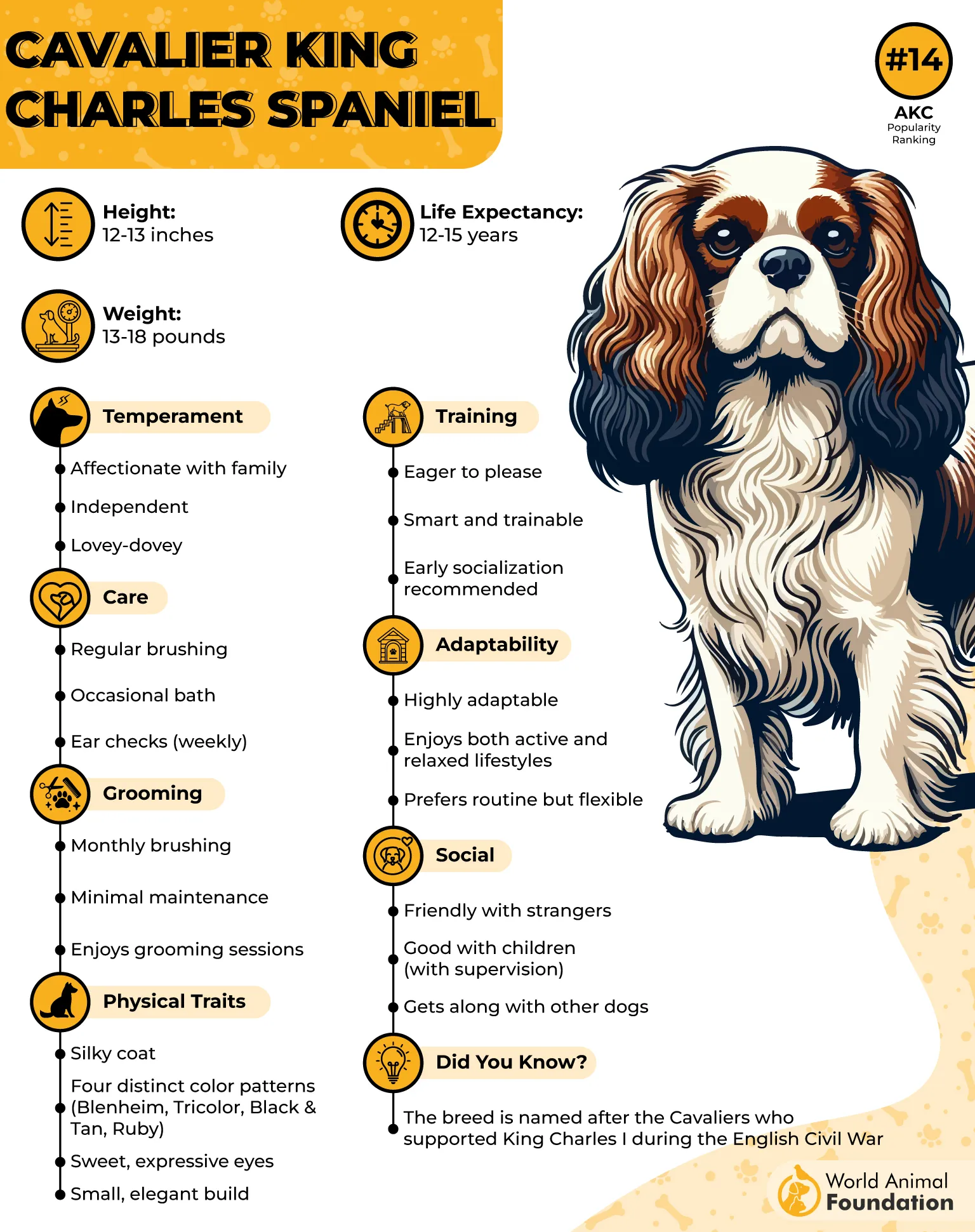
The Cavalier King Charles Spaniel draws attention through its soft, expressive eyes and refined appearance linked to British royalty. Its identity blends toy-like affection with the energy of a small sporting companion. This mix shapes a dog that feels both attentive and quietly lively indoors.
Flexible behavior in compact living
This tiny dog adjusts easily between active moments and relaxed indoor routines, making it one of the best dog breeds for apartment living. It can switch from playful bursts to long periods of rest without disruption.
This balance shows in everyday habits:
Enjoys short play sessions indoors
Settles comfortably for an extended quiet time
Adapts to both active and calm routines
Social nature and home interaction
It connects smoothly with children, other dogs, and visitors, reflecting a naturally easygoing temperament, as mentioned by Britannica. It often seeks closeness, preferring shared spaces rather than isolation. This social comfort adds ease to condo environments where interaction is frequent.
4. Chihuahua
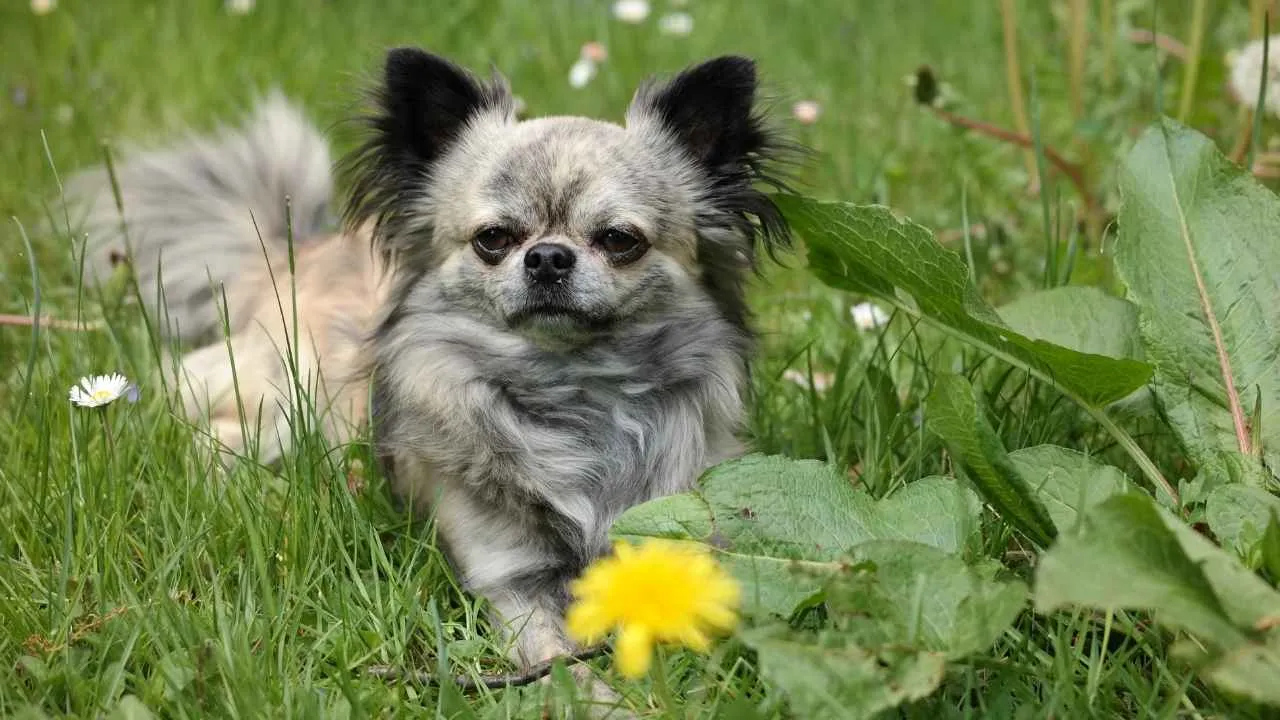
The Chihuahua entered the United States after small dogs were found in Mexico around the mid-1800s, though earlier roots remain uncertain.
Its compact size pairs with a personality that forms strong attachments to familiar people. This closeness often shapes how it lives well in an indoor living space.
Compact living and daily behavior
It fits easily into smaller spaces, often staying close to its person rather than spreading across the home. Its size allows flexibility in routines like travel or quick outings without much adjustment.
That practicality shows up in simple, everyday ways:
Easy to carry during errands or trips
Occupies minimal indoor space
Adapts quickly to close living setups
Coat variety and care needs
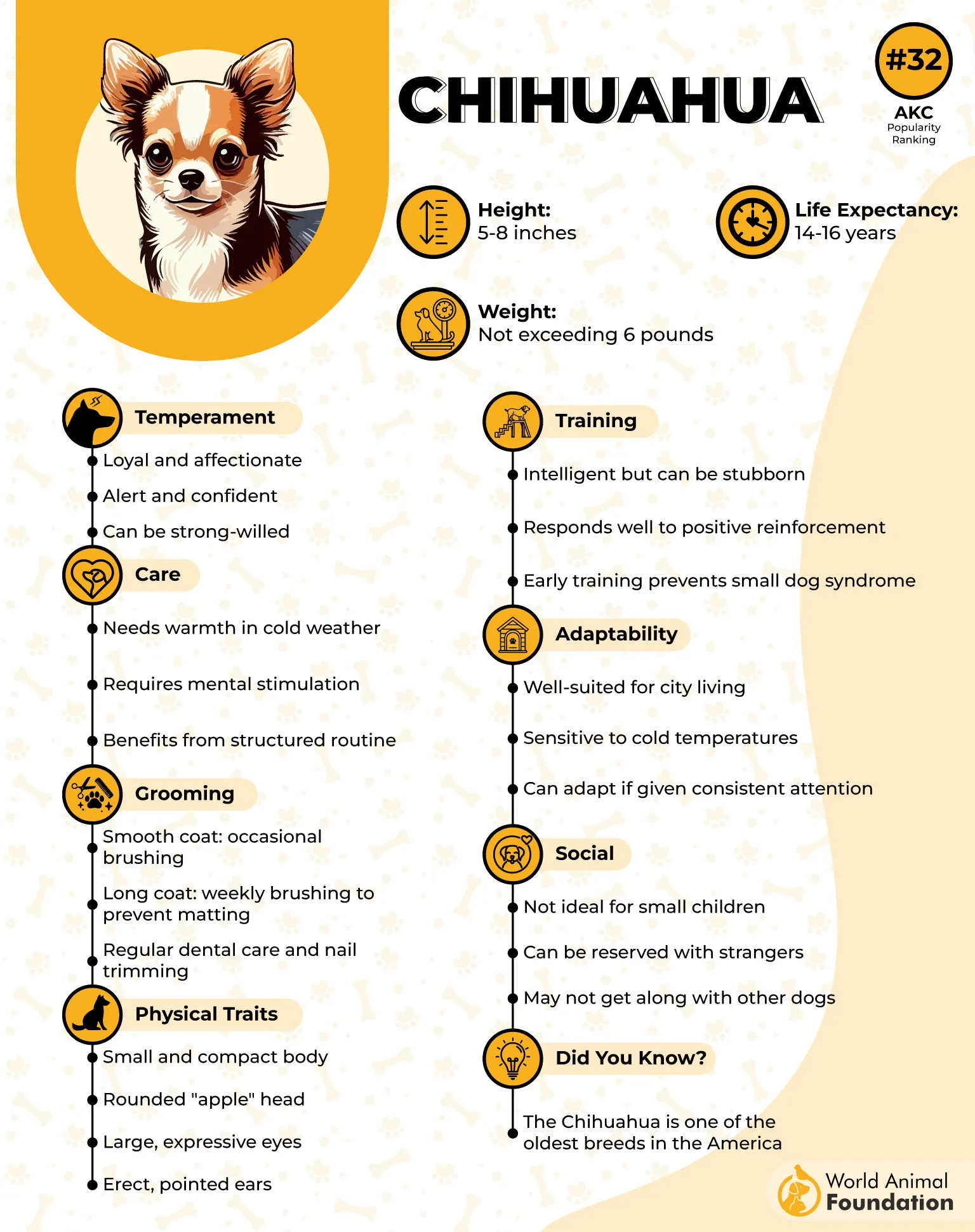
The Chihuahua comes in both short and long coat types, along with apple head and deer head shapes that slightly change its look. Grooming remains manageable across both coat styles with routine care. Shedding stays moderate, making upkeep easier in compact homes.
5. French Bulldog
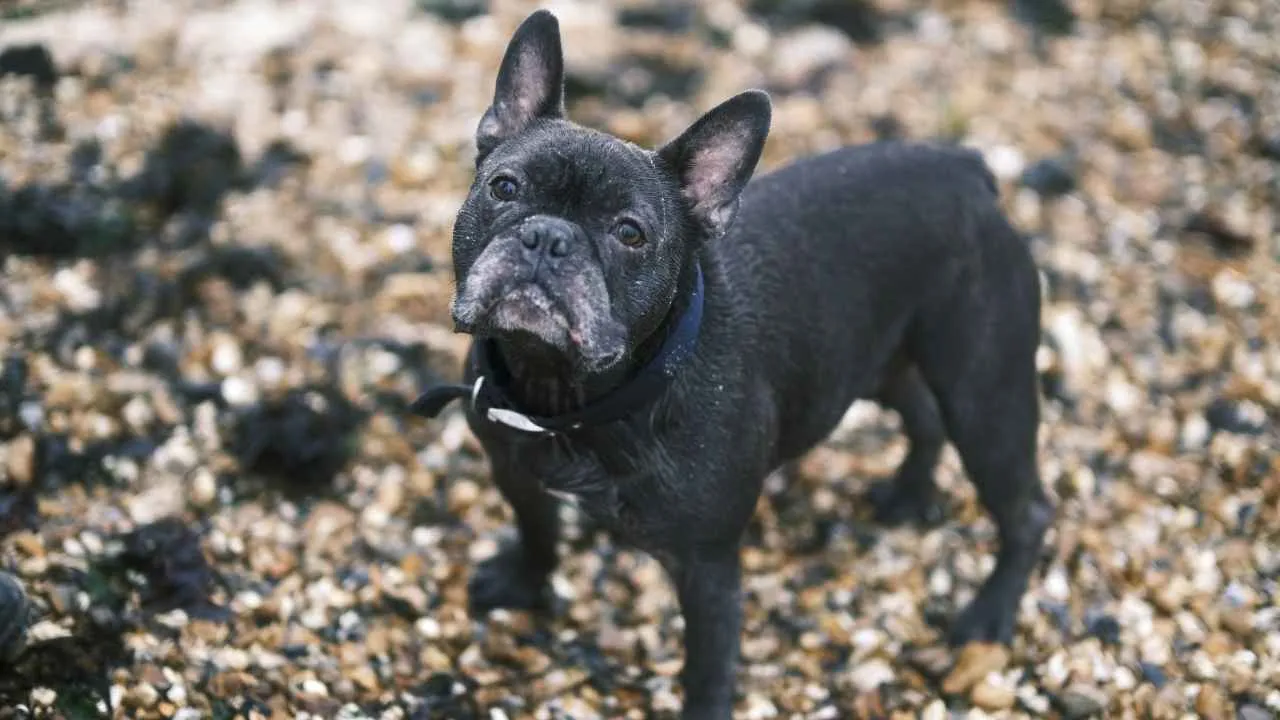
The French Bulldog gained its charm in France when English lace workers introduced smaller Bulldogs, with upright ears shaping its iconic look.
Its mini frame and expressive face quickly drew interest in close-living environments. The breed’s size fits easily into limited indoor spaces without feeling restrictive.
Daily rhythm in small spaces
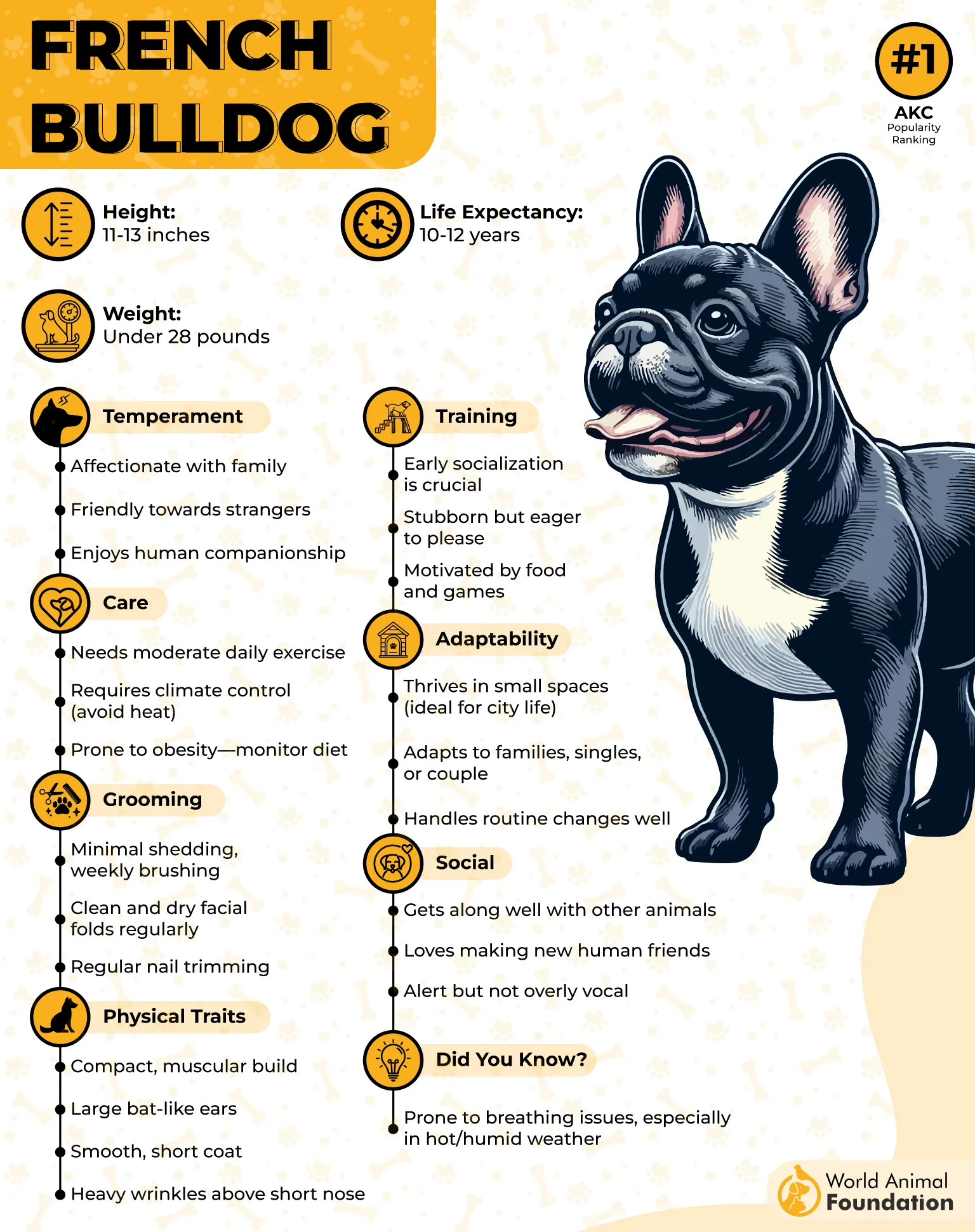
This apartment dog lives with a relaxed pace, preferring short bursts of activity over long outings. Its easygoing nature blends well with quieter living setups and structured daily habits.
That rhythm becomes clearer through simple patterns:
Short daily walks suit its activity level
Indoor games keep engagement steady
Adapts easily to limited space routines
Coat and maintenance habits
It has a short coat that sheds moderately, with loose hair manageable through weekly brushing. Grooming needs remain minimal compared to longer-coated breeds, fitting well into low-maintenance routines. Regular upkeep helps control shedding within compact living areas.
6. Havanese
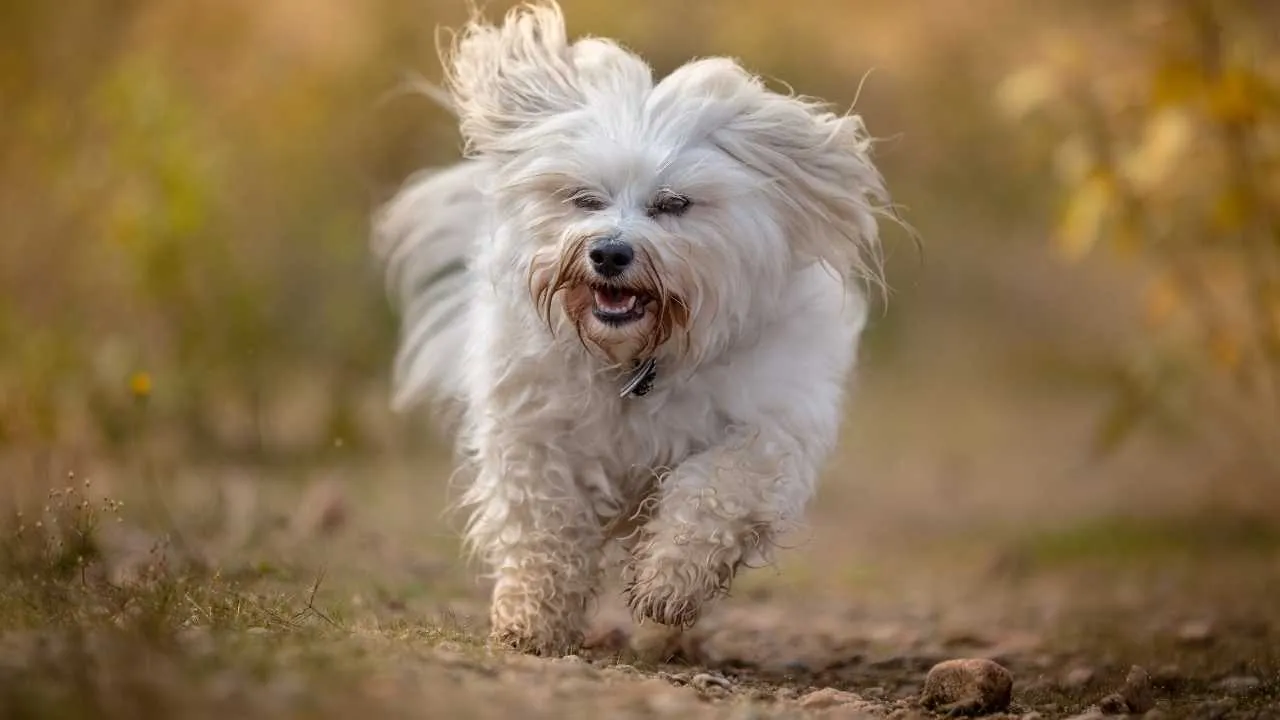
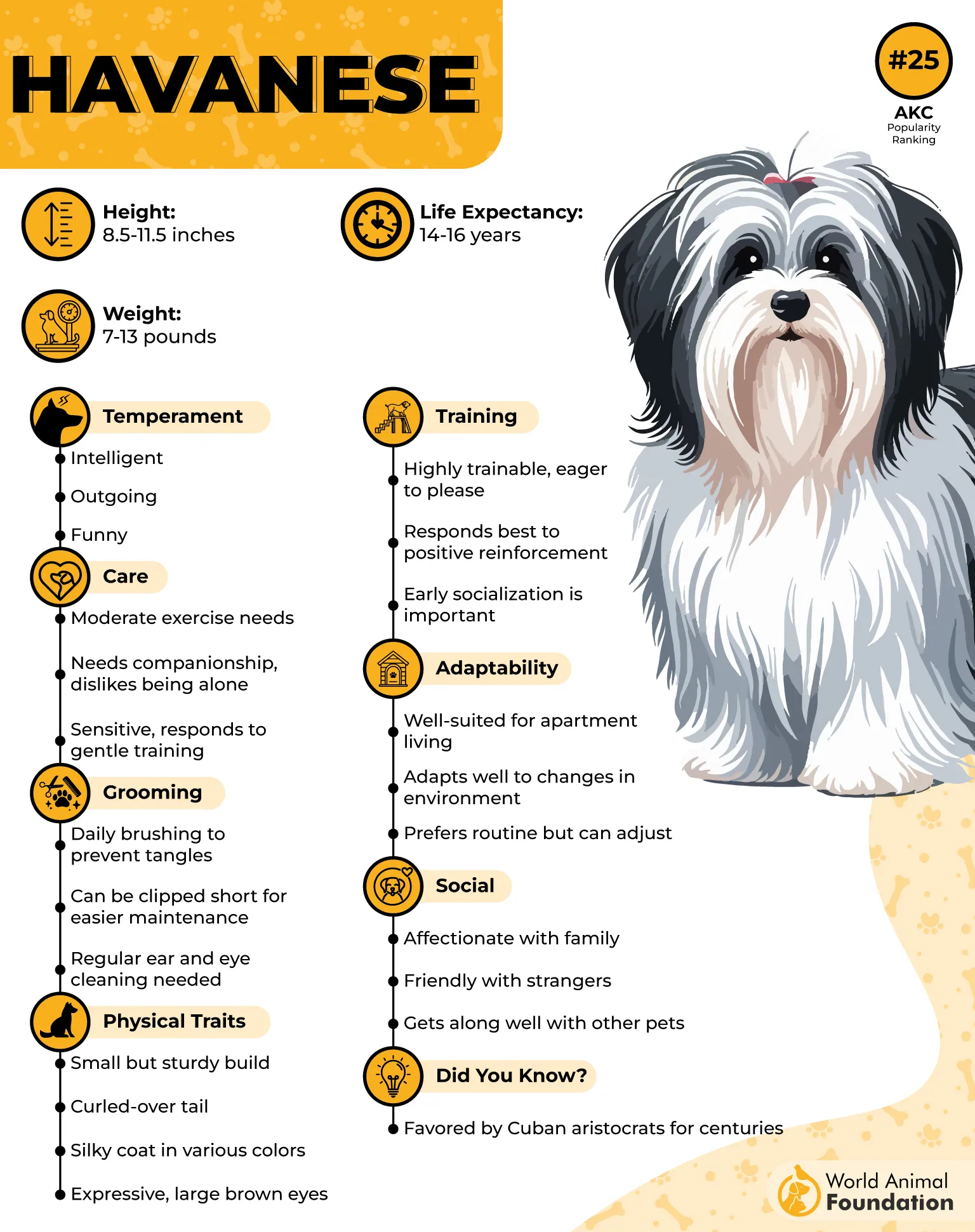
The Havanese belongs to the Barbichon group, sharing lineage with Bichon Frise, Bolognese, and Maltese. Its small frame pairs with an energetic and entertaining personality that keeps indoor spaces active without needing excess room. This blend adapts well to apartment life.
Coat care and daily upkeep
The Havanese comes with a long hypoallergenic coat that may appear straight or softly wavy, requiring regular brushing to prevent tangles. Grooming becomes part of routine care rather than an occasional effort.
That routine becomes clearer through simple habits:
Frequent brushing keeps the coat manageable
Short trims reduce daily grooming time
Consistent care prevents matting issues
Behavior inside shared spaces
The Havanese interacts closely with people, responding quickly due to its trainable and alert nature. Without guidance, it may bark more often, especially when reacting to surrounding sounds. Early direction helps regulate this tendency in city living setups.
7. Maltese
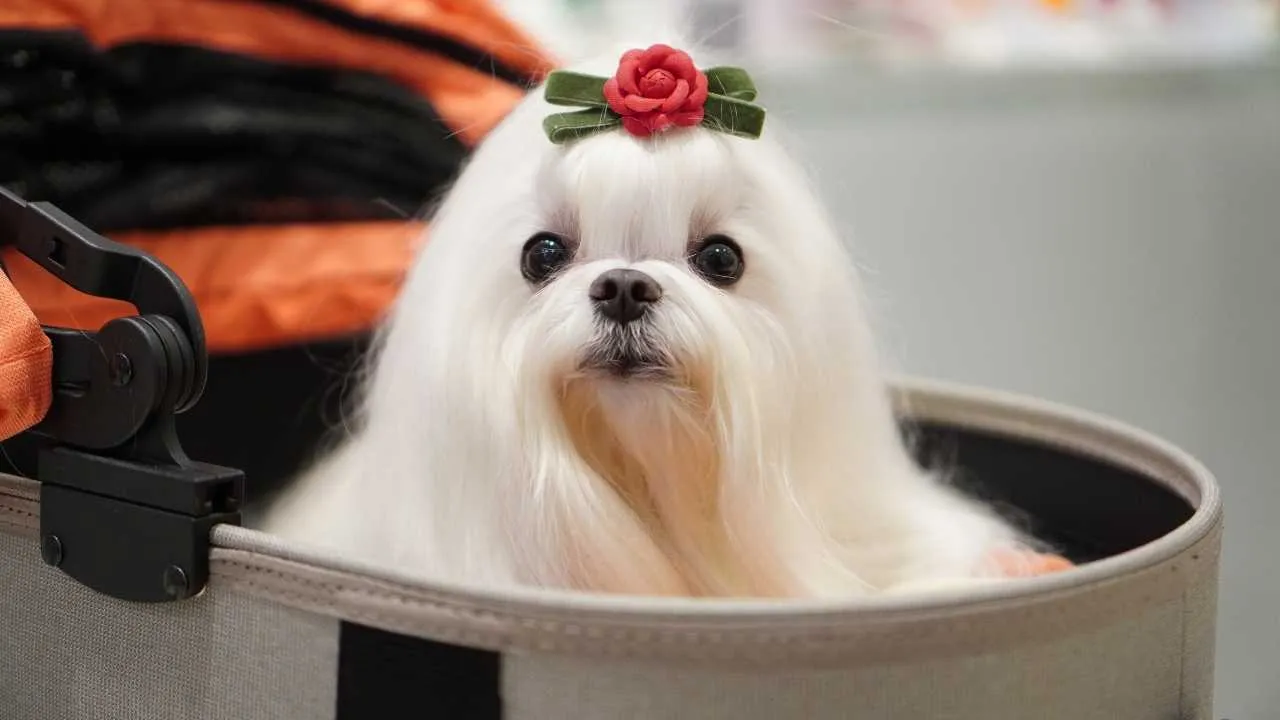
The Maltese is recognized through its long, flowing white coat paired with a small, balanced frame. Its roots on the Mediterranean island of Malta link it to centuries of close human companionship. This long association reflects a dog shaped for indoor living and constant interaction.
Size suited for close living spaces
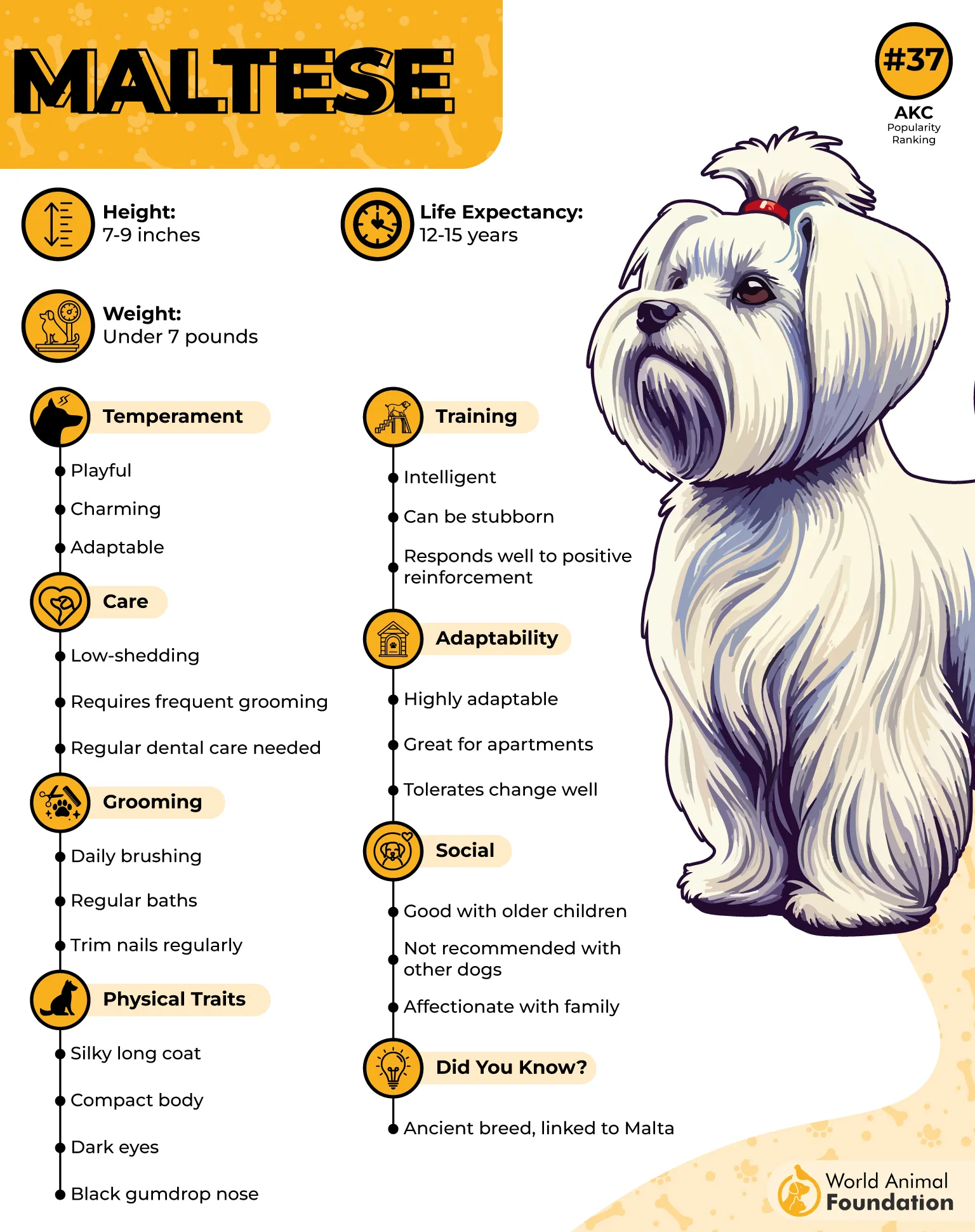
In an apartment setting, it lives well as its size and friendly nature adjust easily to limited space. Its generally healthy build and approachable temperament make daily handling simple.
A few traits explain this easy fit indoors:
Small body suited for compact spaces
Friendly nature toward familiar people
Coat often labeled as low-shedding
Care routine that requires attention
This smaller breed requires regular coat upkeep, as its long hair demands near-daily grooming to avoid tangles. This commitment becomes part of the routine rather than an occasional task. Social interaction and basic training also play a role in shaping its behavior indoors.
Conclusion
At first, you expect to make compromises. Maybe less movement, maybe more effort to keep things in place. But with the perfect apartment dog, that expectation fades sooner than you think, especially for apartment dwellers. It moves through the space without friction, as if it understands the limits without being told.
That understanding carries into everyday life. No sudden bursts that overwhelm the room, no constant shifting to make things fit. Its calm temperament and gentle nature show in small ways. The space stays the same, yet it feels more complete. In the end, that difference stays.
