




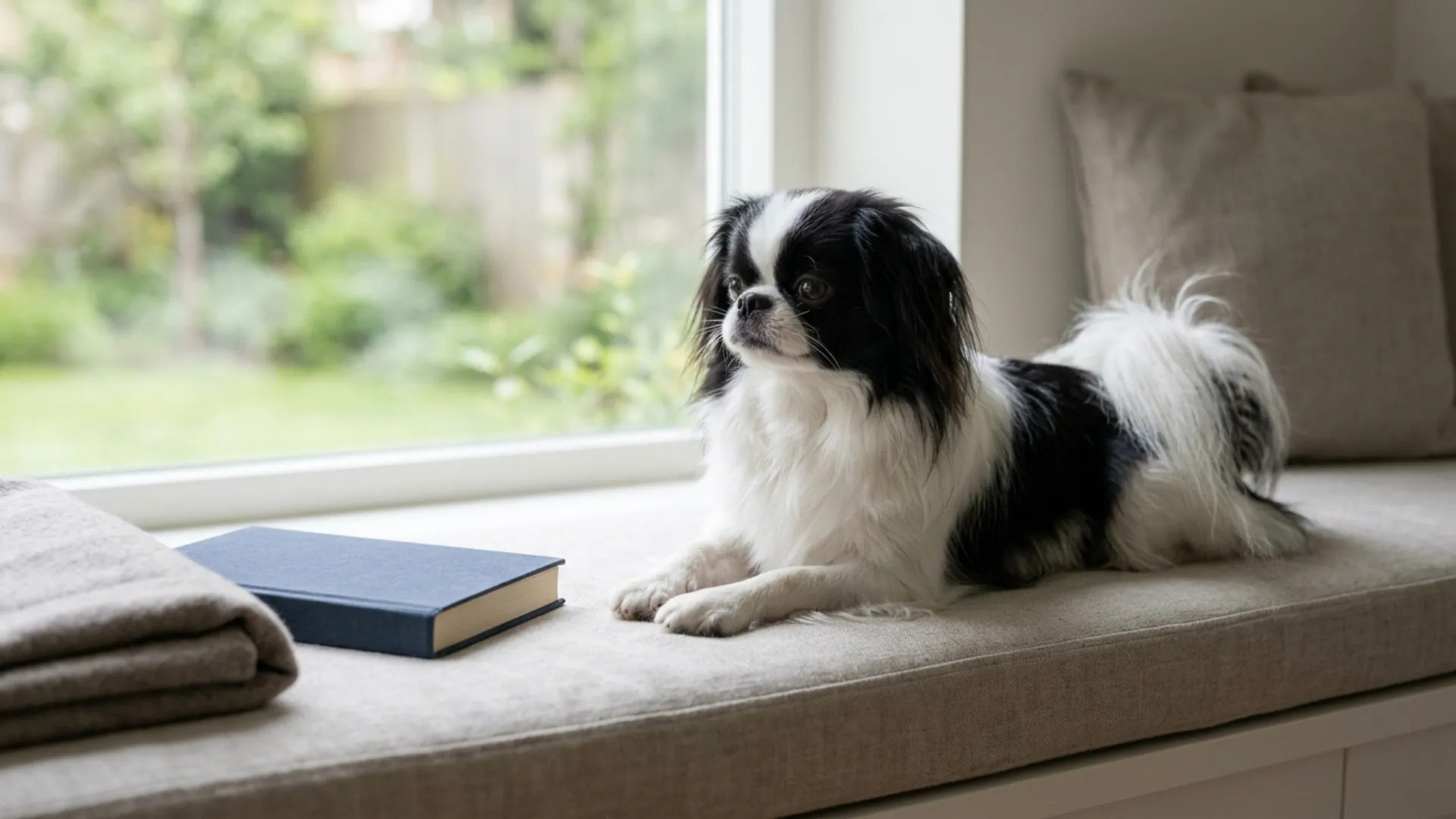
For an introvert, home isn’t just a place to sleep—it’s a sanctuary. It is a quiet haven where you recharge your social battery, read a chapter in peace, or simply enjoy the comforting stillness of your own space.
In a world full of noise, the wrong canine companion can feel like a live-in party host who never sleeps. But the right dog? The right dog feels less like a roommate and more like a gentle extension of your own calm energy: a quiet, low-demand partner who understands the sacred art of simply existing together.
Introvert-friendly breeds are the unsung poets of the dog world. Rather than demanding non-stop games of fetch or barking at every rustling leaf, these serene soulmates excel at low-key companionship. They don’t need a noisy crowd or an endless schedule of social engagements to thrive—just a warm spot on the rug and your reassuring presence nearby.
If your ideal evening involves soft lighting, a good book, and zero forced small talk, you don’t have to navigate pet parenthood alone. Discover the most peaceful, easygoing dog breeds specifically built for quiet homes, solo living, and the beautiful tranquility of introverted life.
Peaceful Dog Breeds Ideal for Introverts Who Prefer Solitude
1. Cavalier King Charles Spaniel
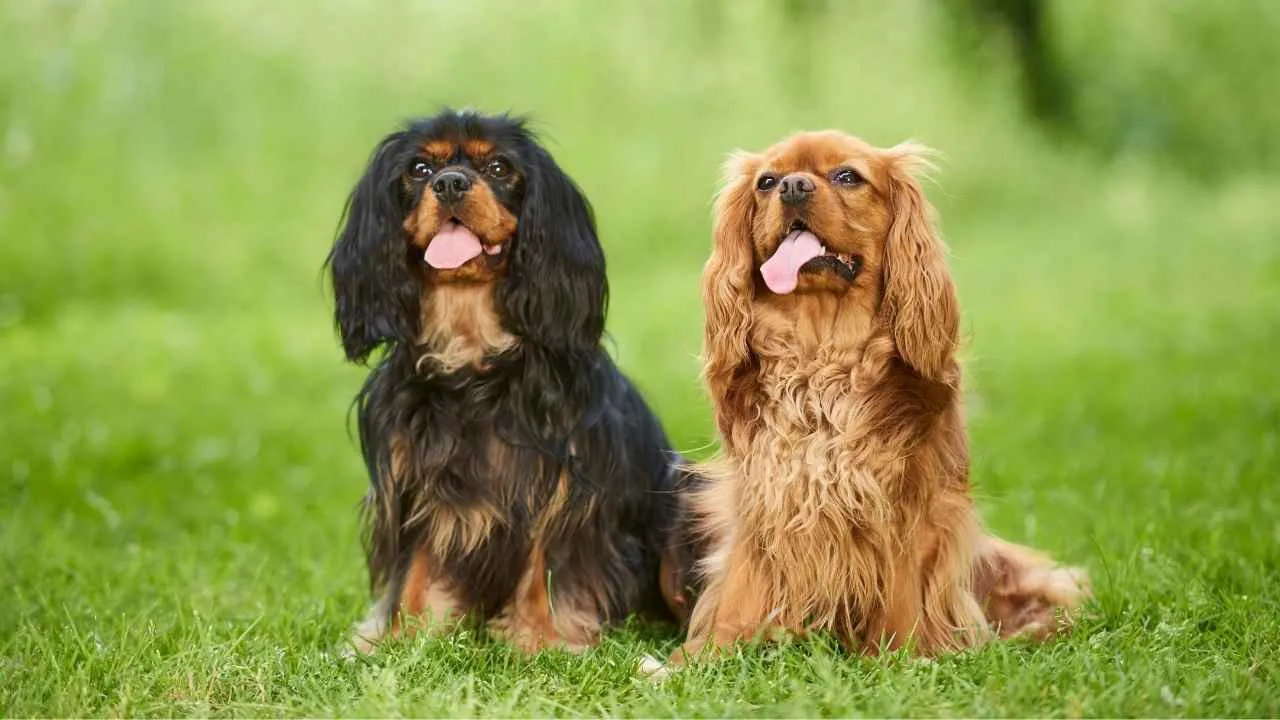
British nobility bred the Cavalier for one job: keep a lap warm. Toy spaniels sat at King Charles’s feet, never asked to hunt or herd. According to VCA Animal Hospitals, these dogs stayed home to comfort and cuddle while bigger breeds hunted.
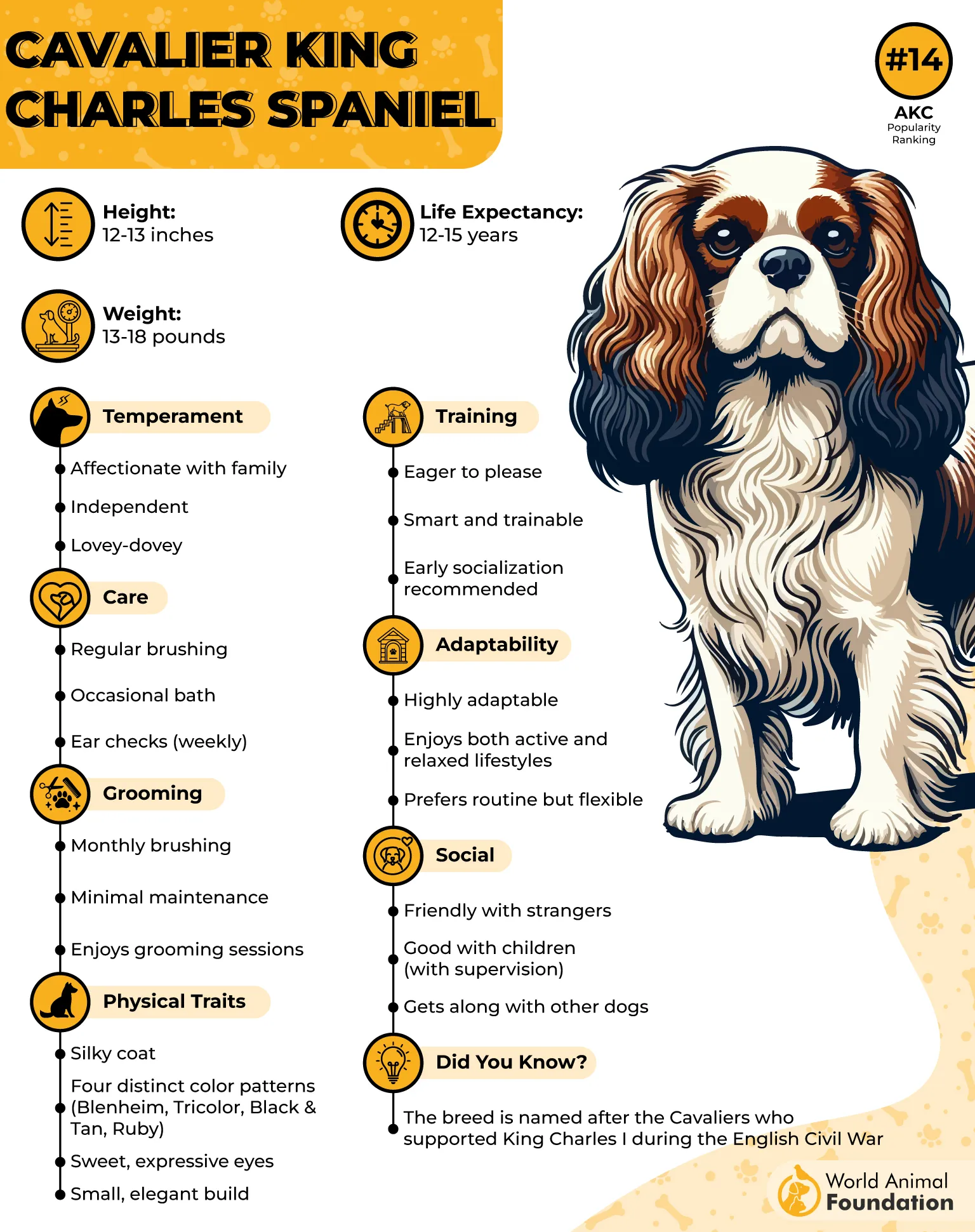
A Cavalier reads a quiet room well. Set on a cushion by a window, it settles into long stillness, content just to be near you. A calm afternoon is entertainment enough.
Grooming: Brush the silky coat a few times weekly to stop mats forming.
Exercise: A couple of short walks meet its needs; it skips high-energy play.
This calm nature needs company. Cavaliers can develop separation anxiety if left alone too long, so calm does not mean independent. Plan for a dog that wants to share the room.
2. Havanese
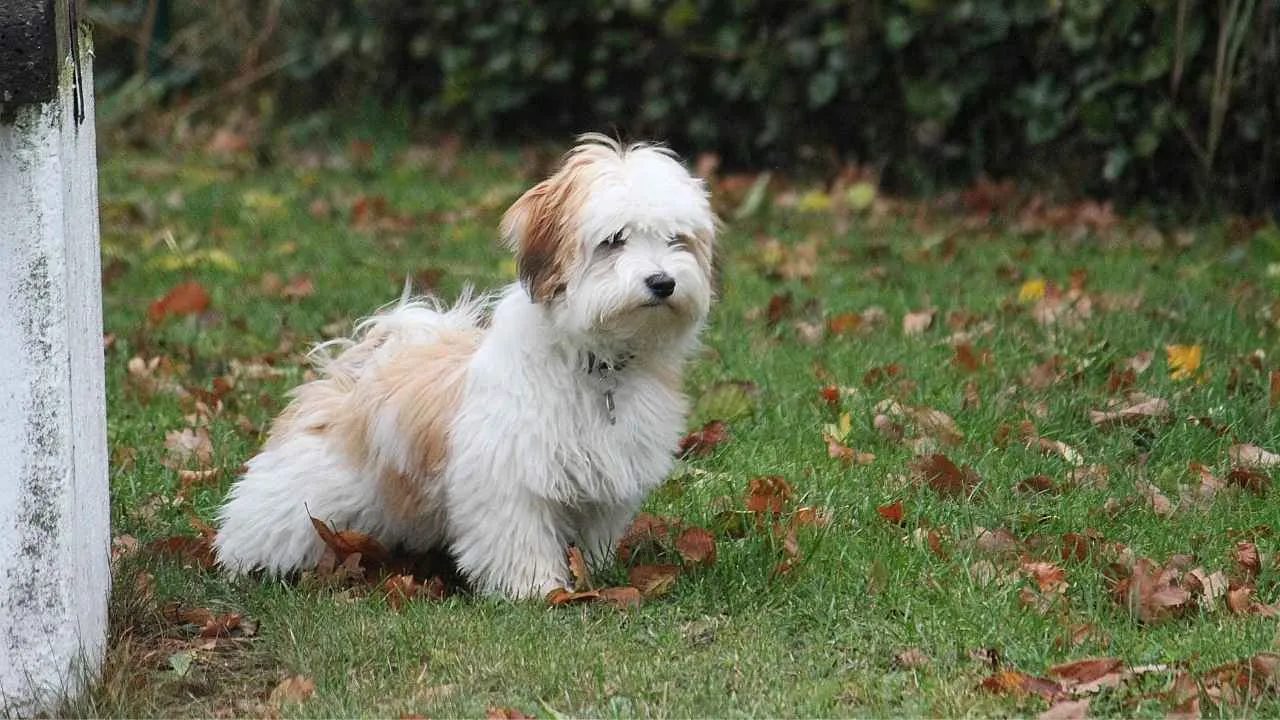
Havanese began as pampered pets of Cuban aristocrats, carried through grand houses rather than sent to guard or hunt. Spanish and Italian lapdogs adapted to island life into a breed built for close company. Comfort, not duty, is in its bones.
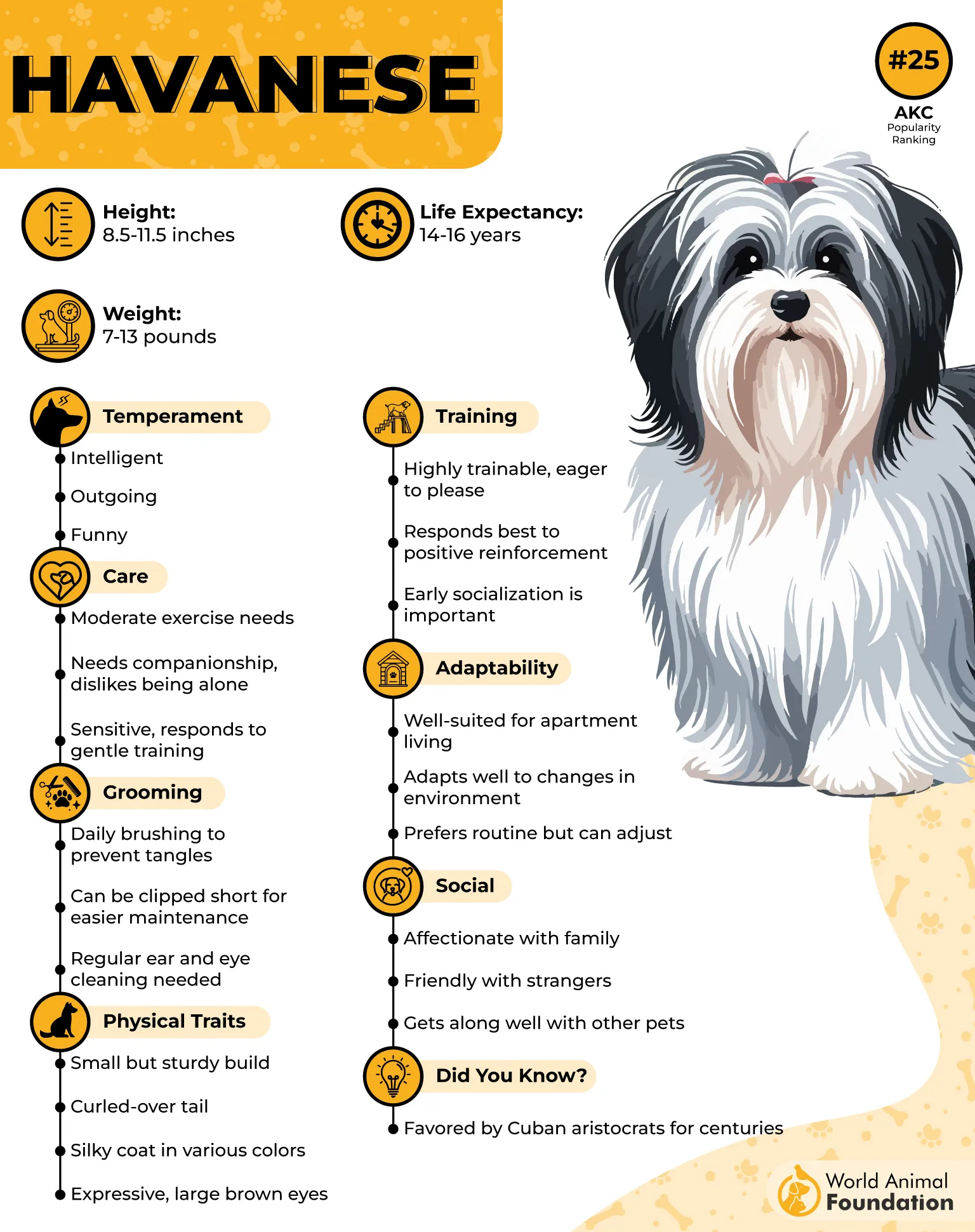
Left alone for a quiet hour, a Havanese curls up rather than tears the house apart. It treats a calm room as its territory, needing no job to do. Its small size suits apartment living.
Grooming: The long coat needs brushing most days to avoid tangles.
Exercise: Short walks and indoor play meet its daily needs.
This is not a silent dog. According to WebMD, Havanese rank high for barking at everyday sounds, so a quiet home does not mean a quiet pup. It also craves attention and does best with family nearby.
3. Pug
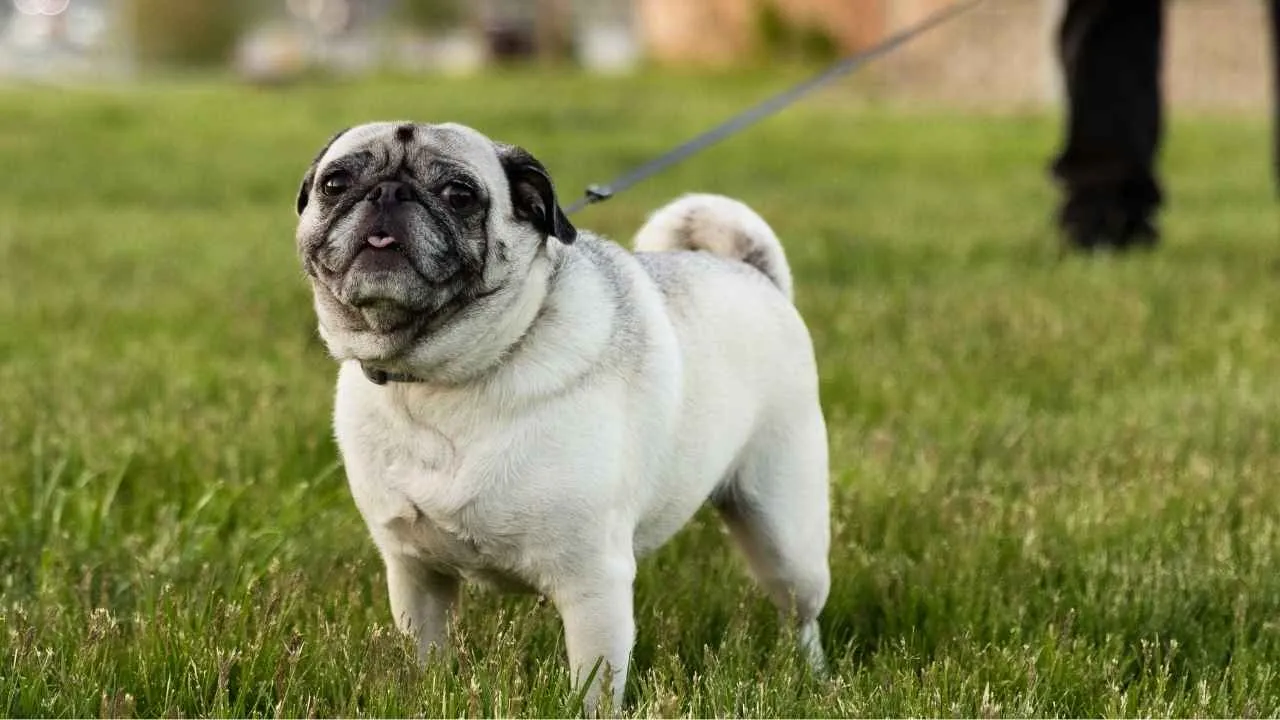
Pugs were bred over 2,000 years ago to sit in the laps of Chinese emperors, prized as companions, not workers. Guards once protected these dogs, and monks later kept them in quiet monasteries. That job built a dog with low demands.
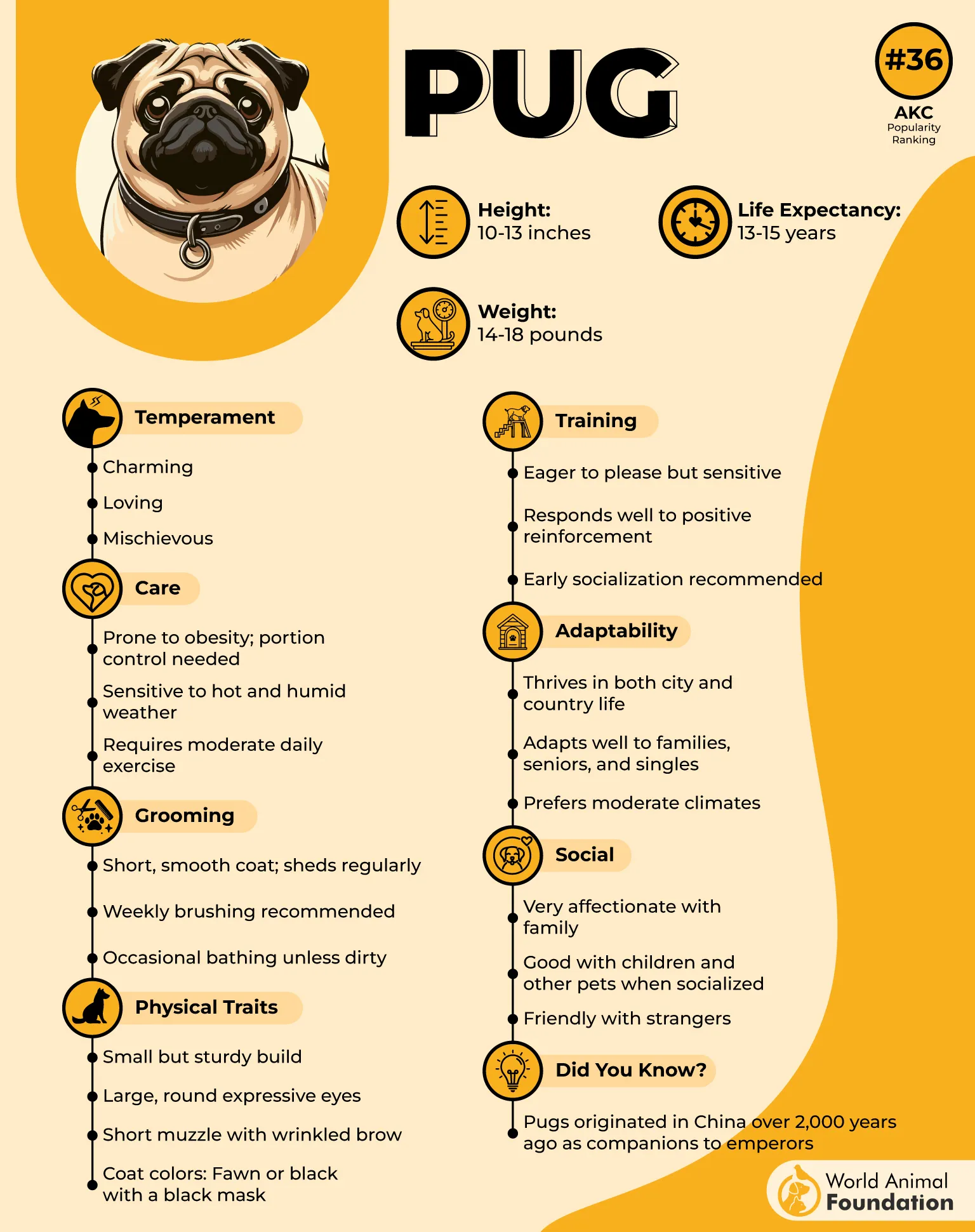
A Pug left alone for a few hours usually snoozes rather than fusses. It has no instinct to patrol or chase, so a quiet house suits its lifestyle. Its favorite activity is sitting near you, undemanding and settled.
Grooming: Weekly brushing clears loose hair from its short coat.
Exercise: Light daily walks are enough; avoid exertion in heat.
A Pug’s loyal nature keeps it near its people most of the day. Left too long, boredom turns into mischief or snacking. This cute dog thrives on spending time with family, not solitude.
4. Japanese Chin
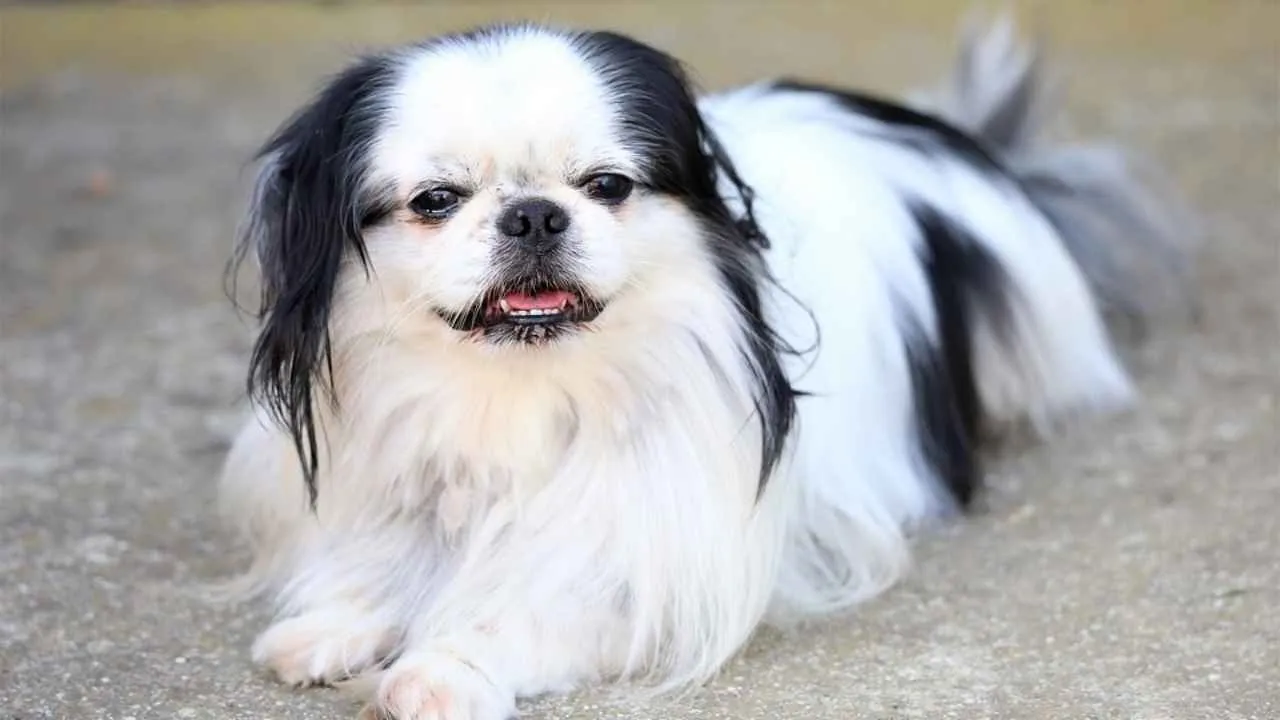
Japanese Chins were once owned only by royalty, kept as palace companions, not hunters or guards. According to Hill’s Pet, the breed is sensitive, intelligent, and independent, built to be a companion first. Its only job was existing beside its owner.
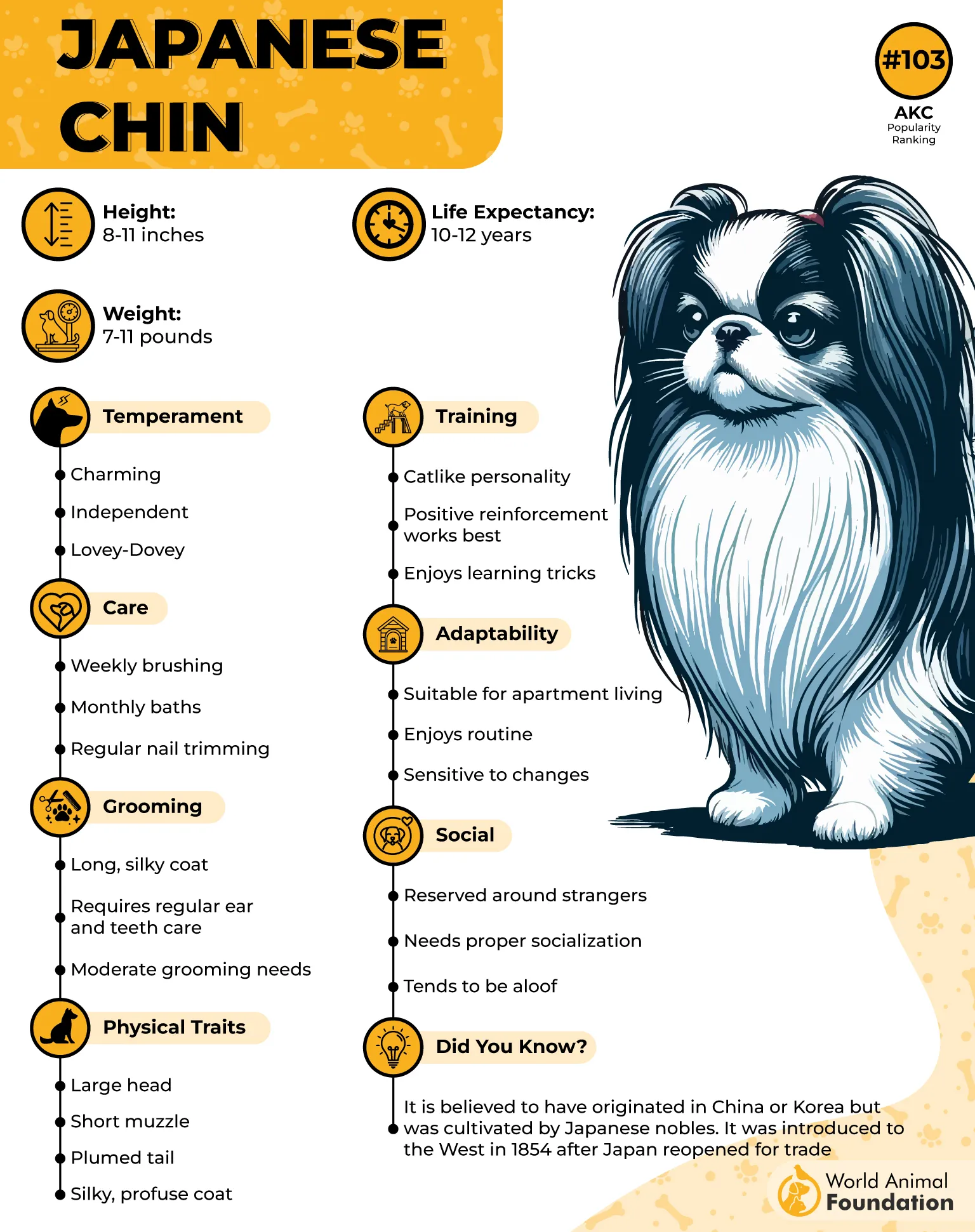
This breed behaves like a cat left to its own devices. It climbs onto furniture, washes its face with a paw, and tucks into odd corners for quiet time. A Japanese Chin entertains itself without needing constant attention from humans.
Grooming: Its silky coat needs only moderate brushing.
Exercise: A short daily walk or indoor playtime is plenty.
This independence does not erase affection. A Japanese Chin bonds closely with its favorite person and turns reserved around strangers and other dogs. Early socializing keeps that reserve pleasant, not tipping into separation anxiety.
5. Pekingese
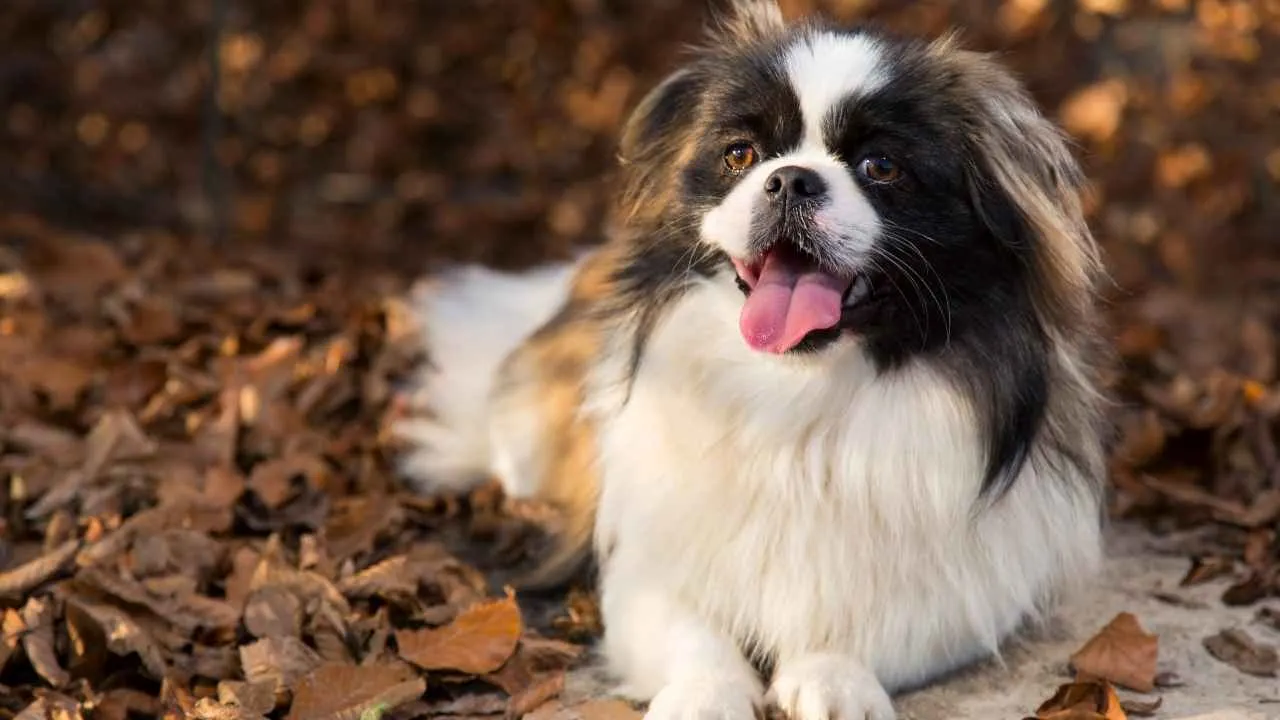
Pekingese were sacred dogs of China’s Forbidden City, owned only by royalty, and theft once meant death. According to AKC, centuries of imperial treatment built a dog unconcerned with the desires of those around it. Work was never part of the job description.
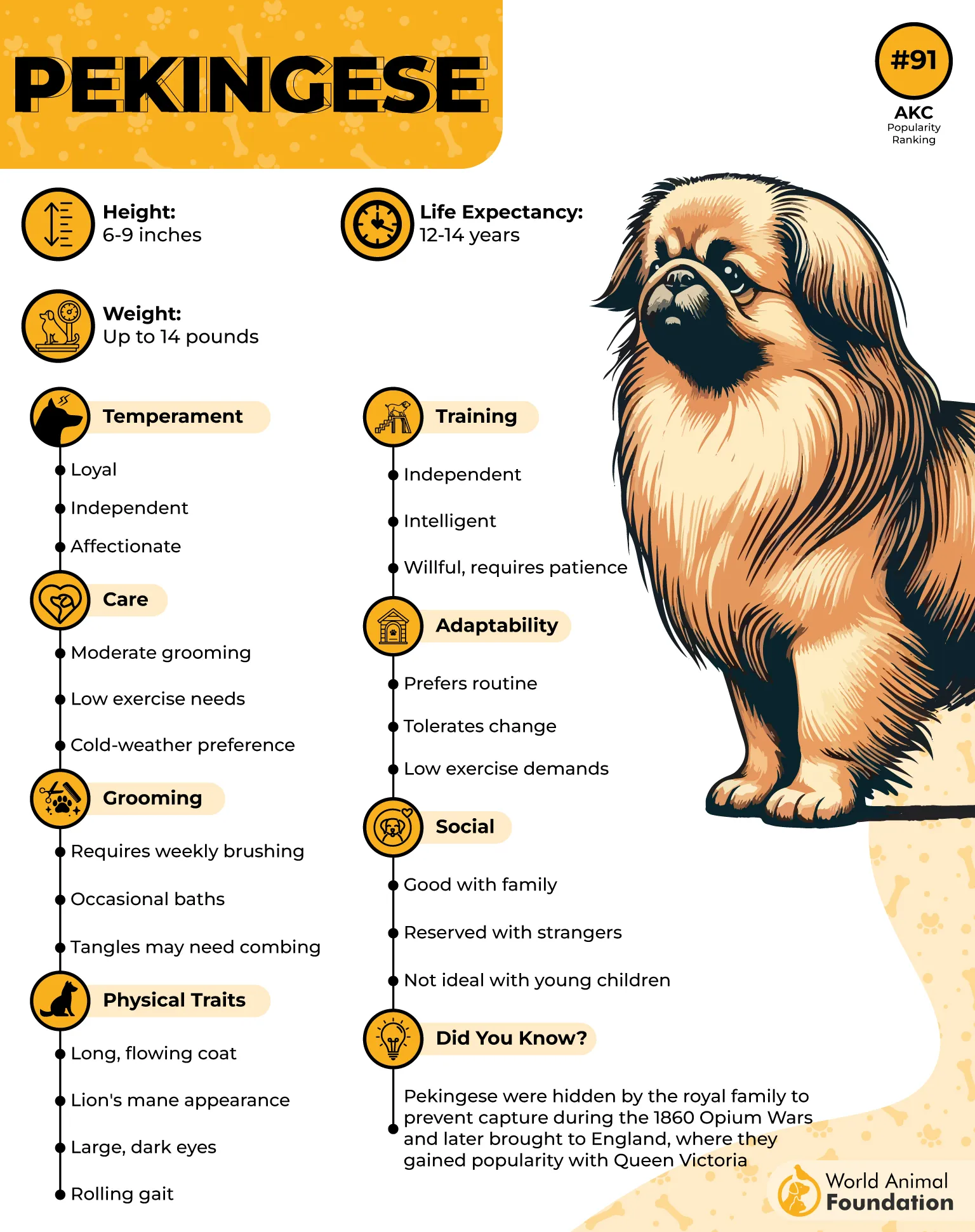
A Pekingese carries that same self-possession today. It sets its own pace, naps on its own schedule, and rarely waits for permission to relax. Quiet time alone does not bother its temperament at all.
Grooming: The long coat needs daily brushing to prevent matting.
Exercise: Short, gentle walks suit it; the flat face limits heat tolerance.
That independence comes with real opinions. A Pekingese can be territorial with strangers and other dogs, and training takes patience, not quick obedience. It still wants a strong bond with its chosen person, on its own terms.
6. English Toy Spaniel
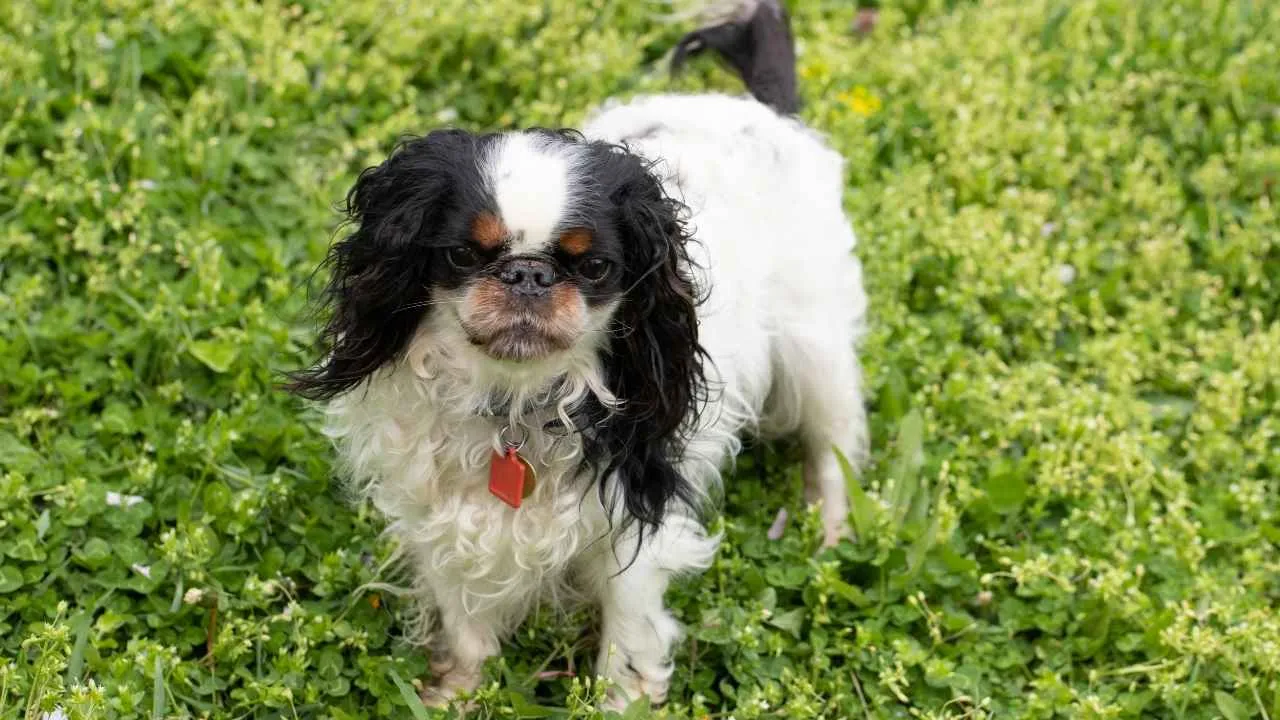
English royalty kept the English Toy Spaniel as a lap companion as far back as the 1500s, with King Charles I and II devoted fans. According to Orvis, the breed offers quiet reserve and merriment rather than the drive of a working dog.
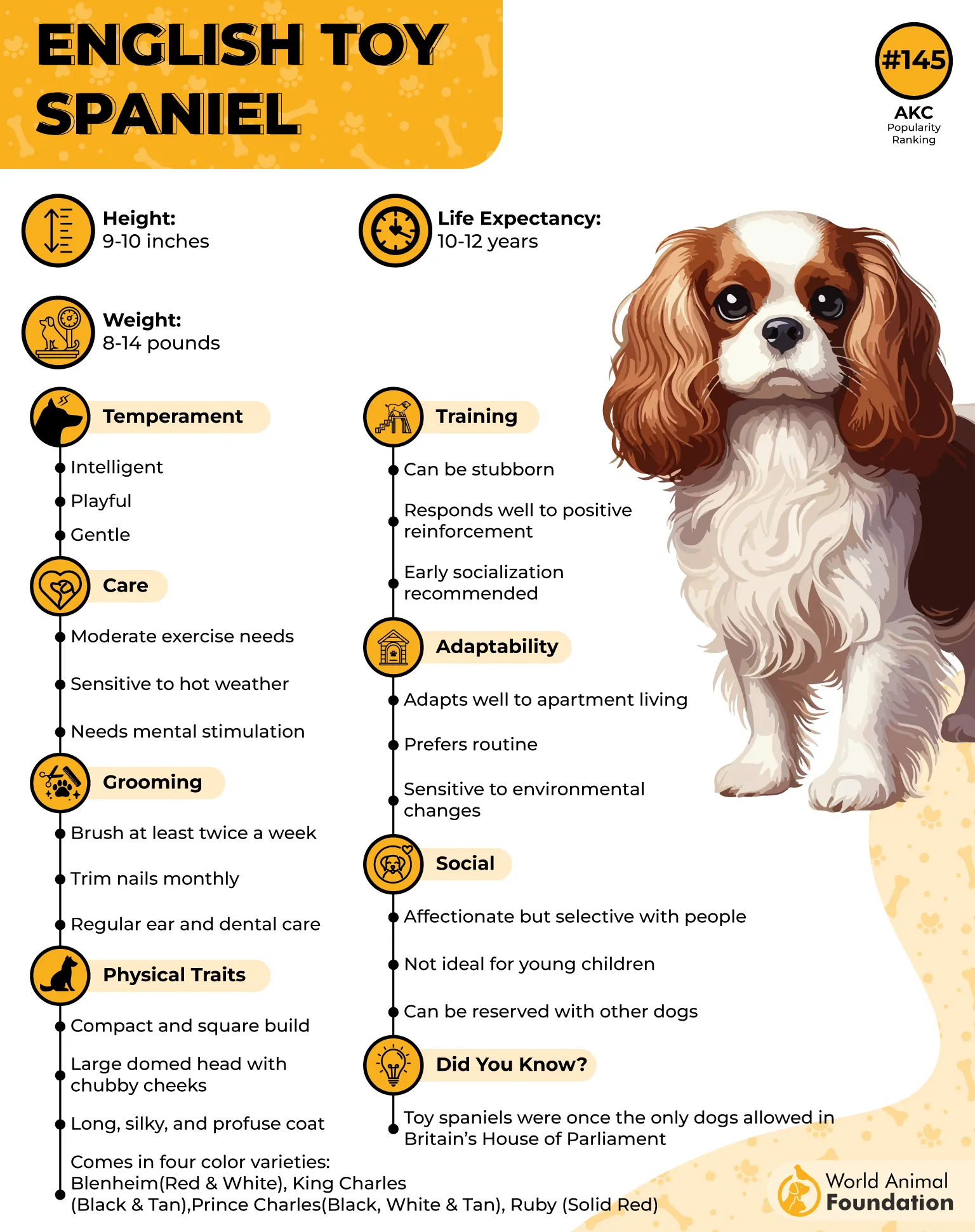
This spaniel is content with laid-back companionship. It naps for long stretches beside its favorite person and shows little interest in constant play or extra stimulation. A calm house suits its lifestyle perfectly.
Grooming: Brush the silky coat a few times weekly to prevent tangles.
Exercise: A short walk or light indoor play meets its daily needs.
It does pick favorites. An English Toy Spaniel often bonds closest to one family member and turns standoffish around strangers until introduced. Early socializing keeps that reserve pleasant, not nervous.
7. Shih Tzu
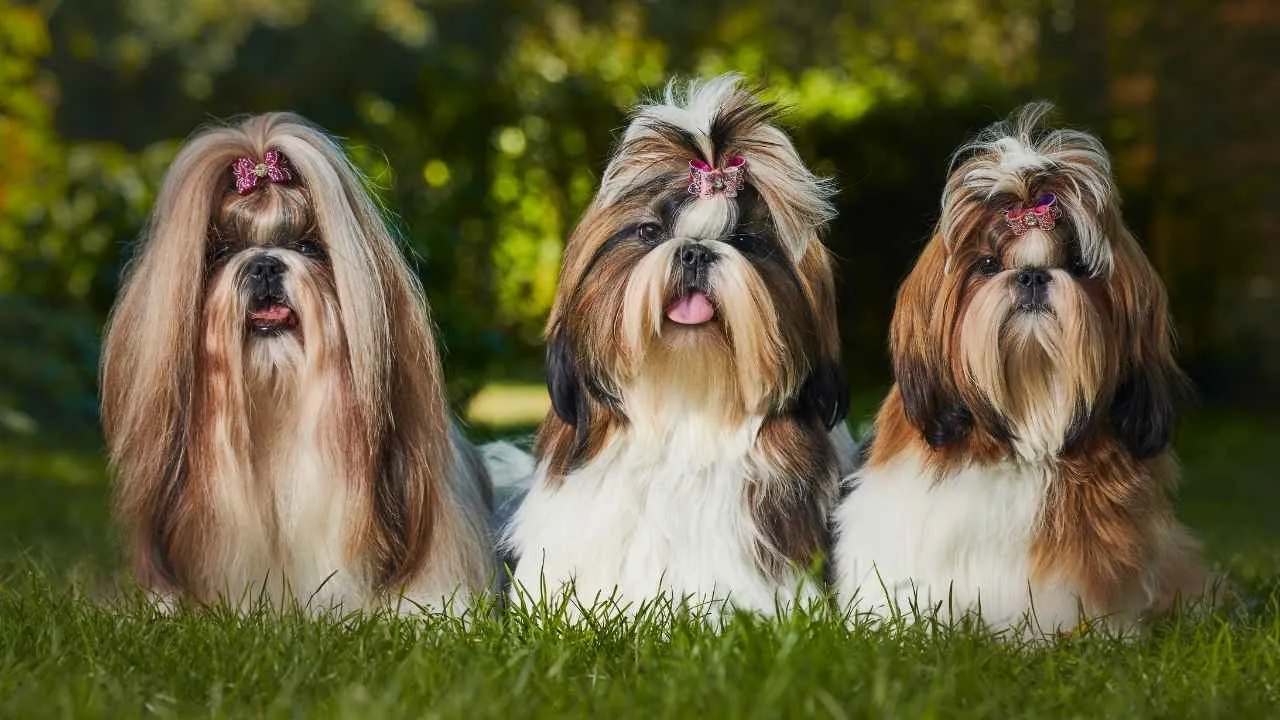
Shih Tzu descend from dogs gifted to Chinese and Tibetan courts, bred small enough to tuck into a sleeve. No herding or guarding history shaped it, just centuries of sitting beside its people. Comfort was the whole point.
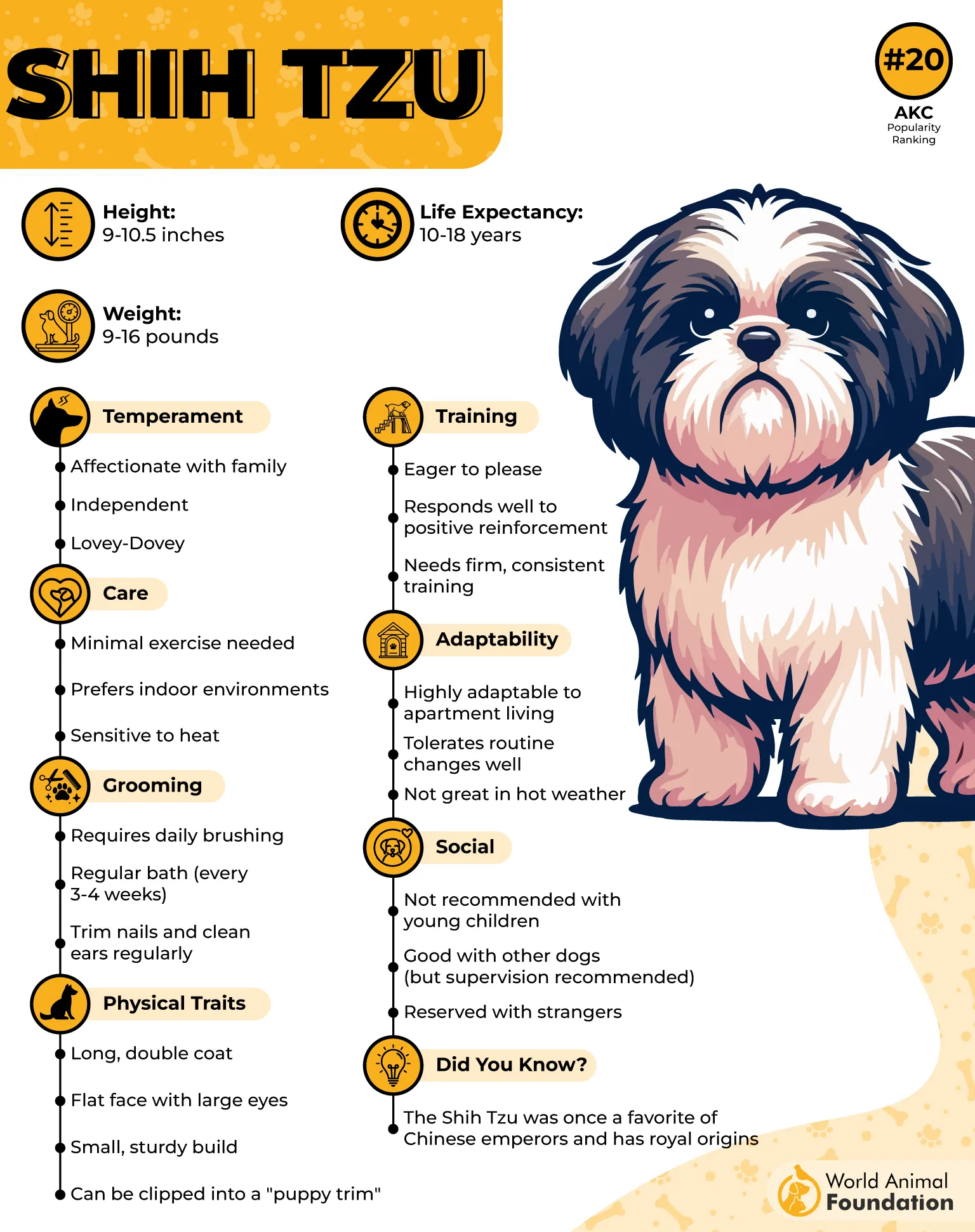
A Shih Tzu settles into quiet afternoons, content to watch the world from a cushion, not chase it. It does not need a dog park or a crowd to feel fulfilled. A perfect day is just being near you.
Grooming: The flowing coat needs brushing most days to stay tangle-free.
Exercise: Short indoor play or a brief walk covers its exercise needs.
This breed attaches to one person and struggles with alone time. A Shih Tzu often becomes a shadow, following family room to room instead of entertaining itself. Plan on being its main source of company.
Conclusion
At the end of the day, these 7 peaceful pups prove you do not need a loud, demanding dog to build a full life. A calm companion with soulful eyes and a gentle, laid-back temperament can match a quieter household’s rhythm instead of draining it.
From the Pekingese’s quiet dignity to the Shih Tzu’s devoted shadow routine, each of these pups skips the small talk and simply settles in beside you. Ready to meet your great match? Reach out to a reputable breeder or check rescue dog listings, and welcome home a companion built for your own pace of life.
