




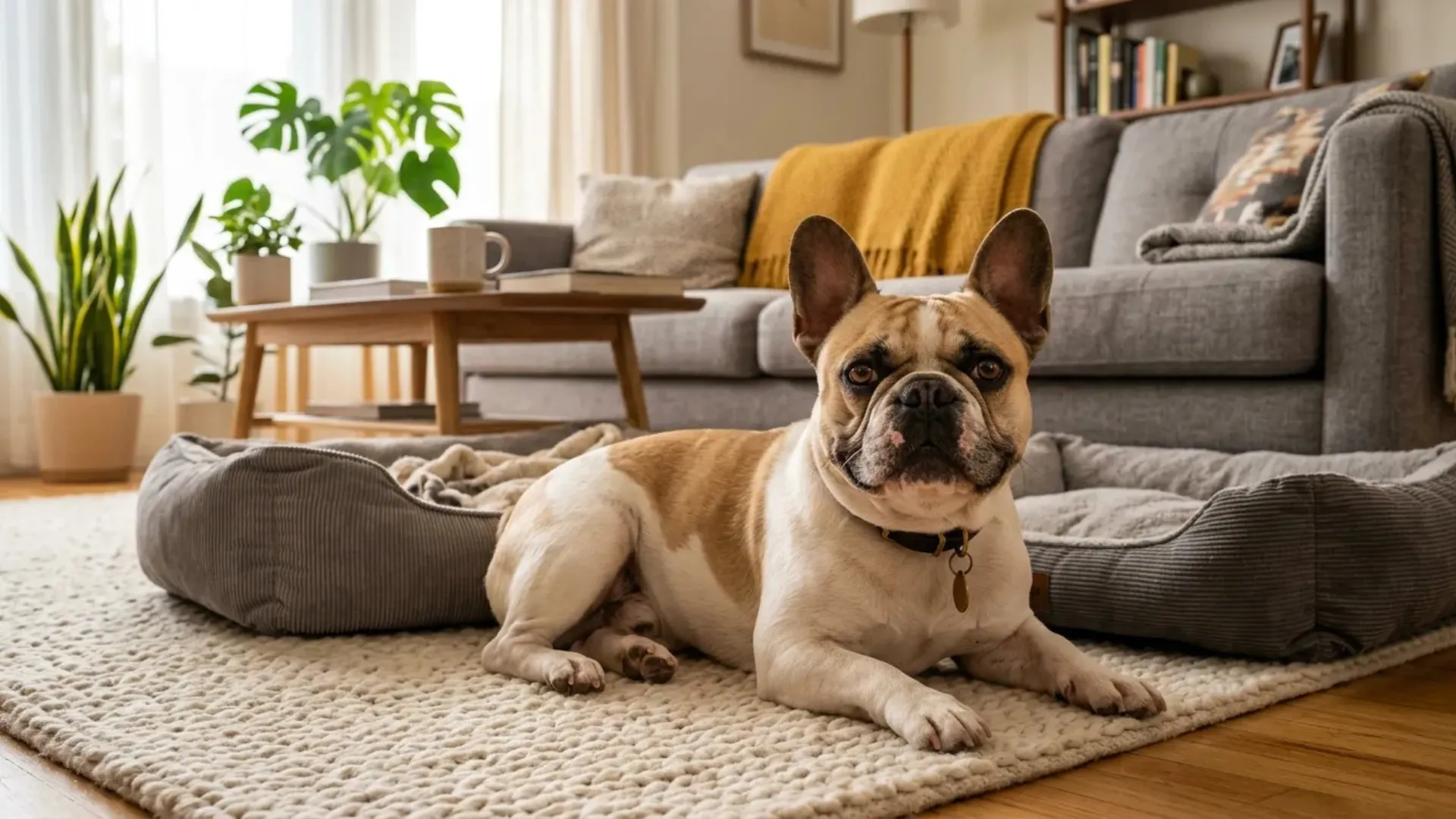
Some dogs seem to expect the world to revolve around them. They need constant activity, endless entertainment, and a schedule that leaves little room for anything else.
For many people, that sounds exhausting rather than rewarding. Life is already filled with work deadlines, family responsibilities, errands, and the occasional need to simply sit down and enjoy a quiet evening. Adding a companion should bring comfort to that routine, not turn it into another full-time commitment.
That is why easy-going dog breeds continue to attract attention from owners who value balance. These dogs are often content with a slower pace, happier to share peaceful moments than demand nonstop action. They fit naturally into homes where relaxation is appreciated and where companionship matters more than constant excitement.
Ahead, you will discover the paws-down dog breeds that make laid-back living feel even more enjoyable, one relaxed day at a time.
Key Takeaways
Life feels different with dogs that don’t push for nonstop action, and instead settle naturally into calm, shared moments at home.
Cavalier King Charles Spaniel and Pug both show how comfort with people matters more than high energy, often choosing closeness over constant activity.
French Bulldog and Basset Hound bring a steady rhythm to daily life, shifting between short bursts of interest and long stretches of calm without effort.
As the list continues, you start to notice a pattern in these breeds that changes how easy living with a dog can feel.
Paws‑Down Dog Breeds That Thrive on Easy‑Going Lifestyles
1. Cavalier King Charles Spaniel
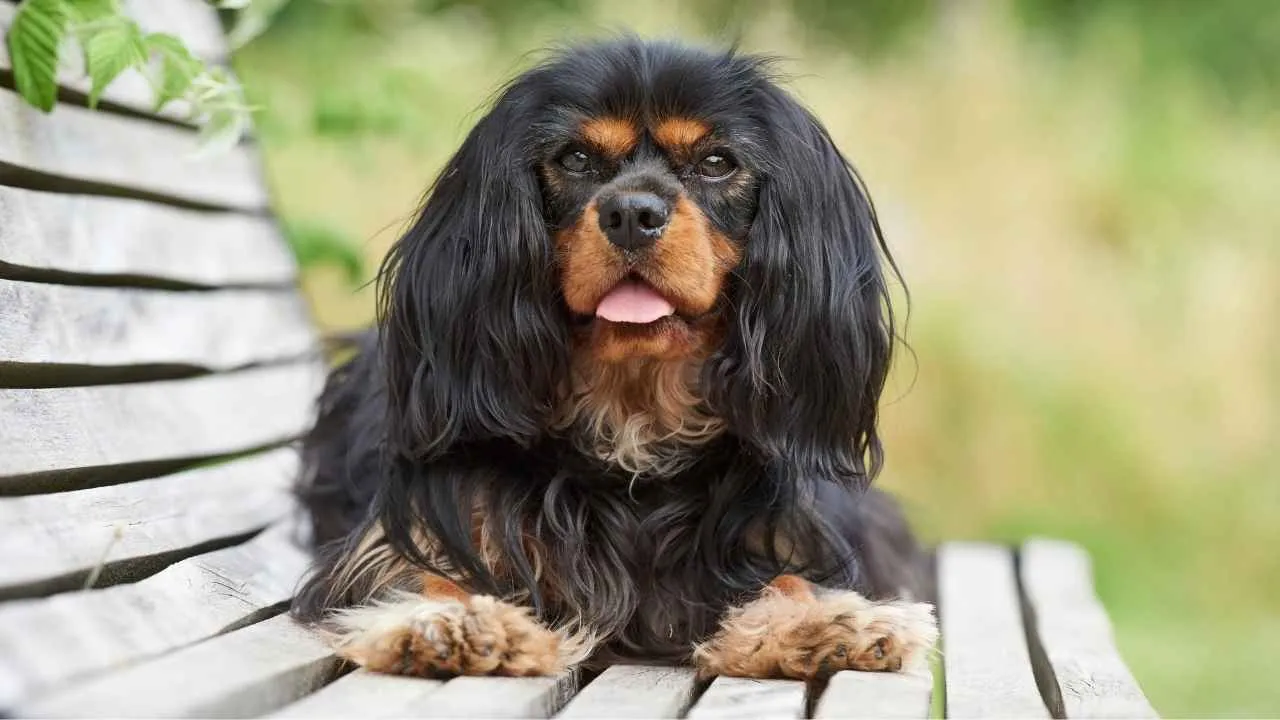
The Cavalier King Charles Spaniel began as a small lap companion in Tudor times, often kept for warmth and constant physical closeness. Its connection to King Charles II led to strong recognition and refinement in England. This early role shaped a breed centered around human proximity and calm presence.
Gentle interaction shaped by devotion
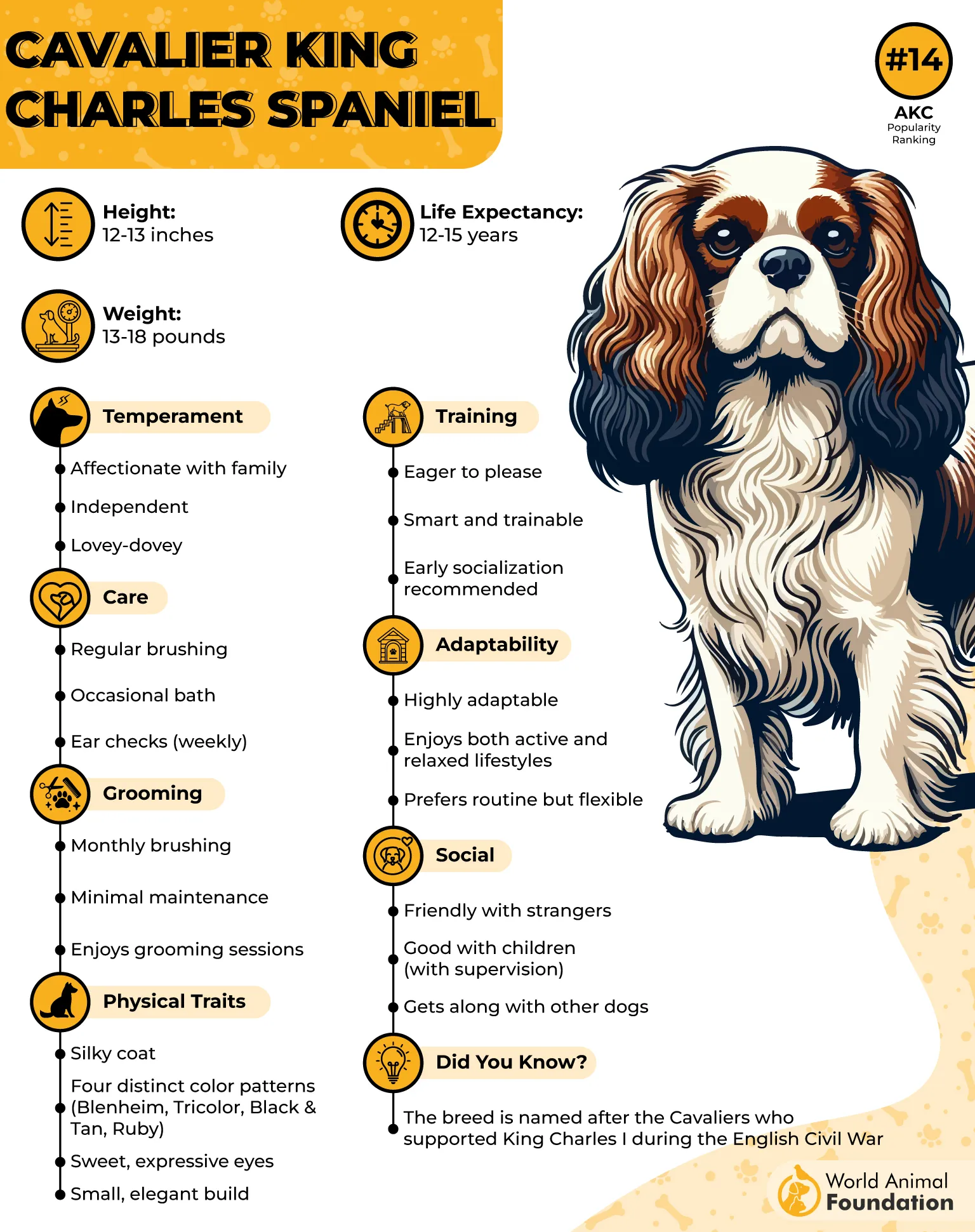
This calm dog breed responds to people with a soft, attentive temperament that leans heavily toward companionship. According to PDSA, its behavior reflects ease around children and comfort in shared spaces without tension or resistance.
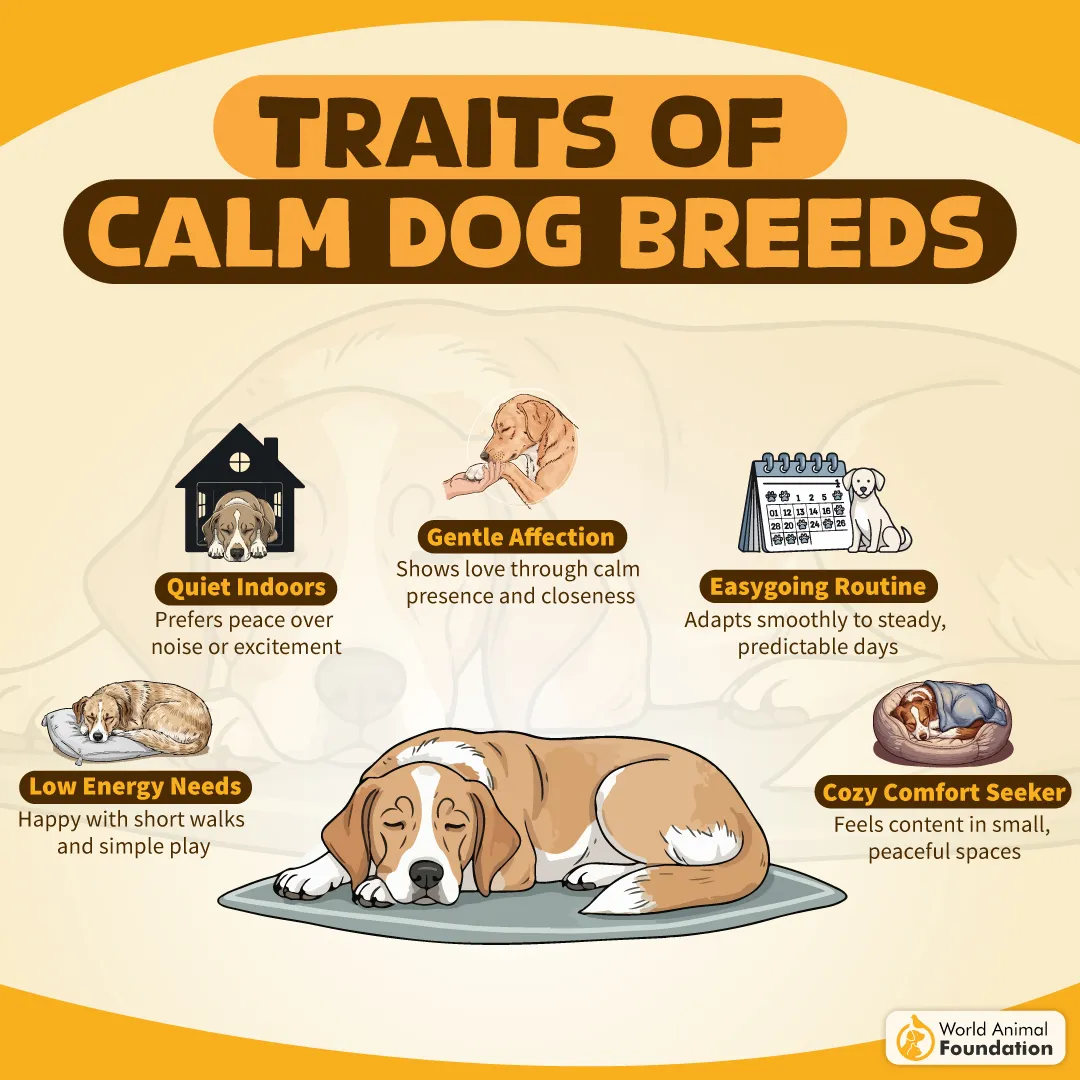
These interaction traits appear in everyday habits:
Seeks proximity during quiet household moments
Responds calmly to handling and touch
Adjusts easily to gentle social environments
Balance between activity and rest
Cavalier King Charles Spaniel shifts between short bursts of playful energy and long periods of rest on soft spaces like sofas or beds. It enjoys outdoor walks and light exploration through scents, then returns quickly to calm indoor behavior. This rhythm keeps its daily routine simple and predictable.
2. Pug
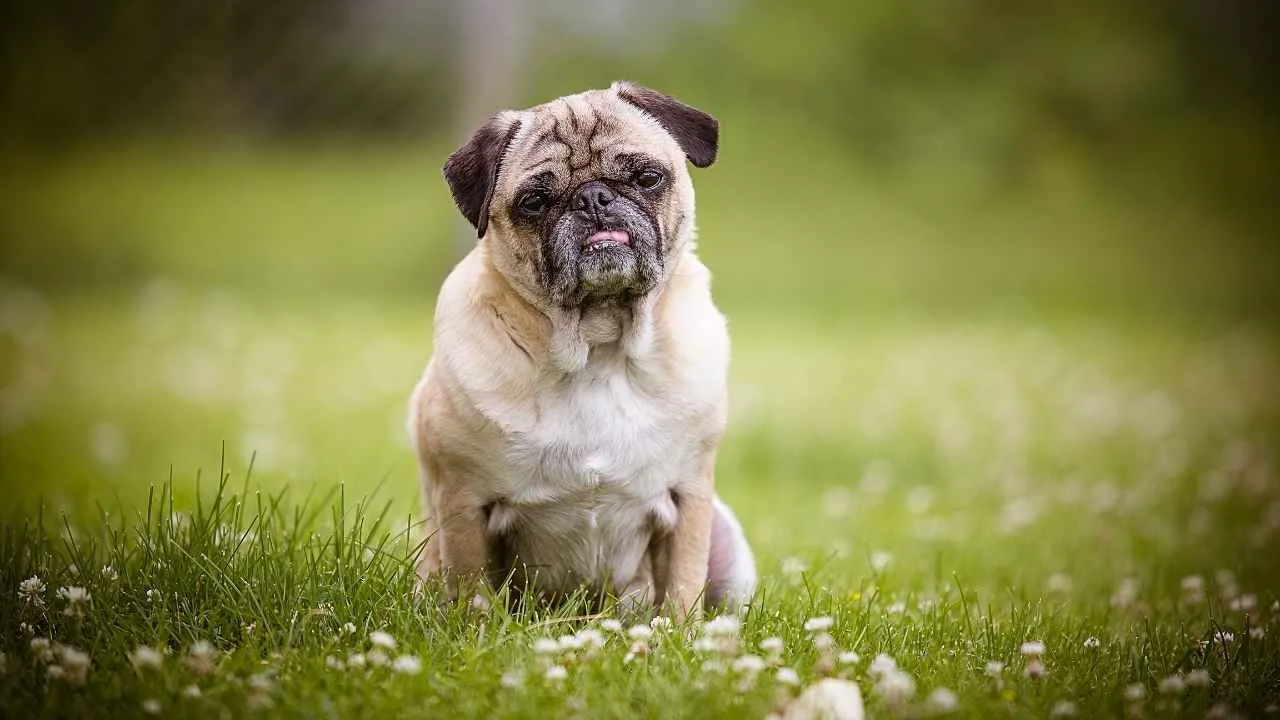
Pugs descend from mastiff lines, first linked with Eastern regions and later seen in Tibetan monastic spaces before reaching Europe through trade routes in the 1700s.
This long journey shaped a compact companion built around staying near people. Its entire presence revolves around closeness and attention.
Everyday interaction patterns
This laid-back dog breed reacts to people with humor-driven behavior, often seeking attention through playful actions and direct physical closeness. It tends to insert itself into daily routines, from resting spots to shared spaces, without hesitation.
These patterns appear clearly in simple actions:
Seeks constant physical proximity with people
Responds quickly to attention and interaction
Uses playful behavior to draw focus
Eating habits and daily management
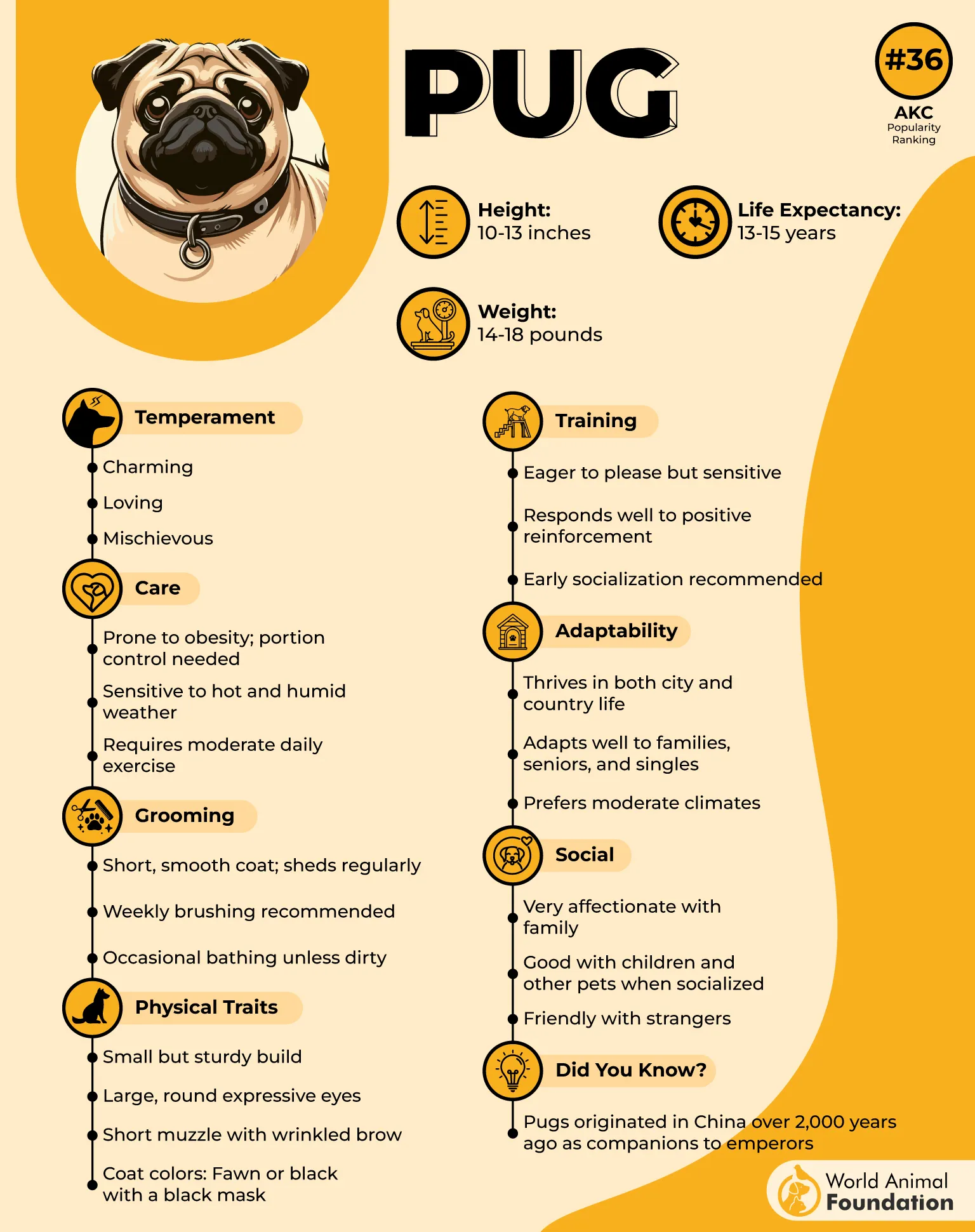
The Pug has a strong interest in food, often showing eagerness that requires controlled portions in daily feeding routines, as Omlet writes.
Its calm, indoor-focused lifestyle can lead to reduced activity levels if not balanced carefully. This creates a need for steady routine management around meals and movement.
3. French Bulldog
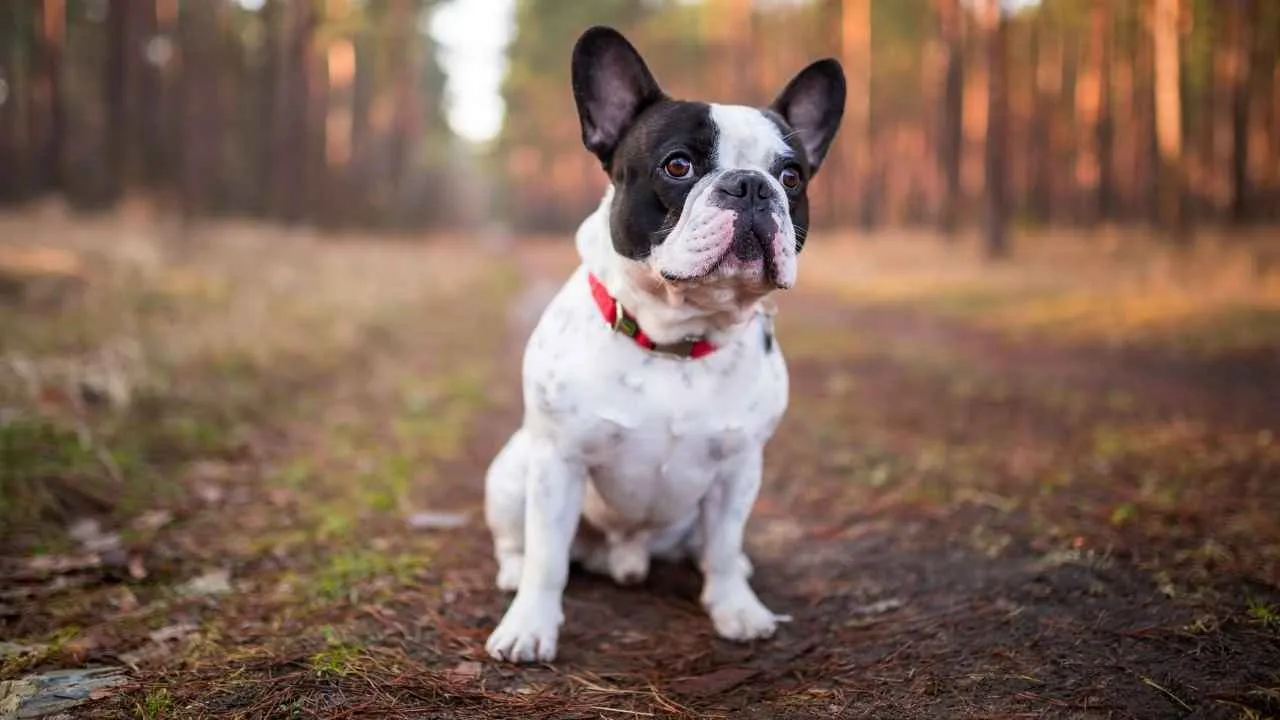
The French Bulldog draws its charm from small bulldog lines brought to France during the lace industry era, later refined for a compact, affectionate companion role.
Its body language leans toward closeness, often preferring physical contact over distance. The expression and posture reflect a relaxed, attention-seeking nature.
Social behavior in daily settings
This quiet dog breed engages easily with people, other dogs, and strangers, often inserting itself into group activity rather than observing from afar, as Orvis describes. It reacts best to encouragement and simple reward-based interaction.
This behavior appears clearly in routine actions:
Joins family activity without hesitation
Responds better to gentle encouragement than pressure
Seeks physical closeness during rest periods
Energy shaped for short bursts
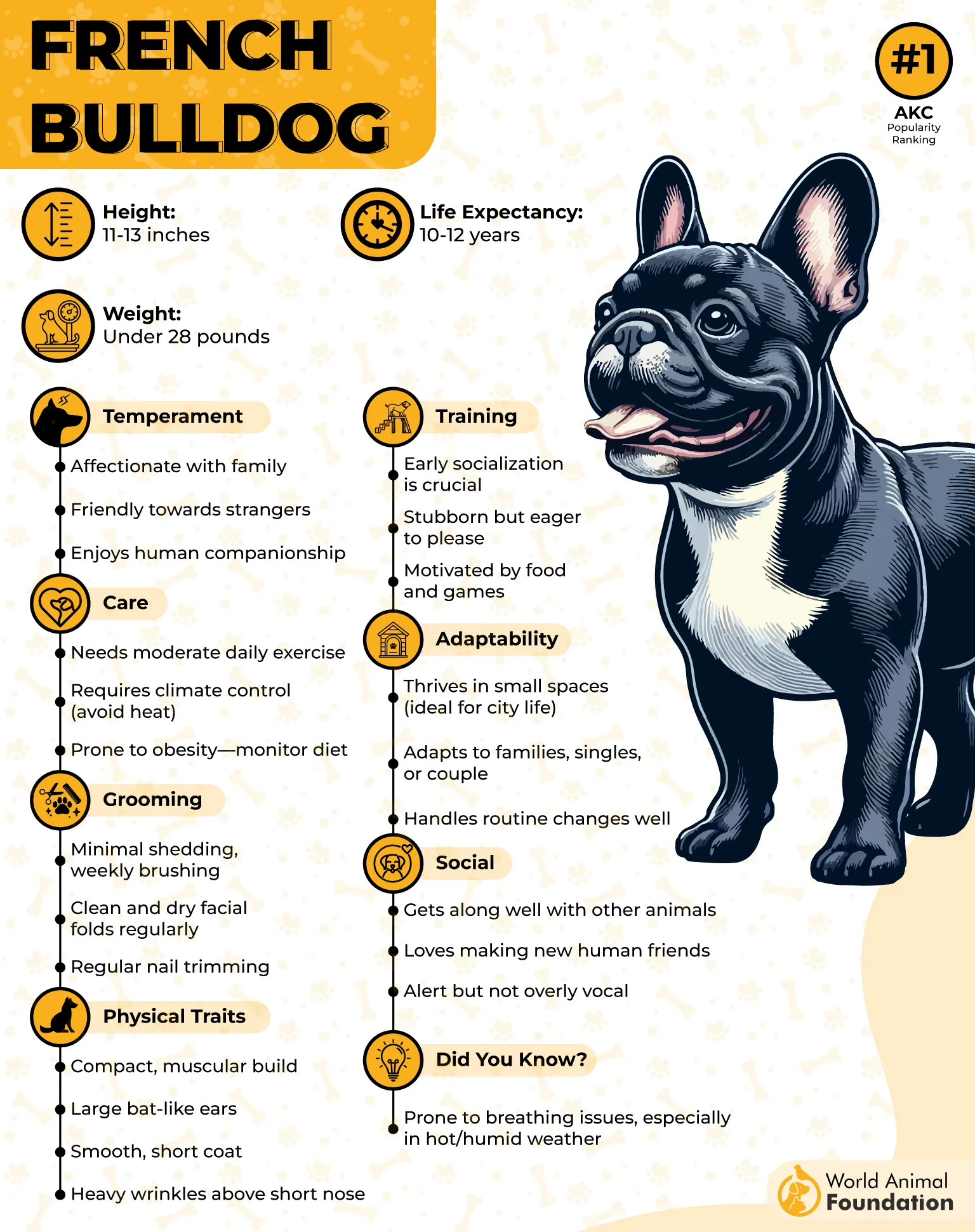
The French Bulldog enjoys short play moments and light exploration before returning to rest, making long activity cycles unnecessary for its routine. Its build supports limited endurance, so comfort and breaks form a natural part of its day. This rhythm suits calm indoor environments.
4. Basset Hound
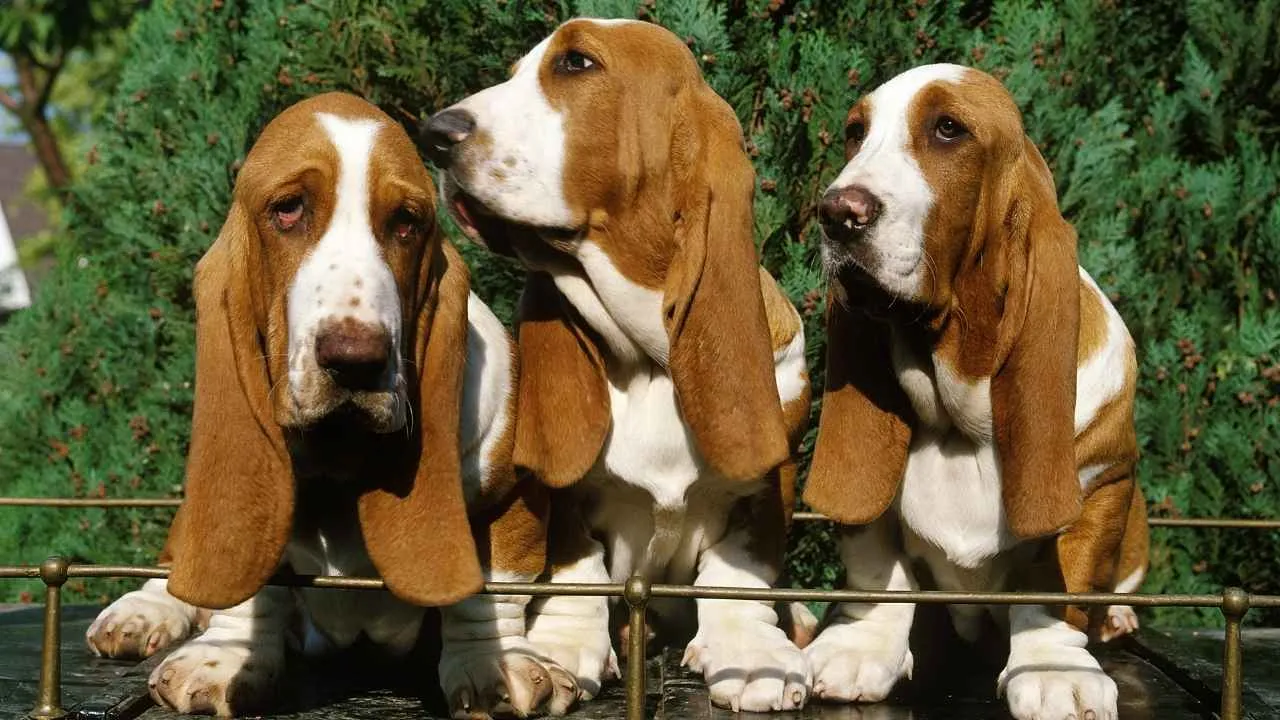
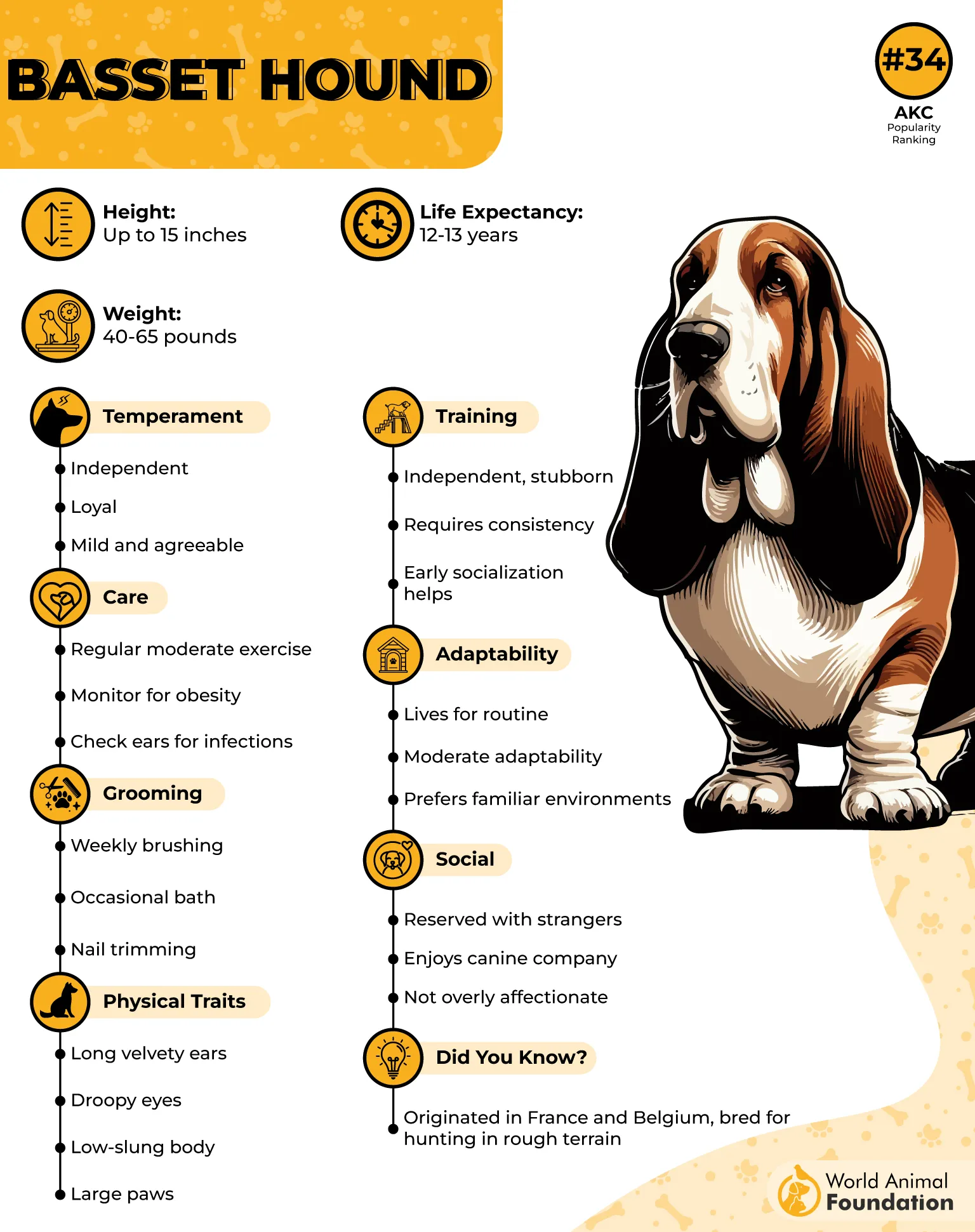
The Basset Hound comes from France, bred for tracking small game like rabbits and hares across slow, steady groundwork. Its low-slung body and heavy bone structure are built for endurance rather than speed. The name itself reflects its short stature, derived from a word meaning “low.”
Gentle nature with social ease
The Basset Hound interacts in a calm, easygoing manner, often settling comfortably around people and other animals without tension. Its personality leans toward companionship, enjoying slow-paced time indoors as much as relaxed outdoor moments.
This behavior appears clearly in everyday habits:
Enjoys unhurried walking patterns outdoors
Seeks close rest near people indoors
Engages socially with pets and children
Scent-driven behavior patterns
This low-energy breed relies heavily on scent tracking, often locking onto a trail with full focus that overrides other distractions. Once engaged, it may follow a scent with determination and become difficult to redirect. This tracking instinct can also lead to vocal “baying” during excitement.
5. Greyhound
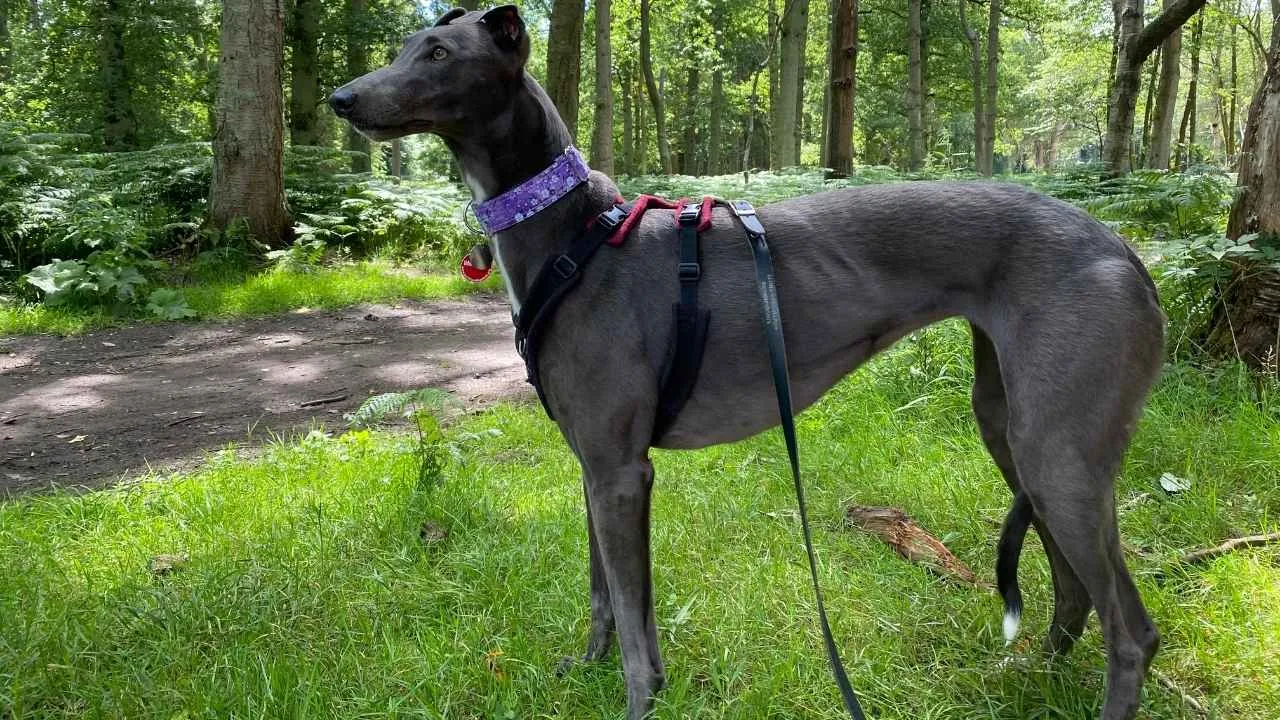
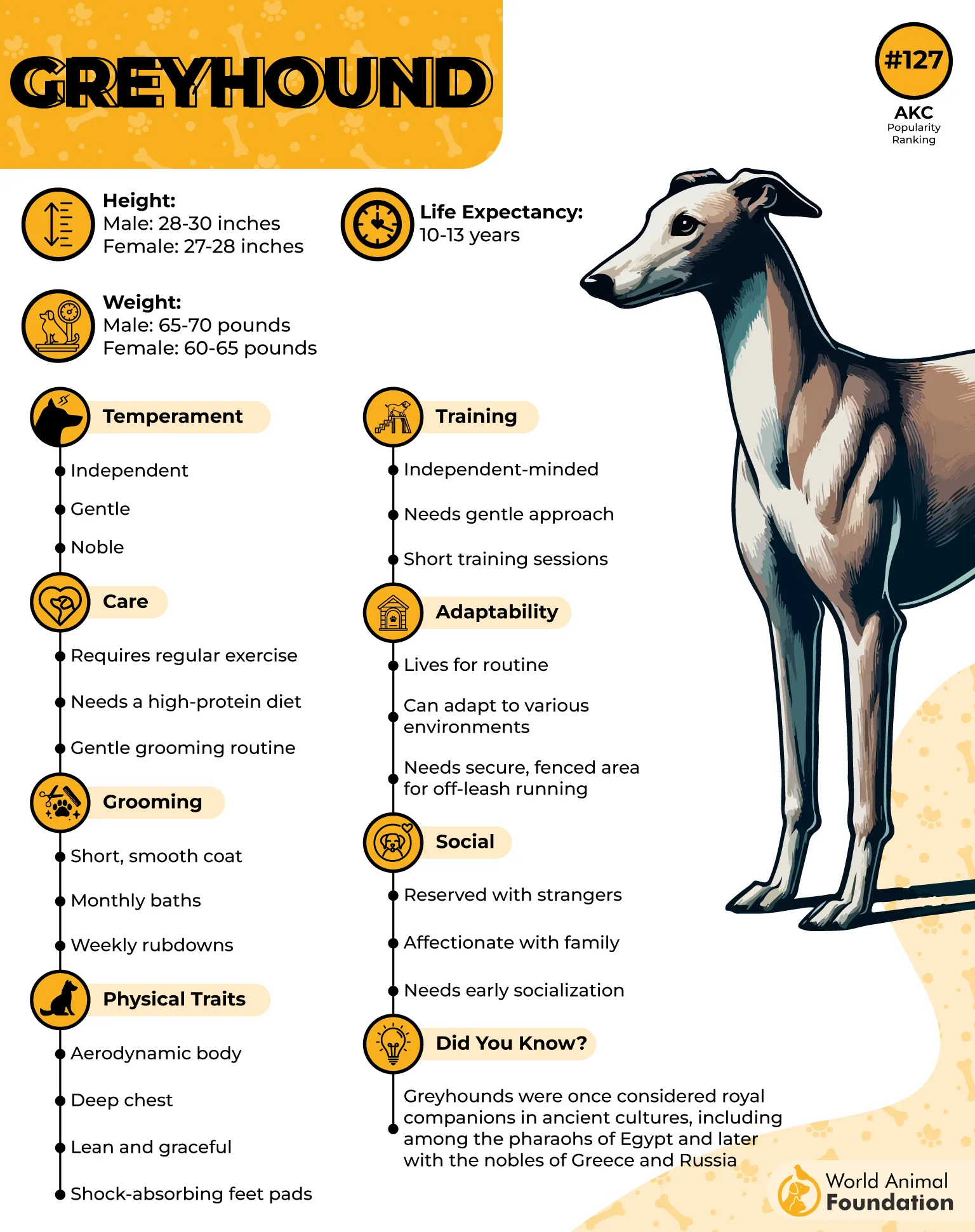
The Greyhound is an ancient European sighthound, originally bred to spot and chase game across open terrain. Its slim frame, long legs, and flexible spine allow short explosive bursts rather than long-distance effort. The body design reflects a focus on sudden acceleration over sustained activity.
Sprint-driven mechanics in action
Greyhounds rely on rapid visual tracking, locking onto movement before launching into high-speed chases. Its structure supports fast bursts reaching extreme velocity over short distances.
That movement pattern reflects clear functional traits:
Rapid acceleration over short ground
Visual focus on moving targets
Sprint-based chase response instead of endurance pacing
Rest-centered home behavior
It has a laid-back lifestyle and spends much of its time in a calm, low-energy state indoors, often choosing soft resting spots like beds or sofas. Despite its speed capability, it prefers long periods of stillness when not engaged. This contrast creates a quiet household presence.
6. Shih Tzu
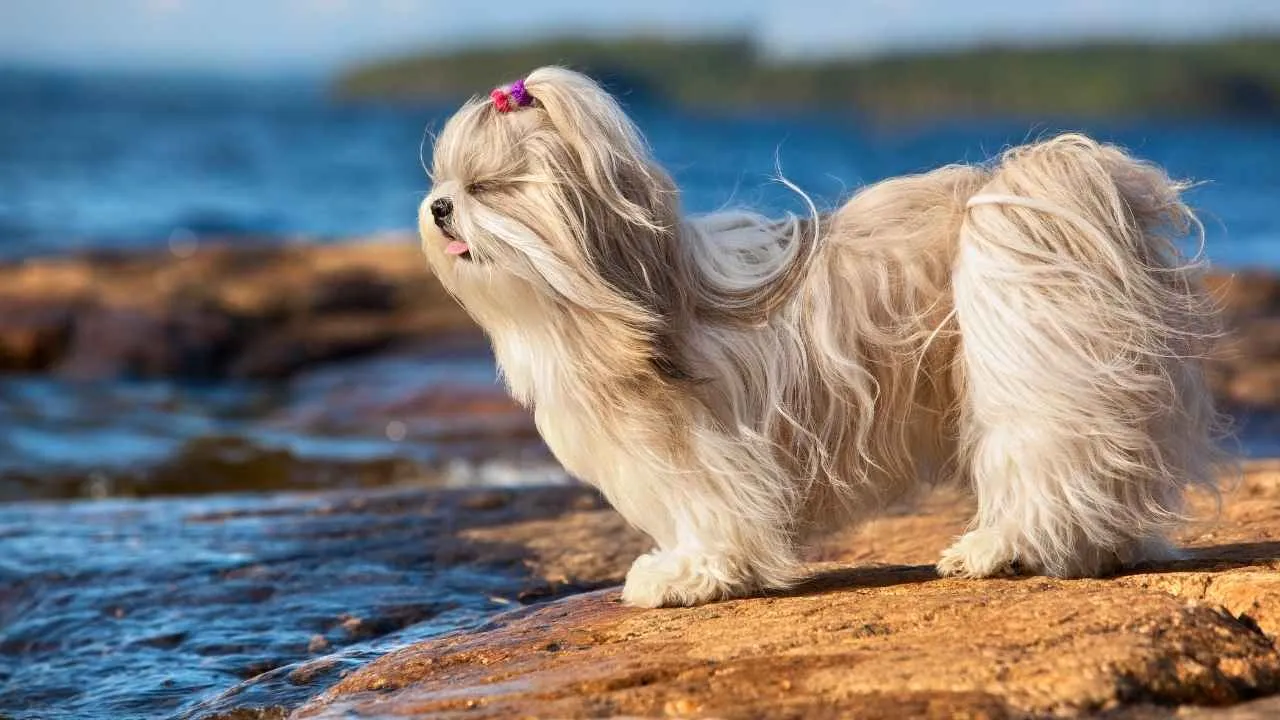
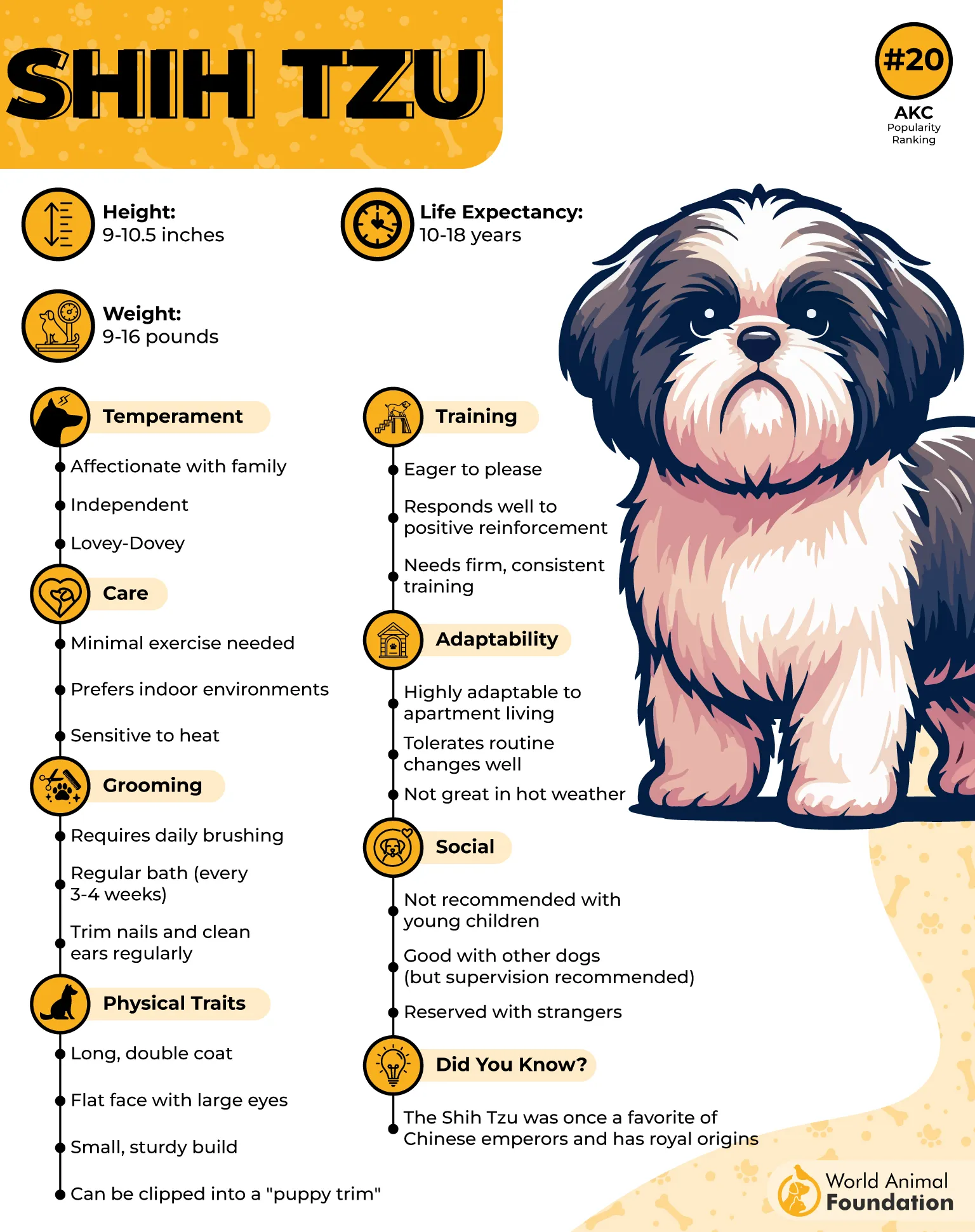
The Shih Tzu is linked to ancient China, where it was valued in imperial circles and associated with spiritual traditions. Often called the “lion dog,” it carries a refined, compact presence shaped for close human companionship. Its form reflects a small companion bred for indoor closeness rather than outdoor work.
Daily behavior centered on closeness
This small dog spends most of its time near people, often choosing soft resting spots like laps, beds, or sofas. Its interaction style leans toward constant companionship, staying physically close rather than exploring independently.
That routine becomes clearer through simple patterns:
Seeks soft resting places close to people
Responds warmly to gentle attention
Prefers shared indoor spaces over isolation
Temperament shaped by companionship need
The Shih Tzu forms a strong attachment to people and struggles when left alone for long stretches. Extended isolation can lead to vocal behavior or restless actions inside the home. Its comfort level rises when surrounded by familiar presence throughout the day.
7. Clumber Spaniel
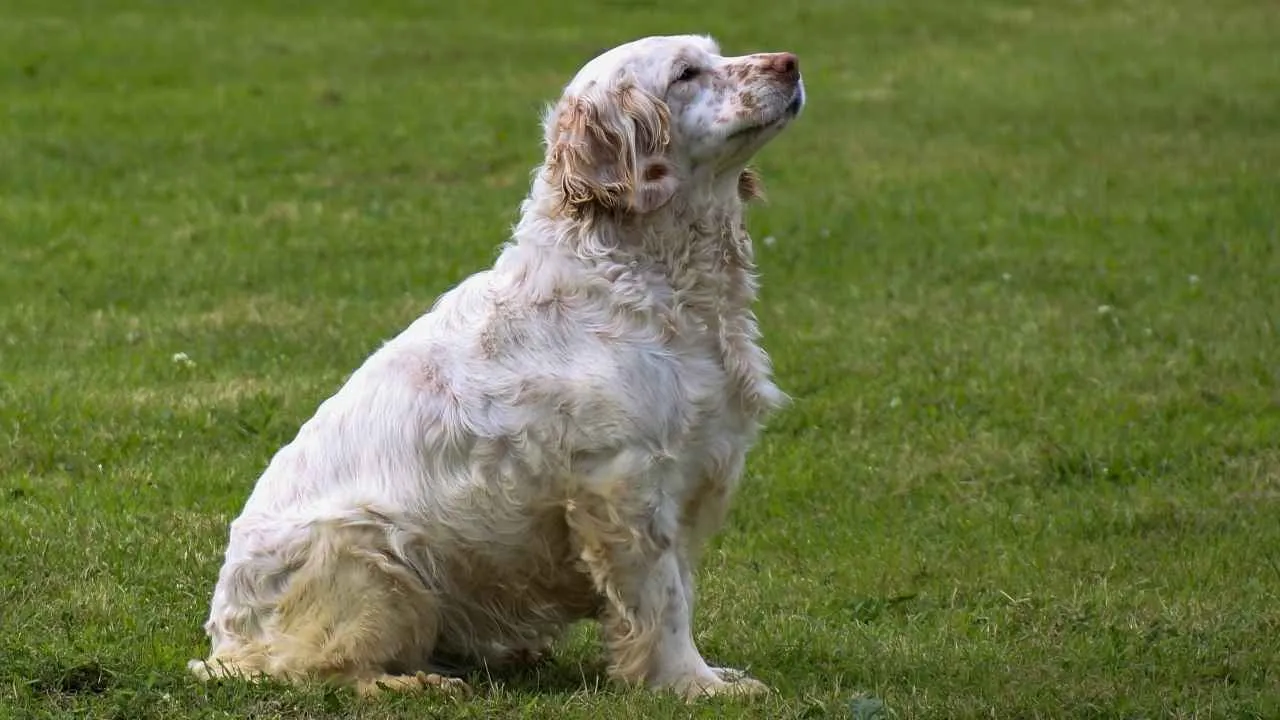
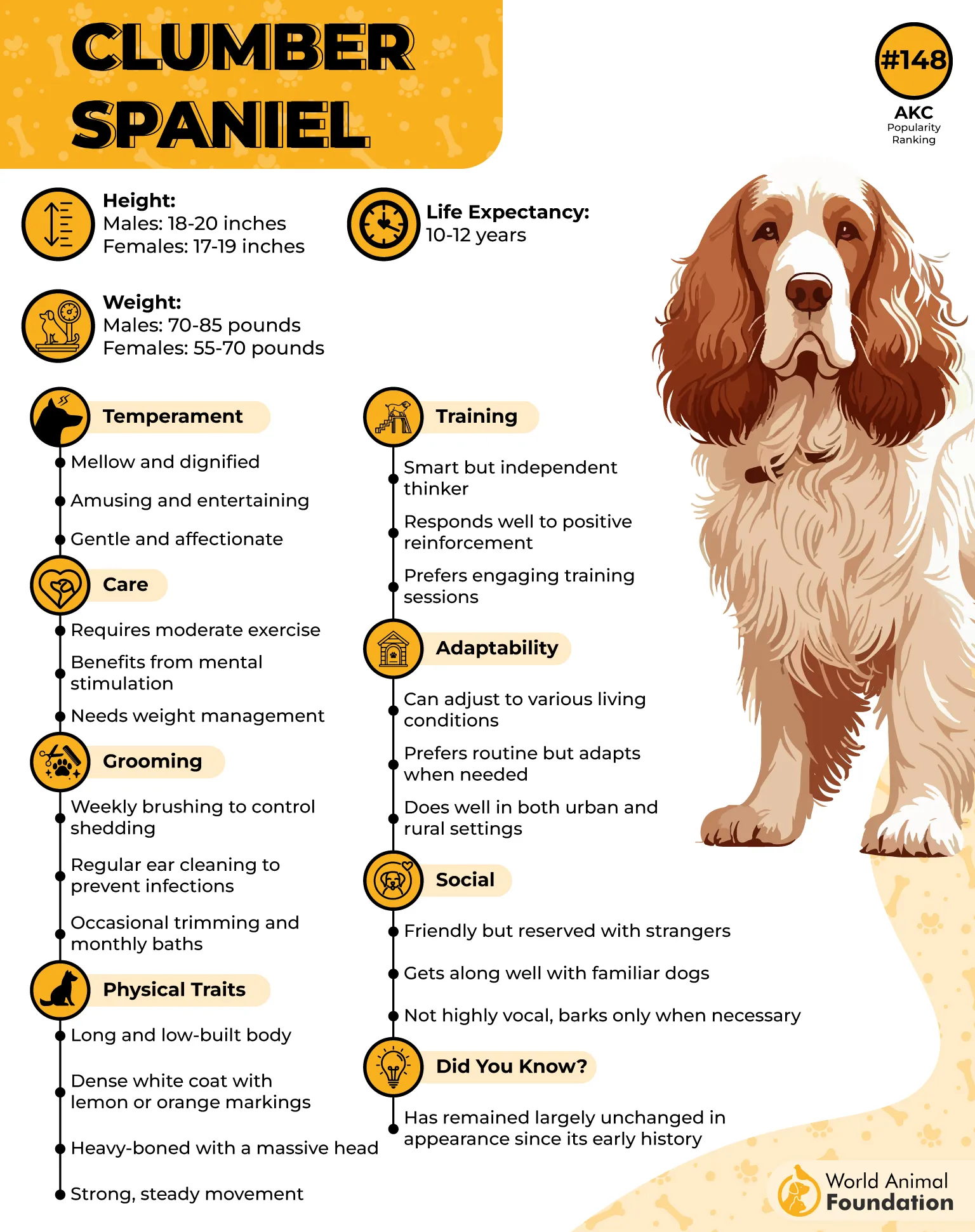
The Clumber Spaniel carries a dense, stocky build that once made it effective for pushing through thick cover during retrieval tasks. Its strong frame contrasts with a naturally unhurried way of interacting in daily surroundings. The structure leans more toward steady presence than constant motion.
Calm behavior with selective energy bursts
This family dog often spends long stretches resting indoors, needing gentle encouragement before stepping out for walks. Its interaction style with people and other dog breeds stays soft, while its interest in strangers remains low unless children are involved.
This temperament is visible in daily patterns:
Prefers long resting periods indoors
Engages gently with family members and pets
Reacts protectively when children seem unsettled
Social dependence within home settings
The Clumber Spaniel forms strong comfort around people and other dogs, often resisting isolation for long periods. Its ease within a familiar company shapes a predictable household rhythm where the presence of companions influences behavior more than environmental changes.
Conclusion
Living with a dog should feel enriching, not overwhelming. The breeds highlighted here remind us that companionship does not always arrive wrapped in nonstop energy and constant activity. Sometimes it appears through quiet presence, predictable habits, and a willingness to simply share everyday moments.
These qualities often suit households where relaxation, routine, and comfort hold greater value than excitement. Although every dog requires care, attention, and engagement, some naturally adapt to a slower pace of life. For owners seeking balance, that temperament can make all the difference in creating a lasting and enjoyable relationship together.
