




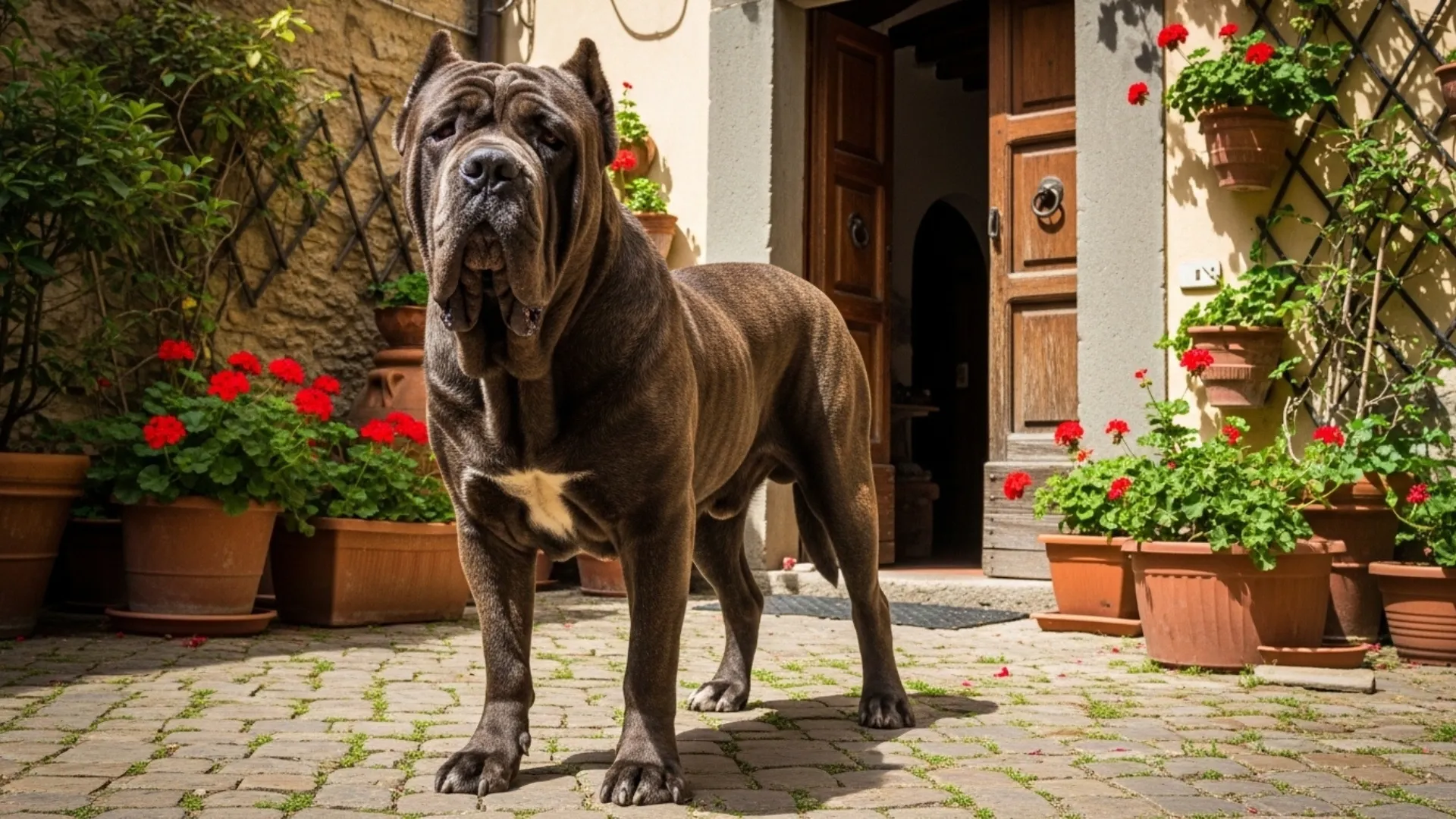
If you believe bigger truly is better, giant dog breeds prove it in the most heartwarming way. These towering companions may look intimidating at first glance, but many of them are gentle, devoted, and surprisingly easygoing at home.
Despite their massive frames, they are often calm indoors, preferring to lounge beside their owners rather than stay constantly active.
Their massive size does mean they thrive best in homes with ample space, such as suburban houses or countryside settings where they can stretch out comfortably.
However, apartment living is not entirely off the table; with regular daily exercise and structured walks, many giant breeds adapt well to smaller spaces.
Originally bred for roles such as guarding, hunting, or working alongside humans, these dogs carry strong protective instincts and a deep sense of loyalty toward their families.
This combination of steadiness, intelligence, and devotion makes them ideal companions. In this article, we explore nine overlooked giant dog breeds that deserve far more recognition for their unmatched loyalty and gentle nature across different living environments and lifestyles.
Overlooked Giant Dog Breeds With Unmatched Loyalty
1. Scottish Deerhound
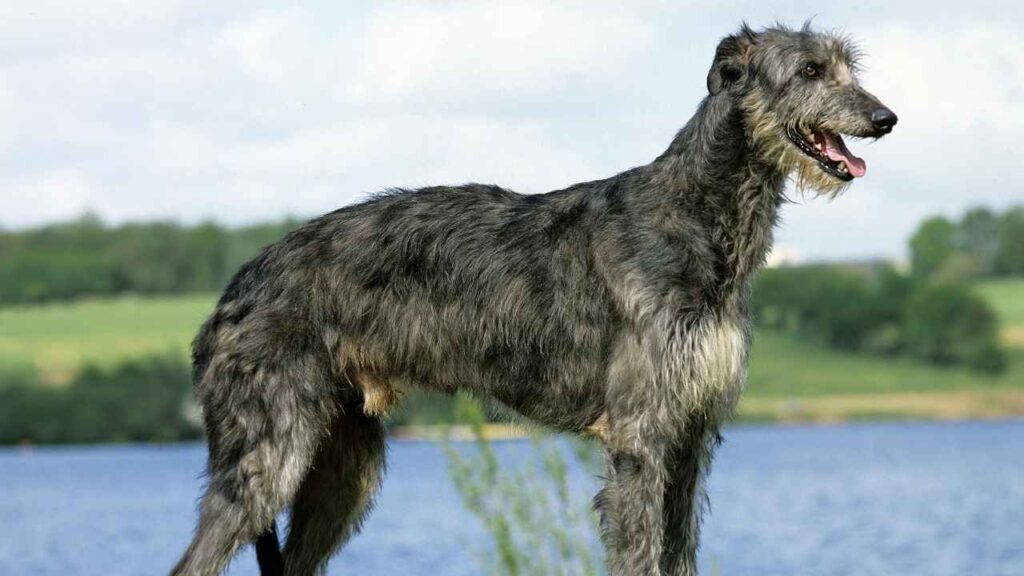
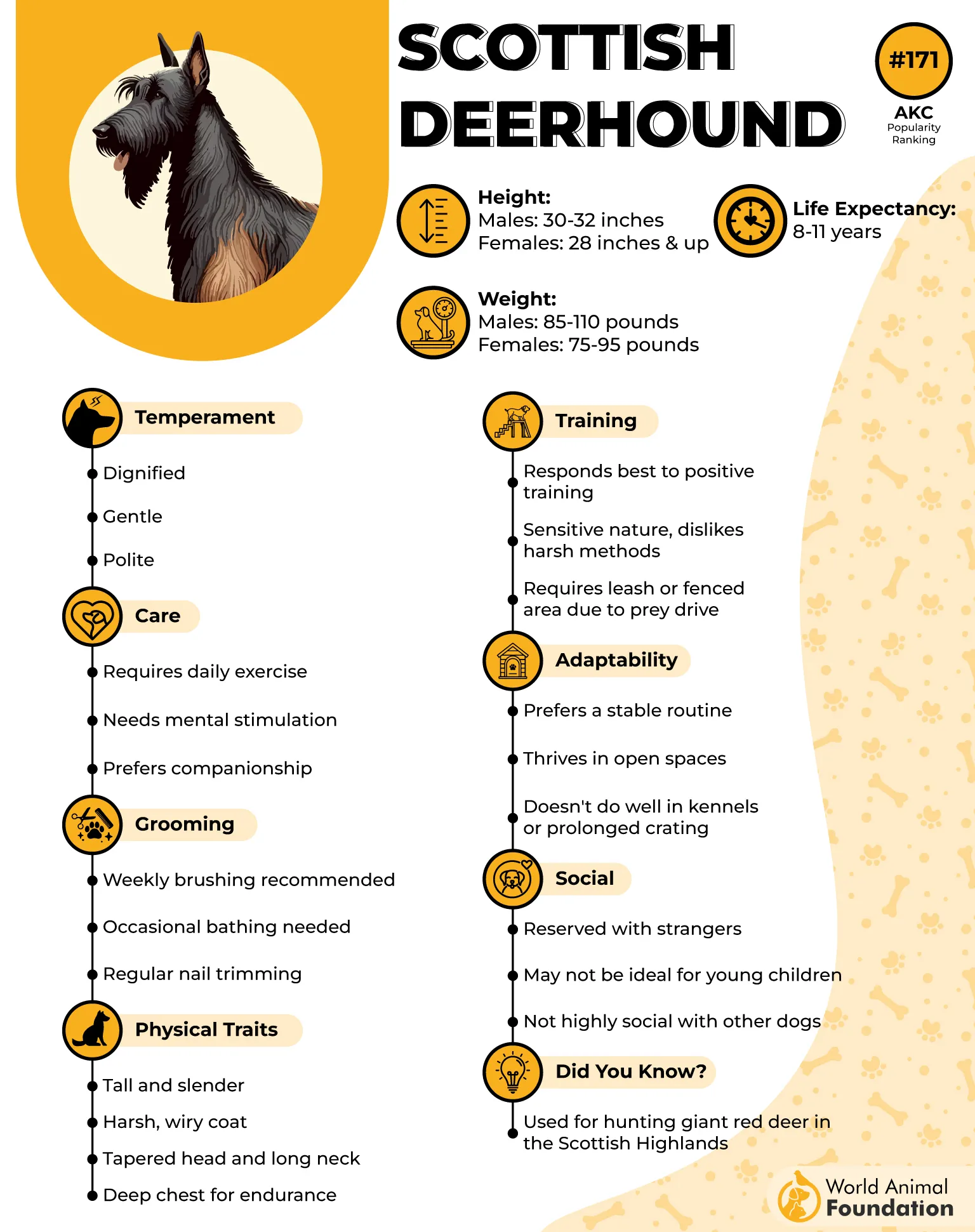
The Scottish Deerhound is a tall, elegant sighthound originating from Scotland, historically bred in the 1500s to pursue red deer across the rugged Highlands, as noted by PetMD.
Today, it is regarded as one of the most popular giant breeds, admired for its calm demeanor and strong loyalty to its family.
This large sighthound shares physical traits with the Greyhound and Irish Wolfhound, including a lean frame, deep chest, and a rough, wiry coat suited to harsh weather.
Despite its size, this large dog breed is typically calm indoors, often preferring long periods of rest after brief bursts of high-speed running outdoors.
Experts note that while adults are easygoing and affectionate, younger Deerhounds can be energetic, strong, and occasionally destructive if not properly exercised.
With regular exercise and space to stretch, they mature into steady, loyal companions that form deep bonds with their owners.
Because of their natural hunting background, they retain strong sight-driven instincts, yet at home, they are famously quiet, affectionate, and highly people-oriented once fully grown, making them fantastic companions.
-
Pros
Gentle and calm indoors
Extremely loyal and affectionate
Low aggression, great temperament
Quiet and not overly vocal -
Cons
Needs space for running
Strong prey drive (chases small animals)
Shorter lifespan
Can be destructive when young
🎧 Dogcast
Episode 37 — Why Dogs Stay Close without Touching
If you don’t hear sound, tap the button above to enable audio.
2. Estrela Mountain Dog
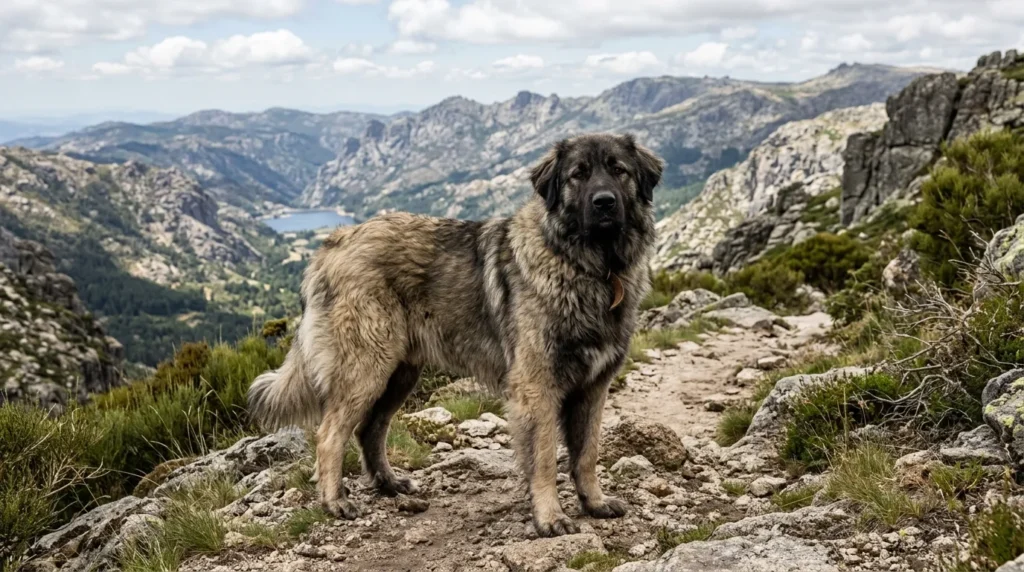
The Estrela Mountain Dog, known in Portugal as Cão da Serra da Estrela, is one of Europe’s oldest livestock guardian breeds, developed in the rugged Serra da Estrela mountains.
Built for endurance and protection, this Mastiff-type giant stands about 24.5 to 29 inches tall and typically weighs between 77 and 132 pounds, giving it strength and agility.
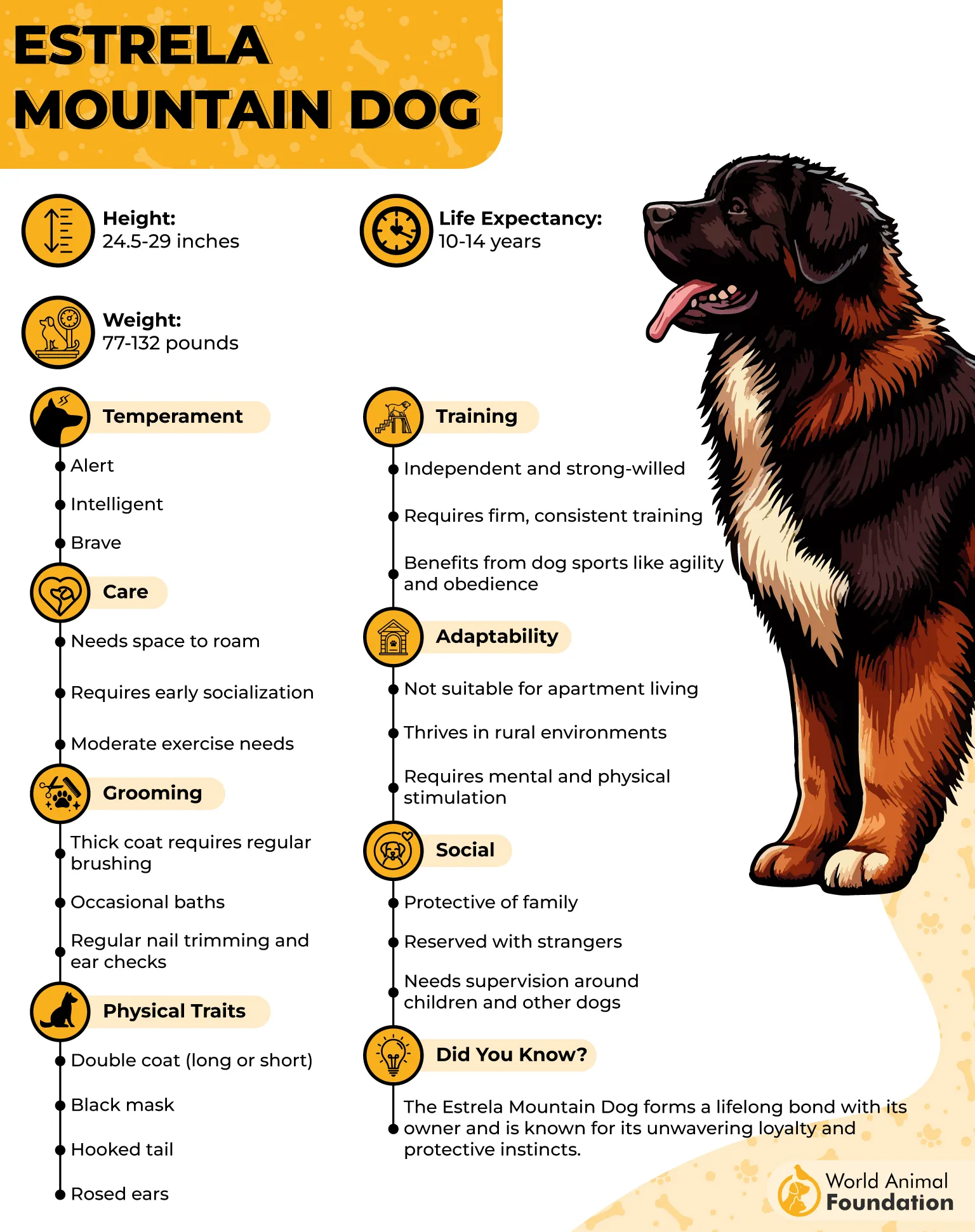
For centuries, it has been trusted to guard sheep flocks from predators, working independently across harsh, rocky terrain.
Despite its formidable working history, this large breed is deeply devoted to its family, forming strong bonds with its owners. At home, it can be surprisingly gentle and affectionate, often showing a calm, watchful demeanor that reflects its guardian instincts.
However, it is naturally reserved with strangers and requires proper socialization to build confidence in new environments.
Intelligent, steady, loyal, and protective, this breed thrives when given space, purpose, and a strong leader. Its loyalty is quiet but absolute, making it one of the most overlooked yet dependable excellent companions.
-
Pros
Strong guardian instincts
Deeply devoted to family
Calm and steady personality
Excellent for rural or large properties -
Cons
Wary of strangers
Needs early socialization
Not ideal for first-time owners
Requires space and purpose
3. Neapolitan Mastiff
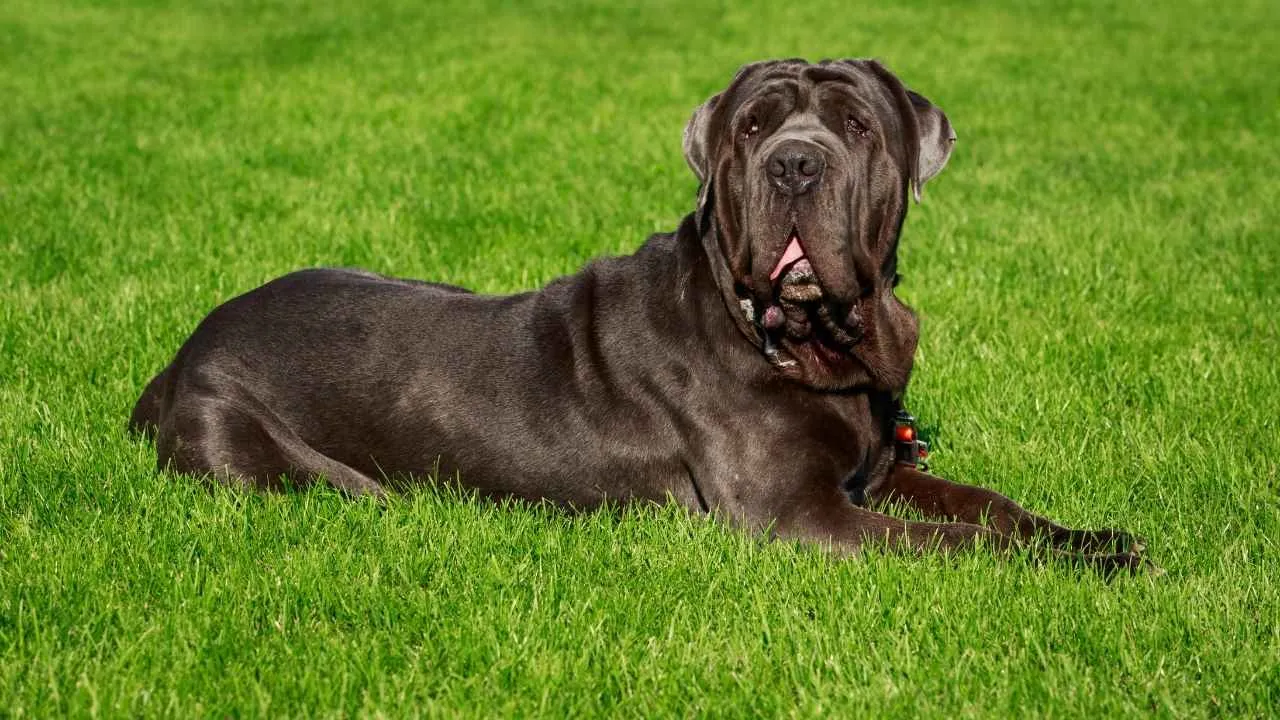
The Neapolitan Mastiff is a massive and ancient Italian guardian breed, instantly recognizable by its heavy bone structure, loose wrinkled skin, and powerful presence.
Typically weighing between 110 and 150 pounds and standing around 24 to 31 inches tall, this giant dog was historically developed to guard estates and protect families, a role that still defines its temperament today.
Despite its intimidating appearance, this big dog is deeply devoted to its household and forms strong, lasting bonds with its owners, making it one of the most loyal yet often overlooked gentle giant breeds.
At home, it is surprisingly calm and slow-moving, preferring to rest near its family rather than engage in constant activity. This relaxed nature often gives it a “lazy giant” reputation, but its protective instincts remain sharp and ever-present.
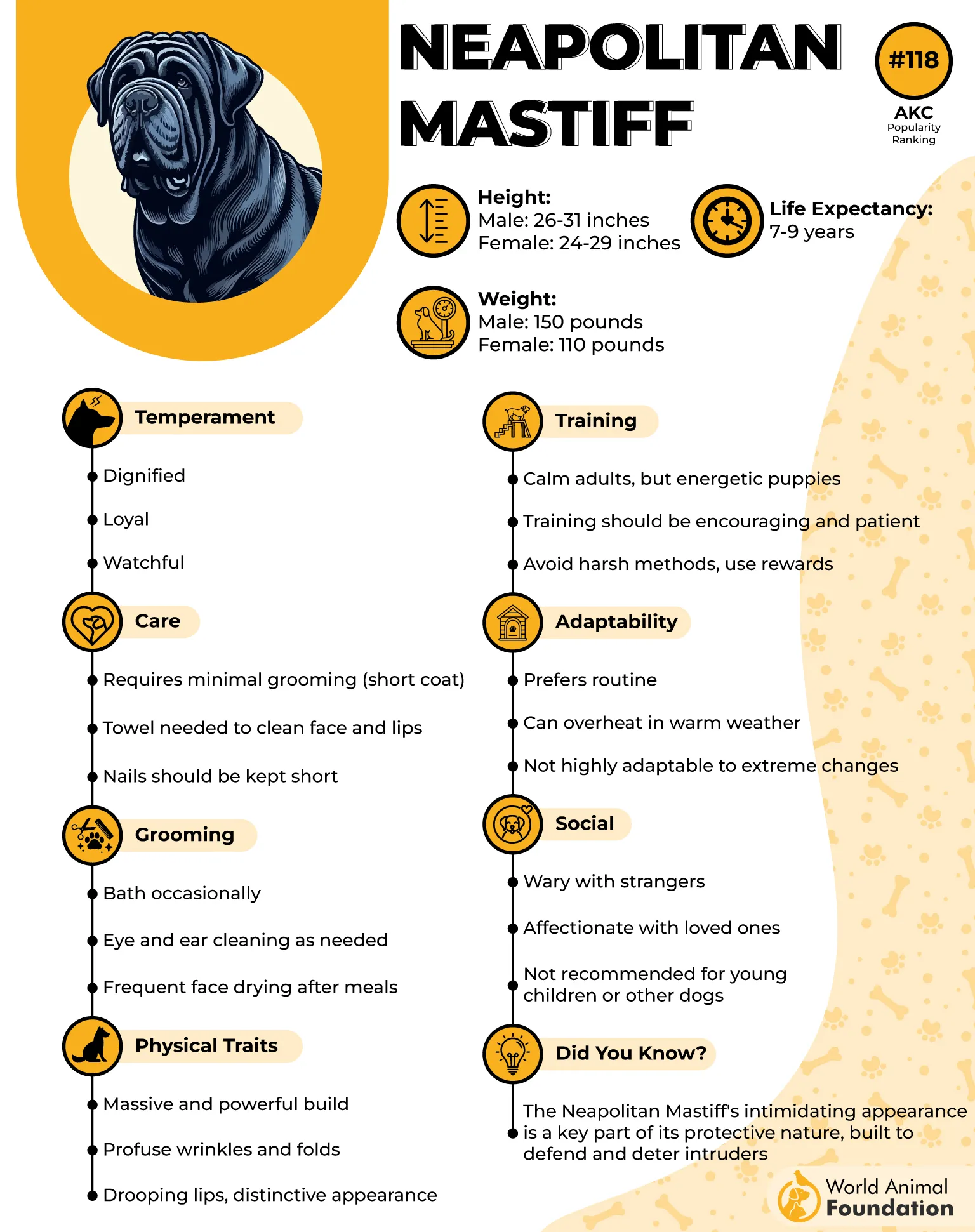
While affectionate and gentle with children it knows well, the breed can be naturally suspicious of strangers and may require careful socialization from an early age. It may also be selective or reserved around other animals.
Balanced by patience, structure, and consistent leadership, the Neapolitan Mastiff proves to be a steadfast guardian whose quiet loyalty and protective devotion make it an exceptional family companion.
-
Pros
Extremely protective and loyal
Calm, low-energy indoor behavior
Strong family bond
Great deterrent guard dog -
Cons
Heavy drooling
Needs consistent training
Can be stubborn
Short lifespan and health issues
4. Leonberger
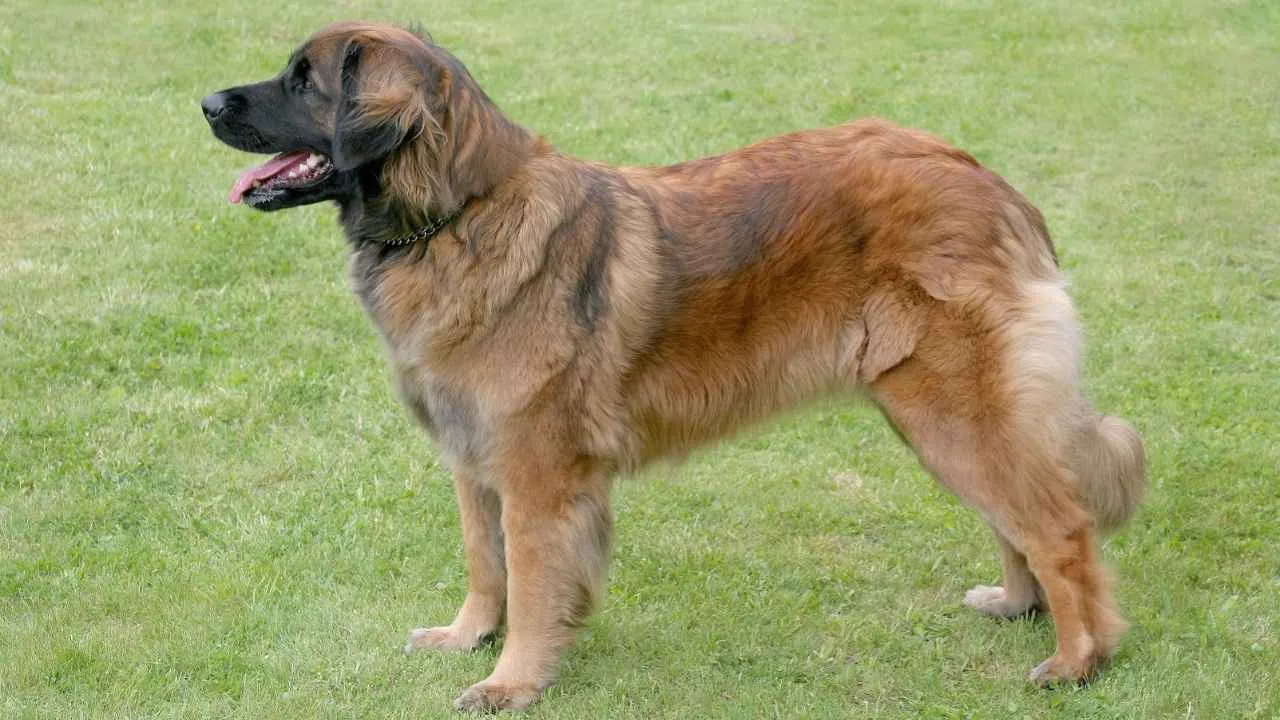
The Leonberger is a striking giant breed developed in the town of Leonberg, Germany, originally bred in the 19th century to resemble a lion-like companion dog suited for working and family life, as mentioned by Purina.
This powerful yet graceful breed is large and muscular, typically weighing between 100 and 170 pounds, with a thick double coat that comes in shades of lion gold, red, reddish-brown, and sandy tones, often finished with a distinctive black mask.
One of its most remarkable physical traits is its webbed feet, which make it an excellent swimmer and historically contributed to its usefulness in water rescue work.
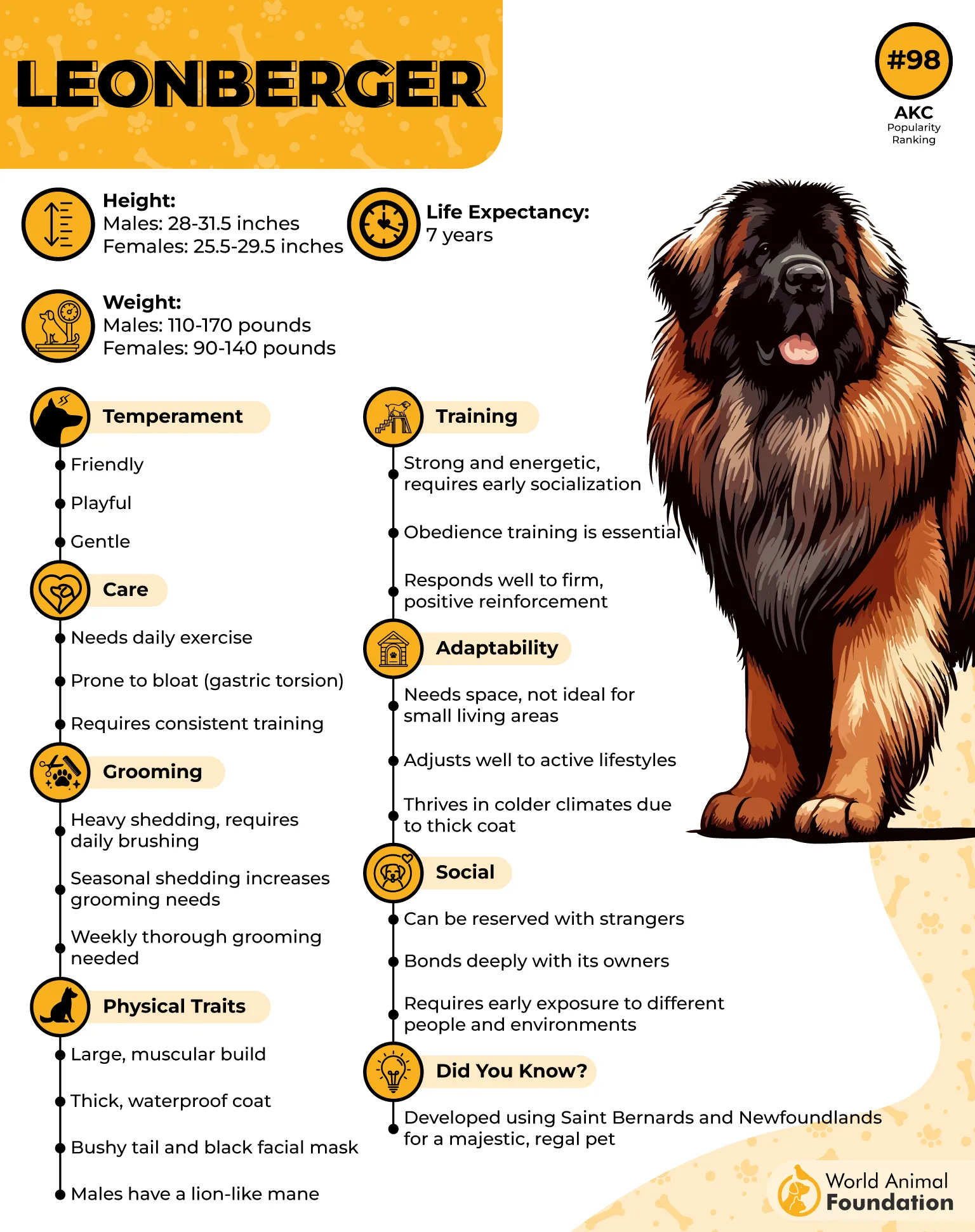
Despite its impressive size, the Leonberger is known for its calm, easy-going, and affectionate temperament. It is incredibly loyal to its family and forms strong emotional bonds, making it one of the most dependable yet overlooked giant dog breeds.
Around the home, it is typically gentle, patient, and surprisingly playful, especially with children, earning a reputation as a reliable family companion.
At the same time, it retains a quiet confidence and watchful instinct inherited from its working background, meaning it can act protectively when needed without being overly aggressive.
Highly social and people-oriented, the Leonberger thrives in environments where it receives companionship, regular exercise, and mental engagement.
-
Pros
Gentle and friendly temperament
Excellent with children
Highly social and affectionate
Good balance of playfulness and calmness -
Cons
Heavy shedding
Needs regular grooming
Requires attention (not independent)
Large space preferred
5. Dogue De Bordeaux
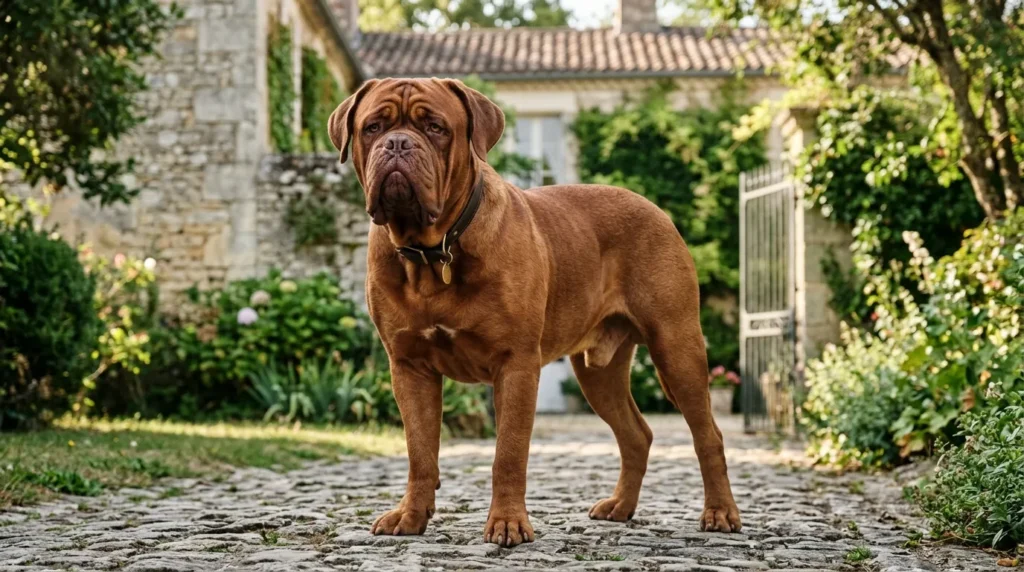
The Dogue de Bordeaux is a powerful and ancient French mastiff breed instantly recognized by its massive frame, broad wrinkled head, and deeply set expression.
Built with a muscular neck, heavy bone structure, and a wide, deep chest, this giant dog was historically used for guarding estates, pulling carts, and protecting livestock.
Despite its imposing appearance, it is one of the most loyal and emotionally attached giant breeds, forming an intense bond with its family and often staying closely by its side.
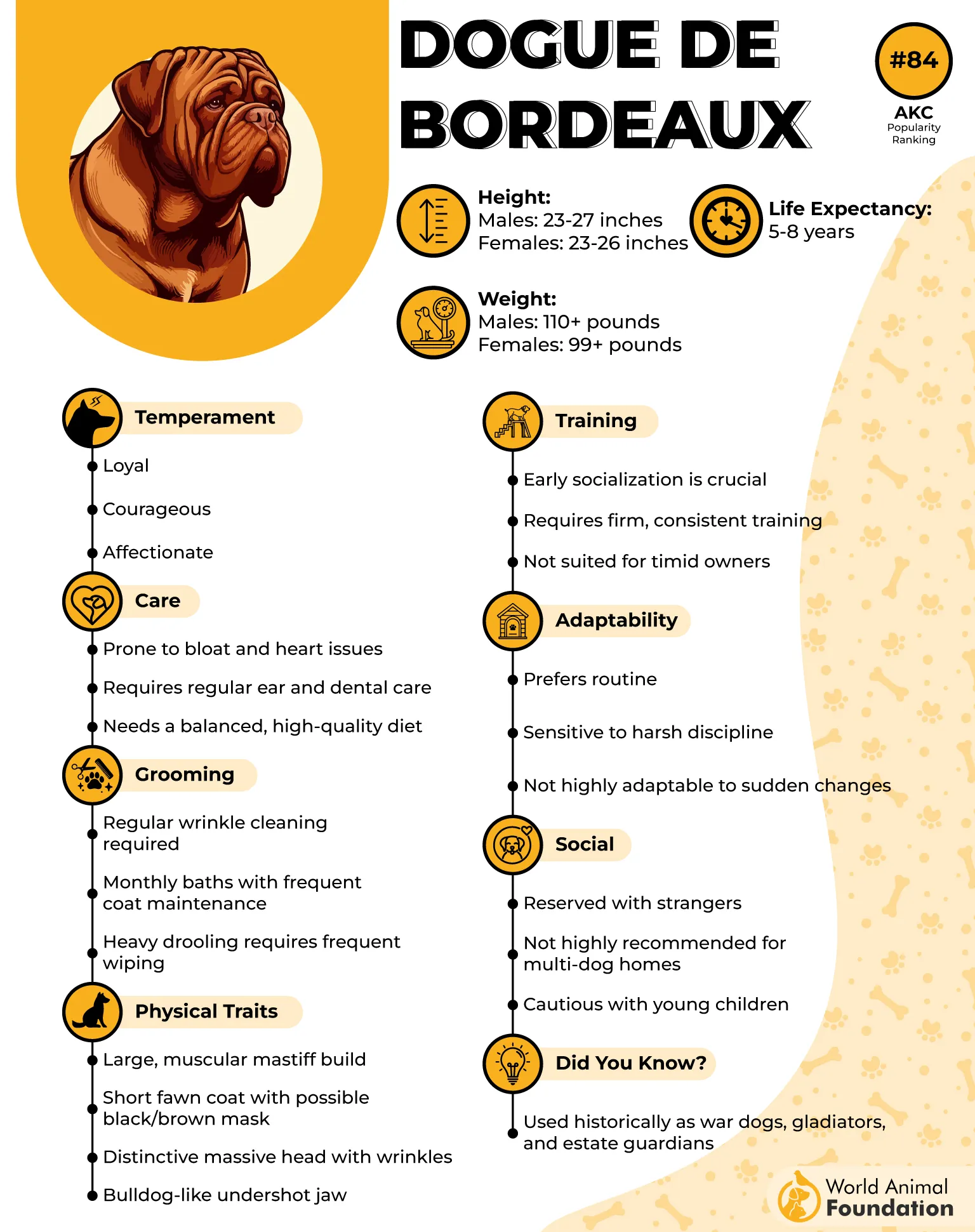
At home, a well-raised Dogue de Bordeaux is calm, affectionate, and surprisingly gentle, especially with children when properly socialized from an early age. It can also coexist peacefully with other household pets if introduced gradually and raised together.
However, this breed tends to be naturally reserved and sometimes wary around strangers, showing strong protective instincts when it senses a threat. Intelligent yet sensitive, it responds best to calm, consistent training rather than harsh methods.
While it may appear stubborn at times, its desire to please its trusted owner makes it highly trainable. This combination of devotion, strength, and quiet guardianship makes it a truly overlooked giant companion.
-
Pros
Deep emotional bond with owners
Calm and affectionate at home
Strong protective instincts
Good with children when trained -
Cons
Prone to drooling
Can be stubborn during training
Sensitive to heat
Short lifespan
6. Pyrenean Mastiff
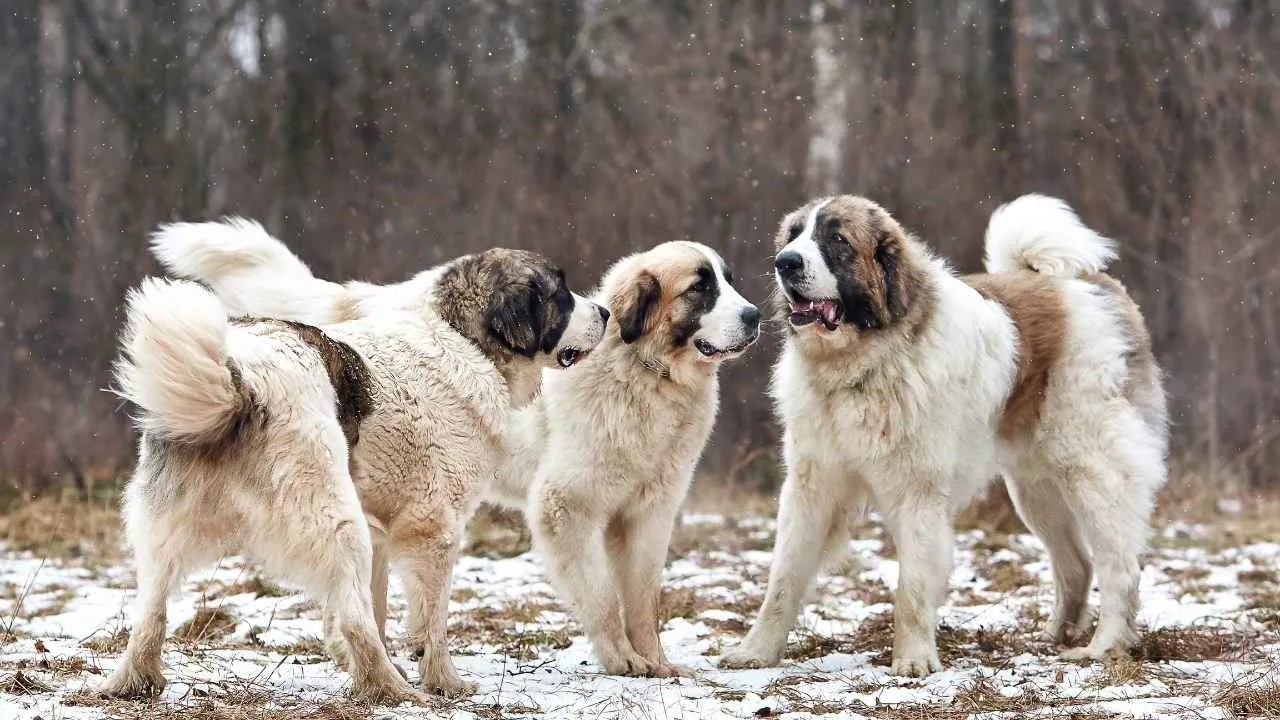
The Pyrenean Mastiff is a rare and ancient giant breed originating from the Pyrenees Mountains of Spain, where it was developed as a fearless livestock guardian.
For centuries, it protected sheep from predators such as wolves, bears, and thieves, earning a reputation for courage, independence, and unwavering loyalty.
When large predators declined in the region, the breed gradually transitioned into a property guardian and devoted family companion, though it has never lost its protective instincts.
Despite its large size, the Pyrenean Mastiff is known for its calm, noble, and intelligent temperament. It forms strong bonds with its family and is especially gentle and affectionate with children, often displaying remarkable patience and emotional stability.
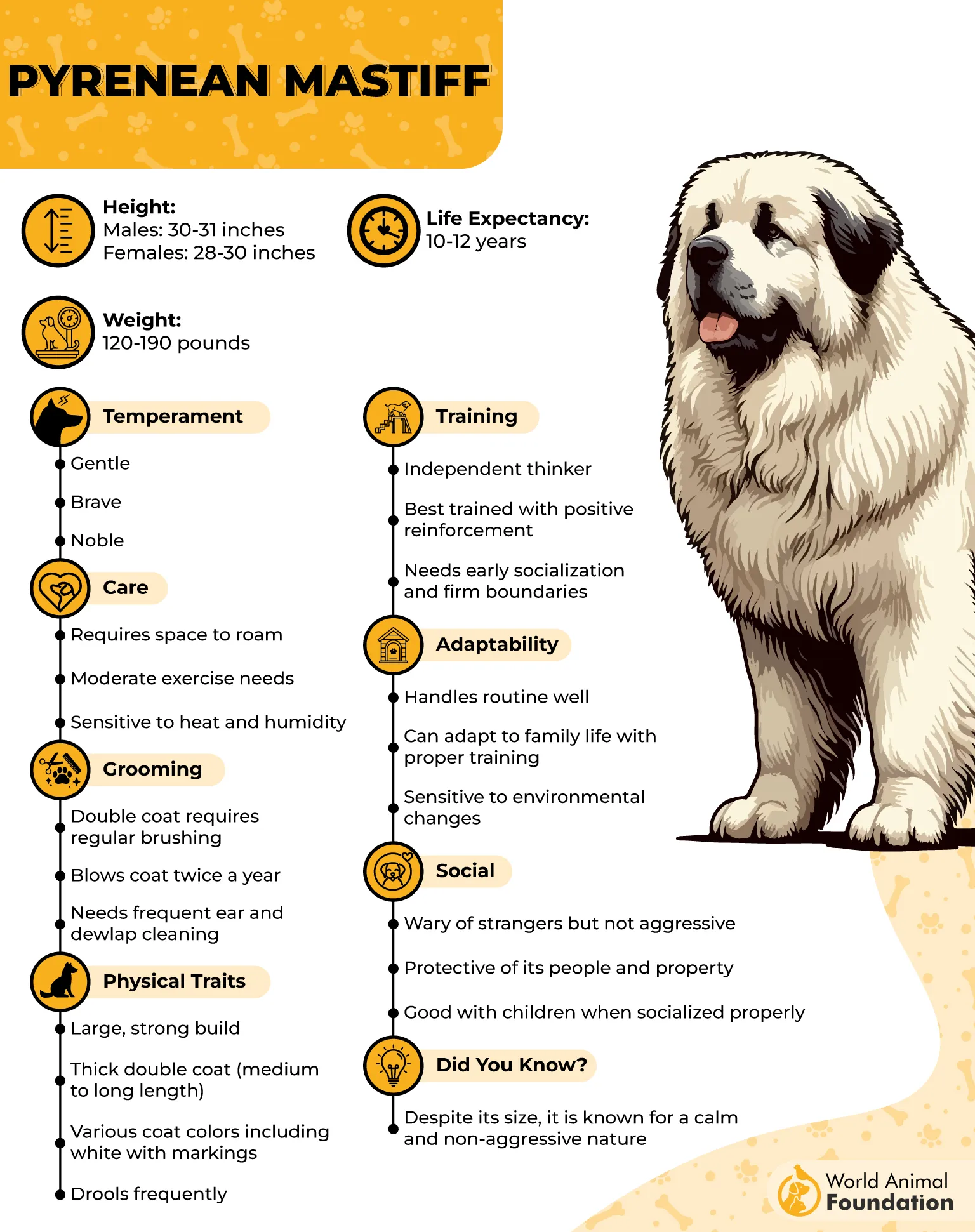
This breed is naturally friendly toward familiar humans and can coexist peacefully with other animals, showing an instinct to protect rather than harm.
At the same time, it remains alert and confident around strangers, stepping into a guarding role only when it senses a genuine threat. Unlike overly vocal guard dogs, it is typically quiet, barking mainly to warn rather than to disturb.
With a low prey drive and balanced nature, it tends to protect all members of its household, human and animal alike. This combination of calm devotion, quiet vigilance, and steadfast loyalty makes the Pyrenean Mastiff one of the most underrated giant guardian breeds in the world.
-
Pros
Calm, patient, and gentle
Excellent livestock and family protector
Low aggression, balanced temperament
Good with children and other animals -
Cons
Needs large space
Independent mindset
Requires early training
Not suitable for apartments
7. Greater Swiss Mountain Dog
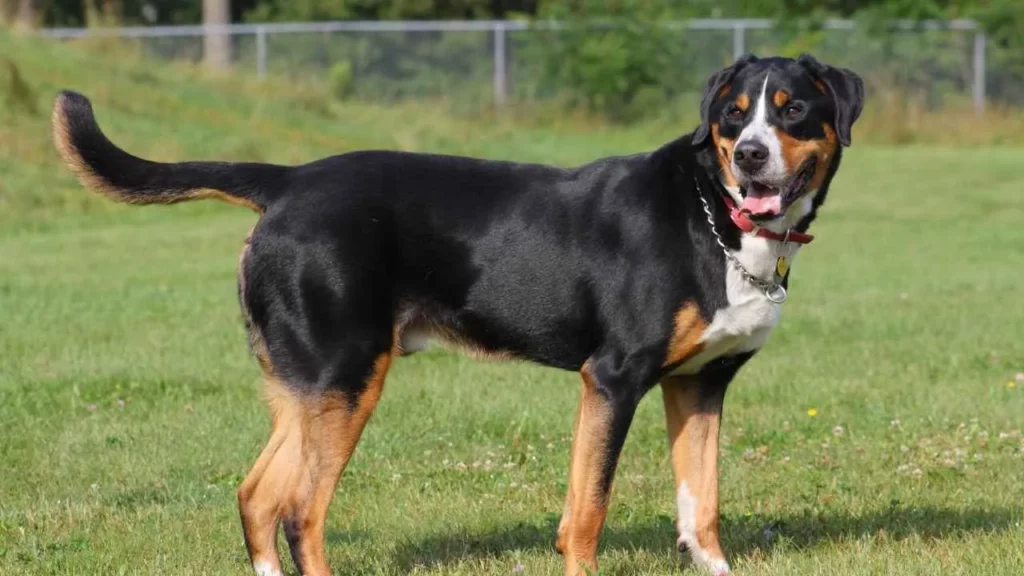
The Greater Swiss Mountain Dog is a powerful and dependable giant breed that originated in the Swiss Alps, where it served as a versatile working dog for herding livestock, pulling carts, and guarding farms, as mentioned by the AKC.
Known for its impressive strength and endurance, this breed stands up to about 28.5 inches tall and can weigh as much as a fully grown human, giving it a commanding yet balanced presence.
Despite its size and working ability, it is admired for its calm temperament and deep loyalty, making it one of the most overlooked giant companion breeds today.
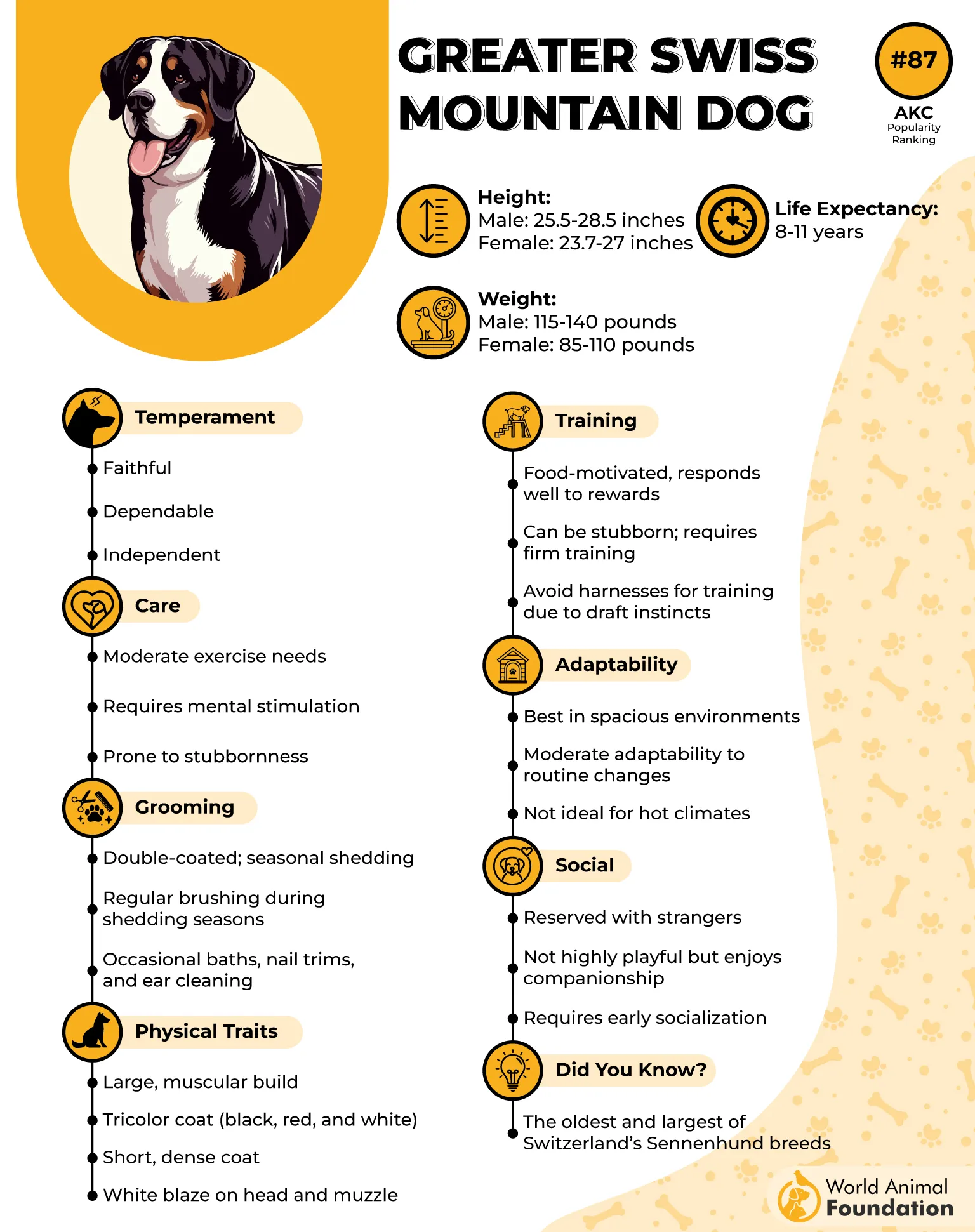
The Greater Swiss Mountain Dog is easily recognized by its striking tricolor coat of black, rust, and white, often highlighted by a distinctive white blaze on the face that gives it a warm, expressive look.
Historically bred as an all-purpose farm dog, it combines power with surprising agility, allowing it to navigate steep alpine terrain while moving cattle and protecting property.
At home, Swissies are affectionate, people-oriented, and highly devoted to their families. They thrive on companionship and do not like being left alone for long periods.
While generally friendly and steady-natured, they also retain natural guarding instincts and will alert their owners to anything unusual.
-
Pros
Loyal and family-oriented
Strong and versatile working dog
Friendly and social
Good watchdog -
Cons
Doesn’t like being left alone
Needs regular exercise
Heavy shedding
Can be slow to mature
8. Broholmer
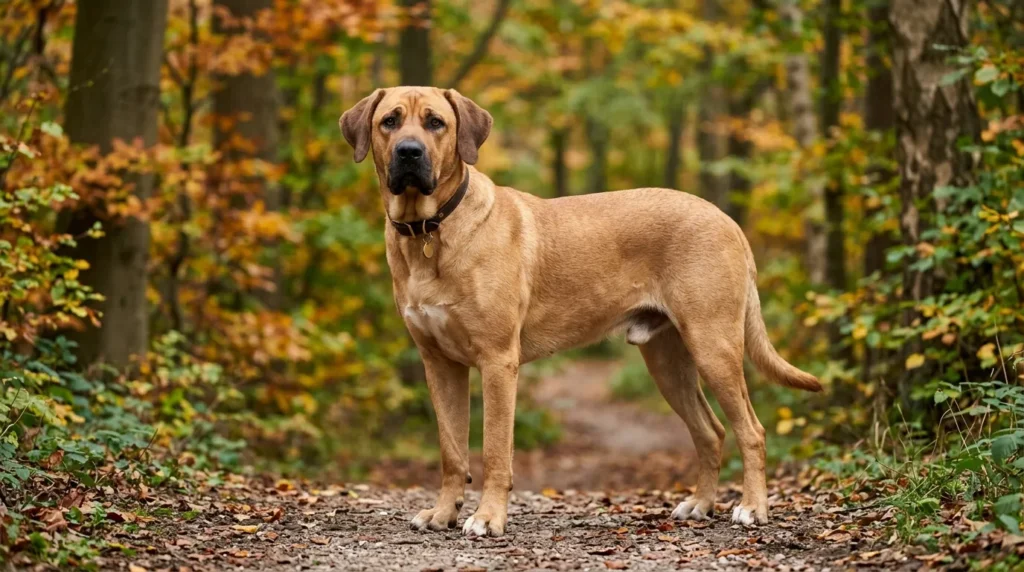
The Broholmer is a calm, powerful mastiff-type breed that originated in Denmark and has long been valued as a loyal guardian and devoted family companion.
Dating back to at least the 1800s, it was commonly seen around Copenhagen, often resting outside butcher shops, which earned it the nickname “the butcher’s dog.”
Historically, it served multiple roles, including guarding homes, protecting livestock, and watching over cattle in rural farms and busy market areas.
Built with a large, rectangular body and a massive, broad head, the Broholmer carries an imposing physical presence that naturally deters intruders without needing aggression.
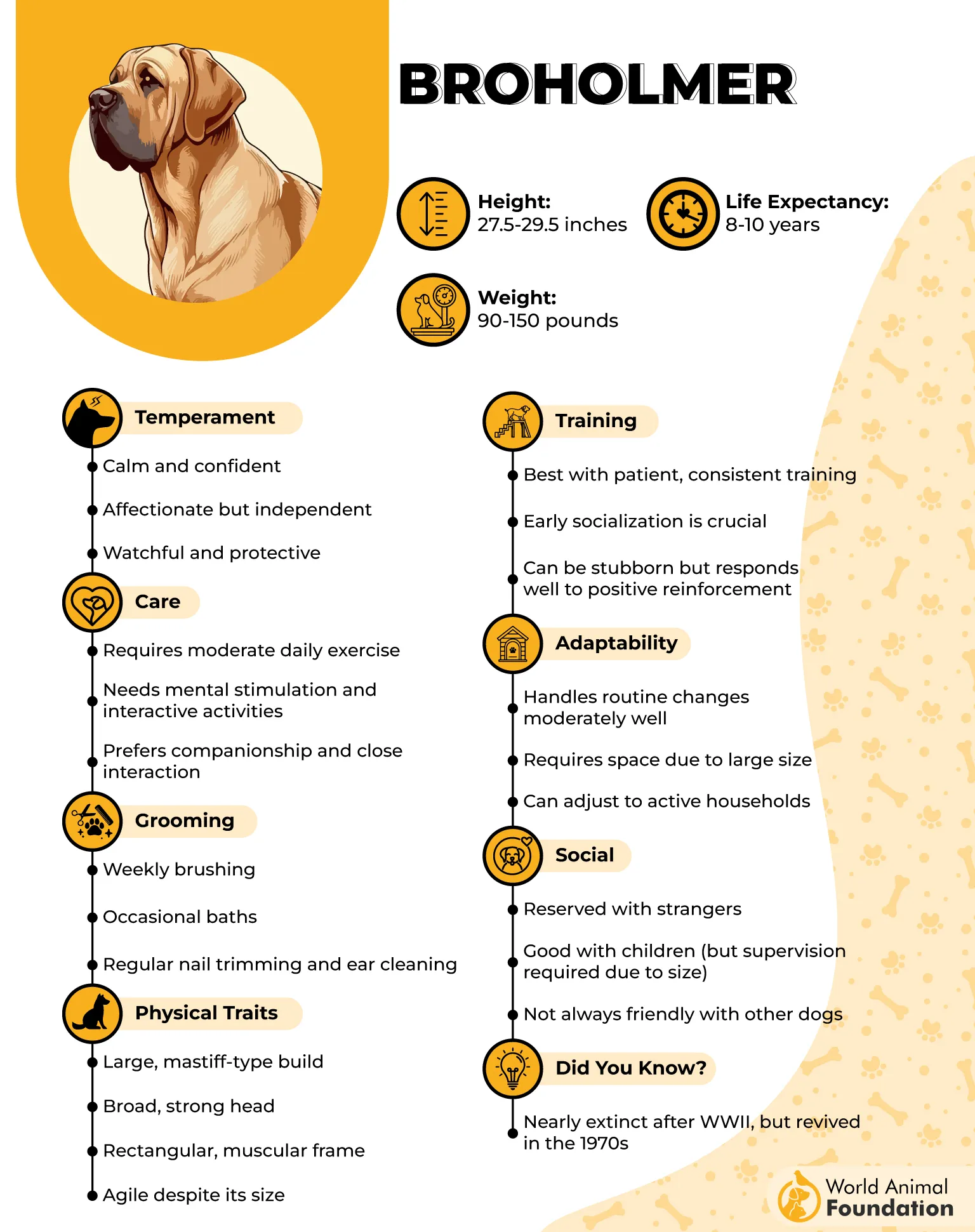
Despite its formidable size, this breed is famously gentle, affectionate, and deeply people-oriented. It forms strong emotional bonds with its family and prefers constant closeness, often seeking physical contact and attention.
The Broholmer is known for its calm and stable temperament, making it a good companion for children and other dogs when properly socialized. However, due to its sheer size and tendency to underestimate its strength, supervision is important during interaction.
Surprisingly agile for a giant breed, it enjoys outdoor activities such as walking, hiking, and even playful games like fetch or frisbee.
Intelligent, adaptable, and eager to participate in family life, the Broholmer combines quiet confidence with heartfelt loyalty, making it one of the most overlooked yet dependable giant dog breeds.
-
Pros
Calm and stable temperament
Very affectionate and people-oriented
Good with families and kids
Naturally protective without aggression -
Cons
Needs close human interaction
Large size requires supervision
Not widely available (rare breed)
Needs space and activity
9. Black Russian Terrier
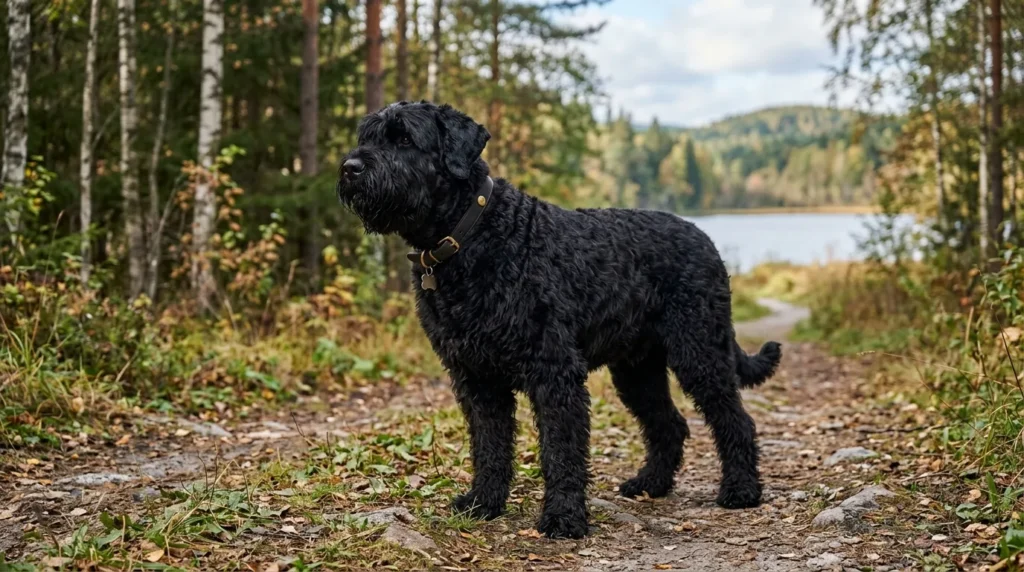
The Black Russian Terrier is a powerful and imposing large dog breed developed in the Soviet Union during the 1930s and 1940s for military and security work, including guarding camps, prisons, and strategic facilities.
Built with a heavy, muscular frame, thick bone structure, and a strong neck and chest, this breed was specifically designed to project strength, endurance, and authority.
Despite its formidable appearance, it remains surprisingly agile, capable of quick and controlled movement when needed. Its dense, weather-resistant black coat adds to its commanding presence, giving it an unmistakably bold silhouette.
Beyond its working background, the Black Russian Terrier is deeply loyal and forms strong bonds with its family. At home, it can be affectionate, playful, and calm, especially when properly trained and socialized from an early age.
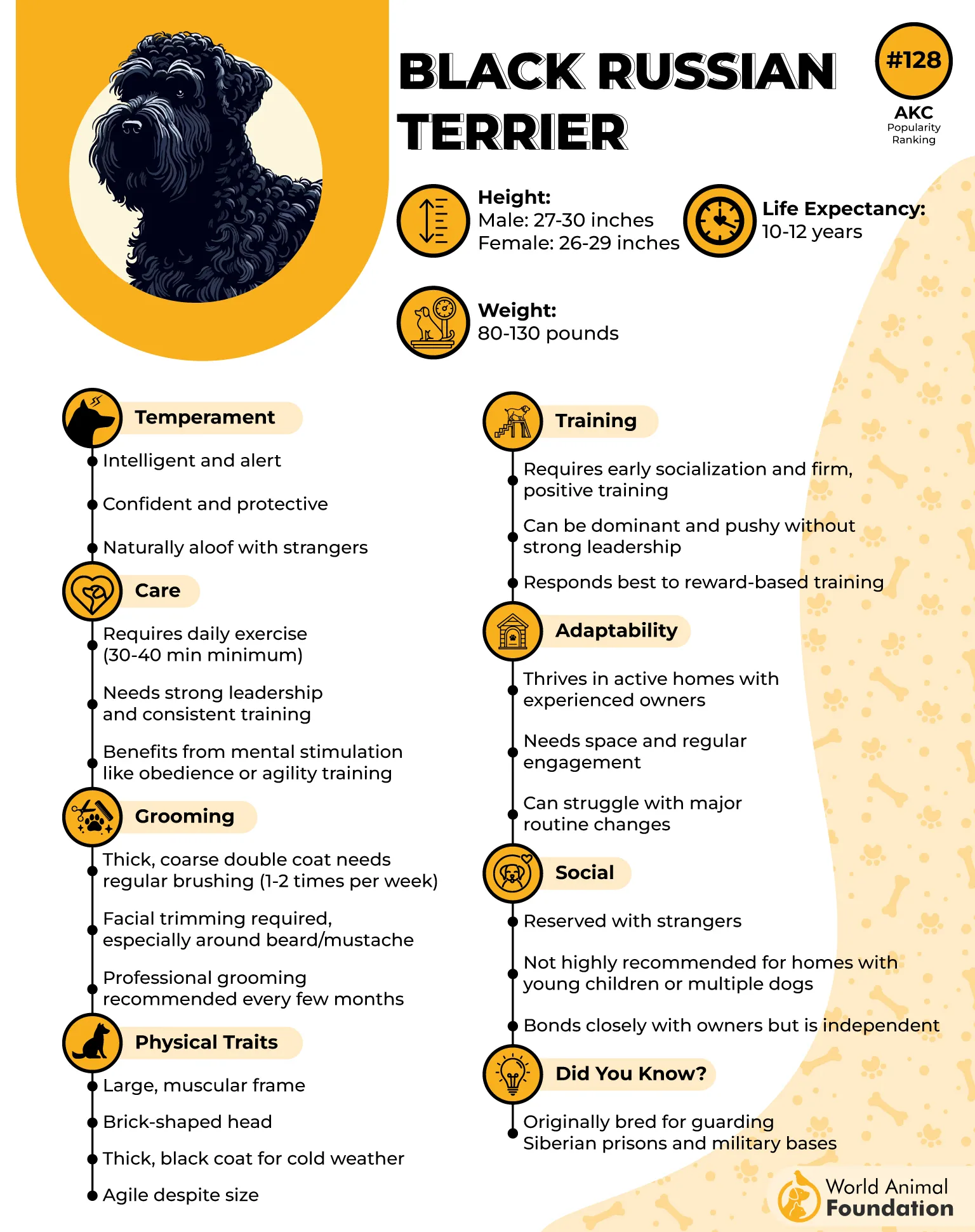
It is known for its steady temperament, often staying composed and observant rather than reactive.
However, its natural guarding instincts remain strong, making it highly protective of its household and especially attentive around children. While generally reserved with strangers, early and consistent socialization helps it distinguish between normal situations and real threats.
Intelligent, confident, and highly trainable, this breed thrives under firm but fair leadership. The Black Russian Terrier combines strength, vigilance, and devotion, making it one of the most overlooked yet dependable giant guardian breeds.
-
Pros
Highly intelligent and trainable
Strong guard dog instincts
Loyal and protective
Confident and composed -
Cons
Requires experienced owner
Needs consistent training and structure
Reserved with strangers
High grooming needs
Conclusion
Giant dogs are often misunderstood as intimidating or difficult to manage, yet they consistently prove to be some of the most loyal, gentle, and emotionally intelligent companions.
Beneath their powerful builds lies a calm and affectionate nature that thrives on close family bonds and meaningful companionship.
Many were originally developed for guarding, herding, or working roles, which explains their strong protective instincts and steady temperament.
With proper training, socialization, and care, they become reliable family members who balance strength with sensitivity. Their devotion, patience, and quiet confidence make them truly exceptional lifelong companions.
