




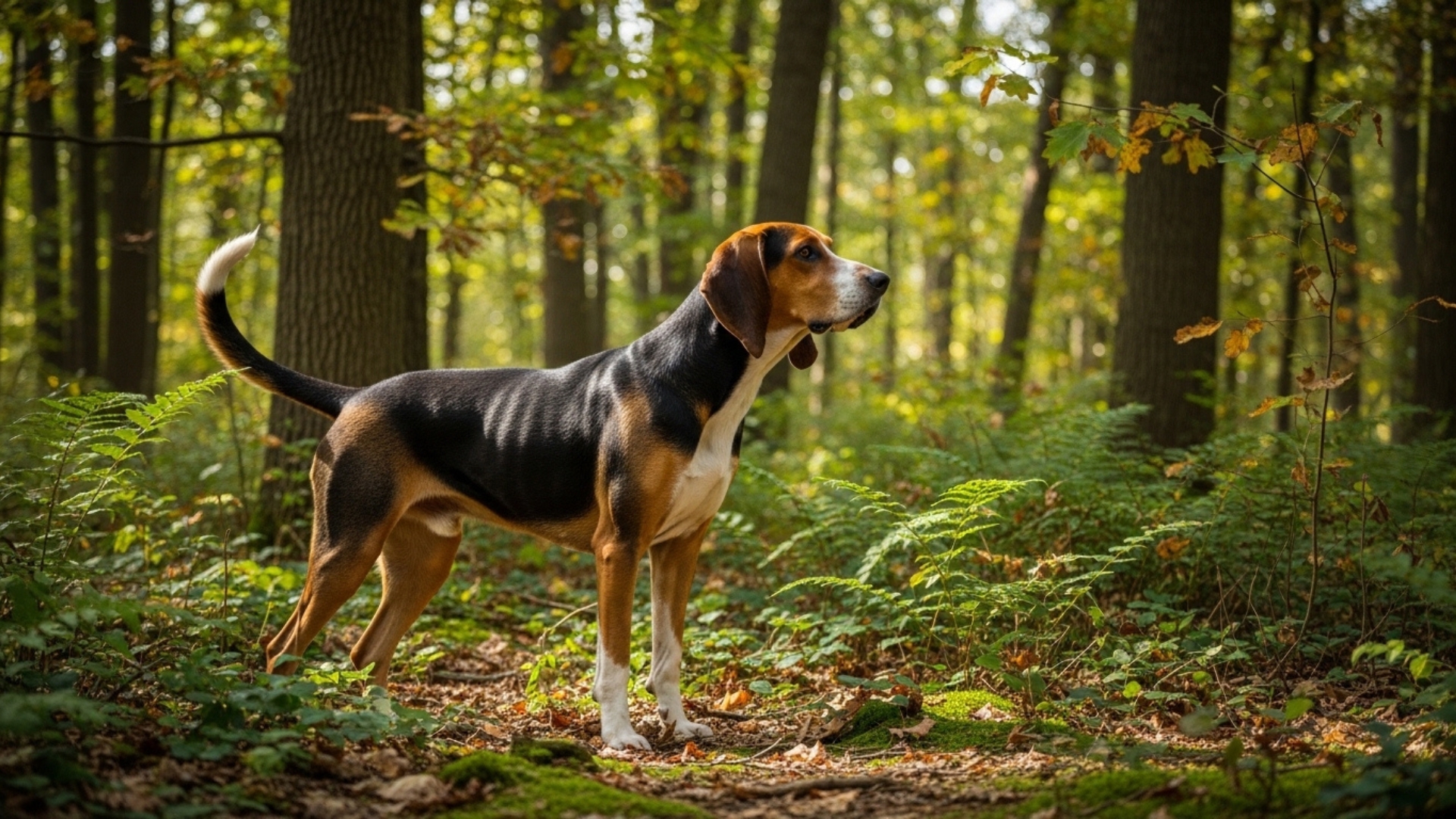
You’re deep in the woods: leaves crunch under your boots, mist curls around the treeline, and somewhere ahead, game is stirring. Imagine a four-legged hero beside you, sniffing what you can’t, hearing what you miss, and racing boldly where you wouldn’t dare to go.
But not every dog is made for the forest. Thick brush, shifting scents, and tricky terrain separate the true field champions from the backyard wanderers. As Havilah Babcock writes, “No one can follow a rollicking, bungling, and overjoyous pup all day without laughing a lot and crying a little.”
This guide introduces seven incredible dog breeds that shine in the wild, each with their unique skills, quirky charms, and unstoppable hunting instincts. By the end, you might just wish you could take them all home.
Outstanding Dog Breeds That Excel in Forest Hunting
1. Weimaraner
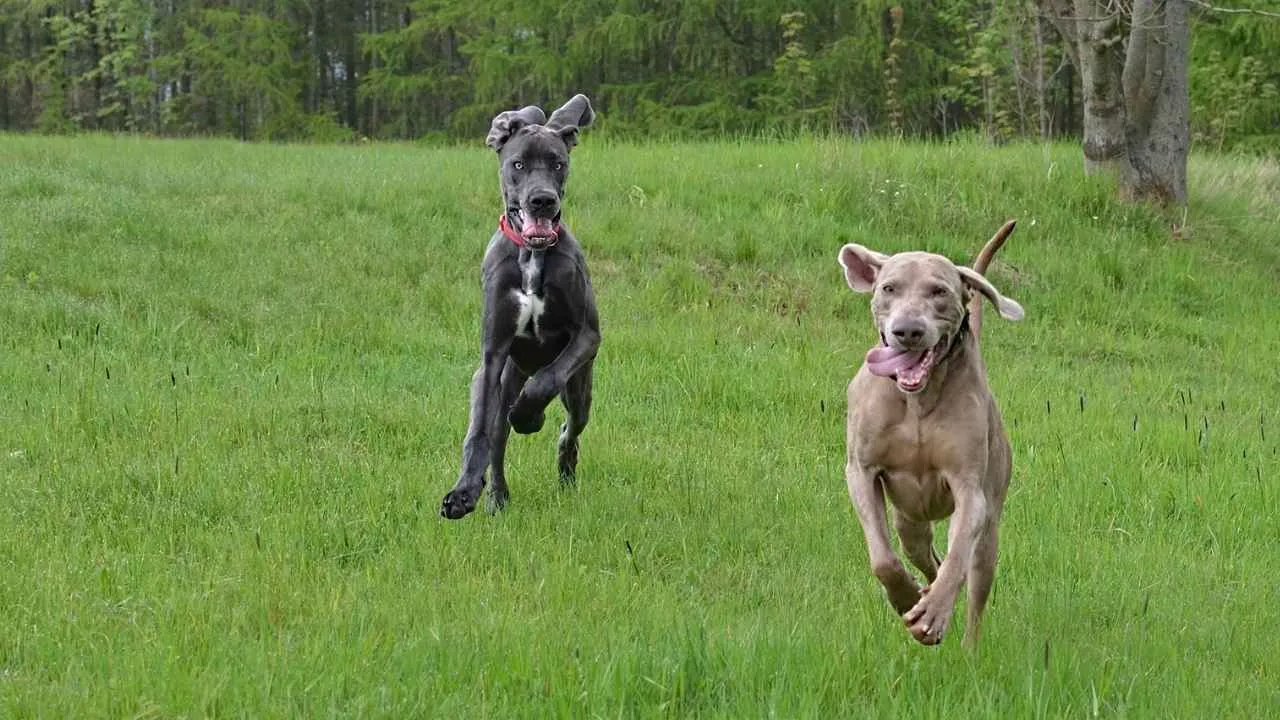
AKA Grey Ghost is one of the most commanding hunting dogs. Originally bred in 19th-century Germany to hunt bear, boar, and deer, this dog has serious wood credentials that go back generations.
Owned by former U.S. President Dwight D. Eisenhower, this hunting dog breed serves various purposes, retrieving, tracking, pointing, and flushing birds, according to Wikipedia.
They keep their heads up for upland bird hunting, making them a good pointer. They have a thick double coat and webbed feet that help them in swimming and cold waterfowl hunting.
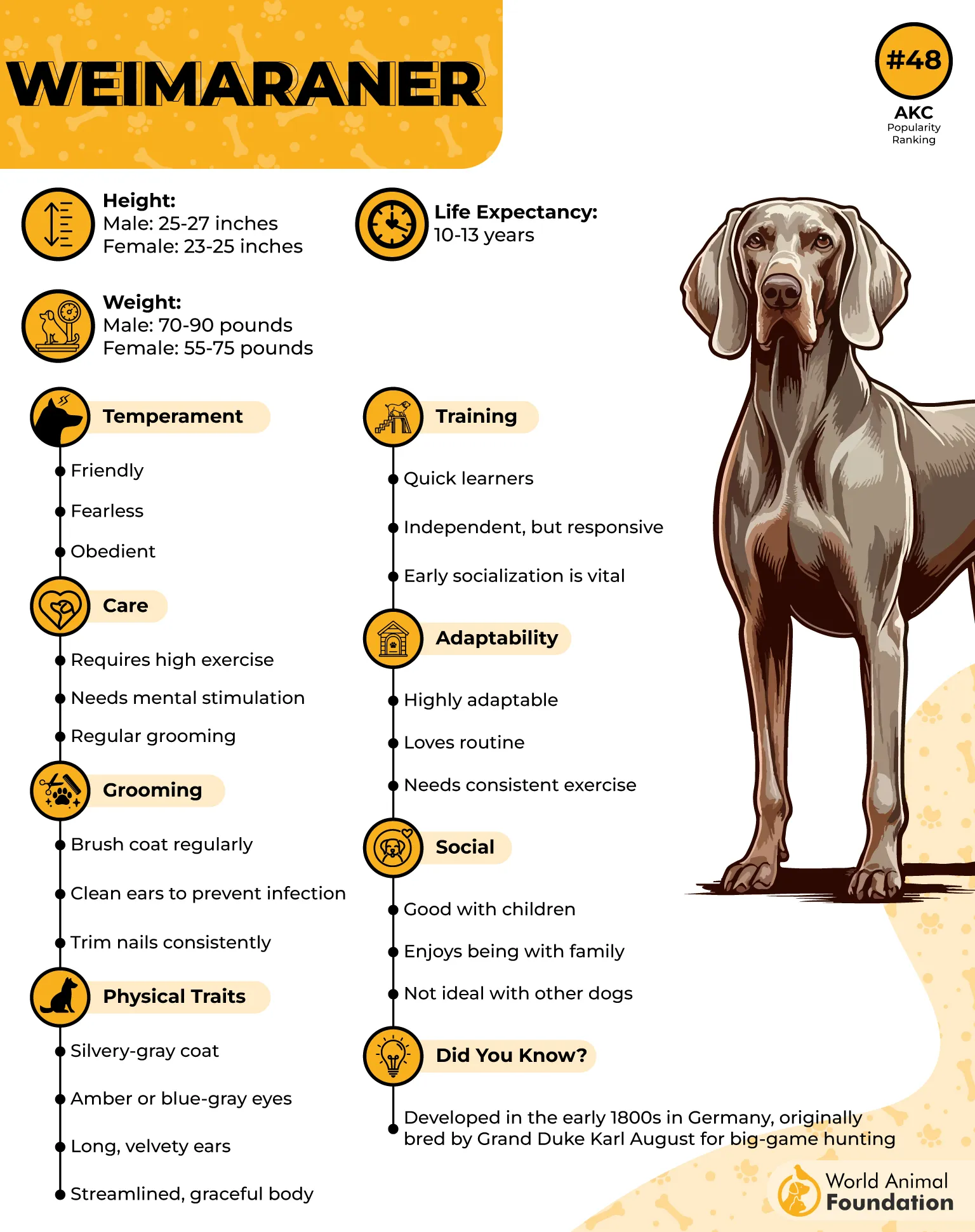
“Grey Ghost” Camouflage: They have a silver grey coat that easily blends with the earthly environment, especially in dim light.
Nose That Turns Trails into GPS: When a trail goes cold, the Weimaraner backtracks, circles, and reassesses until it reconnects. They can even track down wounded animals and use scent tracking in dense bush.
Versatile Dogs in Retrieving: The dense coat protects them from injuries while running through the bushes (for hundreds of yards) and handling cold water. They wear neoprene vests for assistance.
2. Brittany Spaniel
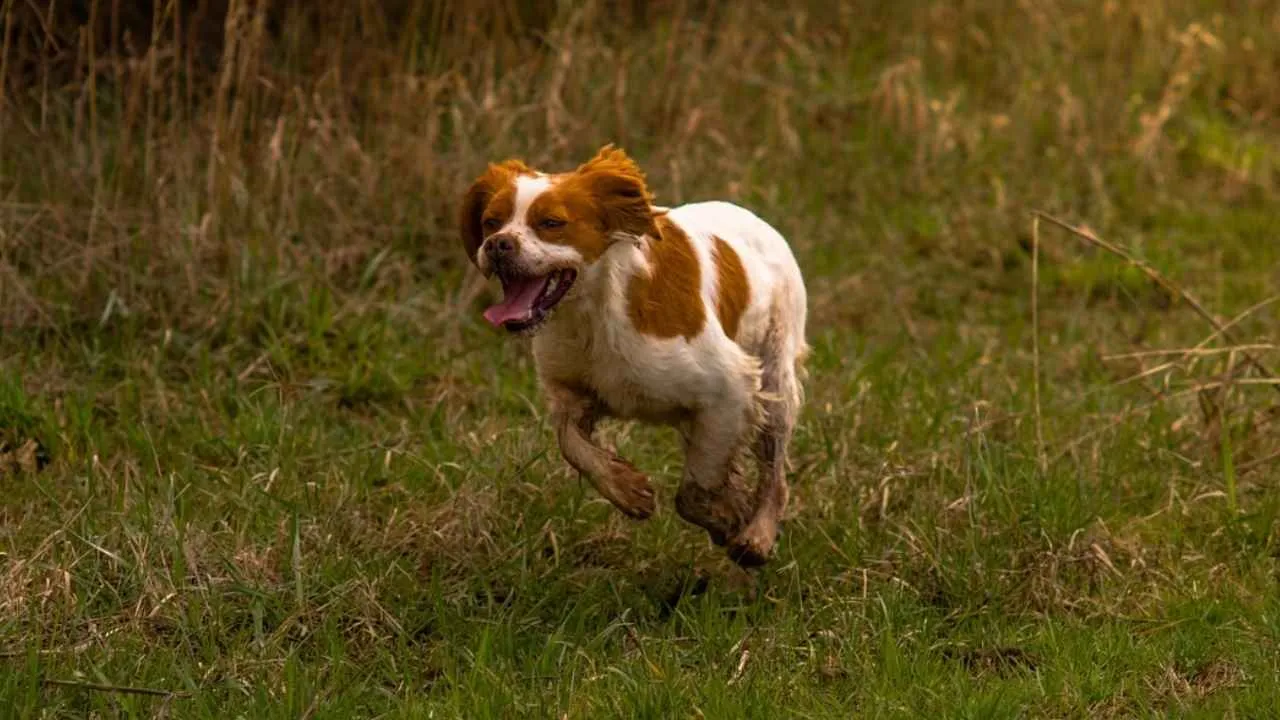
Originally bred from the Brittany region of France, this breed was developed for hunting birds through dense terrain. It’s fast, sharp, and completely indifferent to mud, which puts it ahead of most hunting partners you have had.
This small to medium-sized active dog has an advantage of working underbrush, brambles, and tangled forest over larger dogs. They have a strong prey drive and intense focus, encouraging them to adopt a ‘quartering’ hunting style where they move back and forth to cover the ground efficiently.
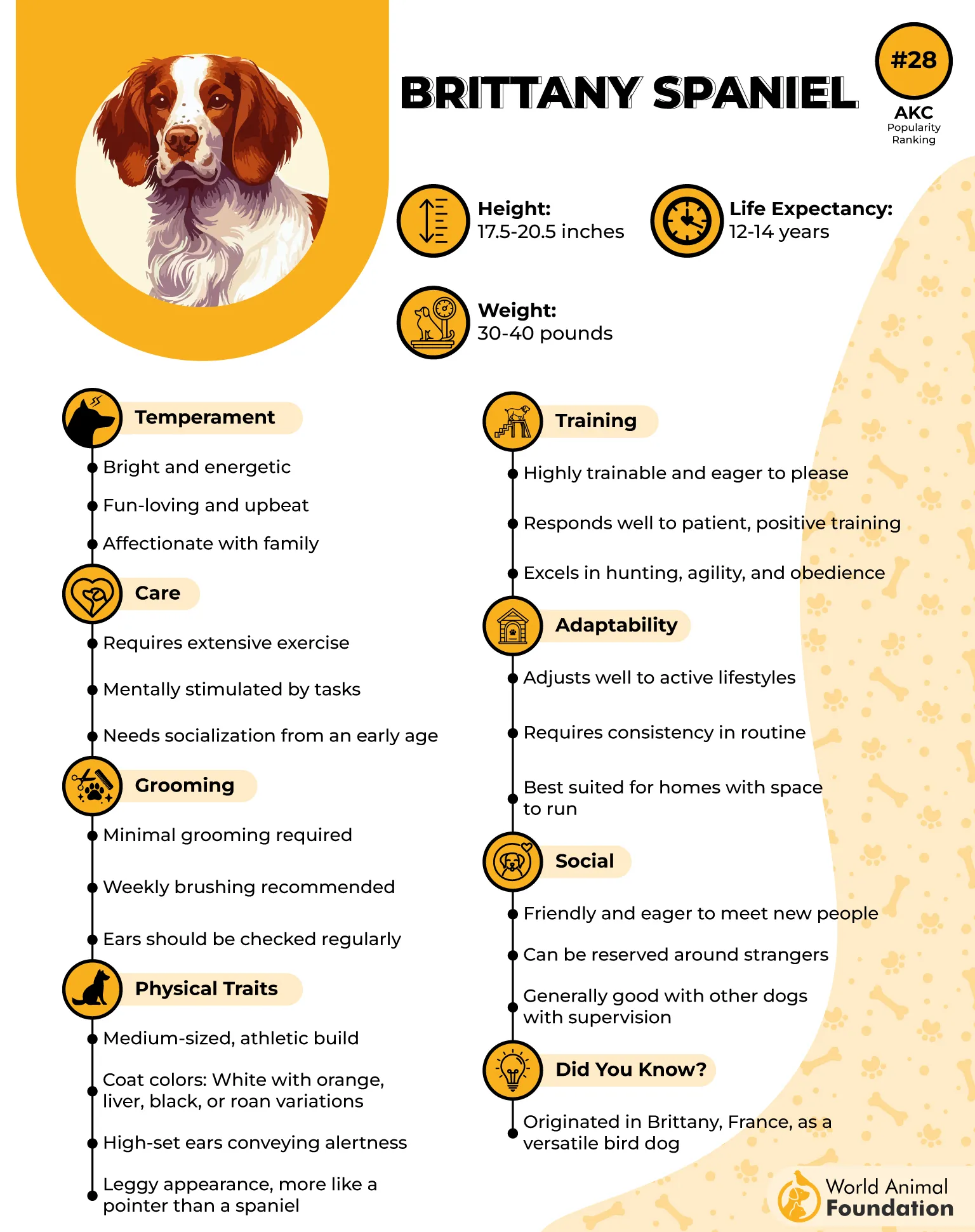
Natural Pointing and Tracking: They have a natural instinct to find, point, and hold game. The stylish ‘point’ makes them freeze in one place, giving them a 12 o’clock tail position.
‘Soft Mouth’ Retrieve: They are able of tracking game birds from water and land both. The unique trait is that they hold the prey gently without damaging them.
Close to Medium Range: Though they are strong enough to cover long distances, they prefer to stay closer to the hunter and are thus called gun dogs. This makes it ideal for dense cover.
3. American Foxhound
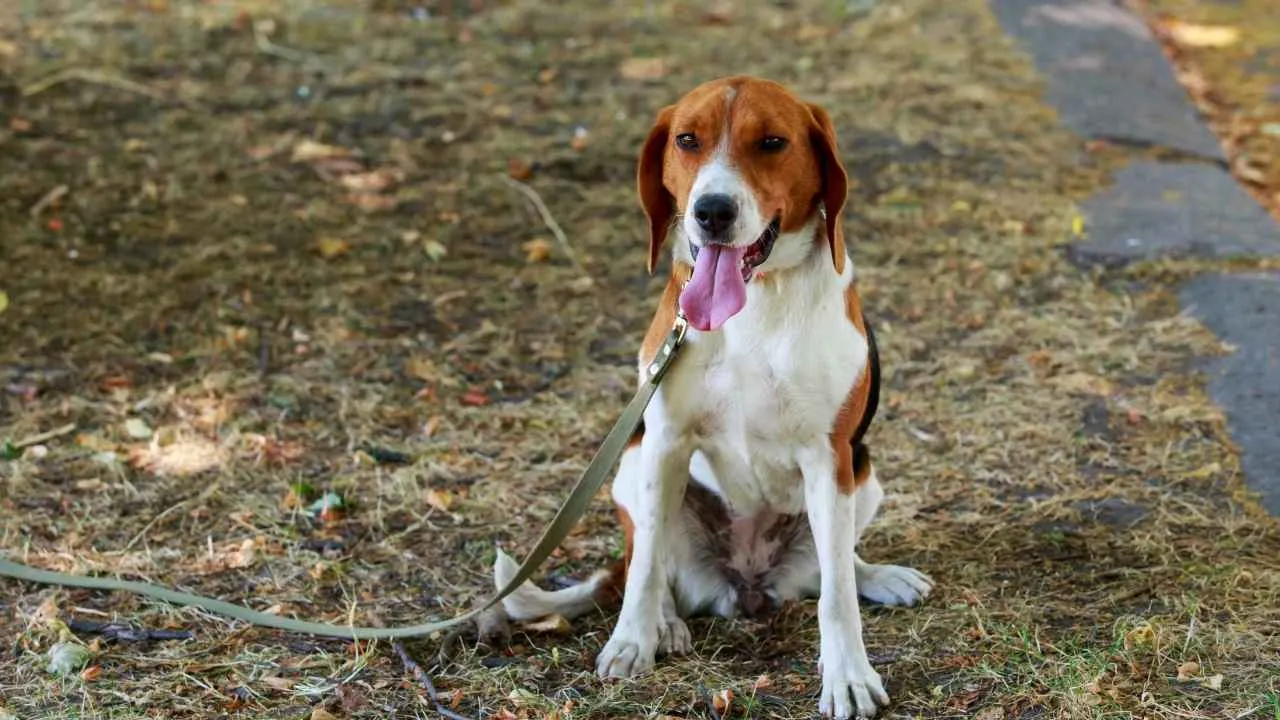
American Foxhound is one of the oldest hunting breeds developed on U.S. soil. Built lean and long-legged, this dog was designed to hunt fox across wild American terrain. They work in packs tracking scents of the small game.
American Kennel Club (AKC) reports that they have high speed, endurance, and a strong work ethic. The unique coat is of great significance since it protects the dog from getting injured in a harsh hunting environment. As the coat is small and closer to the skin, it requires minimal grooming.
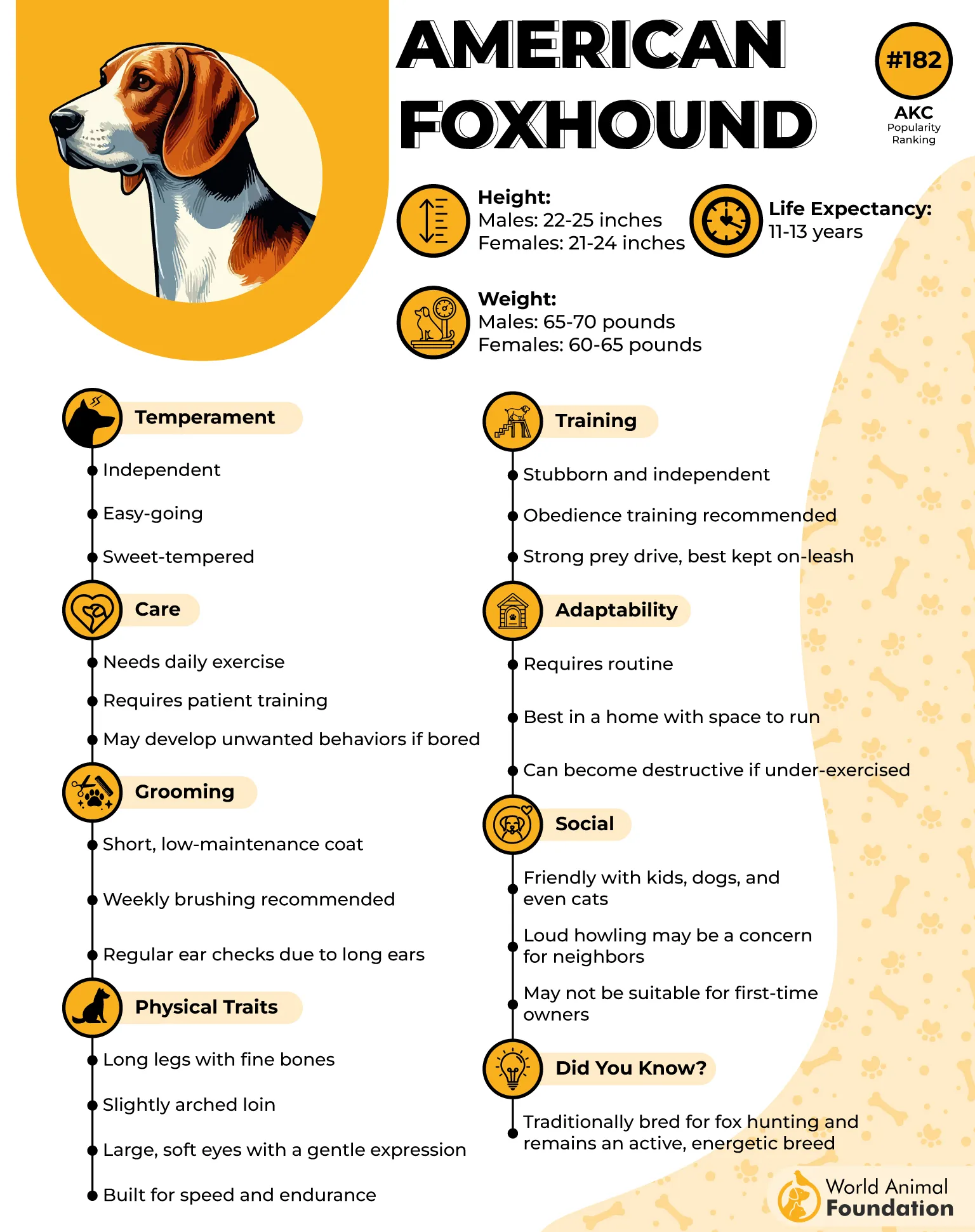
Giving Tongue: Since this hunting dog breed works away from the hunter’s sight, they make loud bays to inform hunters about the prey. This musical bark can be problematic to neighbors; thus, proper training and regular exercise are needed to train them for society.
All Day Endurance: They have a muscular body and are highly energetic dogs, capable of covering long hunts, sometimes even for 24 hours.
Strong Scenting System: This hunting companion has pendulous ears that act as a funnel. They trap and redirect the scent particles to the nose. They are master at following cold trails, bodies hours or even days older.
4. Redbone Coonhound
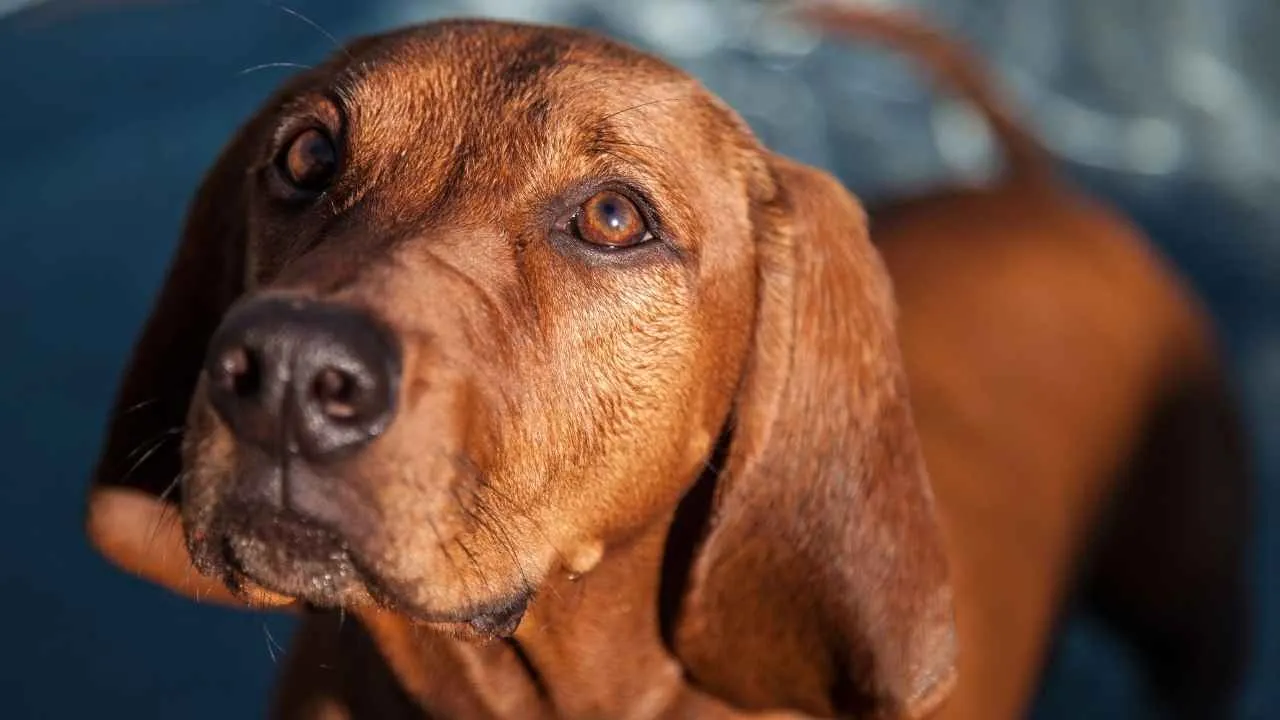
The deep red coat, liquid eyes, and then that bark. It sounds like a thunderstorm with a grudge. Developed in Tennessee, this breed was created to chase large game: raccoons, wild boars, bears, and mountain lions. Night or day, wet or dry, they work in all weather conditions.
These are scent hounds and follow the ‘treeing’ method to catch the prey. They tend to corner the target til they climb up the tree. These dogs then stay down there and use their deep barks to call the hunter. They remain one of the most popular hunting dogs in competitive coon hunting across South Carolina, where they are kept as family dogs as well.
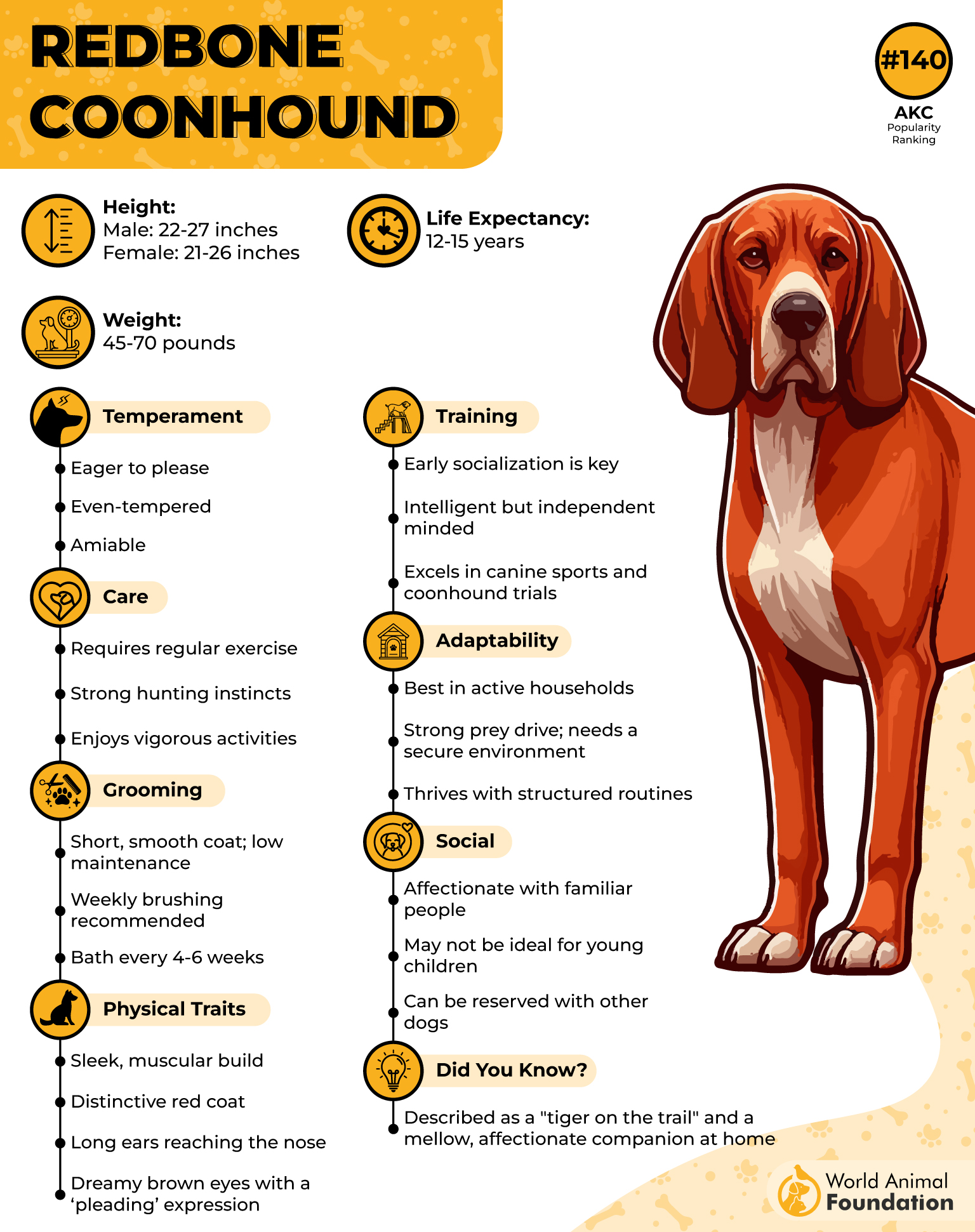
Night Hunting in Zero Visibility: The best hunting dog was bred specifically for after-dark hunting. It navigates by scenting, sound, and raw instincts.
Emotional Sensitivity: These wonderful pets have remarkable emotional intelligence. Their mood shifts with the owner’s tone and behavior. They respond to emotions as much as they do to verbal commands.
Cold Nose: They can track both cold and hot targets. Chasing dead bodies older than weeks and even months is their favorite hunting task.
5. Basset Hound
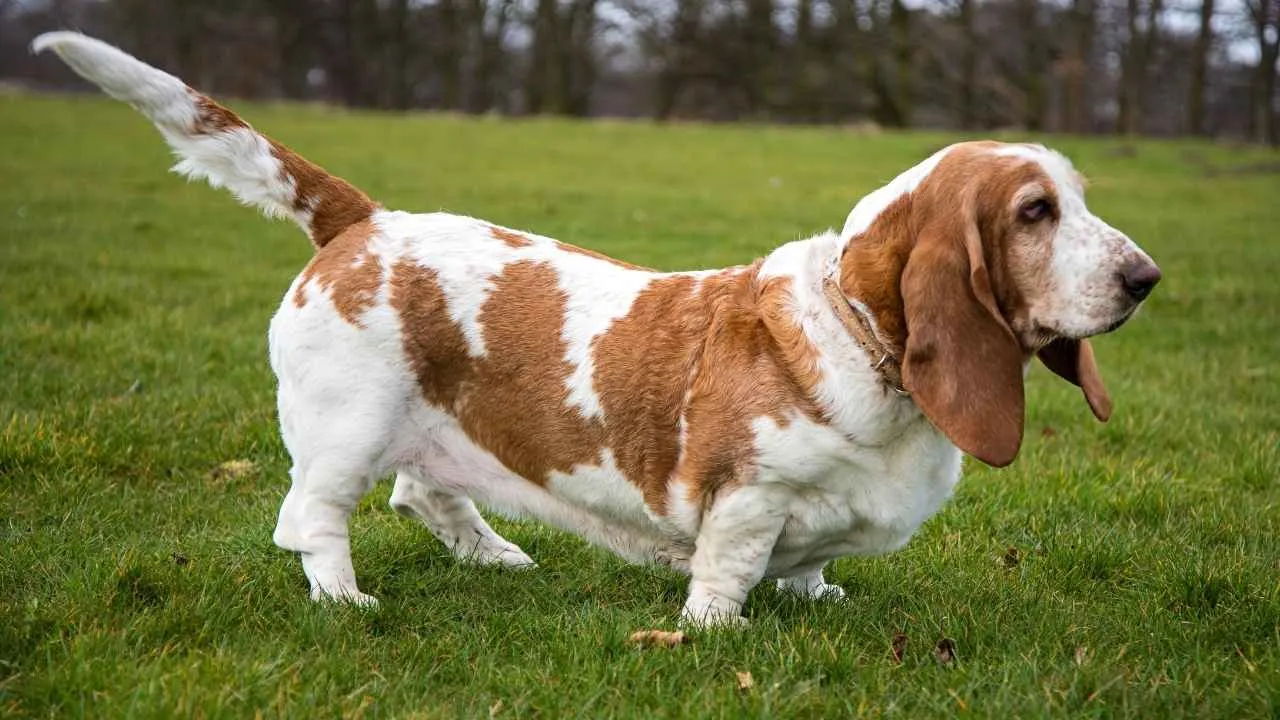
Developed in France and Belgium for hunters working on foot, this breed’s pace was designed to crave human companionship. This dog hunts small animals, especially rabbits and hares. Their friendly and outgoing nature makes them great family dogs.
Paired with approximately 220 million scent receptors (second only to bloodhounds), they track with their noses to the ground, even the basset in their name is translated into ‘below’ because of this trait. Historically bred for pack work, they can work effectively solo and follow ‘treeing’ or ‘flushing’ as their dog hunting technique.
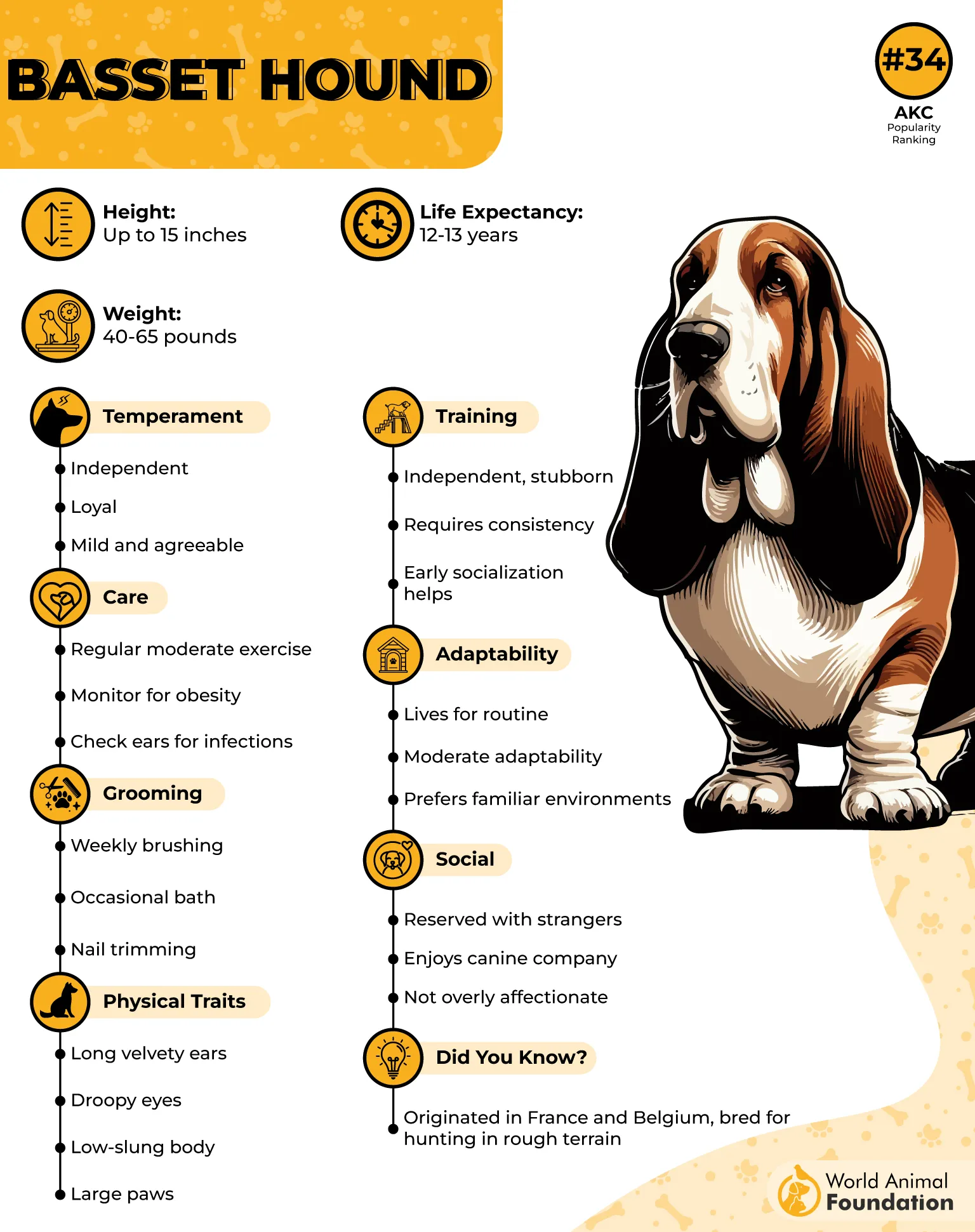
Vocal Training: They have loud and unique barking since they cover large distances away from the hunters. They call hunters with their deep howling. Obedience training and mental stimulation are required to control this trait.
High Visibility Trail: Their long tails have white tips that act like a bright flag for hunters to identify them in a brushy surrounding.
Low Centre of Gravity: This helps them work well on muddy, sloppy, or unstable forest ground while taller dogs slip and scramble. Rain and soft ground play to its strength.
6. Catahoula Leopard Dog
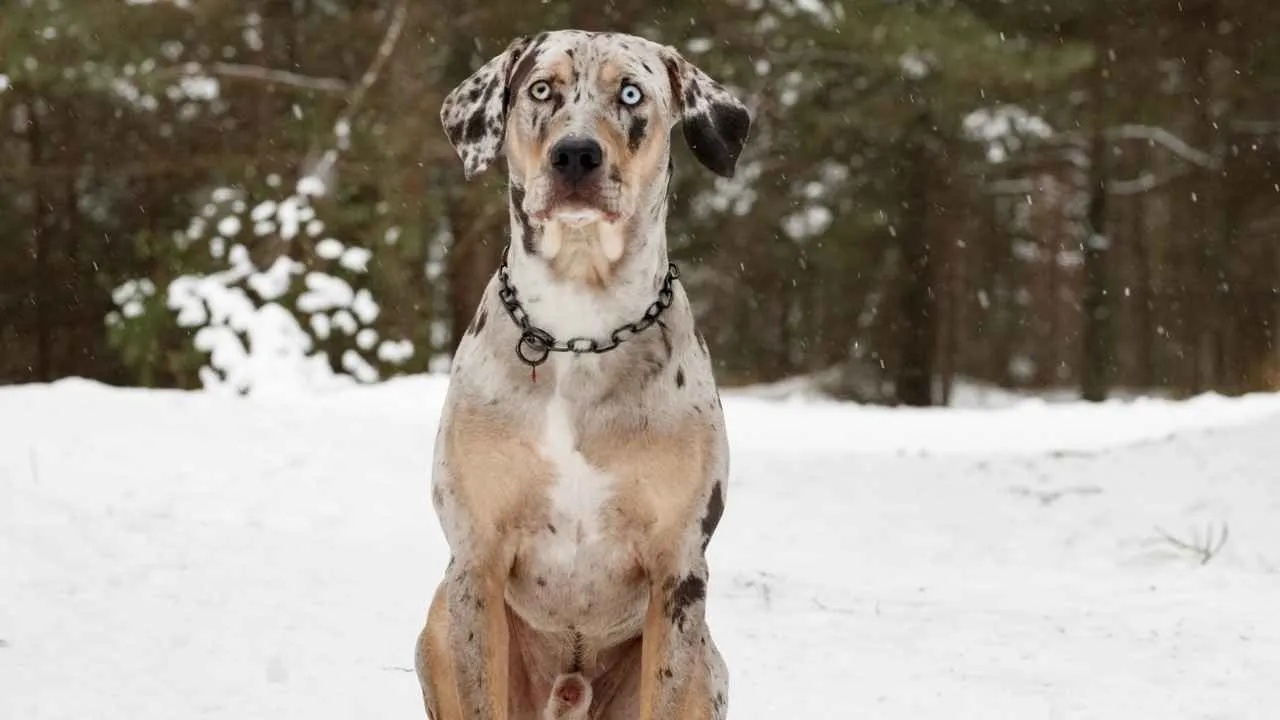
If the Catahoula Leopard were a person, it would be the quietest one at the party, but the one everyone keeps glancing at. Striking, unpredictable, and formidable in the best possible way. Despite their calm demeanor, they are suitable for active family settings.
They were developed to hunt large game, including herding cattle in Louisiana. Though bred for hunting wild hogs, they can track down other animals as well. They are the best hunting dogs for ‘hot scents’. They work by trapping air currents to detect prey. Trained based on their needs, they can be turned into loose bayers or tight bayers.
Webbed Feet: They can stand water because of their webbed feet, and this is the reason why they can retrieve waterfowl and do duck hunting.
Herding Intelligence: They have an unusual dual instinct; they herd and hunt simultaneously. That means, it not only chases the game, but it also controls position and creates angles for the hunters
Aggressive Game Pressing: The Catahoula Leopard will press and bay large games, holding them in position through noise, circling movement, and sheer nerve. It reads the situation, commits to the hold, and stays engaged until the hunter arrives.
7. Pharaoh Hound
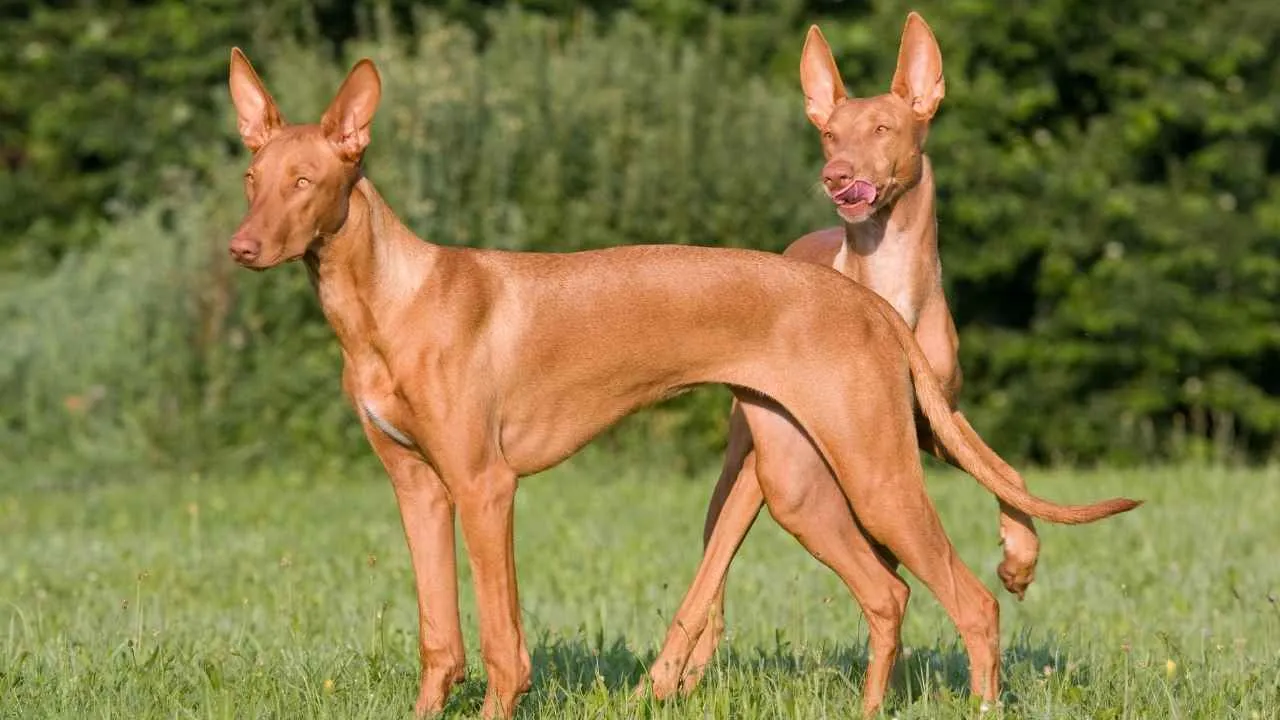
One of the oldest breeds in the recorded dog world history, depicted in Egyptian art dating back over 5,000 years, it is widely used in search and rescue operations where air scenting and specialized tracking roles are required.
Purina mentions that they have a friendly and curious nature, and they love to work in packs. That means they are good family pets and are friendly with other dogs, too. Since they have a high prey drive, they can hunt small game such as squirrels, cats, etc.
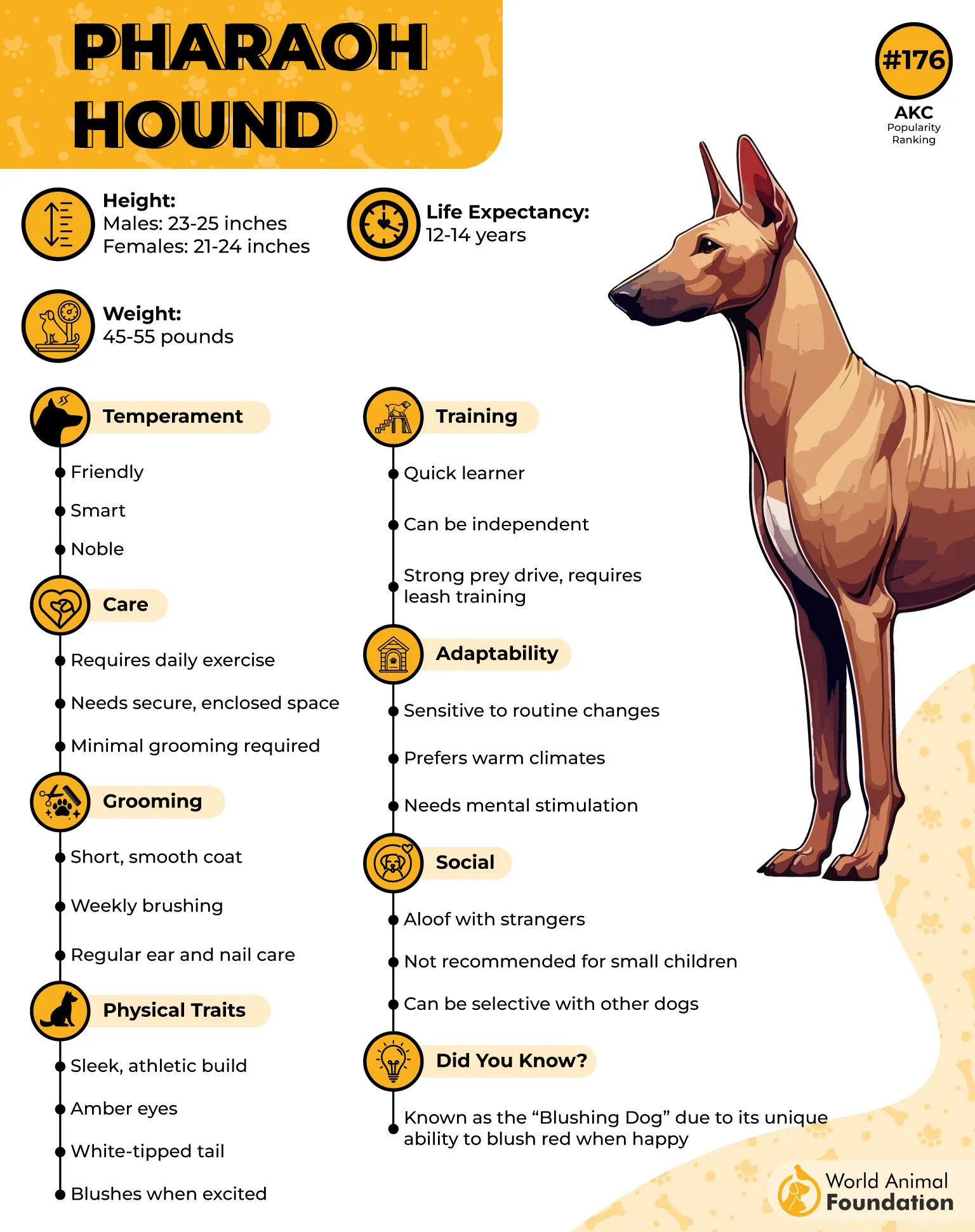
High Speed Pursuit: Their speed can reach up to 35 mph. The deep chest and lean, muscular build enable them to act as sprinters and catch small prey efficiently.
‘Blushing Signal’: They visibly blush. Its ears and nose flush pink-red when it is excited or highly stimulated. Experienced hunters use that flush as a live indicator of engagement.
Dual Processing: The Pharaoh Hound uses both sight and scent traits for hunting. Active switching between olfactory and visual tracking depends on what the terrain and conditions demand.
Conclusion
Forest hunting is a partnership, and like all partnerships, it only works when both sides bring something productive to the table. You bring the knowledge, the patience, the strategy, and hopefully decent weather sense. The dog brings the instinct, stamina, nose power, and a level of commitment that honestly makes most humans look pretty casual by comparison.
The right hunting dog does not just improve the hunt; it changes how you experience the forest entirely. With the right partner beside you, every trip into trees stops feeling like a gamble and starts feeling like 2 beings doing exactly what they were made to do, together.
