




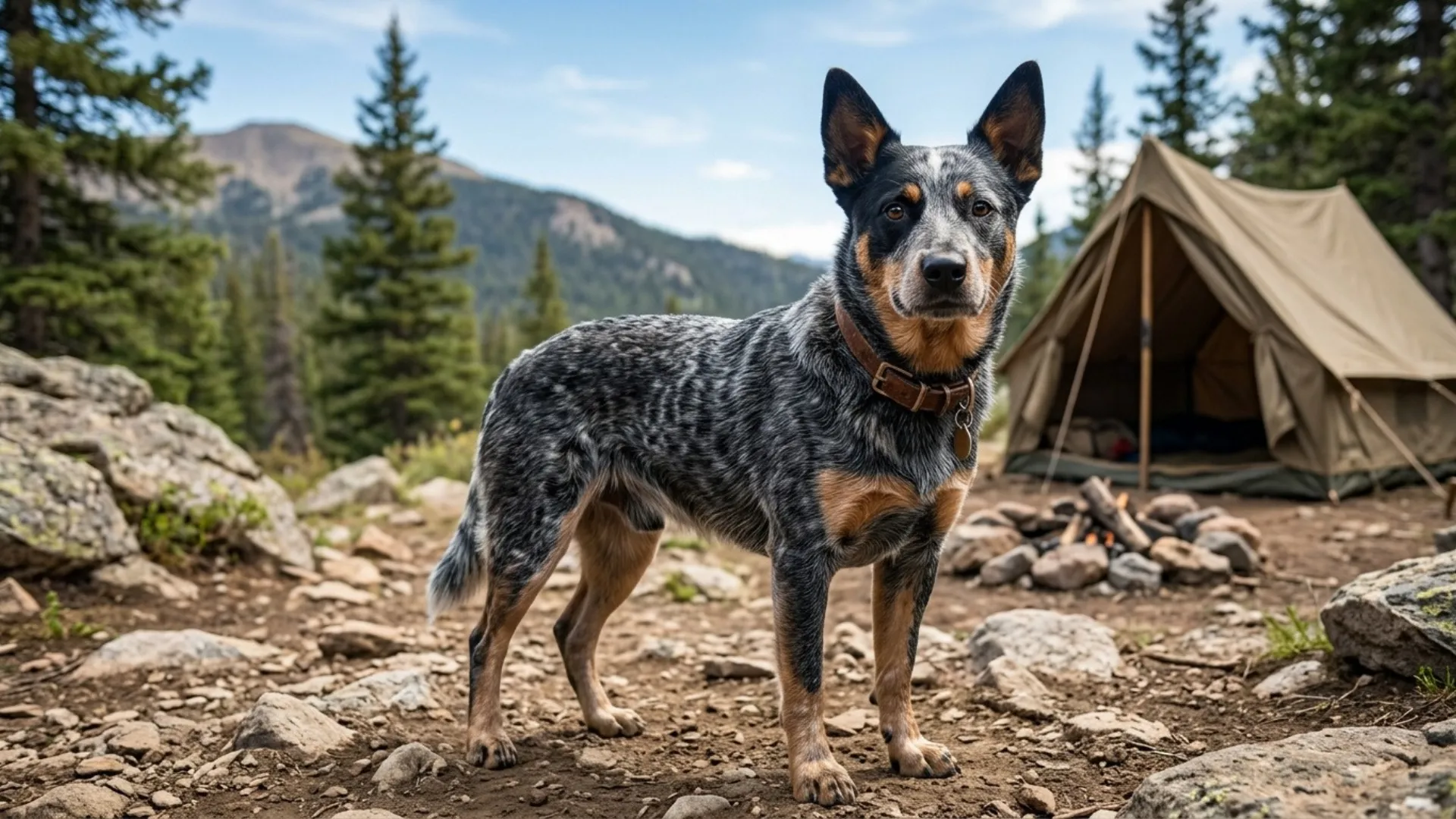
Camping is even more rewarding when your dog shares your enthusiasm for exploring nature. From winding forest trails to mountain campsites, an adventurous canine companion can make every journey more exciting.
Some breeds are naturally suited to outdoor activities thanks to their stamina, athleticism, and eagerness to explore. However, climate, coat type, fitness, and training all matter when choosing a suitable camping partner.
Explore nine dog breeds that can complement an active lifestyle and learn what makes each one a potential companion for your next outdoor escape.
Outdoor Dog Breeds Perfect for Camping Trips
1. German Shorthaired Pointer
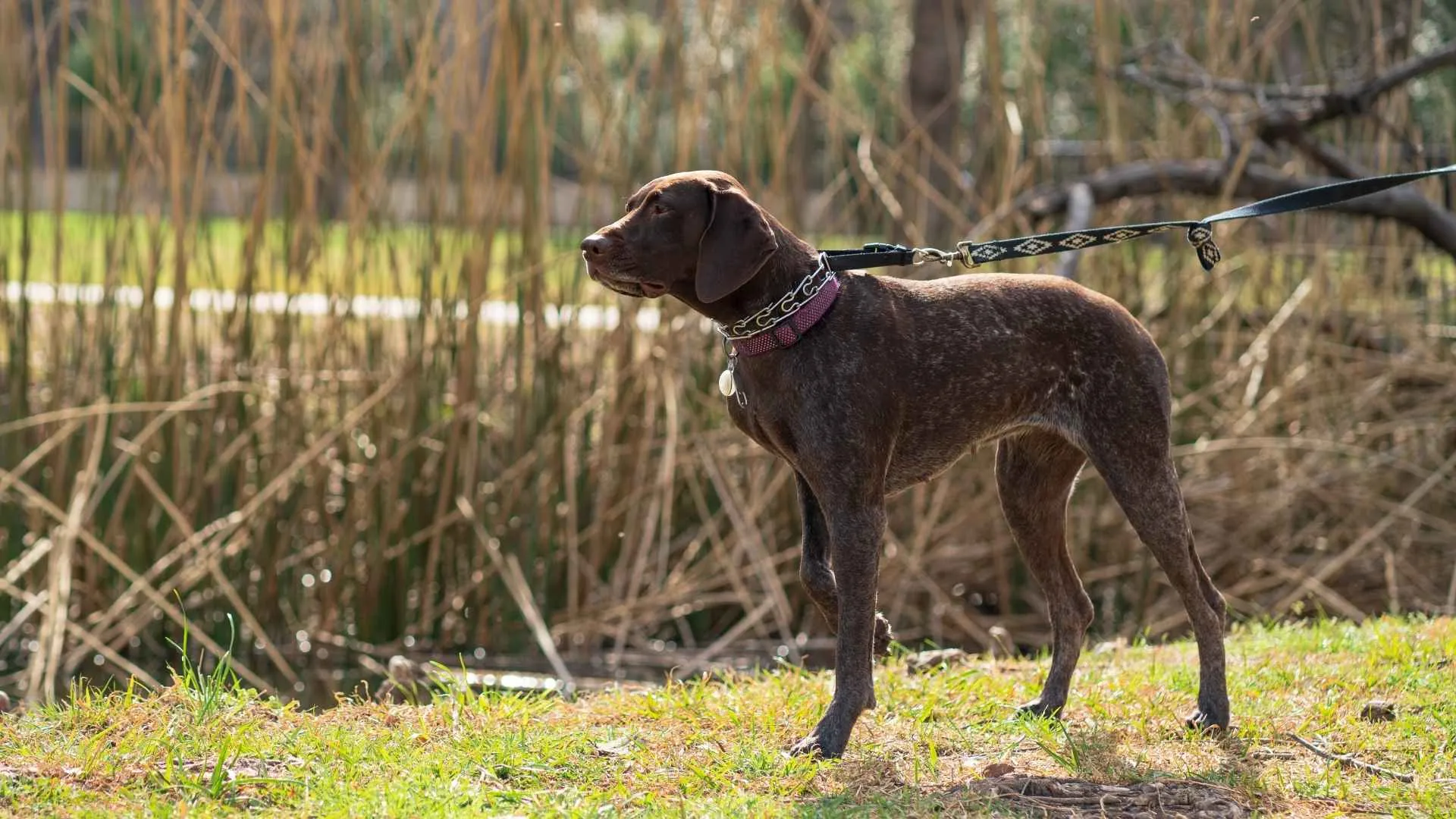
German Shorthaired Pointers were bred to hunt and retrieve game birds, making them natural companions for camping trips and outdoor adventures. Their athletic build and enthusiasm for exploring help them enjoy activities in open spaces.
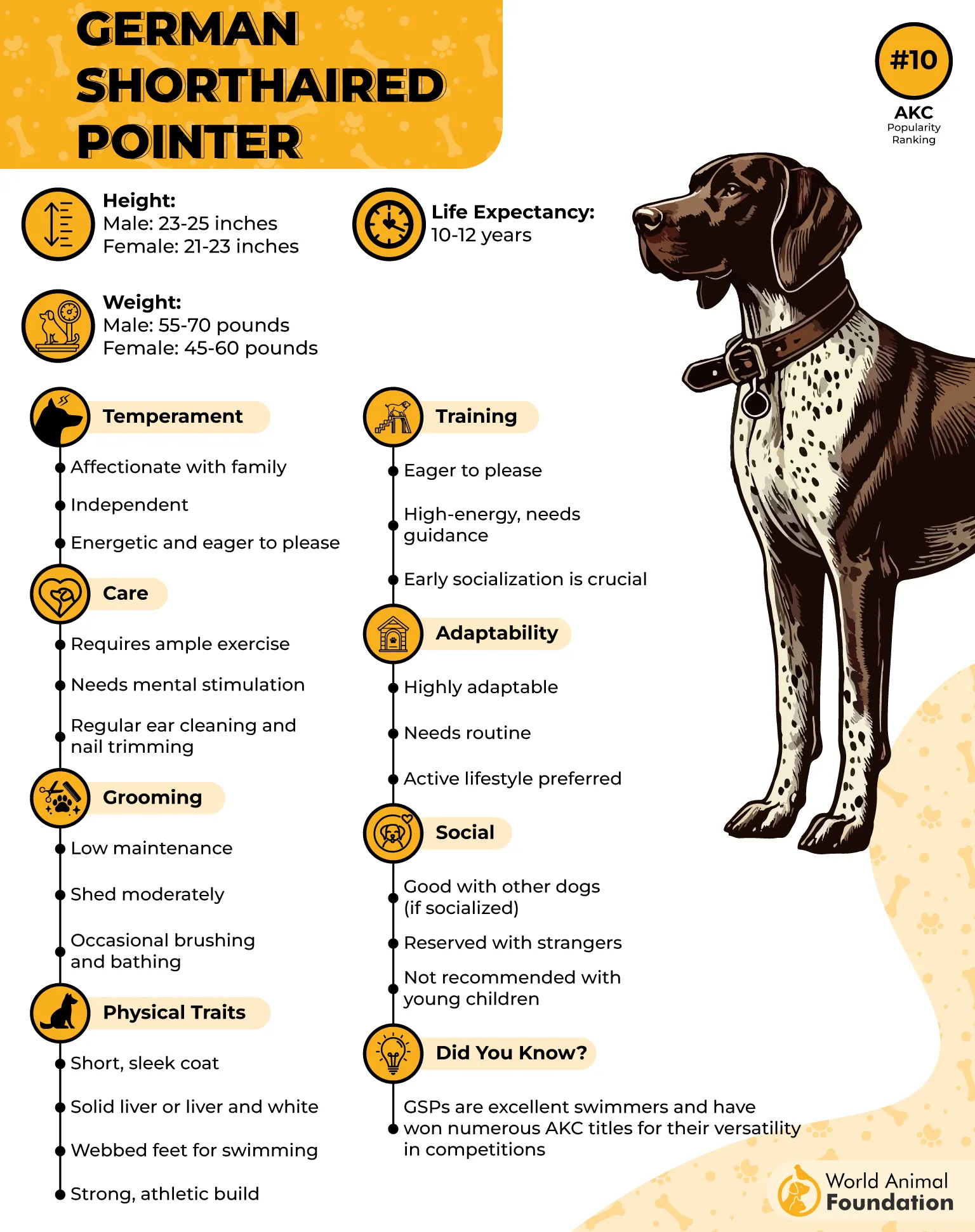
According to the AKC, these dogs thrive on physical activities such as running, swimming, and organized dog sports, especially when they can burn off their abundant energy while enjoying the outdoors with their owners.
Their intelligence and independent streak can make them eager trail companions, sometimes racing ahead to investigate before checking back with their people. Regular exercise and consistent training help channel their energy during outdoor outings.
How This Breed Stands Out
Versatile land-and-water adventurer: Enjoys activities ranging from trail exploration to swimming.
Strong stamina for long hikes: Thrives on extended outdoor adventures that keep both body and mind engaged.
2. Alaskan Malamute
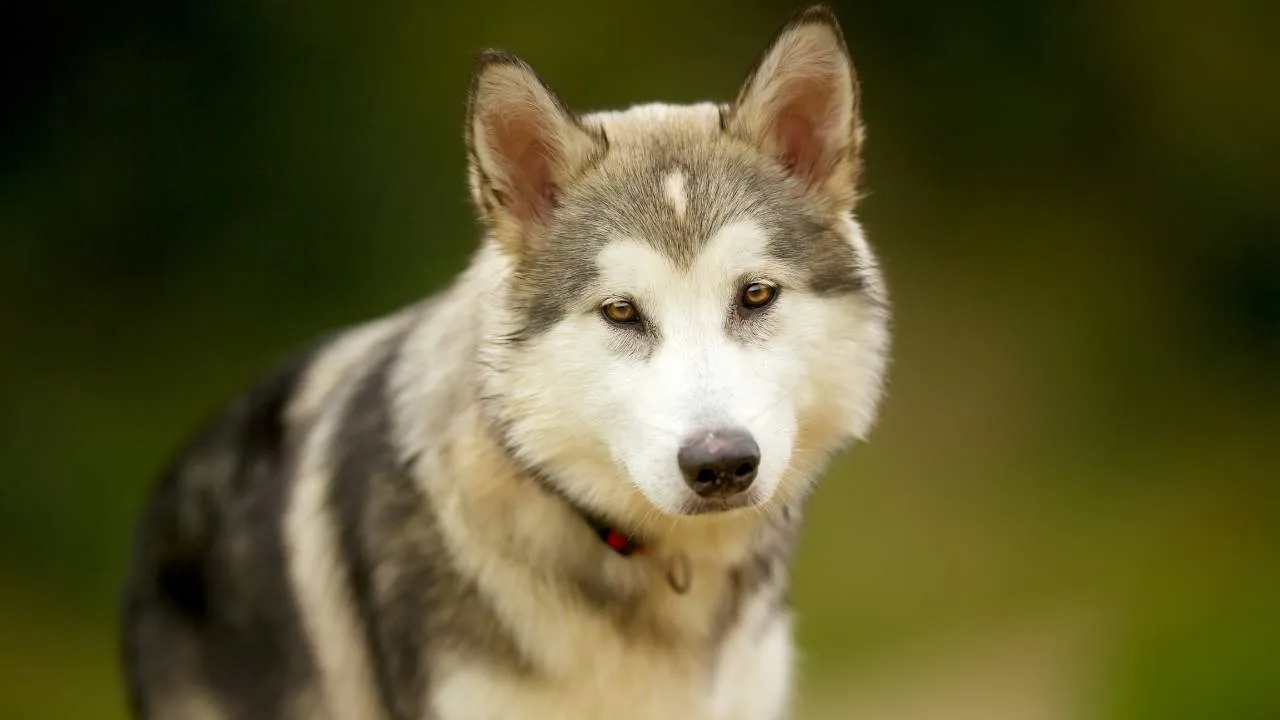
Bred in Alaska to haul heavy loads over long distances, the Alaskan Malamute is a powerful companion for rugged camping trips. Its strength and endurance make it well suited to challenging trails and extended outdoor adventures.
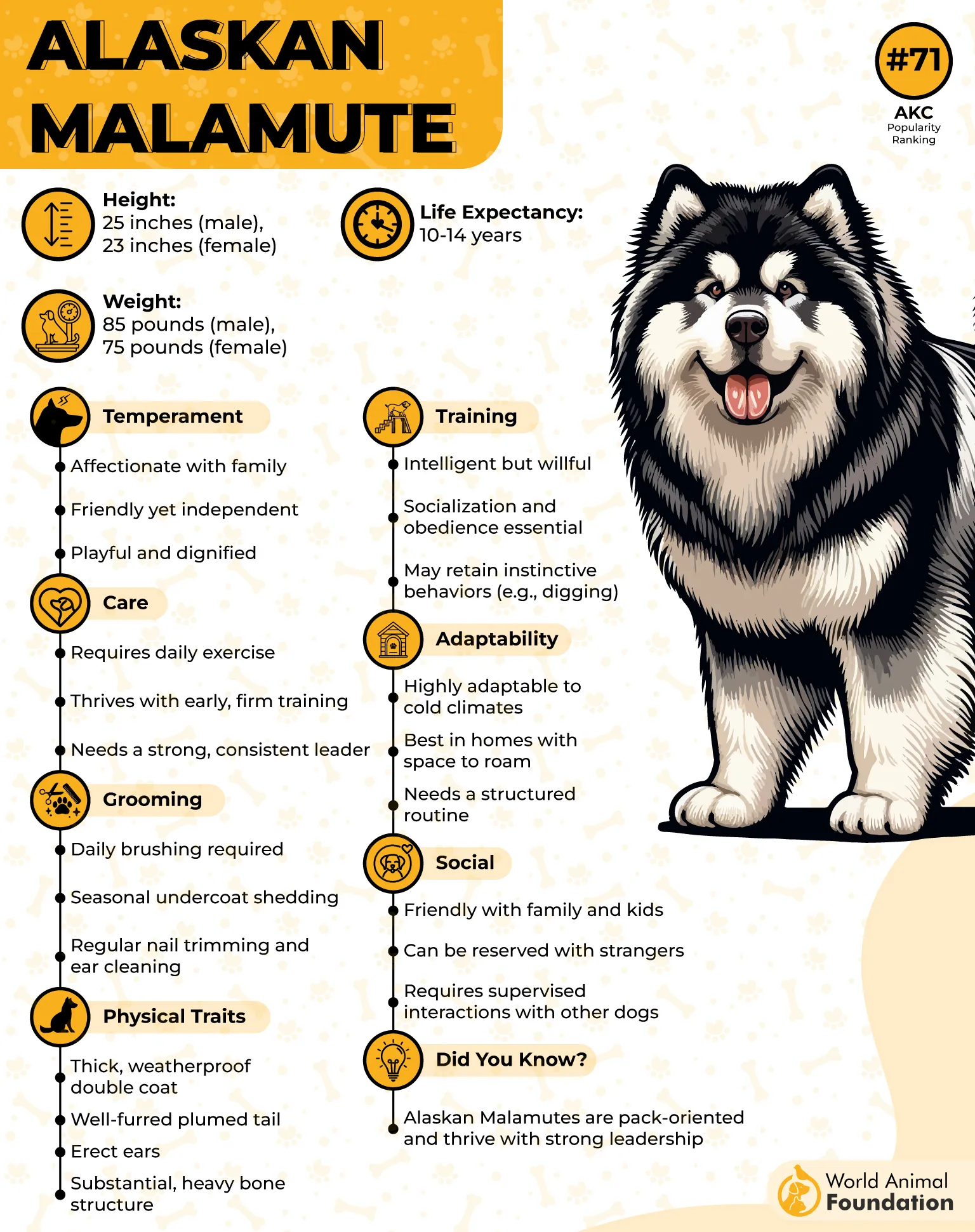
This intelligent, athletic breed enjoys exploring nature and staying active with its family. Although Malamutes learn quickly, their independent, strong-willed personalities mean consistent training is essential, especially when hiking in unfamiliar areas.
According to Royal Canin, Alaskan Malamutes are built for strength and endurance rather than speed. They are affectionate family dogs that enjoy bonding with everyone in the household instead of favoring just one person.
A thick, coarse double coat helps protect these dogs in cold weather, making them comfortable companions at chilly campsites. Their dense fur needs frequent brushing, particularly after outdoor excursions, to keep it in good condition.
How This Breed Stands Out
Powerful hauling ability on rugged trails: Originally bred to transport heavy loads, the Malamute has impressive strength and endurance.
Thick coat for chilly campsites: Its dense double coat provides insulation in cold conditions, making it better suited to cool-weather camping than hot climates.
3. Australian Shepherd
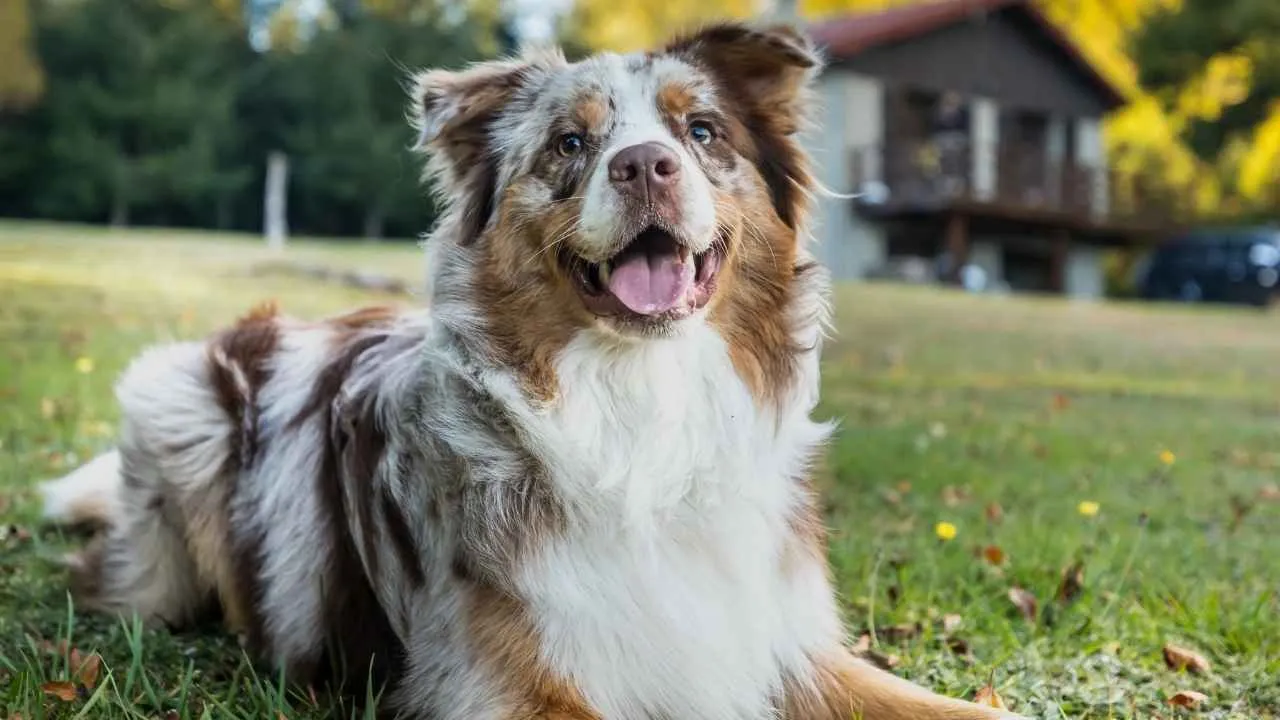
Australian Shepherds were developed as hardworking herding dogs, and their intelligence and athleticism make them exciting companions for camping trips. These agile dogs can navigate rocky paths, steep inclines, and uneven ground with impressive ease.
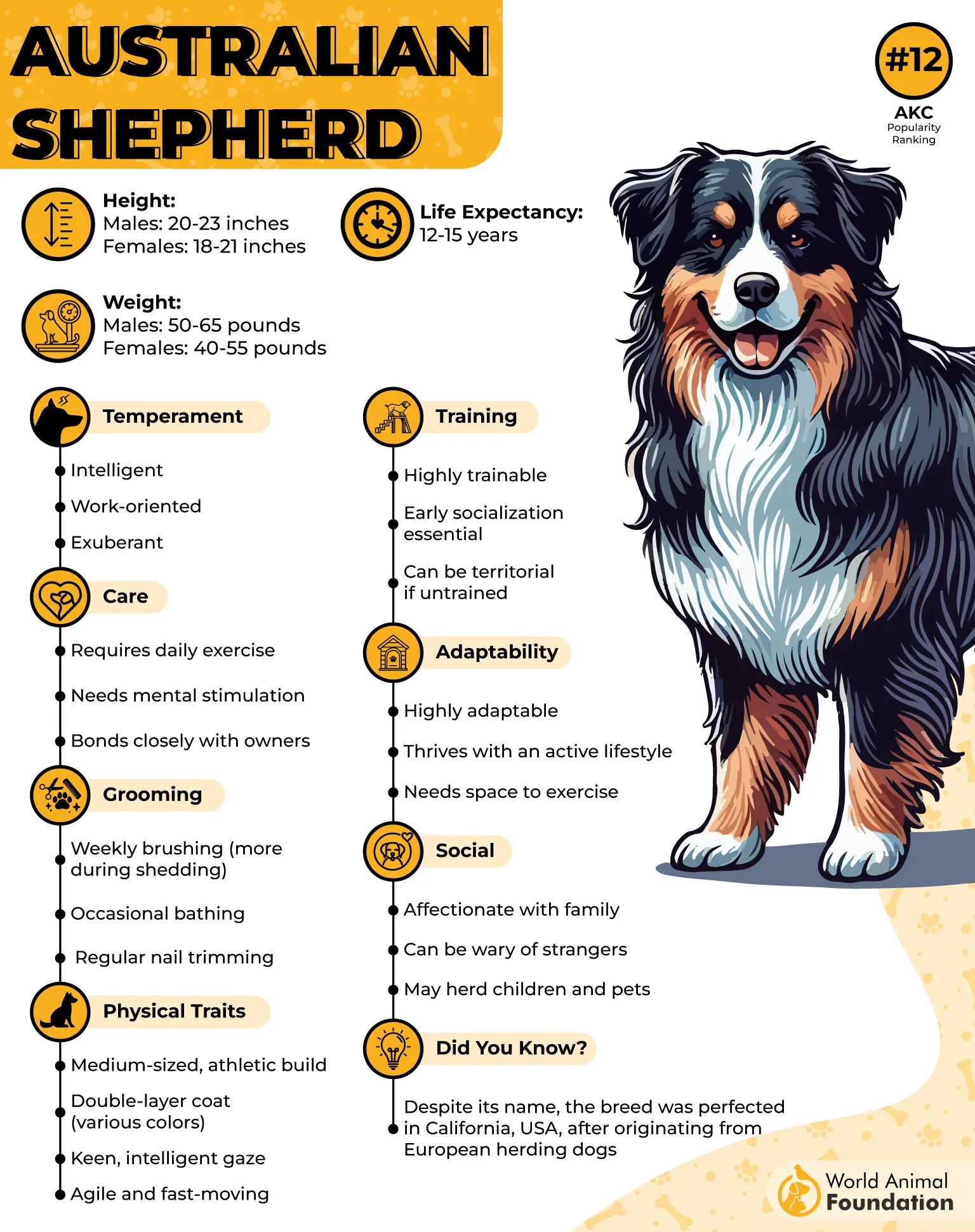
An Aussie thrives on active days filled with long hours of strenuous activity, including hiking, running, frisbee, and training games. Their quick minds need challenges alongside physical exercise, as boredom can lead to unwanted behavior.
A single hike now and then will not cut it for this breed’s energy level. Obedience training also helps manage their natural tendency to herd children or other animals along the trail.
These energetic dogs enjoy working alongside their owners and respond well to consistent guidance. Keeping them engaged with simple tasks and supervised outdoor activities makes camping more rewarding for both dog and owner.
How This Breed Stands Out
Agile navigation across uneven terrain: Their athletic build helps them move confidently over rocks and challenging hiking paths.
Quick-thinking outdoor problem-solving: Their intelligence helps them learn commands and respond to trail challenges when properly trained.
4. Rhodesian Ridgeback
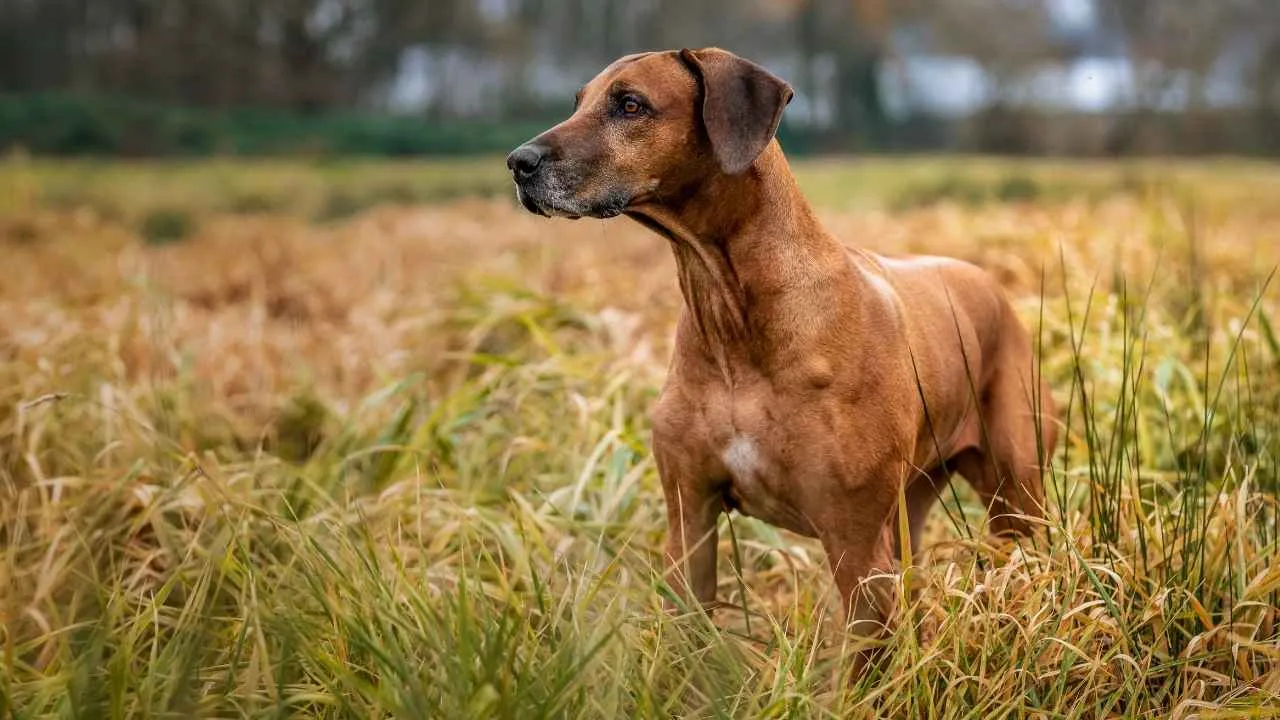
Originally developed in Southern Africa, the Rhodesian Ridgeback is a muscular, athletic dog with impressive stamina. Its history as a big-game hunter helped shape a confident, independent companion capable of handling demanding outdoor environments.
According to Omlet, activities such as agility, obedience training, and tracking help keep these dogs mentally stimulated and content.
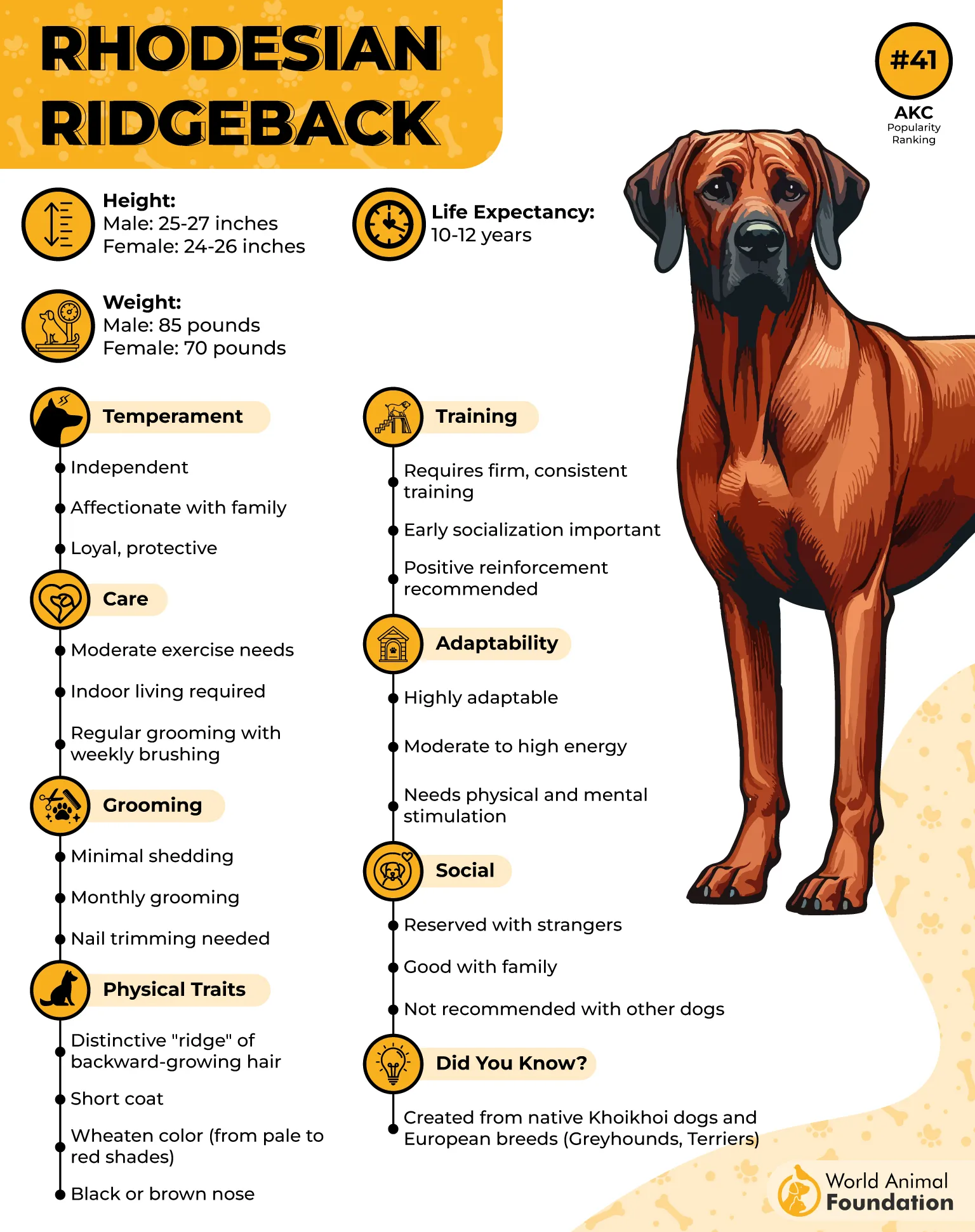
Long hikes, trail walks, and exploring open landscapes suit this breed’s active nature. Ridgebacks also tolerate heat relatively well, making them appealing partners for warm-weather adventures. However, their strong prey drive means owners should maintain control around wildlife and keep training consistent.
Despite their rugged appearance, these dogs benefit from mental enrichment as much as physical activity. When outdoor excursions are limited, interactive games and structured exercise can help satisfy their need for engagement.
How This Breed Stands Out
Heat-tolerant athletic build: Its muscular physique and African origins suit active outings in warmer conditions, with access to shade and water.
Distinctive ridge of backward-growing hair: A striking strip of hair along its back grows in the opposite direction from the surrounding coat.
5. Siberian Husky
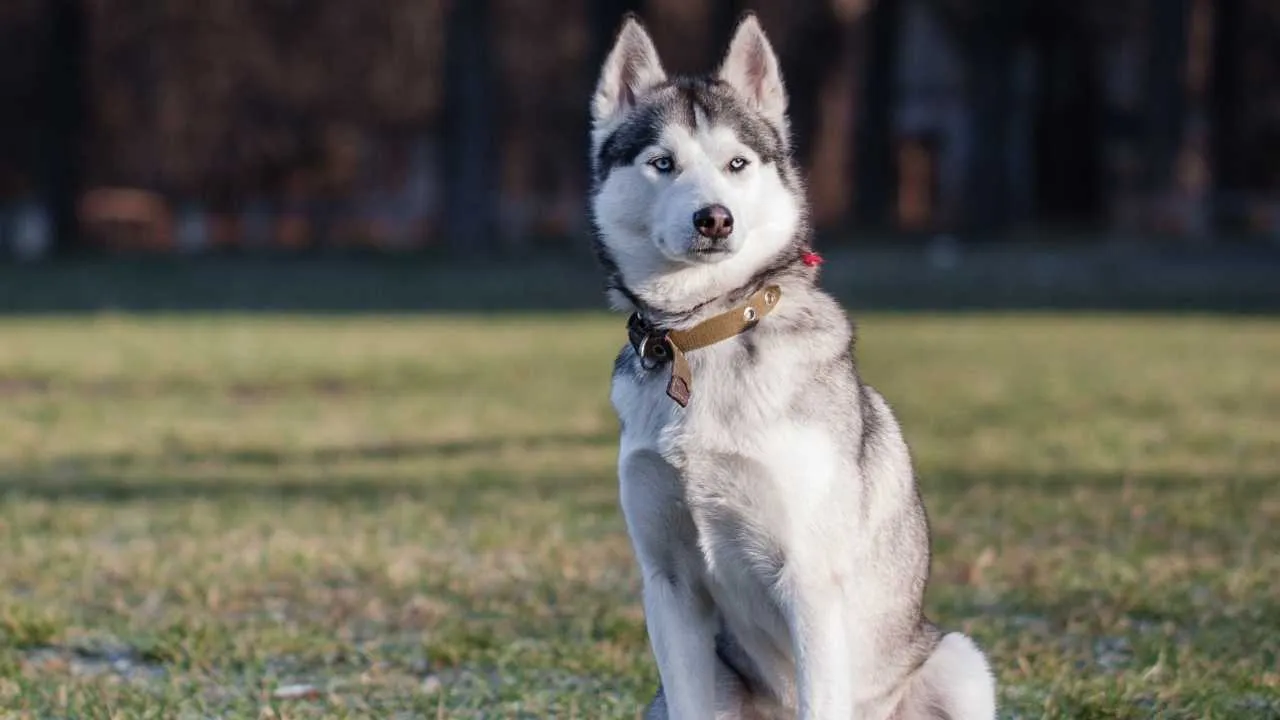
Few breeds are better suited to snowy camping trips than the Siberian Husky. Bred to pull sleds across frozen landscapes, these sturdy dogs combine remarkable endurance with a natural ability to travel through cold, challenging conditions.
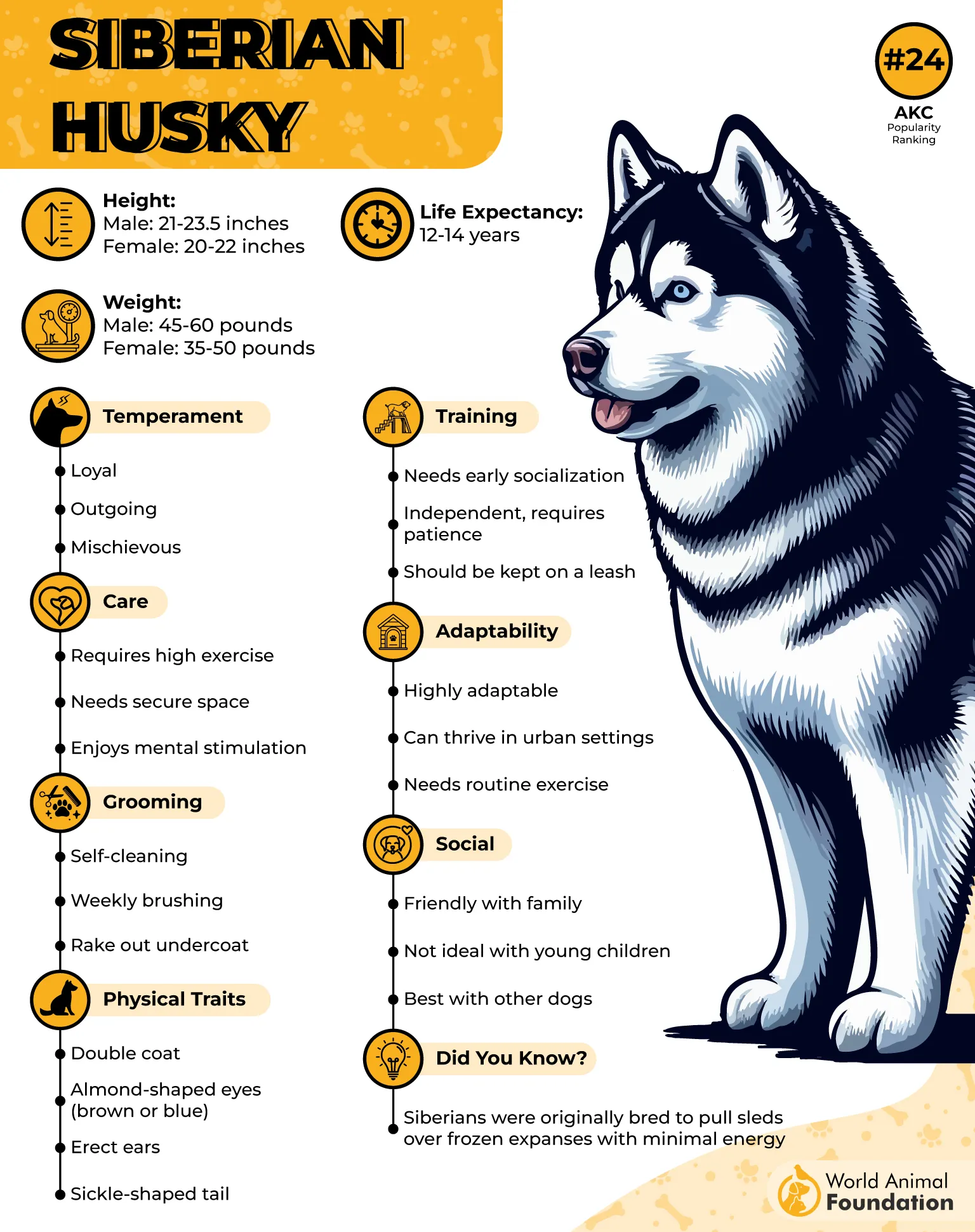
Huskies thrive on vigorous daily exercise, from long-distance hikes and trail runs to multi-day treks. Their thick double coats provide insulation in chilly weather, while their strength makes them capable partners on demanding outdoor adventures.
Curious and energetic, they enjoy exploring wide-open spaces and working alongside their owners. However, their dense coats make hot weather difficult, so summer outings require extra care, shade, and plenty of water. Consistent exercise and mental stimulation are essential, even when living in smaller spaces.
How This Breed Stands Out
Exceptional endurance on long-distance trails: Their working heritage helps them sustain activity over extended journeys.
Natural talent for snowy expeditions: A thick insulating coat and experience-shaped abilities make cold-weather adventures a natural fit.
6. Bernese Mountain Dog
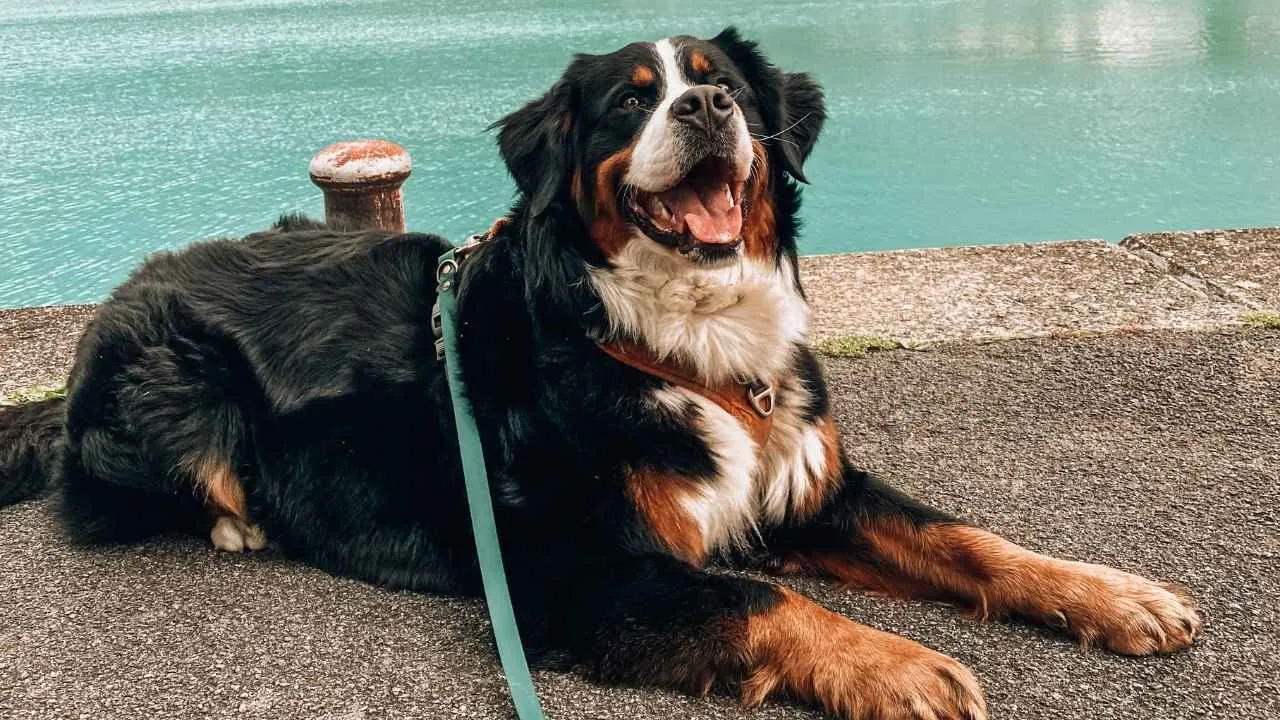
Originally bred for farm work in the Swiss Alps, the Bernese Mountain Dog has a sturdy frame and a gentle, good-natured temperament. Its working heritage makes it comfortable exploring mountain landscapes alongside its family.
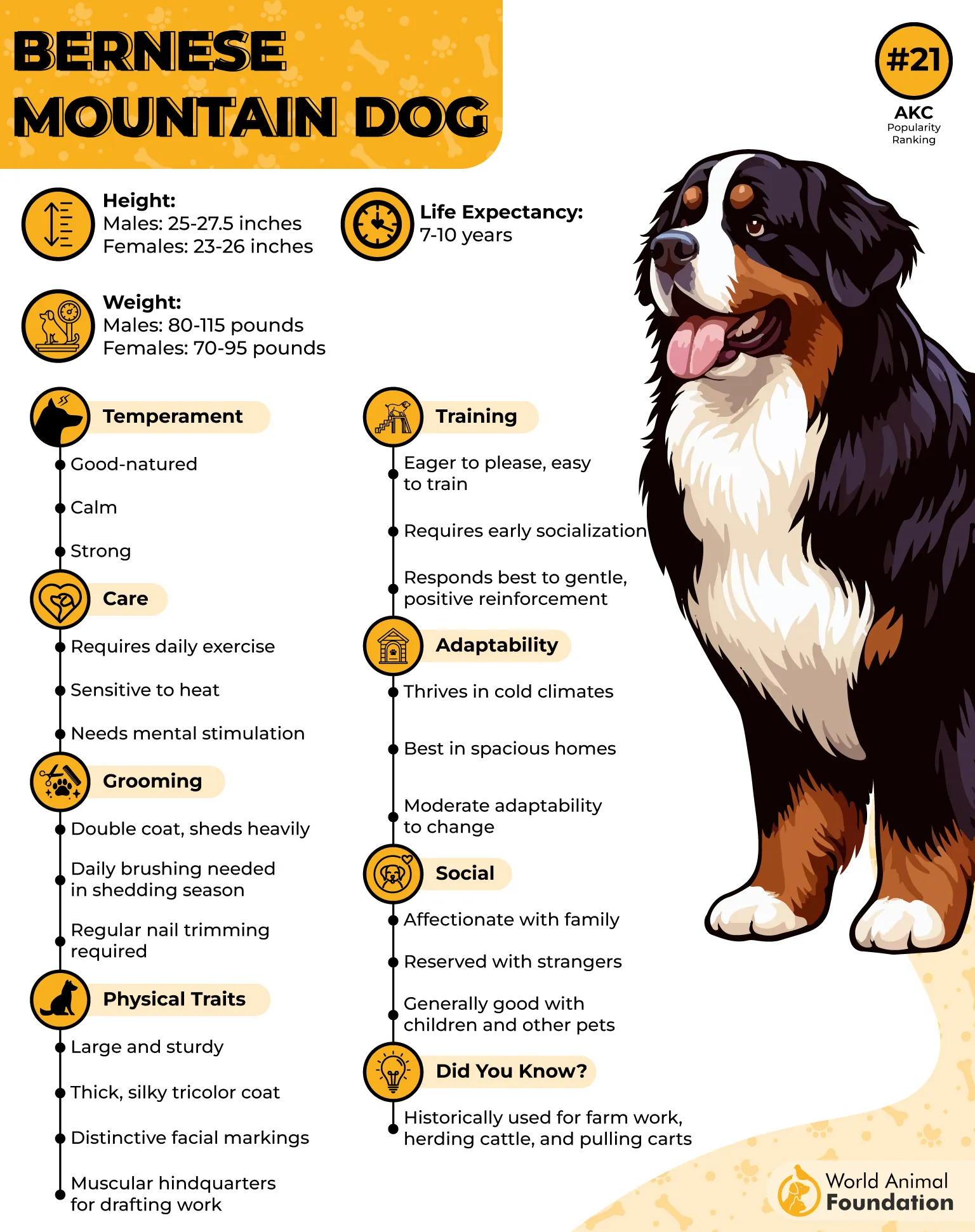
These dogs enjoy leisurely hikes, scenic trail walks, and playful breaks in the snow. Although they may not have the endurance of more energetic breeds, moderate outdoor activities provide worthwhile exercise without pushing them too hard.
Their thick double coat offers protection in chilly conditions, making them better suited to cool-weather camping than hot climates. With patient training and supervision, Bernese Mountain Dogs can become well-mannered hiking companions who enjoy staying close to their owners.
How This Breed Stands Out
Sturdy build rooted in Alpine farm work: Their strength reflects generations of working in mountainous farmingenvironments.
Calm companion for cool mountain camps: Their affectionate nature and insulating coat suit relaxed outings in crisp weather.
7. Vizsla
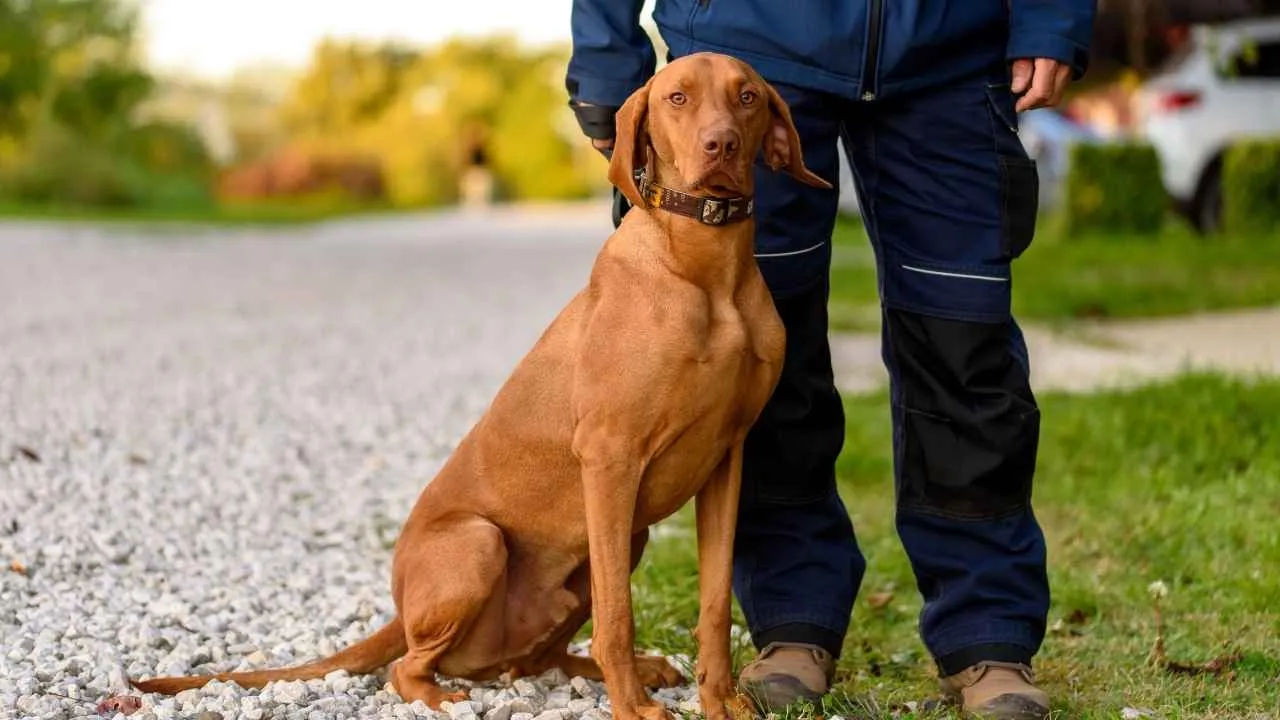
The Vizsla is a sleek, athletic hunting dog originally developed in Hungary, and one of the more energetic athletic dogs on this list. Its lightweight build and natural agility make it well suited to exploring woodland trails, running through open landscapes, and joining active camping trips.
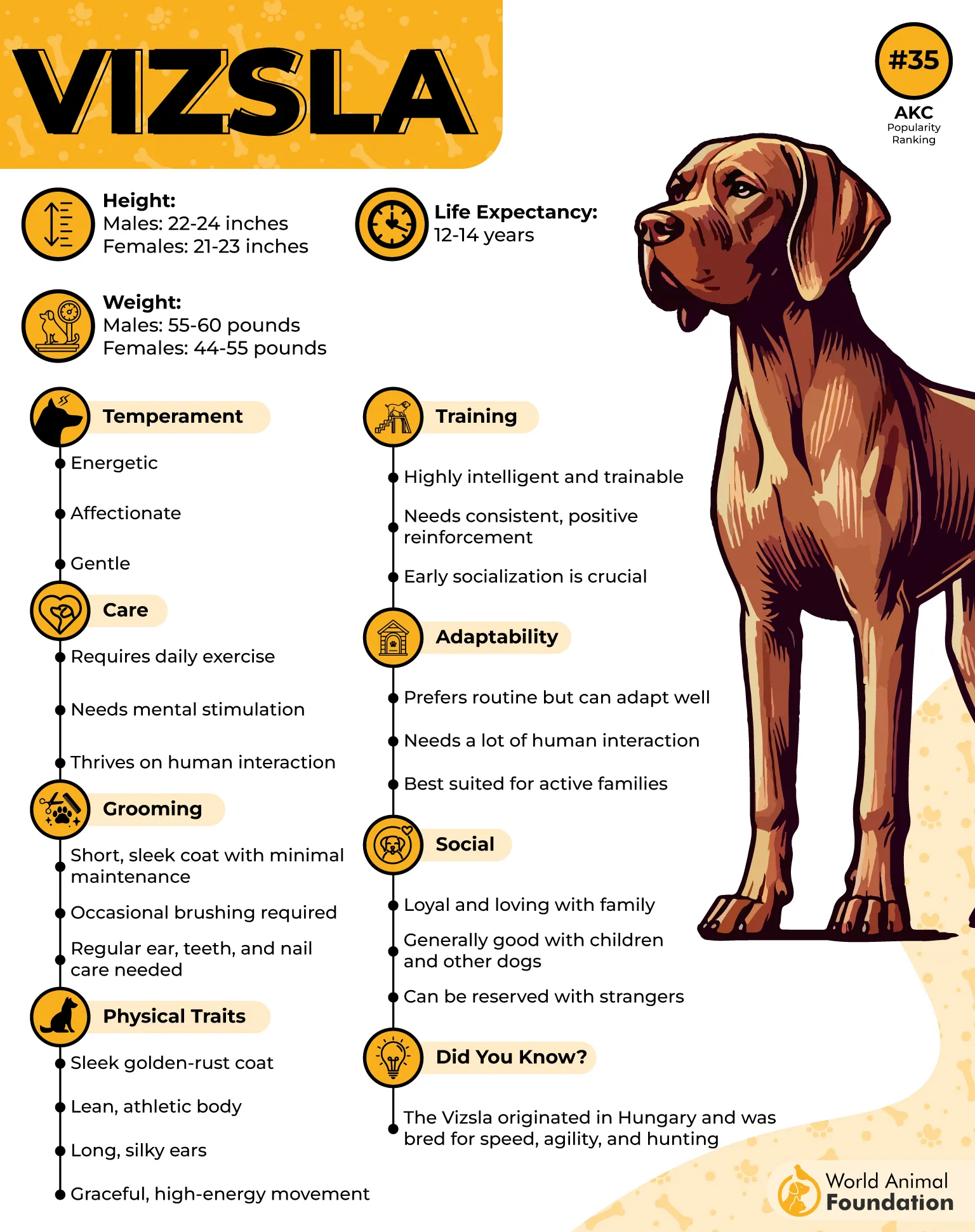
With impressive stamina, this energetic breed can keep pace during long hikes and enjoys swimming when conditions are suitable. Vizslas are also deeply attached to their families, and many love staying close to their people throughout outdoor adventures.
Their short coat offers little protection against chilly weather, so bring a warm blanket when camping in cooler conditions. These affectionate dogs thrive on companionship and regular activity, making them best suited to owners looking for an affectionate adventure dog rather than a low-key camping companion.
How This Breed Stands Out
Close-bonded hiking companion: Vizslas form strong attachments and enjoy staying near their people on the trail.
Lean physique suited to sustained running: Their athletic, lightweight build supports energetic outings and extended exercise.
8. Australian Cattle Dog
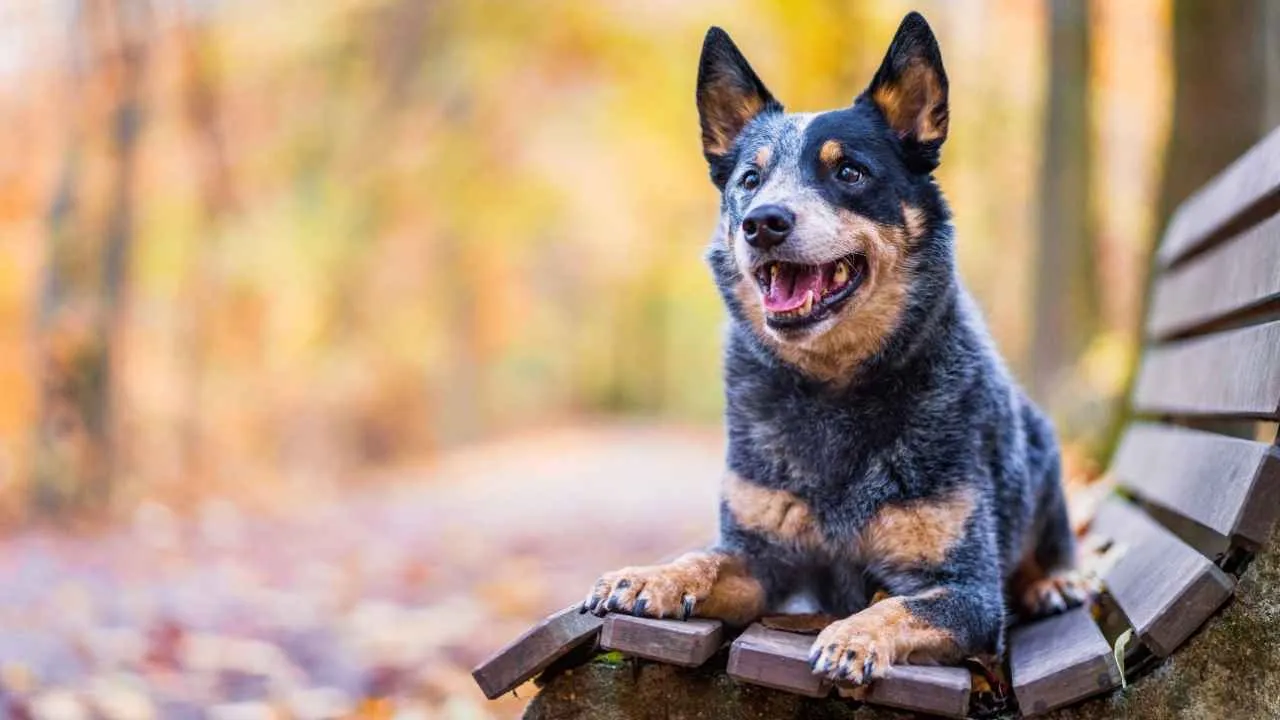
Developed in Australia to drive cattle across vast, rugged landscapes, the Australian Cattle Dog is a tough, determined companion for adventurous campers. Its muscular build and sure-footed movement help it tackle rocky trails and challenging terrain.
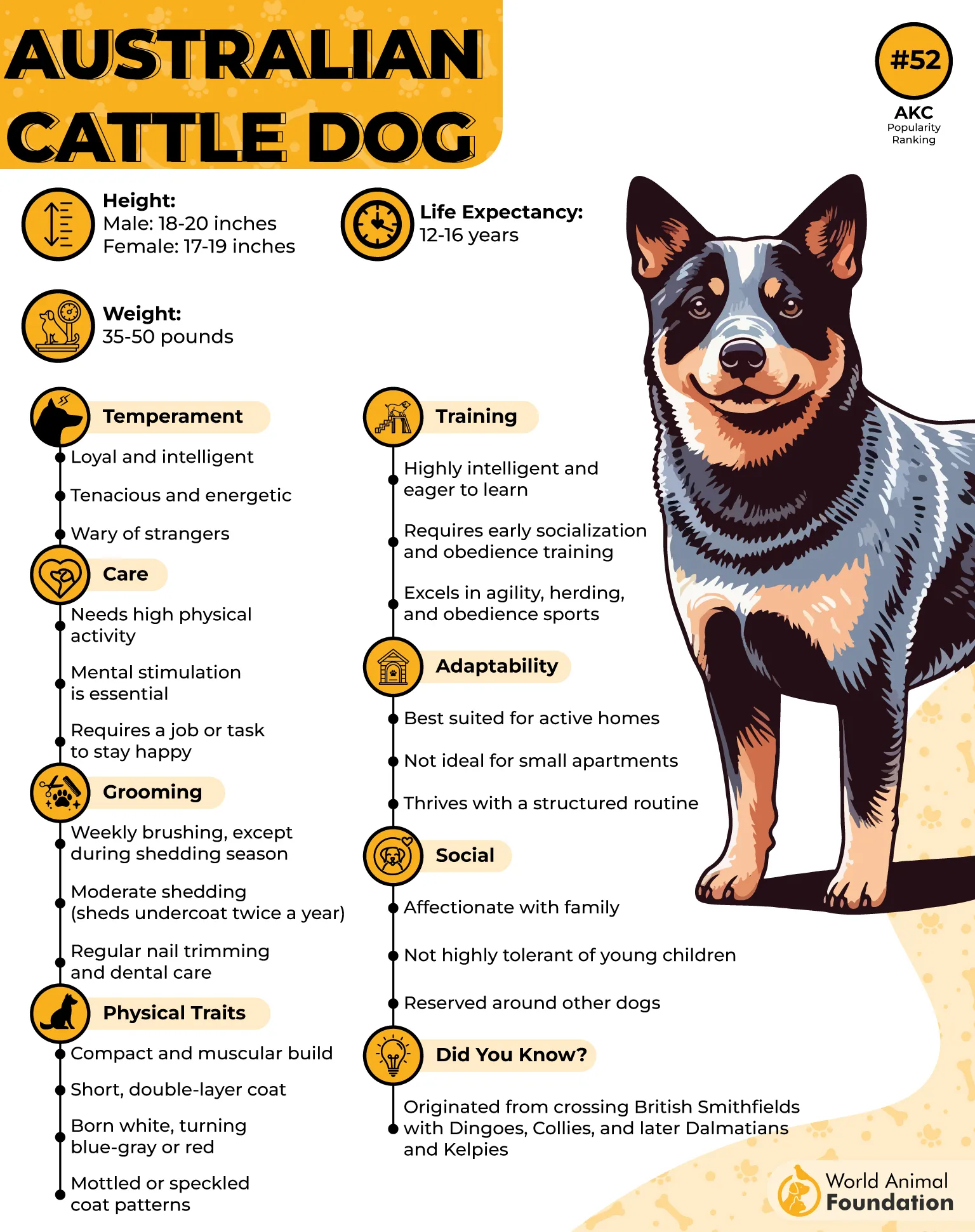
Known for exceptional stamina and intelligence, this energetic breed thrives on long hikes and demanding outdoor activities. It enjoys having a job to do, while trail obstacles and training games provide valuable mental challenges. Its alert, protective nature also makes it attentive to its surroundings.
Australian Cattle Dogs form strong bonds with their families but need consistent, positive training. Their natural herding instincts can lead to ankle-nipping, so teaching appropriate behavior around fellow hikers is important. Their short coat is relatively easy to maintain with occasional brushing.
How This Breed Stands Out
Sure-footed agility over rocky ground: Its working heritage helps it navigate uneven trails confidently.
Tireless energy for demanding outdoor activities: High stamina makes it a strong match for long hikes and active camping days.
9. Border Collie
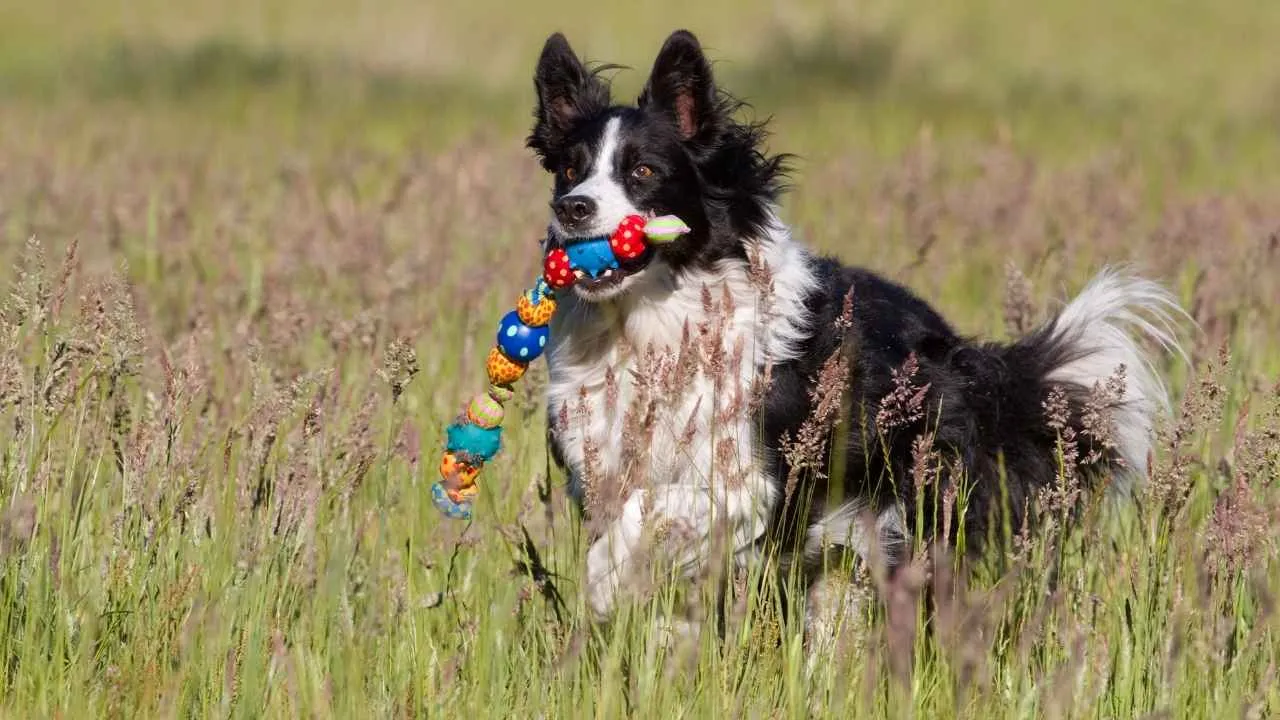
Renowned for its intelligence and tireless work ethic, the Border Collie makes an excellent partner for hikers who enjoy challenging outdoor adventures. Its agility and quick reflexes help it navigate rocky paths, steep slopes, and uneven ground with confidence.
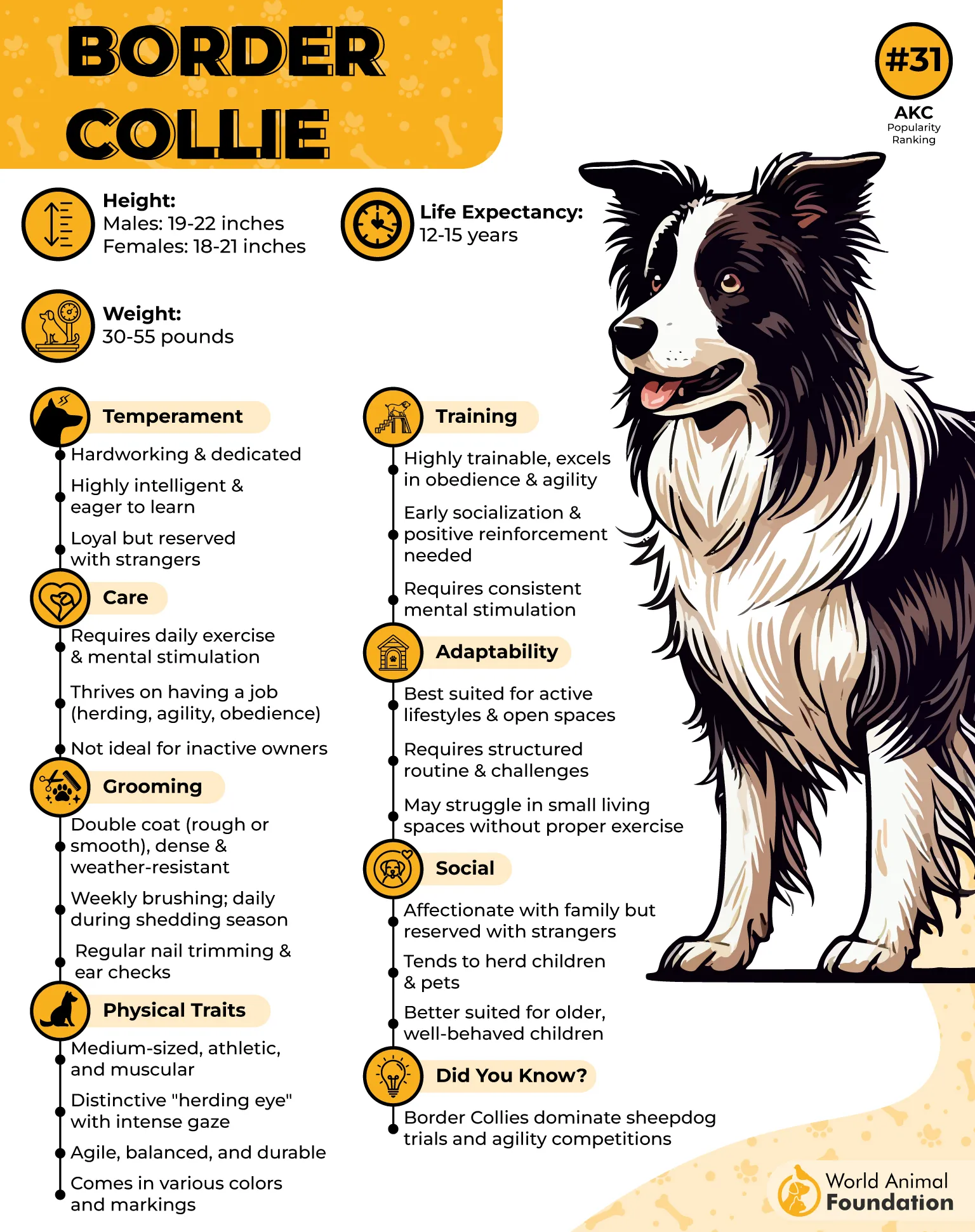
Long hikes, trail running, and frisbee sessions provide welcome outlets for this energetic breed. Border Collies also enjoy tasks that challenge their minds, so training games and problem-solving activities can make camping trips more engaging.
Although generally responsive to recall training, these herding dogs may try to round up livestock or other animals they encounter. Keeping them leashed around cattle and reinforcing reliable commands helps maintain control on busy trails.
How This Breed Stands Out
Exceptional problem-solving on trail adventures: Its sharp intelligence helps it learn commands and respond to changing situations.
Nimble movement through natural obstacles: Athleticism and quick reflexes support confident navigation across varied terrain.
Conclusion
Camping with a dog can make outdoor adventures more enjoyable, especially when you choose a breed that matches your activity level and travel style. Some dogs thrive on challenging hikes, while others prefer relaxed walks and peaceful surroundings.
Energetic breeds such as the Australian Cattle Dog, Border Collie, and German Shorthaired Pointer enjoy physical challenges and mental stimulation. Their athletic abilities make them appealing companions for exploring trails and open landscapes.
For colder adventures, the Alaskan Malamute, Siberian Husky, and Bernese Mountain Dog are well suited to chilly conditions, while the Vizsla and Rhodesian Ridgeback bring athleticism to active outings.
Whatever breed you choose, consider its temperament, exercise needs, and weather tolerance. With suitable training, preparation, and care, your camping companion can enjoy the journey as much as you do.
