





Imagine hearing an unexpected knock at your apartment door. Before you even get up to check, a pair of alert ears has already picked up the sound. That is part of the comfort a watchful dog can bring to your home. And no, you do not need a sprawling house or a giant guard dog to enjoy that feeling.
Some smaller breeds are surprisingly bold, while certain larger dogs can adapt to apartment life when their exercise and training needs are met. The trick is finding a companion whose protective instincts fit your space and lifestyle. Of course, being watchful is only one part of the picture.
A good apartment dog also needs to learn when to bark, how to behave around visitors, and how to stay calm amid everyday building noise. From confident watchdogs to devoted family companions, these seven protective dog breeds offer different qualities to consider before welcoming one home.
Protective dogs can provide companionship and alertness, even in smaller apartment spaces.
Intelligent, loyal dogs need consistent training and daily exercise to thrive indoors.
Small dogs can make effective watchdogs through their bold personalities and alert barking.
Trainable, attentive breeds can adapt well to apartment living with proper care.
Protective instincts work best when paired with early socialisation and positive training.
- Must‑Know Protective Dog Breeds Ideal for Apartment Living
Must‑Know Protective Dog Breeds Ideal for Apartment Living
1. Doberman Pinscher
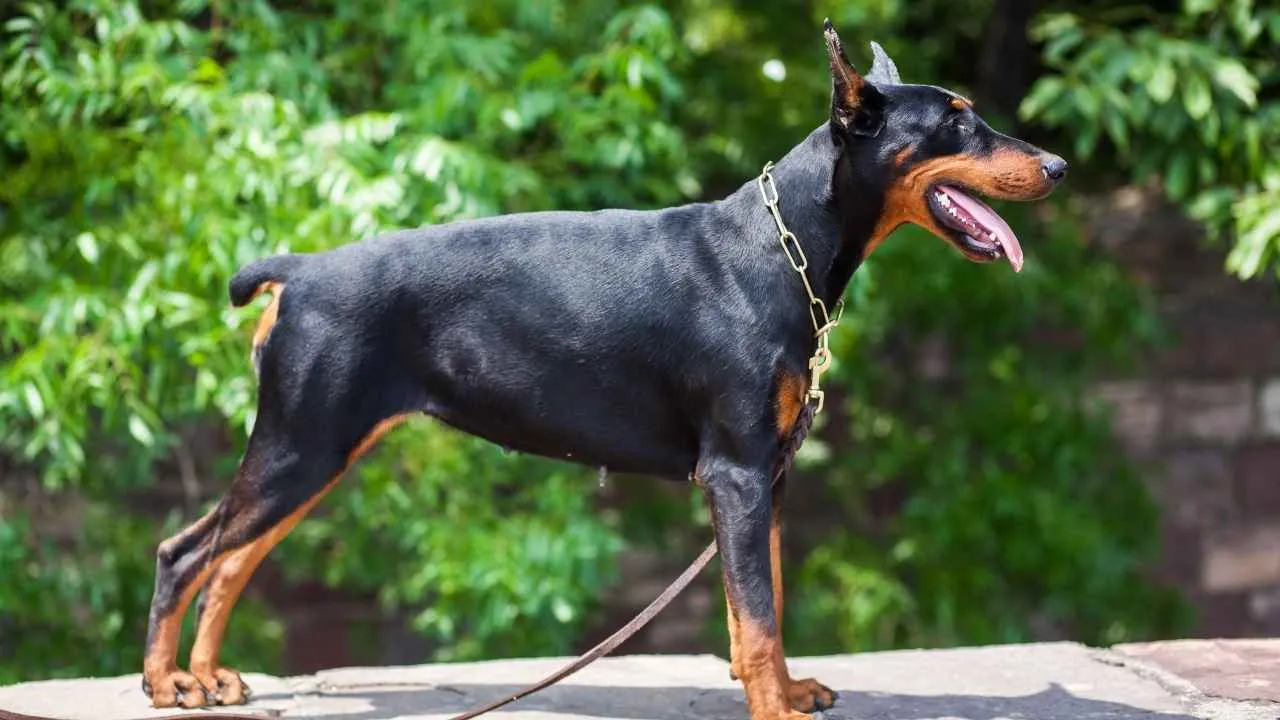
The Doberman Pinscher combines an elegant appearance, sharp intelligence, and an instinct to protect its family.
With its muscular build, alert expression, and confident movements, this breed can make an imposing presence even in an apartment setting.
Dobermans are quick learners who respond well to consistent obedience training, making early socialisation essential for raising a calm, well-mannered companion.
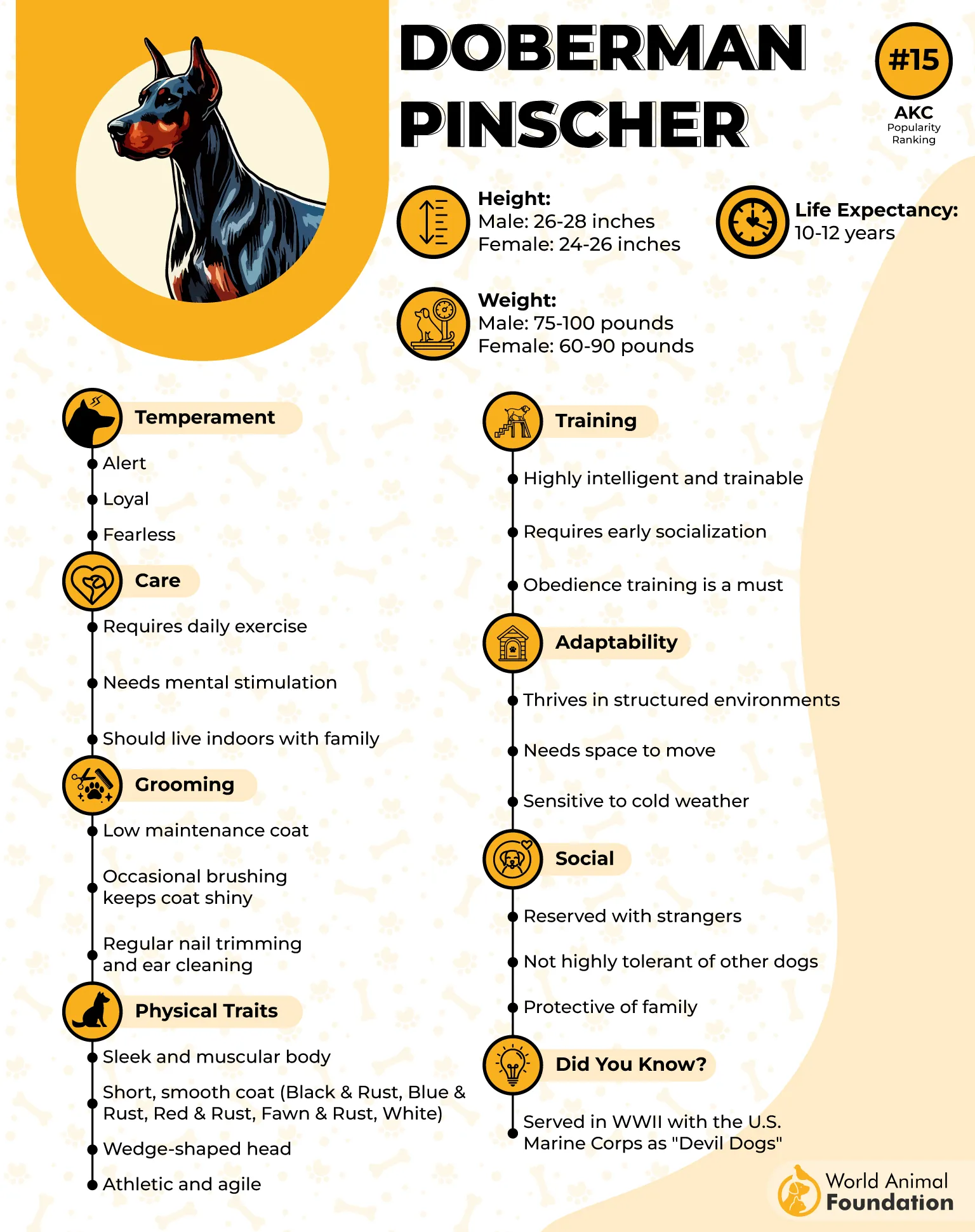
Despite their reputation as fearless guardians, they are affectionate dogs that thrive when living indoors with their families. However, apartment life requires commitment.
Dobermans are energetic athletes who need daily walks, active play, and mental challenges to stay physically fit and emotionally balanced, according to the American Kennel Club. Their short coats are relatively easy to maintain, requiring regular brushing, nail trimming, and dental care.
Prospective owners should also understand the breed’s potential health concerns and choose responsible breeders who conduct appropriate health screenings. With proper training, exercise, and companionship, a Doberman can offer both devoted friendship and a reassuring sense of security.
2. Chow Chow
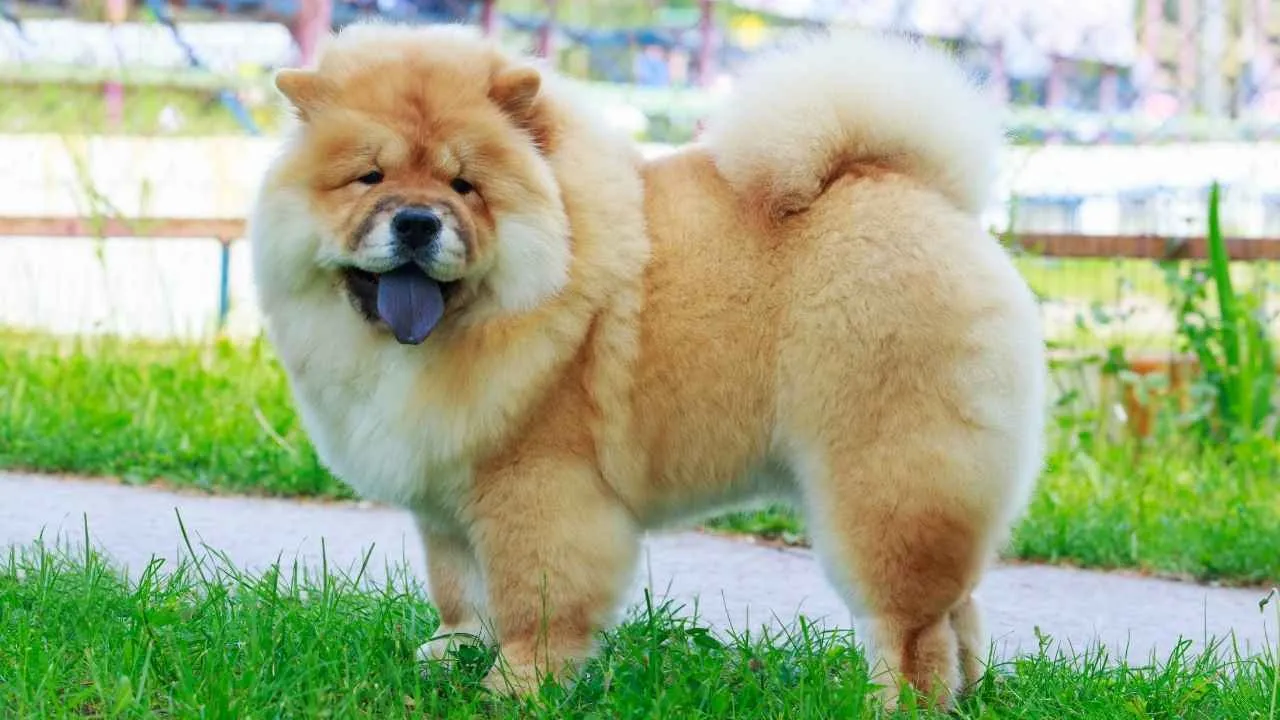
The Chow Chow may look like a fluffy teddy bear, but beneath its thick coat lies a dignified dog with a naturally watchful personality.
Originally from China, this medium-to-large breed is known for its loyalty, intelligence, and reserved attitude toward strangers.
These qualities can make it a reassuring companion for apartment dwellers seeking a dog that stays alert to unfamiliar people without constantly demanding attention.
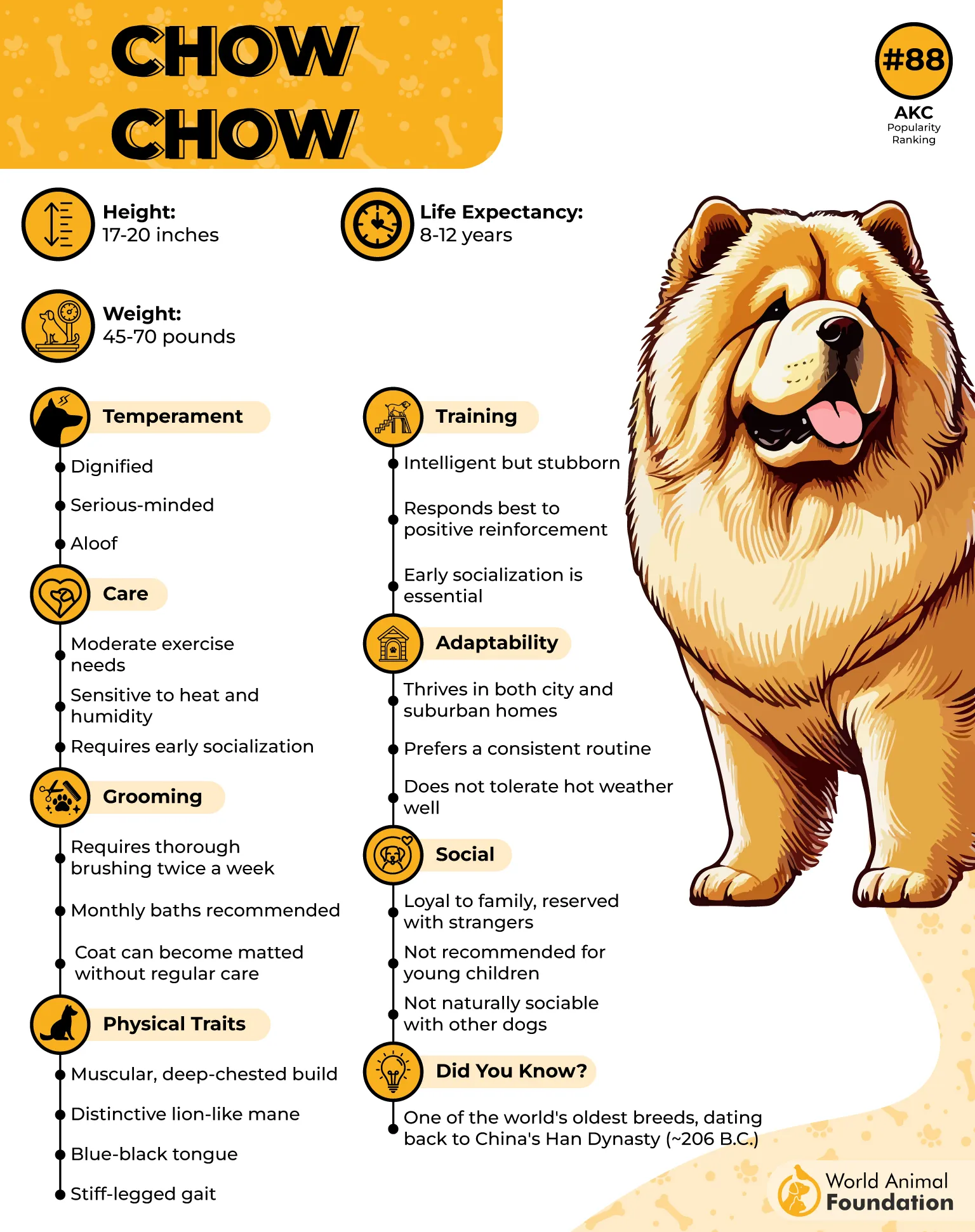
Chow Chows often prefer observing their surroundings before deciding whether to welcome someone, giving them a natural watchdog instinct.
Their relatively moderate exercise needs can suit apartment living, with daily walks and playtime helping them stay healthy. However, early socialisation is important to help them become comfortable around visitors, children, and other pets.
Their independent nature also calls for patience and consistency during training. With their calm presence and devoted nature, Chow Chows can adapt to apartment life when given proper care, regular grooming, and a loving indoor environment.
3. Rottweiler
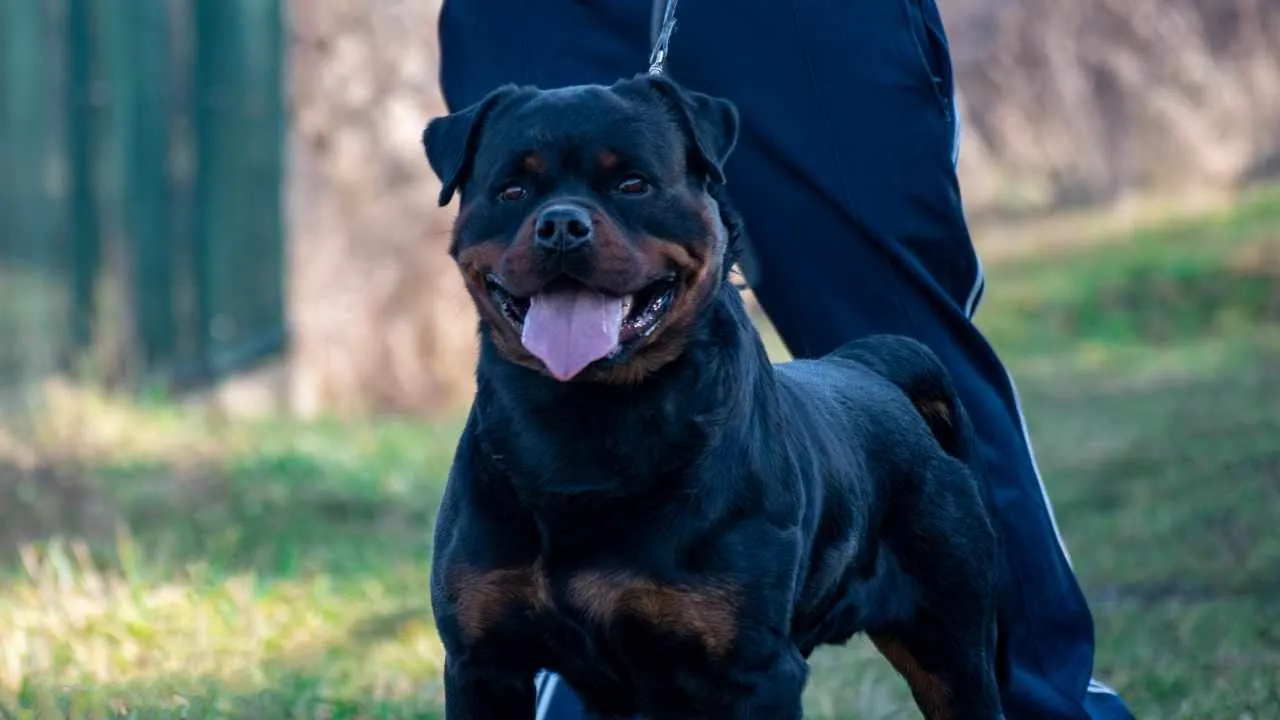
A Rottweiler may look intimidating at first glance, but behind its powerful build is a deeply loyal dog that can form strong bonds with its family.
Originally bred for herding and guarding, this confident breed has natural protective instincts and stays alert to unfamiliar people and activity.
These qualities can make it a reassuring companion for apartment dwellers, provided its needs are taken seriously.
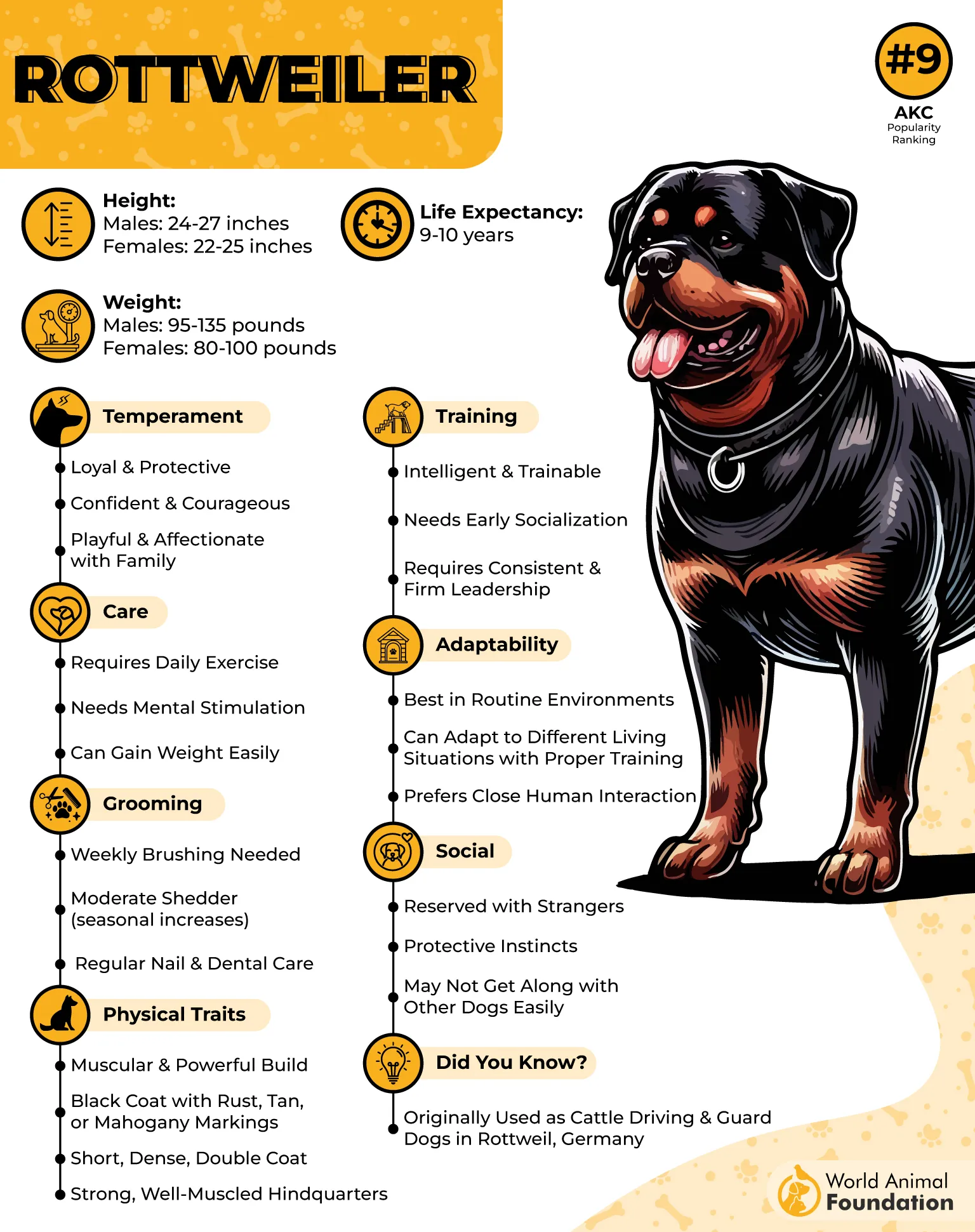
Rottweilers are intelligent and respond well to consistent, reward-based training, while early socialisation helps them become calm and manageable around visitors and other pets.
These active dogs need around two hours of daily exercise, along with mental stimulation and regular training, as stated by VCA Canada Animal Hospitals.
Their short coats are relatively easy to maintain with weekly brushing. Because of their size and strength, Rottweilers are generally better suited to experienced owners who can provide structure and supervision. With responsible handling and proper care, they can become devoted companions and dependable watchdogs.
4. American Staffordshire Terrier
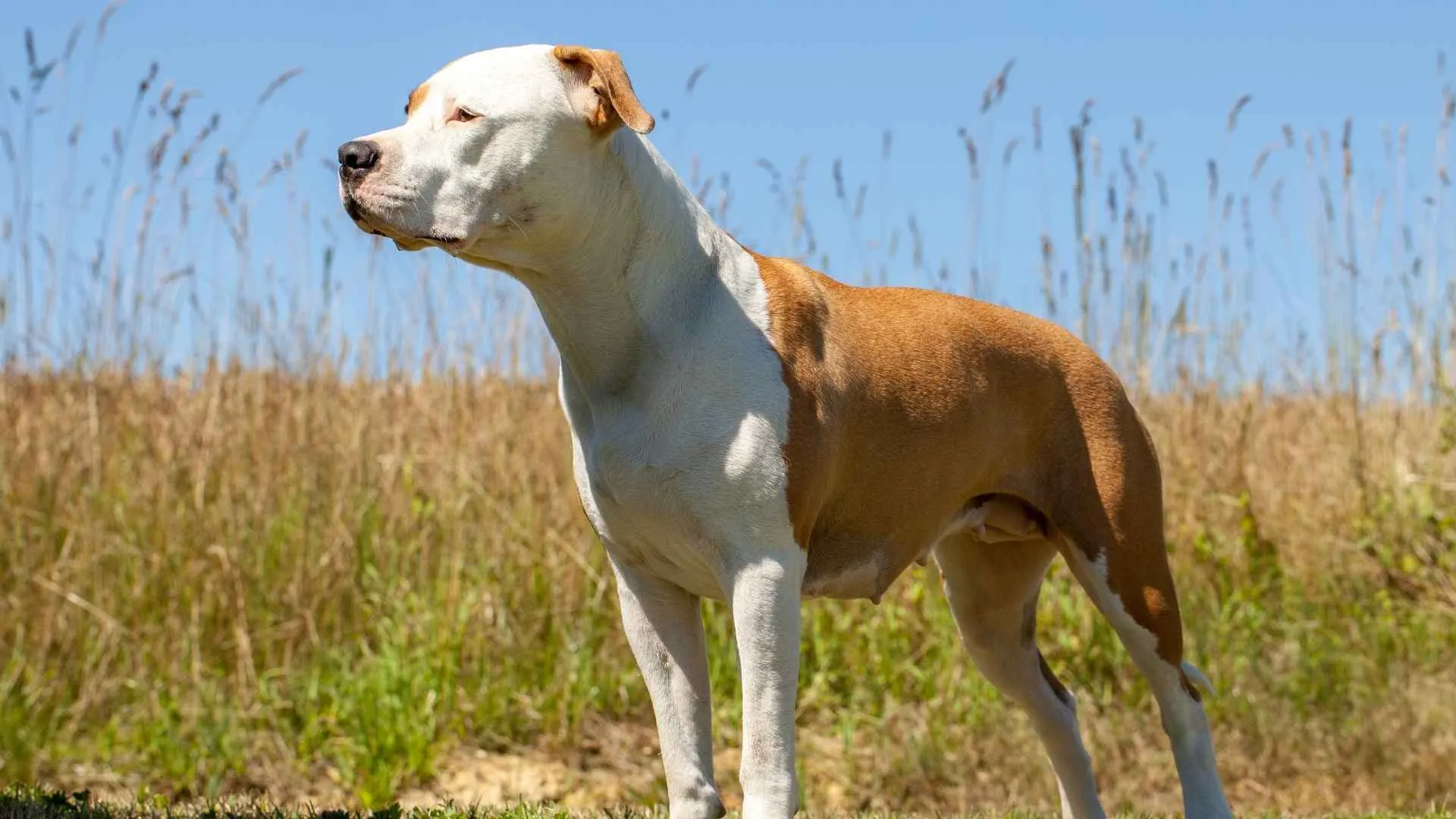
The American Staffordshire Terrier, often called the Amstaff, is a muscular, confident dog whose affectionate nature can be surprising to those who judge it by appearance alone.
Loyal to its family, this breed is naturally alert and may bark to let its owners know when someone approaches the door, making it a potential watchdog for apartment living.
Despite its strong build, the Amstaff enjoys companionship and prefers spending time indoors with its people rather than being left alone for long periods.
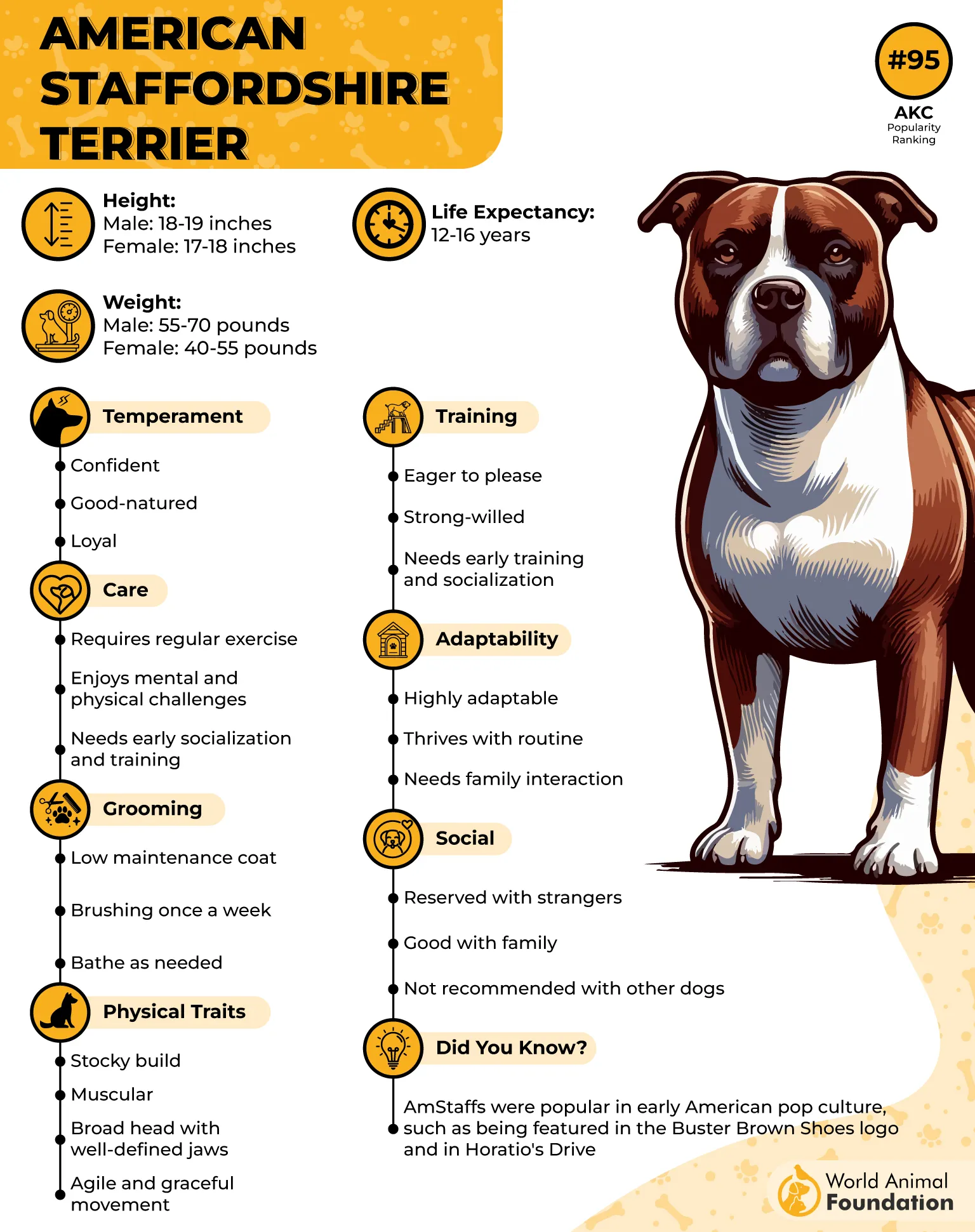
However, apartment life requires an active, committed owner. Daily walks, interactive games, and mental challenges help keep this energetic dog content and reduce destructive behaviour caused by boredom.
Early socialisation and consistent, reward-based training are essential to develop good manners and manage its strength. Weekly brushing keeps its short coat in good condition.
Before adopting, check apartment rules and local regulations, as some landlords or areas may restrict this breed. With responsible care, an Amstaff can become a loving, watchful companion.
5. German Shepherd
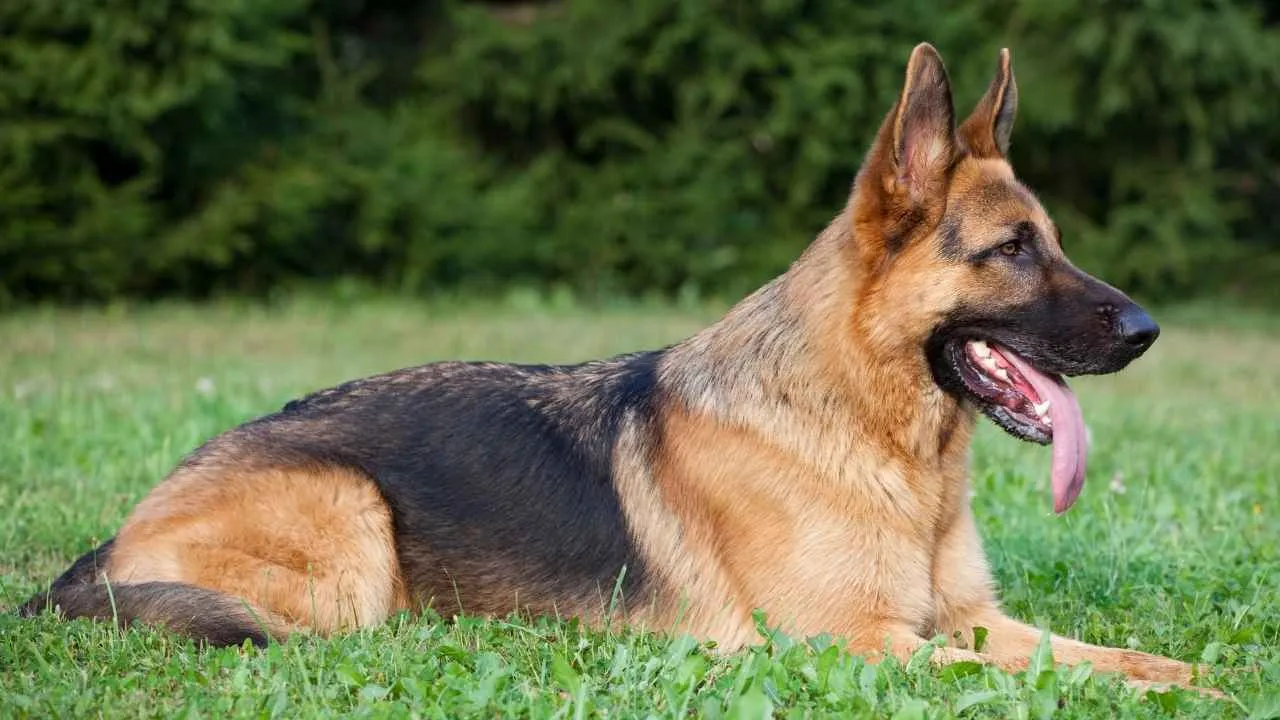
The German Shepherd is an intelligent, loyal dog with an instinct to protect the people it loves. Originally bred for herding, this confident and alert breed is now widely recognised for its work in police, military, and search-and-rescue roles.
Its trainability and watchful nature can make it an appealing choice for apartment dwellers seeking a devoted companion who notices unfamiliar activity.
German Shepherds often form strong bonds with their families and enjoy being involved in everyday life, but they need more than a comfortable place to sleep.
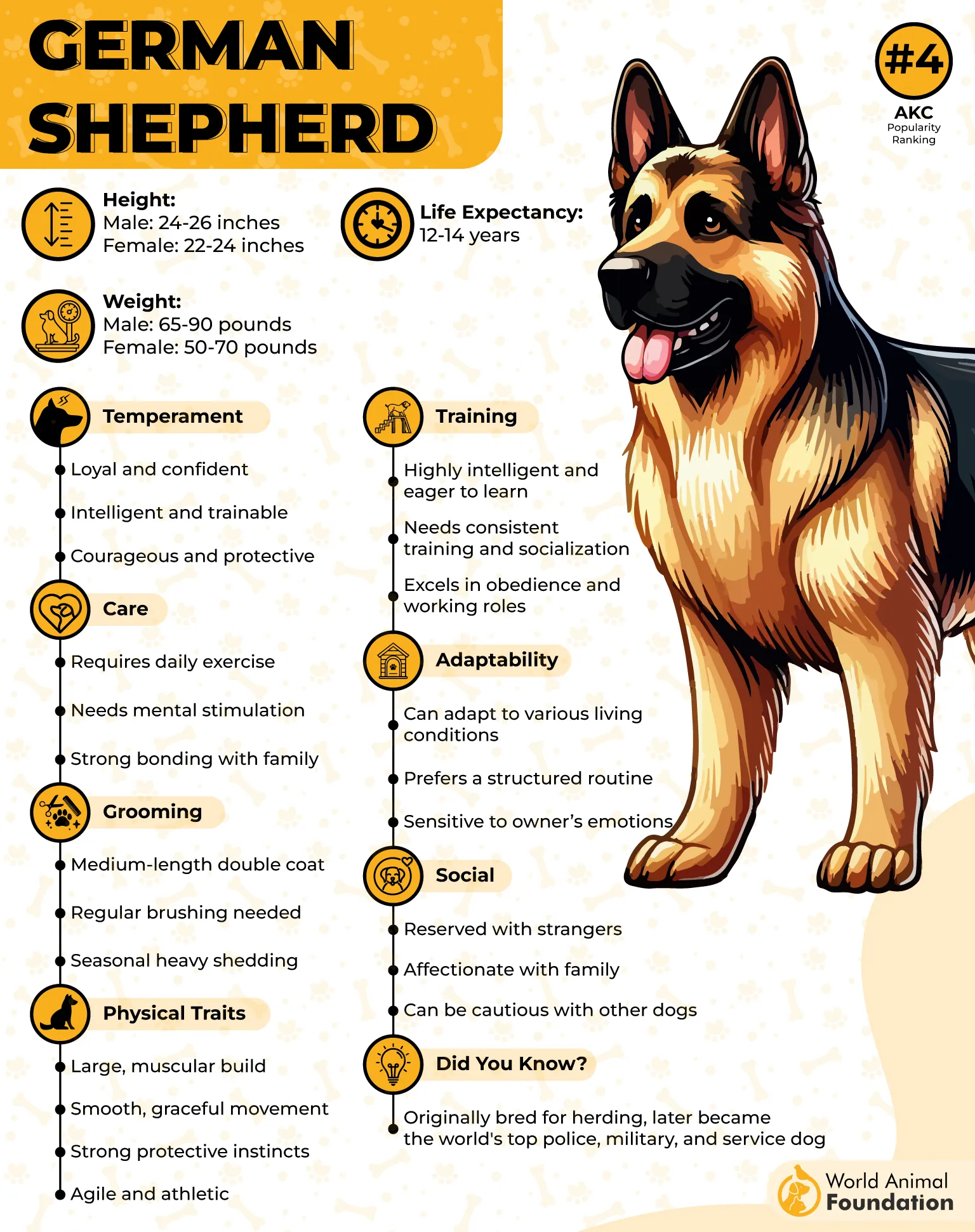
Adults generally require at least two hours of exercise daily, along with mental stimulation and consistent training.
Early socialisation helps them behave calmly around visitors, while their strong bark may need guidance in shared buildings, as explained by PetPlan.
Their thick double coat also requires regular grooming. Before choosing a German Shepherd for apartment living, consider whether you can meet its activity needs and support its joint health, as the breed is prone to hip dysplasia.
6. Dachshund

The Dachshund may be small, but its brave personality and watchful nature make it a surprisingly capable watchdog for apartment living.
Recognisable by its long body and short legs, this lively breed was originally developed in Germany to hunt badgers and other burrowing animals.
That fearless spirit remains part of its character today. Dachshunds form close bonds with their families and often bark when strangers approach, helping owners stay aware of unfamiliar activity around their homes.
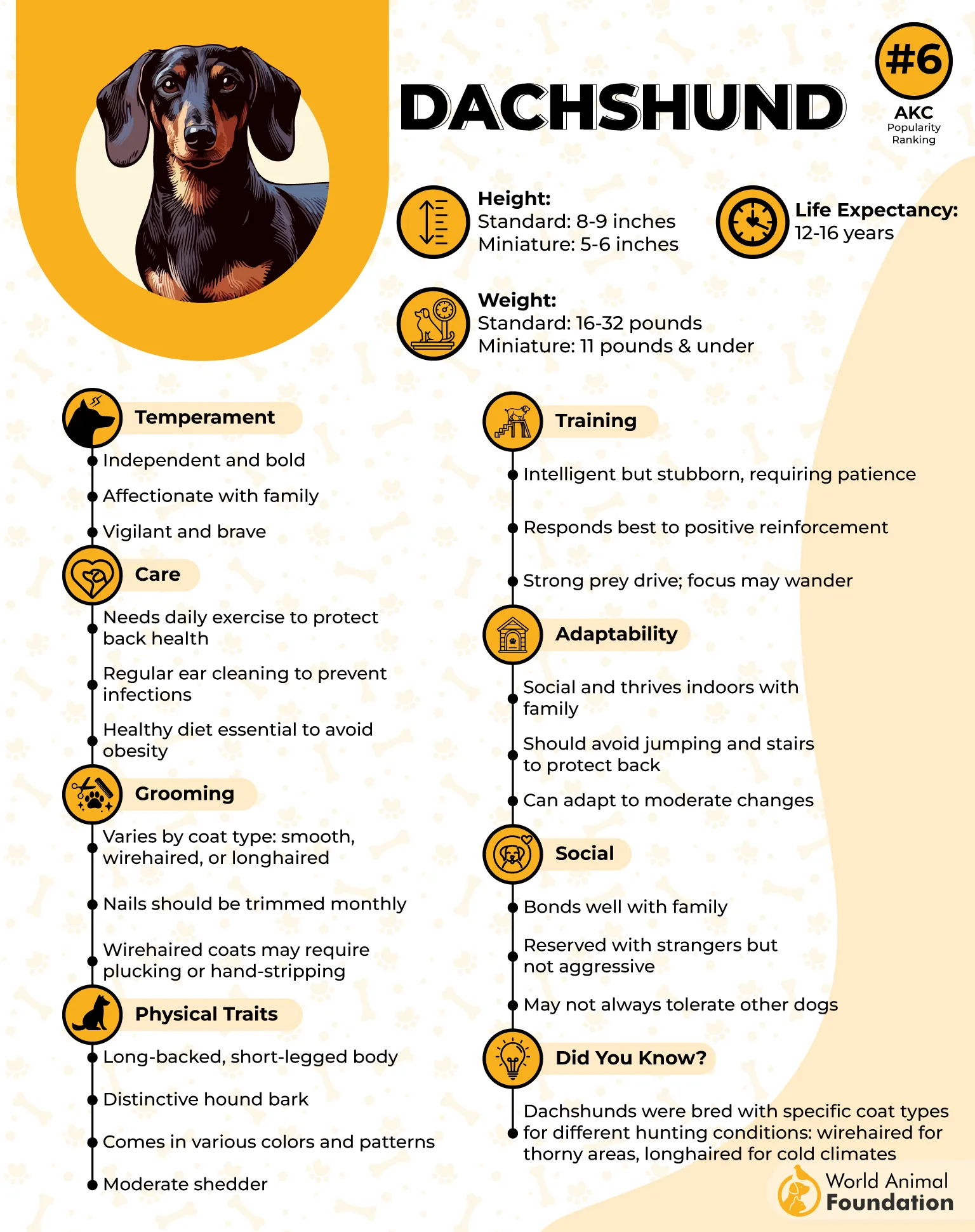
Their compact size and moderate exercise needs can suit smaller living spaces, provided they receive daily walks, playtime, and mental stimulation.
However, their alertness can become a challenge in apartments where excessive barking may disturb neighbours. Consistent, reward-based training and early socialisation help encourage calmer behaviour. Dachshunds can also be stubborn, so patience matters.
With loving attention and proper training, this little dog can offer devoted companionship and a lively sense of security without needing a large home.
7. Miniature Schnauzer
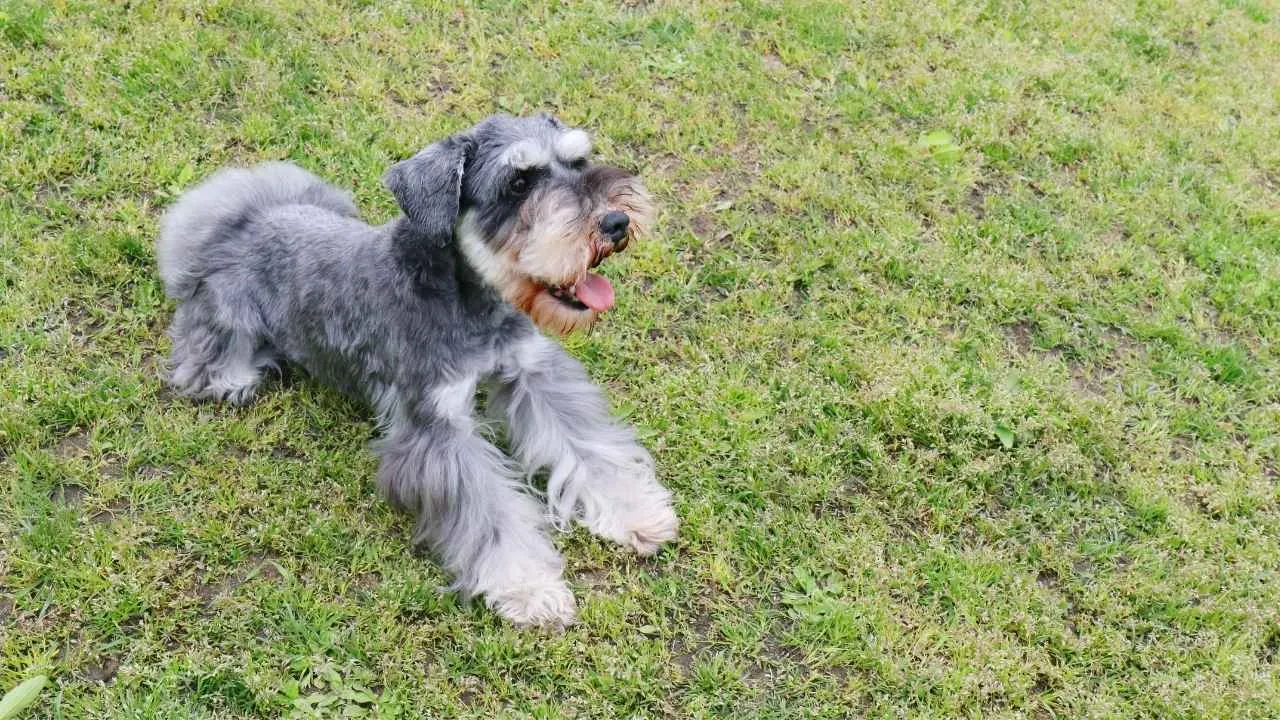
With its distinctive beard, bushy eyebrows, and alert expression, the Miniature Schnauzer may look like a charming little gentleman, but this small dog also has a serious watchdog instinct.
Originally developed in Germany to catch rats and guard farms, the breed has retained its lively, watchful nature.
Miniature Schnauzers are quick to notice unfamiliar sounds and often bark to alert their owners, making them a practical option for apartment dwellers who want a protective companion without a large dog.
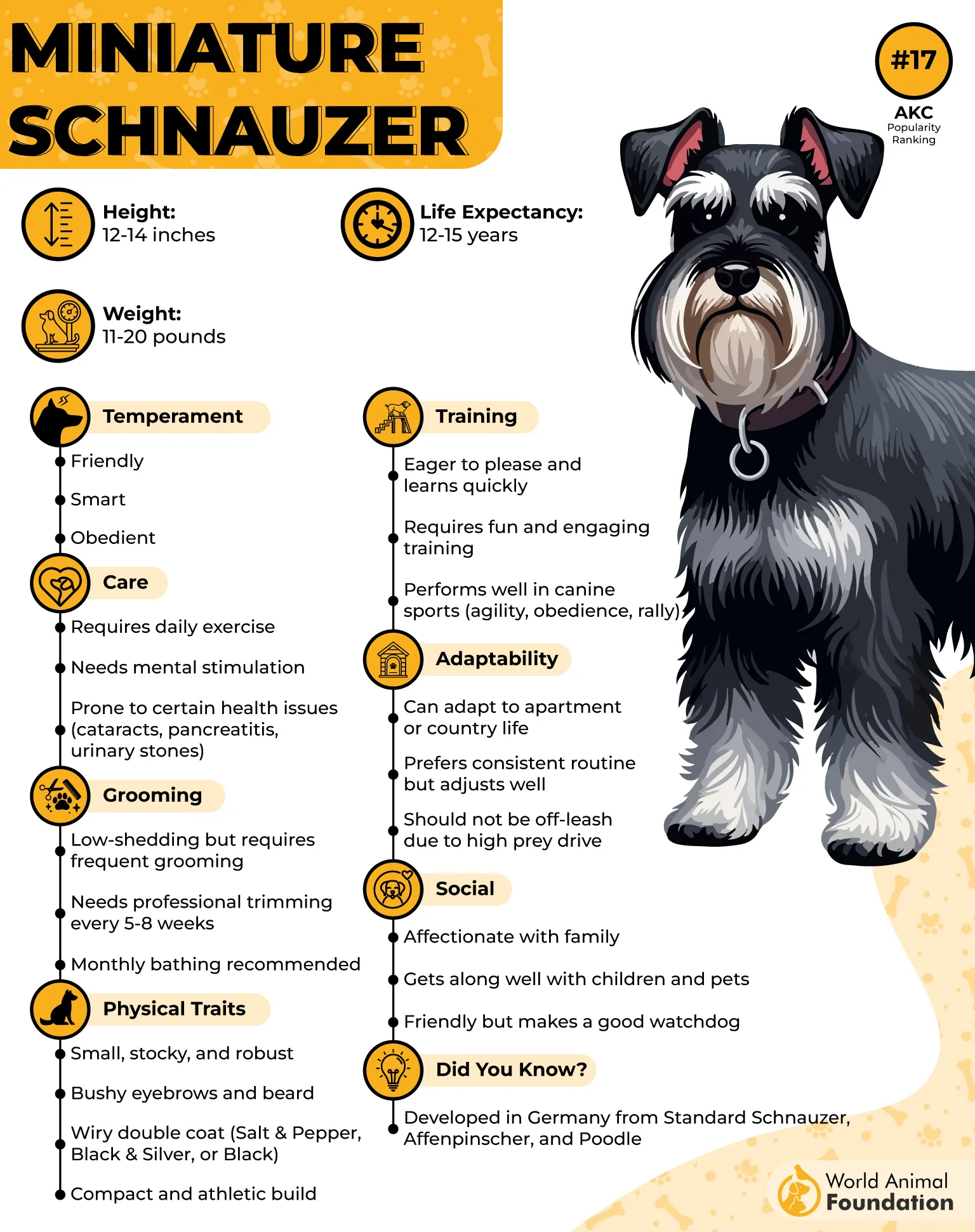
Their intelligence and eagerness to learn make training rewarding, although their occasional stubbornness calls for patience and consistency. These affectionate dogs enjoy being close to their families and taking part in everyday activities, according to Omlet.
They can adapt happily to apartment life with regular walks, playtime, and mental stimulation. However, their barking needs guidance to avoid disturbing neighbours.
Their wiry coats also require frequent brushing and regular grooming. With proper training and care, a Miniature Schnauzer can bring both companionship and watchful energy to a smaller home.
Conclusion
Choosing a protective dog for apartment living is about more than finding a breed that looks intimidating. The right companion should fit your space, lifestyle, and ability to provide consistent training, exercise, and affection.
From the intelligent German Shepherd to the alert Miniature Schnauzer, these dogs offer different ways to help you feel more secure while sharing your home. Some rely on their size and confidence, while smaller breeds use their sharp senses and distinctive bark to alert you to unfamiliar activity.
However, protective instincts alone do not make a dog a good apartment companion. Early socialisation, appropriate training, and consideration for neighbours are equally important. Before bringing a dog home, consider its energy level, grooming needs, temperament, and any building restrictions.
With responsible ownership and plenty of love, a suitable protective breed can become more than a watchful presence. It can be a loyal friend who makes your apartment feel warmer, happier, and more like home.
