




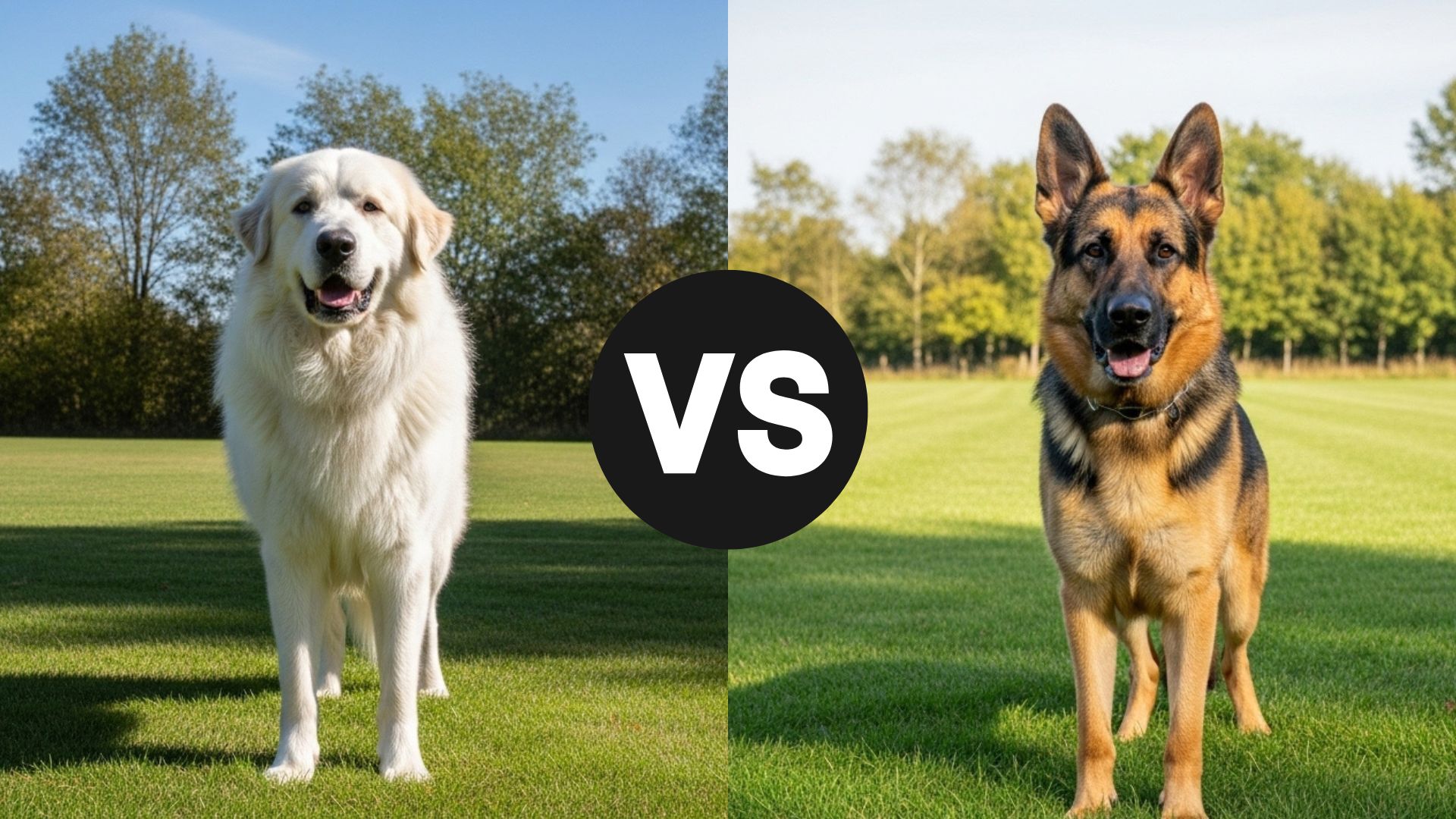
Few dogs are as iconic as the German Shepherd, known worldwide for their loyalty, intelligence, and incredible versatility. They excel in roles ranging from police and military work to guide dogs and devoted family companions.
Meanwhile, the Great Pyrenees commands attention with its majestic white coat and calm, naturally protective nature. Originally bred as livestock guardians in Europe, these gentle giants remain beloved for their relaxed temperament and striking presence.
Though both breeds share roots in working with livestock, their personalities, energy levels, and care requirements differ significantly.
In this guide, we’ll compare the Great Pyrenees and the German Shepherd across traits like appearance, temperament, energy levels, and care needs. By the end, you’ll have a clear understanding of which breed fits best with your lifestyle, whether you’re seeking a hardworking, high-energy partner or a majestic, serene guardian.
7 Must-Know Differences Between Great Pyrenees & German Shepherd Dog Breeds
While both breeds are highly capable and deeply loyal, they approach their roles in very different ways. One thrives on structure, direction, and active engagement, while the other prefers independence and quiet vigilance. Understanding these contrasts is key to choosing a dog that aligns with your daily routine, space, and expectations as an owner.
Origins & Purpose
Great Pyrenees:
Picture a fluffy, snow-white guardian angel… with paws the size of dinner plates and a stare that says, “I see everything.” That’s the Great Pyrenees for you.
Originating in the majestic Pyrenees Mountains between France and Spain, these dogs were bred to protect flocks of sheep from wolves, bears, and basically anything that dared to think about snacking on their flock. Their purpose? Ultimate sheep bodyguard. Think of these herding dogs as a cozy, four-legged fortress—soft and sweet when you cuddle them, but don’t cross them if you’re a predator.
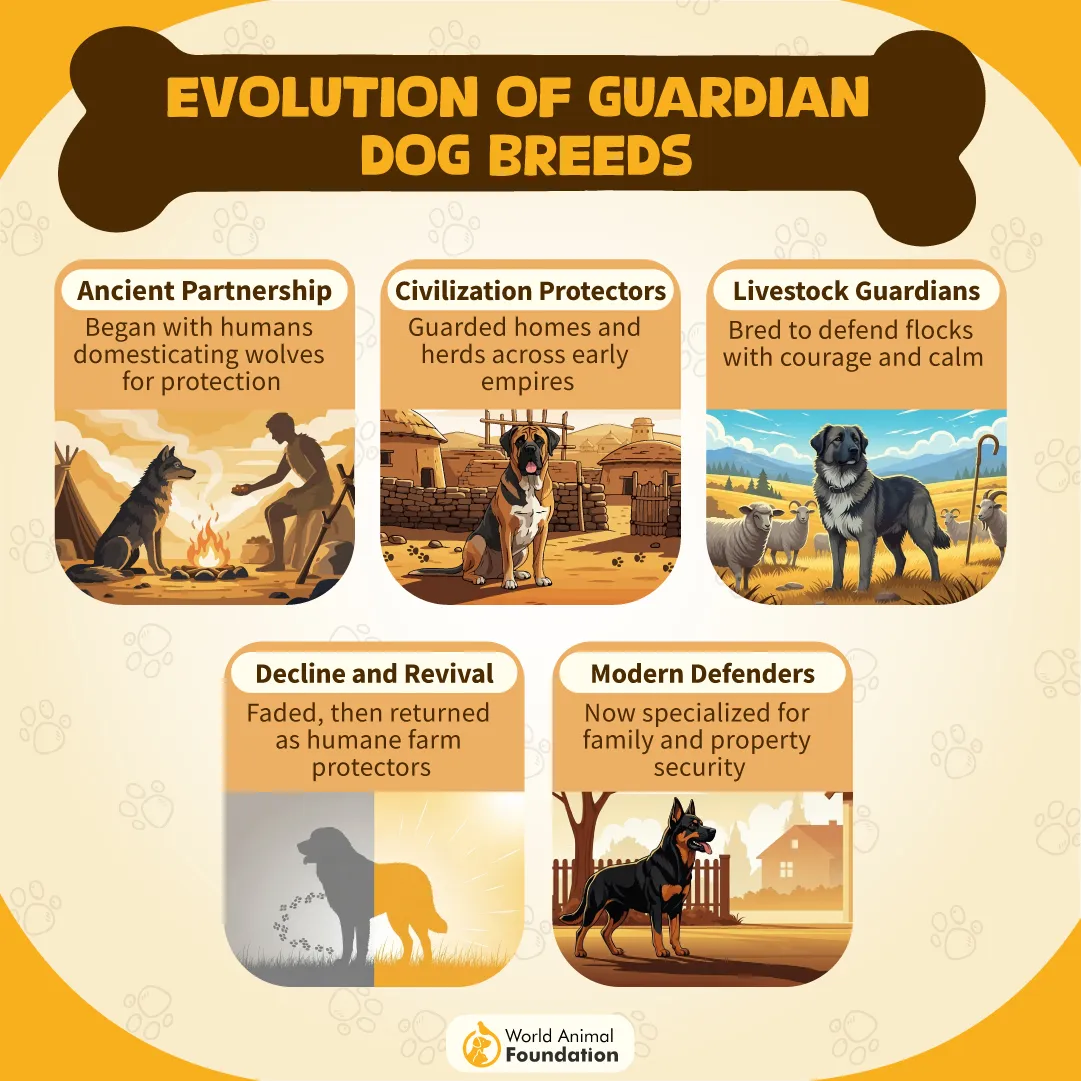
PetMD noted that Great Pyrenees are calm, patient, and a little stubborn (okay, maybe a lot stubborn). These farm dogs are independent thinkers—probably because centuries of guarding flocks in the mountains taught them that sometimes, humans are… questionable.
German Shepherd:
Now, enter the German Shepherd: sleek, smart, and basically the canine version of a Swiss Army knife. Hailing from late 19th-century Germany, this breed was crafted with one goal in mind: intelligence meets versatility. Initially bred to herd sheep, they quickly became the go-to breed for police, military, search-and-rescue, and even movie stardom, says Wikipedia.
According to the American Kennel Club (AKC), German Shepherds are widely regarded as canine royalty, and experts agree that what truly sets them apart is their character: unwavering loyalty, courage, self-confidence, quick learning for a variety of tasks, and a fearless instinct to protect those they love.
Their purpose? Anything from keeping a family safe to finding lost hikers in the wilderness. Basically, if there’s a problem, the German Shepherd is already three steps ahead, possibly plotting a clever solution involving a frisbee.
So, do you want a large dog guarding livestock or a super-smart superhero dog who could probably also solve your taxes? Either way, you’re in for a lifetime of loyalty… and, let’s be honest, some epic fur tumbleweeds.
Size & Physical Build
Great Pyrenees:
Average height: 25–32 inches
Average weight: 85–100+ pounds
If the Great Pyrenees had a superhero costume, it would be all fluff and bulk—and maybe a crown, because these dogs look regal even when they’re rolling in the mud. They are basically a walking, snuggly mountain. You don’t so much walk a Great Pyrenees as you share space with a small bear that has an uncanny ability to melt your heart.
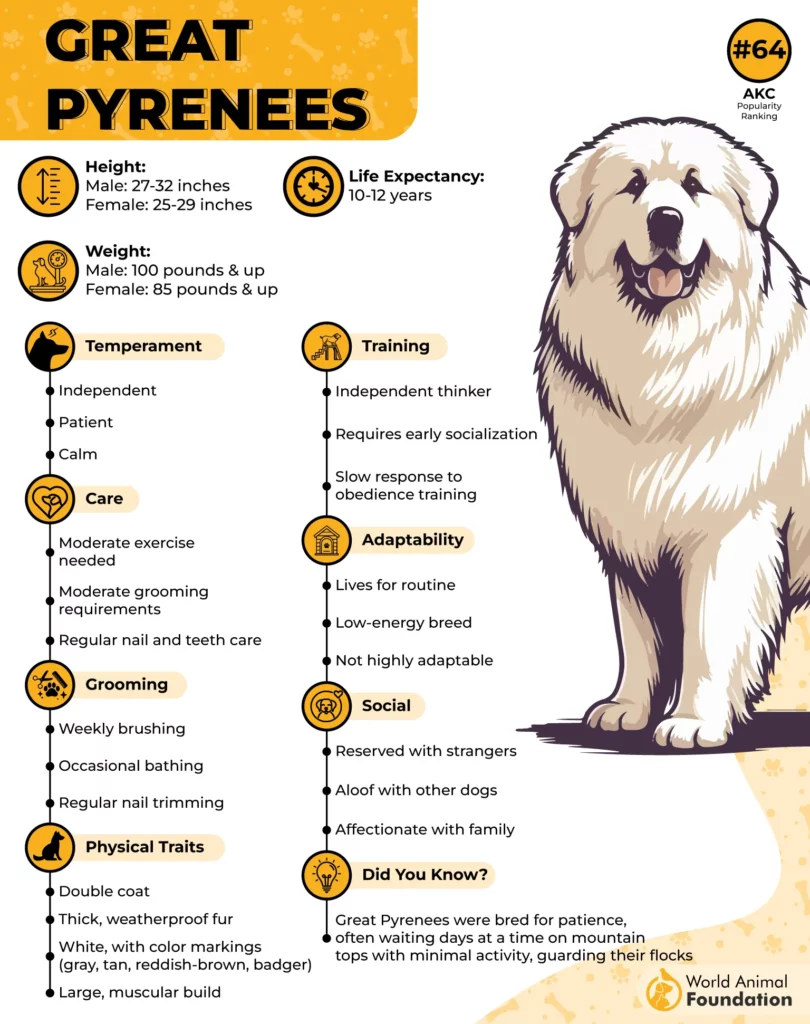
Their build is sturdy and solid, built for braving harsh mountain winters and fending off wolves with a single determined glare.
Bonus: they can double as a personal snowplow when winter hits. And yes, their coat is massive—soft, thick, and designed to repel both cold and minor logic attempts (like asking them to fetch your slippers).
German Shepherd:
Average height: 22–26 inches
Average weight: 50–90 pounds
The German Shepherd is like the Olympic athlete of dogs—lean, muscular, and built to perform multiple roles without breaking a sweat. They’re slightly smaller than the Great Pyrenees but packed with strength, agility, and intelligence. Imagine a dog that’s both a marathon runner and a chess grandmaster—that’s your German Shepherd.
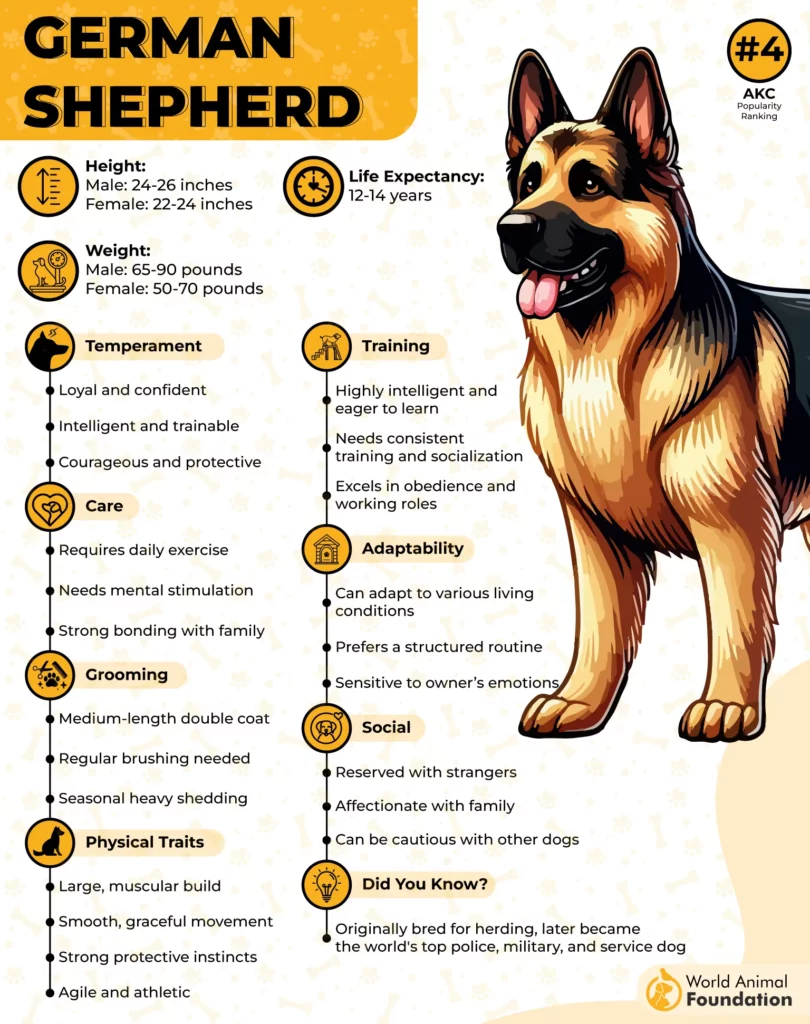
Their physical build screams versatility: strong legs for running, a deep chest for stamina, and a sleek frame that says, “I could save the day, herd a flock, or chase down a frisbee… all before breakfast.” And don’t let their noble stance fool you—they can also melt into your lap for cuddles, though you might need to rearrange your furniture first.
Temperament & Personality
Both the Great Pyrenees and German Shepherd are loyal and loving, but their personalities are as different as a fluffy mountain cloud and a focused, four-legged superhero. Here’s what it really takes to live with and care for each:
Great Pyrenees:
✅ Laid-back and patient, perfect for families… as long as you don’t mind a dog who moves at their own pace.
✅ Can be stubborn; they’ve spent centuries making their own decisions, guarding flocks.
✅ Naturally wary of strangers—expect a low, rumbling “I’m watching you” vibe.
✅ Loves affection but may ignore your calls if they’re on “sheep patrol mode.”
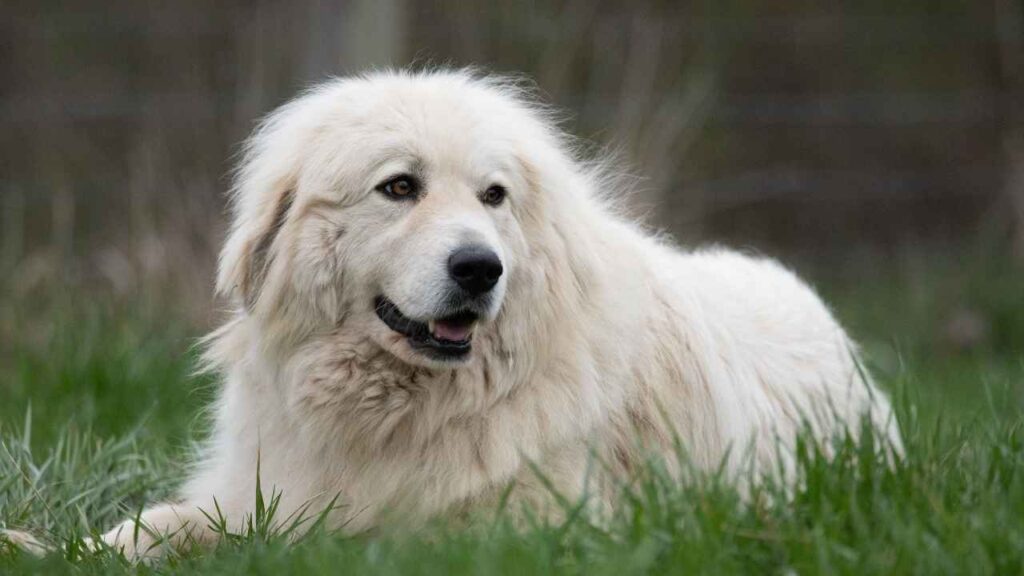
Living Tip: You’ll need patience, consistency, and lots of love for their independent streak… plus a lint roller that works overtime.
German Shepherd:
✅ Learns quickly and thrives on mental stimulation—perfect for games, tricks, or serious jobs.
✅ Devoted to family; will instinctively watch over you like a four-legged bodyguard.
✅ Loves family interaction, but early socialization is key for friendly behavior with strangers.
✅ Always aware of surroundings—think of them as your very furry security system.
Living Tip: They thrive with structure, mental challenges, and regular activity. A bored German Shepherd is… creatively mischievous.
Exercise & Energy Levels
When it comes to moving their paws, the Great Pyrenees and German Shepherd couldn’t be more different. Understanding their energy needs is key to keeping both happy—and your furniture intact.
Great Pyrenees:
These gentle giants are surprisingly low-energy for their size—but don’t mistake that for laziness. They love leisurely strolls and outdoor patrols, especially if there’s space to roam.
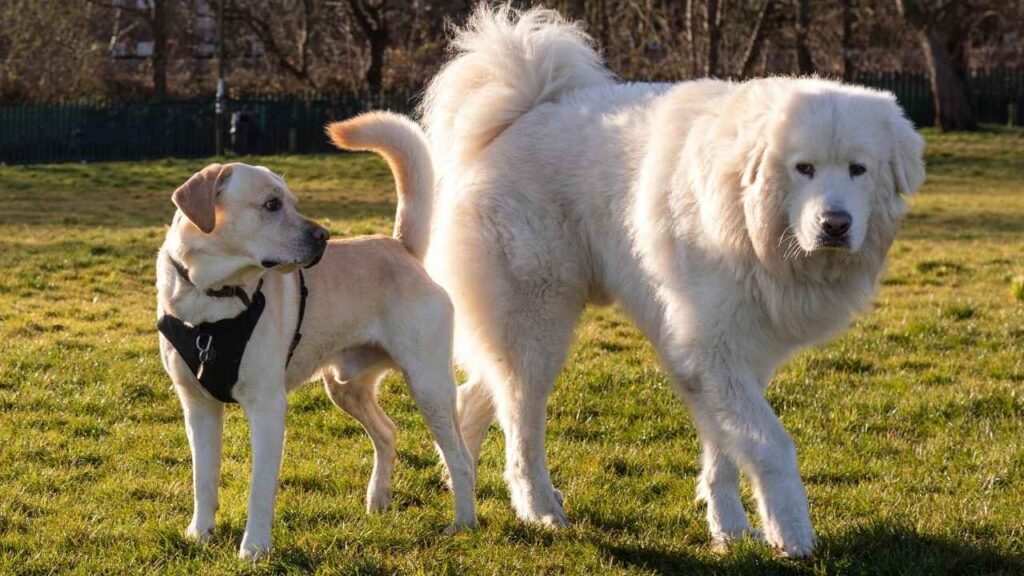
Daily Walks: 30–60 minutes of casual walking is plenty.
Playtime: Enjoys interactive play but won’t chase a ball endlessly like a border collie.
Outdoor Space: Ideally, they need a yard or open space to wander; small apartments can be tricky.
Mental Stimulation: Occasional training or puzzle toys help, but independence is part of their charm.
Fun Fact: They’re often called “couch potatoes with paws,” but one look at a wandering squirrel, and they’re suddenly full-on alert.
German Shepherd:
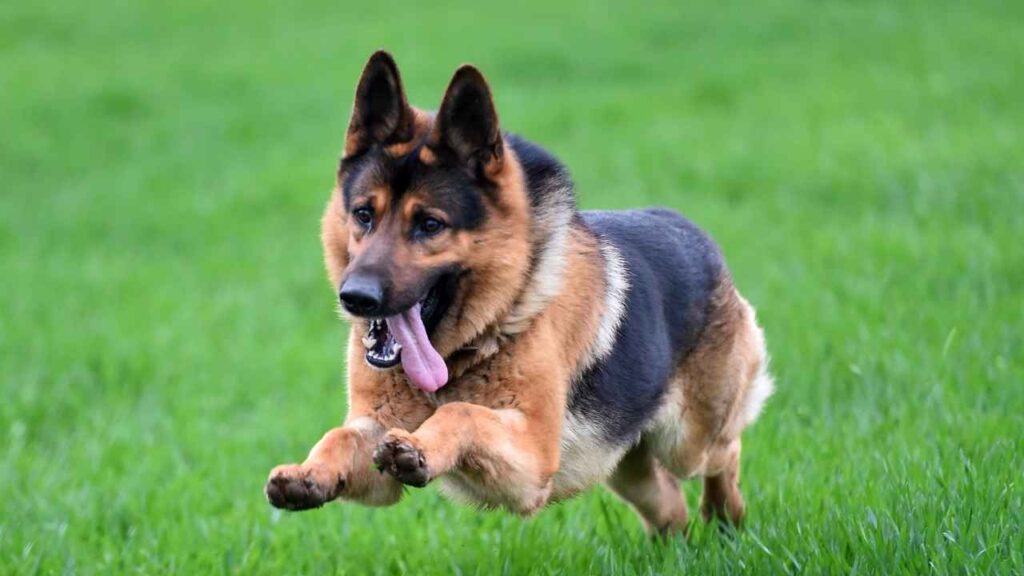
German Shepherds are the energizer bunnies of the dog world—both physically and mentally. Without regular exercise, their clever minds can get… inventive (and slightly mischievous).
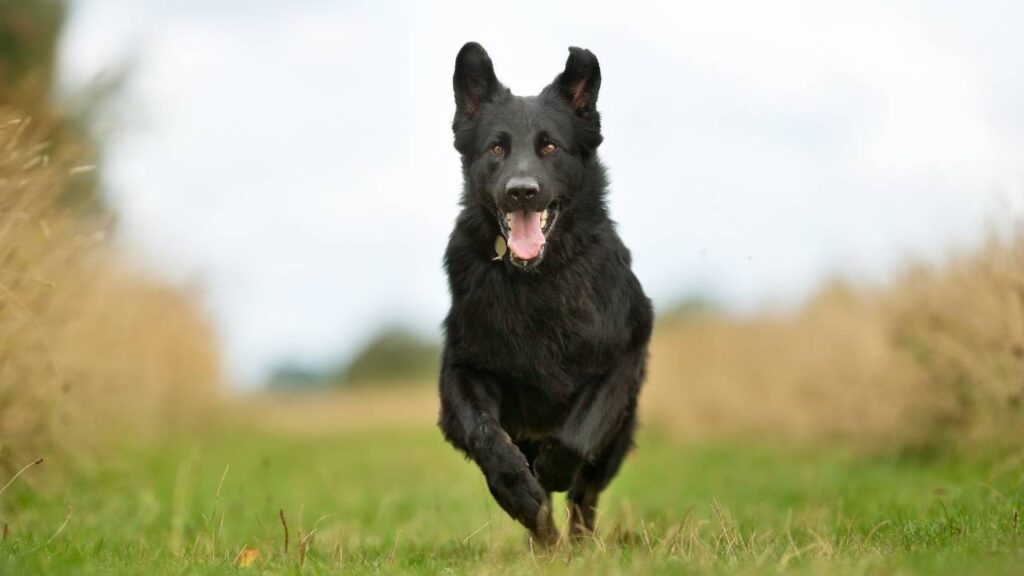
Daily Walks & Runs: 60+ minutes of brisk walking, jogging, or hiking.
Mental Challenges: Proper training sessions, puzzle toys, and agility courses keep them sharp.
Playtime: Loves fetch, frisbee, tug-of-war, and anything that doubles as a workout.
Versatility: Can excel in dog sports, obedience training, and even search-and-rescue training.
Pro Tip: A tired German Shepherd is a happy German Shepherd—but a bored one? You might come home to chewed shoes or creative “home renovations.”
Training & Intelligence
Training a dog isn’t just teaching them to sit—it’s about understanding how their brain ticks. With the Great Pyrenees and German Shepherd, you’re looking at two very different kinds of smarts: one is independently clever, the other is eagerly brilliant.
Great Pyrenees:
These dogs are smart, but in a very “I’ll do it my way” kind of way. They were bred to think independently while guarding flocks, which means sometimes, they don’t feel the need to follow your orders… and sometimes, they do—on their own schedule.
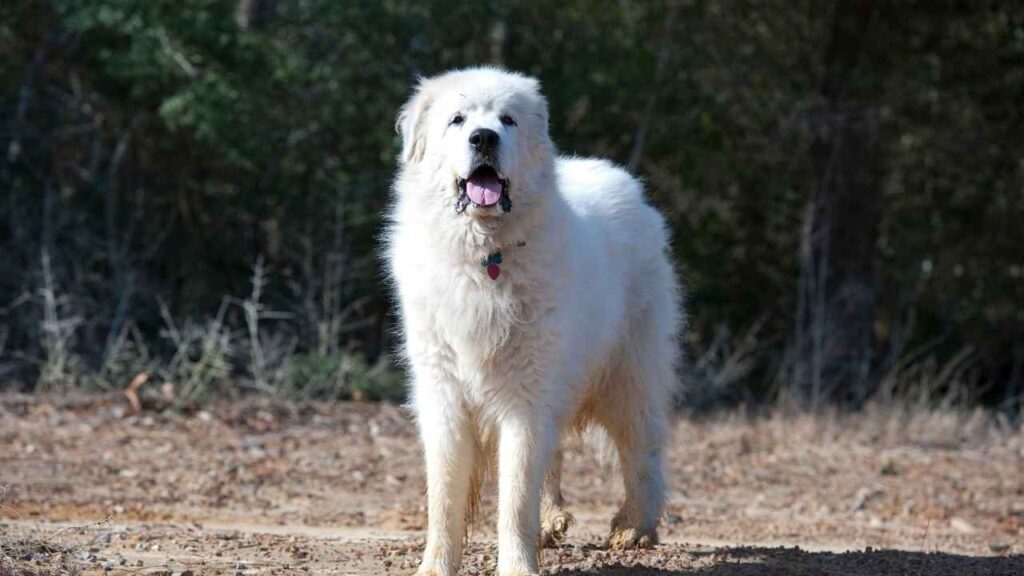
Intelligence Style: Independent problem-solvers rather than eager-to-please learners.
Training Approach: Consistency, patience, and gentle positive reinforcement are key.
Challenges: Can be stubborn, sometimes ignoring commands if they don’t see the point.
Reward: Loves praise and food-based treats, but may require extra motivation for tricky commands.
German Shepherd:
If intelligence were measured in horsepower, the German Shepherd would be a high-performance sports car—fast, responsive, and capable of learning complicated maneuvers in record time. They thrive on structure, challenges, and problem-solving.
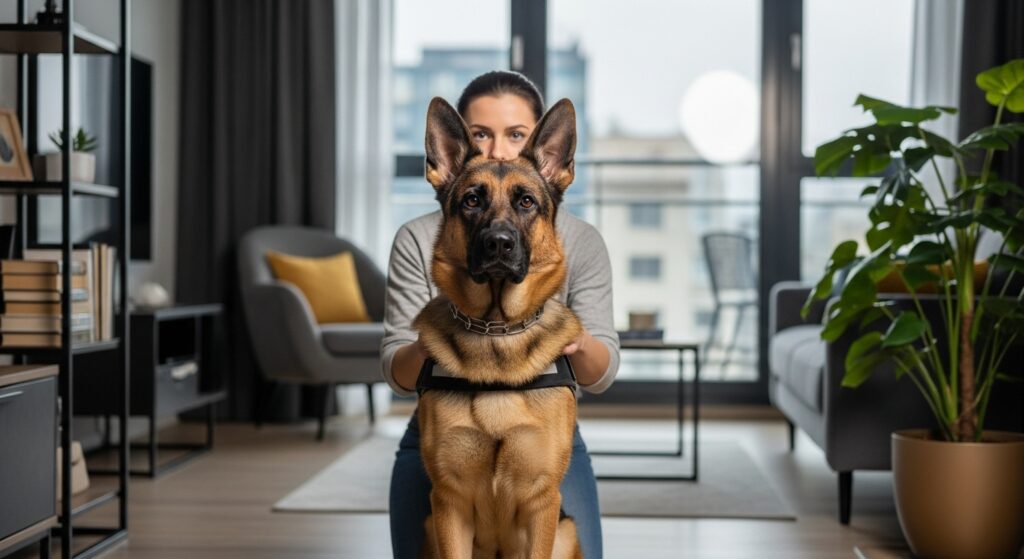
Intelligence Style: Highly trainable, quick learners, excels in obedience and advanced tasks.
Training Approach: Responds extremely well to positive reinforcement, consistency, and mental stimulation.
Challenges: Needs engagement—boredom can lead to mischievous or destructive behavior.
Reward: Loves praise, play, and challenges that test their brain and body.
Health & Lifespan
Great Pyrenees:
Average Lifespan: 10–12 years
These mountain giants are generally healthy, but like all large breeds, they can be prone to potential health concerns:
Hip dysplasia
Bloat
Heart conditions
Regular veterinary checkups, a balanced diet, and moderate exercise will keep these fluffy guardians happy and healthy for years.
German Shepherd:
Average Lifespan: 9–13 years
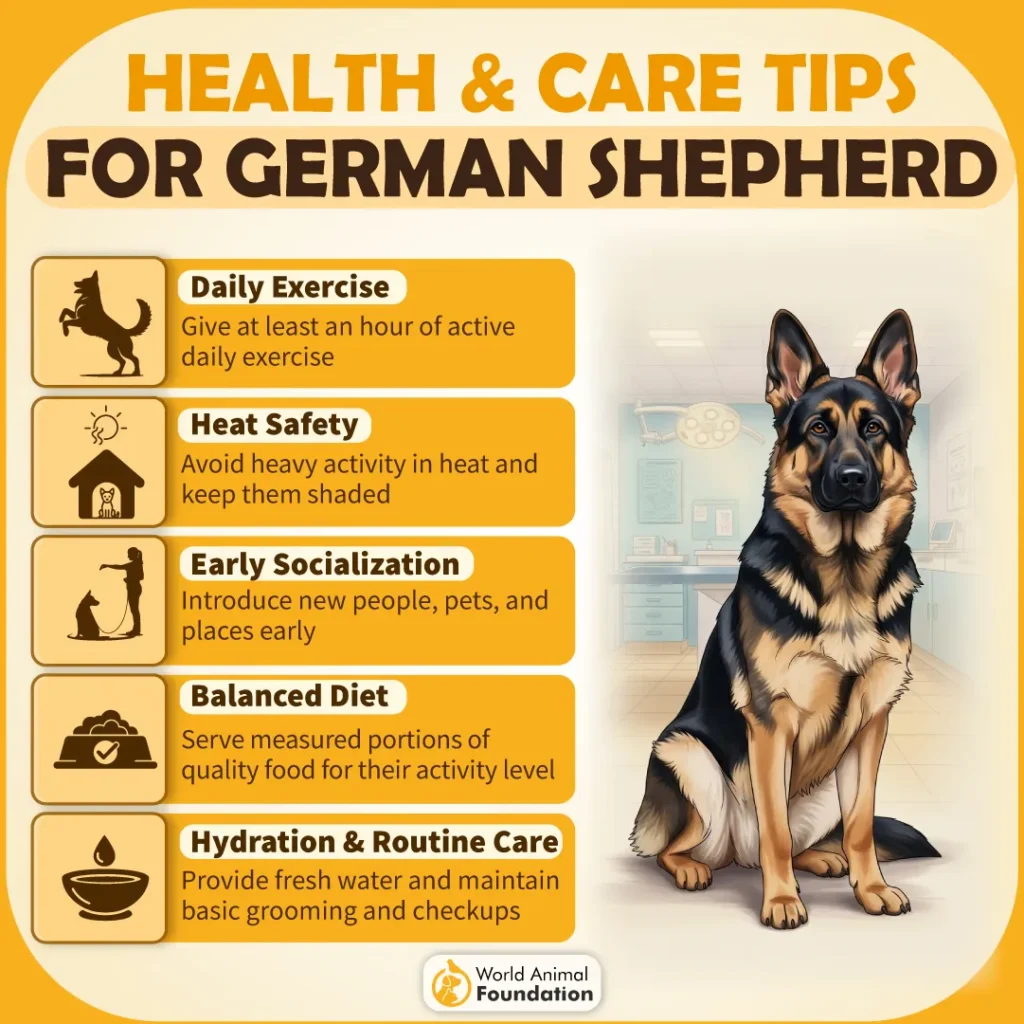
German Shepherds are athletic and resilient, but they do have a higher risk of:
Hip and elbow dysplasia
Degenerative myelopathy
Genetic disorders
Proper diet, regular exercise, and mental stimulation are crucial, or their clever minds and energetic bodies can get restless (and possibly destructive).
Great Pyrenees vs. German Shepherd Suitability as Family Pets Vs Guard Dogs
Although both are working breeds, the German Shepherd and the Great Pyrenees are very different in personality, traits, and care needs—so choosing the right one comes down to your lifestyle, experience, and home environment.
Great Pyrenees:
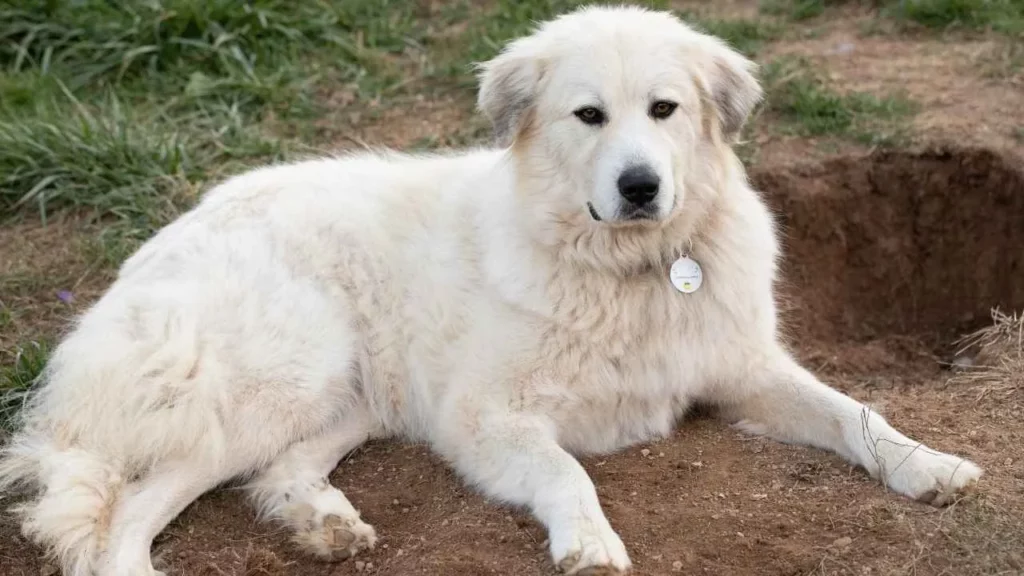
Ideal for less experienced dog owners because their exercise and training needs are moderate.
Can tolerate being left alone for longer periods thanks to their independent nature.
Makes a gentle, calm family companion who is affectionate on their terms.
Excellent as a guard dog, quietly but effectively watching over your home, property, or livestock.
German Shepherd:
Thrives with daily exercise, mental stimulation, and consistent training, so they’re best for owners prepared for an active, involved dog.
Requires more space than the Great Pyrenees despite being smaller, as they need room to move and play.
Makes a loyal, protective, and intelligent family dog, but boredom can lead to mischievous behavior.
One of the world’s most capable guard and working dogs, excelling in police, military, and search-and-rescue work.
Practical Tips:
German Shepherds are often easier to find through breeders, but research is essential because they are prone to more inherited health issues than Great Pyrenees.
Great Pyrenees are lower-maintenance in some ways, but require space and regular grooming to keep their thick double coat healthy.
Both breeds can be loving, loyal family pets and reliable guardians. If you want a calm, fluffy protector who’s independent but affectionate, go with the Great Pyrenees. If you want a high-energy, intelligent, and versatile superhero dog, the German Shepherd is your ideal choice.
Whichever breed you choose, take the time to understand their exercise, training, and social needs—doing so will ensure a happy, healthy, and well-adjusted dog for years to come.
Conclusion
Must know differences between the Great Pyrenees and German Shepherd dog is essential when choosing any of these breeds. Great Pyrenees are known for their protective instincts, mellow personality, and ability to work as livestock guardians. They thrive in fenced yards with plenty of space to roam and need weekly brushing to manage loose hair and prevent matting. German Shepherds, on the other hand, are highly trainable, excel in canine sports, and often do well off-leash with proper supervision and consistent daily exercise.
Both breeds benefit from early socialization, helping them coexist safely with very small kids, other dogs, and other pets. They form strong bonds with their families but may show separation anxiety if left alone for long periods. Regular grooming to maintain natural oils, attention to common concerns, and reinforcement of good manners are key to a well-trained, happy dog. Choosing the right dog depends on your activity level, space, and preference for a unique blend of traits, ensuring a fulfilling relationship with your canine companion.
