




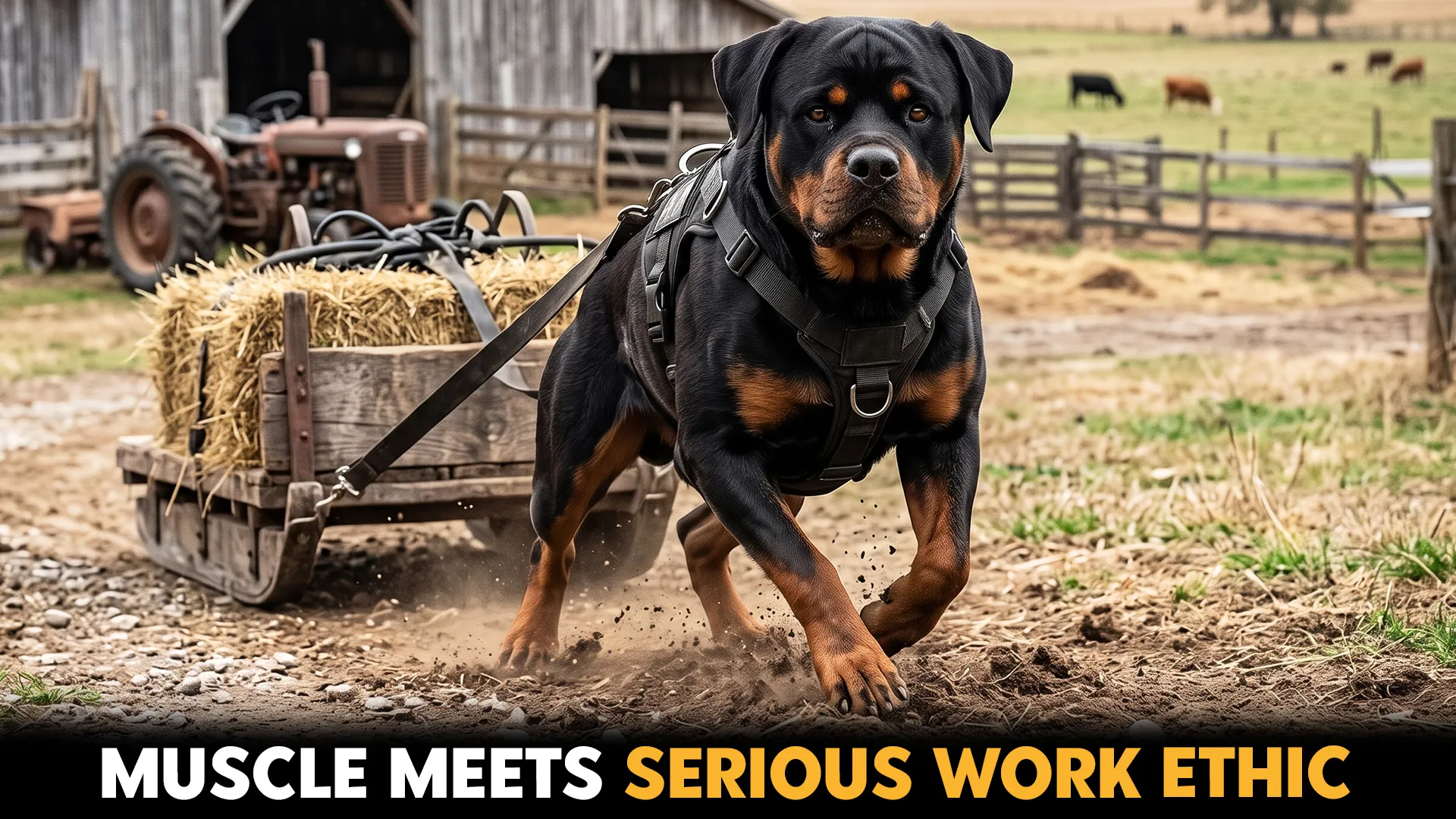
Some dogs look like they spend hours at the gym, with broad shoulders, powerful legs, and muscles that make them stand out wherever they go. But their impressive strength isn’t just for show.
Many muscular dogs were bred to perform demanding jobs, from guarding property and pulling heavy loads to herding livestock and helping people in challenging situations. Their athletic builds reflect generations of hard work, endurance, and purposeful breeding.
But here’s something worth remembering: a muscular body doesn’t tell you everything about a dog’s personality. Behind that strong appearance, many working dogs are affectionate, intelligent, and deeply loyal to their families.
With the right training, socialization, and care, these powerful pups can become loving companions who enjoy spending time with their people just as much as they enjoy having a job to do.
Whether you’re curious about dogs with incredible muscle definition or want to understand what makes these hardworking canines stand out, get ready to discover some of the most muscular dog breeds every dog lover should know.
Top Muscular Working Dog Breeds Every Owner Should Know
1. Rottweiler
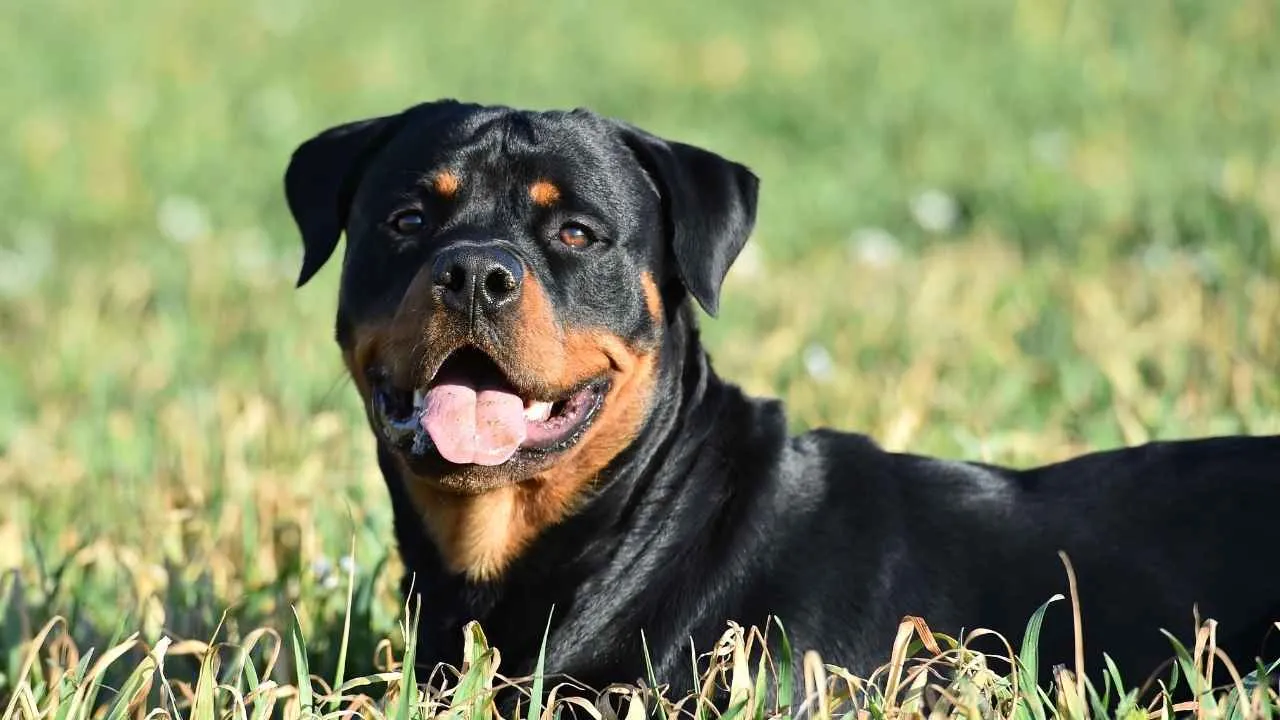
Rottweilers are powerful working dogs with a history that dates back to the Roman Empire. They descended from mastiff-type dogs and later developed in Rottweil, Germany, where they helped drive cattle.
Over time, they took on many roles, including guarding, pulling loads, police work, and search-and-rescue missions. They also served as guide dogs for people with visual impairments.
Muscular Build and Physical Strength
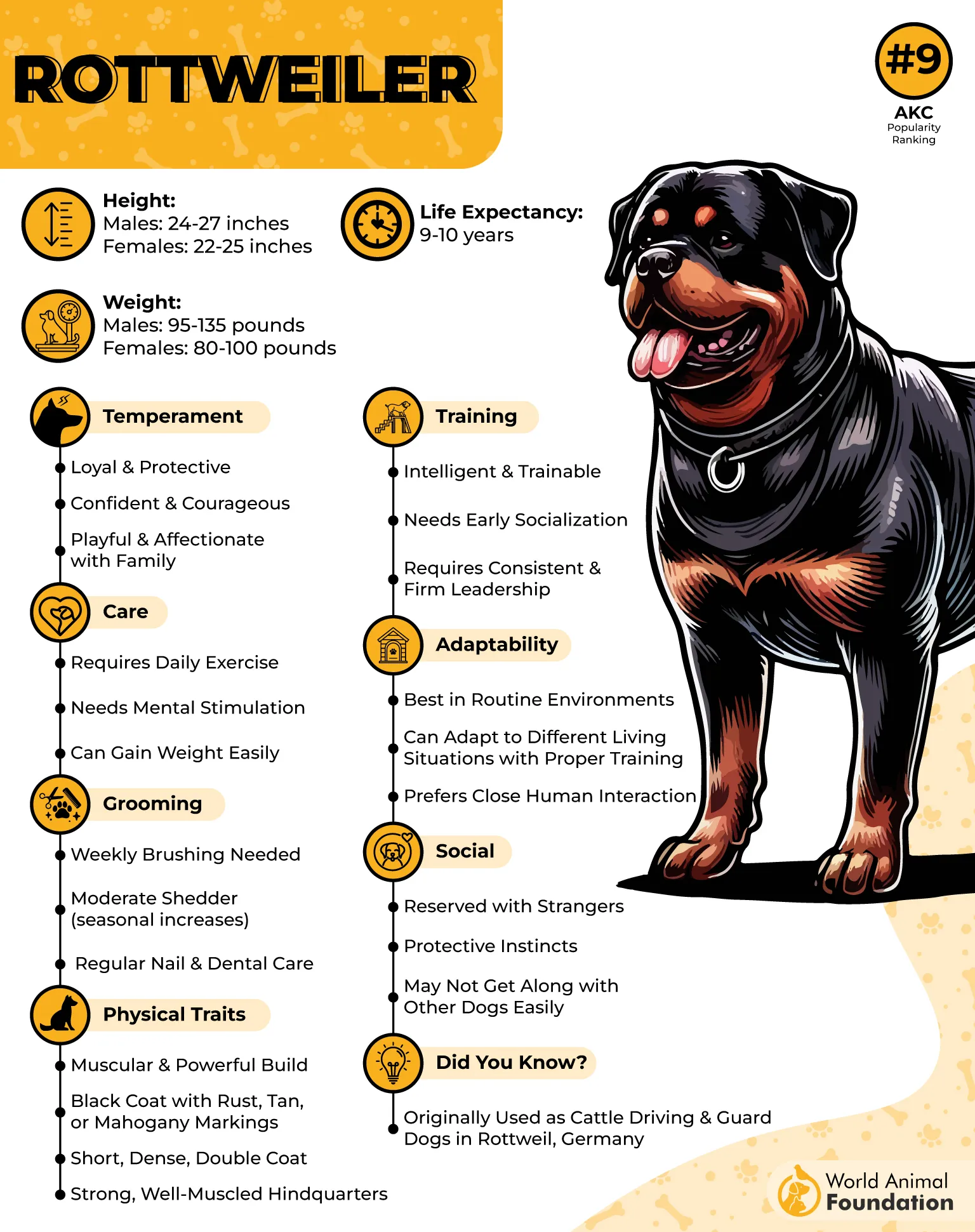
Rottweilers have broad heads, short black coats with rust markings, and thickly muscled bodies. Their strong hindquarters support an effortless trot, giving them a powerful and athletic appearance.
Beneath their imposing looks, they can be playful, affectionate, and even silly with their families. They often enjoy close companionship and may happily climb onto their owners’ laps for a cuddle.
Temperaments and Working Abilities
Rottweilers are confident, intelligent, and courageous. They can be reserved around strangers and protective of their families, but well-socialized dogs can also get along with people and other dogs. They need early training, consistent guidance, and experienced owners who understand their strength.
According to PetMD, they benefit from at least 60 minutes of daily exercise, mental stimulation, and activities that give them a purpose.
2. Cane Corso

Cane Corsos are powerful Italian working dogs with roots in ancient Rome. These mastiff-type dogs were bred to guard property, work on farms, and hunt game.
Their name is linked to their role as guardians and protectors. Although the breed nearly disappeared as farming methods changed, it was revived during the 1970s and later gained popularity in the United States.
Muscular Build and Physical Strength
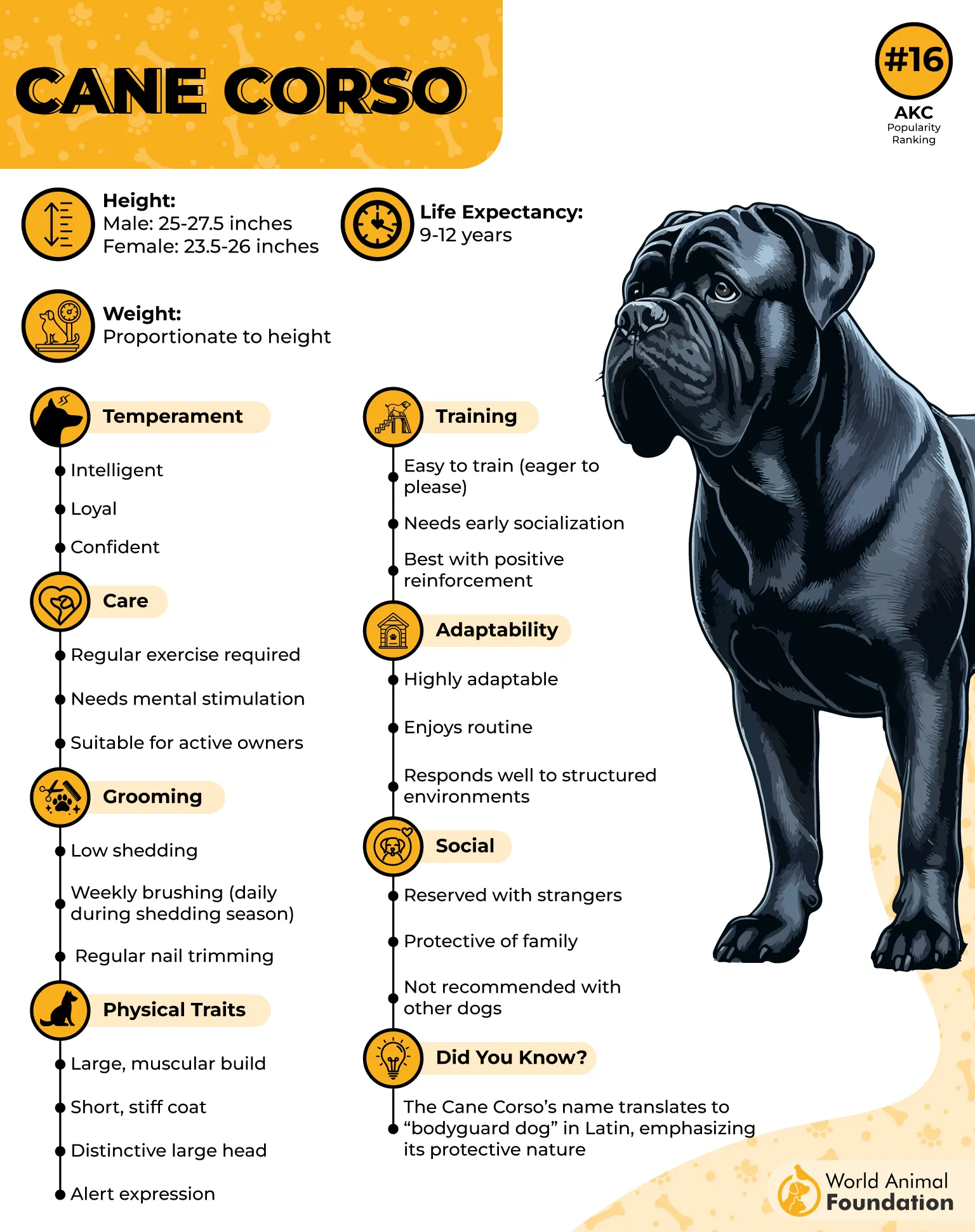
Cane Corsos have broad chests, large heads, alert expressions, and muscular bodies. Their short, smooth coats come in several colors, including black, gray, fawn, red, and brindle.
Their imposing appearance can make strangers think twice, but these dogs are also affectionate and devoted to their families. They are eager to please and enjoy having a close bond with their owners.
Temperaments and Working Abilities
Cane Corsos are intelligent, versatile, and confident, but they can also be assertive and strong-willed. They need experienced owners who can provide early socialization and consistent training.
These dogs may take time to warm up to unfamiliar people, so introducing them to family and friends early is important. They are active dogs that need plenty of daily exercise.
3. Boerboel
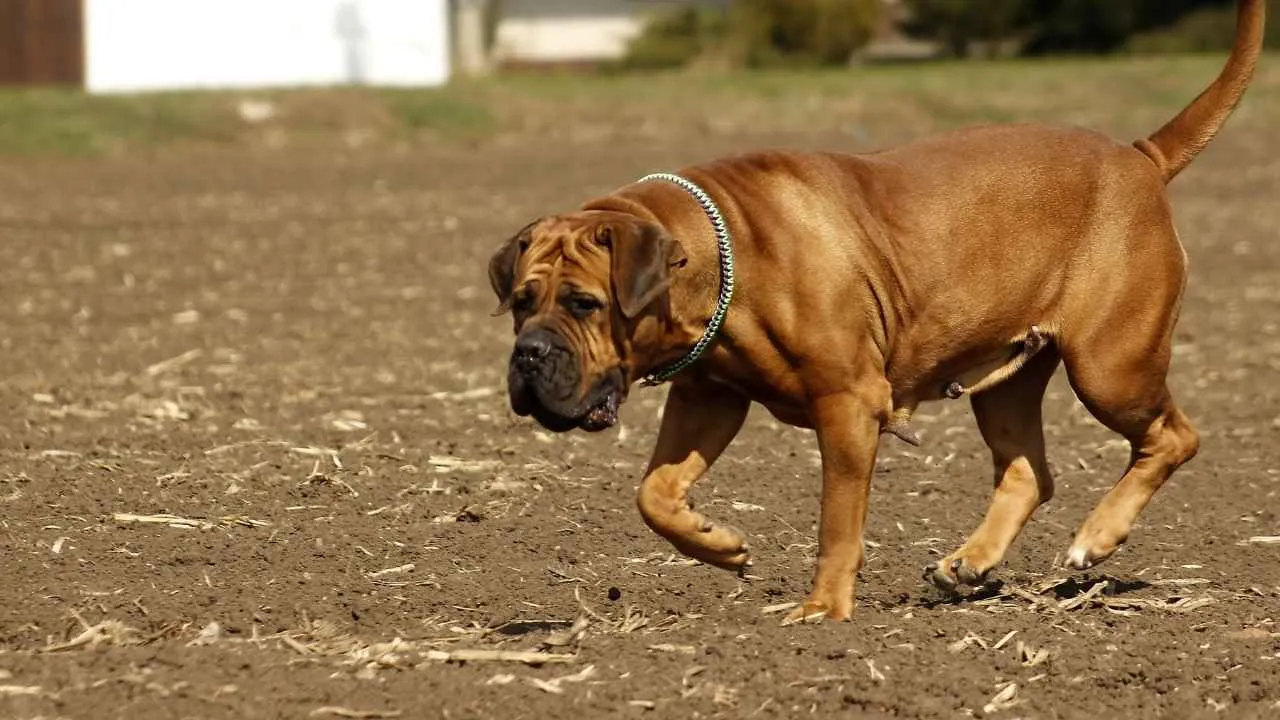
Boerboels, also known as South African Mastiffs, were bred to protect farms and remote homesteads from dangerous predators. Their history as guardians has shaped their confident and protective nature.
Today, they remain devoted family companions with strong working instincts. Purina mentions their name means “farm dog,” reflecting their original role alongside humans.
Muscular Build and Physical Strength
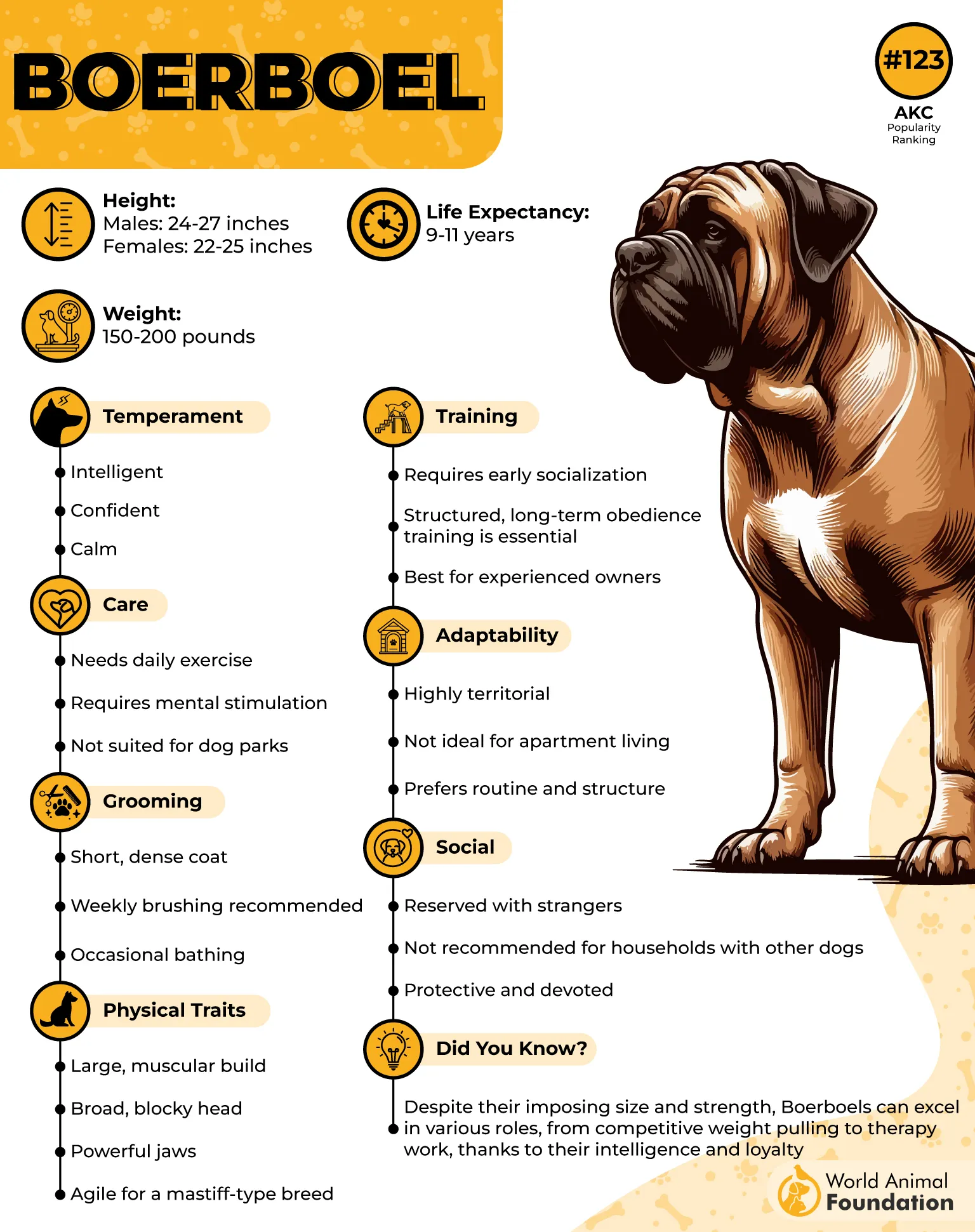
Boerboels have broad, blocky heads, powerful jaws, and thick muscles that extend from their necks to their hindquarters. Their smooth, shiny coats are easy to maintain.
Despite their imposing appearance, these dogs can be surprisingly agile for their size. They are also affectionate with their families and have a playful side that can make them enjoyable companions.
Temperaments and Working Abilities
Boerboels are intelligent, confident, and eager to learn. They are deeply loyal to their families but tend to be reserved around strangers. Early socialization and consistent training are essential to manage their dominant nature and strong guarding instincts.
They can be good with children, but supervised play is important because their size can lead to accidental knocks. These powerful dogs are best suited to experienced owners who can provide firm guidance, regular activity, and mental stimulation.
4. Doberman Pinscher
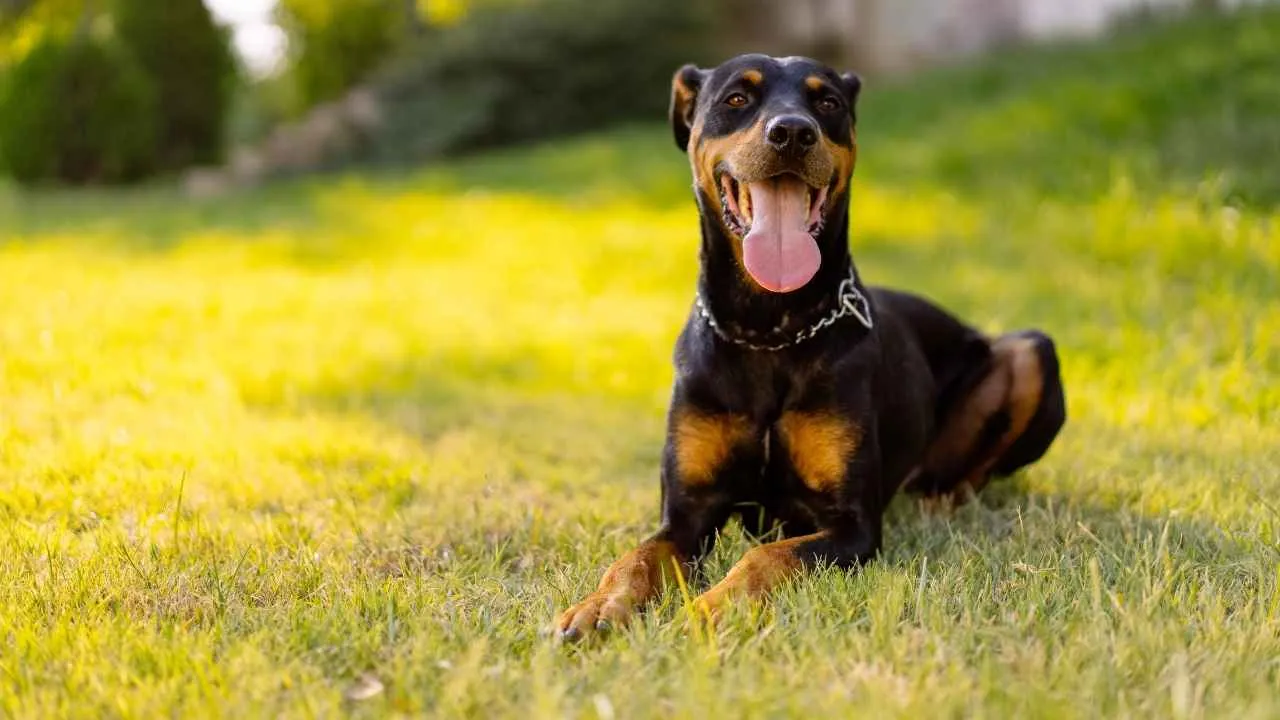
Doberman Pinschers were developed in Germany in the late 1800s by Louis Dobermann, a tax collector who wanted a reliable guard dog and companion.
The breed likely developed through crosses between several dogs, including German Pinschers, Old German Shepherds, Manchester Terriers, and Greyhounds. Today, Dobermans are valued for their work in security, police services, military roles, and search-and-rescue operations.
Muscular Build and Physical Strength
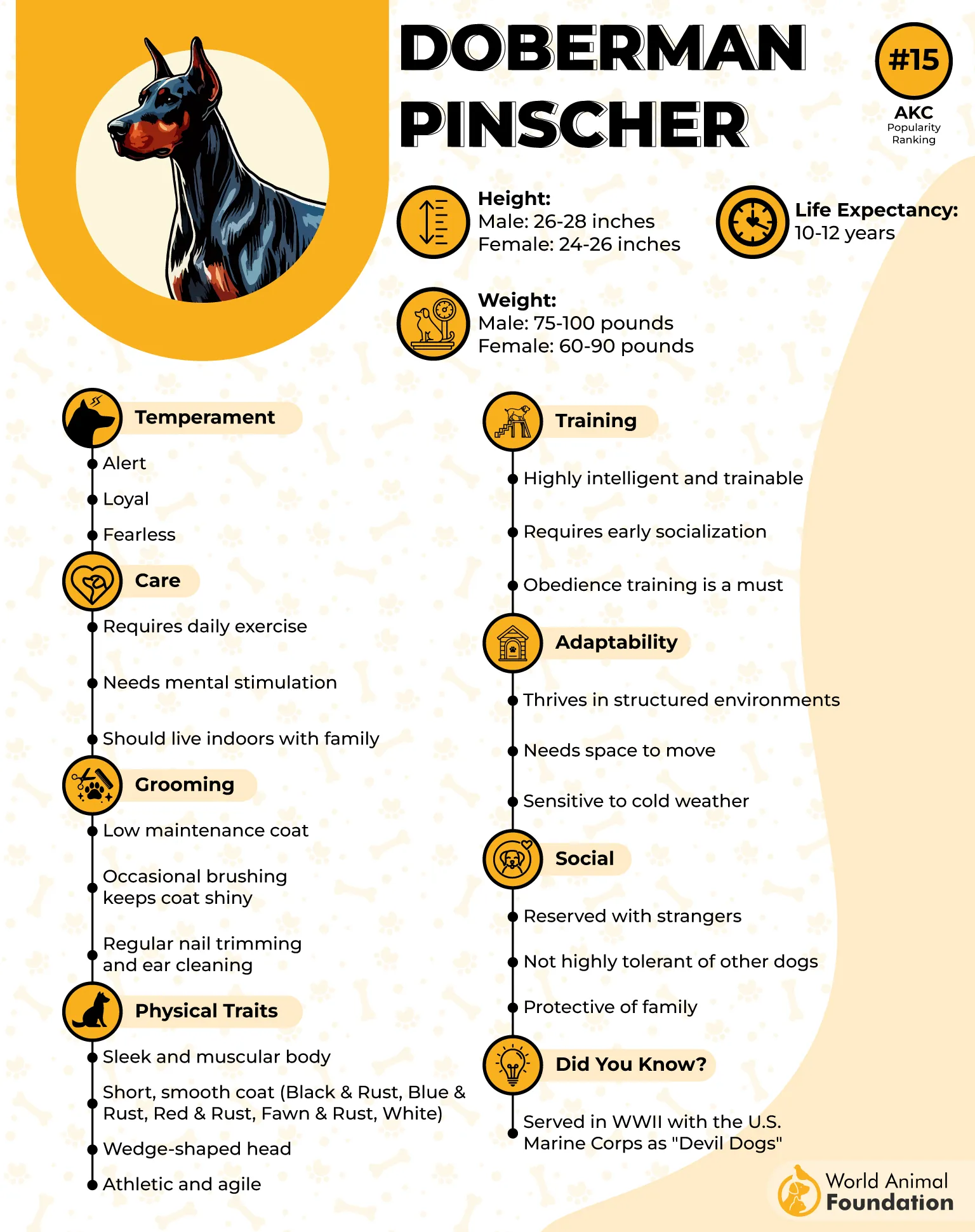
Doberman Pinschers have sleek bodies, lean muscles, and an elegant appearance that reflects their speed and athleticism. Their alert expressions and upright posture give them a confident look.
Despite their tough exterior, they can be affectionate and sensitive with their families. They often form strong bonds with their owners and enjoy staying close to them.
Temperaments and Working Abilities
Dobermans are intelligent, energetic, and eager to learn. They are naturally alert and protective, often remaining reserved around unfamiliar people. Their intelligence makes them capable of learning complex tasks, but they need consistent training, early socialization, and plenty of physical and mental activity.
Without enough exercise, they may develop destructive habits. They can also have a strong prey drive and may chase smaller animals.
5. Bullmastiff
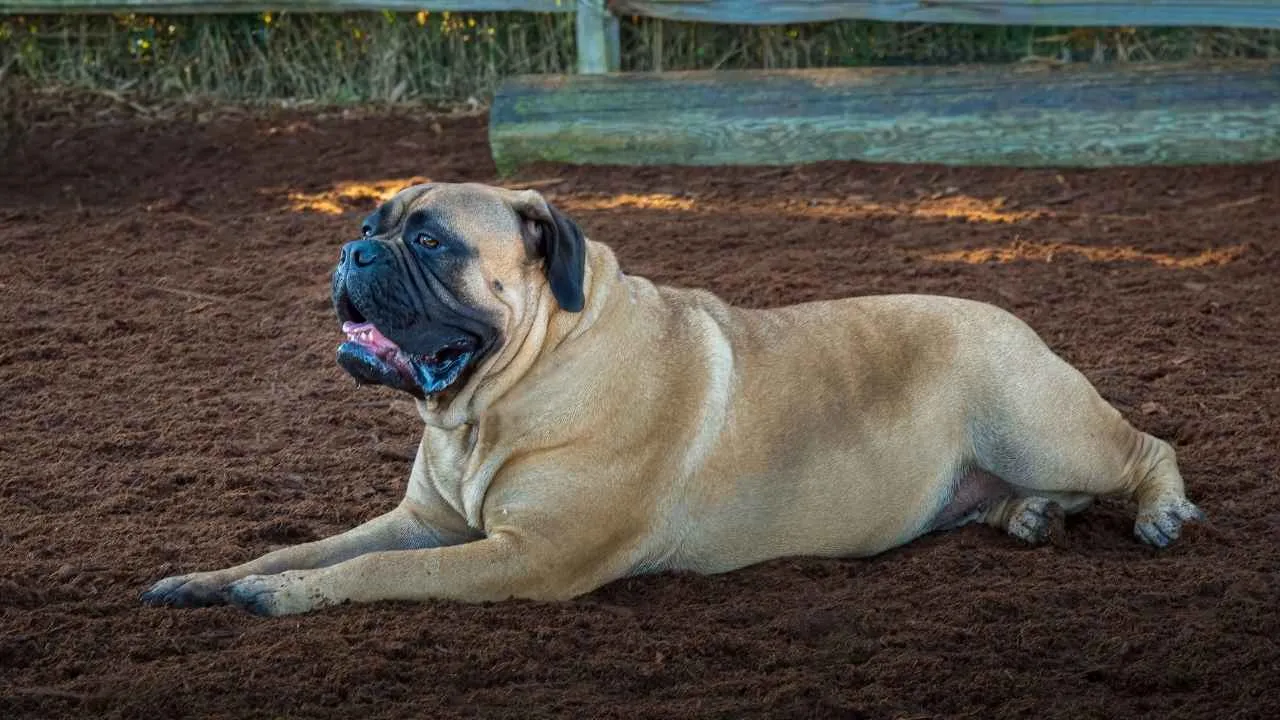
Bullmastiffs were developed in England during the 19th century by crossing Bulldogs with Mastiffs. Gamekeepers bred them to guard large estates and catch poachers.
Today, these powerful working dogs are valued for their protective instincts and affectionate nature. Despite their history as fearless guardians, they can be calm and gentle companions at home, as noted by the AKC.
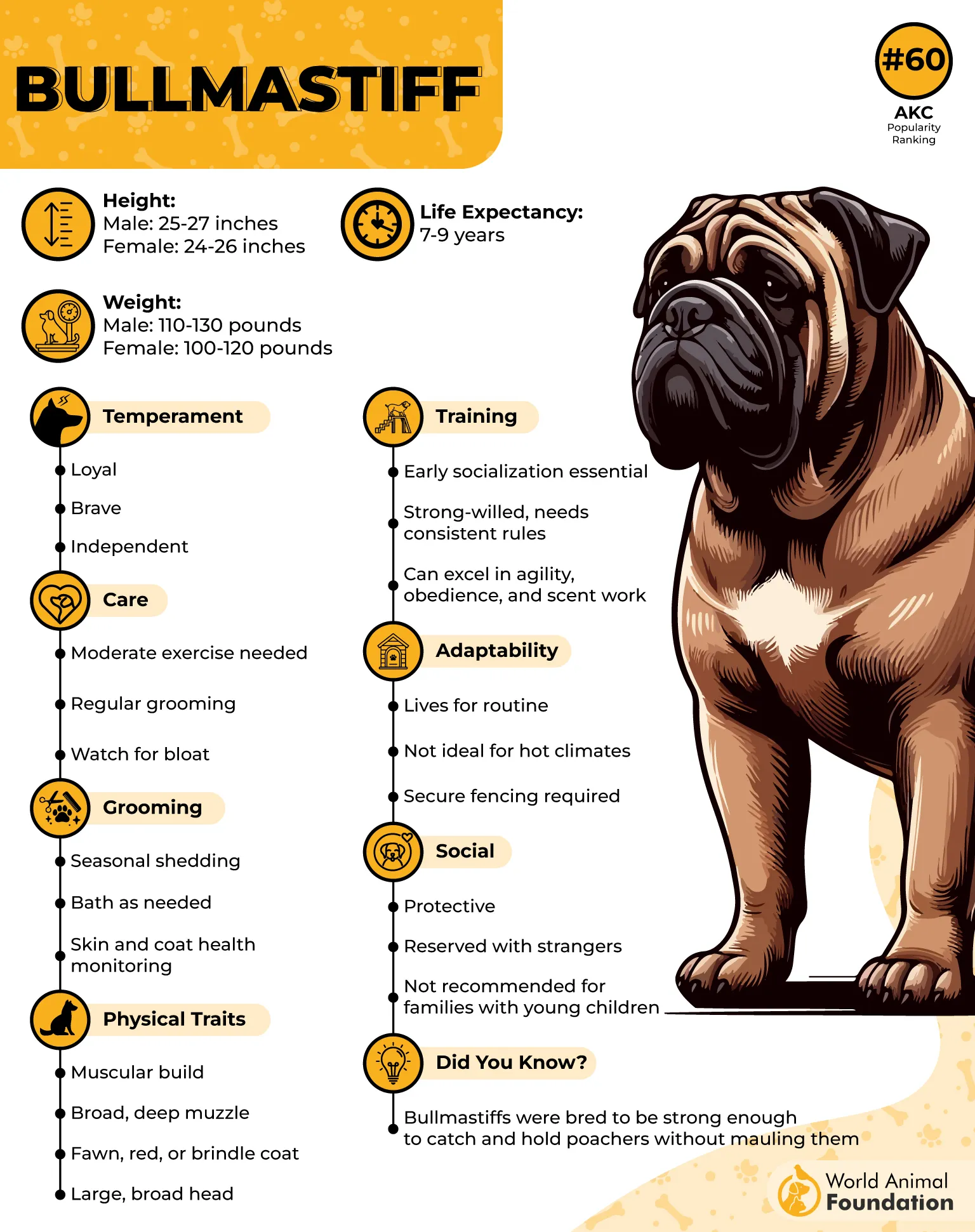
Muscular Build and Physical Strength
Bullmastiffs have broad heads, dark eyes, V-shaped ears, and deep muzzles. Their large, muscular bodies give them an imposing appearance, while their short, dense coats come in fawn, red, or brindle.
Beneath their strong exterior, they are affectionate dogs that form deep bonds with their families. They often show love by leaning against their owners and staying close to them.
Temperaments and Working Abilities
Bullmastiffs are intelligent, dependable, and confident. They are usually quiet at home but may be wary of strangers. Early training and socialization help them learn good manners and respond to commands.
They enjoy human company and should not be left alone for long periods. Daily walks and playtime in a fenced yard help keep them active, although they are not suited to long-distance running.
6. Boxer
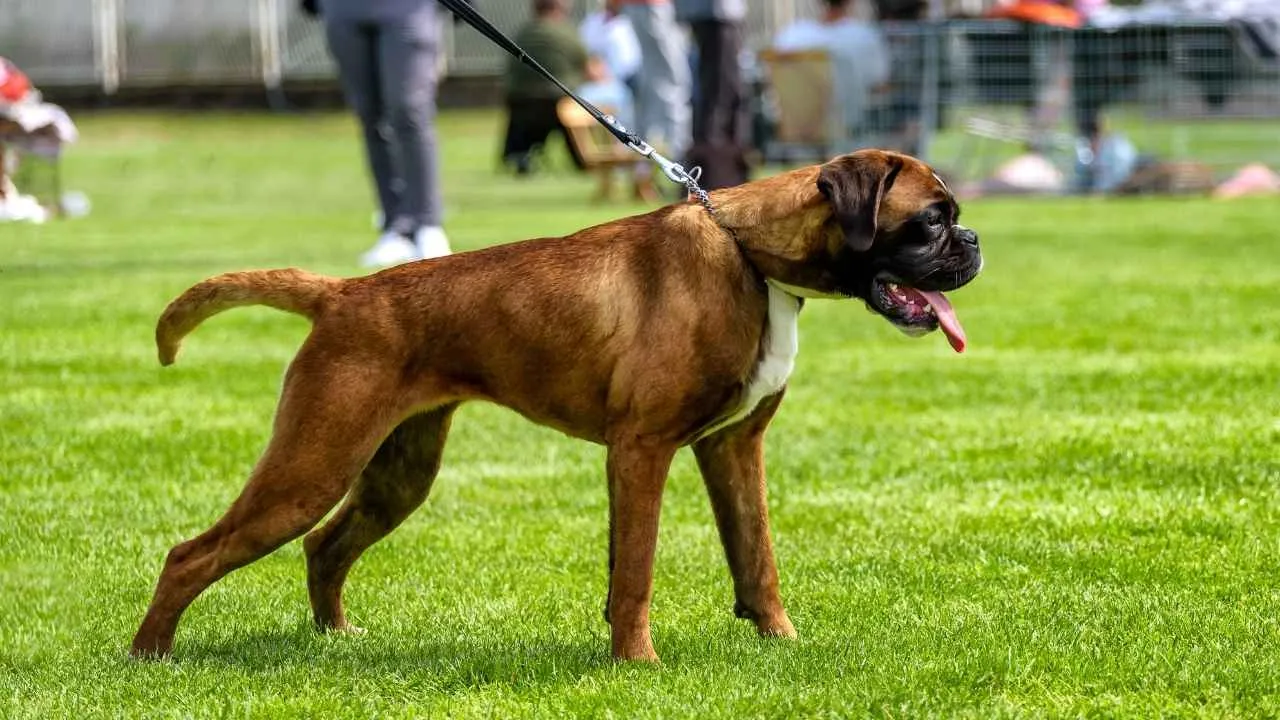
Boxers originated in Germany and were brought to the United States in the 1930s. Their early history included hunting, and they later became valued for their work ethic and protective instincts.
Today, they are popular family companions known for their intelligence, courage, and playful personalities. Their athletic nature also makes them well suited to active households.
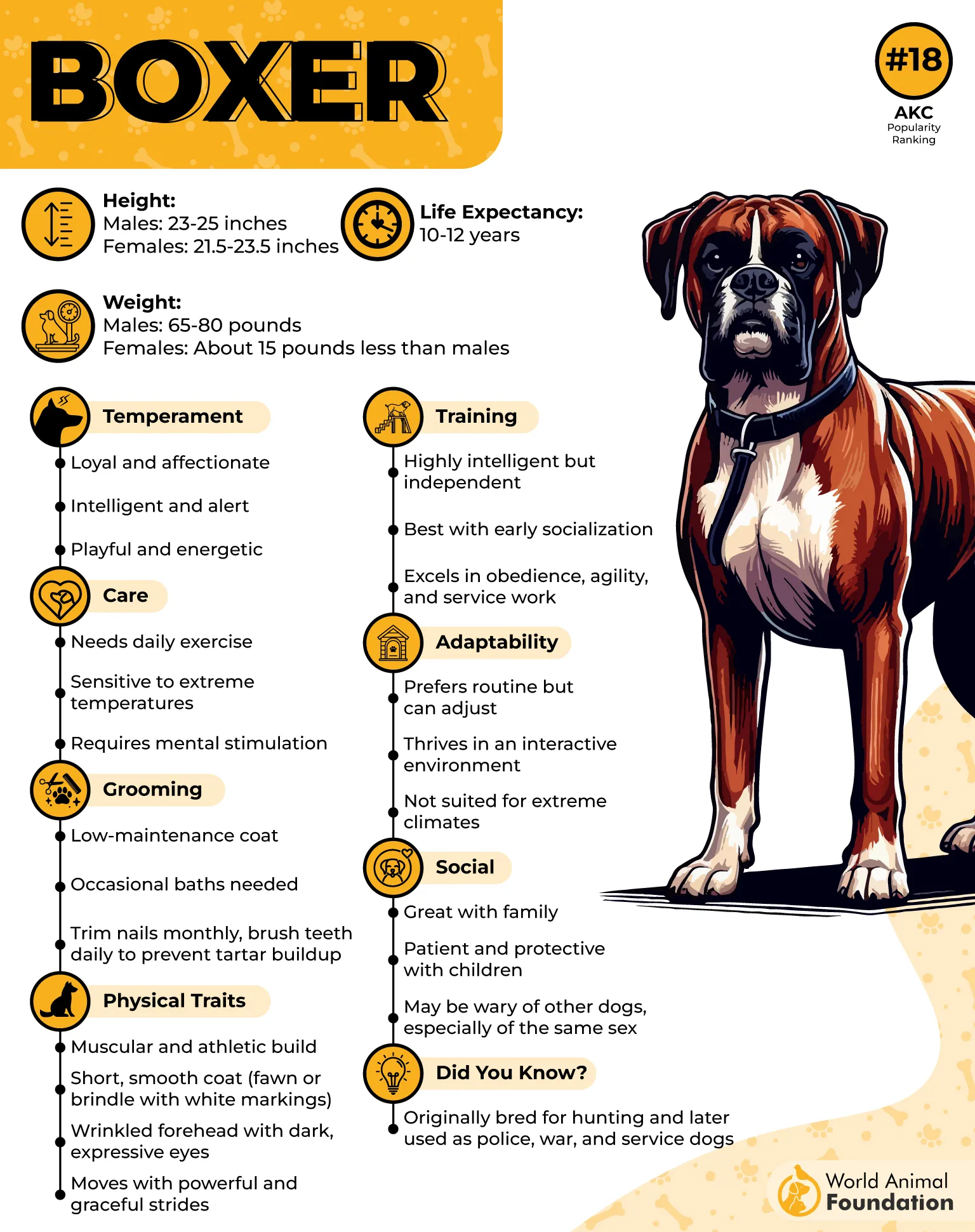
Muscular Builds and Physical Strength
Boxers have deep chests, strong muscles, and short, tight-fitting coats. Their coats are usually fawn or brindle, often with white markings. Dark brown eyes and wrinkled foreheads give them an alert, curious expression.
They move with smooth, powerful strides and are natural runners and jumpers. Despite their athletic builds, Boxers have a silly side and often retain their puppy-like energy well into adulthood.
Temperaments and Working Abilities
Boxers are loyal, affectionate, and courageous. They take their roles as watchdogs and family protectors seriously, while their patience and playful nature can make them good companions for children. Early socialization with people and other animals helps them develop good manners.
These energetic dogs need plenty of daily exercise, mental stimulation, and attention. They can become bored or destructive if left alone for too long, so they suit owners who can keep them active and involved in family life.
7. Alaskan Malamute
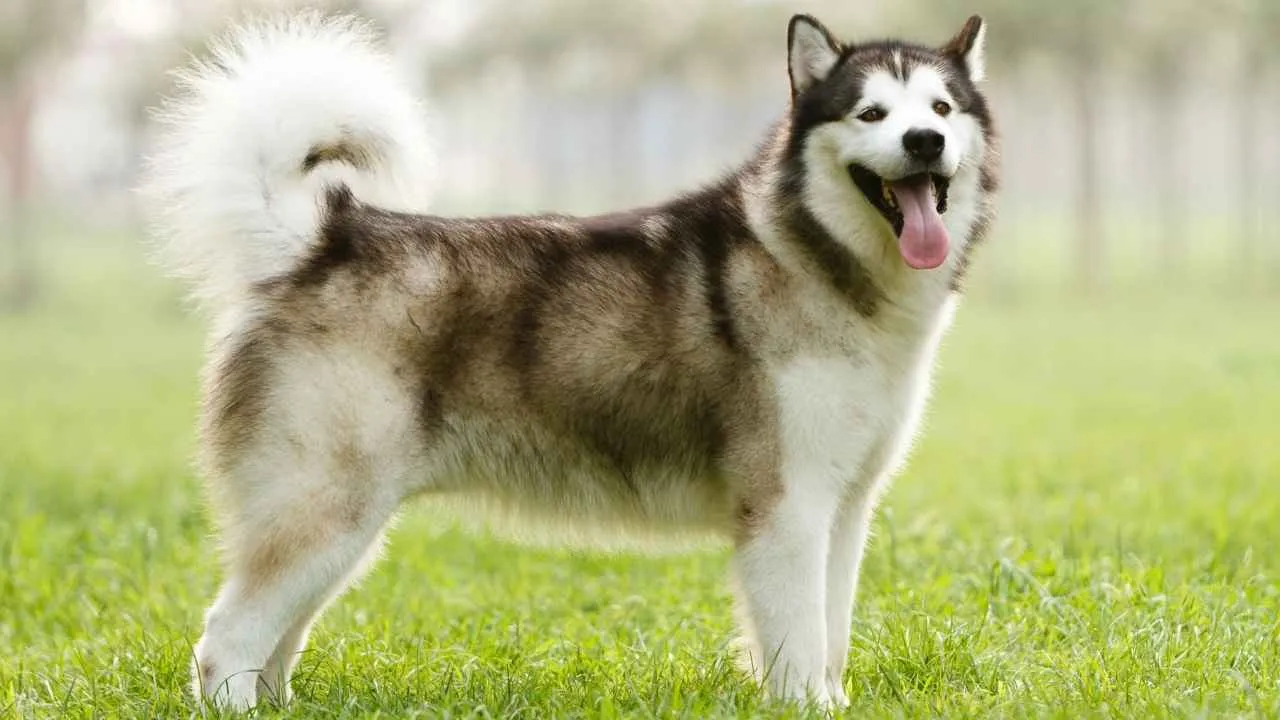
Alaskan Malamutes were originally bred to pull heavy sleds across harsh Arctic terrain. Their history as working dogs shaped their strength, endurance, and ability to handle demanding tasks.
Unlike dogs bred for speed, Malamutes were developed for power and staying power. Today, they are known for their affectionate nature, playful personalities, and love of human company.
Muscular Build and Physical Strength
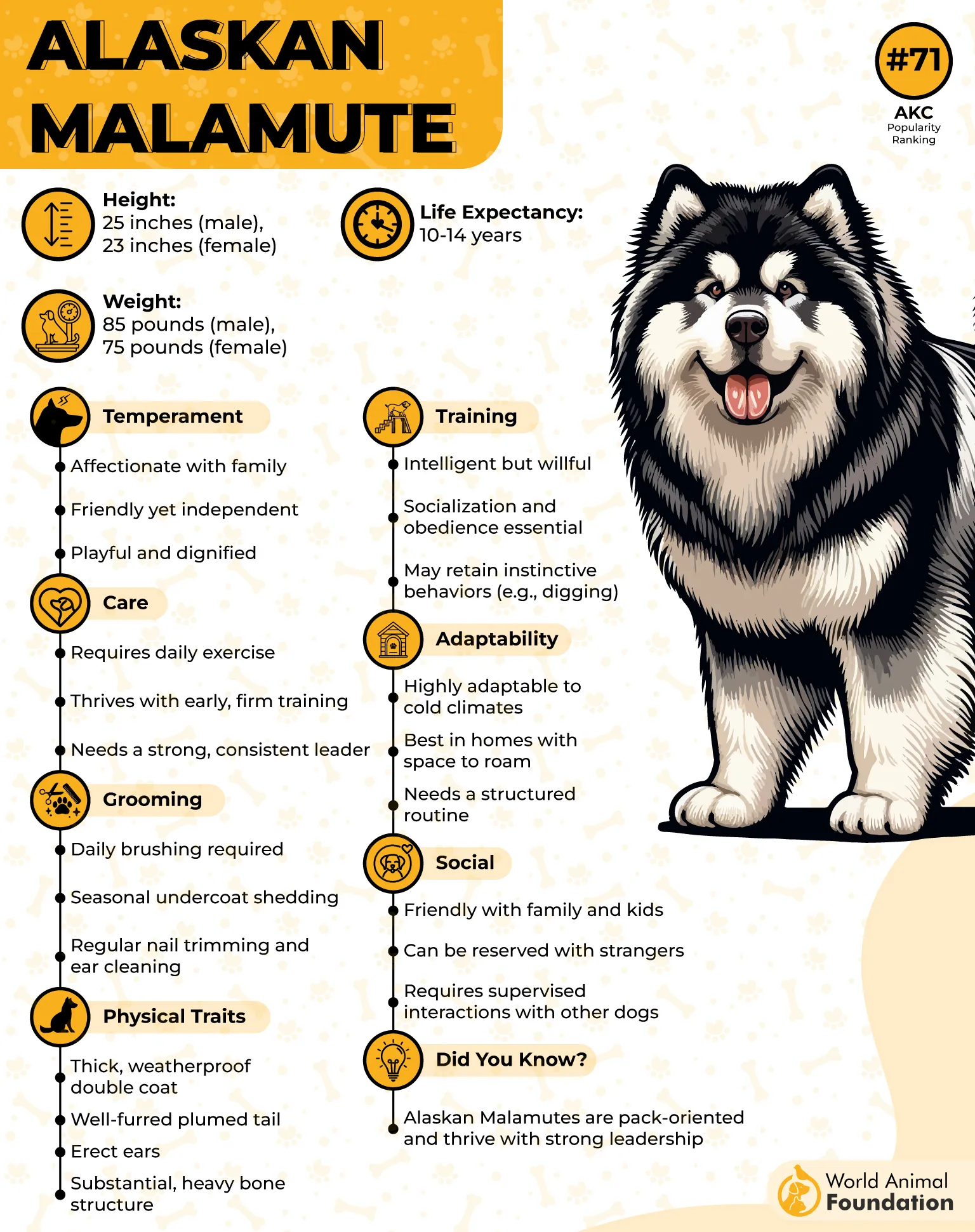
Alaskan Malamutes have deep chests, powerful shoulders, strong bones, and solid, muscular bodies. Their dense, weatherproof coats help protect them in cold conditions.
Erect ears and plumed tails carried over their backs give them a distinctive appearance. Despite their impressive strength, these dogs also enjoy cuddling with their families after a busy day.
Temperaments and Working Abilities
Malamutes are friendly, playful, and affectionate with family members and often welcome guests after proper socialization. They can be independent, stubborn, and strong-willed, so early, consistent training is important.
They learn pulling tasks quickly but may challenge owners who lack firm guidance. These athletic dogs need regular outdoor activity and mental stimulation to prevent boredom. They may dig, howl, or chew furniture when left without enough to do.
Conclusion
Muscular working dogs stand out for their impressive strength, athletic builds, intelligence, and dedication to their families.
From powerful guardians to hardworking sled dogs, each muscular breed has unique qualities and a history shaped by the tasks it was bred to perform. Many are also affectionate companions who enjoy being part of family life.
Before bringing one home, consider your experience, lifestyle, and ability to meet the dog’s exercise and training needs. Research your preferred breed and make sure you can provide the right environment.
After all, the best working dog is not just the one with the strongest muscles, but the one whose needs you can understand and meet.
Looking for more working breeds? You can also check out the Bernese Mountain Dog, Siberian Husky, Anatolian Shepherd dog, Australian Shepherd, American Staffordshire Terrier, Border Collie, and Old English Bulldog.
