




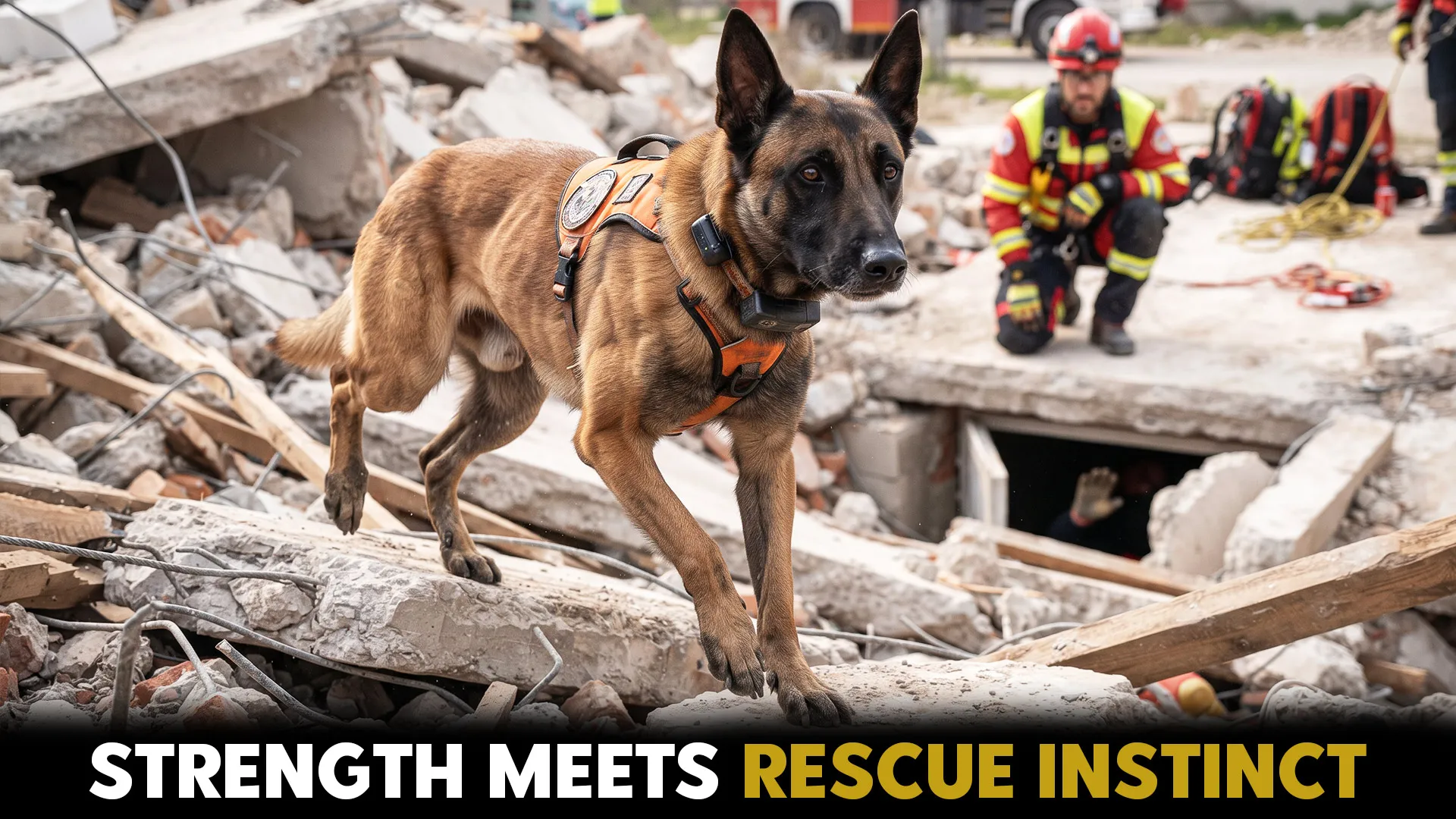
Search and rescue work dogs are basically elite athletes that happen to accept tennis balls as payment. They may climb unstable rubble, cover acres of wilderness, follow an individual scent through busy streets, or search difficult terrain for hours, so flashy muscles alone will not get a dog onto a serious SAR team.
That is what “muscular” means here: functional strength rather than canine bodybuilding. The dogs below combine athletic bodies with working drives that can translate into tracking, trailing, air-scent searches, disaster work, or human-remains detection, although breed alone never guarantees SAR success.
Some breeds on this list are SAR regulars, while others are less common specialists that can excel when the individual dog has the right nerve, drive, health, and training.
Most Muscular Working Dog Breeds That Excel in Search and Rescue
1. Labrador Retriever
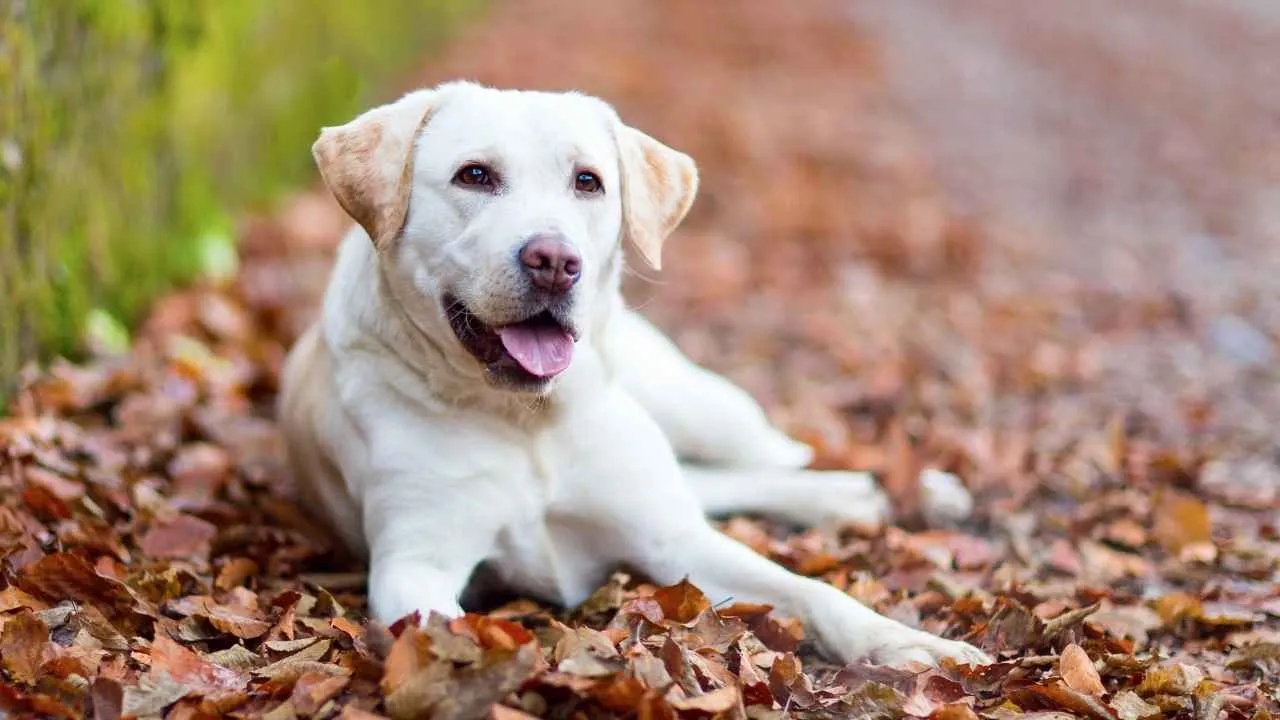
Labrador Retrievers have a compact strength that gives them enough physical power for rough terrain without making them excessively heavy or cumbersome.
The Lab’s real superpower is the combination of nose, motivation, and willingness to cooperate with humans. The Canadian Kennel Club identifies Labrador Retrievers as among the breeds best suited for search-and-rescue missions. It highlights excellent scenting ability, strong drives, endurance, intelligence, and trainability as key qualities in a search dog.
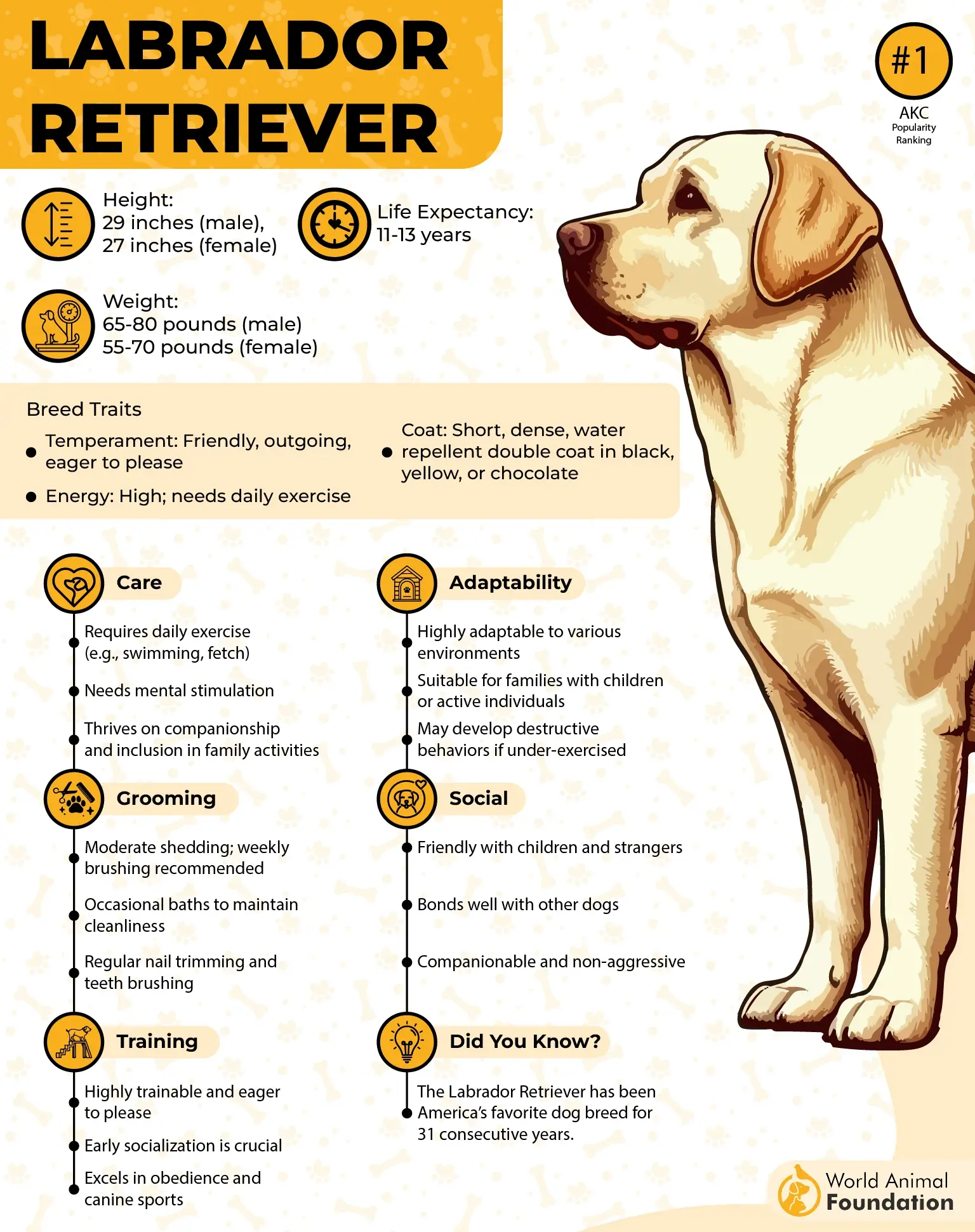
Labs are especially valuable because many of them view work as an extremely serious game. A Labrador’s job is to locate living people trapped during disasters, and it approaches search work with enormous enthusiasm and joy.
That play-and-retrieve drive gives trainers a powerful reward system, because finding a person can become the most exciting hide-and-seek session imaginable.
Personality gives the Labrador another quiet advantage because a stable, socially comfortable dog can be easier to manage around rescuers, civilians, and other canine teams. Labs aren’t born ready for deployment, and real certification requires extensive specialized training, conditioning, and evaluation.
2. German Shepherd
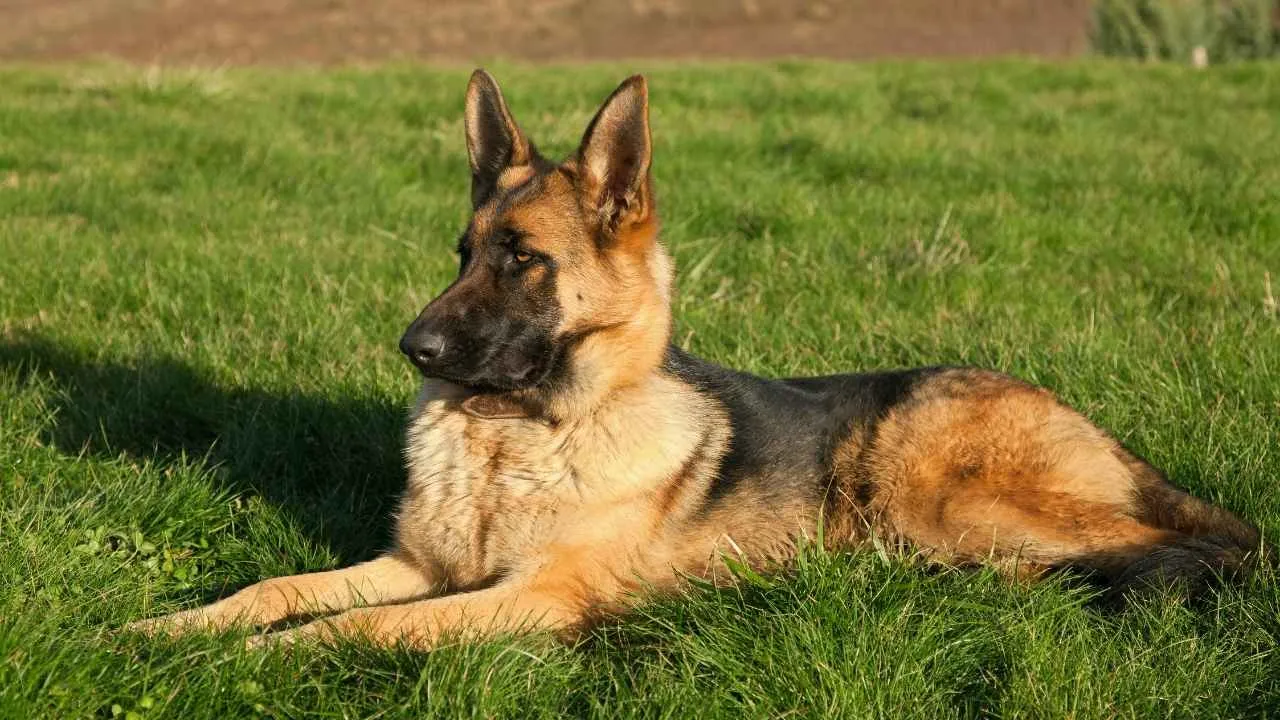
German Shepherds were developed as versatile working dogs and later became fixtures in police, military, detection, and search-and-rescue roles because of their intelligence, courage, physical capability, and trainability.
Physically, the German Shepherd is built more like a distance athlete than a heavyweight bruiser. Strong hindquarters, muscular shoulders, a deep chest, and an efficient working gait allow a sound dog to cover ground while still having enough power to negotiate steep slopes, brush, debris, and awkward footing.
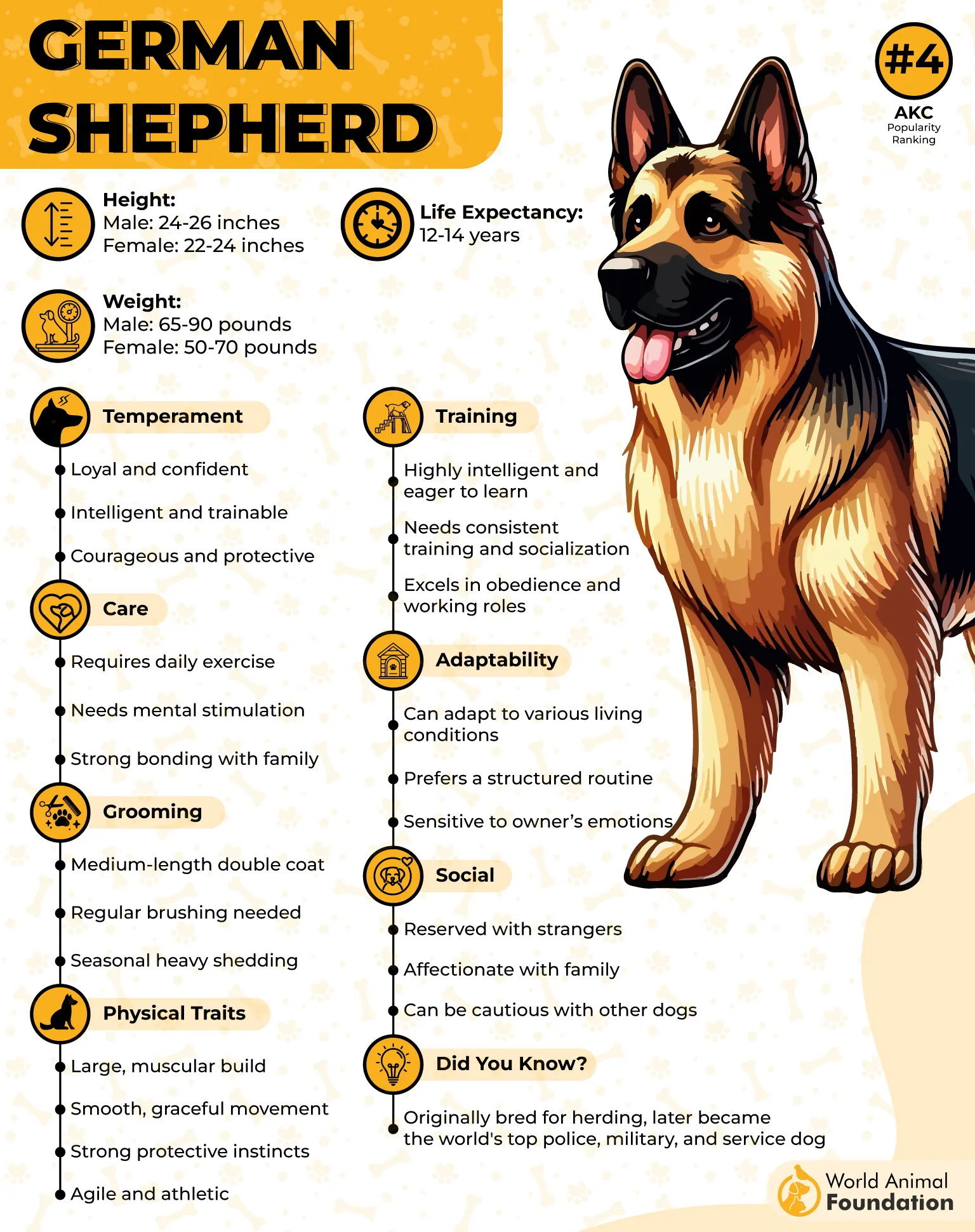
The breed’s nose adds another weapon to that athletic frame. Tracking and trailing require a dog to process scent while ignoring competing odors, changing surfaces, people, animals, weather, and the occasional handler who confidently points in the wrong direction.
Good SAR dogs cannot simply wait for instructions either; these dogs sometimes need enough independent judgment to insist on following scent even when their human partner initially chooses another direction.
German Shepherds also tend to shine when complicated tasks require both independence and handler cooperation. Their heritage created dogs comfortable learning detailed behaviors, switching between high activity and control, and staying engaged for long training sessions when properly conditioned.
3. Dutch Shepherd
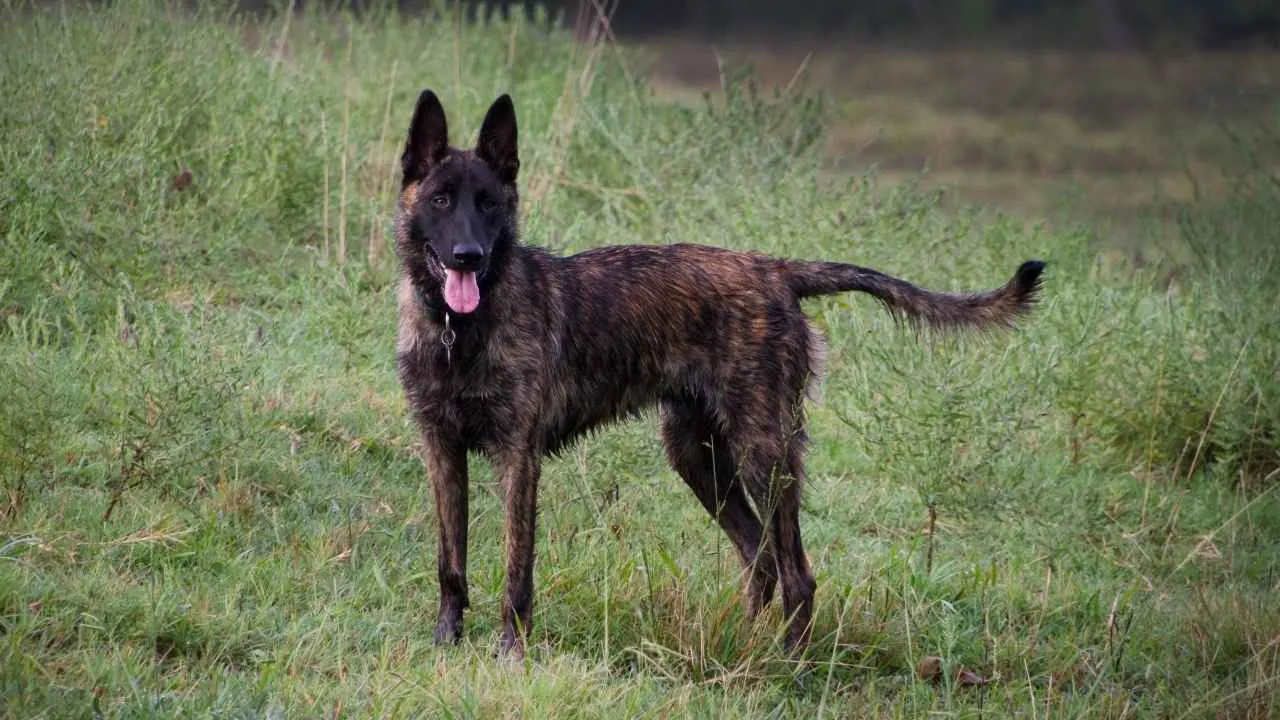
The Dutch Shepherd is the brindle employee that somehow appears qualified for six departments at once. Historically, these dogs herded livestock, guarded farms, moved animals, and performed assorted rural jobs before their versatility carried them into police work, tracking, and search duties.
Their bodies reflect that jack-of-all-trades history. Dutch Shepherds are medium-sized, strongly muscled, balanced dogs built for endurance rather than unnecessary bulk, which allows them to jump, accelerate, climb, turn, and travel efficiently.
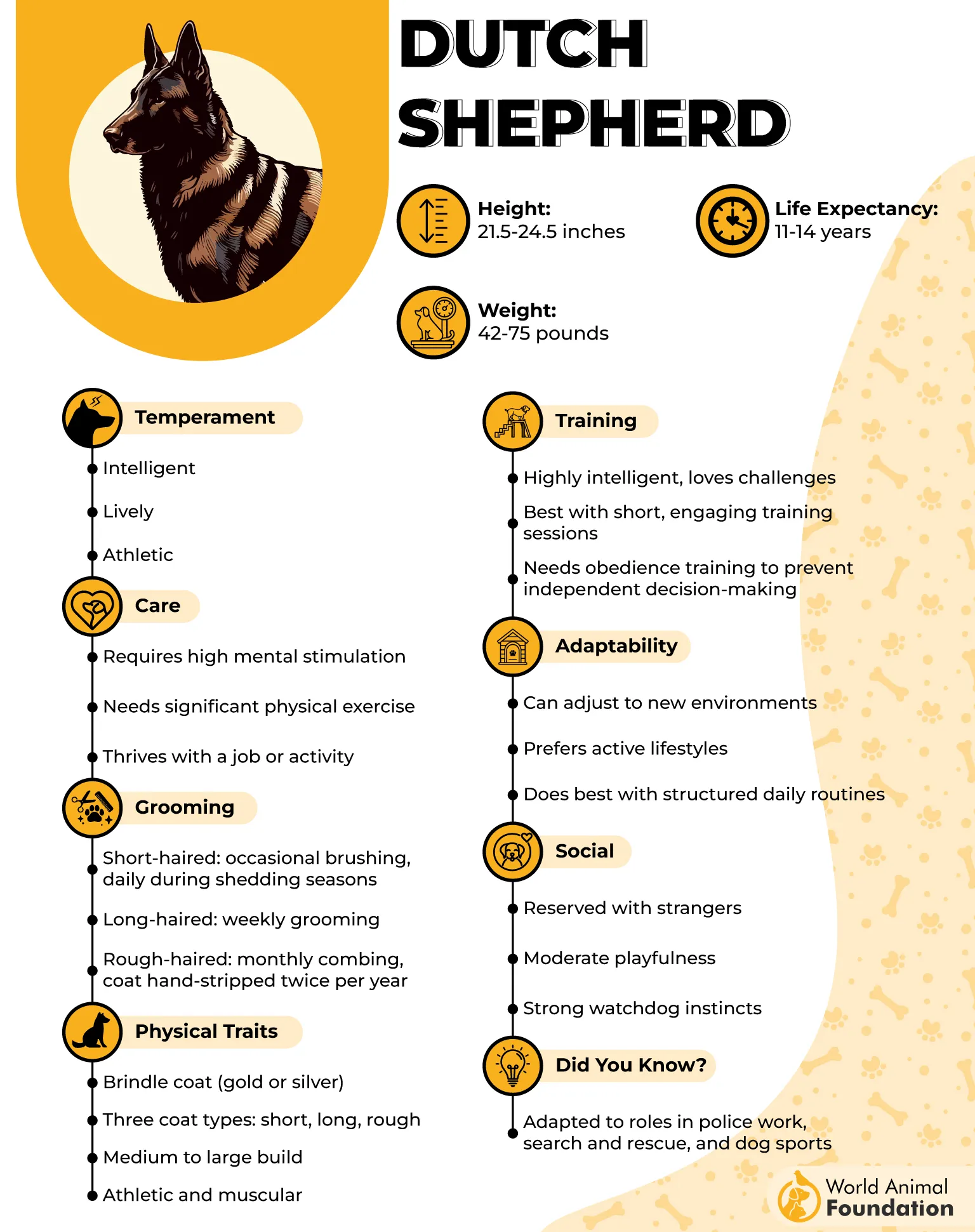
Then comes the brain, which is both a feature and a warning label. Dutch Shepherds generally thrive on tasks that involve problem-solving, precise training, movement, and a meaningful outlet for their drive, but that same mental horsepower can make an underworked Dutchie invent its own extracurricular activities.
In scent work, their athleticism lets them keep hunting odor across terrain that demands constant physical adjustment. A search dog may need to push through vegetation, cross uneven ground, work independently at distance, and then immediately communicate clearly when it locates the target.
4. Doberman Pinscher
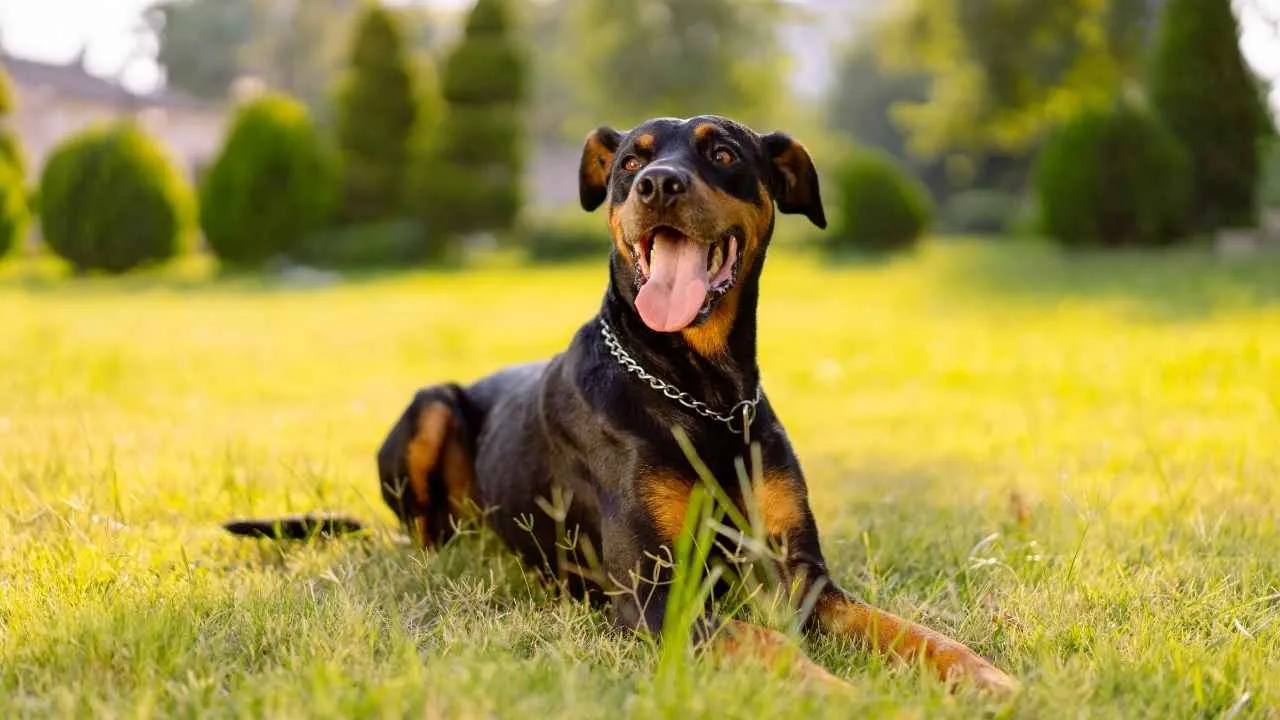
Beneath that sleek coat is a powerful combination of deep chest, muscular shoulders, strong rear drive, speed, and remarkable agility, yet the Doberman Pinscher remains lighter and more maneuverable than many heavily built working dogs.
Search and rescue is not merely a theoretical job somebody once attached to a Doberman brochure. The Royal Kennel Club recognizes actively working, certified SAR Dobermans within its performance-award structure and accepts certifications from nationally recognized search-and-rescue organizations.
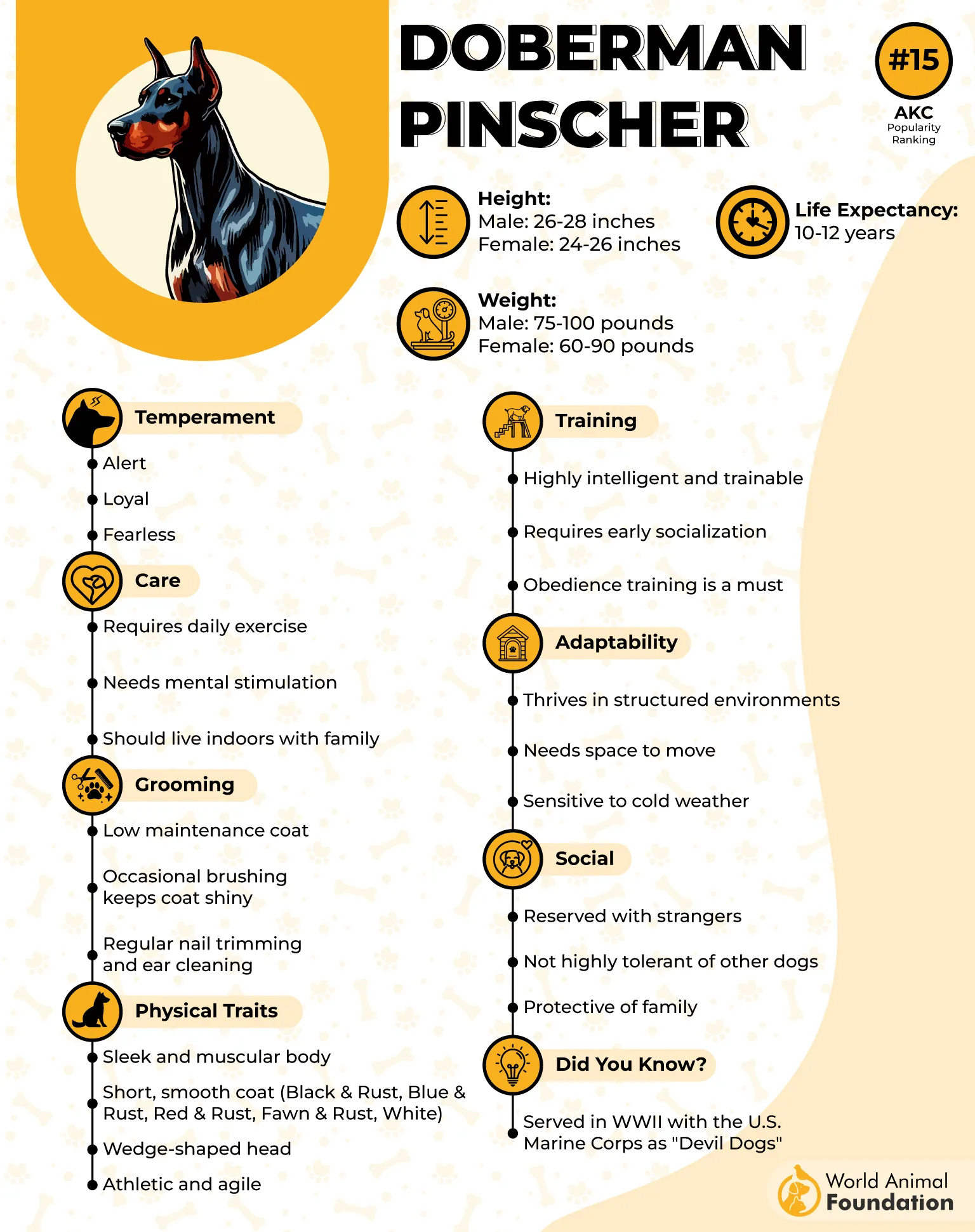
Physically, this dog brings a useful combination of stamina and obstacle-clearing ability. The comparatively tight coat also avoids carrying the same amount of mud, burrs, or debris as a heavily feathered breed, although the trade-off is much poorer natural insulation in severe cold.
Their alertness and attachment to handlers can also support training. A capable Doberman learns quickly during physical and mental exercise sessions, notices changes in its surroundings, and stays intensely engaged when the work is built around strong rewards and clear communication.
5. German Shorthaired Pointer
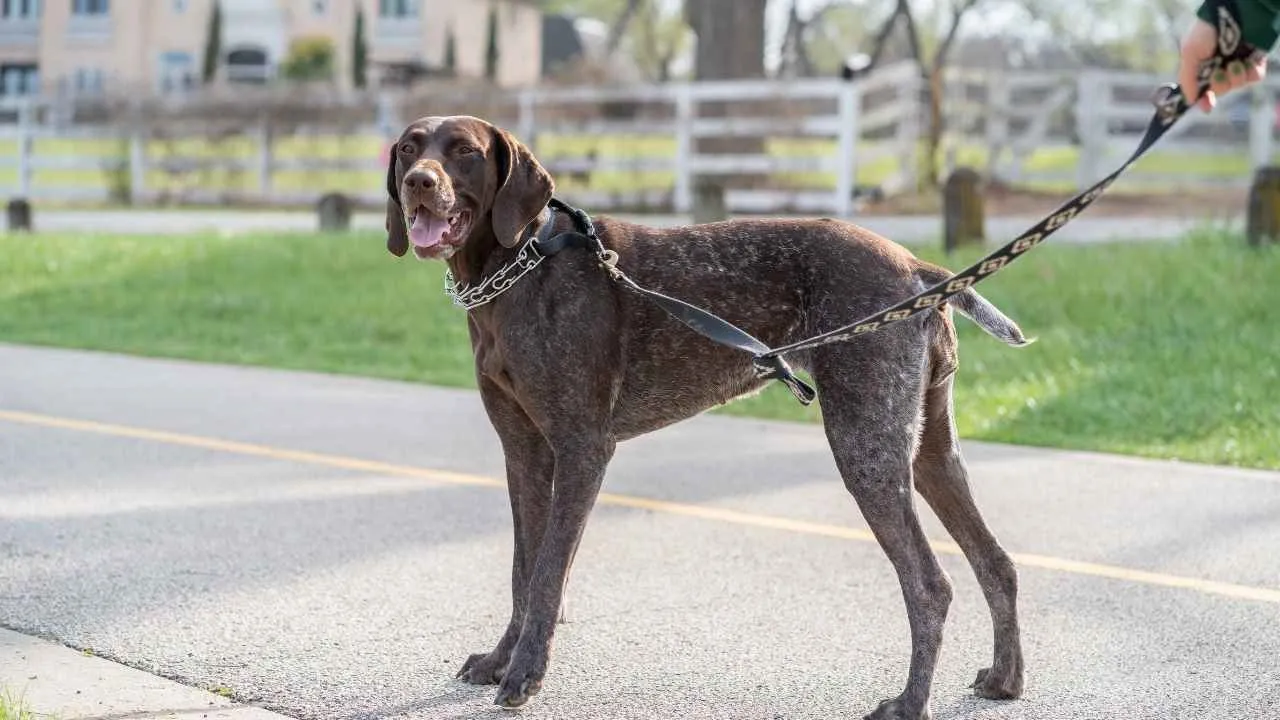
Developed to hunt across land and water, the GSP combines long muscles, powerful hindquarters, deep lungs, speed, stamina, and exceptional mobility. Those physical qualities translate beautifully to search work where covering ground efficiently matters more than looking bulky.
The German Shorthaired Pointer Club of America specifically supports SAR participation and explains that they may be trained for wilderness work, tracking or trailing, rubble searches, water searches, and other specialties. Its SAR guidance also notes that dogs detect human scent and can work either airborne scent or an individual’s trail depending on their training.
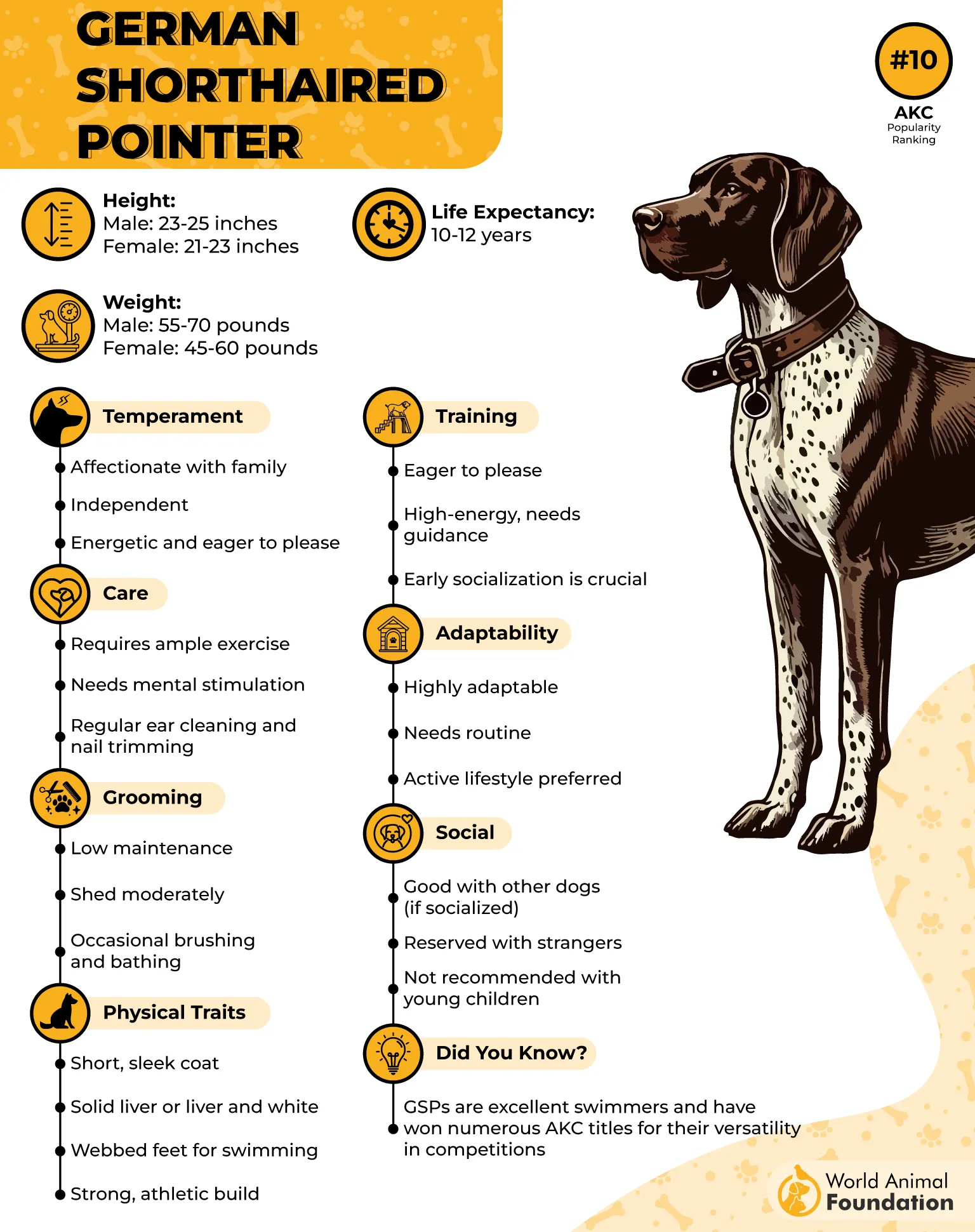
Tracking uses one of the breed’s oldest tools: that nose. GSPCA describes tracking as a discipline built around the dog’s natural ability to recognize and follow scent, with the dog rather than the handler essentially controlling the route once the trail is established.
This Pointer dog’s energy makes it especially attractive for wilderness-style work, where dogs may need to search broad spaces, negotiate natural obstacles, and stay motivated through repeated training problems. Athletic conditioning is still critical because heat, terrain, paw injuries, dehydration, and fatigue do not care how enthusiastic a dog feels when the search begins.
6. Bloodhound
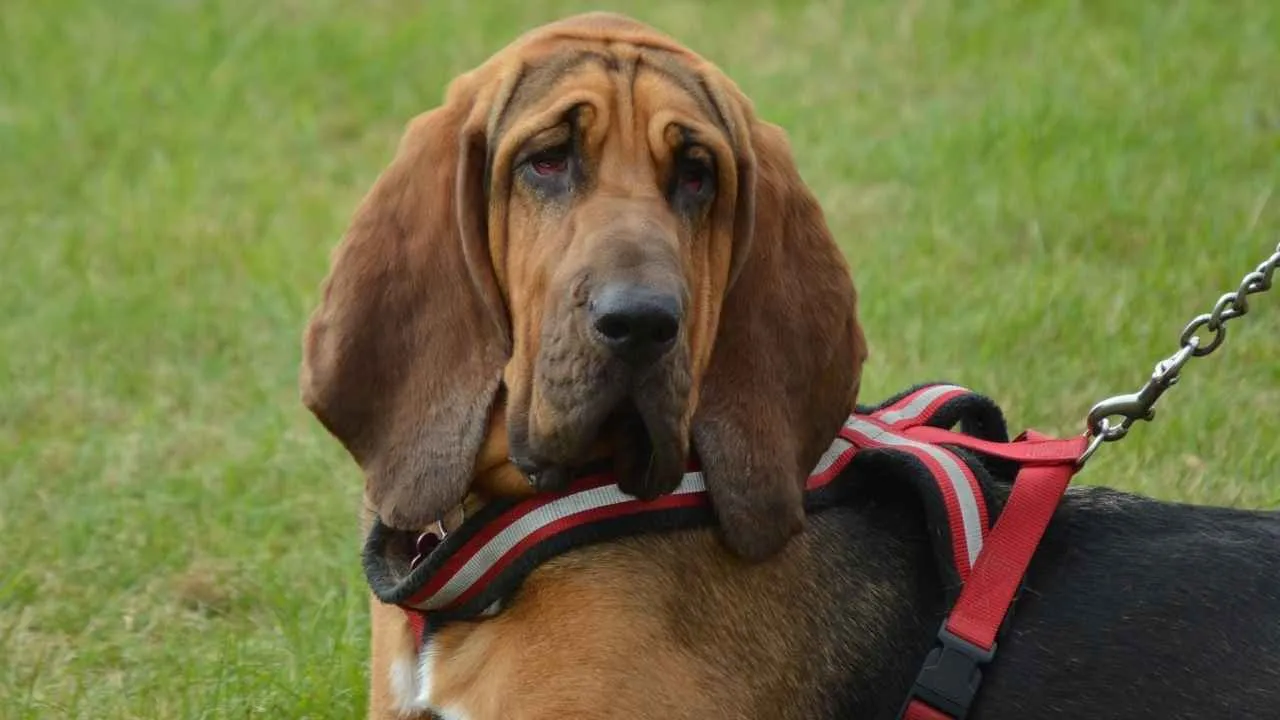
With their large bones, a deep chest, strong shoulders, and powerful legs, the Bloodhound has the strength to pull steadily on a long line while following scent through woods, hills, roads, and urban spaces.
The breed’s reputation in search work rests primarily on trailing. Instead of simply searching for any human in an area, a scent-discriminating trailing dog can be presented with an article carrying one person’s odor and then work to follow that individual.
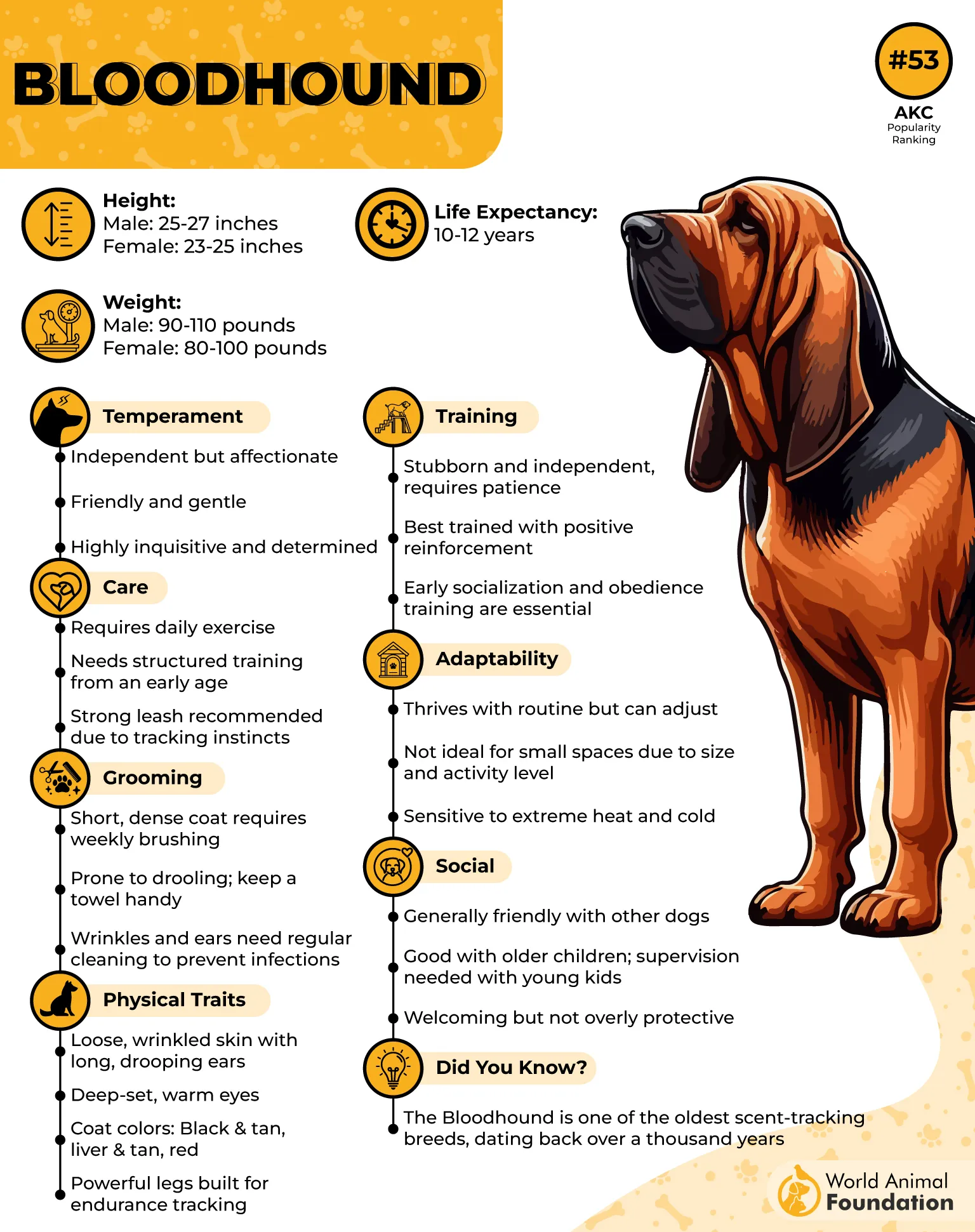
Bloodhounds locate missing people, track criminals, and contribute to investigations through their remarkable scenting work. Many SAR handlers move from an area-search dog to a Bloodhound because their teams specifically needed a trailing dog for urban and suburban calls.
This is also a breed where the dog may quite literally know more about the route than its handler. Once committed to odor, a strong Bloodhound can be deeply persistent, so handlers need fitness, leash skill, excellent reading of canine body language, and enough humility to follow the nose.
7. Belgian Malinois
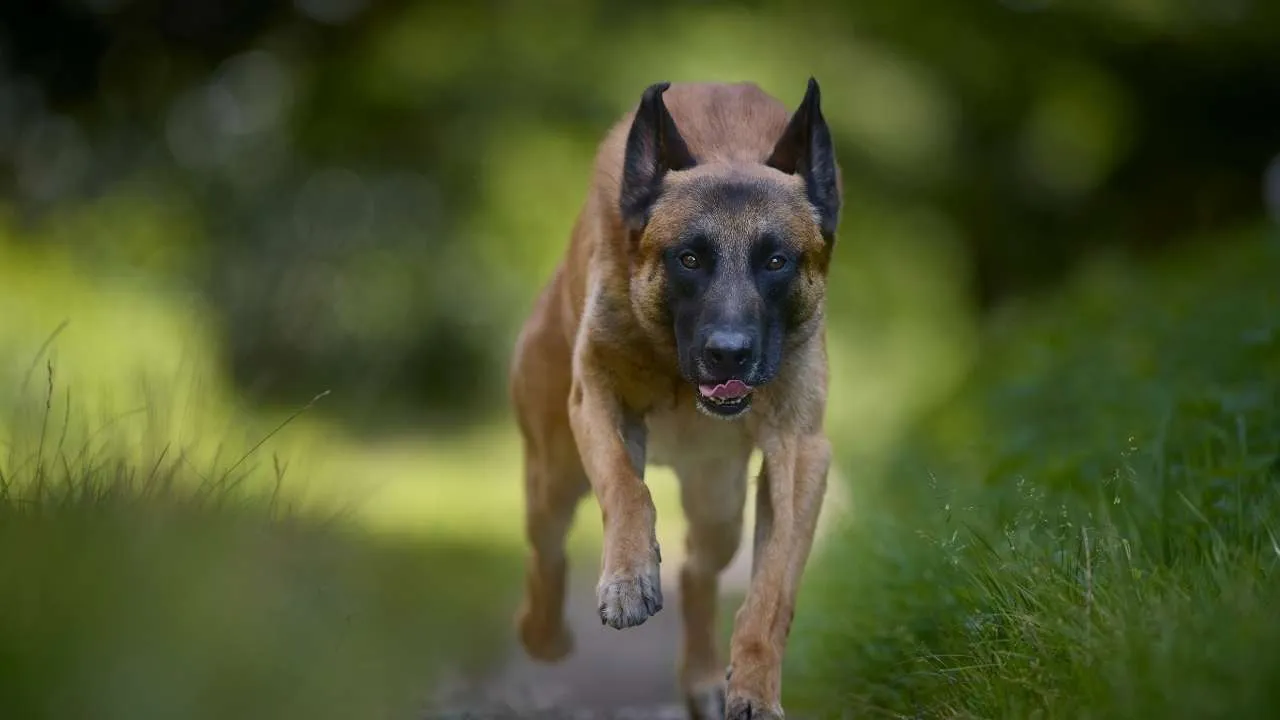
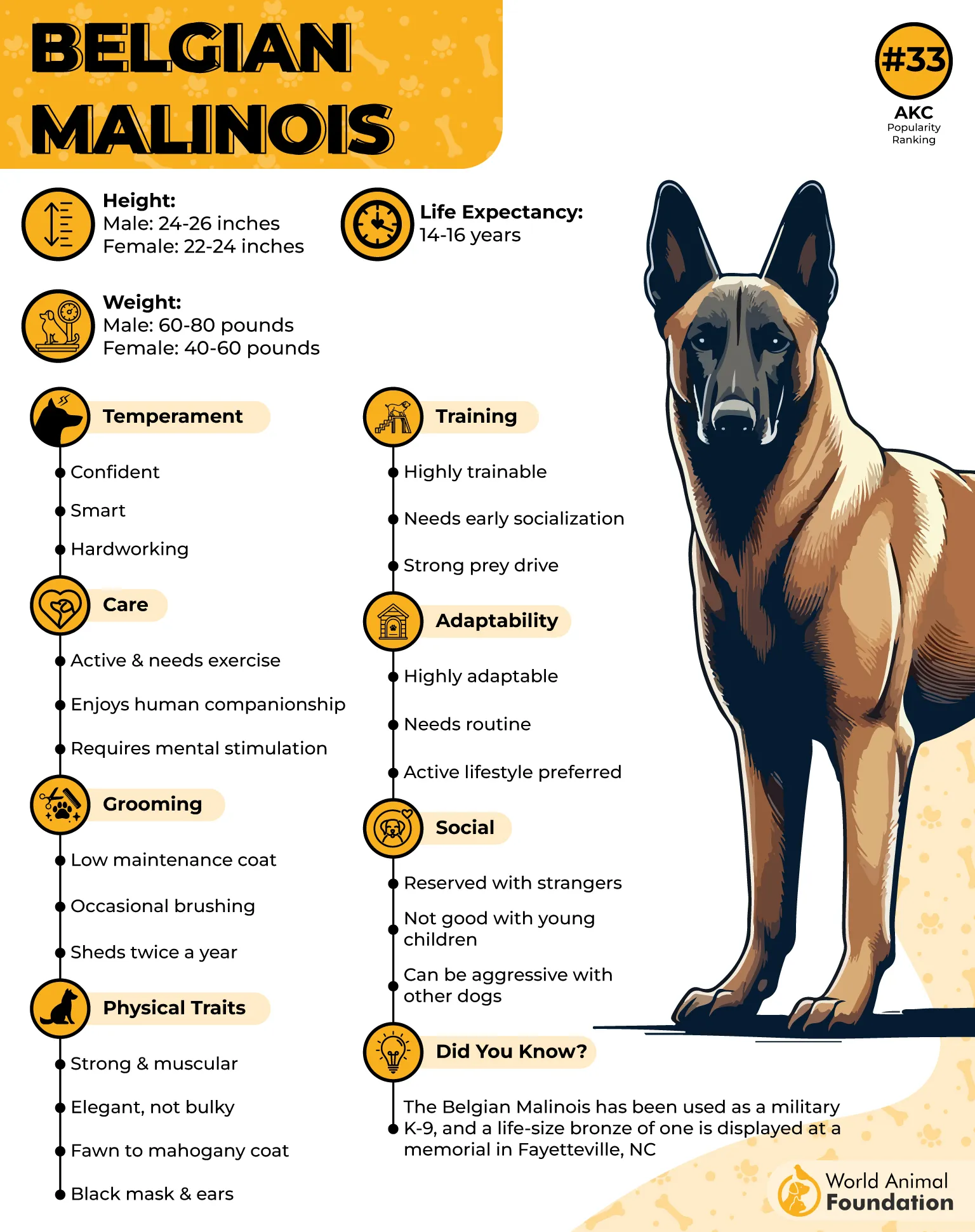
Lean rather than bulky, the Belgian Malinois carries dense functional muscle over a lightweight frame, creating a ridiculous combination of acceleration, jumping power, agility, endurance, and quick recovery. That is one reason Malinois appear so frequently in demanding military, law-enforcement, detection, and specialist working roles.
SAR puts those physical gifts to genuine lifesaving. Riley, a Belgian Malinois working with California Task Force 6, was tagged as a FEMA human-remains detection dog after the Los Angeles fires, searching destroyed properties alongside his handler.
Another Malinois, Magnus Ares, earned FEMA Canine Search Specialist certification and participated in response work connected with the Surfside condominium collapse. His training included human-odor detection, trailing, and tracking, illustrating how carefully selected working dogs can build highly specialized scent skills.
The breed’s greatest asset can also become its biggest ownership challenge. Intense prey or toy drive, lightning reactions, physical toughness, and a near-endless appetite for activity are brilliant when experienced handlers know how to channel them, but these otherwise excellent family dogs can overwhelm homes expecting a slightly sportier German Shepherd.
Conclusion
The best search-and-rescue dogs are not necessarily the biggest, strongest, or most intimidating dogs in the parking lot.
They succeed because functional muscle works alongside scent ability, environmental confidence, endurance, motivation, intelligence, and a deep working partnership with a trained handler; that is why SAR organizations emphasize the individual dog’s temperament and drives rather than relying on breed name alone.
Bernese Mountain Dogs, Border Collies, Australian Shepherds, Golden Retrievers, Siberian Huskies, Anatolian Shepherds, and Springer Spaniels are also some incredible canines great for rescue missions.
If SAR interests you, don’t choose a dog because it looks heroic in a vest; contact an established local search organization first, then learn what type of dog, training, certification, and handler commitment their real missions require.
