




Power, strength, and confidence define muscular dog breeds with powerful jaws—but there’s much more to them than raw force. These dogs were bred for demanding roles such as guarding, hunting, and protection, where physical ability had to be matched with intelligence and control.
When trained and handled responsibly, they are not only formidable but also loyal, disciplined, and deeply devoted companions.
The strong muscular dogs may bite, which can be a deadly experience, especially if you are not fond of dogs. Since attacks are common occurrences, they can even happen with trained dogs, depending on various factors. Such as: high temperament, prey drive, and health issues, etc.
In this article, we explore muscular dog breeds known for their strong bite forces, solid builds, and commanding presence. You’ll learn what makes their jaws so powerful, how temperament and training shape their behavior, and what it takes to raise these impressive dogs safely and responsibly.
If you are a first-time dog owner, we recommend that you do a lot of research before bringing a muscular dog home!
Muscular Dog Breeds with Powerful Jaws and Strong Bite Forces
1. Tosa Inu

Tosa Inu is a large, powerful, and strong breed that originated in Japan. It has a strong bite force of 556 PSI. Tosa Inu’s bite is considered deadly because it holds the prey and attacks the enemy with great pressure. Its jaw’s grip causes severe muscle or tissue damage. That also leads to mortal injuries.
Tosa Inu bite is considered an impressive bite force, due to which the UK government has banned it under the Dangerous Dogs Act, says Rice and Kendig Injury Lawyers.
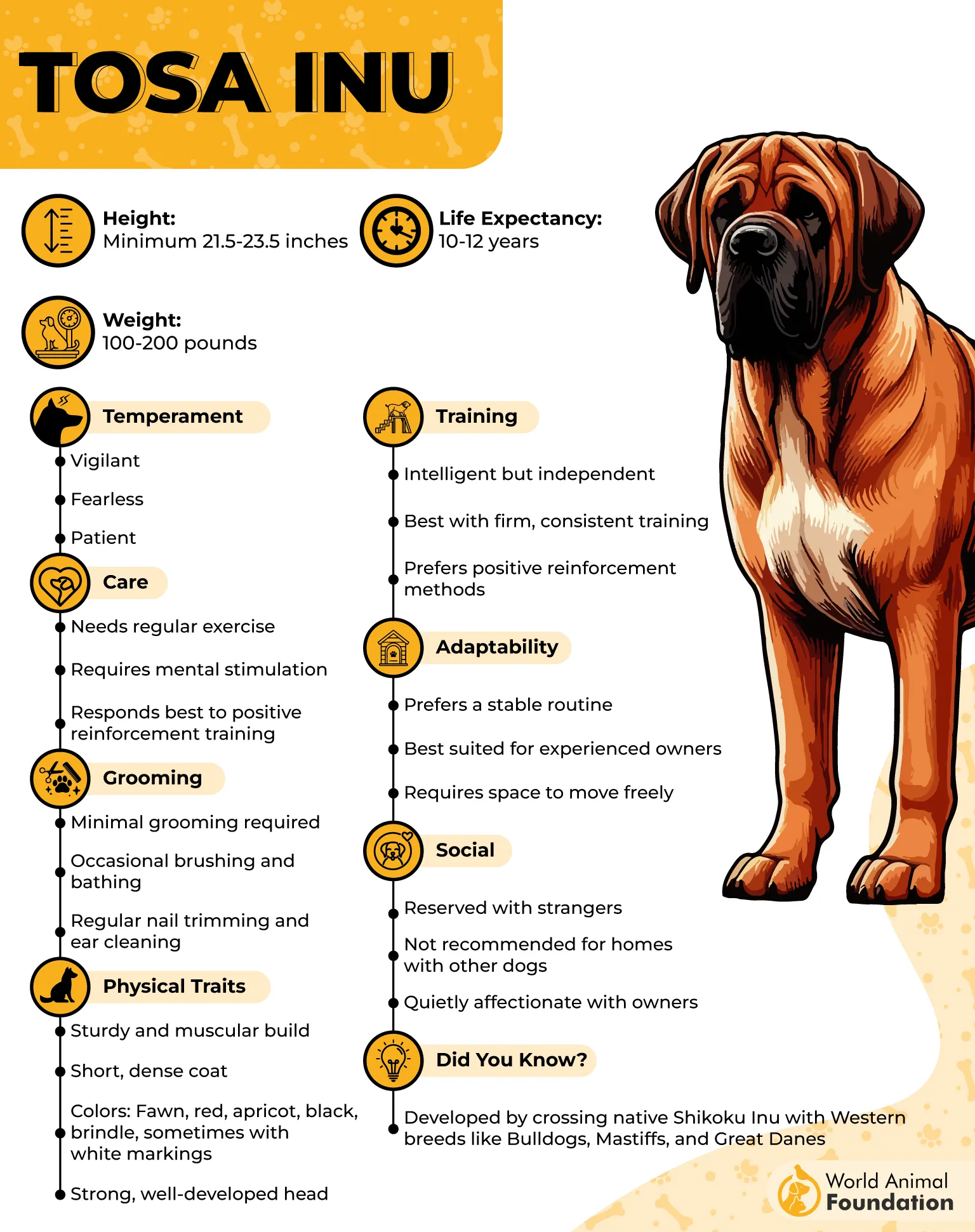
The Tosa Inus require proper training because although they are gentle when around family members, their aggressive nature can trigger at anytime. They are not fond of strangers, so you might stay away from them. As they can attack without giving you a second thought.
According to the AKC, with the Tosa Inu, you cannot think of having another dog as a pet or working dog. They can be aggressive and cause trouble for you if they think the dog is invading their personal space.
Overall, this breed’s temperament is calm, quiet, and obedient. They are highly active dogs that go out of their way to save their masters; their protective instincts are quite superb.
2. Kangal

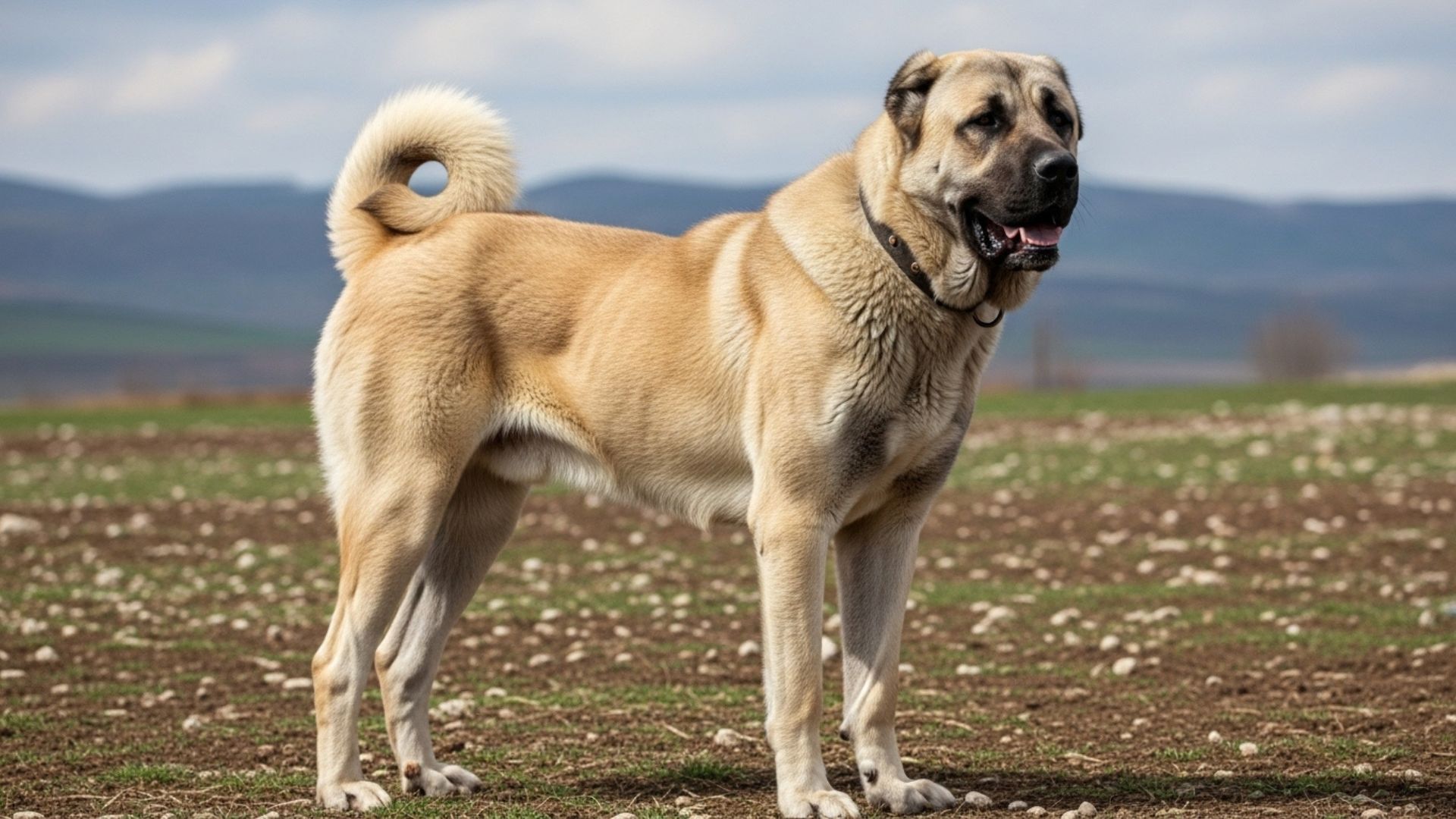
The Kangal is one of the most formidable muscular dog breeds, renowned worldwide for its immense strength and exceptionally powerful jaws, with a bite force of 734 PSI. Originating in Turkey, this livestock guardian was bred to protect flocks from large predators such as wolves and bears, a role that demanded both physical power and unwavering courage.
Despite its intimidating strength, the Kangal is known for its calm, intelligent, and controlled temperament. Loyal and protective without being needlessly aggressive, it relies on instinct and judgment rather than impulsive behavior.
With proper training, socialization, and experienced leadership, the Kangal becomes a steady, dependable guardian—an impressive example of how power and responsibility must go hand in hand.
So, we can say this breed comes with majestic power and style!
3. German Shepherd
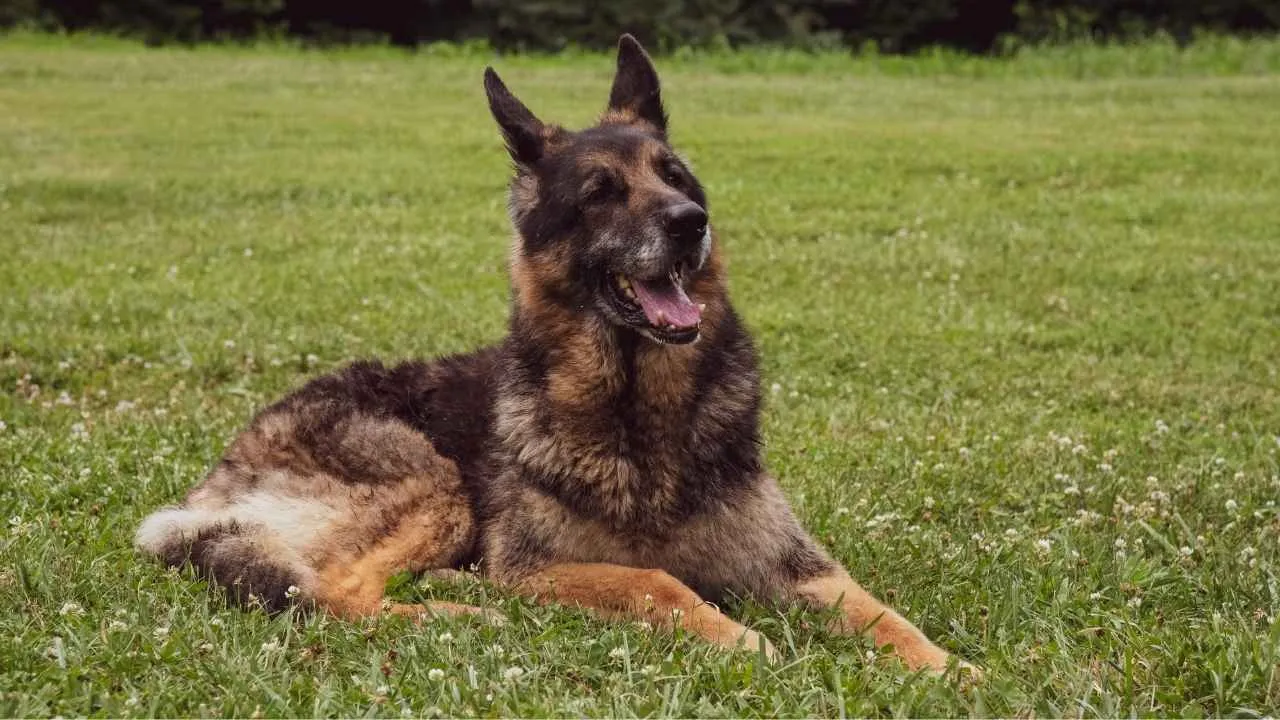
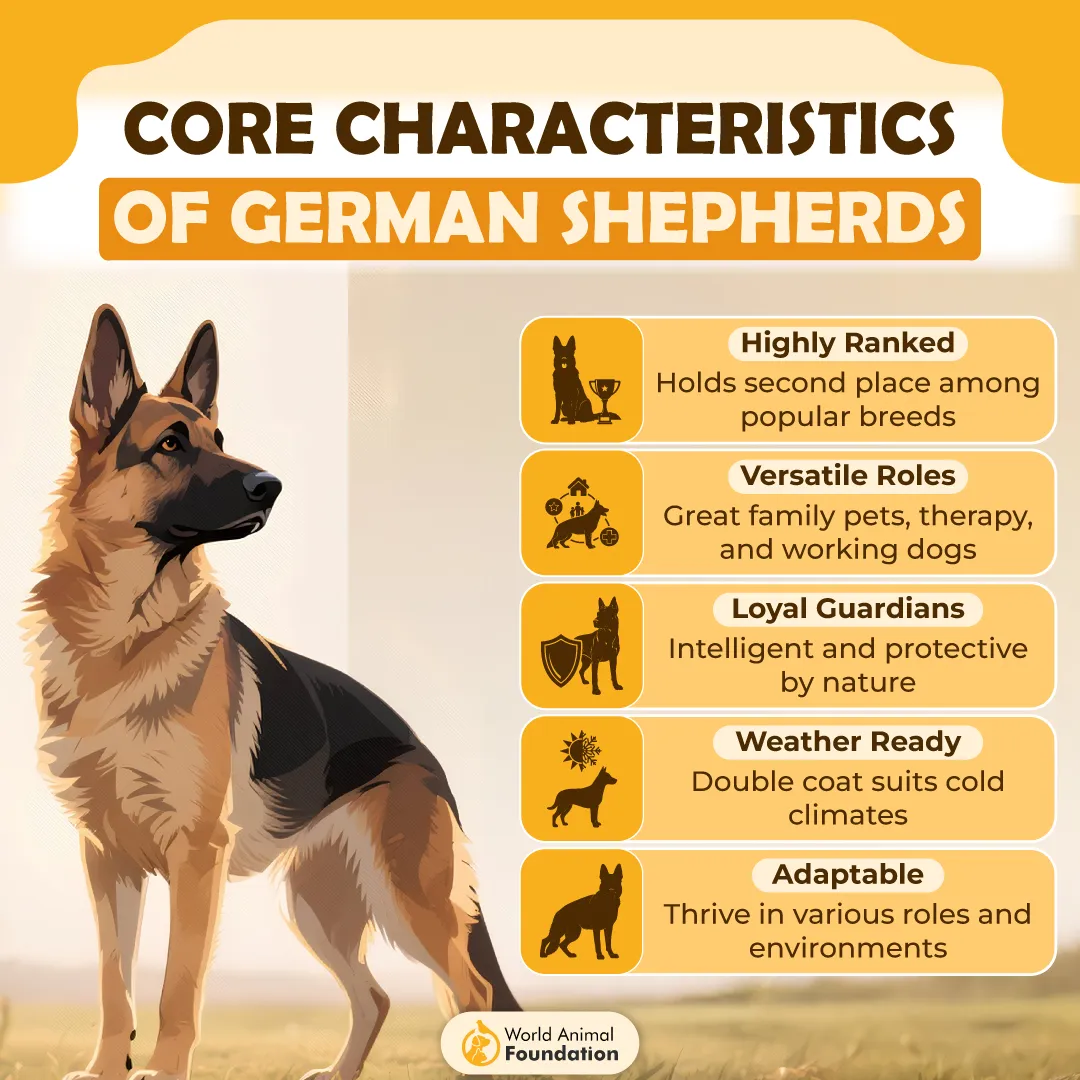
German Shepherds win all the ranks from majestic power to amazing speed to aggressive nature to winning as guard dogs. Since this breed is known for its strength, they have bite force of 238 PSI.
With a strong neck, well-developed jaw muscles, and excellent grip strength, the German Shepherd delivers power with precision rather than reckless force. Beyond physical ability, its defining trait is trainability—this breed responds exceptionally well to structured training and clear leadership.

They have served for years as guard dogs to keep an eye on sheep and other farm animals. And trust me, they know how to maintain the discipline while making it difficult for the enemy to escape. German Shepherds are intelligent, affectionate, and loyal. Because of their stronger bite force, several injuries are expected that lead to infections.
Pro Tip: If attacked by a German Shepherd, try to cover your face and neck. Because these are sensitive areas, and if attacked, they can lead to mortal injuries.
4. Rottweiler
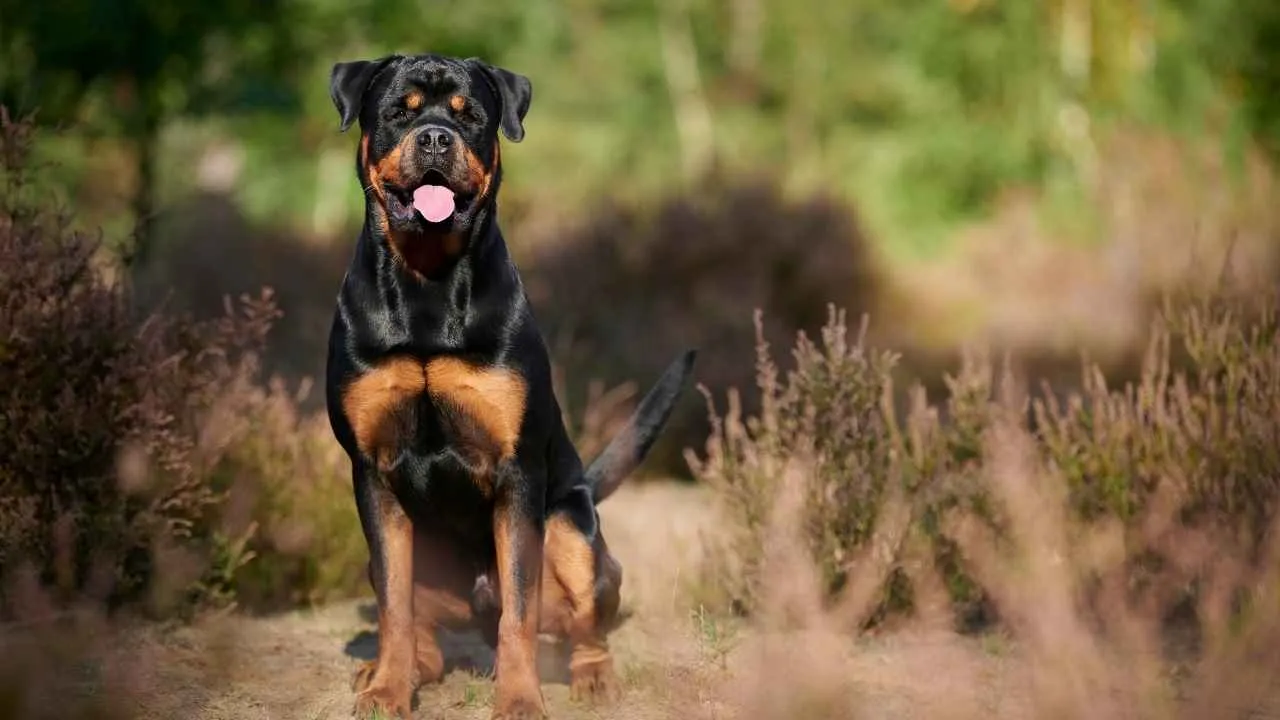
With a bite force of 328 PSI, the Rottweiler is a quick learner and is easy to train. Once they are trained, they act smartly. The enemy or prey that once falls in their trap cannot escape. Mainly, this is the reason why it is said that a first-time dog owner cannot handle a Rottweiler.
You need an expert guide to train, socialize, or live around a Rottweiler to understand their temperament.
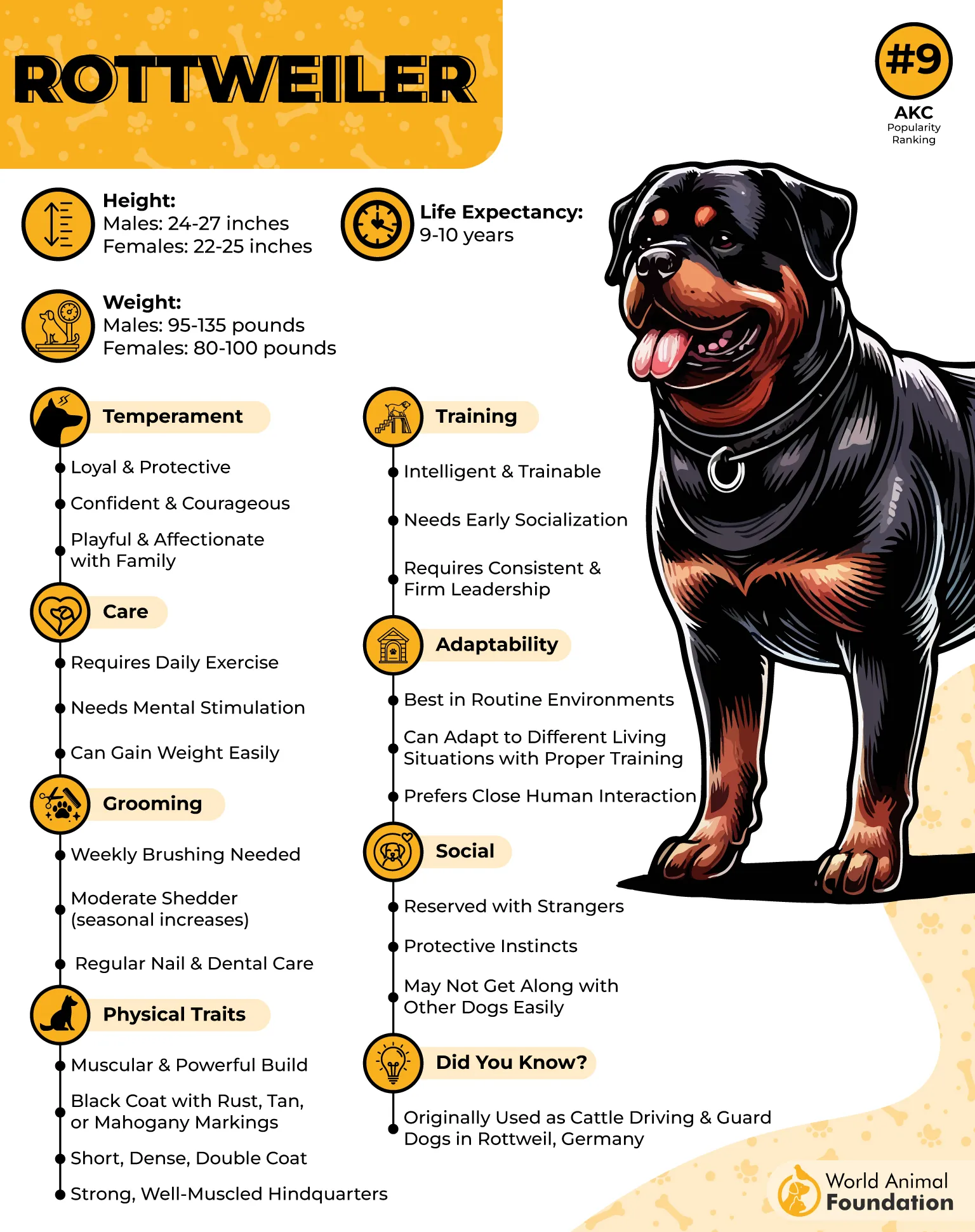
Despite its intimidating appearance, the Rottweiler is calm, confident, and deeply loyal when properly trained. It thrives under firm leadership, early socialization, and consistent training, which help channel its strength into controlled, dependable behavior.
With the right guidance, the Rottweiler becomes not just a powerful protector, but also a devoted and affectionate companion—an ideal example of strength balanced with discipline.
Rottweilers are known to be gentle and welcome to be friends with other dogs. They enjoy playing with other dog breeds and children.
5. Cane Corso
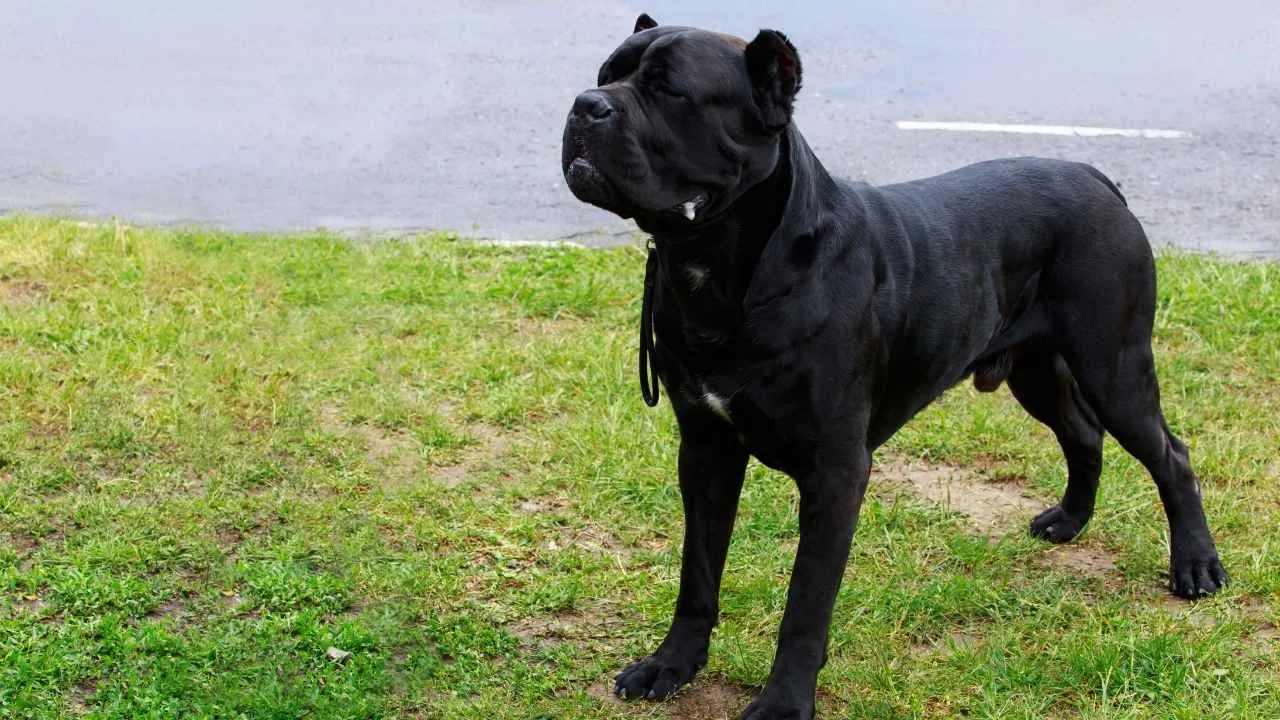
Cane Corso is a muscular dog breed that is known as the best working dog. It is known for its muscular and powerful jaws with a strong bite force of 700 PSI. Such a stronger bite force is not just an injury to a muscle or tissue; it’s structural damage.
Now, what makes the Cane Corso bite so strong? The size, speed, or its weight? No. The answer is the “pressure”. The Cane Corso bite is so strong because it grips the prey with pressure and does not release until the damage is done. Isn’t it scary to read?
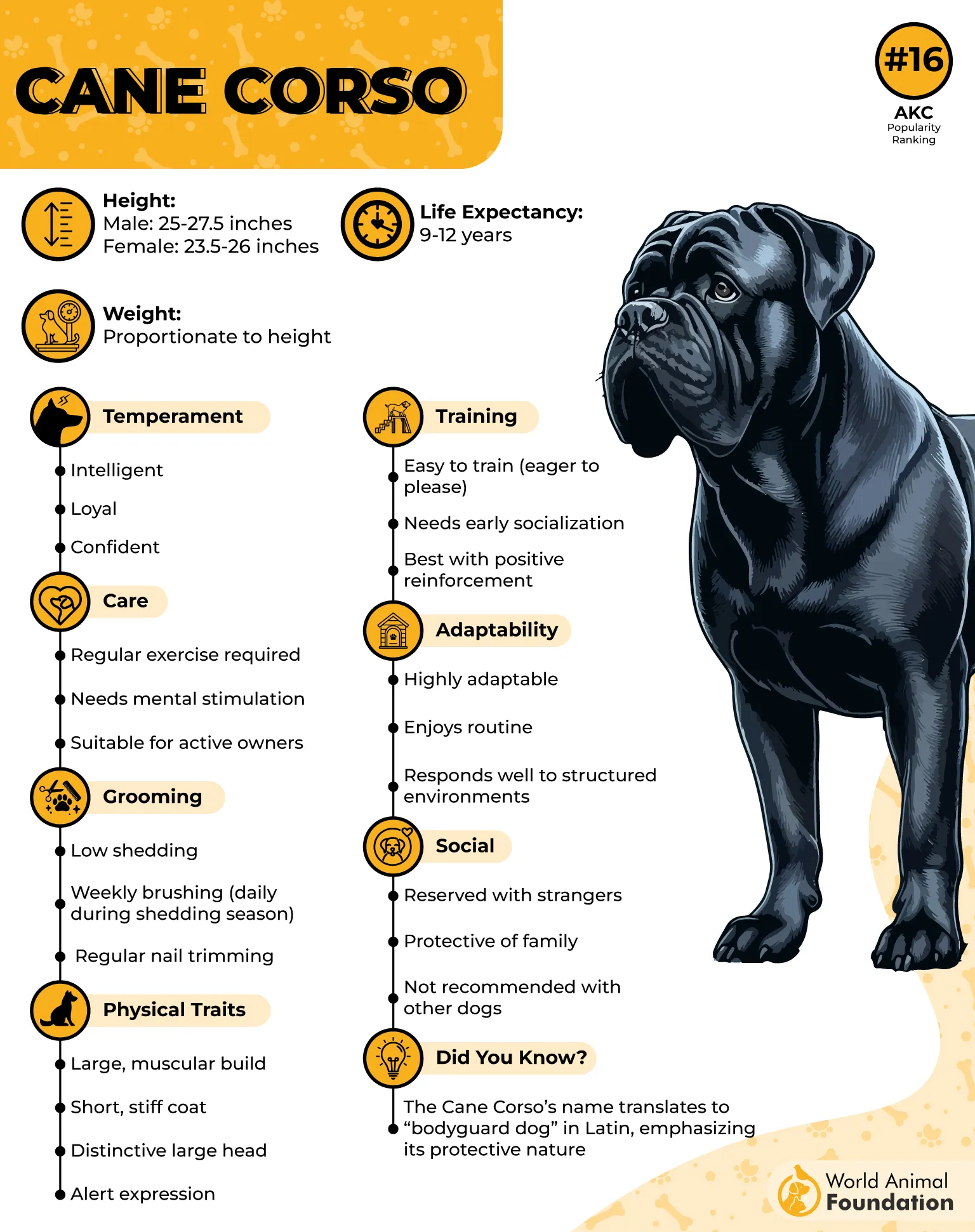
Despite its strength, the Cane Corso is intelligent, composed, and deeply loyal to its family. This breed requires early socialization, consistent training, and confident leadership to develop into a well-mannered companion.
When raised responsibly, the Cane Corso channels its power into controlled protection and unwavering devotion, making it one of the most respected muscular breeds.
6. Presa Canario

Presa Canario has fought in wars as fighting dogs. They are aggressive in nature and have a strong bite force of 540 PSI. With regular exercise and training, they become a perfect fit to live indoors. This breed requires socialization in order to be friendly with other dog breeds and children.
Royal Canin mentions that they originated in the Canary Islands. This breed was traditionally used for guarding property and handling livestock, roles that required both physical strength and fearlessness.
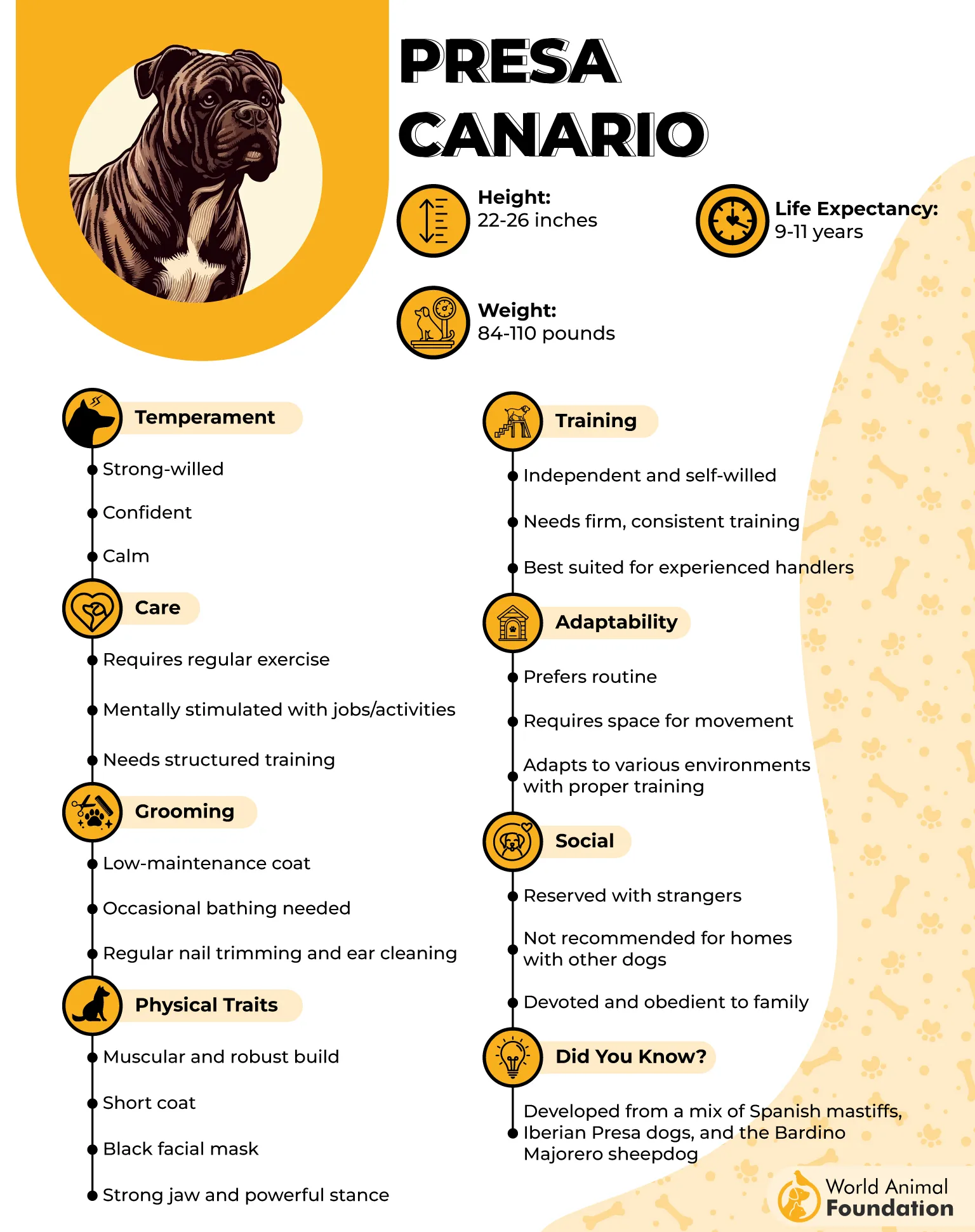
Despite its formidable appearance, the Presa Canario can be calm, loyal, and deeply devoted to its family when properly trained. A firm leadership and consistent training are essential to manage its dominant tendencies and channel its strength responsibly.
In the hands of an experienced owner, the Presa Canario becomes a controlled, reliable guardian that perfectly balances power with discipline.
7. Leonberger
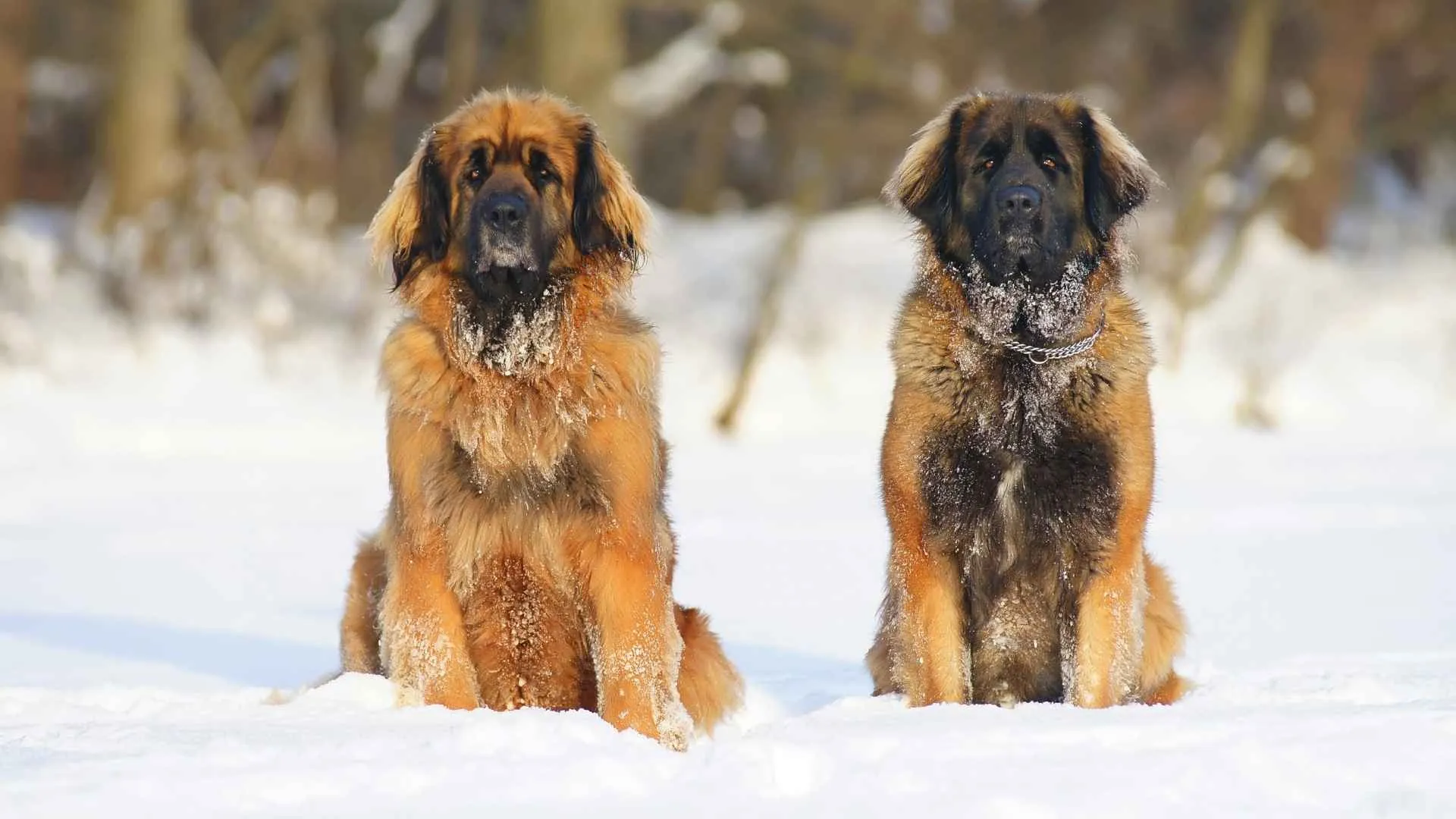
The Leonberger is known as a gentle giant because of its size and calm nature. It has the bite force of 399 PSI. When trained in the right way and socialized, this breed knows when to act and stay calm, as noted by PetMD.
Originating in Germany, it was bred to resemble a lion and was historically used for guarding and draft work. With its broad head, powerful jaw structure, and well-developed muscles, the Leonberger possesses impressive physical strength, though it is better known for control than aggression.
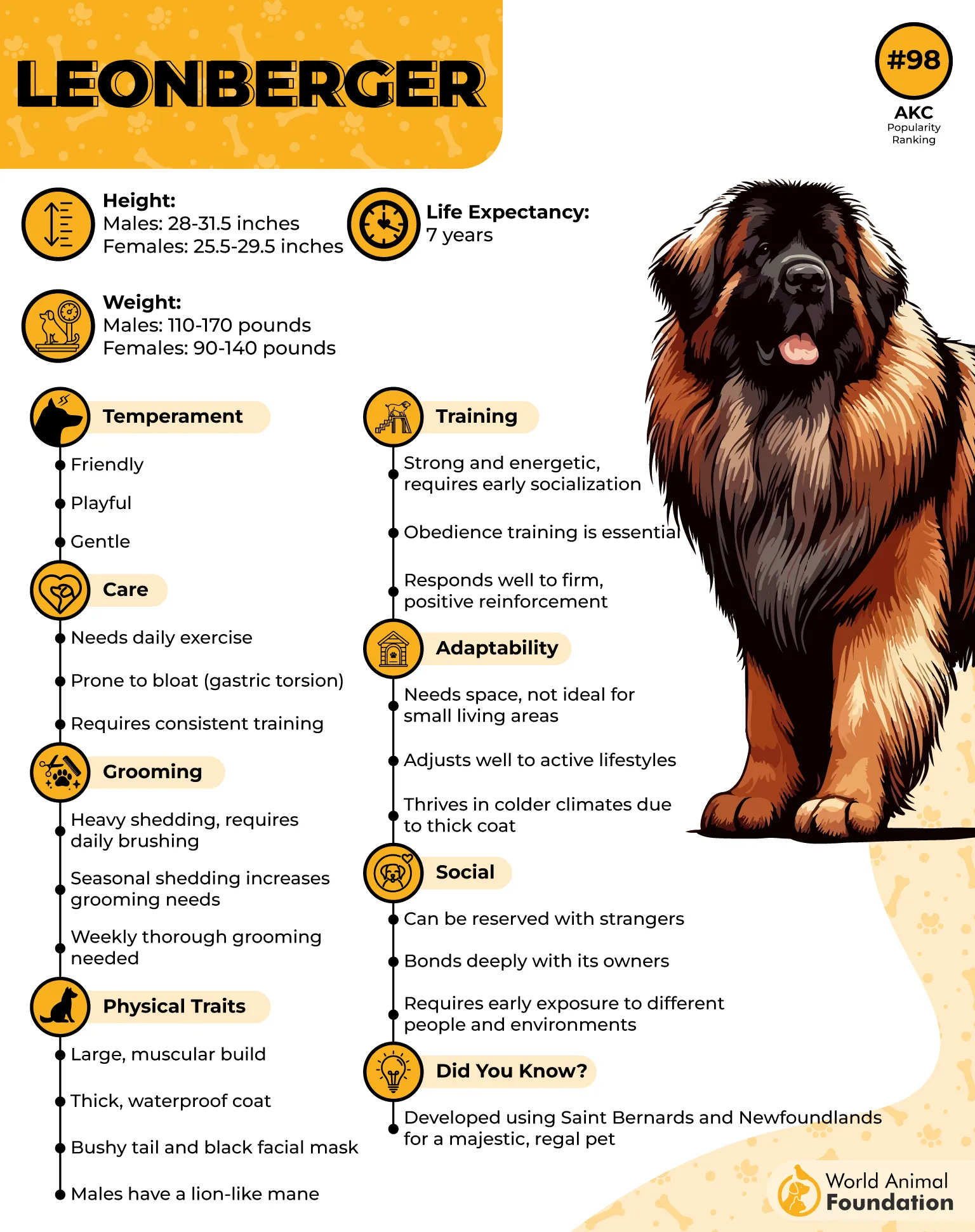
Often called a “gentle giant,” the Leonberger is calm, patient, and affectionate, especially with family members and children. While its bite strength is notable due to its size and jaw power, the breed’s true strength lies in its stable temperament and trainability.
With their calm and independent nature, it is easy to train these dogs, and they can easily live with other breed dogs. They are also perfect as therapy dogs.
Conclusion
Muscular dog breeds with powerful jaws are a true testament to strength, purpose, and disciplined breeding. While their physical power and bite force are impressive, what truly defines these dogs is how that strength is guided through proper training, socialization, and responsible ownership.
So, do not neglect the proper training of these breeds, as this is mandatory and an act of care for them. As we use them for defense and protection, it is our duty to be faithful to them.
Choosing such a breed requires commitment, experience, and understanding of their needs—both physical and mental. With the right leadership, these powerful dogs demonstrate that strength is not about aggression, but about control, protection, and unwavering loyalty.
