




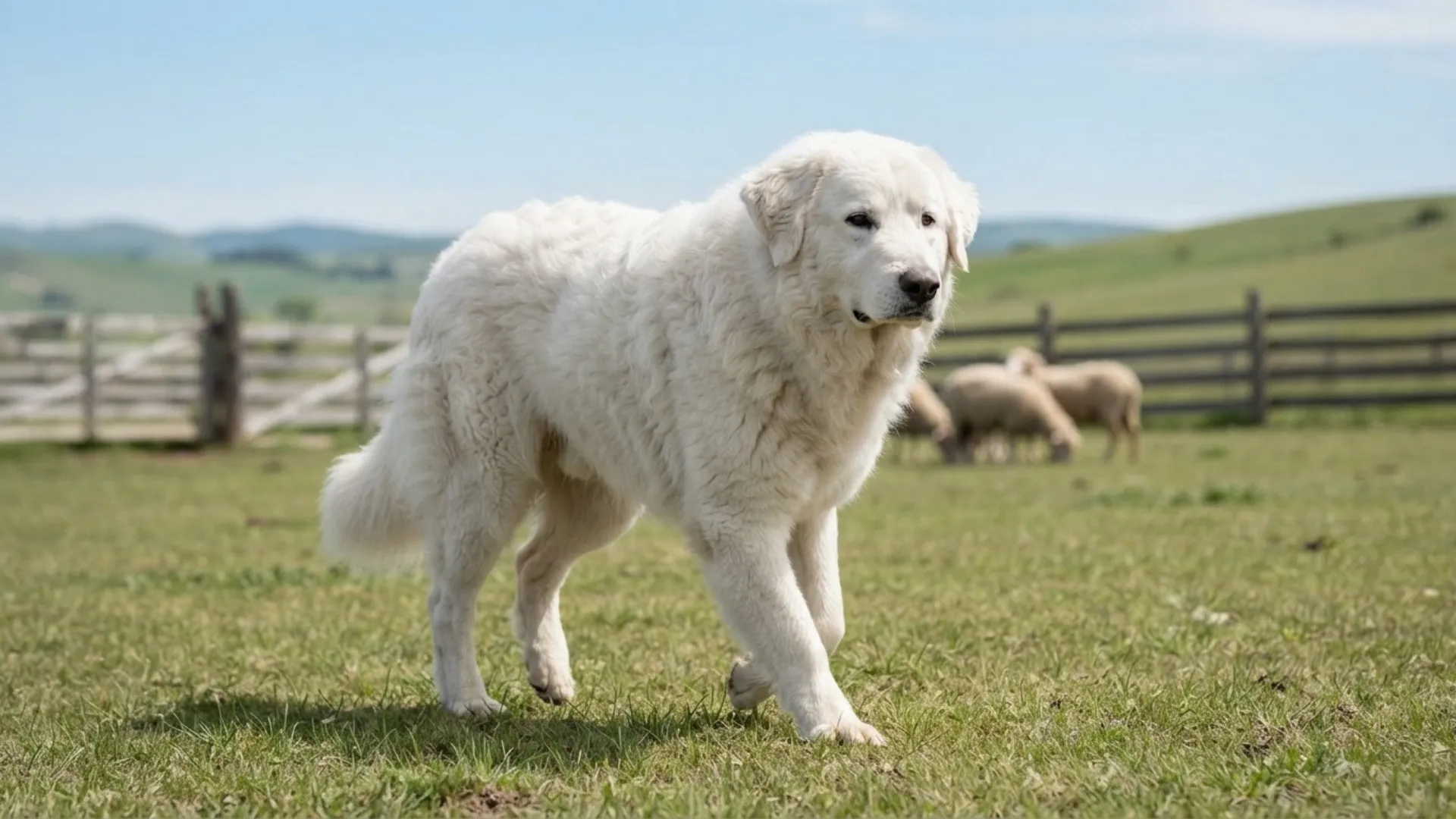
For generations, dogs have worked alongside farmers and ranchers, helping move livestock, protect property, control vermin, and handle the challenges of rural life. Their physical strength is often matched by remarkable endurance and determination.
Muscular breeds can bring powerful builds and athletic abilities to jobs that require sustained effort. However, successful working dogs also need intelligence, trainability, confidence, and the right temperament for their specific role.
From livestock guardians to hardworking farm companions, these seven breeds demonstrate how strength and purpose can come together. Their abilities make them fascinating partners for life on the ranch or in the field.
Top Muscular Dog Breeds for Ranch and Field Work Excellence
1. Border Collie
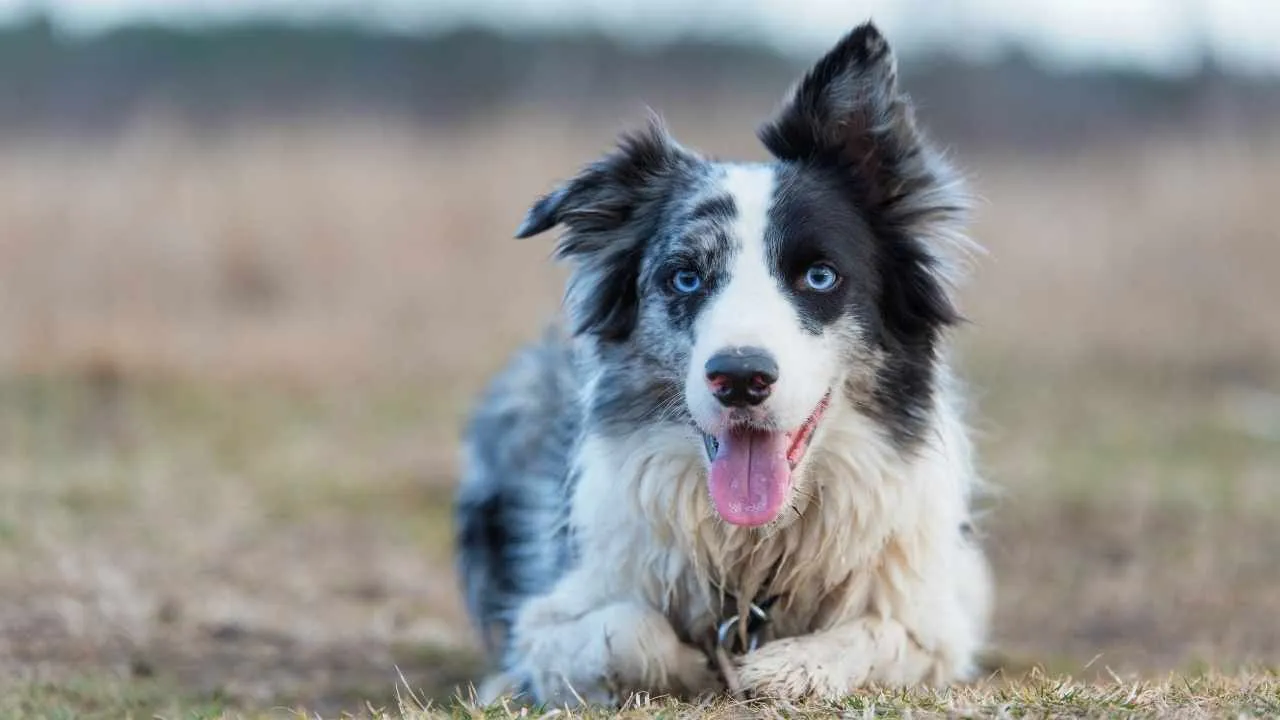
Developed along the Scottish-English border to herd sheep, the Border Collie remains a highly valued farm worker. Its intelligence, obedience, and strong desire to work allow it to manage demanding herding tasks and handle large flocks with relatively little direction.
According to PetMD, Border Collies should begin training early, as they may become destructive when they lack adequate mental stimulation.
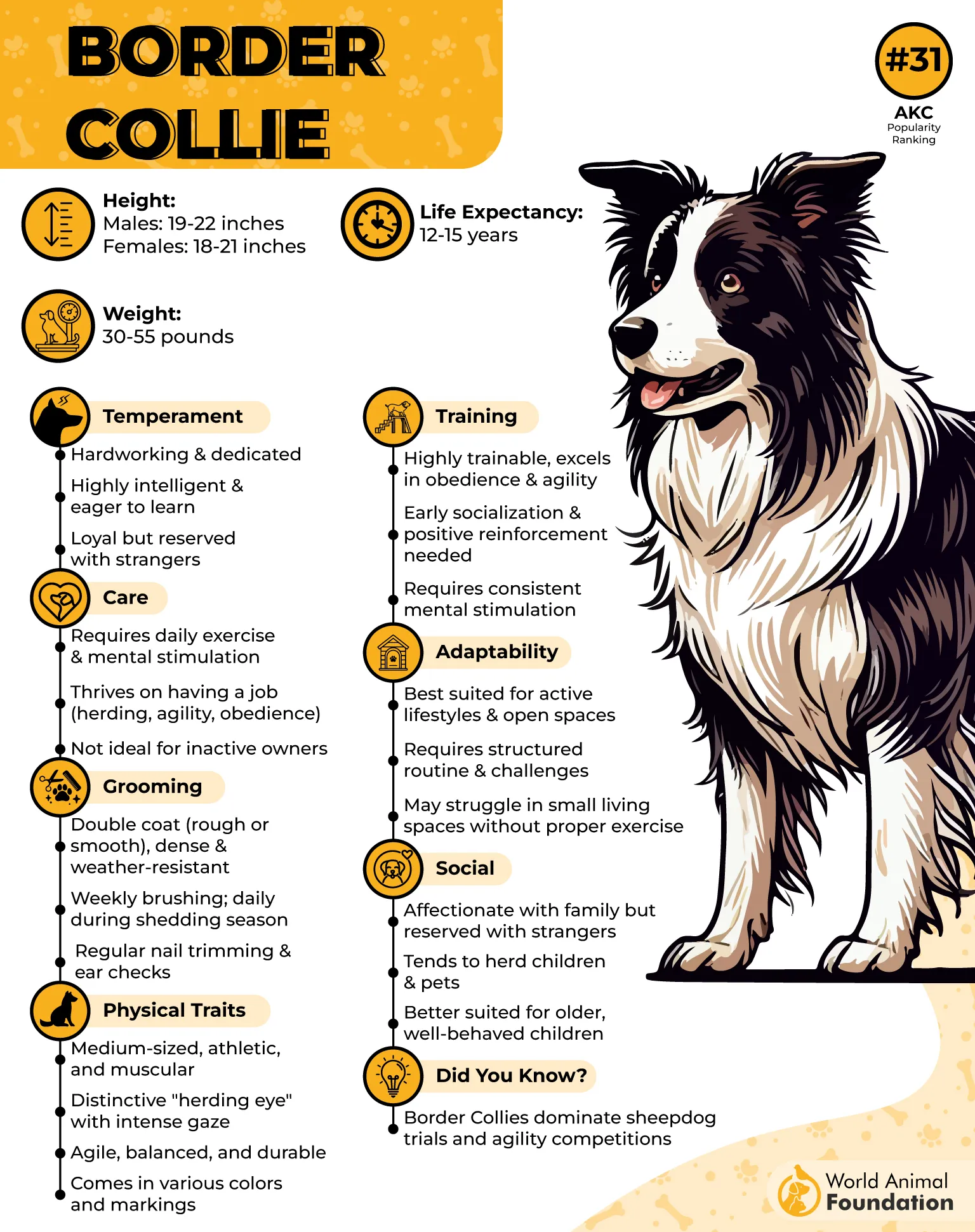
Built for stamina and challenging farm conditions, this breed thrives when given meaningful work. Its sharp instincts and strong work ethic also support performance in various working activities, where quick responses and precise movement are essential.
How This Breed Stands Out
Agile livestock herder: Strong herding instincts and intelligence enable the Border Collie to guide and control livestock efficiently, and it is often regarded as the smartest dog breed.
Lightning-fast directional changes: Its agility and responsiveness allow rapid shifts in movement while navigating livestock and demanding terrain.
2. Kuvasz
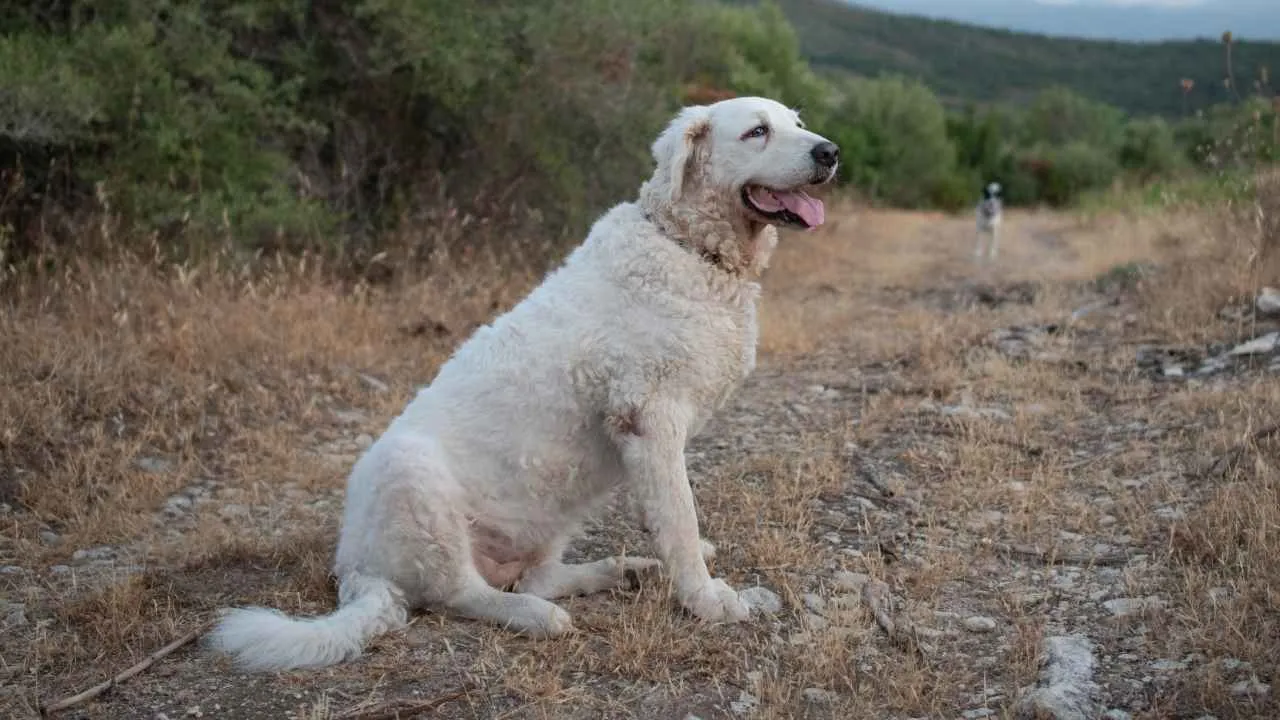
Originating in Hungary, the Kuvasz was developed to protect livestock from predators and became valued for its strength, intelligence, and unwavering guarding instincts. Its powerful neck, shoulders, and deep chest provide the physical capability needed for demanding ranch work.
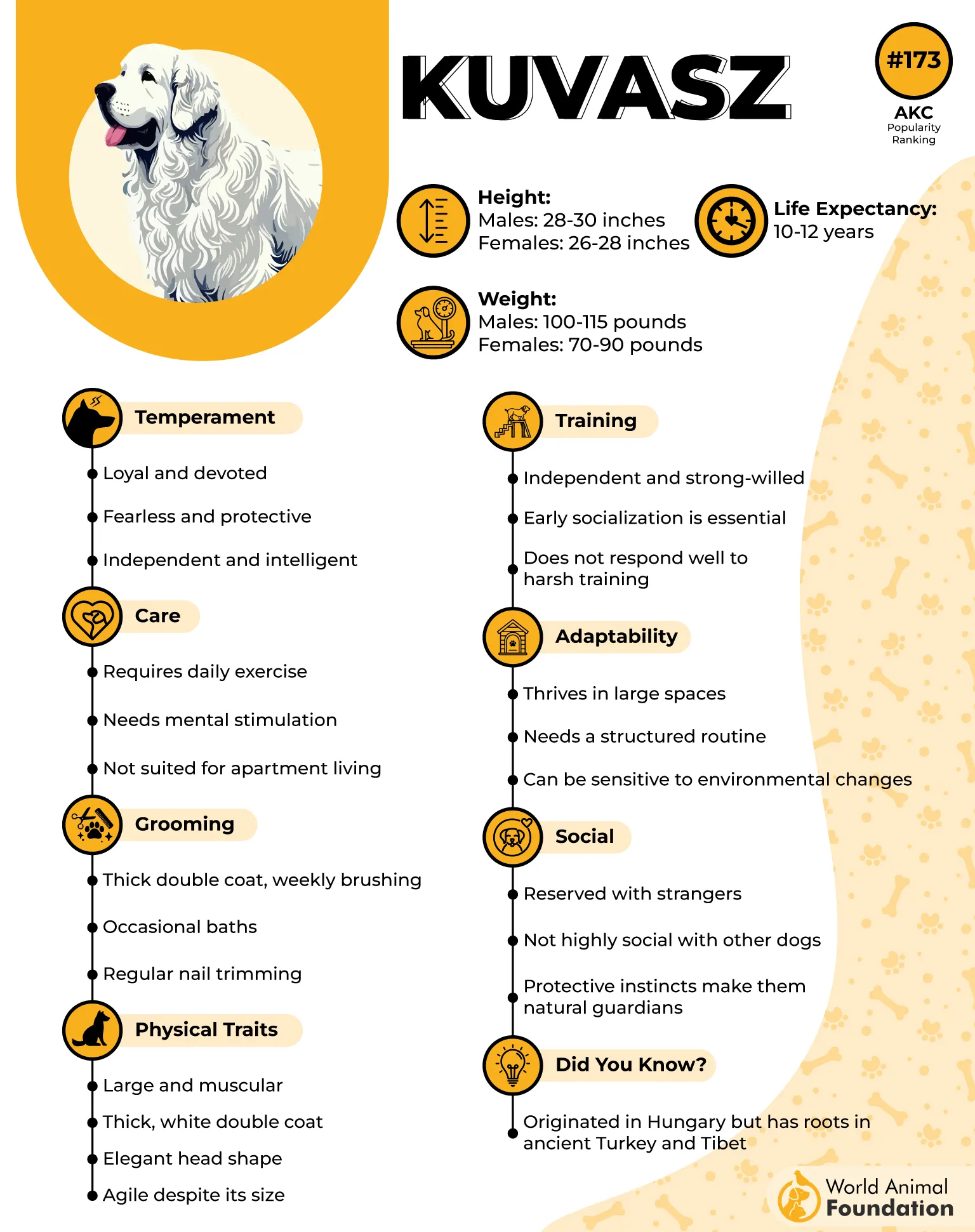
The breed’s white coat can help it blend among livestock while providing protection from changing weather conditions. Naturally suspicious of unfamiliar people, the Kuvasz benefits from early socialization and patient training, responding better to rewards and gentle guidance than harsh corrections.
How This Breed Stands Out
Powerful flock guardian: Strong protective instincts and physical strength allow the Kuvasz to defend livestock against potential predators.
Thick weather-resistant coat: Its substantial white coat provides protection while helping the dog remain comfortable during outdoor ranch duties.
3. Dogo Argentino
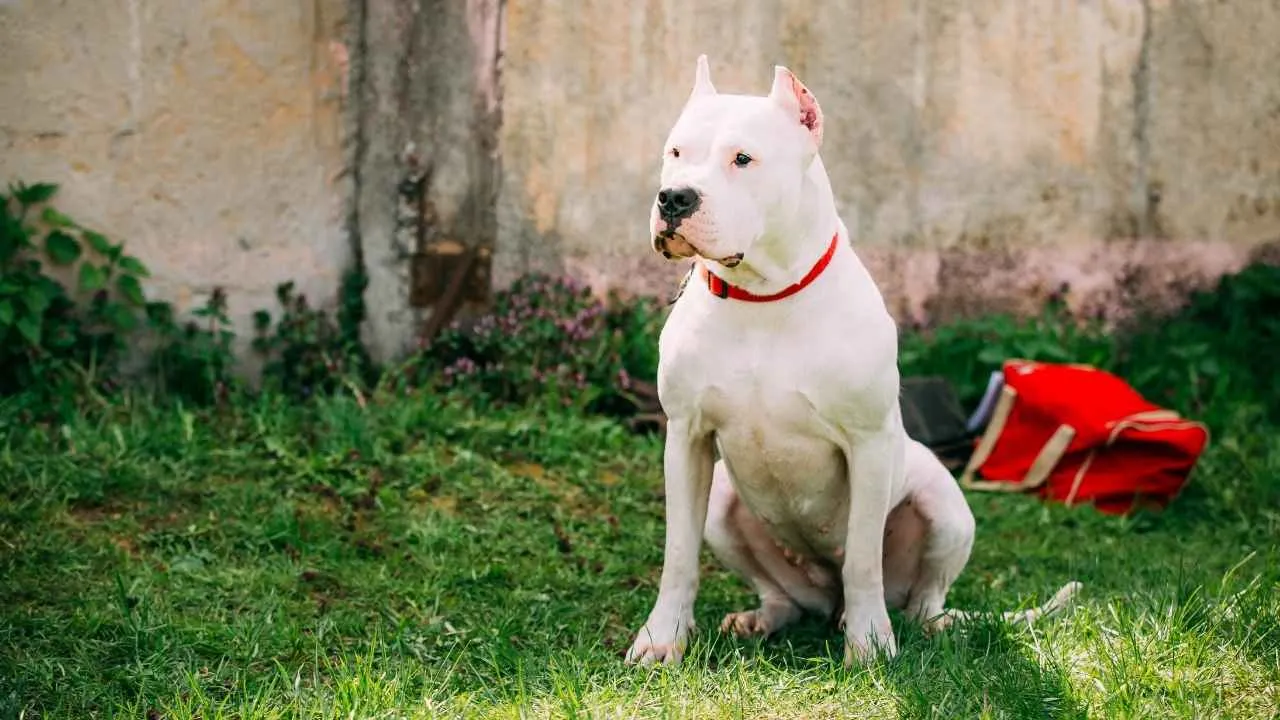
Bred in Argentina for pursuing formidable game such as wild boar and puma, the Dogo Argentino is a powerful hunting dog with an athletic, muscular build. Its strong head, sturdy forelegs, muscular hindquarters, and thick neck combine to produce the strength and agility required for demanding field work.
According to Royal Canin, they are deeply devoted to their families and naturally protective of the home, while also enjoying plenty of close, affectionate time with their loved ones.
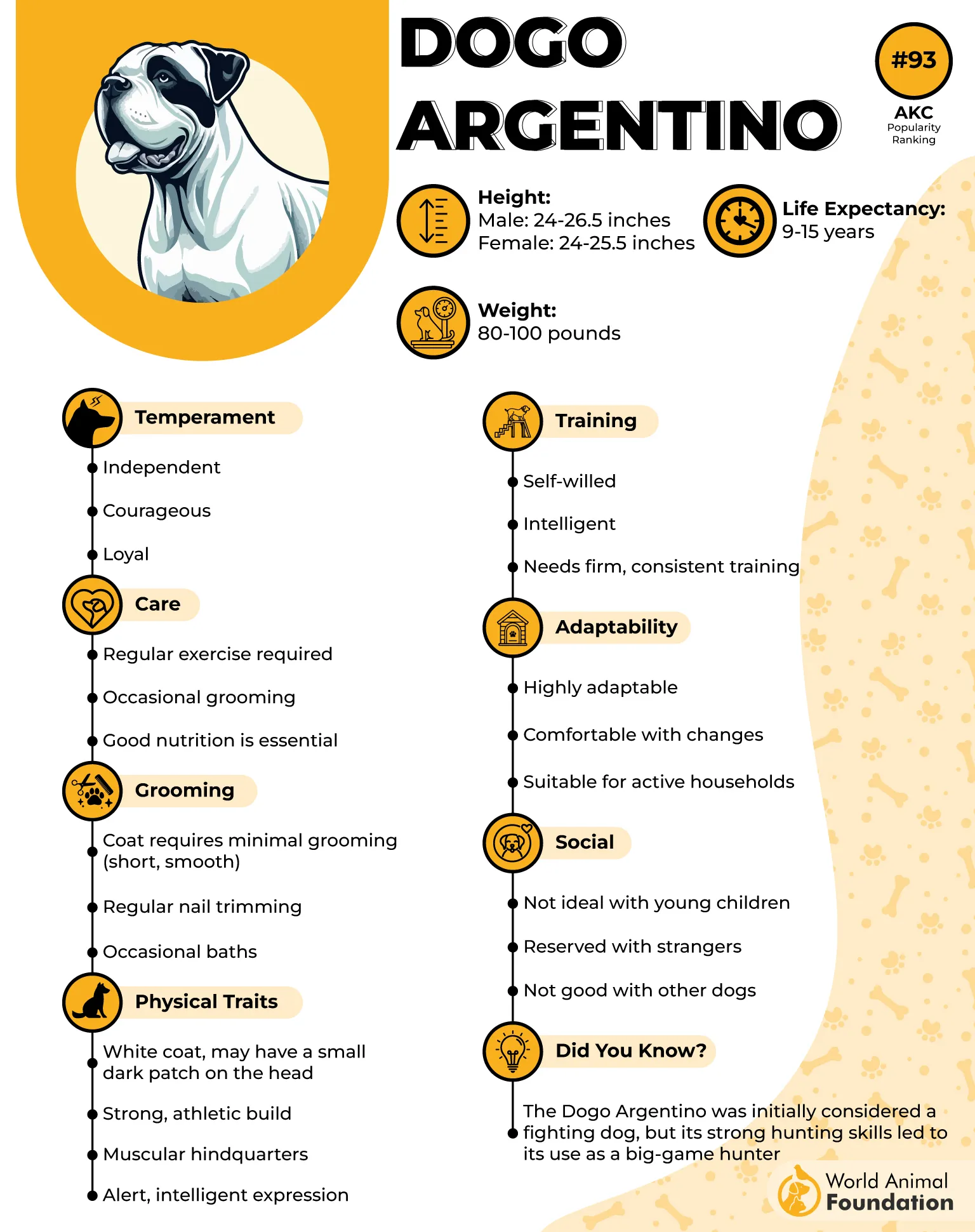
This energetic breed needs substantial daily exercise to stay balanced and engaged. Running in a securely fenced area, hiking, swimming, retrieving, and dog sports such as agility or obedience can help channel its energy. Because of its high prey drive, consistent training, early socialization, and responsible handling are essential.
How This Breed Stands Out
Muscular big-game hunter: Developed to locate, chase, and capture dangerous game, the Dogo Argentino combines strength, intelligence, and rapid responsiveness.
Exceptional physical endurance: Its powerful yet agile physique and strong lung capacity help it sustain strenuous activity during demanding pursuits.
4. Anatolian Shepherd
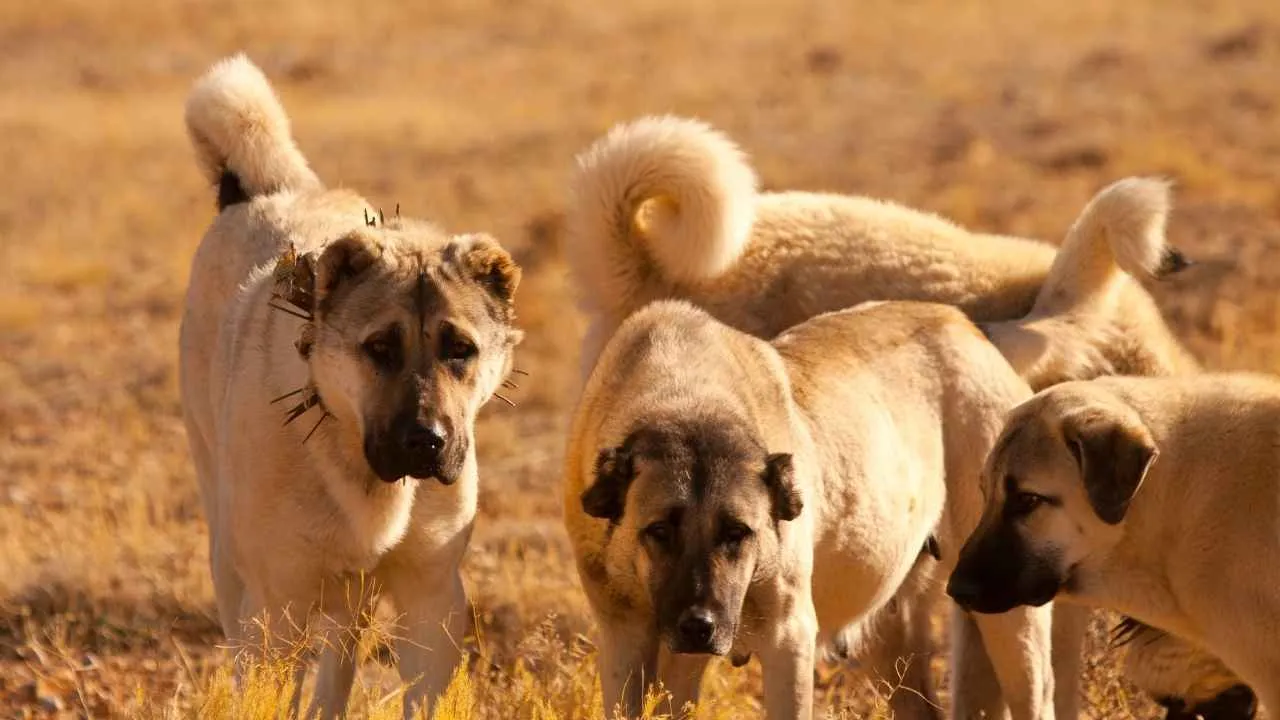
Originating in Anatolia, Turkey, the Anatolian Shepherd Dog is a rugged livestock guardian shaped by thousands of years of working alongside flocks. Its muscular yet agile build allows it to confront predators and navigate challenging terrain, while its protective instincts extend to animals and families under its care.
Rather than relying on constant human direction, this breed was developed to assess threats and make decisions independently. It needs a secure yard, regular walks, firm obedience training, and early socialization to manage its territorial and cautious nature.
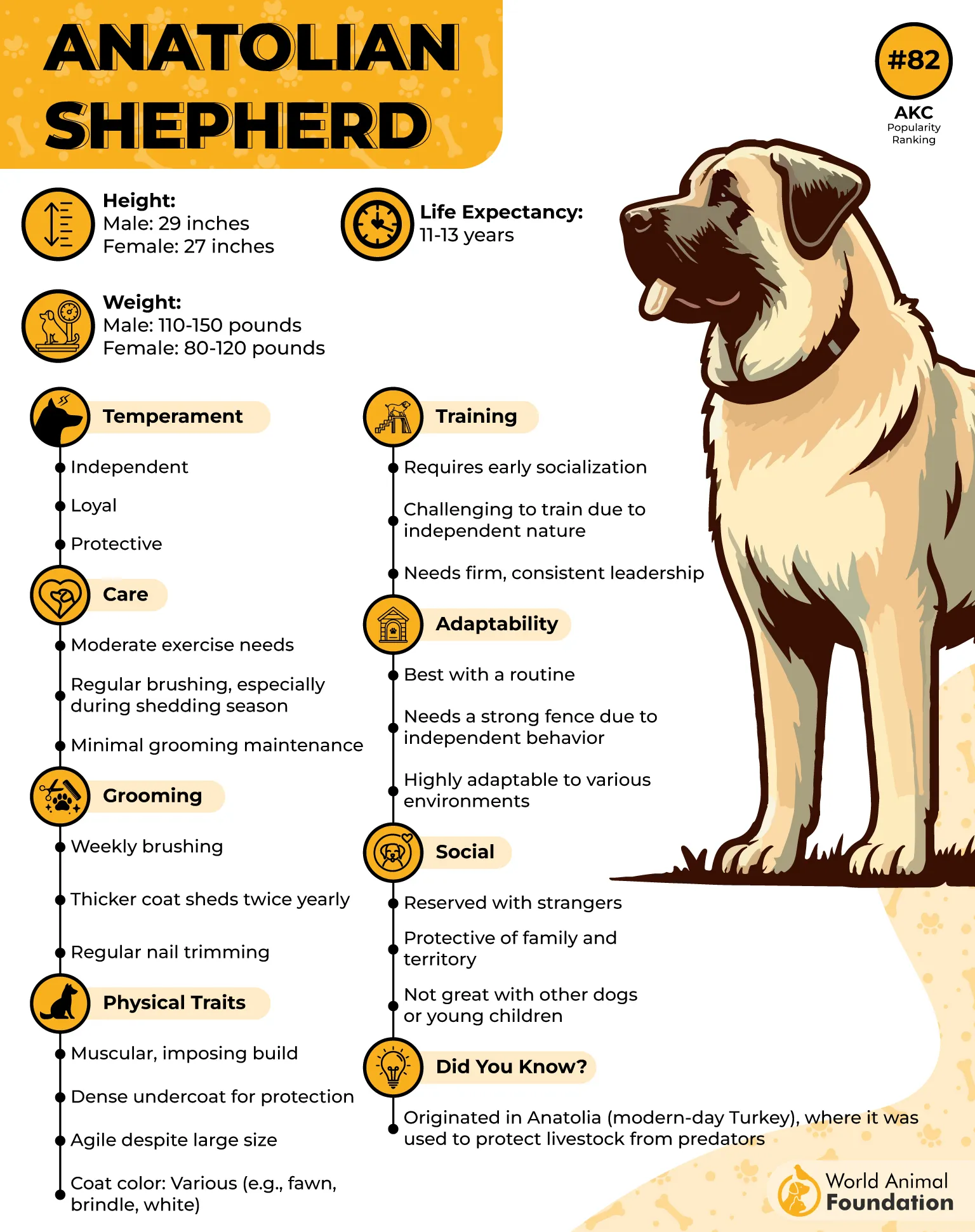
Its moderate exercise needs make purposeful daily activity more suitable than excessive routines. According to Purina, its coat provides protection from harsh weather and can appear in various colors, with or without a distinctive black mask.
How This Breed Stands Out
Rugged predator deterrence: Its powerful physique, territorial instincts, and imposing presence help discourage and confront predators threatening livestock.
Independent livestock protection: Bred to guard flocks with limited supervision, the Anatolian can assess situations and respond to potential threats on its own.
5. Great Pyrenees
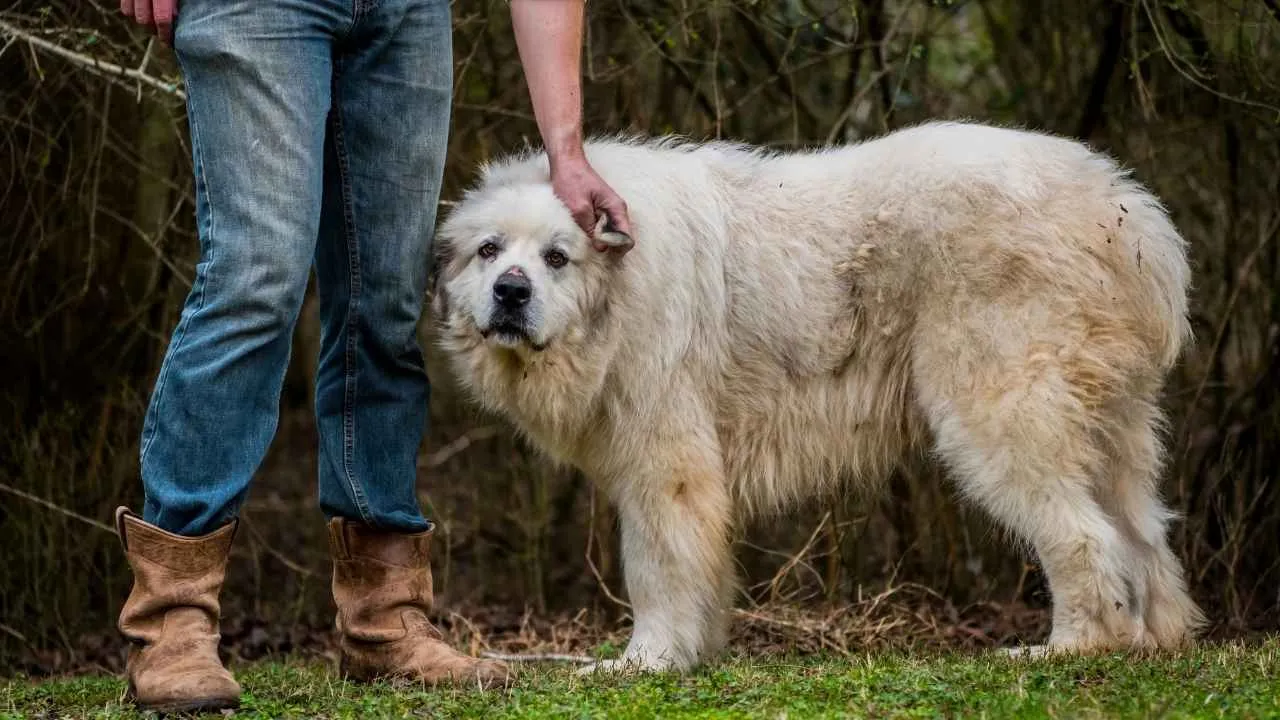
Bred to protect sheep in the Pyrenees Mountains between France and Spain, the Great Pyrenees is a powerful livestock guardian. Its imposing build and protective instincts help deter predators such as wolves and bears while working around farm animals.
Its thick, fluffy coat provides protection against cold mountain weather, supporting its role in demanding outdoor environments, though that coat needs regular maintenance.
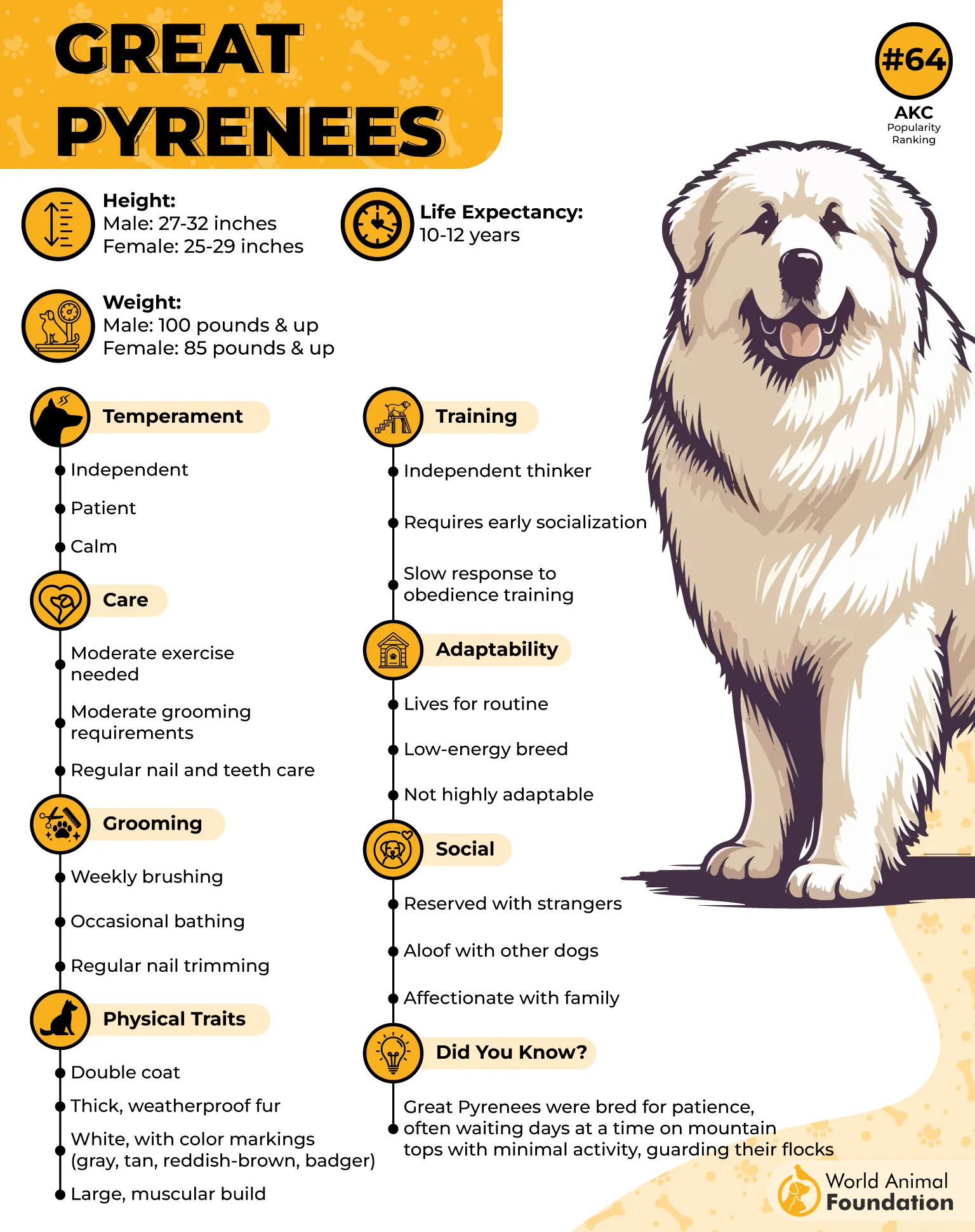
Still used today for livestock protection, this vigilant yet composed breed can help deter coyotes while remaining calm and gentle with familiar animals, family members, and children.
How This Breed Stands Out
Massive mountain guardian: Its powerful build and protective instincts help defend livestock from formidable predators.
Strong cold-weather resilience: Its dense coat and mountain heritage make it well suited to cold, rugged environments.
6. Catahoula Leopard Dog
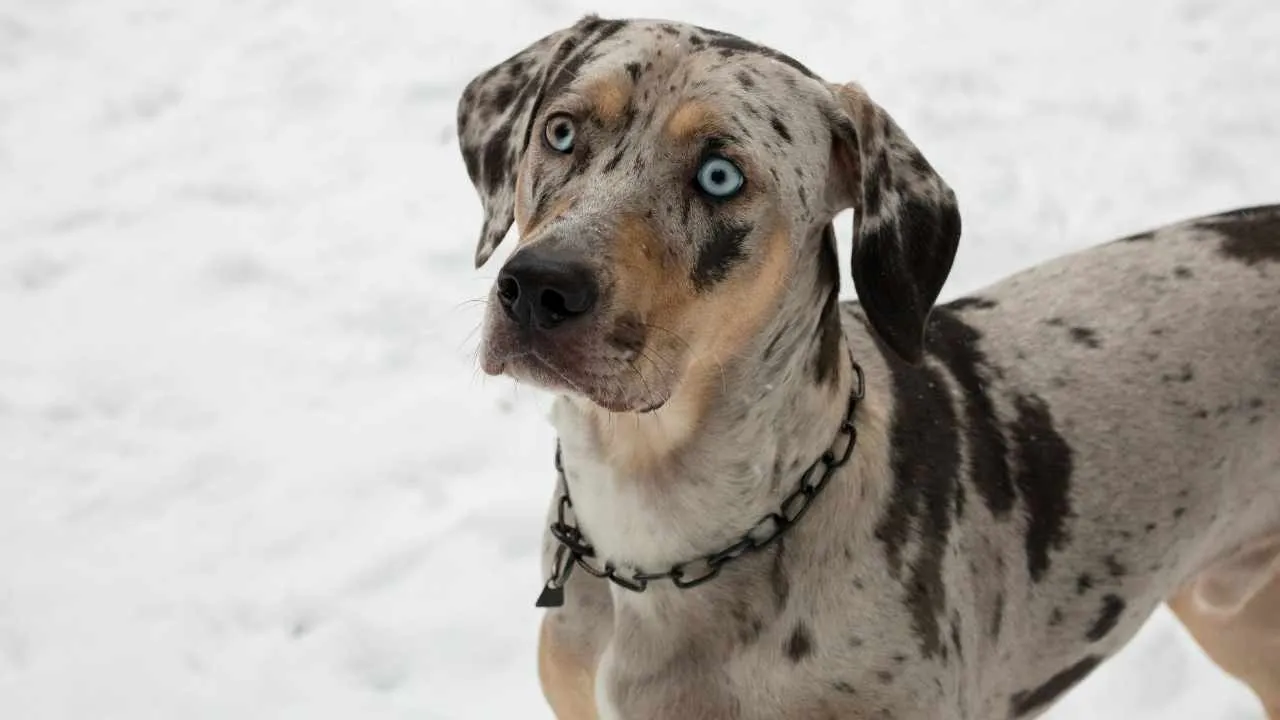
The Catahoula Leopard Dog is a muscular, agile working breed from Louisiana, valued for its ability to handle varied ranch duties. It has served as one of the more versatile farm dogs across different ranch settings, working as a stock, bay, tree, watchdog, and guard dog while combining strength with endurance and a serious approach to work.
This energetic breed needs plenty of space, daily exercise, and meaningful tasks to remain well-behaved, and it benefits from both physical outlets and mental stimulation.
Firm, consistent training and early socialization are important because Catahoulas can be independent and territorial, while activities such as hiking, swimming, retrieving, and dog sports provide useful outlets.
Its coat can vary widely, with blue merle being one common pattern among its markings, alongside the mottled looks and striking eye colors the breed is known for.
How This Breed Stands Out
Versatile ranch worker: Its working background allows the Catahoula to perform diverse livestock, hunting, guarding, and farm-related tasks.
Distinctive mottled coat: Its short coat appears in striking colors and patterns, often featuring leopard-like spotting and unusual eye colors.
7. Central Asian Shepherd Dog
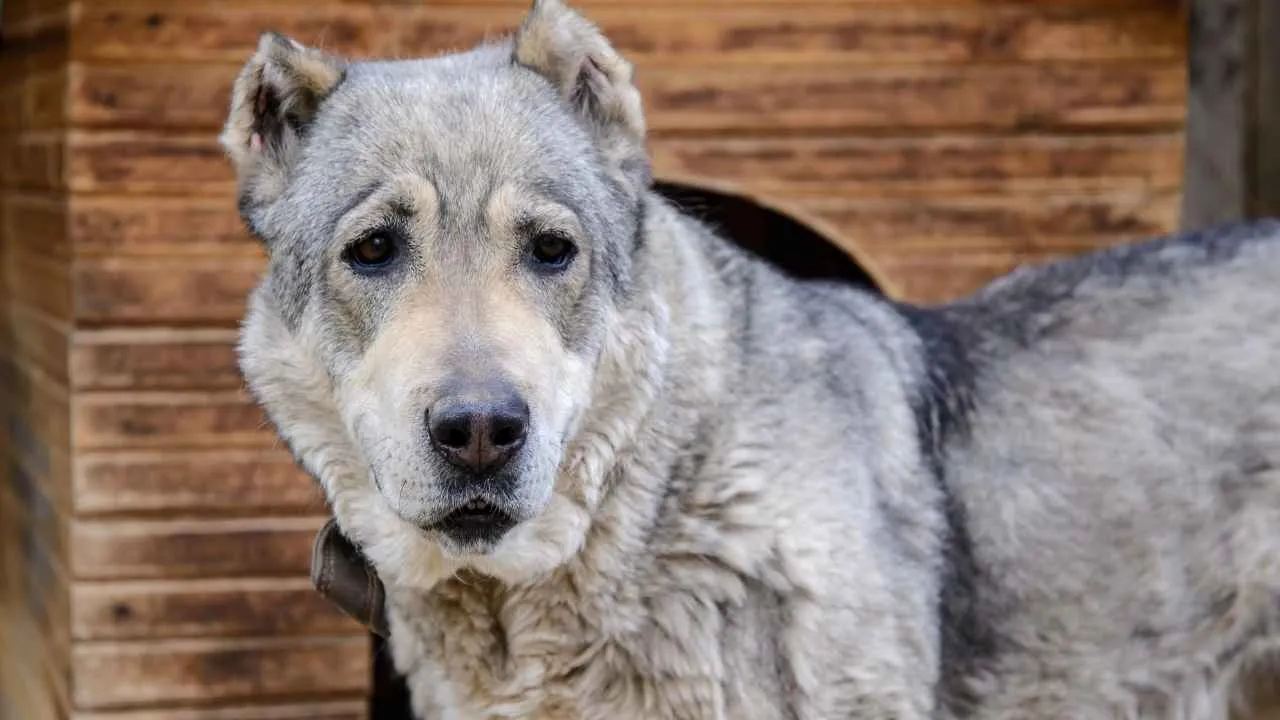
For thousands of years, the Central Asian Shepherd Dog has guarded livestock in demanding environments. Its powerful, heavy-boned frame, fearlessness, and natural territorial instincts allow it to confront large predators while protecting flocks, people, and property, and it can still form strong bonds with its people and stock.
Despite its imposing strength, this breed is typically relatively low-energy and can thrive with long walks, hiking, and time in a securely fenced yard, especially in cold climates.
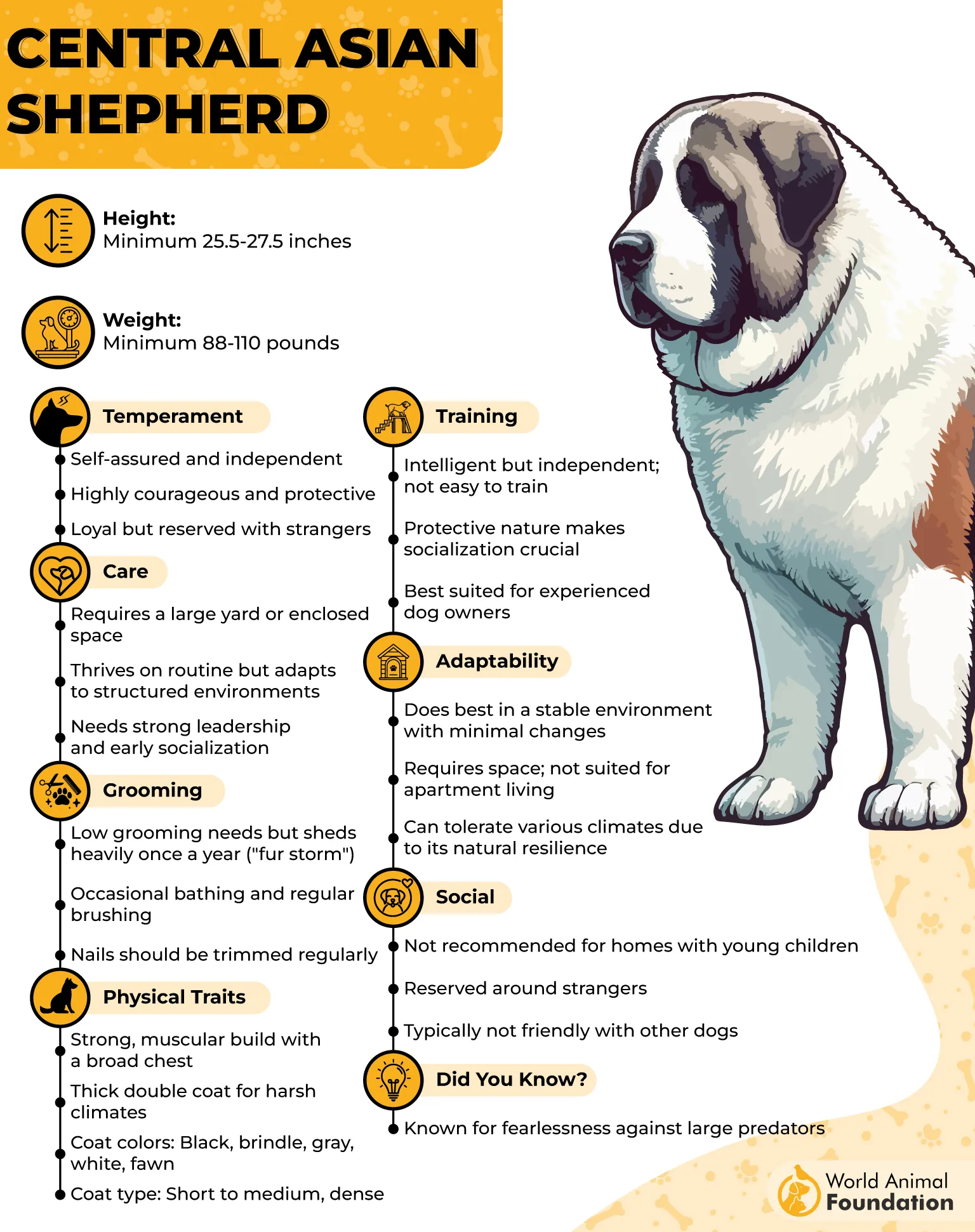
Highly independent and intelligent, it can be challenging to train, making early socialization and consistent guidance especially important for this strong-willed guardian that is reserved but affectionate with familiar people.
How This Breed Stands Out
Heavy-boned guardian build: Its large, powerful structure provides the physical strength needed for demanding livestock protection and predator defense.
Remarkable environmental toughness: Developed to endure extreme climates, the breed combines resilience, endurance, and fearless working ability.
Conclusion
Choosing a muscular dog for ranch or field work means finding a breed with the strength, endurance, and instincts suited to demanding outdoor tasks. Field work often lasts from dawn until dusk and requires cardiovascular stamina. These working dogs bring distinct abilities shaped by their unique backgrounds.
Some excel at herding and livestock protection, while others are built to confront predators or pursue challenging game. Farm dogs need strong leg muscles for herding and running. Their physical power is often matched by intelligence, independence, and strong working instincts.
Daily activity, purposeful work, training, and early socialization are important for helping these powerful breeds thrive. Double coats also help protect working dogs from harsh weather, thorns, and brush. Secure spaces and consistent handling can also support safe, reliable behavior.
Whether guarding flocks, working across rugged terrain, or assisting with field tasks, these muscular breeds can become capable working partners. Understanding each breed’s strengths and needs can benefit owners choosing the right working partner and help them avoid a poor match in energy, independence, or guarding style.
