




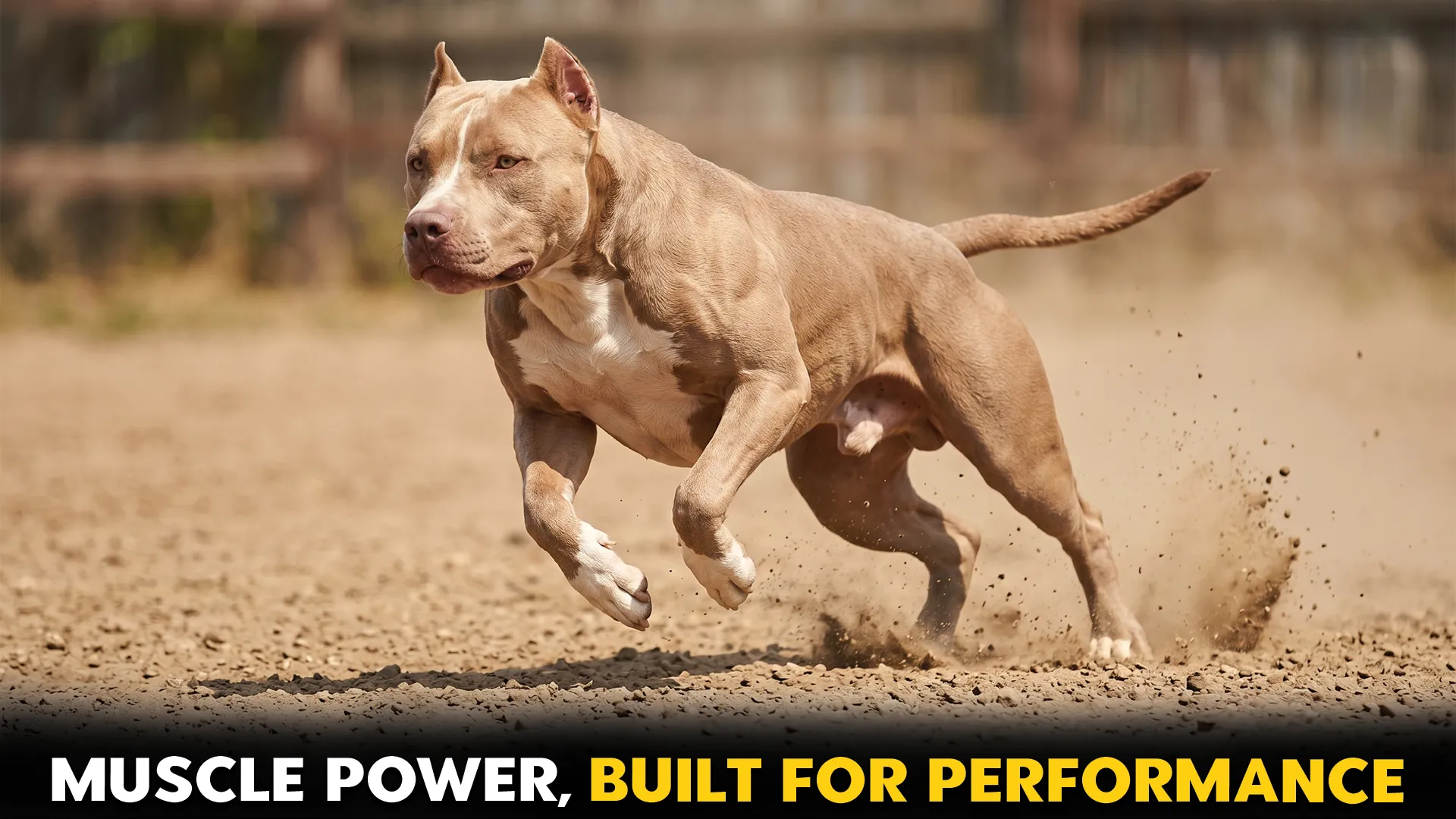
Some dogs are built like athletes, and it shows. From powerful legs to deep, barrel chests, muscular dog breeds stand in a league of their own. But behind all that strength is something often overlooked: a big heart. These dogs are not just “gym rats” of the animal world.
A strong, athletic build doesn’t mean a dog is aggressive; it simply reflects power, endurance, and capability.
These breeds are protectors, workers, and loyal companions. Whether you’re a first-time owner or an experienced handler, this guide will walk you through the top 10 muscular dog breeds, what they’re capable of, and what makes each one uniquely worth knowing.
Top Muscular Dog Breeds: A Guide to Their Abilities
1. American Pit Bull Terrier
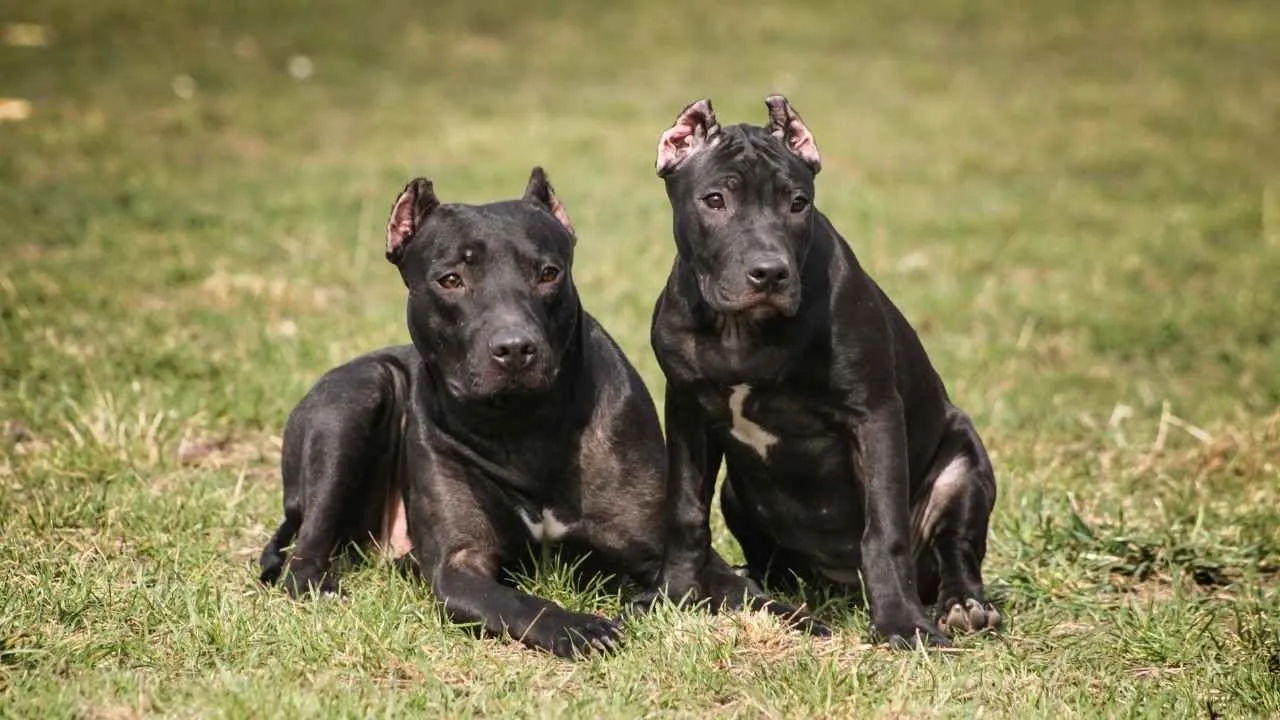
Originally developed in the mid-19th century by crossing the Old English Bulldog with the English Terrier, Pit Bull-type terriers were later brought to the United States, where they evolved further, according to Wikipedia.
Males typically weigh between 35 and 60 pounds and stand around 18–21 inches tall, while females usually weigh 30–50 pounds and stand 17–20 inches tall. This muscular breed has a compact but powerful build, including a deep chest, strong jaw, and a broad skull. Their expression is often described as a “smile” due to the shape of their mouth and visible teeth when relaxed.
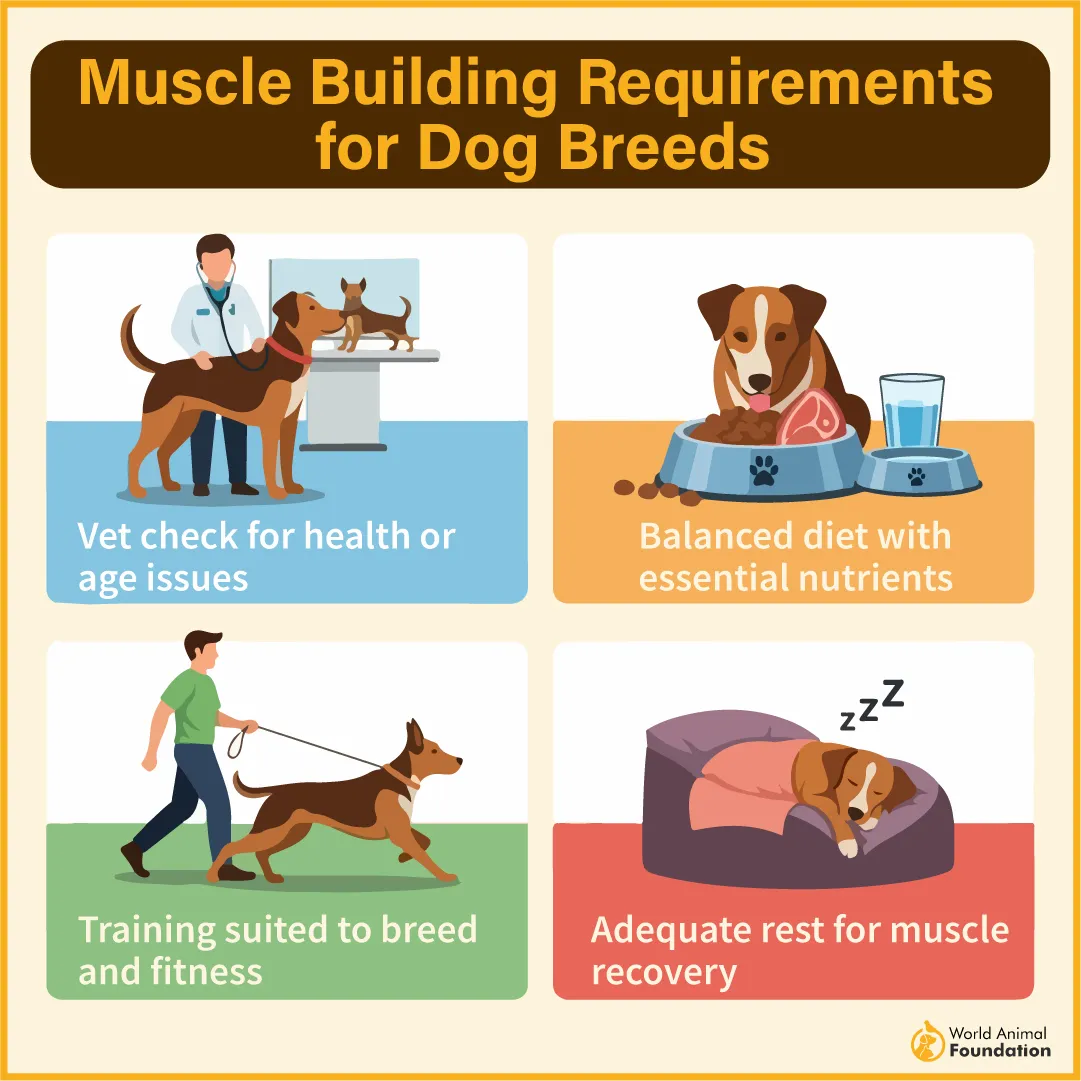
Pit Bull-type dogs are commonly used in activities like agility, weight pulling, and strength-based sports. They need at least 60 minutes of daily exercise, such as walking, running, or hiking, to stay physically and mentally healthy.
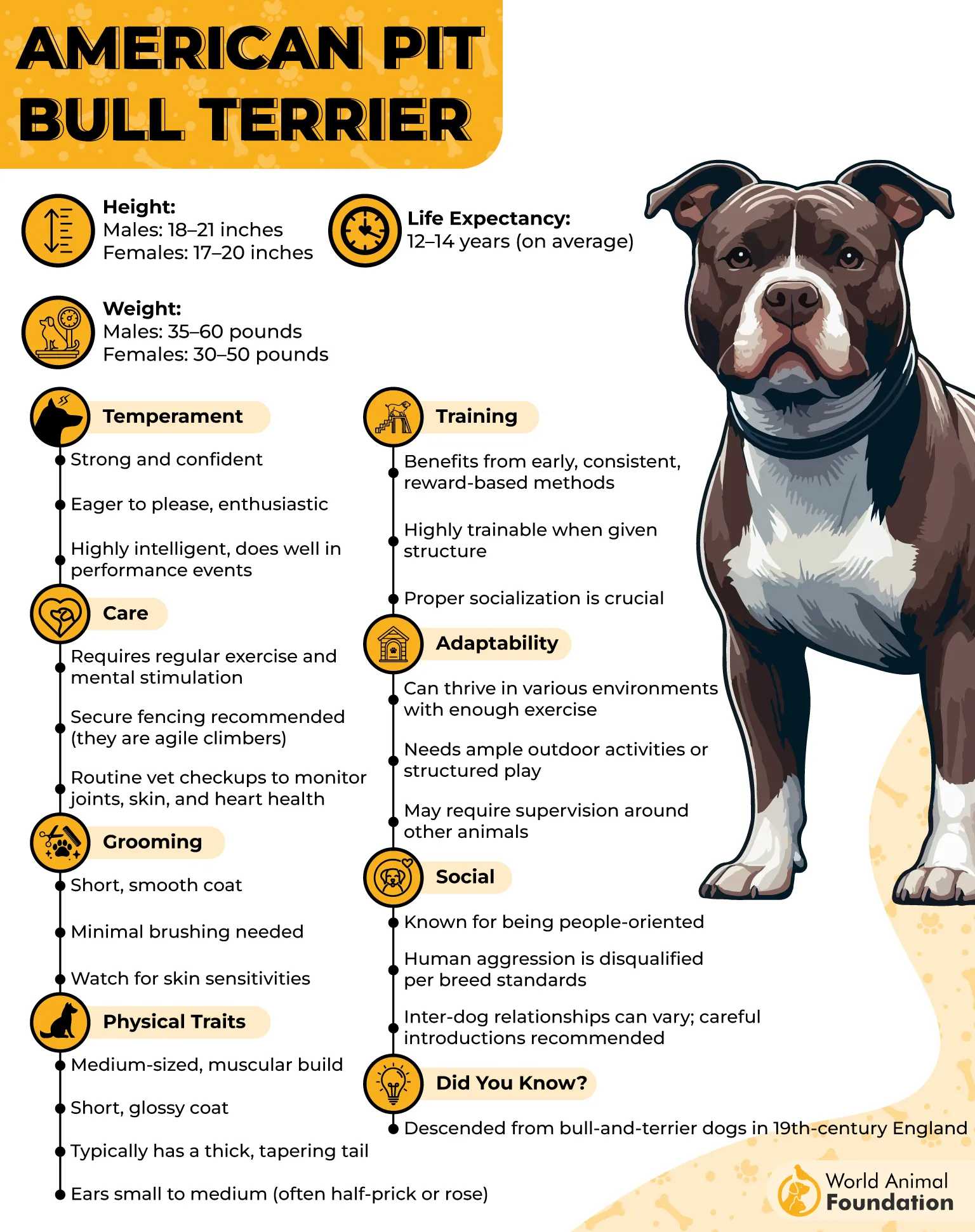
Early socialization (between 16 weeks and 8 months) is important to help guide their energy and strength in a positive direction. Their coat is short and low-maintenance, typically requiring only weekly brushing with a soft-bristle brush.
🐾 Is This Breed Right for You? American Pit Bull Terrier ownership fit ⌄
Best For
- Active owners who can provide daily exercise.
- Families willing to focus on training and socialization.
- People who want a compact but powerful dog.
- Owners interested in agility, hiking, running, or strength-based activities.
- Homes where the dog gets structure, attention, and mental stimulation.
Not Best For
- People looking for a lazy or low-energy dog.
- Owners who cannot commit to early socialization.
- Homes where the dog will be left bored for long periods.
- People who want a tough-looking dog without responsibility.
- Owners uncomfortable handling a strong, energetic breed.
🎧 Dogcast
Episode 37 — Why Dogs Stay Close without Touching
If you don’t hear sound, tap the button above to enable audio.
2. Kangal
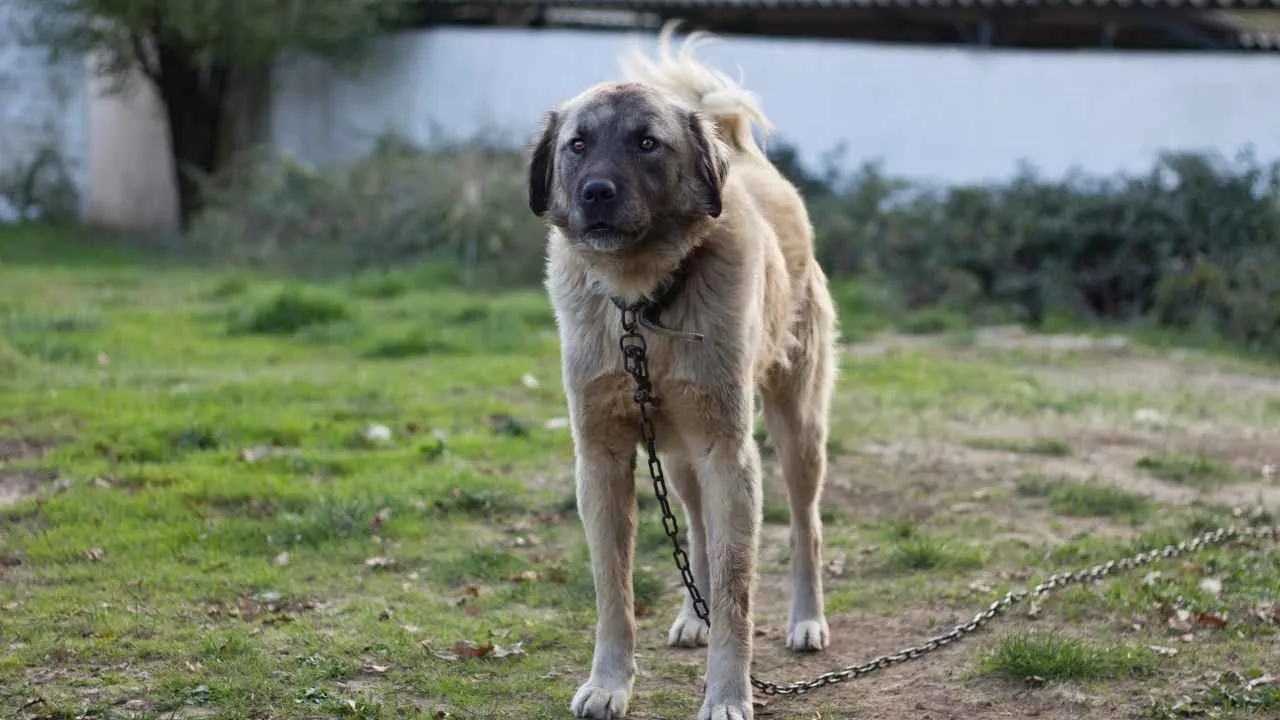
This breed originated in the Sivas Province of Turkey, where it was primarily used as a livestock guardian, staying with flocks to protect them from wolves and wild boars. It has also been introduced to some regions in Africa for use in wildlife and livestock protection roles. Males typically weigh between 110 and 145 pounds (28–34 inches tall), while females range from 90 to 130 pounds (25–31 inches tall).
PBS states that they have strong limbs, a broad skull, and a short, weather-resistant double coat that helps protect them from harsh climates and predator attacks. Their powerful build and strong bite force are often cited as key traits for deterring large predators.
With speeds of up to 30 mph, they are capable of covering ground quickly when needed. Despite their imposing appearance, they are generally calm, affectionate, and alert, though they can be independent and occasionally stubborn, making obedience training essential.
These dogs require at least two hours of daily exercise, including walking, patrolling, or hiking. Mental stimulation through interactive games and puzzle toys is also important. They do best in spacious environments and are not well-suited to small apartments.
While naturally protective, they are not typically aggressive, preferring to deter threats through presence and intimidation rather than unnecessary confrontation.
🐾 Is This Breed Right for You? Kangal ownership fit ⌄
Best For
- Experienced owners with plenty of outdoor space.
- Farms, ranches, or homes with livestock.
- People who want a calm but powerful guardian dog.
- Owners who understand independent working breeds.
- Homes that can provide long walks, patrolling, or outdoor activity.
Not Best For
- Apartment living.
- First-time dog owners.
- People who want a highly obedient, people-pleasing dog.
- Owners who cannot provide 2+ hours of daily activity.
- Homes without secure space or proper fencing.
3. Dogo Argentino
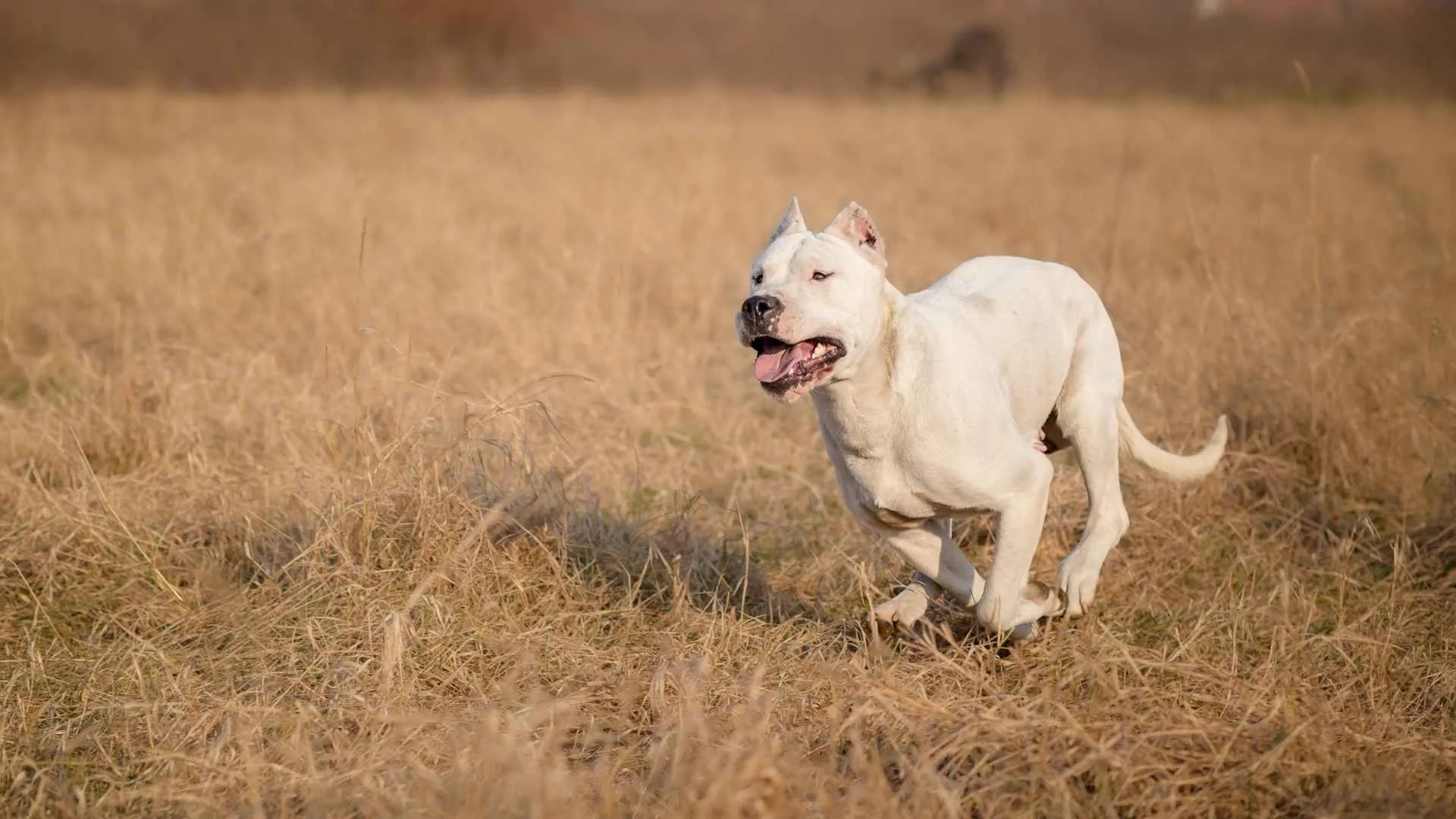
This large-boned breed was developed in the early 20th century in central Argentina for hunting big game such as pumas, wild boars, and peccaries. Today, they are also used in police and military roles, as well as in search-and-rescue and drug or bomb detection work.
They typically weigh between 80–100 pounds and stand around 24 and 27 inches tall. Their muscular bodies are slightly longer than their height. They have a broad, convex skull, a deep chest, and thick but elastic skin that offers some protection during physical encounters with prey. Their strong bite force (around 500 PSI) helps them grip and hold large animals effectively.
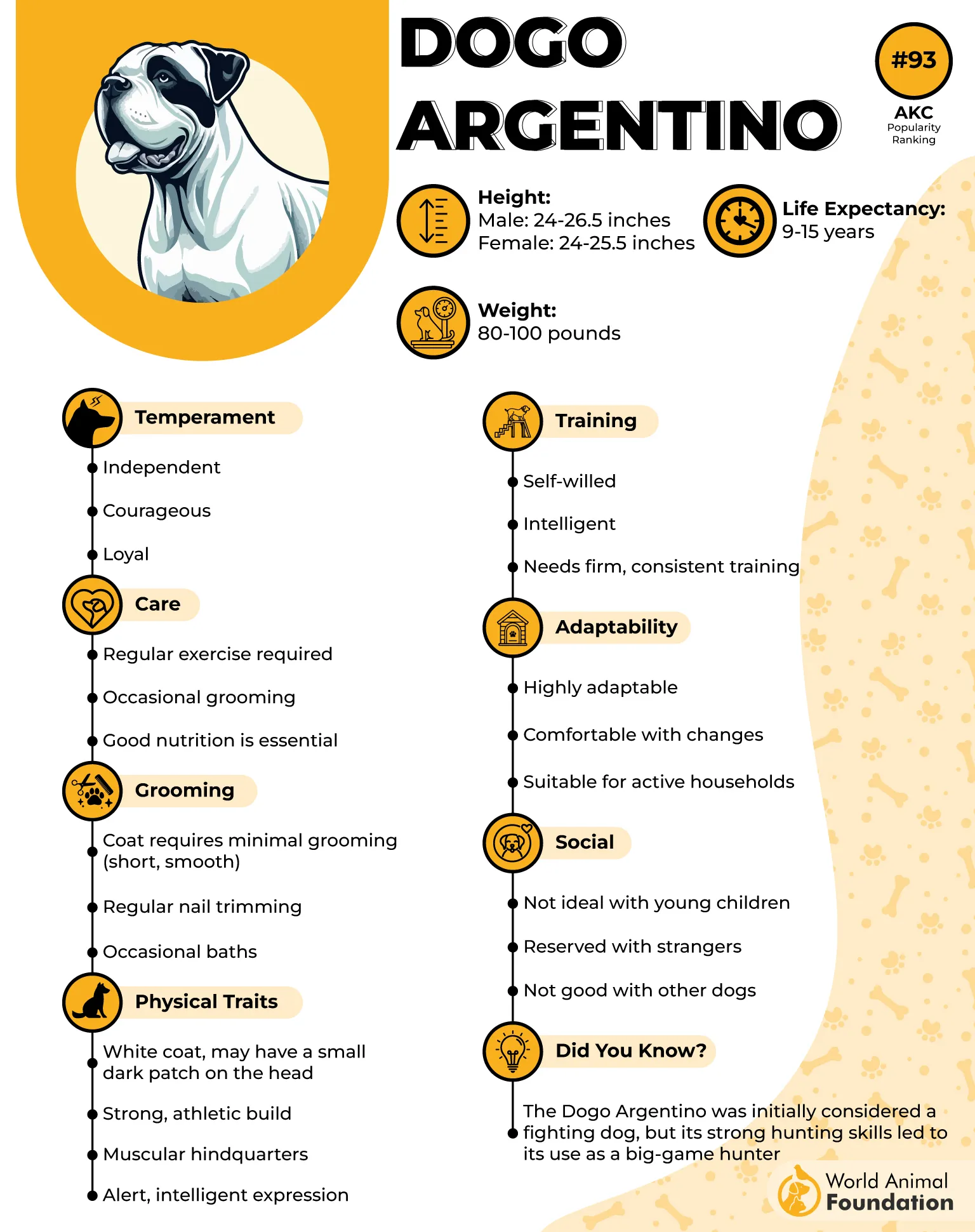
This highly devoted breed is often referred to as a “catch dog” because of its ability to locate, chase, and hold large game. They have a strong-willed and independent nature, making them better suited for experienced owners. Built for endurance and power, they can cover long distances without tiring, supported by a broad head, strong neck, and powerful limbs designed for demanding work in the field.
🐾 Is This Breed Right for You? Dogo Argentino ownership fit ⌄
Best For
- Experienced dog owners.
- Active homes that can provide structure and exercise.
- People familiar with strong-willed working breeds.
- Owners interested in protection, working roles, or advanced training.
- Homes with confident leadership and consistent routines.
Not Best For
- First-time owners.
- Passive owners who may struggle with a strong, independent dog.
- Homes without proper training plans.
- People looking for an easy companion breed.
- Owners who cannot provide enough exercise and mental stimulation.
4. Cane Corso
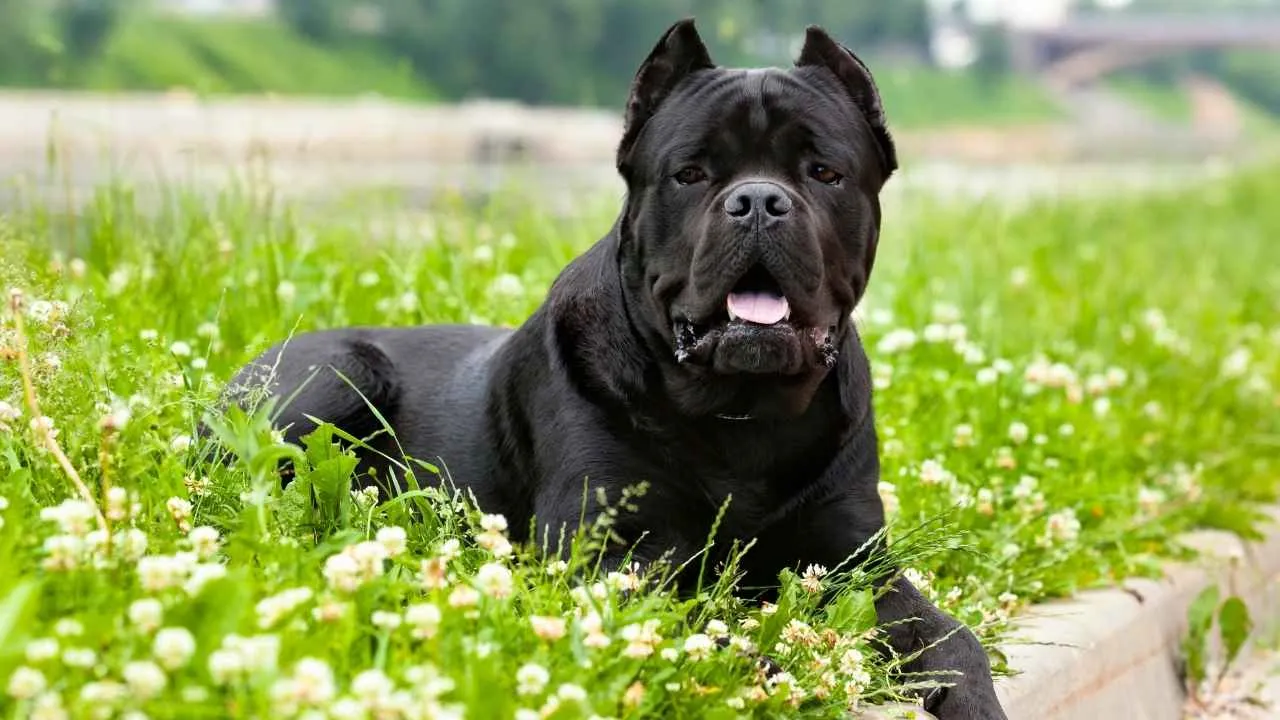
Originally bred as canine soldiers, farmhands, and watchdogs, the Cane Corso is an intelligent, eager-to-please, loyal, and highly protective breed. Its name literally translates to “bodyguard dog,” according to PetMD. Adults typically weigh around 88–110 pounds and stand about 23.5–27.5 inches tall. They have a strong, rectangular build with a broad chest, wide muzzle, and an alert, confident expression.
Their short, smooth coat comes in colors such as black, grey, brindle, and fawn. These natural tones once helped them blend into rural environments while working outdoors. Cane Corsos are powerful dogs with a strong bite force and impressive physical strength. Puppies grow rapidly, often reaching around 40 pounds within a few months and continuing to develop quickly in their first year.
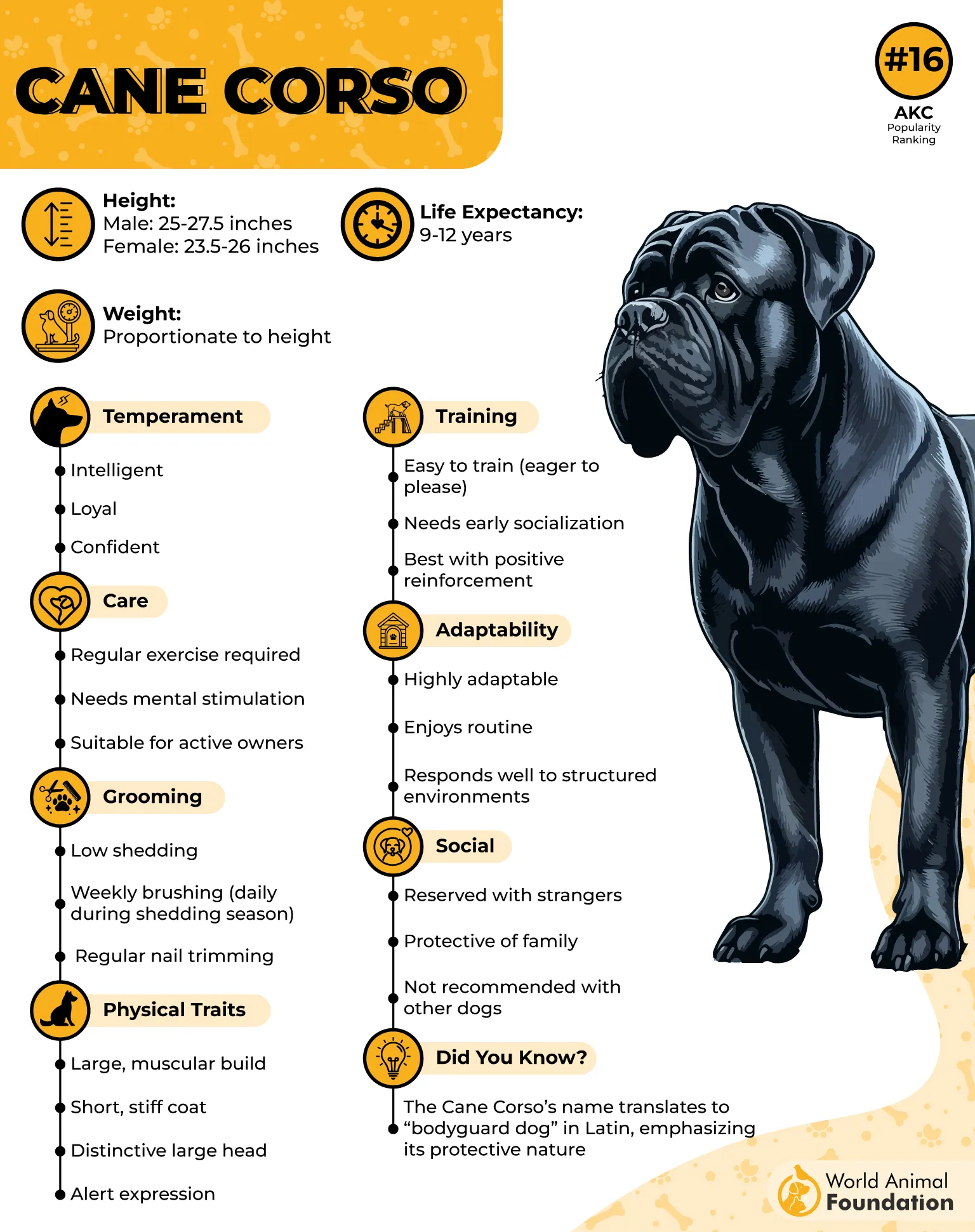
Cane Corsos are naturally cautious around strangers and form deep bonds with their families, making them excellent guard dogs when properly trained. They require about 1–2 hours of daily exercise, including brisk walks and jogging, along with structured play and training activities. Puppies should be exercised gently and in short sessions to avoid strain during growth, with activity carefully increased as they mature.
🐾 Is This Breed Right for You? Cane Corso ownership fit ⌄
Best For
- Experienced owners wanting a loyal guardian.
- Families who can provide firm but positive training.
- Homes with space and structure.
- People who want a protective, intelligent, family-bonded dog.
- Owners who can provide 1–2 hours of daily exercise.
Not Best For
- First-time dog owners.
- Small apartments with limited activity.
- People who cannot handle a large protective dog.
- Homes without early socialization.
- Owners who want a dog naturally friendly with every stranger.
5. Rottweiler
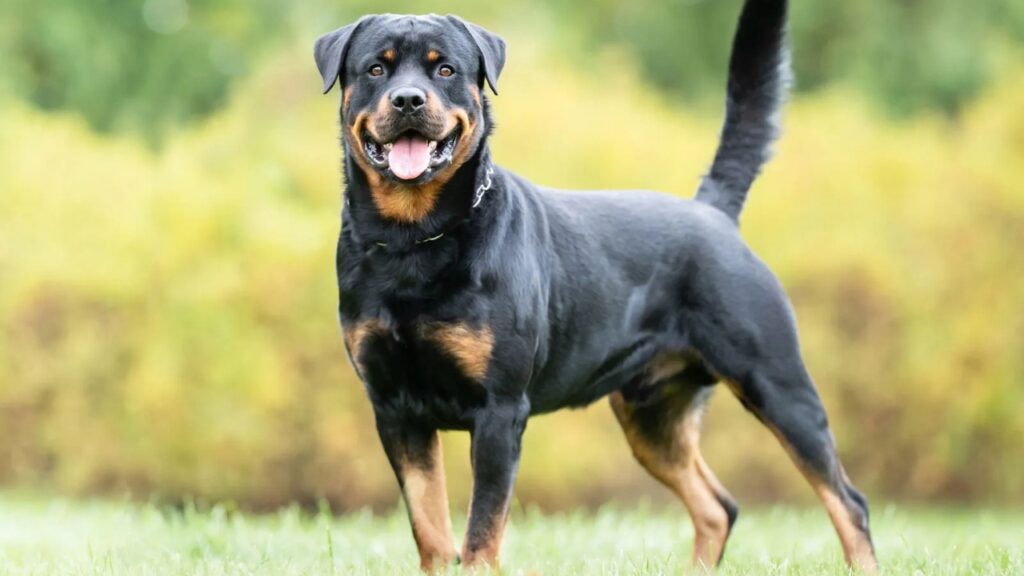
The Rottweiler was originally bred in Germany as a herding and working breed. It is also known as the “Rottweiler butcher’s dog” because it was used to pull heavy carts, sometimes weighing up to 1,000 pounds, to meat markets before railways were introduced. Today, Rottweilers are widely used as therapy dogs, service dogs, and in police and military work.
These large dogs typically weigh between 80–135 pounds and stand around 22 and 27 inches tall. They have a strong, muscular build with powerful hindquarters, a broad head, a thick neck, and a short, dense coat. Rottweilers thrive in physically demanding activities like hiking and swimming. Their confident posture and solid frame often give them an intimidating appearance to strangers.
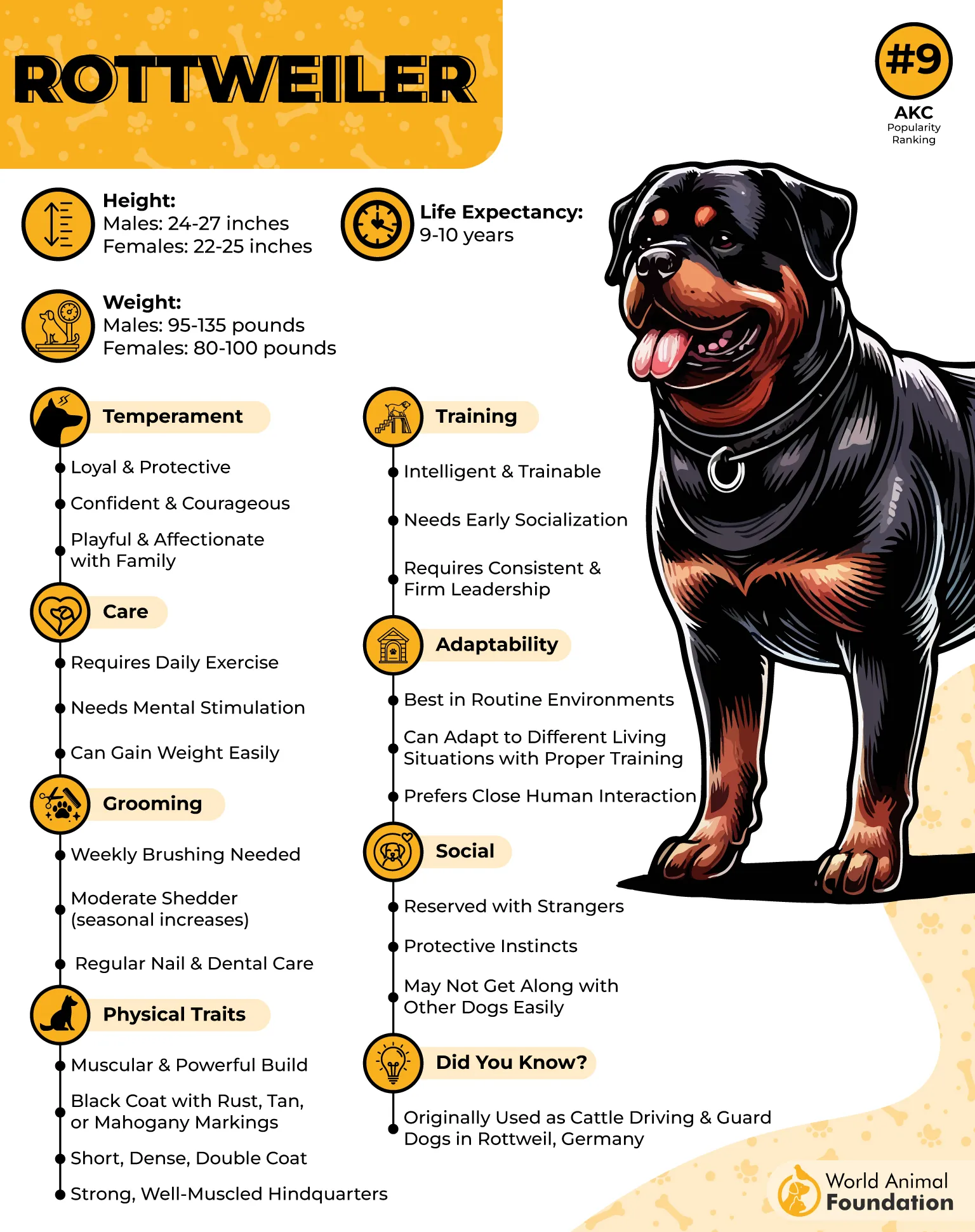
Rottweilers are known for their strength and controlled power, with a bite force often cited around 328 PSI. Their play style is often described as “linebacker-like,” relying on body strength and impact rather than speed. They require around 60–90 minutes of daily exercise to stay balanced, both physically and mentally.
🐾 Is This Breed Right for You? Rottweiler ownership fit ⌄
Best For
- Active owners who enjoy walking, hiking, or swimming.
- Families who can provide training and structure.
- People looking for a loyal and confident working breed.
- Owners who want a strong dog with service, therapy, or guarding potential.
- Homes that can provide 60–90 minutes of daily exercise.
Not Best For
- Owners who skip training or socialization.
- People uncomfortable with powerful large dogs.
- Homes where the dog will be under-exercised.
- Owners who want a very soft or low-drive breed.
- People who cannot manage strong leash behavior.
6. Doberman Pinscher
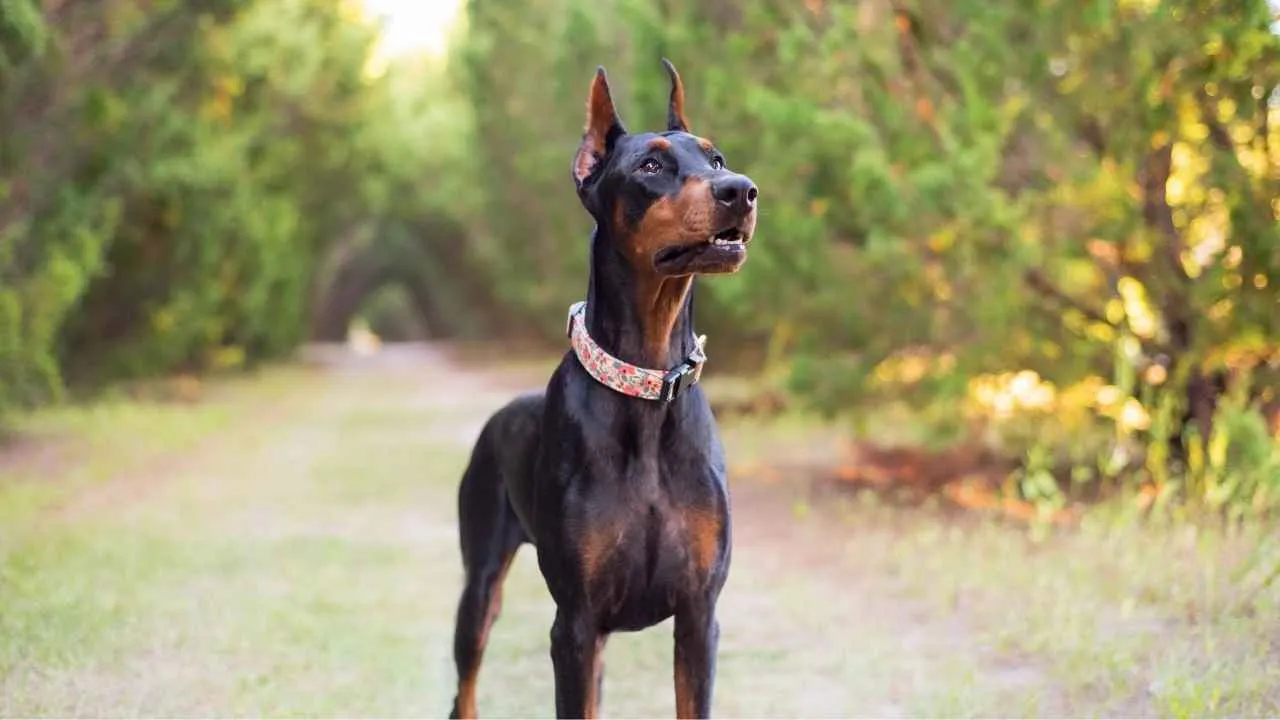
The Doberman Pinscher was originally developed in the 1890s by Louis Dobermann to protect tax collections from theft. Known for their sleek, athletic build and graceful movement, Dobermans have a long muzzle that supports efficient breathing during high-speed running. Practices like tail docking and ear cropping are now widely discouraged and banned in many regions.
Dobermans are strong, square-built dogs with powerful legs and a muscular, well-arched neck that gives them a confident, alert posture. They typically weigh between 60–100 pounds and stand around 24 and 26 inches tall.
Capable of reaching speeds up to 35 mph, they are built for both agility and endurance. Despite their working background, they are often calm indoors and can be affectionate and social when properly trained and raised.
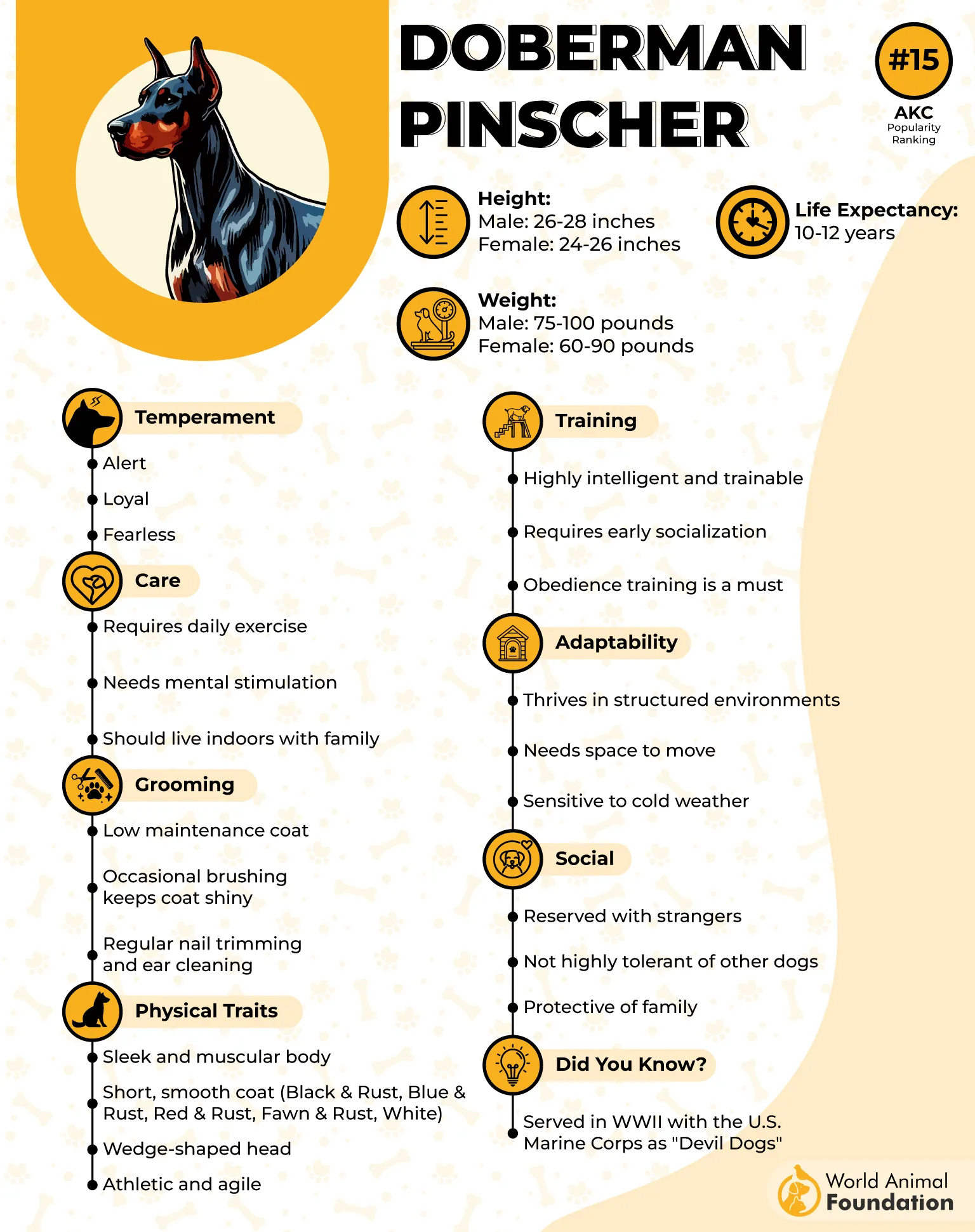
Dobermans are highly intelligent and rank among the top five smartest dog breeds, capable of learning and solving complex tasks. They are known for precise, controlled biting behavior rather than holding on continuously, which reflects their training-focused working style. With proper structure and early socialization, they can become highly disciplined, responsive, and reliable companions.
🐾 Is This Breed Right for You? Doberman Pinscher ownership fit ⌄
Best For
- Active owners who want an athletic dog.
- People interested in obedience, agility, or protection training.
- Families who can provide structure and early socialization.
- Owners who want an intelligent, loyal, and responsive dog.
- Homes that can provide regular exercise and mental challenges.
Not Best For
- People who want a couch-potato dog.
- Owners who cannot keep up with a smart, energetic breed.
- Homes without training consistency.
- People who want a dog that needs little attention.
- Owners who cannot provide socialization and confidence-building.
7. American Bulldog
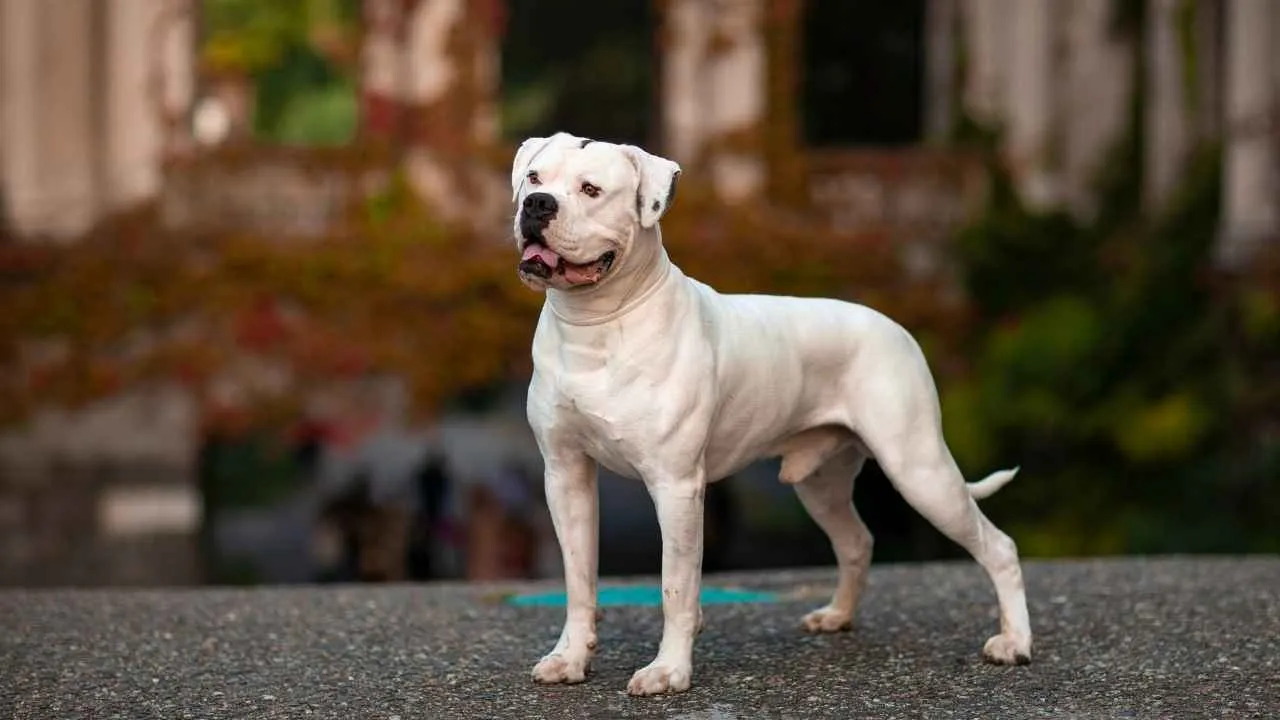
This dog breed was developed in the United States around 1884, with ancestral roots tracing back to England, where similar dogs were historically used in bull-baiting as early as the 13th century. They typically weigh between 60–115 pounds and stand about 20 and 27 inches tall.
They are distinct from the American Bully. This breed is often described in two types: the Johnson type (heavier, more muscular “bully” build) and the Scott type (more athletic with a longer muzzle and lighter frame). Their powerful shoulders and hindquarters were originally developed for farm work, including controlling livestock, and they are capable of impressive athletic feats such as jumping over 6 feet. Males are generally larger and more muscular than females.
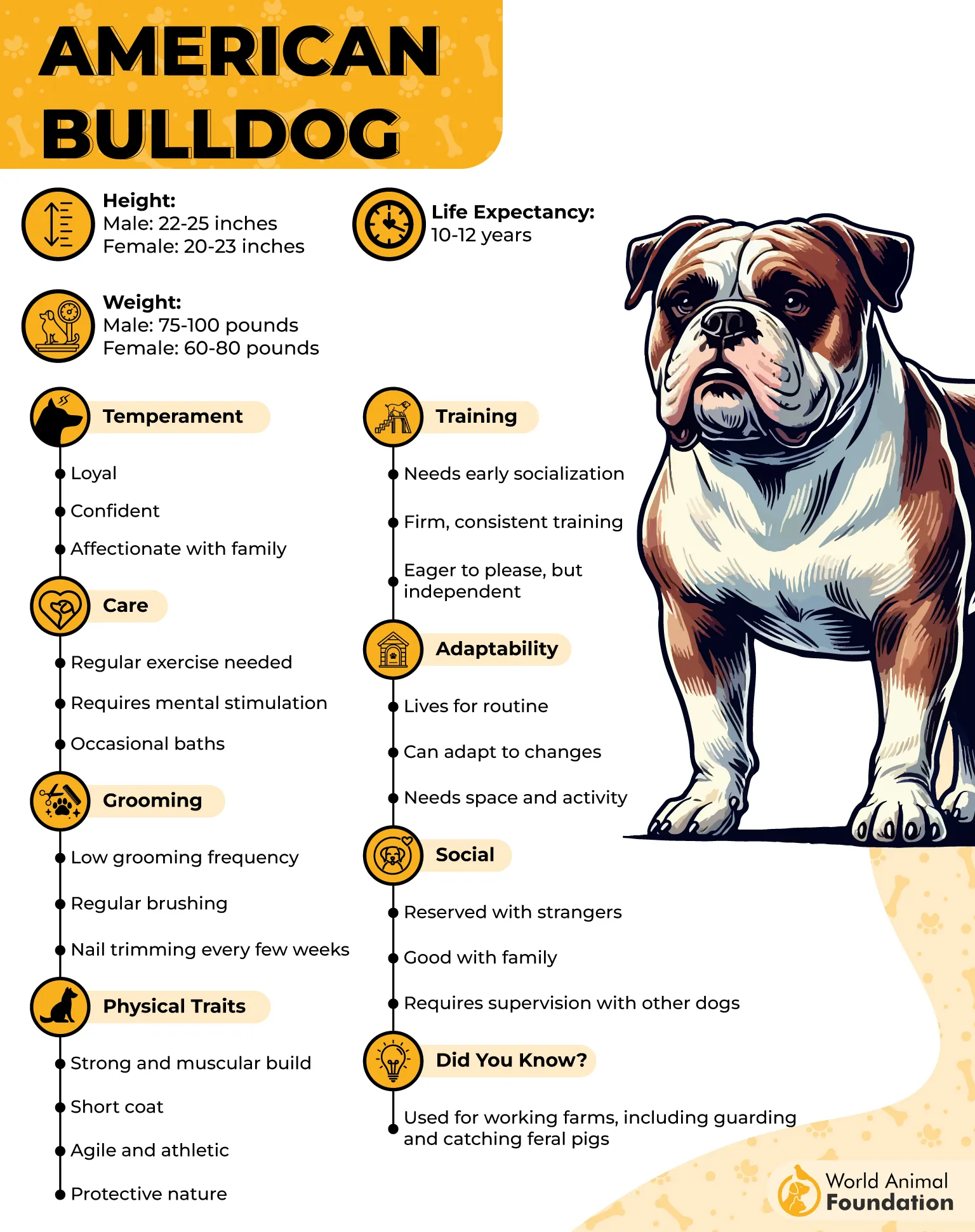
These dogs are highly energetic and require 1–2 hours of daily exercise to stay healthy and balanced. They have a strong bite force (around 305 PSI) and were originally bred for working roles that required strength and endurance.
Because of this, early training and positive reinforcement are essential to guide their behavior properly. Special care is also needed during puppy development (up to 18–24 months), avoiding excessive high-impact activity on hard surfaces to protect growing joints and prevent long-term injury.
🐾 Is This Breed Right for You? American Bulldog ownership fit ⌄
Best For
- Active families.
- Owners who want a strong but affectionate companion.
- Homes with space for play and movement.
- People who can provide 1–2 hours of daily exercise.
- Owners interested in a muscular farm-style working dog.
Not Best For
- People who want a very low-maintenance dog.
- Owners who cannot manage strength and excitement.
- Homes where the dog will not get enough exercise.
- People who may ignore joint care during puppy growth.
- Owners who are not ready for consistent training.
8. Bullmastiff
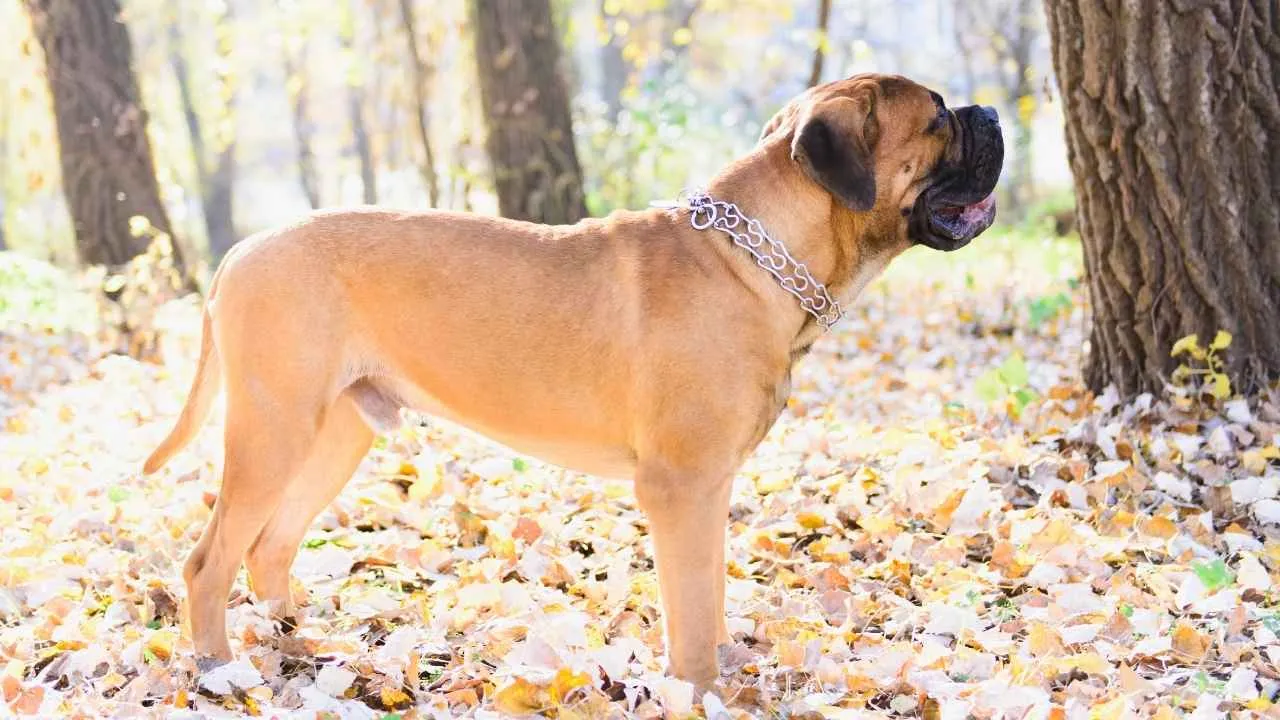
This strong dog was developed by crossing Bulldogs and Mastiffs. It has V-shaped ears, large eyes, and a deep muzzle. According to Purina UK, this breed was originally created as a companion for gamekeepers and became known as the “Gamekeeper’s Night Dog.” It was used to track poachers, quietly follow them, knock them down, and hold them until the owner arrived.
They typically weigh around 100–130 pounds and stand about 23–27 inches tall. With a heavy-boned, square, “hulk-like” build and a broad chest, they are powerful yet surprisingly agile for their size. Their short, dense coat is weather-resistant, allowing them to work outdoors in harsh conditions.
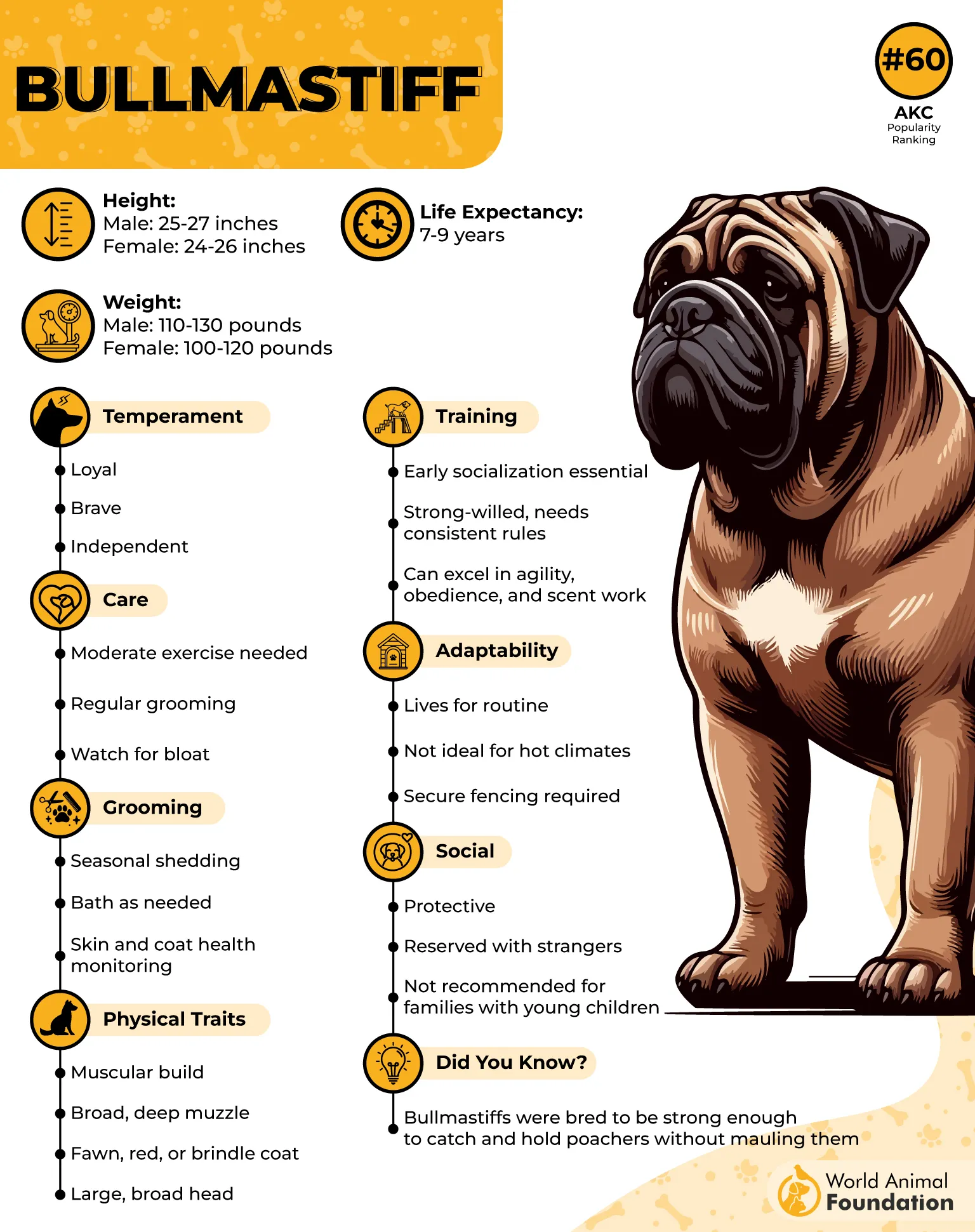
These dogs are generally calm, affectionate, and well-mannered with their families, but they can be reserved and cautious around strangers. Early training and proper socialization are essential due to their size and strength.
They require consistent, positive reinforcement-based obedience training to ensure control and good behavior. Despite their intimidating appearance, they are typically loyal, stable, and highly responsive to their owners when properly raised.
🐾 Is This Breed Right for You? Bullmastiff ownership fit ⌄
Best For
- Families wanting a calm but protective dog.
- Owners who prefer a powerful breed with a steady temperament.
- Homes with enough space for a large dog.
- People who want a loyal guardian without extreme energy.
- Owners who can provide early training and socialization.
Not Best For
- Very small living spaces.
- Owners who cannot manage a heavy, powerful dog.
- People who want a highly athletic running partner.
- Homes without obedience training.
- Owners who assume calm dogs do not need structure.
9. Boerboel
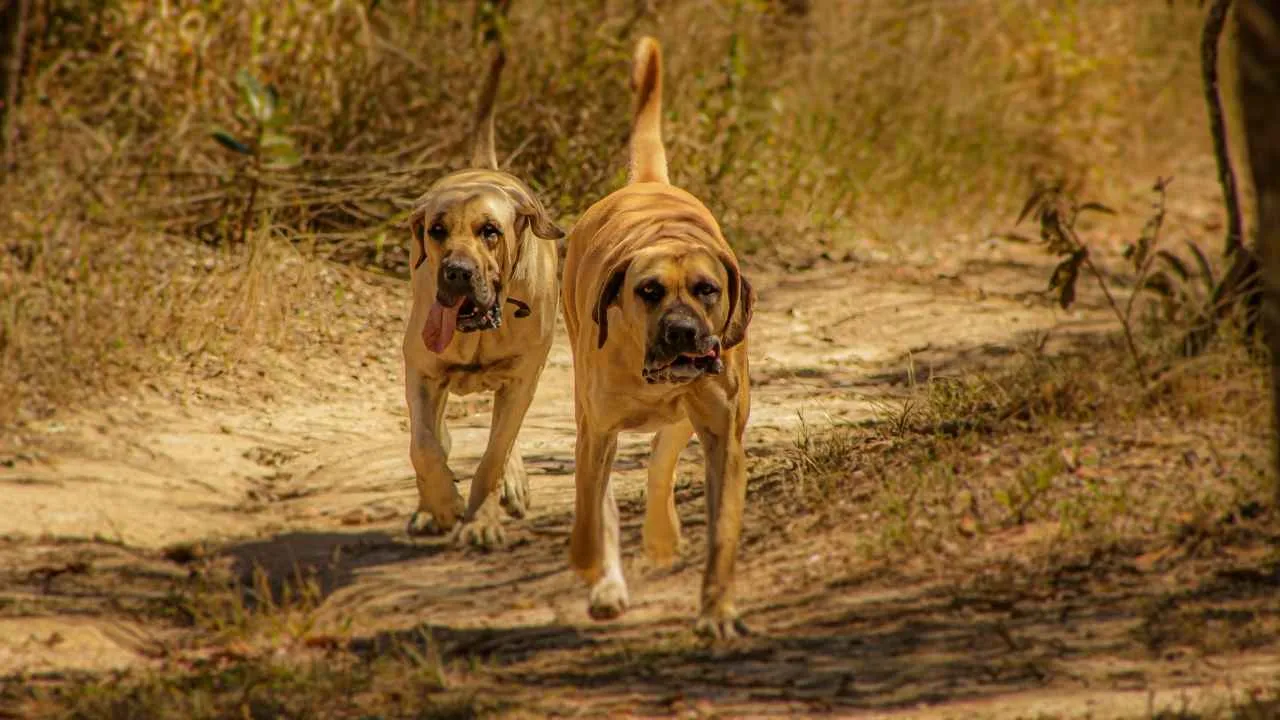
This breed was developed in South Africa as a family guardian and working dog. Its name comes from the Afrikaans words “boer” (farmer) and “boel” (bulldog). It was created by crossing Bulldogs and Mastiff-type dogs to produce a large, powerful breed capable of protecting farm estates and assisting in hunting. Adults typically weigh between 150 and 200 pounds and stand around 22 and 27 inches tall.
They have a massive blocky head, thick bone structure, and a broad chest built for strength and stability. Known for having one of the strongest bite forces among dogs, they are powerful working animals that require experienced handling. Despite their intimidating appearance, they are often deeply loyal and tend to stay close to their human family, especially in high-stress situations.
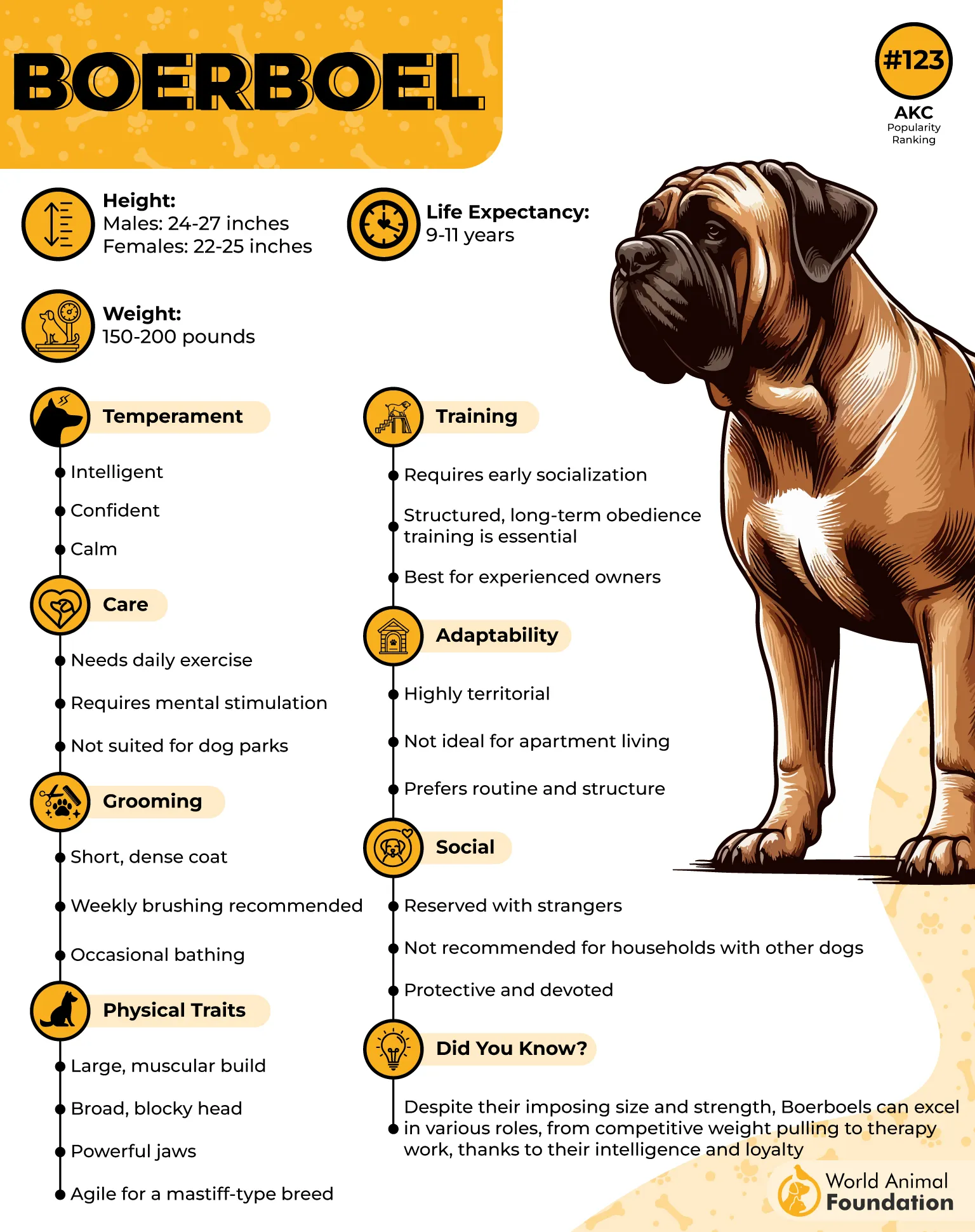
This breed has high exercise needs, typically requiring 1.5–2 hours of daily activity such as long walks, jogging, and secure off-leash play. Swimming is especially beneficial for adults to maintain fitness and prevent obesity.
However, they are sensitive to heat, so outdoor activity should be limited during hot weather. With proper training, structure, and leadership, they can become stable, dependable guardians and companions.
🐾 Is This Breed Right for You? Boerboel ownership fit ⌄
Best For
- Very experienced dog owners.
- Homes with large outdoor space.
- People wanting a serious estate or family guardian.
- Owners who understand powerful mastiff-type breeds.
- Active homes that can provide 1.5–2 hours of daily activity.
Not Best For
- First-time dog owners.
- Apartment living.
- People who cannot handle a very large, powerful breed.
- Owners who live in very hot areas without careful exercise planning.
- Homes without firm structure, training, and socialization.
10. American Staffordshire Terrier
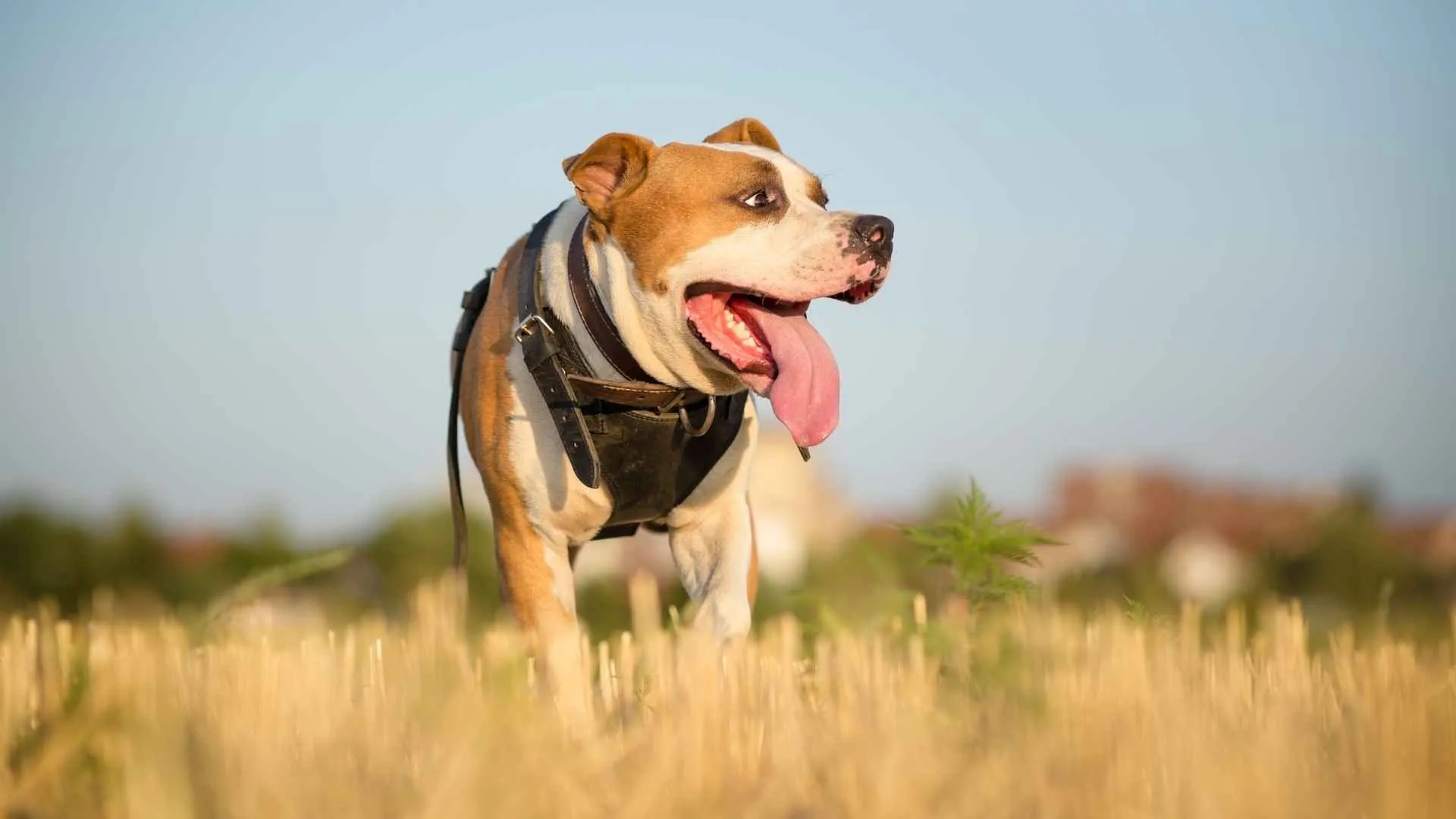
Also known as the AmStaff, this breed shares ancestry and some temperament traits with the American Pit Bull Terrier. Its roots trace back to 18th-century bull-baiting dogs, but today it is known for being affectionate, eager to please, and deeply loyal. The breed comes in a variety of coat colors, including liver, brown, blue, white, and black.
American Staffordshire Terriers typically weigh between 40 and 70 pounds and stand about 17–19 inches tall. They have a compact, muscular build with well-sprung ribs, a short-coupled body, and a strong, well-defined jawline.
With a lifespan of around 12–16 years, they are considered one of the longer-living muscular breeds. Their strength and drive also make them popular in activities like weight-pulling sports and search-and-rescue work.
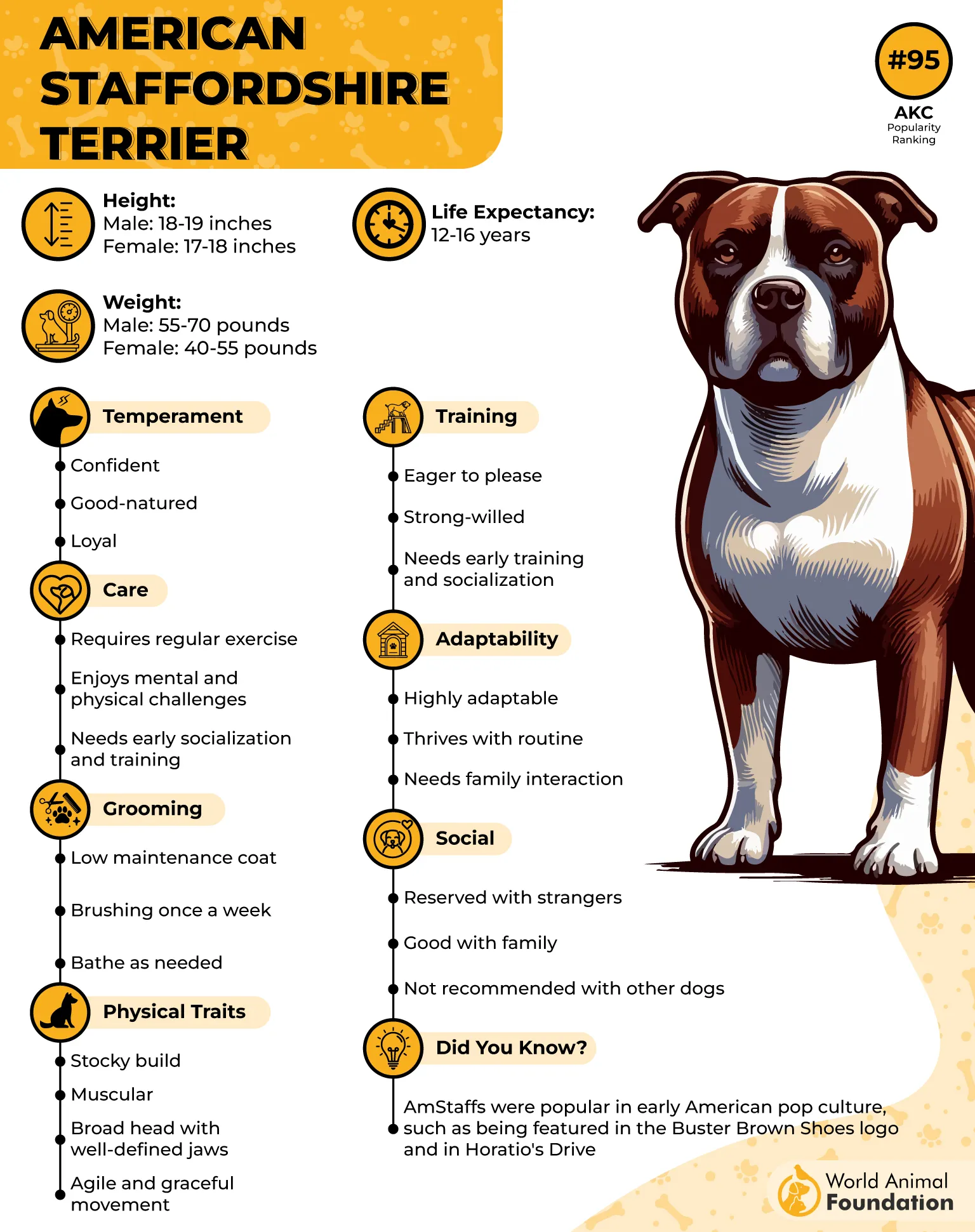
They have a broad skull, pronounced cheek muscles, and a powerful overall structure. This breed requires 60–90 minutes of daily exercise to prevent boredom, obesity, and unwanted behavior. However, intense physical activity immediately after meals should be avoided, as it can increase the risk of bloating and digestive issues.
🐾 Is This Breed Right for You? American Staffordshire Terrier ownership fit ⌄
Best For
- Active owners wanting a compact muscular dog.
- Families who can provide daily exercise and training.
- People interested in weight pulling, search-and-rescue-style activities, or active play.
- Homes that want a loyal, affectionate companion.
- Owners who can provide 60–90 minutes of exercise daily.
Not Best For
- People who want a low-energy lap dog.
- Owners who cannot commit to socialization.
- Homes where the dog will be bored or inactive.
- People who want strength without training responsibility.
- Owners who cannot manage excitement and physical power.
Conclusion
Most muscular dog breeds often carry a reputation that overshadows who they really are. Yes, they are powerful. Yes, they require proper training and consistent handling. But behind the strength, strong jaws, and imposing presence are dogs that are loyal, intelligent, and capable of becoming deeply rewarding companions.
Whether it’s the ancient guarding instincts of the Kangal, the working legacy of the Cane Corso, or the steady devotion of the Bullmastiff, each breed brings something unique to the table. The key is choosing the right dog for the right lifestyle. With proper research, early training, and commitment, you don’t just get a powerful dog; you gain a true partner.
