




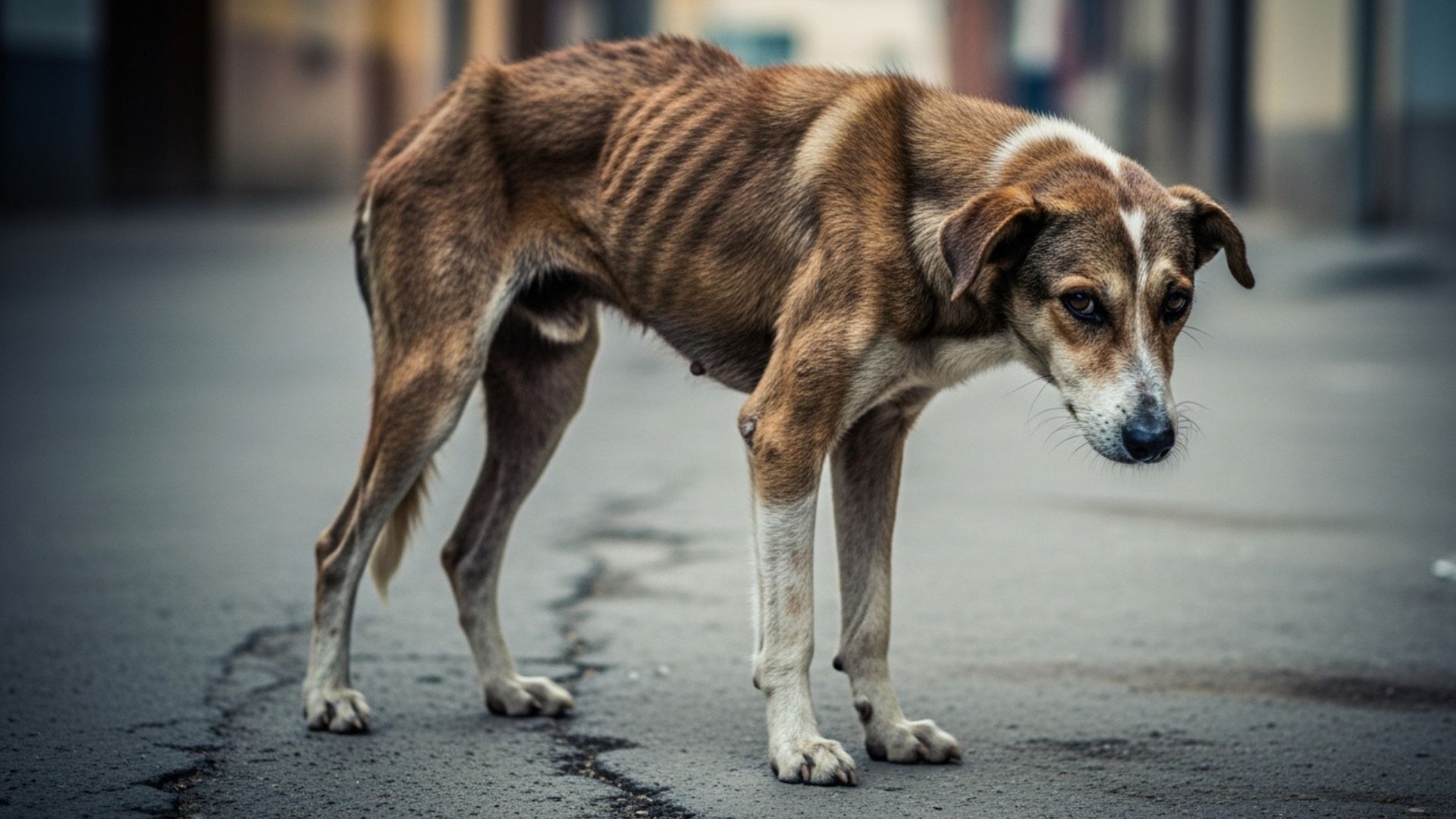
Did you know that some of the most adorable dog breeds are also the ones most burdened by health problems? Behind those irresistible faces and playful personalities, certain breeds have been shaped by years of selective breeding that often prioritized looks over longevity.
From breathing troubles in flat-faced pups to fragile bones in tiny toy breeds, these dogs face a lifetime of medical challenges that can shorten their lives and strain their owners’ hearts and wallets.
Recognizing which breeds are most at risk helps future pet parents make informed, compassionate choices—and encourages breeders to put health before appearance.
Let’s take a closer look at some of the most unhealthy dog breeds seeking recognition, and uncover what makes them so vulnerable despite their undeniable charm.
Most Unhealthy Dog Breeds Seeking Recognition
1. Boxer
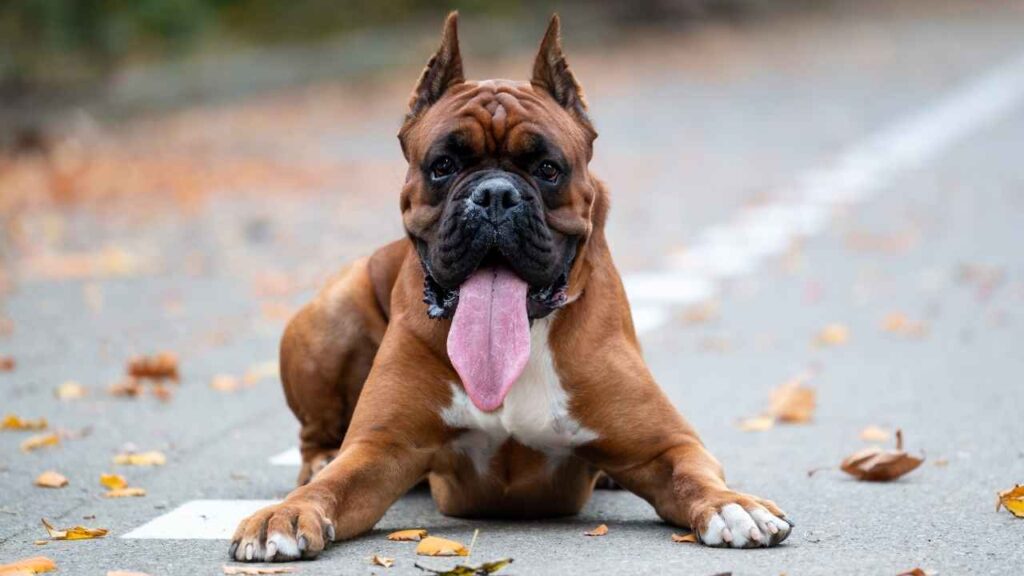
Boxers are athletic, medium-sized dogs known for their boundless energy and unmistakable charm. Their strong, square build and expressive faces make them one of the most recognizable breeds worldwide. Originally bred for working and guarding, they’ve since become affectionate family companions.
These dogs are famous for their playful personalities and unwavering loyalty to their owners. According to the AKC, Boxers thrive on interaction and often act like eternal puppies well into adulthood. They love to be part of every family activity and are known for their goofy, heartwarming antics.

However, Boxers face several inherited health challenges. They are prone to heart conditions such as cardiomyopathy and a higher risk of certain cancers. Their short muzzles can also cause breathing difficulties, especially in hot weather.
Exercise is essential for this breed to stay healthy and mentally stimulated. Regular walks and playtime help prevent obesity and restlessness, both of which can affect their overall well-being. A balanced diet and routine vet checks can make a big difference in their quality of life.
Fun Fact
Boxers were among the first breeds used as police dogs and military working dogs due to their intelligence and courage.
2. French Bulldog
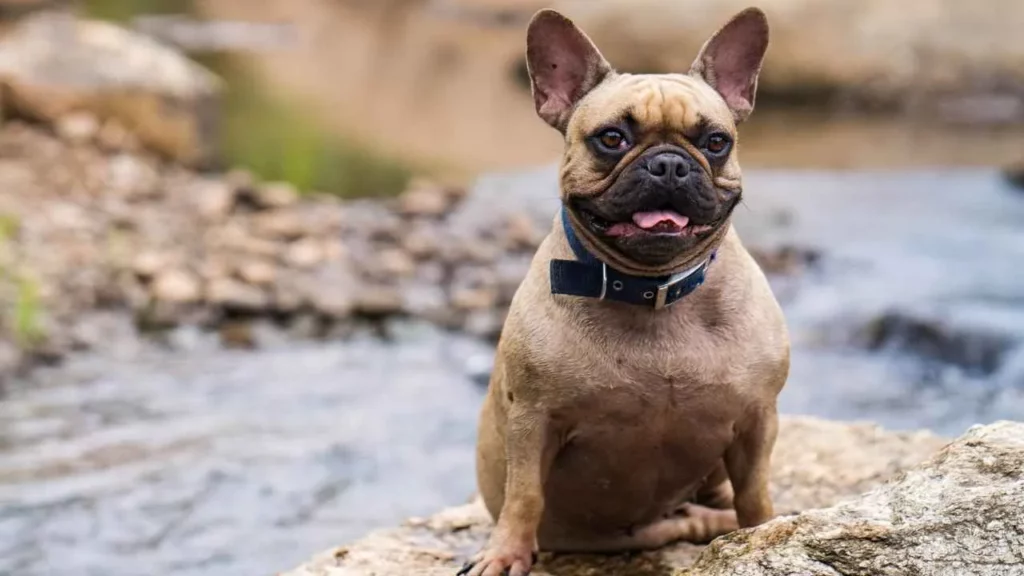
French Bulldogs are small, muscular dogs with distinctive bat-like ears and a charming, affectionate nature. Their compact size and easygoing temperament make them ideal companions for city living. They’re one of the most popular breeds worldwide, beloved for their expressive faces and quirky personalities.
Despite their adorable looks, French Bulldogs are known for several health vulnerabilities. Their short snouts make breathing difficult, especially during heat or exercise. As per PDSA, they also face common issues such as skin allergies, eye conditions, and spinal problems.

This breed thrives on companionship and doesn’t enjoy being left alone for long periods. They prefer gentle play and short walks rather than strenuous activity. Their calm demeanor and love for human connection make them excellent indoor pets.
French Bulldogs are low-maintenance in grooming but high-maintenance in care. Owners need to monitor temperature, diet, and vet visits closely to ensure these lovable pups stay comfortable and healthy throughout their lives.
Fun Fact
The French Bulldog’s signature bat ears were once considered undesirable by early breeders—but today, they’re the breed’s most famous feature.
3. Pug

The Pug is a compact, affectionate dog with a distinct wrinkled face and bright, curious eyes. Known for their clownish charm and playful demeanor, Pugs are among the most endearing small breeds. Their history traces back to ancient China, where they were royal companions adored for their loyal and loving nature.
However, their flat faces make them prone to breathing difficulties, especially in warm or humid environments, as noted by PetMD. Pugs can also suffer from eye injuries, skin infections, and joint issues due to their body structure. These health risks make careful monitoring and moderate exercise essential.
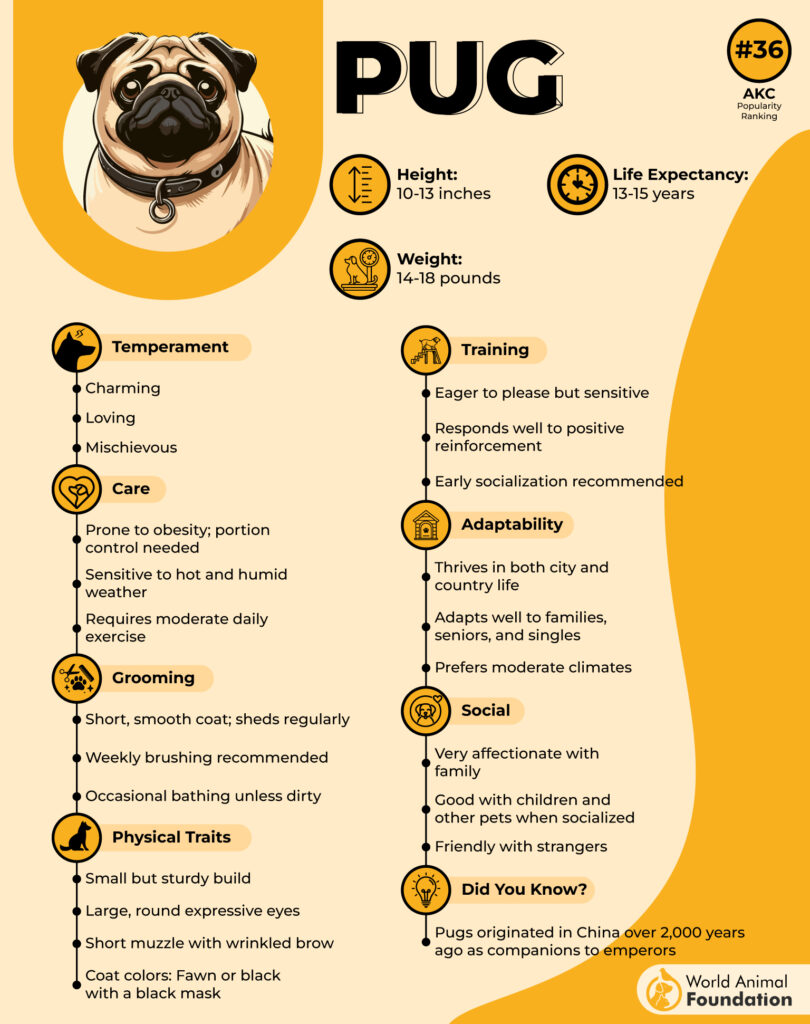
Their personalities are full of warmth and mischief. Pugs love being the center of attention and form deep bonds with their families. They’re adaptable and generally get along with children and other pets, making them a popular household choice.
Though small in stature, Pugs have big appetites and are prone to weight gain. A balanced diet and controlled portions help prevent obesity-related problems and keep them active and cheerful.
Fun Fact
Ancient Chinese emperors kept Pugs as royal pets, often giving them their own guards and lavish living quarters.
4. German Shepherd
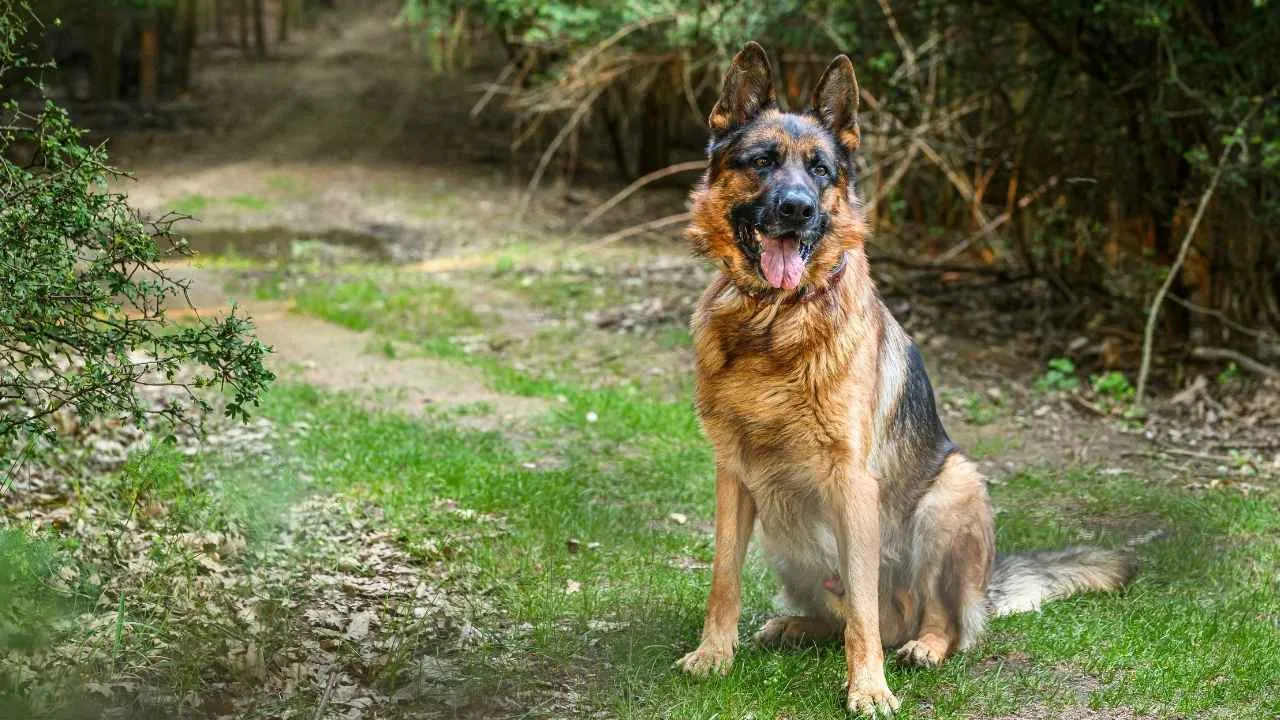
German Shepherds are renowned for their intelligence, versatility, and devotion. They’re large, athletic dogs that excel in roles like police, military, and service work. Their loyalty and protective instincts make them one of the most trusted breeds worldwide.
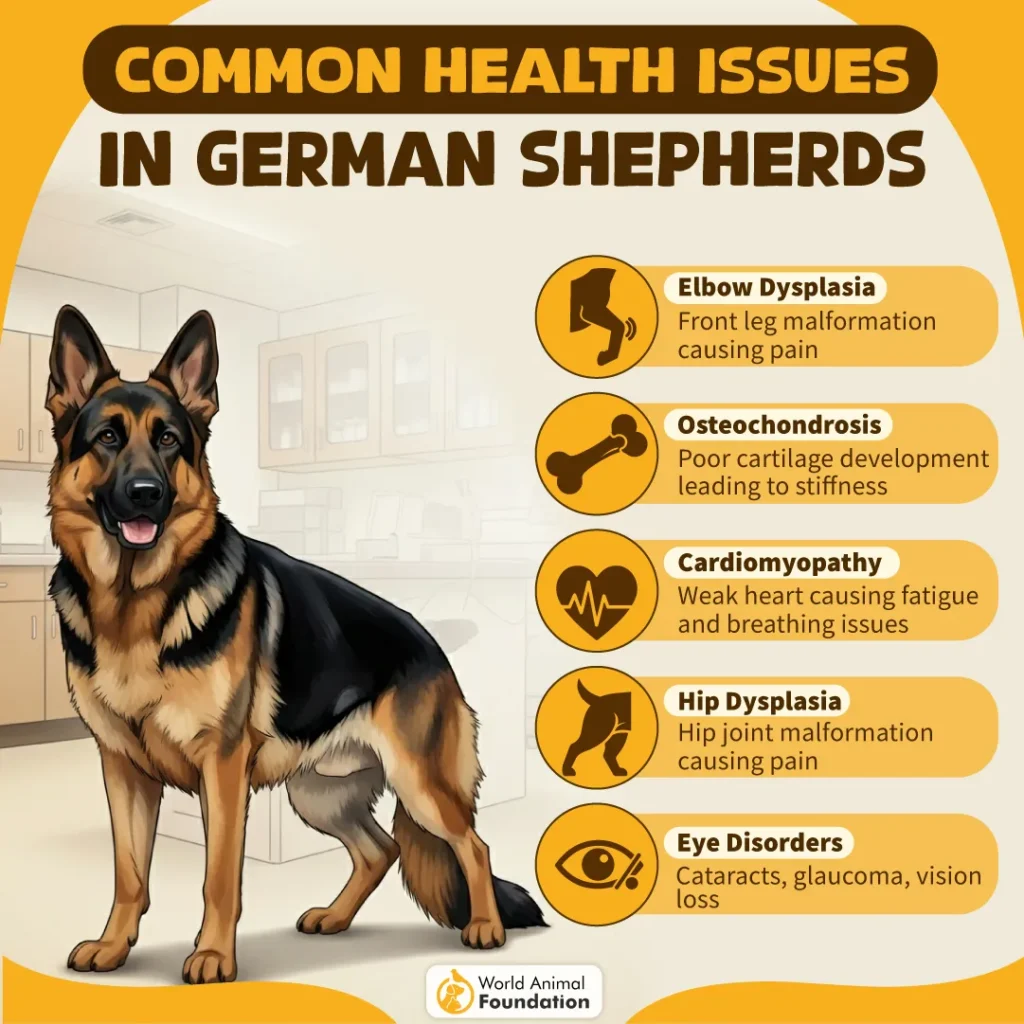
Despite their strength and agility, German Shepherds face notable health concerns. Hip and elbow dysplasia are common issues, often causing mobility problems as they age. Some may also experience digestive disorders or degenerative myelopathy, affecting their spinal health.
According to the Pawlicy Advisor, these dogs need plenty of mental and physical stimulation to stay balanced. They thrive on tasks and training, making them ideal for active families or working environments. Without adequate exercise, they can become restless and anxious.
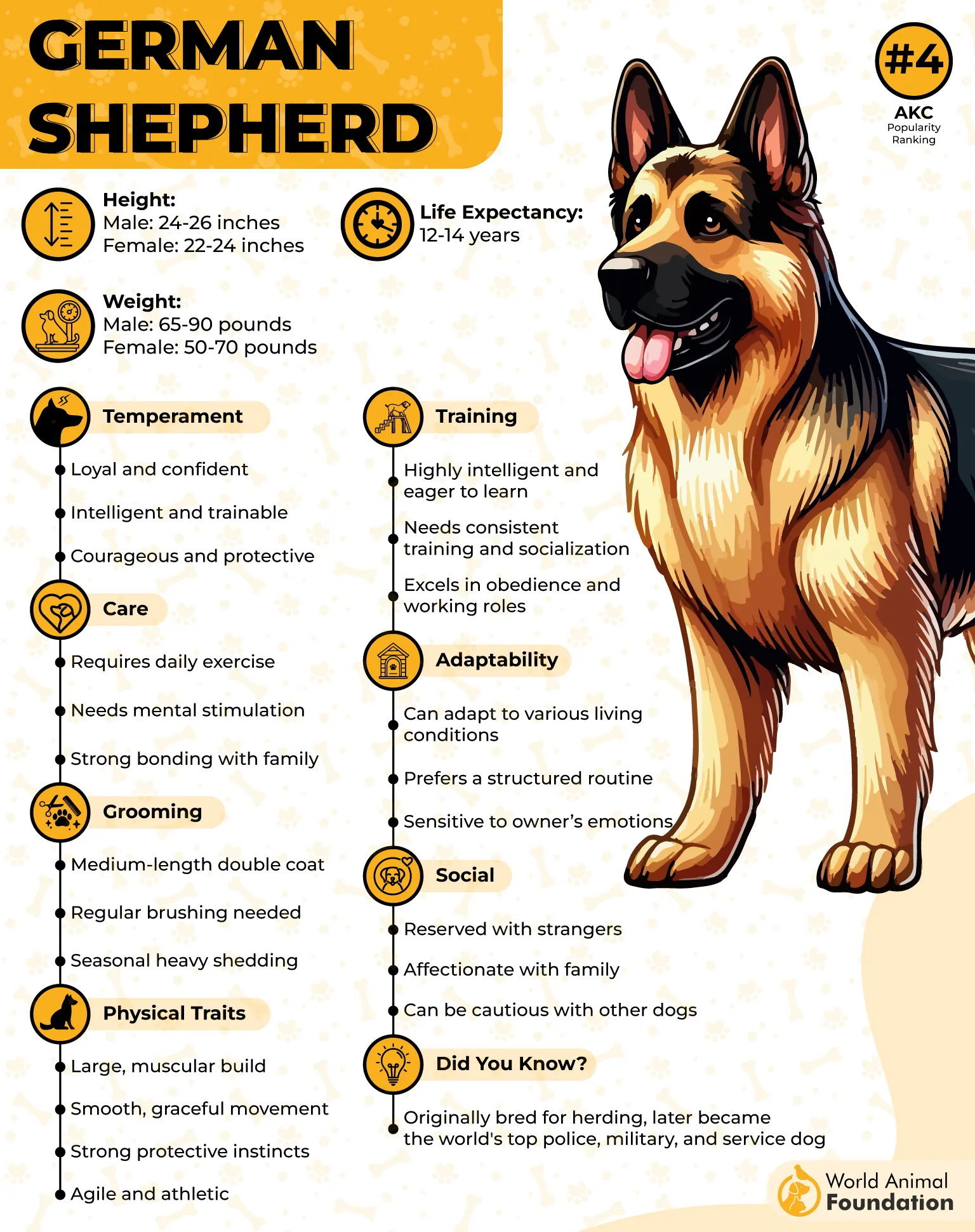
Regular grooming is needed to manage their thick double coat, which sheds year-round. A nutritious diet, structured exercise, and consistent vet care help maintain their strength and extend their lifespan.
Fun Fact
A German Shepherd named Rin Tin Tin became a Hollywood star in the 1920s and helped popularize the breed across the world.
5. Great Dane
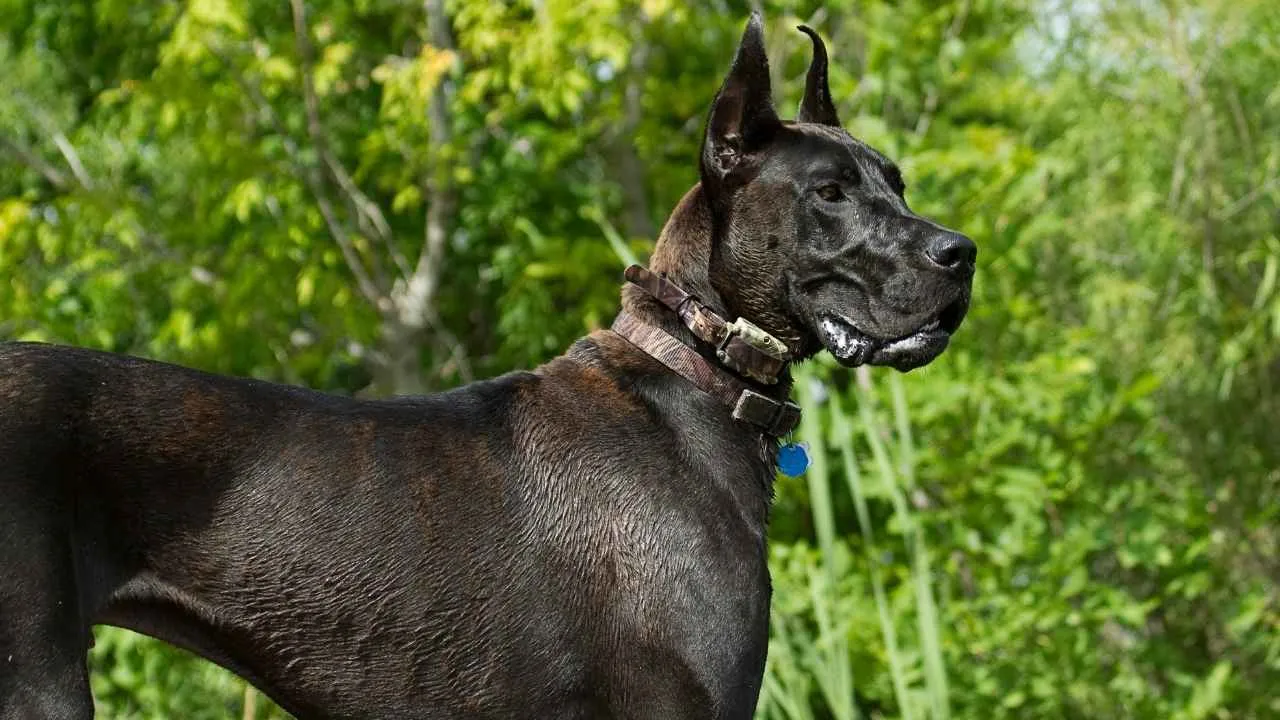
Great Danes, often called “gentle giants,” are among the tallest dog breeds in the world. Known for their regal appearance and calm temperament, they blend elegance with an affectionate nature. Despite their impressive size, they’re friendly and thrive on companionship rather than aggression.
These majestic dogs are unfortunately known for their short lifespan. Their massive build puts strain on their hearts and joints, making conditions like hip dysplasia and cardiomyopathy common. Bloat, a life-threatening stomach issue, is one of the biggest health risks for Great Danes.
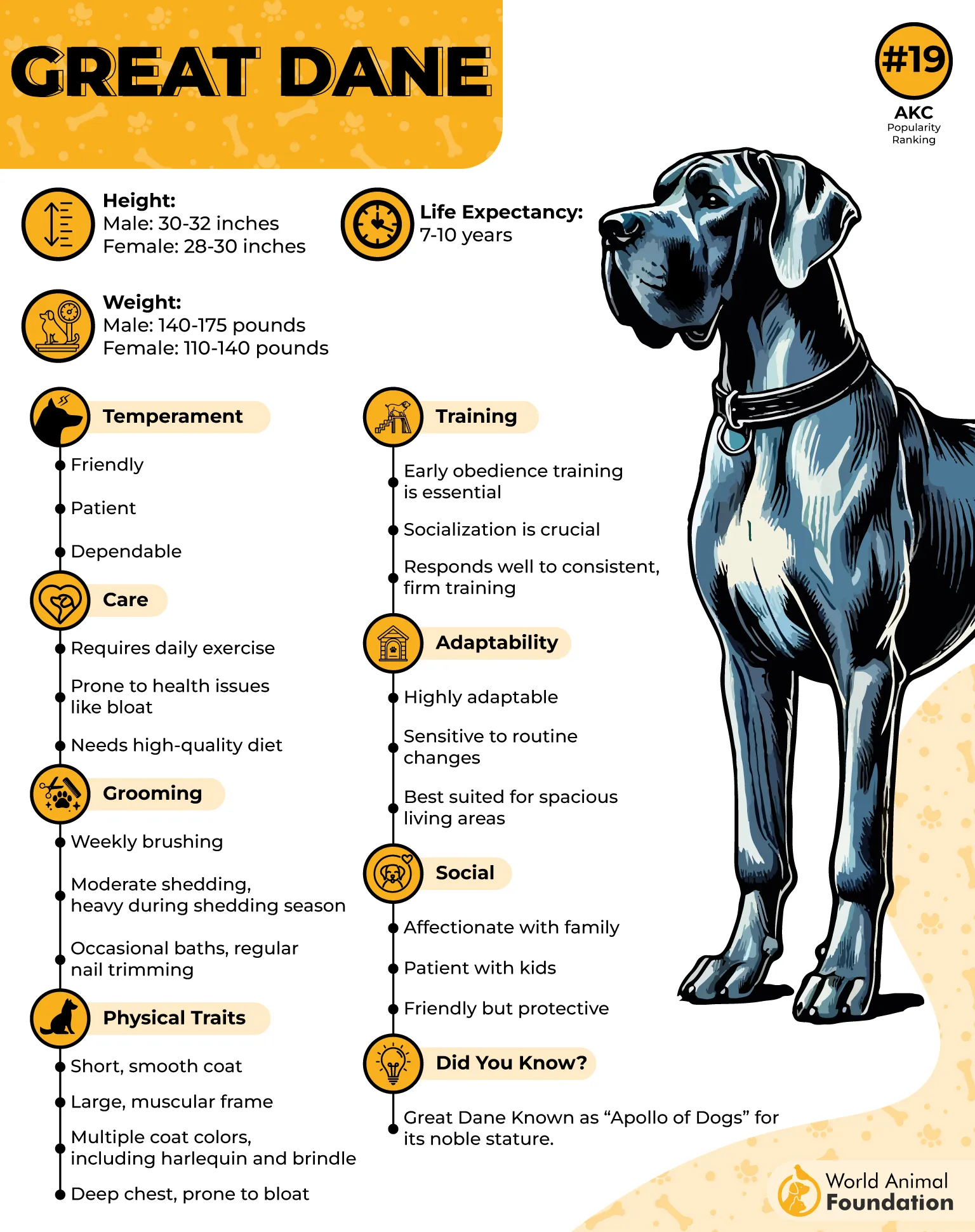
A Great Dane’s exercise needs are moderate, but their size requires plenty of room to move comfortably. Gentle daily walks and soft bedding can help prevent joint pain and discomfort. Their loving personalities make them gentle around children and other pets when properly socialized.
While they may look intimidating, Great Danes are sensitive and crave human attention. They form deep bonds with their families and can become anxious when left alone for a long time.
Fun Fact
A Great Dane named Zeus holds the record for the tallest dog ever, measuring an incredible 44 inches from paw to shoulder.
6. Chinese Shar Pei
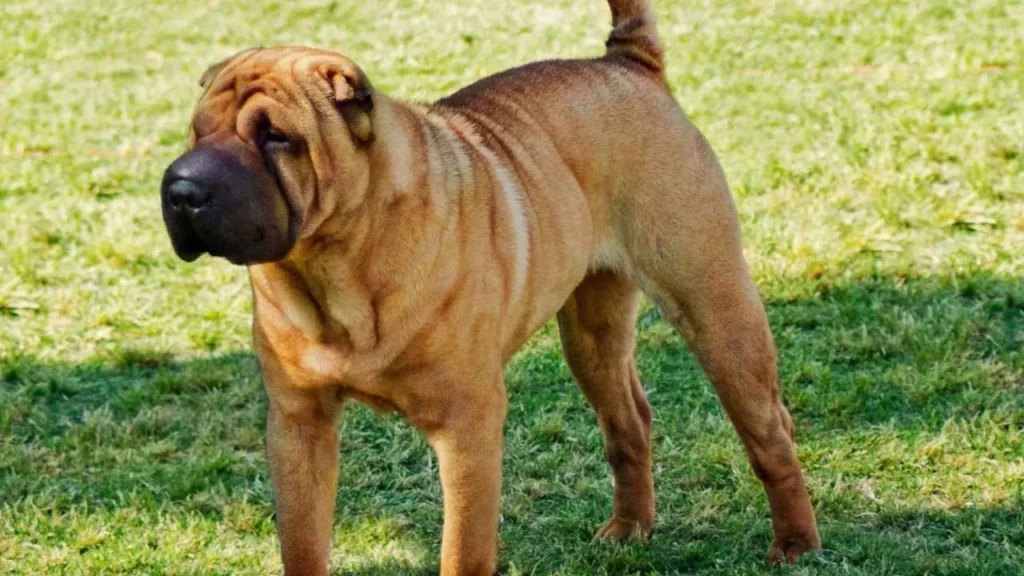
The Chinese Shar Pei is instantly recognizable for its deeply wrinkled skin and “hippopotamus” face. Originally bred for guarding and hunting, it’s an ancient breed with roots tracing back over 2,000 years. Despite its reserved demeanor, the Shar Pei is loyal, intelligent, and protective of its family.
Unfortunately, their signature wrinkles are also the source of many health concerns. Skin infections and irritation can develop in the folds if not kept clean and dry. They are also prone to eye problems like entropion, where eyelids roll inward, causing discomfort.
Shar Peis are known for their independence and can be aloof with strangers. However, with consistent training and early socialization, they become devoted companions with strong bonds to their owners. They tend to prefer calm environments over overly active households.
Maintaining their coat and wrinkles requires regular care and attention. A healthy diet and routine vet visits help minimize common breed-related issues, keeping these unique dogs comfortable and happy.
Fun Fact
The Shar Pei was once one of the world’s rarest dog breeds—in the 1970s, there were fewer than 100 left globally.
7. Cavalier King Charles Spaniel

The Cavalier King Charles Spaniel is the picture of elegance and affection, with its silky coat, soulful eyes, and sweet expression. Once beloved by British royalty, this breed remains a favorite companion for its gentle nature and adaptability. They’re equally happy in apartments or large homes, provided they’re near their people.
Sadly, Cavaliers face several inherited health problems that can affect their quality of life. Mitral valve disease, a heart condition, is particularly common and often develops at a young age. They are also prone to ear infections and syringomyelia, a painful neurological disorder.

Despite these concerns, Cavaliers maintain a cheerful and affectionate personality. They enjoy cuddling, playing fetch, and spending time with children or seniors alike. Their calm temperament makes them ideal emotional support or therapy dogs.
Regular vet checkups and a balanced lifestyle are key to keeping them healthy. Early health screening helps identify and manage potential conditions before they progress.
Fun Fact
Cavalier King Charles Spaniels were named after King Charles II of England, who was so devoted to them that he rarely appeared in public without at least one by his side.
FAQs
Can these unhealthy breeds live long, happy lives?
Yes, with responsible breeding practices, a balanced diet, and regular vet check-ups, certain dogs with health issues can still enjoy a healthy life. Routine grooming, mental stimulation, and pet insurance help manage serious health problems before they worsen.
Should I avoid adopting an unhealthy breed?
Not necessarily. With early signs recognized and lifelong management in place, even dogs with common health concerns can thrive. Pet owners should work closely with veterinary medicine experts to ensure regular veterinary check-ups and proper care.
Are mixed-breed dogs healthier than purebreds?
In many cases, mixed breeds have fewer inherited conditions since multiple types of genes are involved. However, all dogs can develop diabetes, heart disease, or degenerative disease, so preventive care and timely veterinary treatment remain essential.
Conclusion
While some of the unhealthiest dog breeds face a few issues like breathing problems, pain, and mobility problems, or heart disease, love and proper care make a huge difference. Regular vet check-ups, healthy weight maintenance, and recognizing early signs of serious concern help dogs live longer, happier lives.
Brachycephalic breeds may suffer from brachycephalic obstructive airway syndrome, while larger breeds risk dilated cardiomyopathy or bone cancer. Responsible breeding practices, good nutrition, and lifelong treatment ensure healthier generations of our favorite dog breeds.
Other dog breeds, such as Bernese Mountain Dogs, Dachshunds, Cocker Spaniels, and Yorkshire Terriers, also commonly suffer from health issues like intervertebral disc disease, spinal cord degeneration, or von Willebrand’s disease, but with care, they too can lead a happy, healthy life.
