




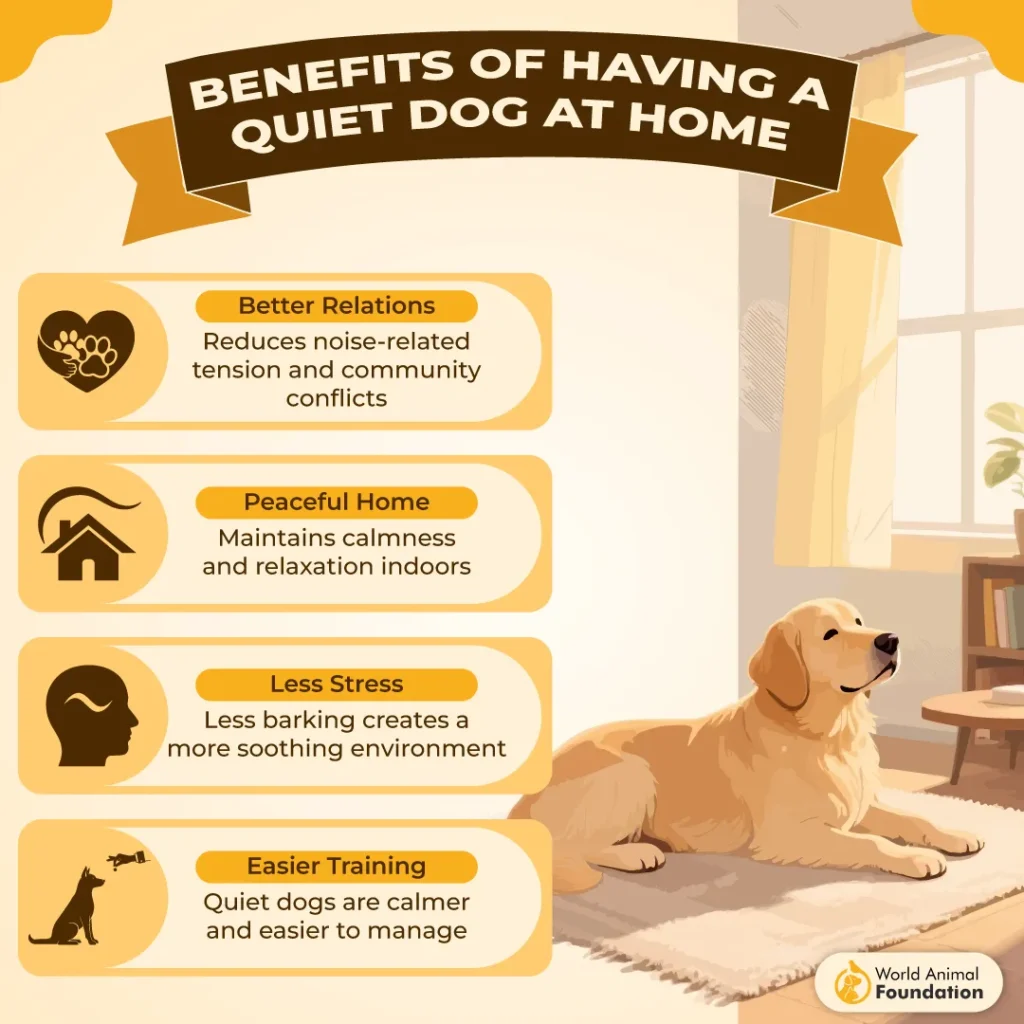
An AI algorithm recently sorted thousands of dogs into just five personality types, and only one of them was genuinely calm. The rest just looked peaceful on the surface while something else was quietly running underneath.
According to this Scientific Reports study, true calm and simple quietness are not the same thing in a dog’s mind. Some dogs are easygoing wherever they go, while others only seem settled because their environment happens to be gentle enough.
That distinction matters for pet parents hoping to build a peaceful household. The wrong type can turn a dream of quiet companionship into a stressful mismatch.
This list sorts out which breeds settle into a tranquil home from true contentment, and which ones need that peace just to feel secure.
Keep reading to find the dogs built for a genuinely peaceful life, and the honest reasons each one earns its calm reputation.
Most Tranquil Dog Breeds That Thrive in Quiet Homes
1. Bulldog
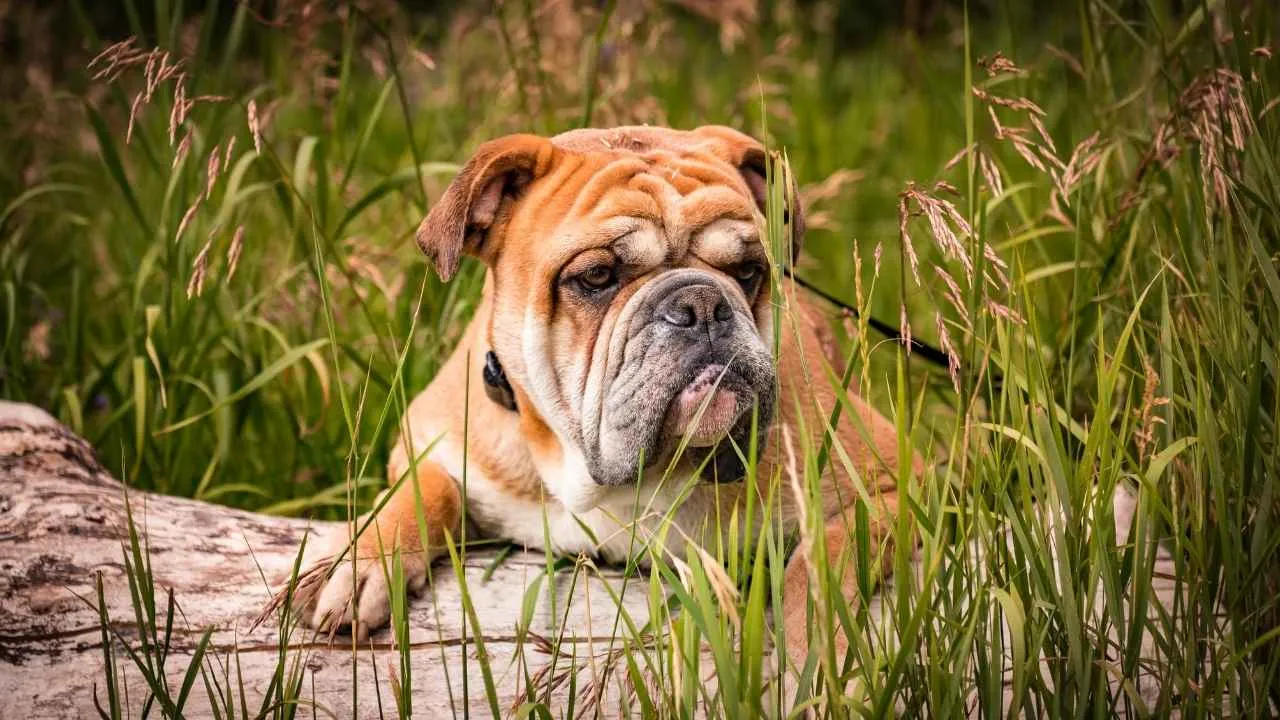
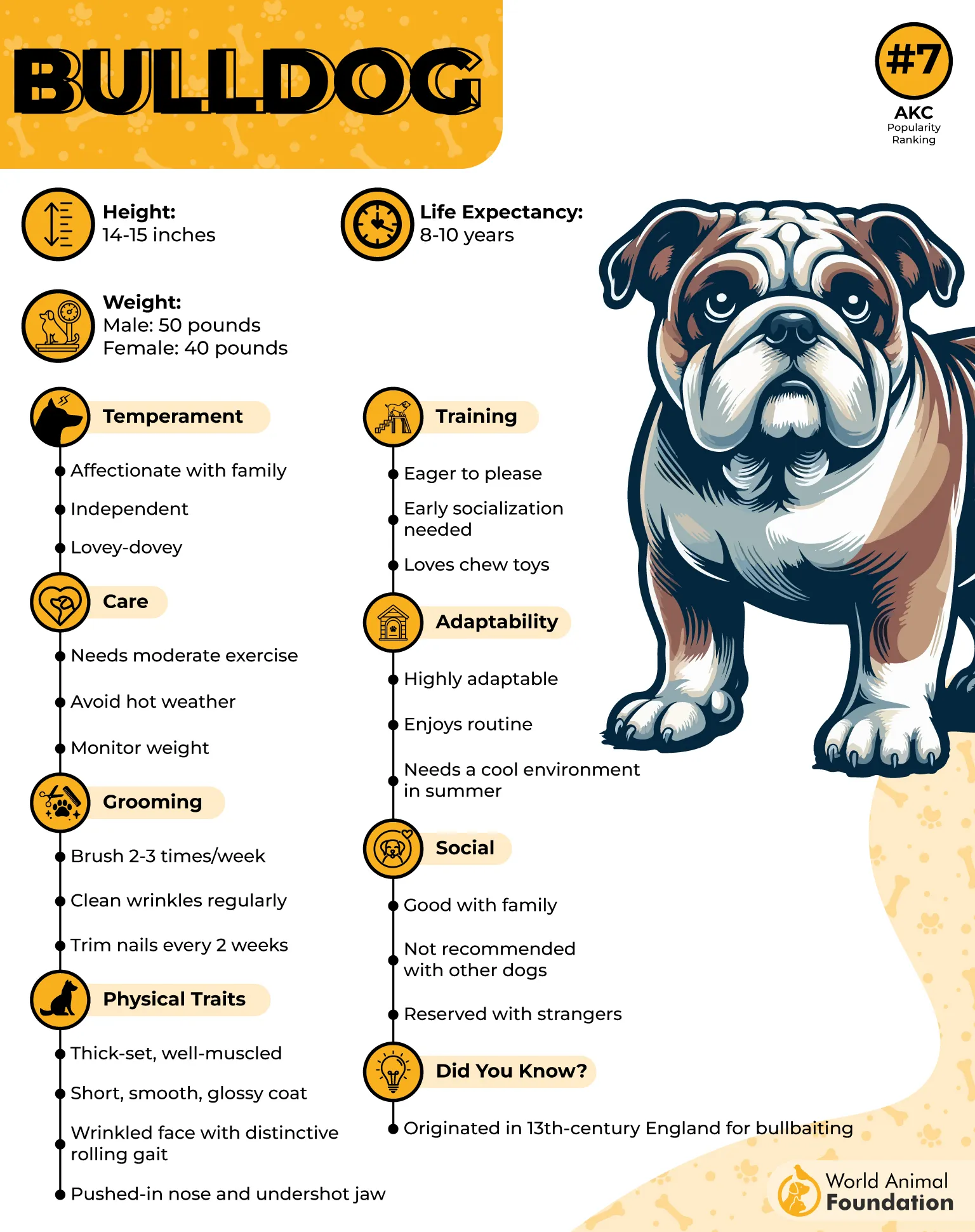
The Bulldog was bred for bull-baiting, a job needing courage, not stamina. Once that sport ended, breeders leaned into its calm demeanor instead, as per the AKC. This is a steady, calm breed, relaxed by nature, not secretly anxious.
Drop a stack of pots in the kitchen, and a Bulldog barely lifts its head. Fireworks outside usually earn a sleepy glance at best. Lounging always wins over reacting here.
Exercise: Short, leisurely walks are plenty, since high energy was never the plan.
Grooming: Weekly wrinkle cleaning keeps skin infections away.
Heat, not noise, is this breed’s real weak spot. A hot car or a muggy walk can turn a relaxed Bulldog distressed fast. Keep things cool, and the calm stays steady.
2. Shih Tzu
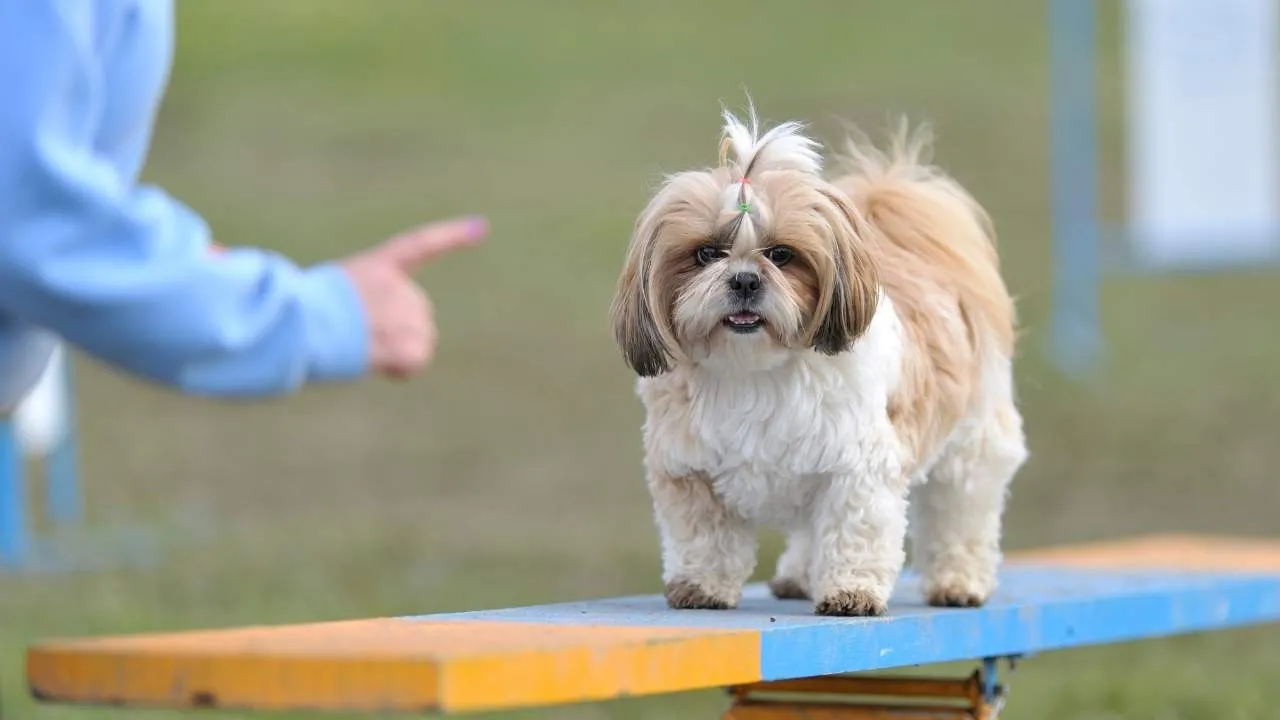
The Shih Tzu’s only job in Imperial China was to sit in a lap and look adorable. No herding or guarding task built tension into its nervous system. That history makes this a steady, calm breed, content just by being close to people.
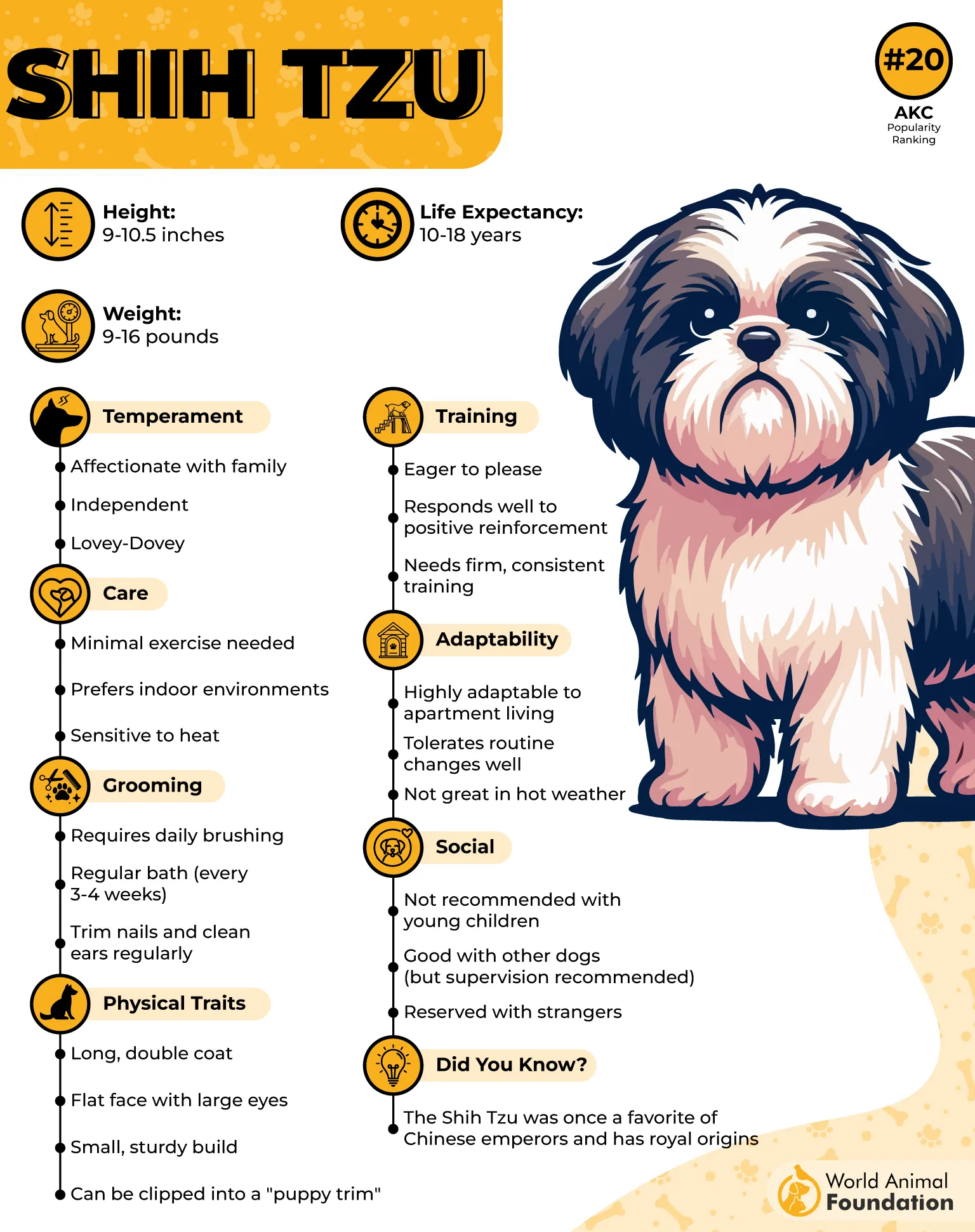
A Shih Tzu will trot over for a scratch mid-movie night, then flop back down just as fast. New guests barely raise its pulse, let alone its bark. It treats most of life like one long cuddle session.
Exercise: A couple of short daily walks keep this small body fit.
Grooming: Daily brushing prevents its long coat from matting fast.
This breed’s flat face struggles more with heat and over-exertion than with noise. Skip strenuous play on hot days, and this dog stays perfectly content. The real risk here is overheating, not overstimulation.
3. Irish Wolfhound
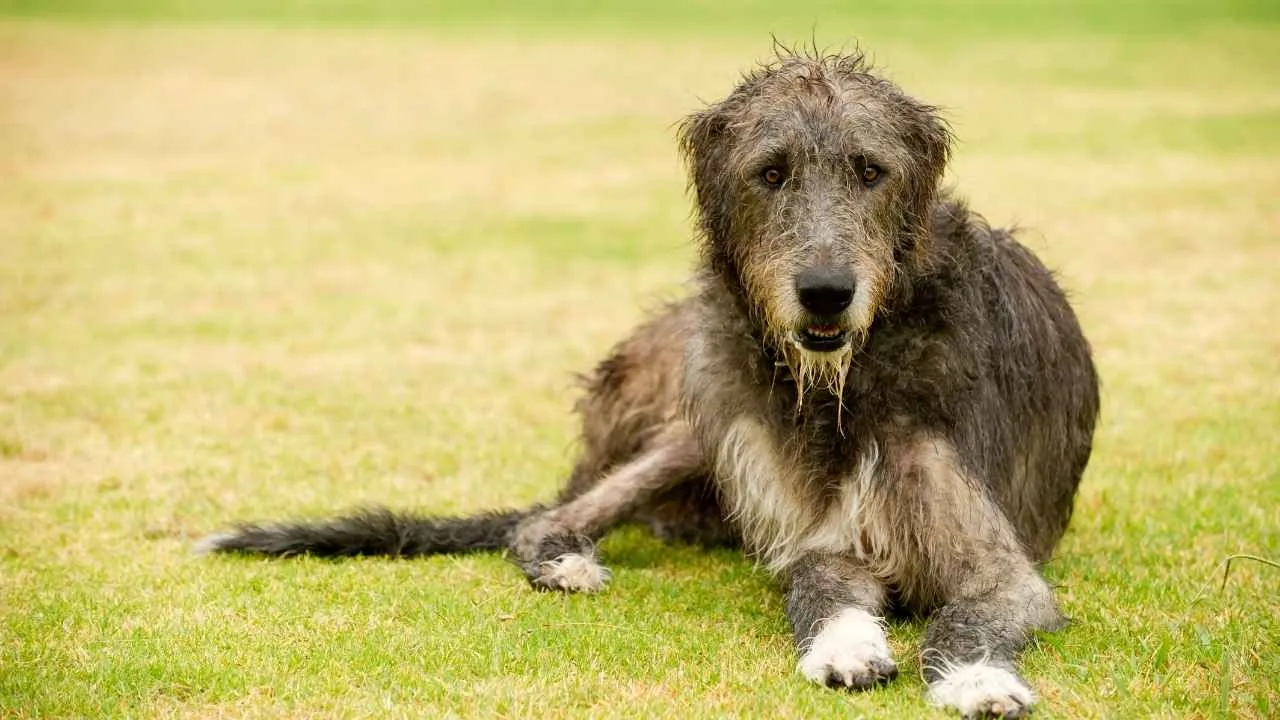
Irish Wolfhounds were bred to hunt wolves and elk, work that demanded nerve, not excitability. A jumpy dog could not be trusted around prey that size, as per Britannica. That history makes this one of the calmest giant breeds around, steady rather than reactive.
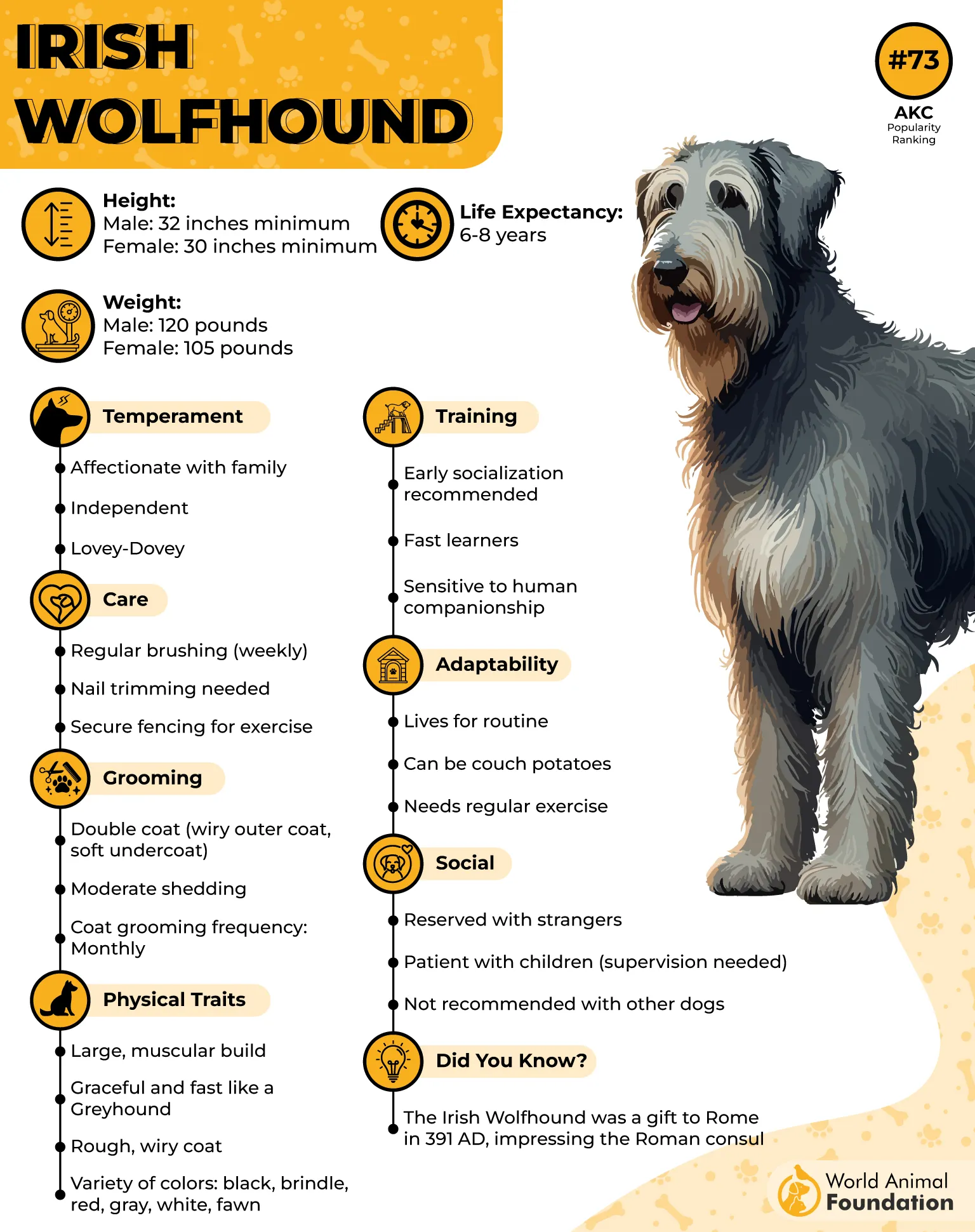
Drop a vacuum cleaner mid-run, and most Wolfhounds glance over, then go back to lounging across the doorway. Their favorite trick is taking up the whole hallway while barely moving a paw. Size aside, this is a gentle giant through and through.
Exercise: Daily leisurely walks suit this breed better than intense runs.
Grooming: Weekly brushing manages the rough coat without much fuss.
Space, not noise, is this dog’s real limit. A small apartment can leave a Wolfhound cramped and restless fast. Give it room to stretch out, and its calm nature holds.
4. Mastiff
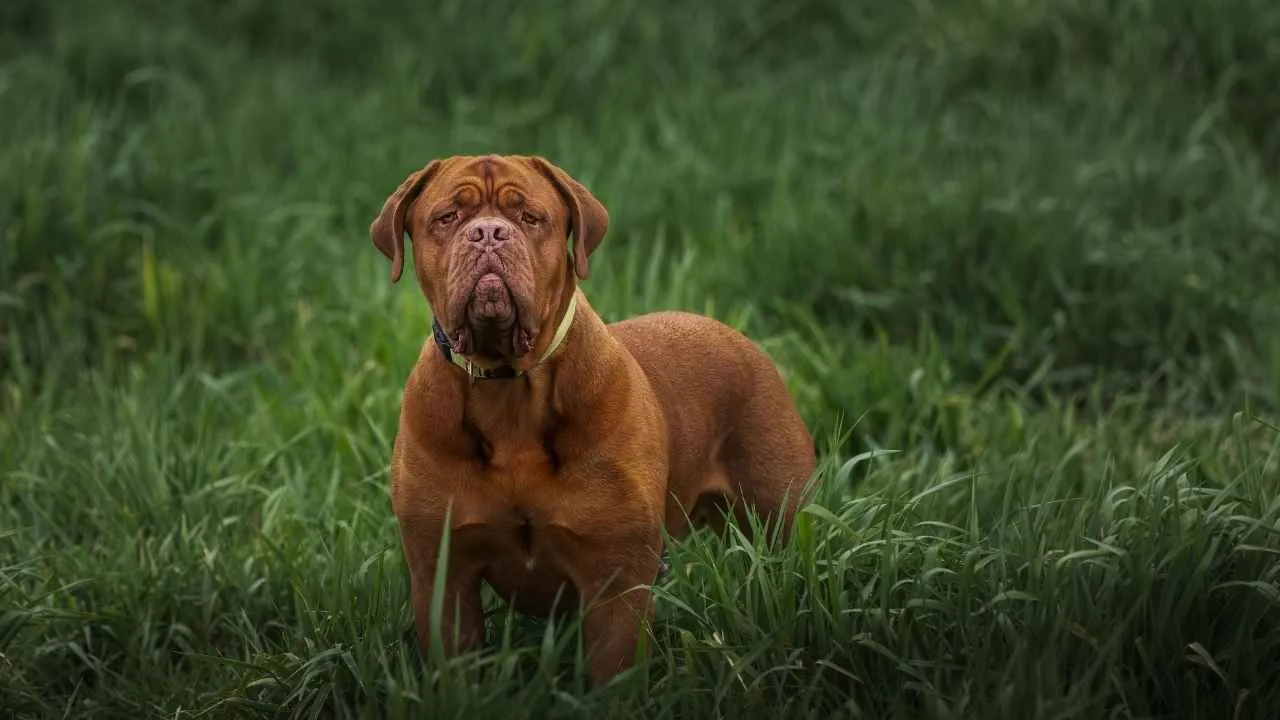
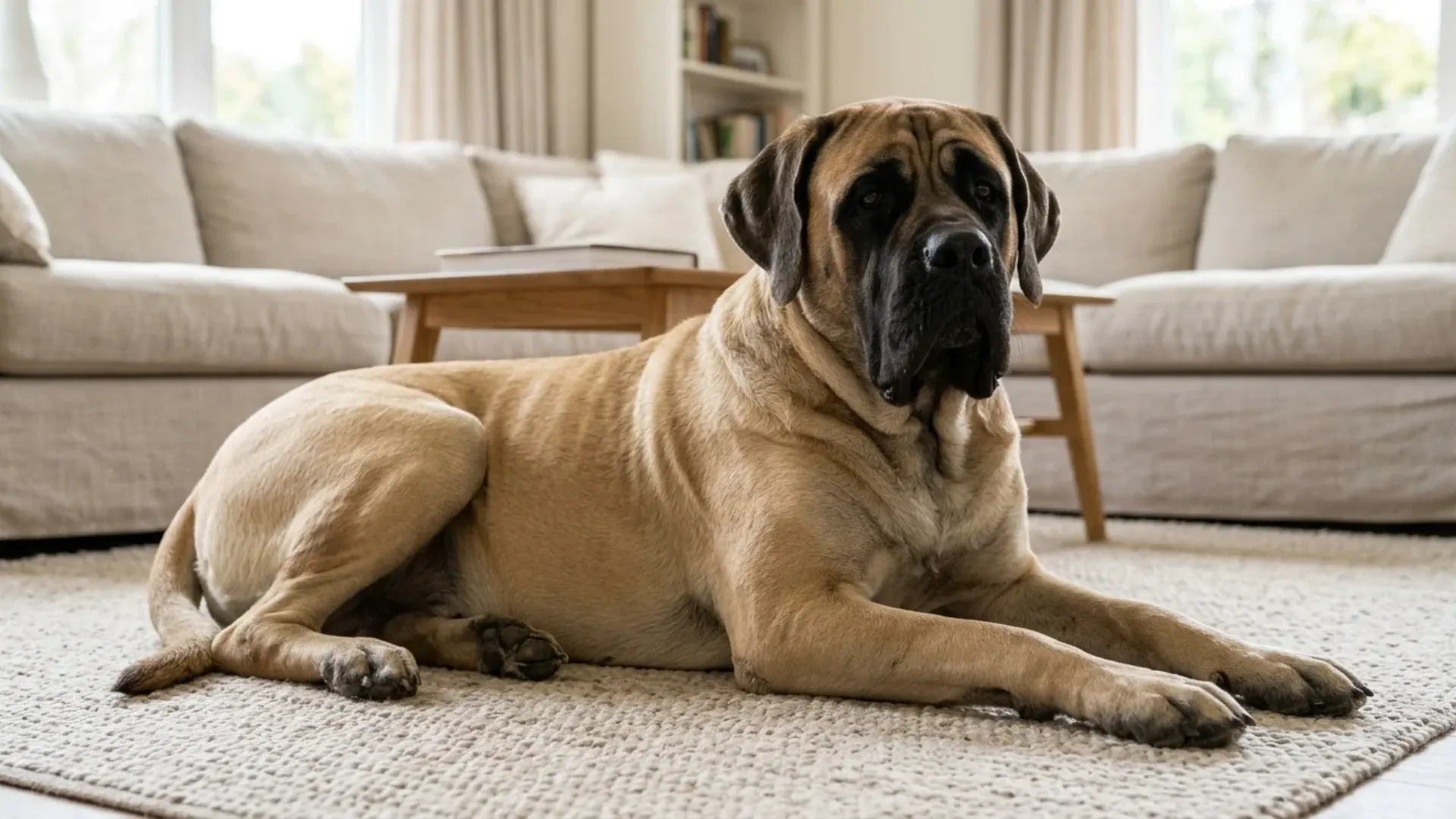
Mastiffs were bred to guard homes and livestock, a role that rewarded quiet confidence over constant alertness, according to VCA. A dog this size cannot afford to be jumpy. That history makes the Mastiff a classic calm dog breed.
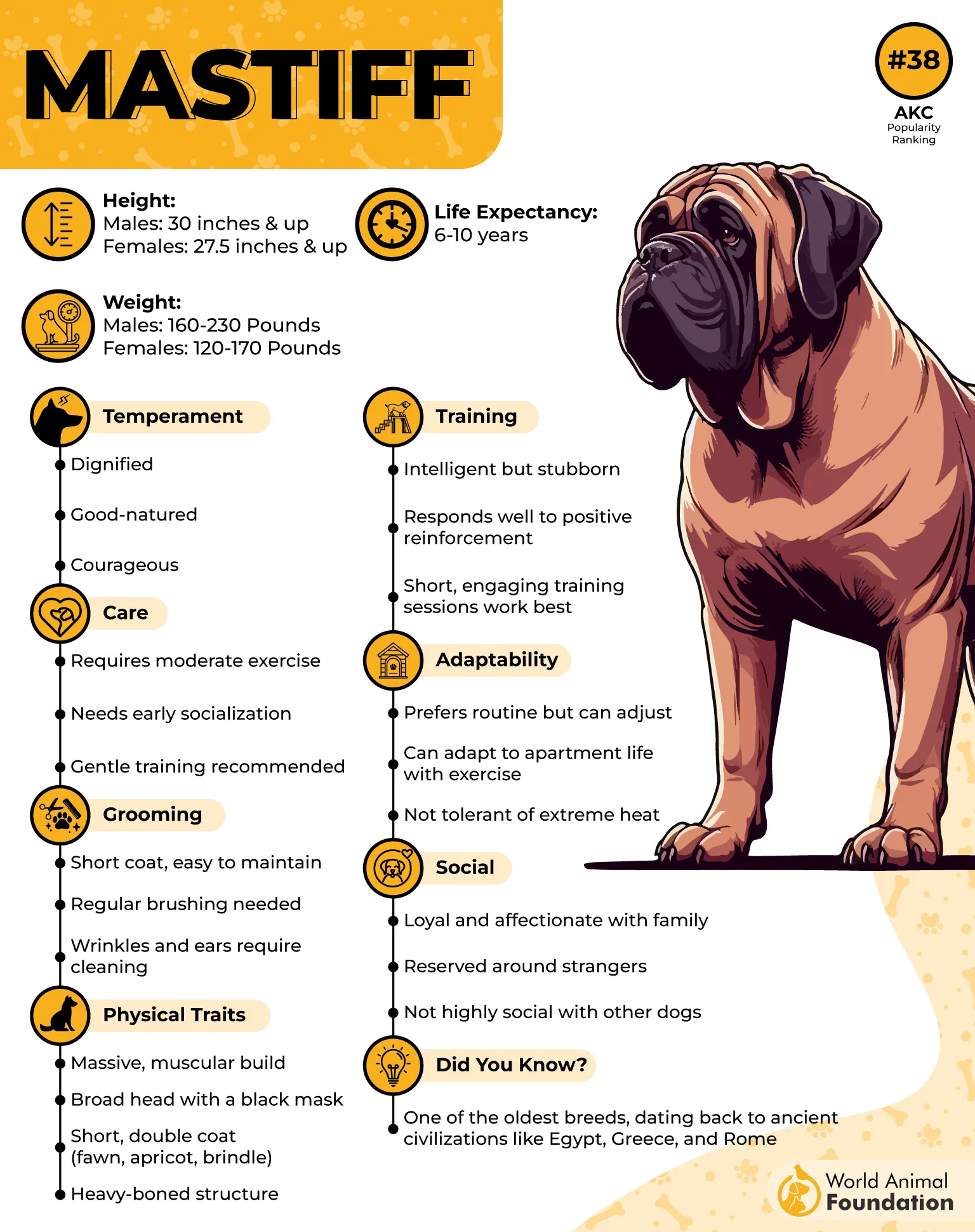
A Mastiff will plant itself by the door and watch the world go by without lifting a paw. Visitors get a calm once-over, not a dramatic fuss. This dog saves its energy for naps, not noise.
Exercise: Short, low-impact walks protect its joints better than long runs.
Grooming: Weekly brushing and regular drool cleanup keep this coat and chin tidy.
Hip and joint strain is this breed’s real weak spot, not noise or chaos. Skip rough play on hard floors and overdoing stairs. Manage its large size well, and the calm temperament stays easy to live with.
5. Clumber Spaniel
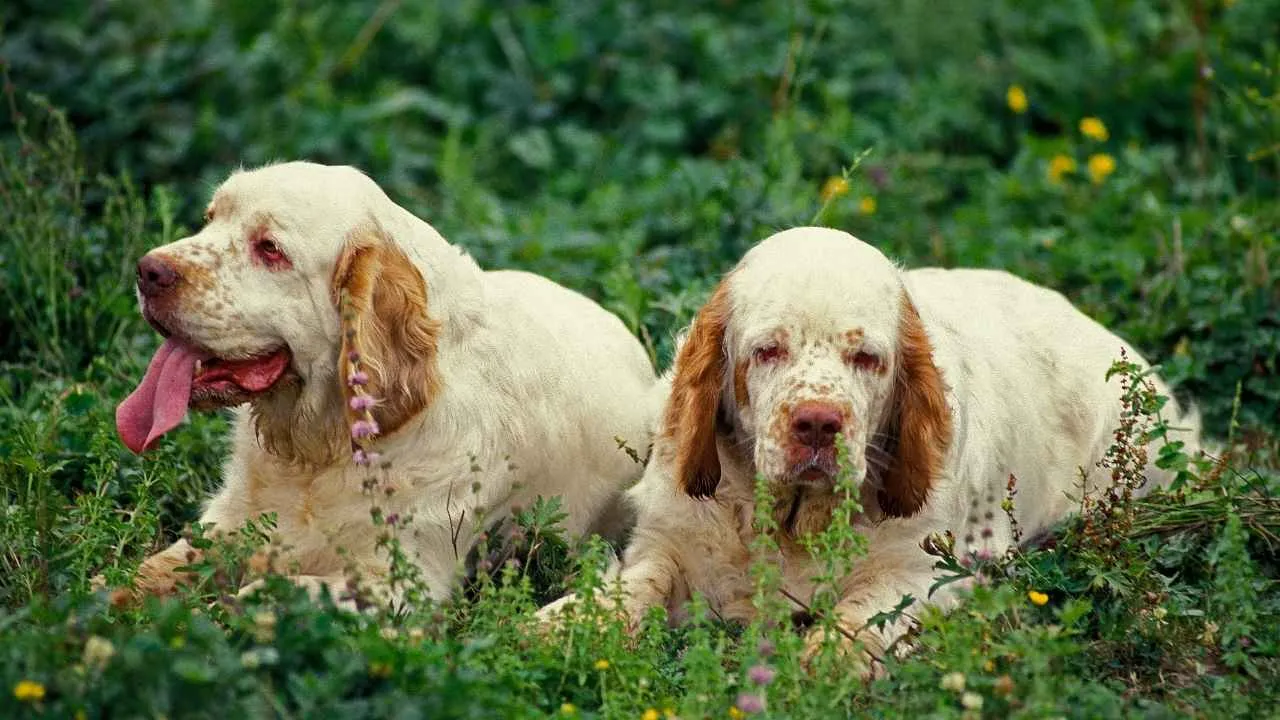
Clumber Spaniels were bred to retrieve game slowly and methodically, not sprint through brush like other spaniels. That deliberate working style shaped a naturally calm dog, not a hyper one. This breed is calm by design, built for patience over speed.
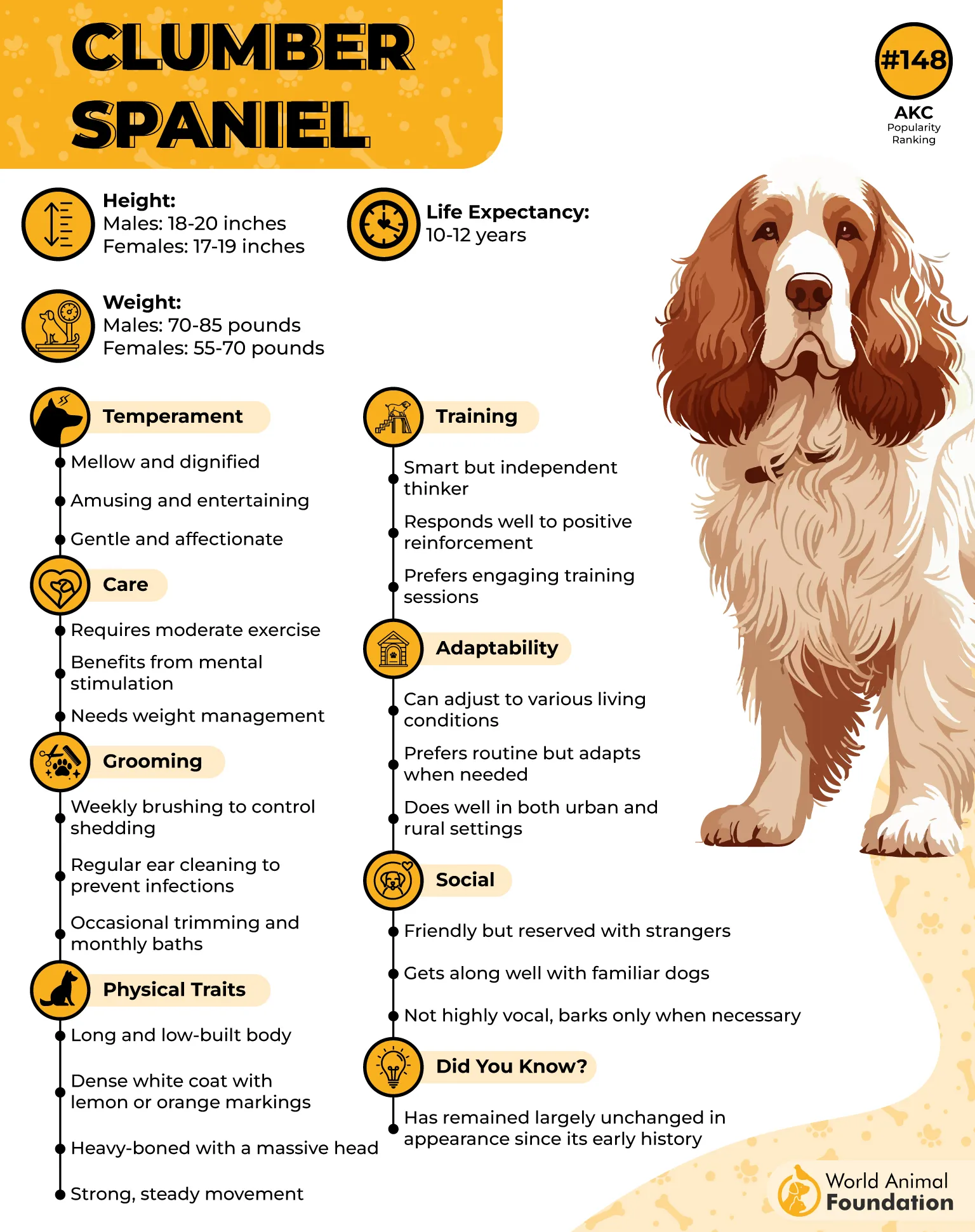
A Clumber Spaniel ambles through the yard rather than bolting across it. Mealtime and naptime get equal enthusiasm. Even a dropped plate rarely interrupts its leisurely pace.
Exercise: Daily short walks and some sniffing time keep this dog content.
Grooming: Weekly brushing and ear checks prevent infections in those long, floppy ears.
Weight gain is this breed’s quiet risk, since it rarely asks for extra activity. Watch the portions, or that laid-back nature turns into a sluggish one. A little structure keeps this dog healthy, not just calm.
6. Saint Bernard
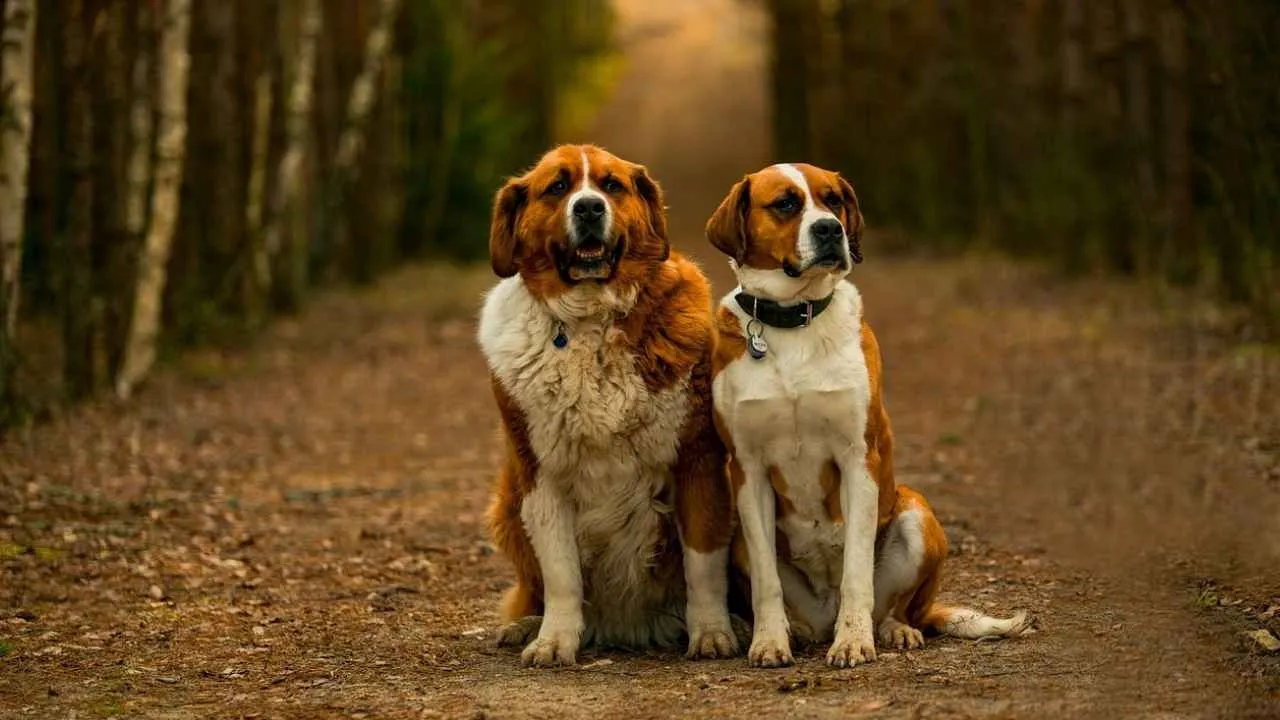
Saint Bernards were bred for alpine rescue work, hauling travelers out of snowstorms that would panic most dogs. That job demanded an unshakeable nerve, not nervous energy, according to PDSA. This history makes the Saint Bernard a textbook calm breed.
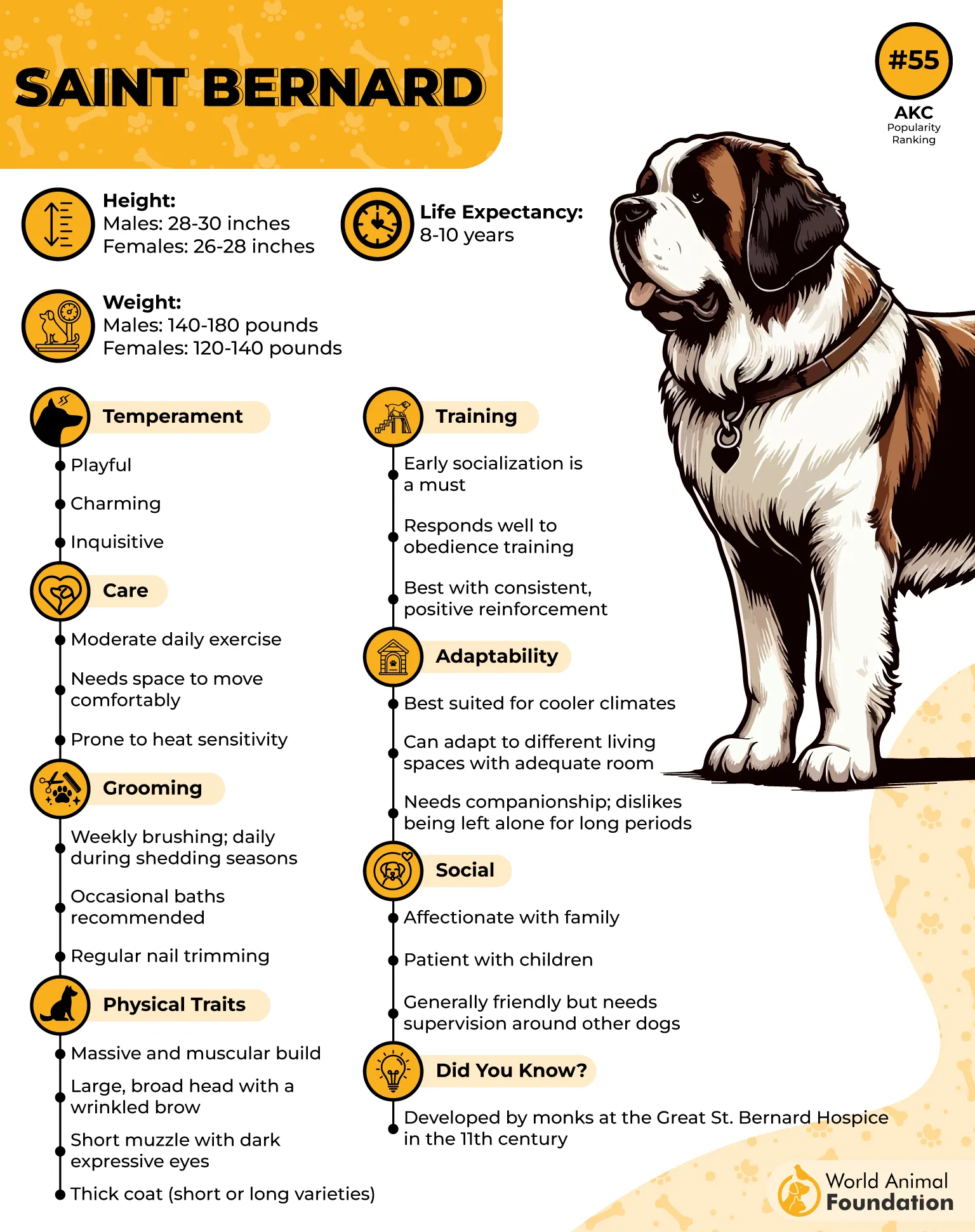
A Saint Bernard will nap through a thunderstorm without so much as a twitch. Kids running past barely earn a lifted eyebrow. This dog’s calm seems almost impossible to shake.
Exercise: Short, gentle walks suit its joints better than vigorous activity.
Grooming: Weekly brushing and regular drool wiping keep shedding and mess under control.
Heat is this giant’s biggest enemy, not noise or crowds. Hot weather and overexertion can wear this dog down fast, given its thick coat and size. Keep it cool, and the calm temperament never wavers.
7. Pekingese
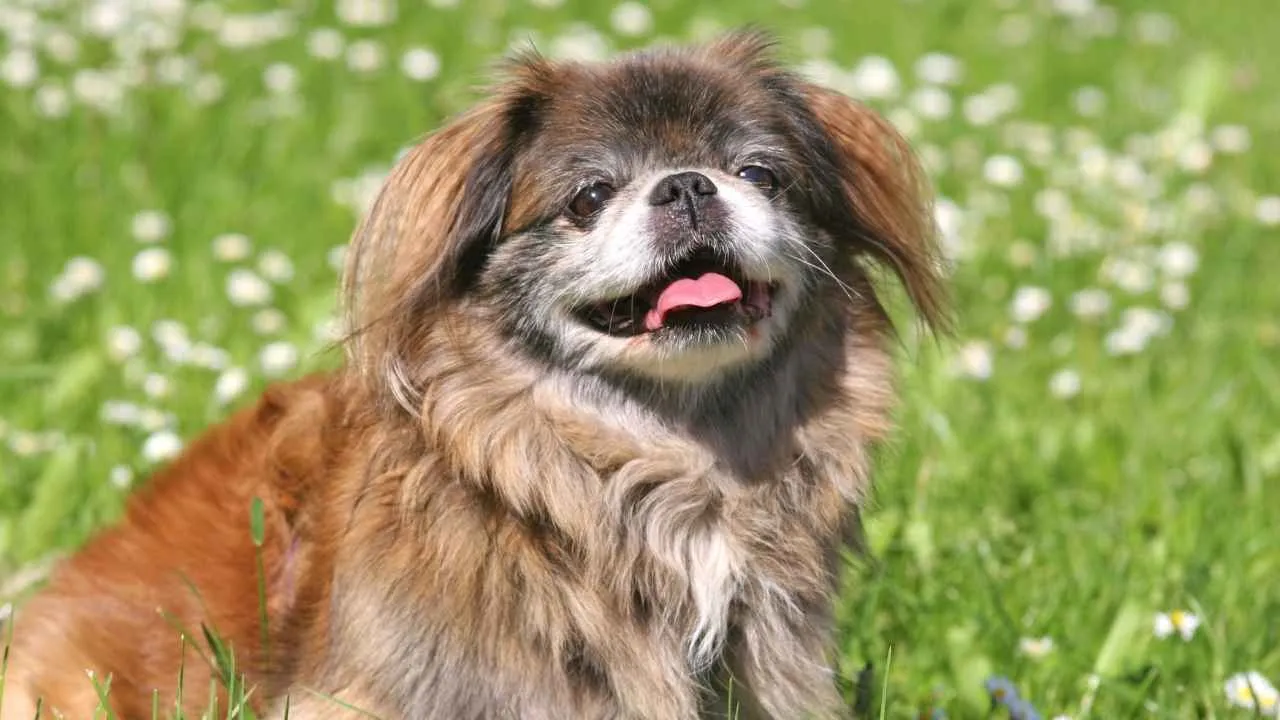
Pekingese were bred purely as palace companions for Chinese royalty, prized for dignity over excitability. No working job ever demanded quick reflexes or constant alertness from this breed. That heritage makes the Pekingese a steady dog with a notably independent streak.
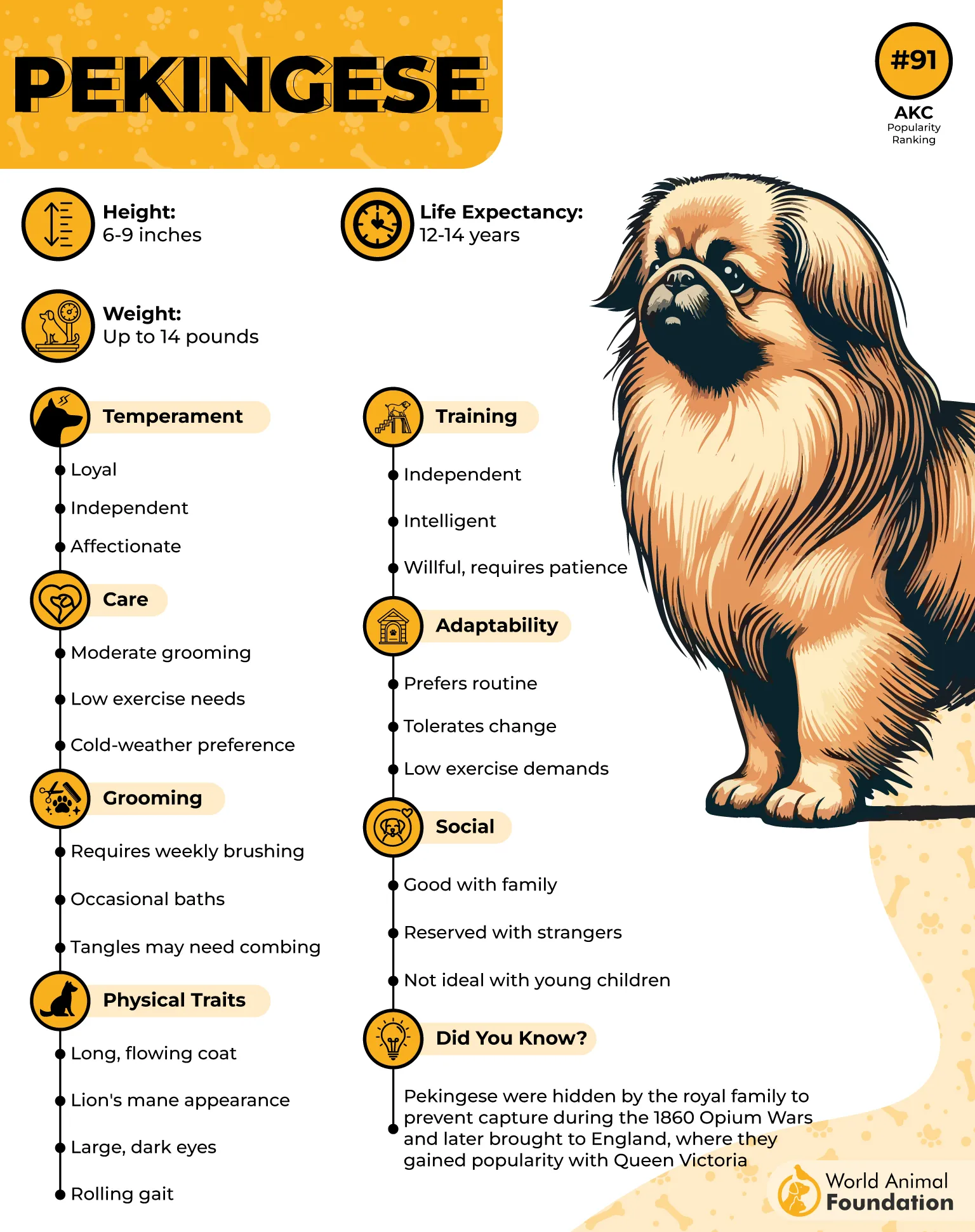
A Pekingese will survey a noisy room from its favorite cushion, then simply decide not to care. It moves at its own pace, no matter what is happening around it. Dignity, not drama, is the whole personality here.
Exercise: Short daily strolls are enough for this breed’s modest energy levels.
Grooming: Daily brushing and regular facial fold cleaning prevent skin irritation.
This breed’s flat face limits heat and exercise tolerance more than it limits patience. Overheating or overexertion is the real risk here, not stress from noise. Keep walks short and the environment cool, and the dignity stays intact.
8. Newfoundland
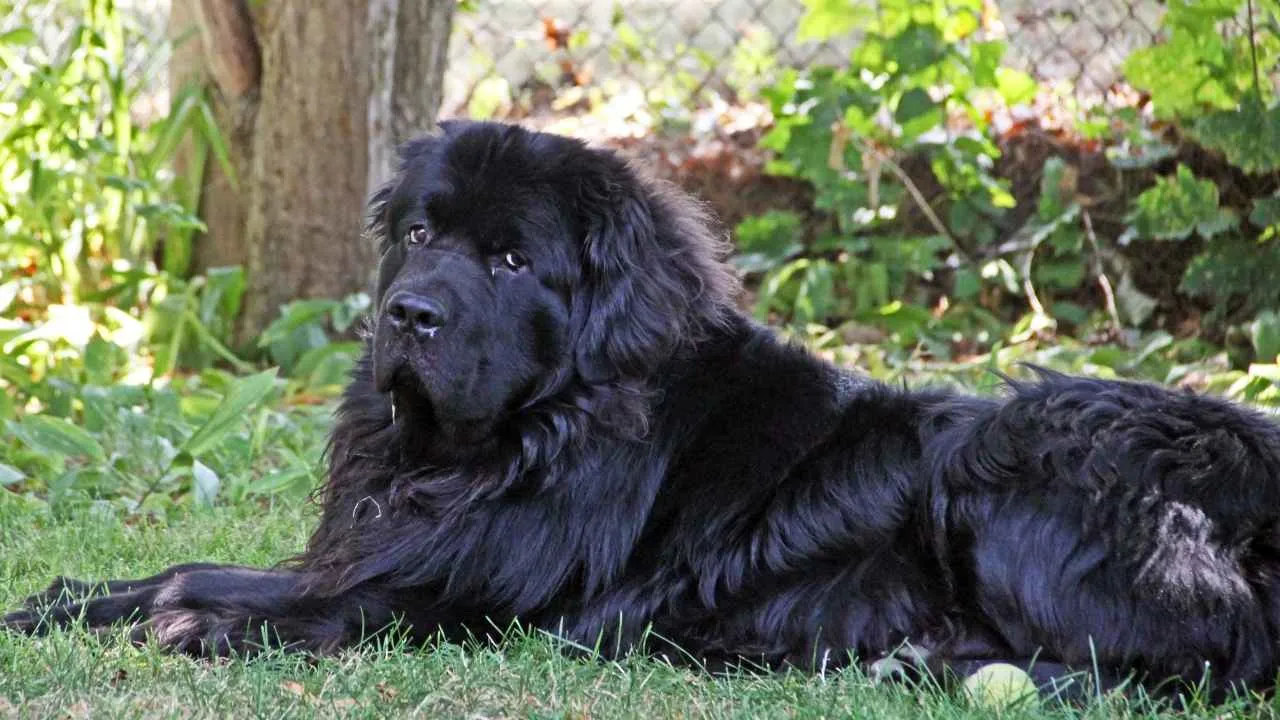
Newfoundlands were bred to rescue drowning fishermen from cold, rough water, work that required steady nerves over panic. A dog that startled easily would be useless in that job. This history makes the Newfoundland one of the most reliably gentle giants around.
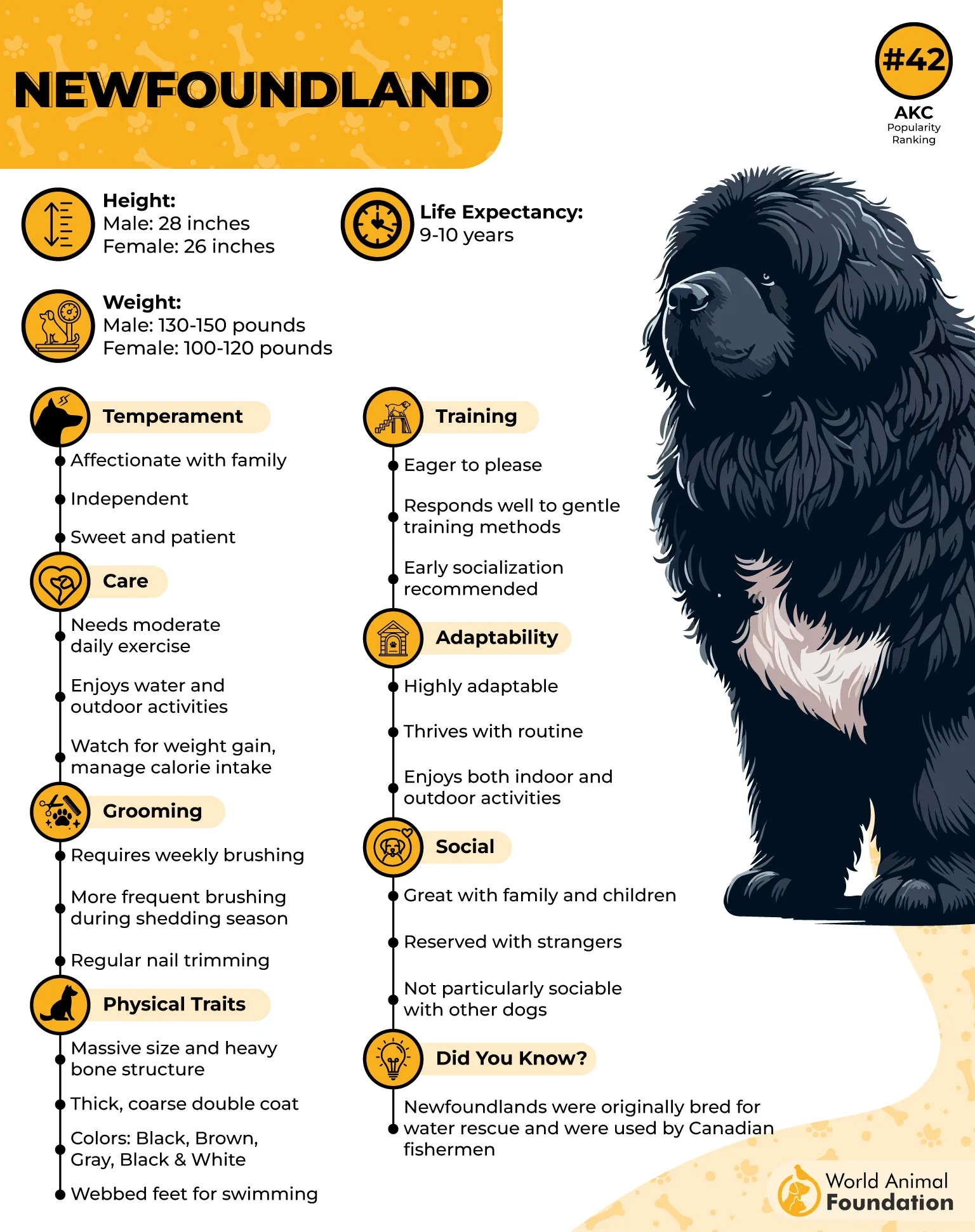
A Newfoundland will wade into a lake to check on splashing kids, then plop down calmly once everyone is fine. Loud play rarely gets more than a curious glance. This dog treats most chaos as background noise.
Exercise: Daily swims or walks keep this large body in healthy shape.
Grooming: Thorough brushing a few times weekly manages serious shedding and drool.
Joint health, not temperament, is this breed’s weak point as it ages. Skip jumping and rough surfaces to protect those big joints long term. Manage its size well, and the calm, loving nature needs no extra work.
9. Greyhound
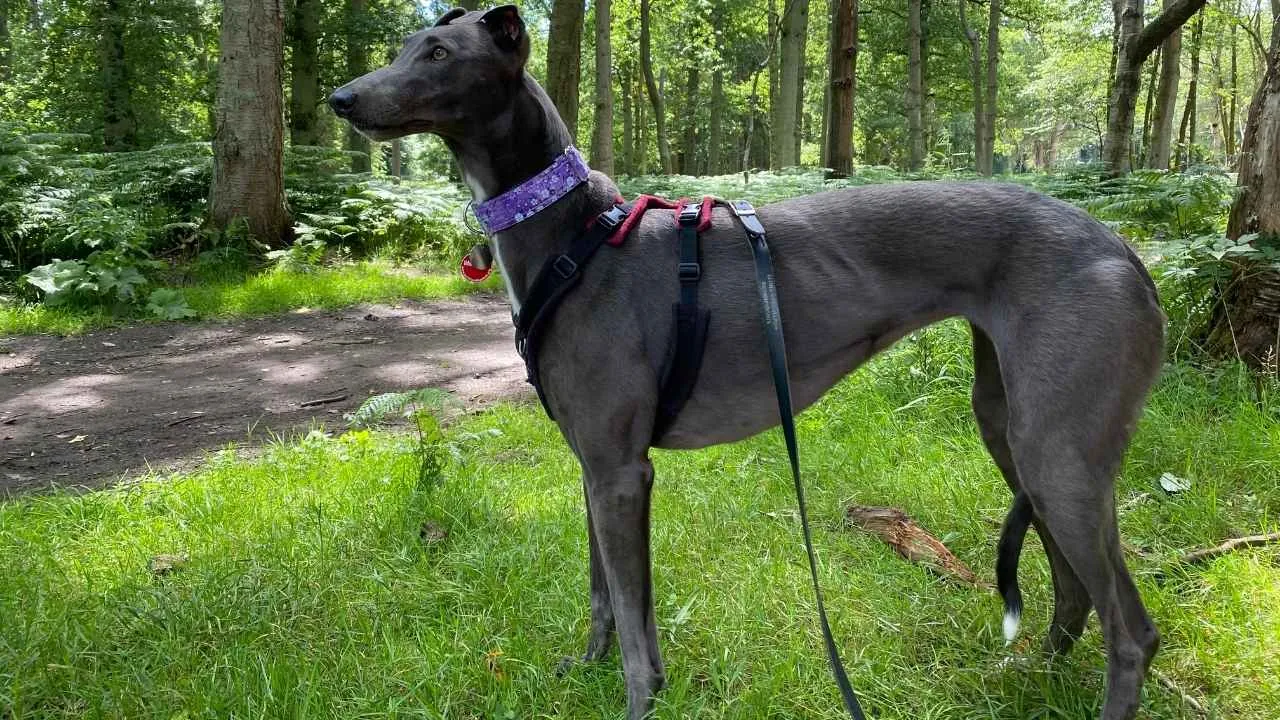
Greyhounds were bred for explosive speed, not endurance, leaving little nervous energy to spare off the track. Unlike most breeds here, the Greyhound is sensitive-calm. It genuinely needs a low-key home to feel secure, as per PetMD.
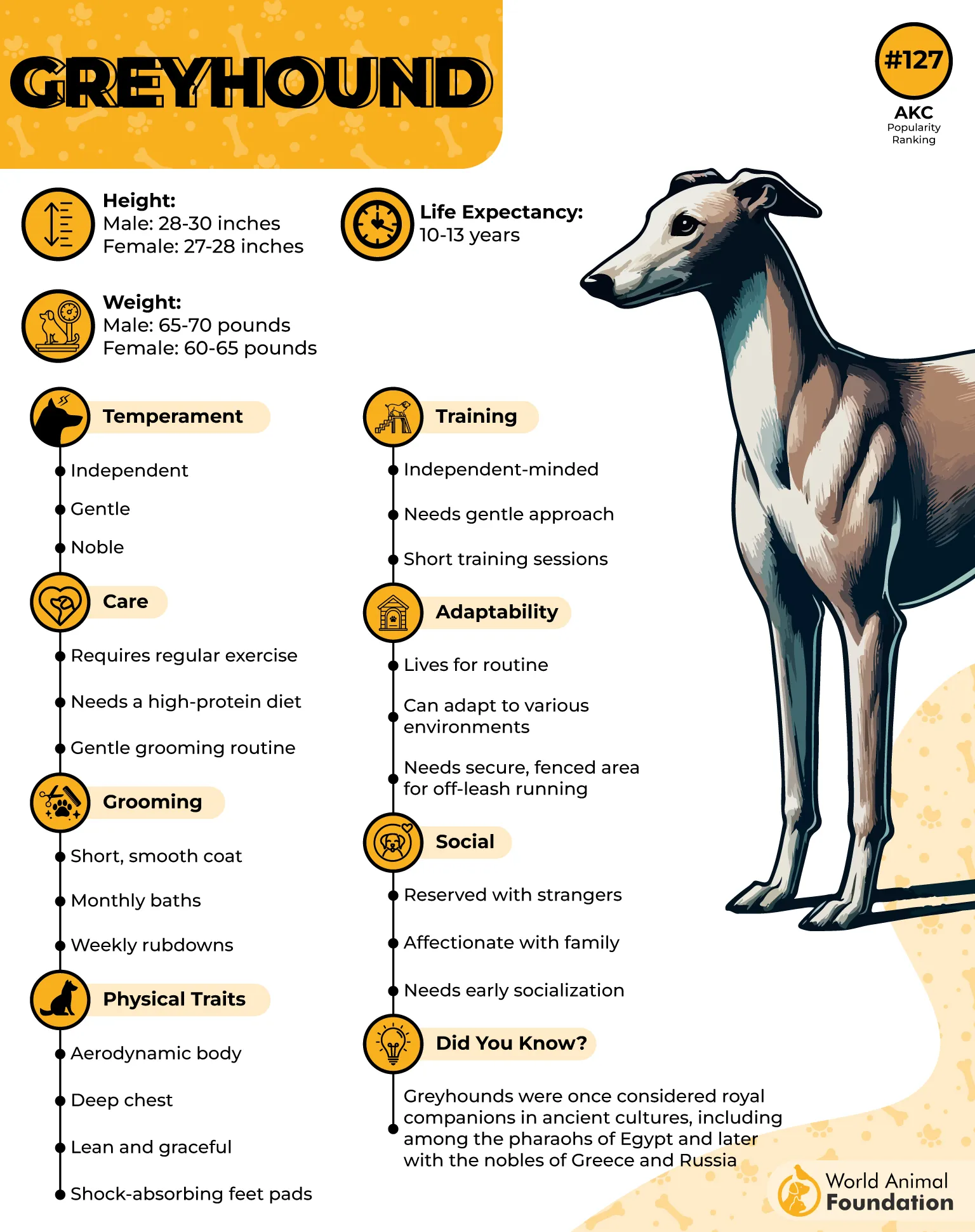
A Greyhound may tremble at a sudden shout, even though it can outrun almost anything. Give it a quiet corner and a soft bed, and it melts into the floor. Speed and sensitivity share the same body here.
Exercise: One good daily sprint covers most of its exercise needs.
Grooming: Weekly coat wiping and nail trims are all the upkeep required.
A loud household, not exercise, is the real threat to this dog’s calm. Shouting or chaotic crowds can push a Greyhound into genuine anxiety. A gentle, predictable home matters more here than for most breeds on this list.
10. Pug

Pugs were bred for one purpose: to sit on a lap and be adored by emperors and later European royalty. No herding, guarding, or hunting task ever shaped this breed’s nerves. That history makes the Pug a calm companion.
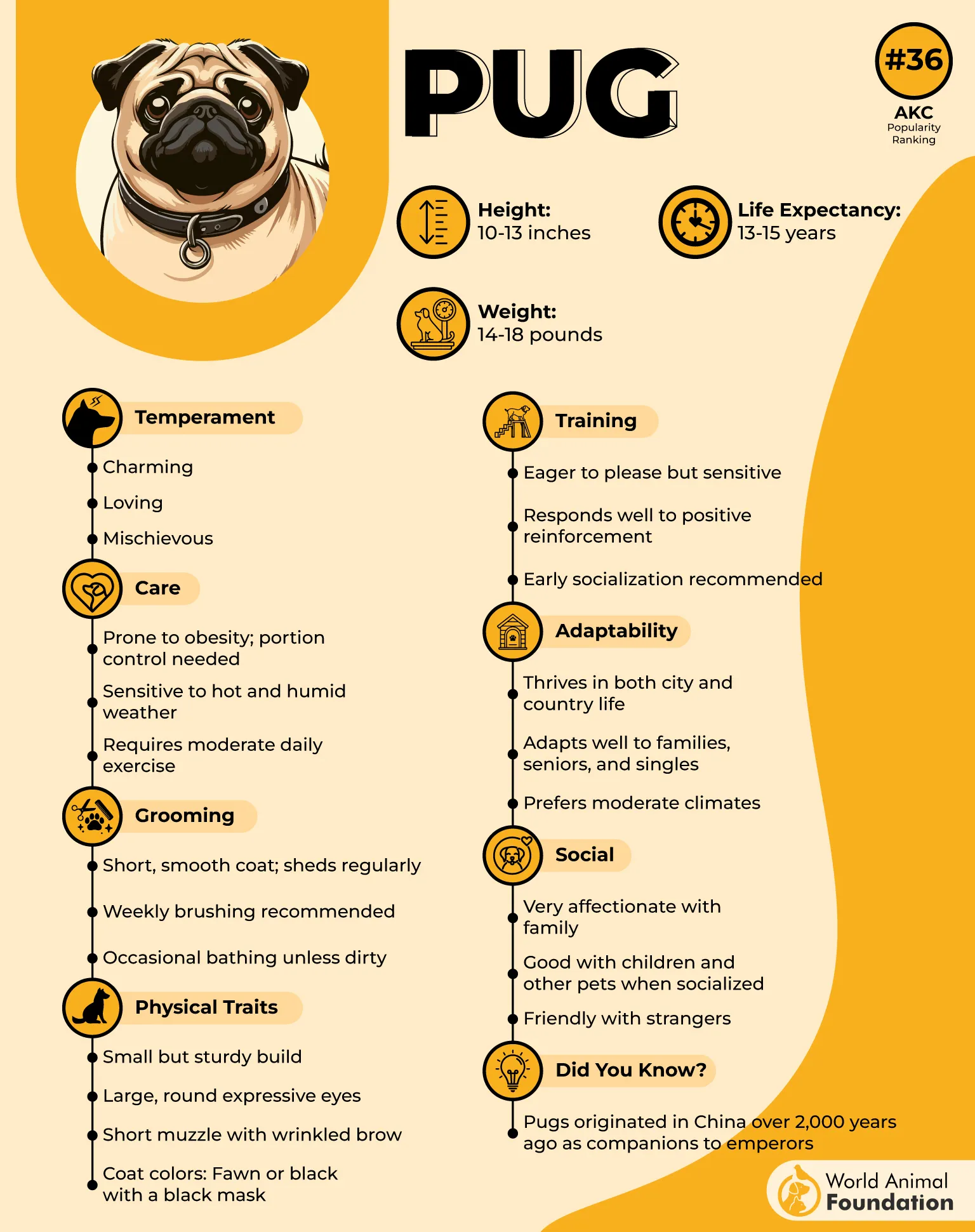
A Pug will snore through a busy family dinner without missing a beat. New visitors usually get a wagging tail, not a wary bark. For this dog, affection beats alertness every time.
Exercise: Short play sessions and gentle walks suit this breed’s build well.
Grooming: Weekly facial fold cleaning and brushing manage shedding and skin issues.
Breathing trouble in heat and humidity, not noise, is this breed’s real caveat. Overexertion on warm days can turn a happy Pug into a struggling one quickly. Keep activity light, and the easygoing nature stays front and center.
Conclusion
Tranquility, it turns out, is not one trait but a match between a dog’s wiring and a home’s rhythm. Some of these breeds would stay calm in almost any household, while others genuinely need a peaceful home to settle and feel at ease.
Knowing which type is in front of you is the real key for pet parents chasing lasting companionship, not just a calm face on the couch. So before bringing one of these gentle companions home, think honestly about the kind of peace your household can offer, and start forming that bond today.
