




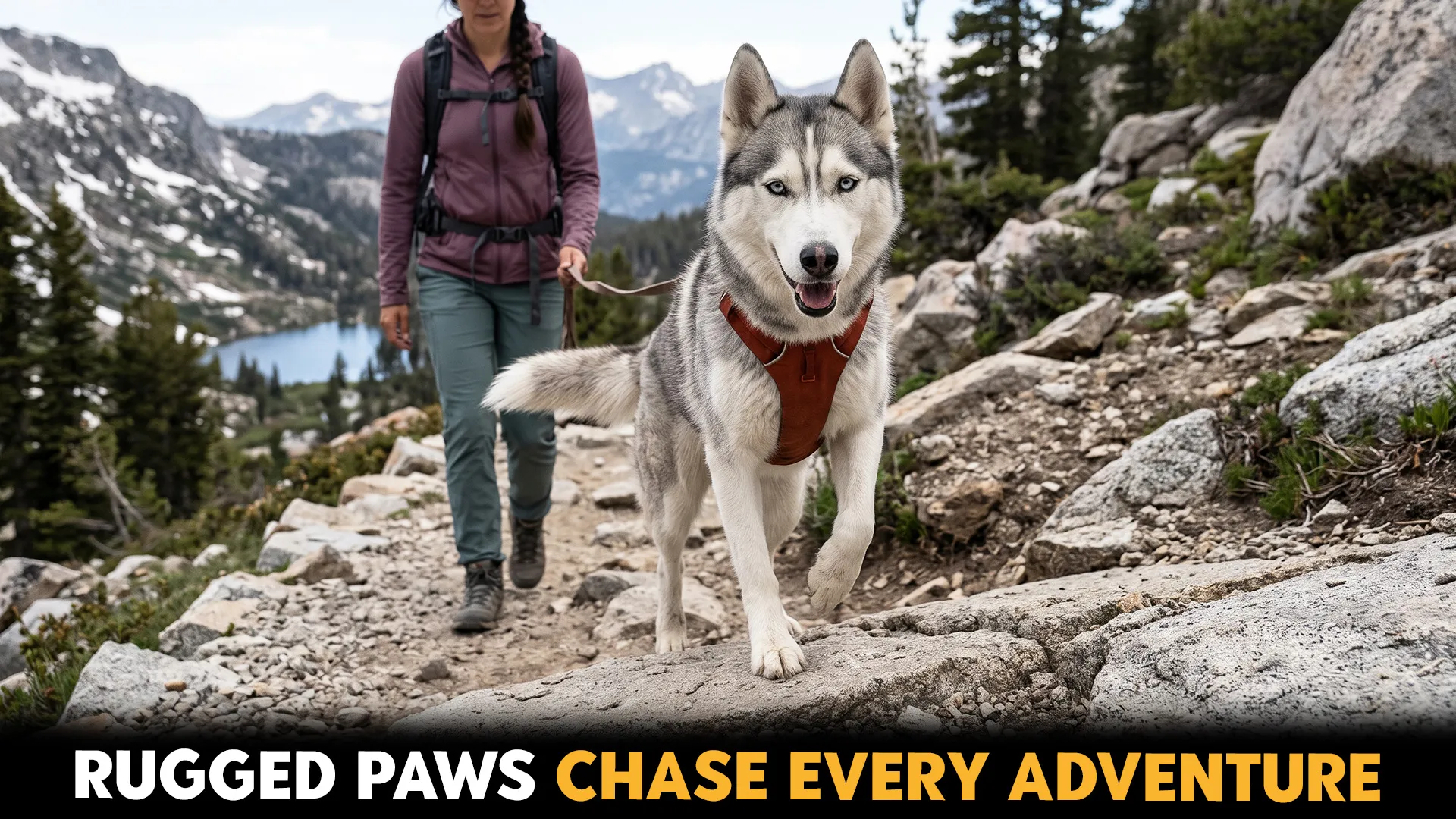
If your idea of a great weekend involves steep mountain trails, rocky river crossings, or camping miles away from the nearest paved road, you need a canine companion built to handle the elements.
While plenty of dogs enjoy a brisk walk around the neighborhood, rugged dog breeds thrive in unpredictable terrain, harsh weather, and high-endurance outdoor pursuits.
Originally bred for demanding jobs like herding across rough highlands, hauling heavy sleds through snow, or tracking game through dense brush, these dogs possess the stamina, grit, and weather-resistant coats to keep up with your wildest itineraries.
Choosing the right trail partner goes beyond physical toughness—it requires matching a dog’s drive, intelligence, and energy levels to your specific outdoor lifestyle. From tireless alpine explorers to agile water-loving adventurers, here are the most rugged dog breeds ready to tackle every mile alongside you.
Most Rugged Dog Breeds for the Adventurous Owner
1. Australian Cattle Dog
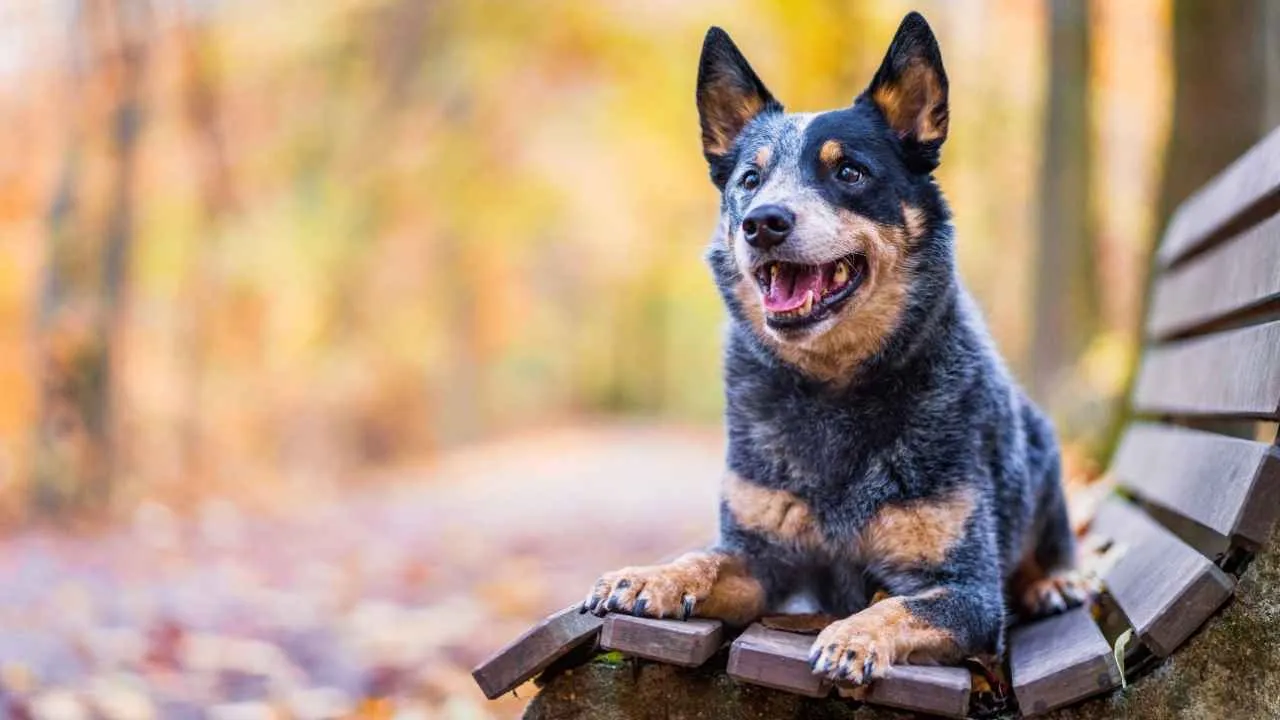
The Australian Cattle Dog is built for rugged terrain and relentless heat. Generations of trotting behind cattle across the Australian outback shaped a body made to work hard in brutal conditions, mile after mile.
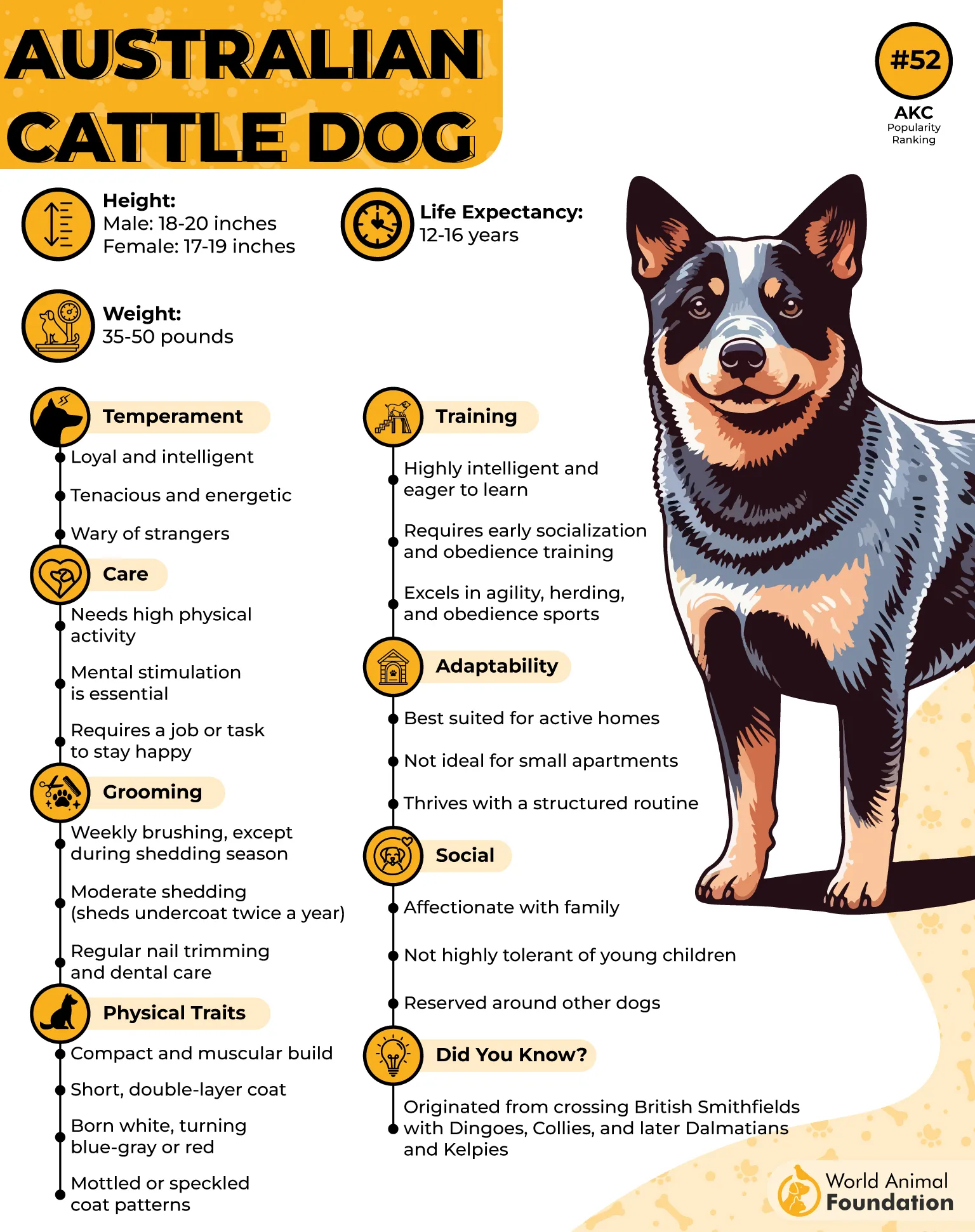
Its hearing is where this tough breed actually gives out. Many cattle dogs carry a congenital risk of partial or total deafness, tied to the very genes that paint their coat.
Coat: short, dense double layer that reflects heat and sheds dirt fast.
Paws: tight, compact feet built to grip loose, uneven ground.
Build: low, muscular frame that turns sharply and soaks up shock.
Skip the casual weekend walk. This dog wants herding drills, long trail runs, or agility work that rewards fast thinking, and it will happily outlast most active owners on rugged terrain.
2. Siberian Husky
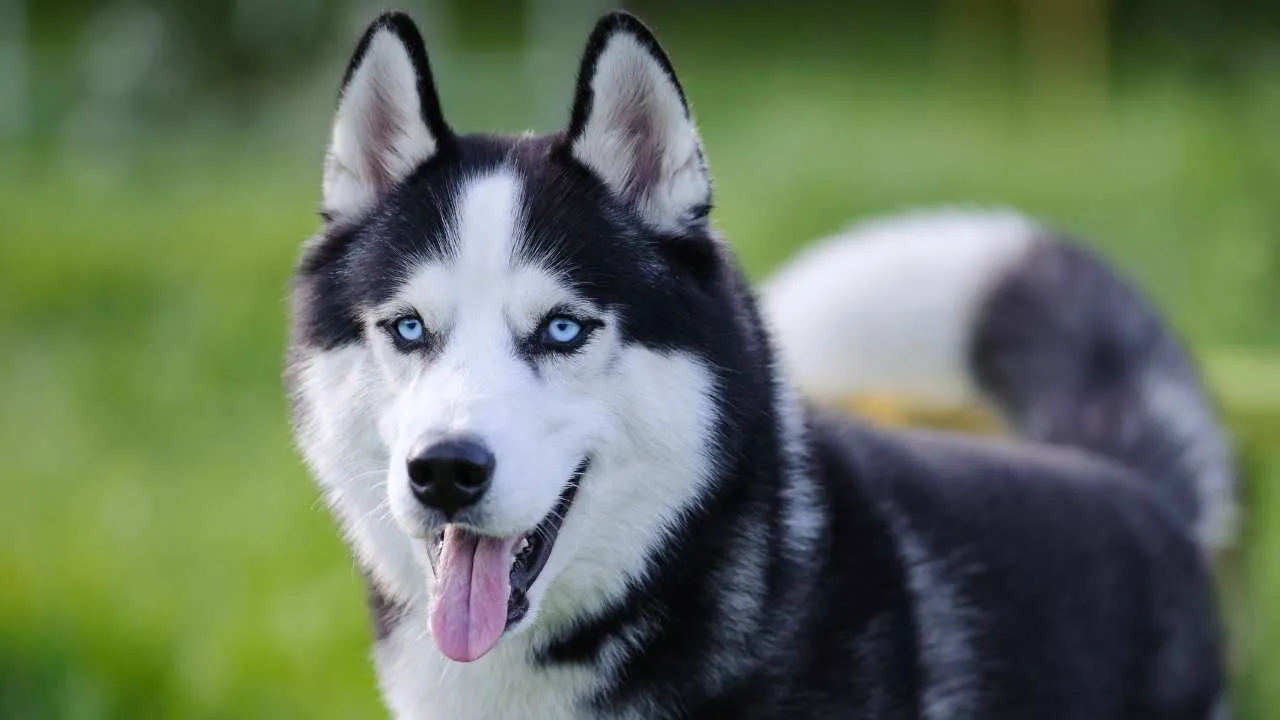
The Siberian Husky is built for cold and the long haul. Bred by the Chukchi people to pull sleds across the Arctic, it can trot for miles over frozen ground without losing steam.
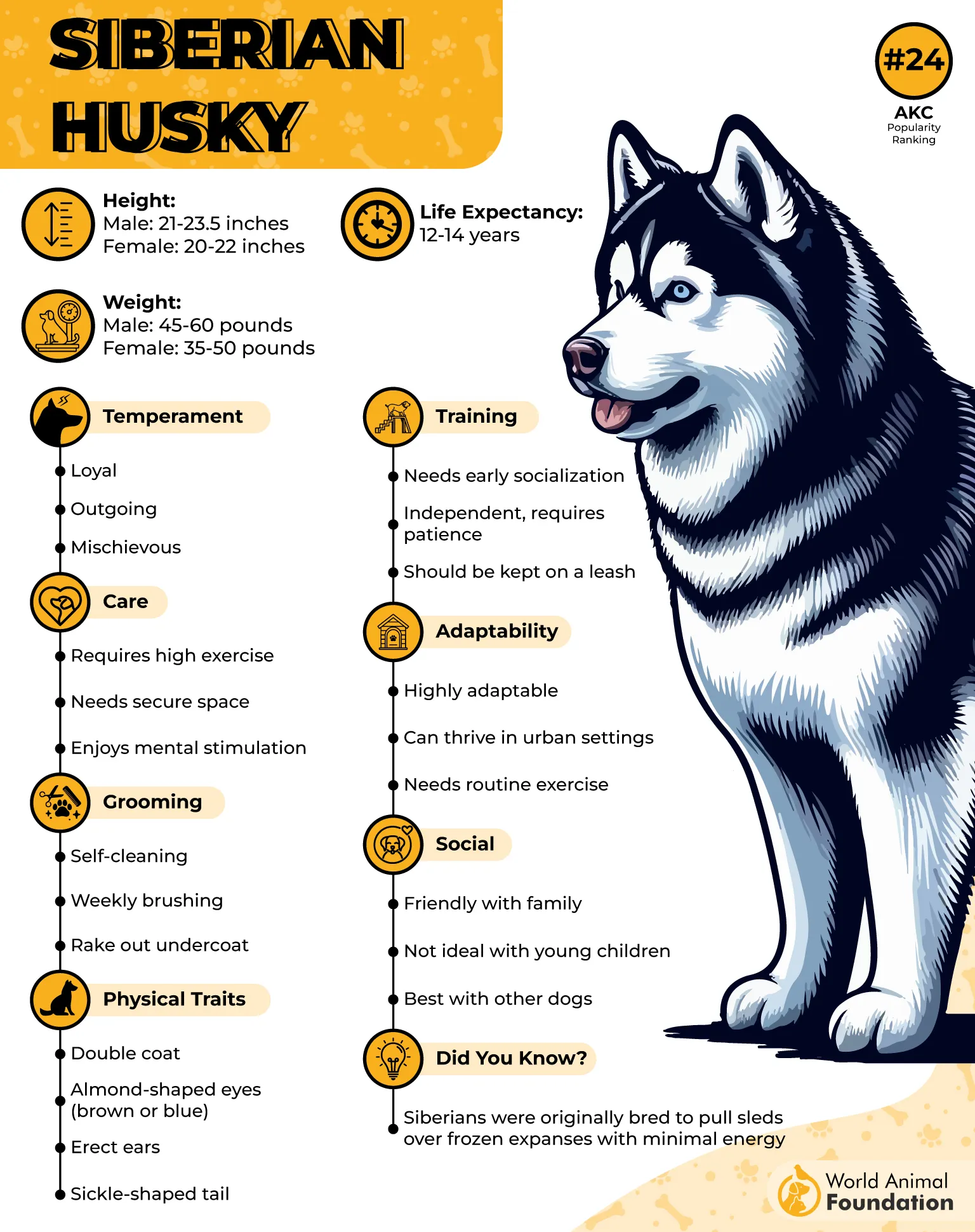
Its weak point shows up the moment the weather warms. As per the AKC, the same thick coat built for snow makes this husky breed overheat fast during hard work in warm climates.
Paws: fur between the pads guards against ice and frostbite.
Gait: smooth, efficient trot that burns minimal energy over long miles
Lungs: built for sustained aerobic work in thin, cold air.
This dog thrives with real mileage: long cold-weather hikes, snowshoeing, or pulling a sled or scooter. Keep its adventures short and shaded once summer hits, and let winter be its playground.
3. Belgian Malinois
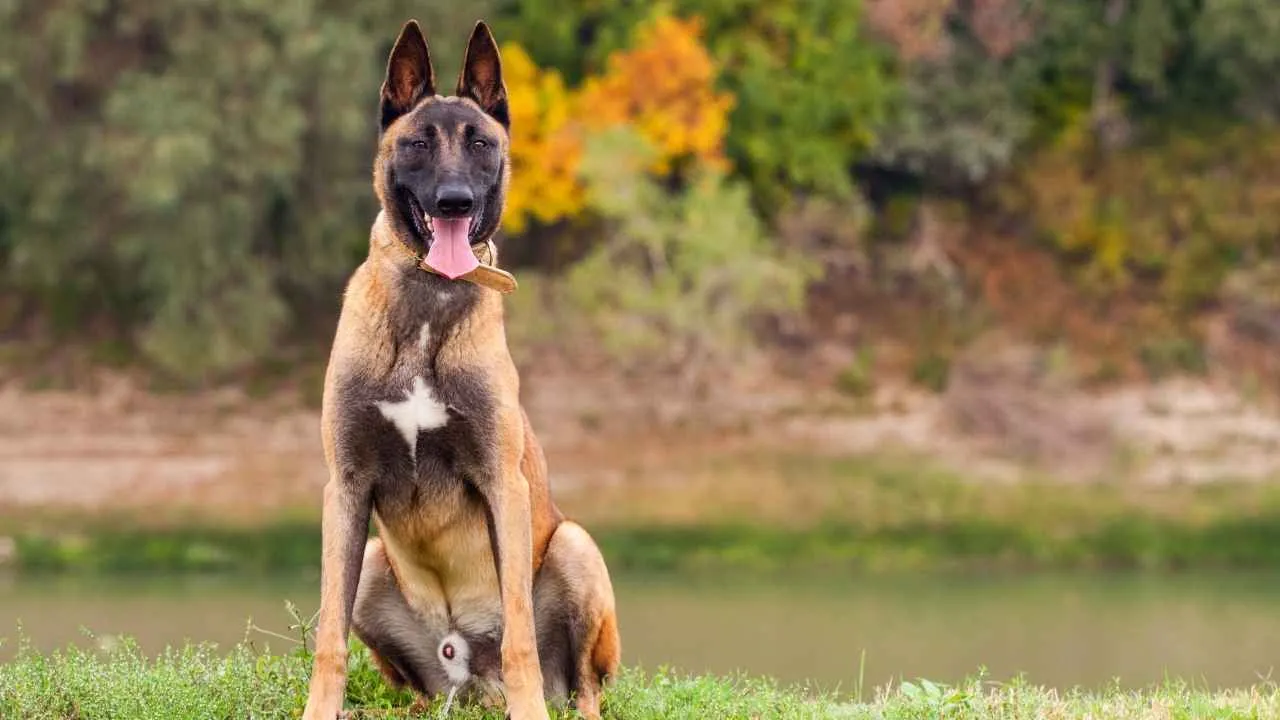
The Belgian Malinois is built for intense, high-impact work in tight spaces. Police and military handlers pick this natural athlete for a reason: it can sprint, pivot, and clear obstacles on rugged terrain for hours without quitting.
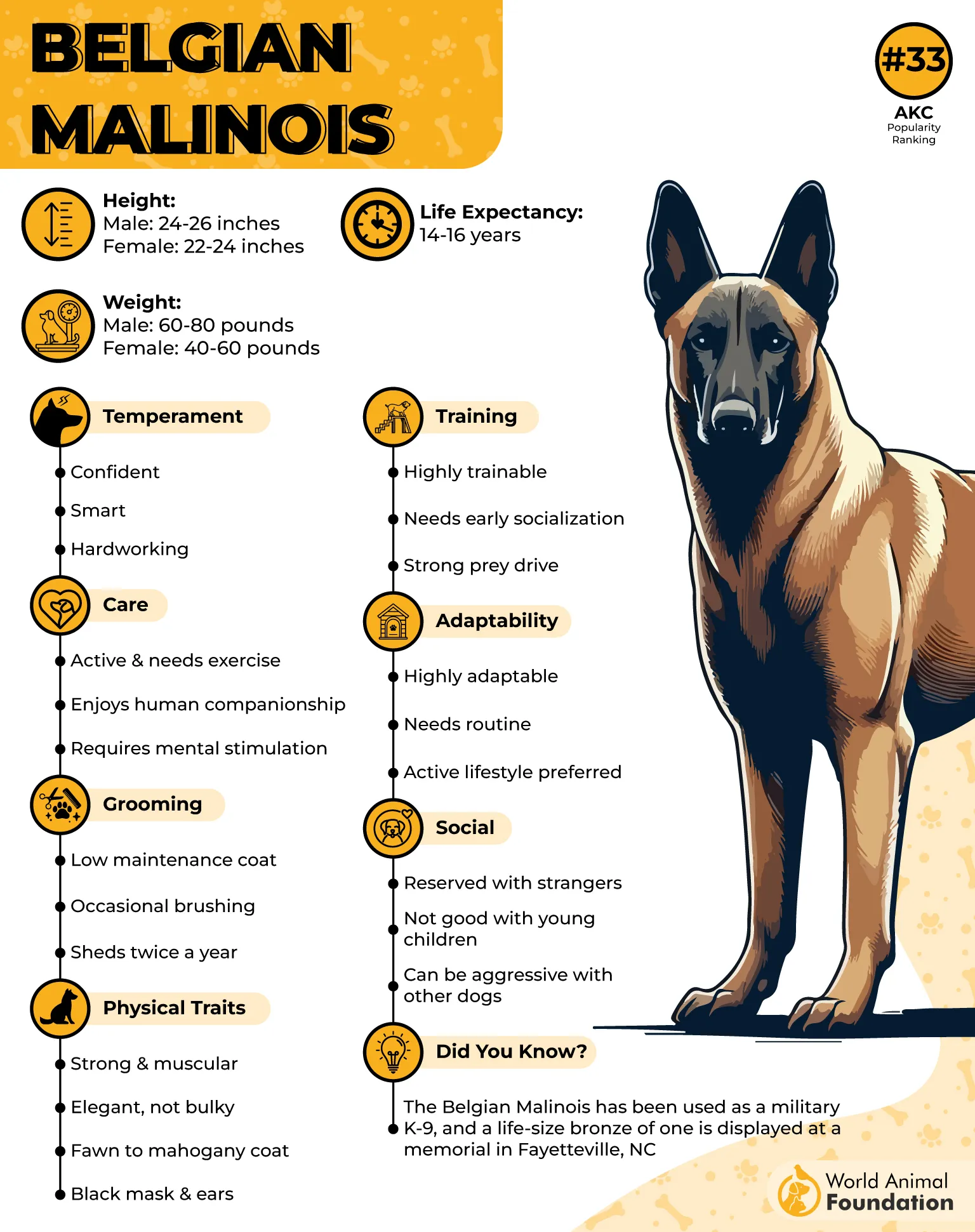
Its weak point is the joints, not the drive. The Malinois rarely slows itself down, so elbow and hip strain creeps in quietly if an owner never schedules real rest.
Muscle: lean, dense build that powers explosive bursts of speed.
Reflexes: fast-twitch coordination suited to sudden direction changes.
Heart: strong cardiovascular capacity built for repeated sprint recovery.
This is not a breed for a relaxed owner. It needs structured outlets like agility, bite work, or search and rescue drills, plus real rest days to protect those hardworking joints.
4. German Shorthaired Pointer
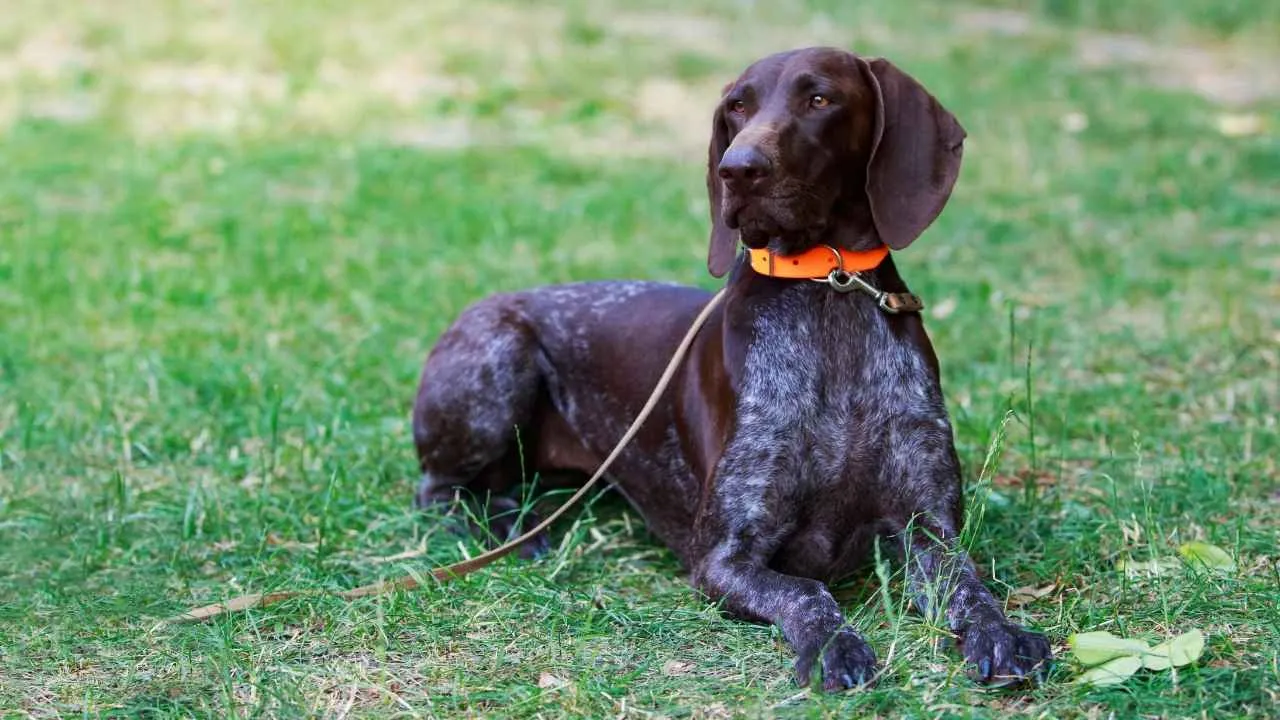
The German Shorthaired Pointer is built to cover ground and water in the same afternoon. Bred as an all-purpose gun dog, it can swim a lake, then keep hunting across rugged terrain for miles.
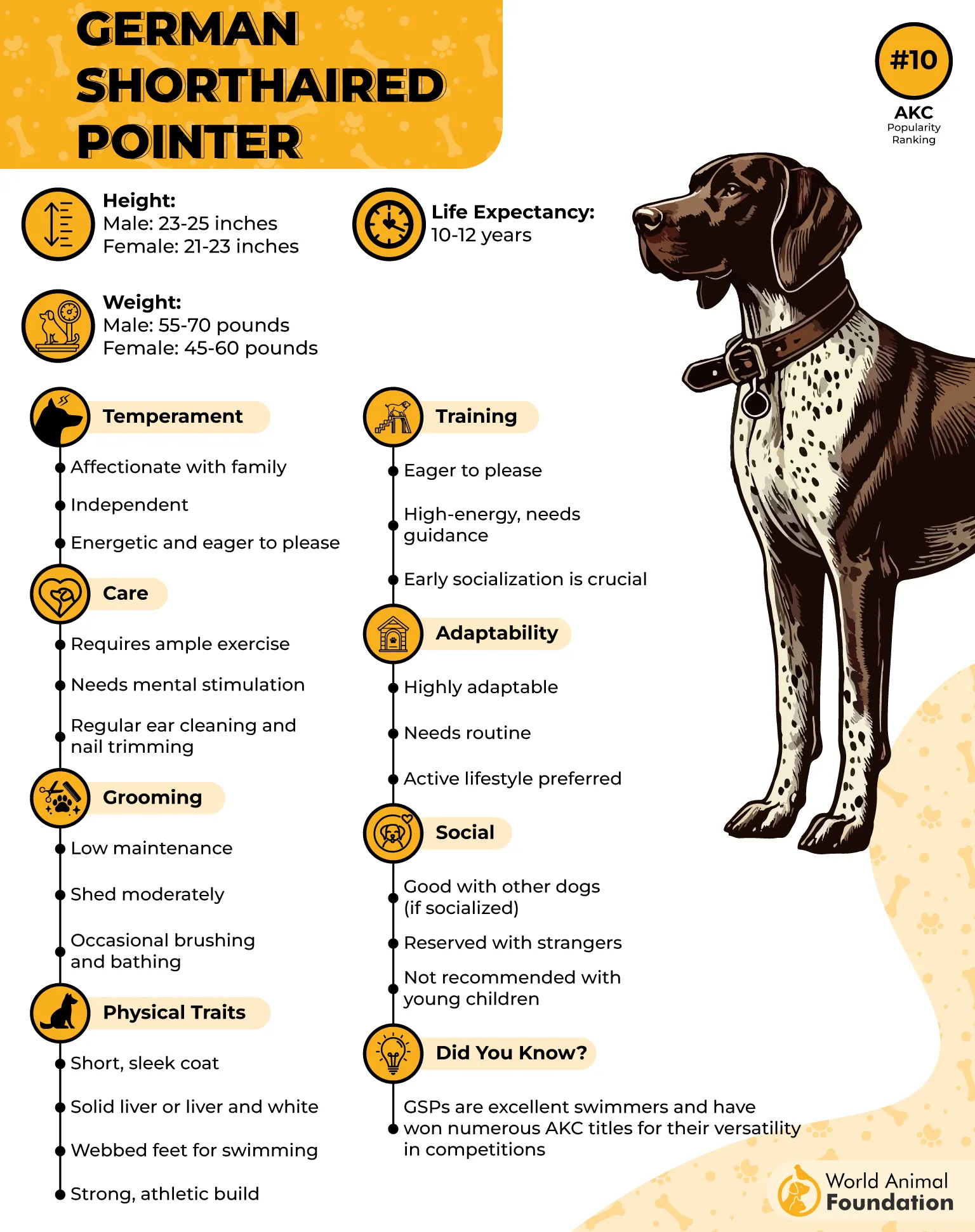
Its weak point sits in that same athletic chest. PetMD notes that deep-chested breeds like this pointer face a real risk of bloat, a sudden and serious emergency.
Feet: webbed toes that turn swimming into an easy skill.
Coat: short, close fur that dries fast after water work
Muscle: lean, athletic build with endurance for all-day fieldwork.
This dog needs more than a short walk around the block. Give it long hikes, swimming sessions, or real bird-hunting work, and feed it on a schedule that protects its stomach from bloat risk.
5. Rhodesian Ridgeback
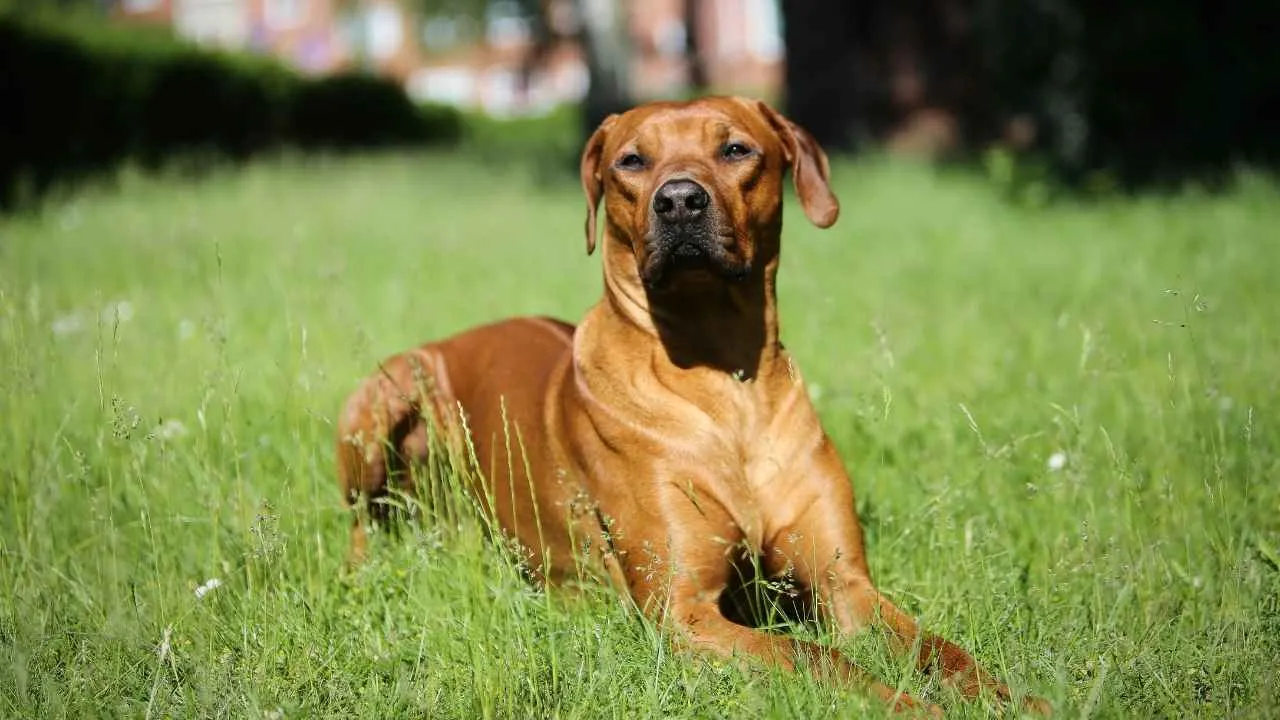
The Rhodesian Ridgeback is built for heat and distance, not cold snaps. Breeders bred it in southern Africa to track large game for miles across warm, open terrain without tiring.
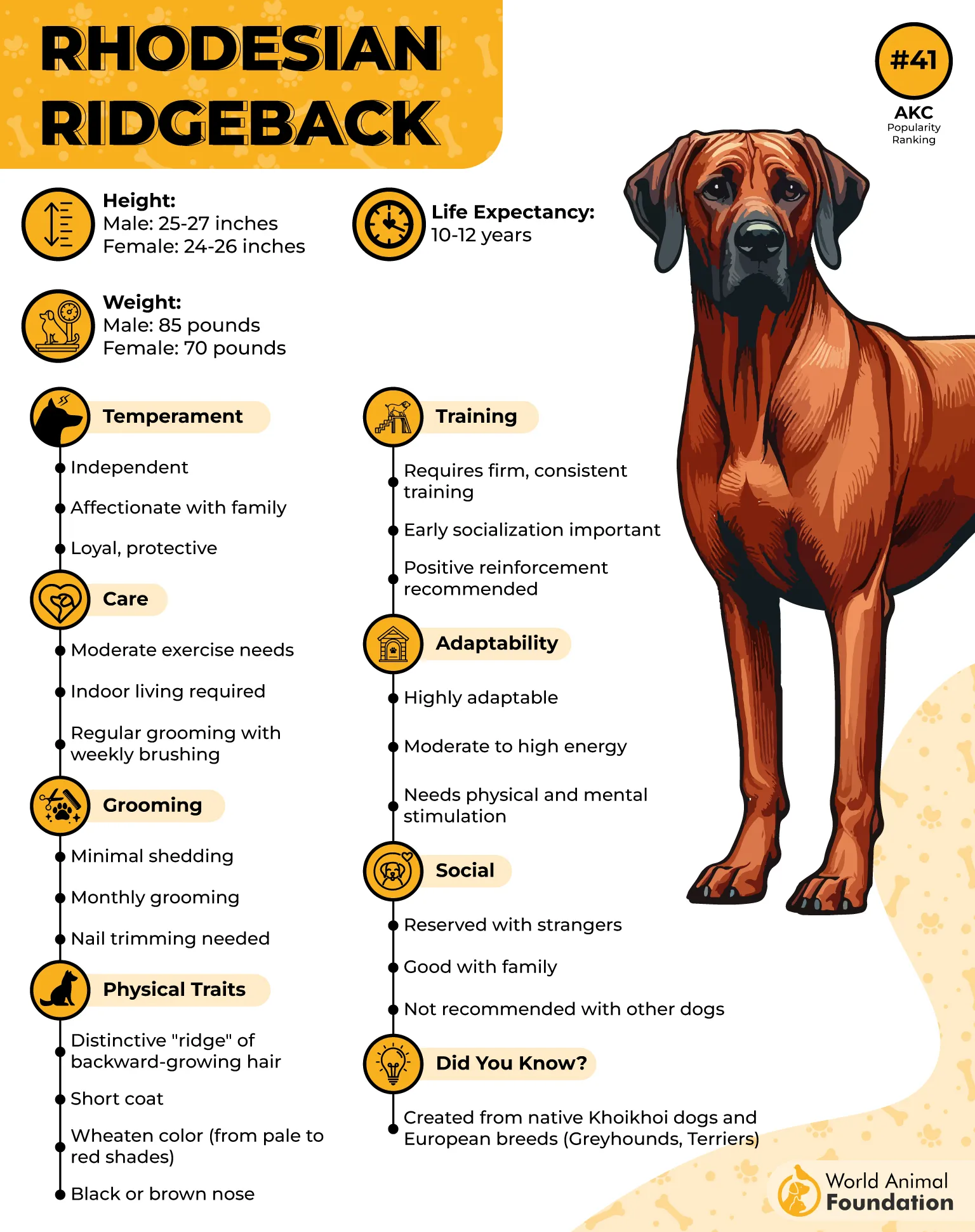
Its weak point is surprising. PDSA flags dermoid sinus, a congenital defect under the skin along the spine, as a real risk unique to this breed.
Coat: short, flat fur that sheds heat instead of trapping it.
Muscle: lean, powerful build that covers ground at a steady lope.
Stamina: a slow-twitch engine suited to hours, not just minutes.
This breed suits an owner who craves warm-weather adventures and long, steady miles rather than short sprints. Regular vet checks along its spine matter more here than with most other rugged breeds on this list.
6. Alaskan Malamute
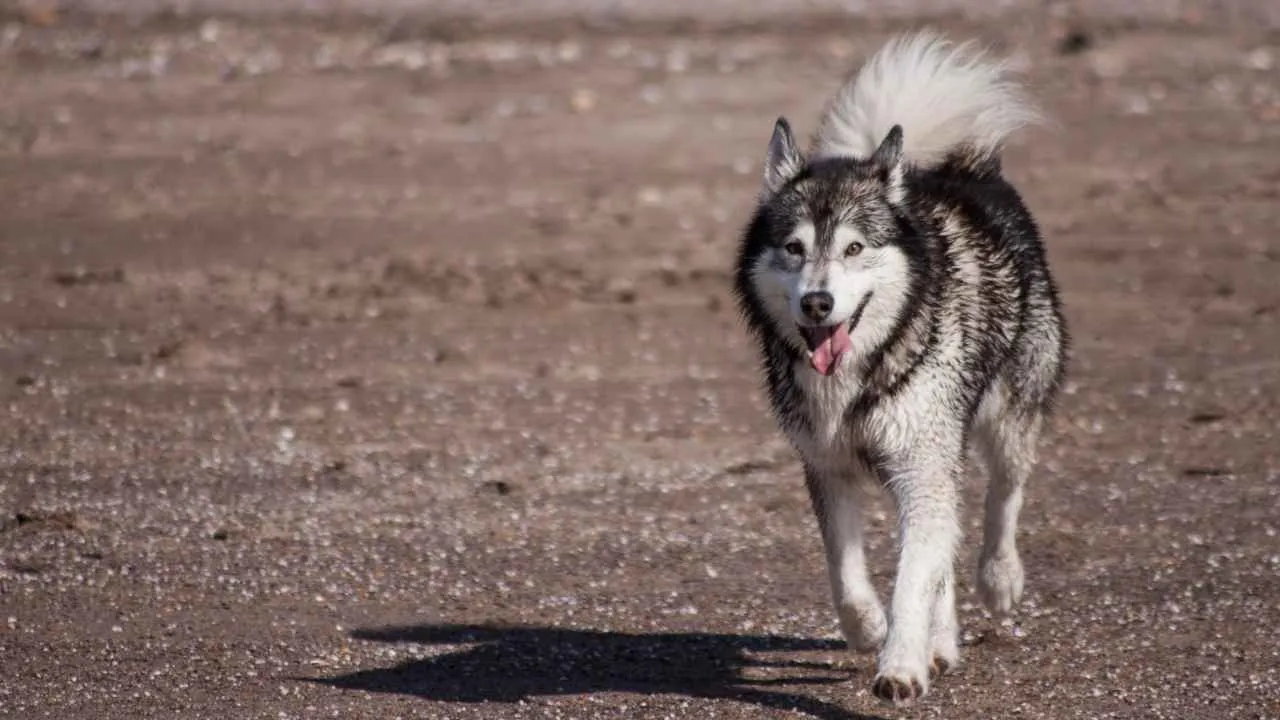
The Alaskan Malamute is built for cold and raw power, not speed. Britannica notes it was bred to haul heavy freight across the Arctic and prized as a loyal, friendly working companion.
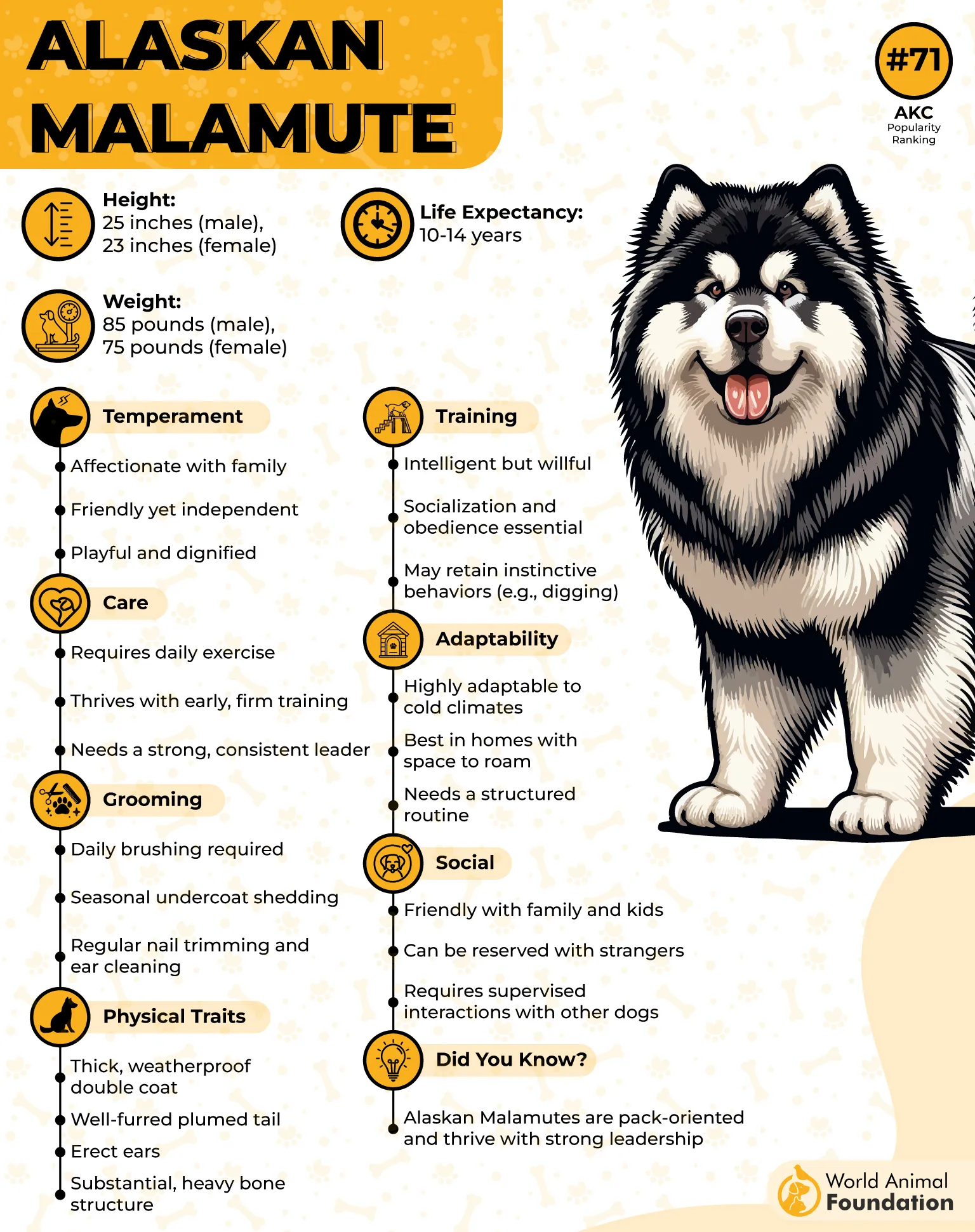
Its weak point is the hips carrying all that power. That same heavy-boned frame built for hauling loads puts real strain on the joints underneath it.
Coat: dense double layer that blocks Arctic wind and cold.
Paws: large, snowshoe-like feet that spread weight on deep snow.
Chest: broad and deep, giving it the lung capacity to pull for hours.
This dog wants weight to pull, not just miles to run: a loaded sled, a weighted cart, or deep snow to plow through. Keep an eye on its hips as it ages.
7. Weimaraner
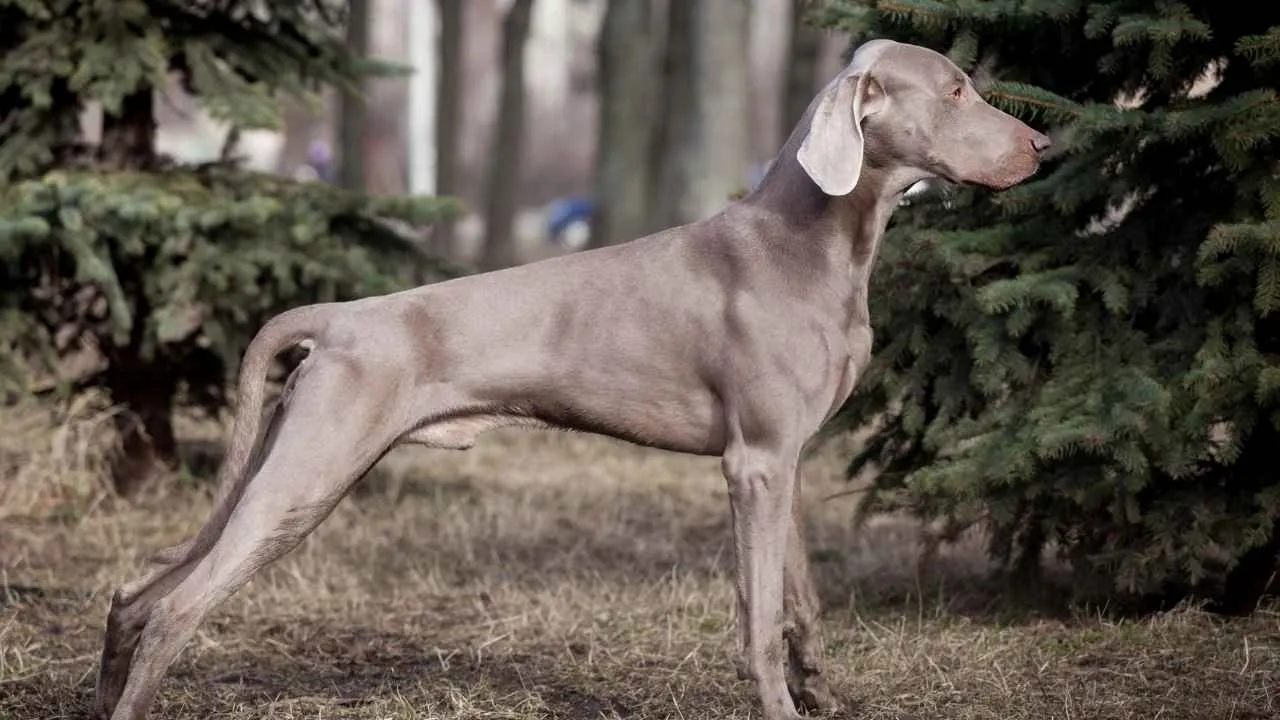
The Weimaraner is built for long hunts across rough, open terrain in warmer climates. Originally bred in Germany to track big game for miles, it still has the stamina to hunt or hike all day.
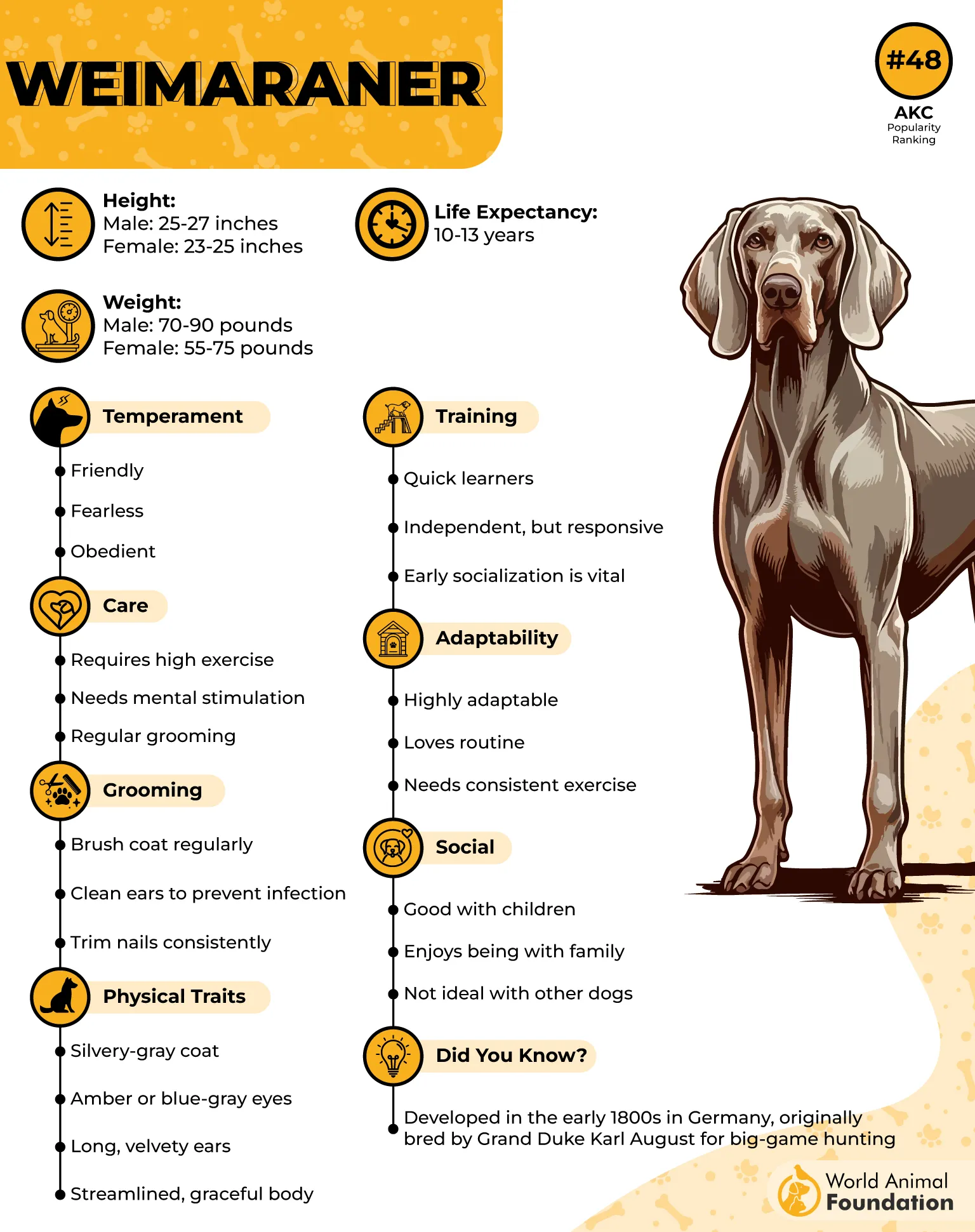
Its weak point is right there on the surface. That short, thin coat gives this dog almost no protection once the temperature drops or the wind picks up.
Muscle: lean, athletic build with almost no spare body fat.
Nose: a keen sense of smell built for tracking at a run.
Legs: long stride that covers ground with little wasted effort.
This dog loves warmer weather and long hikes best. Pack a coat for it once autumn hits, and give it a job like hunting, agility, or long-distance running to match its drive.
8. German Shepherd
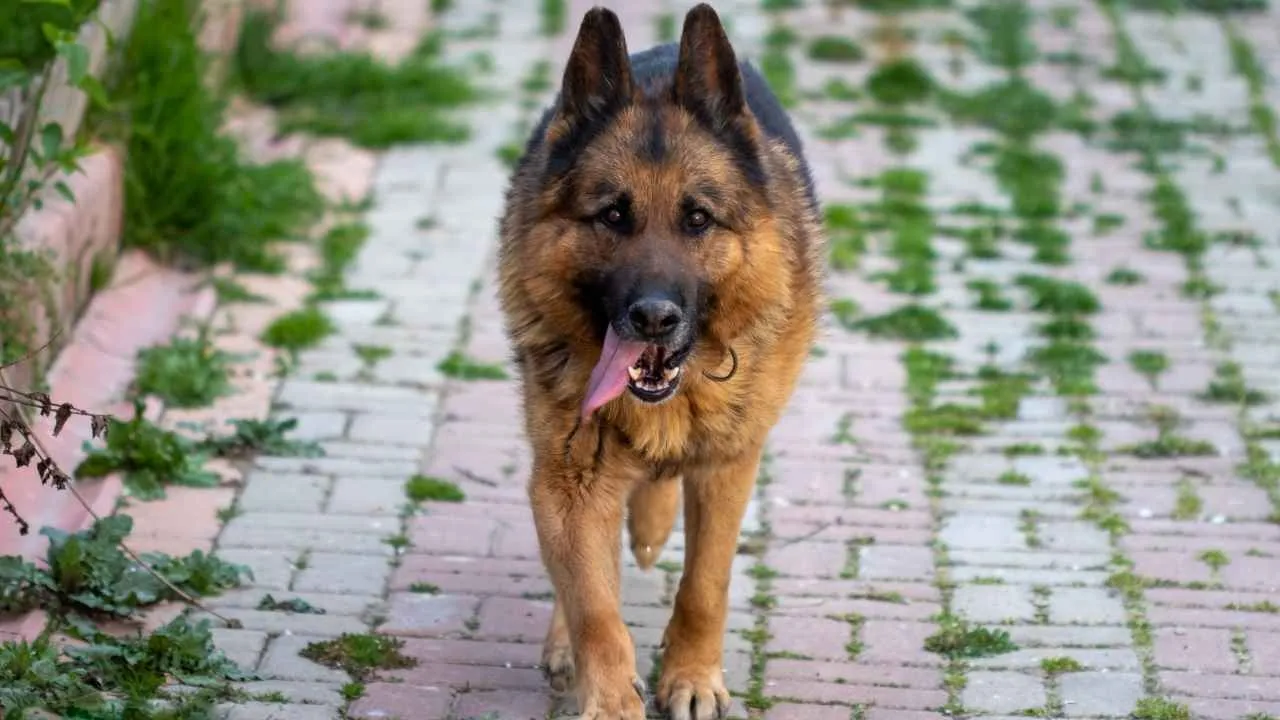
The German Shepherd is built to do almost any job on almost any terrain. Highly intelligent and incredibly loyal, it moved from herding dogs into search and rescue, police work, and long patrols over rugged ground.
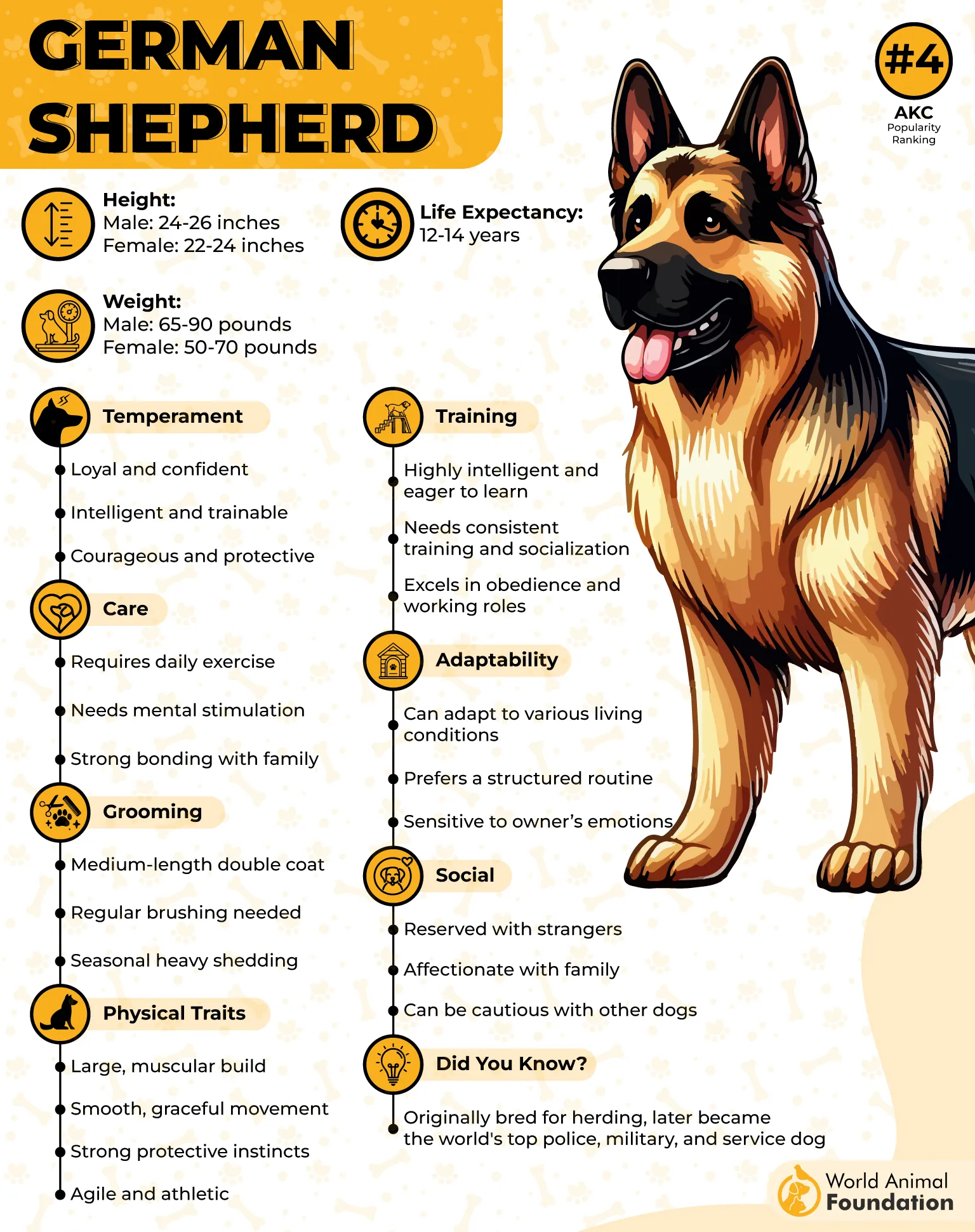
Its wear point shows up later in life, in the hind end. VCA describes degenerative myelopathy, a condition that slowly weakens the back legs of aging German shepherds.
Build: sloping topline that powers an efficient, tireless trot.
Coat: medium double coat that handles most weather without fuss.
Senses: sharp hearing and scent tracking built for search work.
This breed thrives on variety: obedience work, long trail hikes, search and rescue drills, or herding-style games on rugged terrain. Watch its back legs as it gets older and keep it at a healthy weight.
9. Vizsla
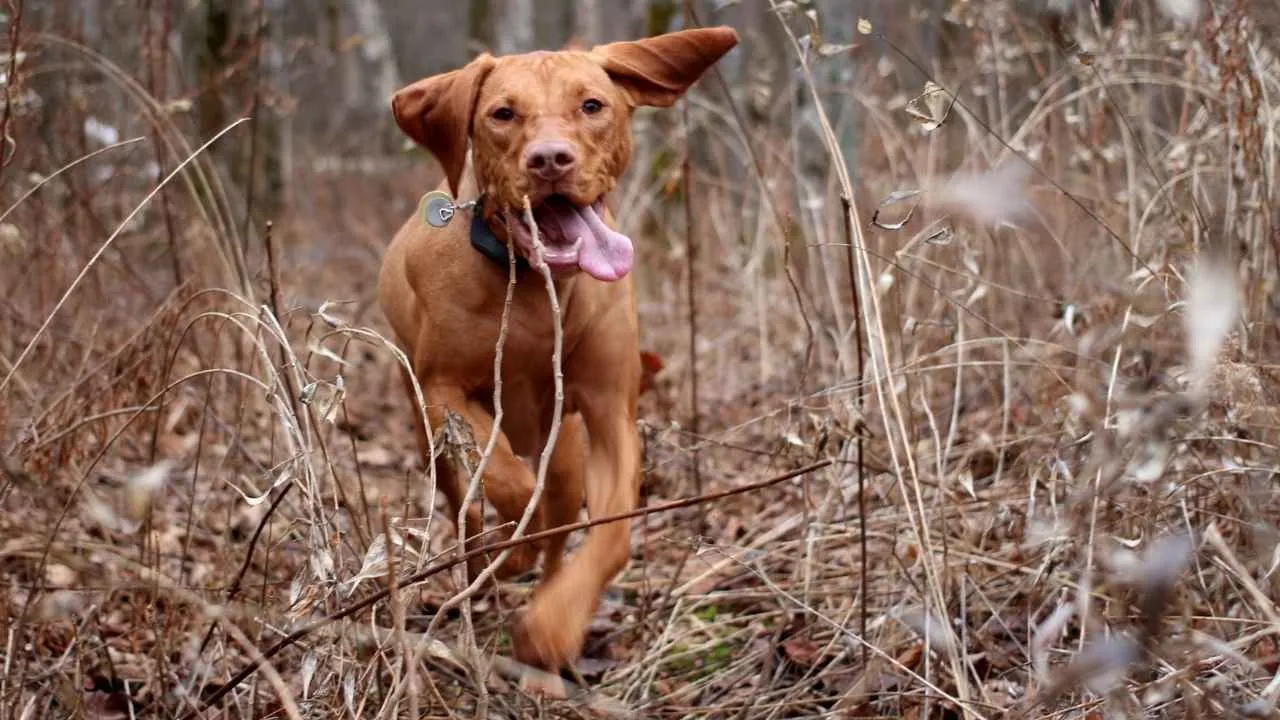
The Vizsla is built for long days in the field under warm skies and little shelter. Hungarian hunters bred it to point and retrieve for miles across open, rugged terrain without losing focus.
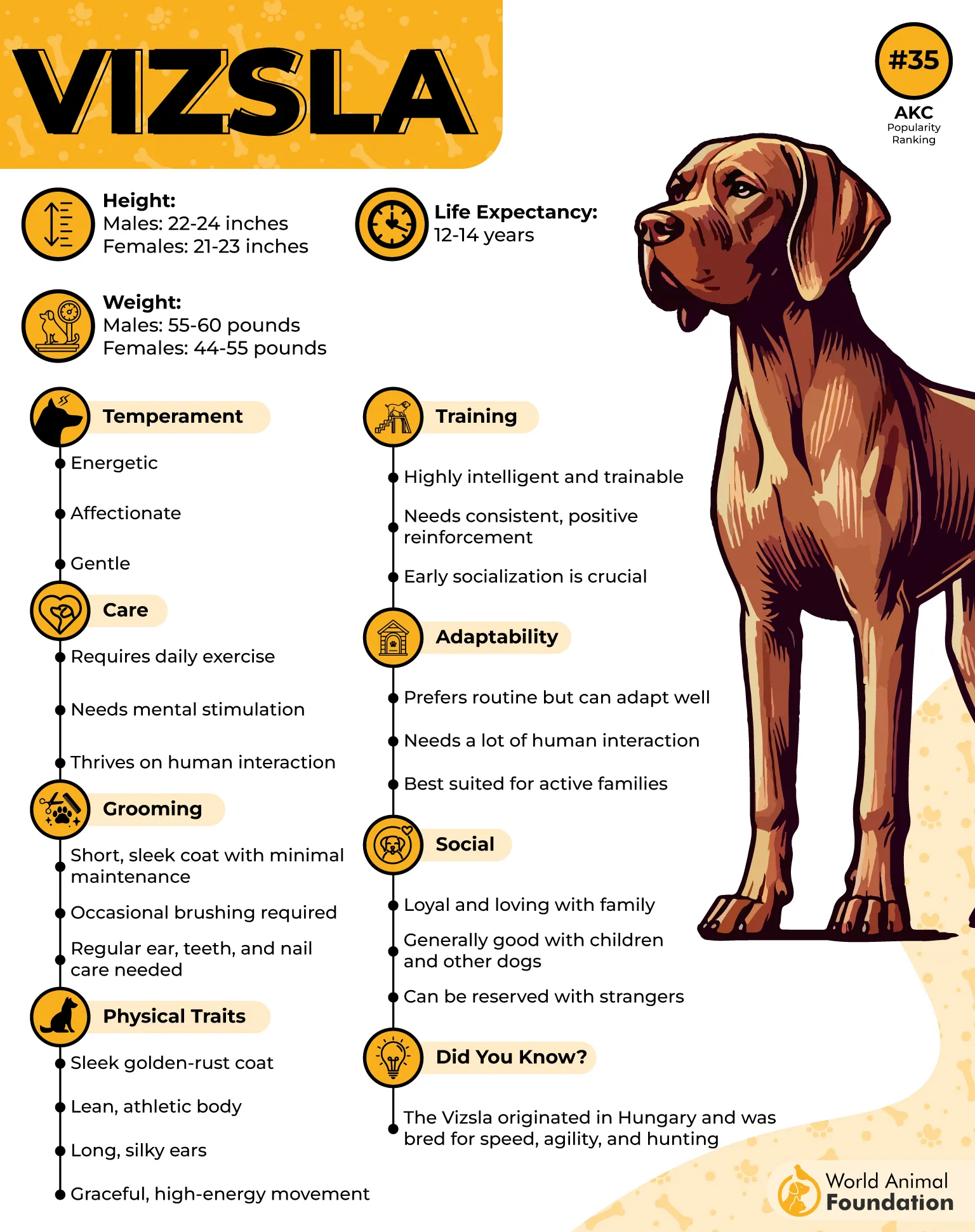
Its weak point is its own skin, not its stamina. That thin, close coat offers almost no padding against thorny brush or sharp rocks on rough ground.
Build: lean, athletic frame bred for speed over long distances.
Nose: a strong point-and-hold instinct driven by high prey drive.
Stamina: a steady engine built to hunt from sunrise to dusk.
Check its coat for scrapes after every rugged outing, and pick warm-weather adventures over cold, wet ones whenever possible. A long run, a hunt, or an off-leash field day suits this dog perfectly.
Conclusion
Rugged is not one look or one coat type. These 9 breeds each absorb a different kind of physical punishment, from Arctic cold to blazing heat to miles of unpredictable, rugged terrain, and still have the strength and willingness to recover and go again.
The real decision is not which dog looks toughest, but which one matches your own pace, climate, and love of the great outdoors. Give it proper training, plenty of activity, and the right adventures, and any pet parent can turn one of these sturdy, versatile breeds into a devoted companion for life, so pick yours and start exploring together.
