




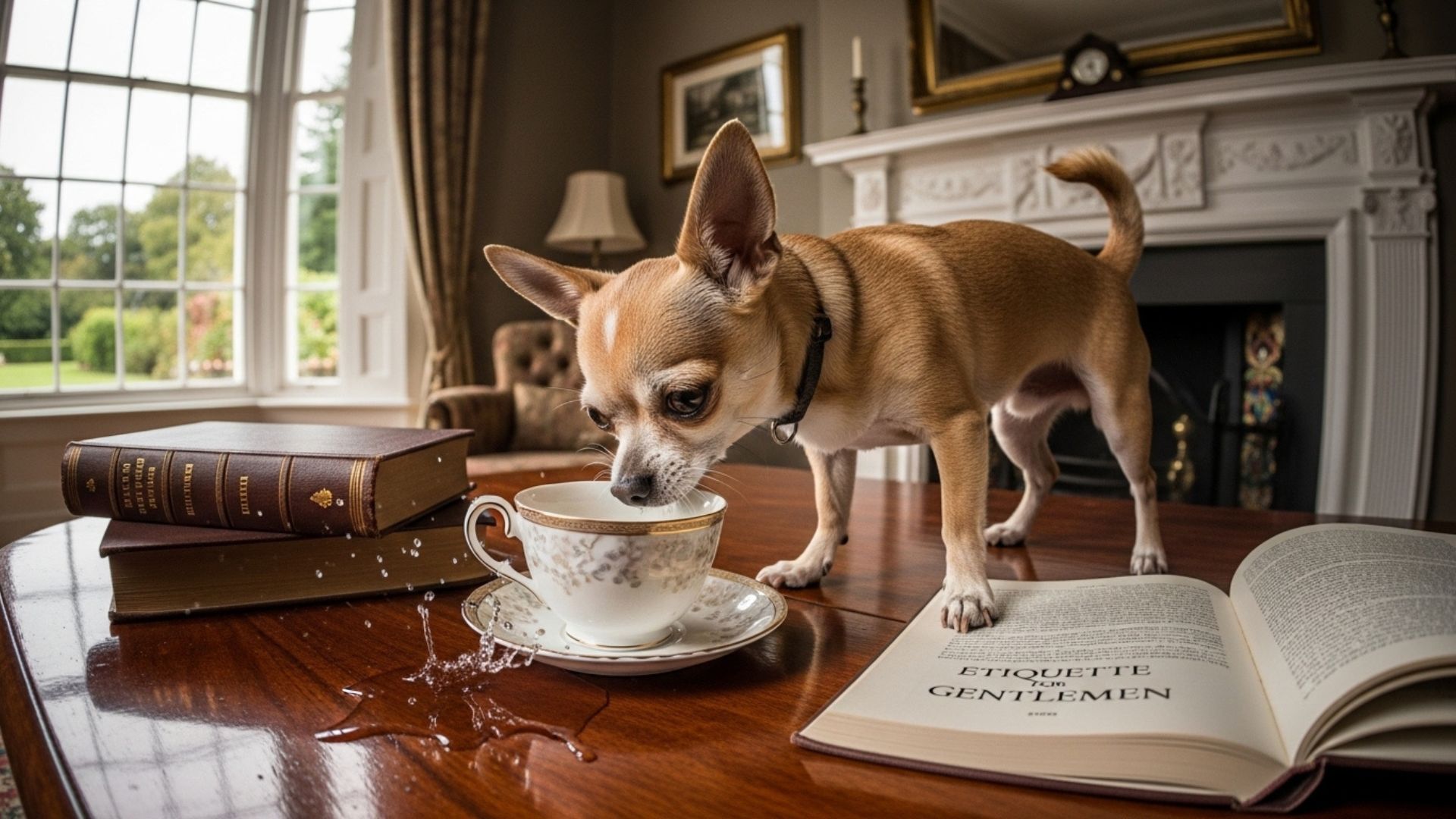
Every dog owner believes their furry companion is the sweetest soul on four paws — until their “angel” starts barking at guests, growling at the mailman, or refusing every command. While many people blame a dog’s breed for such rude antics, the truth is a little more complicated.
Some breeds do have a stronger tendency toward stubbornness or aggression, but much of it depends on how they’re raised, trained, and socialized from puppyhood.
Aggression is the number one behavioral issue dog owners face. It can transform even the tiniest breeds into a fearsome little tyrant and leave owners searching for answers, or, sadly, new homes. Beneath that “disrespectful” behavior, however, often lies confusion or unmet needs.
So, which breeds are most notorious for acting like they make the rules? Here’s a look at the dog breeds that have earned reputations for being the rudest — and why understanding them matters more than judging them.
Most Rude Dog Breeds Showing Absolutely No Respect
1. Akita
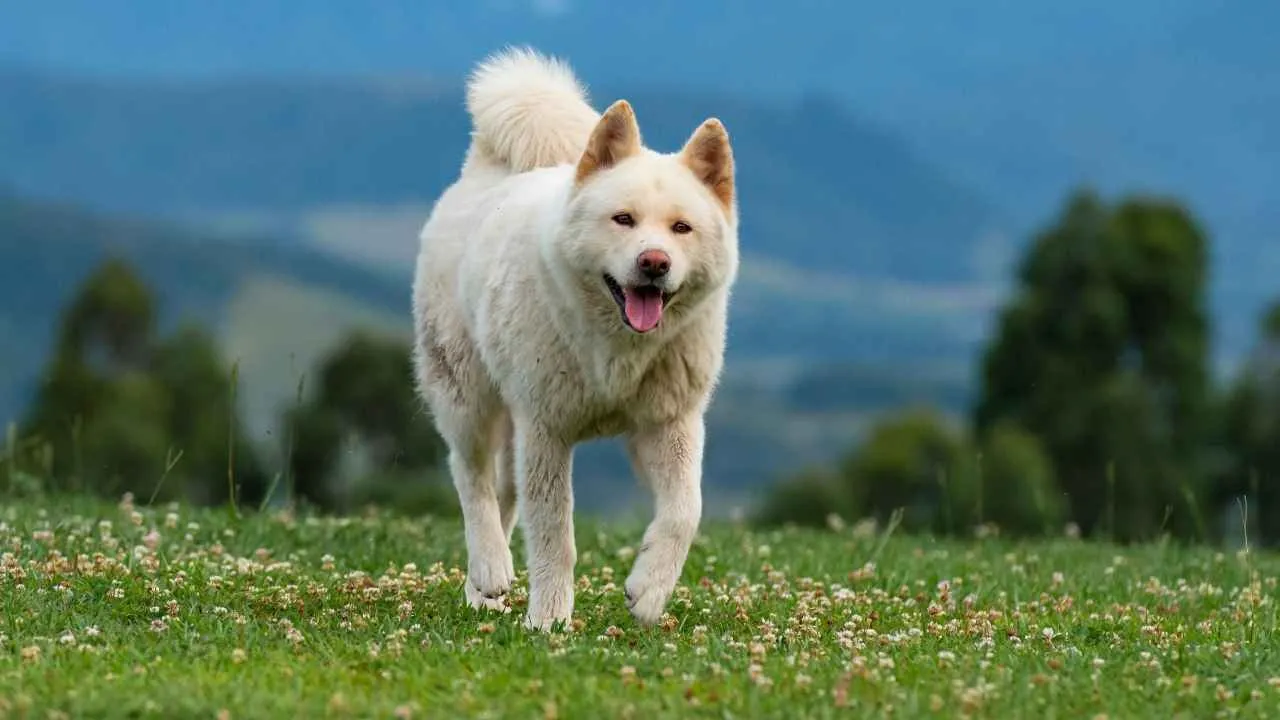
Also known as the Japanese Akita or Akita Inu, this powerful breed hails from Japan’s northern mountains, where it was originally bred for guarding and police work. The Akita carries a regal presence matched only by its unwavering confidence.
The AKC describes the Akita as a strong, double-coated breed from ancient Japan, celebrated for its loyalty, bravery, and dignified nature.
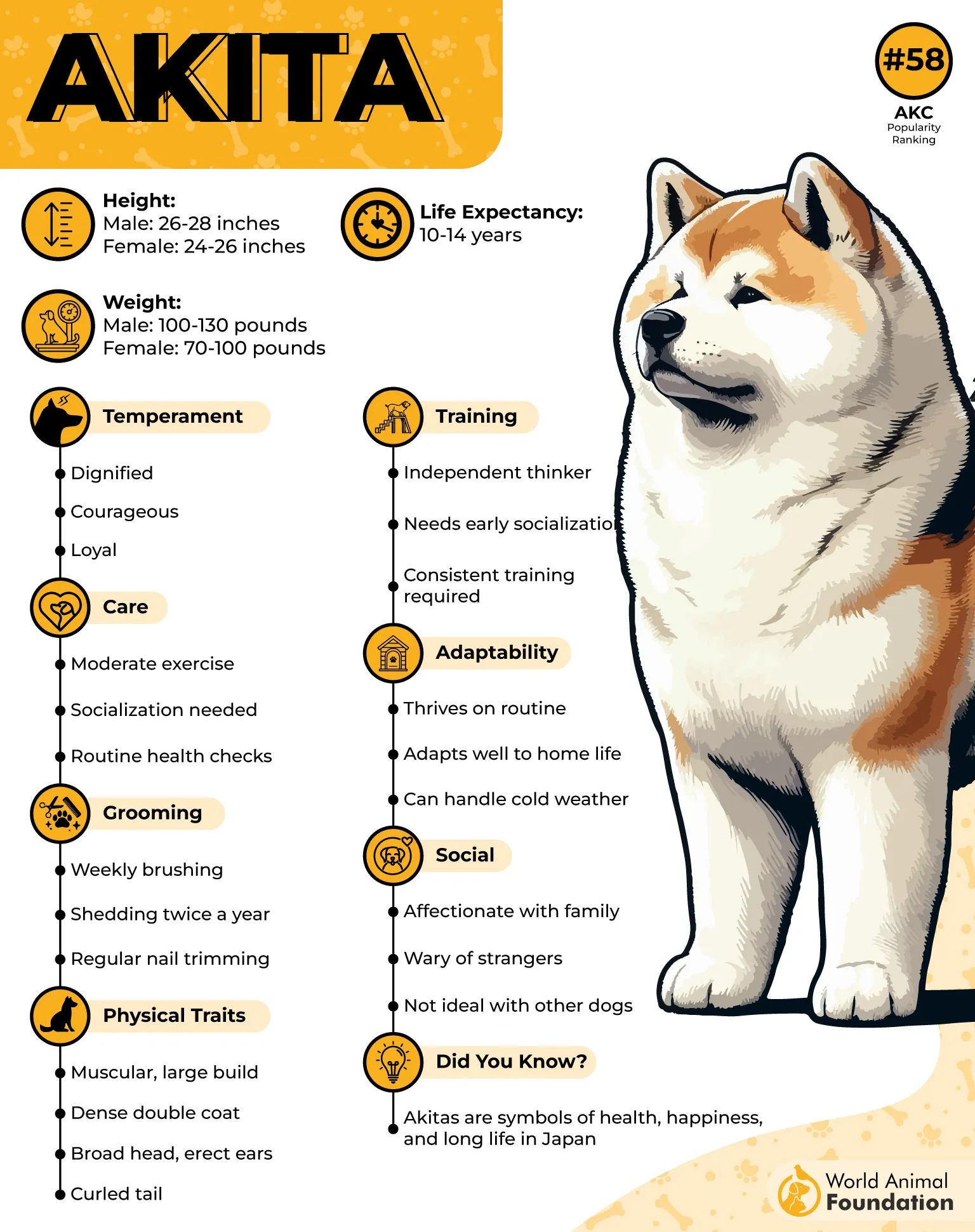
When it comes to following orders, Akitas tend to do things on their own terms. Their independence, shaped by generations of working solo in harsh environments, often makes them appear aloof or even defiant. They respect leadership, but only when it’s earned.
Akitas can be particularly wary of strangers and other dogs, a trait that stems from their protective instincts. Without firm, consistent training and early socialization, they may easily perceive others as threats and respond with assertive or even aggressive behavior.
During temperament tests, Akita puppies often reveal their strong-willed nature; some remain calm, while others struggle, paw, or even nip when restrained.
Fact: Many Akitas, when corrected, prefer to walk away and “ignore” their handler entirely, showcasing their legendary stubborn streak.
2. Dachshund
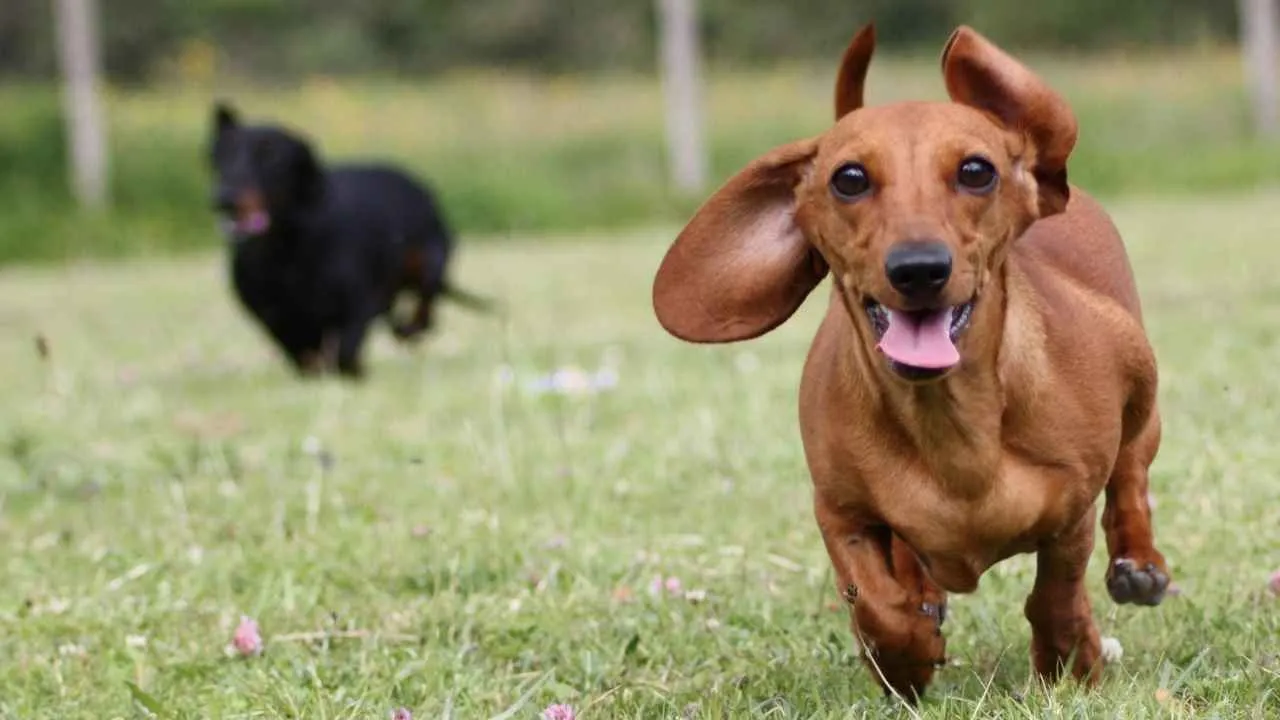
Known for its elongated body and short legs, the Dachshund, affectionately called the Badger Dog, may look harmless, but it carries the bold heart of a hunter.
PetMD explains that Dachshunds, affectionately called “hot dogs” or “wiener dogs,” are easily recognized by their long bodies, short sturdy legs, and energetic nature. They’re alert little dogs who are always ready for action.
Originating in Germany, this small but mighty breed was developed to dig into badger dens — and that fearless, headstrong nature remains firmly intact today.
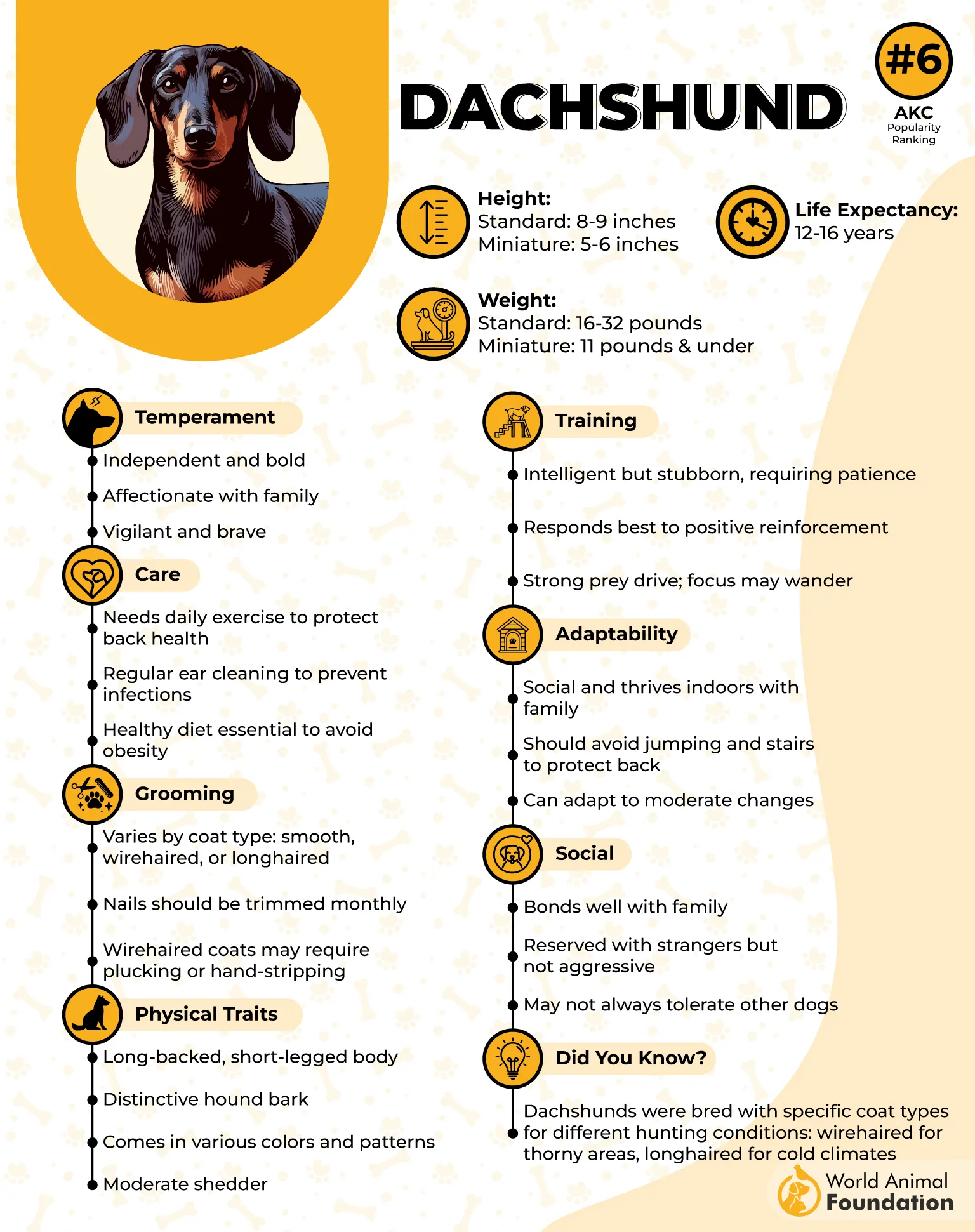
Despite its size, the Dachshund has no problem asserting dominance. These little hounds rank among the most aggressive breeds toward both humans and other animals.
Their self-confidence often turns into defiance, especially when owners mistake their antics for harmless cuteness.
Their independence makes them clever but also sassy. A Dachshund will happily ignore commands if it doesn’t suit their mood, often responding with sharp barks or dramatic stares that scream, “You’re not the boss of me.”
Add in their strong prey drive and territorial streak, and you’ve got a breed that believes it runs the household.
Fun fact: Dachshunds were originally bred to fight badgers underground — talk about a small dog with a big attitude!
3. Doberman Pinscher
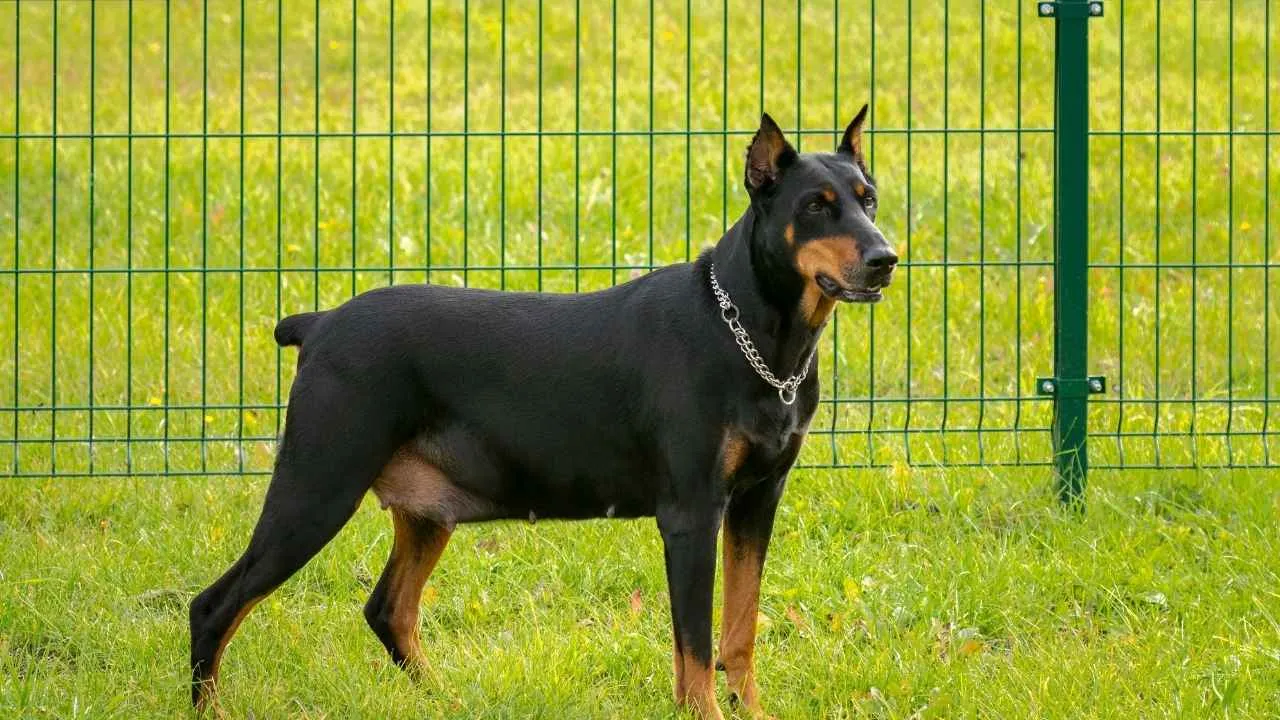
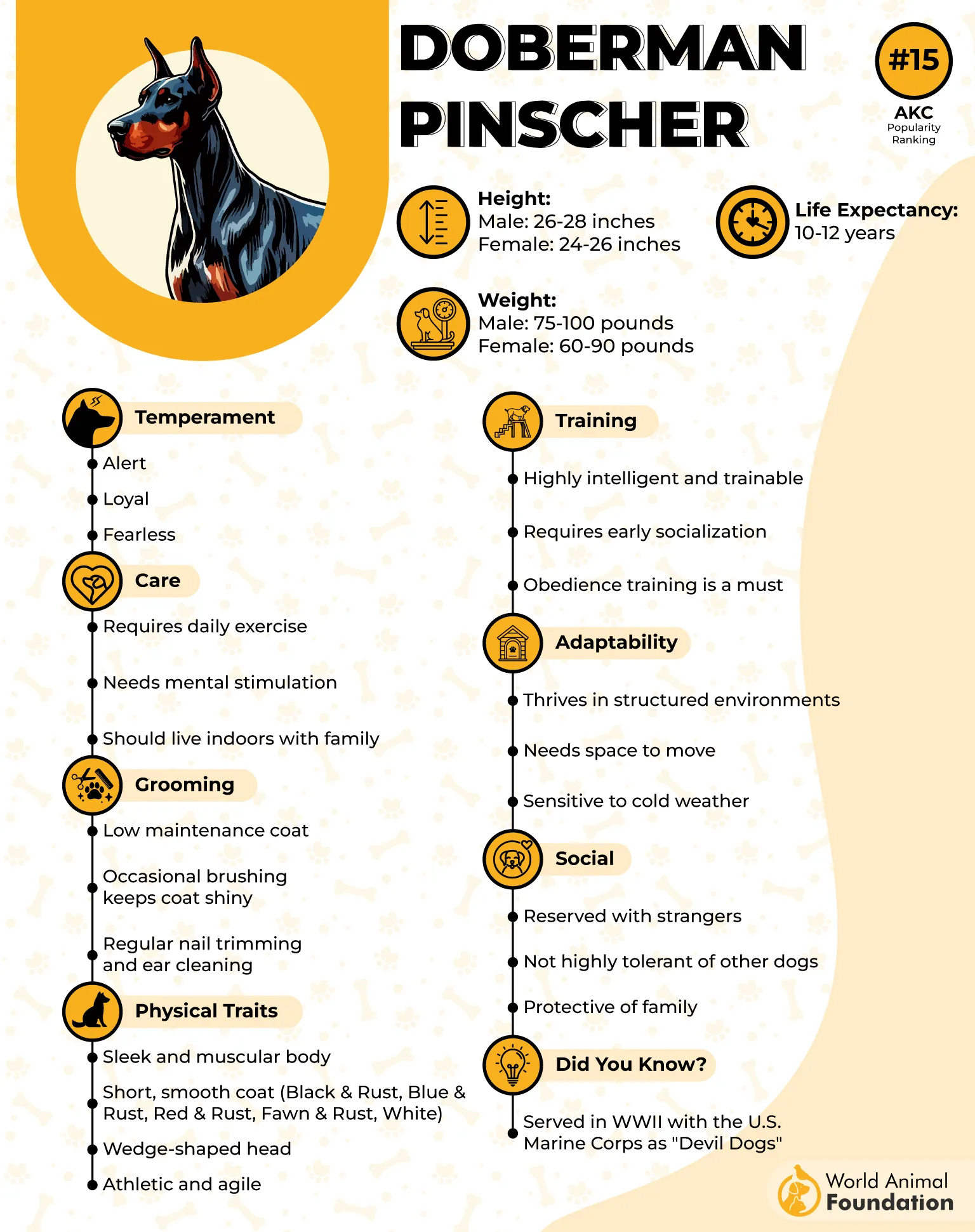
Also known as the Dobie or Dobe, the Doberman Pinscher is a sleek, athletic breed originally developed in Germany by Louis Dobermann. WebMD notes that Doberman Pinschers are intelligent, courageous, and powerful dogs, often chosen for their skill and reliability as guard dogs.
With their powerful build, short coat in shades of black, red, blue, or fawn, and iconic rust markings, these dogs are both elegant and intimidating symbols of strength and loyalty.
Bred to be protectors, Dobermans naturally take charge of their surroundings — sometimes a bit too assertively. Without consistent guidance, their confidence can turn into pushiness, leading them to challenge commands or strangers alike.
This behavior often gets mistaken for outright rudeness rather than a display of dominance and alertness.
Their sharp intelligence and emotional sensitivity make them both brilliant learners and stubborn students. A Doberman that senses uncertainty in its owner may simply decide it knows best, refusing to obey unless respect is mutual — a trait that can easily come across as arrogance.
When trained with firmness and fairness, they’re among the most loyal and affectionate companions.
4. Chihuahua
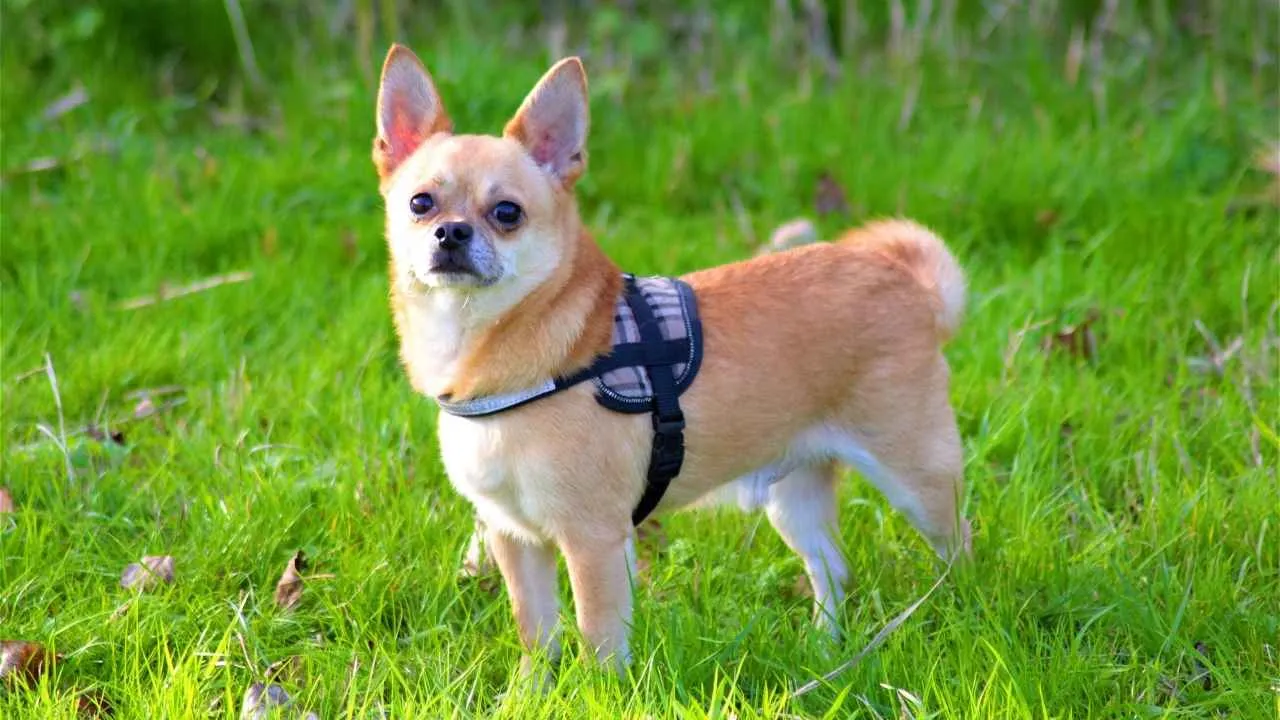
Also known as the “Chi,” this pint-sized breed from Mexico holds the title of the world’s smallest dog. Don’t be fooled by their dainty frames — these dogs are bold, bossy, and bursting with personality.
Behind their big eyes and trembling paws lies an attitude that could rival breeds ten times their size. Chihuahuas often develop possessive tendencies, fiercely guarding their favorite human and snapping at anyone who dares to get too close.
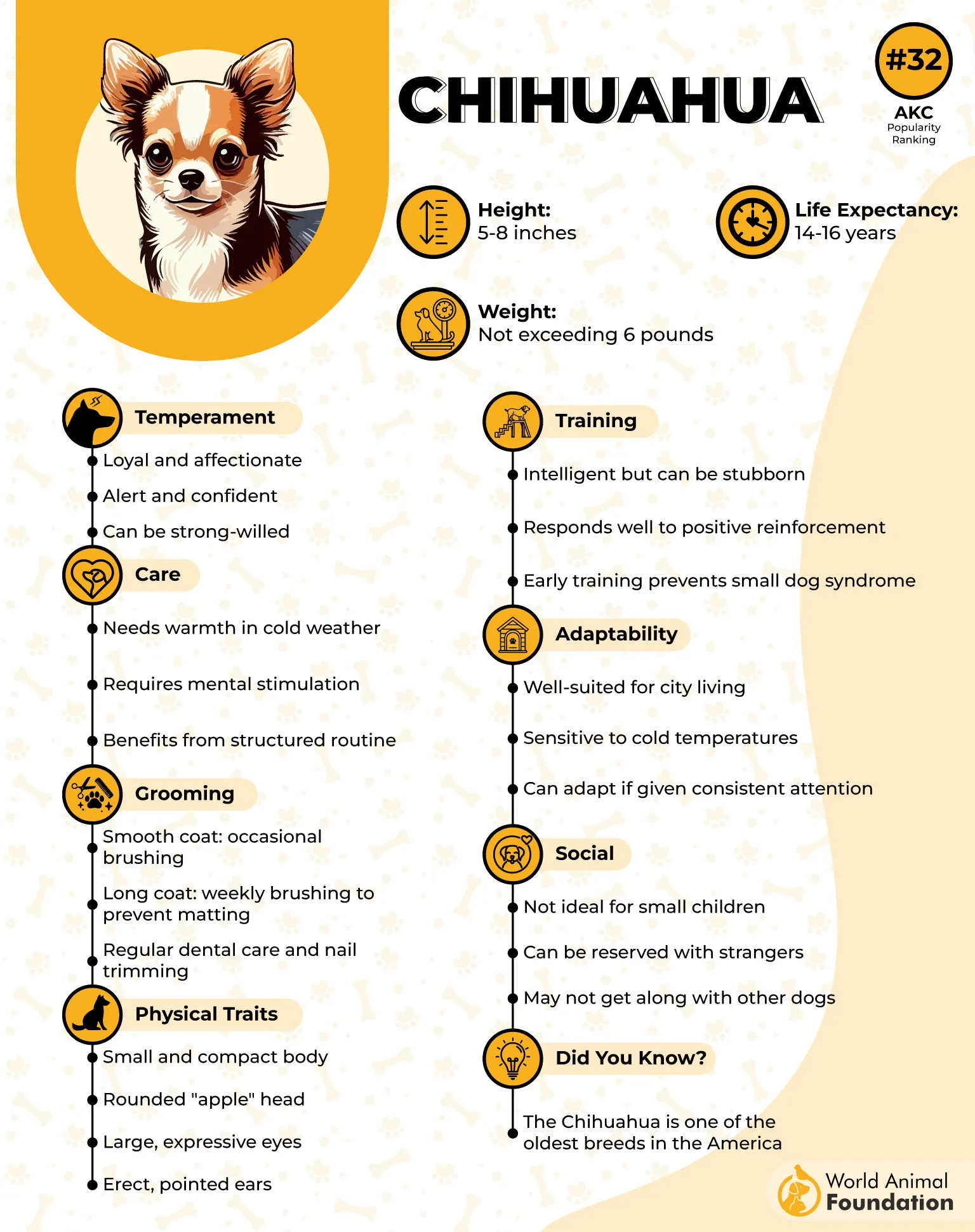
Their fearless, some might say defiant, behavior stems from their deep loyalty. A Chihuahua that feels jealous or ignored won’t hesitate to bark, growl, or nip to make a point. They can be charmingly protective but dangerously overconfident.
Only experienced, patient owners can truly handle a Chihuahua’s fiery temperament. With proper training, socialization, and respect for their space, they can thrive as affectionate companions.
Fun Fact: Despite their size, Chihuahuas are among the most vocal dog breeds, often barking at anything that moves!
5. Chow Chow
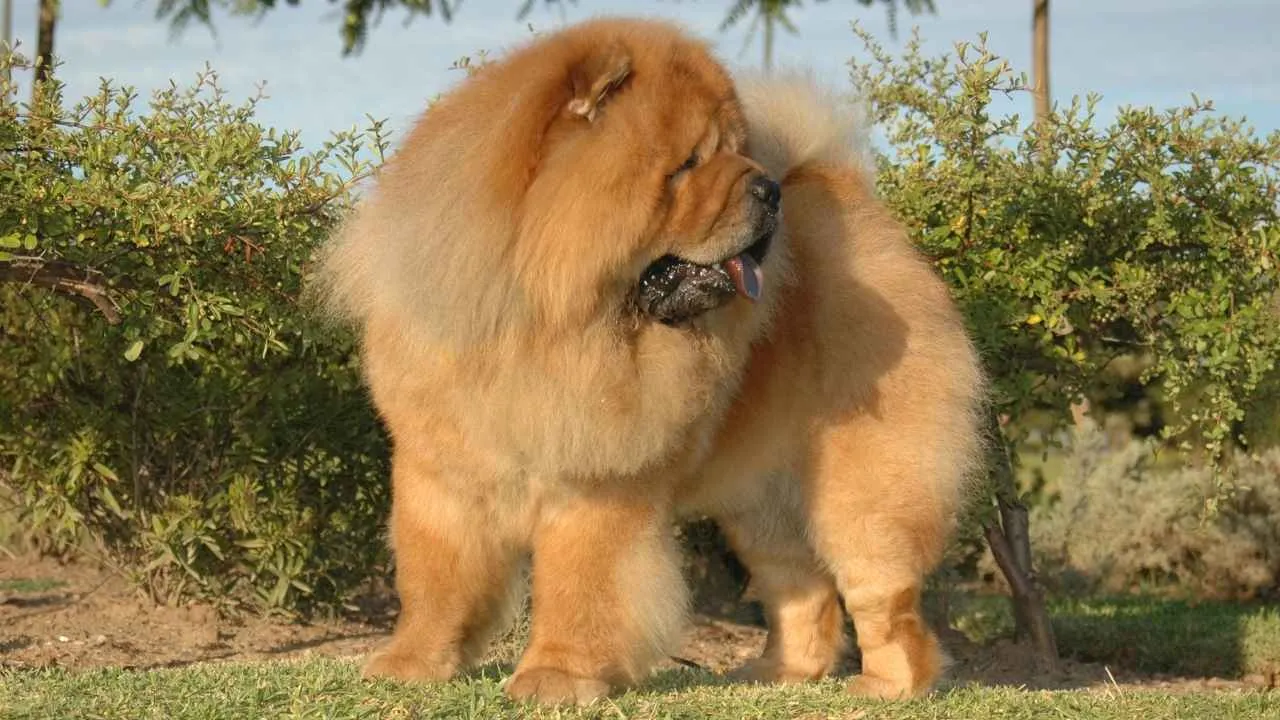
Also known as the “Songshi Quan,” meaning “puffy-lion dog,” the Chow Chow hails from ancient China and is instantly recognizable by its dense double coat and unique blue-black tongue.
Originally bred for hunting and guarding, this sturdy dog often carries itself with regal confidence — and a touch of attitude that matches its lion-like appearance.
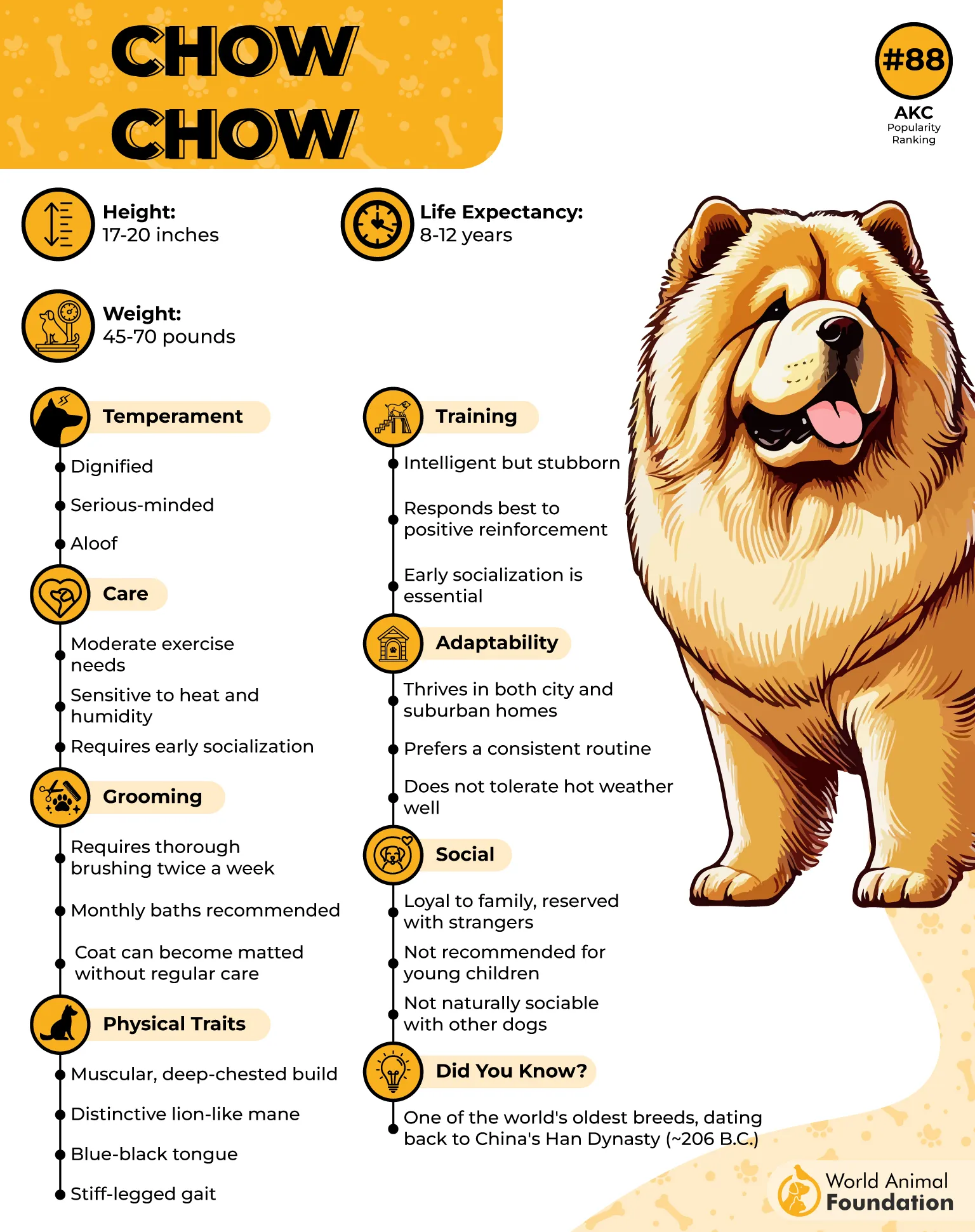
Don’t let that teddy bear look fool you; Chow Chows can be extremely territorial and aloof. They bond closely with their families but rarely tolerate strangers or unfamiliar animals.
Their proud, independent nature can easily come across as rude or dismissive, especially when they ignore commands they find unworthy of their time.
Training a Chow Chow requires immense patience and consistency. They’re intelligent but not easily impressed, often questioning authority rather than obeying it. Typical “people pleasers” they are not — you have to earn their respect before they’ll listen.
Positive reinforcement, paired with calm leadership, works best for these stubborn charmers. When properly socialized, they can be loyal companions.
Fun fact: One Chow Chow famously belonged to former U.S. President Calvin Coolidge.
6. Pekingese
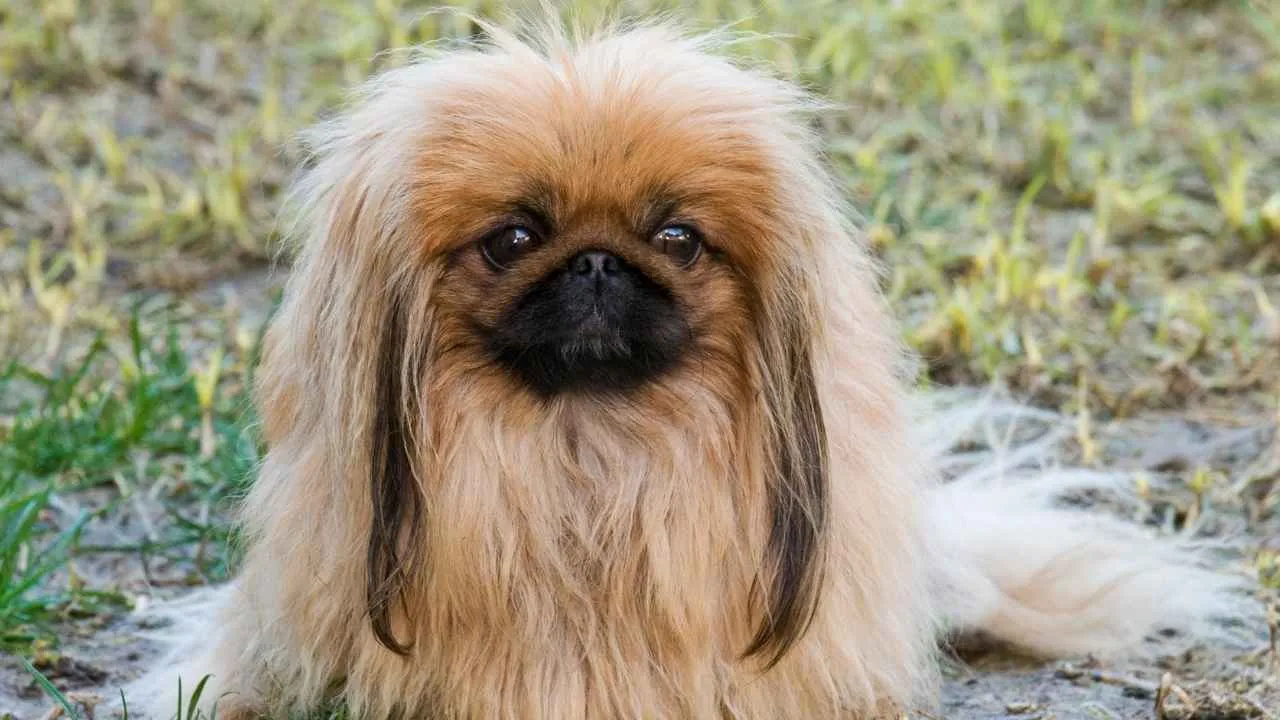
Also known as the “Lion Dog” or “Peke”, the Pekingese is a toy breed that once graced the laps of Chinese emperors. With its flowing mane, flat face, and proud gait, this tiny yet regal dog carries centuries of royal heritage. The Pekingese radiates a presence far larger than its size.
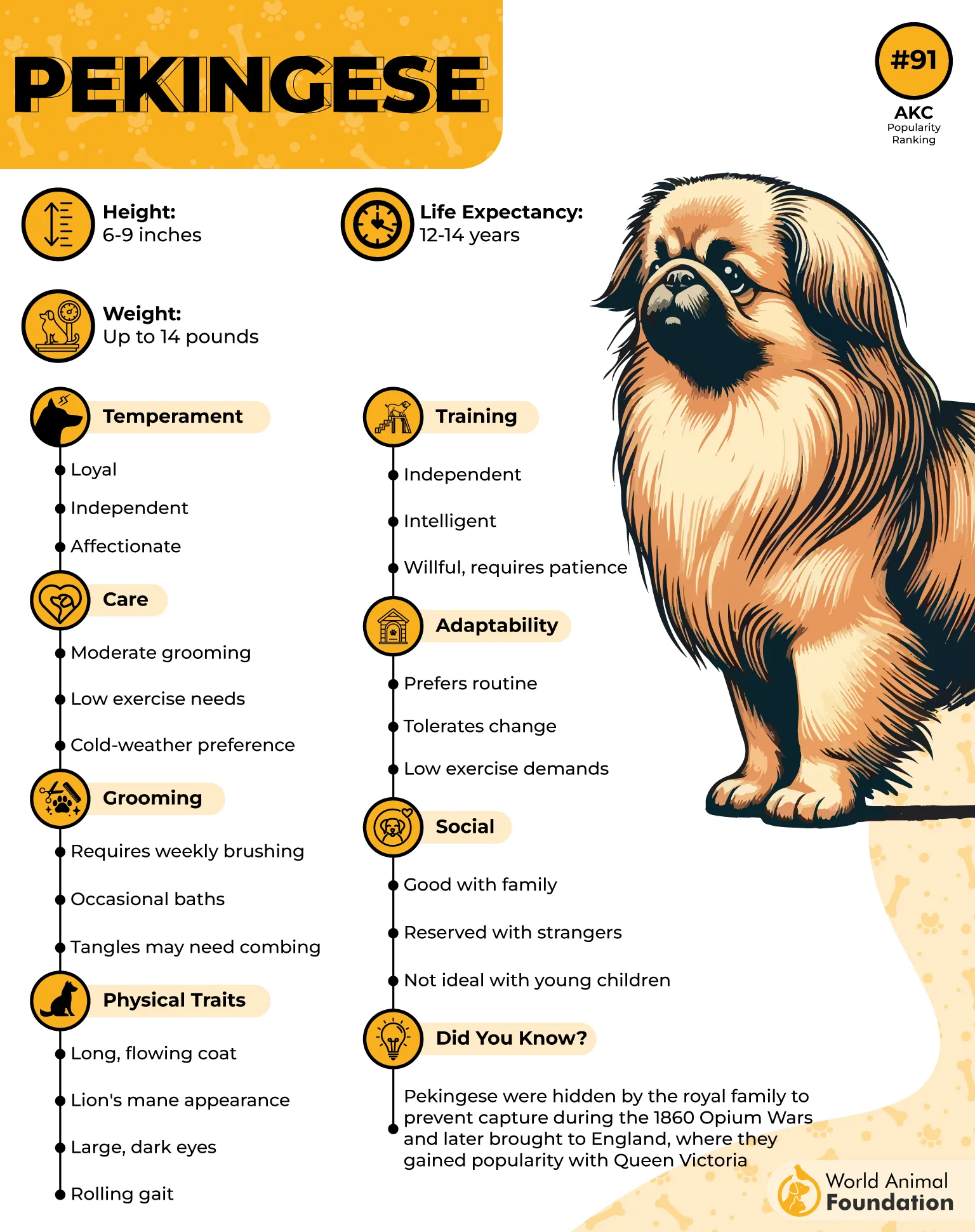
Perhaps it’s that royal ancestry that gives the Pekingese its famously self-important attitude. These dogs strut around with confidence, exuding an air of entitlement as if the world exists to serve them. They expect admiration, not commands, and they’re quick to remind you if they don’t receive it.
Training a Pekingese can test any owner’s patience. Intelligent but willful, they prefer to think for themselves and often decide which rules actually apply. If not convinced that following an order benefits them, they’ll simply ignore it, leaving owners both amused and exasperated.
Despite their pompous charm, Pekingese dogs are affectionate with family but distinctly aloof toward strangers. Their loud, persistent bark makes them excellent watchdogs, though sometimes a bit too eager to announce their authority.
Fun fact: The Pekingese was once considered sacred, and stealing one in ancient China was punishable by death.
7. Cane Corso
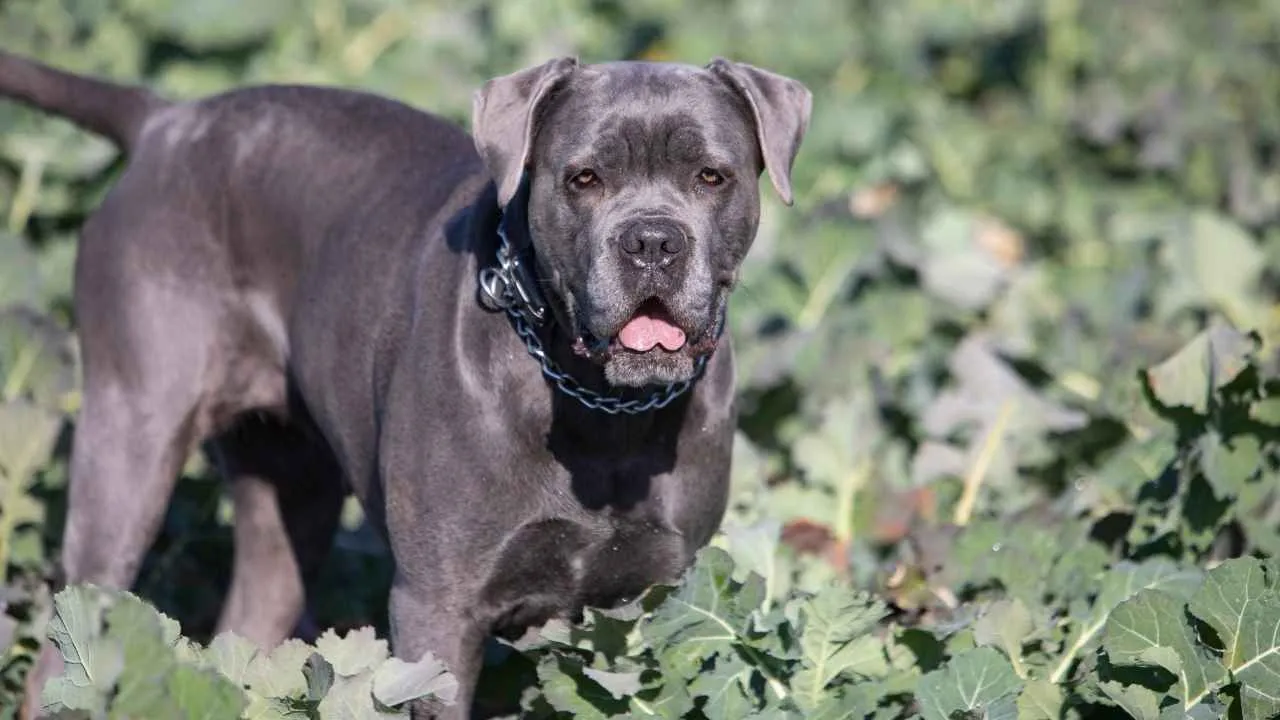
Also known as the Italian Mastiff, the Cane Corso is a strikingly muscular and powerful breed with roots tracing back to ancient Rome.
Originally bred for guarding property and hunting large game, this dog’s very name translates to “bodyguard dog.” With their massive frame, commanding presence, and intense loyalty, Cani Corsi are as intimidating as they are intelligent.
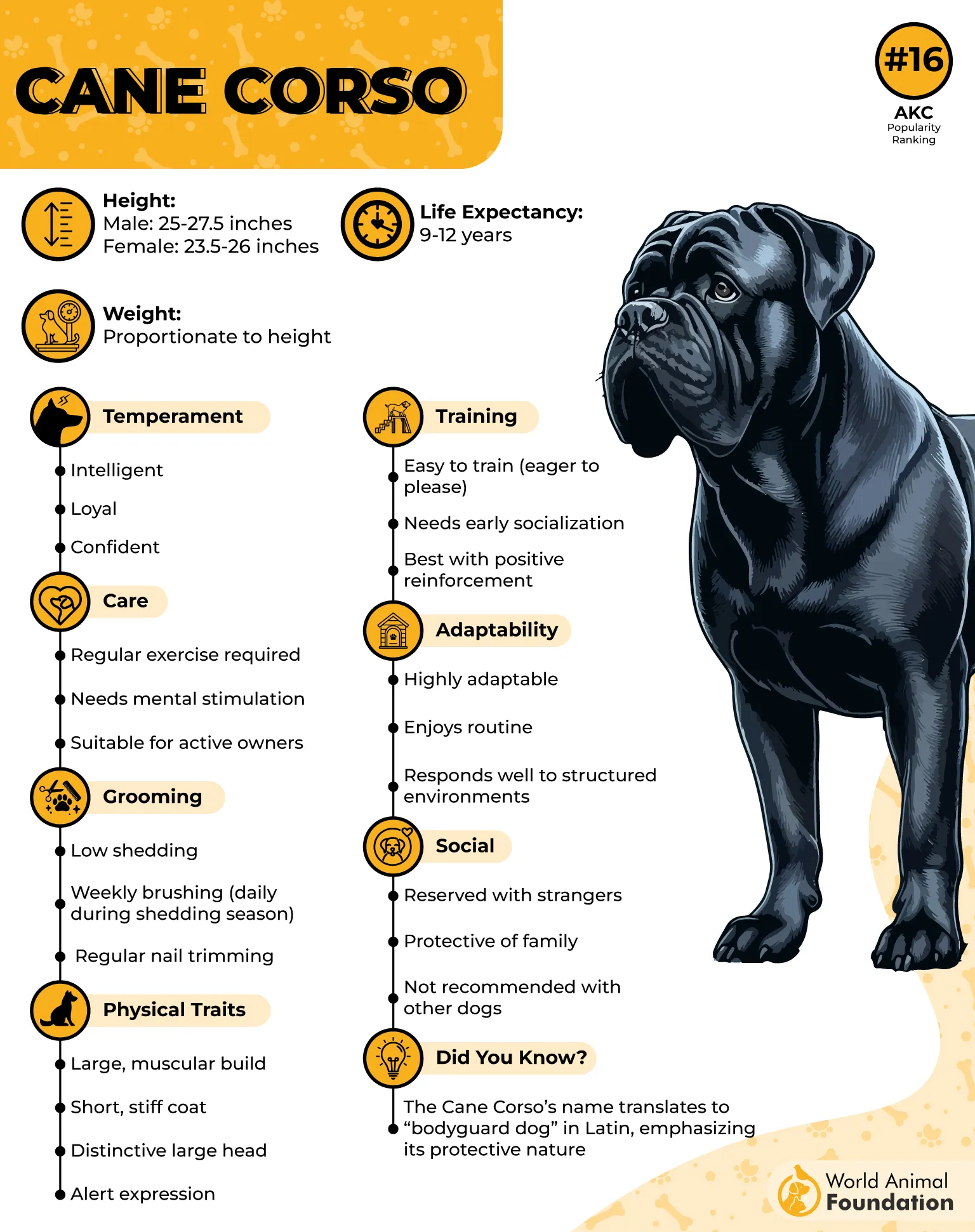
Their protective instincts often make them appear rude or standoffish to strangers. Without early and consistent training, a Cane Corso can easily dominate the household, deciding who’s allowed near its people or territory.
This strong-willed nature requires firm guidance from an owner who can earn and keep their respect.
When not properly socialized, the breed’s territorial streak can become a challenge. These vicious guard dogs may react aggressively to unfamiliar dogs or people, misreading situations as threats. This isn’t out of malice but a deep-rooted drive to defend.
Despite their intimidating demeanor, Cane Corsos can be loving, loyal companions when raised with structure and affection.
Conclusion
Even the meanest dog breeds or the most aggressive dogs are not born bad—they often become misunderstood due to poor training and socialization or lack of mental and physical stimulation. From pit bulls and bully breeds to German Shepherds, wolf hybrids, and Siberian Huskies, many so-called dangerous dogs were once bred as working dogs, hunting dogs, or sled dogs, valued for their intelligence, loyalty, and strength. However, when their instincts are neglected, they can easily feel threatened or develop unruly behavior.
For experienced dog owners, consistent structure and early guidance from a young age are essential—especially for large dog breeds with high bite force or even small dog breeds prone to small dog syndrome, like the Toy Poodle or Cocker Spaniel. Strong dogs and family dogs alike need proper outlets for mental stimulation to prevent aggression. With over a million dog bites and countless incidents reported annually, responsible ownership ensures children play safely and no attack dog instincts emerge.
