




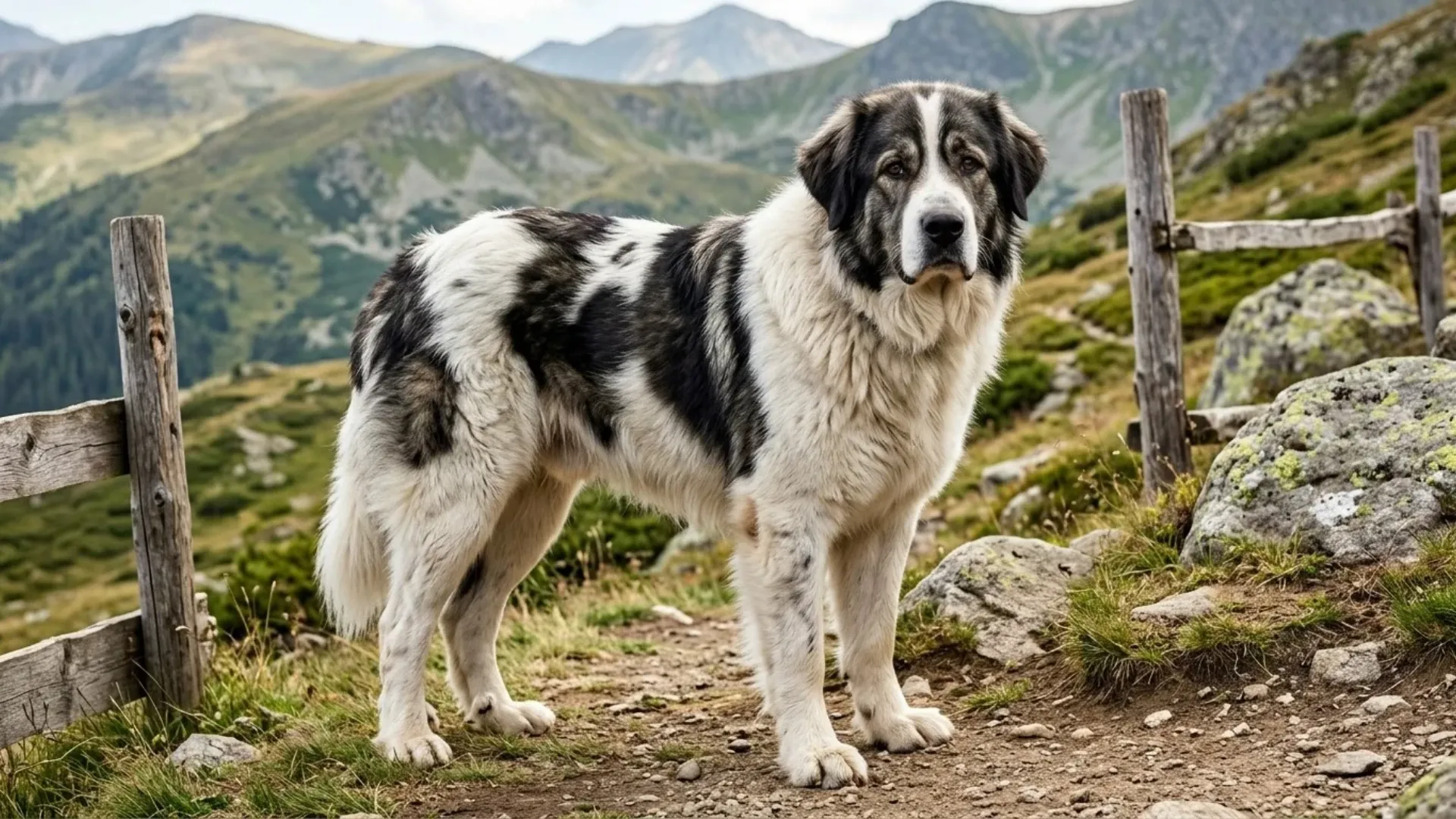
Some dogs thrive on soft beds and leisurely walks, while others are built for demanding work and challenging conditions. Developed over generations for tasks such as herding livestock, guarding property, and pulling sleds, resilient breeds often possess impressive stamina, strength, and adaptability.
However, a tough constitution does not mean a dog needs little care. These hardworking companions still require appropriate exercise, consistent training, mental stimulation, and attention to their individual health needs.
Discover ten resilient dog breeds and explore the remarkable qualities that help them face challenges while finding out what it takes to keep these determined companions thriving.
Top Most Resilient Dog Breeds That Will Outlast Any Challenge
1. Alaskan Malamute
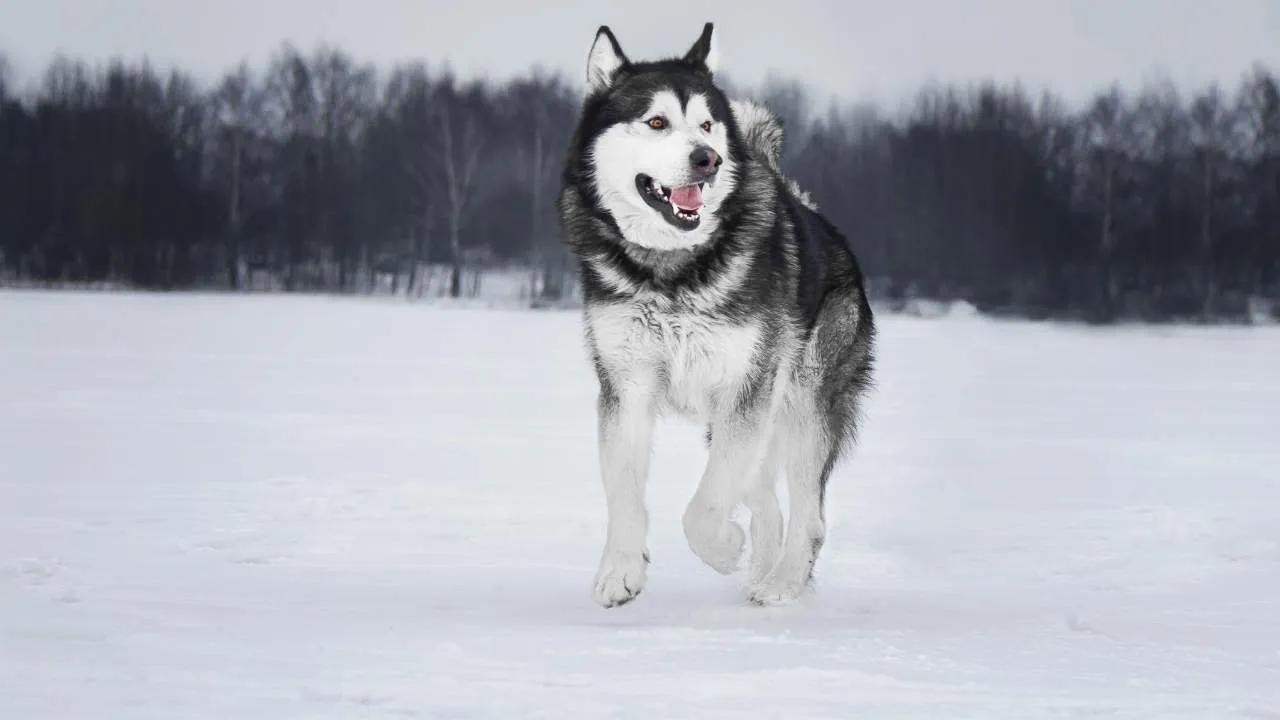
Built for demanding work in freezing wilderness, the Alaskan Malamute is a powerful sled dog renowned for its stamina and determination. Developed by the Mahlemut people of northwestern Alaska, this breed helped haul supplies and navigate harsh Arctic terrain.
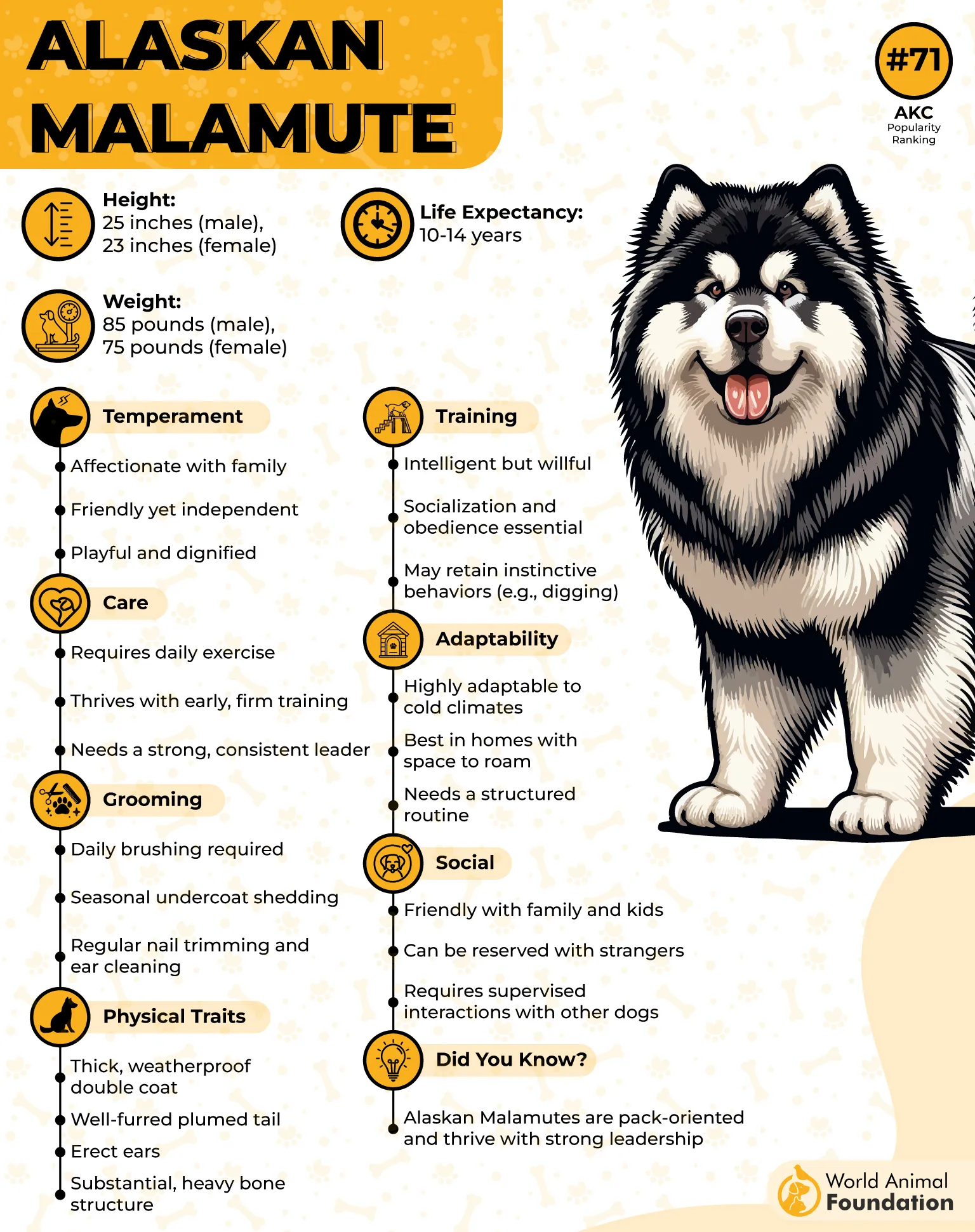
Its muscular frame provides impressive pulling power, while a dense double coat shields it from severe cold. Thick fur between its paw pads offers additional protection on snowy ground, and its weather-resistant outer coat helps repel moisture and dirt during outdoor adventures.
Beyond physical strength, Malamutes possess remarkable endurance and a cooperative pack mentality. Their independent, resourceful nature reflects generations of working in challenging environments, although they still need proper care, training, and access to adequate food and water.
How This Breed Stands Out
Heavy-load hauling strength: Its sturdy build and powerful muscles enable it to pull substantial loads across difficult terrain.
Arctic expedition endurance: Its insulating coat and sustained stamina make it well suited to prolonged activity in freezing conditions.
2. Siberian Husky
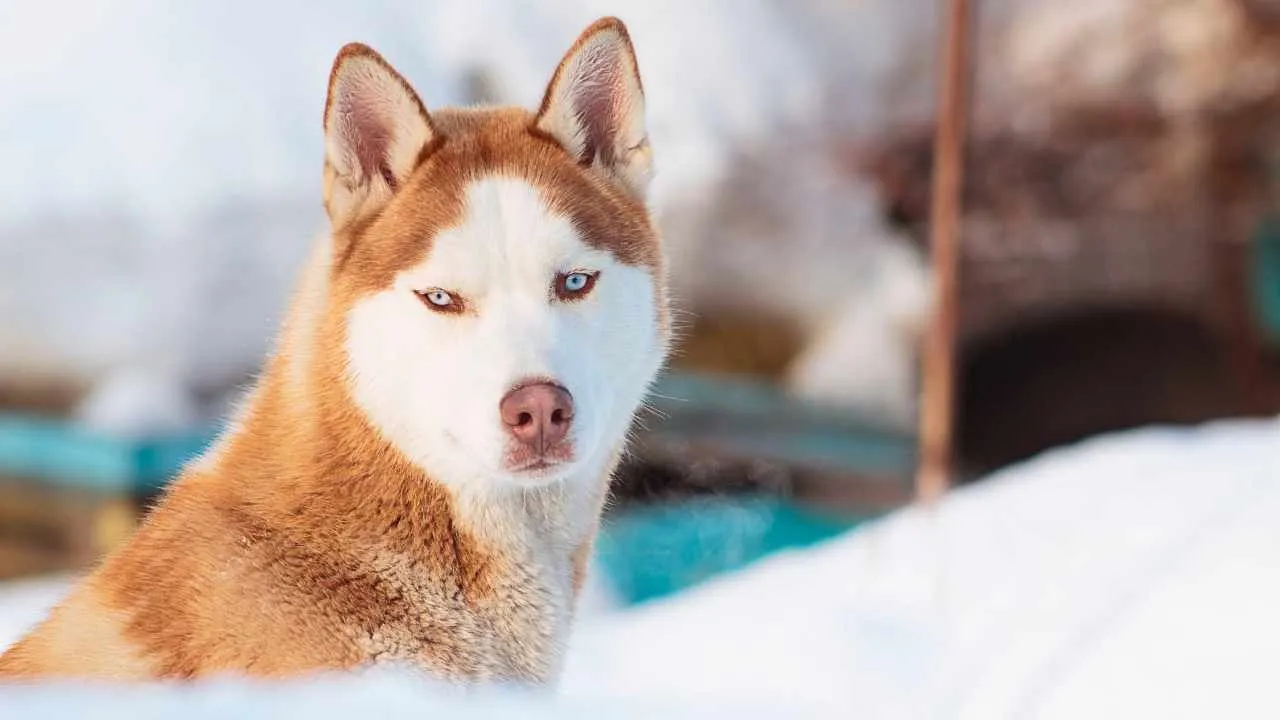
Developed by the Chukchi people of Siberia thousands of years ago, the Siberian Husky was bred to transport supplies across vast, frozen landscapes. Its combination of speed, agility, and stamina makes it particularly suited to demanding journeys through snow and ice.
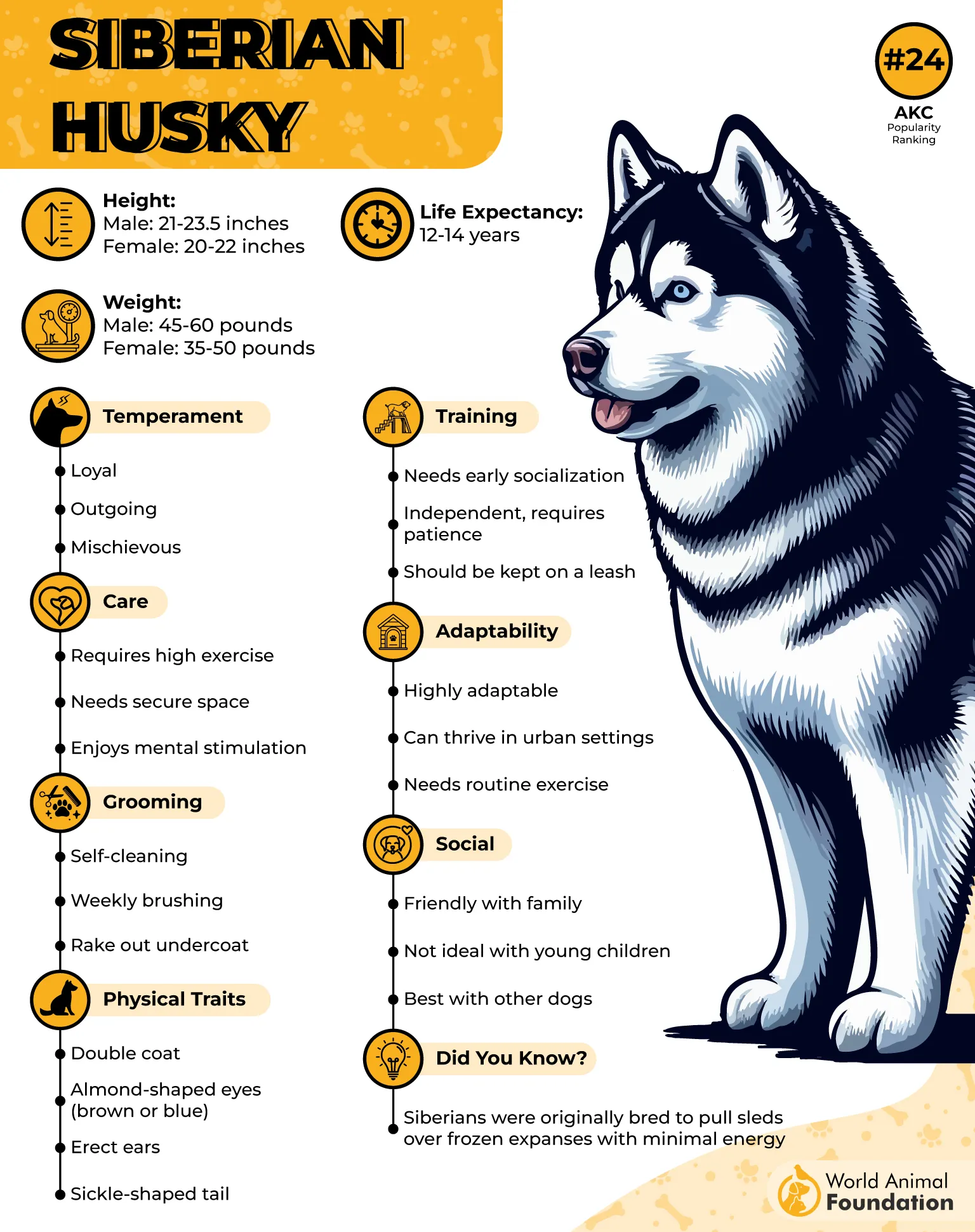
A dense double coat helps this breed retain body heat in freezing weather. Its lean, muscular build supports efficient movement, while specialized blood circulation in the paws helps limit heat loss on cold surfaces.
Huskies are sociable, loyal dogs that thrive on companionship and regular exercise, and resilient dogs like them tend to stay composed under pressure rather than panic easily. Their ability to sustain effort over long distances, including challenging sled races, demonstrates their impressive physical resilience.
Siberian Huskies typically live about 12 to 16 years and are generally healthy. They still require careful conditioning, hydration, and appropriate rest during strenuous activity.
How This Breed Stands Out
Efficient long-distance sled running: Its lightweight, athletic frame helps maintain a steady pace across snowy terrain.
Remarkable cold-weather stamina: Its insulating double coat and cold-adapted paws support prolonged activity in freezing environments.
3. Australian Cattle Dog
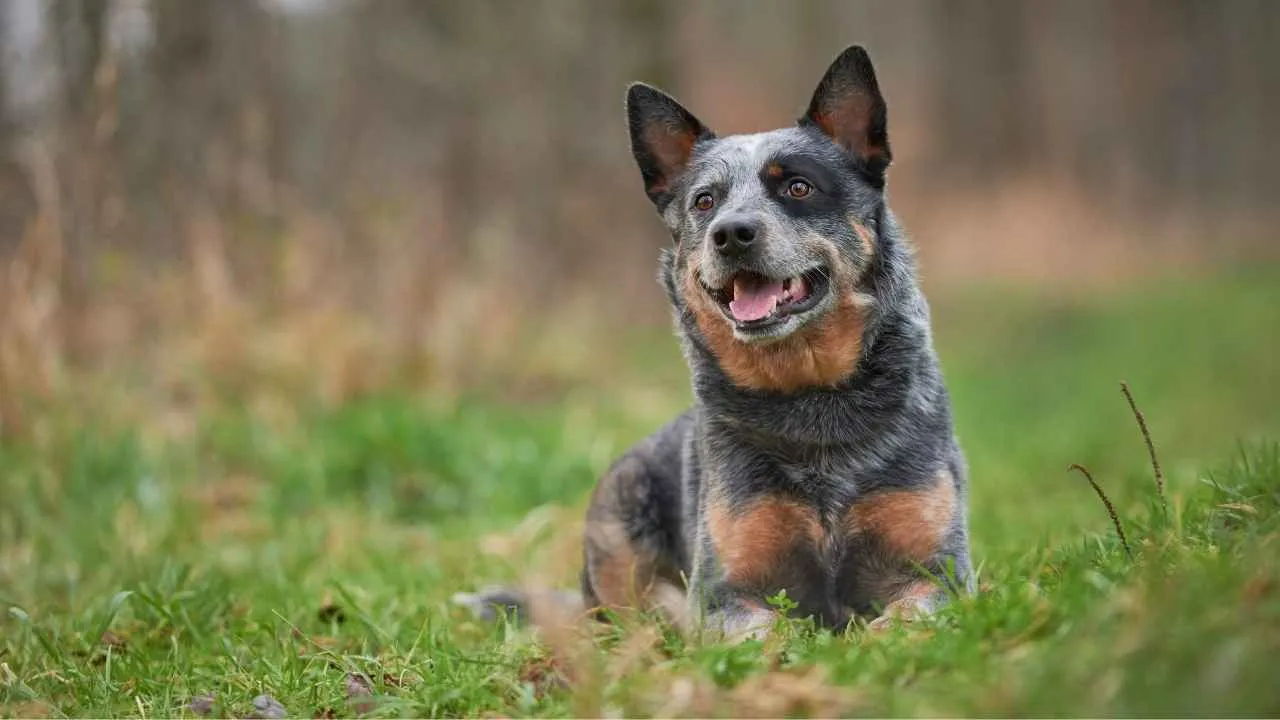
Australian Cattle Dogs, often called Blue Heelers or Red Heelers, were developed to drive livestock across Australia’s demanding outback. Their breeding combined several herding and working dogs with the Dingo, producing a sturdy, intelligent breed capable of handling harsh conditions and exhausting tasks.
According to PDSA, Australian Cattle Dogs are highly energetic and intelligent, requiring more than two hours of daily exercise along with plenty of physical activities and mental challenges to stay stimulated.
Australian Cattle Dogs are determined workers with sharp reflexes and impressive stamina. Their ability to react quickly around livestock helps them handle physically demanding tasks across challenging terrain.
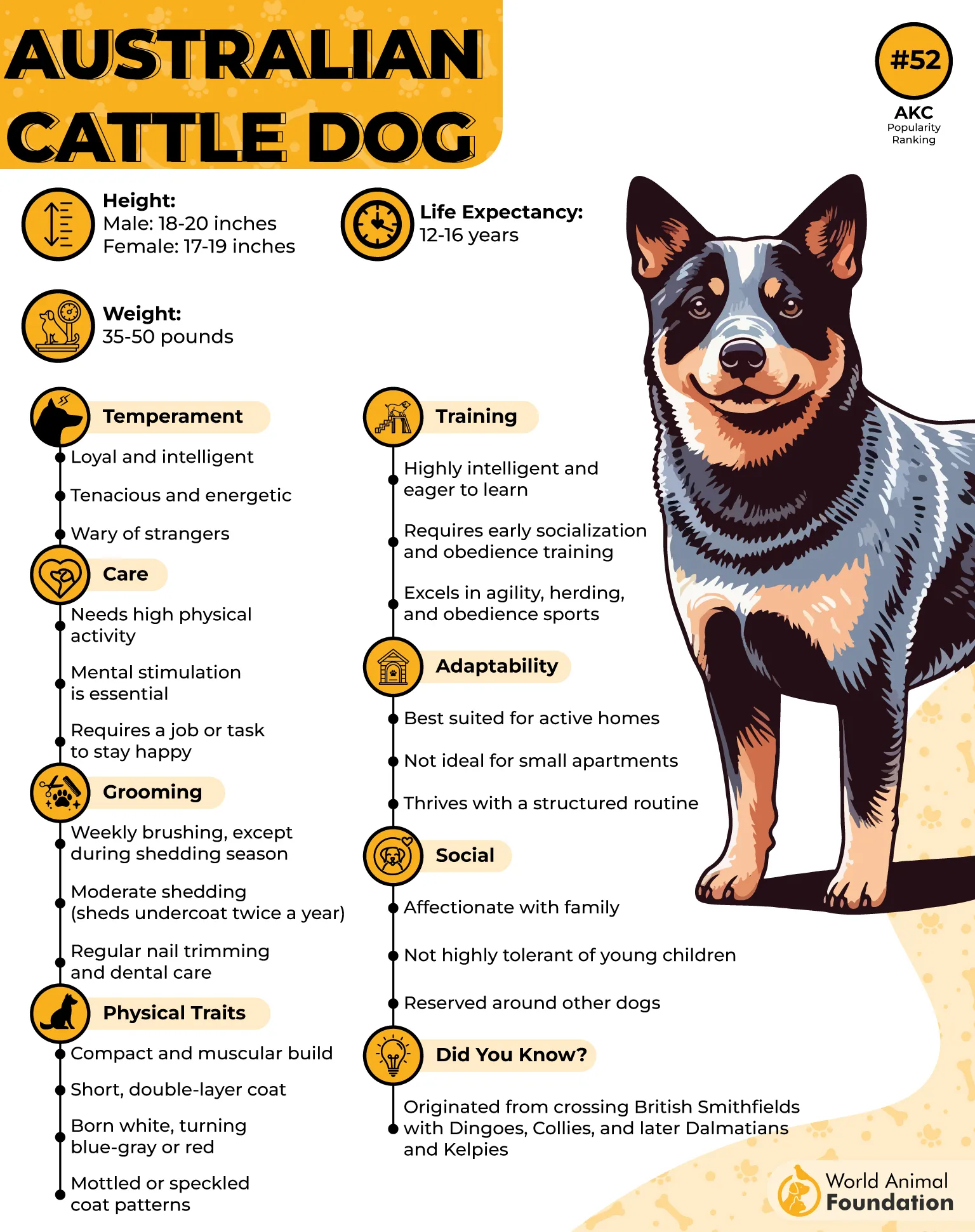
These muscular dogs possess remarkable stamina, determination, and problem-solving skills. Their history of traveling alongside drovers over long distances reflects their endurance, while their quick reflexes help them avoid cattle kicks during herding.
They can reach speeds of 30 mph, making them exceptionally quick on the move.
How This Breed Stands Out
Tireless energy for demanding work: Their exceptional stamina allows them to work for extended periods, making them well suited to strenuous livestock driving and other physically challenging activities.
Agile movement across rugged ground: Strong legs, quick reactions, and nimble movements help them navigate uneven terrain and maneuver swiftly around livestock.
4. Tibetan Mastiff
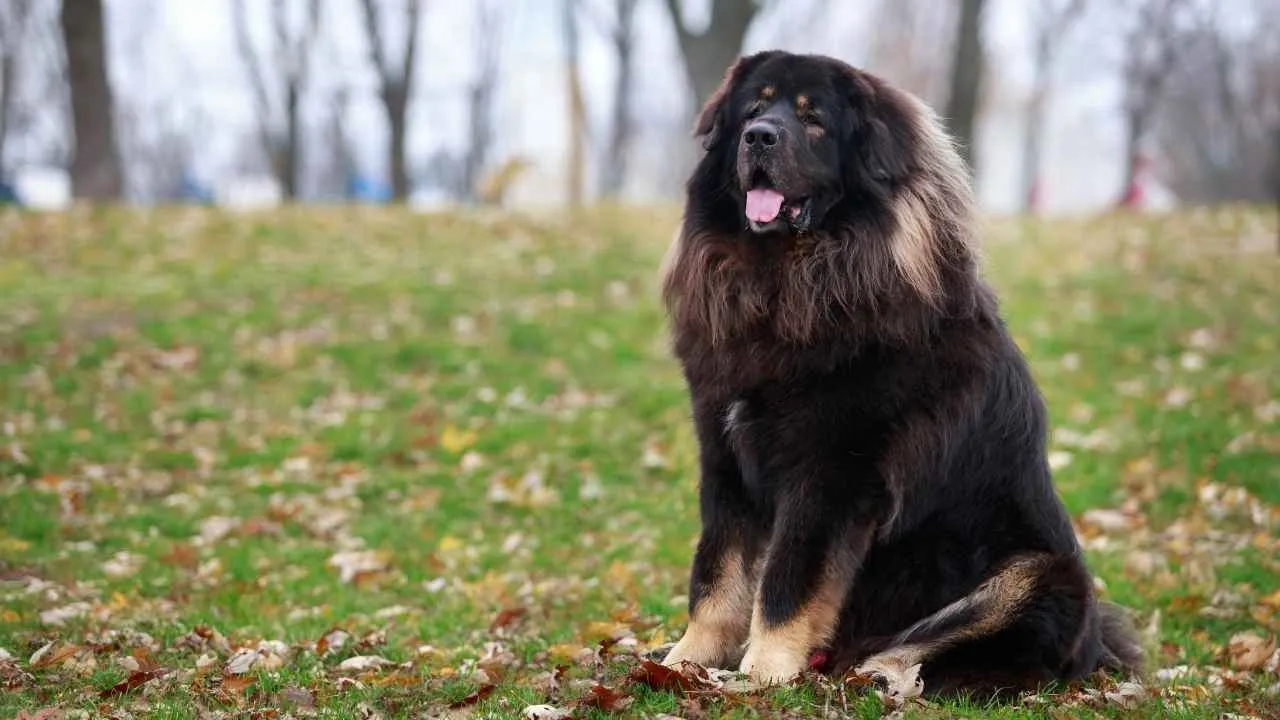
The Tibetan Mastiff developed in the Himalayan region, where its imposing build and protective instincts made it a valuable livestock guardian. Its history in remote, mountainous terrain shaped a breed capable of handling freezing weather and demanding high-altitude conditions.
According to PetMD, Tibetan Mastiffs have a thick double coat made up of a coarse outer layer and a soft, woolly undercoat that provides insulation.
Tibetan Mastiffs possess remarkable independence and a strong protective instinct developed through centuries of livestock guarding. Their ability to withstand freezing mountain conditions reflects their adaptation to life at high elevations.
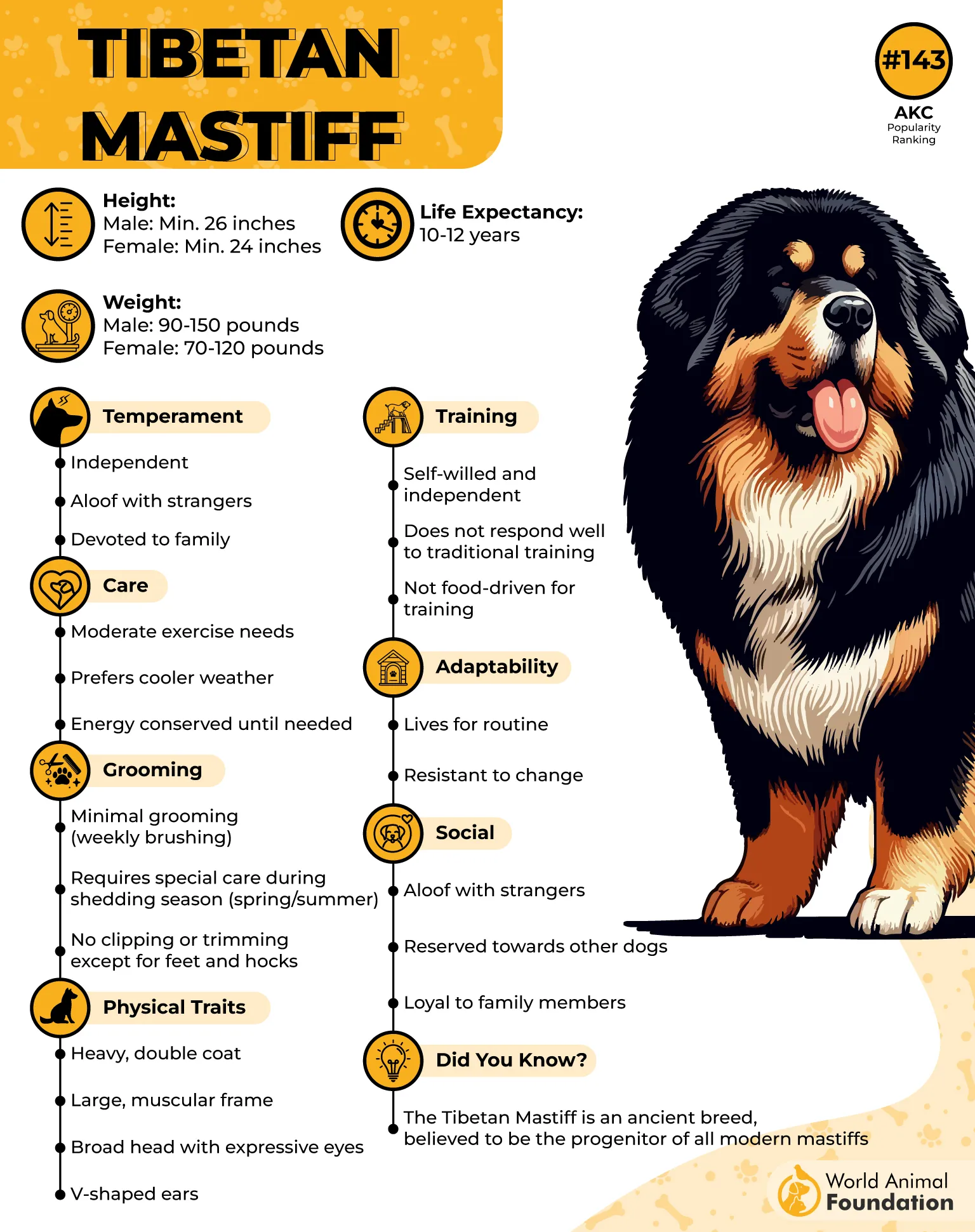
Beneath its lion-like appearance lies a powerful, independent dog with a strong guarding instinct. Tibetan Mastiffs can survive in environments where temperatures plunge well below freezing, thanks to their dense double coat.
Their natural watchfulness and ability to navigate snowy landscapes also suit their traditional role protecting livestock from predators.
How This Breed Stands Out
Adaptation to harsh Himalayan conditions: Accustomed to life at high elevations, this breed is equipped to handle thin air, snowy terrain, and severe cold while guarding livestock across rugged landscapes.
Thick mane and insulating coat: Its heavy double coat and distinctive neck ruff provide insulation against icy winds and freezing temperatures, helping protect the dog in harsh mountain weather.
5. Caucasian Shepherd

The Caucasian Shepherd, also called the Caucasian Ovcharka, originated in the Caucasus region, where it protected livestock against wolves and other predators. Its history in mountainous territories shaped a formidable guardian with the physical strength and toughness needed for demanding outdoor conditions.
Caucasian Shepherds are formidable guardians with strong territorial instincts and substantial physical strength. Their sturdy paws and heavy coats help them manage demanding outdoor conditions and icy landscapes.
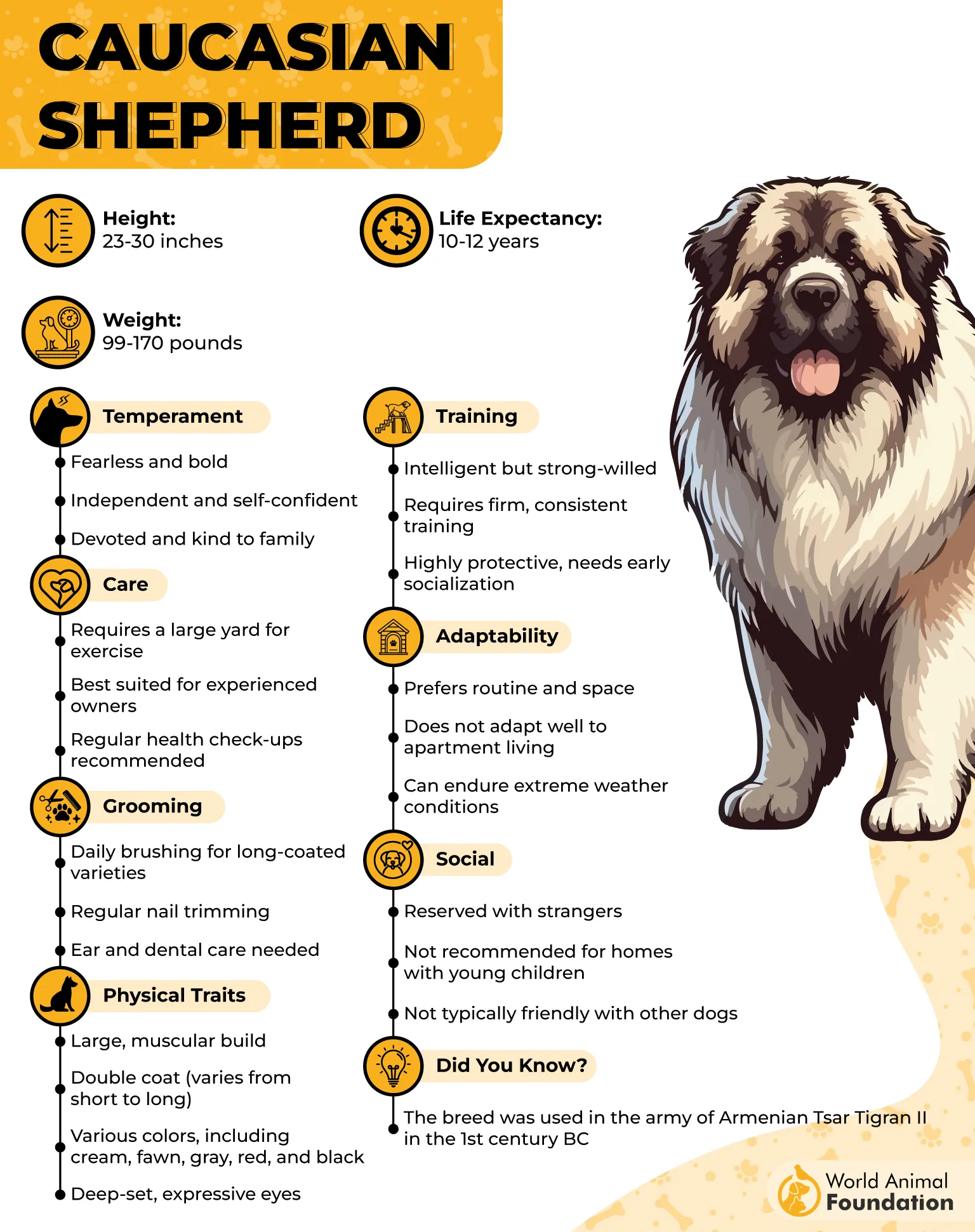
Broad-bodied and heavily boned, this breed possesses an imposing presence and a naturally cautious attitude toward unfamiliar people. Its substantial frame supports its traditional guarding duties, while its sturdy paws help it move across icy ground.
Early socialization and consistent training are essential to manage its independent, protective temperament.
How This Breed Stands Out
Powerful build for mountain guarding: Its muscular body and strong bone structure help it defend livestock against formidable predators while enduring physically demanding guarding duties.
Dense coat suited to severe winters: A thick, insulating coat protects it from freezing temperatures and harsh winds, making it well equipped for outdoor life in mountainous regions.
6. Norwegian Elkhound

With a history stretching back thousands of years, the Norwegian Elkhound developed as a rugged hunting companion in Scandinavia. These sturdy dogs tracked large game through dense forests, relying on their sharp noses and persistent barking to alert hunters to their quarry.
Norwegian Elkhounds combine keen scent-tracking abilities with a confident, alert temperament. Their compact, muscular bodies support sustained movement through forests and cold northern environments.
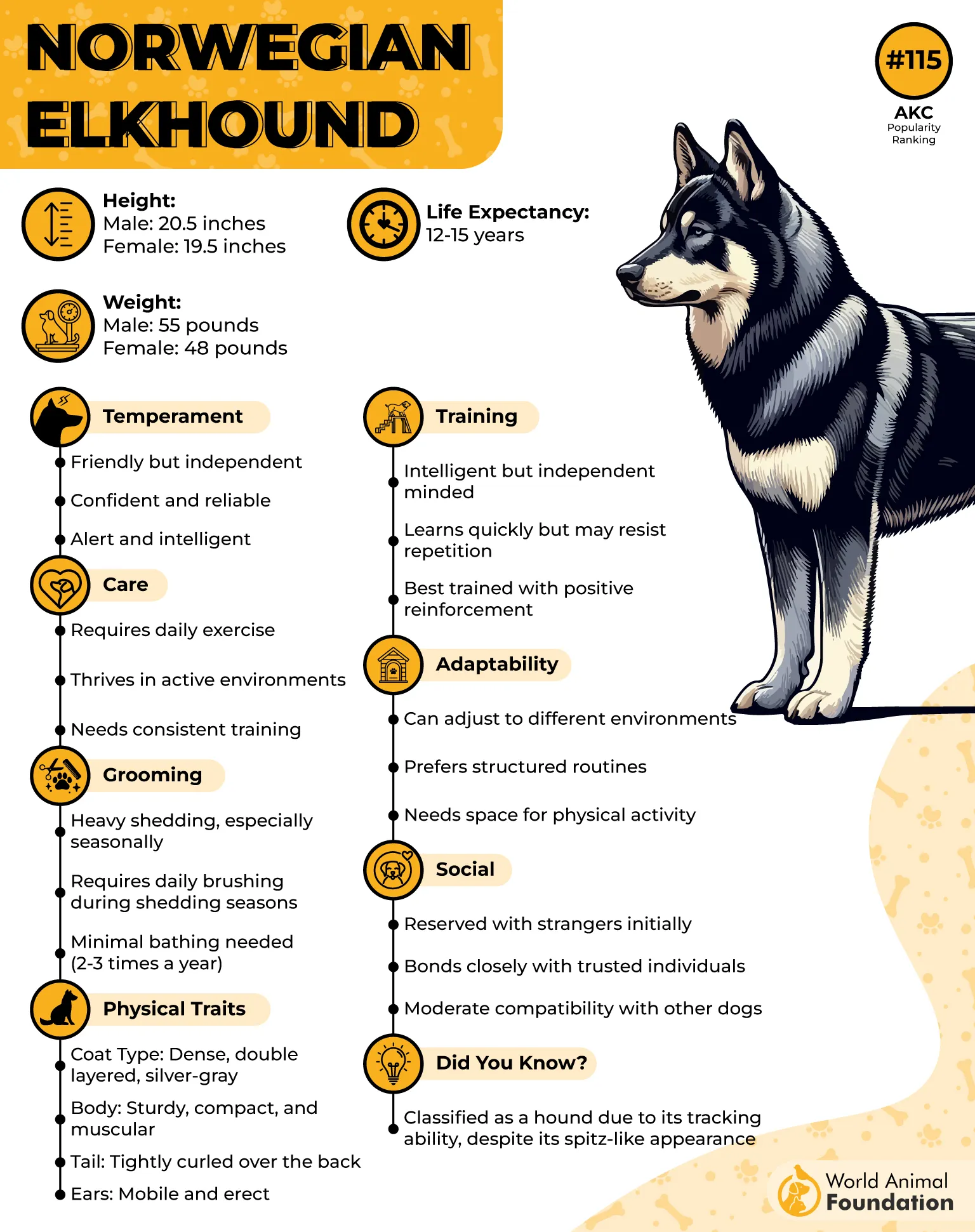
Built for northern climates, Norwegian Elkhounds combine muscular legs, compact bodies, and impressive stamina. Their efficient movement helps them sustain activity without tiring quickly, while their weather-resistant coat sheds mud and ice.
Beyond hunting, their alert nature makes them capable watchdogs, and their intelligence supports a variety of demanding outdoor activities.
How This Breed Stands Out
Stamina for tracking game through forests: Strong muscles and remarkable endurance allow this breed to follow scents across wooded terrain and maintain pursuit over long distances.
Weather-resistant double coat: Its dense outer coat and insulating undercoat protect against cold conditions, helping the dog remain comfortable while navigating snowy trails and rugged landscapes.
7. Central Asian Shepherd
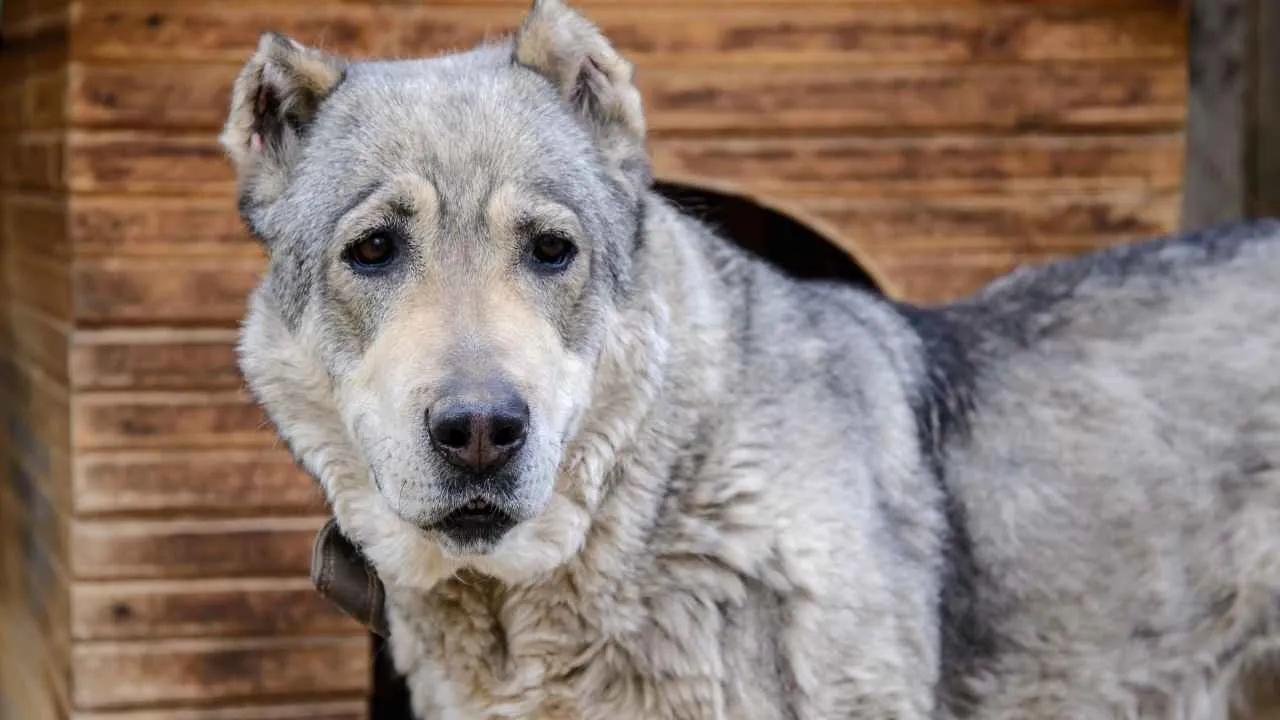
For thousands of years, the Central Asian Shepherd, also known as the Alabai, has guarded livestock across Central Asia’s demanding landscapes. Developed to protect herds from predators, this ancient working breed evolved to withstand extreme weather, rough terrain, and long periods outdoors.
Central Asian Shepherds are self-assured guardians capable of making decisions without constant human direction. Their independent temperament and protective nature developed through generations of defending livestock in remote regions.
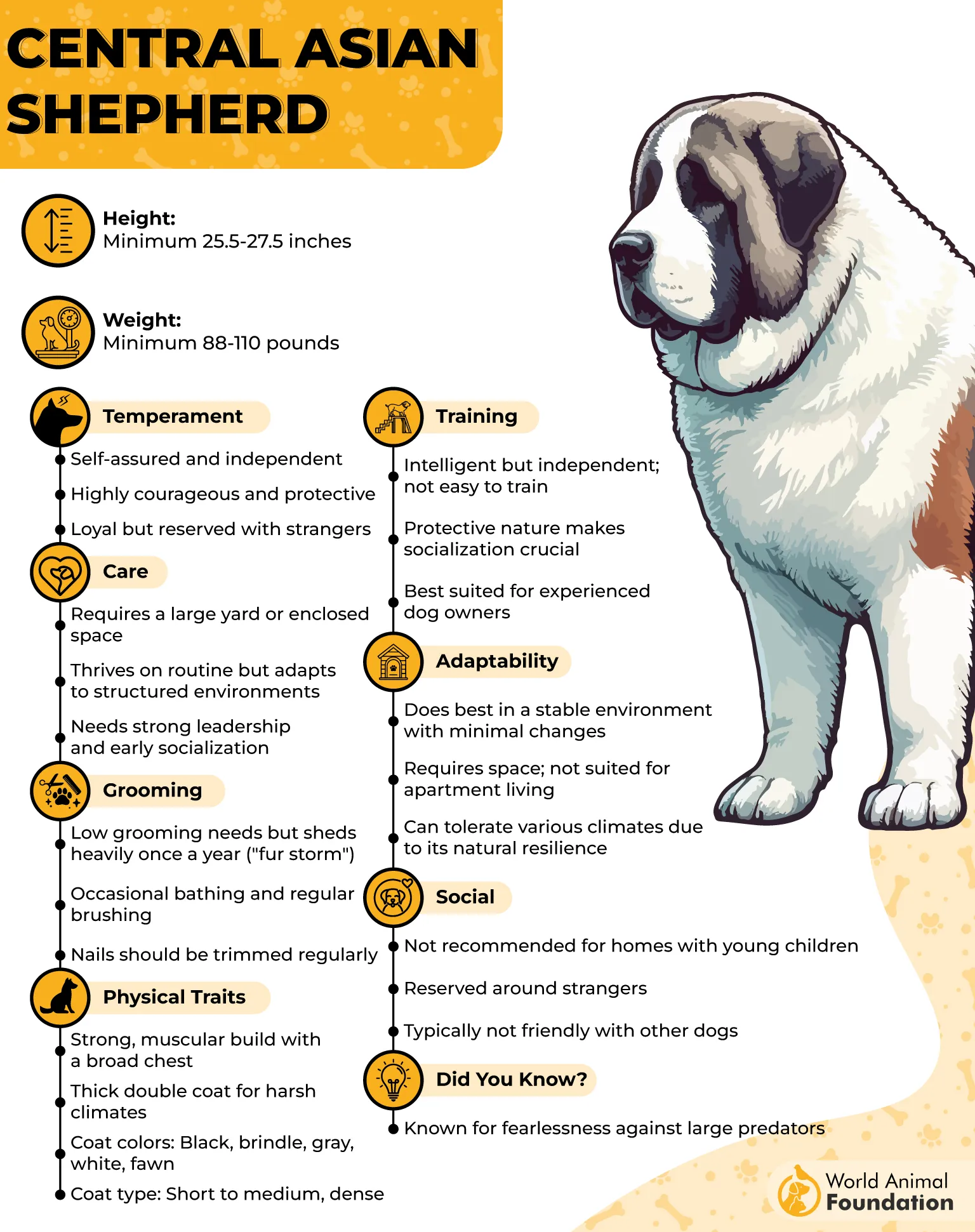
Powerful, confident, and independent, these dogs rely on keen awareness rather than constant direction. Their sturdy frames and protective instincts help them defend livestock in remote regions where human assistance may be limited.
However, their territorial nature and strong-willed temperament require experienced handlers and early socialization.
How This Breed Stands Out
Rugged constitution for harsh environments: A robust body and dense undercoat help the breed cope with challenging climates, from freezing winters to demanding outdoor conditions.
Self-reliant predator-deterrence instincts: Naturally vigilant and courageous, these guardians assess potential threats independently and use their imposing presence to deter predators approaching livestock.
8. Greenland Dog
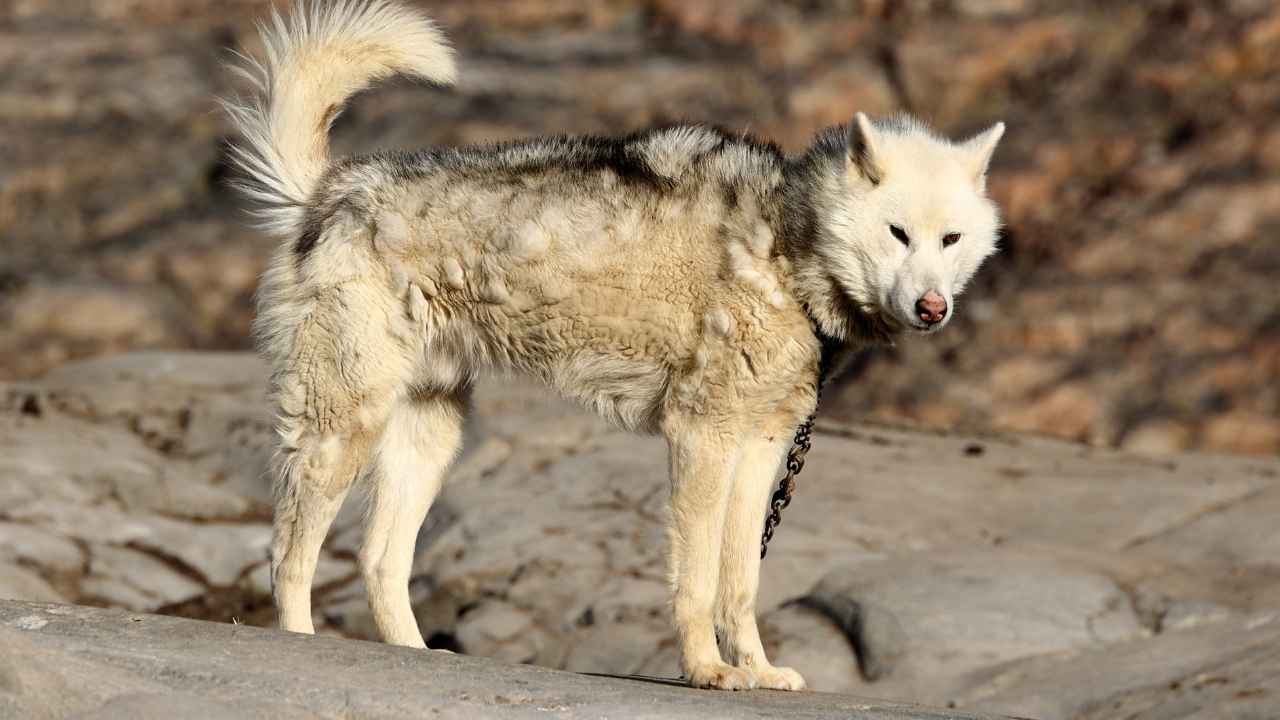
For centuries, the Greenland Dog has worked alongside Inuit communities, helping them hunt across icy landscapes and transport supplies through snow-covered wilderness. Bred for practical ability rather than appearance, this ancient Arctic breed developed the strength and toughness needed for demanding expeditions.
Greenland Dogs are energetic pack animals accustomed to cooperating with other dogs during demanding sled journeys. Their thick fur and powerful limbs help them work across frozen ground in harsh Arctic weather.
Its powerful frame, sturdy legs, and thick coat equip it for prolonged activity in freezing conditions. Accustomed to working in packs, Greenland Dogs can pull heavy loads across long distances while maintaining a steady pace.
Their energetic, independent nature and strong hunting instincts reflect generations of survival in challenging northern environments.
How This Breed Stands Out
Exceptional endurance in Arctic sled work: Generations of pulling sleds across vast frozen expanses have shaped a dog capable of sustaining strenuous work over extended distances in harsh weather.
Strong pulling power over snowy terrain: Its muscular build and robust legs provide the force needed to haul heavy loads across snow and ice, supporting travel through difficult Arctic landscapes.
9. Akita
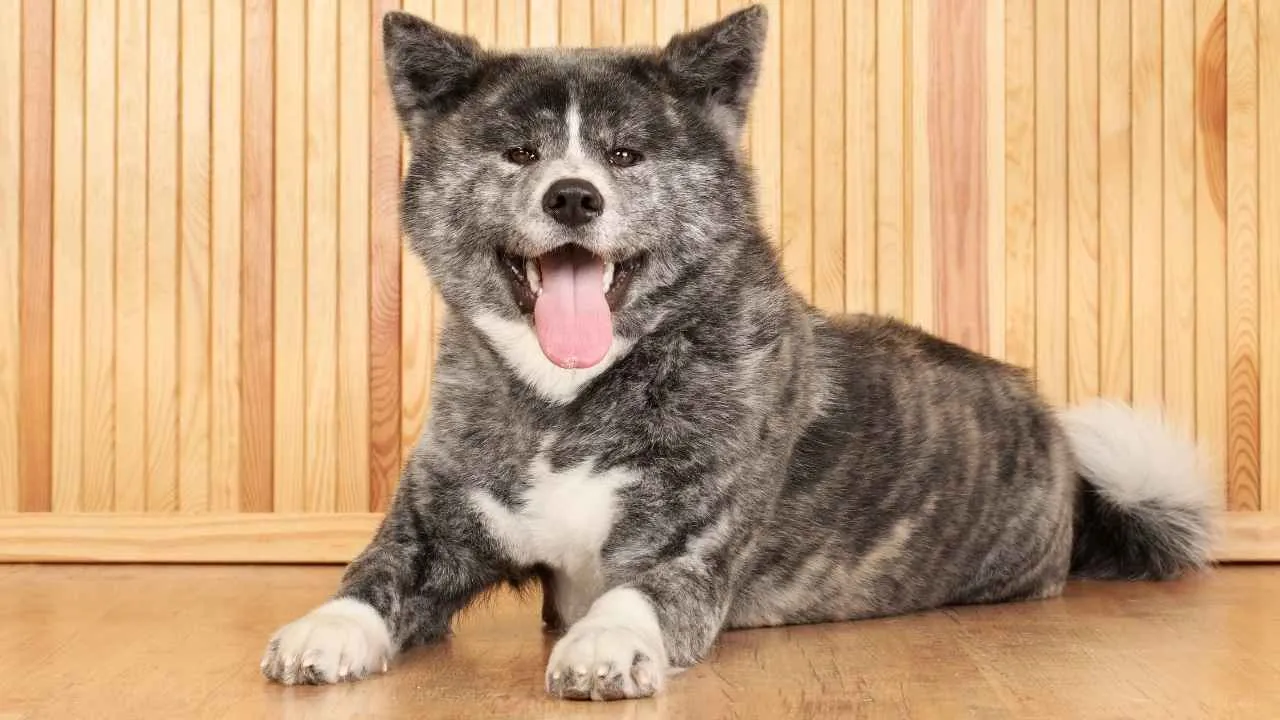
Originating in the mountainous regions of northern Japan, the Akita was developed for demanding hunting work in challenging conditions. Its history in snowy landscapes shaped a powerful working dog with the physical strength and thick coat needed to withstand cold weather.
According to WebMD, these dogs may be a suitable choice for owners seeking a deeply loyal guard dog that can also show affection at times.
Akitas are dignified, strong-willed dogs known for their devotion to familiar people. Their muscular bodies and protective instincts reflect their history as working dogs in Japan’s mountainous regions.
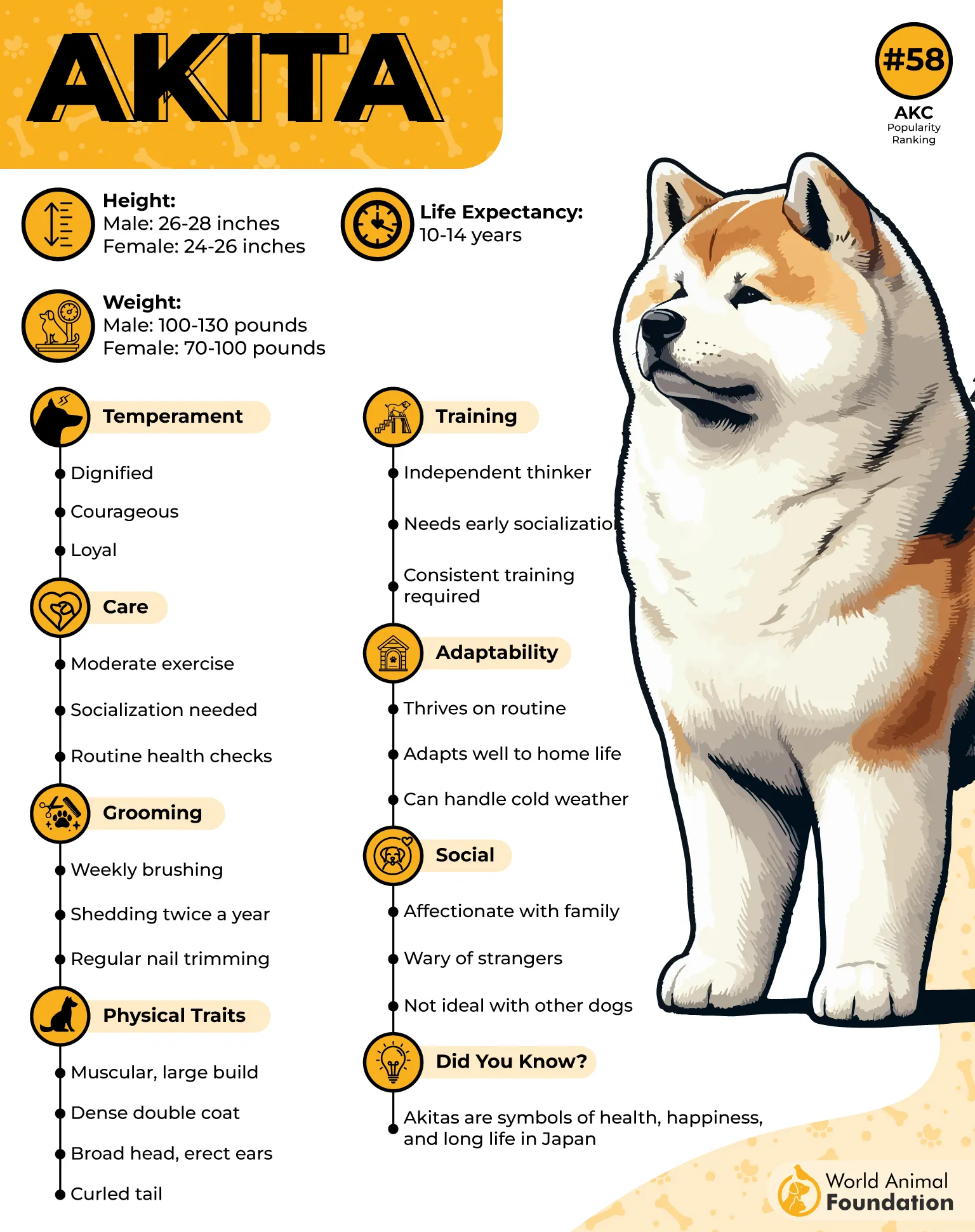
Broad-headed and muscular, the Akita has a sturdy frame, erect ears, and a distinctive curled tail. Its dense double coat provides insulation during winter, while its confident, independent nature reflects its working heritage
Although strong and capable, this breed needs consistent training and early socialization to manage its protective instincts.
How This Breed Stands Out
Resilience in cold, snowy regions: Accustomed to Japan’s colder mountain climates, the Akita enjoys snowy conditions and can handle winter activities better than prolonged exposure to hot weather.
Sturdy frame and dense double coat: Its muscular build supports physically demanding activities, while a thick undercoat and protective outer coat help shield it from chilly winds and freezing temperatures.
10. Anatolian Shepherd
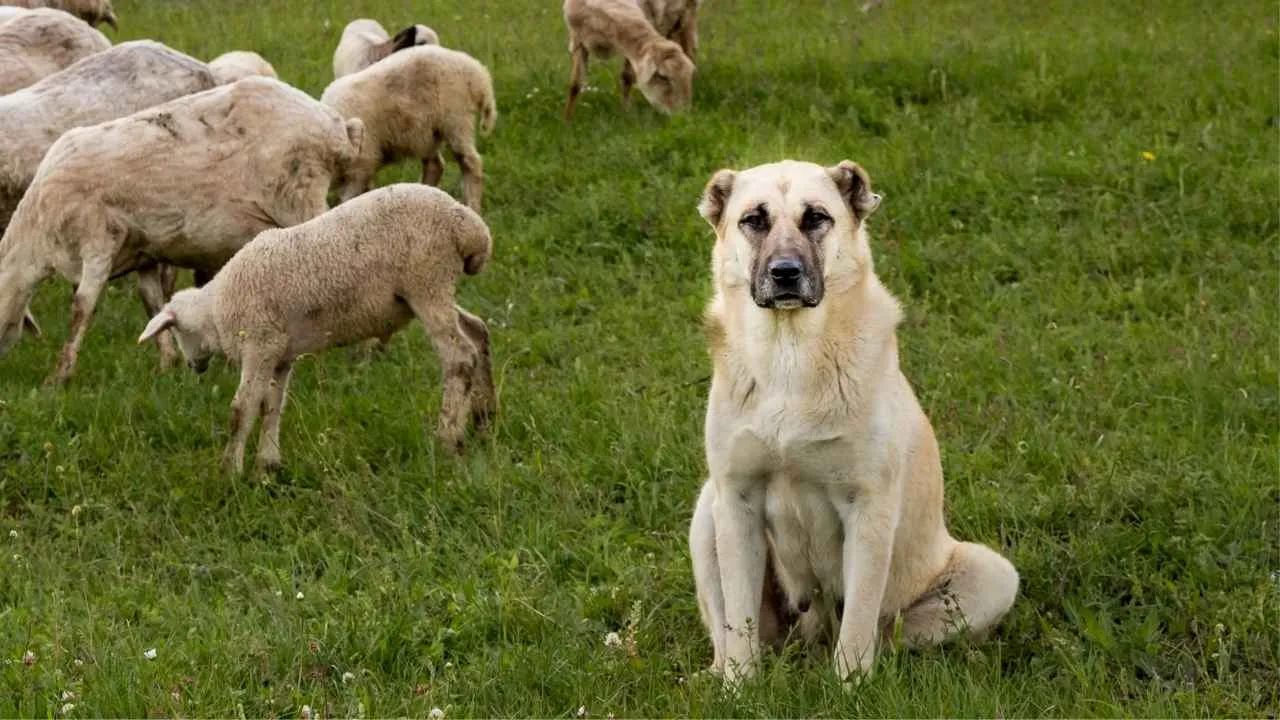
Developed in Türkiye to protect livestock from formidable predators, the Anatolian Shepherd is a rugged guardian shaped by centuries of life in demanding landscapes. Its long legs and athletic physique allow it to patrol expansive territories while conserving energy during quiet periods of watchfulness.
Anatolian Shepherds are observant guardians that can remain watchful for extended periods without wasting energy. Their ability to assess threats independently makes them particularly suited to protecting livestock across expansive territories.
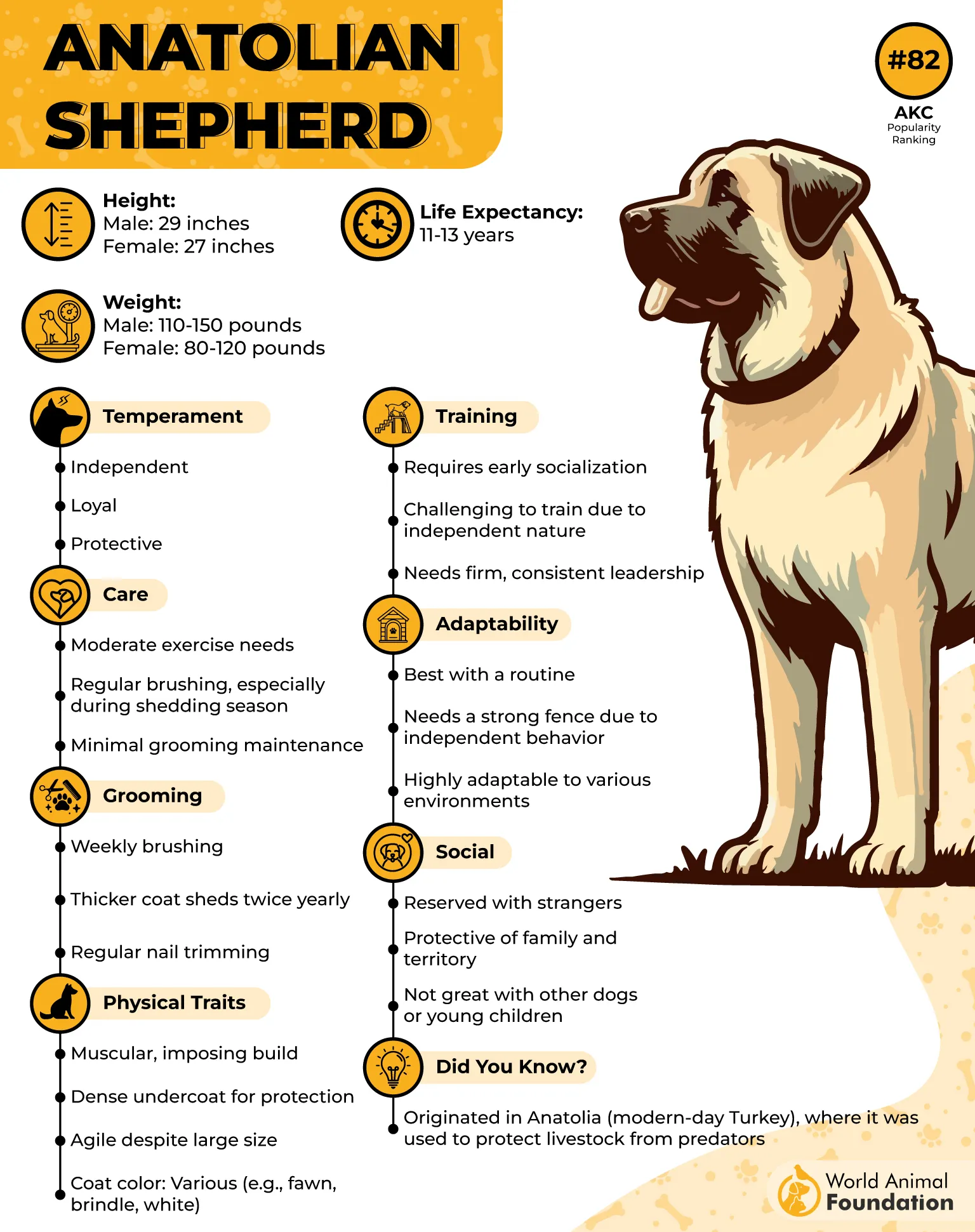
Unlike dogs that depend on constant direction, this breed uses independent judgment to assess potential threats. Its powerful jaws and loose skin around the neck provide advantages when confronting predators, while its resourcefulness helps it manage challenging conditions with limited resources.
A strong protective instinct and natural self-reliance define its working heritage.
How This Breed Stands Out
Endurance across vast, open terrain: Long legs and efficient energy use help the Anatolian Shepherd patrol large areas for extended periods, from rugged countryside to exposed, open landscapes.
Independent livestock-guardian instincts: Naturally vigilant and decisive, this breed can assess danger and respond to approaching predators without needing continuous instructions from its handler.
Conclusion
Resilience takes many forms among these remarkable dog breeds, from the Alaskan Malamute’s heavy-load hauling strength to the Siberian Husky’s efficient long-distance sled running. Both demonstrate exceptional endurance in freezing Arctic conditions.
The Anatolian Shepherd and Australian Cattle Dog excel in demanding work, combining independent guarding instincts with tireless energy and agility. Tibetan Mastiffs and Caucasian Shepherds withstand severe mountain climates with powerful builds and insulating coats.
Norwegian Elkhounds track game through forests, while Central Asian Shepherds thrive in rugged environments and deter predators. Greenland Dogs demonstrate extraordinary pulling power across snowy terrain, supported by generations of Arctic sled work.
Akitas bring strength and cold-weather resilience, with sturdy frames and dense double coats suited to snowy regions. Across these breeds, endurance, adaptability, and determination reflect the qualities that have enabled working dogs to overcome challenging environments.
