




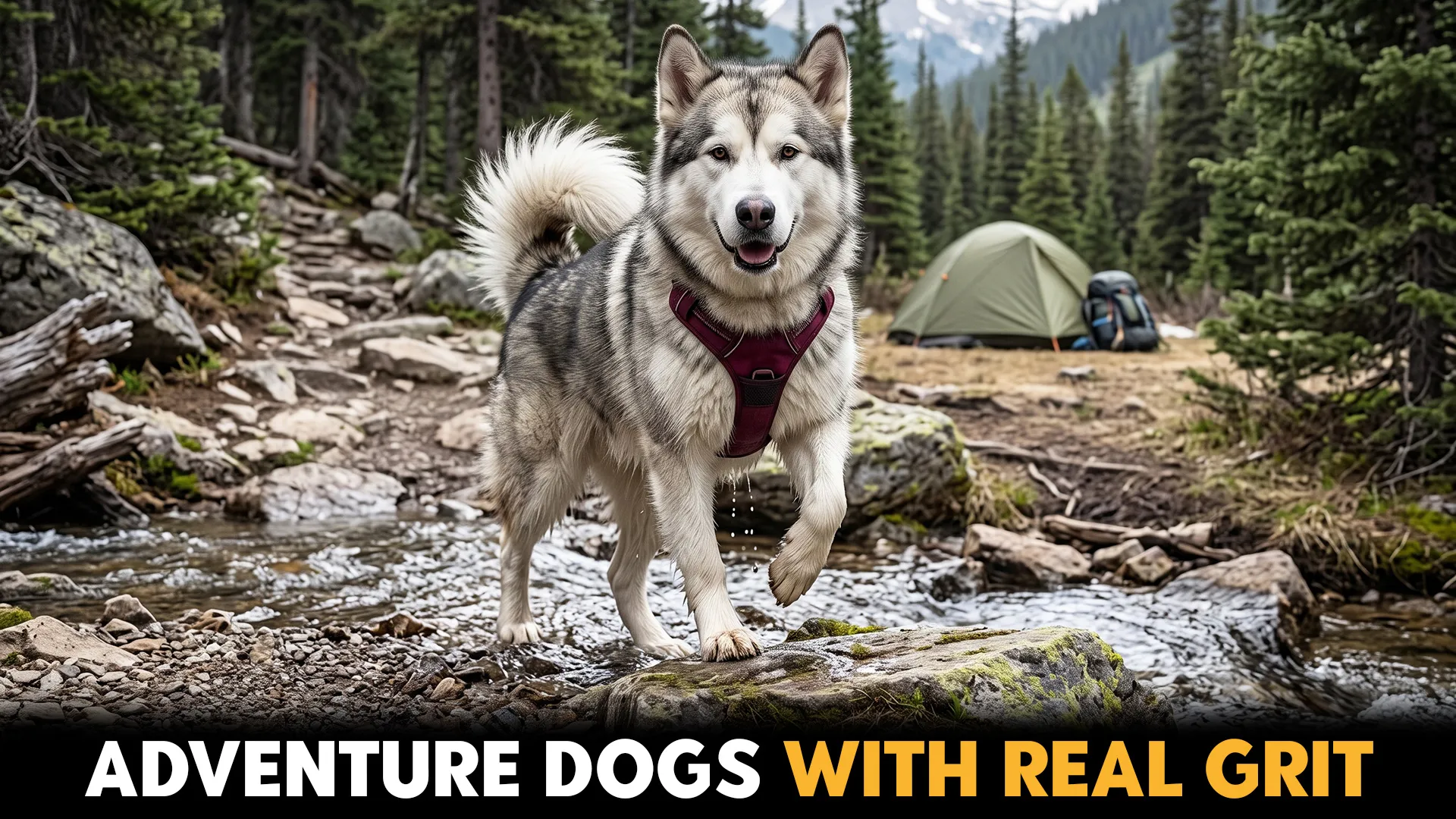
From rugged mountain paths to chilly forests and winding wilderness trails, outdoor adventures demand a canine companion with stamina and confidence. Certain breeds developed for demanding working roles possess physical traits and instincts that help them tackle challenging environments alongside their humans.
However, resilience varies between individual dogs, and even hardy breeds need appropriate conditioning, training, hydration, and protection from extreme weather. Choosing a companion also means considering its temperament, coat, and exercise requirements.
Discover nine resilient dog breeds that may be ideal partners for hiking, camping, and exploring the great outdoors.
Top Most Resilient Dog Breeds for Adventure and Survival
1. Doberman Pinscher
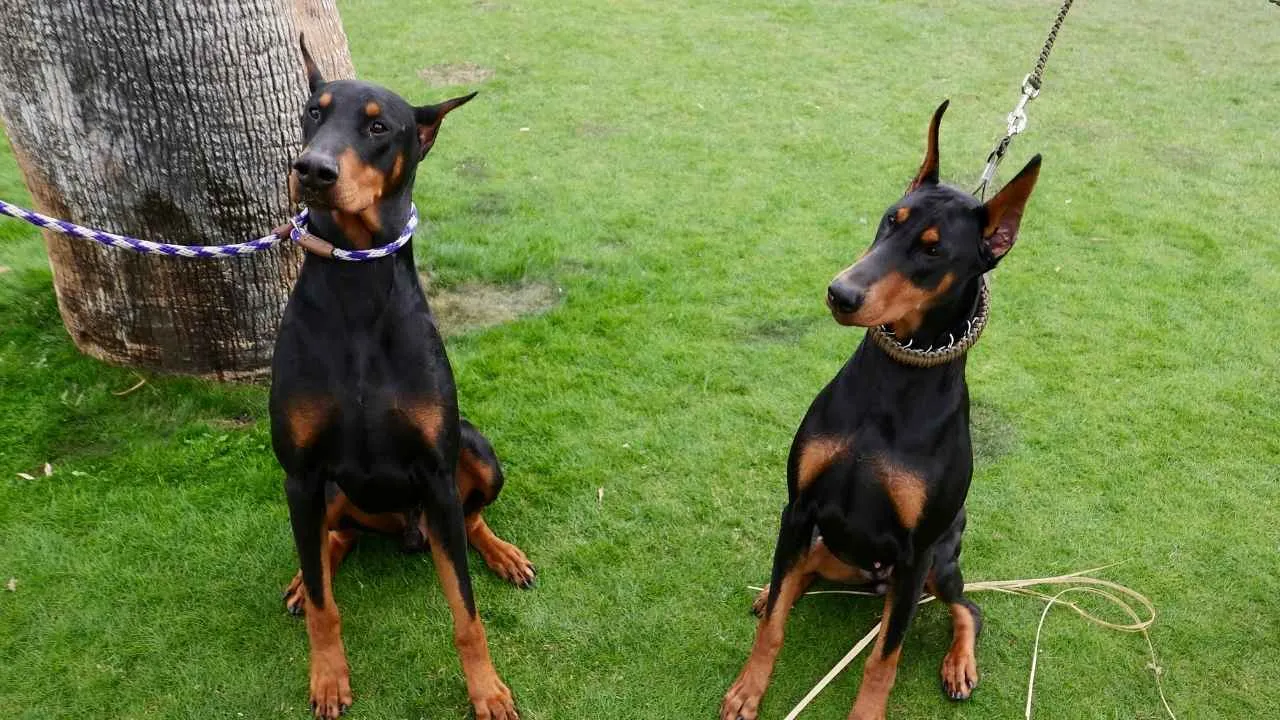
With its sleek frame, powerful muscles, and effortless stride, the Doberman Pinscher combines speed with impressive physical strength. Originally recognized for its protective instincts, this athletic breed also enjoys outdoor pursuits, including long-distance runs and trail hikes. Its stamina and adaptability make it a capable companion for demanding adventures.
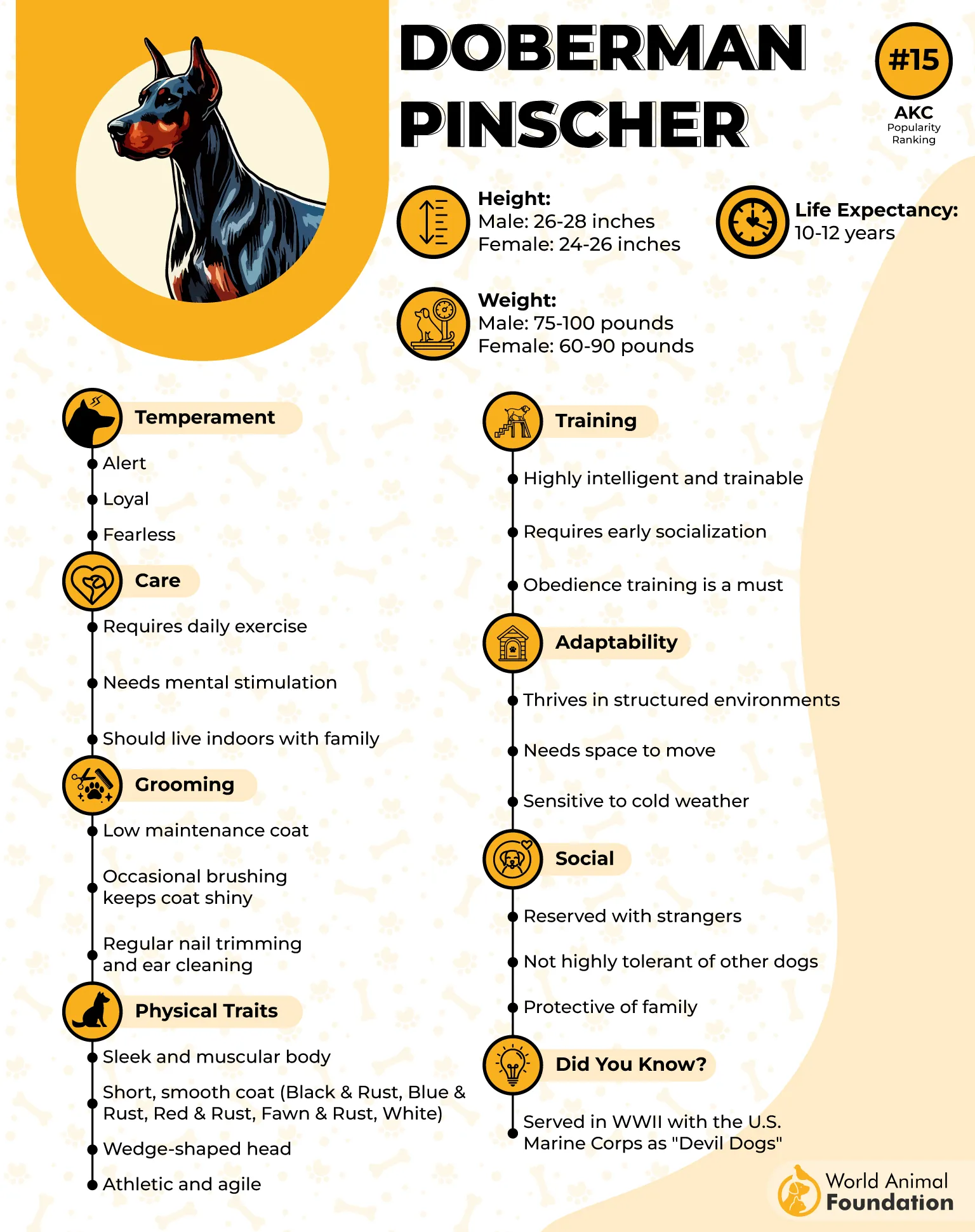
A Doberman’s sharp intelligence and constant alertness help it notice potential threats quickly. Fearless and watchful, it has earned a strong reputation as a protection dog. Its deep attachment to its owner also encourages close teamwork, particularly when navigating unfamiliar terrain or taking on structured outdoor activities.
Despite its elegant appearance, the Doberman benefits from regular exercise and gradual physical conditioning. Training helps channel its energy and develop reliable responses in challenging situations. With suitable preparation, it can handle rugged outings while remaining attentive to its handler.
How This Breed Stands Out
Alert threat detection: Keen awareness and protective instincts help Dobermans recognize unusual activity.
Speed and agility in demanding work: Their muscular build and athletic movement support running, hiking, and other physically challenging tasks.
2. Rottweiler
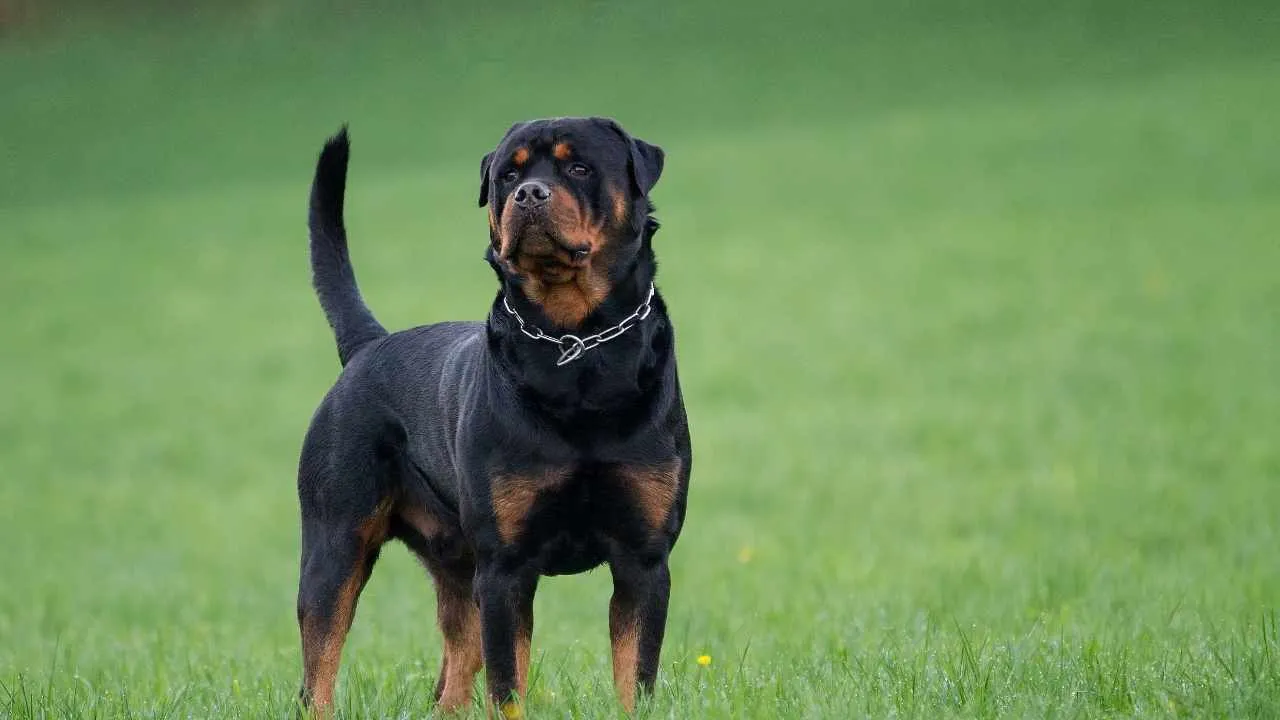
Built for demanding work, the Rottweiler traces its roots to Roman-era cattle-driving and guarding duties. Its broad, muscular frame and powerful hindquarters support a steady, efficient gait, making it well equipped for physically challenging activities. Beneath its imposing appearance, the breed can also be affectionate and playful with its family.
According to WebMD, Rottweilers are intelligent, trustworthy dogs that can make excellent companions for owners who take the time to understand their temperament and care needs.
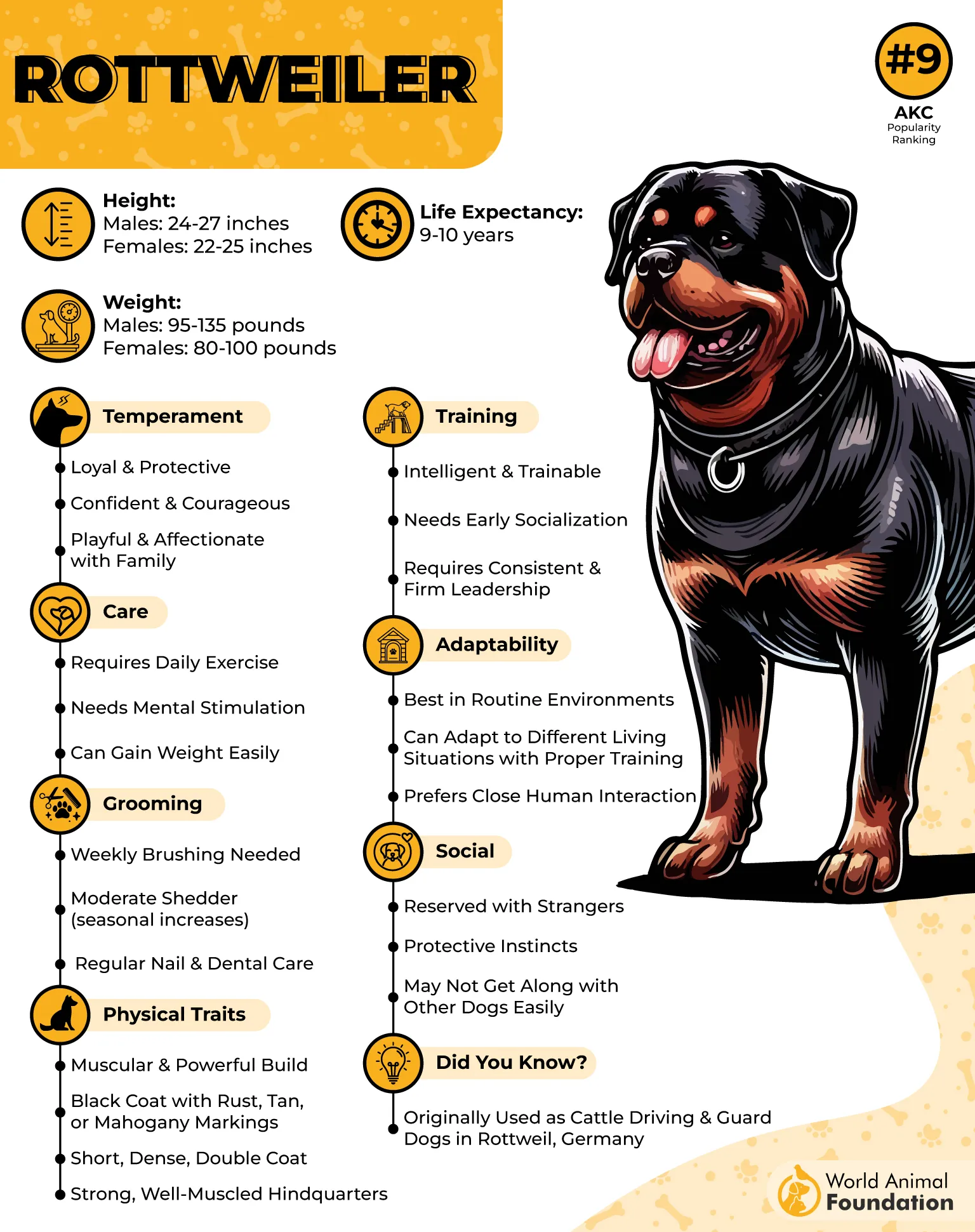
Rottweilers are naturally confident and protective, qualities that have made them valuable in security, herding, and other working roles. Their intelligence allows them to act independently, but consistent guidance helps direct their instincts appropriately. Early training and thorough socialization are essential for developing reliable behavior around people and other dogs.
These energetic dogs benefit from regular exercise and purposeful tasks that engage both body and mind. Activities such as obedience training, tracking, and herding can provide useful outlets for their abilities. Their courage and strength make responsible handling especially important, so they are generally better suited to experienced owners.
How This Breed Stands Out
Powerful, muscular working build: Strong hindquarters and a sturdy frame support demanding physical tasks.
Steady confidence during challenging tasks: Courage, intelligence, and focused training help Rottweilers handle working responsibilities.
3. German Shorthaired Pointer
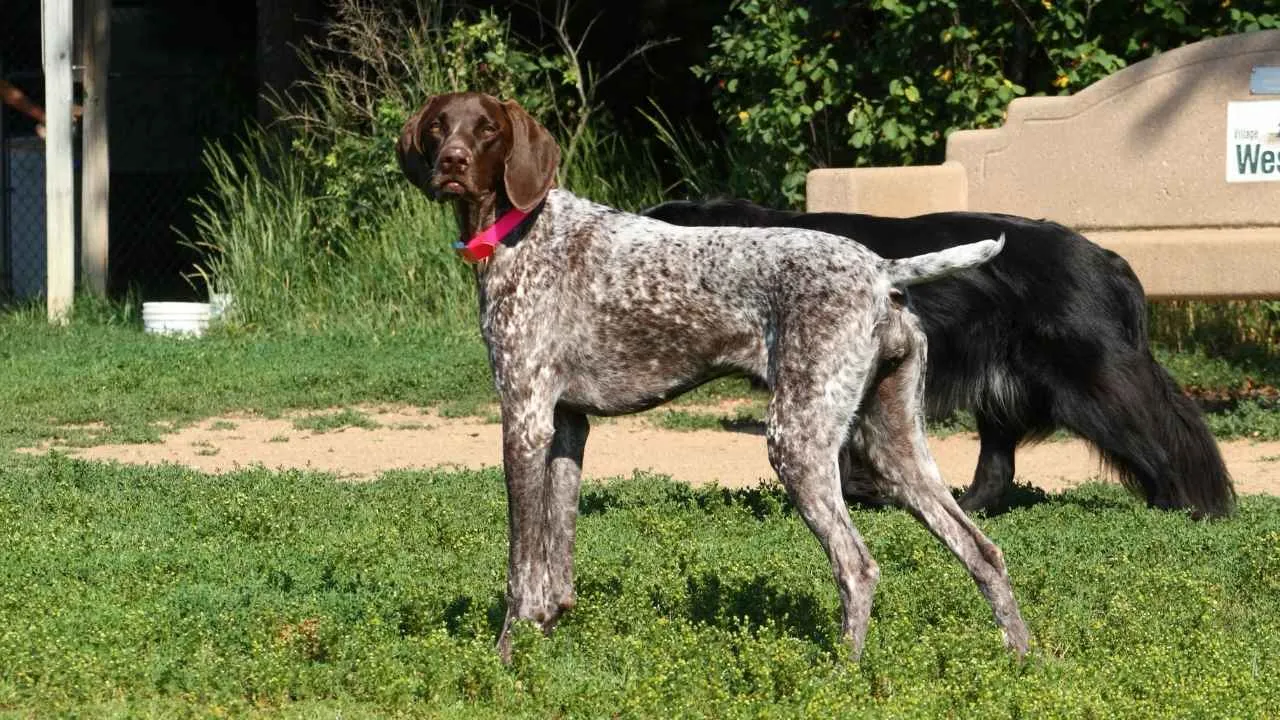
Bred in Germany as a versatile hunting companion, the German Shorthaired Pointer is built for exploring demanding outdoor environments. Its toughness helps it push through thick brush and cover wide stretches of terrain while tracking scents. This athletic breed thrives on adventure rather than spending long hours inactive.
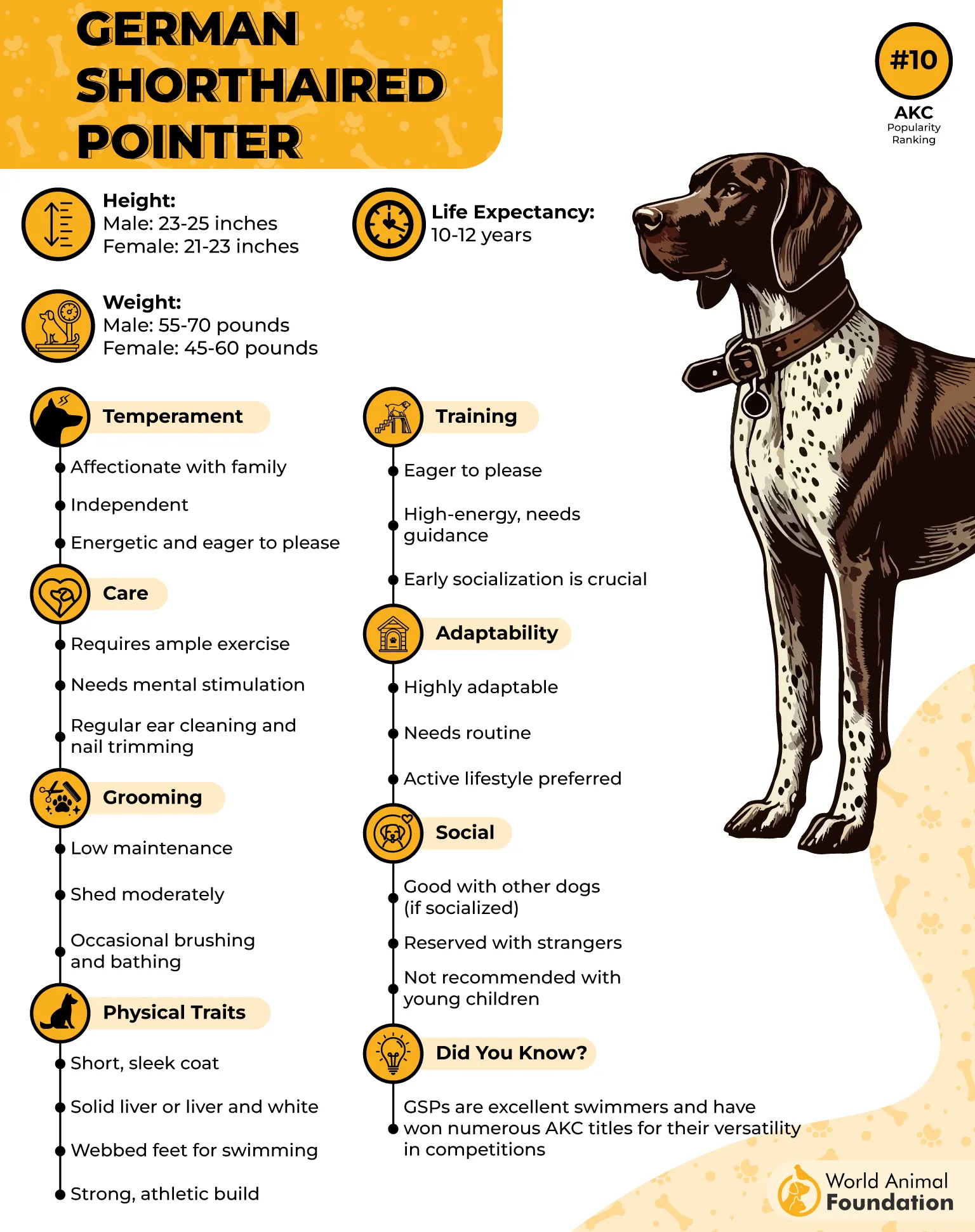
Land and water are both within its element. German Shorthaired Pointers excel at running, hiking, and swimming, making them adaptable partners for varied outdoor excursions. Their keen noses also add a mental challenge to physical activities, particularly scent-based games and fieldwork.
With exceptionally high energy levels, these dogs need vigorous daily exercise to stay physically and mentally engaged. Hunting, agility, fetch, and sustained runs provide useful outlets for their drive. Active owners who can offer regular activity and purposeful challenges are best suited to this demanding companion.
How This Breed Stands Out
Versatile land-and-water performance: Strong athletic ability supports activities ranging from trail exploration to swimming.
Sustained energy for long outdoor pursuits: Remarkable stamina helps this breed stay engaged during extended adventures.
4. German Shepherd
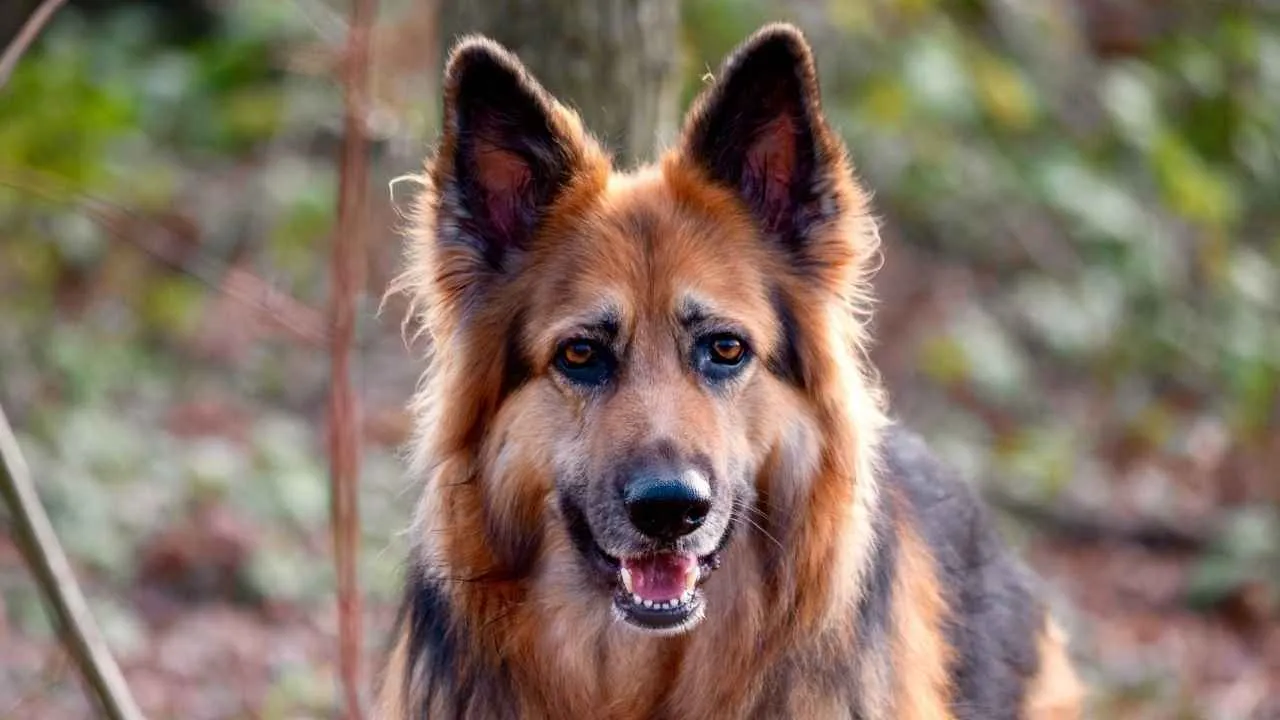
Renowned for its intelligence, strength, and versatility, the German Shepherd has a long history of demanding work. Its muscular, agile build and natural stamina make it well suited to outdoor challenges, from navigating rugged trails to working across open fields and mountainous terrain.
According to PetMD, German Shepherds are large, athletic, and muscular dogs known for their intelligence and loyalty, qualities that make them one of the most popular breeds in the United States.
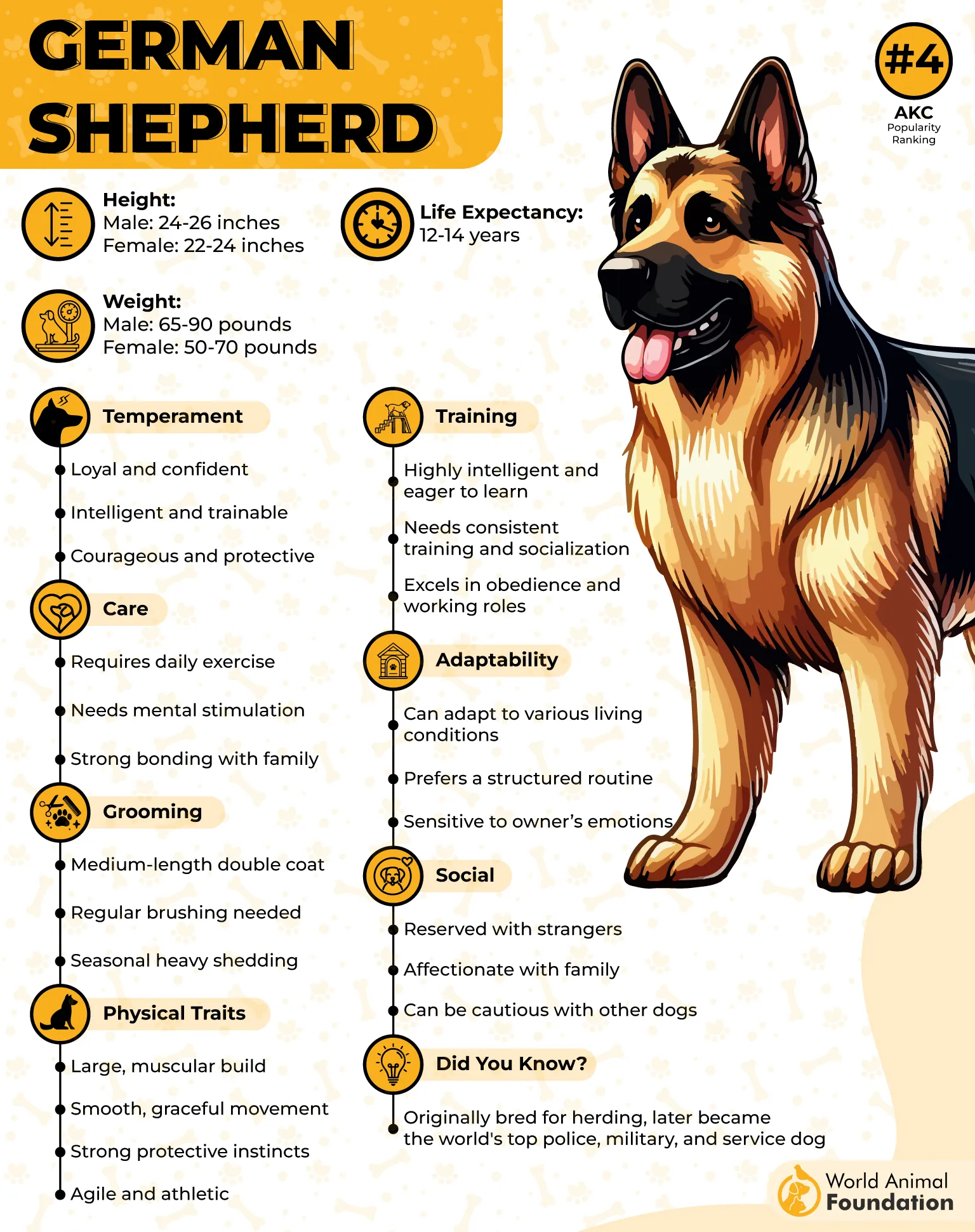
Beyond physical endurance, this breed excels at tasks requiring sharp thinking and reliable responses. German Shepherds are widely used in police work, military roles, and service tasks because they learn quickly and respond well to structured training.
Their confidence and willingness to work also make them valuable partners in challenging environments, and like other herding dogs, they tend to thrive when given a clear job.
These active dogs need regular physical exercise alongside mental stimulation, though German Shepherds are three times more likely to have hip dysplasia, so conditioning and workload should be managed carefully.
Tracking, agility, and other canine sports can help channel their energy and abilities while providing mental exercise. Their loyalty and eagerness to please support close teamwork, while early socialization helps them develop into well-adjusted loyal companions around children.
How This Breed Stands Out
Versatile search-and-rescue aptitude: Its athleticism, tracking ability, and trainability support demanding working tasks.
Rapid learning under demanding conditions: Intelligence and responsiveness help it adapt to complex tasks through consistent training.
5. Weimaraner
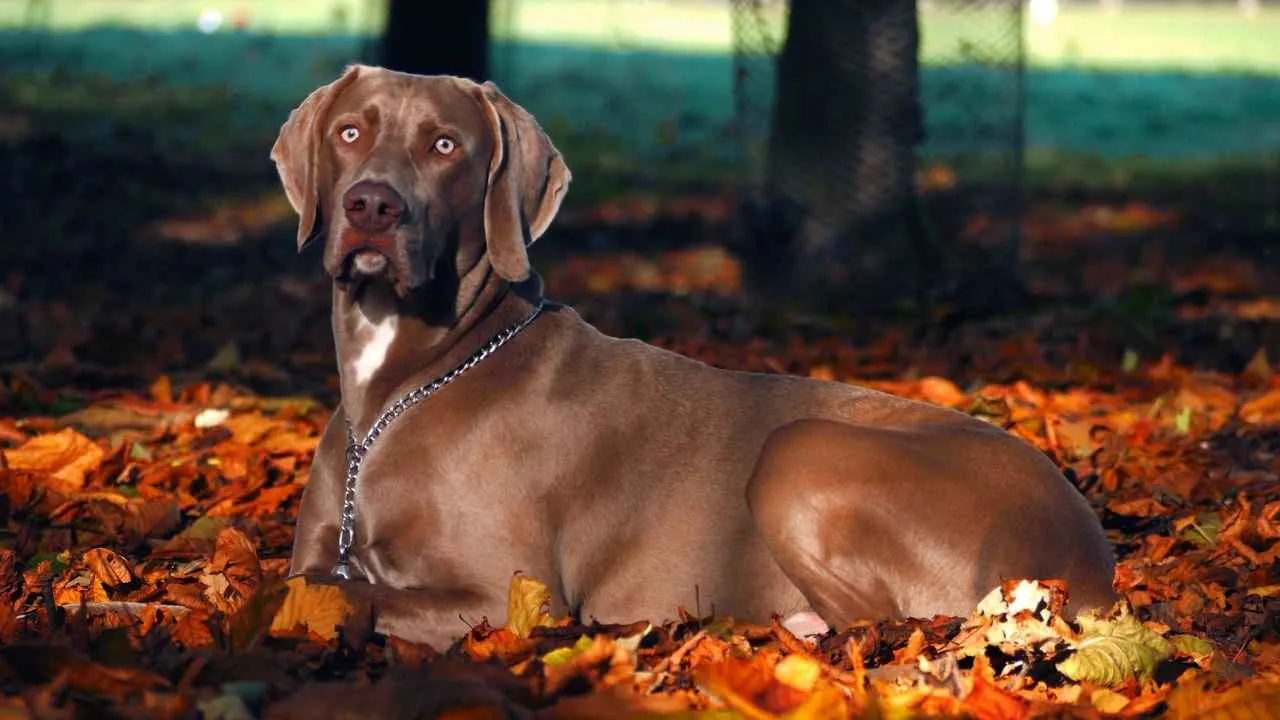
Developed in nineteenth-century Germany as an all-purpose hunting dog, the Weimaraner was bred to pursue challenging game across demanding landscapes. Its sleek coat, long stride, and athletic frame reflect a heritage built around speed, stamina, and sustained outdoor work.
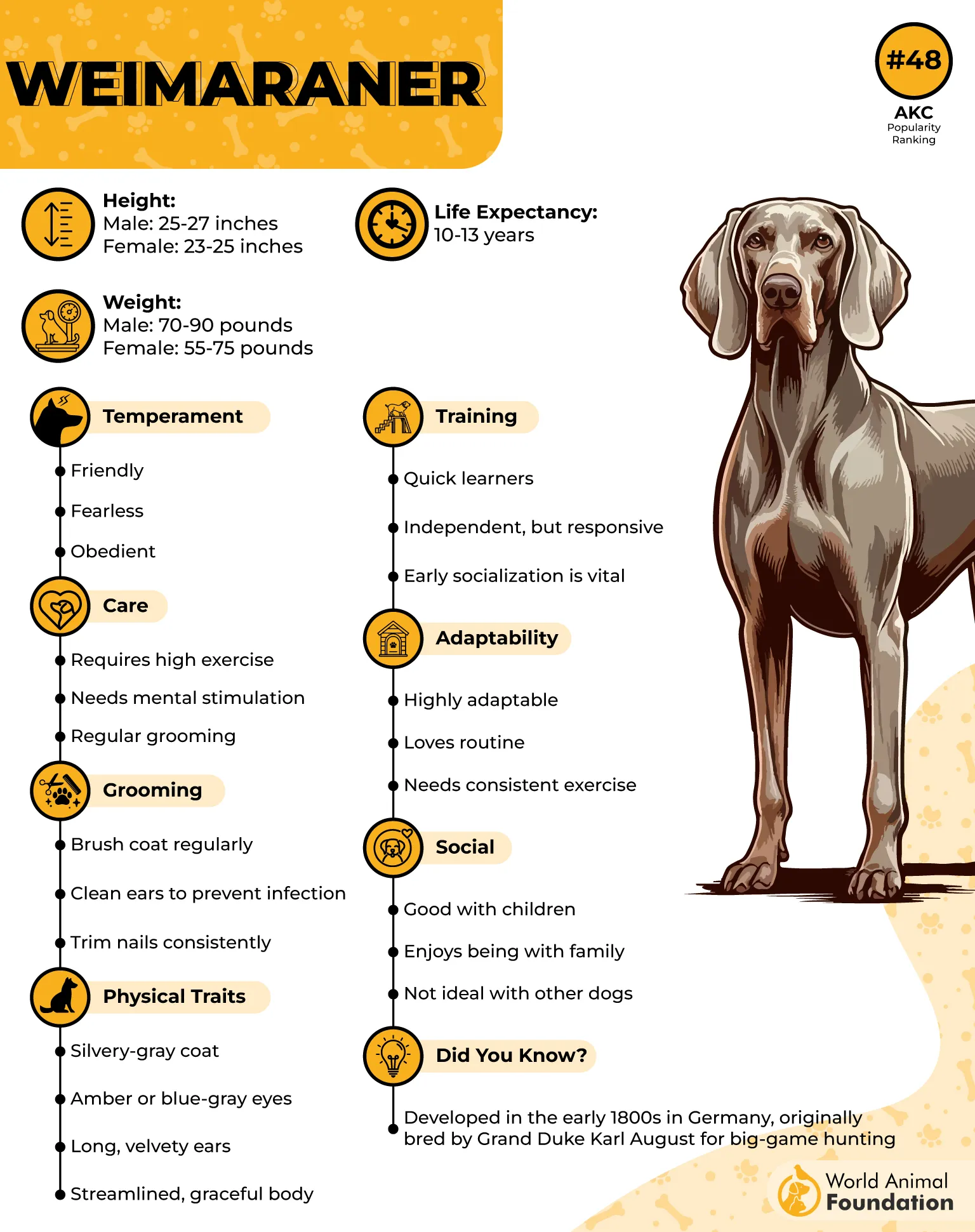
This energetic breed thrives on activities that keep both its body and mind engaged. Long hikes, running, fetch, and hunting-style games offer useful outlets, while agility exercises encourage quick, controlled movements. Its intelligence and affectionate nature also make it responsive to an active owner’s guidance.
Weimaraners can have enough stamina to outlast their human companions, so pacing is important during strenuous adventures. High-impact exercise should be introduced carefully while young dogs are still growing; their bones may continue developing until around two years of age.
How This Breed Stands Out
High-energy wilderness exploration: Its strong work drive and endurance make it well suited to extended outdoor activities.
Agile movement across varied terrain: A lean, athletic build and long stride help it navigate trails, forests, and uneven ground.
6. Rhodesian Ridgeback
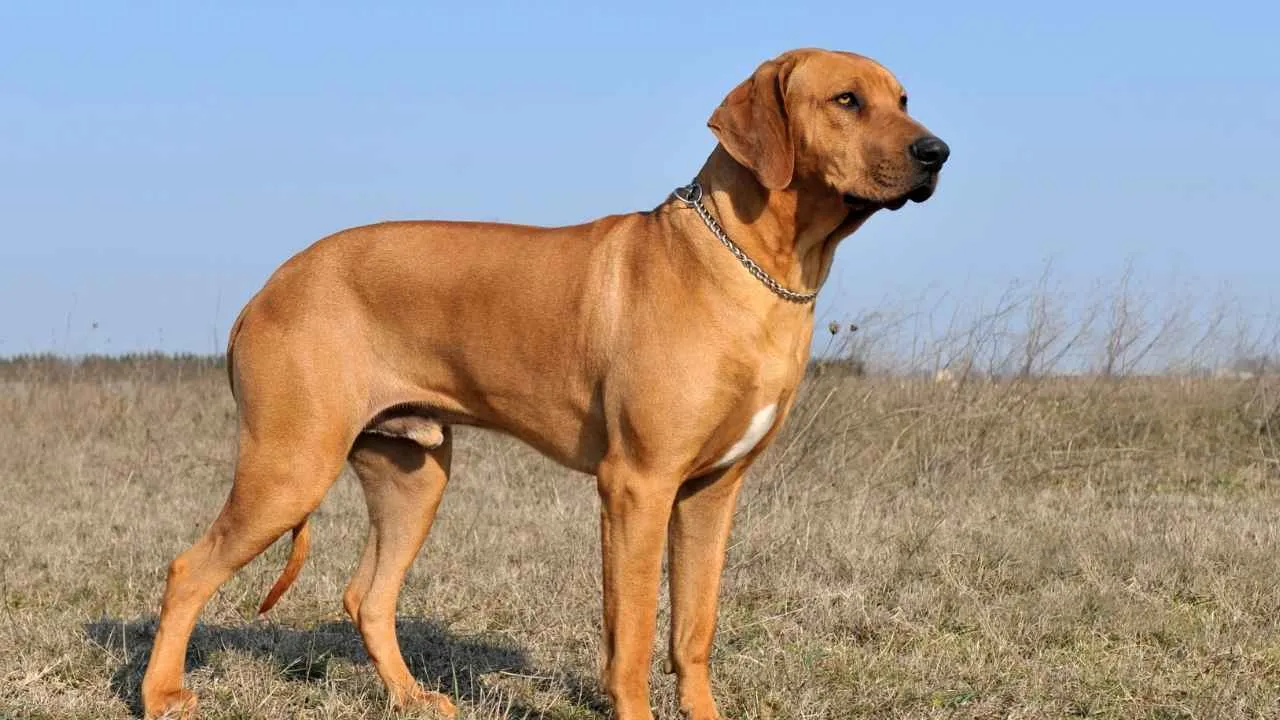
Originating in southern Africa, the Rhodesian Ridgeback developed from crosses between European breeds and native hunting dogs. Its signature feature is a strip of fur along the spine that grows in the opposite direction, creating a distinctive ridge.
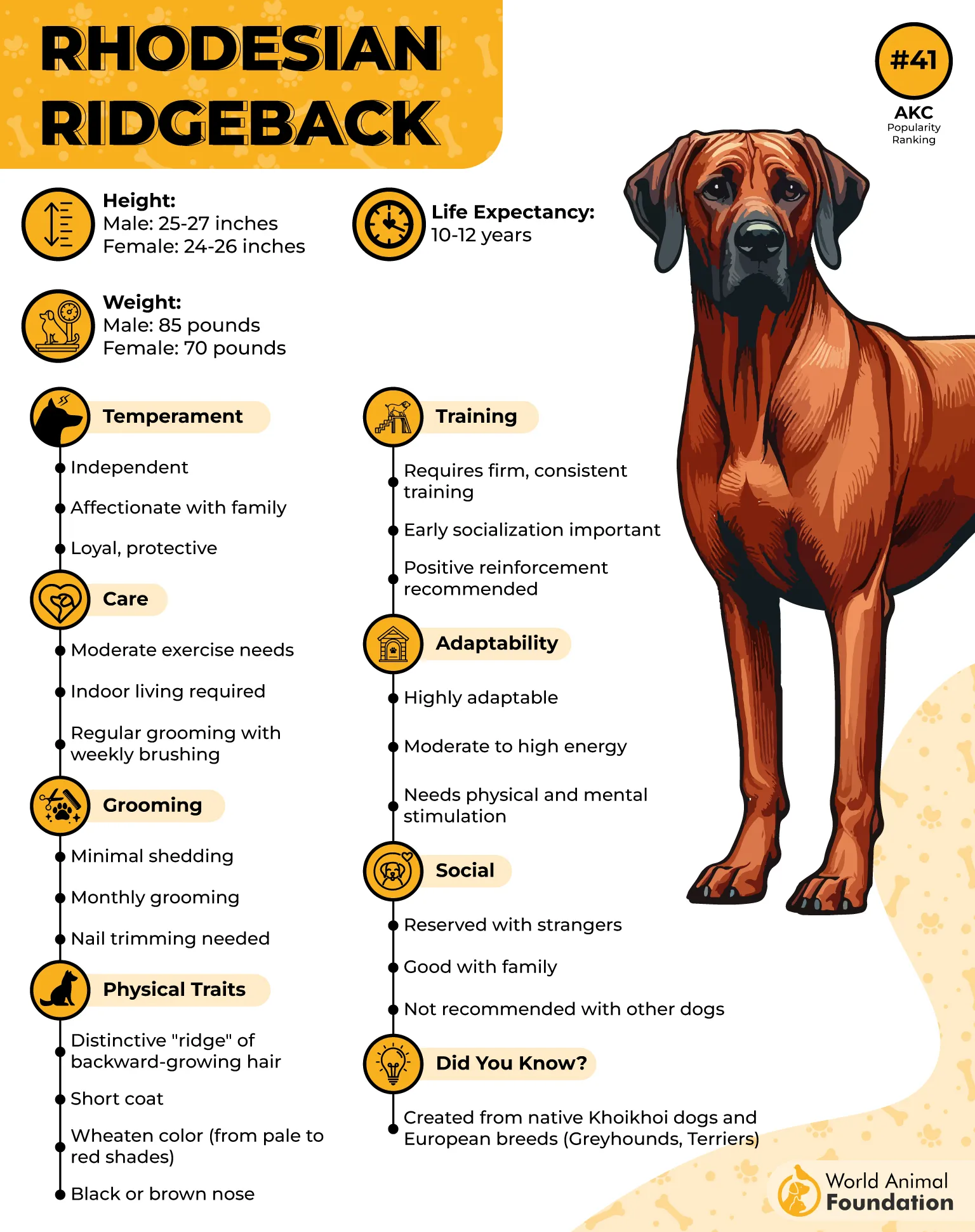
Historically, hunters in what is now Zimbabwe relied on these dogs to track lions and help keep them at bay. Such demanding work called for speed, confidence, stamina, and the ability to perform in hot conditions. Their short, single-layer coat also makes them more comfortable in warmth than heavily coated breeds, though heat precautions remain essential.
Today, Ridgebacks are excellent partners for long hikes, trail walks, and outdoor exploration. They need regular physical exercise and mental stimulation to channel their athletic energy, while proper conditioning helps prepare them for more strenuous adventures.
How This Breed Stands Out
Heat-tolerant athletic build: Its lean, muscular physique and short coat support activity in warm weather with appropriate precautions.
Rugged backcountry endurance: Bred for demanding hunts, it can handle challenging trails and extended outdoor outings when well conditioned.
7. Great Pyrenees
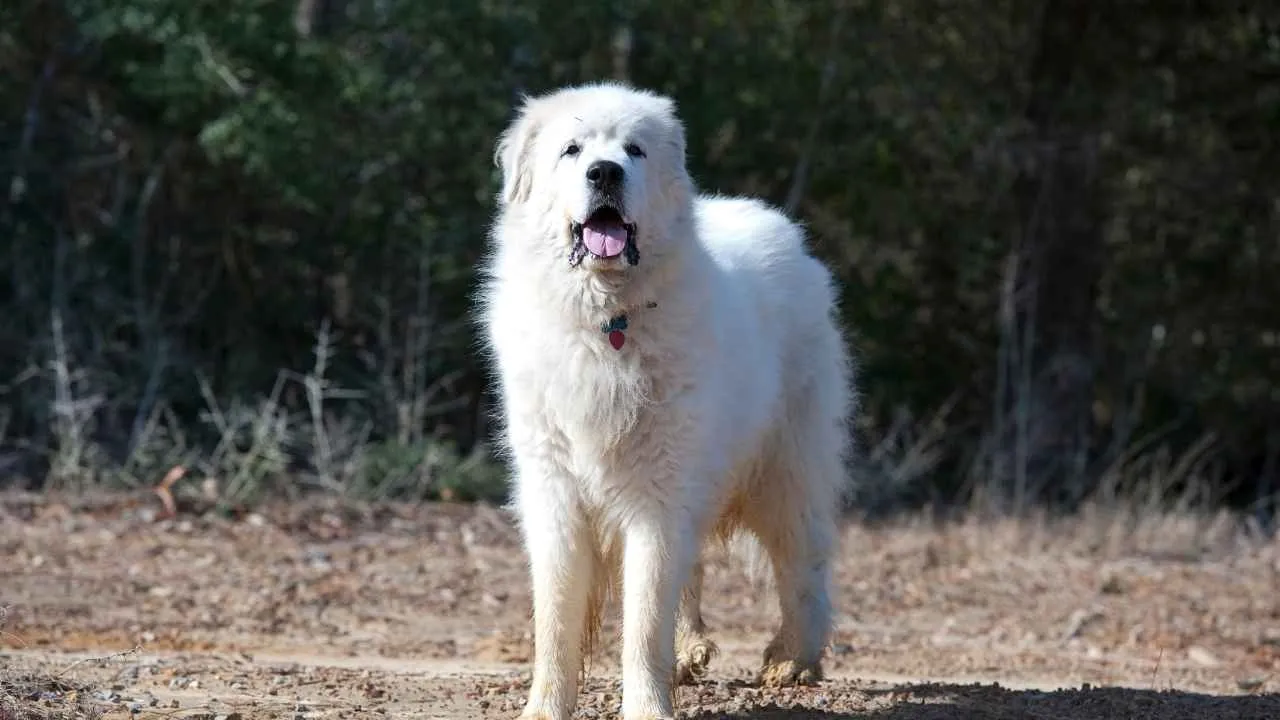
Developed to protect livestock in the Pyrenees Mountains of southwestern Europe, the Great Pyrenees is a dependable guardian adapted to rugged, cold environments. Its thick, fluffy double coat helps shield it from harsh weather, making it well suited to spending extended periods outdoors.
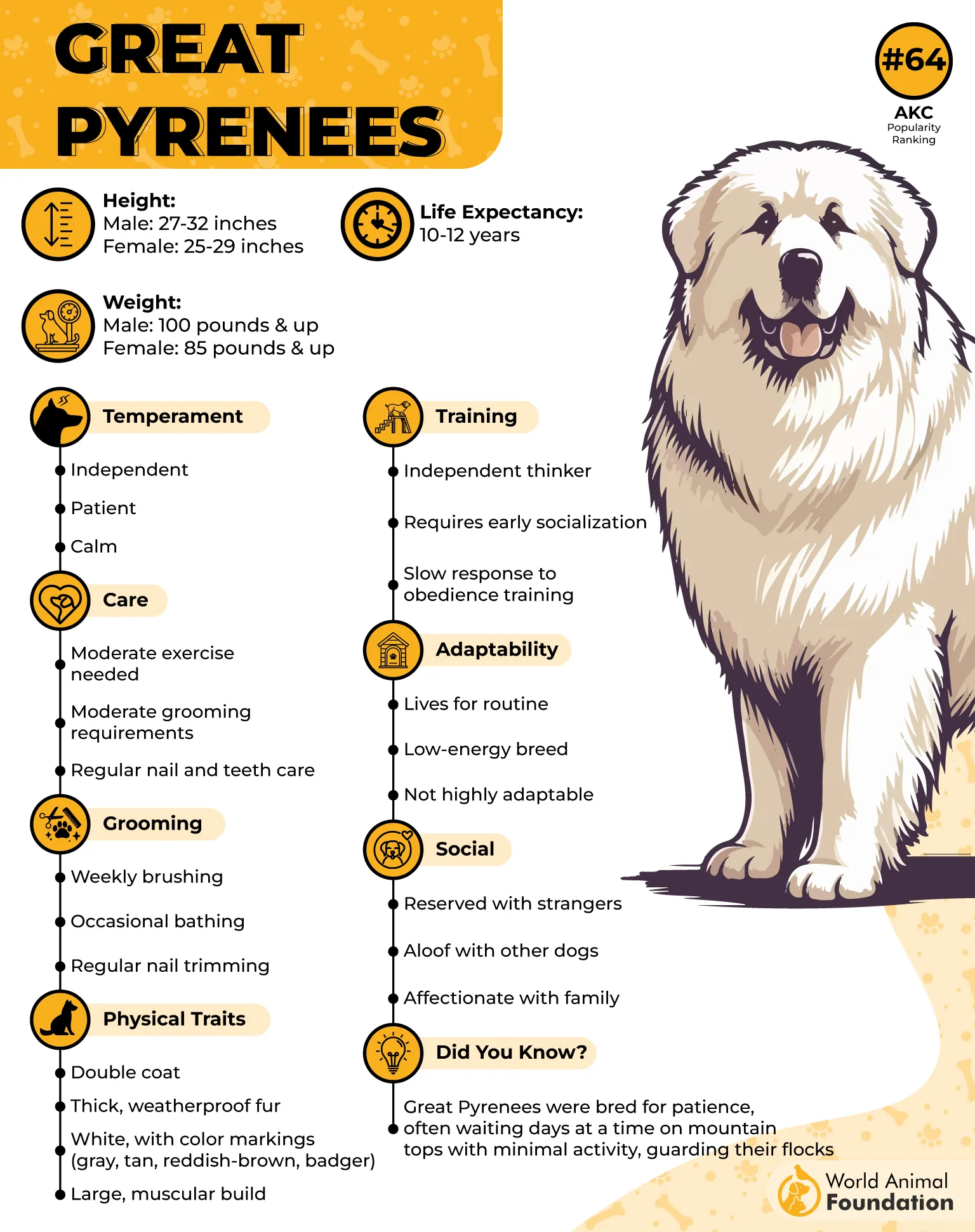
Independent by nature, this breed was raised to watch over flocks without constant human direction. Great Pyrenees dogs are generally mellow and affectionate with their families, yet their territorial instincts can make them wary of unfamiliar people and other dogs. Early socialization and training help manage these protective tendencies.
Although not exceptionally energetic, they benefit from daily walks and opportunities to explore a secure outdoor space. Their steady disposition and weather-resistant coat support mountain life, while their independent thinking means obedience training often requires patience and consistency.
How This Breed Stands Out
Independent mountain livestock guarding: Bred to protect flocks in mountainous terrain, it can work independently while remaining alert to potential threats.
Thick, weather-resistant double coat: Its dense, fluffy fur provides insulation against cold temperatures and challenging outdoor conditions.
8. Siberian Husky
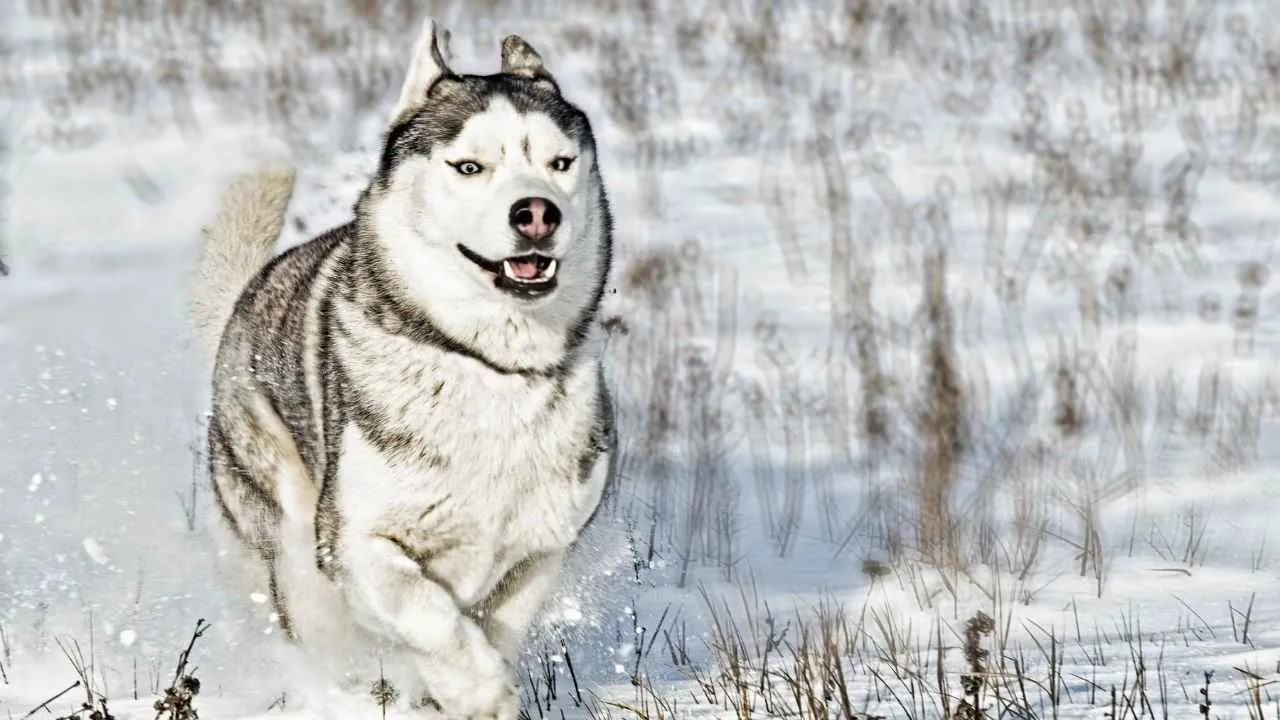
The Siberian Husky is built for life in snowy environments, with impressive stamina that makes it a natural partner for demanding outdoor adventures. Its history in cold climates has shaped a breed capable of sustained activity across open terrain, particularly when temperatures are suitable, and it was bred to pull sleds over long distances.
According to Purina, Siberian Huskies are energetic and intelligent dogs that love outdoor adventures and physical activities, especially those that allow them to run and enjoy themselves.
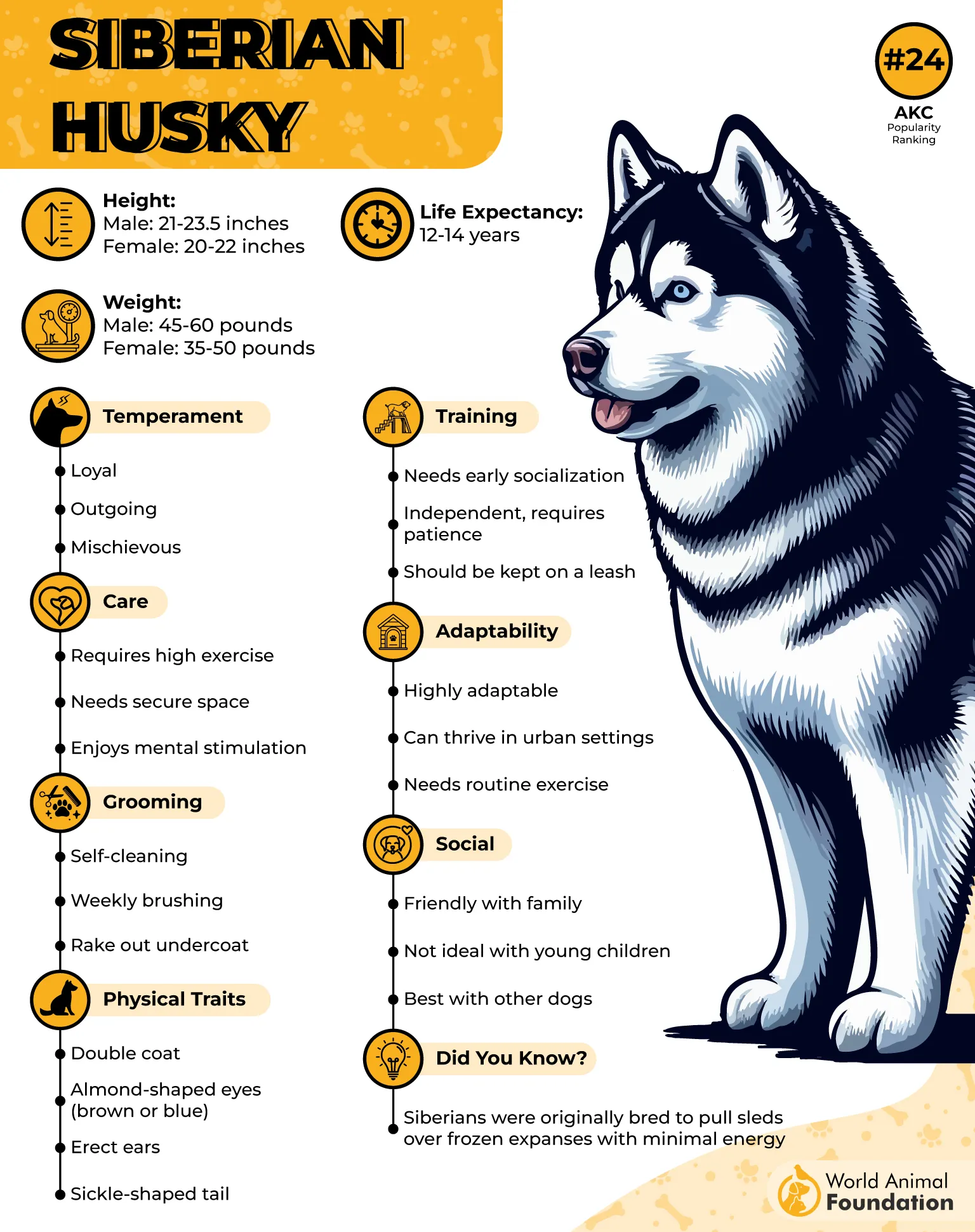
Rather than relying on short bursts of speed alone, Huskies excel at maintaining a steady pace over long distances. Their wolf-like appearance and thick coat fit a breed that thrives in winter conditions. They enjoy vigorous exercise, including extended walks, hiking, and other endurance activities that challenge their athletic abilities, and they tend to train well with consistent structure.
Cold weather and room to move often bring out their best qualities, but apartment living can also work when their exercise and mental stimulation needs are consistently met. Regular activity is essential to channel their energy and keep them engaged.
How This Breed Stands Out
Efficient long-distance sled running: Its endurance and ability to maintain a steady pace make the Husky well suited to sled work over extended distances.
Remarkable cold-weather stamina: Adapted to snowy conditions, it can handle sustained outdoor activity in cold weather with appropriate care.
9. Alaskan Malamute
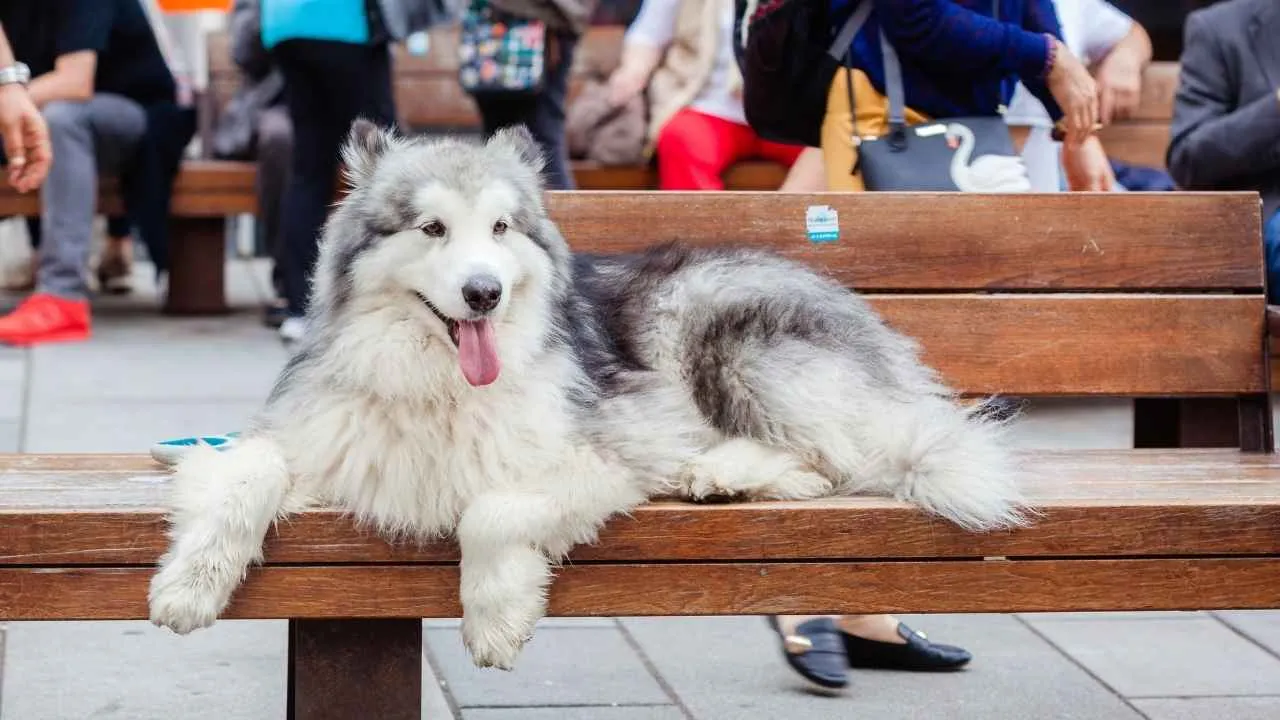
Bred for demanding work in Alaska’s Arctic regions, the Alaskan Malamute helped Inuit communities transport heavy loads and bring large prey back to their villages. Its muscular build, broad feet, and dense double coat equip it for challenging journeys across snowy terrain.
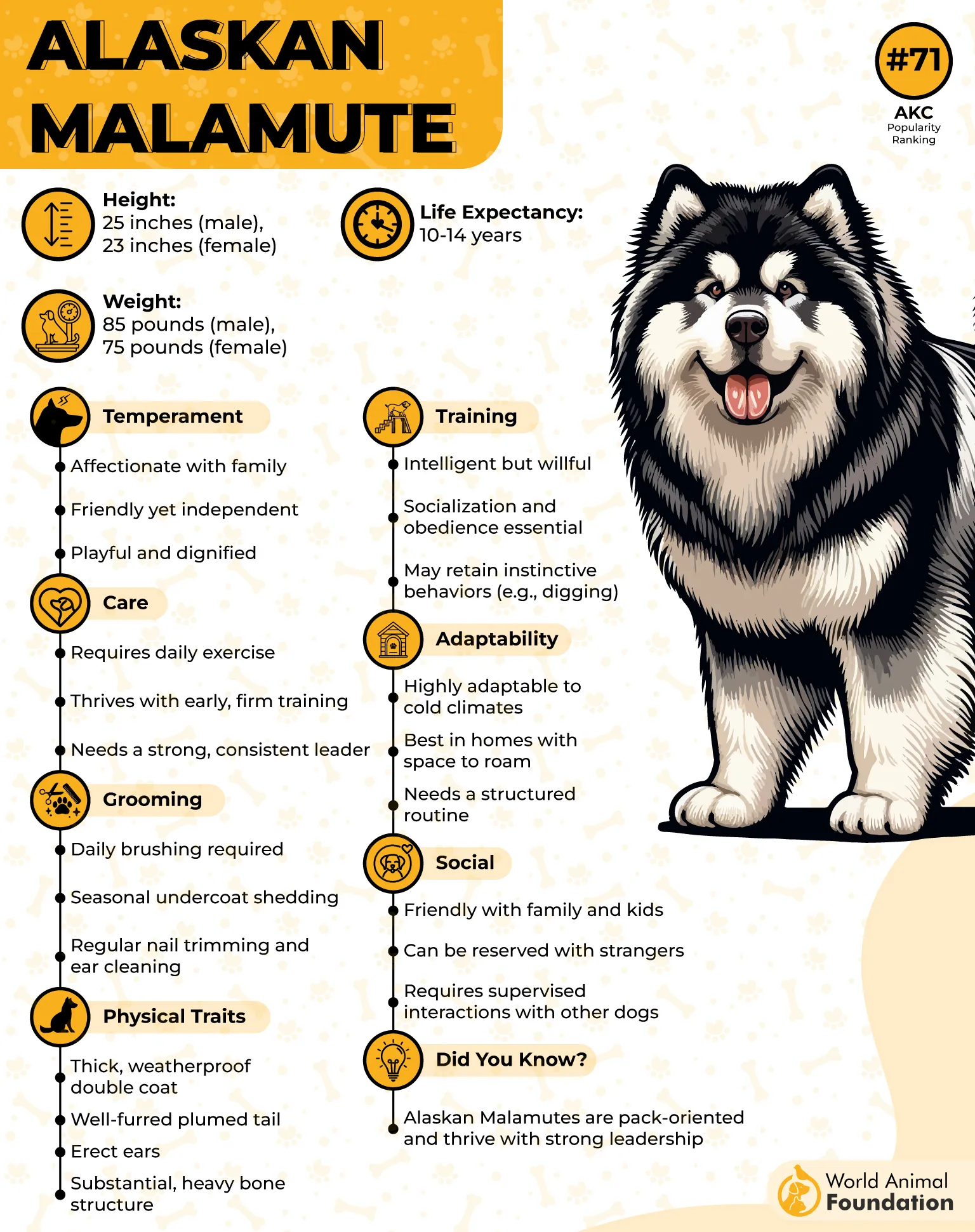
Strength is only part of this breed’s appeal; remarkable stamina allows it to tackle extended outdoor adventures. Fit Malamutes can cover long distances, accompany their owners on day-long or multi-day hikes, and navigate rugged trails in suitable cold conditions.
These hardworking dogs thrive when given purposeful activities rather than a sedentary routine. Their heritage as powerful sled dogs makes them particularly suited to hauling and winter expeditions, while regular exercise provides an outlet for their energy. Their thick coats help protect them from Arctic cold, but warm-weather adventures require extra caution.
How This Breed Stands Out
Heavy-load hauling strength: A muscular frame and working heritage enable the Malamute to pull substantial sled loads over long distances.
Arctic expedition endurance: Its dense double coat and stamina make it well suited to extended adventures in cold, snowy environments.
Conclusion
Resilient dog breeds bring together strength, stamina, intelligence, and adaptability, making them excellent companions for outdoor adventures. Still, not every individual dog from a resilient breed will be the right hiking partner, so solid obedience and excellent recall matter before longer outings.
From rugged mountain trails to wide-open wilderness, these dogs are equipped to handle demanding environments.
Choosing the right adventure partner means considering its energy needs, temperament, training requirements, and active lifestyle compatibility. With proper conditioning, socialization, and responsible care, a resilient dog can become a dependable companion on countless outdoor journeys.
