




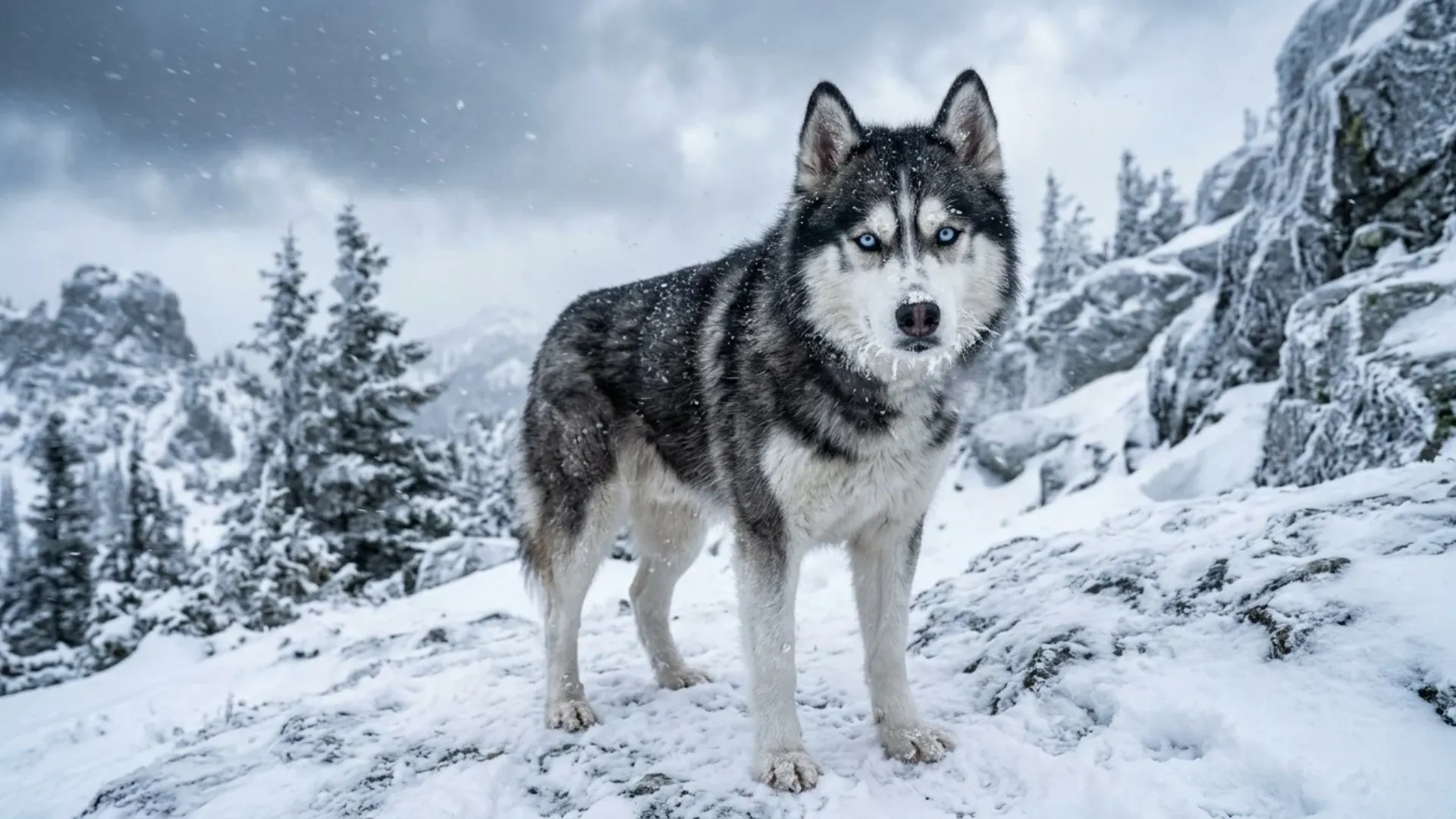
Some dogs burn up to 12,000 calories a day and barely slow down in cold that would stop most living things in their tracks. That is not just endurance; it is a body built to thrive.
According to the Iditarod Trail Committee, racing sled dogs burn 10,000 to 12,000 calories a day in temperatures as low as -40°F, fueled by a metabolism most animals simply do not have.
Tough conditions come in very different forms: bone-deep cold, thin mountain air, scorching heat, and rugged terrain. Picking the right canine companion means knowing which kind of resilience actually matters where you live.
This list breaks down the sturdiest, most high-functioning bodies in the dog world and why they hold up where others struggle. Keep reading to see which of these remarkably strong companions actually fits your climate.
Most Resilient Dog Breeds That Thrive in Extreme Conditions
1. Siberian Husky
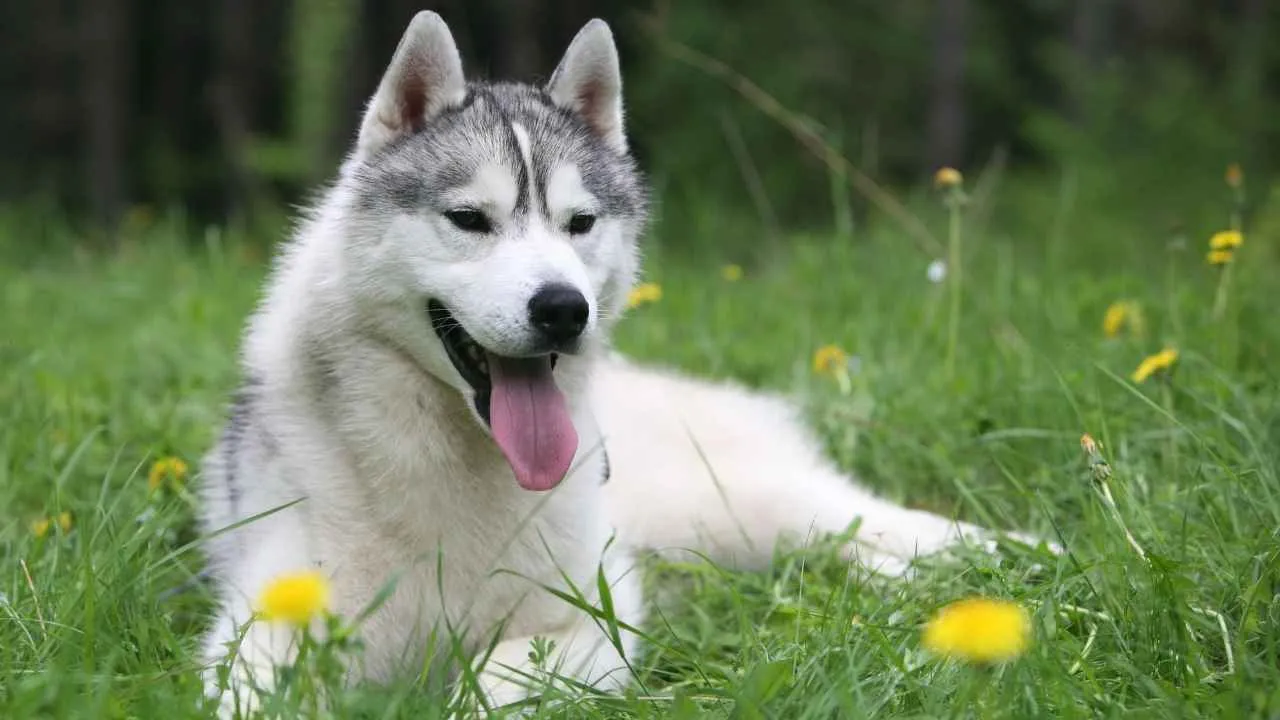
A Siberian Husky curls into a tight ball at night, tucking its nose under a thick tail, and sleeps soundly in snow that would leave most dogs shivering awake. The Chukchi people of Siberia bred this breed to haul sleds across tundra, turning Arctic cold into a daily routine most working dogs could never match.
After hours pulling a sled through a blizzard, this dog can trot back to camp still asking for more work. A typical dog would be ready to collapse from the combined cold and exertion, not look for round two.
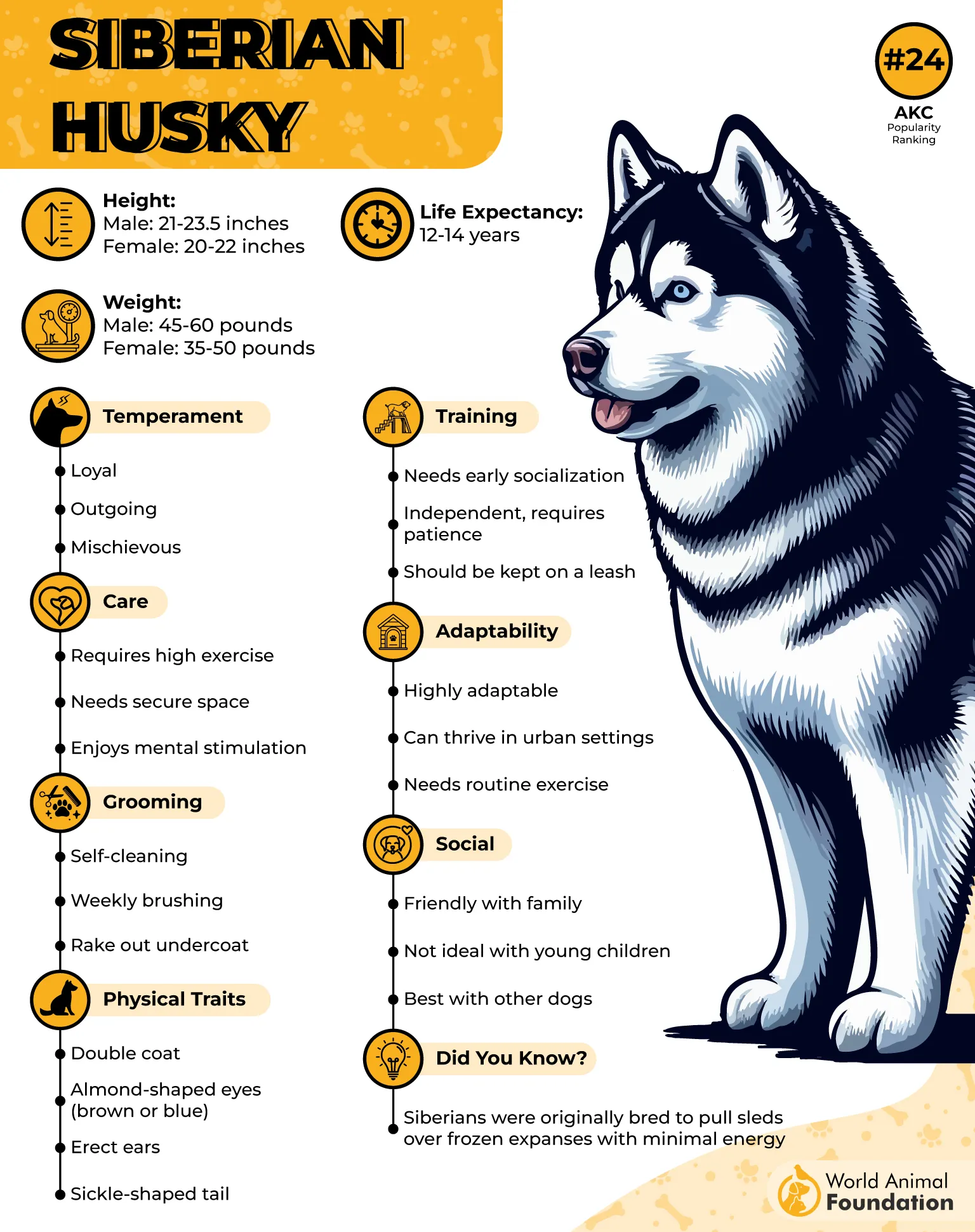
Coat: A dense undercoat paired with a protective topcoat that traps body heat close to the skin.
Paws: Tightly knit, fur-covered paws that keep snow and ice from building up between the toes.
Metabolism: An efficient fat-burning metabolism that powers long hours of work on modest meals.
People often assume those wolf-like looks mean a cold, standoffish temperament, but this breed is famously social and friendly, even with strangers. That same arctic engineering becomes a real problem in warm climates, where huskies overheat quickly and need shade, water, and shorter walks.
2. Alaskan Malamute
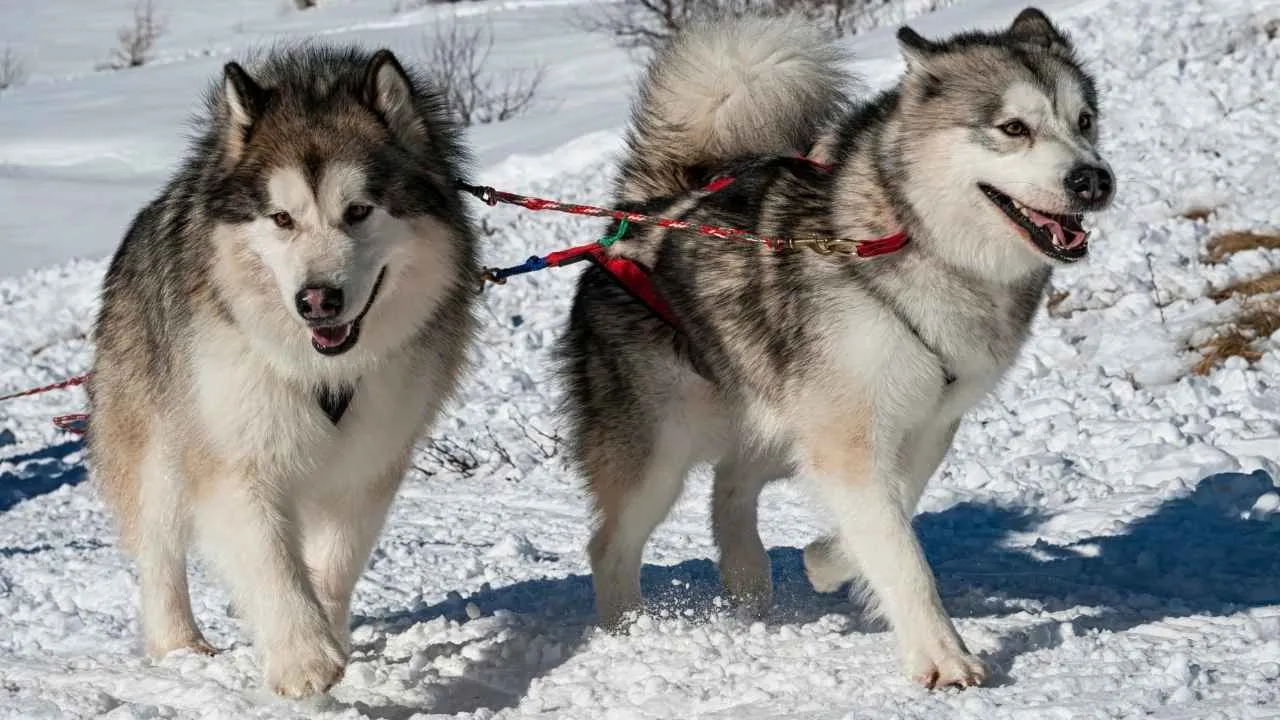
An Alaskan Malamute can nap outside in a snowstorm, letting flakes pile on its back while it stays perfectly warm underneath. Bred by the Inupiat people of Alaska to haul heavy freight across the far north, this dog was built for power, not speed, showing the kind of physical strength few breeds match.
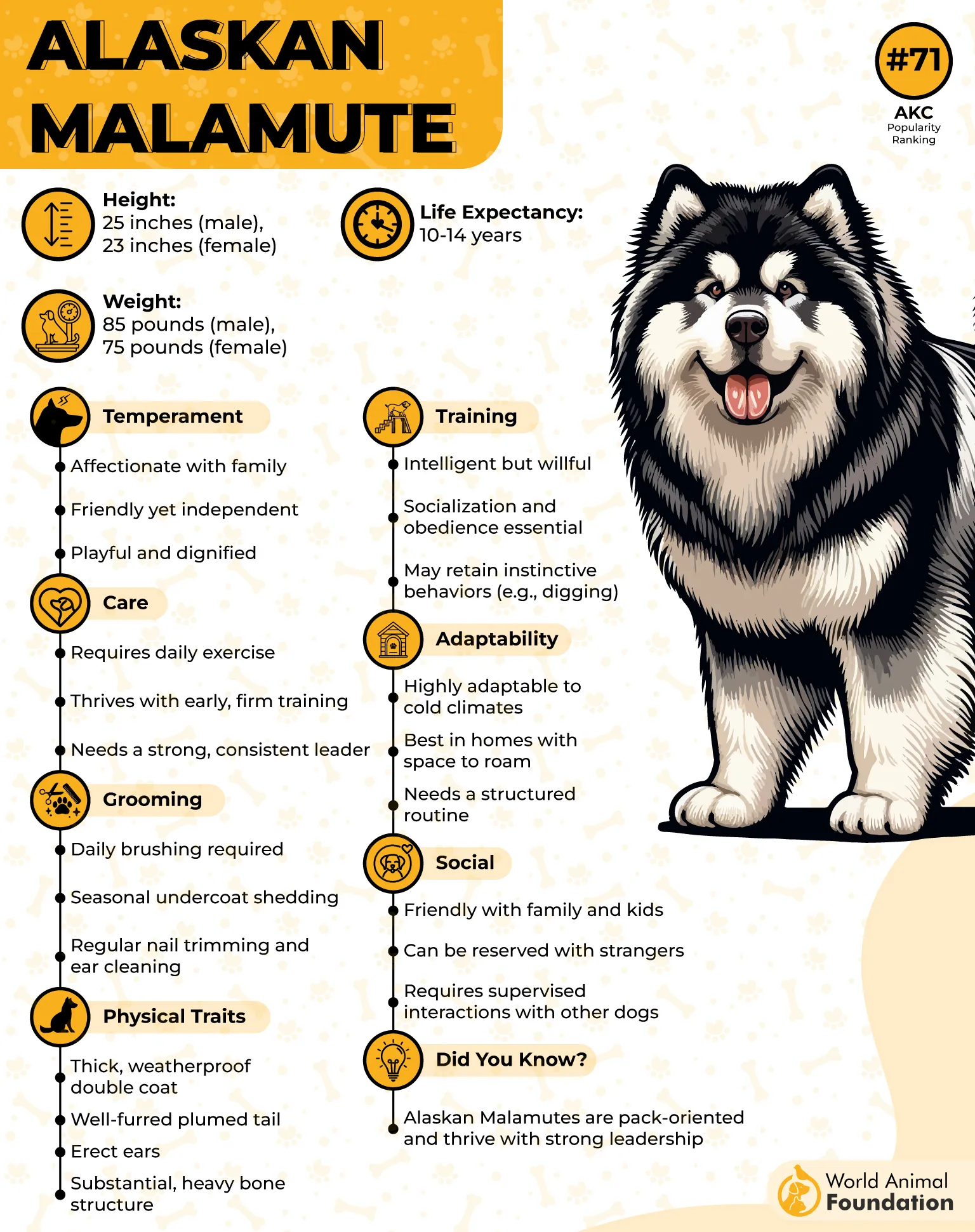
Give this breed a loaded sled and a subzero morning, and it gets to work without complaint, while most dogs would need coats, booties, and constant breaks. Malamutes pace themselves for the long haul instead of burning out fast.
Build: A heavy-boned, muscular frame built for strength and steady pulling power rather than quick bursts of speed.
Coat: A thick, woolly undercoat that insulates against temperatures far below freezing.
Paws: Large, snowshoe-like paws that spread the dog’s weight evenly across deep snow.
According to the AKC, Malamutes are often mistaken for aggressive or wolf-descended animals, but the breed is actually known for being affectionate and friendly with people. That same cold-weather build makes hot summers genuinely risky, since this dog overheats far faster than lighter-coated breeds.
3. Tibetan Mastiff
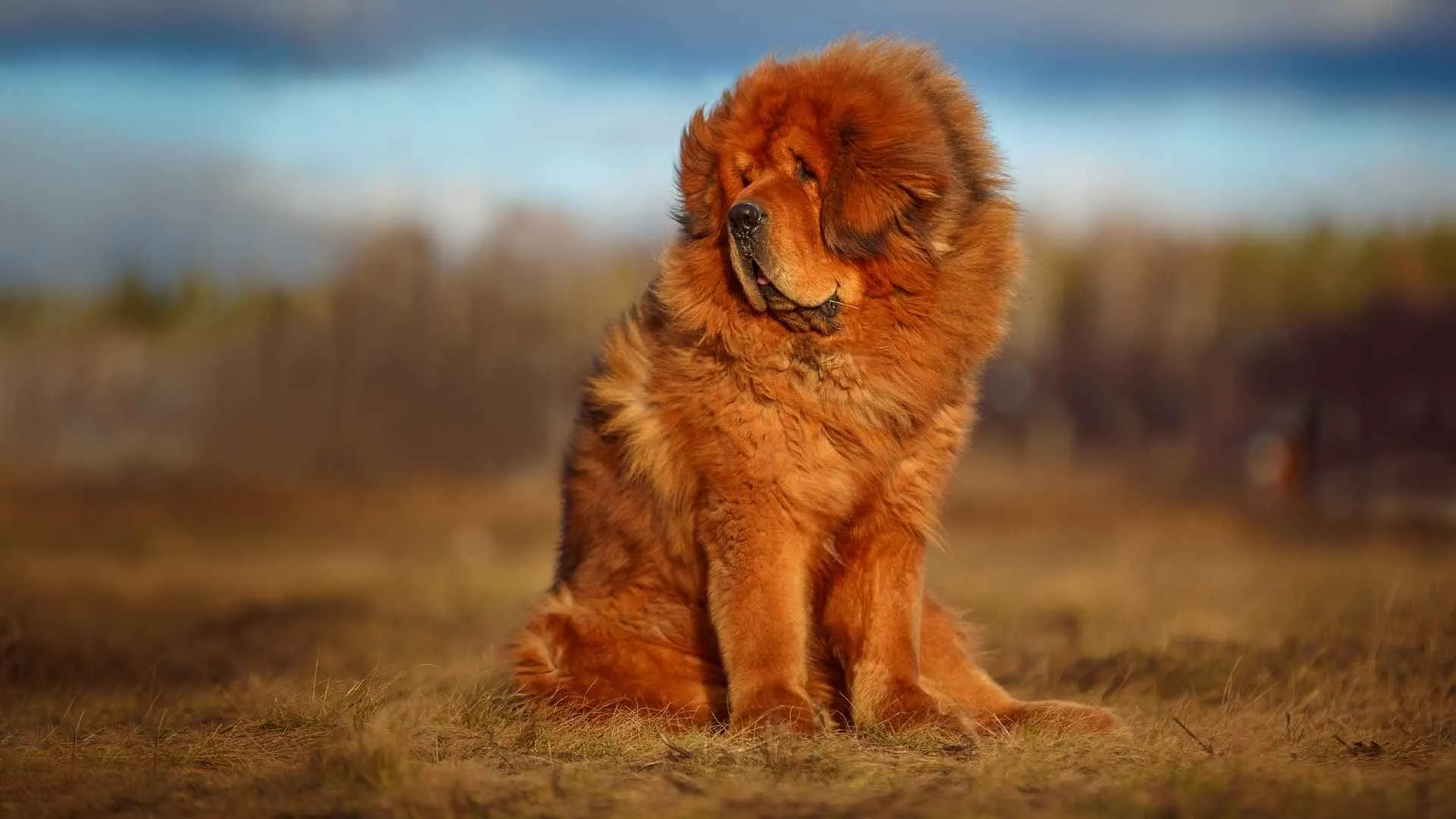
A Tibetan Mastiff can stretch out and sleep in open mountain air at altitudes that leave humans gasping for breath, barely raising its breathing rate. Bred for centuries to guard livestock on the Tibetan Plateau, this breed treats thin, cold air as home turf, a mark of real physical resilience.
Set this dog on night watch on a freezing mountainside, and it stays alert for hours, barking off predators while a typical guard dog would already be curled up trying to stay warm. The cold barely slows its senses down.
Lungs: Larger lung capacity that pulls in more oxygen from the thin mountain air.
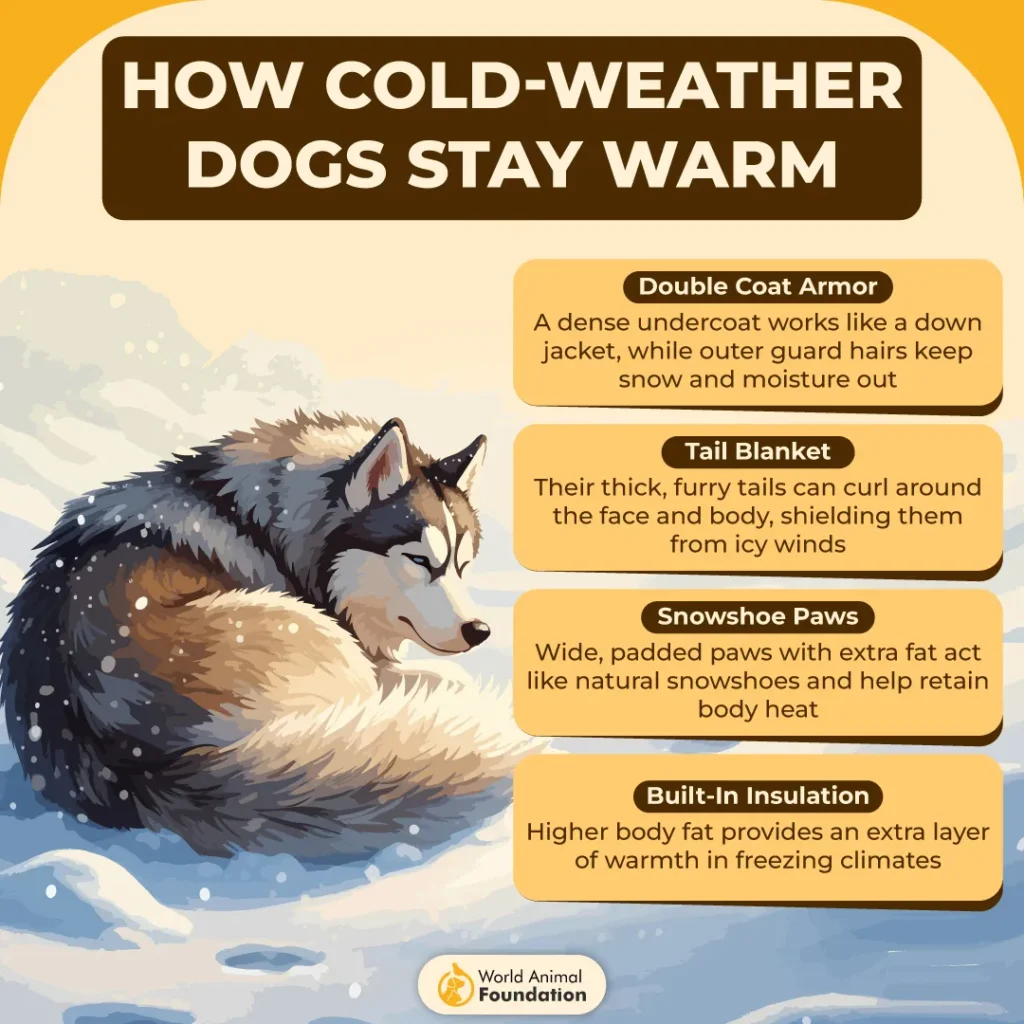
Coat: A dense double coat with extra fur around the neck that works like a built-in scarf.
Size: A heavy, powerful build that holds onto body heat better than smaller, leaner breeds.
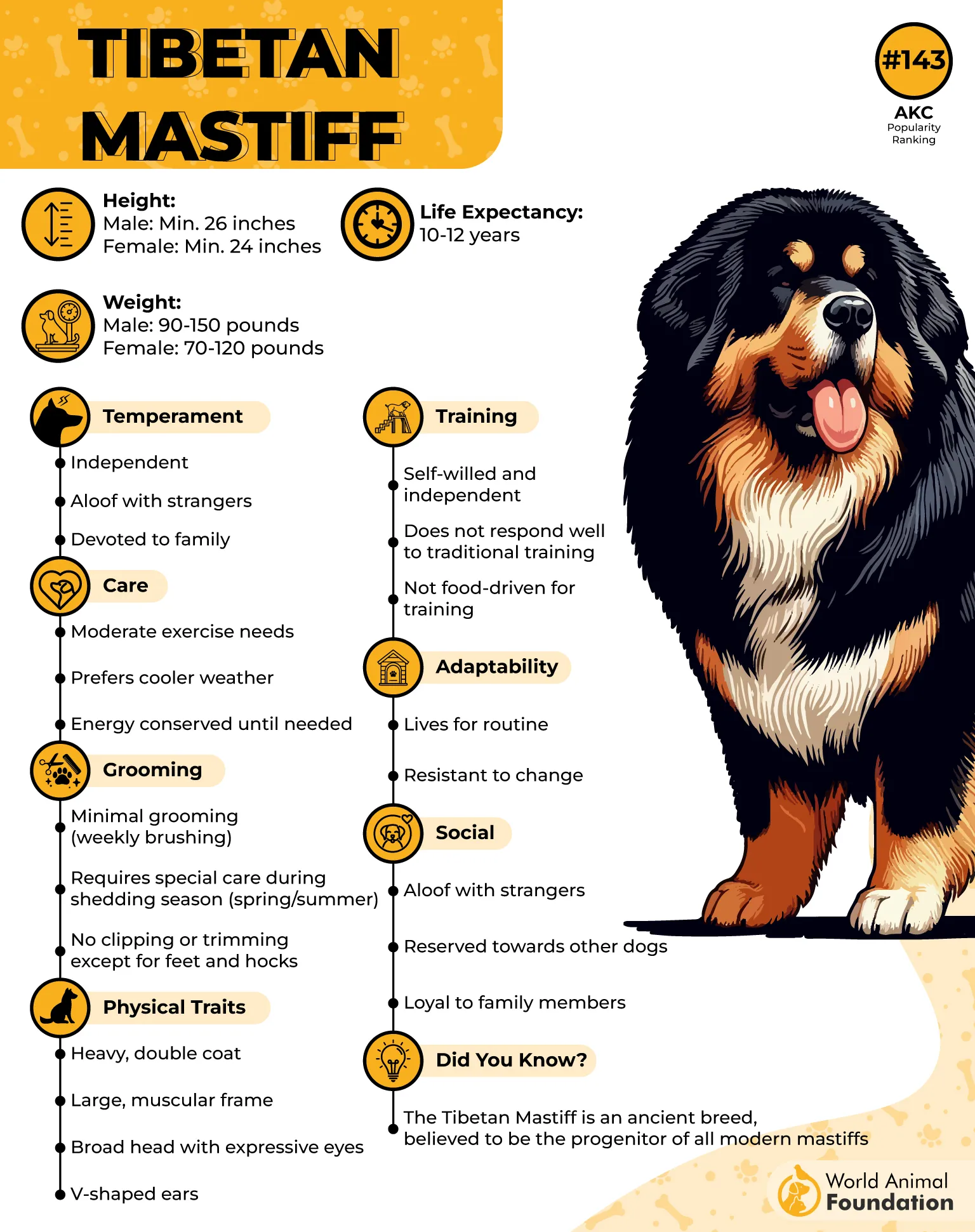
Many assume a Tibetan Mastiff’s huge size and deep bark mean constant aggression, yet PetMD notes this breed is usually calm and reserved around its own family. Take this dog down to sea-level heat and humidity, though, and that thick coat turns from armor into a serious burden.
4. Anatolian Shepherd
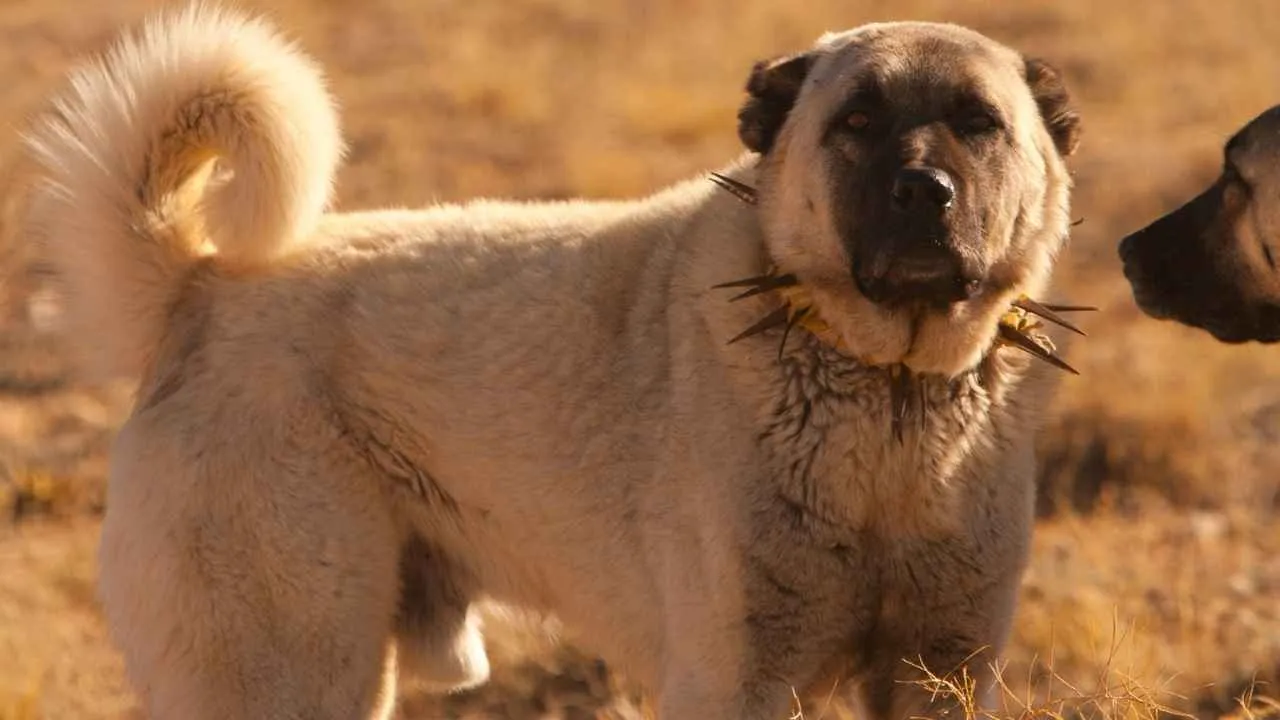
An Anatolian Shepherd can lie out in open pasture through a freezing night and a scorching afternoon without ever changing its routine. Developed in Turkey to guard flocks across the harsh Anatolian plateau, this breed was built to handle huge daily temperature swings, a hallmark of true adaptability.
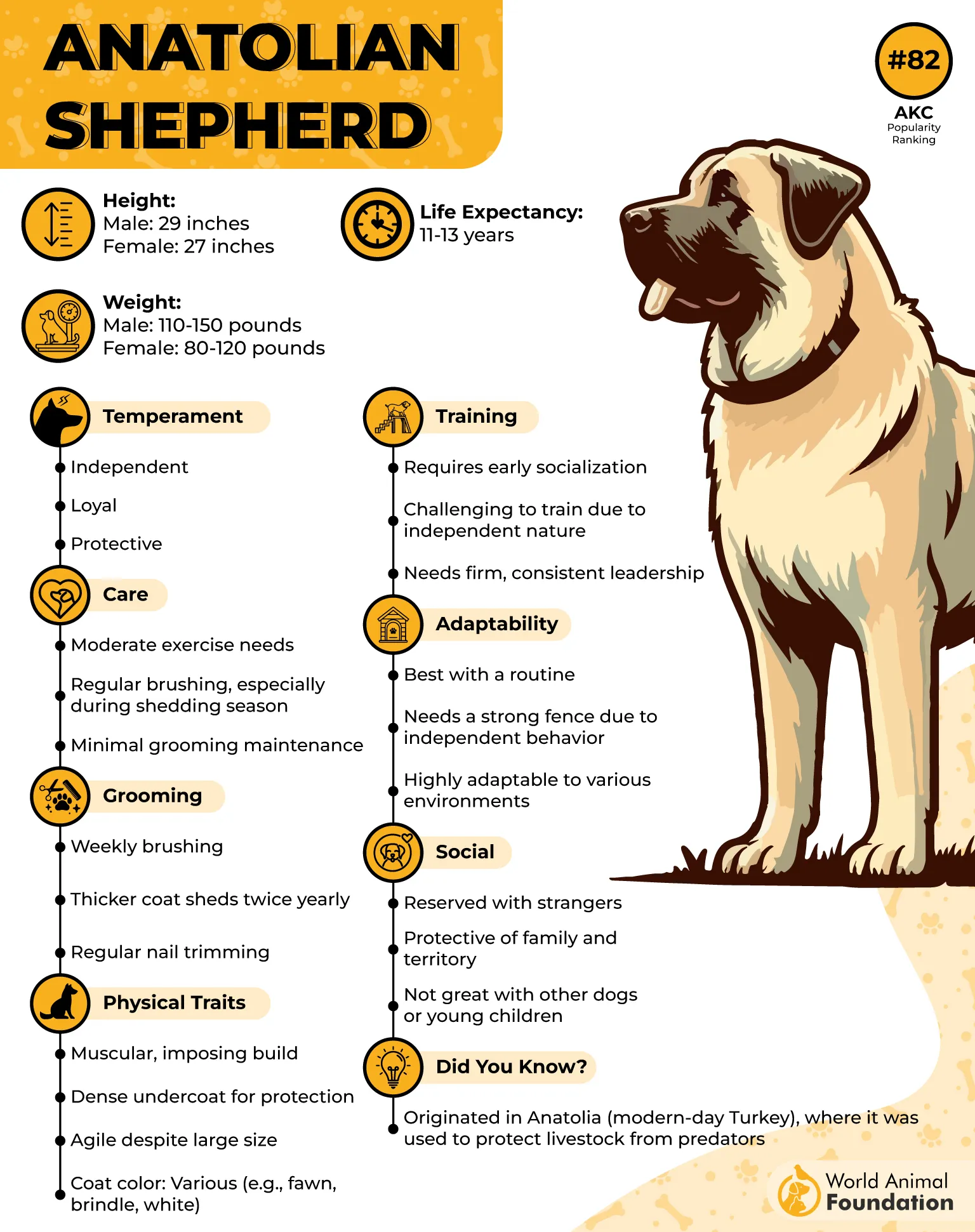
Put this dog on guard duty from midnight frost to midday sun, and it works the whole shift at the same steady pace. A less hardy breed would need shelter and rest between those two extremes, but this one barely notices the shift.
Coat: A short, dense coat that reflects heat during the day and still insulates at night.
Skin: Loose, thick skin that offers extra protection against bites during predator encounters.
Build: Long legs and a lean, athletic frame built for covering wide stretches of open land.
People often picture this breed as a lazy farm dog because of its calm, watchful manner, but its real job is active patrol over huge territory. Its biggest weak point is crowded, noisy city life, where that same territorial instinct turns into constant, exhausting vigilance.
5. Caucasian Shepherd Dog

A Caucasian Shepherd Dog can stand watch on a snow-covered mountainside all night and still look alert at dawn, without shivering or slowing down. Bred in the Caucasus Mountains to guard flocks against wolves and bears, this breed was built for brutal cold and rough terrain at once, the mark of a truly hardy dog breed.
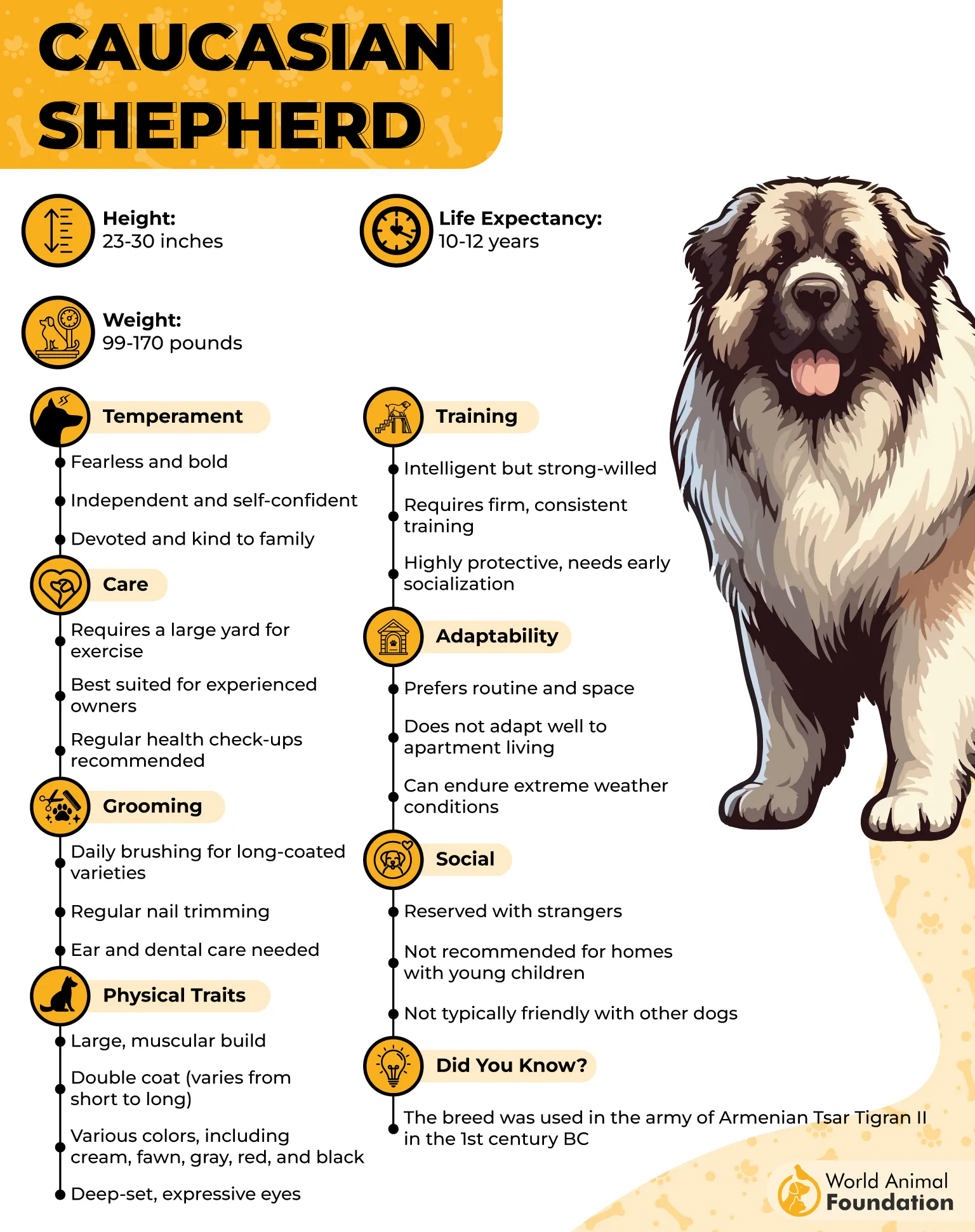
Send a wolf or bear toward the flock, and this dog meets the threat head-on across rocky, uneven ground that would slow a typical dog to a crawl. Its footing stays sure no matter how steep or icy the slope gets.
Coat: A thick, weatherproof double coat that shields against snow, wind, and freezing rain.
Paws: Broad, sturdy paws that grip uneven rock and ice better than narrower feet.
Frame: A massive, muscular body built to physically overpower large predators in close contact.
Some people assume a dog this large and protective must be constantly aggressive, but according to Britannica, the breed is naturally calm unless it senses a real threat. That same fierce, independent guarding instinct makes this dog a poor fit for a typical family home or a busy apartment building.
6. Australian Cattle Dog
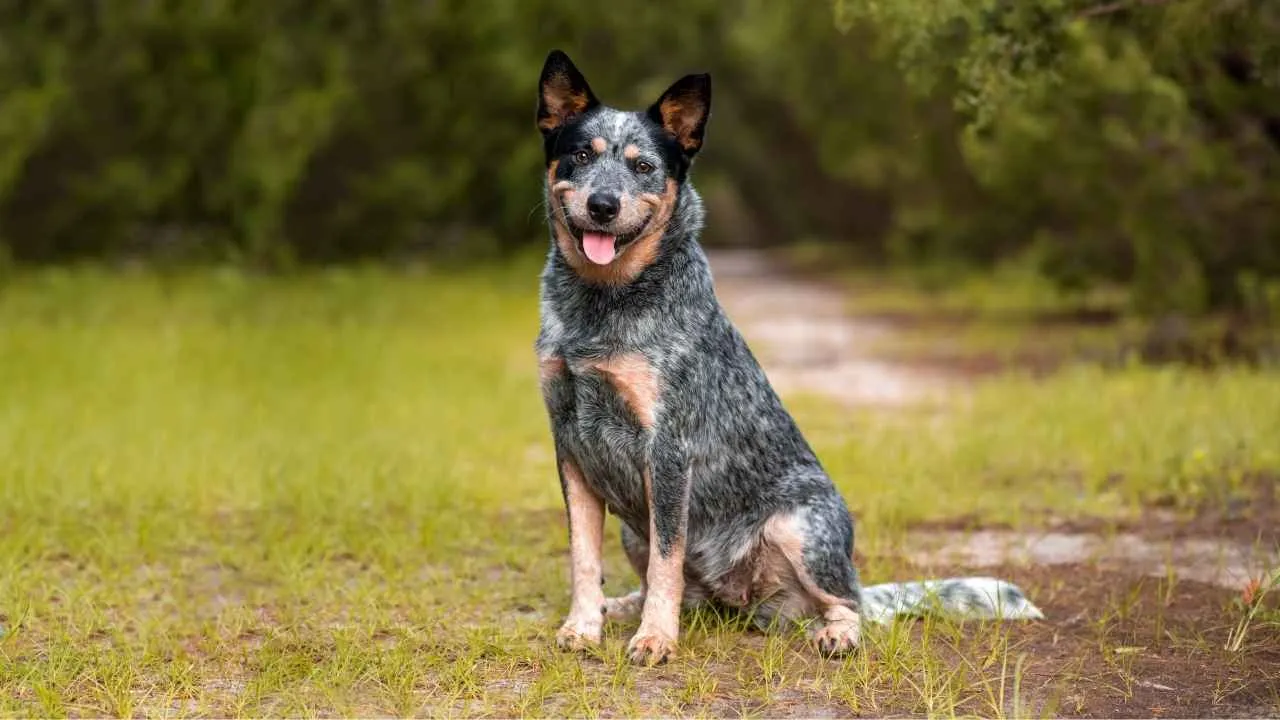
An Australian Cattle Dog can spend a full day herding cattle across sun-baked outback ground and still trot home looking for another task. Bred in Australia to work cattle over huge, scorching distances, this breed treats heat and rough terrain as part of the job description, built on incredible stamina.
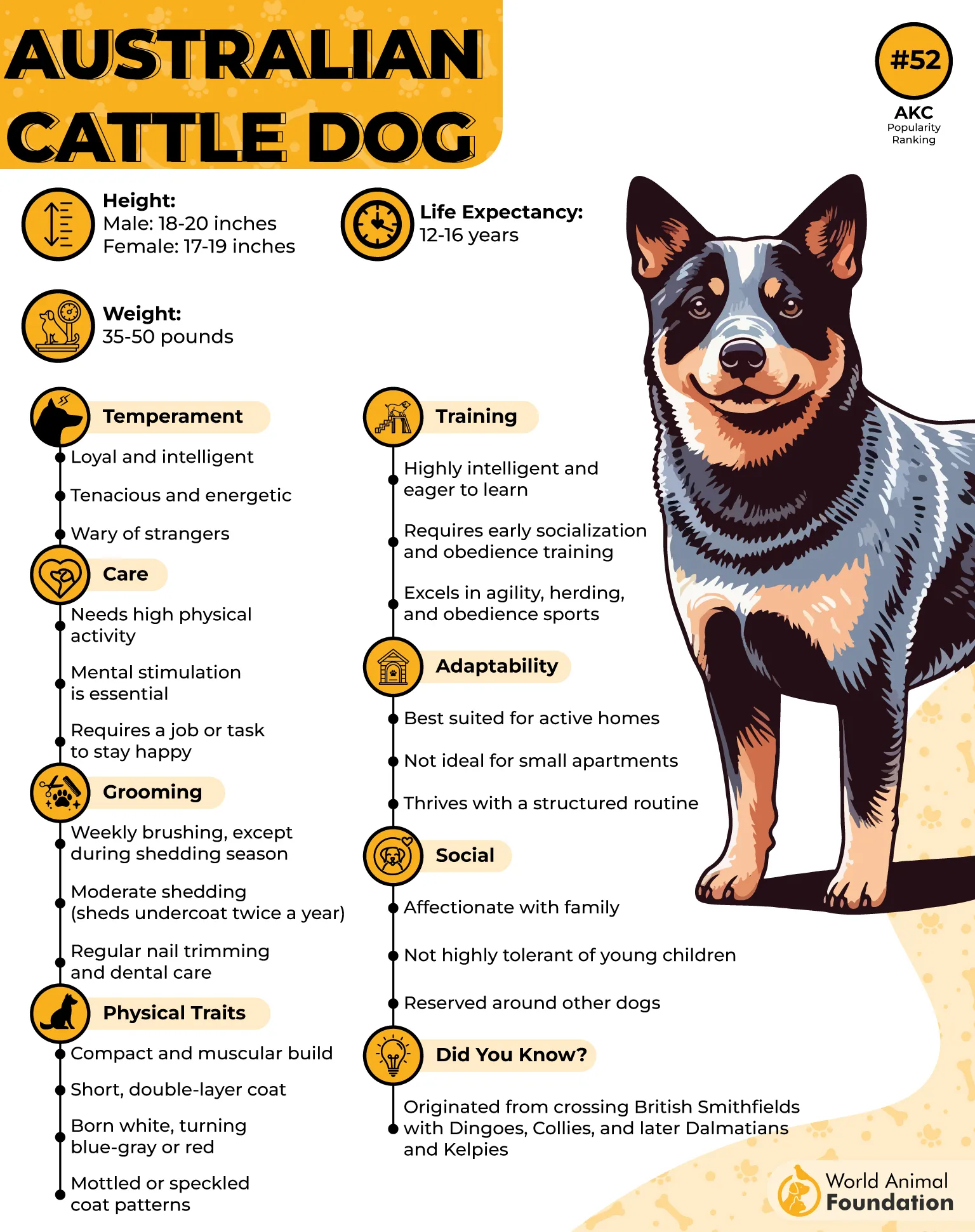
Give this dog a full day moving a stubborn herd under a brutal midday sun, and it stays sharp and focused, while a less hardy breed would need frequent shade breaks. Even hours later, it is still watching for stragglers instead of flopping down in whatever shade it can find.
Coat: A short, weather-resistant coat that reflects sunlight and sheds heat quickly.
Build: Compact, muscular hindquarters developed for covering long distances at a steady working trot.
Feet: Tough, compact paw pads suited to rocky, sun-hardened ground.
People often assume this breed’s rugged work history makes it low-maintenance mentally, but VCA points out these dogs need real mental stimulation, not just physical exercise. All that heat tolerance disappears in freezing climates, where this short-coated breed struggles to stay warm without extra help.
7. Boerboel
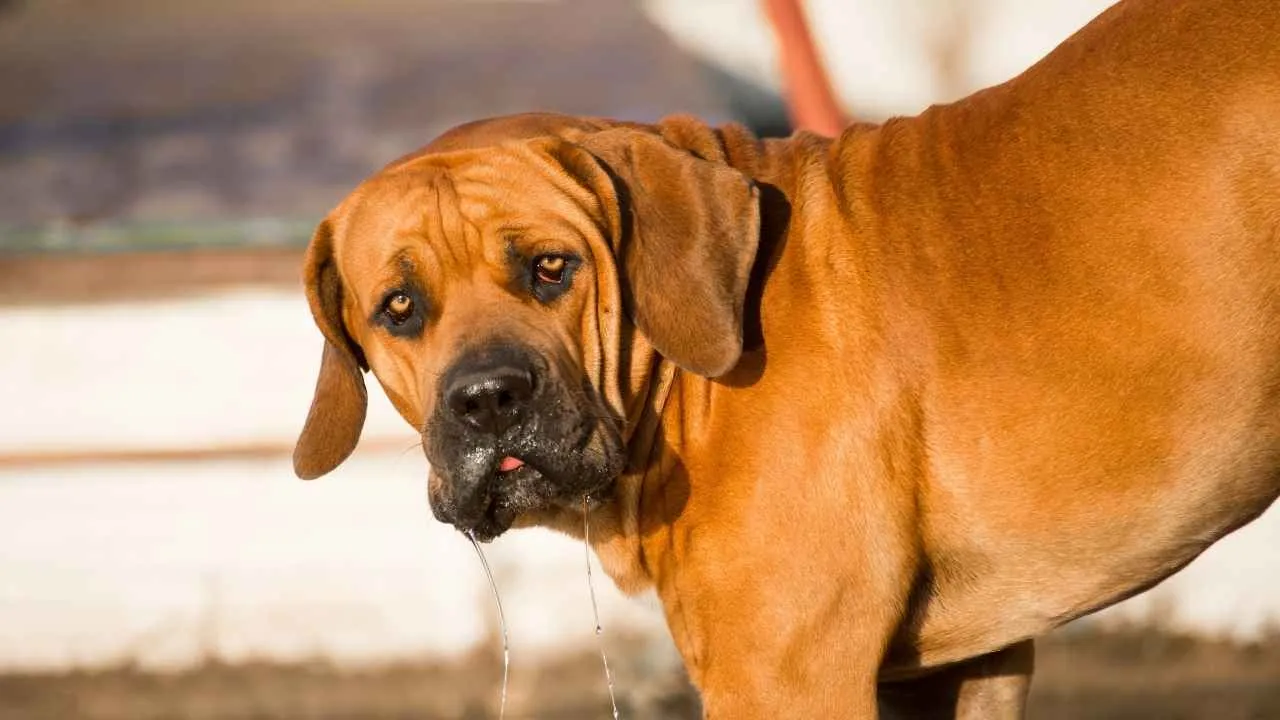
A Boerboel can lie out in direct African sun for hours and barely pant, while a lighter-built dog would already be searching for shade. Developed by farmers in South Africa to guard homesteads against dangerous wildlife, this breed was shaped by heat and real physical threats at the same time, the definition of a steadfast protector.
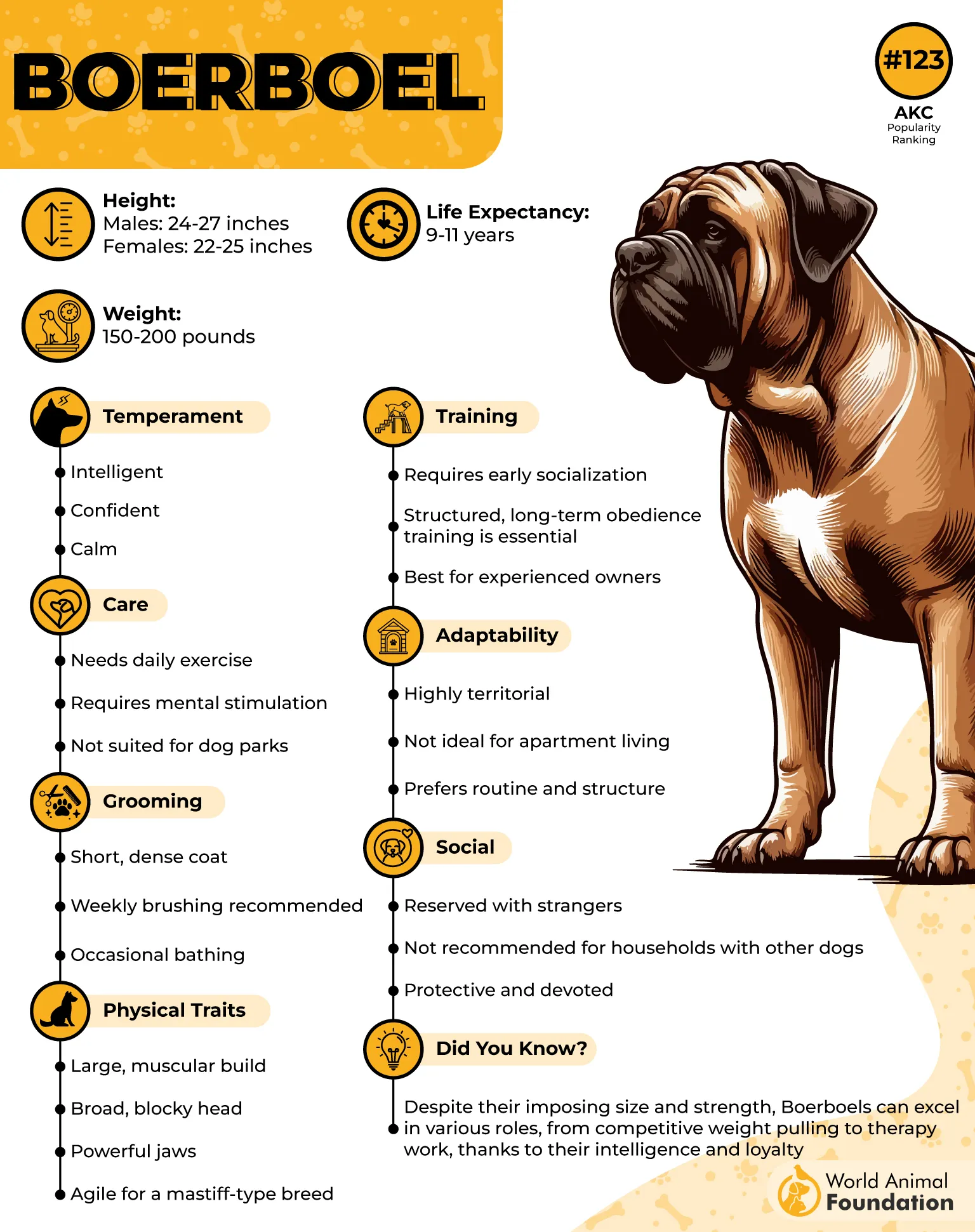
Let a leopard or intruder get close to the yard, and this dog closes the distance fast and holds its ground in the heat, when a typical guard dog would already be panting on the porch. Its confidence does not drop when the temperature climbs.
Coat: A short, dense coat that sheds heat efficiently without trapping it against the skin.
Build: A broad, muscular frame built for short bursts of serious physical power.
Skin: Thick, loose skin around the neck that helps absorb bites during a confrontation.
Many people picture this breed as naturally vicious because of its intimidating size, but Purina describes the Boerboel as confident and loyal with its own family. That same imposing power becomes a real liability around unfamiliar dogs or small children, where close supervision is always necessary.
Conclusion
True resilience was never one-size-fits-all. A dog engineered for brutal cold and a dog engineered for scorching heat are both incredibly resilient, just in completely different ways, so the real win is matching that design to your own backyard.
If you need a tireless working partner, a steadfast protector, or just an excellent companion who can handle your climate’s worst days, there is a hardy dog breed on this list built for exactly that job.
Pick the one whose strengths match your weather, and you get a reliable companion with the stamina and robust health to actually enjoy it.
