




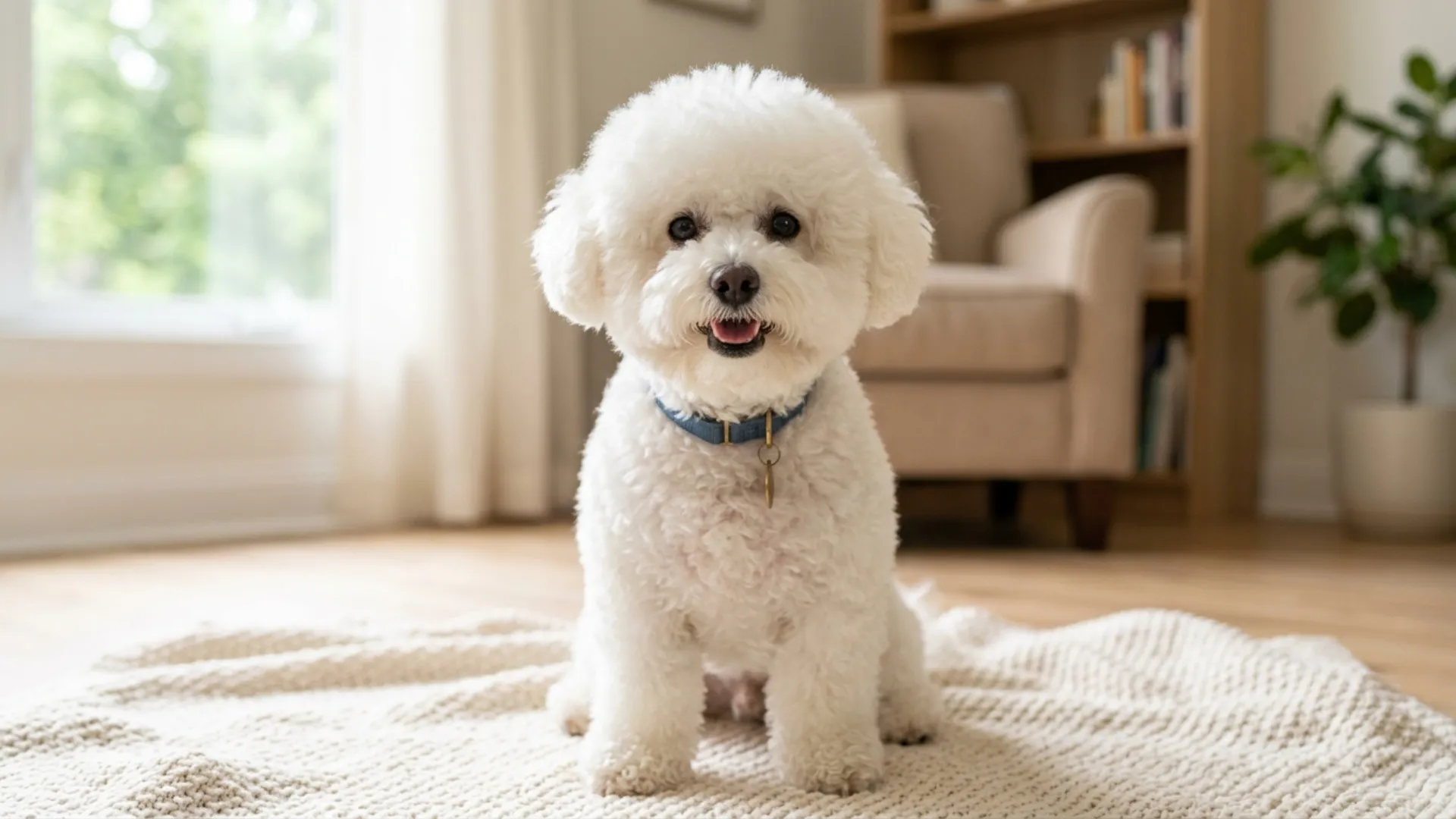
Many people believe the best first dog is whichever breed captures their attention the fastest. If the dog looks appealing and seems friendly, the decision feels easy. Yet that approach often overlooks the qualities that matter most once daily life begins.
Reliability rarely comes from appearance, and it certainly does not come from popularity alone. What truly matters is how consistently a dog responds to training, adapts to routines, and handles the everyday situations that come with living in a home.
For first-time owners, these traits often matter more than physical features. A dependable dog helps create positive experiences during the learning process rather than adding unnecessary complications. That is why perceptions differ between beginners and experienced owners.
The following guide focuses on dogs known for their reliability, steady temperament, and ability to make the transition into ownership feel far more rewarding from the very beginning.
Key Takeaways
First-time pet parents often focus on looks, yet reliability shows itself much later in the way a dog reacts to everyday life.
Golden Retrievers and Cavalier King Charles Spaniels stand out early, not because they are popular, but because they settle into homes with steady, predictable behavior.
Breeds like Poodle, Bichon Frise, and Havanese show how intelligence and social ease can make training feel far less overwhelming than expected.
By the end, you start noticing patterns that separate truly dependable companions from dogs that simply look appealing at first glance.
Top Reliable Dog Breeds for First-Time Dog Owners
1. Golden Retriever
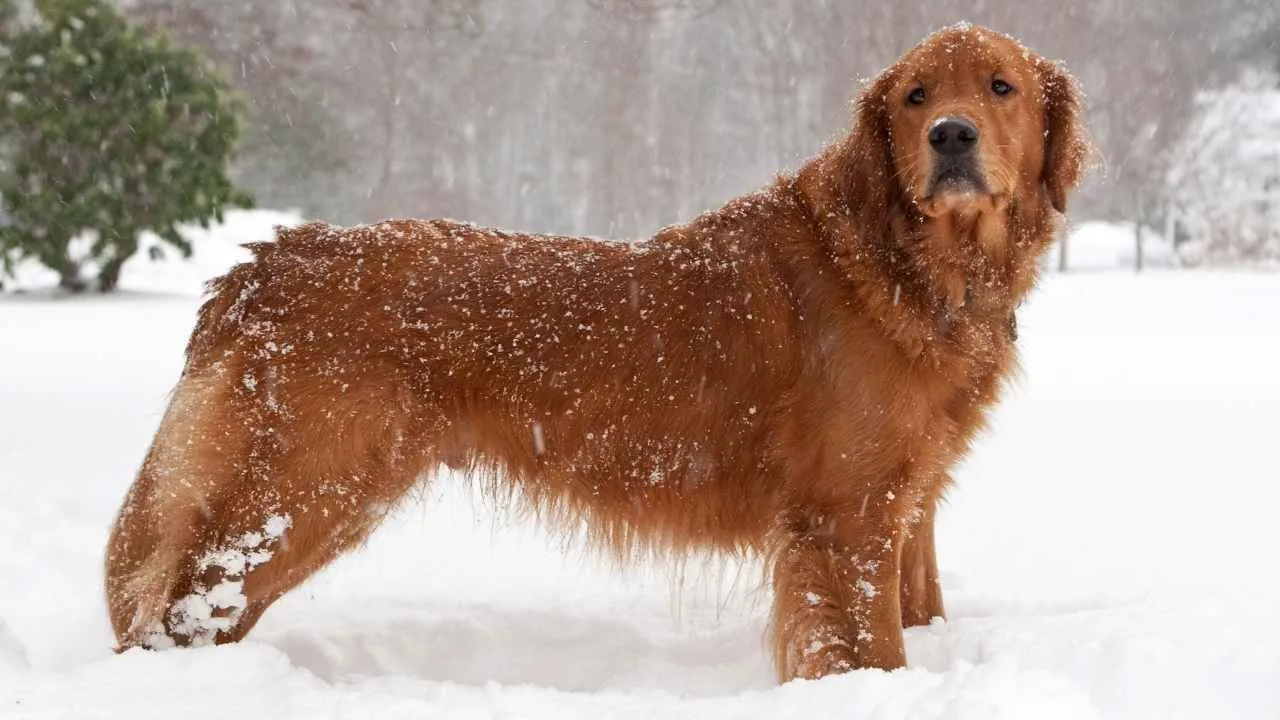
Golden Retrievers are known for an easy learning ability paired with a gentle, people-focused temperament that fits naturally into shared living spaces. Their connection with children, other pets, and even unfamiliar people forms through steady social exposure from early life, as PetMD noted.
Interaction habits that center on people
They often seek attention through close physical presence, using small gestures like nudging to extend interaction with people. Its behavior stays open and responsive across different social situations, especially when familiar with surroundings.
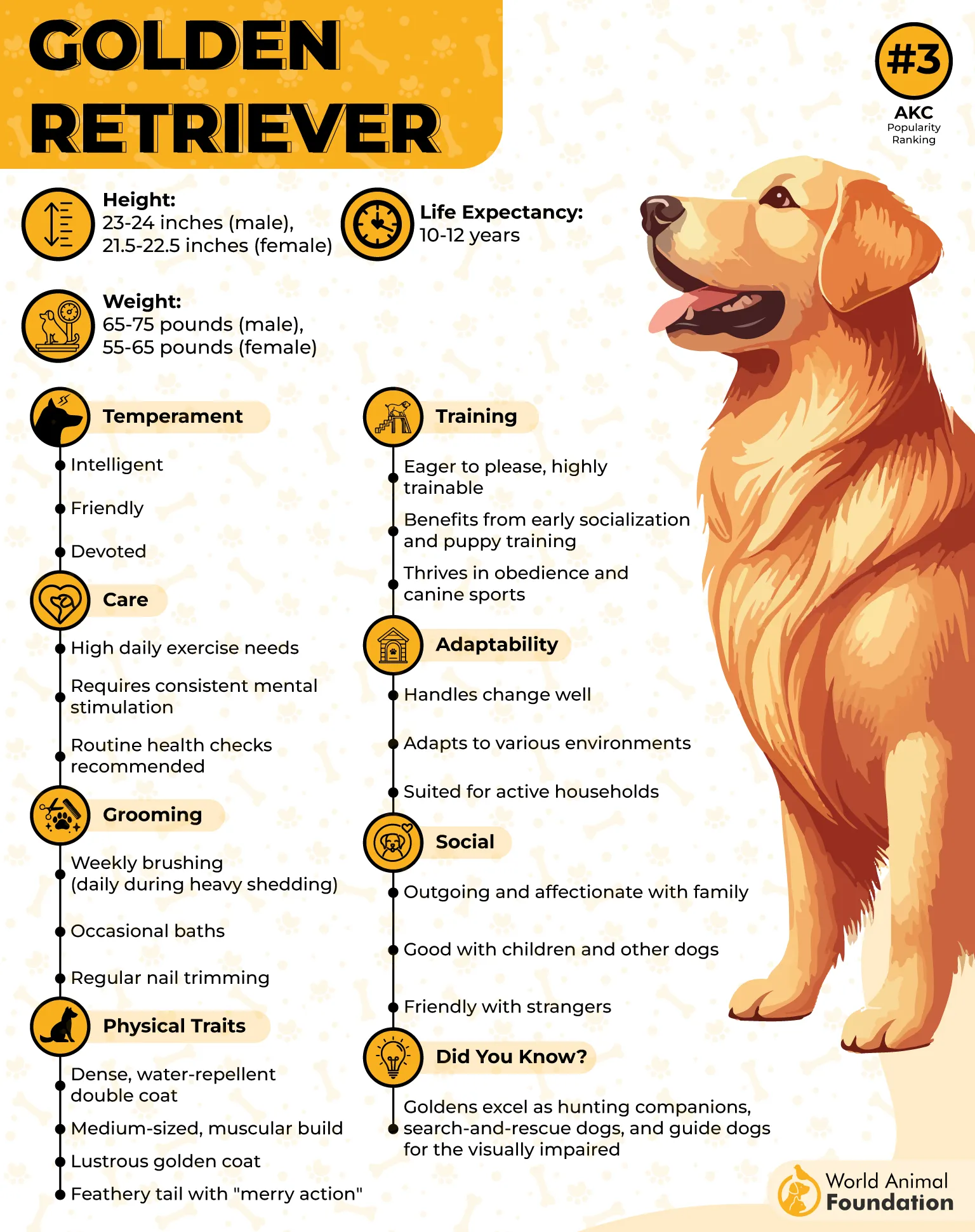
This interaction pattern can be seen clearly in daily habits:
Seeks repeated physical attention through gentle contact
Responds smoothly to children and other animals
Remains socially open even with unfamiliar individuals

Behavior traits in daily home life
Golden Retriever keeps a generally quiet presence with limited barking and little tendency for destructive digging. Its activity needs are steady, involving movement and stimulation rather than short bursts of play. This combination supports a predictable rhythm inside everyday routines.
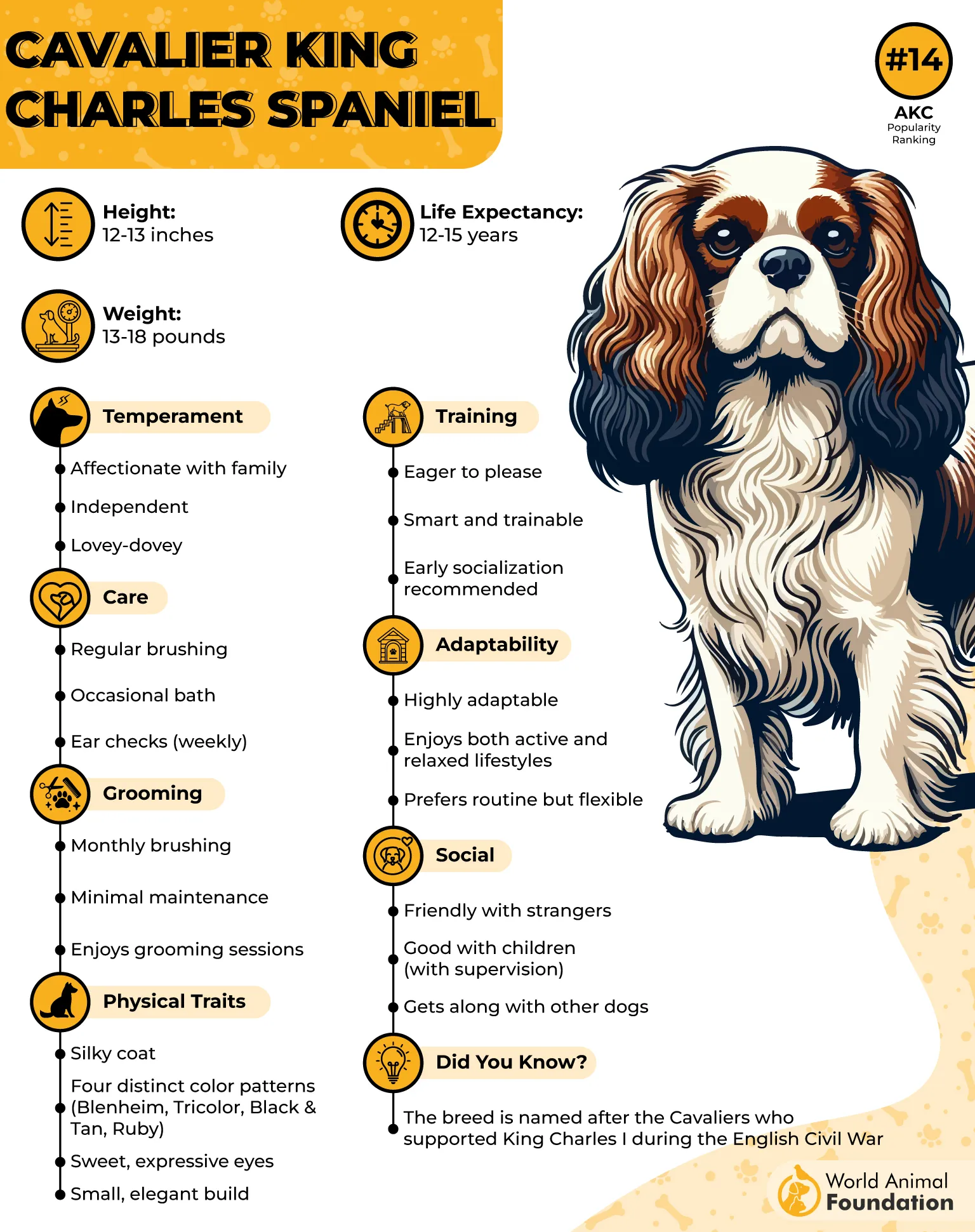
2. Cavalier King Charles Spaniel
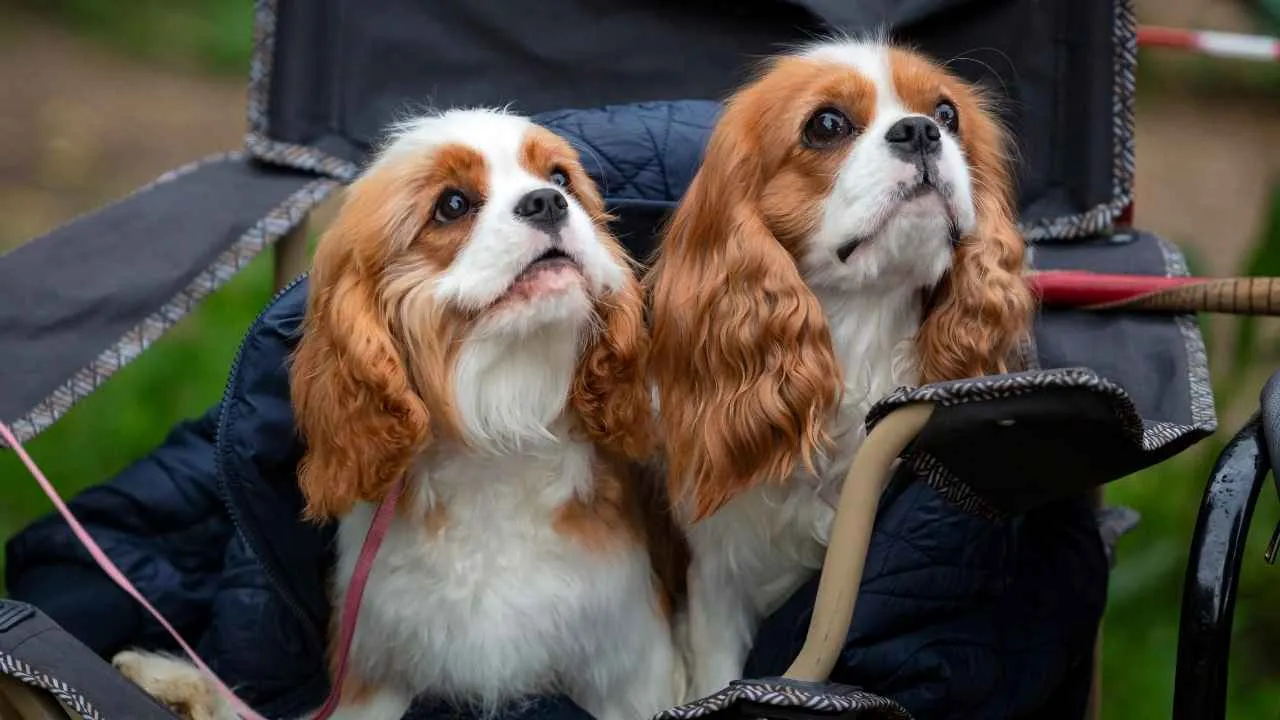
Cavalier King Charles Spaniel gained recognition through strong ties with British royalty, where it was favored by King Charles I and II and often accompanied them in daily life. It was kept close in indoor royal settings and in carriages for warmth and comfort.
Social ease in everyday interaction
This spaniel engages gently with people and adapts smoothly to shared spaces with children, cats, and other dogs. Its behavior reflects patience in handling social contact and comfort in close interaction.
This temperament becomes clear in simple daily patterns:
Responds calmly to household activity
Accepts handling from children and visitors
Adjusts easily to multi-pet environments
Learning response and mental engagement
Cavalier King Charles Spaniel reacts positively to structured training, picking up commands with steady repetition and encouragement. Its intelligence supports participation in activities like obedience work and agility-based tasks. This responsiveness adds clarity to daily handling and communication.
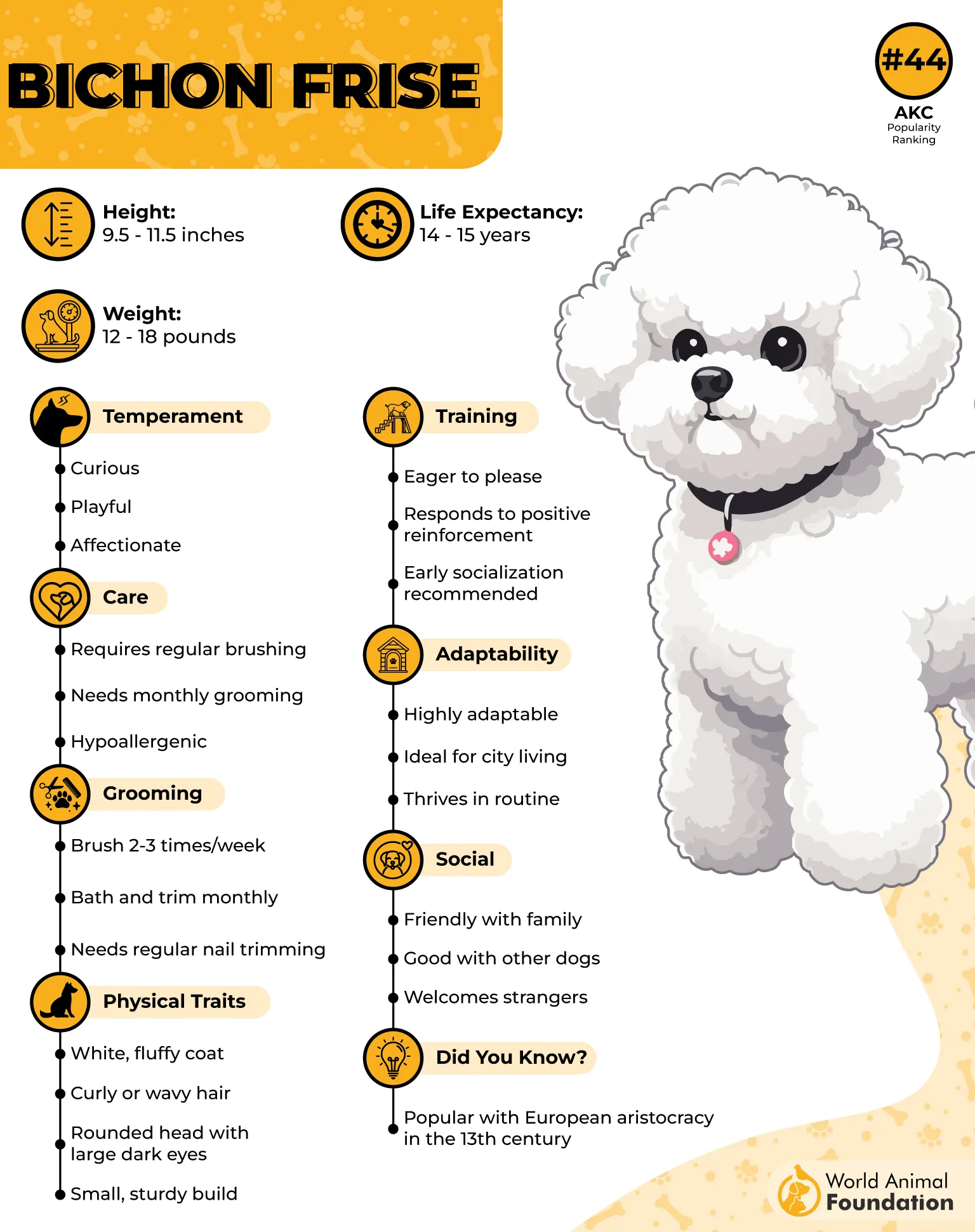
3. Bichon Frise
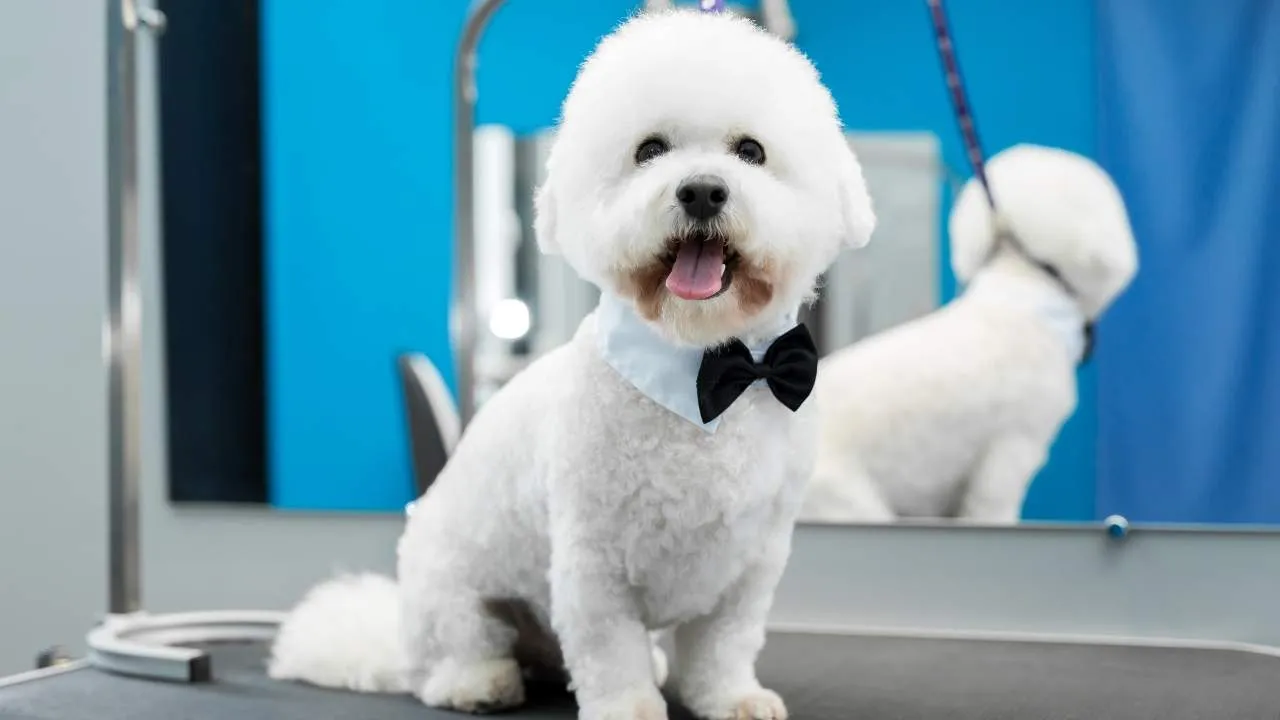
Bichon Frise is a small companion breed that naturally leans toward playful interaction, often seeking social contact with people and other dogs.
Its behavior revolves around curiosity and repeated engagement with toys or new experiences. Once interaction is fulfilled, it settles comfortably near its family.
Interaction style in daily routines
Bichon Frise responds actively to attention, often initiating play or following human movement within the home. Its eagerness to learn makes basic training easier when routines remain consistent, as mentioned in Purina.
This interaction pattern is seen through simple behaviors:
Quickly engages with toys and games
Responds positively to new tricks and cues
Builds comfort through repeated social contact
Adaptability within home settings
Bichon Frise adjusts well to smaller living spaces, including apartments, as long as social and play needs are met. It blends energetic bursts with quiet rest periods, shifting between activity and calmness depending on engagement. This balance supports everyday indoor living.
4. Shih Tzu
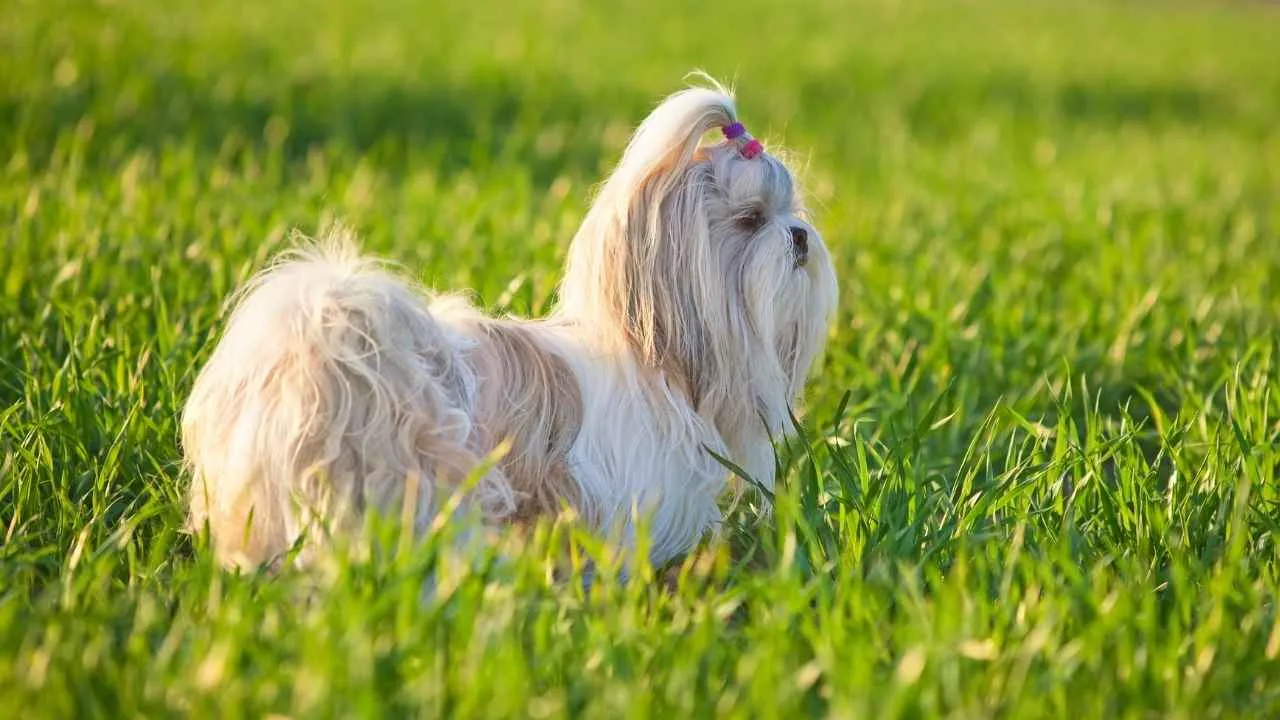
Shih Tzu was bred in the Tibetan regions as a small companion connected with palace life, later refined through crosses with Pugs and Pekingese in China.
Its purpose leaned toward close human presence rather than independent working roles. The name linked with “lion dog” reflects its symbolic styling around appearance and presence.
Alert behavior and social role
According to the AKC, this small dog carried a light alert function in imperial homes, using a sharp bark to signal visitors rather than act as a guard. Its response to surroundings was tied to attention-seeking rather than territorial control.
This behavior becomes clearer through simple patterns:
Reacts quickly to door activity with a vocal alert
Prefers constant human interaction over isolation
Engages easily with familiar people and pets
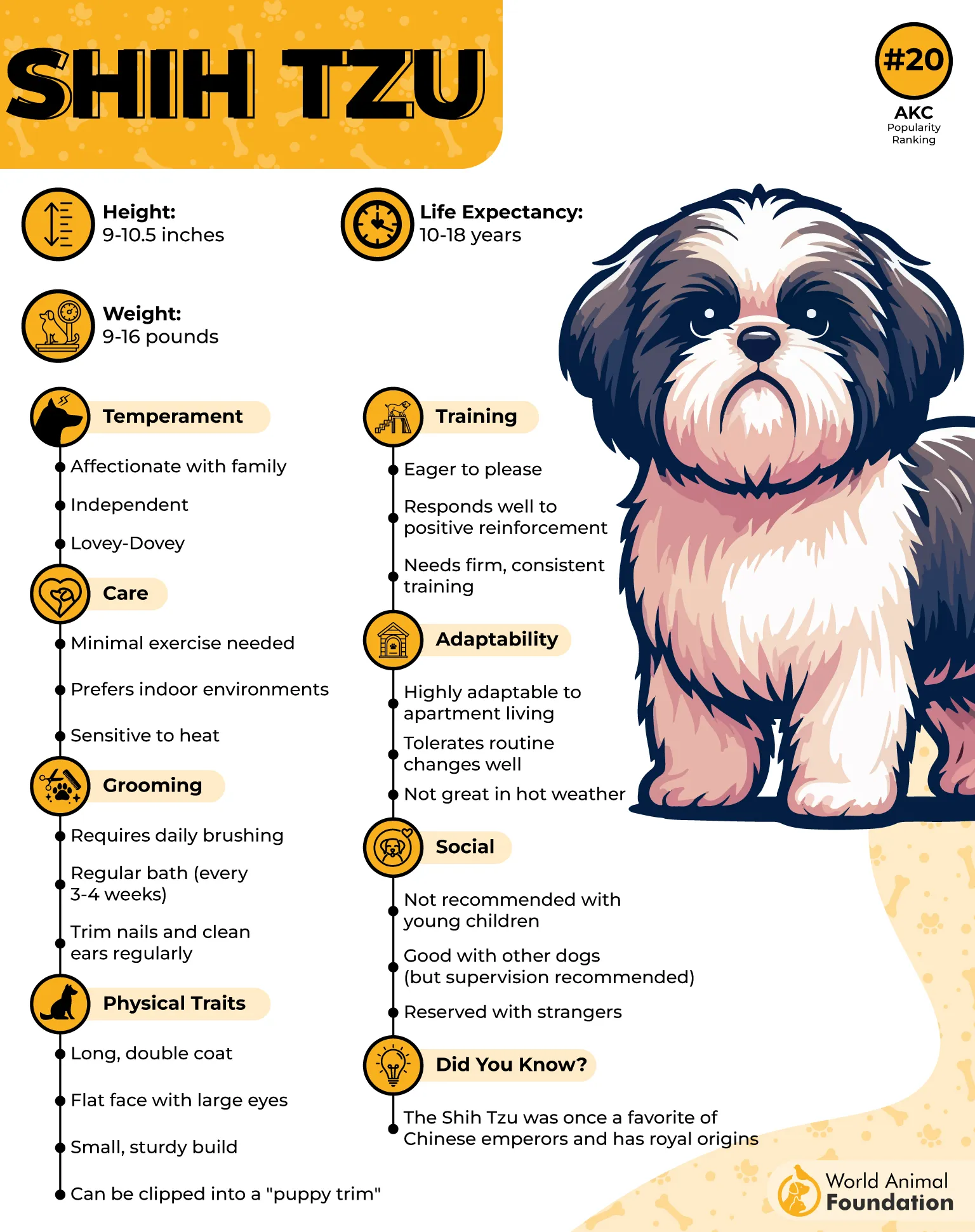
Routine needs and home behavior
Shih Tzu manages well with moderate activity such as short walks and indoor play sessions, focusing more on companionship than physical intensity.
Lack of early social exposure can lead to behaviors like excessive barking or digging. Supervised interaction with children helps maintain safe and balanced behavior patterns.
5. Papillon
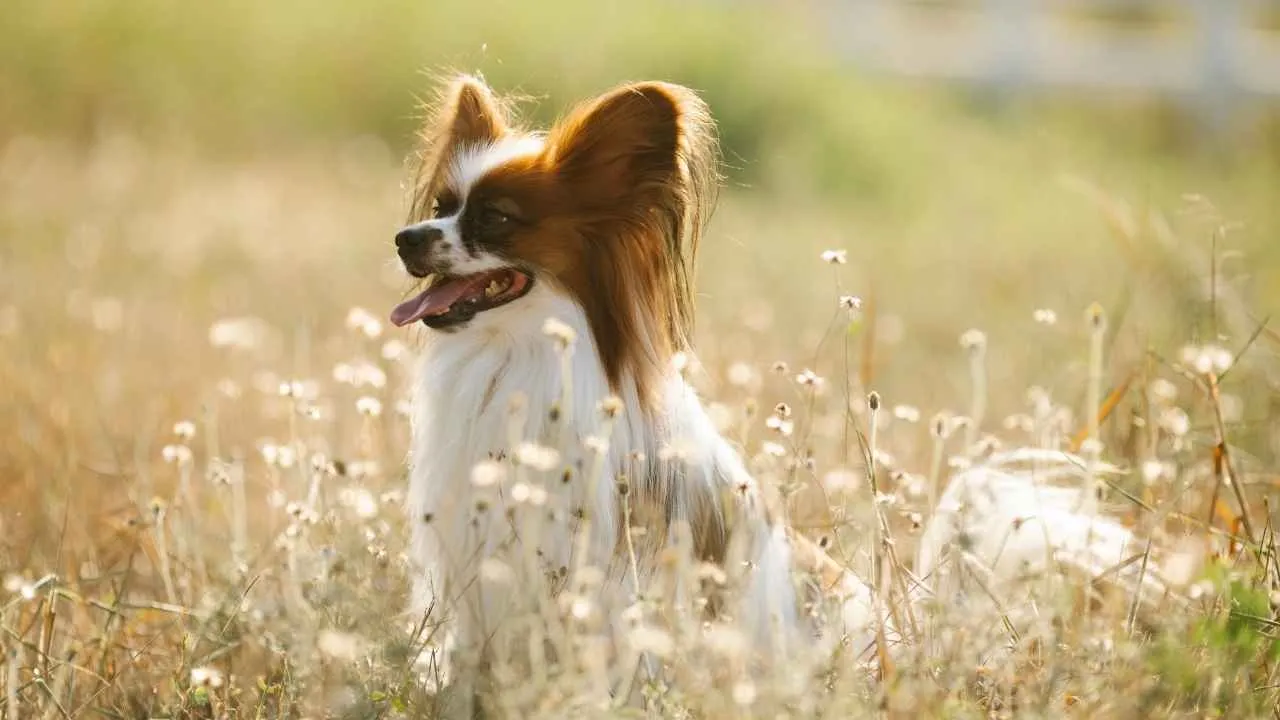
Papillon gets its name from the French word for butterfly, inspired by its large ears framed with long, wispy hair. Its compact body and elegant coat give a light, refined outline that fits small companion living. This appearance connects closely with its role as a close human companion over centuries.
Behavior shaped by companionship focus
They interact with people in an engaged, responsive way, often seeking closeness and shared activity throughout the day. Its small size does not limit its involvement, as it naturally fits into indoor play or short outdoor walks.
That behavior is reflected in everyday actions:
Enjoys close physical proximity during rest
Engages actively in short play sessions
Adapts quickly to different household routines
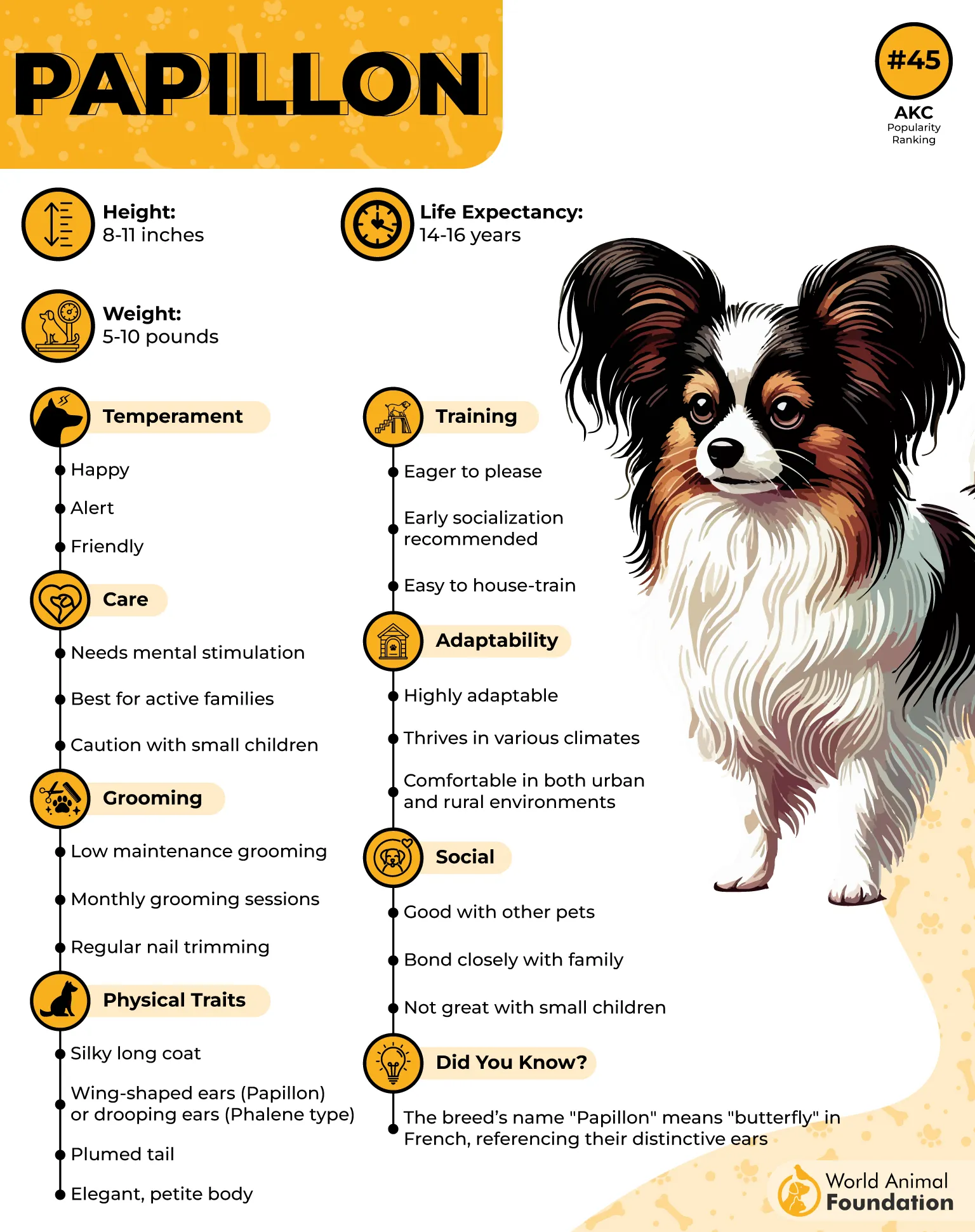
Coat care and learning response
Papillon’s long, feathered coat requires regular brushing to prevent tangles and maintain texture. Papillon responds best to steady reinforcement, where consistency builds reliable behavior patterns. Its learning ability combines with attentiveness, making structured guidance effective over time.
6. Poodle
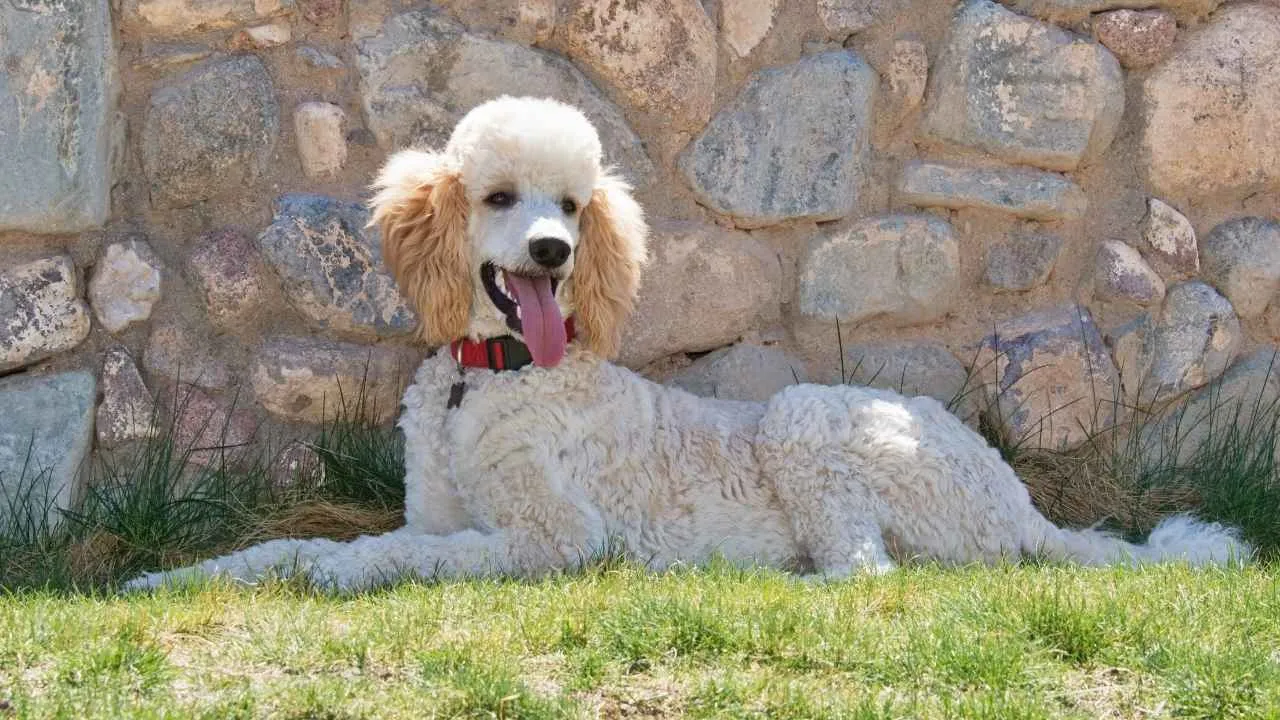
Poodles have a tightly curled coat that insulates the body in cold water, linking its structure to swimming and retrieving tasks. Early forms of the breed worked across herding and hunting roles before gaining recognition in Europe. Its design supports movement in both land and water environments.
Intelligence is shaped through response learning
This affectionate dog processes new information quickly, often learning tasks after minimal repetition and responding well to structured interaction. Its working nature links closely with tasks that require thinking and action together.
This learning style appears in practical patterns:
Grasping commands with minimal repetition
Responding quickly to guided instructions
Engaging in structured play like retrieval tasks
Social behavior with selective comfort
Poodle interacts easily in familiar surroundings, often showing playful and active behavior when engaged through activity or training. Around unfamiliar faces, it may take time before becoming fully open. Its response depends heavily on early social exposure and consistent handling.
7. Yorkshire Terrier
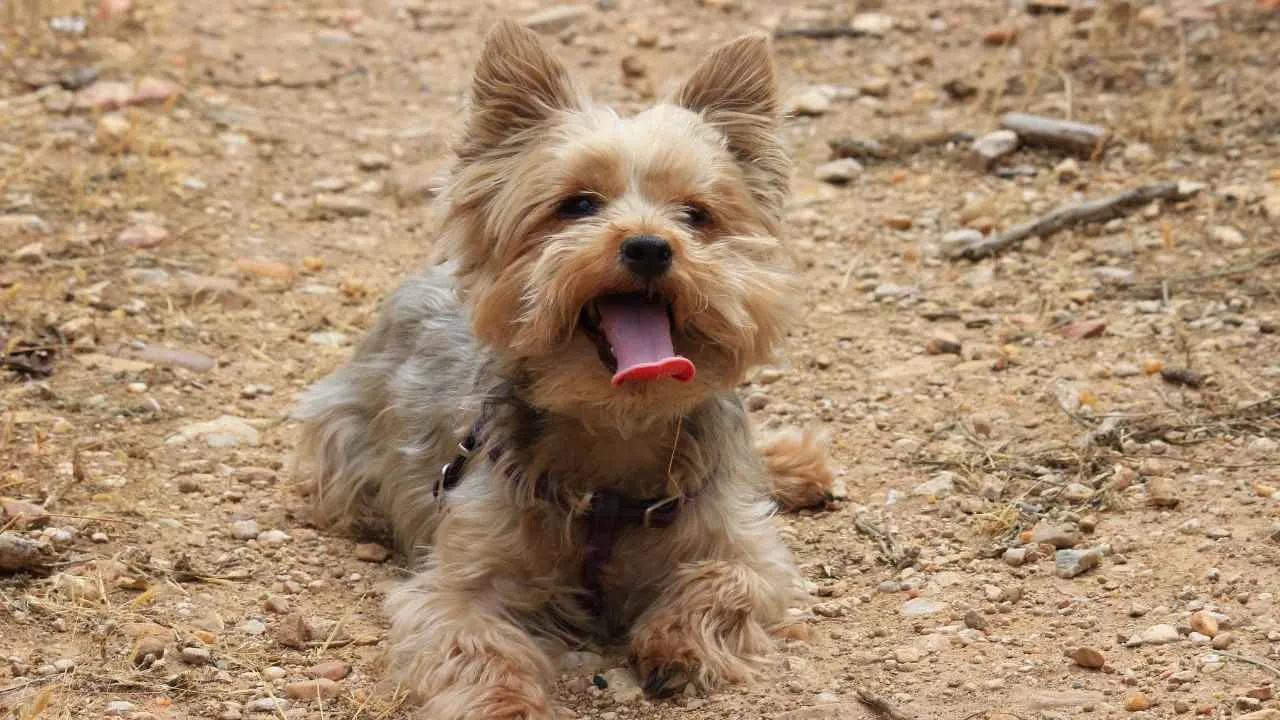
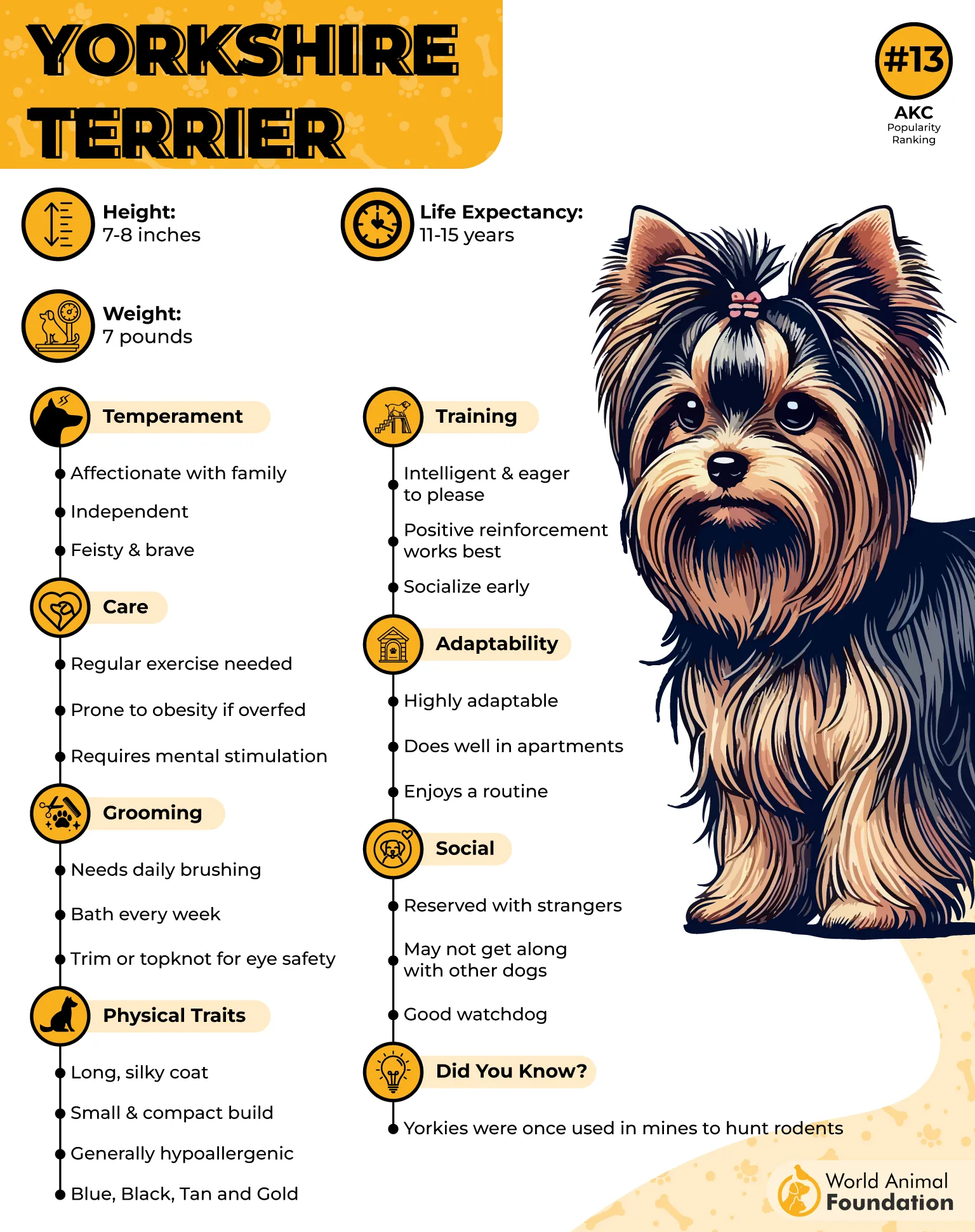
Yorkshire Terriers carry a compact size paired with a sharp, energetic nature that once served in chasing rodents inside textile mills. This early working role shaped a dog that reacts quickly and maintains constant alertness in its surroundings. Its tiny frame contrasts strongly with its bold attitude.
Personality packed into a small frame
Yorkies interact with people in a lively and expressive way, often combining affection with a stubborn streak that appears during routine handling. Its energy level requires regular mental engagement to avoid restless behavior indoors.
That behavior becomes clearer in everyday patterns:
Responds quickly to attention and interaction
Engages actively with household activity
Seeks stimulation through play and movement
Routine shaped by care and structure
Yorkshire Terrier requires regular grooming due to its long, hair-like coat that demands ongoing upkeep. Short daily walks combined with indoor activity help balance its energy without overwhelming it. Structured interaction keeps its behavior steady across the day.
8. Pug
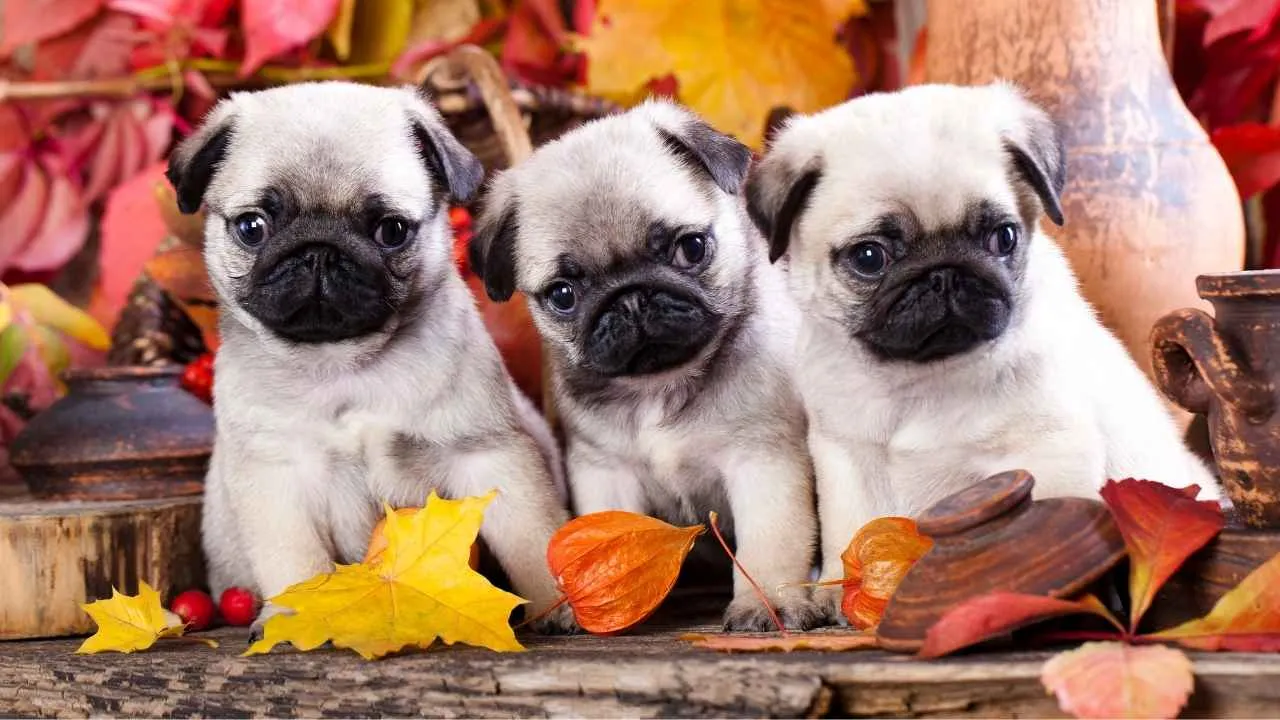
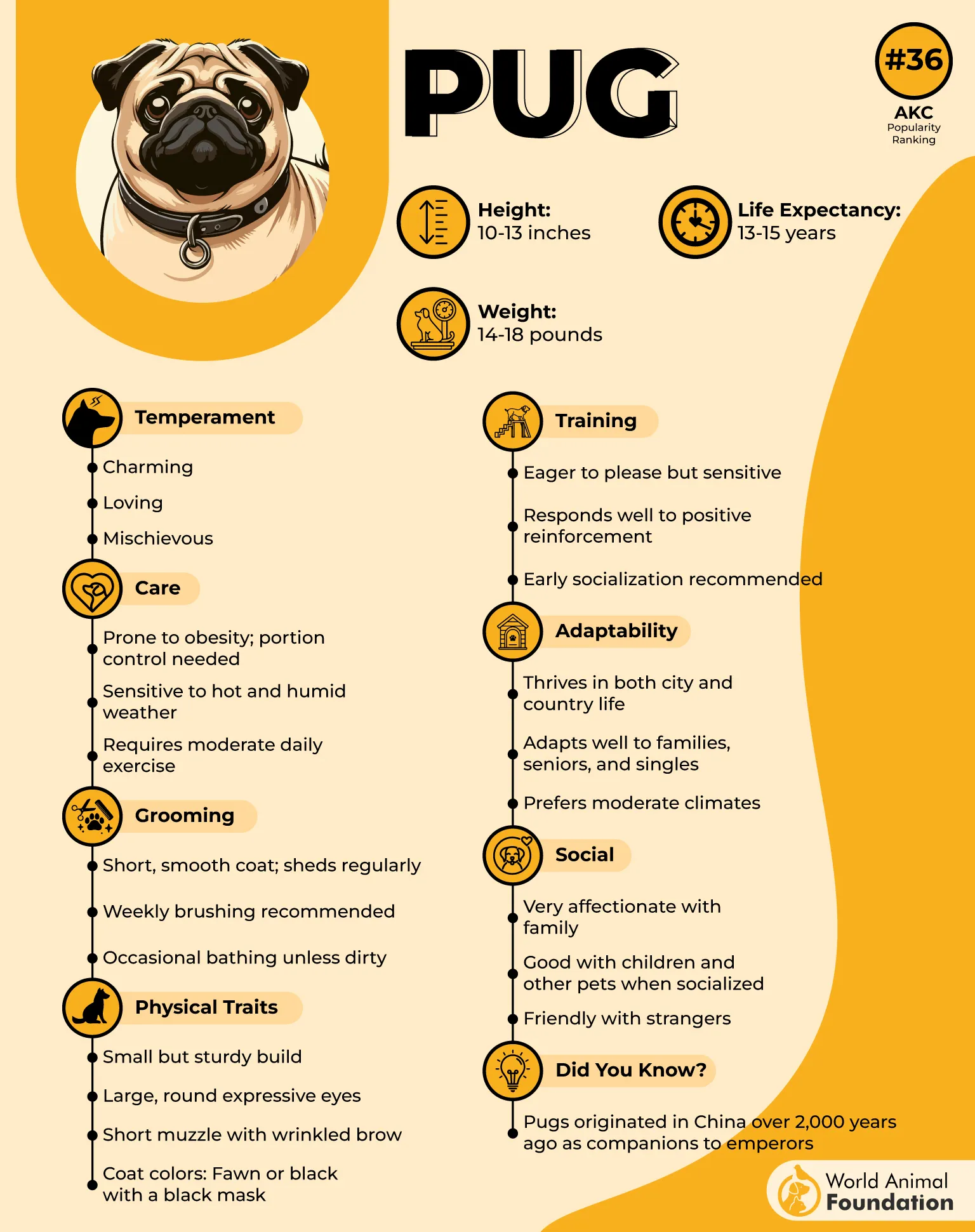
Pugs came from early China nearly two millennia ago, later becoming a favored companion in royal circles across different regions. Its compact build and expressive face reflect a breed shaped for close human presence rather than distance or independence.
Social behavior centered on attention
This best dog breed interacts with people through constant engagement, often seeking inclusion in daily home activities rather than staying separate. Its responses are quick, driven by interest in human interaction and shared space.
This pattern becomes clearer through everyday behavior:
Seeks involvement in household routines
Reacts quickly to human attention shifts
Prefers proximity over isolation
Care needs tied to simple upkeep
Pugs have a short, smooth coat that requires only light maintenance, though it sheds regularly and benefits from weekly brushing using simple grooming tools. Its care routine stays manageable compared to more demanding coat types. This keeps upkeep focused on consistency rather than complexity.
9. Maltese
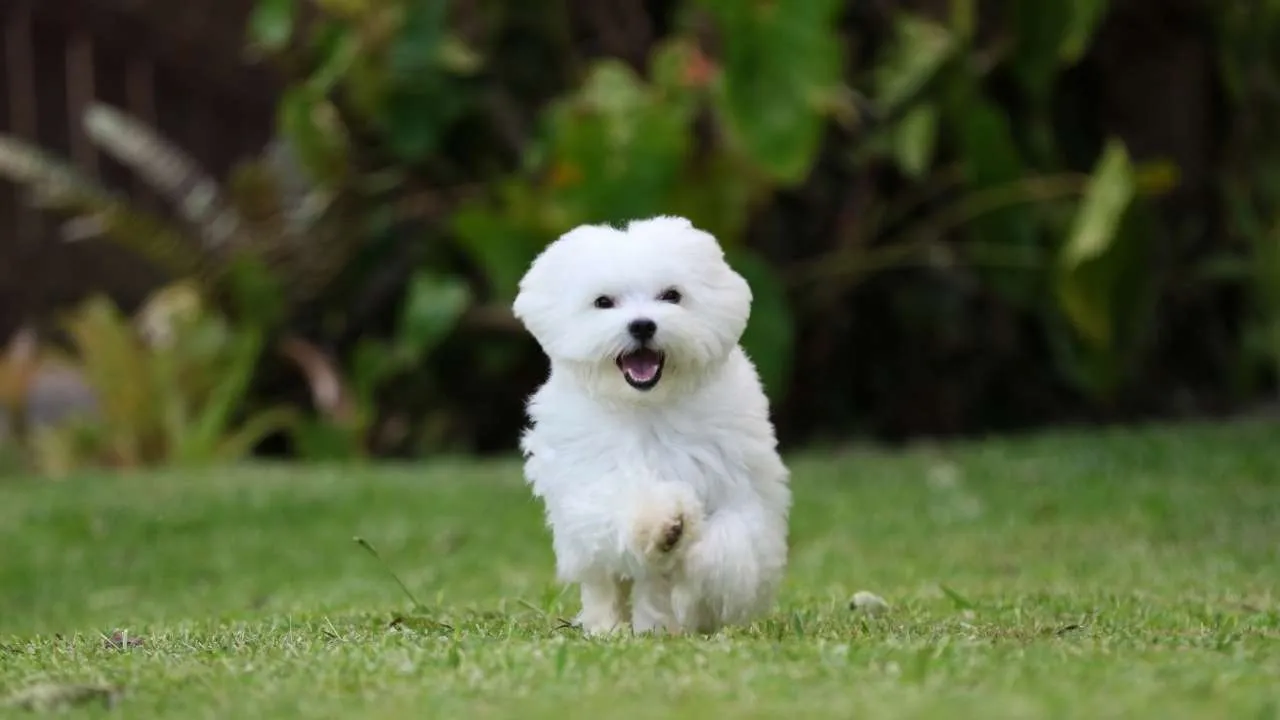
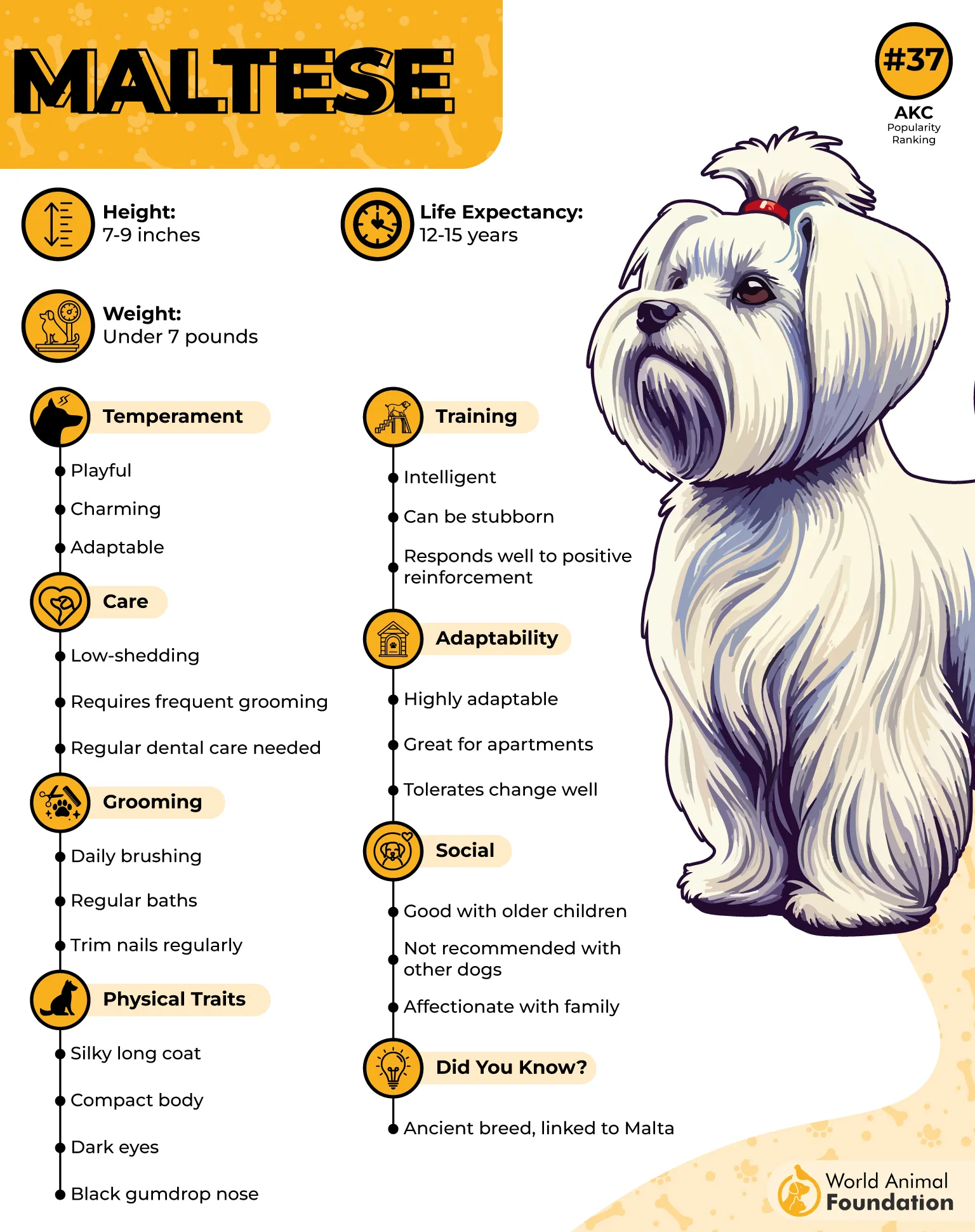
Maltese, often called “Ye Ancient Dogge of Malta,” has long been linked with refined companionship, known for a compact frame beneath its long, silky white coat.
Its movement carries a smooth, floating quality that adds to its balanced appearance. Big dark eyes and a small black nose give it a striking facial expression that draws immediate attention.
Physical detail that defines presence
They have a lightweight body under a floor-length coat that requires care but adds to its distinct appearance. Despite its delicate look, it handles daily life with steady confidence and playful energy.
Key physical and behavioral traits include:
Smooth, effortless gait despite tiny frame
Long straight coat forming a flowing outline
Compact structure built for light, quick movement
Temperament in everyday life
Maltese interacts easily with people of different ages, often seeking social contact and reacting quickly to attention. Its playful side appears in short bursts of activity indoors or in small outdoor spaces. This balance between calm rest and energetic moments shapes daily living with it.
10. Havanese
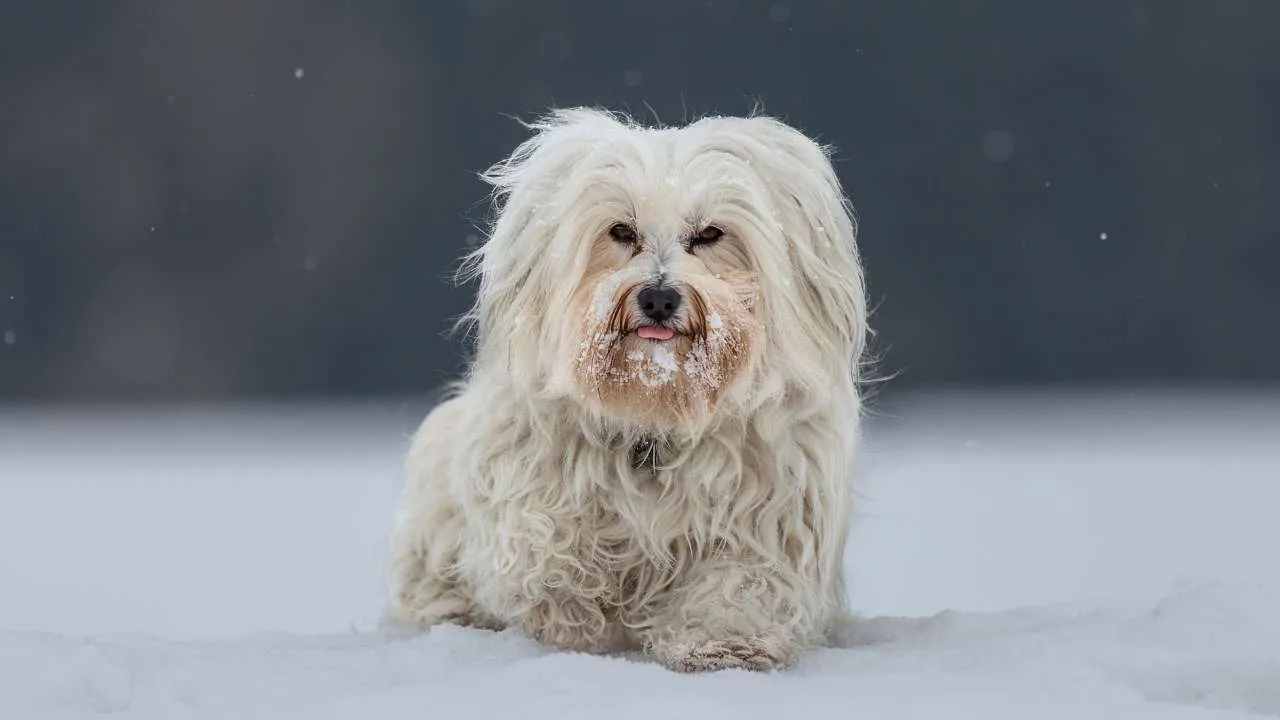
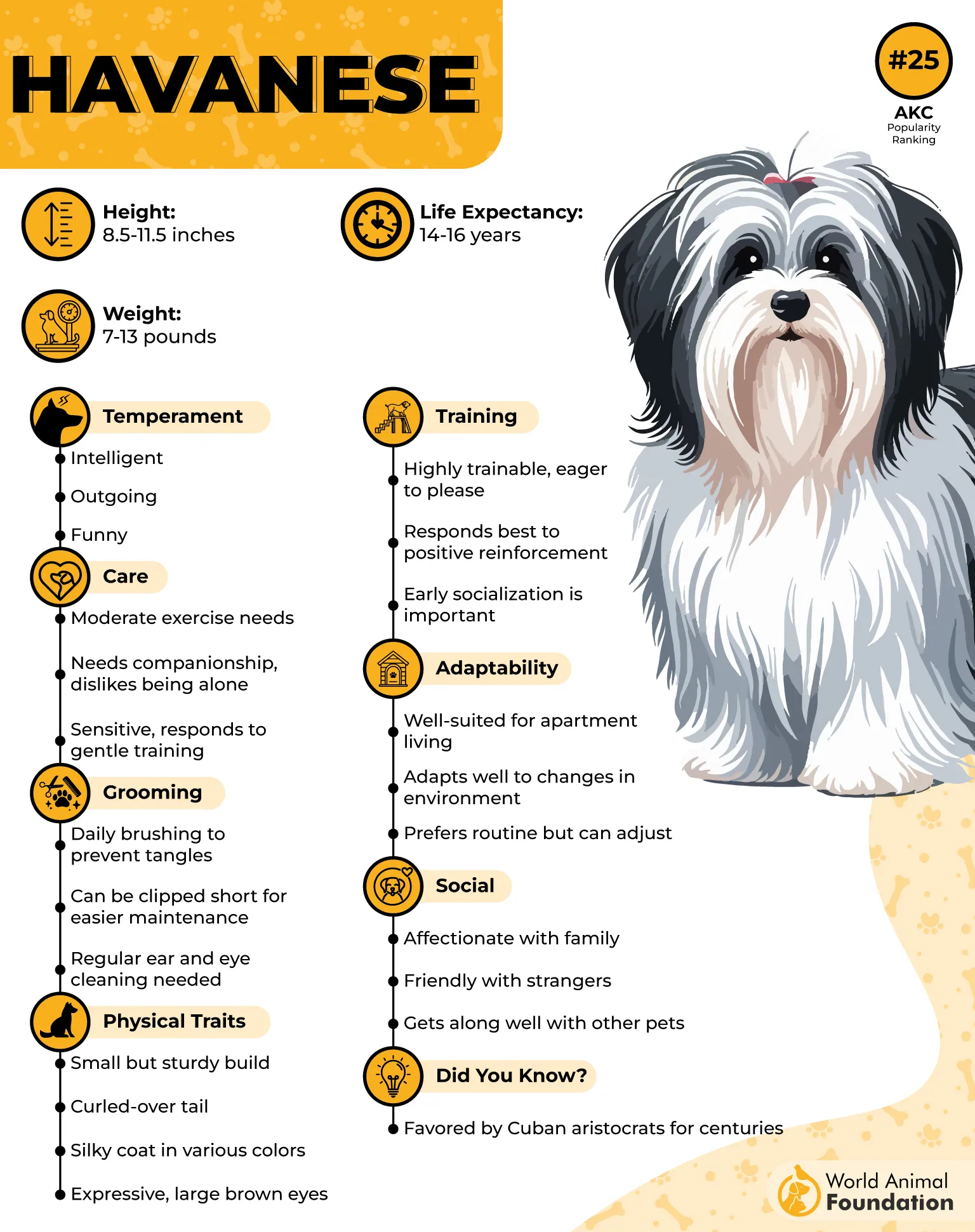
Havanese is the only dog breed native to Cuba, recognized for its bright expression and light, spring-like energy in daily behavior. Its compact yet sturdy frame supports easy interaction in close living spaces. The overall impression feels lively and people-focused rather than distant.
Social rhythm and attention
Havanese adapts quickly to human presence, often seeking interaction and reacting with animated behavior that fits busy households and city living. Its grooming styles vary widely, but its personality remains consistent regardless of coat presentation.
This social pattern becomes clear through daily habits:
Engages easily with strangers and familiar people
Responds quickly during play or attention shifts
Fits well into compact indoor environments
Intelligence expressed through interaction
Havanese learn through engagement, often responding well to playful teaching methods and repetitive cues. Its alert nature also makes it attentive to household changes, sometimes acting as a light watchdog without excessive noise. This behavior blends awareness with a friendly disposition.
Conclusion
The most successful first-dog experiences rarely happen by accident. They often begin with a companion whose temperament, adaptability, and learning ability fit comfortably into everyday life. Reliable behavior makes training and routines easier to manage. Finding the right breed is especially important, whether for a busy household or apartment living.
Over time, those advantages can have a lasting impact on confidence and enjoyment. Every dog brings its own personality, but consistency often proves more valuable than excitement alone. A versatile dog breed can help create a stronger foundation, allowing both owner and companion to grow together through years of shared experiences and trust.
