





Not every dog needs hours of vigorous exercise or a packed daily schedule to feel content. Some breeds are happiest spending quiet afternoons beside their owners, enjoying gentle walks, or curling up in a comfortable spot at home. Their easygoing temperaments can make them appealing companions for people who prefer a calmer pace of life.
However, a relaxed personality does not mean a dog requires little attention. Companionship, mental stimulation, appropriate exercise, and regular veterinary care remain essential, even for breeds known for their laid-back nature.
Individual personalities also vary, so prospective owners should consider a dog’s age, health, and background rather than relying on breed reputation alone.
From affectionate lap dogs to surprisingly mellow former athletes, these ten breeds offer different ways to enjoy a more peaceful home environment.
Most Relaxing Dog Breeds Perfect for the Laid‑Back Lifestyle
1. Basset Hound
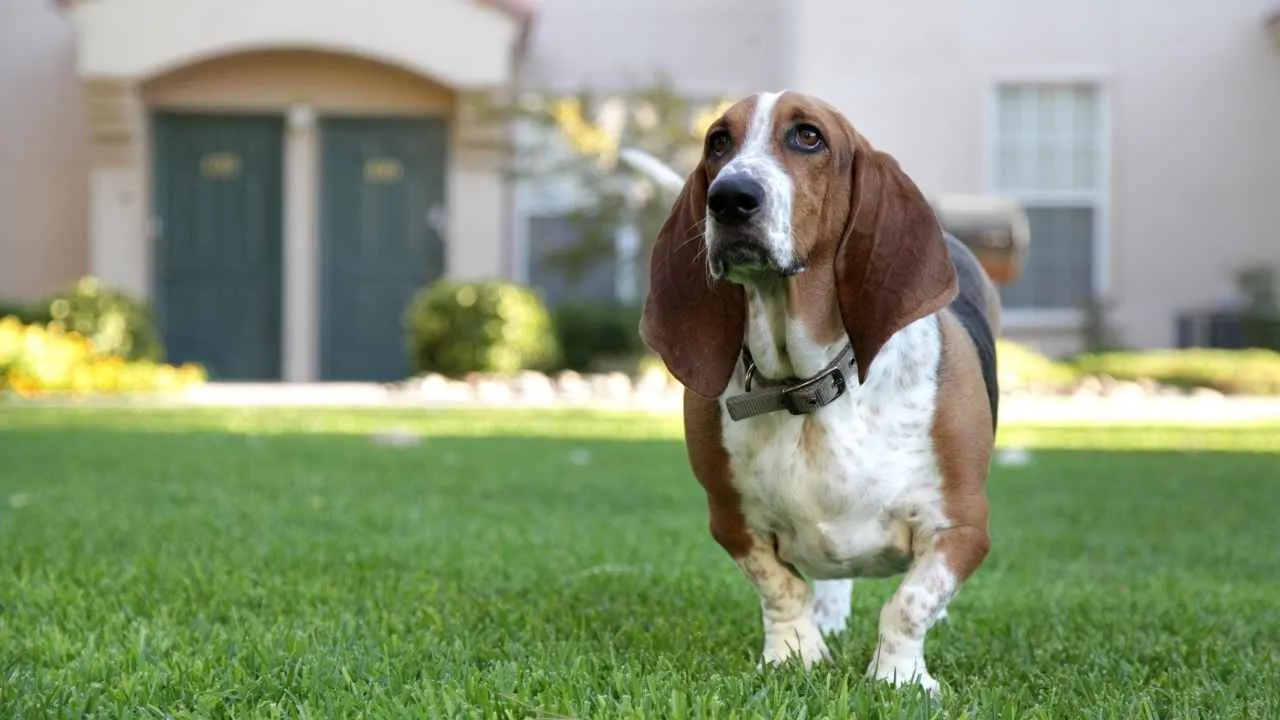
The Basset Hound is instantly recognizable by its long ears, short legs, and soulful expression. Originally developed in France for scent-based hunting, this breed has a powerful nose and a surprisingly determined streak, as per Hill’s Pet.
At home, however, Basset Hounds often prefer comfortable resting spots and unhurried companionship. Their affectionate disposition makes them appealing to households that enjoy a leisurely routine.
Keeping Those Long Ears and Coats in Good Condition
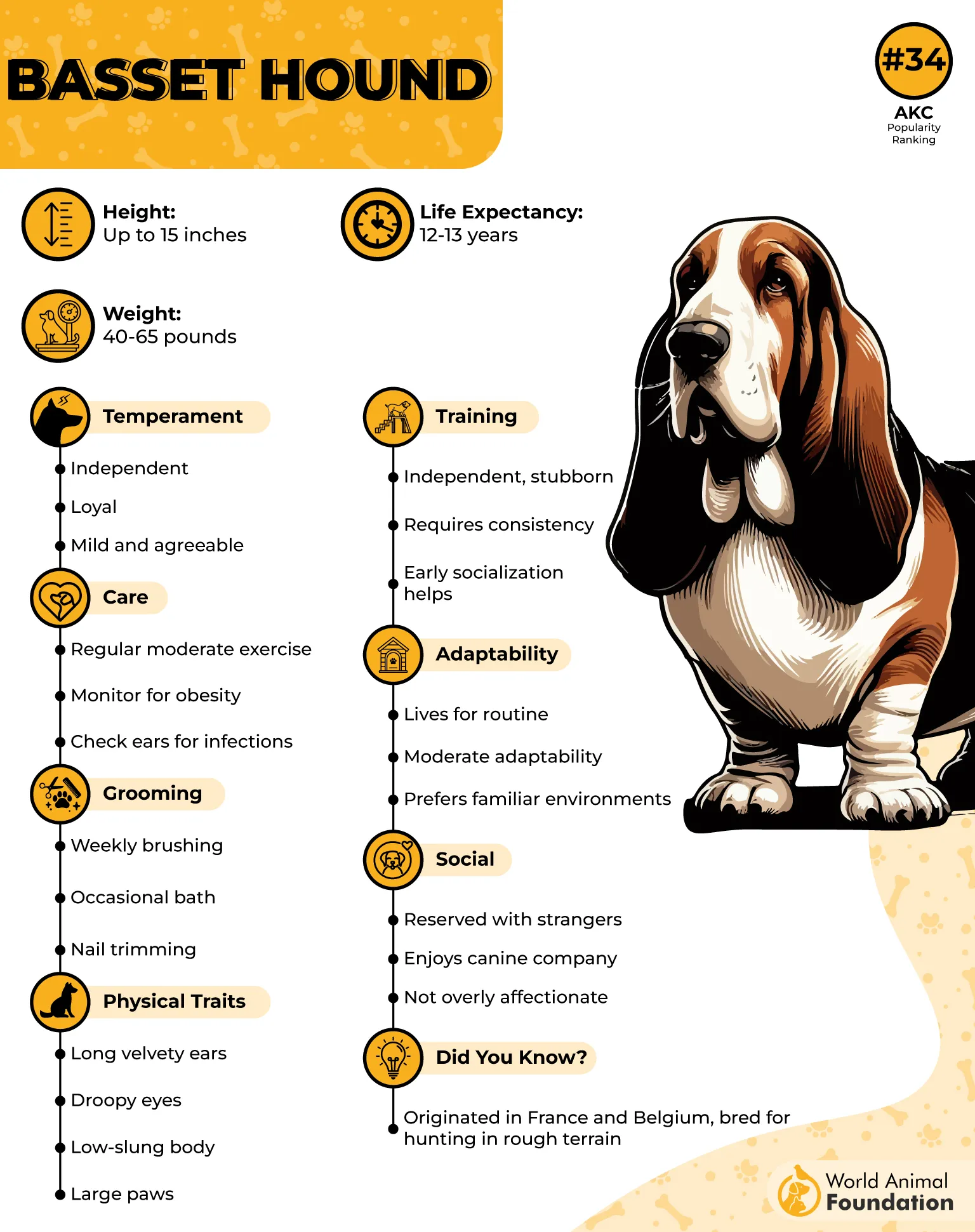
The Basset Hound’s short coat is relatively easy to maintain with weekly brushing, but its long ears need frequent inspection and cleaning to reduce moisture buildup.
Skin folds should also be checked, particularly if irritation develops. Regular veterinary visits help address ear infections, orthopedic concerns, and other potential health issues.
A Leisurely Companion With a Nose for Adventure
Basset Hounds are well suited to relaxed households because they generally enjoy a comfortable indoor environment and moderate daily activity. Their idea of a pleasant outing may involve a slow neighborhood walk with plenty of opportunities to investigate interesting smells. That powerful nose can make them stubborn about following a scent, so secure outdoor spaces are essential.
2. Cavalier King Charles Spaniel
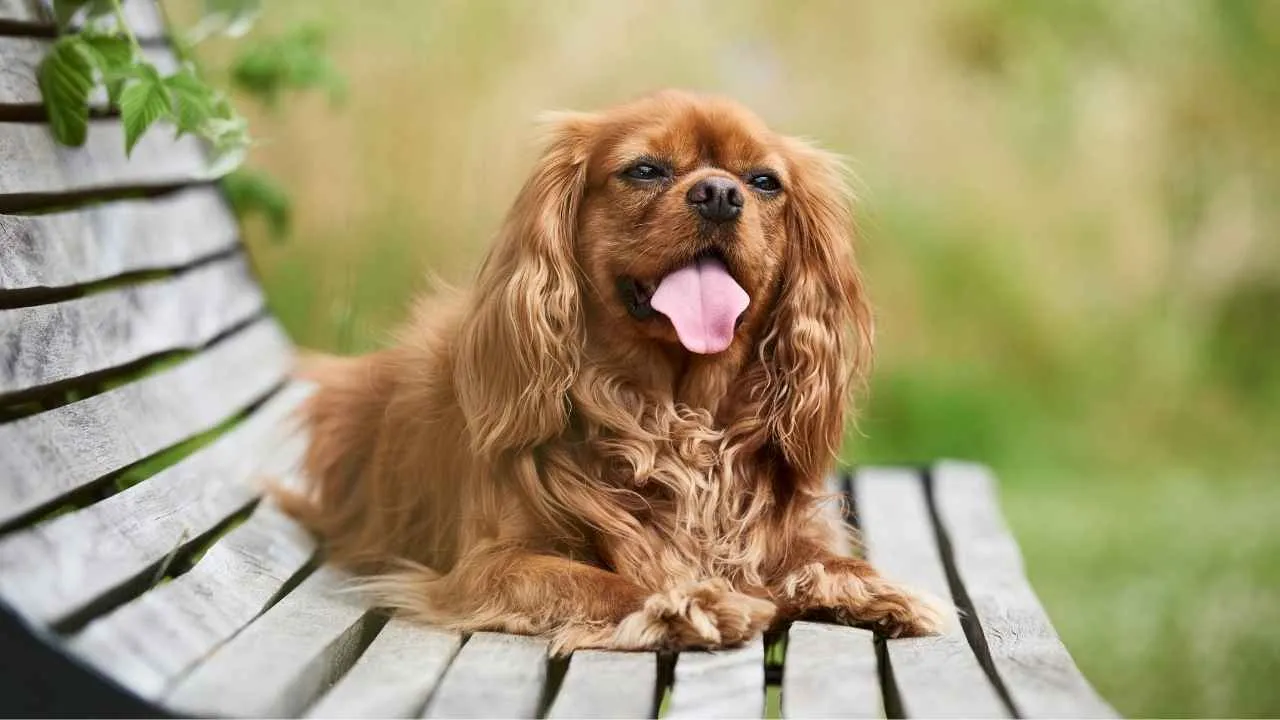
Few small breeds are as closely associated with affectionate companionship as the Cavalier King Charles Spaniel. Developed as a friendly dog with sporting ancestry, it tends to enjoy being near its family rather than spending long periods alone. Cavaliers often adapt well to apartments and larger homes alike, provided they receive attention and daily activity.
Maintaining Silky Fur and Feathered Ears
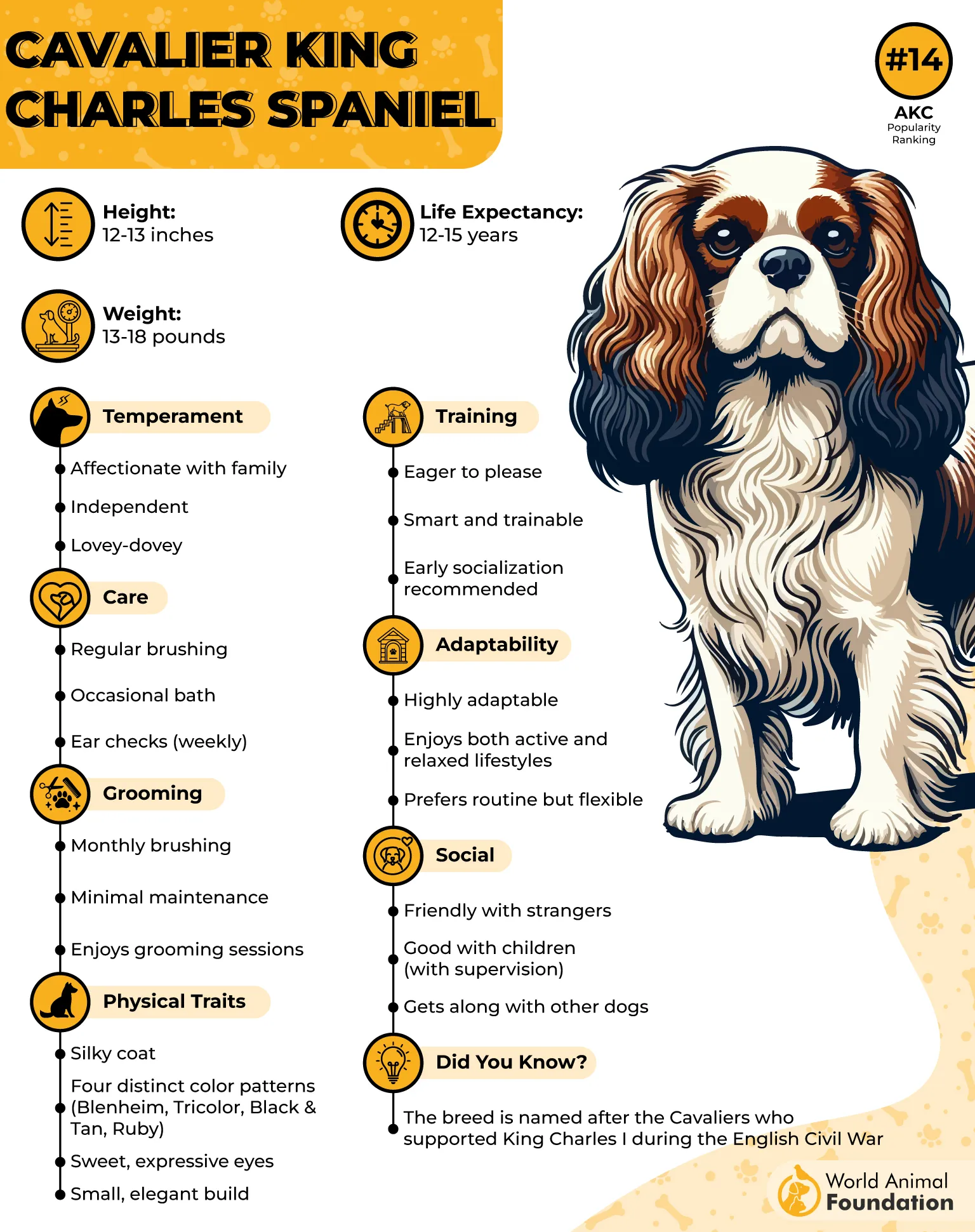
The Cavalier’s silky coat features feathering around the ears, legs, chest, and tail, making regular brushing important for preventing knots.
Its ears require routine checks, while dental care deserves particular attention because small dogs can be prone to periodontal problems. Responsible breeders, appropriate cardiac screening, and regular veterinary examinations are important considerations before bringing one home.
A Devoted Lap Companion for Quiet Evenings
Cavaliers often settle happily beside their owners during reading sessions, television time, or relaxed evenings at home. Their affectionate nature makes them particularly suited to people who want a dog that participates in everyday family life. Although they enjoy cuddles, they also benefit from walks, play, and opportunities to explore.
3. Shih Tzu
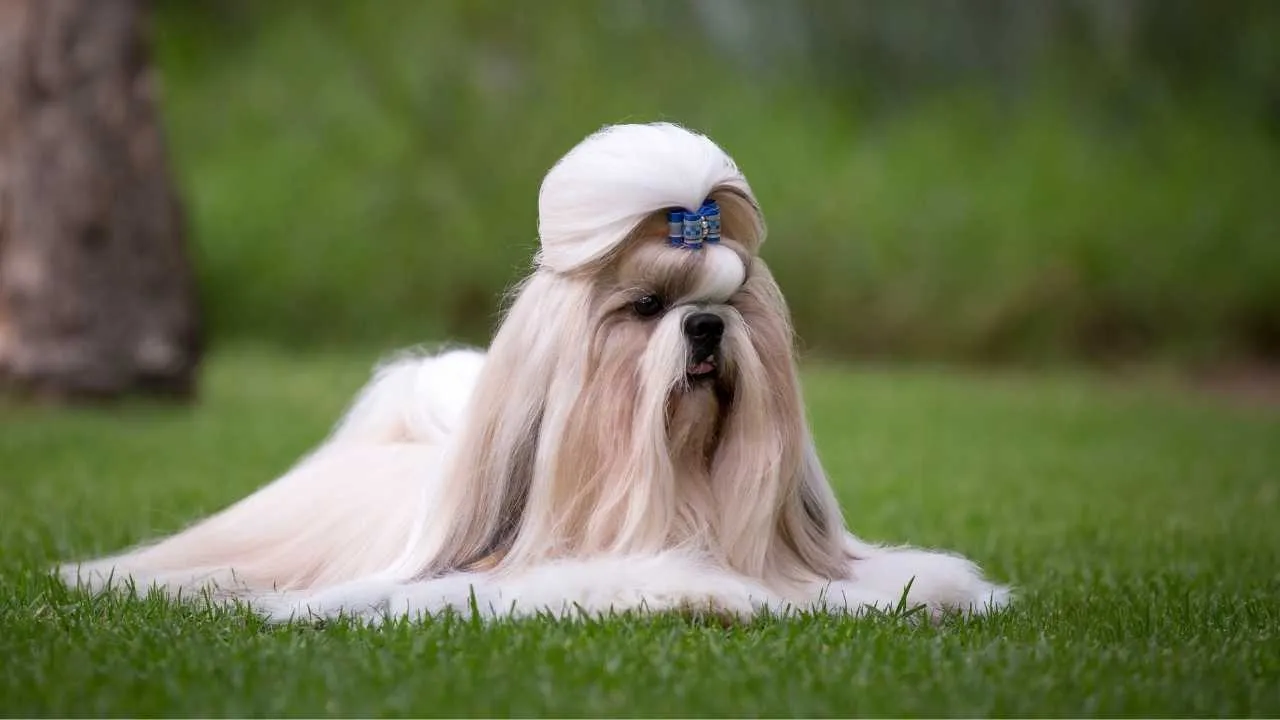
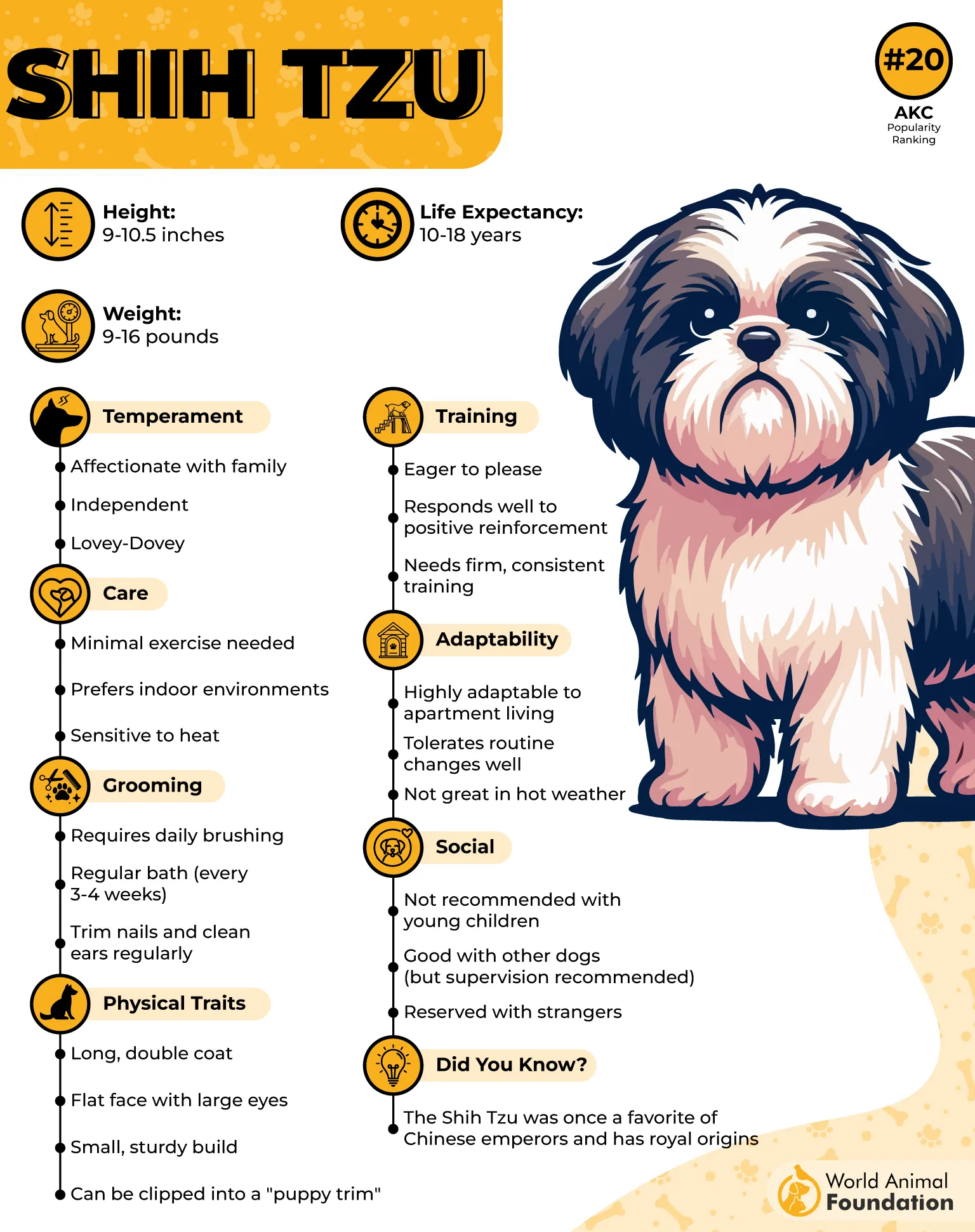
The Shih Tzu was bred as a companion dog in Chinese imperial households, and its history is reflected in its preference for close human company. With a compact body, expressive eyes, and distinctive facial hair, this small breed brings a cheerful presence to smaller living spaces. Shih Tzus can be playful without requiring the demanding exercise routine of many working breeds.
A Beauty Routine for a Floor-Level Companion
The Shih Tzu’s long, flowing coat needs daily brushing if kept at full length, while a shorter professional trim can make maintenance easier. Facial hair should be kept clean, and the eyes need regular attention because the breed’s facial structure can contribute to irritation.
Its short muzzle also makes breathing and heat regulation important concerns. Owners should arrange routine veterinary care and avoid strenuous activity during warm weather.
Small-Dog Comfort Without a Demanding Workout
Shih Tzus are often content to spend much of the day indoors, alternating between short play sessions and comfortable naps near their owners. Their modest exercise requirements can suit apartment residents and people who prefer gentle outdoor activities. A cool, comfortable resting area is particularly valuable because this short-muzzled breed can be vulnerable to overheating.
4. English Bulldog
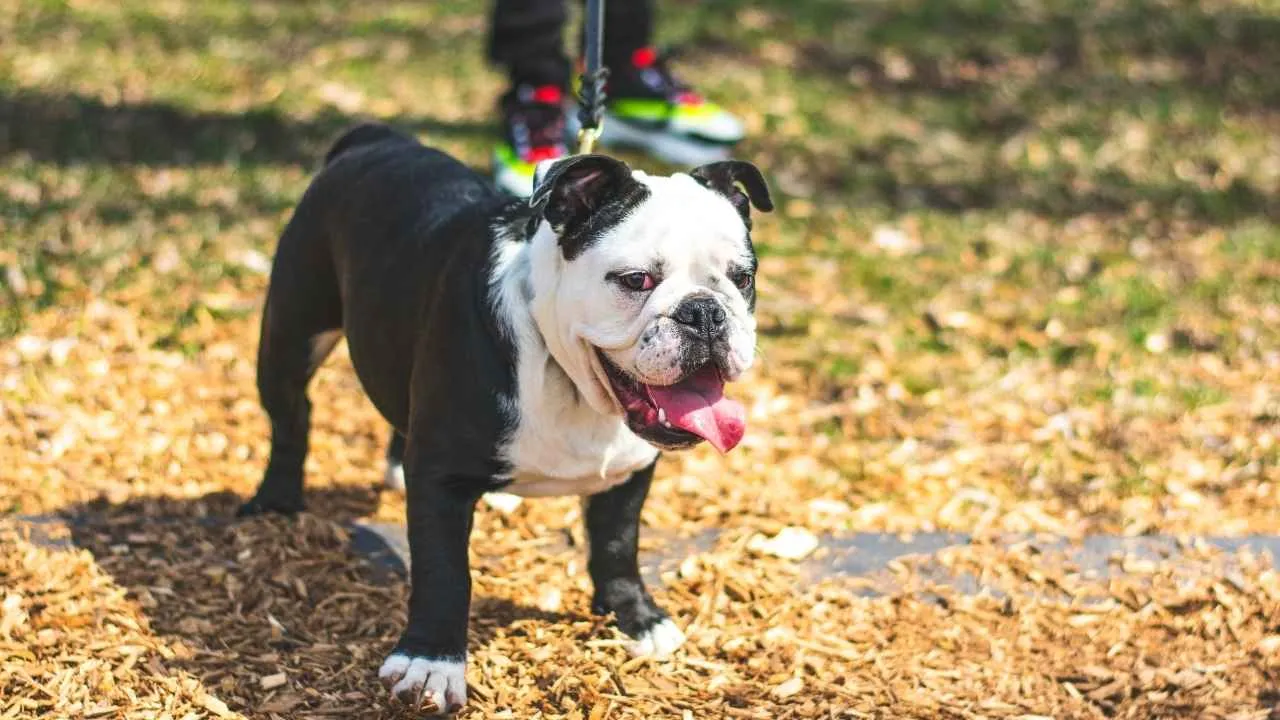
The English Bulldog has a stocky frame, broad shoulders, and unmistakable wrinkled face. Historically associated with bull-baiting, the modern breed has been developed primarily as a companion, although its muscular appearance reflects its ancestry.
Many English Bulldogs enjoy lounging close to their families and are less inclined toward prolonged, high-energy exercise. Their relaxed habits can suit quieter homes, provided their distinctive physical needs receive careful attention.
Caring for Wrinkles, Skin, and Breathing
The English Bulldog’s facial folds require gentle, regular cleaning and thorough drying to help prevent skin irritation. Its short coat benefits from weekly brushing, while nails, ears, and teeth need routine care.
The breed’s shortened muzzle can cause brachycephalic obstructive airway syndrome, and some dogs also experience joint or skin problems. Veterinary guidance, careful weight control, and attention to breathing difficulties are essential for supporting a comfortable life.
A Homebody That Prefers Cool, Calm Days
The English Bulldog often favors short walks and relaxed indoor time over strenuous outdoor adventures. Its heavy body and shortened muzzle can make heat and humidity especially dangerous, so exercise should be gentle and scheduled during cooler parts of the day. Owners should watch for excessive panting, noisy breathing, or unusual fatigue.
5. Greyhound
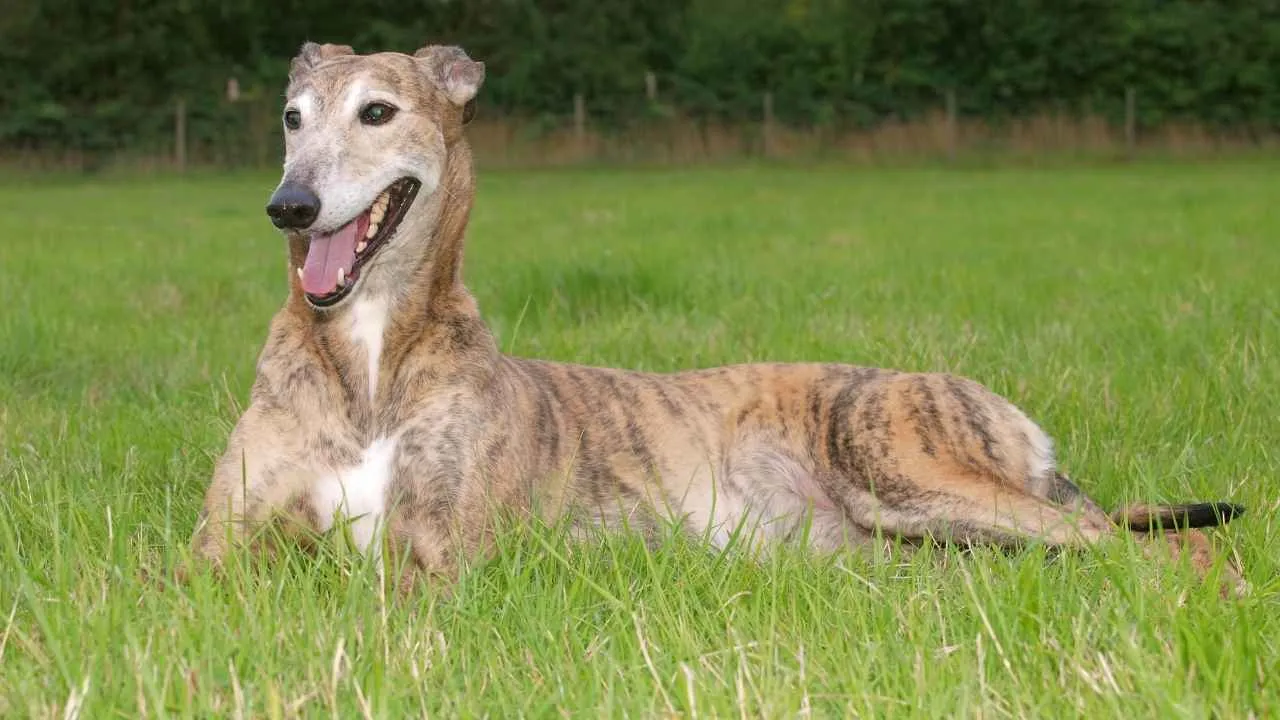
Greyhounds may be famous for their speed on the racetrack, but their lives at home can be remarkably peaceful. Bred for sight-based hunting and later widely used in racing, these long-legged dogs have athletic bodies designed for short bursts of speed rather than endless activity. Many enjoy stretching out on soft bedding after a walk.
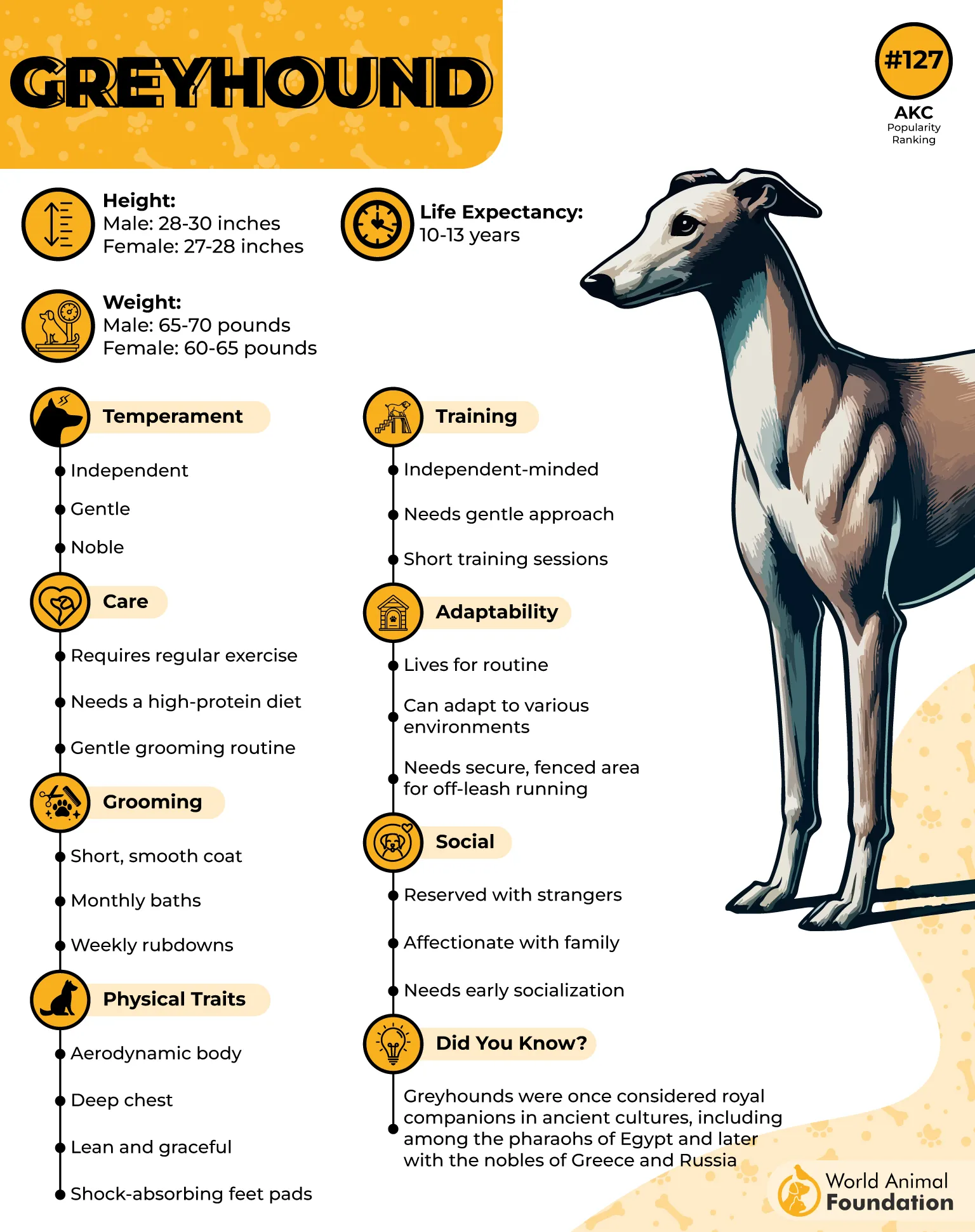
A Short Coat and a Need for Soft Bedding
The Greyhound’s fine, short coat requires little more than occasional brushing and basic skin care. Because it has little body fat and a thin coat, it may need a warm layer in cold weather and extra-soft bedding to protect prominent bones.
Dental disease can be a concern, making regular tooth brushing and veterinary checks worthwhile. Owners should also discuss appropriate nutrition and any individual health issues with their veterinarian.
A Couch-Loving Athlete With a Sprinter’s Energy
Greyhounds demonstrate that athletic ability and a relaxed home temperament can coexist. Many are satisfied with daily walks, opportunities to stretch their legs safely, and long periods of rest between activities. Their strong prey drive means off-leash exercise should take place only in secure, enclosed areas.
6. Clumber Spaniel
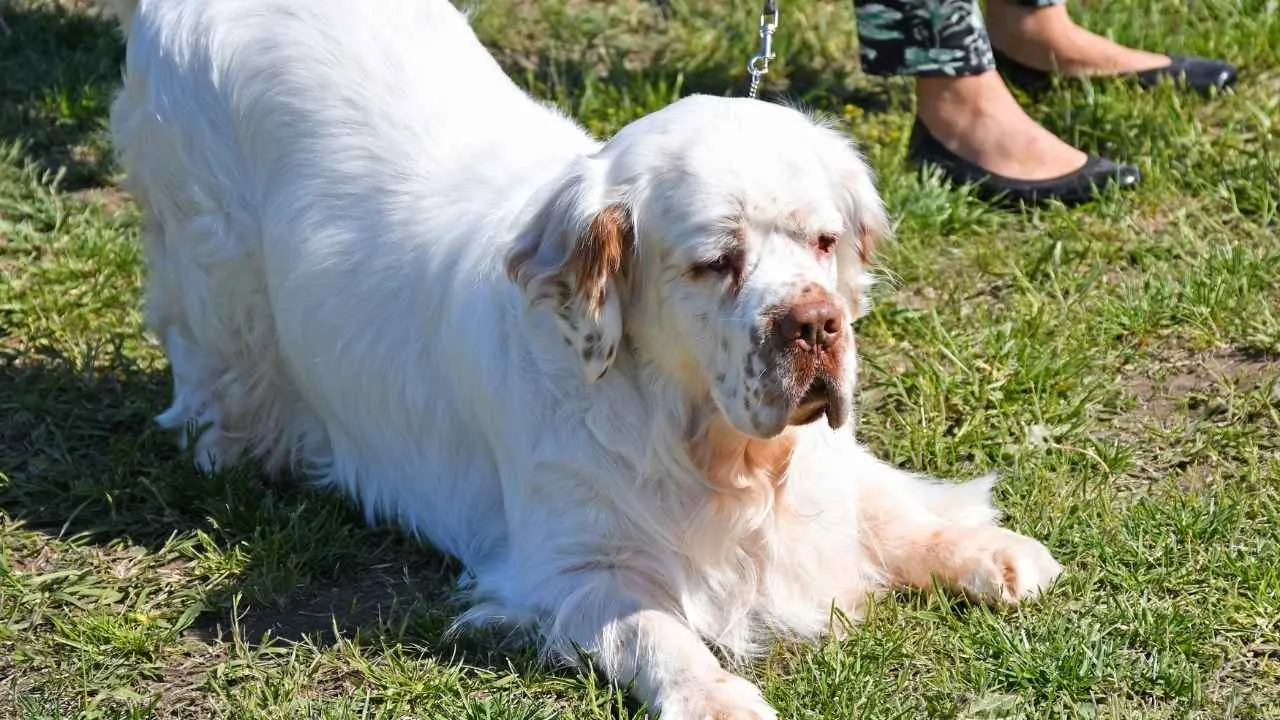
The Clumber Spaniel is a muscular breed developed in Britain for working through dense cover while flushing game birds. Its substantial build, low-slung body, and thoughtful expression distinguish it from lighter, more energetic spaniels.
Although it enjoys outdoor exploration, the Clumber is often known for a comparatively measured approach to activity. This combination of sporting heritage and easygoing companionship can appeal to owners who prefer unhurried adventures.
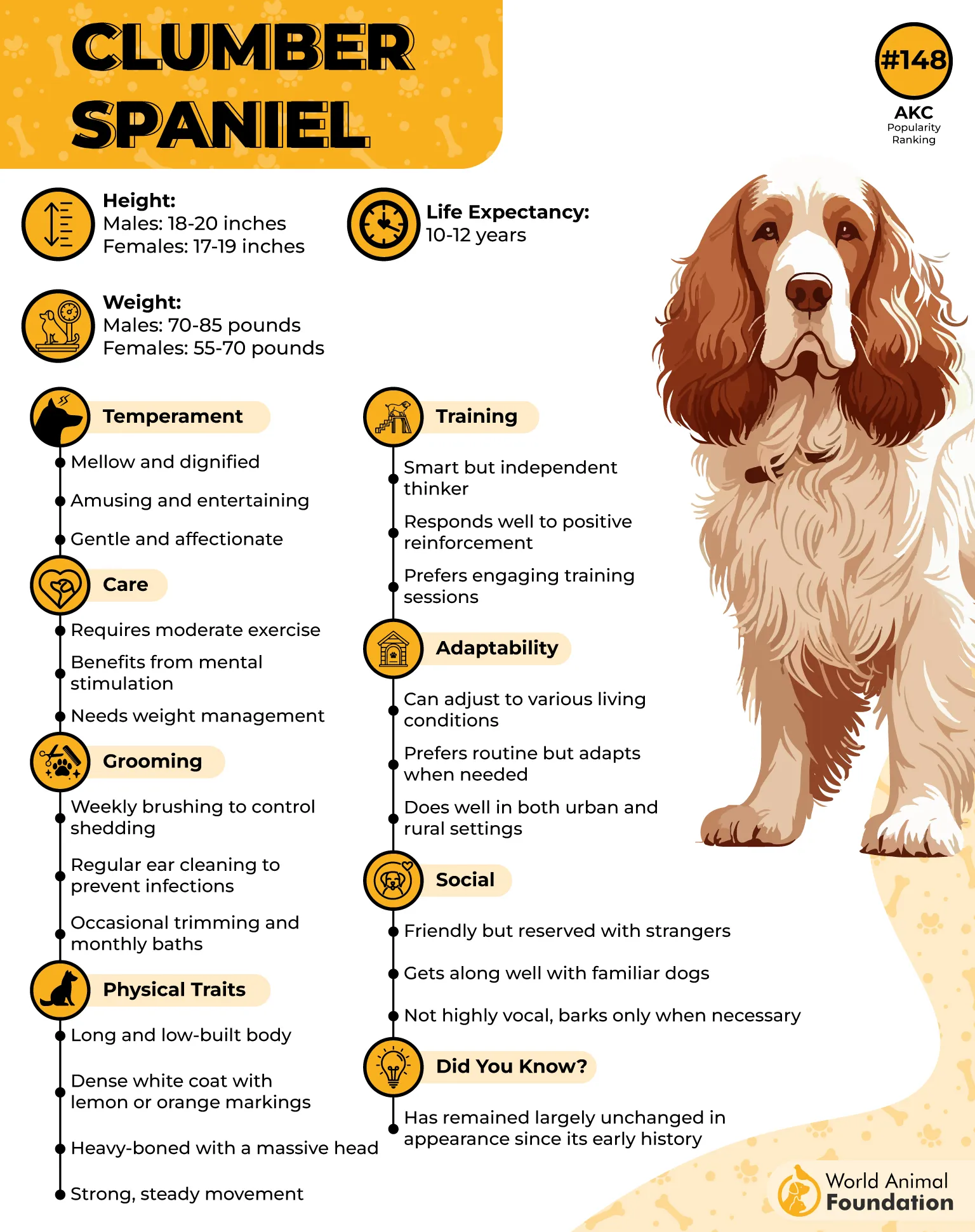
Managing a Dense Coat and a Drooling Habit
The Clumber Spaniel’s thick, feathered coat needs regular brushing to remove loose hair and prevent tangles around the ears, legs, and chest. Its long ears should be checked frequently, and owners may need to keep a cloth handy because some individuals drool considerably.
Hip and elbow dysplasia, eye conditions, and weight gain are potential concerns. A balanced diet, suitable exercise, and routine veterinary examinations help protect its long-term well-being.
A Steady Walking Partner for Unhurried Days
Clumber Spaniels are often better suited to steady walks and relaxed outdoor exploration than relentless high-speed activities. Their hunting background means they enjoy opportunities to investigate scents and explore interesting environments at their own pace. However, their sturdy bodies can become burdened by excess weight, so daily movement remains important.
7. Pekingese
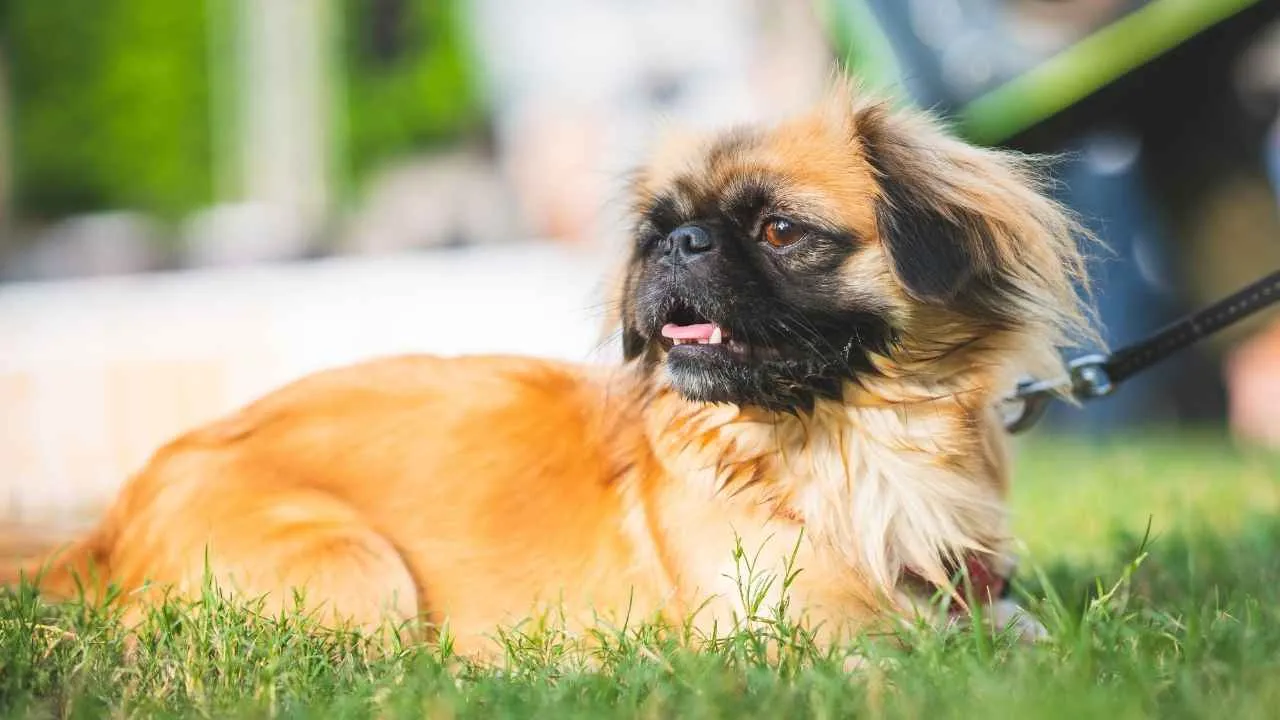
The Pekingese has a long history as a treasured companion in Chinese imperial courts, as per Britannica. Its compact body, distinctive flat face, and abundant mane give it a regal appearance, while its independent personality sets it apart from more openly eager-to-please breeds. Pekingese dogs often value a predictable home environment and close relationships with familiar people.
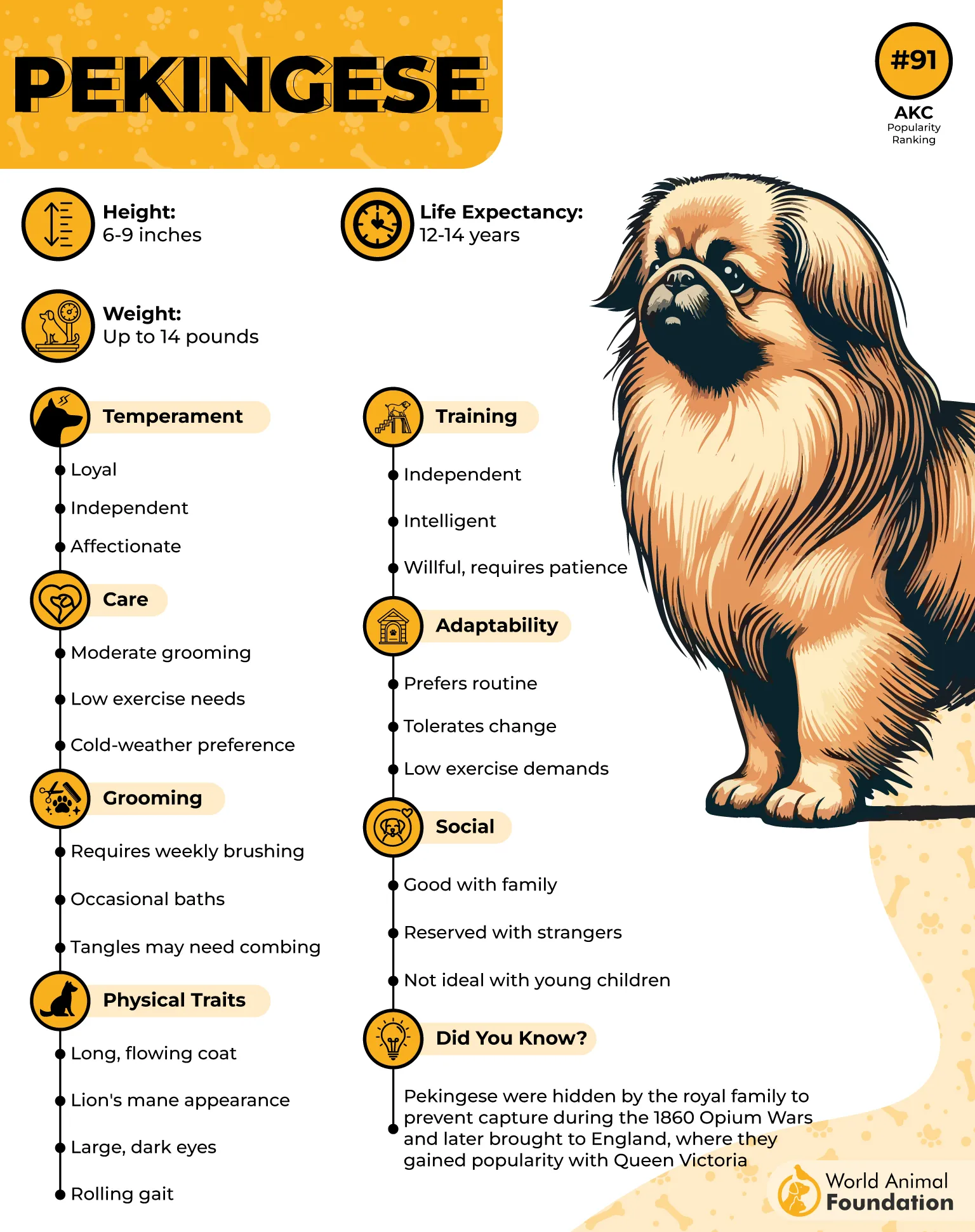
Keeping the Signature Mane Healthy and Tangle-Free
The Pekingese’s long double coat requires frequent brushing, especially around the mane, hindquarters, and feathered legs. Facial folds and the area around the eyes need careful cleaning, while the skin should be checked for irritation.
Its shortened muzzle can contribute to breathing difficulties and heat intolerance, and eye injuries are another concern because the eyes are prominent. Regular veterinary care and responsible breeding choices are particularly important for this breed.

A Regal Lounger With a Preference for Routine
Pekingese dogs often enjoy calm indoor surroundings, familiar resting places, and attention from trusted family members. They generally do not need intense exercise, although short walks and gentle play help maintain mobility and a healthy weight. Their independent streak means companionship works best when paired with patient, consistent training.
8. Newfoundland
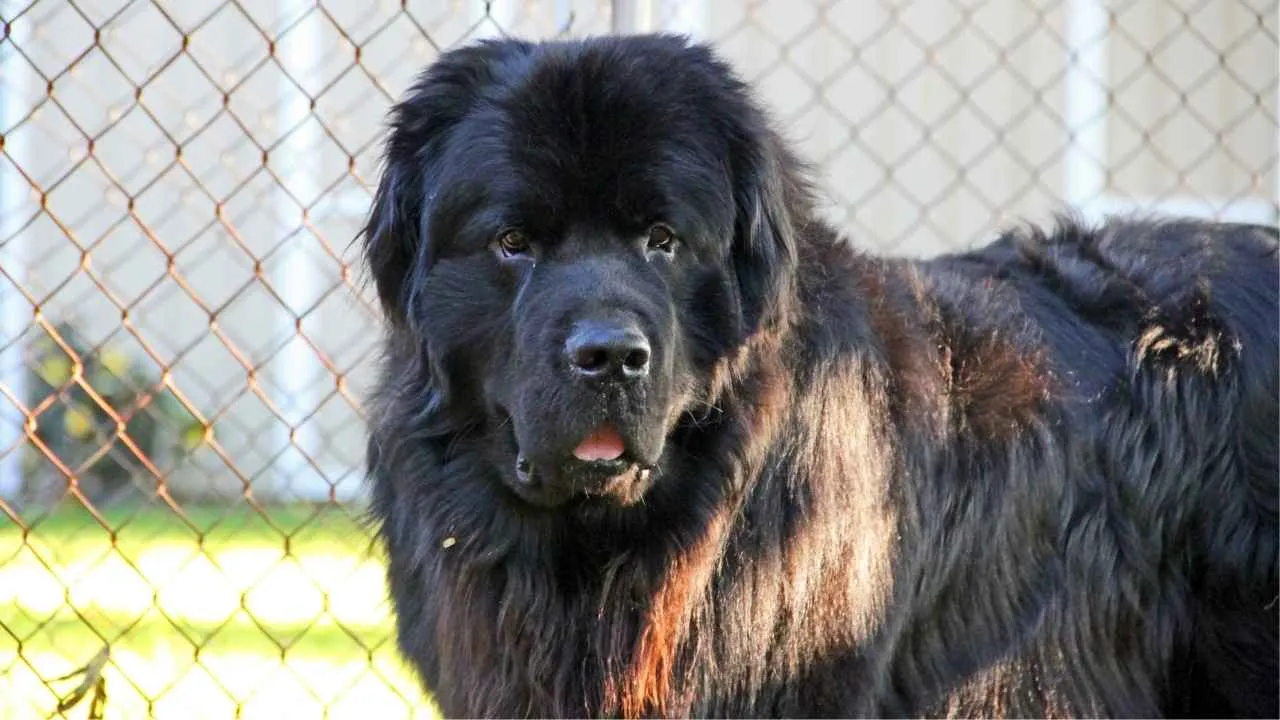
The Newfoundland developed in Canada, where working dogs helped fishing communities with demanding tasks around the water. Known for its enormous frame, webbed feet, and water-resistant coat, the breed has traditionally excelled at swimming and water rescue. Despite its size, the Newfoundland is often admired for a gentle, patient temperament.
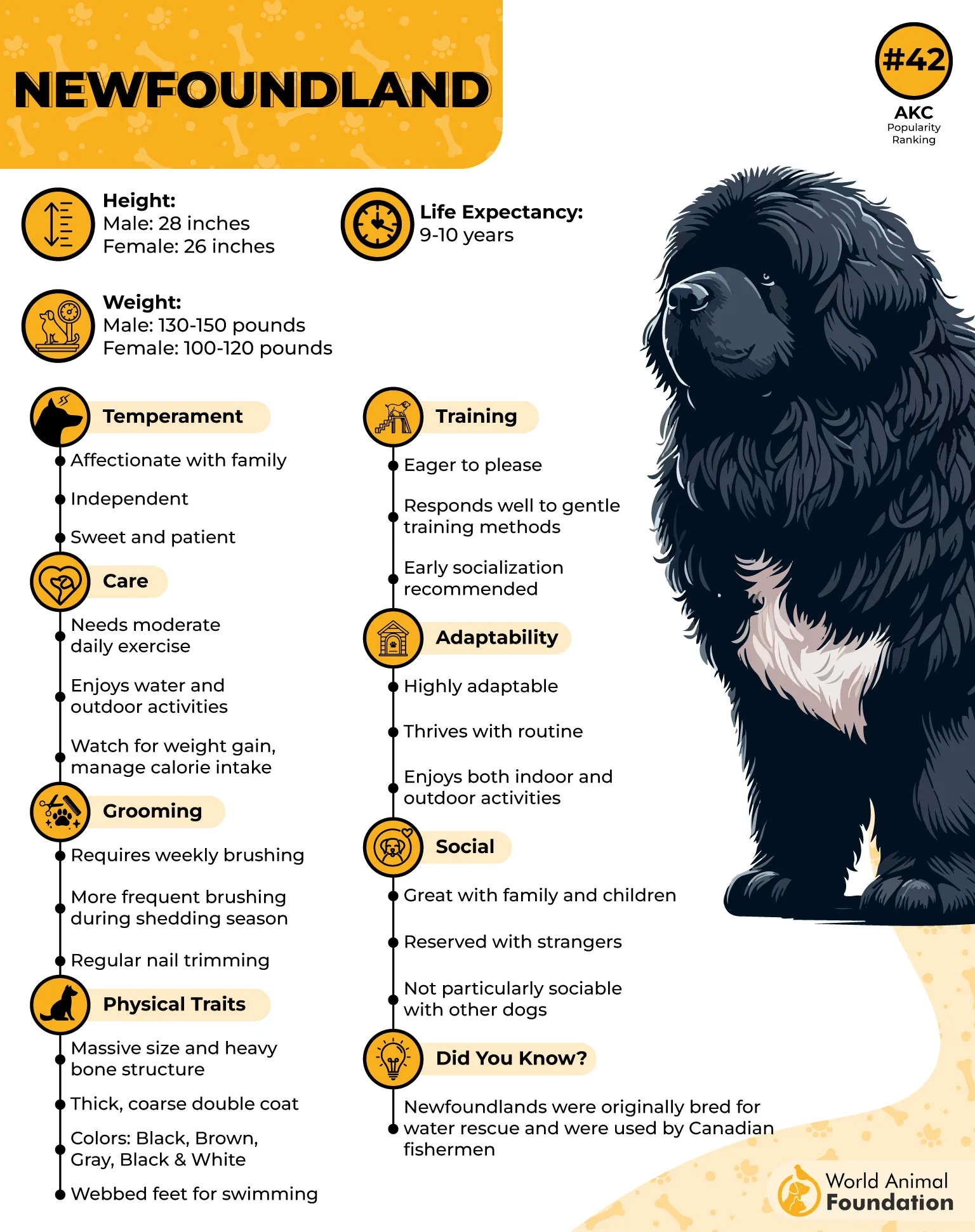
Managing Heavy Fur, Drool, and a Giant Frame
The Newfoundland’s dense double coat needs thorough brushing several times a week, with extra attention during heavy shedding seasons. Many individuals drool, and their ears and skin should be checked regularly after swimming or outdoor activities.
Hip and elbow dysplasia, heart conditions, and bloat are important health considerations. Large-breed nutrition, careful weight management, and veterinary guidance throughout growth are essential for supporting healthy joints and overall development.
A Gentle Giant That Enjoys a Peaceful Household
Newfoundlands are often calm indoors when their physical and social needs are met. Their large size means they need generous resting space and careful management around slippery floors and stairs. They also struggle in hot weather because of their thick coats, so cool surroundings and sensible exercise planning are vital.
9. Saint Bernard
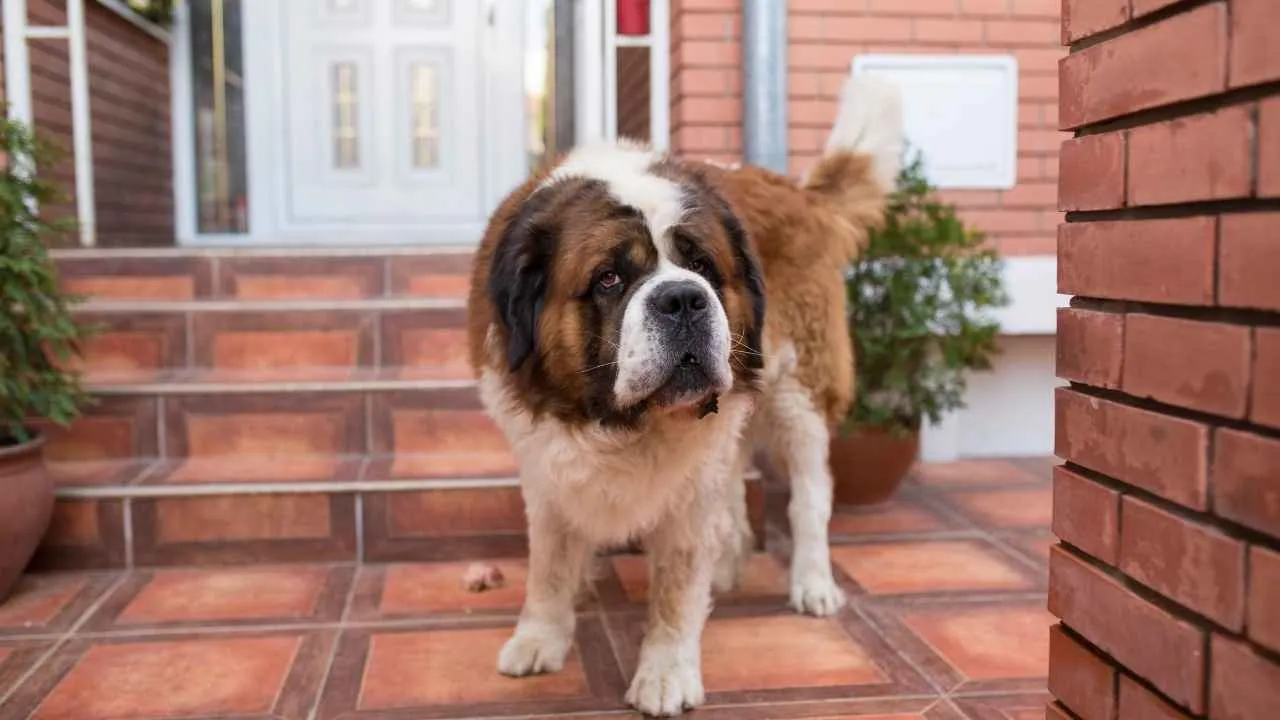
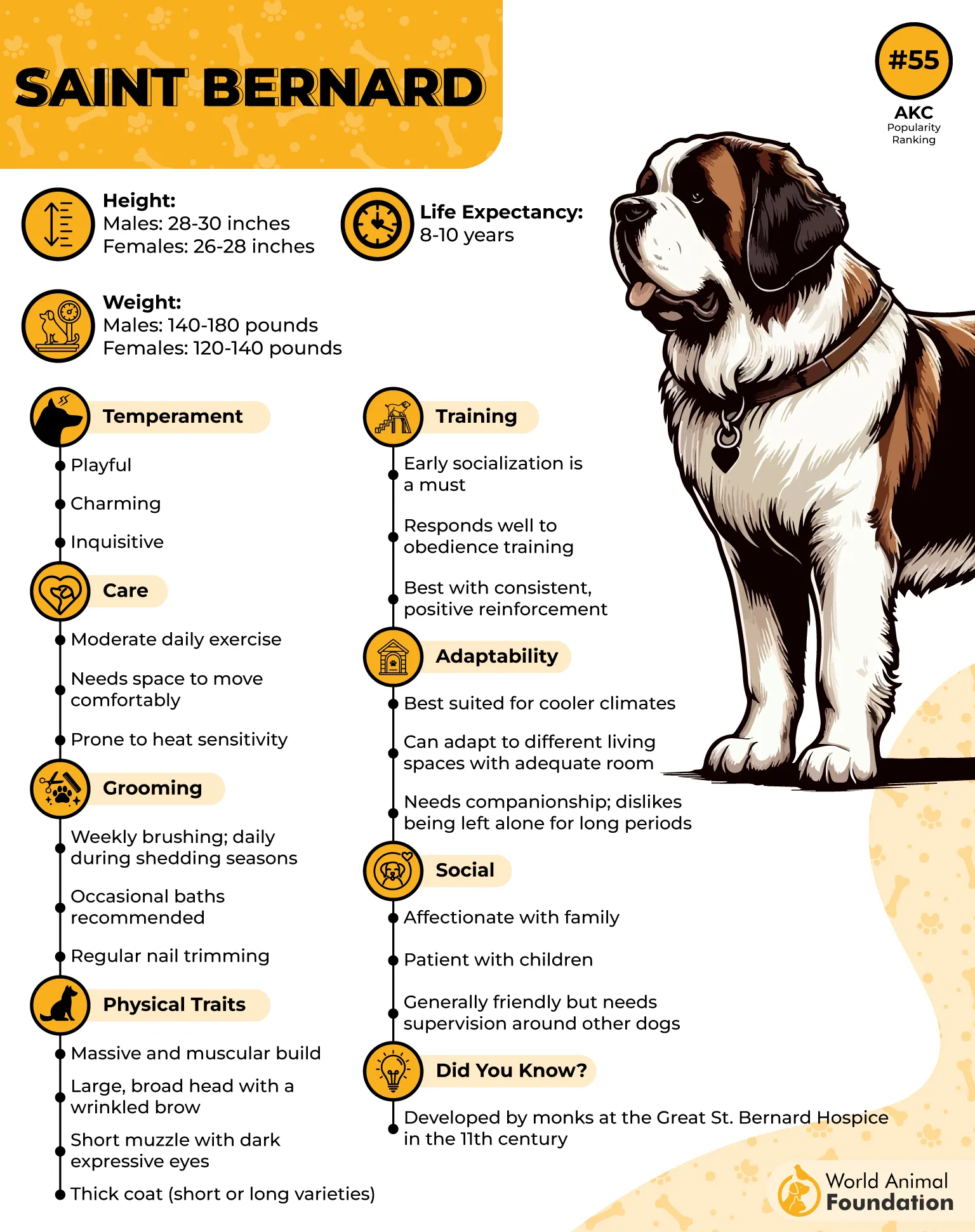
The Saint Bernard is closely associated with the Swiss Alps, where its ancestors became famous for assisting at a mountain hospice and helping travelers in difficult conditions, as per the AKC. Its imposing size, broad head, and powerful body reflect a history of working in challenging terrain. Today, many Saint Bernards are valued for their patient and affectionate demeanor.
Looking After a Giant Dog’s Coat and Joints
Saint Bernards come in short-haired and long-haired varieties, and both benefit from regular brushing to control shedding. Their facial areas may need cleaning, particularly in dogs that drool heavily. Hip and elbow dysplasia, heart problems, and gastric dilatation-volvulus, commonly called bloat, are potential health concerns.
A Patient Companion Built for Slow-Paced Living
Saint Bernards often prefer steady walks, family interaction, and comfortable periods of rest over demanding athletic routines. Their affectionate nature can make them appealing companions for people who enjoy a calm presence around the house. Nevertheless, their size creates practical considerations, from fitting comfortably into a home to helping them move safely on stairs and slippery floors.
10. Tibetan Spaniel
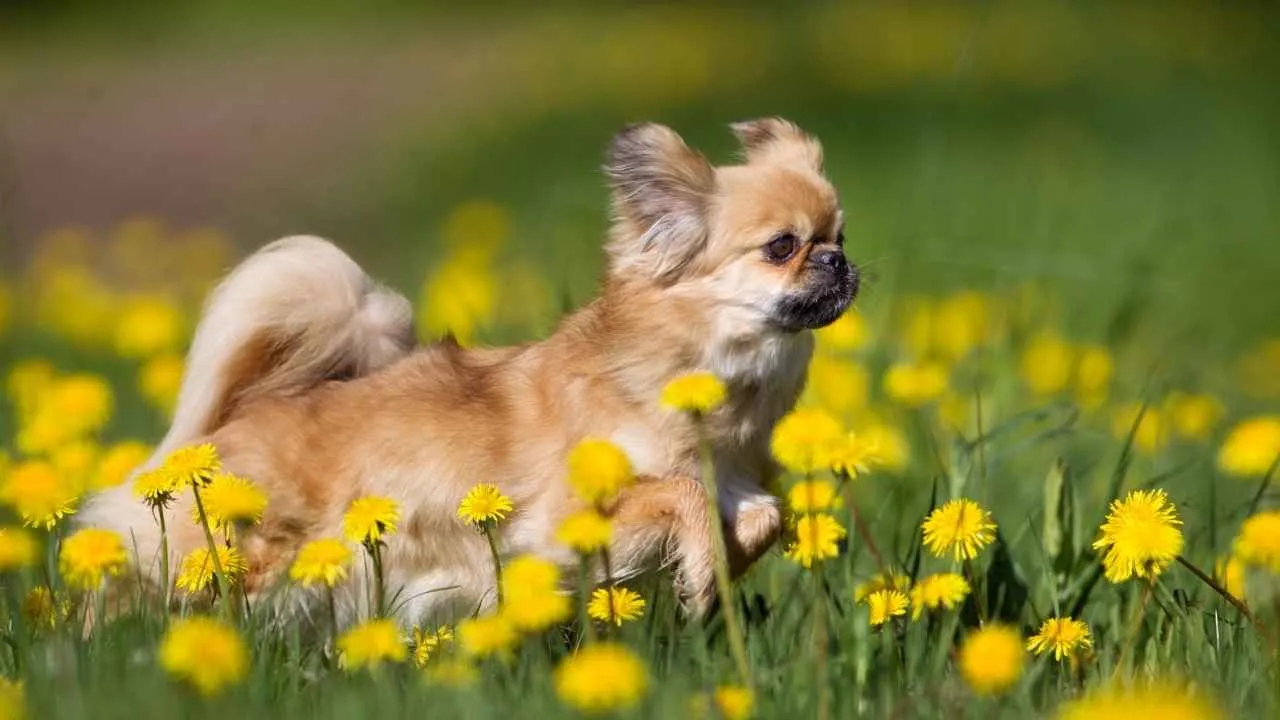
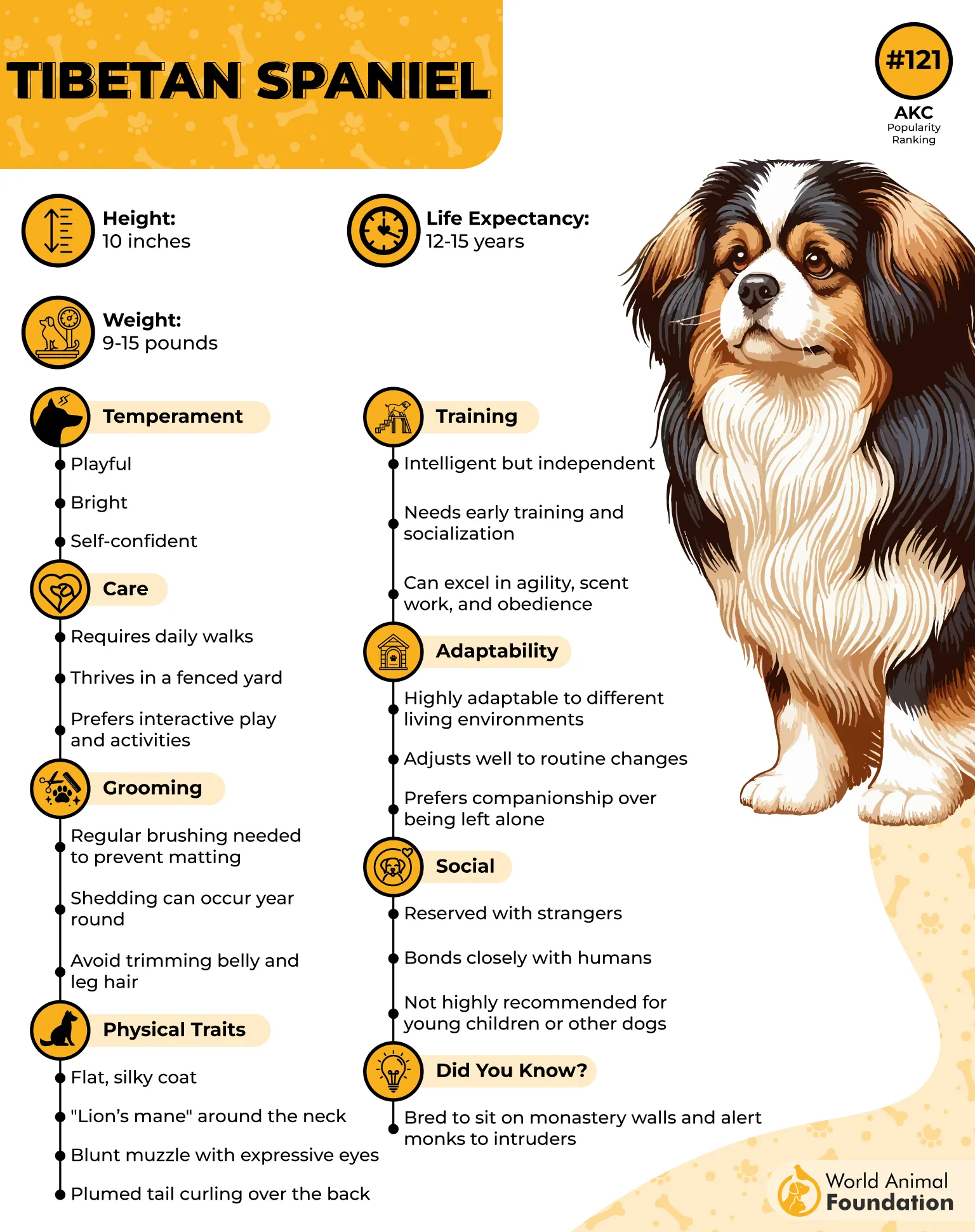
The Tibetan Spaniel originated in the Himalayan region, where these small dogs served as companions and watchdogs in monasteries and homes, as per the UKC. Unlike breeds developed for heavy labor or extended hunting, the Tibetan Spaniel was valued for its alertness, companionship, and ability to observe activity from elevated positions.
Simple Coat Care and Attention to Dental Health
The Tibetan Spaniel’s silky double coat usually needs brushing a few times a week, with extra care around feathered areas during shedding. Its ears, nails, and teeth also require regular maintenance, and daily tooth brushing can help reduce the risk of periodontal disease. Responsible breeders should screen for inherited eye conditions and other relevant health concerns.
An Alert Little Companion for Quiet Homes
Tibetan Spaniels often enjoy relaxing close to their families while remaining interested in sounds and movement around the home. Their modest size and adaptable exercise needs can suit apartment living, although daily walks and interactive play are still important.
Conclusion
Some pups are affectionate lap companions, others are quiet indoor athletes, and several bring a patient, gentle presence to family life. Their individual temperaments show that a relaxing dog does not have to fit one particular size or personality type.
However, a laid-back temperament should never be mistaken for an absence of care requirements. Short-muzzled breeds need special attention to breathing and temperature, giant dogs require careful joint and weight management, and long-coated companions depend on consistent grooming. Every dog also benefits from suitable exercise, mental stimulation, veterinary care, and positive social interaction.
Choosing the right companion means matching a dog’s individual needs with the household’s daily routine. By considering temperament, health, grooming, and activity requirements together, prospective owners can find a breed that makes peaceful moments at home even more rewarding.
